



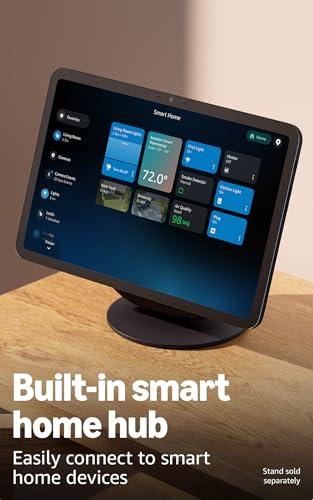
Smart displays have evolved from simple photo frames to powerful home command centers, and Amazon's Echo Show lineup sits at the heart of this transformation. These devices combine large touchscreens with voice assistants, essentially replacing multiple gadgets with a single hub that manages everything from your morning calendar to your evening entertainment.
When choosing between the Amazon Echo Show 15 and the newer Echo Show 11, you're really deciding between two different philosophies of smart home integration. The Show 15 prioritizes maximum visibility and entertainment features, while the Show 11 focuses on modern AI capabilities and superior audio in a more compact form. Understanding these fundamental differences will help you choose the right device for your specific needs and living situation.
Before diving into the comparison, it's worth understanding what makes these devices tick. Both Echo Shows run on custom processors that handle voice recognition, display rendering, and smart home communication simultaneously. They act as "hubs" - central connection points that communicate with other smart devices in your home using wireless protocols like Zigbee (a low-power network for sensors and switches), Matter (a universal smart home standard), and Thread (a mesh network that creates reliable device connections).
The key considerations when evaluating smart displays include screen size and readability from various distances, audio quality for music and calls, smart home integration capabilities, AI assistant responsiveness, entertainment features, and camera quality for video calls. Each of these factors significantly impacts daily usability and long-term satisfaction.
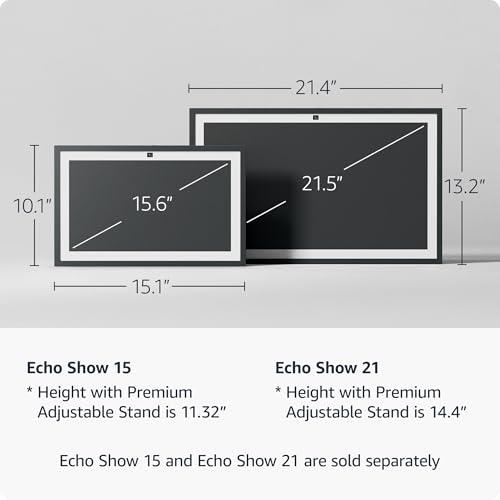
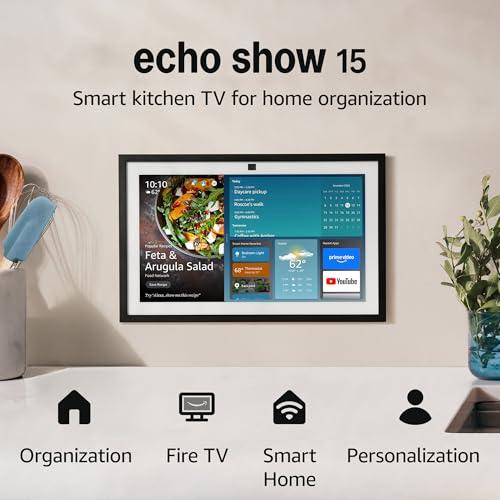
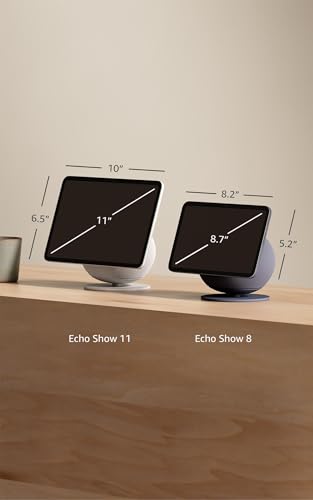
The most obvious difference between these devices is screen real estate. The Echo Show 15 sports a massive 15.6-inch display with 1920×1080 resolution, while the Echo Show 11 features an 11-inch screen. But size isn't just about bigger being better - it's about matching the display to your intended use.
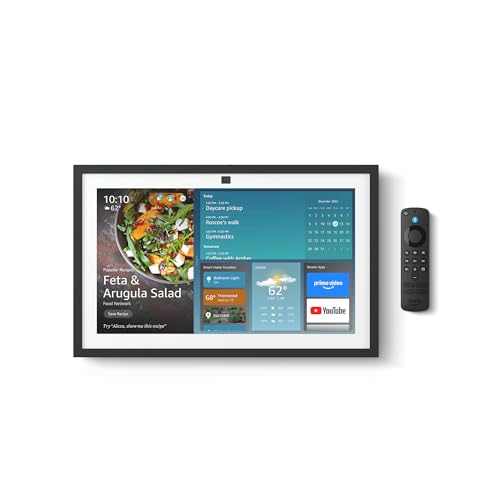
The Show 15's large format excels in shared spaces where multiple family members need to view information simultaneously. Its 141 pixels per inch (PPI) density means text and images remain sharp even when viewed from across a kitchen or living room. This makes it exceptional for displaying family calendars, shopping lists, or weather information that everyone needs to see. The ability to mount it in either landscape or portrait orientation adds flexibility for different wall spaces and information layouts.
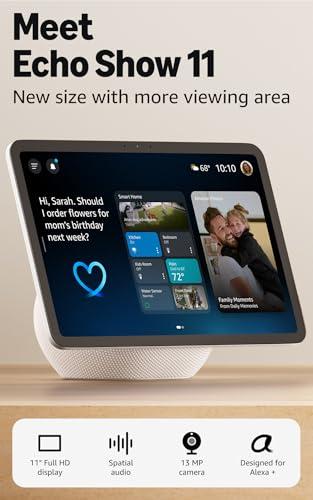
The Echo Show 11, with its smaller 11-inch display, delivers higher pixel density in a more intimate form factor. While specific PPI numbers aren't available at the time of writing, the reduced size typically translates to sharper text and images when viewed up close. This makes it better suited for individual use scenarios - reading recipes while cooking, making video calls from a desk, or watching content in a bedroom or office setting.
From a practical standpoint, the Show 15 requires dedicated wall mounting to truly shine, while the Show 11 works well on countertops or side tables. If you're working with limited counter space or prefer a device that doesn't dominate the room visually, the Show 11's more modest footprint becomes a significant advantage.
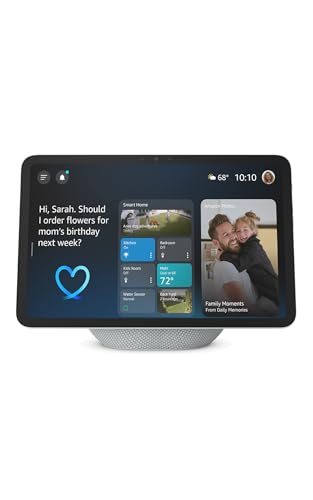
Perhaps the most important technical difference lies in the AI capabilities. The Echo Show 11, launched in 2025, debuts with Alexa+ - Amazon's next-generation conversational AI that represents a significant leap forward in smart assistant technology.
Alexa+ introduces contextual memory, meaning it remembers previous conversations and can reference them in future interactions. For example, if you ask about dinner plans on Tuesday and later mention "that restaurant we discussed," Alexa+ understands the connection. It also handles multi-step requests more naturally - you can say "remind me to call mom after the meeting ends and add her birthday to next month's calendar" as a single command rather than breaking it into separate requests.
The Echo Show 15, running standard Alexa, provides reliable but more basic interactions. Each request is essentially treated as isolated, requiring more specific language and step-by-step commands. While this Alexa version handles routine tasks effectively, it lacks the conversational flow and contextual understanding that makes Alexa+ feel more like talking to a knowledgeable assistant rather than a voice-activated computer.
This AI difference becomes particularly noticeable in smart home scenarios. Alexa+ can better understand complex automation requests and learn your routines to make proactive suggestions. However, it's worth noting that Amazon may eventually update older devices with newer AI capabilities, though there's no guarantee the Show 15's hardware can support all Alexa+ features.
Audio quality represents one of the most significant performance differences between these devices, and it's where the Echo Show 15 shows its age and design compromises most clearly.
The Show 15's audio system consists of two 2-inch woofers and two 0.6-inch tweeters positioned behind the device. This rear-firing design was chosen to maintain the slim profile necessary for wall mounting, but it creates several acoustic challenges. The sound bounces off the wall before reaching your ears, which can muddy the audio and reduce clarity. Bass response suffers particularly, with low frequencies sounding unclear and lacking the punch needed for music enjoyment.
Multiple expert reviews consistently criticize the Show 15's audio as adequate for voice calls and news broadcasts but poor for music listening. The mid-frequency range receives artificial boosting that creates distortion at higher volumes, while high frequencies sound muted and lack the sparkle that makes music engaging. If you plan to use your smart display for music streaming, the Show 15 really benefits from pairing with external Bluetooth speakers.
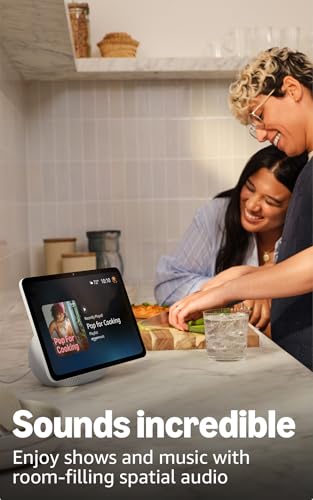
The Echo Show 11 addresses these audio shortcomings with a redesigned speaker system that fires sound forward rather than backward. While detailed specifications weren't available at the time of writing, Amazon's focus on improving audio quality in their 2025 redesign suggests significant improvements over the Show 15. The front-facing drivers should provide clearer dialog for video calls and better stereo separation for music listening.
This audio difference matters more than you might initially think. Smart displays often serve as kitchen radios, podcast players during meal prep, or background music sources during family time. Poor audio quality can make these experiences frustrating and push you toward using other devices instead of your smart display.
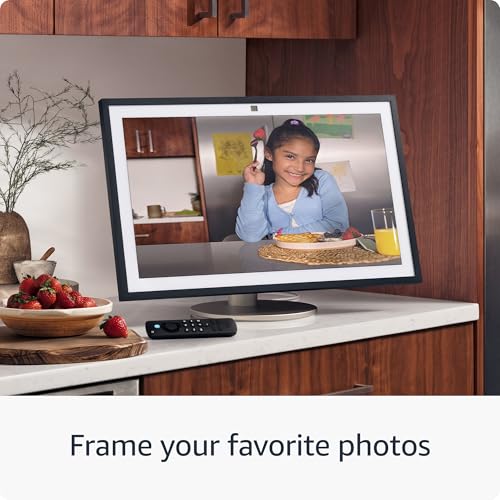
For entertainment capabilities, the Echo Show 15 holds a clear advantage with its built-in Fire TV integration. This feature essentially transforms the device into a compact smart TV, providing access to Netflix, Disney+, Prime Video, YouTube, and dozens of other streaming services. The included Fire TV remote makes navigation smooth, and the 15.6-inch screen size makes casual viewing genuinely enjoyable.
The Fire TV integration works particularly well in kitchen settings, where the Show 15 can display cooking videos, stream morning news, or provide background entertainment during meal preparation. The large screen makes it viable as a secondary TV for spaces where a full television would be overkill but where you still want quality video content.
The Echo Show 11 likely includes basic streaming capabilities, but specific Fire TV integration details weren't confirmed at the time of writing. The smaller screen size also makes it less suitable for group viewing, positioning it more as a personal entertainment device rather than a family-focused streaming hub.
This entertainment difference becomes crucial if you're considering the smart display as a kitchen TV replacement or family entertainment center. The Show 15's combination of large screen and comprehensive streaming support makes it genuinely useful for casual video watching, while the Show 11 is better suited for individual content consumption.
Both devices excel as smart home hubs, supporting the key protocols that connect modern smart devices. Zigbee support allows direct control of sensors, switches, and bulbs without requiring separate hubs. Matter compatibility ensures future-proofing as the industry standardizes on this universal protocol. Thread support creates mesh networks that improve reliability for battery-powered devices like door sensors and motion detectors.
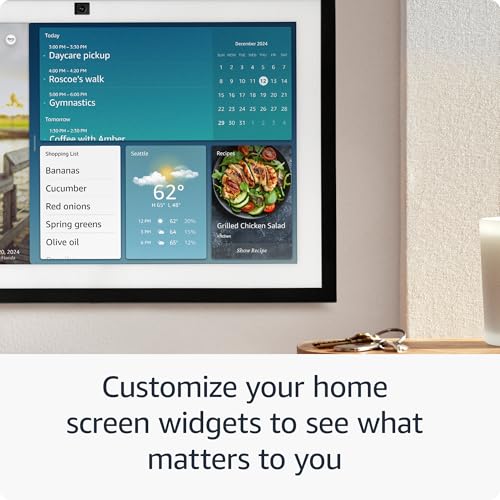
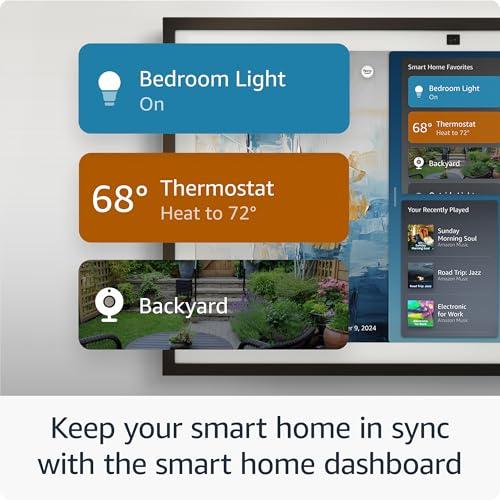
The practical impact of these hub capabilities means you can control lights, thermostats, security cameras, and other smart devices directly through the display's touchscreen widgets or voice commands. Both devices can display live camera feeds, control lighting scenes, and manage complex automation routines.
Where the Echo Show 11 gains an edge is through its enhanced AI integration. Alexa+ can better understand complex smart home requests like "turn on the living room lights when I get home, but only if it's after sunset and someone else is already here." This kind of contextual, multi-condition automation represents the future of smart home control.
Both devices feature upgraded 13-megapixel cameras, a significant improvement from the 5-megapixel sensors used in earlier Echo Show generations. These cameras support auto-framing technology that automatically zooms and pans to keep you centered during video calls, even as you move around the room.
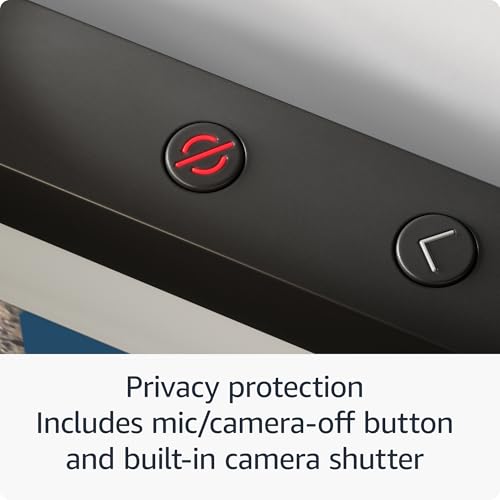
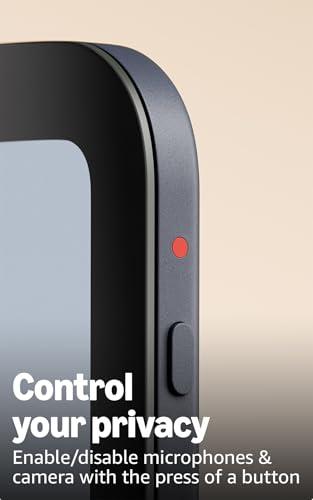
The cameras include privacy shutters - physical covers that completely block the lens when closed - addressing common security concerns about always-connected devices. The auto-framing works through software analysis of the video feed, identifying faces and adjusting the frame to maintain good composition.
For video calling performance, the Echo Show 15 benefits from its larger screen, making group calls more comfortable and allowing better visibility of multiple participants. The Echo Show 11 provides equally sharp video quality but in a more intimate format better suited for one-on-one conversations.
Both devices limit video calling to other Amazon devices or the Alexa app, which restricts their usefulness compared to tablets or computers that support Zoom, Skype, or other popular video platforms. This limitation is worth considering if video calling is a primary use case.
When evaluating smart display performance, several metrics prove most important in daily use:
Response latency - the time between voice commands and device response - significantly impacts user satisfaction. Both devices perform well here, though the Show 11's newer processor may provide marginal improvements.
Touch responsiveness affects how smoothly you can navigate between widgets and apps. The Show 15 sometimes feels sluggish during complex operations, while the Show 11's modern hardware should provide more tablet-like responsiveness.
Display brightness and color accuracy determine readability in various lighting conditions. Neither device supports HDR (High Dynamic Range), which limits color vibrancy compared to premium tablets or TVs, but both provide adequate brightness for typical home environments.
Audio clarity and volume matter for voice assistant interactions, video calls, and entertainment. This represents the Show 15's weakest performance area and the Show 11's most significant improvement.
Neither device truly serves as a home theater component in the traditional sense, but they can enhance entertainment setups in specific ways. The Echo Show 15, with its Fire TV integration and large display, works well as a secondary viewing device in kitchens, bedrooms, or offices where a full TV installation isn't practical.
The Show 15's audio limitations become more apparent in entertainment scenarios. While adequate for casual viewing, the rear-firing speakers and lack of bass response mean you'll want external audio for serious movie watching or music listening. The device does support Bluetooth audio output, making it easy to connect to better speakers or soundbars.
For home theater enthusiasts, both devices serve better as control interfaces than entertainment sources. They can display security camera feeds, control smart lighting for movie ambiance, or manage streaming device selection through voice commands.
The decision between these devices largely depends on your specific use case and household dynamics.
Choose the Echo Show 15 if you're prioritizing family use and entertainment features. Its large display excels in shared spaces where multiple people need to view information simultaneously. The Fire TV integration makes it genuinely useful as a kitchen TV or casual streaming device. However, plan on using external speakers for music listening, and ensure you have appropriate wall mounting space.
The Show 15 makes most sense for families with busy schedules who want a central information hub, households looking to replace a small TV in kitchen or common areas, and users who prioritize screen size over audio quality or cutting-edge AI features.
Choose the Echo Show 11 if you value modern AI capabilities and superior audio in a more compact package. The Alexa+ integration provides significantly better conversational interactions and smart home automation potential. The improved audio design makes it more suitable for music listening and video calls.
The Show 11 works best for individual users who want a personal smart assistant, households with limited counter space, users who prioritize audio quality for music and podcasts, and early adopters who want the latest AI technology.
At the time of writing, the Show 11 typically costs less than the Show 15, making it an attractive value proposition for users who don't need the larger display. The price difference often justifies choosing the newer device unless you specifically require the 15.6-inch screen size.
Smart displays represent a long-term investment in your home's technology infrastructure. Consider how you'll primarily use the device - as a family information center, personal assistant, entertainment hub, or smart home controller.
The Echo Show 15 remains the better choice for households prioritizing shared use and entertainment, despite its audio limitations and older AI technology. Its large display and Fire TV integration create genuine utility that smaller devices can't match.
The Echo Show 11 represents Amazon's vision for the future of smart displays, with superior AI, better audio design, and modern hardware that should remain relevant longer. For most users, especially those using the device individually or in smaller spaces, it offers better overall value and performance.
Both devices will continue receiving software updates and new features over time, but the Show 11's newer hardware and AI capabilities position it better for future enhancements. Unless you specifically need the Show 15's large display for family use or entertainment, the Show 11's combination of modern features, better audio, and competitive pricing make it the smarter choice for most buyers.
| Amazon Echo Show 15 | Amazon Echo Show 11 |
|---|---|
| Display Size - Critical for visibility and shared family use | |
| 15.6-inch touchscreen (1920x1080) - Excellent for wall mounting and group viewing | 11-inch touchscreen - Better for personal use and smaller spaces |
| AI Assistant Technology - Determines conversation quality and smart home capabilities | |
| Standard Alexa (basic voice commands, limited context) | Alexa+ (conversational memory, multi-step requests, contextual understanding) |
| Audio Quality - Most important for music, calls, and entertainment | |
| Poor - rear-firing speakers create muddy sound, requires external speakers for music | Significantly improved - front-firing speakers with better clarity and bass |
| Release Generation - Indicates how future-proof the technology is | |
| 2021 original, 2024 refresh (mature but aging technology) | 2025 launch (latest hardware and AI integration) |
| Entertainment Features - Determines streaming and TV replacement capabilities | |
| Built-in Fire TV with remote, full Netflix/Disney+ support | Basic streaming capabilities (Fire TV integration unclear) |
| Camera Quality - Important for video calls and smart home monitoring | |
| 13MP auto-framing camera with privacy shutter | 13MP auto-framing camera with privacy shutter |
| Smart Home Hub Capabilities - Controls connected devices without additional hubs | |
| Zigbee, Matter, Thread support | Zigbee, Matter, Thread support with enhanced AI automation |
| Form Factor and Mounting - Affects placement flexibility in your home | |
| Designed for wall mounting, landscape/portrait options, picture frame aesthetic | Countertop friendly, also wall-mountable, more compact footprint |
| Processor Technology - Impacts responsiveness and future feature support | |
| Standard processing (adequate for current features) | AZ3 Pro custom silicon with AI accelerator (future-ready) |
| Target User - Who gets the most value from each device | |
| Families needing shared information hub and kitchen TV replacement | Individual users wanting modern AI and better audio in compact form |
The Amazon Echo Show 15 has a 15.6-inch display, while the Amazon Echo Show 11 features an 11-inch screen. The larger Echo Show 15 is better for family use and viewing from across the room, while the Echo Show 11 works well for personal use and smaller spaces.
The Amazon Echo Show 11 has significantly better audio quality with front-firing speakers, while the Echo Show 15 has poor audio with rear-firing speakers that create muddy sound. If you plan to listen to music, the Echo Show 11 is the clear winner, though the Echo Show 15 works better with external Bluetooth speakers.
The Echo Show 11 comes with Alexa+, Amazon's advanced AI that remembers conversations and handles complex requests naturally. The Echo Show 15 uses standard Alexa, which treats each command separately. Alexa+ on the Echo Show 11 provides much more intelligent and conversational interactions.
The Amazon Echo Show 15 is better for entertainment with built-in Fire TV, Netflix access, and a larger 15.6-inch screen that works well as a kitchen TV. The Echo Show 11 has basic streaming but lacks the comprehensive entertainment features of the Echo Show 15.
Yes, both the Echo Show 15 and Echo Show 11 support Zigbee, Matter, and Thread protocols for smart home control. However, the Echo Show 11 offers more advanced automation capabilities through its Alexa+ integration compared to the standard Alexa on the Echo Show 15.
Both devices have 13MP cameras with auto-framing, but the Amazon Echo Show 15 is better for group video calls due to its larger screen. The Echo Show 11 works well for individual calls and offers the same video quality in a more intimate format.
The Echo Show 15 is designed primarily for wall mounting and works best when mounted, though a separate stand can be purchased. The Echo Show 11 works well on countertops and doesn't require wall mounting, making it more flexible for placement around your home.
The Amazon Echo Show 11 typically offers better value with newer technology, superior audio, and Alexa+ capabilities at a lower price point. The Echo Show 15 costs more but provides a much larger screen and Fire TV integration that some users will find worth the premium.
The Echo Show 15 excels in kitchens with its large display for viewing recipes, family calendars, and streaming cooking shows via Fire TV. The Echo Show 11 works well in smaller kitchens where counter space is limited, plus its better audio quality makes it superior for listening to music while cooking.
The Amazon Echo Show 11 features much newer technology with its 2025 release, including the AZ3 Pro processor, Alexa+ AI, and improved audio design. The Echo Show 15 uses older 2021/2024 technology, though it received hardware updates in its second generation.
The Echo Show 15 can effectively replace a small TV in kitchens or bedrooms thanks to its Fire TV integration, large screen, and streaming capabilities. The Echo Show 11 is less suitable as a TV replacement due to its smaller screen and limited entertainment features.
Choose the Amazon Echo Show 15 for families who want a shared information hub with a large, visible display and entertainment features. Pick the Echo Show 11 for individual use, better audio quality, modern AI capabilities, and when you need a more compact device that fits smaller spaces.
We've done our best to create useful and informative comparisons to help you decide what product to buy. Our research uses advanced automated methods to create this comparison and perfection is not possible - please contact us for corrections or questions. These are the sites we've researched in the creation of this article: choose.co.uk - youtube.com - capsulenz.com - gadgetguy.com.au - youtube.com - tomsguide.com - techradar.com - youtube.com - developer.amazon.com - tomsguide.com - dell.com - en.wikipedia.org - youtube.com - bestbuy.com - youtube.com - youtube.com - notebookcheck.net - techradar.com - matteralpha.com - bestbuy.com - aboutamazon.com - cordcuttersnews.com

Privacy Policy
Terms and Conditions - Affiliate Policy
Home Security
© Copyright 2008-2026.
11816 Inwood Rd #1211, Dallas, TX 75244