



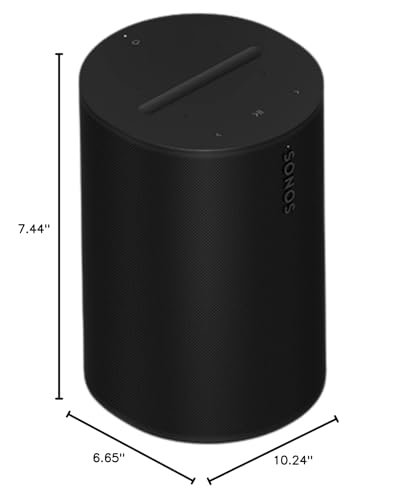
When you're looking to upgrade your home's smart capabilities, you'll quickly discover two very different philosophies competing for space on your counter. The Amazon Echo Show 11 represents the "show me everything" approach with its massive touchscreen, while the Sonos Era 100 takes the "let me hear everything perfectly" route. Both arrived in 2023, but they couldn't be more different in what they're trying to accomplish.
Think of it this way: one device wants to be your home's mission control center, complete with visual dashboards and video calls. The other just wants to make your music sound incredible while staying out of the way visually. The question isn't really which one is better—it's which approach fits your life better.
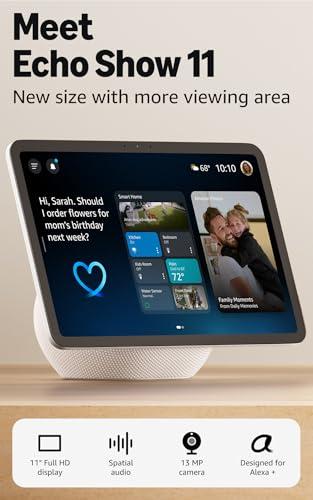
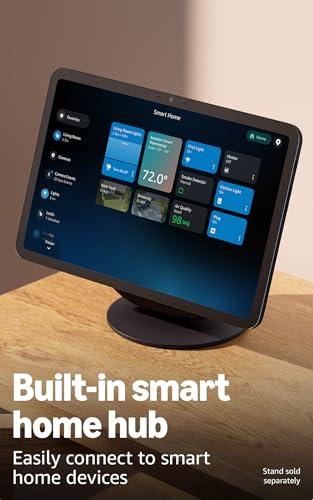
The Amazon Echo Show 11 is what happens when Amazon takes everything they've learned about smart homes and crams it into an 11-inch touchscreen. It's running on their new AZ3 Pro chip, which is specifically designed to handle Amazon's next-generation Alexa+ AI system. This isn't just a tablet with Alexa—it's a purpose-built smart home command center that can recognize when you walk into the room and automatically display relevant information.
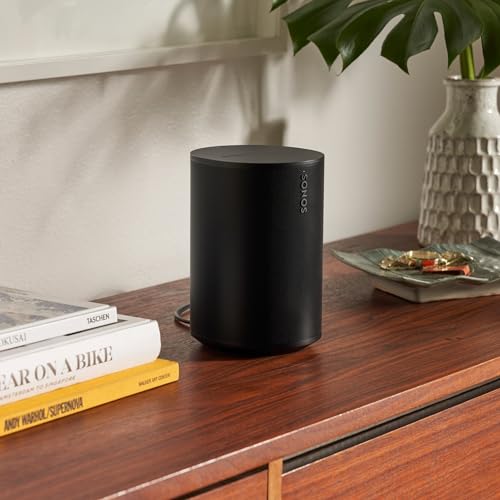
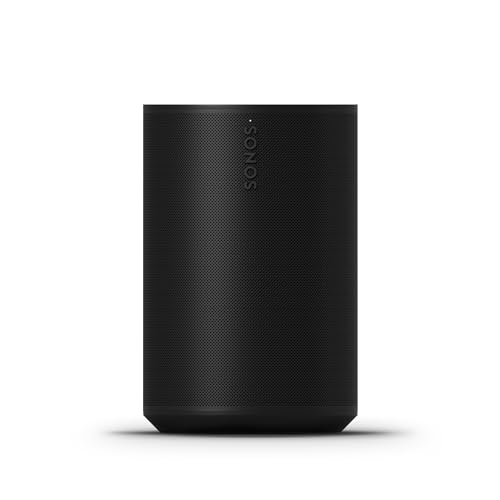
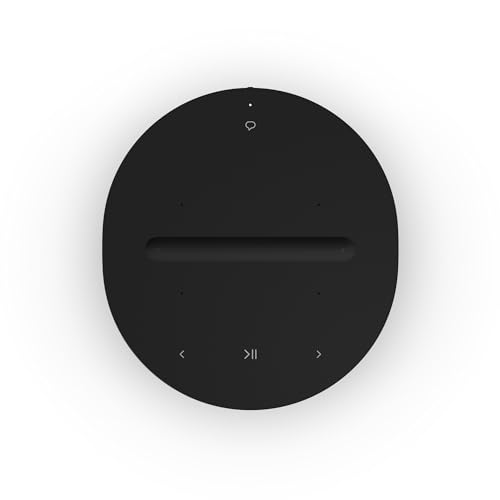
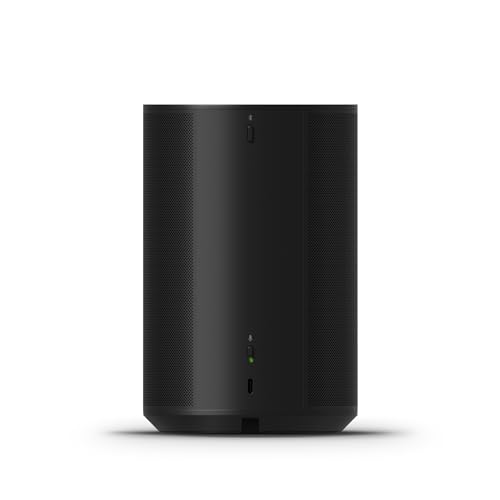
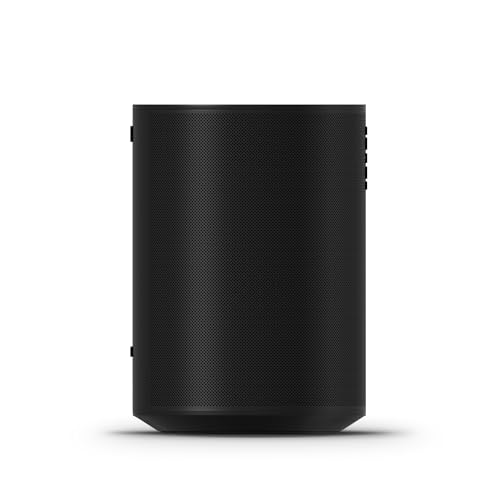
The Sonos Era 100, meanwhile, is what happens when a company that's obsessed with audio quality decides to make a compact speaker that doesn't compromise on sound. Released the same year, it represents Sonos's response to complaints that their previous speakers were too expensive and not flexible enough. It's their attempt to create an "entry-level" speaker that still delivers the audio quality Sonos is known for.
Here's where it gets interesting: both devices can control your smart home and play music, but they approach these tasks from completely different angles. The key considerations that should drive your decision are whether you want visual interaction, how much you prioritize audio quality, and what kind of smart home setup you're building.
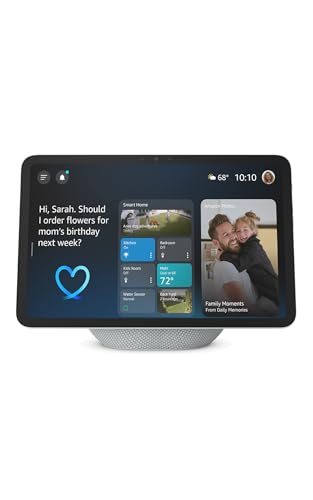
The most obvious difference is that 11-inch Full-HD touchscreen on the Echo Show 11. But this isn't just about having a bigger screen—it's about fundamentally changing how you interact with your smart home. Amazon's implementation uses what they call "adaptive visuals," which means the display automatically adjusts brightness and content based on ambient lighting and your proximity to the device.
The display technology itself is impressive: in-cell touch with negative liquid crystal design creates wide viewing angles and sharp text that remains readable from across the room. With over a million pixels packed into that 11-inch screen, everything from family photos to smart home controls looks crisp and vibrant.
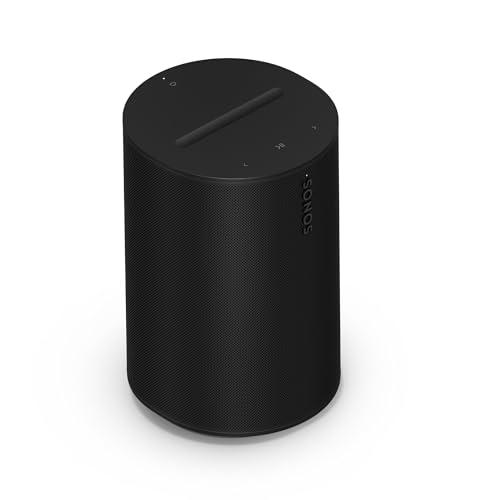
But here's where the Sonos Era 100 completely flips the script. Instead of fighting for your visual attention, it uses that energy to create something special with sound. The speaker features dual angled tweeters (the small drivers that handle high frequencies) and a mid-woofer that's 25% larger than what Sonos used in their previous compact speakers. This isn't just marketing speak—having two tweeters allows the Era 100 to create true stereo separation from a single speaker, something most compact speakers simply can't do.
The audio architecture gets even more interesting when you dig into the details. Each driver has its own dedicated Class-D amplifier, which means the tweeter handling your vocals gets different power management than the woofer handling your bass. Custom waveguides—essentially specially shaped acoustic chambers—help disperse sound more evenly throughout your room.
When it comes to managing your smart home, these devices represent two completely different philosophies. The Echo Show 11 acts as what's called a "smart home hub," which means it can directly communicate with smart devices using protocols like Zigbee, Matter, and Thread without needing your internet connection for every command.
Thread, in particular, is worth understanding because it's becoming increasingly important in smart homes. It's a wireless protocol that creates a "mesh network" where devices can talk to each other directly, making your smart home more responsive and reliable. The Echo Show 11 includes a Thread Border Router, which essentially acts as a translator between your Thread devices and your regular Wi-Fi network.
The visual interface makes a huge difference when you're trying to manage multiple smart devices. Instead of asking Alexa to turn off "the living room lights" and hoping it understood correctly, you can see all your devices on screen and tap exactly what you want to control. The new Alexa+ system can even display contextual information—like showing you your Ring doorbell feed when someone approaches your front door.
The Sonos Era 100 takes a more minimalist approach to smart home integration. It's Matter-certified, which means it can work with the new universal smart home standard, but it's not trying to be the central hub for everything. Instead, it focuses on being really good at the audio-related smart home functions: playing music throughout your house, responding to voice commands clearly, and integrating with whatever smart home system you already have.
This is where personal preference really matters, and where our research into user and expert opinions reveals some clear patterns. The Sonos Era 100 consistently receives praise for what reviewers describe as "room-filling stereo sound" and "punchy, agile bass." The dual tweeter design creates what's called a "wide soundstage," meaning instruments and vocals seem to come from different positions rather than just a single point.
The larger woofer makes a noticeable difference in bass response. User reviews consistently mention that the Era 100 delivers "deeper, more controlled bass" compared to Amazon's speakers. This matters more than you might think—good bass isn't just about volume, it's about clarity and control. When bass is properly controlled, you can hear the individual notes in a bass line rather than just a muddy low-frequency rumble.
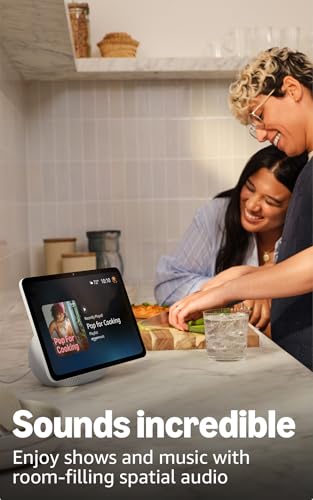
The Echo Show 11 includes what Amazon calls "enhanced stereo audio" with front-facing drivers and a custom woofer. While this represents a significant improvement over previous Echo devices, it's still designed primarily to complement the visual experience rather than serve as a primary music listening device.
Here's where Trueplay technology gives the Sonos Era 100 a significant advantage. This system uses either your smartphone's microphone or the speaker's built-in microphone array to analyze your room's acoustics and automatically adjust the audio output. Hard surfaces like tile floors and glass windows reflect sound differently than carpeted rooms with heavy curtains, and Trueplay compensates for these differences.
The connectivity story reveals another fundamental difference in philosophy. The Sonos Era 100 supports Wi-Fi 6 (the latest wireless standard that provides faster, more reliable connections), Bluetooth 5.0 for direct device streaming, Apple AirPlay 2, and even includes a USB-C port for wired connections. This flexibility means you can use it with virtually any device or streaming service.
Bluetooth support is particularly significant because it was a long-requested feature that Sonos finally added. This means you can stream directly from any phone, tablet, or laptop without needing to set up Wi-Fi or use specific apps. The USB-C port (though it requires a separate adapter) opens up possibilities for connecting turntables, computers, or other audio sources directly.
The Echo Show 11 focuses more heavily on Amazon's ecosystem but includes comprehensive smart home connectivity. The built-in Zigbee support means it can control thousands of smart home devices directly, while Matter and Thread support provides future compatibility with emerging smart home standards.
In our research, we found that families tend to gravitate toward the Echo Show 11 for several practical reasons. The visual calendar integration, shopping widgets, and video calling capabilities make it function as a family organization center. Parents appreciate being able to see scheduling conflicts visually and having a central place for family communications.
The 13-megapixel camera with automatic framing makes video calls significantly better than what you'd get from a laptop or phone propped up on the counter. The large screen makes it easy for multiple family members to participate in calls with grandparents or for kids to show off school projects to distant relatives.
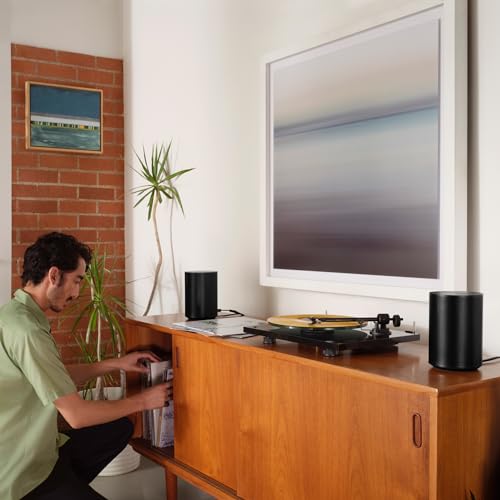
For music-focused households, the Sonos Era 100 offers something different: the ability to create a serious audio system that grows over time. Two Era 100 speakers can be paired for true stereo separation, and they can integrate with Sonos soundbars for home theater rear channels. This expandability means your initial purchase becomes part of a larger, cohesive audio system.
If you're thinking about home theater integration, the approaches differ significantly. The Echo Show 11 can display video content on its screen and functions well as a kitchen or bedroom entertainment device, but it's not designed to integrate with traditional home theater setups.
The Sonos Era 100, however, shines in home theater applications. When paired with Sonos soundbars like the Arc or Beam, two Era 100 speakers can serve as wireless rear surround channels. This creates a true 5.1 surround sound experience without running speaker wire across your room. The audio synchronization is handled automatically, and the setup process is remarkably straightforward through the Sonos app.
When evaluating these devices, certain performance characteristics matter more than others. For the Echo Show 11, the most important metrics are display responsiveness, voice recognition accuracy (especially with background noise), and smart home device compatibility. User reviews consistently praise the touchscreen's responsiveness and the improved voice recognition of the AZ3 Pro chip.
For the Sonos Era 100, the critical metrics are frequency response (how evenly it reproduces different pitches), stereo imaging (how well it creates the illusion of instruments positioned across a soundstage), and volume handling (how much sound it can produce before distortion becomes noticeable). In these areas, expert reviews consistently rate it above similarly-sized speakers from Amazon, Apple, and Google.
Based on our evaluation of user feedback and expert reviews, the Echo Show 11 makes the most sense for households that want a central smart home control point. If you're the type of person who likes visual confirmation of what's happening in your smart home, enjoys having family schedules visible at a glance, or makes regular video calls, the visual interface provides genuine value.
It's particularly compelling for busy families who need help staying organized. The ability to see everyone's calendar conflicts, manage shopping lists visually, and have a central communication hub justifies the higher price point for many users.
The Sonos Era 100 is the better choice for anyone who prioritizes audio quality or wants system flexibility. If you're building a multi-room audio system, care about how your music sounds, or want the freedom to switch between different streaming services and device ecosystems, the Era 100 provides better long-term value.
At the time of writing, the Echo Show 11 commands a premium price that reflects its all-in-one functionality, while the Era 100 sits in the middle of Sonos's pricing range but offers genuinely high-end audio performance. The value calculation depends heavily on whether you'll use the visual features enough to justify the additional cost.
These devices succeed at different things, and your choice should align with your priorities. The Amazon Echo Show 11 excels as a family communication and smart home command center, while the Sonos Era 100 delivers superior audio quality and system flexibility.
If you find yourself frequently checking your phone for calendar updates, struggling to manage family schedules, or wanting better video call capabilities, the visual interface of the Echo Show 11 will likely feel transformative. But if you're someone who notices when music doesn't sound quite right, plans to build a multi-room audio system, or values the freedom to switch between different tech ecosystems, the Sonos Era 100 represents better long-term value.
The good news is that both devices represent significant improvements over their predecessors and show how much smart home technology has matured since their 2023 launches. Whichever direction you choose, you're getting genuinely useful technology that can meaningfully improve your daily routines—just in very different ways.
| Amazon Echo Show 11 | Sonos Era 100 |
|---|---|
| Display - Key differentiator for visual interaction and smart home control | |
| 11-inch Full-HD touchscreen (1920x1200) with adaptive brightness | No display - audio-focused design |
| Audio Architecture - Determines sound quality and stereo imaging | |
| Enhanced stereo with front-facing drivers and custom woofer | True stereo with dual angled tweeters + 25% larger mid-woofer |
| Smart Home Hub Capabilities - Eliminates need for separate hubs | |
| Built-in Zigbee, Matter, Thread support with Thread Border Router | Matter-certified but no built-in hub functionality |
| Voice Assistant Integration - Affects responsiveness and AI features | |
| Alexa+ with advanced conversational AI and visual responses | Sonos Voice Control + Amazon Alexa (no Google Assistant) |
| Connectivity Options - Flexibility for different audio sources | |
| Wi-Fi, Bluetooth, limited to Amazon ecosystem focus | Wi-Fi 6, Bluetooth 5.0, AirPlay 2, USB-C line-in (adapter required) |
| Room Audio Optimization - Customizes sound for your space | |
| AZ3 Pro processor audio enhancement | Trueplay tuning works with iOS and Android devices |
| Expandability - Long-term system building potential | |
| Cannot be paired or expanded for audio | Stereo pairing, multi-room audio, home theater rear channels |
| Video Communication - Important for family connectivity | |
| 13MP camera with auto-framing and large display | No video calling capability |
| Physical Design - How it fits in your space | |
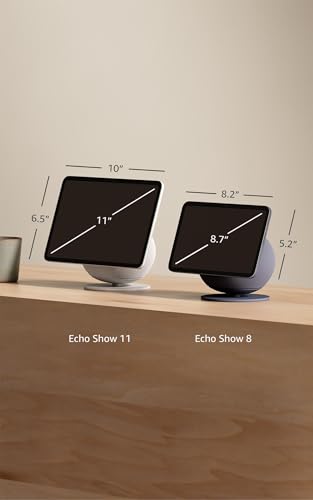
| 11" display dominates counter space, modern floating screen design | Compact bookshelf size (7.2" x 4.7" x 5.1"), minimal footprint |
| Streaming Platform Support - Access to music services | |
| Amazon Music optimized, supports major platforms | Platform agnostic - 100+ streaming services supported |
| Family Organization Features - Daily life management tools | |
| Visual calendars, shopping widgets, scheduling conflict resolution | Music-focused, minimal organization features |
| Processing Power - Affects performance and future features | |
| AZ3 Pro chip with AI accelerator and Omnisense sensor fusion | Standard smart speaker processing focused on audio |
The Sonos Era 100 is significantly better for music listening. It features dual angled tweeters and a 25% larger woofer that delivers true stereo sound, deeper bass, and superior audio clarity. The Amazon Echo Show 11 has enhanced audio but is primarily designed to complement its visual features rather than serve as a dedicated music speaker.
Yes, the Amazon Echo Show 11 functions as a comprehensive smart home hub with built-in Zigbee, Matter, and Thread support, allowing direct control of thousands of smart devices. The Sonos Era 100 is Matter-certified but doesn't include hub functionality - it's designed to integrate with existing smart home systems rather than control them directly.
The Amazon Echo Show 11 excels at video calls with its 13-megapixel camera, auto-framing technology, and large 11-inch display that's perfect for family conversations. The Sonos Era 100 has no video calling capability since it lacks a camera and display.
The Sonos Era 100 is excellent for home theater - two units can serve as wireless rear surround channels when paired with Sonos soundbars like the Arc or Beam. The Amazon Echo Show 11 isn't designed for traditional home theater integration, though it can display video content on its own screen.
The Sonos Era 100 supports over 100 streaming services and is platform-agnostic, working equally well with Spotify, Apple Music, and other services. The Amazon Echo Show 11 works with major streaming platforms but is optimized for Amazon's ecosystem and services.
The Sonos Era 100 offers excellent expandability - you can pair two for stereo sound, add them to multi-room setups, or integrate with other Sonos products. The Amazon Echo Show 11 cannot be paired with other units for enhanced audio and functions as a standalone device.
The Sonos Era 100 is ideal for smaller spaces with its compact 7.2" x 4.7" x 5.1" footprint while still delivering room-filling sound. The Amazon Echo Show 11 requires more counter space due to its large display but offers more functionality in a single device for space-conscious users.
The Amazon Echo Show 11 features advanced Alexa+ integration with visual responses and conversational AI capabilities. The Sonos Era 100 supports both Sonos Voice Control and Amazon Alexa but lacks the advanced AI features and visual feedback of the Echo Show.
The Sonos Era 100 provides more flexible connectivity with Wi-Fi 6, Bluetooth 5.0, AirPlay 2, and USB-C line-in options (adapter required). The Amazon Echo Show 11 focuses on Wi-Fi connectivity and Amazon's ecosystem with comprehensive smart home protocol support.
The Amazon Echo Show 11 excels at family organization with visual calendars, shopping widgets, scheduling conflict resolution, and shared family planning tools. The Sonos Era 100 is focused on audio and doesn't include family organization features.
The Amazon Echo Show 11 is superior for kitchens, offering recipe display, cooking timers, video calls while cooking, and visual smart home controls. The Sonos Era 100 works well for kitchen music but lacks the visual features that make cooking and meal planning easier.
The Sonos Era 100 includes Trueplay technology that analyzes your room's acoustics and automatically optimizes sound using your smartphone or the speaker's built-in microphones. The Amazon Echo Show 11 uses its AZ3 Pro processor for audio enhancement but doesn't offer the same level of room-specific acoustic tuning as the Sonos system.
We've done our best to create useful and informative comparisons to help you decide what product to buy. Our research uses advanced automated methods to create this comparison and perfection is not possible - please contact us for corrections or questions. These are the sites we've researched in the creation of this article: notebookcheck.net - techradar.com - matteralpha.com - bestbuy.com - aboutamazon.com - cordcuttersnews.com - smarthomesounds.co.uk - whathifi.com - rtings.com - smarthomesounds.co.uk - whathifi.com - rtings.com - audioadvice.com - loudnwireless.com - sonos.com - rtings.com - youtube.com - sonos.com - redsharknews.com - hometechnologyreview.com - bestbuy.com - sonos.com - trysonos.sg - sonos.com - youtube.com - bestbuy.com - audiolab.com - costco.com - surrounds.com.au - bestbuy.com

Privacy Policy
Terms and Conditions - Affiliate Policy
Home Security
© Copyright 2008-2026.
11816 Inwood Rd #1211, Dallas, TX 75244