


When Amazon released the first Echo in 2015, it sparked a revolution in how we interact with our homes. Since then, smart speakers and displays have evolved dramatically, with Google entering the market in 2016 and both companies continuously refining their approaches. Today's comparison between the Google Nest Audio (released in 2020) and the Amazon Echo Show 11 (launched in 2024) perfectly illustrates how these two tech giants have taken fundamentally different paths to solve the same problem: making our homes smarter and more responsive.
The core question isn't just which device is better—it's which approach better fits your lifestyle and priorities. Do you want a device that disappears into your home while delivering exceptional audio, or would you prefer a prominent visual command center that can handle everything from video calls to smart home management?
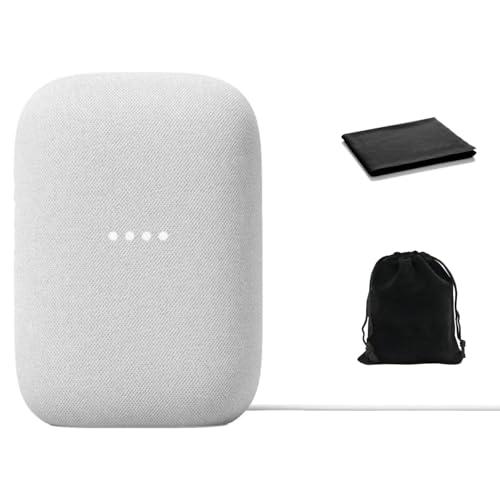
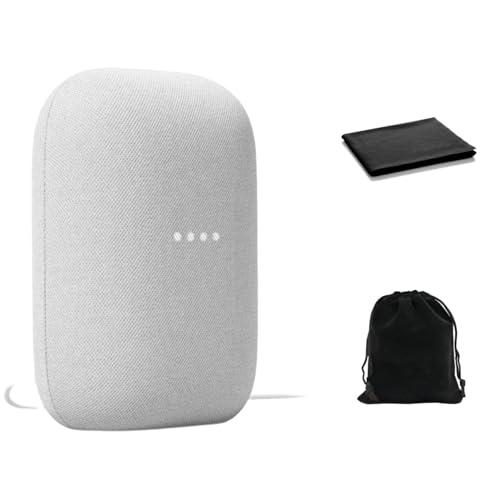
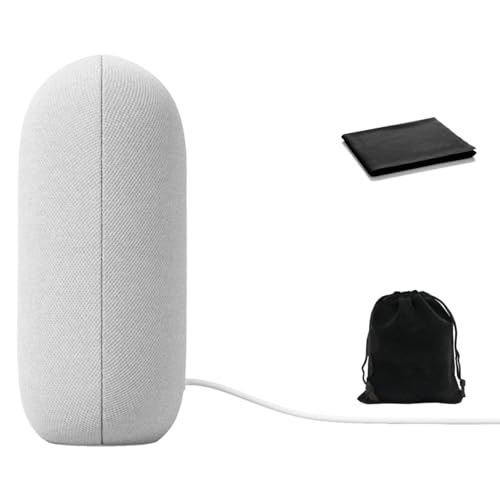
The Google Nest Audio represents what I call the "invisible excellence" philosophy. Google designed this speaker to blend seamlessly into your living space while prioritizing what matters most for a smart speaker: outstanding audio quality and reliable voice recognition. There's no screen to distract from its primary mission of delivering great sound and responding to your voice commands.
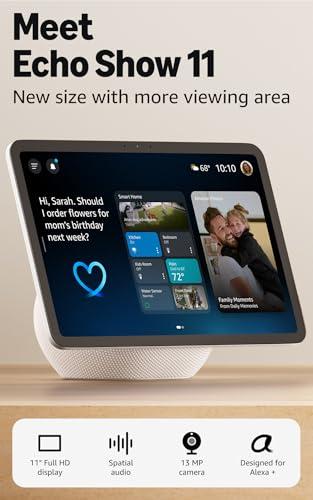
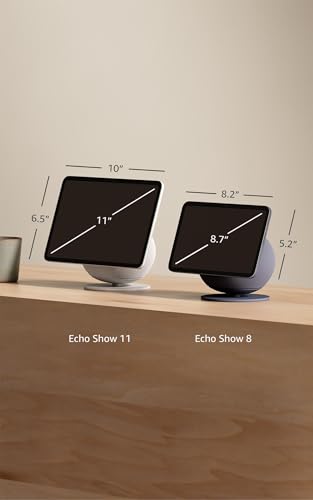
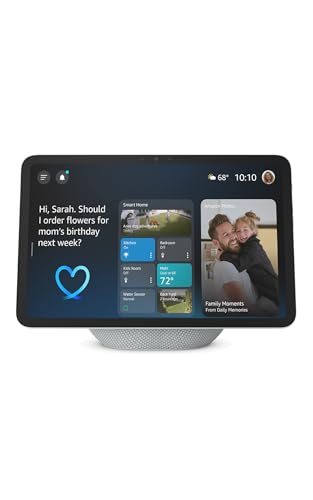
The Amazon Echo Show 11, released four years later, takes the opposite approach with its "visual command center" strategy. Amazon packed an 11-inch Full-HD display into this device, transforming it from a simple speaker into a multi-functional hub that can display information, handle video calls, and serve as a control panel for your entire smart home ecosystem.
These aren't just design preferences—they reflect fundamentally different ideas about how smart assistants should integrate into our daily lives. The choice between them often comes down to whether you value specialization or versatility.
For most people, audio quality is the make-or-break factor for any smart speaker, and this is where the differences become most apparent. The Google Nest Audio was specifically engineered around a 75mm woofer and 19mm tweeter combination that delivers what Google calls "room-filling, powerful bass" with crisp vocal reproduction.
What sets the Nest Audio apart is its real-time audio processing algorithm. This technology continuously analyzes the audio content and adjusts the sound output to maintain optimal clarity and tonal balance. Whether you're listening to a bass-heavy hip-hop track or a podcast with multiple speakers, the device automatically tweaks its output to ensure everything sounds clear and balanced. This kind of adaptive processing was relatively uncommon in smart speakers when the device launched in 2020.
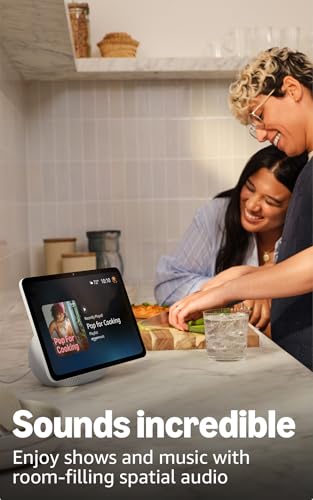
The Echo Show 11 takes a different approach with its enhanced stereo system featuring front-facing drivers and a custom woofer. The audio is designed to complement the visual experience, with the speakers positioned to fire both forward and upward. However, our research into user and expert reviews consistently shows that while the sound is adequate for casual listening and video content, it doesn't match the pure audio focus of dedicated speakers like the Nest Audio.
The key difference comes down to purpose. The Nest Audio treats audio as its primary mission, while the Echo Show 11 treats it as one component of a larger multimedia experience. If you're someone who regularly uses your smart device for music listening—whether that's background music during dinner parties or focused listening sessions—the Google Nest Audio consistently delivers superior performance.
Both devices showcase impressive smart features, but they excel in different areas. The Google Nest Audio introduces Ambient IQ, a feature that automatically adjusts volume based on background noise in your environment. This might sound simple, but it's remarkably useful in practice. When you're listening to a news podcast while cooking and the dishwasher kicks on, the speaker automatically increases volume to ensure you don't miss important information. When the noisy appliance stops, it drops back down to a comfortable level.
The Echo Show 11 counters with its Omnisense sensor fusion platform, which combines data from multiple sensors including its 13-megapixel camera, audio sensors, ultrasound, Wi-Fi radar, accelerometer, and Wi-Fi Channel State Information (CSI). This complex system enables the device to detect when you're approaching and automatically display relevant information—like your calendar for the day or weather updates.
Voice Match technology on the Nest Audio can recognize up to six different users' voices, providing personalized responses for each family member. Ask about "my calendar" and it knows whether you're the parent asking about work meetings or the teenager asking about school assignments. The Echo Show 11 offers similar personalization but extends it to visual elements, showing different widgets and information based on who's interacting with the device.
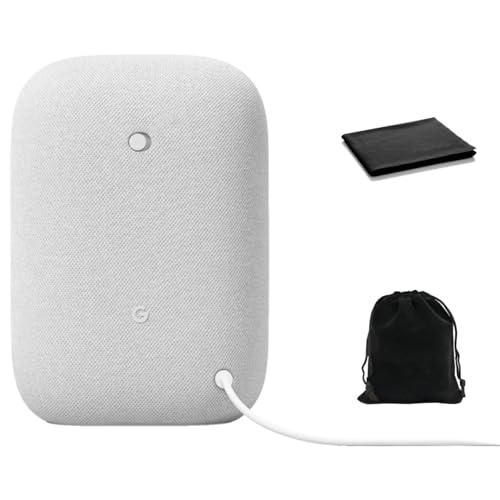
Privacy has become a crucial factor in smart home decisions, and there's a clear distinction between these devices. The Google Nest Audio takes a privacy-by-design approach—it has no camera, only microphones for voice pickup, and includes a physical mute switch that completely disconnects the microphones when activated. When the mics are muted, amber LEDs clearly indicate the disabled state.
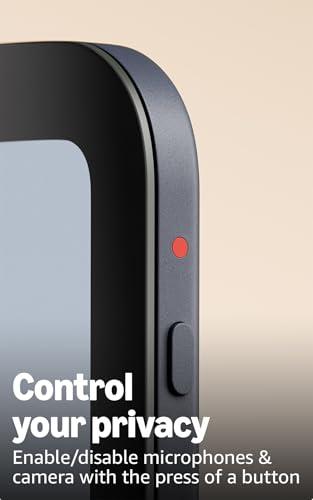
The Amazon Echo Show 11, by its very nature as a display device, includes a built-in camera for video calls and visual features. While Amazon has implemented privacy controls and the camera can be covered, the fundamental reality is that you're bringing a camera-equipped device into your living space. For many people, this is perfectly fine and even beneficial for video calling family members. For others, particularly those placing devices in bedrooms or private spaces, the camera-free Nest Audio offers greater peace of mind.
The smart home integration story reveals another key differentiation. The Google Nest Audio excels within Google's ecosystem, offering seamless integration with Chromecast devices, Google Photos, YouTube Music, and Google Calendar. It supports Matter (a universal smart home standard) for broad device compatibility, but its strength lies in how naturally it works with Google services.
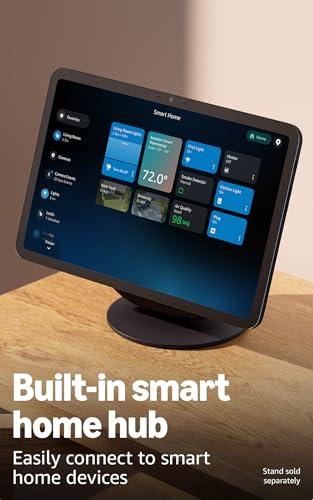
The Amazon Echo Show 11 functions as a comprehensive smart home hub, supporting Zigbee, Matter, and Thread protocols directly. Zigbee is a low-power wireless communication standard used by many smart home devices, while Thread is a newer protocol designed for reliable, secure device-to-device communication. The Echo Show 11 can act as a Thread Border Router, essentially serving as a bridge between Thread devices and your home Wi-Fi network.
This technical capability means the Echo Show 11 can often control smart home devices without requiring separate hubs, reducing the complexity and cost of your smart home setup. The visual interface also makes managing multiple devices much more intuitive—you can see the status of lights, locks, and thermostats at a glance rather than having to ask about each one individually.
Obviously, the Amazon Echo Show 11 has a significant advantage in visual capabilities with its 11-inch adaptive Full-HD touchscreen. The display uses in-cell touch technology and negative liquid crystal design, which provides wider viewing angles and better clarity than traditional LCD screens. At over one million pixels, text and images appear sharp and vibrant.
The practical benefits of this display extend far beyond just looking nice. Video calling becomes genuinely useful with the 13-megapixel camera and large screen—you can actually see facial expressions and have meaningful conversations with distant family members. The screen can display multiple smart home device statuses simultaneously, show weather forecasts with visual radar maps, and even serve as a digital photo frame when not actively being used.
For kitchen use, the display transforms the device into a powerful cooking assistant. Recipe instructions with photos, multiple cooking timers with visual countdowns, and even video tutorials make meal preparation significantly easier. The Google Nest Audio, being audio-only, requires you to remember verbal instructions or use a separate device for visual reference.
When considering these devices for home theater applications, the differences become quite stark. The Google Nest Audio faces limitations due to high latency (delay) when streaming audio, making it unsuitable for TV audio where lip-sync is crucial. However, its superior audio quality makes it excellent for music listening in the same room as your home theater setup.
The Amazon Echo Show 11 offers better integration potential with Amazon's Fire TV ecosystem and can display video content directly. While it won't replace a dedicated sound system for serious home theater enthusiasts, it can serve as a secondary display for sports scores, weather updates, or even as a video source for casual viewing.
Neither device is designed to be a primary home theater speaker, but they serve different complementary roles. The Nest Audio works better as a high-quality music speaker in your entertainment room, while the Echo Show 11 functions more as an information hub that happens to have decent speakers.
Based on extensive research into user experiences and expert reviews, several patterns emerge. The Google Nest Audio consistently receives praise for its audio clarity and the natural feel of Google Assistant interactions. Users frequently mention that voice recognition works reliably even from across the room or in noisy environments, thanks to its three far-field microphones.
The Echo Show 11 gets high marks for its versatility and the convenience of visual feedback, but some users note that Alexa can feel less conversational than Google Assistant for complex questions. However, Alexa excels at smart home control and shopping-related tasks, particularly within Amazon's ecosystem.
Battery life isn't a consideration for either device since both require constant power from wall outlets. The Nest Audio uses a 30W external adapter, while the Echo Show 11 requires more power due to its display and additional processing requirements.
The decision between these devices ultimately depends on your priorities and living situation. The Google Nest Audio makes sense if you prioritize audio quality, value privacy, and are already invested in Google's services. It's particularly appealing for people who want their smart speaker to enhance their music listening experience without becoming a focal point in the room.
At the time of writing, the Nest Audio typically retails for significantly less than the Echo Show 11, reflecting their different feature sets rather than direct competition. The price difference often makes the Nest Audio attractive for people wanting to add smart speakers to multiple rooms without a major investment.
The Amazon Echo Show 11 justifies its higher price point for users who want a central command center for their smart home, need video calling capabilities, or simply prefer having visual information readily available. It's particularly valuable in kitchens, home offices, or living areas where it can serve multiple functions throughout the day.
For families with children, the visual interface of the Echo Show 11 can be more intuitive for younger users, while the Nest Audio might be better for households prioritizing privacy or audio quality.
My recommendation? If you're primarily interested in great sound quality and seamless voice control, the Google Nest Audio delivers exceptional value. If you want a versatile hub that can handle video calls, display information, and serve as a smart home control center, the Amazon Echo Show 11 offers capabilities that justify its premium positioning. Neither choice is wrong—they're just optimized for different approaches to smart home living.
| Google Nest Audio | Amazon Echo Show 11 |
|---|---|
| Product Type - Determines core functionality and use cases | |
| Smart Speaker (Audio-focused) | Smart Display (Visual + Audio hub) |
| Display - Essential for visual information and smart home control | |
| None (LED status lights only) | 11-inch Full-HD adaptive touchscreen |
| Audio Hardware - Critical for music quality and room-filling sound | |
| 75mm woofer + 19mm tweeter (optimized for audio) | Enhanced stereo with custom woofer (display-optimized) |
| Camera - Important for video calls and privacy considerations | |
| No camera (better privacy) | 13-megapixel front-facing camera |
| Voice Assistant - Affects natural conversation and smart home control | |
| Google Assistant (more conversational, better complex queries) | Alexa (extensive skills, strong smart home integration) |
| Smart Home Hub - Reduces need for separate hubs and simplifies setup | |
| Chromecast built-in, Matter support | Built-in Zigbee, Matter, Thread hub with Border Router |
| Microphone Array - Determines voice pickup quality and range | |
| 3 far-field microphones with hardware mute switch | Multiple microphones with Omnisense sensor fusion |
| Physical Design - Impacts room placement and aesthetic integration | |
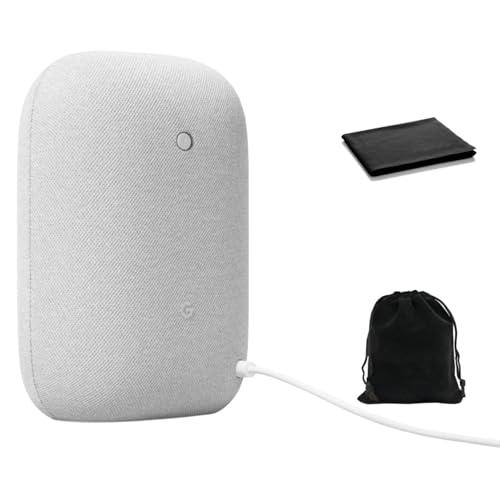
| Compact fabric-covered speaker (70% recycled plastic) | Large display unit with woven mesh base |
| Connectivity - Affects streaming options and device compatibility | |
| Wi-Fi, Bluetooth 5.0, Chromecast | Wi-Fi, Bluetooth, Thread, Zigbee protocols |
| Privacy Features - Important for bedroom and private space use | |
| No camera, physical mic mute, minimal data collection | Camera present, visual interactions increase data surface |
| Multi-room Audio - Key for whole-home sound systems | |
| Stereo pairing, multi-room grouping with other Google speakers | Limited multi-room compared to dedicated speakers |
| Power Requirements - Affects placement flexibility | |
| 30W external adapter, must stay plugged in | Higher power consumption due to display, wall outlet required |
| Ecosystem Integration - Determines which services work best | |
| Google services (YouTube Music, Photos, Calendar, Search) | Amazon services (Prime, Ring, Fire TV, shopping) |
The Google Nest Audio is significantly better for music listening. It features a dedicated 75mm woofer and 19mm tweeter designed specifically for audio performance, delivering 75% louder sound and 50% stronger bass than previous Google speakers. The Amazon Echo Show 11 has decent audio for a display device, but its speakers are optimized to complement the visual experience rather than provide premium music quality.
It depends on how you plan to use the device. The Google Nest Audio works perfectly for voice commands, music, and smart home control without a screen. However, the Amazon Echo Show 11's 11-inch display adds valuable functionality like video calls, visual smart home control, recipe display, weather maps, and the ability to view security camera feeds. If you want these visual features, the screen is essential.
The Google Nest Audio offers superior privacy protection since it has no camera and only uses microphones for voice detection. It includes a physical mute switch that completely disconnects the microphones. The Amazon Echo Show 11 has a built-in camera for video calls and visual features, which some users may find concerning for privacy, especially in bedrooms or private areas.
Both devices can control smart home devices, but in different ways. The Google Nest Audio works well with Google-compatible devices and supports Matter for broad compatibility. The Amazon Echo Show 11 functions as a comprehensive smart home hub with built-in Zigbee, Matter, and Thread support, often eliminating the need for separate hubs and providing visual control of multiple devices simultaneously.
Google Assistant on the Google Nest Audio excels at conversational interactions and complex web searches, leveraging Google's search capabilities. Alexa on the Amazon Echo Show 11 has a larger ecosystem of third-party skills and integrates deeply with Amazon services. The choice often depends on which ecosystem you're already using - Google services or Amazon services.
Only the Amazon Echo Show 11 supports video calls with its 13-megapixel camera and large 11-inch screen, making it excellent for family conversations. The Google Nest Audio has no camera or display, so it cannot handle video calls - you'd need to use a separate device like a phone or tablet for video communication.
The Amazon Echo Show 11 is superior for kitchen use thanks to its large display that can show recipes with photos, multiple cooking timers, and even video tutorials. You can also use it to make video calls while cooking. The Google Nest Audio can handle voice commands for timers and questions, but you'll need to remember instructions without visual reference.
The Amazon Echo Show 11 is a more comprehensive smart home hub with built-in support for Zigbee, Matter, and Thread protocols, plus it acts as a Thread Border Router. This means it can directly control many smart devices without additional hubs. The Google Nest Audio offers good smart home integration through Google's ecosystem and Matter support, but isn't a full hub replacement.
The Google Nest Audio is ideal for small spaces due to its compact, unobtrusive design that blends into any room. It delivers excellent audio quality without taking up significant counter or shelf space. The Amazon Echo Show 11 requires dedicated space for its large 11-inch display and is more prominent in smaller rooms.
Neither device is ideal for primary home theater audio. The Google Nest Audio has high latency that makes it unsuitable for TV audio where lip-sync matters, though it's excellent for music in your entertainment room. The Amazon Echo Show 11 can display video content and integrates with Fire TV devices, but won't replace a proper sound system for serious home theater use.
The Google Nest Audio typically offers better value if you prioritize audio quality and don't need visual features, as it costs significantly less while delivering superior sound performance. The Amazon Echo Show 11 provides good value if you need its display capabilities, video calling, and comprehensive smart home hub features, but costs considerably more due to the added functionality.
Choose the Google Nest Audio if you want excellent audio quality, prefer privacy (no camera), are invested in Google services, or need a compact device. Choose the Amazon Echo Show 11 if you want video calling capabilities, visual smart home control, a central information display, or are already using Amazon services and Ring devices. The decision ultimately comes down to whether you need display functionality or prioritize pure audio performance.
We've done our best to create useful and informative comparisons to help you decide what product to buy. Our research uses advanced automated methods to create this comparison and perfection is not possible - please contact us for corrections or questions. These are the sites we've researched in the creation of this article: rtings.com - soundguys.com - bestbuy.com - androidcentral.com - whathifi.com - rtings.com - thenextweb.com - youtube.com - audiosciencereview.com - youtube.com - sypnotix.com - rtings.com - audioholics.com - youtube.com - store.google.com - store.google.com - youtube.com - support.google.com - cdn.adiglobaldistribution.us - dxomark.com - store.google.com - crutchfield.com - soundguys.com - soundguys.com - support.google.com - store.google.com - bestbuy.com - en.wikipedia.org - store.google.com - youtube.com - notebookcheck.net - techradar.com - matteralpha.com - bestbuy.com - aboutamazon.com - cordcuttersnews.com

Privacy Policy
Terms and Conditions - Affiliate Policy
Home Security
© Copyright 2008-2026.
11816 Inwood Rd #1211, Dallas, TX 75244