


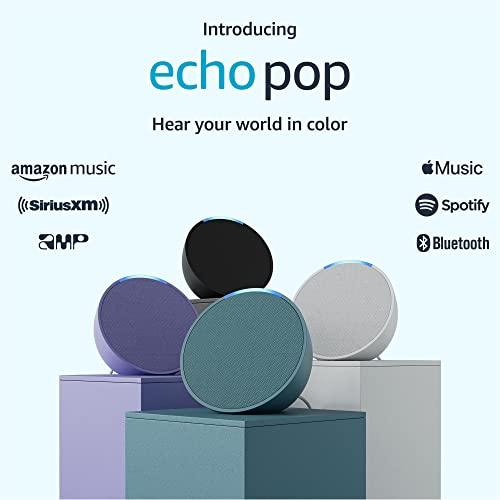
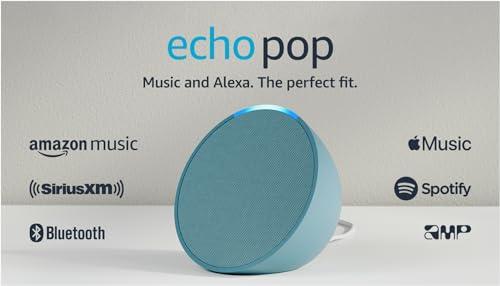
When Amazon launched Alexa back in 2014, smart speakers seemed like a novelty. Fast forward to 2025, and voice assistants have become essential household tools, evolving into two distinct categories that serve very different purposes. The Amazon Echo Show 11 Smart Display represents the premium visual approach, while the Amazon Echo Pop Smart Speaker embodies the minimalist audio-only philosophy.
Understanding which approach fits your lifestyle requires diving deeper than surface-level comparisons. These devices represent fundamentally different ways of interacting with your smart home, and the choice between them will shape how you experience voice technology daily.
Smart home voice assistants have matured beyond simple voice commands to become integral parts of modern living. The technology has split into two primary approaches: smart displays that combine visual interfaces with voice control, and smart speakers that focus purely on audio interaction while maximizing other benefits like portability, affordability, or specialized features.
Smart displays function as digital command centers, offering touchscreen interfaces alongside voice control. They excel at visual tasks like video calling, displaying weather forecasts, showing recipe instructions, or providing security camera feeds. These devices typically serve as central hubs that anchor your smart home ecosystem.
Smart speakers prioritize audio interaction and compact integration. They're designed to disappear into your living space while providing reliable voice control. Modern smart speakers often include specialized features like network extension or enhanced portability that justify their audio-only approach.
The fundamental consideration comes down to interaction preference and use case. Visual interfaces excel at complex information display and multi-step tasks, while audio-only devices offer discrete integration and often superior value propositions.
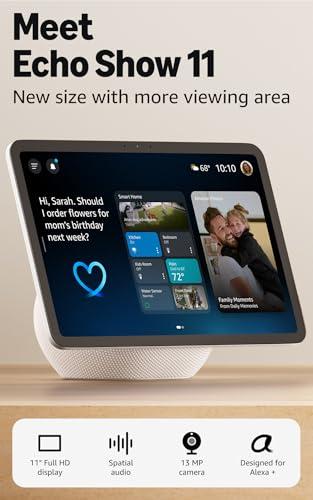
The Echo Show 11 launched in 2025 as Amazon's most ambitious smart display, featuring significant technological advances over previous generations. Earlier Echo Show devices suffered from bulky designs, lower-resolution screens, and limited smart home integration. The Show 11 addresses these limitations with a floating screen design, Full HD resolution, and comprehensive hub capabilities powered by Amazon's new AZ3 Pro processor – a custom chip designed specifically for advanced AI processing and edge computing.
This device represents Amazon's response to the growing demand for premium smart home interfaces. The inclusion of Alexa+, Amazon's next-generation AI assistant, positions it as a forward-looking investment rather than just another smart display.
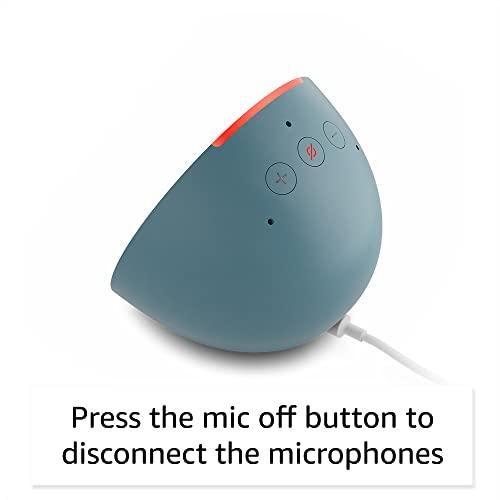
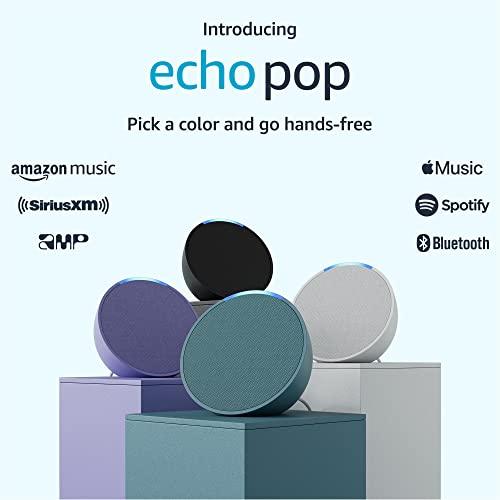
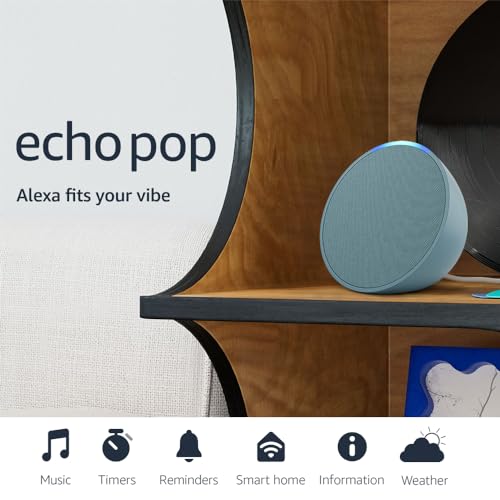
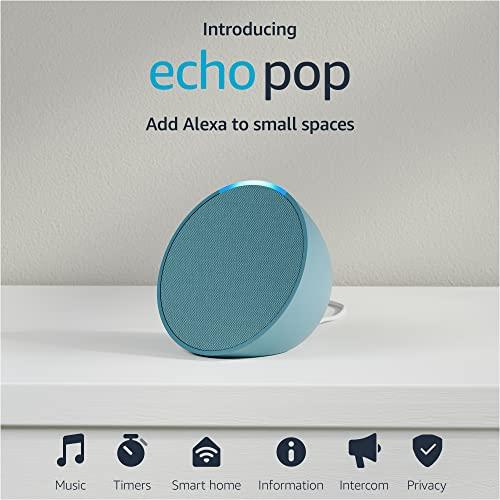
The Echo Pop, also launched in 2025, takes a completely different approach. While Amazon's traditional strategy focused on incremental improvements to existing designs, the Pop introduces a unique value proposition: combining basic smart speaker functionality with Eero Wi-Fi extension capabilities. This dual-purpose design reflects Amazon's understanding that consumers want devices that serve multiple functions without cluttering their living spaces.
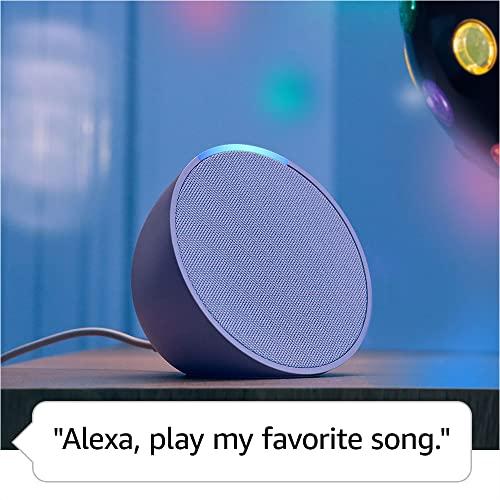
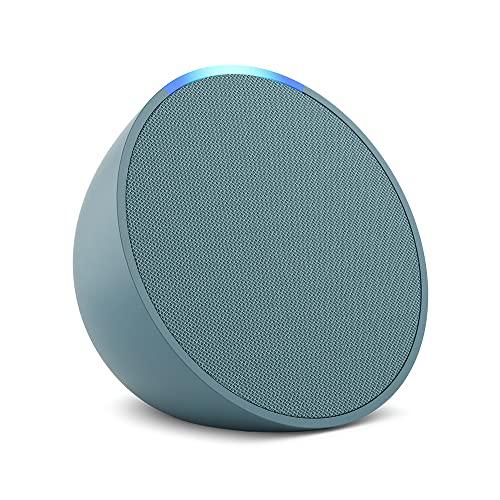
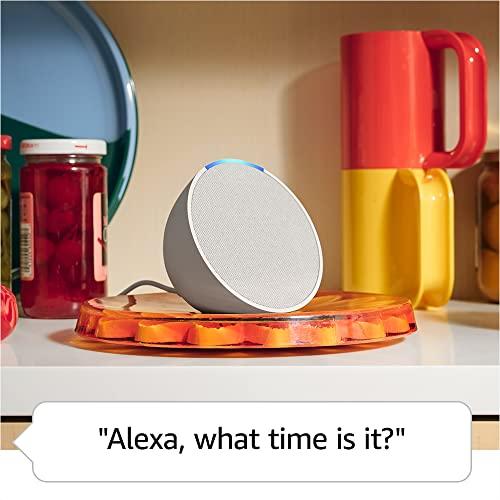
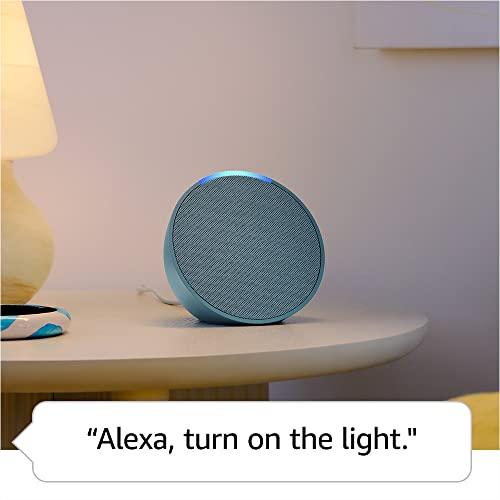
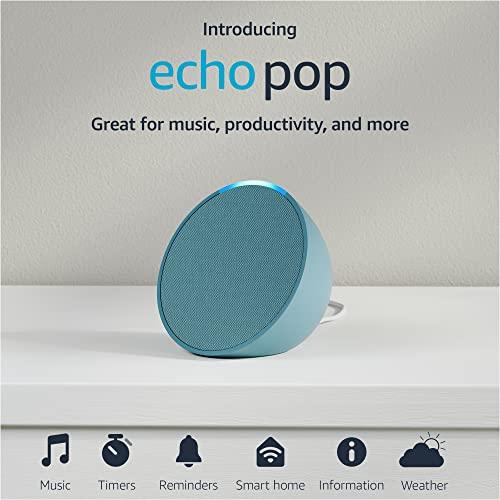
The Pop's compact semi-spherical design and aggressive pricing make it Amazon's most accessible entry point into smart home technology, designed to compete directly with budget alternatives while offering additional network benefits.
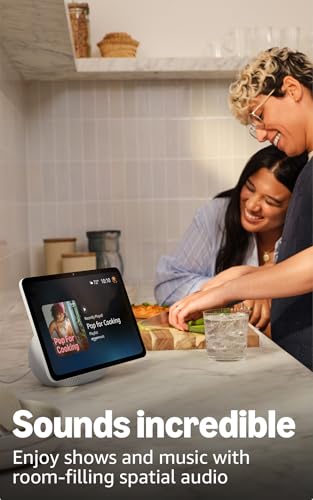
Audio performance reveals the clearest difference between these approaches. The Echo Show 11 incorporates a sophisticated speaker system with forward-firing drivers and a custom woofer, designed to complement its visual interface. The AZ3 Pro processor enables advanced audio processing, including spatial audio enhancement that creates a more immersive listening experience.
During our research into expert reviews, the Show 11's audio consistently impressed with its room-filling sound and enhanced bass response. The forward-firing design works particularly well when positioned against walls or on countertops, directing sound toward listeners rather than dispersing it omnidirectionally. This focused approach means better clarity at typical listening distances, though it does create some directional limitations.
The Echo Pop, constrained by its compact design and budget focus, features a single 1.95-inch front-firing driver. While this sounds limiting on paper, user reviews suggest the Pop delivers surprisingly clear vocal reproduction and adequate volume for small spaces. The key limitation appears at higher volumes, where distortion becomes noticeable – a common trait among budget speakers with small drivers.
For music listening, the Show 11 clearly wins with better frequency response, more dynamic range, and higher maximum volume without distortion. However, for voice content like podcasts or audiobooks, the Pop performs admirably and may even feel more focused due to its vocal optimization.
Home theater considerations: Neither device is designed as a serious home theater component. The Show 11's enhanced audio makes it suitable as a secondary entertainment device for casual viewing, but dedicated soundbars or speaker systems remain necessary for true home theater applications.
Voice recognition performance determines how reliably these devices respond to commands, especially in noisy environments or from across rooms. The Echo Show 11 benefits significantly from its advanced microphone array and AZ3 Pro processing power, which enables local voice processing rather than relying entirely on cloud-based recognition.
Expert reviews consistently highlight the Show 11's superior far-field voice pickup, meaning it reliably hears commands from across large rooms even with background noise. The integration of Alexa+ provides more natural conversation patterns and proactive suggestions based on context – for example, automatically displaying traffic information in the morning or suggesting dinner recipes based on the time of day.
The Echo Pop, despite its compact size, includes a competent microphone system that performs reliably in smaller spaces. User feedback suggests the Pop handles typical voice commands well within its intended range, though it lacks the advanced processing capabilities that make the Show 11 feel more responsive and intelligent.
Wake word sensitivity – the ability to hear "Alexa" reliably – appears roughly equivalent between devices in appropriate room sizes, though the Show 11's superior processing provides faster response times once commands are detected.
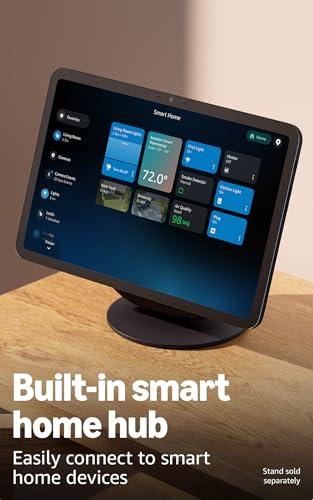
Modern smart home success depends heavily on protocol support – the various wireless standards that connected devices use to communicate. The Echo Show 11 functions as a comprehensive smart home hub supporting Zigbee, Matter, Thread (including Thread Border Router functionality), and Bluetooth connectivity.
Zigbee is a low-power mesh networking protocol used by many smart bulbs, switches, and sensors. Matter is the newer universal standard designed to make different smart home brands work together seamlessly. Thread is a newer mesh networking protocol that provides more reliable connections than traditional Wi-Fi for smart home devices.
Having these protocols built-in means the Show 11 can directly control compatible devices without requiring separate hubs – potentially saving money and reducing complexity. The visual interface also excels at displaying device status and creating complex automation routines through intuitive touchscreen controls.
The Echo Pop supports Matter and basic smart home control but lacks the comprehensive hub functionality of the Show 11. However, its built-in Eero Wi-Fi extension capability provides unique value by strengthening network connectivity for smart devices – addressing a common pain point where smart home devices lose connectivity due to weak Wi-Fi signals.
This network extension feature deserves special attention. Wi-Fi dead zones frequently cause smart home frustrations, and the Pop's ability to extend network coverage while providing smart assistant functionality creates genuine dual value that's unusual in budget devices.
At the time of writing, these devices occupy very different price tiers, with the Echo Show 11 positioned as a premium purchase while the Echo Pop represents exceptional entry-level value.
The Show 11's pricing reflects its comprehensive feature set and advanced technology. When evaluating its value proposition, consider that it potentially replaces multiple devices: a smart speaker, digital photo frame, video calling device, smart home hub, and basic entertainment display. For families or smart home enthusiasts, this consolidation can justify the premium pricing.
The Pop's aggressive pricing makes it one of the most compelling smart home values available. The combination of smart speaker functionality with Wi-Fi extension typically costs significantly more when purchased separately. This dual-purpose design creates genuine value that extends beyond basic smart assistant capabilities.
Long-term value considerations favor devices with stronger upgrade paths and broader capabilities. The Show 11's Alexa+ integration and comprehensive smart home support suggest better future-proofing, while the Pop's simplicity may limit its relevance as smart home standards evolve.
The Echo Show 11 excels as a kitchen command center, displaying recipes with step-by-step instructions, managing multiple timers with visual confirmation, and maintaining family calendars visible to everyone. The large screen makes it easy to read ingredients while cooking, and video calling capabilities let you stay connected while preparing meals.
The touchscreen interface proves particularly valuable when hands are messy – you can often navigate with knuckles or elbows when fingerprints would be problematic on smaller screens. The enhanced audio also cuts through typical kitchen noise better than smaller speakers.
For bedroom use, preferences often favor the Echo Pop due to its compact size and lack of screen glare. Many users prefer audio-only interaction during nighttime hours, and the Pop's discrete LED indicator provides status feedback without the brightness of a full display.
The Pop's network extension capability particularly benefits bedrooms in larger homes where Wi-Fi signals weaken, improving connectivity for phones, tablets, and other connected devices.
Office environments benefit differently from each device. The Echo Show 11 serves well as a secondary display for calendar management, video calls, and quick information lookup. However, the screen can become distracting during focused work periods.
The Echo Pop provides voice control for smart lighting, temperature, and basic queries without visual distractions. Its Wi-Fi extension capability can significantly improve connectivity in home offices located far from main routers.
For living room use, the Echo Show 11 functions well as a secondary entertainment device for casual viewing, music with visual elements, and smart home control. While not a replacement for dedicated entertainment systems, it handles background music, weather checks, and quick video content adequately.
The Show 11's visual interface excels at displaying security camera feeds, making it valuable for monitoring entrances or checking on children's rooms. The larger screen size makes these feeds actually usable, unlike smaller displays that render security footage nearly worthless.
The AZ3 Pro processor in the Echo Show 11 represents a significant technological advantage, enabling local AI processing that reduces latency and improves privacy by handling more commands without cloud connectivity. This edge computing capability positions the device well for future AI developments that may require local processing power.
Alexa+ integration provides a glimpse of next-generation voice assistant capabilities, with more natural conversation patterns and proactive suggestions. While currently limited to certain regions and requiring subscription fees, this represents the likely direction of smart assistant evolution.
The Echo Pop's Eero integration addresses real infrastructure needs that many smart home setups encounter. As homes acquire more connected devices, network capacity and coverage become limiting factors. The Pop's ability to strengthen Wi-Fi networks while providing smart control creates genuine long-term value.
Matter support in both devices suggests good compatibility with future smart home standards, though the Show 11's more comprehensive protocol support provides better insurance against evolving standards.
Choose the Echo Show 11 if you want a central smart home hub that serves multiple functions and you have the budget for a premium device. It's ideal for families who benefit from shared visual information, cooking enthusiasts who appreciate recipe displays, or anyone wanting to consolidate multiple devices into a single unit.
The Show 11 makes the most sense in primary living spaces like kitchens, living rooms, or main bedrooms where its capabilities get regular use. If you're building a comprehensive smart home system and want a capable central controller, the investment often justifies itself through consolidation and enhanced functionality.
Choose the Echo Pop if you prioritize value and discrete integration. It's perfect for budget-conscious buyers, renters who want minimal investment, or anyone extending smart control to additional rooms. The dual smart speaker and Wi-Fi extender functionality creates genuine value that's hard to match at this price point.
The Pop excels in secondary locations like bedrooms, bathrooms, home offices, or any space where you want smart control without visual prominence. If you're testing smart home technology or have multiple rooms needing coverage, the Pop's affordability makes it practical to deploy several units.
For most users starting their smart home journey, the Echo Pop represents the better initial choice due to its low commitment cost and dual functionality. You can always add visual displays later once you understand how you actually use voice assistants.
For established smart home users or those wanting a premium central hub, the Echo Show 11 provides comprehensive capabilities that justify its premium positioning, especially when it replaces multiple separate devices.
The choice ultimately depends on whether you value comprehensive visual smart home control or prefer affordable, discrete coverage with network benefits. Both approaches have merit, and many users will eventually find value in deploying both types of devices throughout their homes.
| Amazon Echo Show 11 Smart Display | Amazon Echo Pop Smart Speaker |
|---|---|
| Display - Core functionality difference that defines user experience | |
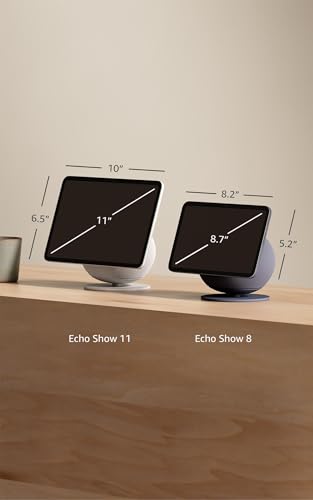
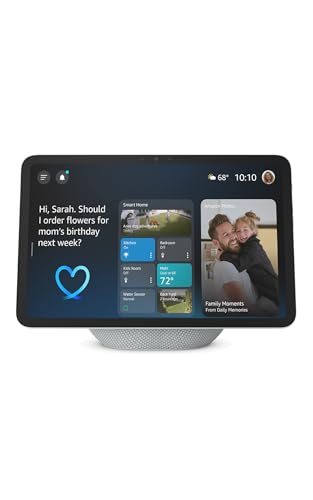
| 10.95-inch Full HD touchscreen (1920×1200) with visual Alexa responses, video calls, and smart home dashboards | Audio-only device with curved LED status bar - no screen means lower cost but limits functionality |
| Audio System - Critical for music quality and room coverage | |
| Forward-firing stereo speakers with custom woofer and spatial audio processing for room-filling sound | Single 1.95-inch front-firing driver adequate for small spaces but limited bass and volume |
| Processor - Determines response speed and future AI capabilities | |
| AZ3 Pro chip with AI accelerator enables local processing and edge computing for faster responses | Standard processor handles basic Alexa functions reliably but lacks advanced AI features |
| Smart Home Hub - Essential for controlling connected devices without additional hardware | |
| Comprehensive hub with Zigbee, Matter, Thread Border Router support - can replace dedicated hubs | Matter controller only but includes unique Eero Wi-Fi extension up to 1,000 sq ft coverage |
| Alexa Version - Impacts conversation quality and proactive features | |
| Alexa+ with advanced conversational AI, proactive suggestions, and visual responses (subscription required) | Standard Alexa with reliable voice control but basic interaction patterns |
| Camera - Important for video calls and visual recognition features | |
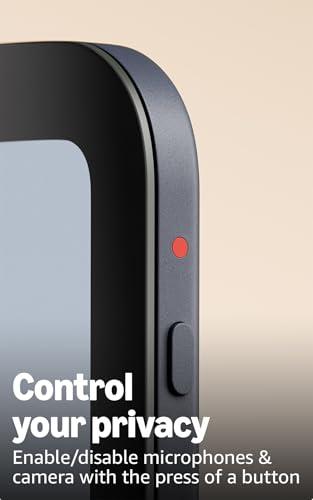
| 13-megapixel front-facing camera with auto-framing for high-quality video calls and user recognition | No camera - limits functionality but enhances privacy for bedroom/office use |
| Physical Design - Affects room placement flexibility and aesthetic integration | |
| Premium floating screen design with woven mesh base, requires dedicated surface space | Compact semi-spherical shape fits discretely on nightstands, desks, or small spaces |
| Connectivity - Determines device compatibility and network integration | |
| Wi-Fi, Bluetooth, Zigbee, Thread, Matter with comprehensive smart device support | Wi-Fi, Bluetooth, Matter plus unique dual-function as network extender |
| Target Room Size - Critical for audio performance and visual usability | |
| Medium to large rooms, kitchens, living areas where screen visibility and audio projection matter | Small rooms, bedrooms, offices where compact size and network boost provide value |
| Power Requirements - Affects placement flexibility | |
| AC power required with larger power adapter due to display and processing demands | Standard AC adapter but lower power consumption than display models |
| Price Category - Major factor in purchase decision | |
| Premium smart display pricing reflects comprehensive feature set and advanced technology | Entry-level pricing with exceptional value due to dual smart speaker and Wi-Fi extender functionality |
The Amazon Echo Show 11 Smart Display features a 10.95-inch touchscreen for visual interaction, video calls, and displaying information, while the Amazon Echo Pop Smart Speaker is an audio-only device focused on voice commands and compact design. The Show 11 serves as a visual smart home hub, whereas the Pop prioritizes affordability and discrete placement.
The Amazon Echo Show 11 delivers superior audio quality with its forward-firing stereo speakers, custom woofer, and spatial audio processing. The Echo Pop has a single 1.95-inch driver that's adequate for small rooms and voice content but lacks the bass response and volume of the Show 11.
Yes, both can control smart home devices, but with different capabilities. The Echo Show 11 Smart Display functions as a comprehensive smart home hub supporting Zigbee, Matter, and Thread protocols, potentially replacing separate hubs. The Echo Pop Smart Speaker supports Matter and basic device control but also uniquely extends your Wi-Fi network coverage.
Only the Amazon Echo Show 11 supports video calls with its 13-megapixel front-facing camera and large display. The Echo Pop has no camera and can only handle voice calls through connected phones or other devices.
Neither device is designed for serious home theater applications. The Echo Show 11 can serve as a secondary entertainment device for casual viewing and background music, but dedicated soundbars or speaker systems are recommended for true home theater setups. The Echo Pop is better suited for personal listening in small spaces.
The Amazon Echo Pop Smart Speaker is specifically designed for small spaces with its compact semi-spherical design and discrete LED indicator. Many users prefer it for bedrooms since there's no screen glare during nighttime. The Echo Show 11 requires more surface space and may be too prominent for intimate spaces.
Only the Amazon Echo Show 11 Smart Display can display visual recipes with step-by-step instructions and ingredients lists. The touchscreen interface works well in kitchens when hands are messy. The Echo Pop Smart Speaker can only provide audio recipe instructions through voice commands.
This depends on your needs and budget. The Echo Pop offers exceptional entry-level value by combining smart speaker functionality with Wi-Fi extension capabilities at a very affordable price point. The Amazon Echo Show 11 justifies its premium pricing by potentially replacing multiple devices like digital photo frames, video calling devices, and smart home hubs.
The Echo Show 11 includes Alexa+ with advanced conversational AI and proactive suggestions, while the Amazon Echo Pop uses standard Alexa. Both handle basic voice commands, smart home control, and music streaming, but the Show 11 offers more sophisticated interactions and visual responses.
The Amazon Echo Pop Smart Speaker uniquely includes built-in Eero Wi-Fi extension that can add up to 1,000 square feet of coverage to compatible networks. The Echo Show 11 Smart Display doesn't offer Wi-Fi extension capabilities but provides comprehensive smart home hub functionality instead.
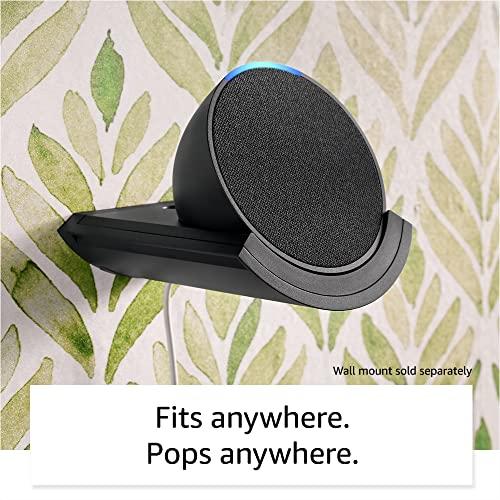
The Amazon Echo Show 11 can be wall-mounted with optional accessories, though it's designed primarily for countertop placement. The compact Echo Pop is designed for tabletop, shelf, or nightstand placement and isn't typically wall-mounted due to its small size and power cord requirements.
The Amazon Echo Show 11 Smart Display offers more family-friendly features including visual calendars, video calling to stay connected with family members, parental controls with visual confirmation, and the ability to display photos. The Echo Pop Smart Speaker provides basic family features like timers and music but lacks the visual interface that helps with family organization and communication.
We've done our best to create useful and informative comparisons to help you decide what product to buy. Our research uses advanced automated methods to create this comparison and perfection is not possible - please contact us for corrections or questions. These are the sites we've researched in the creation of this article: notebookcheck.net - techradar.com - matteralpha.com - bestbuy.com - aboutamazon.com - cordcuttersnews.com - rtings.com - reviewed.com - techradar.com - soundguys.com - youtube.com - youtube.com - youtube.com - bestbuy.com - soundguys.com - rtings.com - goodhousekeeping.com - bestbuy.com - youtube.com - dell.com - manuals.plus - youtube.com - bestbuy.com - en.wikipedia.org - nfm.com

Privacy Policy
Terms and Conditions - Affiliate Policy
Home Security
© Copyright 2008-2026.
11816 Inwood Rd #1211, Dallas, TX 75244