

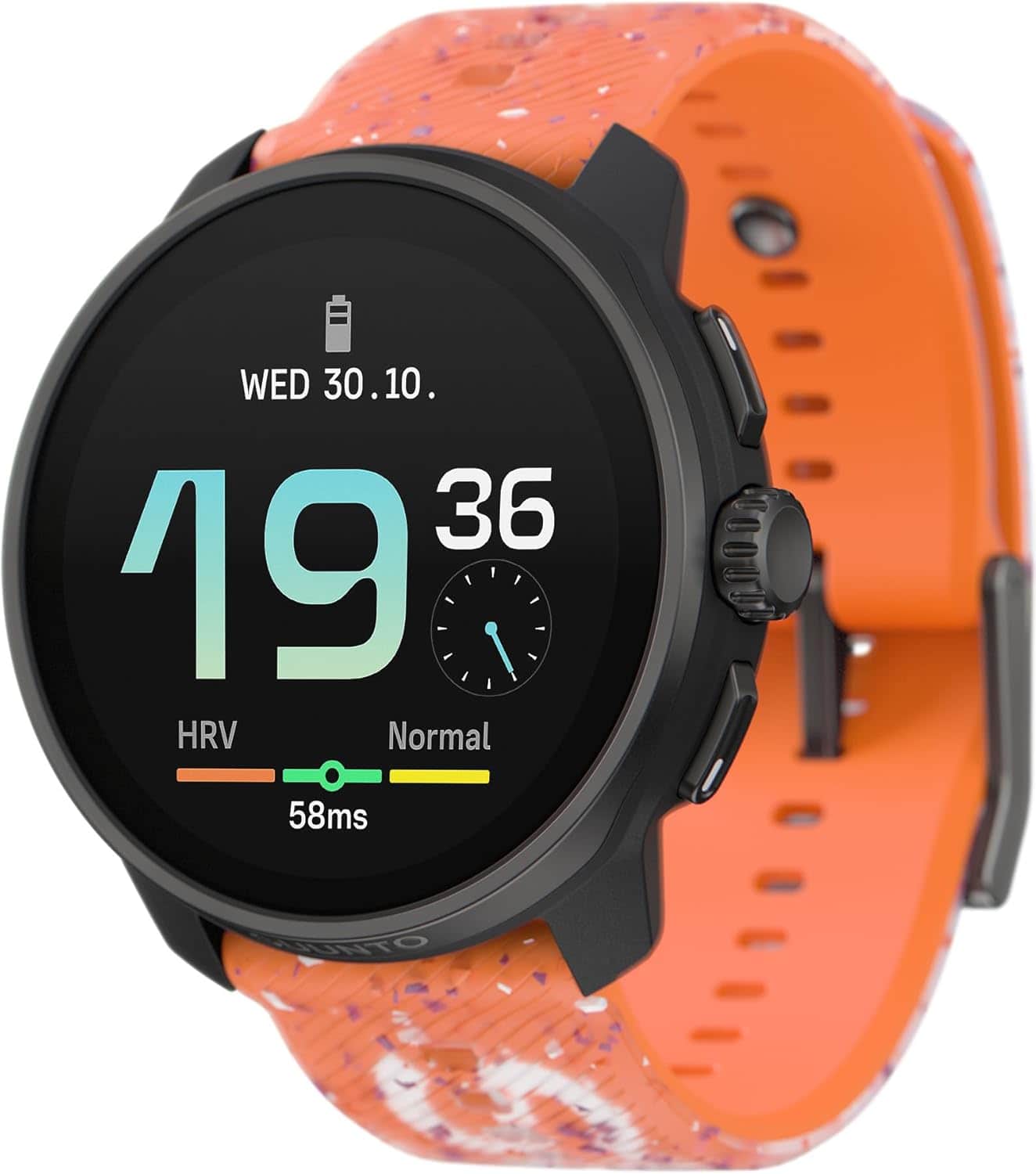
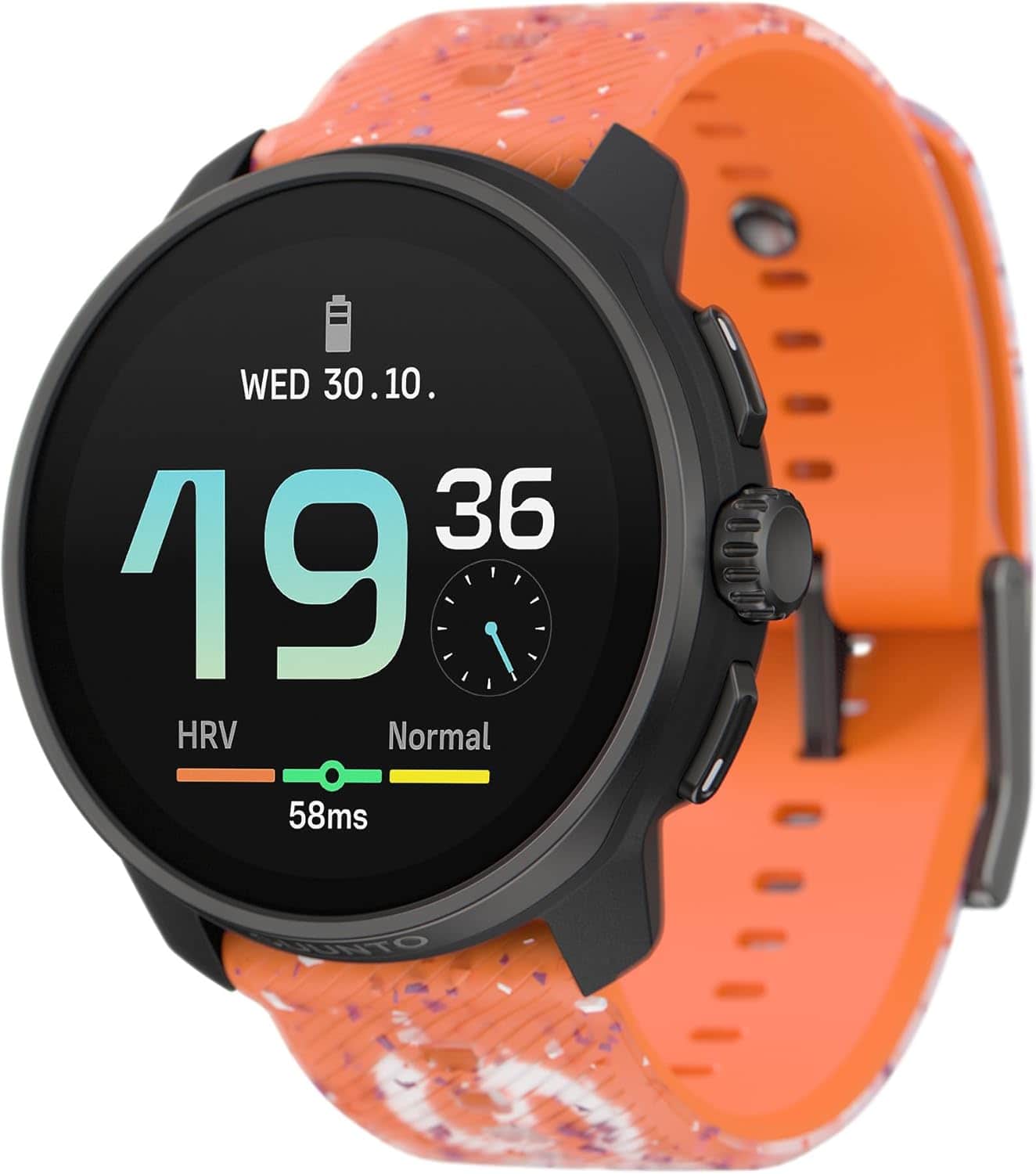
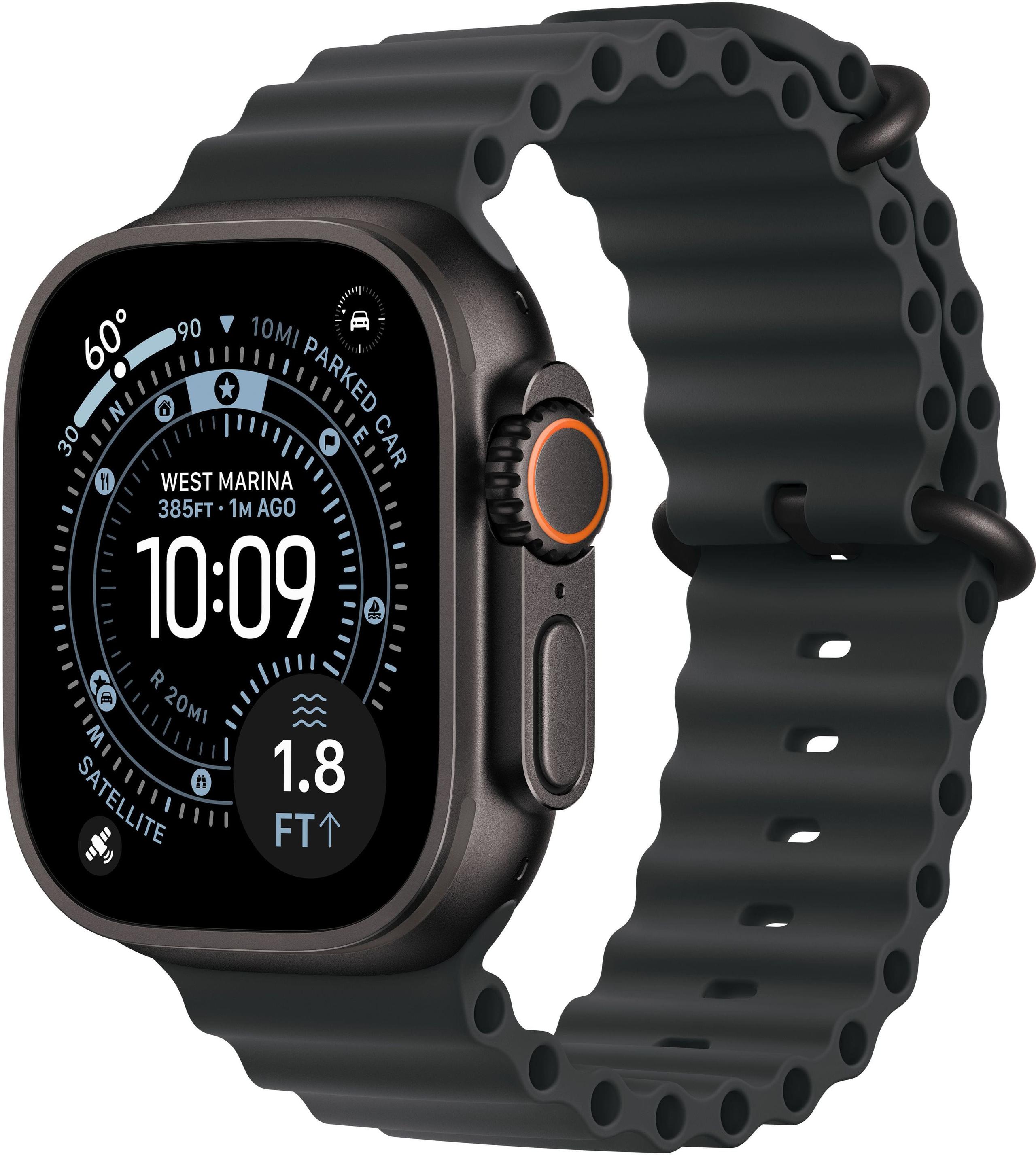
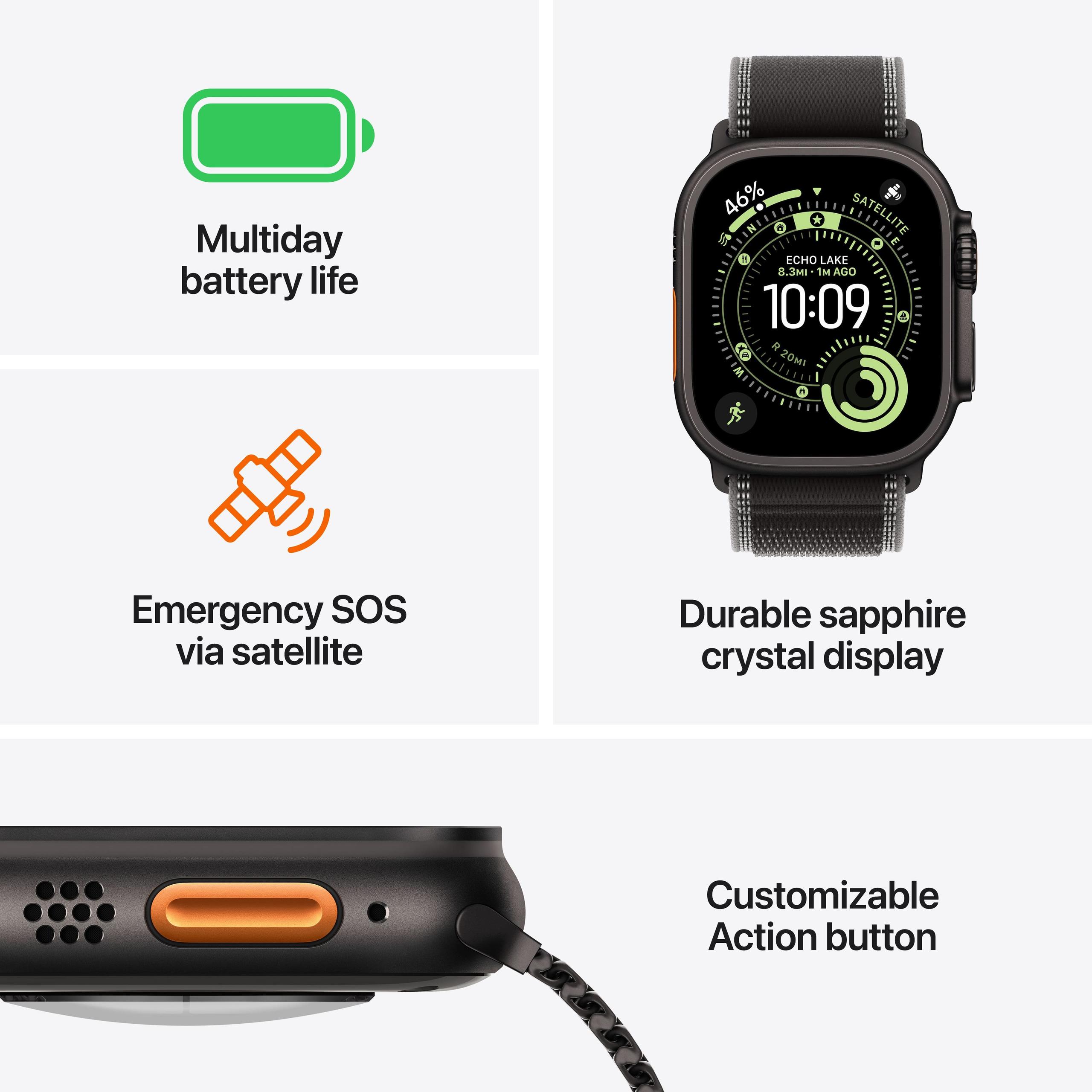
When shopping for a wearable that can track your workouts and keep you connected, you'll quickly discover two very different philosophies. On one side, you have dedicated GPS sports watches like the Suunto Race S, designed specifically for athletes who want every training metric imaginable. On the other, premium smartwatches like the Apple Watch Ultra 3 offer the full smartphone experience on your wrist, with fitness features as a powerful bonus.
The choice between these approaches isn't just about features—it's about how you live, train, and what you're willing to compromise. At the time of writing, these devices sit in completely different price brackets, with the Suunto Race S positioned as an affordable entry into premium sports watch territory, while the Apple Watch Ultra 3 commands more than double the price as Apple's flagship wearable.
The GPS sports watch category has evolved dramatically since companies like Garmin pioneered the space in the early 2000s. What started as basic GPS loggers have become sophisticated training computers that can analyze everything from your running form to your recovery patterns. The Suunto Race S, released in 2024, represents this evolution perfectly—packing advanced metrics and offline mapping into a compact, affordable package.
Meanwhile, smartwatches have followed a different path. Apple's Watch Ultra line, launched in 2022 and refined with the Ultra 3 in 2024, attempts to bridge the gap between everyday smartwatch convenience and serious outdoor capability. The result is a device that can handle both morning conference calls and afternoon trail runs, though with some inevitable compromises.
The fundamental question becomes: do you want a computer that happens to track fitness, or a fitness tracker that happens to be smart?
The most immediately obvious difference between these devices is their displays, and the contrast reveals their different priorities perfectly.
The Suunto Race S features a 1.32-inch AMOLED (Active Matrix Organic Light Emitting Diode) touchscreen. AMOLED technology means each pixel produces its own light, creating deep blacks and vibrant colors while consuming less power than traditional LCD screens. At 466x466 pixels, it's remarkably sharp for a sports watch, offering 466 pixels per inch—more than enough to read detailed maps or training data clearly.
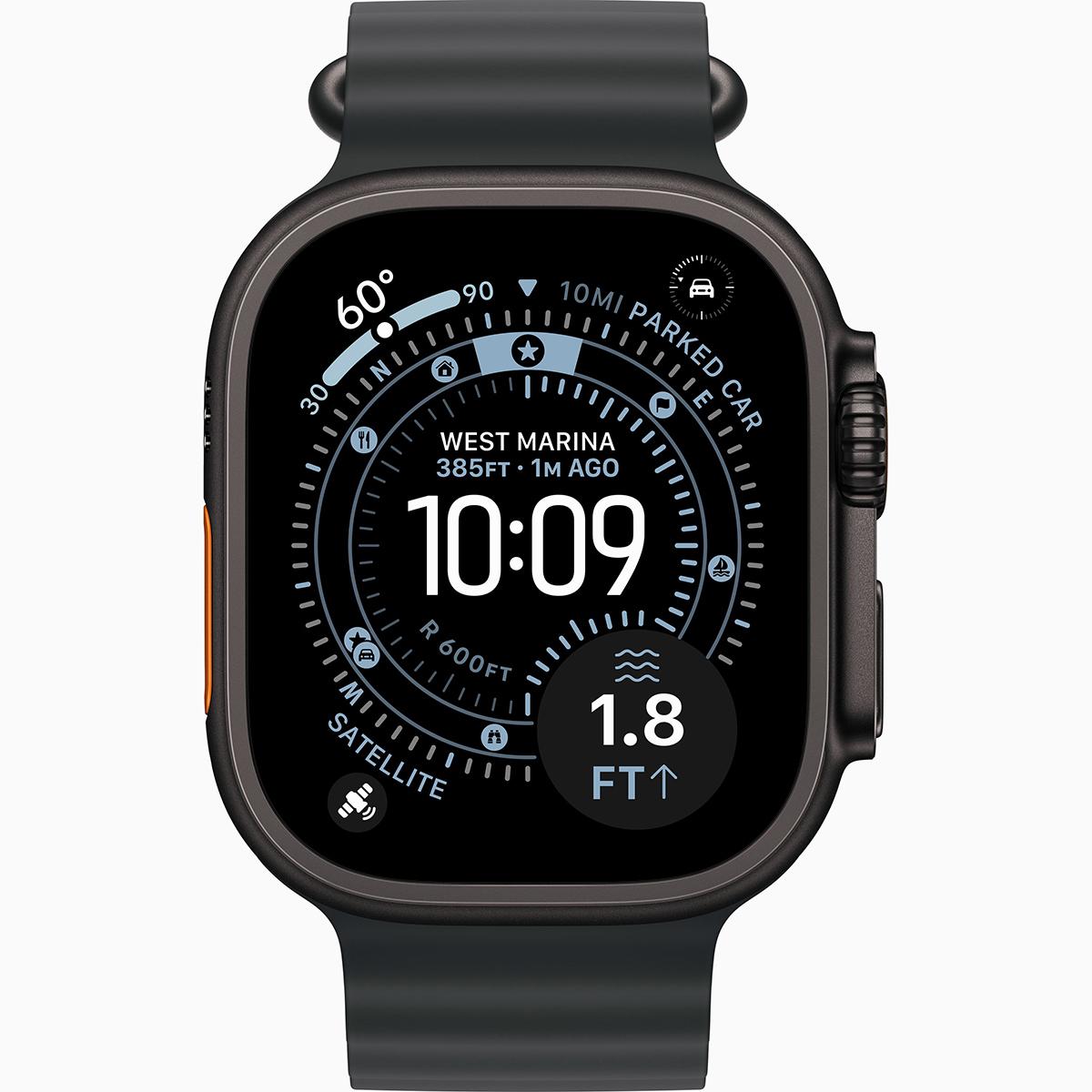
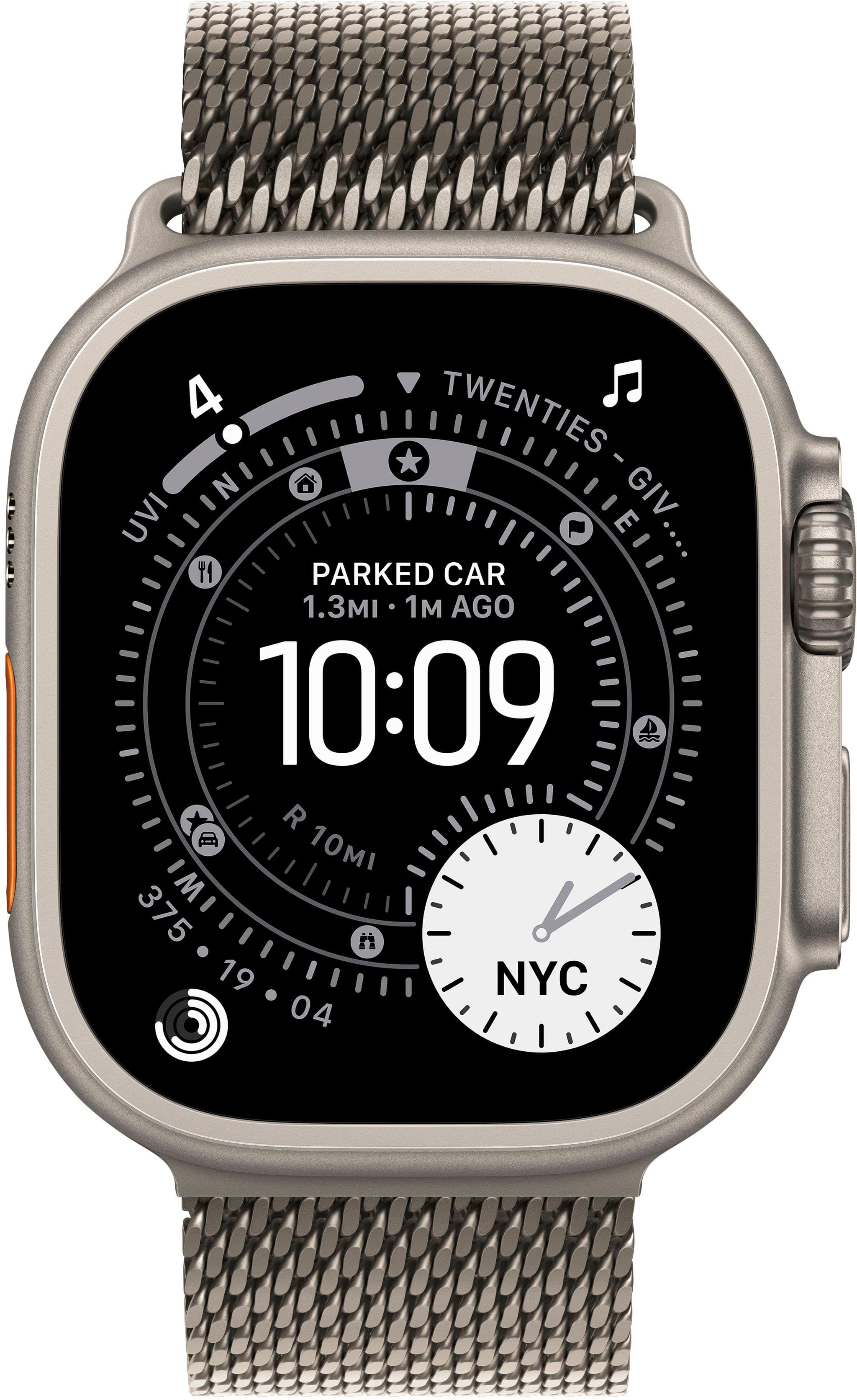
The Apple Watch Ultra 3, however, takes a different approach with its massive 1.93-inch display. Using LTPO (Low Temperature Polycrystalline Oxide) OLED technology, it can dynamically adjust its refresh rate from 1Hz when displaying static information up to higher rates for smooth interactions. This variable refresh rate is crucial for battery life—the display can show a ticking seconds hand in always-on mode without draining power like traditional screens would.
The size difference is substantial. The Ultra 3's display area is nearly 50% larger, making it significantly easier to read maps, respond to messages, or navigate complex menus. However, this comes at the cost of overall device size and battery consumption.
From our research into user experiences, the larger display clearly wins for general use and older users who appreciate the extra visibility. But for dedicated athletes, especially those with smaller wrists, the Suunto Race S's more compact footprint often proves more comfortable during long training sessions.
This is where the fundamental philosophies of these devices become crystal clear. The Suunto Race S can run for 9-13 days of regular use, or up to 30 hours of continuous GPS tracking in its most accurate mode. Switch to "Tour Mode" (which reduces GPS accuracy slightly and turns off heart rate monitoring), and you can track for an incredible 120 hours—that's five full days of continuous recording.
The Apple Watch Ultra 3, despite significant improvements over earlier Apple Watches, manages about 42 hours of normal use or roughly 14-20 hours of GPS tracking, depending on settings. While this represents a major leap forward for Apple (the original Apple Watch barely lasted a day), it's still in a completely different league from dedicated sports watches.
These aren't just numbers—they represent entirely different use cases. Ultra-distance runners, multi-day hikers, or adventure racers simply can't rely on a device that needs charging every day or two. The Suunto Race S's battery life means you can head out for a weekend camping trip without even thinking about bringing a charger.
However, for most people's daily routines, the Apple Watch Ultra 3's battery life is perfectly adequate. If you're hitting the gym for an hour or going on weekend runs, charging every couple of days isn't a significant burden.
Both watches use what's called "dual-frequency" or "multiband" GPS. Traditional GPS uses a single frequency (L1) that can be disrupted by tall buildings, dense forests, or atmospheric interference. Dual-frequency GPS adds a second signal (L5) that's more resistant to interference, resulting in dramatically better accuracy in challenging environments.
The Suunto Race S supports five different satellite systems simultaneously (GPS, GLONASS, GALILEO, QZSS, and BEIDOU) and can connect to up to 32 satellites at once. This redundancy means even if you're in a narrow canyon or dense forest, you're likely to maintain accurate positioning.
More importantly for navigation, the Suunto Race S includes 32GB of storage for offline maps. These aren't basic breadcrumb trails—they're detailed topographic maps that work without any phone connection. You can plan routes, follow turn-by-turn directions, and even get warnings about upcoming climbs (called "ClimbGuide"). For anyone who ventures into areas with poor cell coverage, this is invaluable.
The Apple Watch Ultra 3 also offers excellent GPS accuracy with its dual-frequency system, and early reports suggest it may even have a slight edge in challenging environments. However, it lacks comprehensive offline mapping. While you can use third-party apps for navigation, you're often dependent on your phone or an internet connection for detailed maps.
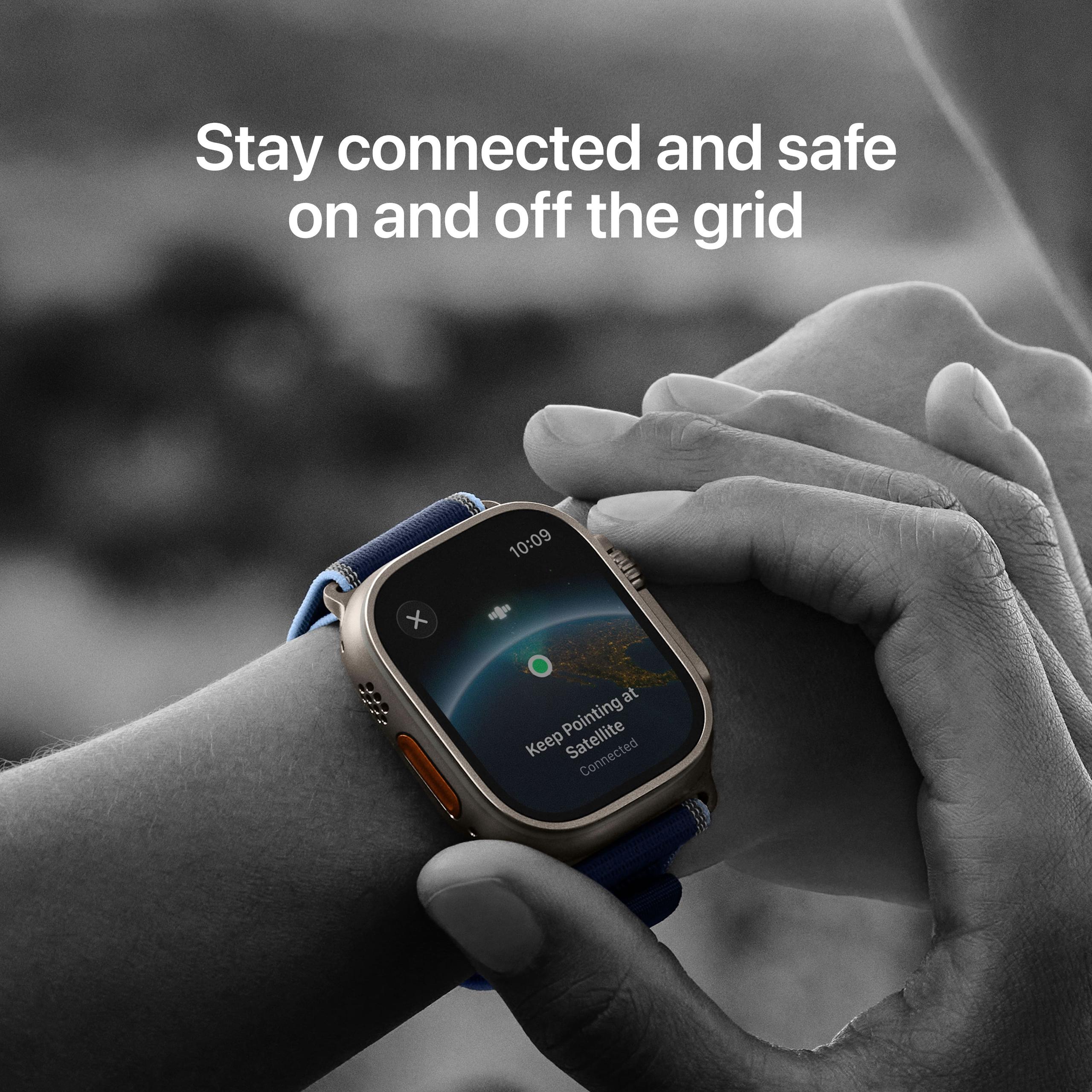
The satellite connectivity in the Apple Watch Ultra 3 does add a unique safety element—you can send emergency messages or even regular texts when completely out of cellular range. This two-way satellite communication is genuinely innovative and could be life-saving in emergency situations.
This is where the specialized nature of the Suunto Race S really shines. It offers 95+ sport modes, including dedicated profiles for triathlon, open-water swimming, trail running, and even specialized activities like ski mountaineering. Each mode tracks relevant metrics—for example, swimming modes track stroke count and efficiency, while running modes can estimate your power output without requiring additional sensors.
The "Suunto Coach AI" feature analyzes your heart rate variability (HRV)—tiny variations in the time between heartbeats that indicate recovery status—to provide personalized training recommendations. It can tell you when to push hard, when to take it easy, and how your fitness is progressing over time.
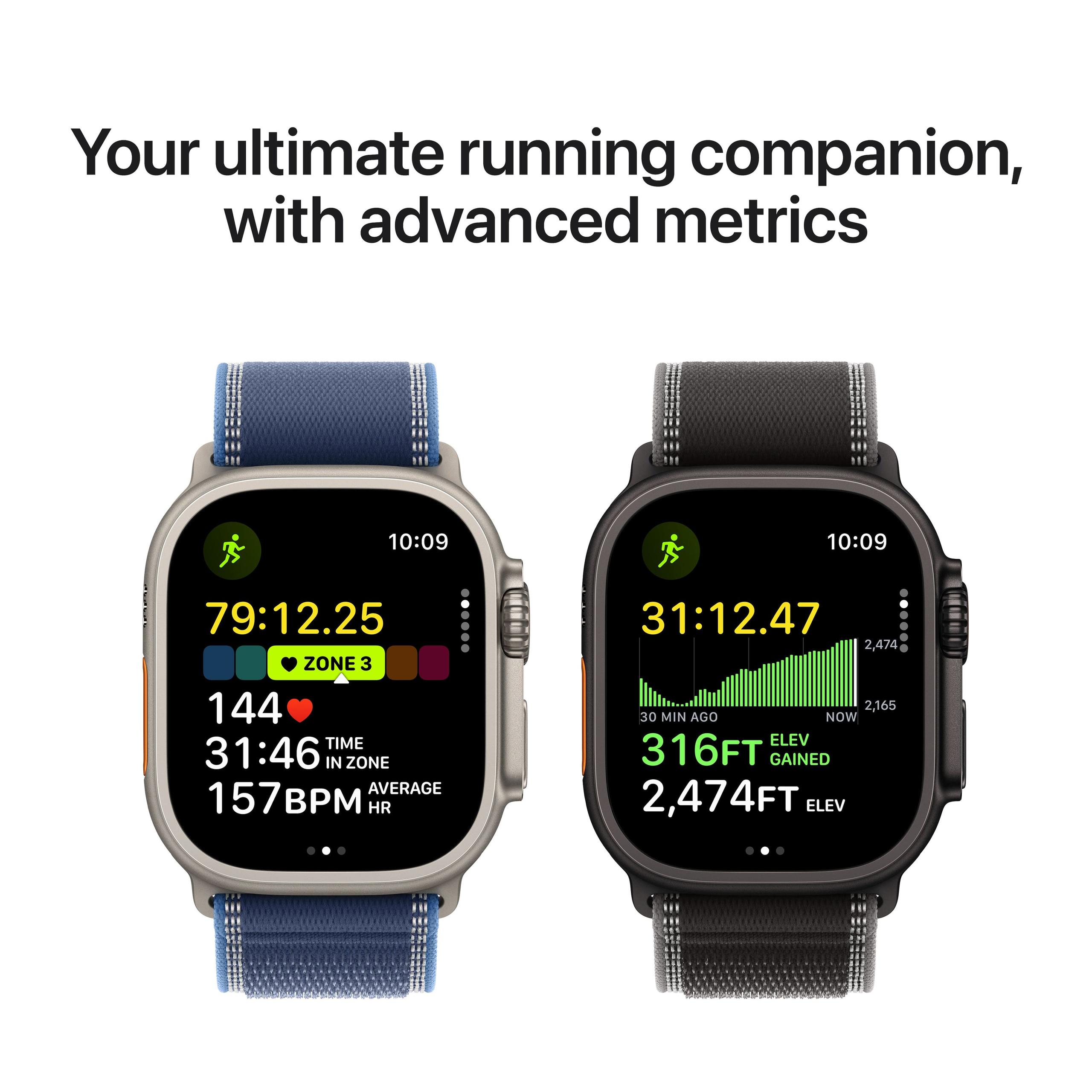
The Apple Watch Ultra 3 covers the basics well with modes for running, cycling, swimming, and hiking, plus newer features like workout effort tracking. However, it lacks the deep sport-specific analysis that serious athletes expect. You won't find advanced running dynamics, detailed cycling power analysis, or comprehensive triathlon support.
Where the Apple Watch Ultra 3 does excel is in general health monitoring. It can take ECGs (electrocardiograms), monitor blood oxygen levels, track sleep stages, and even detect potential health issues like atrial fibrillation or sleep apnea. The latest version adds hypertension notifications—a genuinely useful health feature that goes well beyond fitness tracking.
The Apple Watch Ultra 3 is, fundamentally, a computer on your wrist. With 64GB of storage, it can hold apps, music, podcasts, and even games. You can make phone calls, send texts, use Apple Pay for purchases, and access thousands of apps through the App Store. Siri voice control works surprisingly well, and the integration with iPhone is seamless.
The Suunto Race S takes a much more focused approach. You get basic notifications from your phone, music controls, and that's about it. There's no app store, no payments, no voice assistant. It's designed to be a dedicated training tool, not a general-purpose computer.
This difference becomes particularly important if you're already invested in Apple's ecosystem. If you own an iPhone, iPad, and Mac, the Apple Watch Ultra 3 integrates beautifully with all of them. Your workout data syncs automatically, you can unlock your Mac with your watch, and your music follows you seamlessly across devices.
The Suunto Race S, by contrast, works equally well with both iPhone and Android phones, making it a more flexible choice if you switch between platforms or use multiple devices.
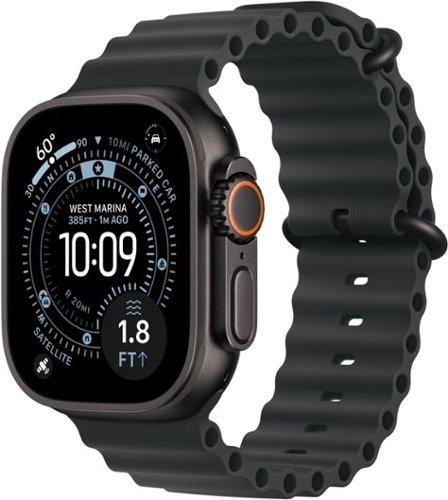
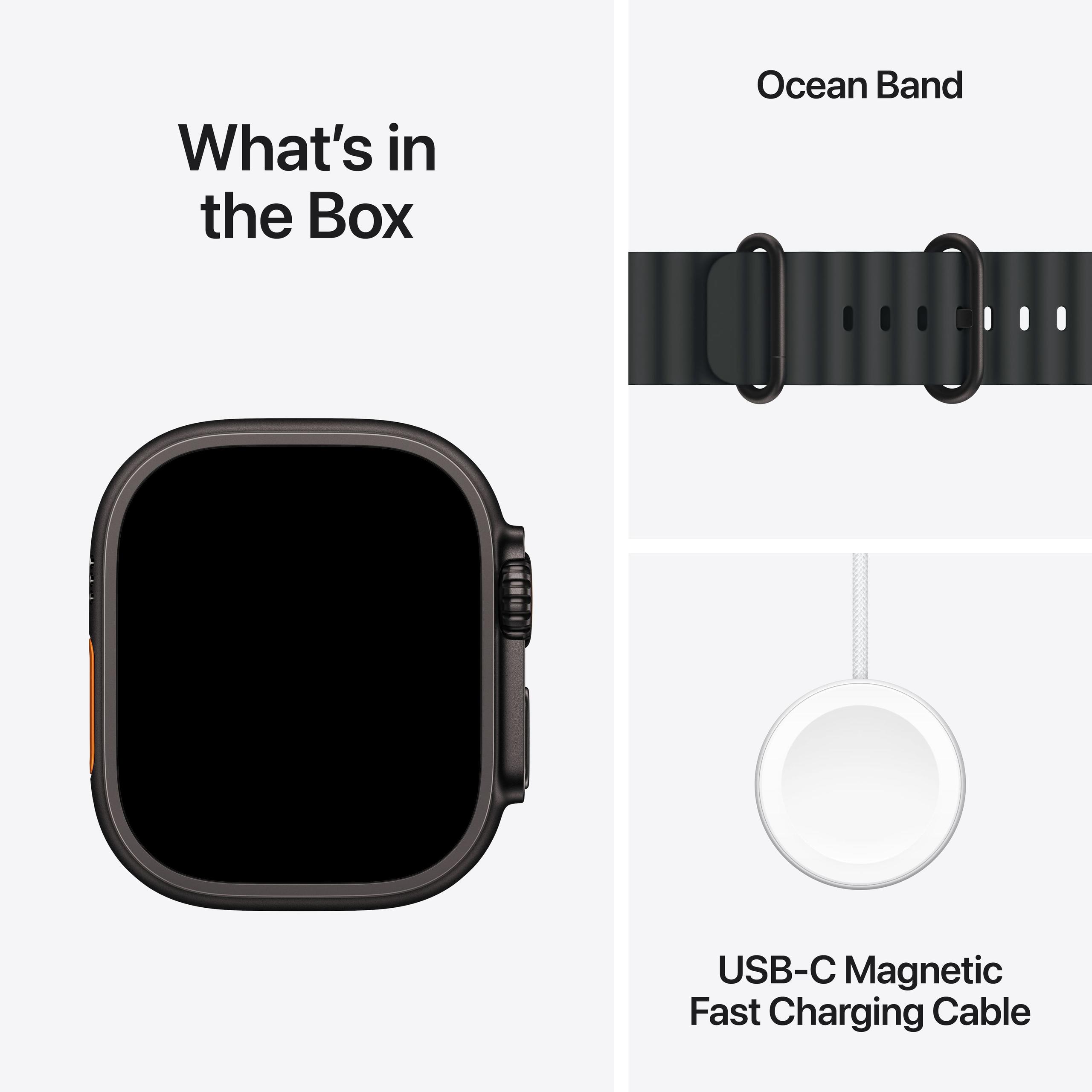
The Apple Watch Ultra 3 uses aerospace-grade titanium for its case—the same material used in aircraft and spacecraft. The display is protected by sapphire crystal, one of the hardest materials available, second only to diamond. At nearly 62 grams, it feels substantial and premium, living up to its "Ultra" branding.
The Suunto Race S uses a composite case with a stainless steel bezel and Gorilla Glass protection. While not as premium as titanium and sapphire, these materials are highly durable and significantly lighter at just 60 grams. The weight difference might seem minimal, but it becomes noticeable during long activities.
Both watches are water-resistant, but the Apple Watch Ultra 3 goes deeper—rated to 100 meters versus the Race S's 50-meter rating. The Ultra 3 even includes a depth gauge for diving, though few users will need this specialized feature.
Neither watch delivers perfect heart rate accuracy from the wrist, and this is worth understanding. Optical heart rate sensors work by shining light through your skin and detecting blood flow changes. They struggle with rapid changes in intensity, dark skin tones, tattoos, and loose fit.
Both devices have improved their optical sensors compared to earlier generations, but user reports suggest they're still inconsistent for serious training. The Apple Watch Ultra 3 may have a slight edge for steady-state activities, but both devices can miss intervals or provide inaccurate readings during intense efforts.
Serious athletes should budget for a chest strap heart rate monitor regardless of which watch they choose. The good news is that both devices pair seamlessly with external sensors, which provide much more accurate data.
At the time of writing, the price difference between these watches is substantial—the Apple Watch Ultra 3 costs more than double the Suunto Race S. This pricing reflects their different target markets and capabilities.
The Suunto Race S represents exceptional value in the GPS sports watch category. Getting an AMOLED display, offline mapping, and comprehensive training features at this price point was nearly impossible just a few years ago. If your primary goal is athletic performance tracking, it's hard to find better value.
The Apple Watch Ultra 3's premium pricing reflects its broader capabilities and premium materials. You're paying for titanium construction, a larger display, satellite connectivity, and the full smartwatch experience. For Apple ecosystem users who want outdoor capabilities, the price premium may be justified.
However, it's worth noting that the sports watch market offers fierce competition. While the Suunto Race S competes primarily on value, the Apple Watch Ultra 3 faces competition from both premium sports watches with better battery life and more affordable Apple Watches with similar smart features.
The Suunto Race S makes sense for dedicated athletes, outdoor enthusiasts, and anyone who prioritizes training data over smart features. If you're training for marathons, triathlons, or adventure races, its battery life and sport-specific features are invaluable. It's also ideal for budget-conscious buyers who want premium sports watch features without premium pricing.
The Apple Watch Ultra 3 suits users who want one device to handle both their fitness goals and daily digital needs. If you're already invested in Apple's ecosystem, want cutting-edge health monitoring, or need satellite connectivity for safety, it justifies its higher price. It's also better for users who prefer larger displays and don't mind frequent charging.
For casual fitness enthusiasts who mainly do gym workouts or weekend activities, either watch would work well, though the Suunto Race S offers better value while the Apple Watch Ultra 3 provides more convenience.
These watches represent fundamentally different approaches to wearable technology. The Suunto Race S is a specialized tool that excels at its intended purpose—tracking athletic performance with exceptional battery life and detailed metrics. The Apple Watch Ultra 3 is a premium lifestyle device that happens to be quite capable at fitness tracking.
Neither approach is inherently better; they serve different users and use cases. The key is understanding which philosophy aligns with your priorities, budget, and how you actually use wearable technology. In a market full of compromises, both devices succeed by staying true to their core missions—even if those missions are completely different.
| Suunto Race S GPS Sports Watch | Apple Watch Ultra 3 49mm Titanium GPS Cellular |
|---|---|
| Display Size - Larger screens are easier to read but impact battery life | |
| 1.32" AMOLED (466x466 pixels) | 1.93" LTPO OLED (422x514 pixels) - 47% larger screen area |
| Battery Life (Daily Use) - Critical for multi-day adventures and reducing charging anxiety | |
| 9-13 days (depending on heart rate monitoring) | 42 hours normal use, 72 hours in Low Power mode |
| GPS Battery Life - Essential for long workouts and ultra-endurance events | |
| 30 hours (Performance mode), 120 hours (Tour mode) | 14-20 hours (dual-band GPS) |
| Case Material - Affects durability, weight, and premium feel | |
| Composite with stainless steel bezel, 60g | Aerospace-grade titanium, 61.8g |
| Water Resistance - Important for swimming and water sports | |
| 50m (5 ATM) | 100m (10 ATM) with depth gauge for diving |
| Offline Maps - Crucial for navigation without phone connectivity | |
| Yes, 32GB storage with detailed topographic maps | No native offline maps (requires third-party apps) |
| Satellite Systems - More systems mean better GPS accuracy in challenging terrain | |
| 5 systems (GPS, GLONASS, GALILEO, QZSS, BEIDOU) | Dual-frequency GPS with precision algorithms |
| Sport Modes - More modes mean better tracking for specialized activities | |
| 95+ including dedicated triathlon and ultra-endurance modes | Basic sport modes (running, cycling, swimming) with limited specialization |
| Smart Features - Determines if it can replace your phone for daily tasks | |
| Basic notifications and music control only | Full iOS ecosystem: apps, calls, payments, 64GB storage |
| Satellite Communication - Emergency safety feature for remote areas | |
| None | Two-way satellite messaging and Emergency SOS |
| Training Analysis - Advanced metrics help optimize performance and recovery | |
| Comprehensive with AI coaching, HRV recovery, training load | Basic training load tracking, limited sport-specific analysis |
| Health Monitoring - Medical-grade features for overall wellness tracking | |
| Heart rate, sleep, stress, menstrual cycle tracking | ECG, blood oxygen, sleep apnea detection, hypertension alerts |
| Platform Compatibility - Determines which phones work best | |
| iOS and Android support | iPhone only (seamless Apple ecosystem integration) |
| Charging Speed - Faster charging reduces downtime between activities | |
| Full charge in ~1 hour | 80% charge in 45 minutes, 12 hours use from 15-minute charge |
The Suunto Race S GPS Sports Watch significantly outperforms the Apple Watch Ultra 3 for extended activities. The Suunto Race S provides up to 30 hours of continuous GPS tracking in performance mode and an impressive 120 hours in tour mode, making it ideal for ultra-marathons, multi-day hikes, and adventure races. The Apple Watch Ultra 3 offers 14-20 hours of GPS tracking, which is excellent for Apple watches but still requires daily charging for serious athletes.
The Suunto Race S GPS Sports Watch works with both iPhone and Android devices, offering flexibility for users who switch between platforms. The Apple Watch Ultra 3 only works with iPhones and requires seamless integration with Apple's ecosystem. If you're an Android user, the Suunto Race S is your only option between these two watches.
The Apple Watch Ultra 3 has superior water resistance at 100 meters compared to the Suunto Race S at 50 meters. The Apple Watch Ultra 3 also includes a depth gauge for diving activities. However, both watches handle swimming, surfing, and most water sports effectively. The Suunto Race S offers dedicated open-water swimming modes with detailed stroke analysis that many competitive swimmers prefer.
The Apple Watch Ultra 3 with cellular connectivity can make calls, send texts, and access apps independently of your phone. The Suunto Race S GPS Sports Watch can track workouts and navigate using offline maps without your phone, but cannot handle calls or messages independently. For true phone-free functionality, the Apple Watch Ultra 3 is the clear winner.
Both watches offer excellent GPS accuracy with dual-frequency systems, but they excel in different areas. The Suunto Race S GPS Sports Watch connects to five satellite systems simultaneously and includes 32GB of offline topographic maps for superior navigation. The Apple Watch Ultra 3 has refined GPS algorithms that may perform slightly better in urban environments. For wilderness navigation, the Suunto Race S is superior due to its offline mapping capabilities.
The Suunto Race S GPS Sports Watch includes Suunto Coach AI that provides personalized training recommendations based on your heart rate variability and recovery status. It offers detailed analysis across 95+ sport modes with sport-specific metrics. The Apple Watch Ultra 3 provides basic workout effort tracking and integrates with fitness apps, but lacks the deep training analysis that serious athletes expect from the Suunto Race S.
The Apple Watch Ultra 3 uses premium aerospace-grade titanium construction with sapphire crystal glass, making it extremely durable. The Suunto Race S GPS Sports Watch uses a composite case with Gorilla Glass, which is highly durable but not as premium. Both watches handle extreme conditions well, but the Apple Watch Ultra 3 has superior materials and deeper water resistance for the most demanding adventures.
The Apple Watch Ultra 3 includes 64GB of storage and can download music, podcasts, and audiobooks for offline playback through built-in speakers or Bluetooth headphones. The Suunto Race S GPS Sports Watch only offers music control for your connected phone and cannot store media independently. For phone-free music during workouts, the Apple Watch Ultra 3 is the only option.
The Apple Watch Ultra 3 provides comprehensive health monitoring including ECG readings, blood oxygen levels, sleep apnea detection, and hypertension alerts - features approaching medical-grade monitoring. The Suunto Race S GPS Sports Watch focuses on fitness metrics like heart rate variability, sleep tracking, and stress monitoring. For general health monitoring, the Apple Watch Ultra 3 is more comprehensive, while the Suunto Race S excels at athletic performance tracking.
Both watches feature bright displays optimized for outdoor use. The Apple Watch Ultra 3 has a significantly larger 1.93-inch screen with up to 3000 nits brightness, making it easier to read detailed information. The Suunto Race S GPS Sports Watch offers a smaller but sharp 1.32-inch AMOLED display that's perfectly readable and more compact for athletic activities. The Apple Watch Ultra 3 wins for overall visibility and information density.
The Suunto Race S GPS Sports Watch offers exceptional value for dedicated athletes, providing comprehensive training metrics, offline mapping, and multi-day battery life at a significantly lower price point. The Apple Watch Ultra 3 costs substantially more but includes premium materials, satellite connectivity, and full smartwatch functionality. Pure athletes focused on training will find better value in the Suunto Race S, while users wanting broader functionality may justify the premium for the Apple Watch Ultra 3.
The Apple Watch Ultra 3 includes groundbreaking satellite communication capabilities, allowing two-way messaging and Emergency SOS when completely outside cellular coverage. The Suunto Race S GPS Sports Watch lacks satellite communication but provides superior offline navigation with detailed topographic maps to prevent getting lost. For emergency communication, the Apple Watch Ultra 3 is revolutionary, while the Suunto Race S excels at preventing emergencies through better navigation tools.
We've done our best to create useful and informative comparisons to help you decide what product to buy. Our research uses advanced automated methods to create this comparison and perfection is not possible - please contact us for corrections or questions. These are the sites we've researched in the creation of this article: techradar.com - trackbetter.com - trackbetter.com - runnersworld.com - alastairrunning.com - youtube.com - feedthehabit.com - outdoorgearlab.com - irunfar.com - youtube.com - forum.suunto.com - youtube.com - dcrainmaker.com - the5krunner.com - youtube.com - youtube.com - grittyrunners.co.uk - youtube.com - us.suunto.com - us.suunto.com - youtube.com - playbetter.com - us.suunto.com - suunto.com - suunto.com - suunto.com - bestbuy.com - trackbetter.com - watchard.com - youtube.com - dcrainmaker.com - youtube.com - phonearena.com - tomsguide.com - applevis.com - apple.com - apple.com - apple.com - apple.com - bestbuy.com - apple.com - macobserver.com - costco.com - apple.com - apple.com - youtube.com - t-mobile.com - verizon.com - att.com

Privacy Policy
Terms and Conditions - Affiliate Policy
Home Security
© Copyright 2008-2026.
11816 Inwood Rd #1211, Dallas, TX 75244