

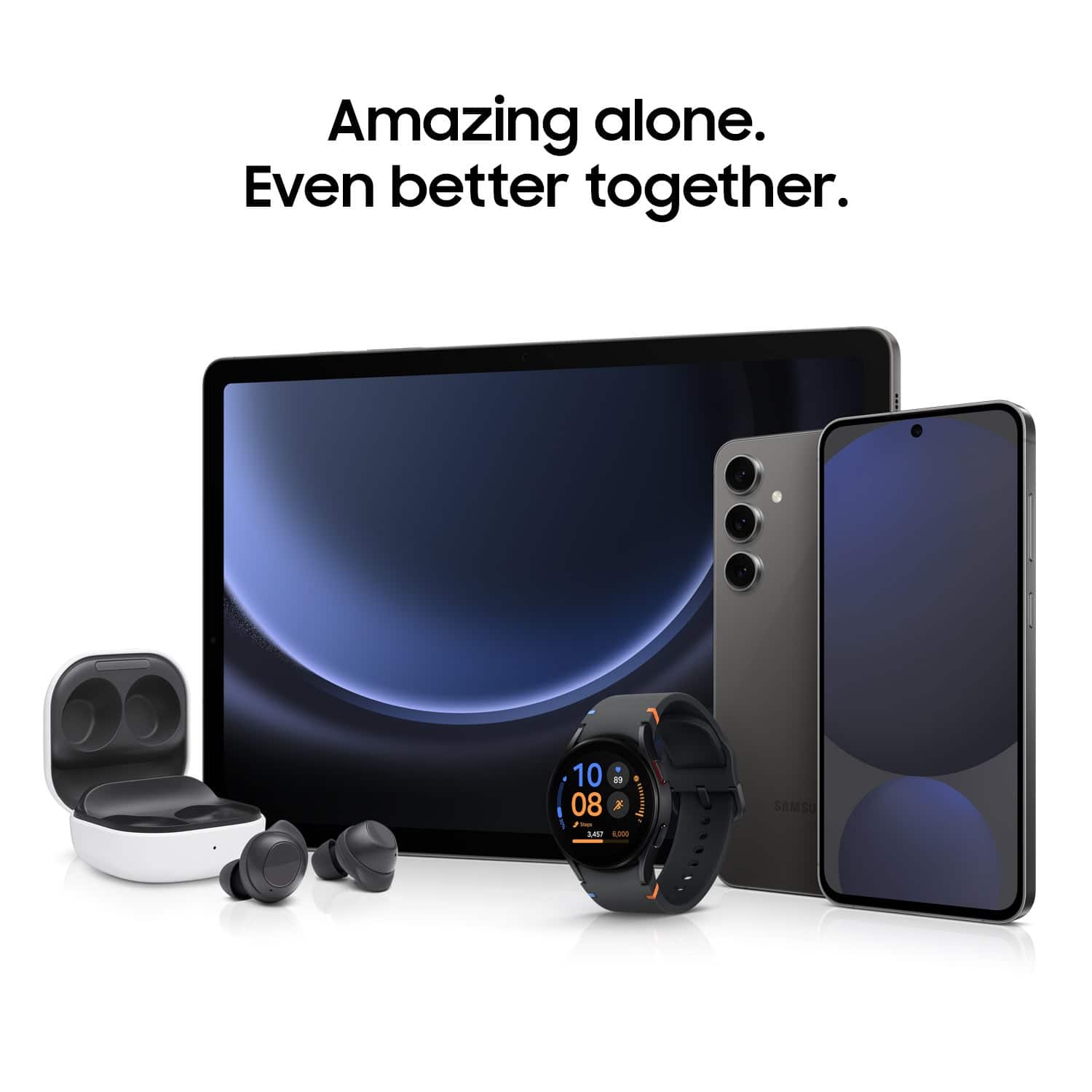
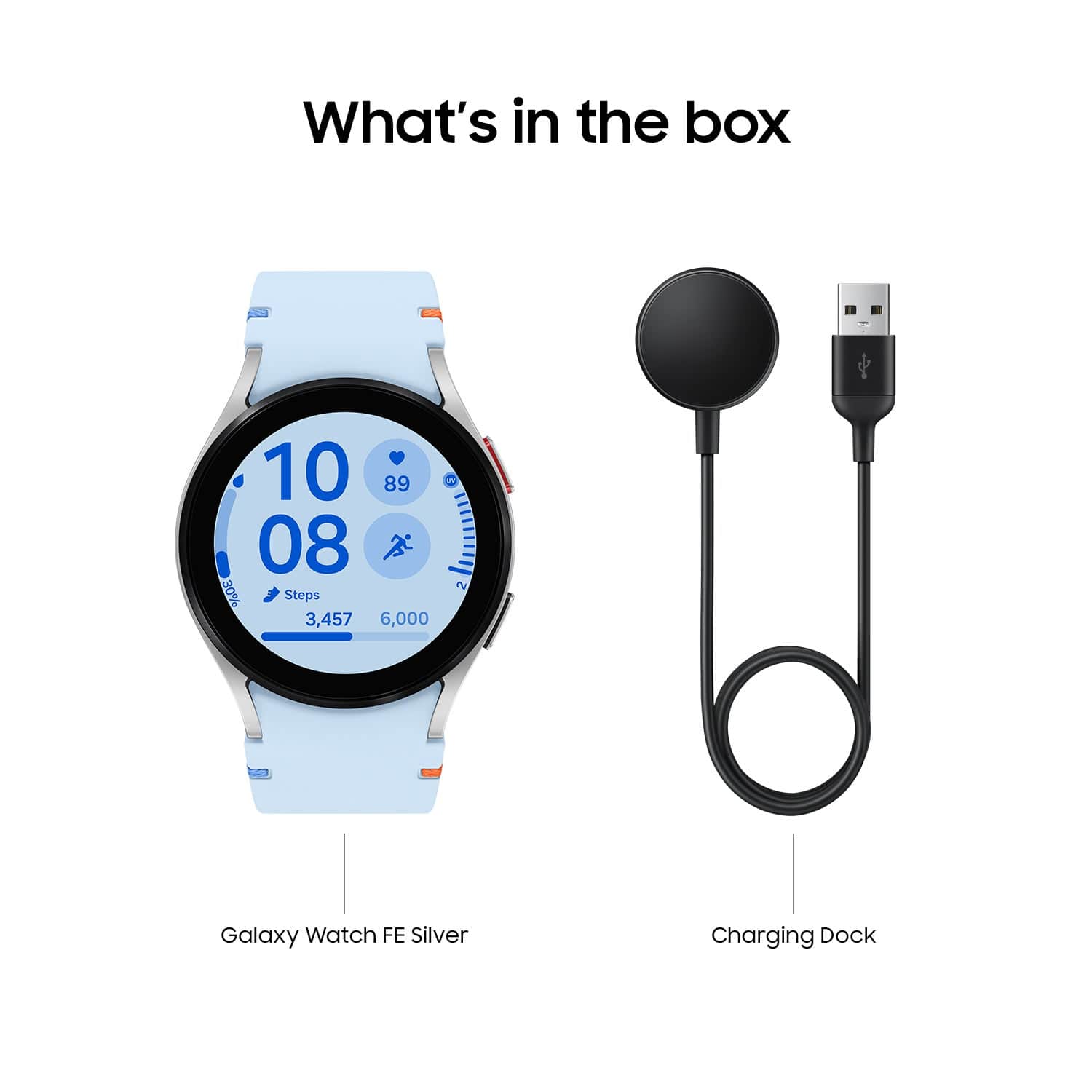
When you're standing in a store (or scrolling through options online) looking at smartwatches and fitness trackers, it's easy to get overwhelmed by all the features and marketing claims. Two devices that often come up in searches are the Suunto Race S GPS Sports Watch and the Samsung Galaxy Watch FE LTE 40mm Smartwatch. While both sit on your wrist and track your activities, they're actually designed for completely different types of users.
Think of it this way: one is like a high-performance sports car built for the track, while the other is more like a well-equipped SUV that can handle daily commutes and weekend adventures. Both have their place, but understanding which philosophy matches your lifestyle will save you from buyer's remorse later.
The wearable tech world has essentially split into two camps over the past few years. On one side, you have dedicated sports watches that prioritize athletic performance, GPS accuracy, and training data. These devices are built for people who take their workouts seriously and want detailed insights into their performance. On the other side are general-purpose smartwatches that blend fitness tracking with communication features, apps, and lifestyle integration.
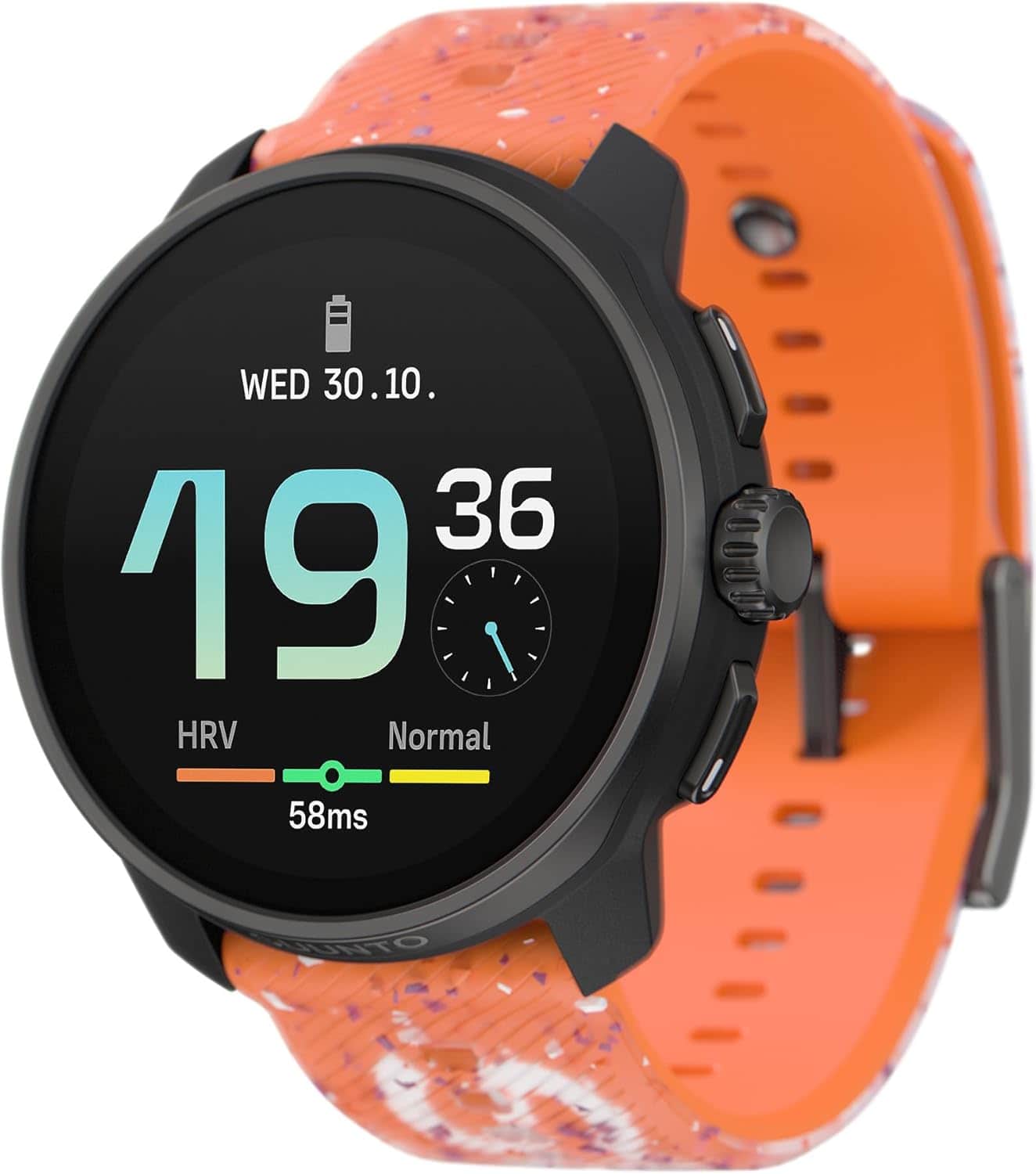
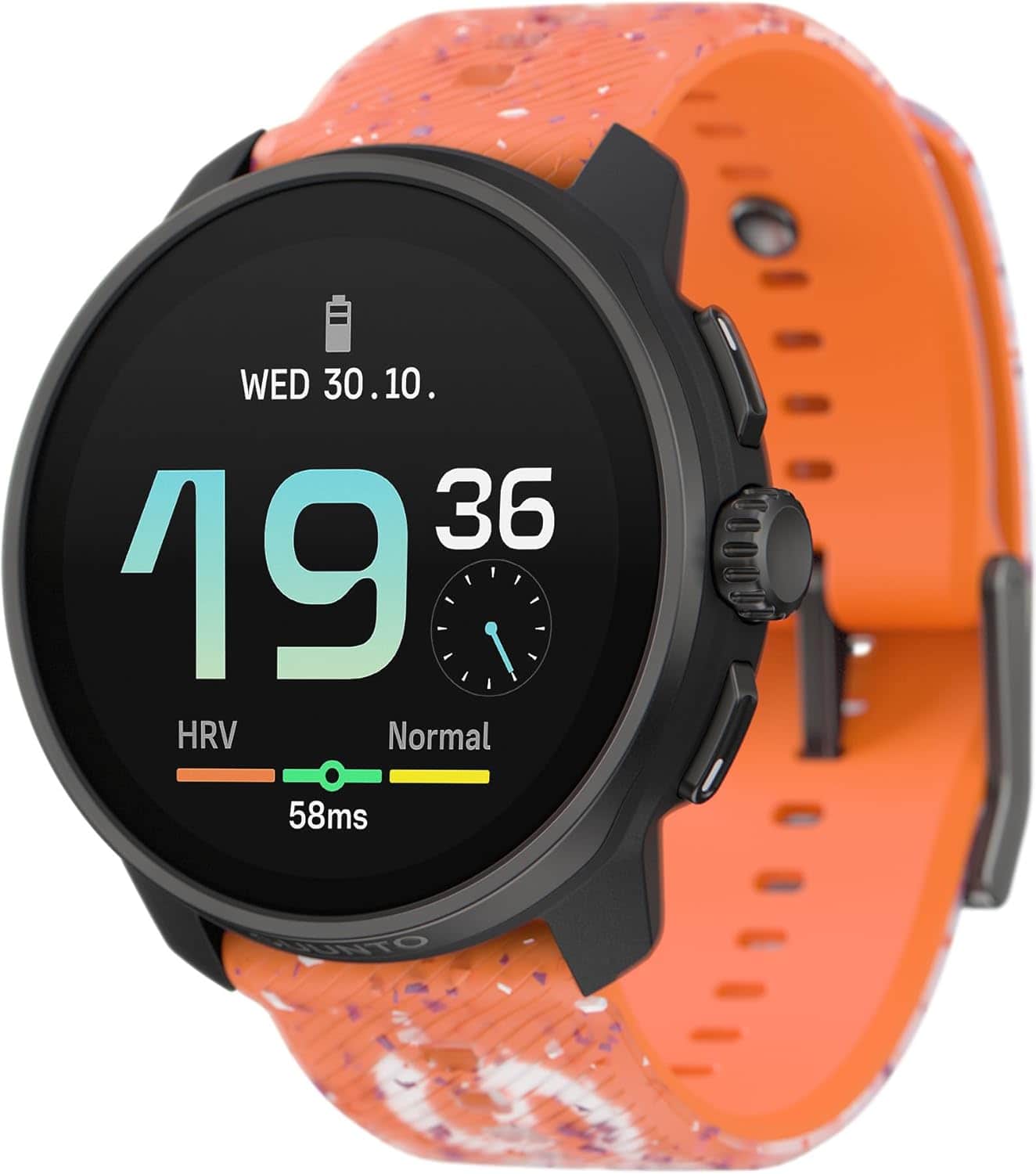
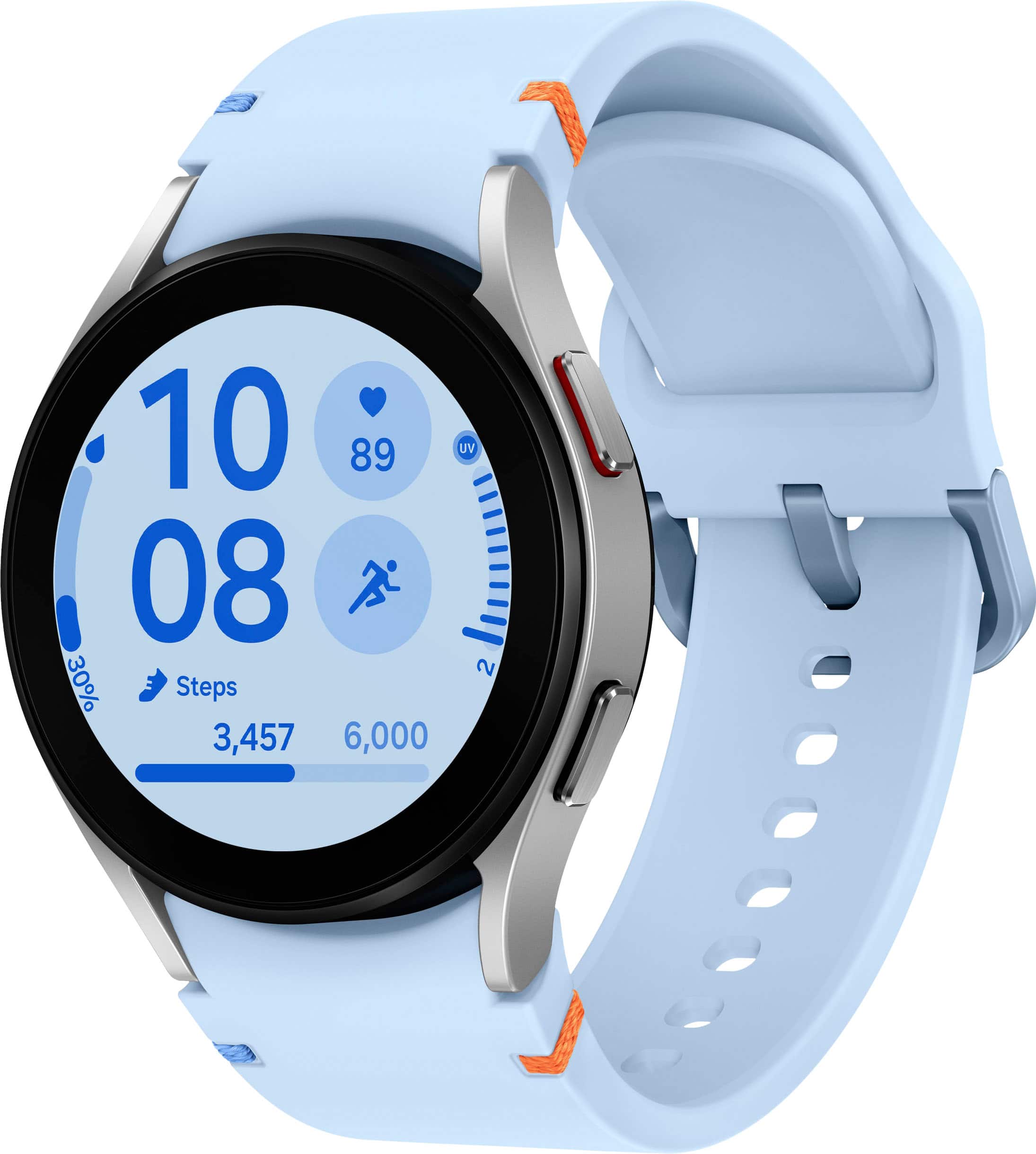
The Suunto Race S, released in 2024, represents the sports watch approach. It's the compact successor to Suunto's flagship Race model and focuses entirely on delivering professional-grade athletic features. Meanwhile, the Samsung Galaxy Watch FE, also from 2024, takes the smartwatch route, offering a full Android-based experience with decent fitness capabilities at an accessible price point.
The key question isn't which device is objectively better—it's which approach matches what you actually need from a wearable device.
Both devices feature AMOLED displays, which means you get vibrant colors and deep blacks that look great in most lighting conditions. However, their implementations tell different stories about their intended use.
The Suunto Race S packs a 1.32-inch AMOLED screen with an impressive 466 dots per inch (DPI). This high pixel density means text and maps look crisp, which matters when you're trying to read navigation details mid-run or check your pace during intervals. The display is designed to be readable in bright sunlight—crucial for outdoor activities—and the physical crown provides tactile navigation when your hands are sweaty or you're wearing gloves.
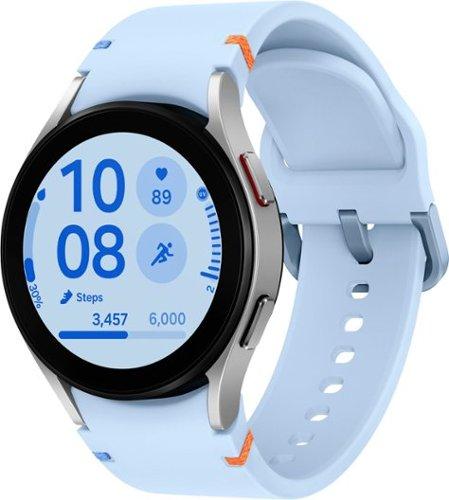
The Samsung Galaxy Watch FE uses a slightly smaller 1.2-inch Super AMOLED display but compensates with sapphire crystal protection, which offers superior scratch resistance compared to the Gorilla Glass on the Suunto. Samsung optimizes their display for touch interaction and general smartphone-like usage, with colorful watch faces and smooth animations.
From our research into user experiences, outdoor athletes consistently praise the Suunto's display visibility in challenging conditions, while the Samsung gets high marks for everyday clarity and responsiveness during normal use.
This is where the fundamental difference between these devices becomes crystal clear. Battery life often determines how you can actually use your watch, and these two take dramatically different approaches.
The Suunto Race S delivers what most people would consider proper sports watch battery life: up to 9 days of regular smartwatch use, or 30 hours of continuous GPS tracking in performance mode. When you switch to "Tour Mode" (which reduces GPS accuracy and turns off heart rate monitoring), you can push that to 120 hours of tracking. This means you can wear it for a week of regular activities, take it on a weekend hiking trip, or even use it for ultra-marathon events without worrying about power.
The Samsung Galaxy Watch FE, like most full-featured smartwatches, requires daily charging. With typical use—notifications, some fitness tracking, and regular interaction—you'll get about 24-40 hours before needing to find a charger. This aligns with smartphone charging habits, but it means you can't really use it for multi-day adventures or sleep tracking without planning charging breaks.
The battery difference stems from fundamental design choices. The Suunto runs a more efficient operating system focused on sports functions, while the Samsung runs full Wear OS with all the power-hungry features that entails. Neither approach is wrong, but the implications for how you use the device are significant.
GPS accuracy might seem like a technical detail, but it directly impacts the reliability of your fitness data and navigation capabilities. The differences here are substantial.
The Suunto Race S uses dual-frequency GPS technology (L1 + L5 bands), which sounds technical but translates to significantly better accuracy in challenging environments. It can connect to five different satellite systems simultaneously—GPS, GLONASS, Galileo, QZSS, and BeiDou—using up to 32 satellites at once. This redundancy means more accurate tracking in urban canyons between tall buildings, under tree cover, or in mountainous terrain.
More importantly for navigation, the Suunto includes 32GB of storage for detailed offline maps. These aren't just basic route lines—they're full topographic maps with terrain details, and the watch can provide turn-by-turn navigation and breadcrumb trails. The "ClimbGuide" feature even warns you about upcoming elevation changes during runs or rides, helping you pace your effort accordingly.
The Samsung Galaxy Watch FE uses standard single-frequency GPS that works fine for basic activity tracking and route recording. You'll get accurate distance and pace data for runs around your neighborhood or gym workouts. However, it lacks the precision for serious navigation and doesn't include detailed mapping capabilities.
Based on expert testing and user reports, the Suunto's GPS performance is noticeably more reliable in challenging conditions, while the Samsung handles everyday fitness tracking adequately but shouldn't be your primary navigation device for backcountry activities.
The approach to fitness and training features reveals each device's target audience clearly.
The Suunto Race S includes Suunto Coach AI, which analyzes your training data to provide personalized coaching recommendations. It tracks advanced metrics like training load, recovery status, and VO2 max (a measure of your cardiovascular fitness). The device offers wrist-based running power measurement, which estimates how much energy you're putting into your stride—useful for pacing strategies and training consistency.
With 95+ sport modes, the Suunto provides detailed tracking for everything from trail running and cycling to swimming and triathlon. Each mode is calibrated for specific activities, so swimming metrics include stroke count and SWOLF scores (a measure of swimming efficiency), while running modes track cadence, stride length, and ground contact time.
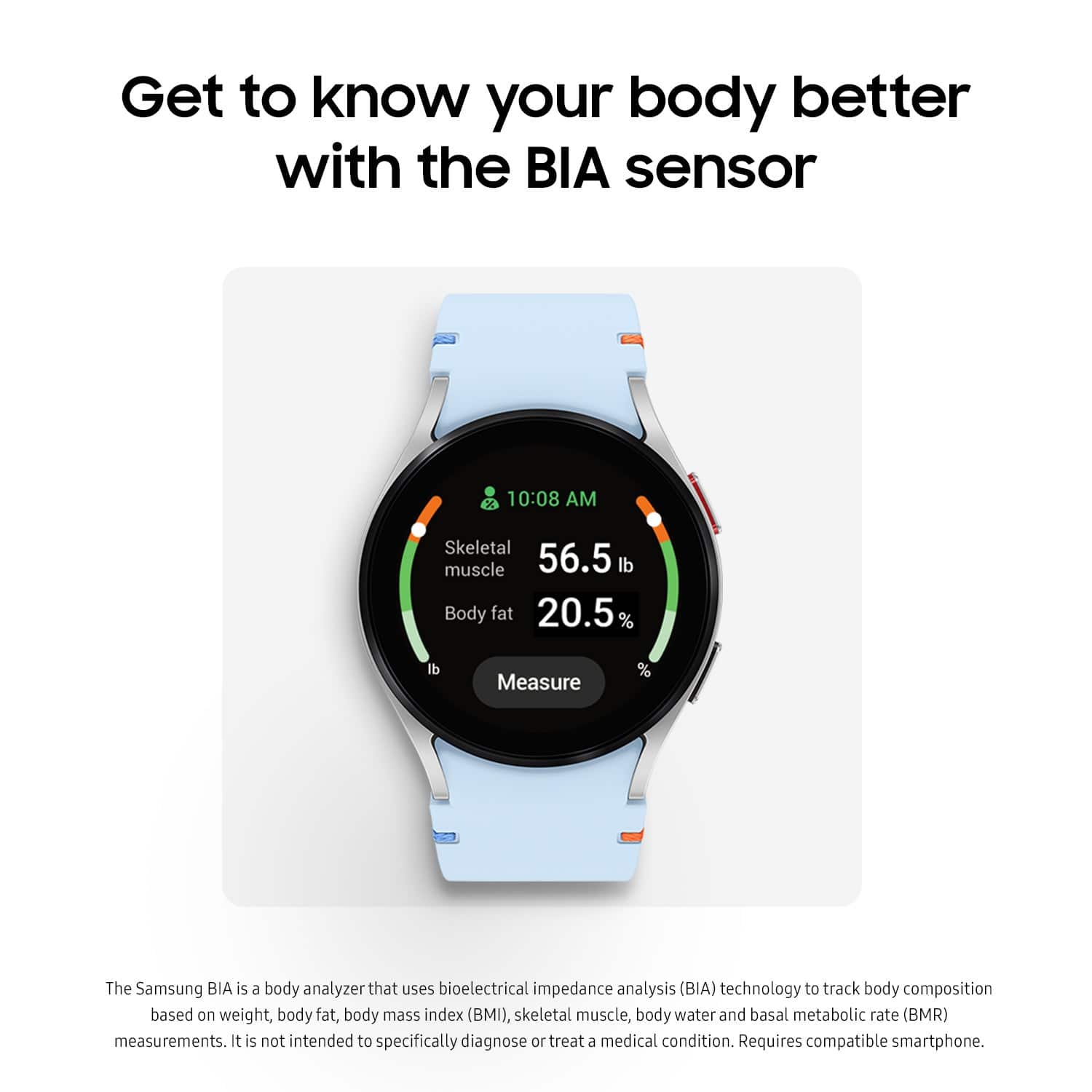
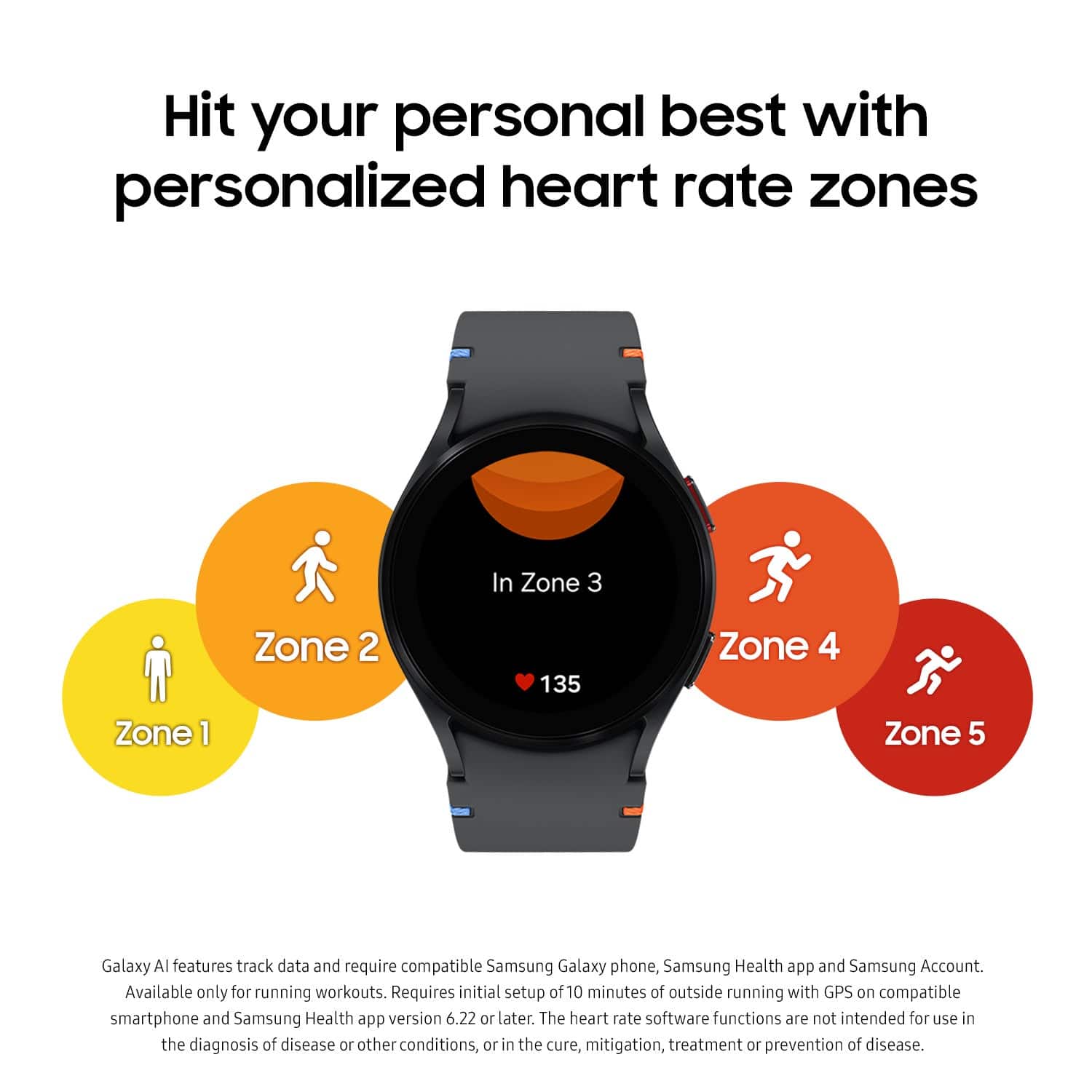
The Samsung Galaxy Watch FE takes a broader approach with 100+ workout modes, but focuses more on accessibility and health monitoring than performance analysis. Its standout feature is body composition analysis using bioelectrical impedance—essentially, it sends a small electrical signal through your body to estimate body fat percentage, muscle mass, and water content. This happens right from your wrist, which is genuinely impressive technology.
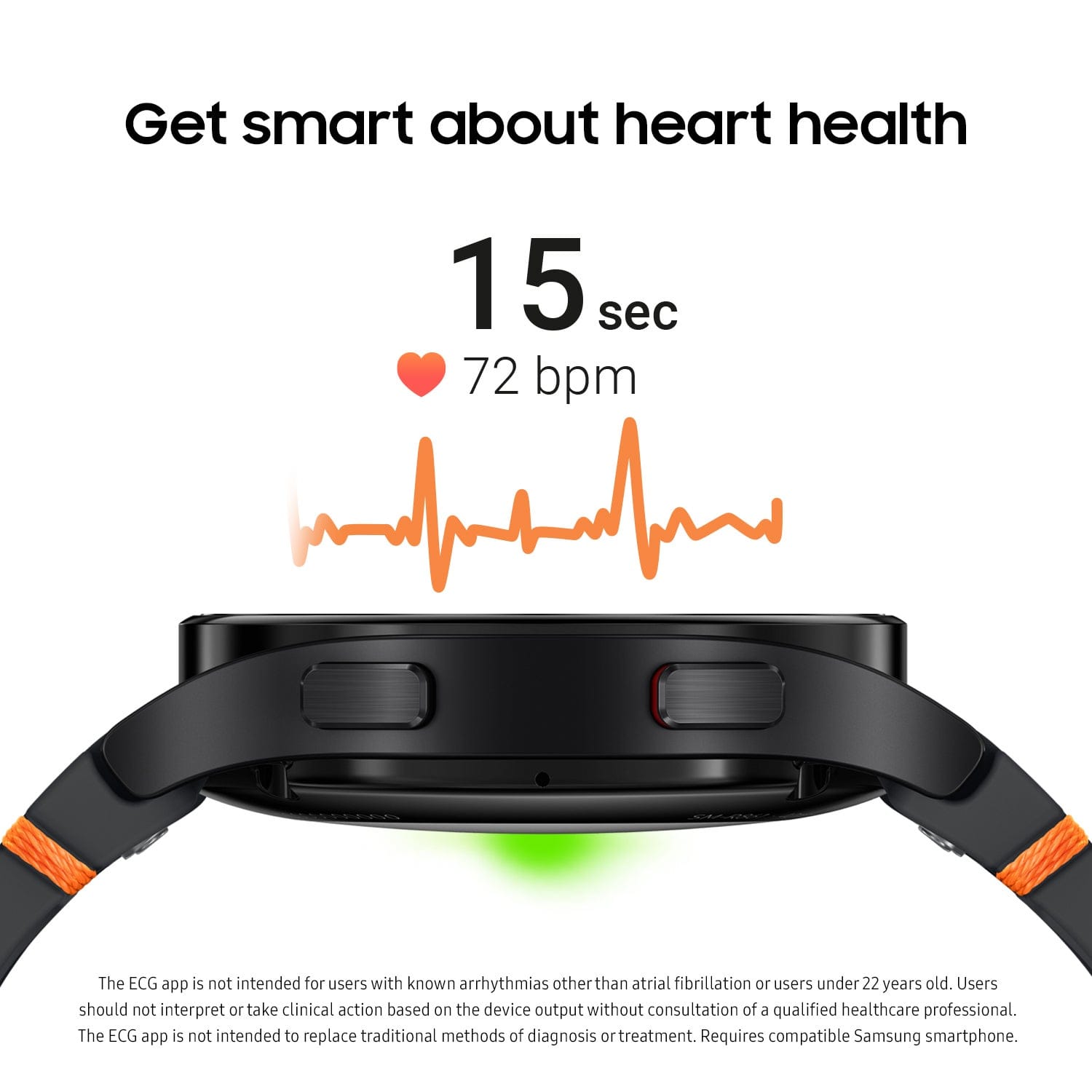
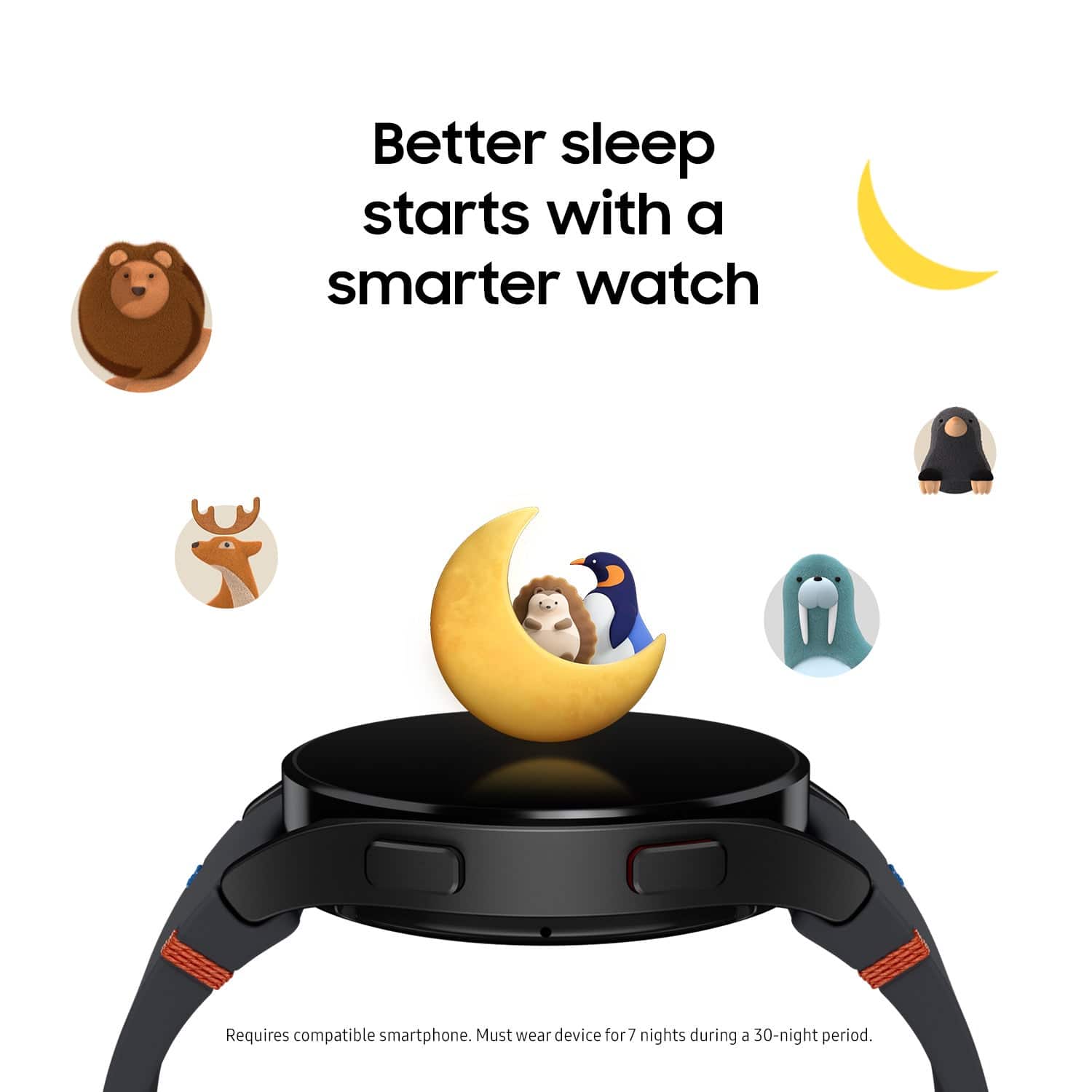
Samsung also includes ECG (electrocardiogram) monitoring, which can detect irregular heart rhythms and is FDA-approved for medical use. The sleep tracking is more comprehensive too, using Galaxy AI to provide sleep coaching and can even detect snoring patterns.
For serious athletes, the Suunto's training insights and performance metrics are more valuable. For general health awareness and casual fitness, the Samsung's broader health monitoring capabilities are more practical.
This is where the philosophical differences are most apparent. The Suunto Race S deliberately limits smart features to focus on its core mission. You get basic notifications from your phone, music controls (but no music storage), and that's about it. There's no calling, messaging, app store, or digital payments. It's a conscious choice to avoid feature creep that could compromise battery life or sports functionality.
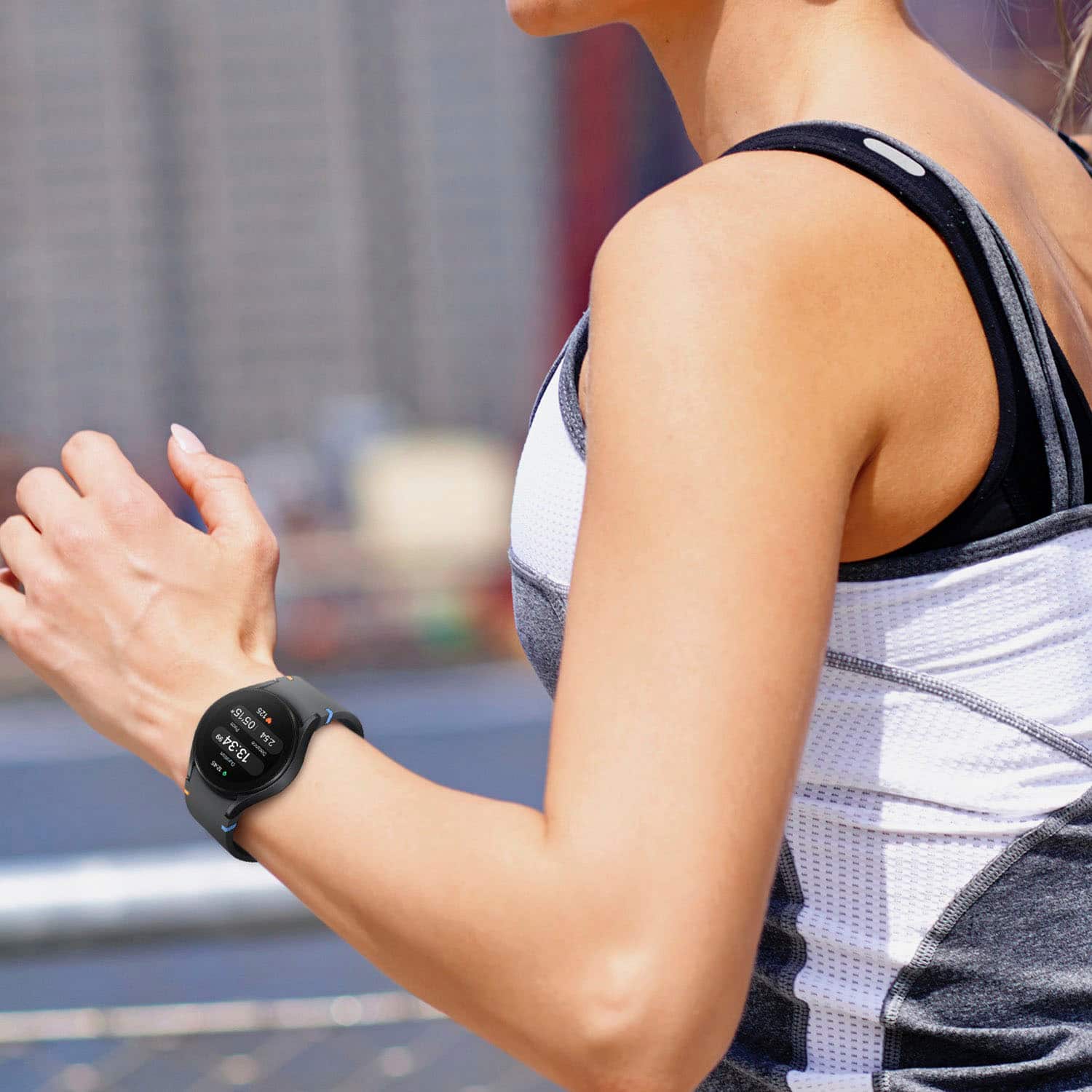
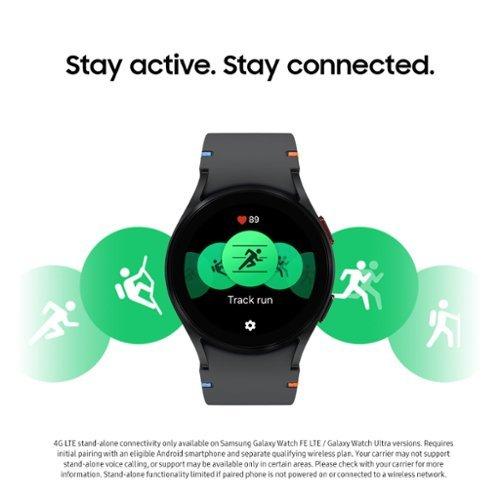
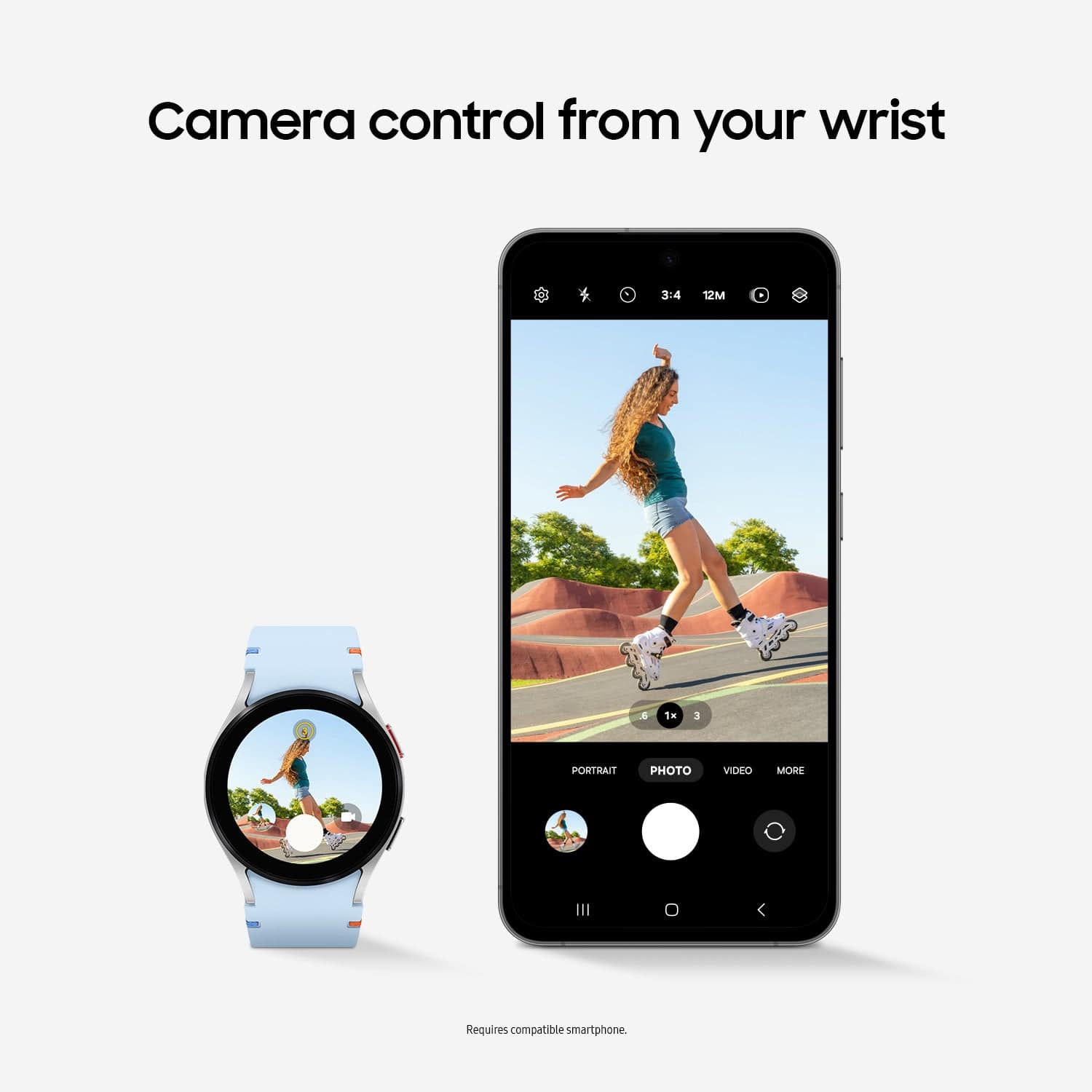
The Samsung Galaxy Watch FE is essentially a small Android computer on your wrist. With LTE connectivity, you can make calls and send messages without your phone nearby. The full Wear OS platform means access to apps, Samsung Pay for contactless payments, voice assistants, and music streaming. You can control smart home devices, take photos remotely, and even reply to messages using voice-to-text or preset responses.
For someone who values wearable independence and smartphone-like functionality, the Samsung is clearly superior. But if you find smartwatch notifications distracting during workouts or prefer a simpler device, the Suunto's focused approach has merit.
Both devices are well-built, but prioritize different aspects of durability. The Suunto Race S uses a stainless steel bezel with Gorilla Glass, weighing 60 grams. It's rated for 50-meter water resistance and designed to handle the bumps and scrapes of outdoor activities. The operating temperature range extends from -20°C to +55°C, which covers most outdoor conditions you're likely to encounter.
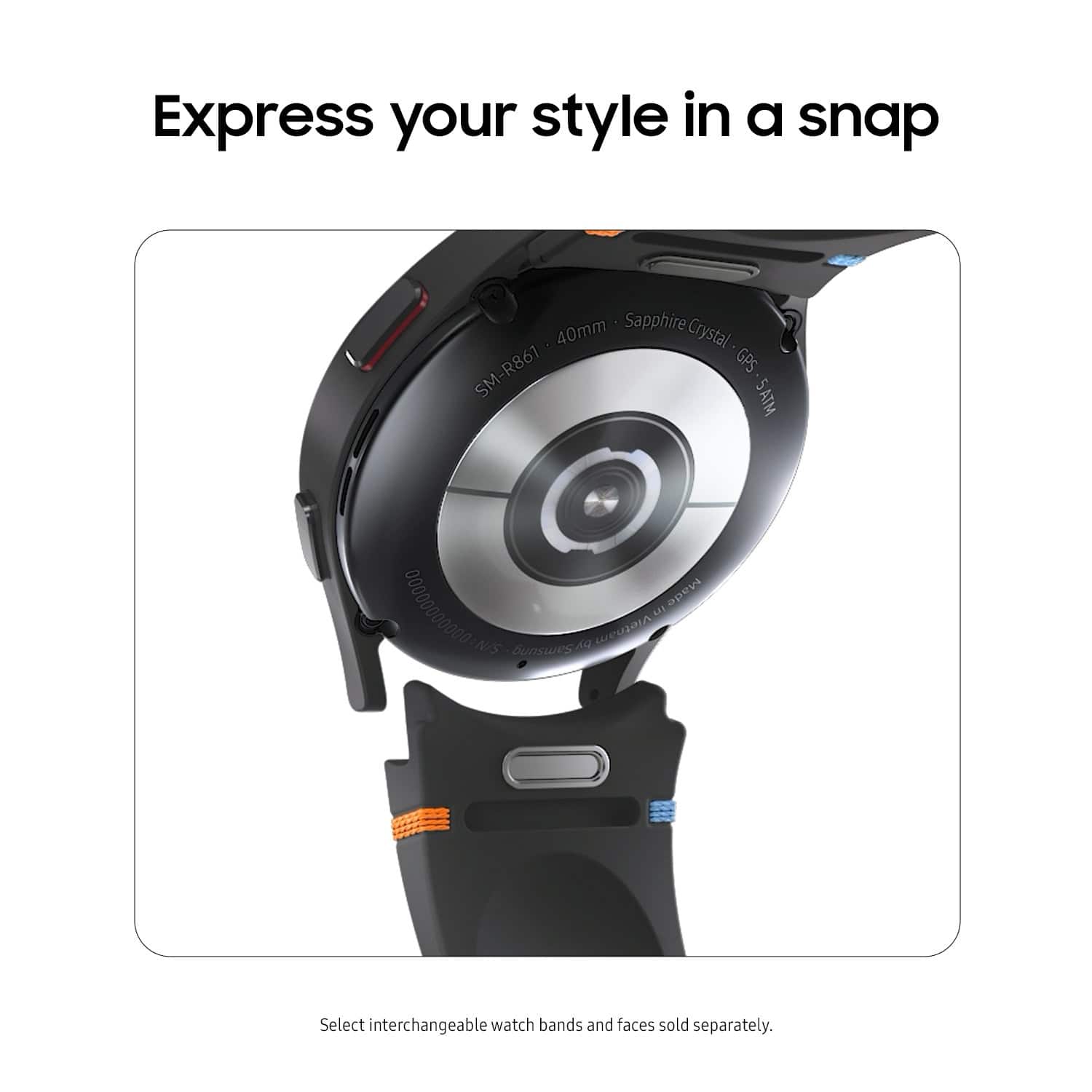
The Samsung Galaxy Watch FE is remarkably light at just 26.6 grams, using an aluminum case with sapphire crystal protection. It carries more comprehensive durability certifications: 5ATM water resistance, IP68 dust and water protection, and MIL-STD-810H military standard testing. The sapphire crystal is notably more scratch-resistant than the Suunto's Gorilla Glass.
In practice, both should handle daily wear and exercise well. The Suunto is built more for outdoor abuse, while the Samsung prioritizes scratch resistance and overall refinement.
At the time of writing, these devices occupy different price brackets, with the Suunto Race S positioned as a premium sports watch and the Samsung Galaxy Watch FE as an accessible smartwatch option. The value equation depends entirely on what features matter to you.
For dedicated athletes, the Suunto's training features, GPS accuracy, and battery life justify the higher price. You're paying for specialized functionality that directly improves your training effectiveness. The multi-day battery life alone can be worth the premium if you regularly do long activities or multi-day adventures.
The Samsung Galaxy Watch FE offers exceptional value for general users wanting smartwatch functionality with decent fitness features. The health monitoring capabilities, communication features, and app ecosystem provide more daily utility for most people, especially considering the lower price point.
The Suunto Race S makes sense if you're serious about endurance sports, spend significant time outdoors, or prioritize GPS accuracy and training data over smart features. It's ideal for marathon training, hiking, cycling enthusiasts, and anyone who uses platforms like Strava or TrainingPeaks for training analysis. The multi-day battery life is particularly valuable for adventure athletes or anyone who finds daily charging annoying.
The Samsung Galaxy Watch FE is better for general users who want their watch to do more than track workouts. If you value health monitoring features like ECG and body composition analysis, need communication capabilities, or want integration with your Android ecosystem, it's the clear choice. It's also better for people who primarily exercise indoors or in urban environments where GPS precision is less critical.
These devices represent two valid but different approaches to wearable technology. The Suunto Race S is uncompromisingly focused on athletic performance and outdoor activities, making it exceptional for serious athletes but limited for general smartwatch use. The Samsung Galaxy Watch FE provides a well-rounded smartwatch experience with solid fitness features at an accessible price point.
Your choice should align with how you actually plan to use the device. If tracking your 5K pace improvements and navigating trail runs is important, go with the Suunto. If you want health monitoring, communication features, and general smart functionality with decent fitness tracking, the Samsung offers better overall value.
Both devices have evolved significantly since their 2024 releases, with software updates improving features and fixing early issues. Neither choice is wrong—they're just optimized for different users and use cases.
| Suunto Race S GPS Sports Watch | Samsung Galaxy Watch FE LTE 40mm Smartwatch |
|---|---|
| Display Size & Technology - Affects readability during activities | |
| 1.32" AMOLED, 466 DPI, Gorilla Glass | 1.2" Super AMOLED, 396x396 pixels, Sapphire Crystal |
| Battery Life - Critical for multi-day activities and daily convenience | |
| 9 days daily use, 30 hours GPS tracking | 1 day typical use (daily charging required) |
| GPS Accuracy - Essential for navigation and precise activity tracking | |
| Dual-frequency (L1+L5), 5 satellite systems, 32 satellites max | Single-frequency GPS, standard consumer accuracy |
| Water Resistance - Important for swimming and outdoor activities | |
| 50m water resistance | 5ATM + IP68 (50m equivalent with dust protection) |
| Weight - Affects comfort during long activities | |
| 60g (comfortable for extended wear) | 26.6g (ultra-lightweight for all-day use) |
| Smart Features - Determines daily utility beyond fitness | |
| Basic notifications only, no calling/apps | Full Wear OS, LTE calling, apps, Samsung Pay |
| Health Monitoring - Advanced wellness tracking capabilities | |
| Heart rate, HRV, SpO2, sleep stages, stress | ECG, body composition, heart rate, sleep coaching with AI |
| Training Features - Specialized athletic performance tools | |
| AI coaching, training load, VO2 max, running power | 100+ workout modes, basic fitness metrics |
| Navigation & Maps - Critical for outdoor adventures | |
| 32GB offline maps, turn-by-turn navigation, ClimbGuide | Basic location tracking, no detailed mapping |
| Durability Certifications - Protection against environmental hazards | |
| -20°C to +55°C operation, sports-focused build | MIL-STD-810H, comprehensive environmental protection |
| Storage & Performance - Affects app functionality and responsiveness | |
| Sports-optimized OS, efficient processing | 16GB storage, 1.5GB RAM, Exynos W920 processor |
| Connectivity Independence - Ability to function without phone | |
| Requires phone for most features | LTE eSIM for independent calling and messaging |
The Suunto Race S GPS Sports Watch is significantly better for serious athletes. It offers dual-frequency GPS for precise tracking, AI coaching with personalized training insights, and specialized metrics like running power and VO2 max. The Suunto Race S also provides 30 hours of continuous GPS tracking, making it ideal for long training sessions and ultra-endurance events.
Only the Samsung Galaxy Watch FE LTE 40mm Smartwatch supports independent calling through its LTE connectivity and eSIM capability. You can make calls, send messages, and access data without your phone nearby. The Suunto Race S GPS Sports Watch requires your smartphone for most connectivity features and only provides basic notifications.
The Suunto Race S GPS Sports Watch excels with up to 9 days of regular use and 30 hours of GPS tracking, extending to 120 hours in tour mode. This makes it perfect for hiking, camping, or multi-day adventures. The Samsung Galaxy Watch FE requires daily charging, typically lasting 24-40 hours with normal use.
The Suunto Race S uses professional-grade dual-frequency GPS (L1+L5) with five satellite systems for superior accuracy in challenging environments like forests or urban canyons. The Samsung Galaxy Watch FE uses standard single-frequency GPS that's adequate for basic fitness tracking but less precise for detailed navigation or outdoor adventures.
The Samsung Galaxy Watch FE LTE 40mm Smartwatch provides more comprehensive health monitoring with ECG readings, body composition analysis (body fat, muscle mass), and FDA-approved irregular heart rhythm detection. The Suunto Race S focuses on fitness-oriented metrics like heart rate variability, training load, and recovery analysis.
The Samsung Galaxy Watch FE runs full Wear OS with access to apps, Samsung Pay, and Google Wallet for contactless payments. The Suunto Race S GPS Sports Watch deliberately limits smart features to focus on sports functionality—no apps, payments, or advanced smart features beyond basic notifications.
Both watches handle swimming well, but serve different needs. The Suunto Race S offers detailed swimming metrics like stroke count and SWOLF scores for performance analysis. The Samsung Galaxy Watch FE provides basic swim tracking with better overall water protection (IP68 + 5ATM rating) but fewer specialized swimming features.
The Suunto Race S GPS Sports Watch features a 1.32" AMOLED display optimized for outdoor visibility with higher pixel density (466 DPI) and better sunlight readability. The Samsung Galaxy Watch FE has a slightly smaller 1.2" display with sapphire crystal protection that's more scratch-resistant but primarily designed for indoor and general use.
The Samsung Galaxy Watch FE LTE 40mm Smartwatch is significantly lighter at 26.6g compared to the Suunto Race S at 60g. The Samsung's ultra-lightweight design makes it more comfortable for extended daily wear, while the Suunto's weight is optimized for durability during athletic activities.
Only the Suunto Race S GPS Sports Watch offers true navigation capabilities with 32GB of offline maps, turn-by-turn directions, breadcrumb trails, and ClimbGuide features for outdoor adventures. The Samsung Galaxy Watch FE provides basic location tracking but lacks detailed mapping and navigation features.
The Samsung Galaxy Watch FE LTE 40mm Smartwatch provides better value for general users who want comprehensive smartwatch functionality. It combines health monitoring, communication features, apps, and decent fitness tracking at an accessible price point. The Suunto Race S is better value specifically for serious athletes who prioritize training features over smart capabilities.
The Samsung Galaxy Watch FE offers more advanced sleep features with Galaxy AI sleep coaching, snore detection, and comprehensive sleep stage analysis. However, its lightweight design makes it more comfortable for overnight wear. The Suunto Race S GPS Sports Watch tracks sleep stages including REM but focuses more on recovery metrics for athletic performance rather than general sleep wellness.
We've done our best to create useful and informative comparisons to help you decide what product to buy. Our research uses advanced automated methods to create this comparison and perfection is not possible - please contact us for corrections or questions. These are the sites we've researched in the creation of this article: techradar.com - trackbetter.com - trackbetter.com - runnersworld.com - alastairrunning.com - youtube.com - feedthehabit.com - outdoorgearlab.com - irunfar.com - youtube.com - forum.suunto.com - youtube.com - dcrainmaker.com - the5krunner.com - youtube.com - youtube.com - grittyrunners.co.uk - youtube.com - us.suunto.com - us.suunto.com - youtube.com - playbetter.com - us.suunto.com - suunto.com - suunto.com - suunto.com - bestbuy.com - trackbetter.com - watchard.com - bestbuy.com - samsungmobilepress.com - pocket-lint.com - samsung.com - youtube.com - gsmarena.com - techradar.com - news.samsung.com - youtube.com - androidpolice.com - youtube.com - bestbuy.com - samsung.com - samsung.com - phonearena.com - samsung.com - androidpolice.com - samsung.com - electronics.woot.com - youtube.com - att.com - samsung.com

Privacy Policy
Terms and Conditions - Affiliate Policy
Home Security
© Copyright 2008-2026.
11816 Inwood Rd #1211, Dallas, TX 75244