

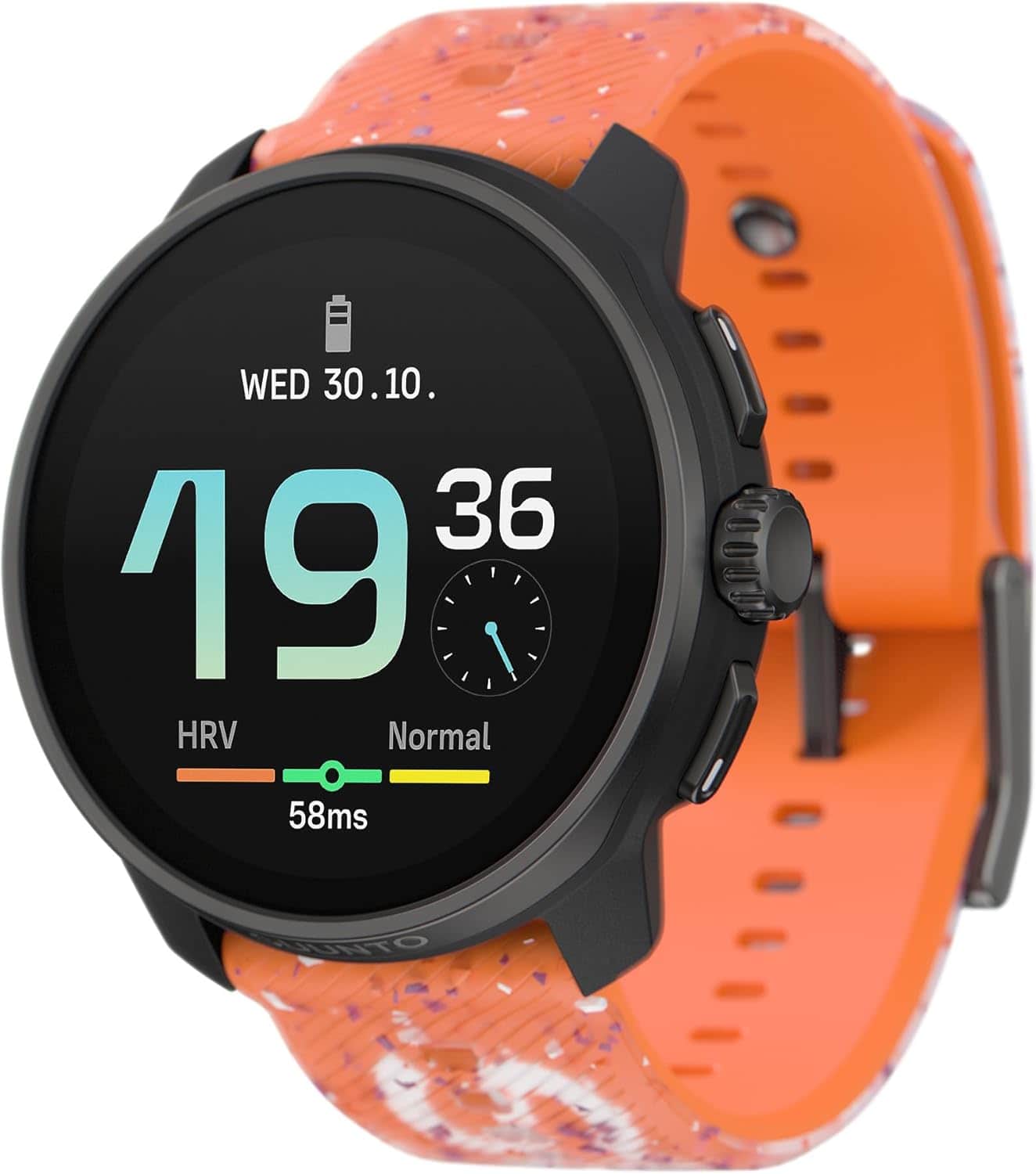
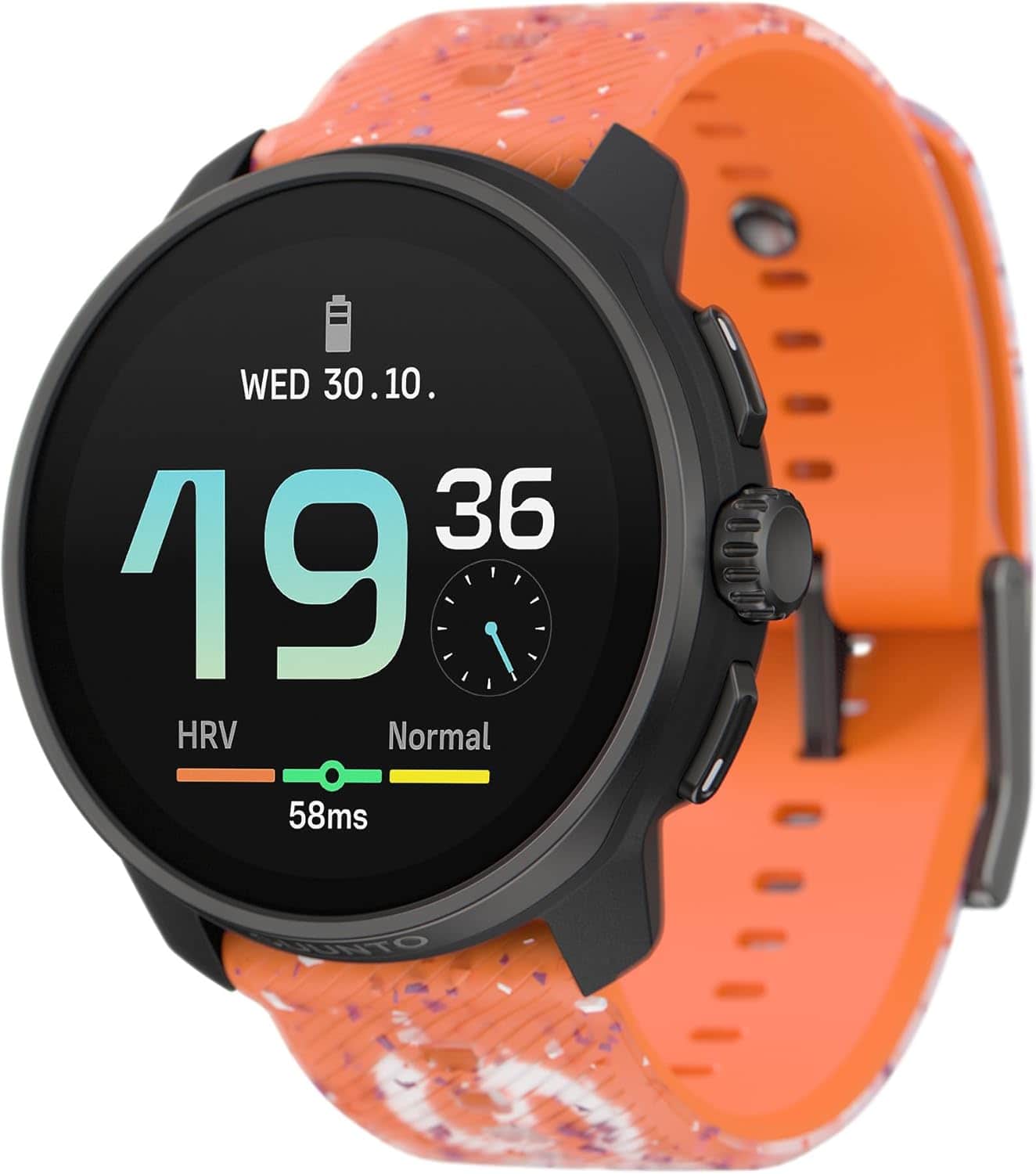
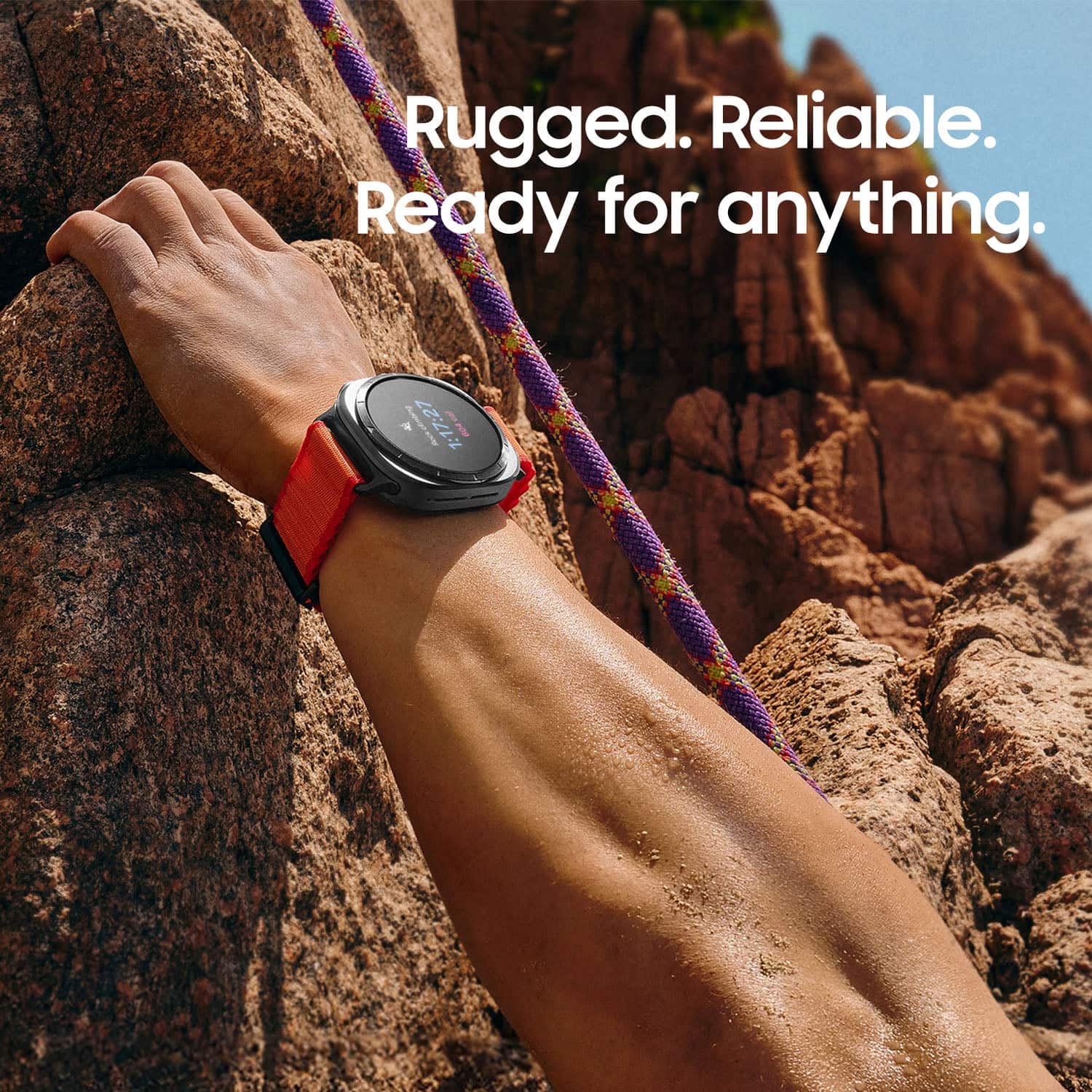
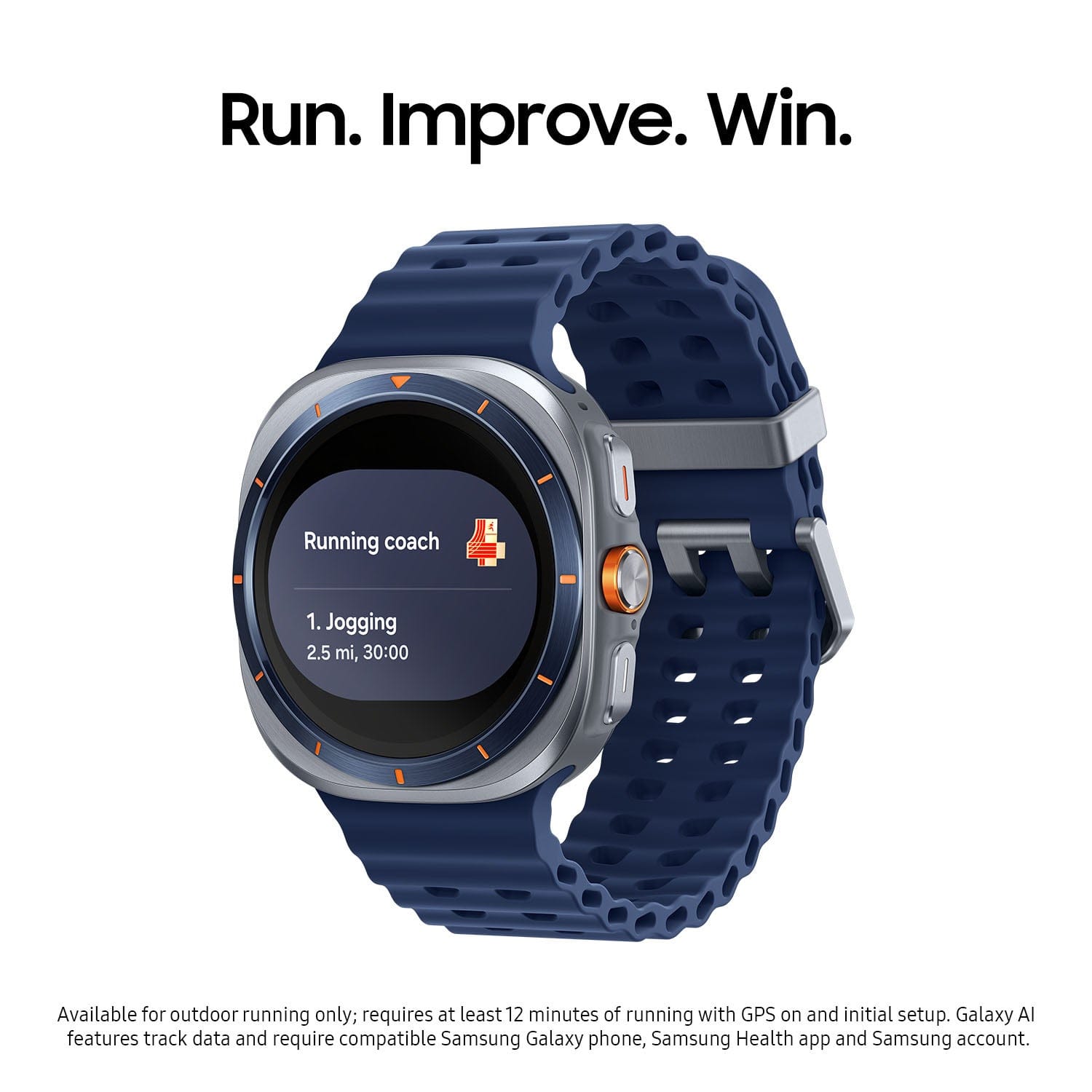
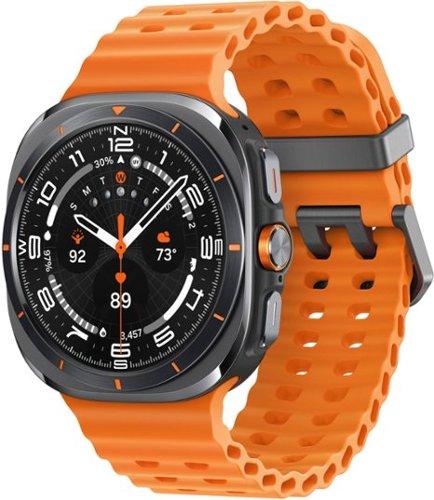
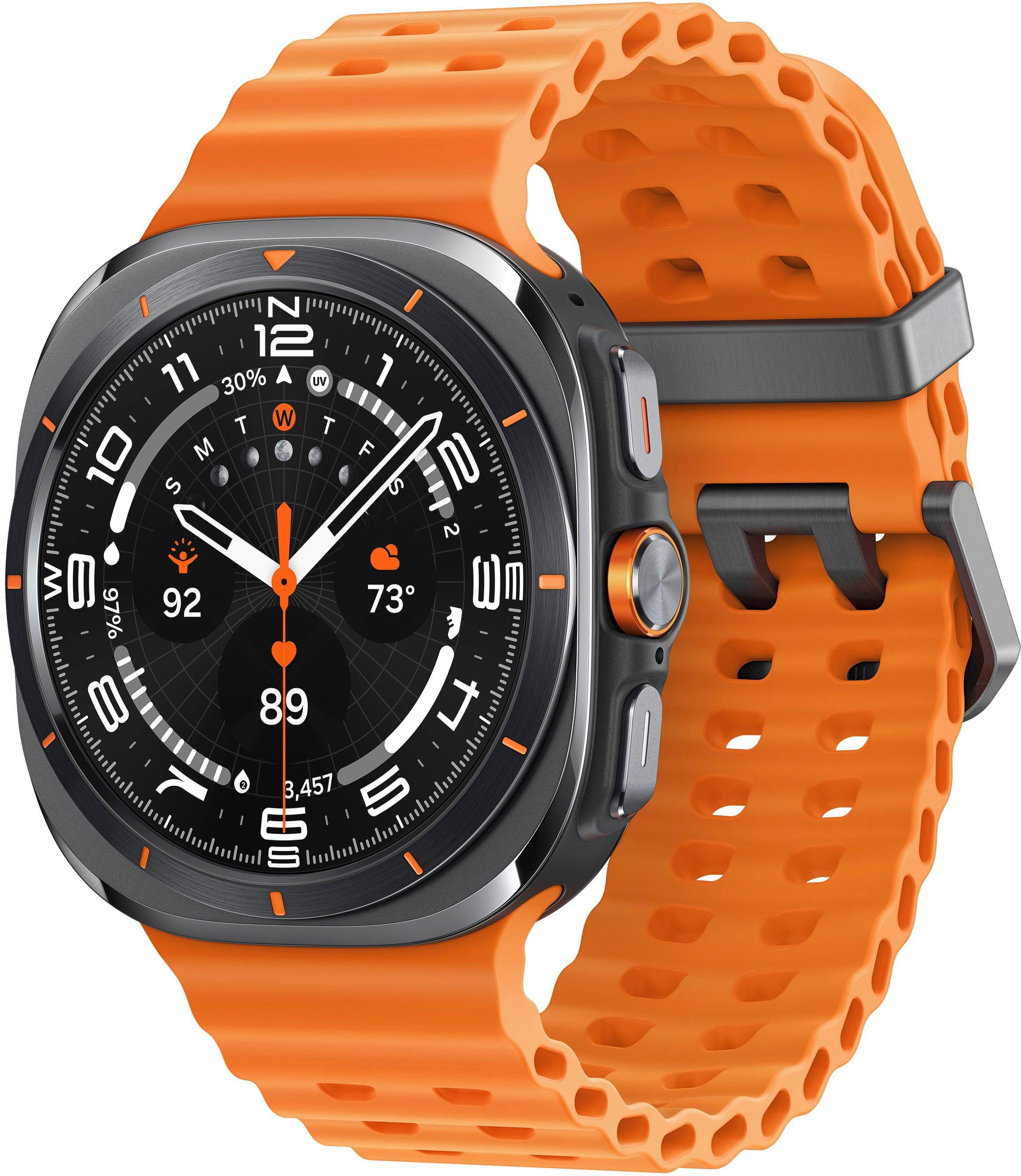
The wearable tech world splits into two distinct camps: purpose-built sports watches and comprehensive smartwatches. The Suunto Race S and Samsung Galaxy Watch Ultra 47mm LTE exemplify this divide perfectly. Released in 2024 and 2025 respectively, these devices represent fundamentally different approaches to what a watch should do on your wrist.
At the time of writing, the Suunto Race S costs significantly less than the Samsung Galaxy Watch Ultra, but comparing their prices misses the bigger picture. You're choosing between a specialized athletic tool and a premium lifestyle device that happens to track fitness. Think of it like comparing a professional chef's knife to a Swiss Army knife—both cut things, but they're designed for entirely different users and purposes.
The sports watch category prioritizes battery life, GPS accuracy, and specialized athletic metrics above all else. These devices strip away distractions to focus on performance tracking and outdoor navigation. The premium smartwatch category balances fitness capabilities with comprehensive daily functionality—notifications, apps, voice assistants, and ecosystem integration.
This philosophical difference shapes every design decision. Sports watches optimize for multi-day adventures where charging isn't possible. Smartwatches optimize for convenience and versatility in daily life, accepting the trade-off of frequent charging for broader capabilities.
The key considerations boil down to your primary use case, tolerance for daily charging, need for offline navigation, and whether you want a specialized tool or an all-in-one device.
Nothing separates these categories more dramatically than battery performance. The Suunto Race S delivers up to 30 hours of GPS tracking in its highest-accuracy mode, extending to an incredible 120 hours in Tour mode (which reduces GPS precision but maintains tracking). For daily smartwatch use without GPS, you're looking at 9-13 days between charges.
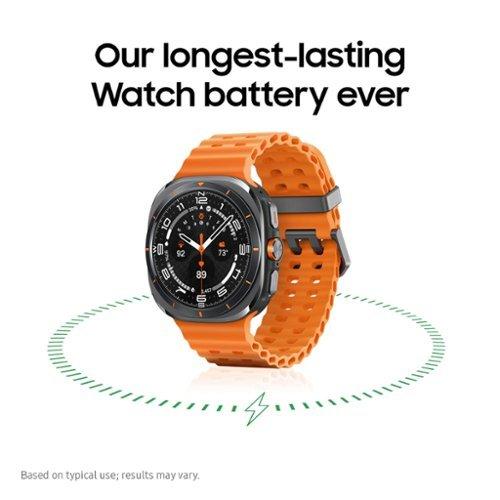
The Samsung Galaxy Watch Ultra, despite its premium 590mAh battery and efficient 3nm processor, manages roughly 9 days of typical smartwatch use with the Always-On Display enabled. During GPS-intensive activities like weekend hikes, expect daily charging to become necessary.
This difference matters immensely for your use cases. If you're planning a multi-day backpacking trip, the Suunto Race S can track your entire journey on a single charge. The Samsung Galaxy Watch Ultra would require a portable battery pack or solar charger—manageable but not ideal for minimalist adventures.
The Suunto's Tour mode represents a clever compromise. By reducing GPS sampling frequency and turning off the optical heart rate sensor, it extends battery life to nearly five days while maintaining basic navigation and activity tracking. This mode proves invaluable for thru-hiking or bicycle touring where precise second-by-second tracking matters less than overall route recording and navigation.
Here's where the Suunto Race S truly shines as a specialized outdoor tool. It includes free offline maps covering the entire globe, with zoom levels reaching up to 20 kilometers. These aren't basic breadcrumb trails—they're detailed topographic maps stored locally on the watch's 32GB memory.
The dual-band GNSS system (GNSS stands for Global Navigation Satellite System) supports five satellite constellations: GPS, GLONASS, GALILEO, QZSS, and BEIDOU. The dual-frequency capability (L1 + L5 bands) significantly improves accuracy in challenging environments like dense forests or urban canyons where signals bounce off buildings and trees.
Turn-by-turn navigation works completely offline, making the Suunto Race S genuinely useful for backcountry adventures where cellular coverage doesn't exist. The ClimbGuide feature warns you of upcoming elevation changes during runs or rides, helping you pace yourself for challenging terrain ahead.
The Samsung Galaxy Watch Ultra relies primarily on connected maps and navigation services. While it supports GPX file imports for basic route following, the process proves finicky according to expert reviews, and it lacks the comprehensive offline mapping that makes the Suunto a true backcountry companion.
For urban environments with reliable cellular coverage, the Samsung's approach works well. Its integration with Google Maps and real-time traffic data provides superior navigation for daily commuting and city exploration. The Gemini AI integration allows voice-activated navigation requests, which proves genuinely useful when your hands are occupied.
The Suunto Race S offers 95+ sport modes, each optimized with relevant metrics for specific activities. Running modes track wrist-based running power (a measure of effort that accounts for hills and headwinds), cadence, vertical ratio, and detailed pace analytics. Swimming modes differentiate between pool and open water, tracking stroke count, SWOLF scores, and efficiency metrics.
The heart rate accuracy has improved significantly over previous Suunto generations, thanks to a redesigned optical sensor with double the LED count and refined algorithms. During steady-state activities like easy runs or tempo workouts, consensus expert opinion indicates accuracy matching chest strap measurements within acceptable margins.
Training load analysis sets the Suunto apart for serious athletes. It tracks your daily Training Stress Score (TSS), monitors recovery through heart rate variability (HRV) measurements, and provides guidance on when to push harder or ease back. The Suunto Coach AI analyzes your training patterns and provides personalized recommendations for improvement.
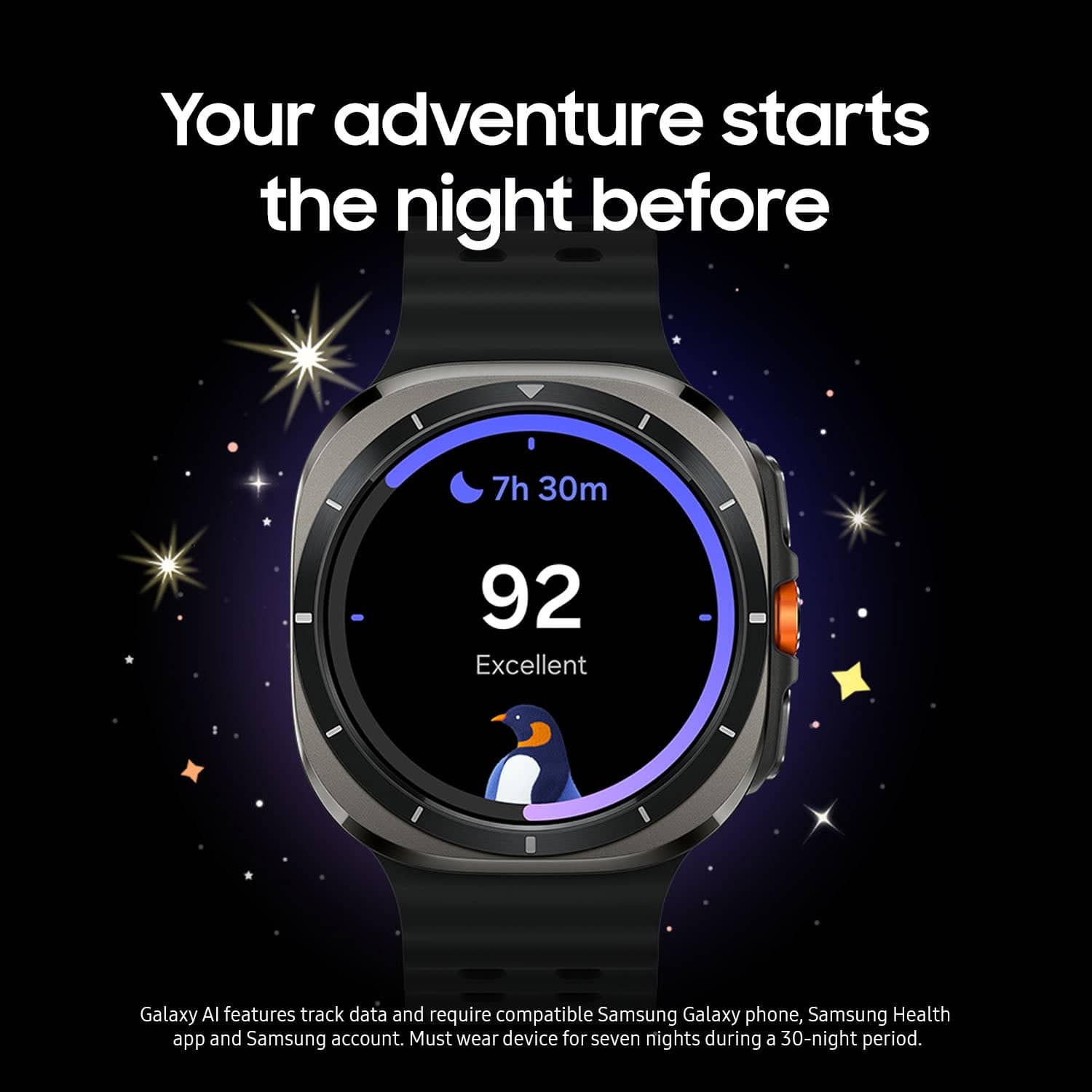
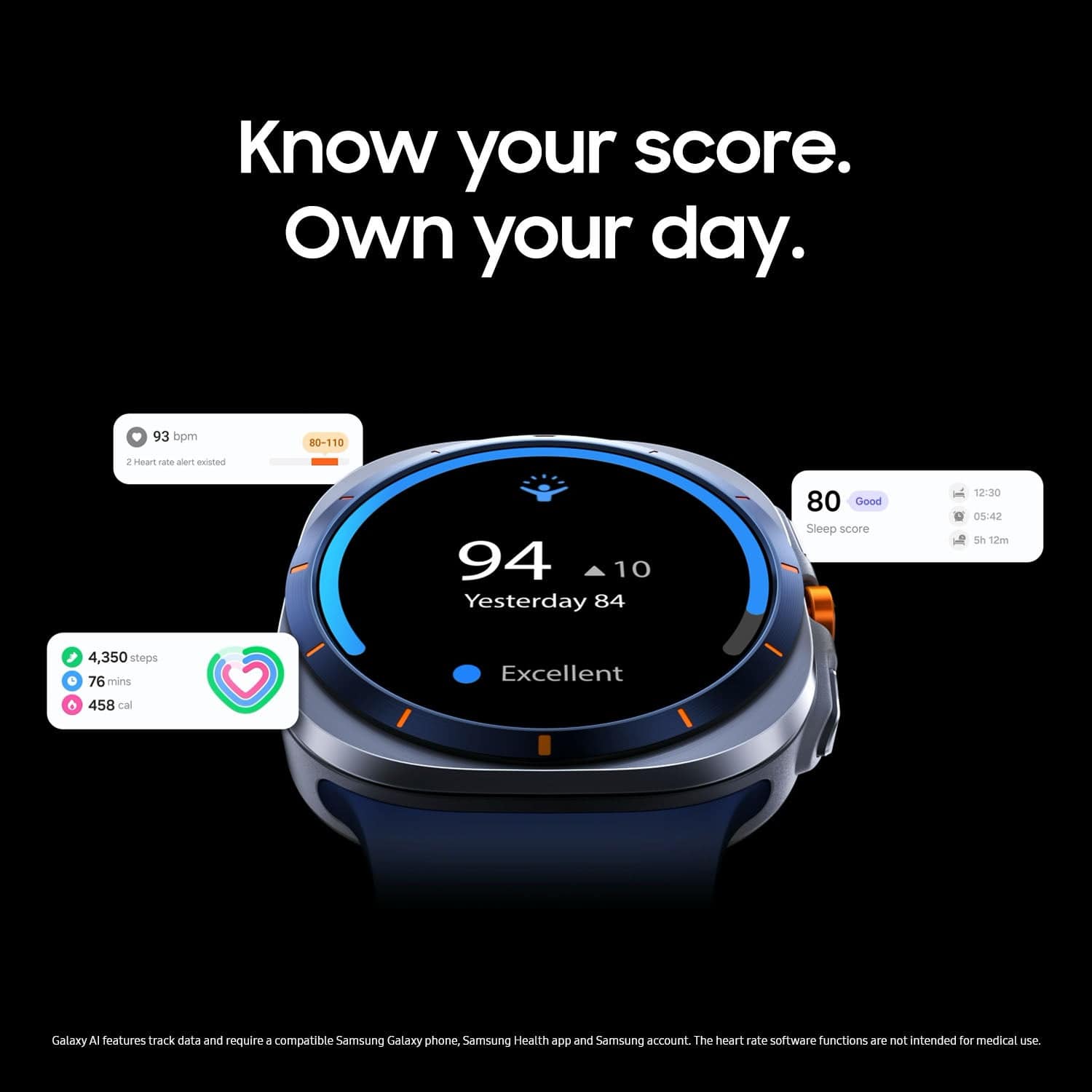
The Samsung Galaxy Watch Ultra provides solid general fitness tracking but lacks this specialized depth. Its new BioActive sensor suite combines multiple health measurements into comprehensive body composition analysis, including bioelectrical impedance for body fat percentage estimates. The Galaxy AI health features provide useful insights for general wellness but don't match the athletic sophistication of dedicated sports watches.
Interestingly, expert testing reveals the Samsung's heart rate accuracy during running closely matches chest strap measurements, representing a significant improvement over previous Galaxy Watch generations. However, accuracy becomes inconsistent during cycling and other activities where arm movement patterns differ from running.
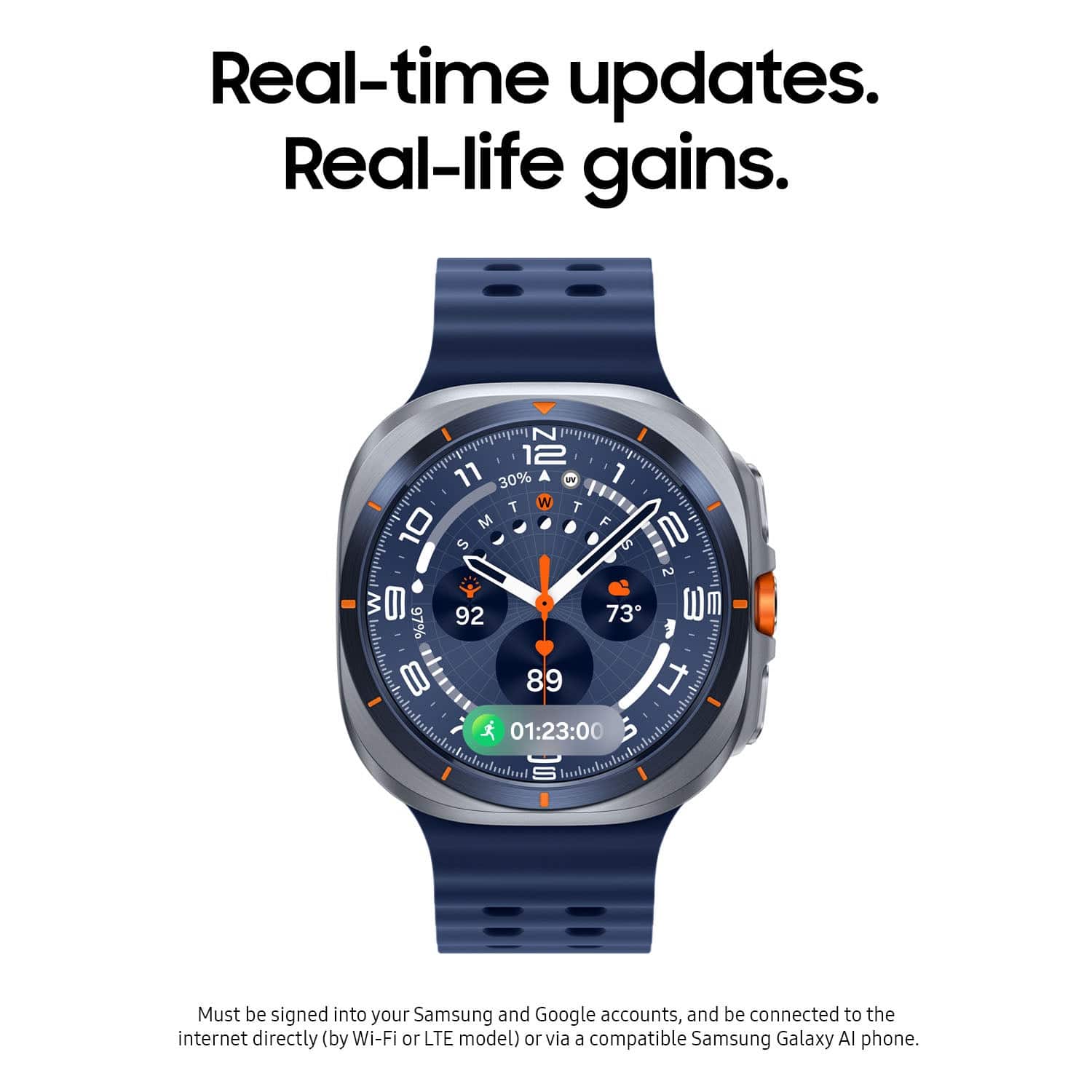
This represents the Samsung Galaxy Watch Ultra's strongest advantage. Running Wear OS 5 with One UI Watch 6, it provides full smartwatch functionality including comprehensive app support, music streaming, contactless payments, and deep Android ecosystem integration.
The Gemini AI integration proves particularly valuable for hands-free control. Voice queries work reliably for weather updates, setting timers, sending messages, and controlling smart home devices. During activities like driving or cooking, this hands-free capability adds genuine convenience.
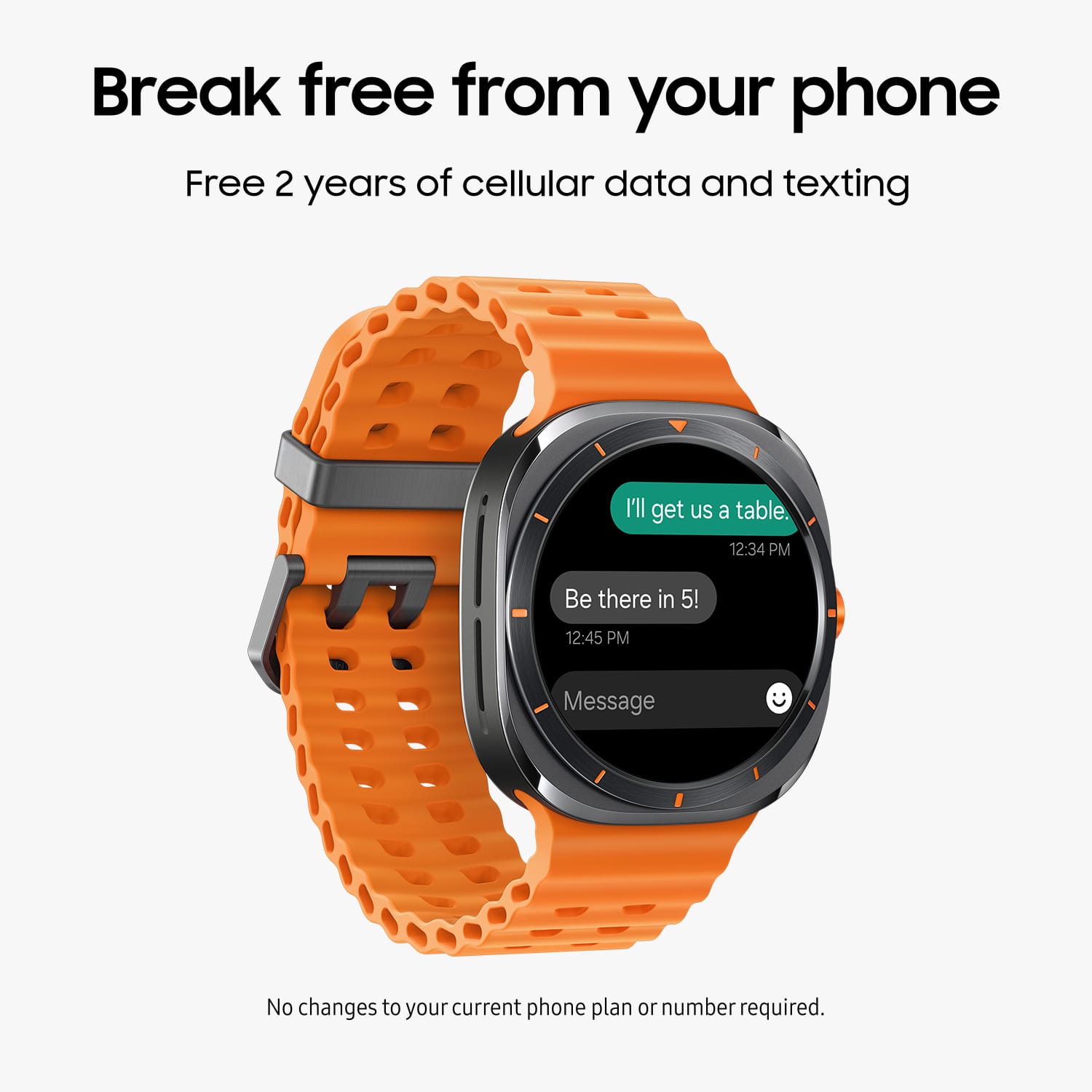
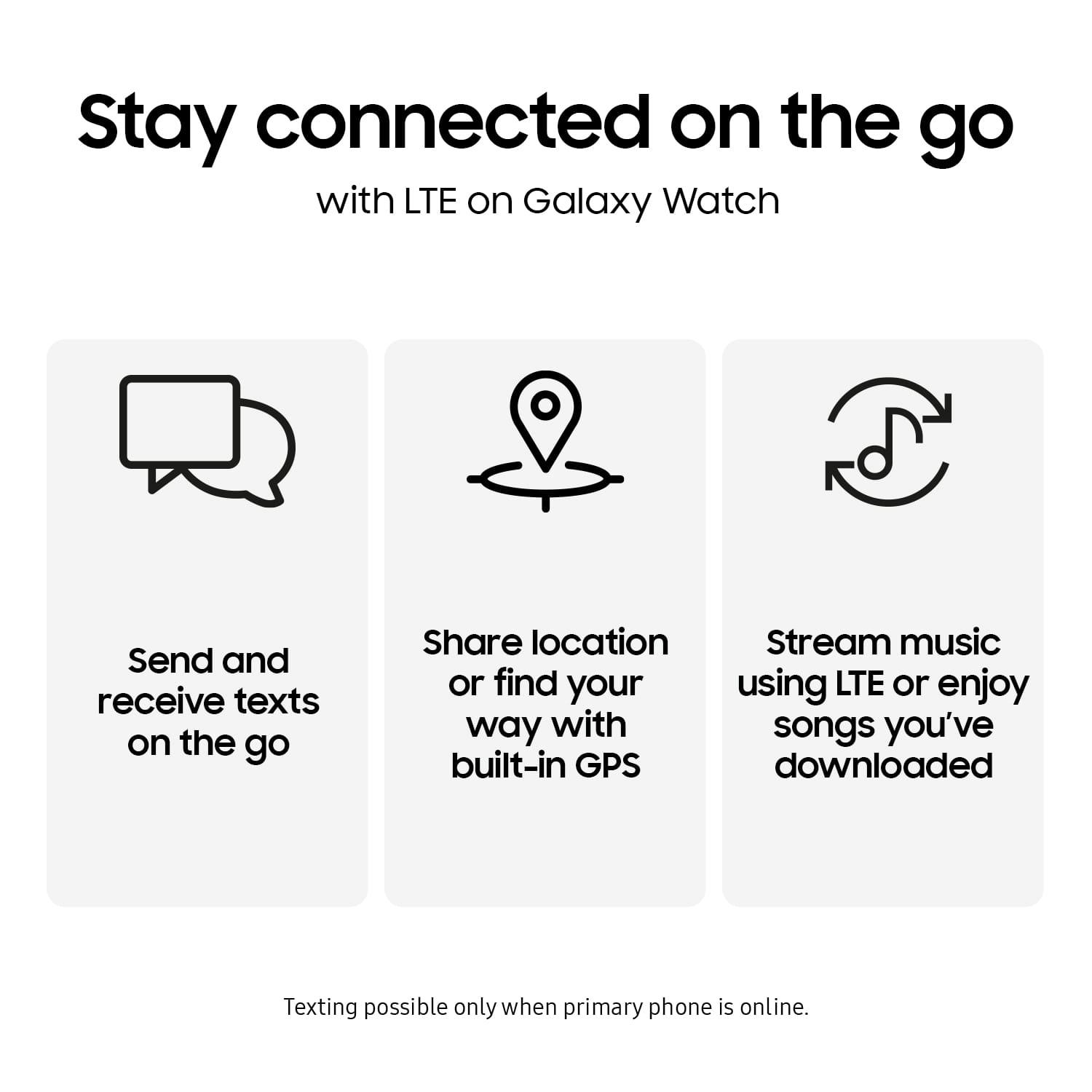
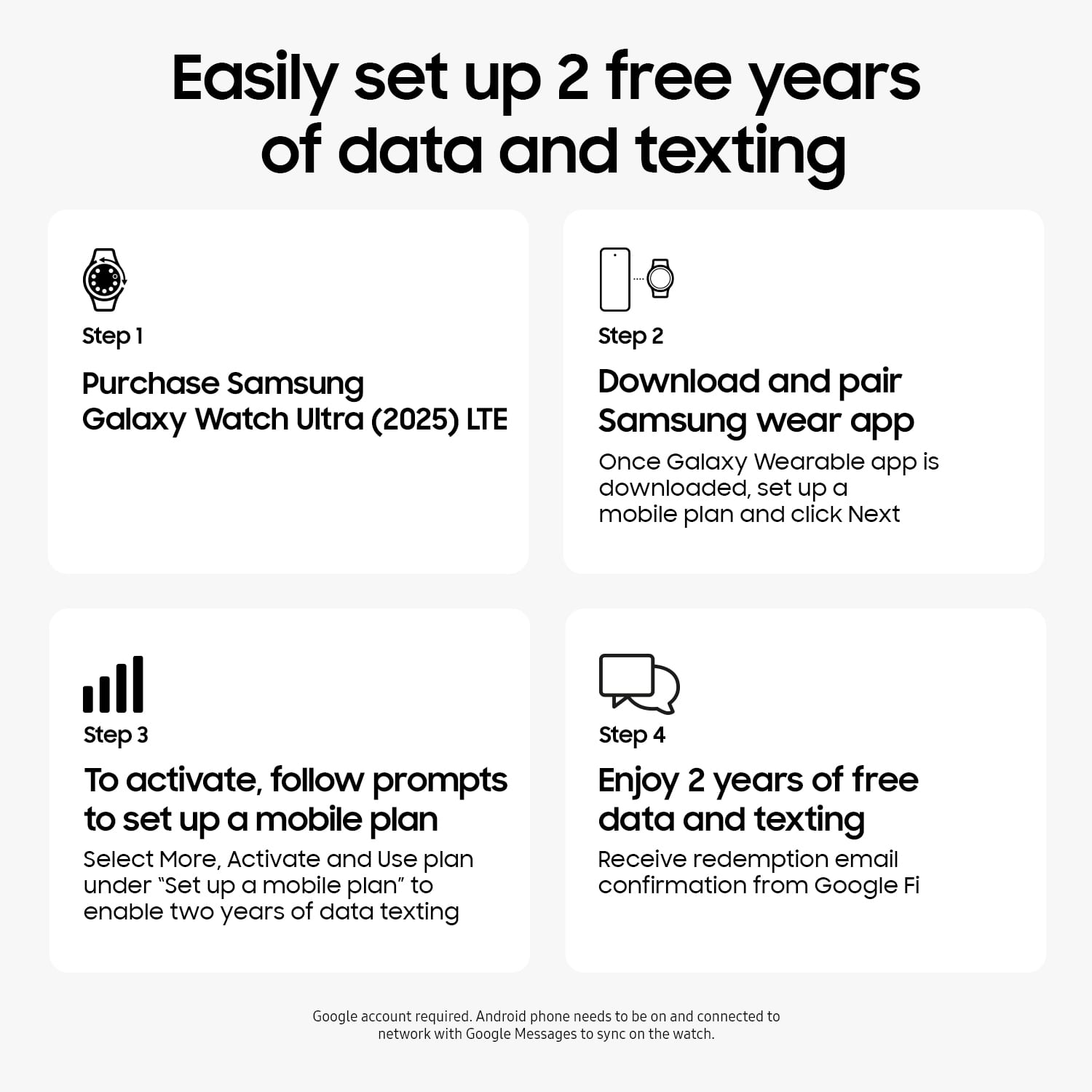
LTE connectivity allows the Samsung to function independently of your phone for calls, messages, and data services. This independence appeals to users who want to leave their phone behind during workouts while maintaining connectivity for emergencies or important communications.
The Suunto Race S deliberately limits smart features to preserve battery life and maintain focus during athletic activities. It handles basic notifications from calls, SMS, and social apps, plus music controls for your paired phone. However, it lacks offline music storage, voice assistants, contactless payments, or app ecosystems.
For athletes, this limitation often proves beneficial rather than restrictive. Fewer distractions during training sessions help maintain focus on performance metrics and pacing. The simplified interface reduces the temptation to check social media or respond to non-urgent messages mid-workout.
Both watches prioritize durability but through different approaches. The Suunto Race S uses a stainless steel bezel with Gorilla Glass protection, achieving 50-meter water resistance in a relatively lightweight 60-gram package. The 45mm case diameter accommodates a wide range of wrist sizes while maintaining comfort during extended wear.
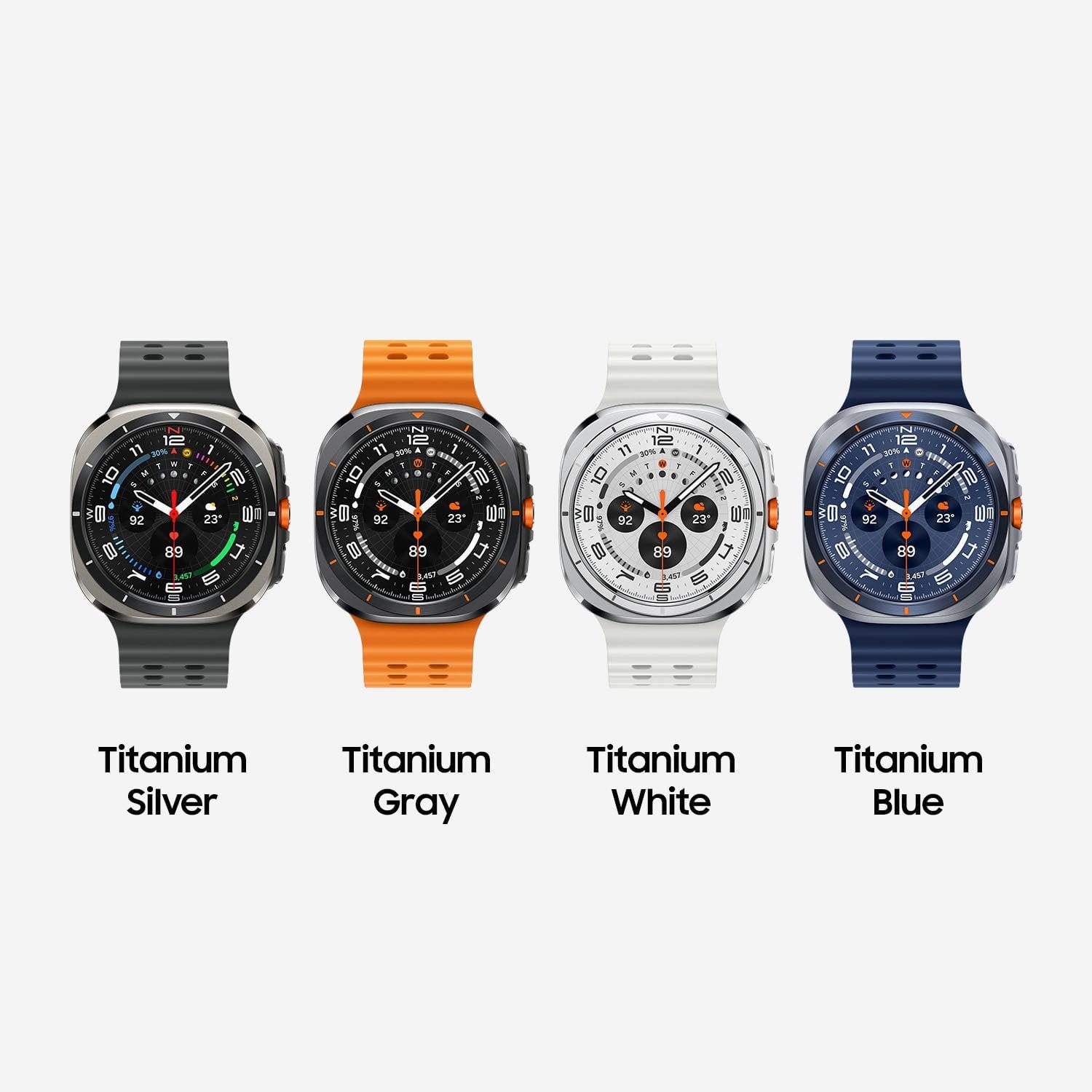
The Samsung Galaxy Watch Ultra goes further with Grade 4 titanium construction, sapphire crystal glass, and MIL-STD-810H military standard compliance. Its 10 ATM water resistance (equivalent to 100 meters) and ability to withstand extreme temperatures make it suitable for harsh environments. The premium materials justify its higher price point while delivering exceptional scratch and impact resistance.
User reports indicate both watches handle daily wear admirably, though the Samsung's titanium construction shows fewer visible wear marks over time. The sapphire crystal proves particularly resistant to the scratches that plague cheaper fitness trackers.
Choose the Suunto Race S if you're primarily an athlete who needs a specialized training tool. Marathon runners, cyclists, triathletes, and outdoor adventurers benefit enormously from its extended battery life, offline navigation, and detailed training analytics. The lower price point makes it accessible to serious amateur athletes who want professional-grade features without premium smartwatch costs.
The Suunto particularly excels for multi-sport athletes. Its triathlon mode seamlessly transitions between swimming, cycling, and running segments while maintaining accurate tracking throughout. The detailed post-workout analysis helps identify strengths and weaknesses across different disciplines.
Choose the Samsung Galaxy Watch Ultra if you want a premium daily-wear device that also handles fitness tracking well. Business professionals, tech enthusiasts, and casual fitness users appreciate its comprehensive smart features and premium construction. The LTE connectivity proves valuable for users who travel frequently or want device independence during activities.
The Samsung makes most sense for users deeply integrated into the Android ecosystem who want their watch to handle communications, entertainment, productivity, and fitness tracking with equal competence. Its AI features and voice control add convenience that dedicated sports watches simply cannot match.
Neither device directly integrates with home theater systems, but the Samsung Galaxy Watch Ultra offers superior smart home control through its Google Assistant integration and broader app ecosystem. You can control compatible devices, adjust lighting for movie watching, and manage entertainment systems through voice commands or apps.
The Suunto Race S lacks these capabilities entirely, reinforcing its focus on athletic rather than lifestyle functionality.
The Samsung Galaxy Watch Ultra benefits from cutting-edge 3nm processor technology, delivering improved performance and efficiency compared to previous generations. Its 64GB storage doubles the capacity of earlier models, providing ample space for music, apps, and data.
The Suunto Race S represents evolutionary rather than revolutionary improvement over previous Suunto models. However, its dual-frequency GPS and improved optical heart rate sensor demonstrate meaningful technical advancement in areas that matter most to athletes.
Both devices will receive software updates extending their useful life, but the Samsung benefits from Google's ongoing Wear OS development and Samsung's regular feature additions through firmware updates.
The choice ultimately depends on your primary use case and personal priorities. If you're training for endurance events, exploring remote outdoor areas, or need multi-day battery life for adventures, the Suunto Race S provides superior value and specialized capabilities at a lower price point.
If you want a premium daily-wear device that handles smart features expertly while providing solid fitness tracking, the Samsung Galaxy Watch Ultra justifies its higher cost through comprehensive functionality and exceptional build quality.
Consider your charging tolerance carefully. Daily charging suits users who already charge multiple devices nightly. Multi-day battery life proves essential for outdoor adventurers or users who frequently forget to charge devices.
Both represent excellent choices within their respective categories. The Suunto Race S delivers exceptional athletic functionality at competitive pricing, while the Samsung Galaxy Watch Ultra provides premium all-in-one capability for users willing to pay for versatility and luxury materials.
Your lifestyle, athletic ambitions, and technology preferences should guide this decision more than price alone. Both watches excel at their intended purposes—the key is choosing the purpose that matches your needs.
| Suunto Race S | Samsung Galaxy Watch Ultra 47mm LTE |
|---|---|
| Battery Life - Critical for multi-day adventures and reducing charging frequency | |
| Up to 30 hours GPS tracking (120 hours extended mode), 9-13 days daily use | Up to 60 hours AOD on, requires daily charging with heavy GPS use |
| GPS Navigation - Essential for outdoor adventures and route tracking | |
| Free offline maps globally, dual-band GNSS, turn-by-turn navigation without cellular | Connected maps, basic GPX import, requires cellular for full functionality |
| Sports Tracking - Determines accuracy and usefulness for athletic training | |
| 95+ sport modes, specialized metrics per activity, training load analysis | General fitness tracking, improved heart rate sensor, basic sport modes |
| Smart Features - Impact on daily convenience and ecosystem integration | |
| Basic notifications, music controls only, no payments or apps | Full Wear OS, Gemini AI, contactless payments, LTE independence, app ecosystem |
| Build Quality - Affects durability and premium feel | |
| Stainless steel bezel, Gorilla Glass, 50m water resistance, 60g weight | Grade 4 titanium, sapphire crystal, 10 ATM + MIL-STD-810H, 60.5g weight |
| Display - Impacts outdoor visibility and user experience | |
| 1.32" AMOLED touchscreen, optimized for sports use | 1.5" Super AMOLED, 3000 nits peak brightness, larger viewing area |
| Heart Rate Accuracy - Critical for training effectiveness and health monitoring | |
| Improved optical sensor, reliable for steady-state activities | Excellent running accuracy, inconsistent during cycling and other activities |
| Storage and Processing - Affects performance and future-proofing | |
| 32GB for maps and data, sports-optimized firmware | 64GB storage, 3nm Exynos W1000 processor, 2GB RAM |
| Water Resistance - Important for swimming and water sports | |
| 50 meters, suitable for swimming and snorkeling | 10 ATM (100 meters), suitable for swimming and water sports |
| Offline Capabilities - Essential for remote area use and reliability | |
| Complete offline maps and navigation, works anywhere | Requires cellular connection for most smart features and navigation |
| Target User - Who gets the most value from each device | |
| Serious athletes, outdoor adventurers, multi-day expedition users | Android users wanting premium smartwatch with fitness capabilities |
| Value Proposition - What you're paying for | |
| Specialized sports features at lower cost, exceptional battery life | Premium materials and comprehensive smart functionality at higher cost |
The Suunto Race S is specifically designed for serious athletes and runners. It offers 95+ sport modes with specialized metrics, training load analysis, and up to 30 hours of GPS tracking. The Samsung Galaxy Watch Ultra provides solid fitness tracking but lacks the depth of athletic features that dedicated sports watches offer.
The Suunto Race S dramatically outperforms with 9-13 days of daily use and up to 120 hours in extended GPS mode, making it ideal for multi-day adventures. The Samsung Galaxy Watch Ultra lasts about 9 days with normal use but requires daily charging during GPS-intensive activities.
Yes, the Suunto Race S includes free offline maps covering the entire globe with turn-by-turn navigation that works completely without cellular connection. The Samsung Galaxy Watch Ultra relies primarily on connected maps and requires cellular coverage for full navigation functionality.
The Samsung Galaxy Watch Ultra excels in smart features with full Wear OS, Gemini AI integration, contactless payments, music streaming, and comprehensive app support. The Suunto Race S deliberately limits smart features to basic notifications and music controls to preserve battery life and athletic focus.
Both watches offer improved heart rate sensors. The Samsung Galaxy Watch Ultra shows excellent accuracy during running but struggles with cycling and other activities. The Suunto Race S provides consistent accuracy across multiple sports and is optimized for endurance activities.
The Samsung Galaxy Watch Ultra offers superior durability with Grade 4 titanium construction, sapphire crystal glass, and 10 ATM water resistance plus MIL-STD-810H military standards. The Suunto Race S provides solid durability with stainless steel bezel and 50-meter water resistance.
The Samsung Galaxy Watch Ultra includes LTE connectivity allowing independent calls, texts, and data services without your phone nearby. The Suunto Race S does not offer cellular connectivity and requires your phone for communication features.
The Suunto Race S is far superior for extended outdoor adventures, offering up to 120 hours of GPS tracking and complete offline navigation capabilities. The Samsung Galaxy Watch Ultra would require portable charging solutions for multi-day trips.
Both watches feature AMOLED displays optimized for outdoor use. The Samsung Galaxy Watch Ultra has a larger 1.5-inch display with 3000 nits peak brightness, while the Suunto Race S offers a 1.32-inch display specifically optimized for sports use with excellent sunlight readability.
The Suunto Race S provides exceptional value for athletes seeking specialized sports features at a lower cost. The Samsung Galaxy Watch Ultra commands a premium for its comprehensive smart functionality and luxury materials, making it better value for users wanting an all-in-one device.
The Samsung Galaxy Watch Ultra supports offline music storage and streaming services with its 64GB storage capacity. The Suunto Race S does not offer offline music storage but provides music controls for your paired smartphone.
If you prioritize comprehensive smart features alongside fitness tracking, the Samsung Galaxy Watch Ultra is the better choice with its full Wear OS ecosystem, AI integration, and premium build. Choose the Suunto Race S if you're primarily focused on athletic performance and can sacrifice smart features for superior battery life and specialized sports capabilities.
We've done our best to create useful and informative comparisons to help you decide what product to buy. Our research uses advanced automated methods to create this comparison and perfection is not possible - please contact us for corrections or questions. These are the sites we've researched in the creation of this article: techradar.com - trackbetter.com - trackbetter.com - runnersworld.com - alastairrunning.com - youtube.com - feedthehabit.com - outdoorgearlab.com - irunfar.com - youtube.com - forum.suunto.com - youtube.com - dcrainmaker.com - the5krunner.com - youtube.com - youtube.com - grittyrunners.co.uk - youtube.com - us.suunto.com - us.suunto.com - youtube.com - playbetter.com - us.suunto.com - suunto.com - suunto.com - suunto.com - bestbuy.com - trackbetter.com - watchard.com - smartwatch-straps.co.uk - wareable.com - dcrainmaker.com - pocket-lint.com - sypnotix.com - youtube.com - youtube.com - 9to5google.com - us.community.samsung.com - youtube.com - samsung.com - phonearena.com - versus.com - gsmarena.com - samsung.com - samsung.com - phonearena.com - samsung.com - samsung.com - samsung.com - samsung.com - samsung.com - t-mobile.com - att.com - youtube.com - bestbuy.com - verizon.com - youtube.com - bandletic.com - androidcentral.com - samsung.com - samsung.com - samsung.com - samsung.com

Privacy Policy
Terms and Conditions - Affiliate Policy
Home Security
© Copyright 2008-2026.
11816 Inwood Rd #1211, Dallas, TX 75244