

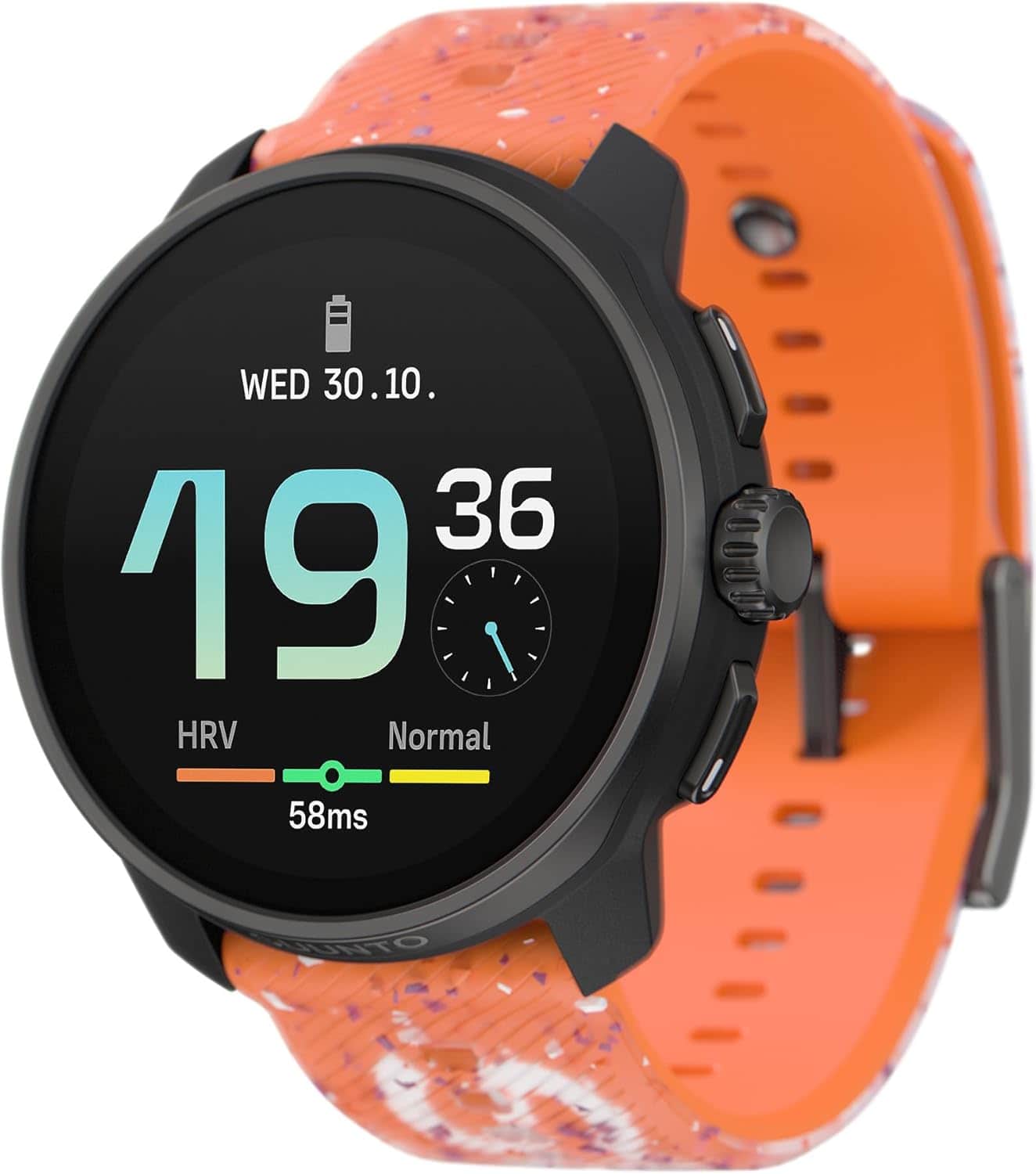
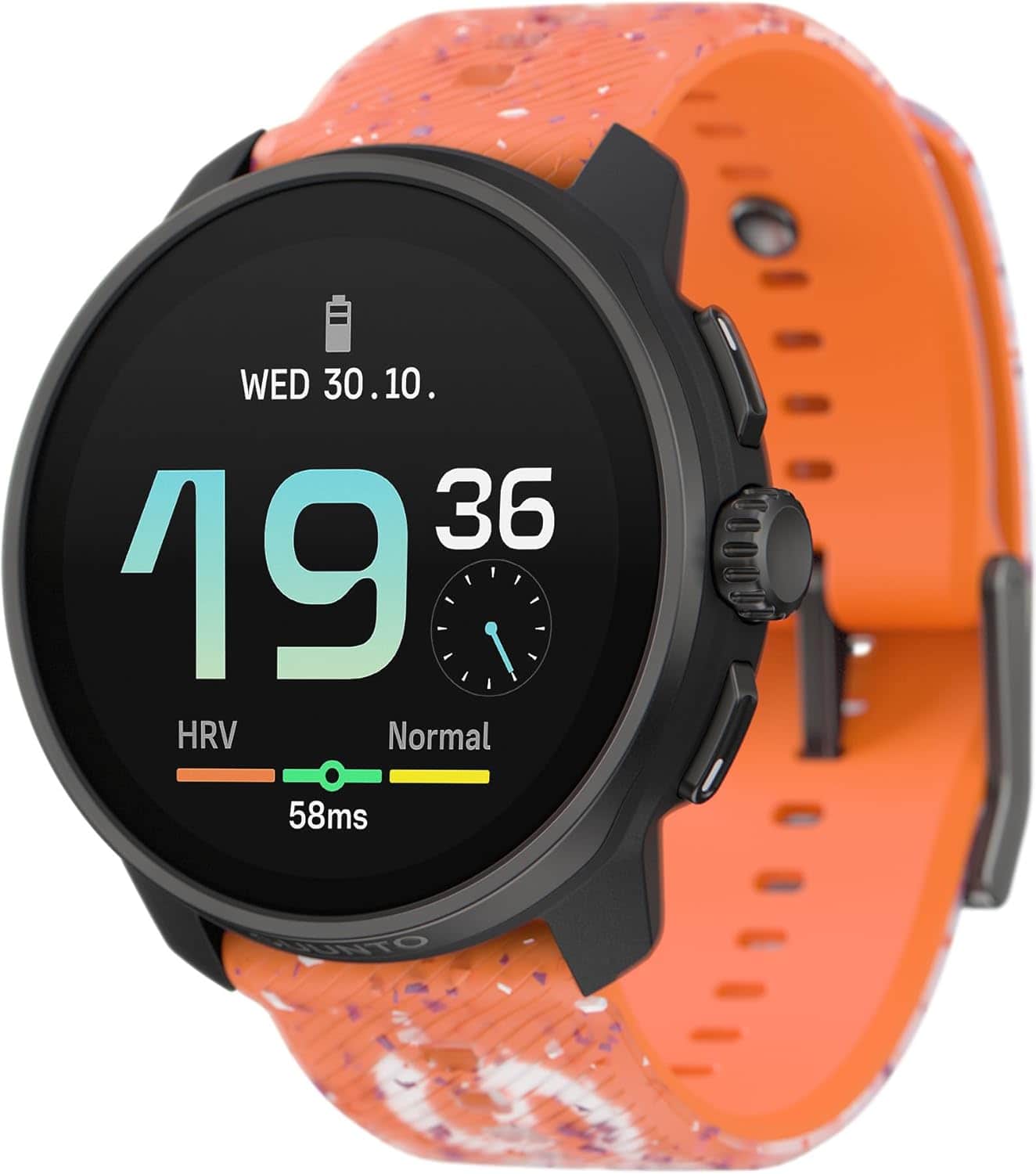
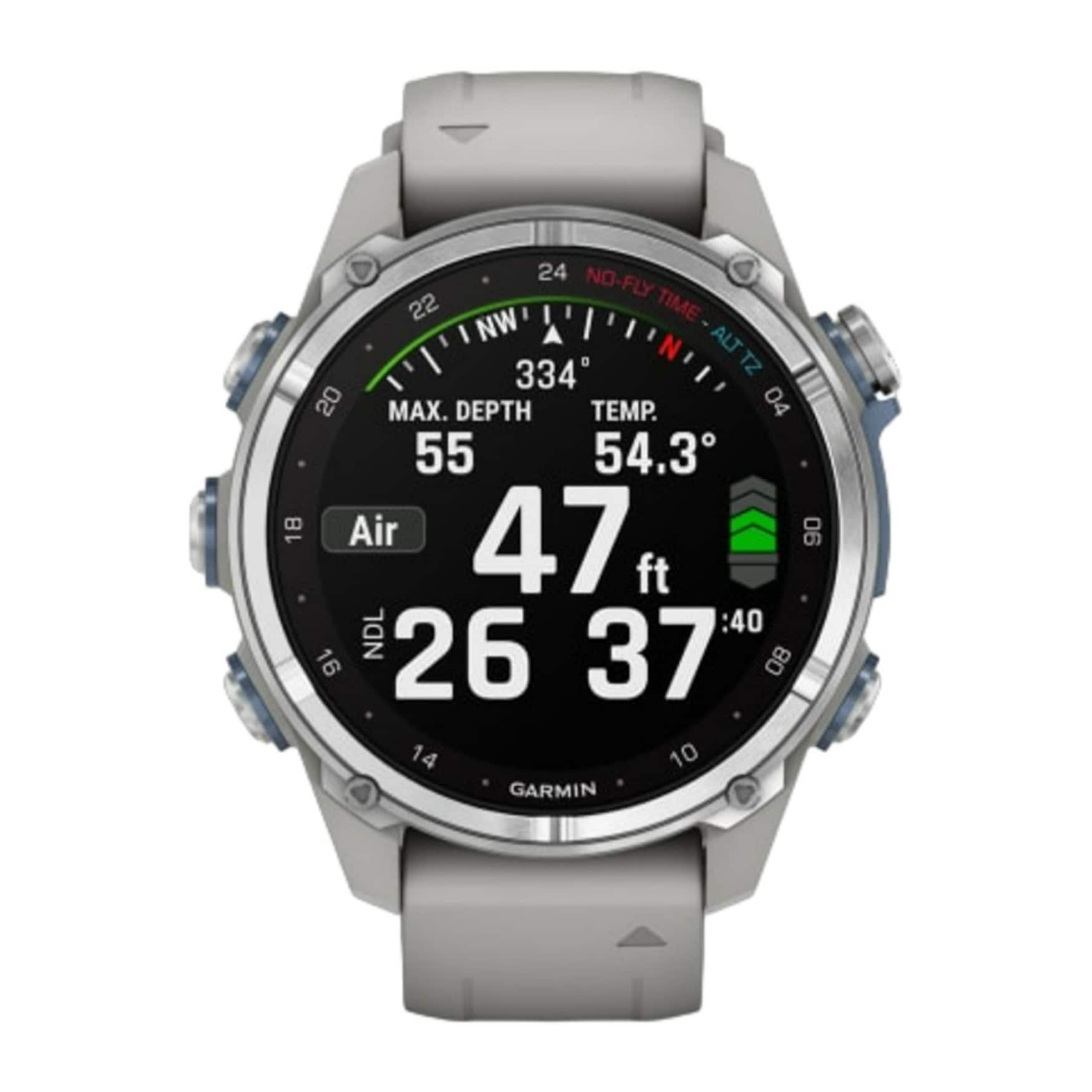
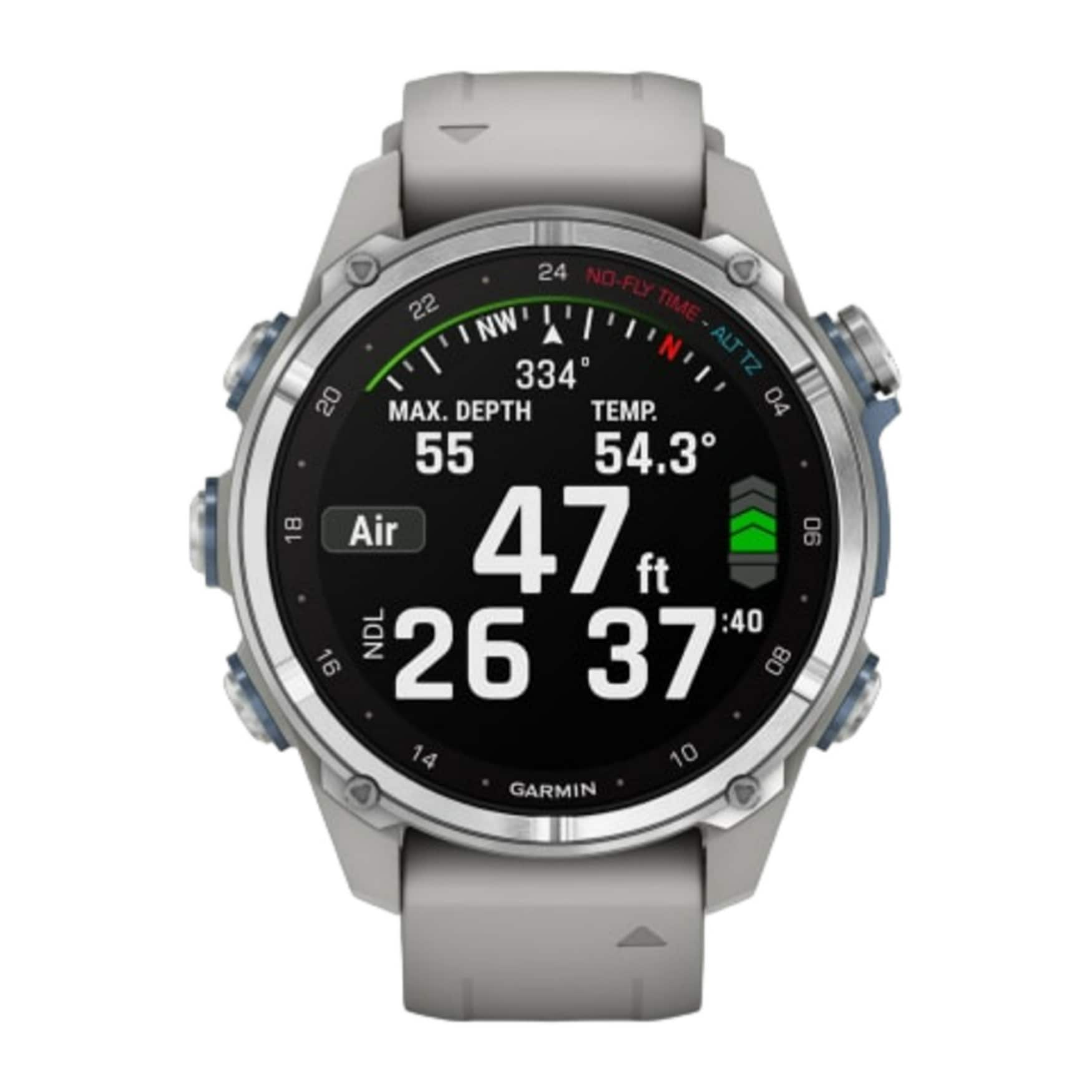
When you're shopping for a high-performance wearable device, the choice between a dedicated sports watch and a dive computer can be confusing. At the time of writing, these two categories occupy very different price points and serve distinct purposes, even though they might look similar on your wrist.
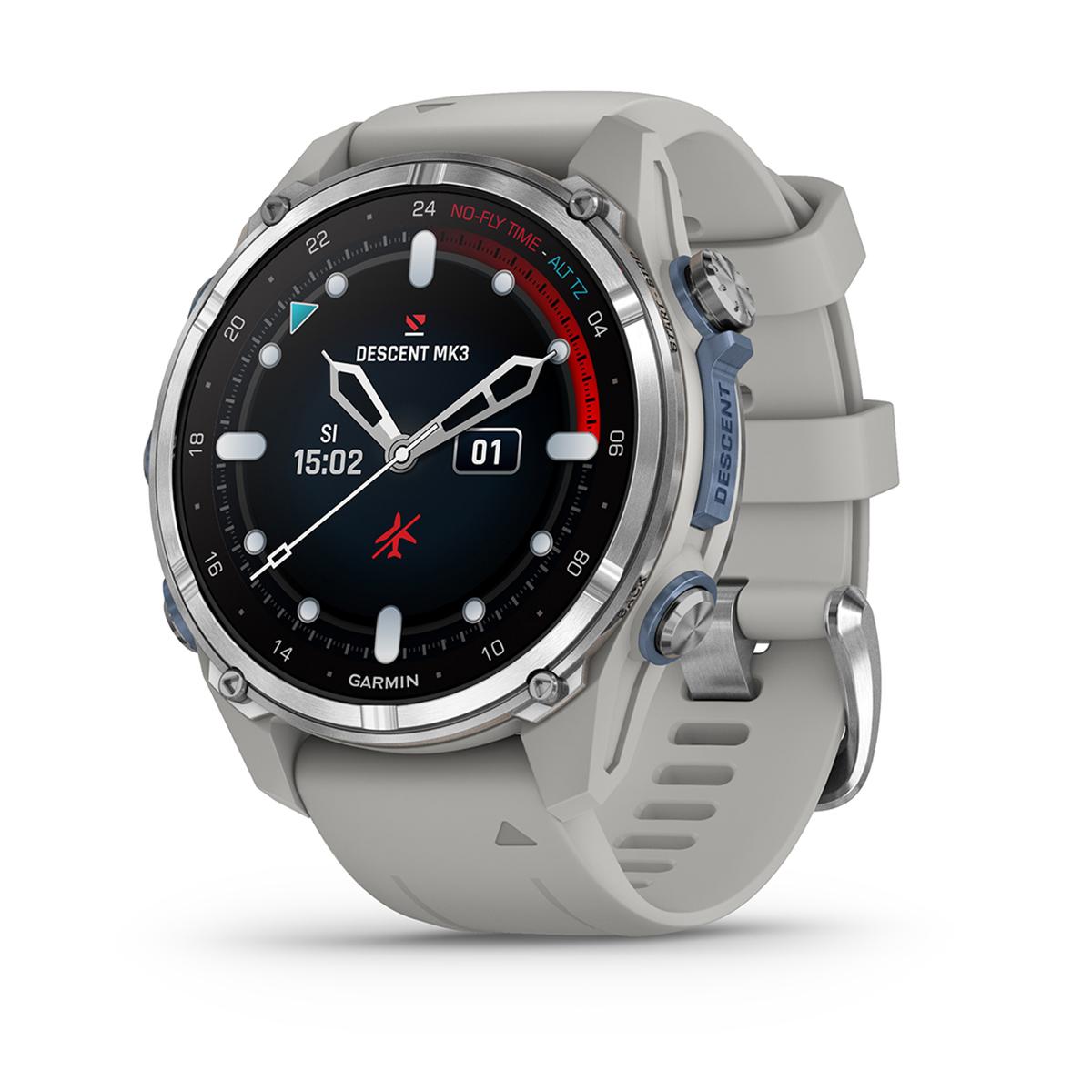
The Suunto Race S represents the sweet spot of GPS sports watches—delivering professional-level features at a price that won't break the bank. Meanwhile, the Garmin Descent Mk3 sits in premium dive computer territory, costing roughly three times more but offering capabilities that literally go hundreds of meters deeper.
Before diving into specifics, it's worth understanding what separates these device categories. GPS sports watches focus on tracking your activities on land—running, cycling, hiking, and similar sports. They excel at measuring distance, pace, elevation, and providing navigation assistance using satellite signals.
Dive computers, on the other hand, are specialized instruments designed to keep divers safe underwater. They calculate decompression requirements (how long you need to pause during ascent to avoid dangerous nitrogen bubbles in your blood), track depth and dive time, and monitor gas consumption. The fact that modern dive computers also function as capable sports watches is essentially a bonus feature.
The Suunto Race S launched in 2024 as Suunto's answer to growing competition in the mid-range sports watch market. It brought features previously reserved for premium devices—like dual-frequency GPS and AMOLED displays—to a more accessible price point. The Garmin Descent Mk3 also arrived in 2024, representing Garmin's third generation of dive computers and incorporating years of feedback from both recreational and technical divers.
At the time of writing, the price difference between these devices is substantial. The Suunto Race S costs roughly one-third of what you'll pay for the Garmin Descent Mk3. This isn't just markup—it reflects fundamental differences in engineering complexity, materials, and target markets.
The Race S delivers exceptional value by focusing on what most athletes actually need: accurate GPS tracking, comprehensive fitness metrics, and reliable performance in outdoor conditions. It's built to be worn daily by runners, cyclists, and hikers who want professional-grade data without professional-grade prices.
The Descent Mk3, meanwhile, commands its premium because it's essentially two sophisticated devices in one. The dive computer functionality requires specialized pressure sensors, waterproof engineering to 200 meters, and algorithms that literally help keep people alive underwater. When you break down the cost, you're paying for a professional dive computer that happens to also be an excellent sports watch.
For GPS performance, the Suunto Race S takes a clear lead through superior technology choices. It uses dual-frequency GNSS (Global Navigation Satellite System), which means it receives signals on two different frequencies from satellites. This dual-frequency approach—specifically L1 and L5 bands—dramatically improves accuracy in challenging environments like dense forests or urban areas where signals can bounce off buildings.
The Race S connects to five different satellite systems simultaneously: GPS (American), GLONASS (Russian), GALILEO (European), QZSS (Japanese), and BEIDOU (Chinese). Having access to up to 32 connected satellites at once means you're almost guaranteed a strong signal, even in difficult conditions.
More importantly for endurance athletes, the Race S offers exceptional battery life in GPS mode. In Performance mode, which uses the full dual-frequency capability for maximum accuracy, you get 30 hours of continuous tracking. Switch to Tour mode—which reduces GPS precision slightly but maintains good accuracy—and you can track for up to 120 hours. That's five full days of continuous GPS tracking, making it ideal for multi-day hiking trips or ultra-marathon events.
The Garmin Descent Mk3 uses more traditional GPS technology, which works perfectly well for most applications but doesn't match the Race S's technical sophistication or battery endurance. In dive mode, the Descent Mk3 provides 30 hours of operation, which is excellent for diving but falls short for extended GPS activities.
Where the Descent Mk3 shines is in dive-specific navigation features. It comes preloaded with over 4,000 dive sites worldwide, complete with depth contour maps called DiveView. These show underwater topography, helping divers plan their routes and understand the dive site layout before entering the water. The GPS functionality focuses on marking entry and exit points—crucial for boat diving or when diving from unfamiliar shore locations.
The Suunto Race S offers 95+ sport modes, covering everything from basic running and cycling to specialized activities like ski mountaineering and open water swimming. What sets it apart is the depth of features for each activity. For runners, it provides wrist-based running power (an estimate of how much energy you're expending), advanced pacing strategies, and detailed training analysis.
The device includes Suunto's ClimbGuide feature, which analyzes your planned route and alerts you to upcoming climbs during activities. This might sound simple, but it's incredibly useful for pacing yourself during long trail runs or bike rides where knowing about a steep climb five minutes ahead can help you conserve energy.
The Race S also integrates AI coaching through Suunto Coach, which analyzes your training history, recovery status, and performance trends to provide personalized guidance. Heart rate variability (HRV) monitoring—which measures tiny variations in time between heartbeats to assess recovery status—helps determine when you're ready for hard training versus when you need rest.
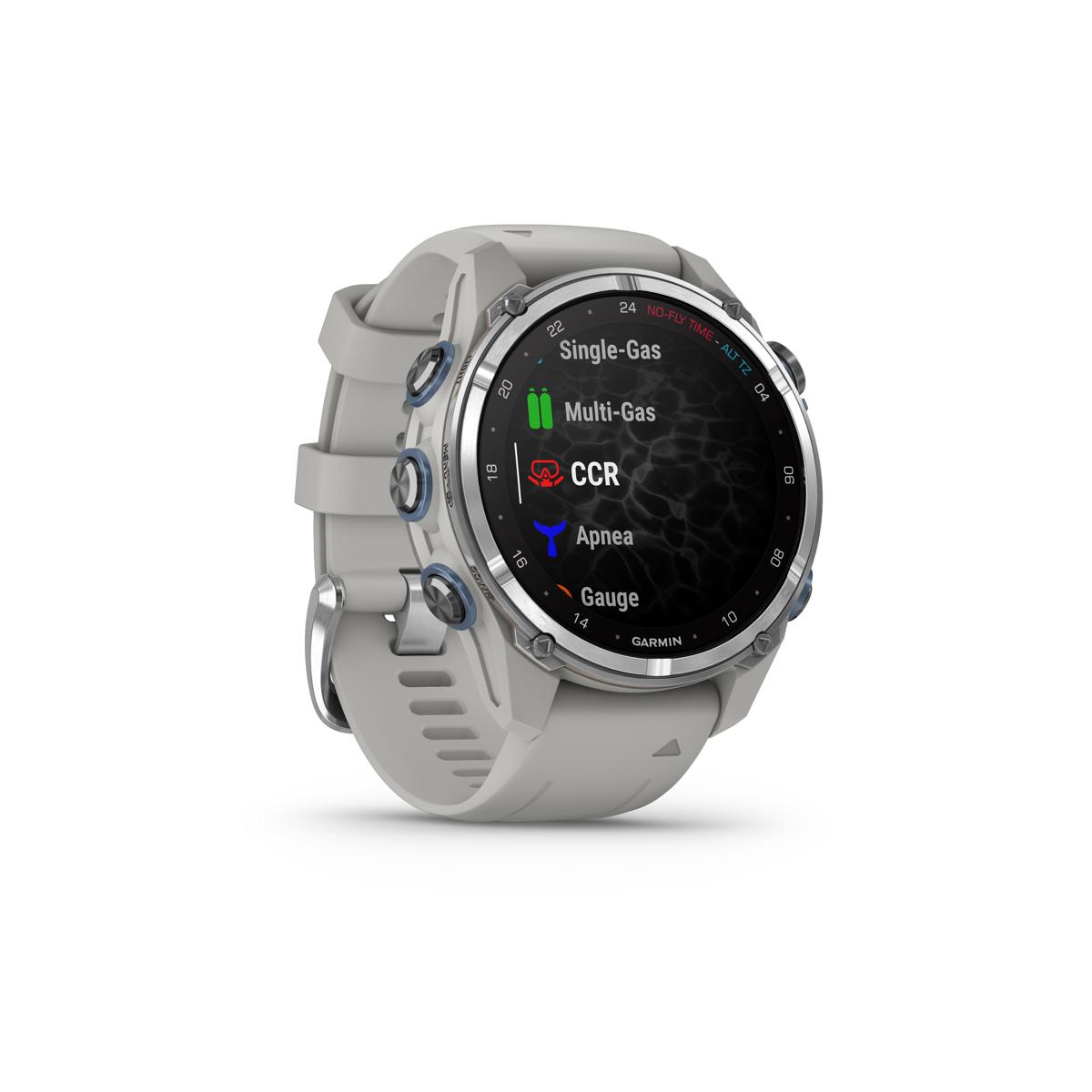
The Garmin Descent Mk3 offers 60+ surface sport modes, which covers most activities well, but the real star is its diving capability. It supports multiple diving modes including recreational air diving, nitrox (enriched oxygen) diving, and technical diving with trimix (mixed gases including helium for deep dives).
The dive computer uses the Bühlmann ZHL-16c decompression algorithm—a mathematical model that calculates how much nitrogen your body absorbs at different depths and how long you need to decompress during ascent. This isn't just academic; it's literally life-or-death calculation accuracy. The device can handle complex technical dives with multiple gas switches, closed-circuit rebreather diving, and decompression stops.
One unique feature is the Diver Readiness Tool, which analyzes your sleep quality, recent exercise load, stress levels, and even jet lag to determine how prepared your body is for diving. This physiological assessment helps prevent diving when your body might not handle the stress effectively.
Both devices use AMOLED (Active Matrix Organic Light Emitting Diode) displays, which produce incredibly bright, vibrant colors while consuming less power than traditional LCD screens. However, their implementations differ significantly.
The Suunto Race S features a 1.32-inch display with 466 pixels per inch (dpi), making it exceptionally sharp and clear. Users consistently praise its readability in bright sunlight—a crucial feature for outdoor athletes. The touchscreen remains responsive even when wet, and the digital crown provides backup navigation when gloves make touchscreen use difficult.
The Garmin Descent Mk3 uses a slightly smaller 1.2-inch display but protects it with sapphire crystal glass—one of the hardest materials available, just below diamond on the hardness scale. This makes the screen virtually scratch-proof, essential when you're navigating through underwater environments or rocky terrain.
More importantly, the Descent Mk3 includes five physical buttons alongside the touchscreen. Underwater, touchscreens become unreliable, so physical buttons ensure you can operate the device at depth while wearing thick diving gloves.
Both devices offer comprehensive health tracking, but with different strengths. The Suunto Race S focuses on athletic performance optimization. Its heart rate monitoring works well for steady-state activities like long runs, though like most optical wrist sensors, it can struggle with rapid intensity changes during interval training.
Sleep tracking on the Race S includes detailed analysis of sleep stages—light sleep, deep sleep, and REM (Rapid Eye Movement) sleep. It also measures HRV during sleep, providing insights into recovery status without requiring additional measurements during the day.
The Garmin Descent Mk3 includes similar health metrics but adds diving-specific monitoring. The pulse oximeter—which measures blood oxygen saturation—serves dual purposes: general health monitoring and altitude/depth acclimatization assessment. For divers traveling to different altitudes or diving at altitude, this helps determine how environmental changes might affect dive planning.
The Descent Mk3's unique Diver Readiness feature analyzes multiple physiological factors to create a readiness score. Poor sleep, high training load, elevated stress, or recent travel can all impact your body's ability to handle the physical demands of diving safely.
The Suunto Race S excels in areas that matter most to terrestrial athletes. Its offline mapping capability includes detailed topographic maps, satellite imagery, and turn-by-turn navigation. The maps are free and cover global territories, making it excellent for hiking or running in unfamiliar areas.
ClimbGuide analyzes your planned route and provides real-time notifications about upcoming elevation changes. This feature uses both GPS data and barometric pressure sensors to predict climbs accurately, helping with pacing strategies during long events.
The Garmin Descent Mk3 brings technical diving capabilities that no sports watch can match. It calculates decompression requirements for dives using multiple gas mixtures—crucial for technical divers who switch between different breathing gases at different depths to optimize decompression.
The device supports closed-circuit rebreather (CCR) diving, where the diver breathes from a system that recycles exhaled gas rather than releasing it as bubbles. CCR diving requires different calculations than traditional scuba diving, and the Descent Mk3 handles these complex computations automatically.
Perhaps most impressively, the Descent Mk3 includes SubWave sonar technology for underwater communication. This allows divers wearing compatible devices to send preset messages to each other underwater within a 30-meter range. While still emerging technology, this represents a significant safety advancement for group diving.
Battery performance reveals the fundamental differences between these devices. The Suunto Race S prioritizes extended GPS usage, delivering up to 120 hours in Tour mode or 30 hours in high-accuracy Performance mode. For daily wear without GPS activity, it lasts 9-13 days depending on usage patterns.
This battery life makes the Race S ideal for ultra-endurance events, multi-day hiking trips, or simply extended periods away from charging opportunities. The fast-charging capability means you can top up quickly during brief stops.
The Garmin Descent Mk3 provides 30 hours in dive mode and about 10 days in daily smartwatch use. While shorter than the Race S for GPS activities, this aligns perfectly with diving usage patterns. Most recreational diving involves multiple shorter dives rather than continuous extended use, and 30 hours covers even aggressive diving schedules.
The Suunto Race S keeps smart features minimal, focusing on core athletic functionality. You get basic smartphone notifications and music controls, but no contactless payments, offline music storage, or extensive app ecosystem.
This approach keeps the device focused and the price reasonable. For dedicated athletes who primarily want sports tracking with some convenience features, this limitation rarely matters.
The Garmin Descent Mk3 offers comprehensive smartwatch capabilities including Garmin Pay for contactless payments, offline music storage with streaming service support, and integration with Garmin's extensive app ecosystem. These features make it more viable as a daily-wear device beyond diving and sports activities.
The decision ultimately comes down to diving requirements and budget considerations. Choose the Suunto Race S if you're a serious terrestrial athlete—runner, cyclist, hiker, or triathlete—who wants professional-grade tracking capabilities without premium pricing. It's particularly compelling for ultra-endurance athletes who need extended GPS battery life, or anyone who values exceptional navigation features for backcountry activities.
The Race S delivers roughly 80% of what expensive sports watches offer at roughly 30% of their price, making it an outstanding value proposition for most athletes.
Choose the Garmin Descent Mk3 if you're an active diver who also participates in surface sports. The premium price becomes justifiable when you consider you're getting both a professional-grade dive computer and a capable sports watch. Technical divers, dive instructors, or anyone doing serious underwater activities will find the advanced diving features essential.
The Descent Mk3 also makes sense if you want the most comprehensive smartwatch features alongside your sports tracking, though this alone doesn't justify the price premium.
These devices represent different philosophies in sports technology. The Suunto Race S proves that focused engineering can deliver exceptional performance at accessible prices. The Garmin Descent Mk3 demonstrates how specialized requirements—like professional diving capability—naturally command premium pricing.
For the vast majority of athletes, the Race S provides everything needed for serious training and competition. Its GPS accuracy, battery life, and navigation features match or exceed devices costing much more. Only consider the Descent Mk3 if diving is a regular part of your activities, or if you specifically need the advanced smartwatch features it provides.
Both devices represent excellent execution of their intended purposes. The key is honestly assessing which purpose aligns with your actual needs rather than aspirational wants.
| Suunto Race S GPS Sports Watch | Garmin Descent Mk3 Dive Computer 43mm |
|---|---|
| Primary Use Case - Determines if the price premium is justified | |
| Dedicated GPS sports watch for running, cycling, hiking | Professional dive computer with comprehensive sports watch features |
| Price Range - Major factor in purchase decision | |
| Mid-range pricing for exceptional sports watch value | Premium pricing justified only if you need dive computer functionality |
| Water/Depth Rating - Critical safety specification | |
| Water-resistant for swimming and surface water sports | 200m depth rating with full dive computer functionality underwater |
| GPS Battery Life - Most important for endurance athletes | |
| Up to 120 hours (Tour mode), 30 hours (Performance mode) | 30 hours in dive mode, shorter for GPS-only activities |
| Display Technology - Affects readability and battery | |
| 1.32" AMOLED touchscreen, 466dpi resolution | 1.2" AMOLED touchscreen with sapphire crystal protection |
| GPS Accuracy - Critical for navigation and distance tracking | |
| Dual-frequency GNSS (L1+L5) with 5 satellite systems | Standard GPS/GLONASS - adequate but less sophisticated |
| Sport Modes - Variety of trackable activities | |
| 95+ sport modes with deep customization for terrestrial sports | 60+ surface sports plus comprehensive diving modes |
| Dive Computer Features - Only matters if you scuba dive | |
| None - not suitable for diving | Bühlmann algorithm, trimix support, CCR compatibility, decompression calculation |
| Navigation Features - Important for outdoor adventures | |
| Free offline maps, turn-by-turn navigation, ClimbGuide | 4,000+ dive sites, DiveView maps, surface GPS for dive locations |
| Daily Use Battery - How often you need to charge | |
| 9-13 days depending on heart rate monitoring | 10 days in smartwatch mode |
| Smart Features - Convenience beyond sports tracking | |
| Basic notifications, music controls | Garmin Pay, Spotify, comprehensive app ecosystem |
| Build Quality - Durability for active use | |
| Lightweight (60g), Gorilla Glass, stainless steel bezel | Robust construction, sapphire crystal, designed for extreme conditions |
| Heart Rate Accuracy - Important for training zones | |
| Good for steady-state, can struggle with intervals | Standard optical HR with reliable Garmin algorithms |
| Unique Technologies - Standout features | |
| AI coaching, ClimbGuide elevation alerts | SubWave underwater communication, Diver Readiness assessment |
The Suunto Race S is a dedicated GPS sports watch designed for running, cycling, and hiking, while the Garmin Descent Mk3 is primarily a dive computer that also functions as a comprehensive sports watch. The key difference is that the Descent Mk3 can safely operate underwater to 200 meters with full dive computer functionality, while the Race S is only water-resistant for surface activities.
The Suunto Race S is better optimized for running and cycling with superior GPS battery life (up to 120 hours), dual-frequency GPS for enhanced accuracy, and specialized features like ClimbGuide for elevation alerts. While the Garmin Descent Mk3 tracks these activities well, its shorter GPS battery life (30 hours) and focus on diving make it less ideal for ultra-endurance terrestrial sports.
No, the Garmin Descent Mk3 is primarily designed for active divers and costs significantly more than the Suunto Race S. If you don't regularly scuba dive, you're paying a premium for specialized dive computer features you won't use. The Race S offers better value for pure sports tracking and fitness monitoring.
The Suunto Race S has superior battery life for GPS activities, offering up to 120 hours in Tour mode compared to the Garmin Descent Mk3's 30 hours in dive mode. For daily smartwatch use, both devices offer similar performance with 9-13 days for the Race S and 10 days for the Descent Mk3.
Yes, but differently. The Suunto Race S can track swimming in pools and open water but is only water-resistant for surface swimming. The Garmin Descent Mk3 not only tracks swimming but also functions as a full dive computer for scuba diving, with 200-meter depth rating and decompression calculations.
The Suunto Race S offers exceptional value for dedicated sports tracking, providing professional-grade GPS accuracy and comprehensive fitness features at a much lower price point. The Garmin Descent Mk3 commands a premium price that's only justified if you need its specialized dive computer capabilities.
The Suunto Race S offers basic smart features including notifications and music controls, focusing primarily on sports functionality. The Garmin Descent Mk3 provides comprehensive smartwatch features including contactless payments, offline music storage, and extensive app integration, making it more suitable as a daily-wear device.
The Suunto Race S has more advanced GPS technology with dual-frequency GNSS and support for five satellite systems, providing superior accuracy especially in challenging environments like dense forests or urban areas. The Garmin Descent Mk3 uses standard GPS technology that's adequate but less sophisticated.
Both use AMOLED displays, but the Suunto Race S has a slightly larger 1.32-inch screen with higher pixel density (466dpi) for exceptional clarity. The Garmin Descent Mk3 features a 1.2-inch display protected by scratch-resistant sapphire crystal and includes physical buttons for underwater operation.
The Suunto Race S excels at terrestrial navigation with free offline maps, turn-by-turn directions, and the unique ClimbGuide feature for elevation alerts. The Garmin Descent Mk3 focuses on dive site navigation with 4,000+ preloaded dive locations and underwater mapping, but has less sophisticated land-based navigation features.
Only the Garmin Descent Mk3 supports technical diving with features like trimix gas calculations, closed-circuit rebreather compatibility, and professional decompression algorithms. The Suunto Race S cannot be used for any type of scuba diving and is only suitable for surface water activities.
Choose the Suunto Race S if your multi-sport activities are land-based (running, cycling, hiking, triathlon) and you want maximum GPS battery life and navigation features. Choose the Garmin Descent Mk3 only if scuba diving is one of your regular activities, as it combines professional dive computer functionality with capable surface sports tracking.
We've done our best to create useful and informative comparisons to help you decide what product to buy. Our research uses advanced automated methods to create this comparison and perfection is not possible - please contact us for corrections or questions. These are the sites we've researched in the creation of this article: techradar.com - trackbetter.com - trackbetter.com - runnersworld.com - alastairrunning.com - youtube.com - feedthehabit.com - outdoorgearlab.com - irunfar.com - youtube.com - forum.suunto.com - youtube.com - dcrainmaker.com - the5krunner.com - youtube.com - youtube.com - grittyrunners.co.uk - youtube.com - us.suunto.com - us.suunto.com - youtube.com - playbetter.com - us.suunto.com - suunto.com - suunto.com - suunto.com - bestbuy.com - trackbetter.com - watchard.com - youtube.com - divernet.com - techradar.com - youtube.com - submersiblewrist.substack.com - bluewaterphotostore.com - youtube.com - youtube.com - scubaboard.com - youtube.com - youtube.com - scubaboard.com - scubaboard.com - divemagazine.com - apneapassion.com - thegpsstore.com - support.garmin.com - divegearexpress.com - www8.garmin.com - support.garmin.com - force-e.com - paragondivestore.com - austinsdiving.com - www8.garmin.com - www8.garmin.com

Privacy Policy
Terms and Conditions - Affiliate Policy
Home Security
© Copyright 2008-2026.
11816 Inwood Rd #1211, Dallas, TX 75244