

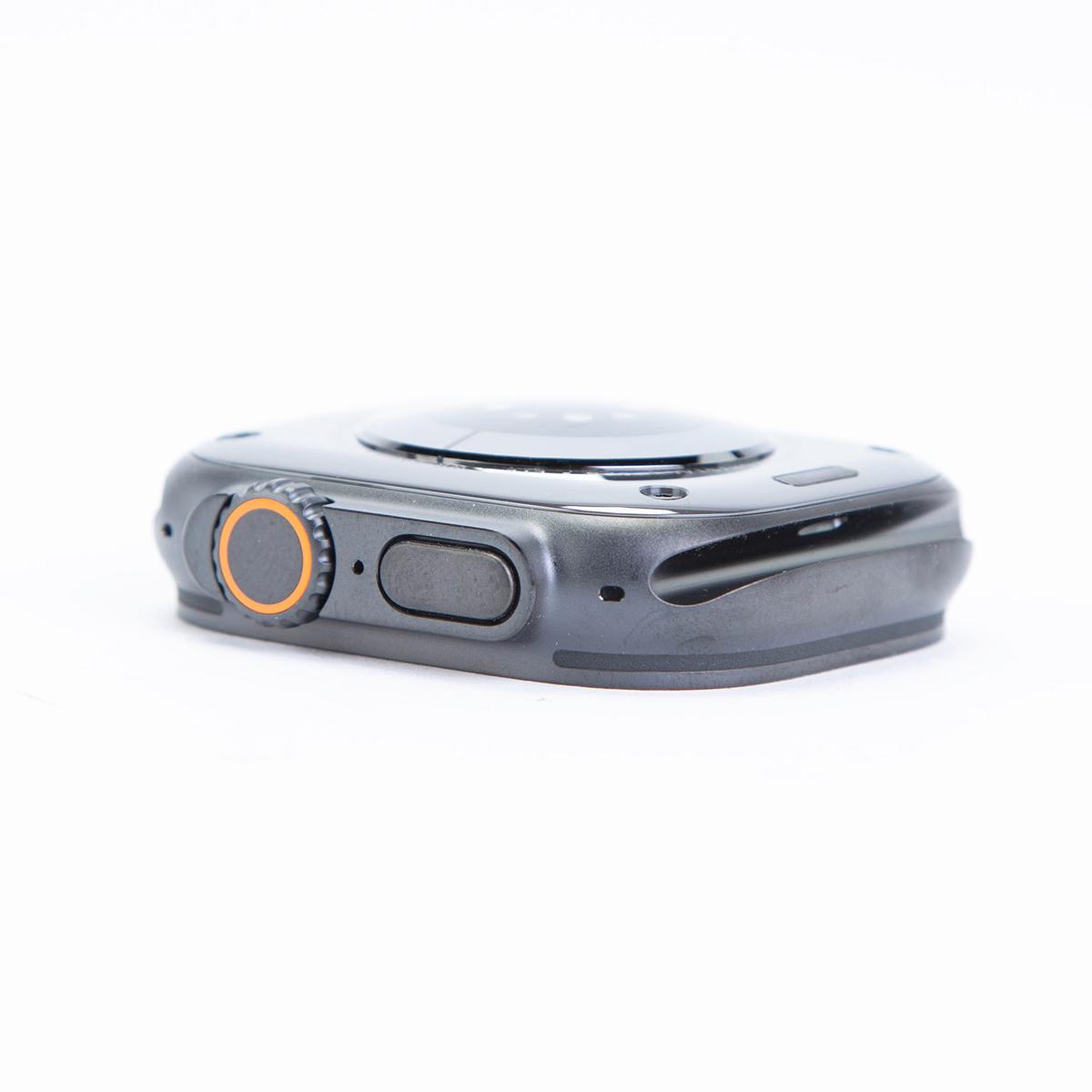
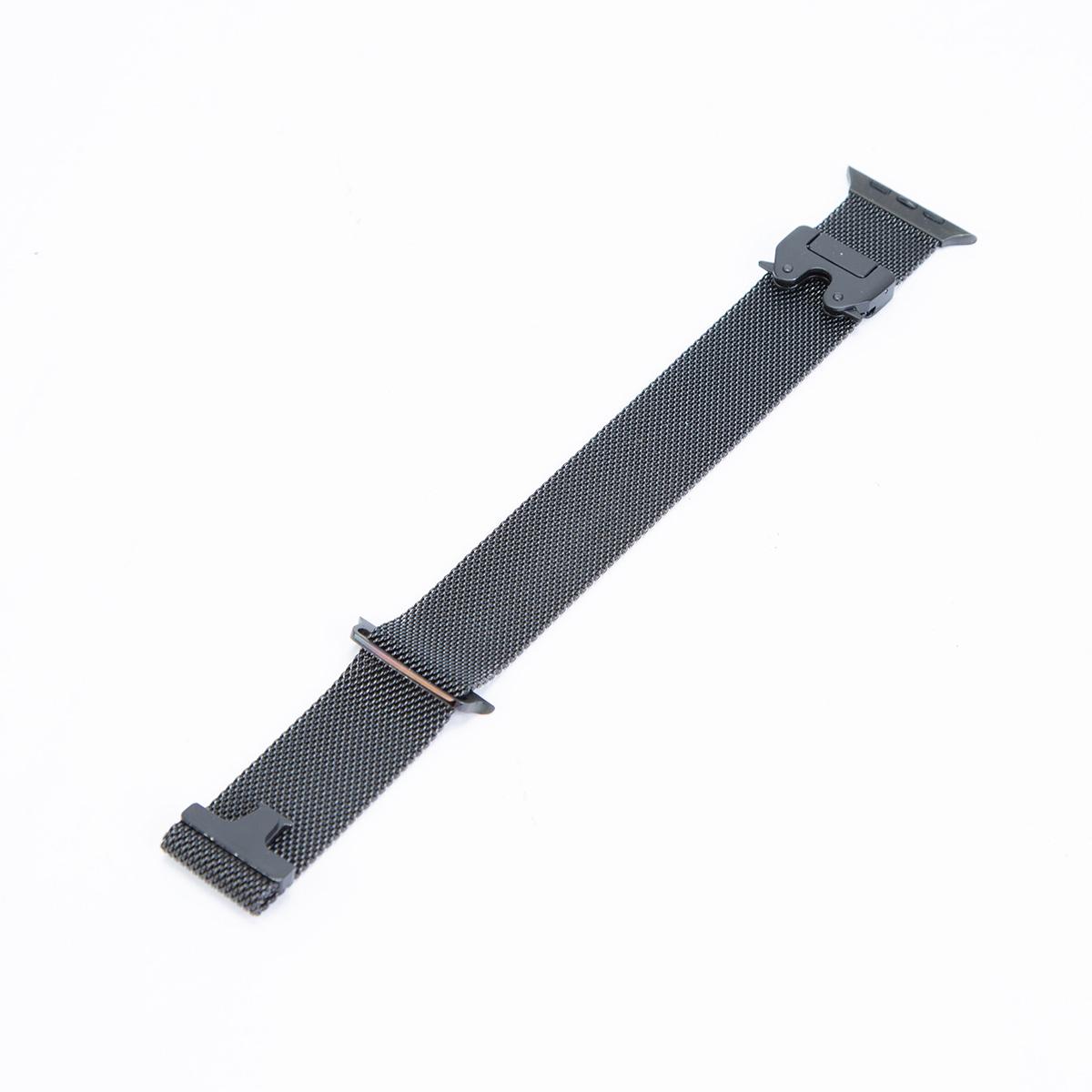
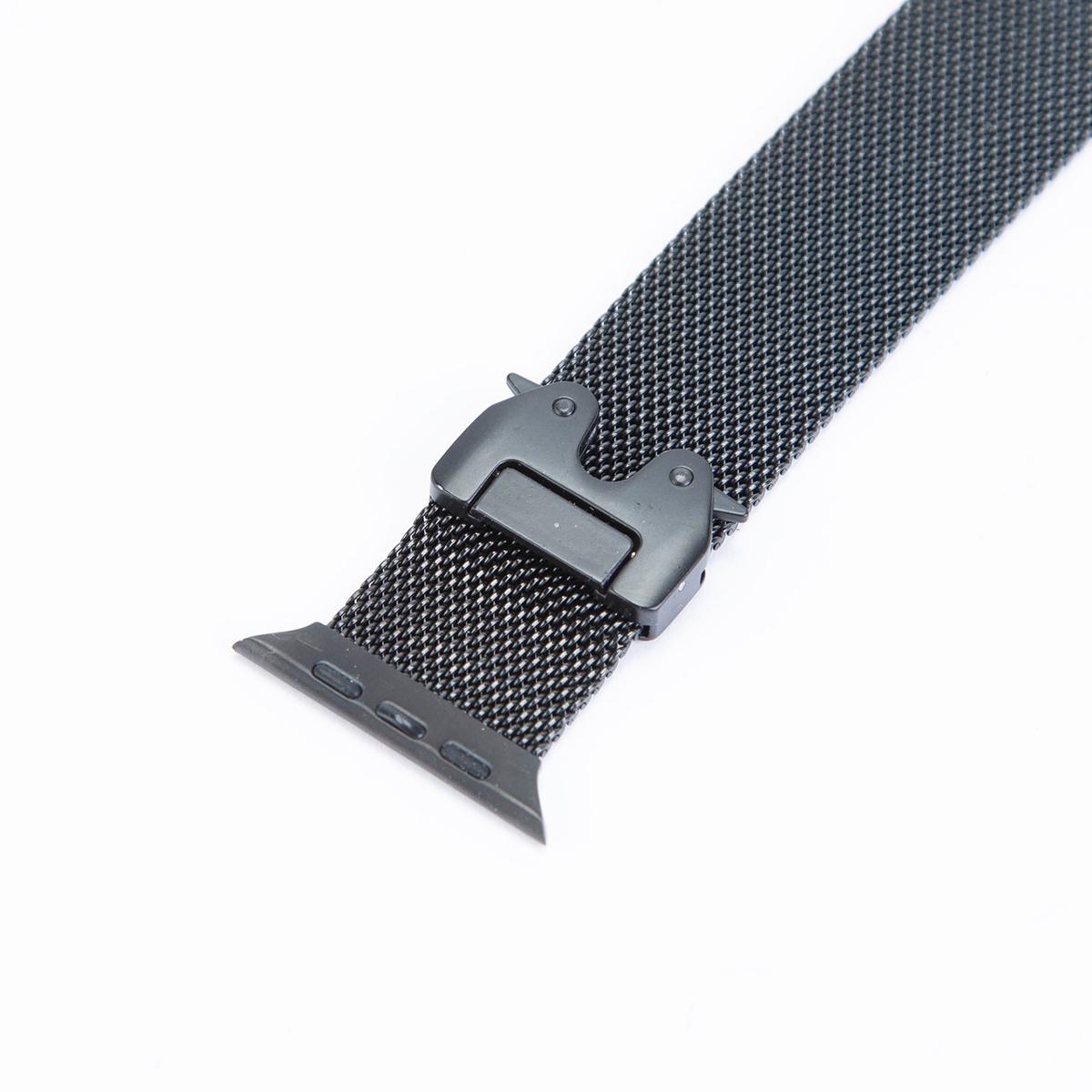
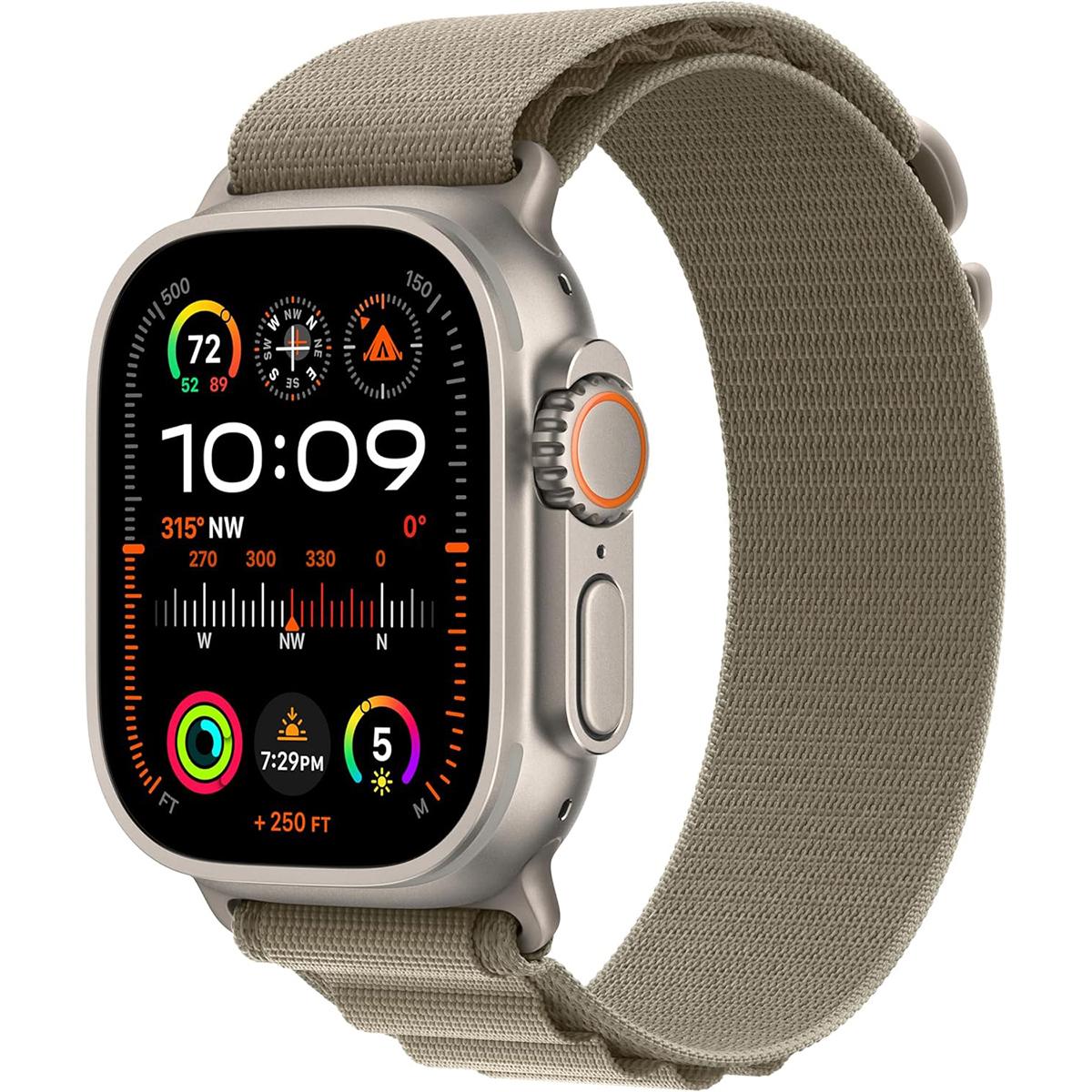

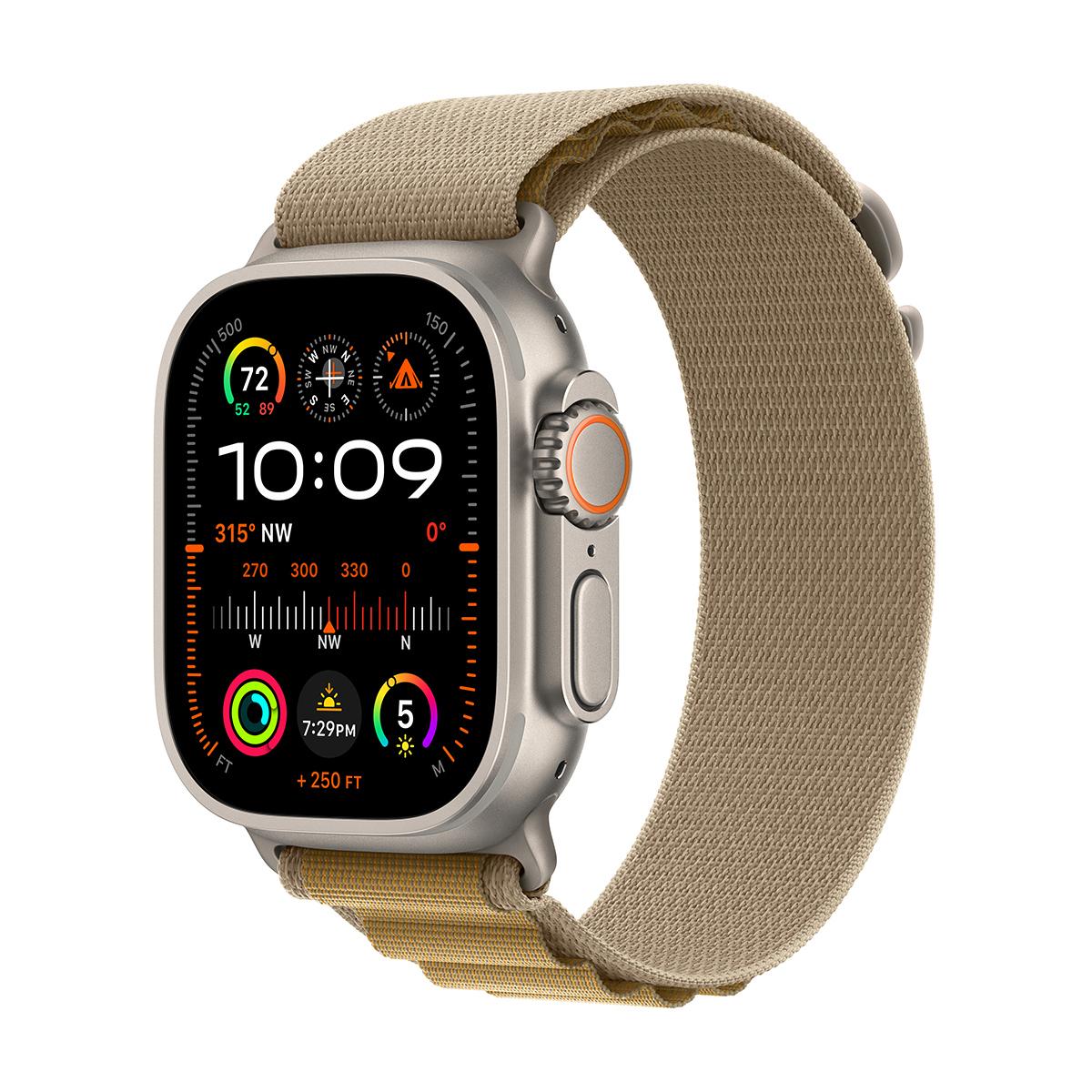
When you're shopping for a GPS sports watch in 2024, you're entering a mature market filled with compelling options. Two devices that represent fundamentally different philosophies are the Suunto Race S and the Apple Watch Ultra 2. These watches tackle the same core mission—helping you track fitness and navigate the outdoors—but they approach it from completely different angles.
The sports watch category has evolved dramatically over the past decade. What started as simple step counters have become sophisticated training computers that can guide your workouts, track your recovery, and even predict your race times. The key is understanding what matters most for your specific needs: pure athletic performance, smart connectivity, or a balance of both.
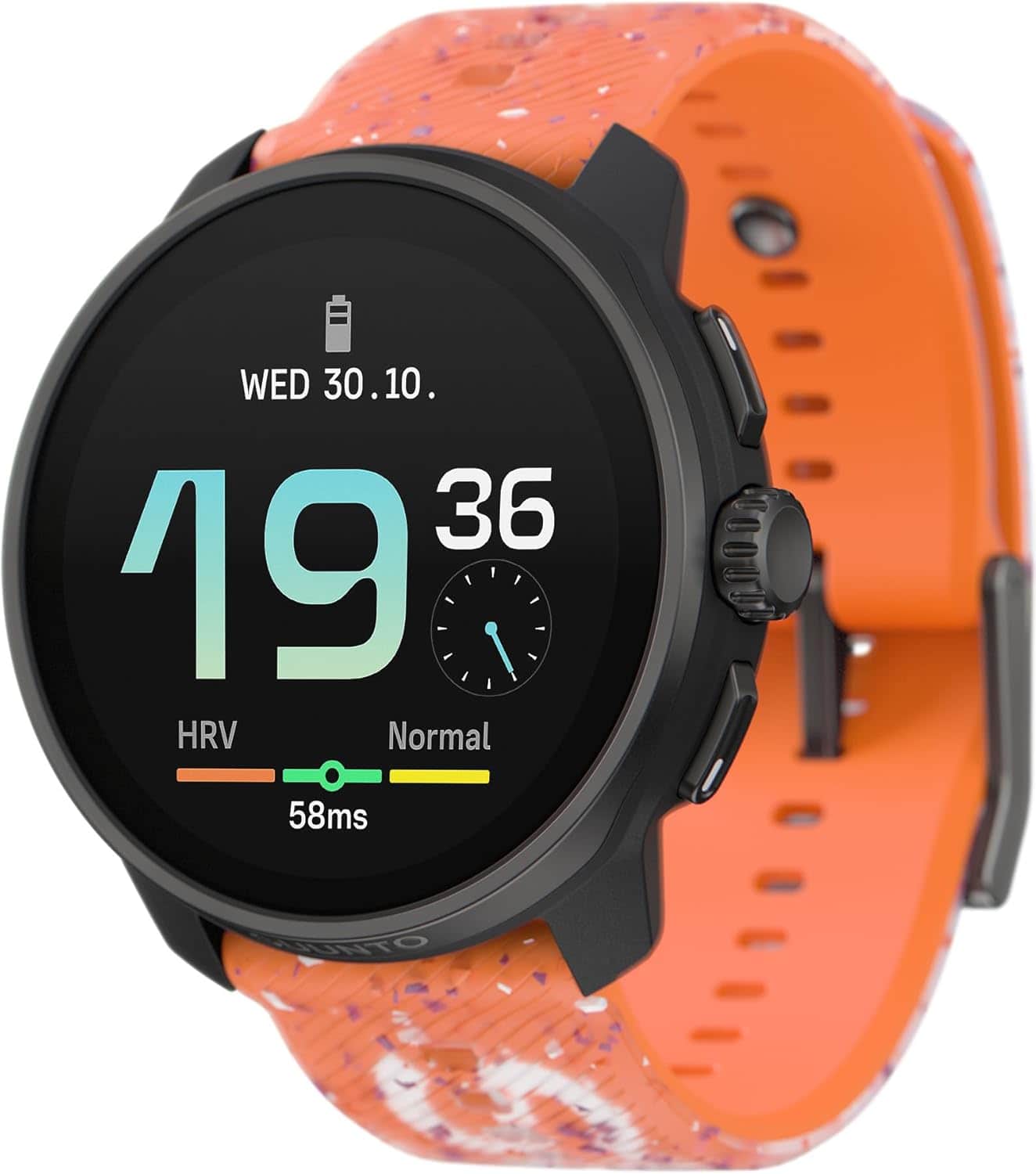
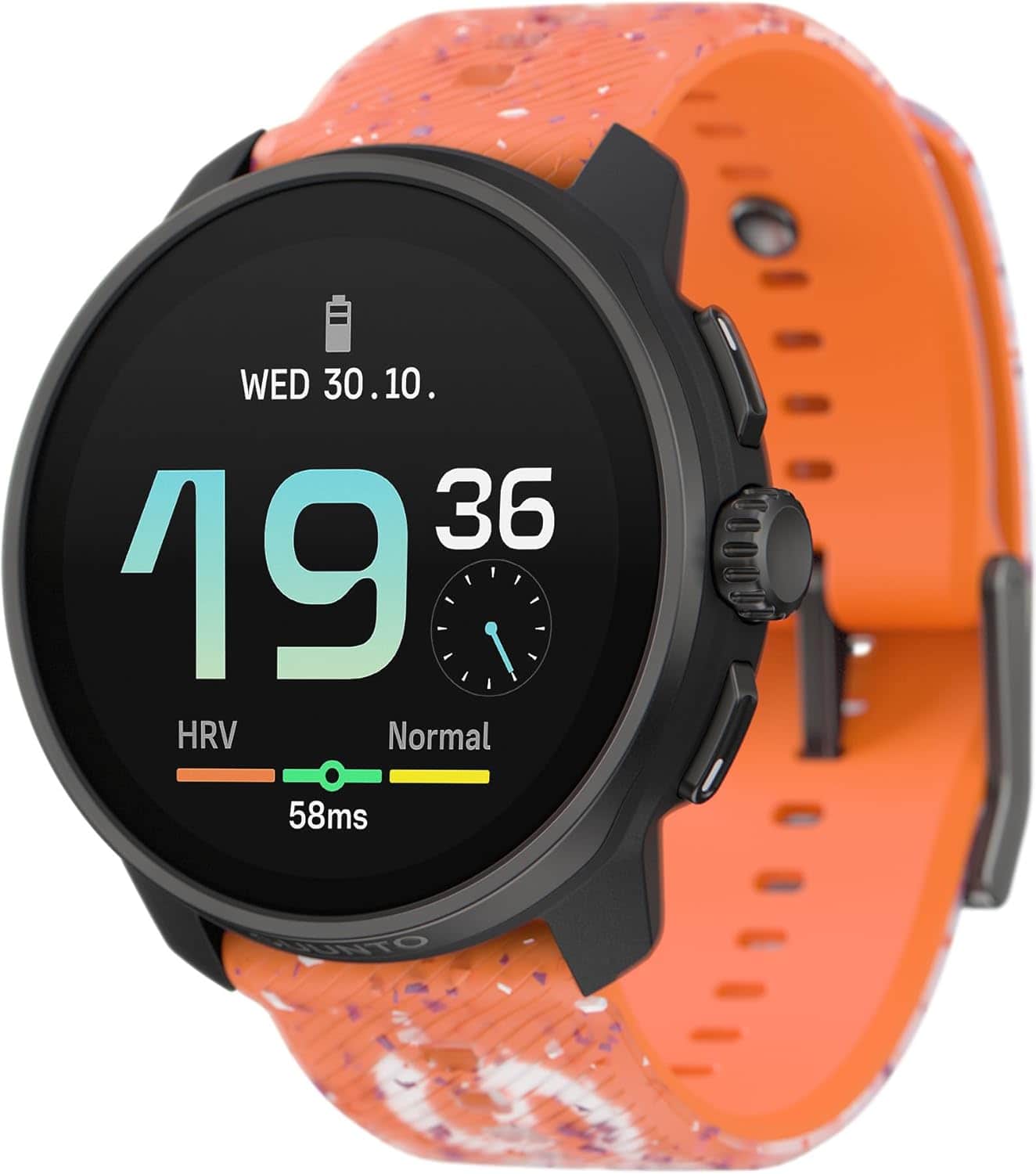
The Suunto Race S, launched in 2024, represents the Finnish company's refined approach to dedicated sports watches. At the time of writing, it's positioned as a mid-range option that punches well above its weight class in terms of features and performance. Suunto has been making navigation instruments since 1936, and that outdoor DNA shows in every aspect of this watch.
The Apple Watch Ultra 2, released in 2023, takes a different approach entirely. It's Apple's flagship rugged smartwatch that happens to excel at sports tracking, rather than a sports watch that added smart features as an afterthought. This distinction shapes everything about how these devices work and who they're best suited for.
The price difference between these watches is substantial—the Apple Watch Ultra 2 costs roughly twice as much as the Suunto Race S at the time of writing. That gap immediately tells you these aren't direct competitors fighting for the same buyers, but rather devices serving different priorities within the active lifestyle market.
Both watches feature AMOLED displays, which is relatively new for Suunto. The Suunto Race S sports a 1.32-inch screen with impressive 466 pixels per inch density, making text and maps incredibly sharp. The display gets bright enough for direct sunlight viewing, which is crucial when you're checking navigation mid-trail run or glancing at your pace during a sunny marathon.
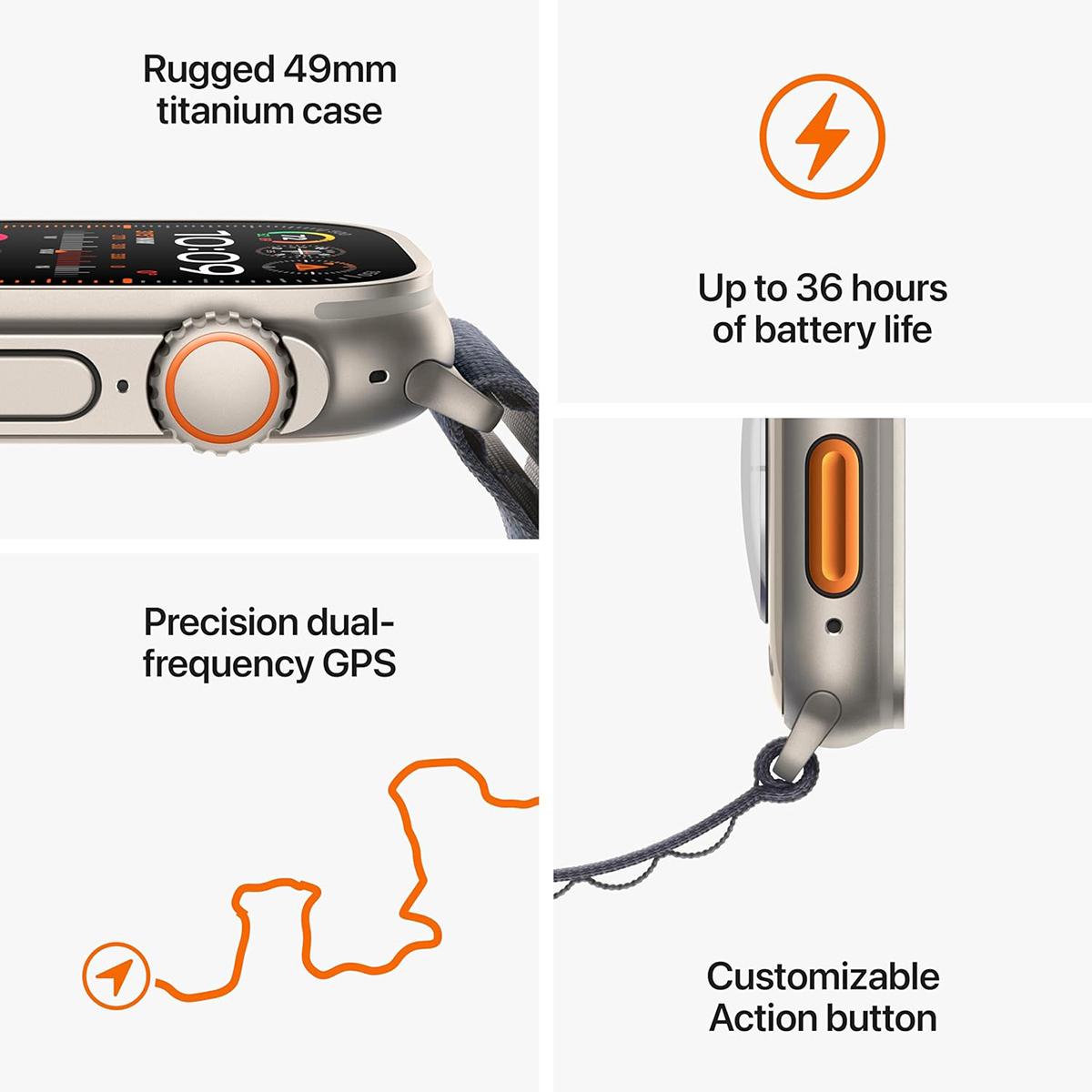
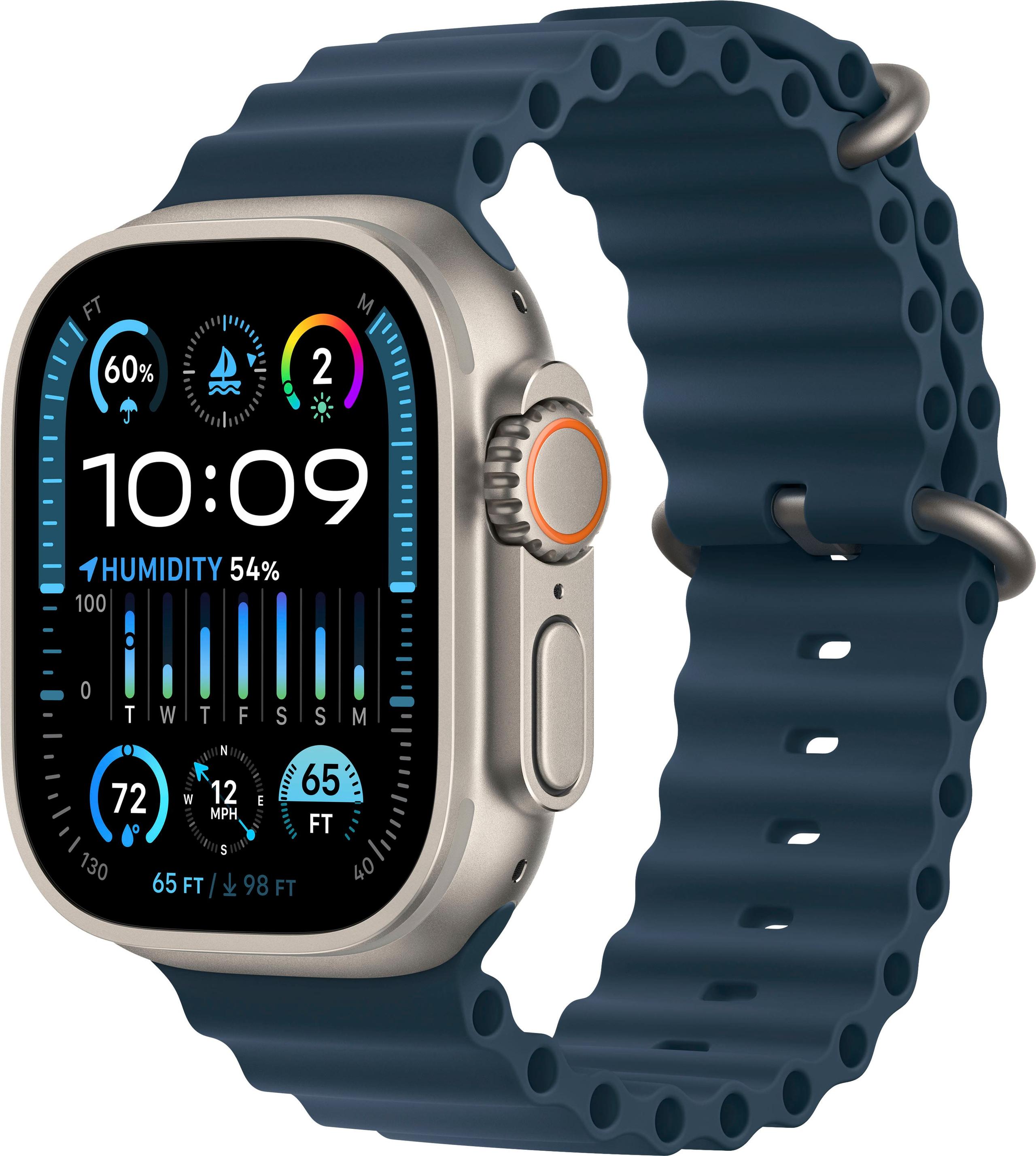
The Apple Watch Ultra 2 goes bigger with its 49mm titanium case housing a slightly larger display. Apple's screen technology reaches up to 3,000 nits of brightness—that's bright enough to remain visible even in desert conditions. Both displays use always-on technology, meaning you can glance at your stats without raising your wrist or tapping the screen.
From a daily usability standpoint, the Suunto Race S feels more like wearing a traditional watch. At 60 grams, it's light enough that you forget it's there during long runs or overnight sleep tracking. The Apple Watch Ultra 2 is heavier due to its titanium construction, but that premium material choice makes it feel more like jewelry than a tool.
This is where the fundamental difference between these devices becomes crystal clear. The Suunto Race S delivers what can only be described as exceptional battery life for an AMOLED sports watch. In GPS tracking mode with all sensors active, you'll get 30 hours of continuous use. Switch to "Tour mode" (which reduces GPS accuracy slightly but maintains tracking), and that extends to 120 hours—essentially five full days of hiking with navigation.
For daily wear without GPS activities, the Suunto Race S lasts 9-13 days depending on your notification settings and heart rate monitoring preferences. This means you can wear it for a full work week, complete a weekend ultra-marathon, and still have battery left for Monday morning.
The Apple Watch Ultra 2 approaches battery life differently. You'll get 36 hours in normal use, or up to 72 hours in Low Power Mode. While this represents excellent performance for a smartwatch, it's fundamentally different from the multi-day endurance the Suunto Race S offers. Apple's approach makes sense when you consider that most smartwatch users charge nightly anyway, but it becomes limiting for multi-day adventures.
The practical impact is significant: with the Suunto Race S, you can head out for a three-day backpacking trip and track every mile without worry. With the Apple Watch Ultra 2, you'd need to bring a portable charger or accept that you'll lose tracking on day two.
Both watches take GPS seriously, but they implement it differently. The Suunto Race S uses dual-frequency GPS technology, which means it receives signals on two different bands (L1 and L5) from multiple satellite systems including GPS, GLONASS, GALILEO, QZSS, and BEIDOU. This technical approach delivers superior accuracy in challenging environments like dense forests, urban canyons, or mountain valleys where GPS signals typically struggle.
In practical terms, dual-frequency GPS means your track logs will be more accurate, your distance measurements more precise, and your navigation more reliable. This matters most during trail running, hiking, or cycling where small GPS errors can add up to significant distance discrepancies over long activities.
The Apple Watch Ultra 2 uses standard GPS with good accuracy for most activities, but it doesn't match the precision capabilities of the Suunto Race S in challenging terrain. However, Apple's integration with their maps ecosystem provides seamless route planning and sharing that works beautifully if you're already using an iPhone.
For offline navigation, the Suunto Race S includes 32GB of storage for maps—enough to store detailed topographic maps for entire countries. The watch provides turn-by-turn navigation, breadcrumb trails for backtracking, and even climb notifications that warn you about upcoming elevation changes during runs or rides.
Both watches have moved beyond simple heart rate tracking into sophisticated training analysis, but they approach it differently. The Suunto Race S completely redesigned its optical heart rate sensor for 2024, doubling the number of LEDs and improving the algorithms that process the data. This results in more accurate readings during steady-state activities like easy runs or zone 2 cycling.
However, like most wrist-based heart rate sensors, both watches struggle with accuracy during high-intensity intervals or activities with significant arm movement. If you're serious about training precision, you'll still want to pair either watch with a chest strap heart rate monitor for interval sessions or races.
Where the Suunto Race S excels is in training analysis. It uses heart rate variability (HRV) data to provide insights into your recovery, training load, and readiness for your next workout. The watch's AI coaching feature learns your patterns and provides personalized guidance on when to push harder and when to rest.
The Apple Watch Ultra 2 integrates deeply with Apple's health ecosystem, providing comprehensive health monitoring including ECG readings, blood oxygen levels, and sleep apnea detection. While these features go beyond pure athletic training, they provide valuable health insights for overall wellness monitoring.
The Suunto Race S uses a stainless steel bezel with Gorilla Glass protecting the display. It's rated for 50-meter water resistance, making it suitable for swimming but not for serious diving. The overall construction feels robust enough for daily training and most outdoor activities, though it's not quite as bulletproof as some ultra-premium options.
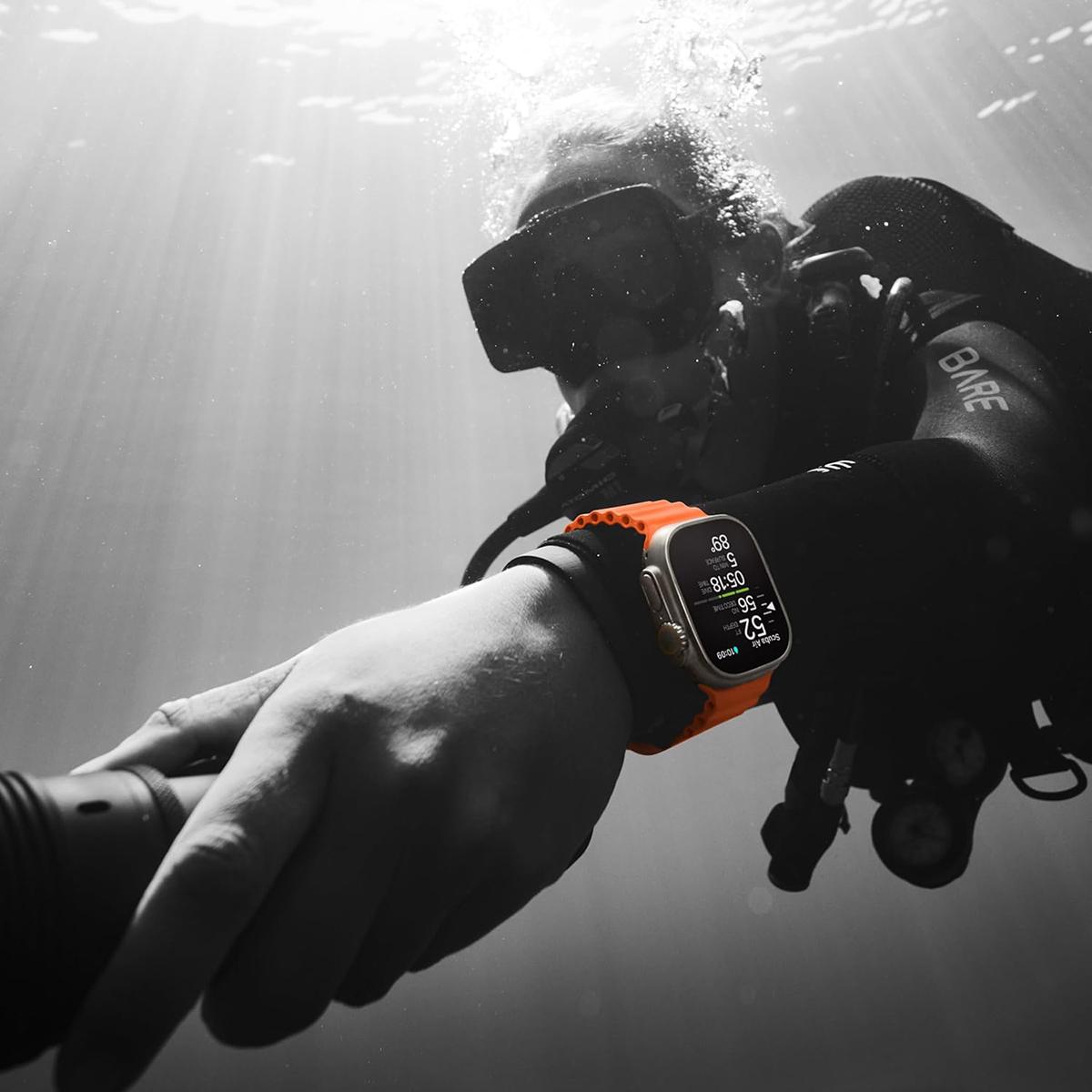
The Apple Watch Ultra 2 steps up significantly in build quality. The Grade 5 titanium case is both lighter and stronger than steel, while the sapphire crystal display offers superior scratch resistance compared to Gorilla Glass. It's rated for 100-meter water resistance and can actually function as a dive computer down to 40 meters, complete with depth and water temperature sensors.
The Apple Watch Ultra 2 also meets MIL-STD-810H military standards for durability testing, meaning it's been validated to withstand extreme temperatures, shock, and vibration. If you're planning to use your watch in genuinely harsh conditions—think mountaineering, military deployment, or industrial work—the Apple Watch Ultra 2 offers superior protection.
This is where the philosophical differences between these devices become most apparent. The Suunto Race S handles basic smart notifications, music controls, and can display messages and calls. You can customize watch faces and access about 1,000 colorful emojis for message responses. But it's fundamentally a sports watch that added smart features, not the other way around.
The Apple Watch Ultra 2 is a full-featured computer on your wrist. It runs thousands of apps, handles Apple Pay contactless payments, provides Siri voice assistance, and integrates seamlessly with the iPhone ecosystem. You can stream music directly to wireless headphones, respond to messages with voice-to-text, and use it for navigation even when your phone isn't nearby (on cellular models).
For someone deeply embedded in Apple's ecosystem, the Apple Watch Ultra 2 becomes an extension of their digital life. It can control smart home devices, display boarding passes, and even unlock your car. The Suunto Race S can't compete in this arena—and doesn't try to.
Both watches excel at tracking workouts, but they emphasize different aspects of training. The Suunto Race S supports over 95 sport modes with tailored tracking for everything from trail running to swimming to skiing. Its ClimbGuide feature provides real-time notifications about upcoming elevation changes, helping you pace yourself during challenging terrain.
The watch's training analysis goes deep, calculating training load based on multiple metrics and providing recovery recommendations based on your HRV trends. It integrates with major training platforms like Strava and TrainingPeaks, making it easy to analyze your data with more sophisticated tools.
The Apple Watch Ultra 2 offers automatic workout detection, comprehensive running metrics including automatic track detection, and integration with Apple Fitness+ subscription service. Its diving computer functionality is particularly unique, automatically activating when you descend past one meter and tracking depth, dive time, and water temperature.
Both watches provide race-day features, but they approach it differently. The Suunto Race S offers race pacing tools and time estimators based on your training data. The Apple Watch Ultra 2 provides race route guidance and can display your position relative to previous performances on familiar courses.
When evaluating GPS sports watches, certain performance characteristics matter more than others depending on your activities. GPS accuracy is crucial for anyone tracking outdoor activities, and the Suunto Race S holds a clear advantage here with its dual-frequency technology. The difference might only be a few percentage points in perfect conditions, but in challenging terrain, that precision becomes valuable for navigation safety and training data accuracy.
Battery life is another make-or-break feature for many users. The Suunto Race S simply operates in a different league here, offering genuine multi-day performance that opens up use cases the Apple Watch Ultra 2 can't match. If you regularly do activities lasting longer than 24 hours, this difference becomes non-negotiable.
Heart rate accuracy during exercise varies between both devices and depends heavily on individual physiology, skin tone, and activity type. Neither watch completely eliminates the need for a chest strap during high-intensity training, but both provide useful data for most workouts.
The Suunto Race S makes sense for dedicated athletes and outdoor enthusiasts who prioritize training data and battery life over smart features. If you're training for marathons, ultra-races, or multi-day adventures, its combination of precise GPS, long battery life, and comprehensive training metrics provides exceptional value. It's particularly appealing for runners, cyclists, hikers, and triathletes who want professional-grade features without premium pricing.
The Apple Watch Ultra 2 is ideal for users who want one device that excels at both fitness tracking and daily productivity. If you're already invested in Apple's ecosystem and value premium build quality, the higher cost becomes more justifiable. It's perfect for active professionals who need smartwatch functionality during the day and robust fitness tracking for evening workouts or weekend adventures.
Budget-conscious athletes should strongly consider the Suunto Race S, which delivers roughly 80% of the Apple Watch Ultra 2's athletic functionality at roughly half the cost. The main trade-offs are smart features and build quality, not core sports tracking capabilities.
At the time of writing, both watches represent compelling options within their respective philosophies. The Suunto Race S offers exceptional value for performance-focused users, while the Apple Watch Ultra 2 provides unmatched versatility for users who want premium everything.
Consider the Suunto Race S if battery life and GPS accuracy are your top priorities, you prefer a lighter watch for racing and daily wear, or you want professional training features without premium pricing. Its compact design and exceptional endurance make it ideal for serious training and multi-day adventures.
Choose the Apple Watch Ultra 2 if you value premium materials and build quality, need comprehensive smartwatch functionality alongside fitness tracking, or are already deeply integrated into Apple's ecosystem. Its cellular connectivity and app ecosystem provide capabilities the Suunto Race S simply can't match.
Both watches will serve their intended audiences well, but understanding their fundamental differences ensures you'll pick the one that best matches your priorities and budget. The Suunto Race S excels as a dedicated training tool, while the Apple Watch Ultra 2 succeeds as a premium lifestyle device with excellent athletic capabilities.
| Suunto Race S | Apple Watch Ultra 2 |
|---|---|
| GPS Battery Life - Critical for multi-day adventures and long training sessions | |
| 30 hours (Performance mode), 120 hours (Tour mode) | 36 hours normal use, 72 hours Low Power Mode |
| Daily Use Battery - Determines charging frequency and convenience | |
| 9-13 days without GPS tracking | 2-3 days typical use |
| GPS Technology - Affects tracking accuracy in challenging terrain | |
| Dual-frequency (L1+L5) with 5 satellite systems | Standard GPS with good urban performance |
| Case Size and Weight - Impacts comfort during racing and daily wear | |
| 45mm case, 60g (compact and lightweight) | 49mm case, 61.4g (larger, premium titanium) |
| Display Protection - Determines scratch resistance and durability | |
| Gorilla Glass (good protection) | Sapphire Crystal (superior scratch resistance) |
| Water Resistance - Limits swimming and water sports activities | |
| 50 meters (swimming safe) | 100 meters with dive computer to 40m |
| Smart Features - Affects daily productivity beyond fitness tracking | |
| Basic notifications, music control, no payments | Full smartwatch with apps, Apple Pay, Siri |
| Training Analysis - Helps optimize workouts and recovery | |
| HRV-based recovery insights, AI coaching, 95+ sport modes | Apple Health integration, automatic workout detection |
| Offline Maps - Essential for navigation without phone connectivity | |
| 32GB storage with free offline maps and turn-by-turn navigation | Limited offline capability, relies on iPhone integration |
| Build Materials - Affects durability and premium feel | |
| Stainless steel bezel, polymer case | Grade 5 titanium case, MIL-STD-810H certified |
| Ecosystem Integration - Determines compatibility with your devices | |
| Platform agnostic, works with Android and iOS | Deep Apple ecosystem integration required |
| Value Proposition - Cost vs features for target audience | |
| Exceptional athletic features at mid-range pricing | Premium all-in-one device at flagship pricing |
The Suunto Race S significantly outperforms the Apple Watch Ultra 2 for extended activities. The Suunto Race S provides 30 hours of GPS tracking in performance mode and up to 120 hours in tour mode, while the Apple Watch Ultra 2 offers 36 hours in normal use. For multi-day adventures or ultra-marathons, the Suunto Race S is the clear winner.
The Suunto Race S offers superior GPS accuracy with dual-frequency (L1+L5) technology that works with five satellite systems simultaneously. This provides better tracking in challenging terrain like dense forests or urban canyons compared to the Apple Watch Ultra 2, which uses standard GPS technology that performs well in most conditions but lacks the precision of multiband GPS.
The fundamental difference is their purpose: the Suunto Race S is a dedicated sports watch with basic smart features, while the Apple Watch Ultra 2 is a premium smartwatch with excellent fitness capabilities. The Suunto Race S prioritizes athletic performance and battery life, whereas the Apple Watch Ultra 2 focuses on comprehensive smart functionality alongside fitness tracking.
The Apple Watch Ultra 2 has superior water resistance at 100 meters and includes a dive computer that works down to 40 meters with depth and water temperature sensors. The Suunto Race S is water-resistant to 50 meters, making it suitable for swimming but not for serious diving activities.
The Suunto Race S works with both Android and iOS devices, making it platform-agnostic. The Apple Watch Ultra 2 requires an iPhone for setup and most functionality, though cellular models can operate independently for some features once configured. If you use Android, the Suunto Race S is your only viable option.
Both excel but differently: the Suunto Race S provides AI coaching, HRV-based recovery insights, and detailed training load analysis across 95+ sport modes. The Apple Watch Ultra 2 offers automatic workout detection, integration with Apple Fitness+, and comprehensive health monitoring including ECG and blood oxygen. Serious athletes typically prefer the Suunto Race S for specialized training metrics.
Both feature bright AMOLED displays, but the Apple Watch Ultra 2 gets significantly brighter at 3,000 nits versus the Suunto Race S's high-brightness display. The Suunto Race S has a more compact 1.32-inch screen with 466ppi, while the Apple Watch Ultra 2 offers a larger display in its 49mm titanium case.
The Apple Watch Ultra 2 offers superior durability with its Grade 5 titanium case, sapphire crystal display, and MIL-STD-810H certification. The Suunto Race S uses Gorilla Glass and stainless steel construction, providing good durability at a lower cost but not matching the premium protection of the Apple Watch Ultra 2.
The Suunto Race S can track activities, navigate with offline maps, and store workout data independently, then sync when reconnected. The Apple Watch Ultra 2 cellular model can make calls, send messages, and stream music without an iPhone nearby, but requires initial setup with one. Both can function as standalone fitness trackers.
The Suunto Race S provides exceptional value for dedicated athletes, offering professional-grade GPS accuracy, extensive battery life, and comprehensive training features at a mid-range price point. The Apple Watch Ultra 2 costs significantly more but includes premium materials, full smartwatch functionality, and deep ecosystem integration that justifies the higher cost for users wanting versatility.
The Apple Watch Ultra 2 is a full-featured smartwatch with thousands of apps, Apple Pay, Siri, music streaming, and seamless iPhone integration. The Suunto Race S offers basic smart notifications, music controls, and message viewing but lacks app ecosystems, payments, or advanced connectivity. Choose based on whether you want a fitness-focused device or a comprehensive smart companion.
The Suunto Race S is specifically designed for serious athletes with features like dual-frequency GPS, 120-hour battery life, AI coaching, HRV recovery analysis, and integration with training platforms like Strava and TrainingPeaks. While the Apple Watch Ultra 2 offers excellent fitness tracking, the Suunto Race S provides more specialized tools for performance optimization and endurance sports.
We've done our best to create useful and informative comparisons to help you decide what product to buy. Our research uses advanced automated methods to create this comparison and perfection is not possible - please contact us for corrections or questions. These are the sites we've researched in the creation of this article: techradar.com - trackbetter.com - trackbetter.com - runnersworld.com - alastairrunning.com - youtube.com - feedthehabit.com - outdoorgearlab.com - irunfar.com - youtube.com - forum.suunto.com - youtube.com - dcrainmaker.com - the5krunner.com - youtube.com - youtube.com - grittyrunners.co.uk - youtube.com - us.suunto.com - us.suunto.com - youtube.com - playbetter.com - us.suunto.com - suunto.com - suunto.com - suunto.com - bestbuy.com - trackbetter.com - watchard.com - bestbuy.com - bartonwatchbands.com - runnersworld.com - 9to5mac.com - jamiebalfour.scot - youtube.com - youtube.com - apple.com - youtube.com - wareable.com - menshealth.com - youtube.com - wareable.com - appleinsider.com - support.apple.com - apple.com - appleinsider.com - apple.com - bestbuy.com - costco.com - everymac.com - apple.com - apple.com - apple.com - gsmarena.com - akastage-www.att.com - youtube.com - apple.com - youtube.com - youtube.com - apple.com - youtube.com - discussions.apple.com - forums.macrumors.com - bestbuy.com - apple.com - macobserver.com

Privacy Policy
Terms and Conditions - Affiliate Policy
Home Security
© Copyright 2008-2026.
11816 Inwood Rd #1211, Dallas, TX 75244