

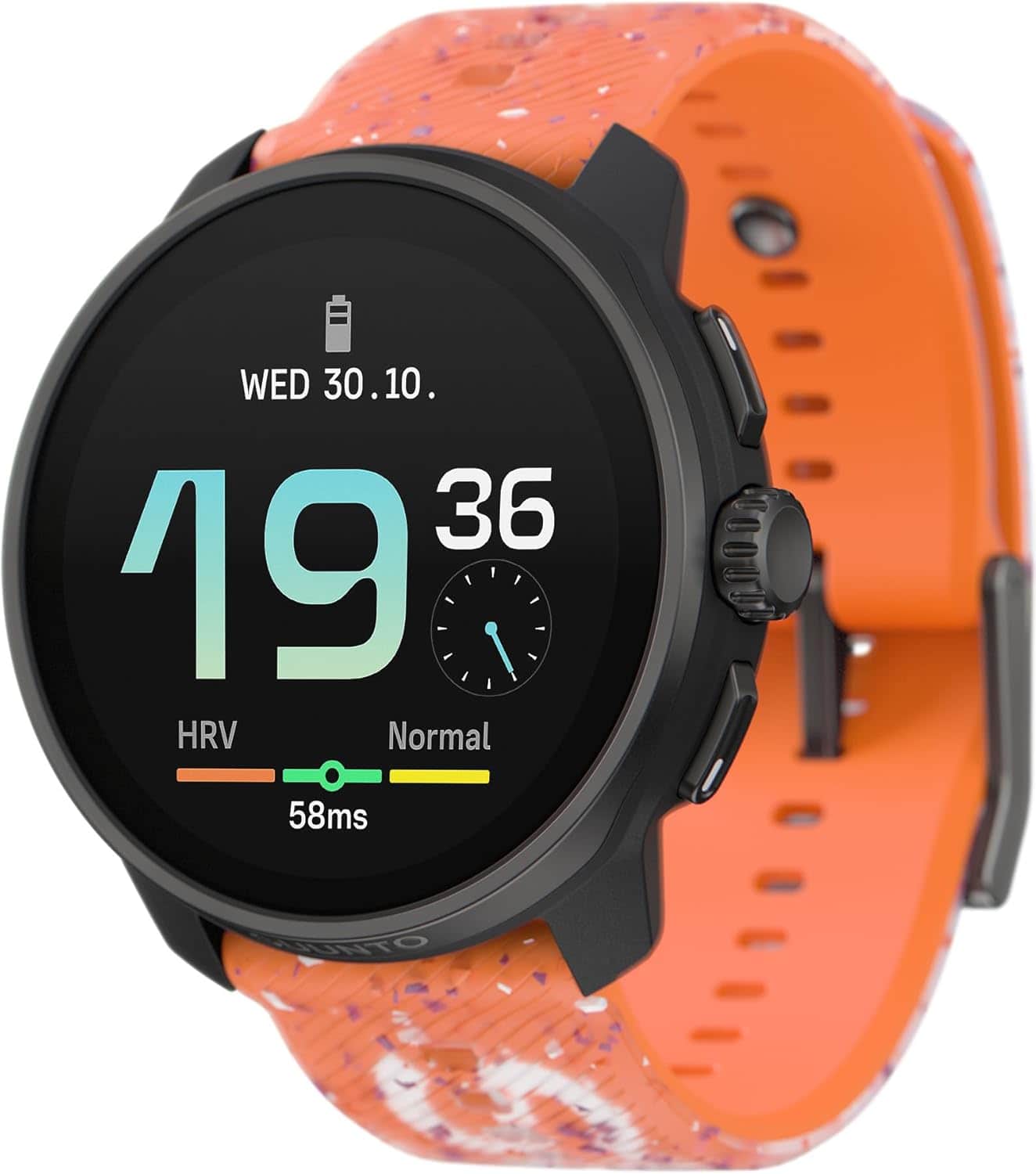
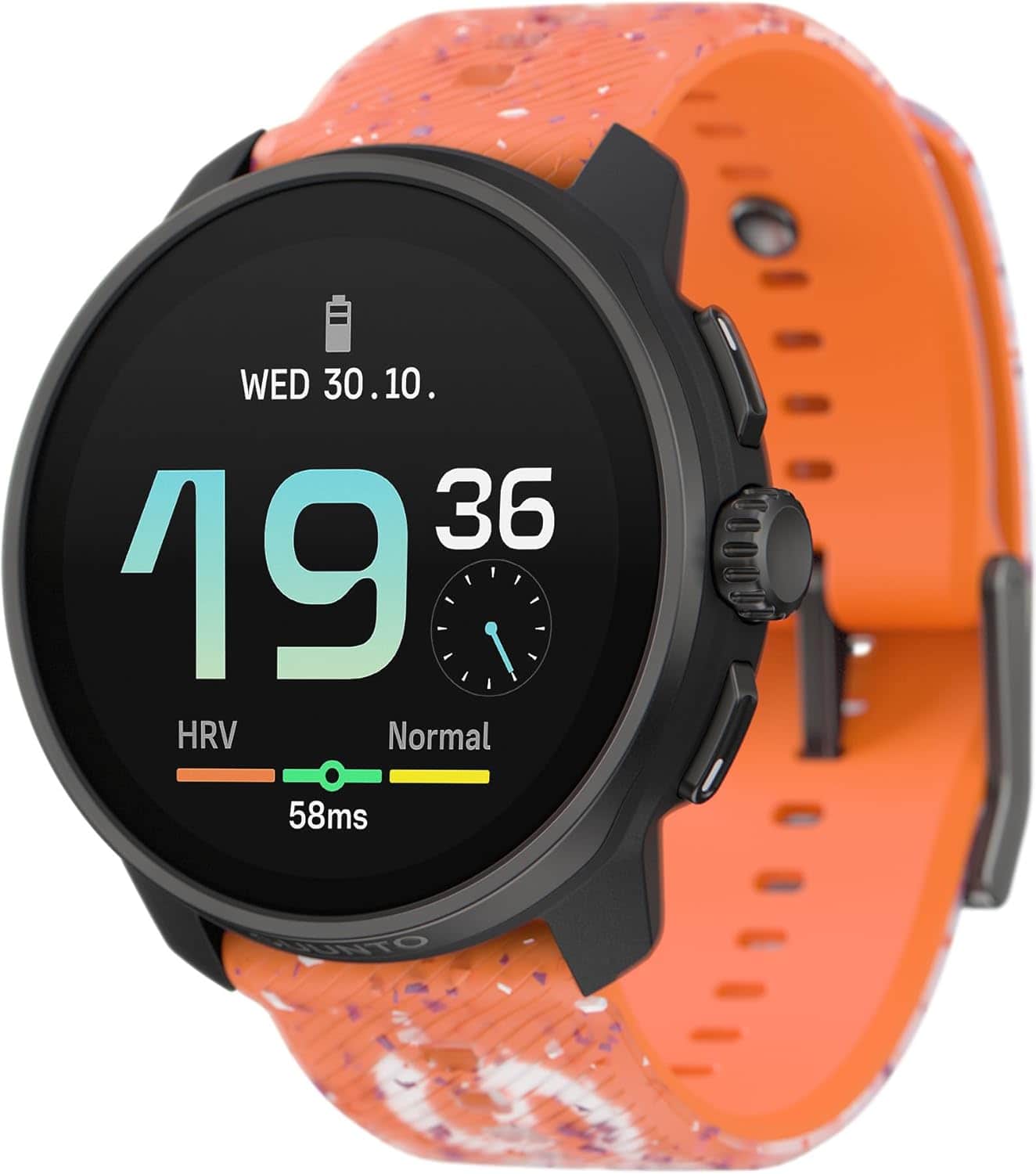
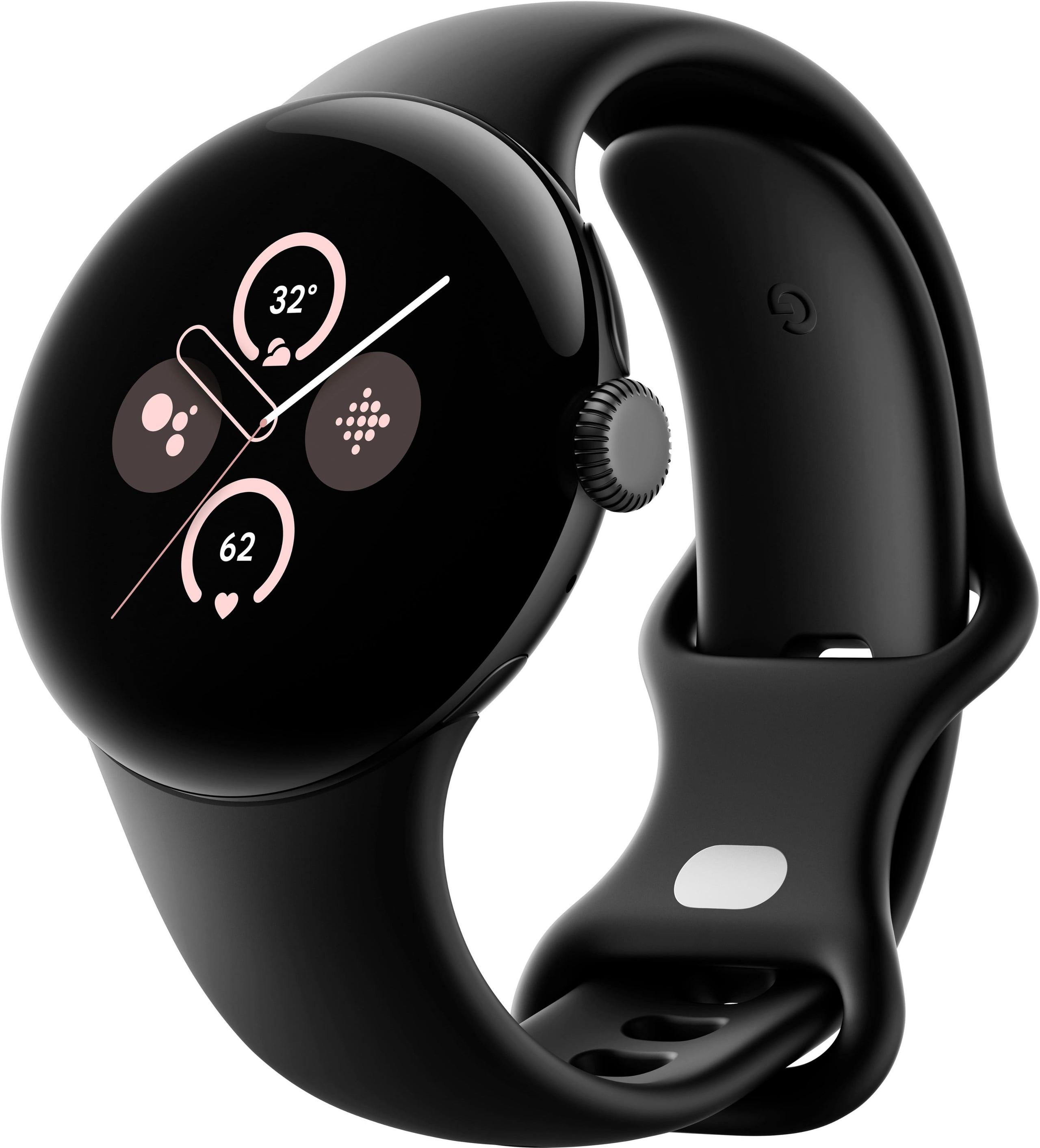
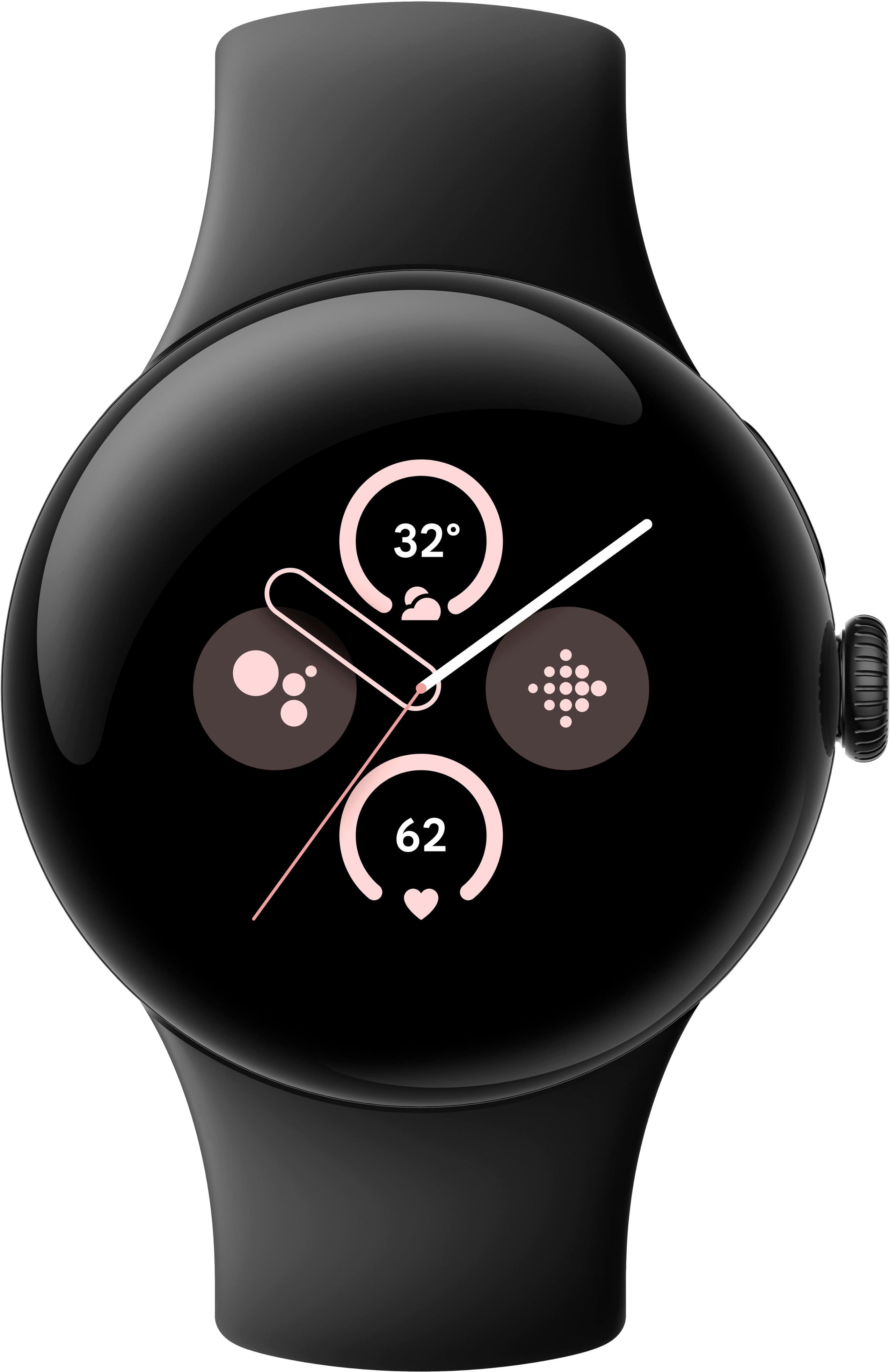
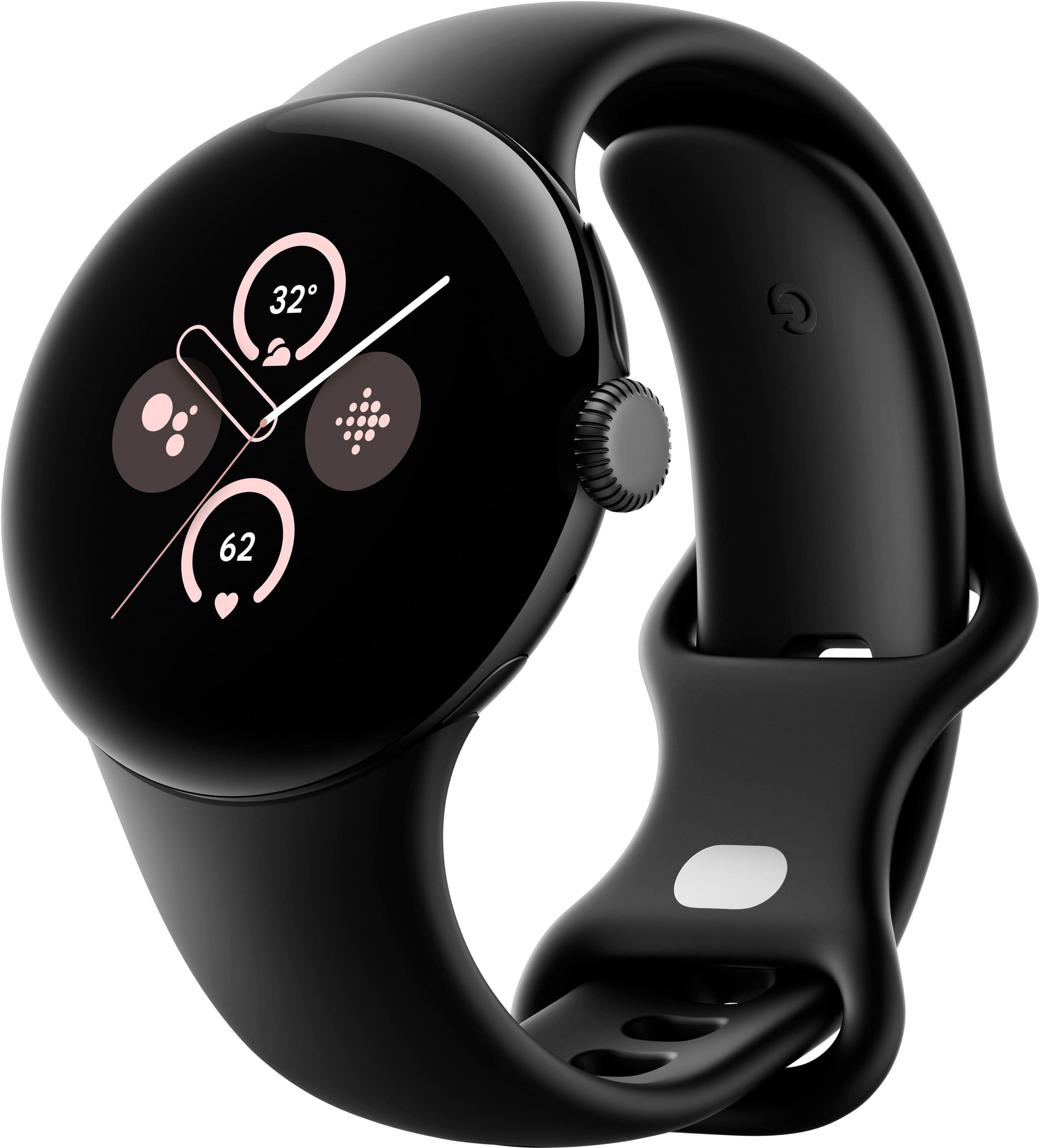
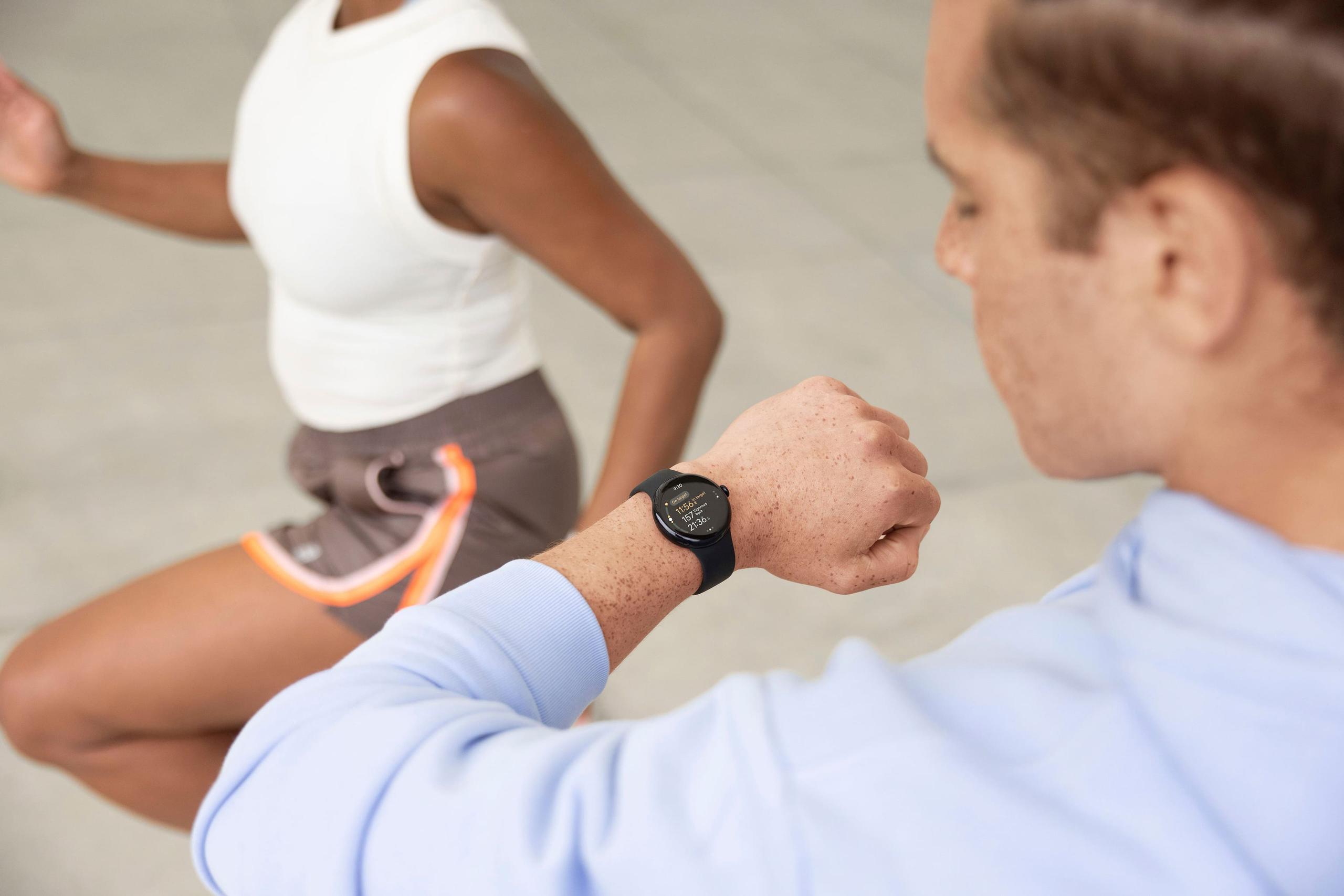
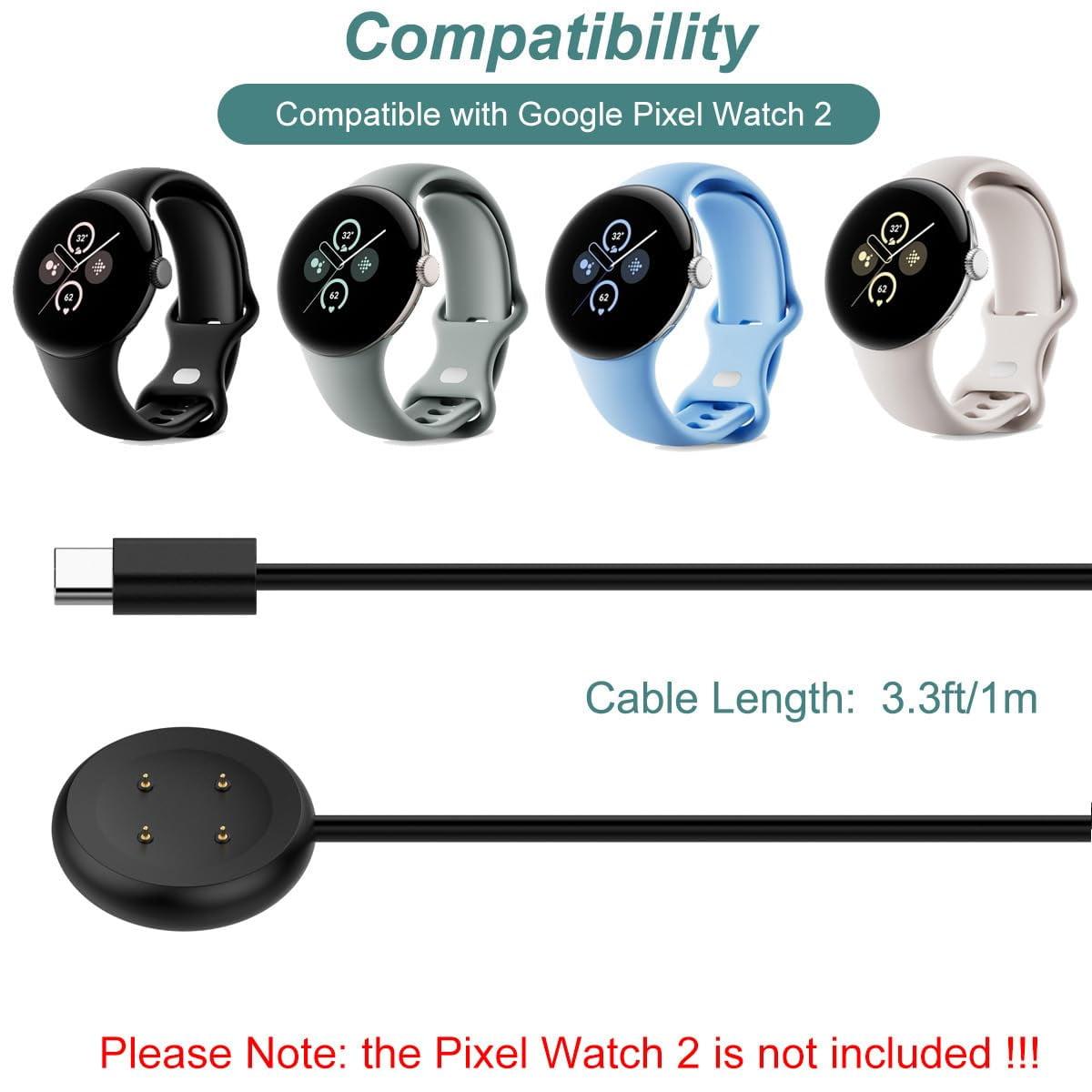
When you're shopping for a wearable device, you'll quickly discover that not all watches are created equal. The Suunto Race S and Google Pixel Watch 2 represent two fundamentally different philosophies in wearable technology—one built specifically for athletes and adventurers, the other designed as your daily digital companion that happens to track fitness too.
Understanding which approach suits your lifestyle better can save you from buyer's remorse and ensure you get the features that actually matter to you. Let's break down what makes these devices tick and who they're really designed for.
The wearable market has split into distinct categories, each serving different needs. GPS sports watches like the Suunto Race S are purpose-built training computers. They prioritize battery life, navigation accuracy, and detailed performance metrics above everything else. Think of them as the professional cameras of the watch world—specialized tools that excel at their primary function.
Smartwatches like the Google Pixel Watch 2 take the opposite approach. They're essentially tiny computers on your wrist, designed to extend your smartphone's capabilities while adding health monitoring features. They're more like smartphone cameras—convenient, versatile, and good enough for most people's needs.
The key considerations when choosing between these categories come down to your priorities: Do you need a specialized training tool or a general-purpose digital assistant? Are you willing to charge daily for convenience features, or do you prefer multi-day battery life for adventures?
This is where the fundamental difference between these devices becomes crystal clear. The Suunto Race S delivers what can only be described as exceptional battery performance, lasting up to 120 hours in tour mode (a lower-accuracy GPS setting that still tracks your route) and up to 30 hours with full dual-frequency GPS precision. In regular smartwatch mode, it can run for up to 9 days between charges.
Compare this to the Google Pixel Watch 2, which manages about 24 hours with its always-on display enabled. That's the difference between a device you charge weekly versus one you plug in every night.
Why such a dramatic gap? The Suunto Race S uses a specialized processor designed specifically for sports watches, while the Google Pixel Watch 2 runs a full Android-based operating system that's constantly managing apps, notifications, and background processes. It's like comparing a motorcycle's fuel efficiency to an SUV's—they serve different purposes entirely.
For weekend warriors planning multi-day hiking trips or ultramarathon runners, the Suunto Race S battery life isn't just convenient—it's essential. There's nothing worse than your navigation device dying halfway through a backcountry adventure.
The Suunto Race S uses dual-frequency GNSS technology, which means it receives signals on two different frequencies (L1 and L5) from satellites. This dramatically improves accuracy in challenging environments like dense forests or urban canyons where signals can bounce off buildings. It simultaneously connects to up to 32 satellites across five different systems (GPS, GLONASS, Galileo, QZSS, and BeiDou), giving it multiple sources of location data to cross-reference.
More importantly, it comes with 32GB of storage for offline maps. These aren't just basic route lines—they're detailed topographic maps that work completely independently of your phone or cellular connection. You can plan routes with elevation profiles, set waypoints, and get turn-by-turn navigation in the middle of nowhere.
The Google Pixel Watch 2 uses standard GPS with four satellite systems, which is perfectly adequate for urban running or cycling. It integrates with Google Maps, but here's the catch: it needs your phone nearby and a data connection to access detailed mapping information. For most suburban fitness activities, this works fine, but it's not designed for true wilderness navigation.
Think of it this way: the Suunto Race S is like having a professional hiking GPS built into your watch, while the Google Pixel Watch 2 is more like having Google Maps on your wrist—excellent for getting around town, less ideal for backcountry exploration.
The training features reveal another fundamental divide. The Suunto Race S, released in 2024, includes Suunto's AI coaching system that analyzes your heart rate variability (HRV—essentially how consistent your heartbeats are, which indicates recovery status), training load, and performance trends to provide personalized guidance. It tracks over 95 different sports with specific metrics for each.
For runners, it measures running power directly from your wrist—a metric that shows how much energy you're expending, helping you pace more effectively than heart rate alone. The ClimbGuide feature warns you about upcoming elevation changes during activities, letting you prepare mentally and physically for tough sections.
The watch's improved optical heart rate sensor uses more LEDs and better algorithms than previous generations, making it significantly more accurate during high-intensity intervals and activities where wrist movement might interfere with readings.
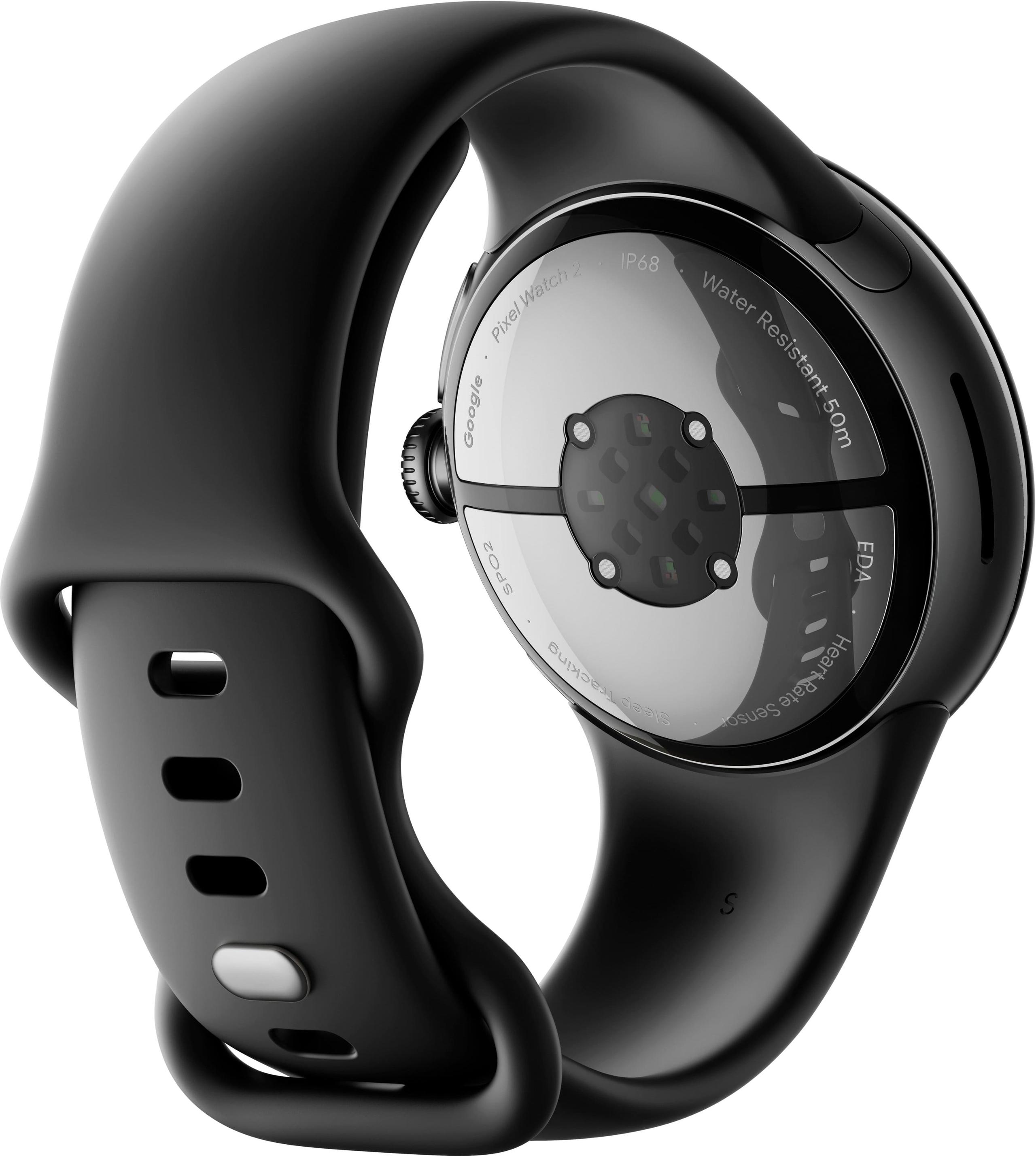
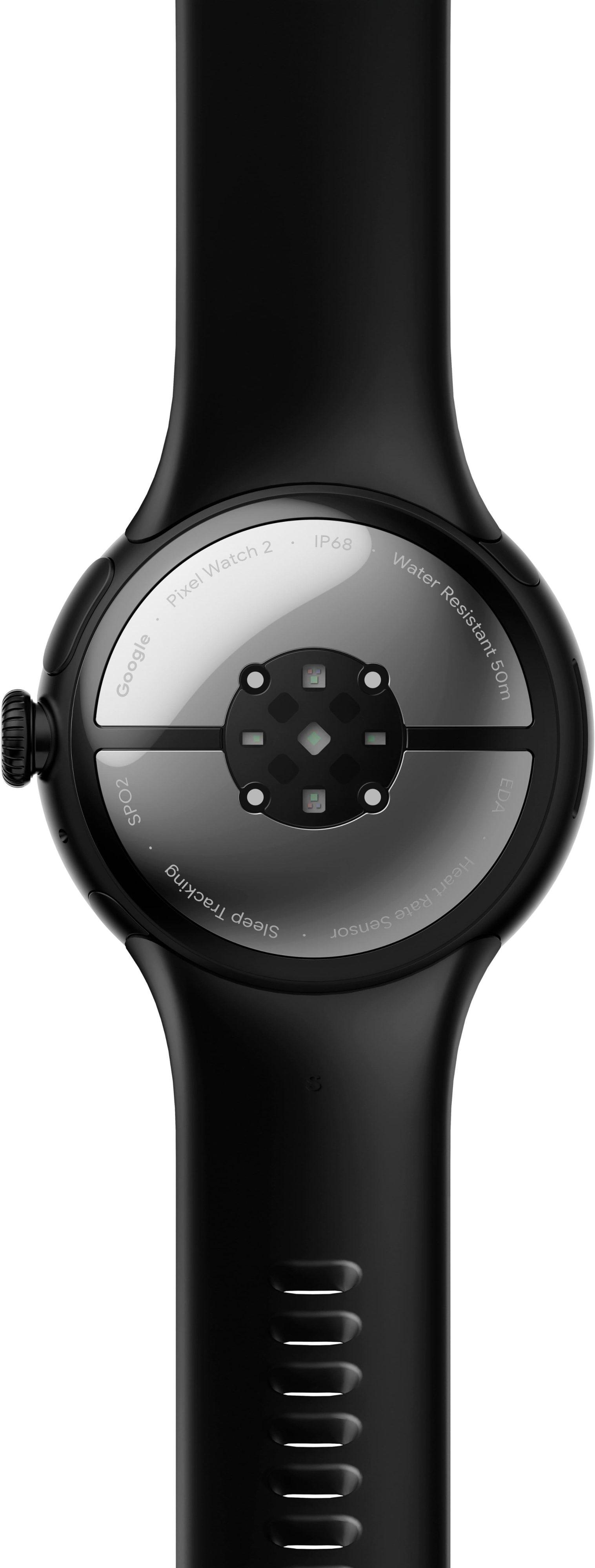
The Google Pixel Watch 2, launched in 2023, focuses more on general health awareness than athletic performance. It automatically detects common workouts and can track basic metrics like heart rate zones and calories burned. Its strength lies in comprehensive health monitoring—it can measure blood oxygen levels, perform ECG readings, and track stress through a continuous electrodermal activity (cEDA) sensor that monitors tiny electrical changes in your skin.
The integration with Fitbit's ecosystem means you get insights like Daily Readiness Scores and sleep analysis, but these are more about overall wellness than improving your 5K time or preparing for a triathlon.
Here's where the Google Pixel Watch 2 shows its strength. Its sensor array is impressive: ECG capabilities that can detect irregular heart rhythms, blood oxygen monitoring for general health insights, and skin temperature tracking during sleep. The cEDA sensor continuously monitors stress levels throughout the day—something that's genuinely useful for managing work-life balance and overall wellness.
The fall detection and emergency features are genuinely life-saving additions, automatically contacting emergency services if you take a serious tumble and don't respond within a set timeframe.
The Suunto Race S takes a more focused approach, concentrating on metrics that directly impact athletic performance. Its HRV monitoring helps athletes understand when they're recovered enough for hard training versus when they should take it easy. The blood oxygen sensor is primarily useful for altitude acclimatization—crucial for mountaineers but less relevant for general health monitoring.
This is where the fundamental difference in philosophy becomes most apparent. The Google Pixel Watch 2 is designed to be a comprehensive digital assistant. It handles phone calls through its built-in speaker and microphone, manages your calendar and email, supports Google Pay for contactless payments, and runs a full ecosystem of apps through Wear OS 4.
You can control smart home devices, set reminders through Google Assistant, and receive rich notifications that let you respond to messages directly from your wrist. For Android users, it essentially becomes an extension of your phone, letting you leave your device in your bag while staying connected.
The Suunto Race S deliberately keeps smart features minimal. It'll show you notifications and let you send basic replies, but there's no speaker for calls, no payment system, and no app store. This isn't a limitation—it's a design choice that preserves battery life and keeps the interface focused on training and navigation.
Both watches are well-built, but for different use cases. The Suunto Race S uses a stainless steel bezel with Gorilla Glass and is rated for 50 meters of water resistance. At 60 grams, it's light enough for all-day wear but substantial enough to feel durable during outdoor activities. The Finnish manufacturing has a reputation for quality that holds up under harsh conditions.
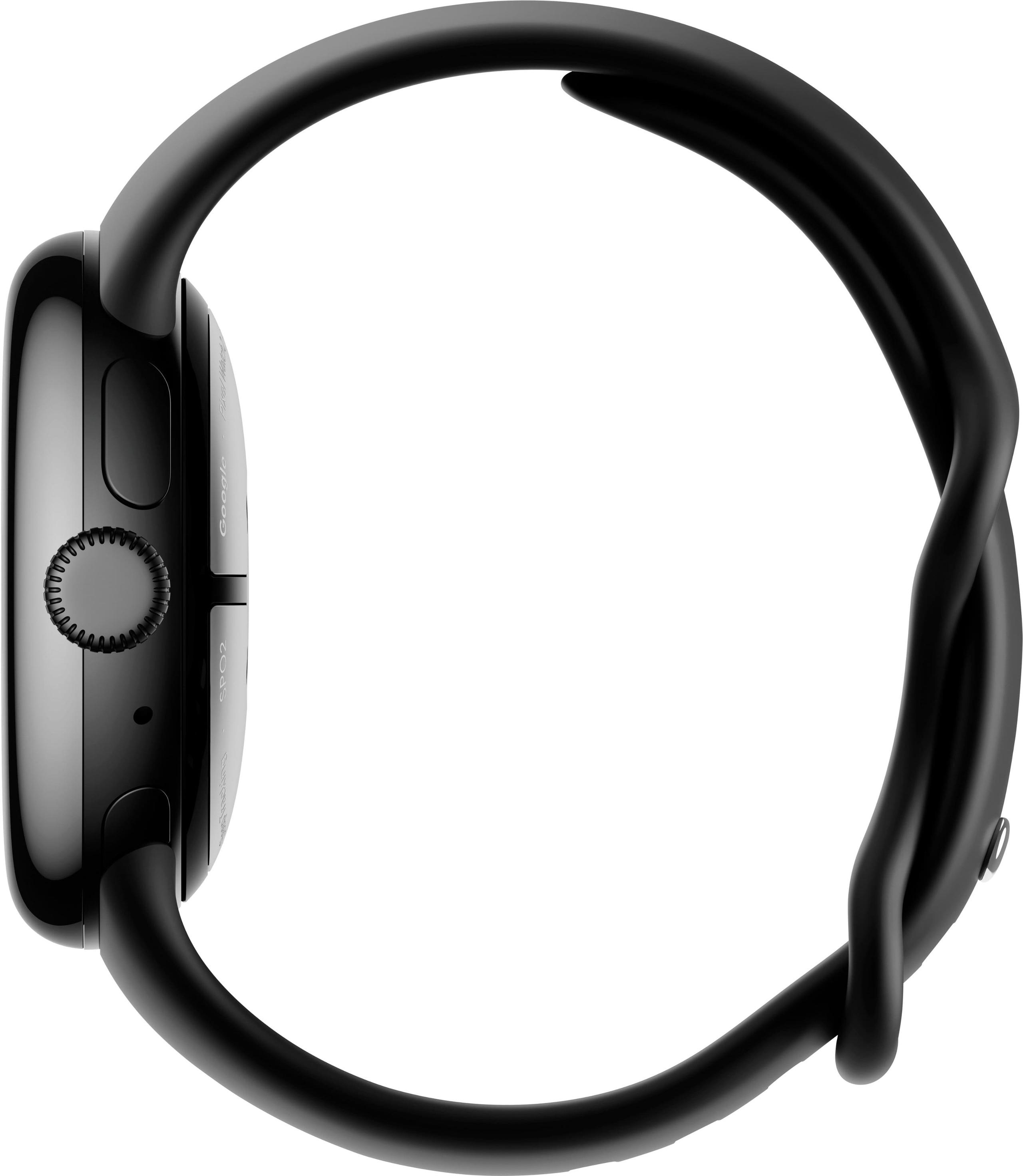
The Google Pixel Watch 2 takes a more refined approach with its 100% recycled aluminum case and Gorilla Glass 5 display. At just 31 grams, it's noticeably lighter and more comfortable for 24/7 wear, including sleep tracking. The 5 ATM water resistance is sufficient for swimming and daily activities.
Based on user feedback and expert reviews, both watches hold up well to daily wear, but the Suunto Race S seems better equipped for truly rugged outdoor use, while the Google Pixel Watch 2 strikes a better balance for professional and casual environments.
At the time of writing, these watches target different market segments with their pricing. The Suunto Race S commands a premium that reflects its specialized features—you're paying for professional-grade GPS accuracy, extensive offline mapping, AI coaching capabilities, and exceptional battery life. For serious athletes and outdoor enthusiasts, these features justify the higher cost because they're essential rather than nice-to-have.
The Google Pixel Watch 2 positions itself as a more accessible entry into comprehensive smartwatch functionality. You're getting medical-grade health sensors, cellular connectivity options, and full Google ecosystem integration at a price point that makes it competitive with other mainstream smartwatches.
The value equation depends entirely on your intended use. If you're training for marathons, planning multi-day hikes, or need precise navigation for outdoor adventures, the Suunto Race S features that seem expensive become essential investments. If you want to track general fitness while staying connected and monitoring overall health, the Google Pixel Watch 2 delivers more comprehensive daily utility.
For the Suunto Race S, the most critical performance indicators are GPS accuracy in challenging conditions, heart rate precision during intense activities, and battery life during extended use. Our research into user experiences shows that the dual-frequency GPS consistently outperforms single-frequency systems in areas with tree cover or tall buildings. The improved heart rate sensor shows marked improvement over previous Suunto generations, particularly during interval training and activities with significant arm movement.
For the Google Pixel Watch 2, key performance areas include notification responsiveness, health sensor accuracy, and integration reliability with Android devices. User reports consistently praise the ECG and stress monitoring features as genuinely useful for health awareness, while the 24-hour battery life proves adequate for most daily use patterns.
Neither device is specifically designed for home theater integration, but there are some relevant considerations. The Google Pixel Watch 2 can control compatible smart home devices through Google Assistant, potentially including theater lighting or sound systems in a Google-integrated setup. However, dedicated smart home controls or smartphone apps remain more practical for serious home theater management.
Choose the Suunto Race S if you're a serious athlete, regular hiker, or outdoor enthusiast who needs reliable navigation and detailed training analytics. The multi-day battery life alone makes it essential for backcountry activities, and the specialized sports features provide genuine value for improving athletic performance. It's particularly compelling for trail runners, cyclists who venture into remote areas, swimmers who want detailed metrics, and anyone who spends extended time away from charging opportunities.
The Google Pixel Watch 2 makes more sense for urban professionals, casual fitness enthusiasts, and Android users who want comprehensive health monitoring alongside smartphone convenience. If you value being able to take calls from your wrist, make payments without your phone, and receive rich notifications throughout the day, these features provide real daily utility that justifies the nightly charging routine.
Consider your honest usage patterns: Do you primarily exercise in areas with cell coverage, or do you venture into remote locations? Are you training for specific athletic goals, or maintaining general fitness? Do you want detailed performance analysis, or broader health awareness?
The Suunto Race S excels as a specialized tool for people who will use its unique capabilities regularly. The Google Pixel Watch 2 succeeds as a versatile daily companion that happens to include solid fitness features. Both approaches are valid—the right choice depends entirely on which philosophy better matches your lifestyle and priorities.
| Suunto Race S GPS Sports Watch | Google Pixel Watch 2 Smartwatch |
|---|---|
| Battery Life - Most critical difference for multi-day activities | |
| Up to 30 hours GPS tracking, 9 days smartwatch mode | 24 hours with always-on display, daily charging required |
| GPS Accuracy - Essential for navigation and outdoor activities | |
| Dual-frequency GNSS (L1+L5), 5 satellite systems, 32 satellites max | Standard GPS, 4 satellite systems, phone-dependent mapping |
| Offline Maps - Critical for backcountry navigation | |
| 32GB storage with complete offline topographic maps | Google Maps integration requires phone connectivity |
| Sports Tracking - Determines training value for athletes | |
| 95+ sport modes, AI coaching, running power, HRV analysis | Auto-detect common workouts, Fitbit integration, general fitness |
| Health Sensors - Medical vs performance monitoring approach | |
| Optical HR, blood oxygen, barometric altimeter, compass | ECG, blood oxygen, stress (cEDA), skin temperature, fall detection |
| Smart Features - Daily convenience vs specialized focus | |
| Basic notifications, no payments, no voice calls | Full Wear OS, Google Pay, calls, Google Assistant, rich apps |
| Display Technology - Outdoor visibility and battery impact | |
| 1.32" AMOLED with Gorilla Glass, optimized for battery life | AMOLED with 1000 nits brightness, always-on display |
| Water Resistance - Swimming and water sports capability | |
| 50m (suitable for swimming and water sports) | 5 ATM (daily water exposure, basic swimming) |
| Weight and Comfort - All-day wearability | |
| 60g (substantial but comfortable for sports) | 31g (lightweight for 24/7 wear including sleep) |
| Connectivity Options - Independence vs integration | |
| Bluetooth only, works standalone | 4G LTE option, deep Android integration |
| Build Materials - Durability for intended use | |
| Stainless steel bezel, Gorilla Glass, Finnish manufacturing | 100% recycled aluminum, Gorilla Glass 5, premium finish |
| Target User - Who gets the most value | |
| Serious athletes, hikers, multi-day adventurers | Android users wanting health insights and daily convenience |
The Suunto Race S dramatically outperforms the Google Pixel Watch 2 for extended use, offering up to 30 hours of continuous GPS tracking and up to 9 days in regular smartwatch mode. In contrast, the Google Pixel Watch 2 requires daily charging with approximately 24 hours of battery life. For multi-day hiking, camping, or ultramarathon training, the Suunto Race S is the clear winner.
The Suunto Race S works completely independently with offline maps and navigation, making it ideal for backcountry adventures where phone connectivity is unreliable. The Google Pixel Watch 2 can function independently for basic fitness tracking, but most smart features and detailed mapping require phone connectivity or the optional cellular model for full independence.
The Suunto Race S is specifically designed for serious athletes, offering 95+ sport modes, AI coaching, running power measurement, and detailed training analytics. The Google Pixel Watch 2 focuses more on general fitness tracking and health monitoring, making the Suunto Race S the better choice for competitive athletes and dedicated training programs.
The Google Pixel Watch 2 is designed exclusively for Android devices and won't work with iPhones. The Suunto Race S is compatible with both Android and iOS devices through the Suunto app, making it more versatile for users who might switch phone platforms.
The Suunto Race S uses dual-frequency GNSS technology with five satellite systems for superior accuracy in challenging environments like forests or urban canyons. The Google Pixel Watch 2 has standard GPS that's adequate for urban fitness activities but not as precise for wilderness navigation where the Suunto Race S excels.
The Google Pixel Watch 2 includes a speaker and microphone for handling phone calls directly from your wrist, especially with the cellular model. The Suunto Race S doesn't have calling capabilities, as it focuses on sports and navigation features rather than communication functions.
The Google Pixel Watch 2 provides more comprehensive health monitoring with ECG readings, blood oxygen tracking, stress monitoring, and fall detection—making it better for overall wellness tracking. The Suunto Race S focuses on sports-related health metrics like heart rate variability and recovery analysis, better suited for athletic performance monitoring.
The Google Pixel Watch 2 supports Google Pay for contactless payments at stores and restaurants. The Suunto Race S doesn't include payment features, as it prioritizes sports and navigation functionality over daily convenience features.
Both watches are well-built, but the Suunto Race S is specifically designed for rugged outdoor use with 50m water resistance and durable construction suitable for hiking, climbing, and extreme sports. The Google Pixel Watch 2 has good daily durability with 5 ATM water resistance but isn't designed for harsh outdoor conditions like the Suunto Race S.
The Google Pixel Watch 2 can control music playback from your phone but cannot store music locally. The Suunto Race S also lacks local music storage, focusing instead on sports and navigation features. Neither watch offers offline music storage capabilities.
The Google Pixel Watch 2 excels as a daily smartwatch with rich notifications, Google Assistant, app ecosystem, and seamless Android integration. The Suunto Race S offers basic smartwatch features but prioritizes sports functionality, making the Google Pixel Watch 2 the better choice for comprehensive daily digital convenience.
The Suunto Race S offers 50m water resistance suitable for serious swimming and water sports, plus specialized swimming metrics and tracking. The Google Pixel Watch 2 has 5 ATM water resistance adequate for casual swimming and daily water exposure, but the Suunto Race S is better equipped for dedicated swimmers and water sport enthusiasts.
We've done our best to create useful and informative comparisons to help you decide what product to buy. Our research uses advanced automated methods to create this comparison and perfection is not possible - please contact us for corrections or questions. These are the sites we've researched in the creation of this article: techradar.com - trackbetter.com - trackbetter.com - runnersworld.com - alastairrunning.com - youtube.com - feedthehabit.com - outdoorgearlab.com - irunfar.com - youtube.com - forum.suunto.com - youtube.com - dcrainmaker.com - the5krunner.com - youtube.com - youtube.com - grittyrunners.co.uk - youtube.com - us.suunto.com - us.suunto.com - youtube.com - playbetter.com - us.suunto.com - suunto.com - suunto.com - suunto.com - bestbuy.com - trackbetter.com - watchard.com - tomsguide.com - tomsguide.com - tomsguide.com - phonearena.com - smartwatch-straps.co.uk - youtube.com - 6monthslater.net - petematheson.com - support.google.com - wareable.com - versus.com - verizon.com - youtube.com - youtube.com - androidpolice.com - techgearlab.com - wareable.com - androidcentral.com - blog.google - support.google.com - youtube.com - en.wikipedia.org - store.google.com - gsmarena.com - fi.google.com

Privacy Policy
Terms and Conditions - Affiliate Policy
Home Security
© Copyright 2008-2026.
11816 Inwood Rd #1211, Dallas, TX 75244