

GPS sports watches have become the Swiss Army knives of the fitness world. These sophisticated devices pack navigation technology, health monitoring sensors, and training analytics into a wearable computer that can track your morning run, guide you through wilderness trails, and monitor your sleep quality. But with so many options flooding the market, choosing the right one requires understanding what really matters for your specific needs.
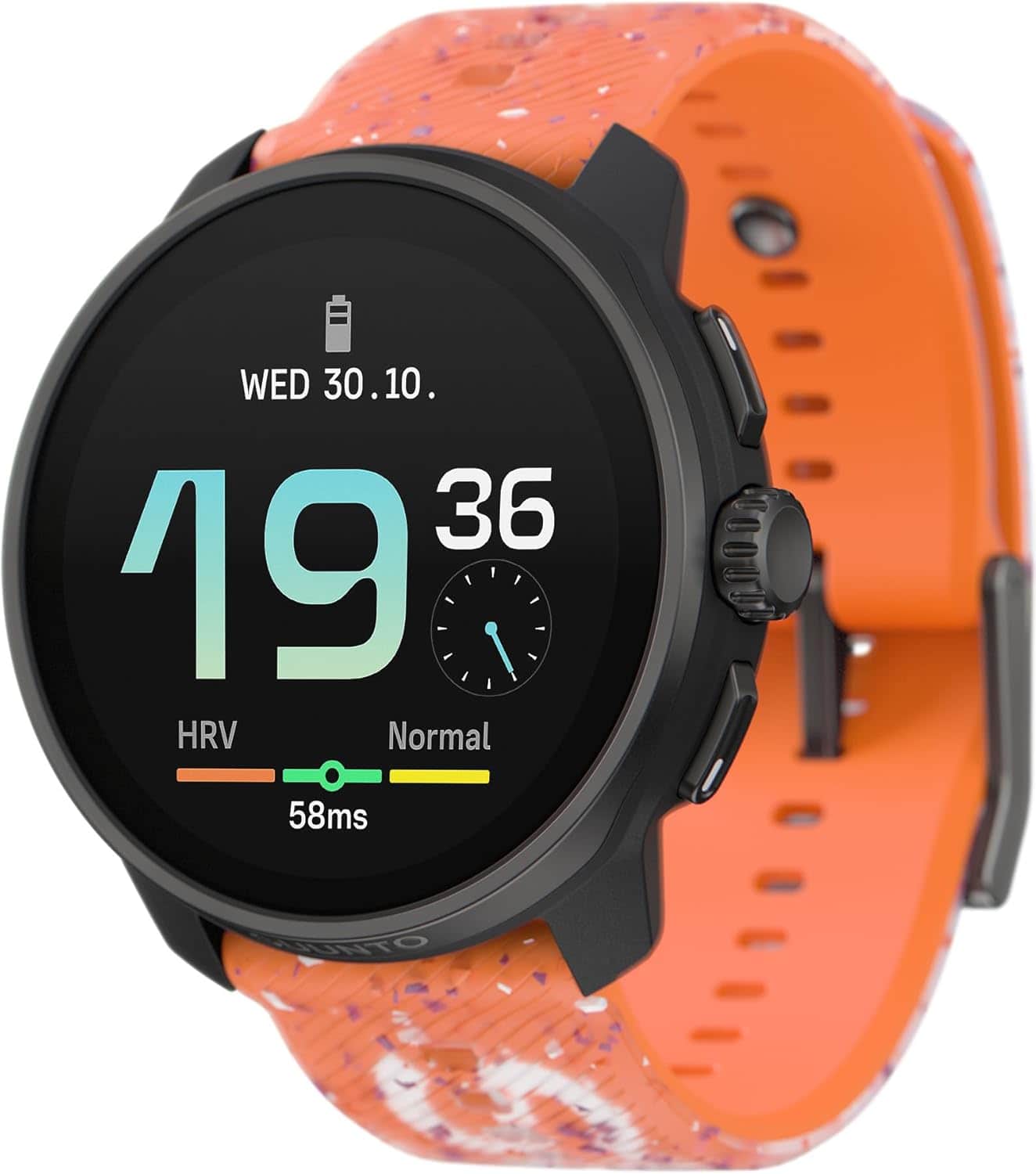
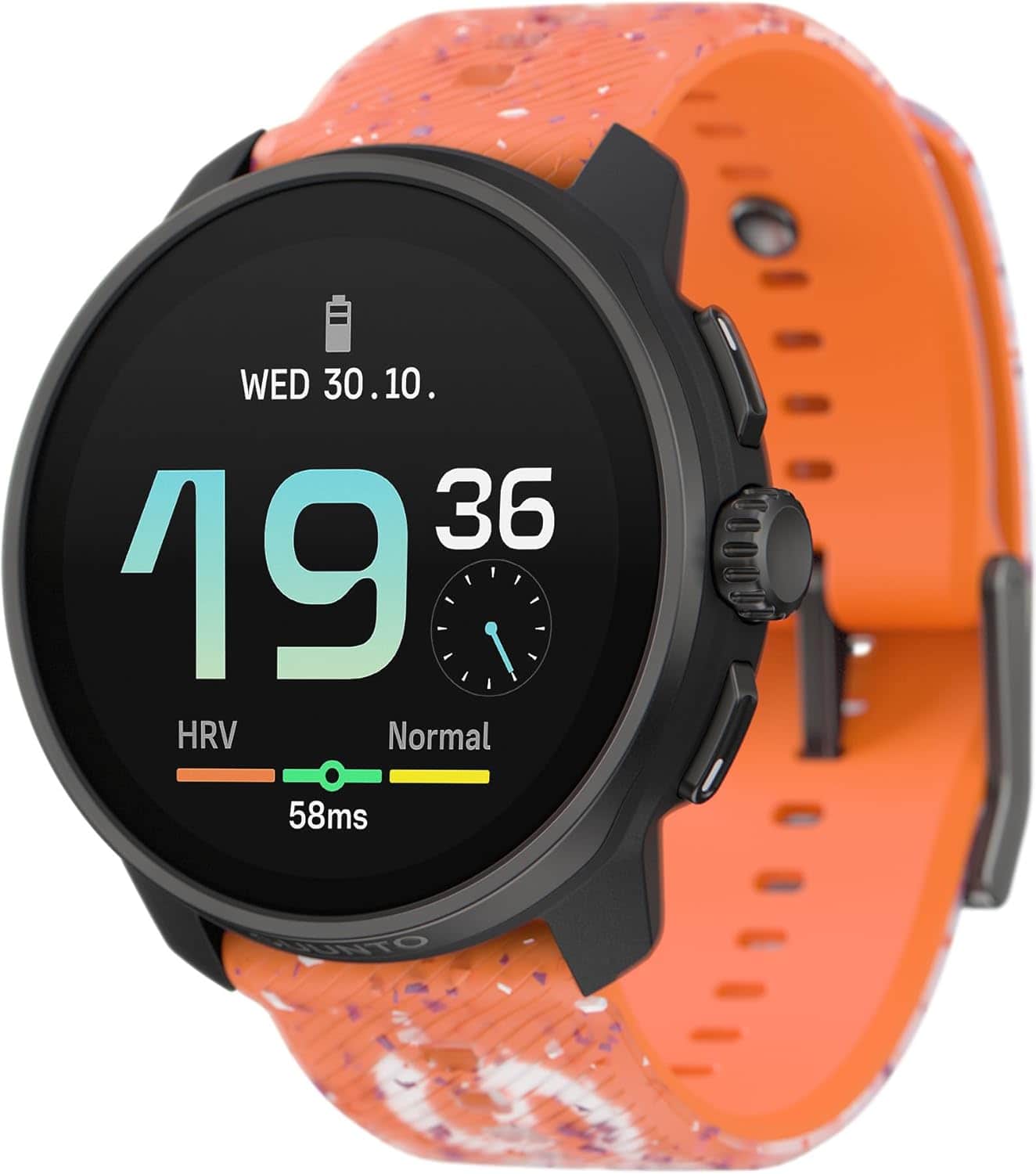
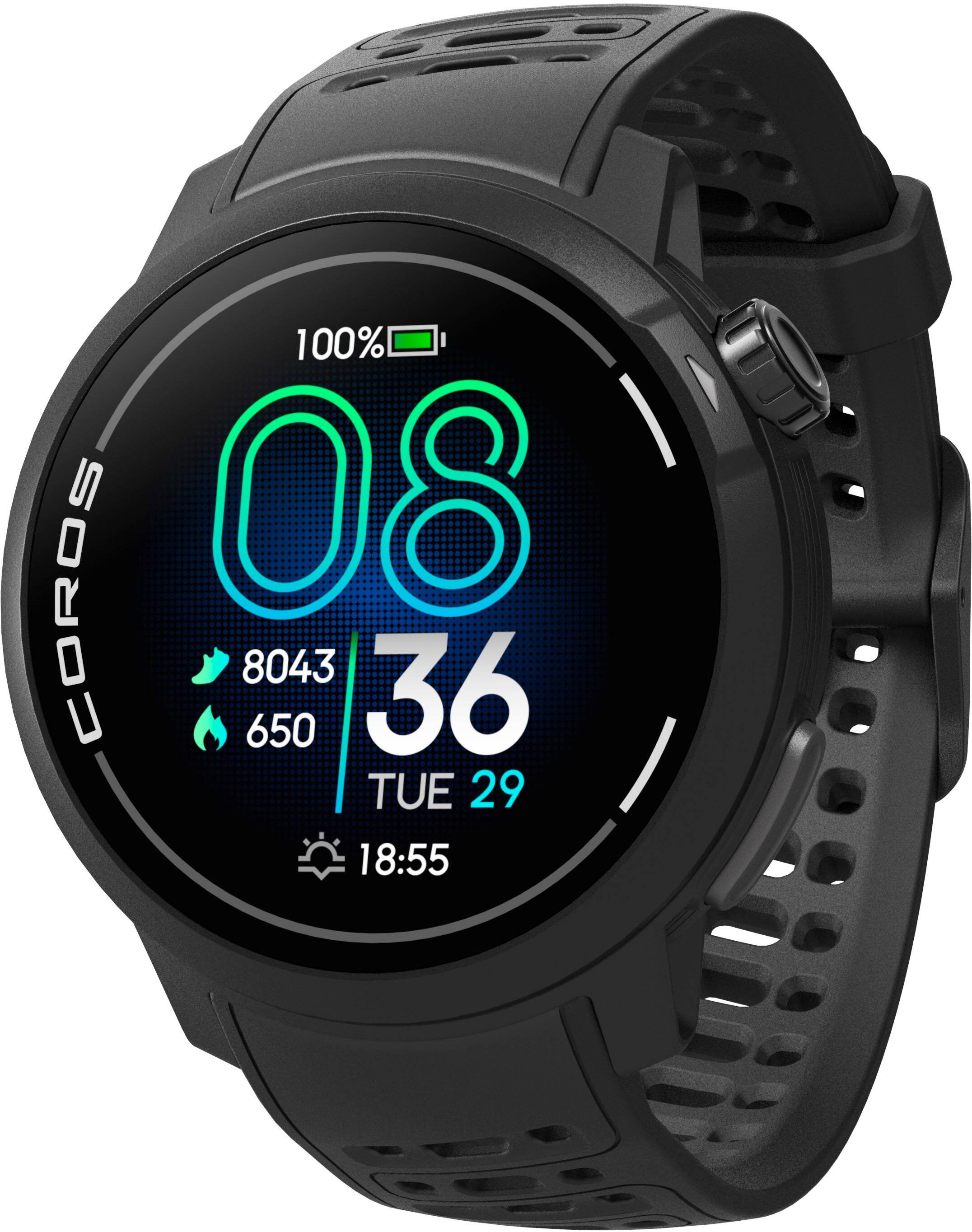
At the time of writing, two standout options dominate the mid-range premium segment: the Suunto Race S and the COROS Pace Pro. Both launched in 2024 at similar price points, representing excellent value in a market where top-tier models can cost significantly more. However, despite their comparable pricing, these watches take distinctly different approaches to sports tracking and user experience.
Modern GPS sports watches serve multiple roles that would have required separate devices just a decade ago. They're your personal trainer, navigation system, health monitor, and communication hub all rolled into one. The key is understanding which aspects matter most for your lifestyle and training goals.
The most critical considerations include GPS accuracy (how precisely the watch tracks your location and movement), heart rate monitoring reliability, battery life during both training and daily use, navigation capabilities for outdoor adventures, and overall user experience. These watches also need to balance performance with comfort—wearing a bulky, heavy device for 20+ hours daily simply isn't practical for most people.
When evaluating these devices, it's important to understand that "GPS accuracy" involves more than just location tracking. Modern watches use multiple satellite systems simultaneously—GPS (American), GLONASS (Russian), GALILEO (European), QZSS (Japanese), and BEIDOU (Chinese)—to triangulate your position. Dual-frequency technology uses two different radio frequencies from these satellites to improve accuracy in challenging environments like dense forests or urban canyons where signals can bounce off buildings.
Both the Suunto Race S and COROS Pace Pro utilize dual-frequency GNSS (Global Navigation Satellite System) technology, which represents a significant upgrade from single-frequency systems used in older watches. This technology allows the devices to filter out signal interference and provide more accurate positioning data.
In real-world testing by professional reviewers and user reports, both watches perform within 1-2% accuracy of premium competitors costing significantly more. This level of precision means your 10-kilometer run will be measured to within about 100-200 meters of the actual distance—more than adequate for training purposes and route tracking.
The Suunto Race S incorporates FusedAlti™ technology, which combines GPS altitude data with readings from a barometric altimeter (a sensor that measures air pressure changes to determine elevation). This combination provides more accurate elevation gain measurements, which is crucial for trail runners and hikers who need to track their climbing performance.
The COROS Pace Pro benefits from a significantly faster processor—the Ambiq Apollo510 chip that's twice as fast as previous COROS models. This processing power translates to faster map rendering and more responsive navigation, particularly noticeable when zooming in and out of maps or switching between data screens during activities.
For most users, the GPS accuracy differences between these watches are negligible in practical use. Both provide reliable track logging and distance measurements that satisfy the needs of recreational and competitive athletes.
Heart rate monitoring represents one of the most technically challenging aspects of sports watch design. Both the Suunto Race S and COROS Pace Pro feature redesigned optical heart rate sensors with improved algorithms, but neither achieves the accuracy of a chest strap heart rate monitor during high-intensity activities.
The Suunto Race S uses double the number of LED lights compared to its predecessor, which helps the sensor detect blood flow changes more accurately. However, like most wrist-based sensors, it struggles during activities with rapid intensity changes. During interval training sessions, the watch may read 20+ beats per minute higher than actual heart rate, particularly during quick transitions between effort levels.
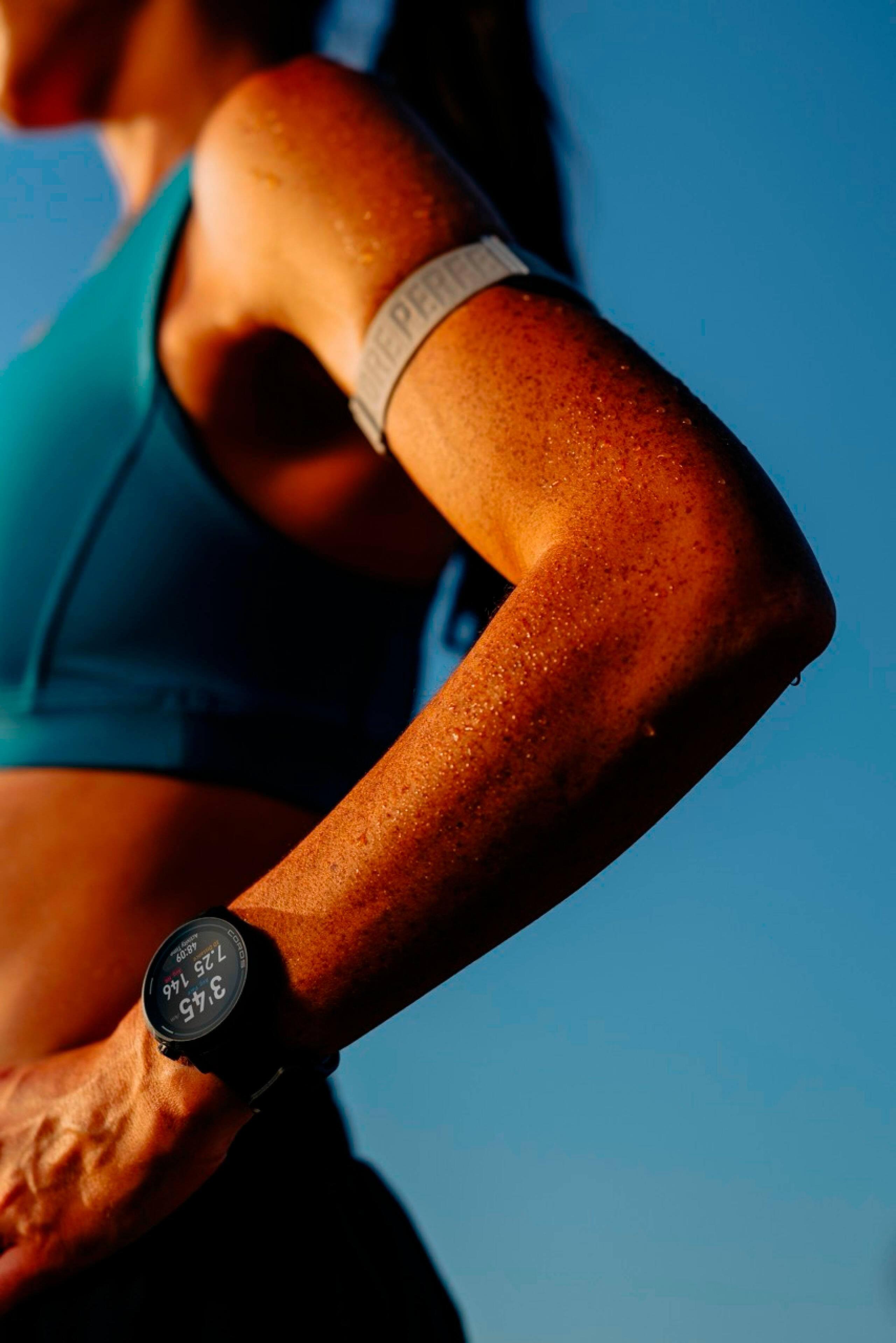
The COROS Pace Pro has an advantage in its lighter 49-gram weight, which typically improves sensor contact with the skin. However, our research into user experiences reveals that it exhibits similar accuracy limitations, particularly during outdoor cycling where arm movement and vibration can interfere with readings.
The reality is that optical heart rate sensors on the wrist face fundamental physics limitations. They work reasonably well during steady-state activities like easy runs or consistent cycling efforts, but struggle with dynamic activities involving frequent intensity changes or significant arm movement. For serious training where heart rate accuracy is critical, both watches support external chest strap heart rate monitors via Bluetooth connectivity.
Battery performance represents one of the most significant distinctions between these watches. The COROS Pace Pro clearly dominates this category, offering up to 38 hours of GPS tracking compared to 30 hours for the Suunto Race S. More importantly, daily use battery life extends to 20 days on the COROS versus 9-13 days on the Suunto.
These differences matter significantly for multi-day adventures or users who prefer charging less frequently. A 38-hour GPS battery life means you could theoretically track a continuous multi-day hiking expedition without external charging, while the Suunto would require a power bank or solar charger for extended adventures.
However, battery life claims should be viewed with skepticism based on your actual usage patterns. Always-on display modes, frequent heart rate monitoring, smartphone notifications, and cold weather all reduce battery life substantially. The COROS advantage remains consistent across different usage scenarios, making it the clear winner for users who prioritize battery endurance.
Both watches feature AMOLED displays—the same screen technology found in premium smartphones—which provide vibrant colors, deep blacks, and excellent outdoor visibility. However, their implementation differs significantly.
The Suunto Race S offers a 1.32-inch display with 466 dots per inch (DPI) resolution, protected by Gorilla Glass for scratch resistance. The interface includes a digital crown for navigation, though some users find it less precise than competitors' implementations.
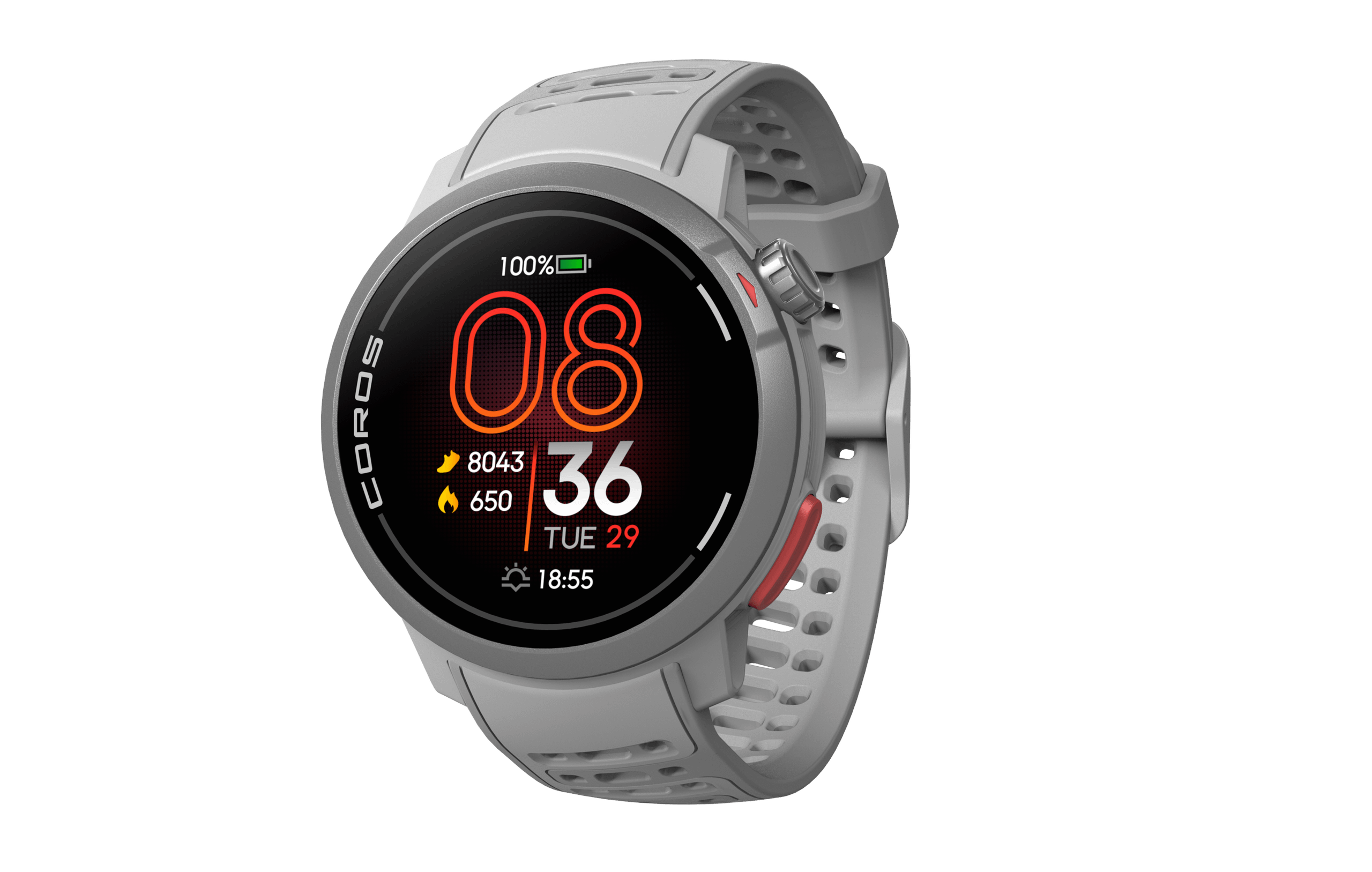
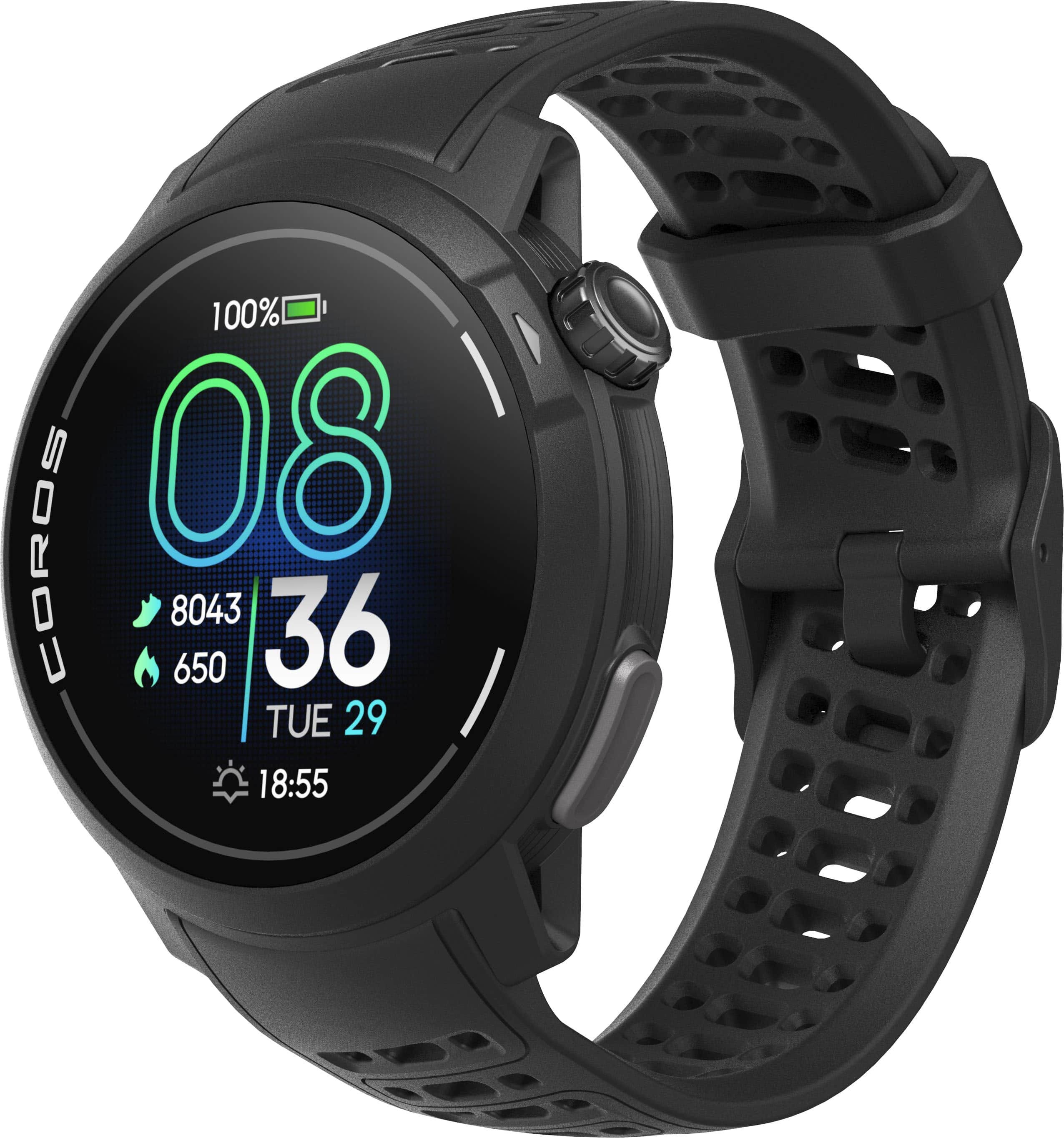
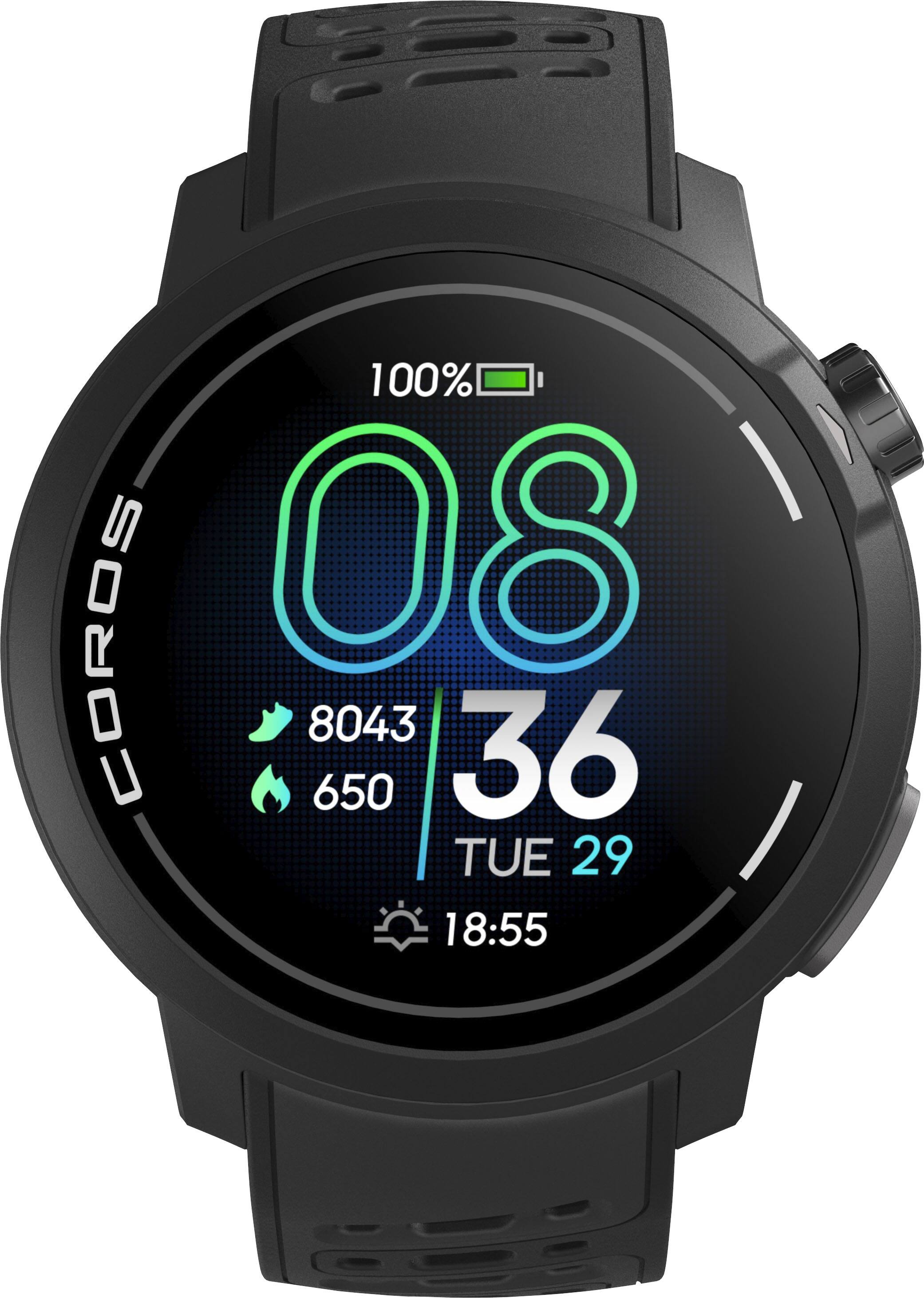
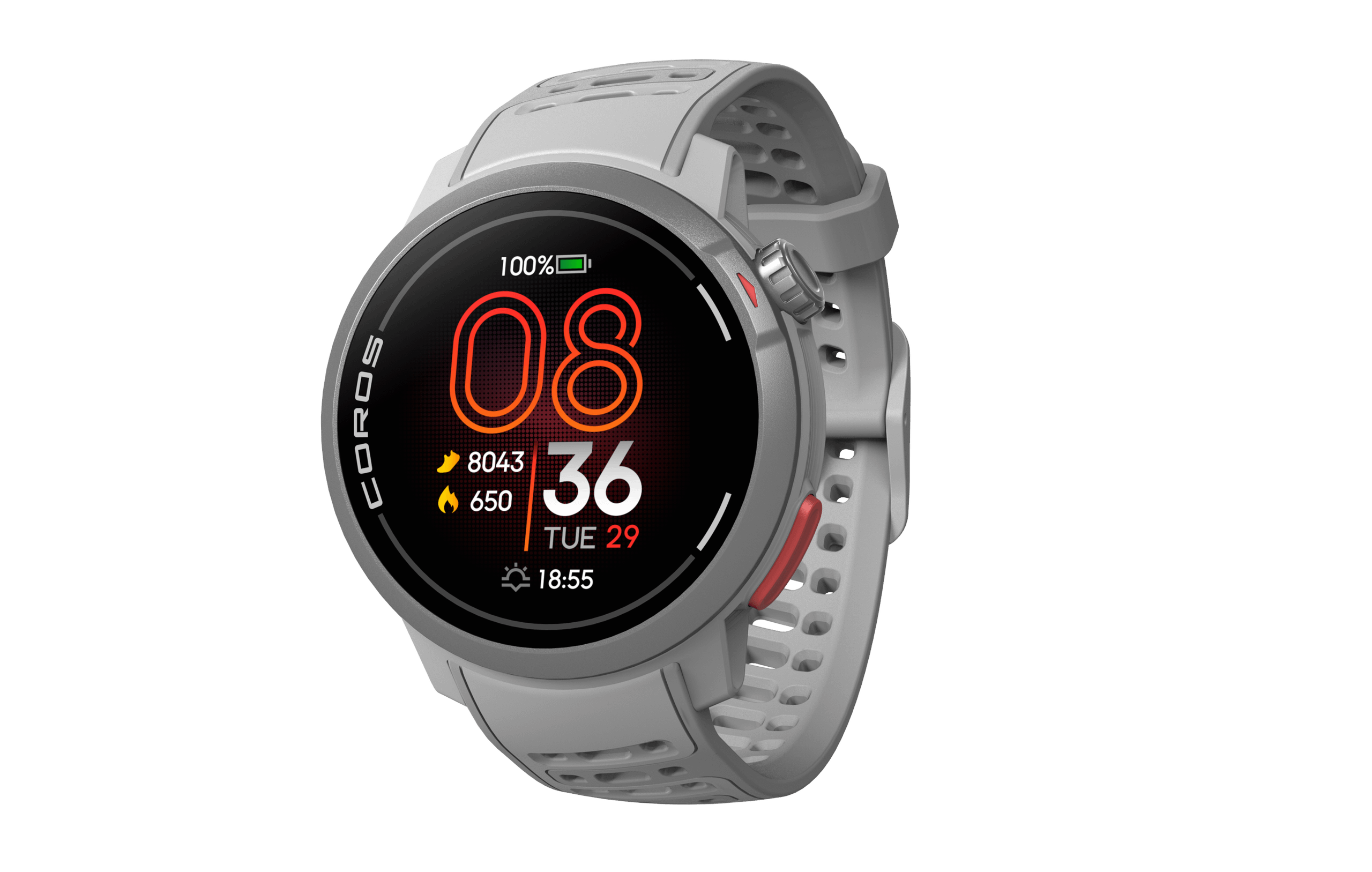
The COROS Pace Pro features a 1.3-inch display with exceptional 1500-nit brightness—bright enough to remain clearly visible even in direct sunlight. More importantly, the interface responds noticeably faster than the Suunto, with superior haptic feedback that provides satisfying tactile confirmation for every touch interaction.
Interface responsiveness might seem like a minor detail, but it significantly impacts daily usability. When you're trying to start a workout, check your pace, or navigate through menus during activity, a fast, responsive interface reduces frustration and improves the overall experience.
Modern GPS sports watches have evolved beyond simple breadcrumb trails to offer sophisticated mapping and navigation features that rival dedicated hiking GPS devices. Both watches provide offline mapping capabilities, but with different strengths and limitations.
The Suunto Race S offers more mature mapping technology with 32GB of storage for offline maps. The system provides non-routable maps (meaning it shows terrain and features but doesn't provide turn-by-turn directions like a car GPS) with zoom levels up to 20 kilometers. The unique ClimbGuide feature analyzes your planned route and provides notifications about upcoming climbs, including grade and distance information—similar to Garmin's ClimbPro feature found on more expensive watches.
The COROS Pace Pro introduced offline mapping as a new feature in 2024, representing COROS's entry into advanced navigation functionality. The system offers downloadable global landscape and regional topographical maps with touchscreen interaction for zooming and panning. While feature-complete, this mapping system is newer and potentially less refined than Suunto's established platform.
For serious navigation needs—particularly hiking, trail running, or mountaineering—the Suunto Race S currently offers more mature and specialized features. The ClimbGuide functionality alone provides valuable information for planning and executing challenging routes with significant elevation changes.
These watches represent fundamentally different approaches to sports watch design, reflecting their target audiences and intended use cases.
The Suunto Race S weighs 60 grams (53 grams for the titanium variant) with an 11.4mm thickness. It emphasizes premium materials including a stainless steel bezel, Gorilla Glass display protection, and robust construction designed for harsh outdoor conditions. The 50-meter water resistance rating makes it suitable for swimming and surface water activities, though it's rated lower than some competitors' 100-meter ratings.
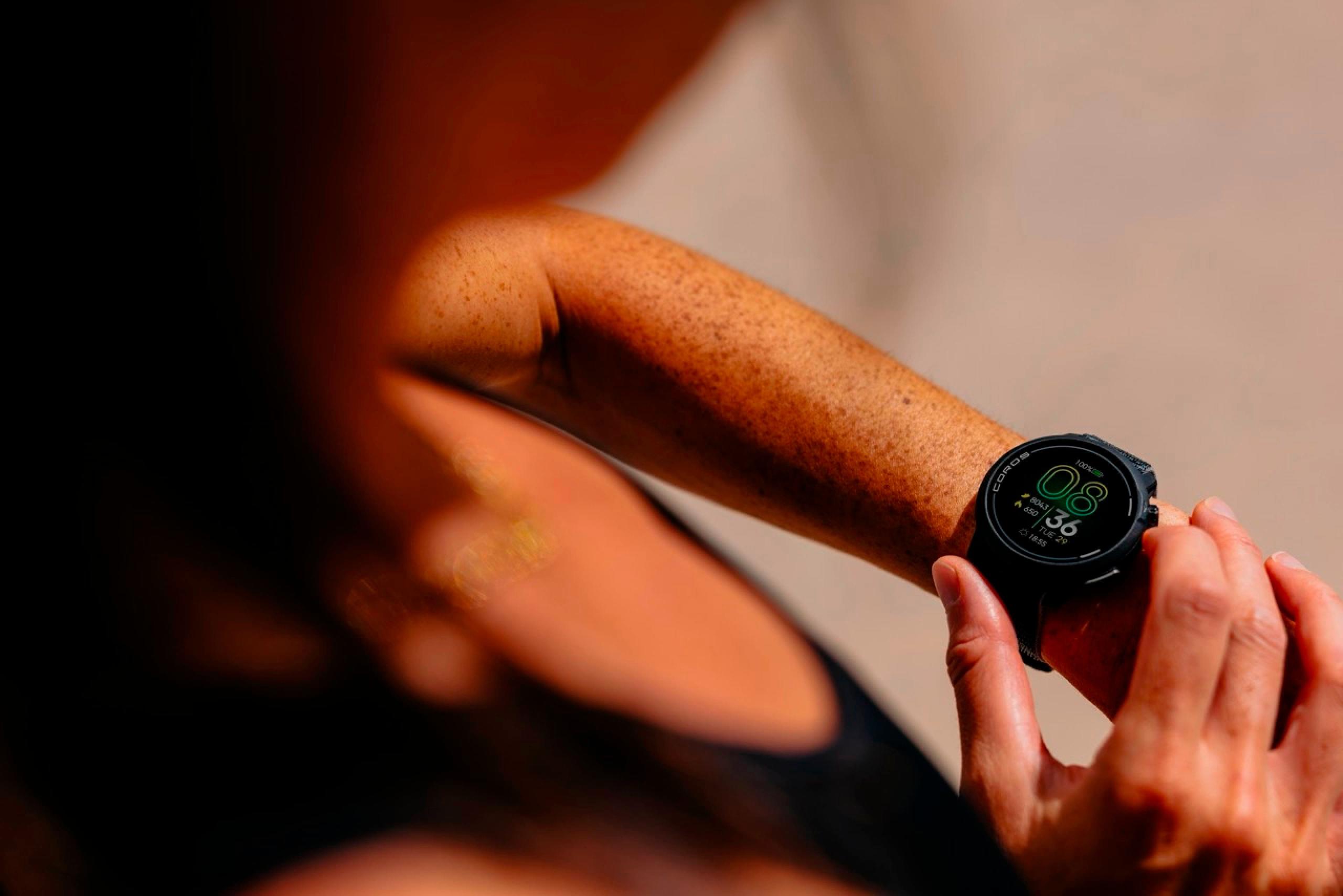
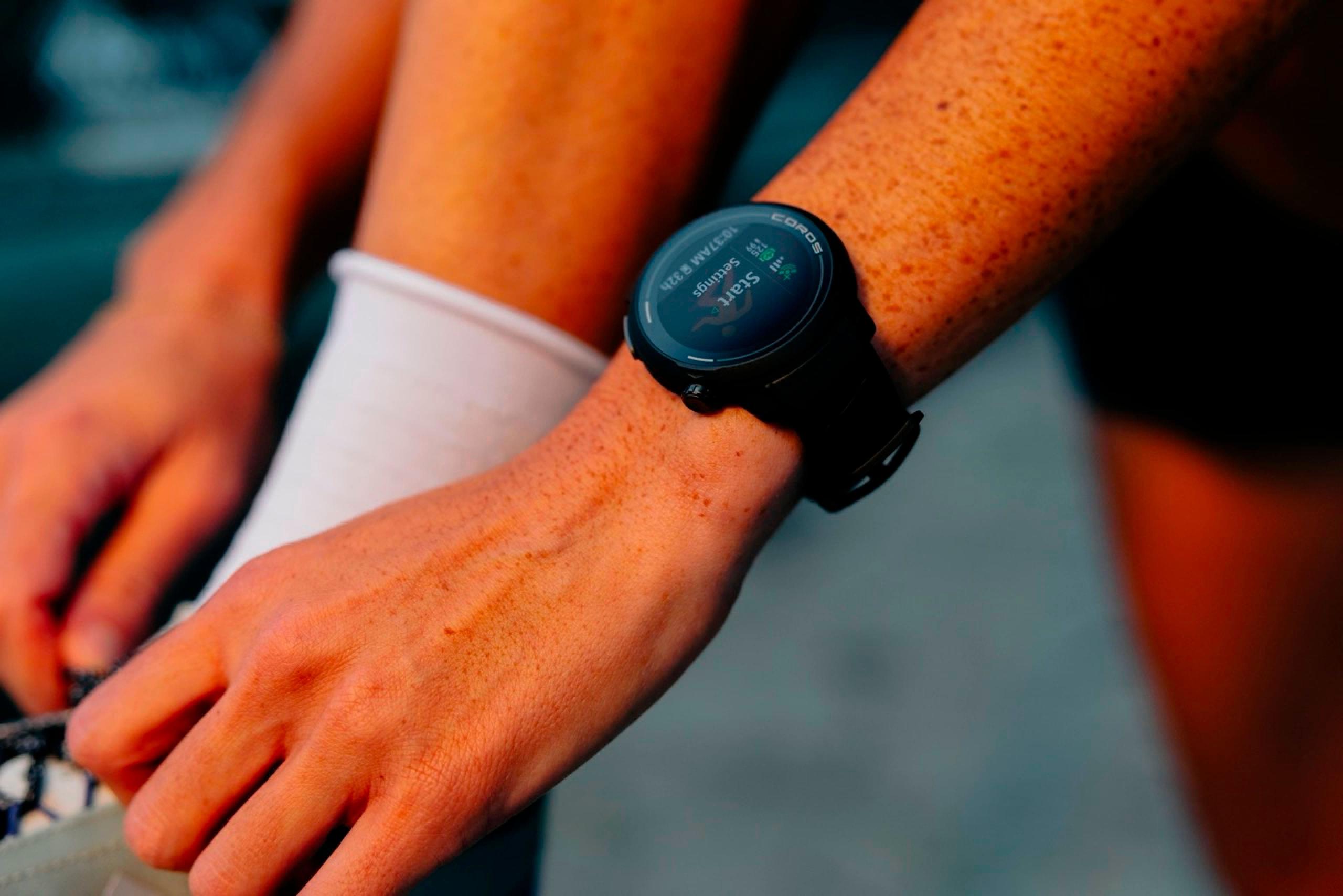
The COROS Pace Pro takes a dramatically different approach, weighing just 37-49 grams depending on the band choice. This makes it the lightest AMOLED sports watch available at the time of writing. The fiber-reinforced polymer construction prioritizes weight reduction over premium materials, resulting in a watch that feels almost weightless on your wrist.
Weight matters more than many people initially realize. A lighter watch reduces fatigue during long activities, improves heart rate sensor contact, and feels more comfortable for all-day wear. However, the premium materials and robust construction of the Suunto Race S provide better long-term durability and a more substantial feel that some users prefer.
Neither watch excels as a comprehensive smartwatch compared to devices like the Apple Watch or high-end Samsung Galaxy watches. Both focus primarily on sports performance rather than lifestyle features.
The Suunto Race S offers basic smartphone notifications and music controls but lacks offline music storage, contactless payments, or advanced app ecosystems. The interface, while functional, feels less polished than dedicated smartwatch platforms.
The COROS Pace Pro includes ECG (electrocardiogram) functionality for basic heart rhythm analysis and 32GB of offline music storage, though it doesn't support popular streaming services like Spotify for offline downloads. The ECG feature shouldn't be considered medical-grade but can provide general wellness insights.
Both watches support smartphone notifications, basic weather information, and alarm functions. However, if smartwatch features are a primary concern, neither device competes effectively with dedicated smartwatches or premium multisport watches with more comprehensive smart features.
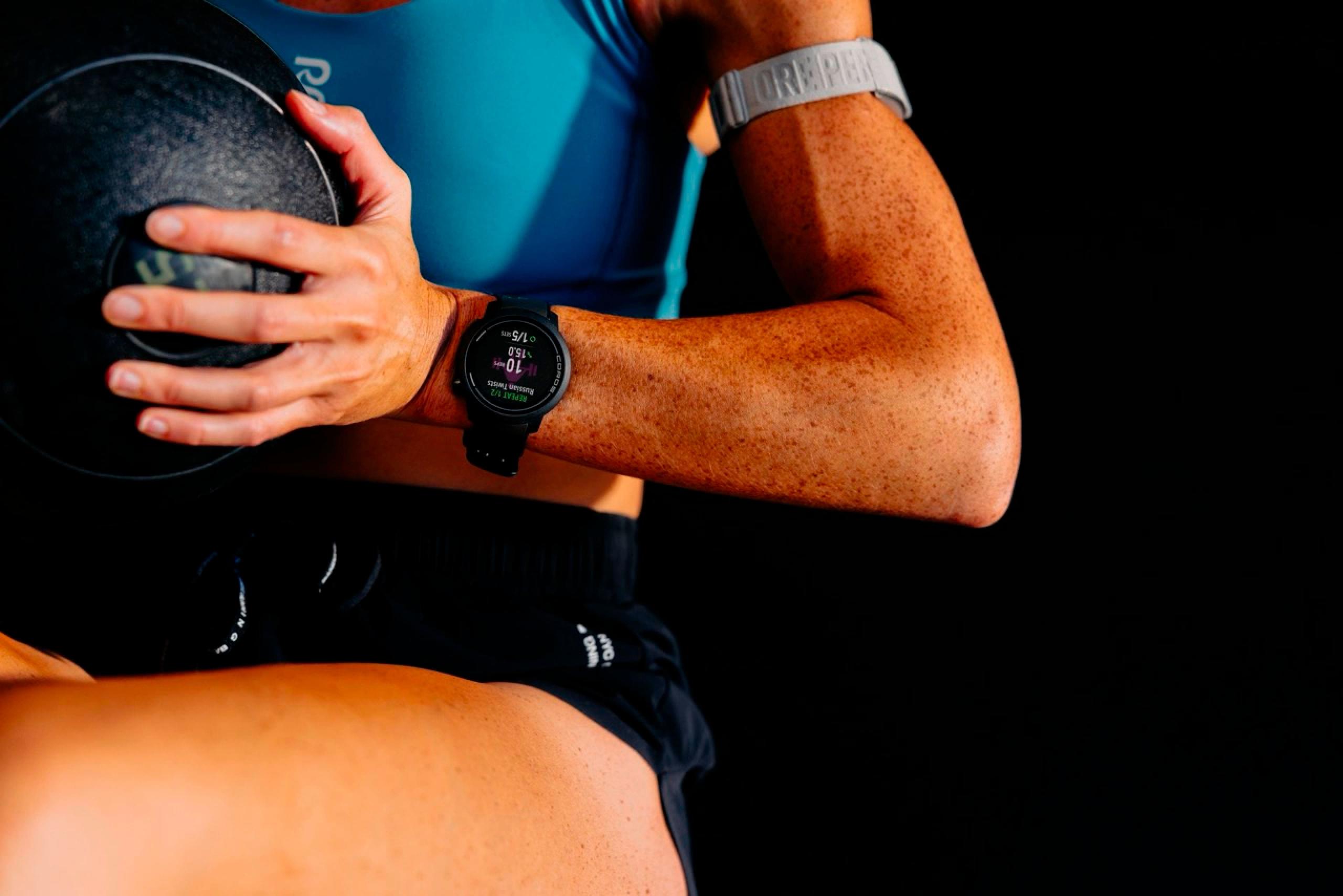
Both watches provide comprehensive training analysis and sports tracking capabilities that satisfy the needs of serious athletes. They support multisport activities including running, cycling, swimming, and triathlon modes with detailed metrics and performance analysis.
The Suunto Race S offers 95+ sports modes with Suunto Coach AI providing personalized training guidance based on your performance data and recovery metrics. The system analyzes heart rate variability (HRV)—variations in time between heartbeats that indicate recovery status—to provide training recommendations.
The COROS Pace Pro provides equally comprehensive training analysis through the COROS app, including training load calculations, race time predictions, and compatibility with external accessories like running form analysis pods.
Both platforms integrate with popular third-party services like Strava, TrainingPeaks, and various coaching platforms, allowing you to analyze your data using your preferred tools and share activities with training partners or coaches.
The decision between these watches ultimately depends on your priorities and primary use cases.
Choose the Suunto Race S if you prioritize outdoor navigation and adventure sports. Its mature mapping system, ClimbGuide feature, and robust construction make it ideal for hikers, trail runners, mountaineers, and adventure racers who need reliable navigation tools and durable construction. The premium materials and established navigation ecosystem justify the trade-offs in battery life and weight for users who demand proven reliability in challenging conditions.
The Suunto Race S also makes sense for users who prefer a more substantial, premium-feeling watch and don't mind the additional weight. If you engage in varied outdoor activities beyond running—hiking, climbing, skiing, or water sports—the more robust construction and specialized features provide better long-term value.
Choose the COROS Pace Pro if you prioritize battery life, lightweight comfort, and interface responsiveness. Its exceptional 38-hour GPS battery life and 20-day daily use endurance make it ideal for ultrarunners, multi-day adventure athletes, or users who simply prefer charging less frequently. The lightweight design reduces fatigue during long activities and improves all-day comfort.
The COROS Pace Pro particularly appeals to dedicated runners and endurance athletes who train consistently and want a device that won't interfere with their performance. The faster processor and superior interface responsiveness create a more enjoyable daily experience, while the ECG and offline music features add value for users who appreciate these smart capabilities.
At the time of writing, both watches represent outstanding value in the premium sports watch segment, offering professional-grade GPS accuracy, comprehensive training features, and bright AMOLED displays at competitive prices. Neither device excels as a comprehensive smartwatch, but both deliver exceptional sports tracking capabilities that satisfy serious athletes' needs.
The choice between the Suunto Race S and COROS Pace Pro fundamentally comes down to whether you value navigation maturity and robust construction (Suunto) or battery life and lightweight performance (COROS). Both approaches have merit, and your specific training style, adventure preferences, and daily usage patterns should guide your decision.
For most users, either watch will provide years of reliable service and comprehensive training insights. The "wrong" choice between these two excellent options is unlikely to significantly impact your training or outdoor adventures—both represent the current state of the art in sports watch technology at accessible price points.
| Suunto Race S GPS Sports Watch | COROS Pace Pro GPS Sport Watch |
|---|---|
| Weight - Critical for all-day comfort and training performance | |
| 60g (53g Titanium) - Premium materials but heavier | 49g (37g with nylon band) - Lightest AMOLED sports watch available |
| GPS Battery Life - Essential for long training sessions and multi-day adventures | |
| 30 hours (performance mode), 120 hours (tour mode) | 38 hours (GPS mode), 31 hours (dual-frequency mode) |
| Daily Use Battery - How often you'll need to charge | |
| 9-13 days depending on heart rate monitoring | 20 days (6 days with always-on display) |
| Display Technology - Visibility and user experience | |
| 1.32" AMOLED, 466 DPI, Gorilla Glass protection | 1.3" AMOLED, 1500 nits brightness, faster processor |
| Navigation Features - Critical for outdoor adventures and trail activities | |
| Mature offline maps, ClimbGuide feature, 32GB storage, 20km zoom | New offline mapping system, touchscreen interaction, global maps |
| Build Quality - Durability for harsh conditions | |
| Stainless steel bezel, Gorilla Glass, 50m water resistance | Fiber-reinforced polymer, lightweight construction, 5 ATM water resistance |
| Heart Rate Monitoring - Accuracy varies significantly between activities | |
| Double LED count, improved algorithms, struggles with intervals | Lighter weight aids contact, similar accuracy limitations during cycling |
| Smart Features - Limited on both but some key differences | |
| Basic notifications, music controls only | ECG functionality, 32GB offline music storage, notifications |
| Interface Speed - Daily usability and responsiveness | |
| Digital crown navigation, slower response times | Twice-as-fast processor, superior haptic feedback, intuitive controls |
| Sports Modes - Comprehensive tracking for various activities | |
| 95+ modes, Suunto Race S Coach AI, race-focused tools | Comprehensive training analysis, COROS app integration, external accessory support |
The COROS Pace Pro offers superior battery life with 38 hours of GPS tracking compared to 30 hours on the Suunto Race S. For ultra-marathons, multi-day hiking trips, or users who prefer charging less frequently, the COROS Pace Pro provides a significant advantage with its extended battery endurance.
Both the Suunto Race S and COROS Pace Pro use dual-frequency GNSS technology and perform within 1-2% accuracy of each other. The Suunto Race S includes FusedAlti™ technology for better elevation tracking, while the COROS Pace Pro benefits from a faster processor for quicker map rendering. GPS accuracy is essentially equivalent between both watches.
The COROS Pace Pro weighs just 37-49 grams, making it significantly lighter than the Suunto Race S at 60 grams. This weight difference impacts all-day comfort, reduces fatigue during long activities, and can improve heart rate sensor accuracy through better skin contact.
The Suunto Race S offers more mature navigation with established offline mapping, the unique ClimbGuide feature for elevation planning, and 32GB storage. The COROS Pace Pro introduced offline mapping in 2024 but has a newer, less proven system. For serious outdoor navigation, the Suunto Race S currently provides more specialized features.
Both the Suunto Race S and COROS Pace Pro feature improved optical heart rate sensors but struggle with accuracy during high-intensity intervals and rapid pace changes. The COROS Pace Pro benefits from lighter weight for better sensor contact, but both watches work best during steady-state activities and support external chest strap monitors for maximum accuracy.
The COROS Pace Pro includes ECG functionality and 32GB offline music storage, giving it an edge over the Suunto Race S, which offers only basic notifications and music controls. However, neither watch excels as a comprehensive smartwatch compared to dedicated devices, focusing instead on sports performance features.
The COROS Pace Pro features superior interface responsiveness with twice the processing speed and excellent haptic feedback. The Suunto Race S offers Gorilla Glass protection and 466 DPI resolution. Both have bright AMOLED displays, but the COROS Pace Pro provides a more fluid user experience.
The Suunto Race S emphasizes durability with stainless steel construction, Gorilla Glass protection, and robust build quality designed for harsh conditions. The COROS Pace Pro uses lighter fiber-reinforced polymer construction. For rugged outdoor use, the Suunto Race S offers superior long-term durability.
Both the Suunto Race S and COROS Pace Pro offer comprehensive training analysis with 95+ sports modes, AI coaching insights, and integration with platforms like Strava. The Suunto Race S includes race-focused tools and ClimbGuide, while the COROS Pace Pro supports external accessories like running form analysis pods.
Both the Suunto Race S and COROS Pace Pro launched at similar price points, offering excellent value in the premium sports watch segment. The COROS Pace Pro provides better battery life and lighter weight, while the Suunto Race S offers premium materials and mature navigation features.
The COROS Pace Pro excels in daily comfort with its lightweight design and 20-day battery life, requiring less frequent charging. The Suunto Race S offers a more premium feel with substantial materials but requires more frequent charging at 9-13 days of daily use.
Choose the Suunto Race S if you prioritize outdoor navigation, premium build quality, and specialized features like ClimbGuide for adventure sports. Select the COROS Pace Pro if you value lightweight design, extended battery life, faster interface performance, and smart features like ECG monitoring for endurance training and daily use.
We've done our best to create useful and informative comparisons to help you decide what product to buy. Our research uses advanced automated methods to create this comparison and perfection is not possible - please contact us for corrections or questions. These are the sites we've researched in the creation of this article: techradar.com - trackbetter.com - trackbetter.com - runnersworld.com - alastairrunning.com - youtube.com - feedthehabit.com - outdoorgearlab.com - irunfar.com - youtube.com - forum.suunto.com - youtube.com - dcrainmaker.com - the5krunner.com - youtube.com - youtube.com - grittyrunners.co.uk - youtube.com - us.suunto.com - us.suunto.com - youtube.com - playbetter.com - us.suunto.com - suunto.com - suunto.com - suunto.com - bestbuy.com - trackbetter.com - watchard.com - southwesthikes.com - coros.com - dcrainmaker.com - garagegrowngear.com - tomsguide.com - techradar.com - runningwarehouse.com - wareable.com - runnersworld.com - alastairrunning.com - trackbetter.com - us.coros.com - youtube.com - youtube.com - corosnordic.com - coros.com - us.coros.com - coros.com - bikerumor.com - advnture.com - corosbenelux.com

Privacy Policy
Terms and Conditions - Affiliate Policy
Home Security
© Copyright 2008-2026.
11816 Inwood Rd #1211, Dallas, TX 75244