

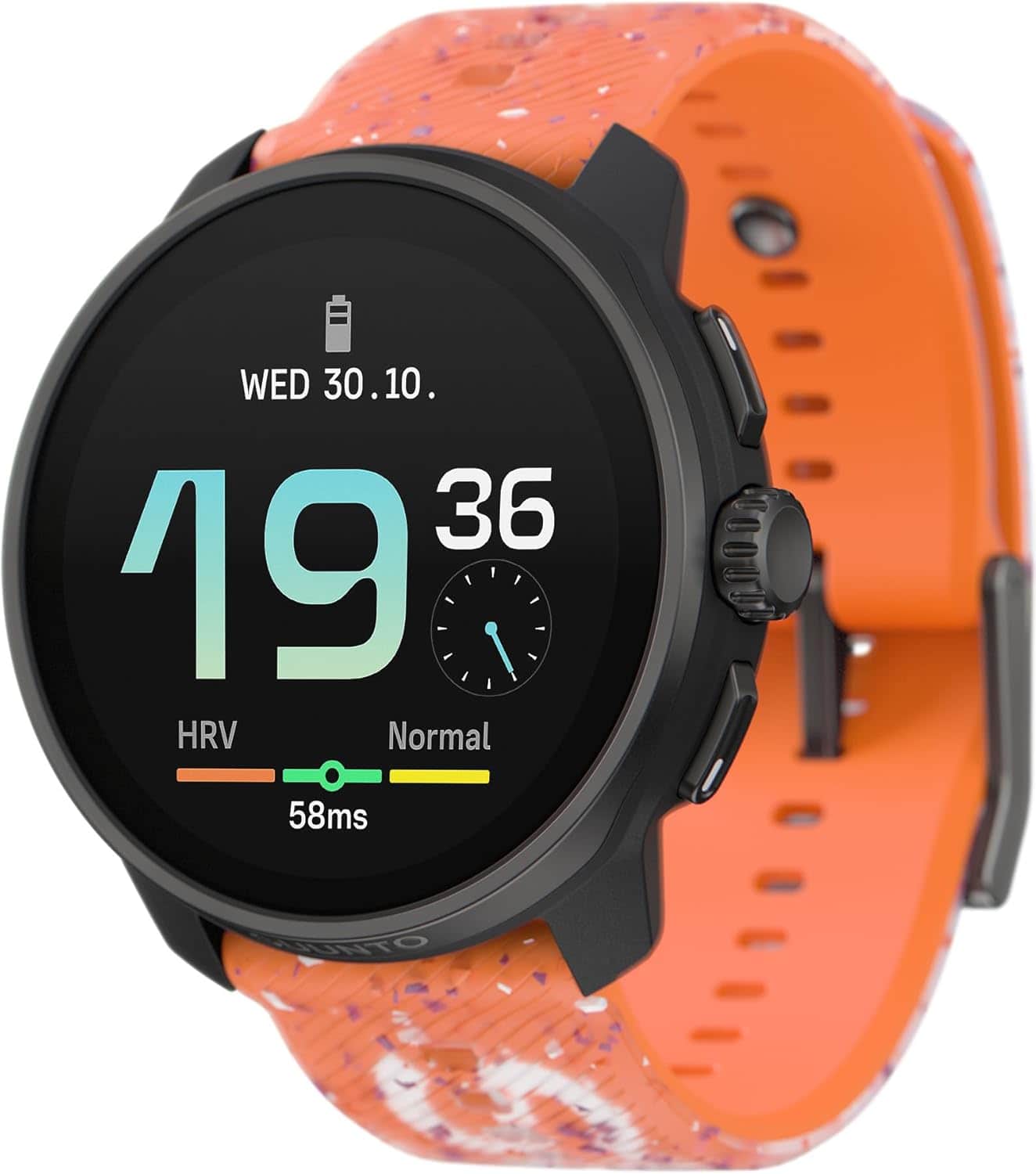
When you're shopping for a wearable device in 2025, you're essentially choosing between two different philosophies. Do you want a specialized tool built specifically for athletic performance, or a versatile daily companion that handles everything from fitness tracking to managing your digital life? This fundamental question shapes the entire comparison between the Suunto Race S and the Apple Watch SE 3.
Both devices can track your runs, monitor your heart rate, and display notifications from your phone. But that's where the similarities end. The Suunto Race S represents the sports watch approach—it's a precision instrument designed for athletes who demand accurate data and reliable performance in challenging conditions. The Apple Watch SE 3 embodies the smartwatch philosophy, serving as a digital extension of your iPhone that happens to excel at health and fitness tracking.
Understanding this distinction is crucial because it affects everything from battery life to the types of features you'll actually use. A marathoner training for Boston has very different needs than someone trying to close their daily activity rings while managing work emails.
The wearable market has matured significantly since fitness trackers first appeared over a decade ago. Suunto, a Finnish company with roots in compass manufacturing dating back to 1936, released the Race series in 2023 as their answer to the growing demand for AMOLED displays in sports watches. The Suunto Race S launched as the more compact version, bringing professional-grade features to a size that works for smaller wrists.
Apple introduced their third-generation SE model in 2024, representing a major upgrade from previous versions. For the first time, an SE model includes an Always-On display—previously reserved for the premium Series watches. This change reflects Apple's strategy of bringing flagship features down to more affordable price points while maintaining clear distinctions between product tiers.
The timing matters because both companies learned from years of user feedback. Suunto addressed complaints about display quality and user interface responsiveness, while Apple tackled battery life concerns and added health features that users actually requested rather than just impressive-sounding specifications.
The physical differences between these watches tell the story of their intended purposes. The Suunto Race S measures 45mm across—substantial enough to house serious GPS hardware while remaining comfortable for 24/7 wear. At 60 grams, it's noticeably heavier than typical smartwatches, but that weight comes from a stainless steel bezel and Gorilla Glass display designed to survive years of outdoor adventures.
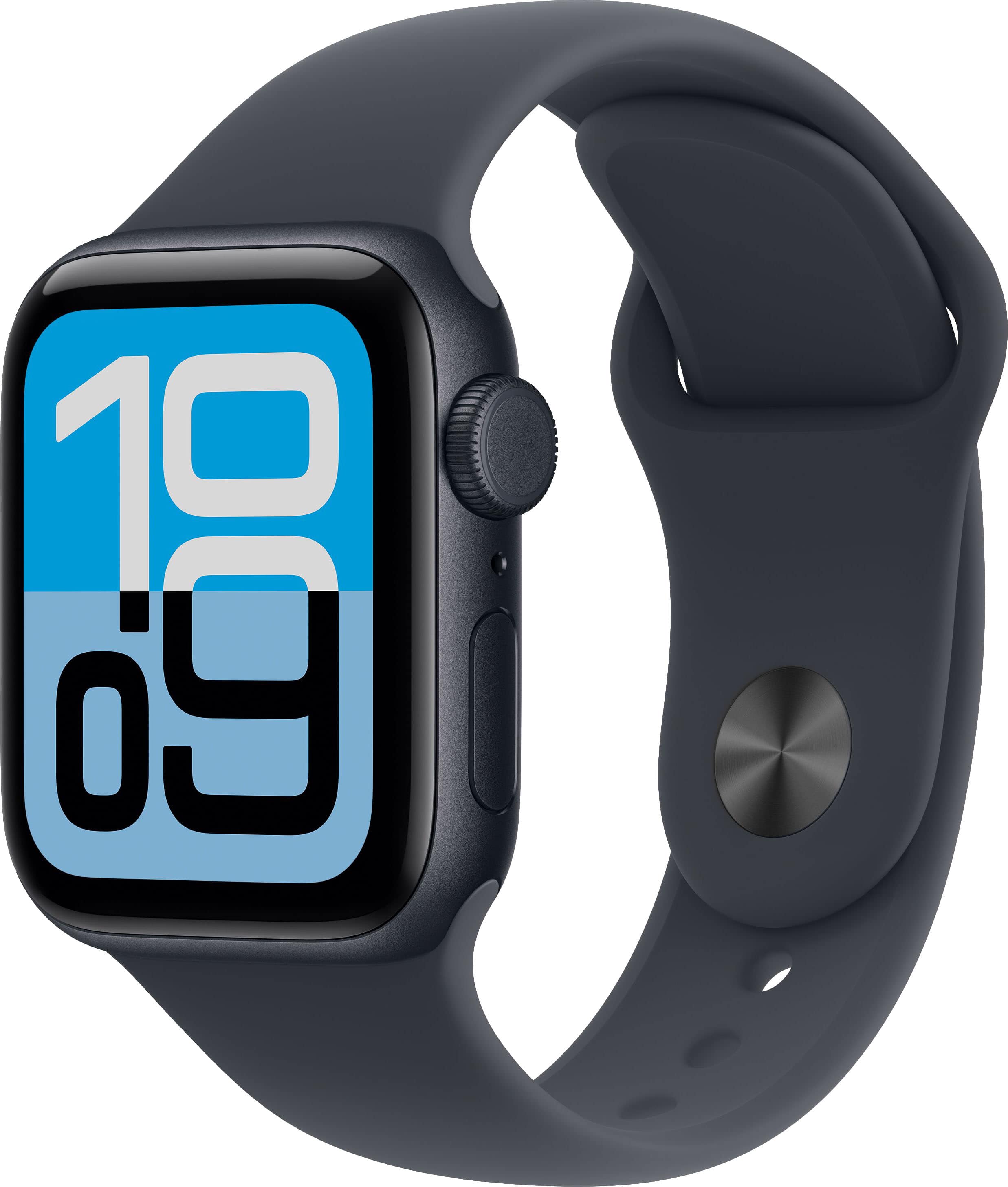
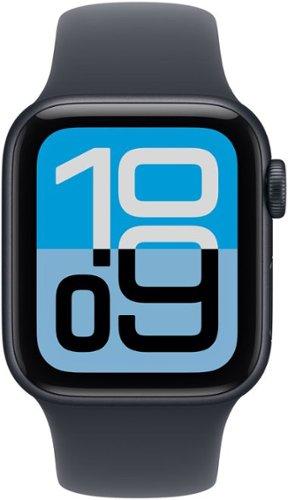
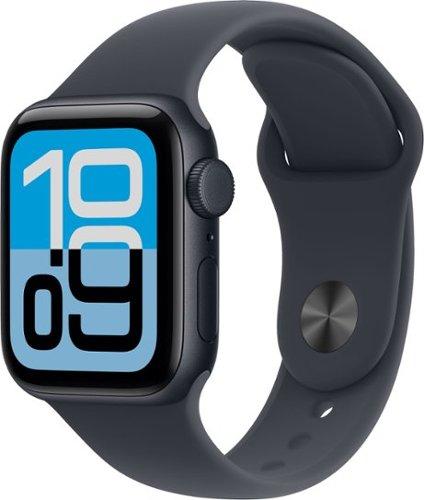
The Apple Watch SE 3, by contrast, weighs just 26.3 grams in its 40mm aluminum case. This isn't about cutting corners—it's about recognizing that most people want something they can wear to business meetings, social events, and workouts without constantly thinking about it. The new Ion-X glass offers four times better crack resistance than previous generations, but it's still optimized for daily life rather than extreme conditions.
Both feature impressive displays, but they serve different masters. The Suunto's 1.32-inch AMOLED screen delivers 466 pixels per inch—crisp enough to read detailed topographic maps or training data in bright sunlight. The always-visible display means you never need to wake the watch during a workout, which becomes essential during long training sessions when every interaction matters.
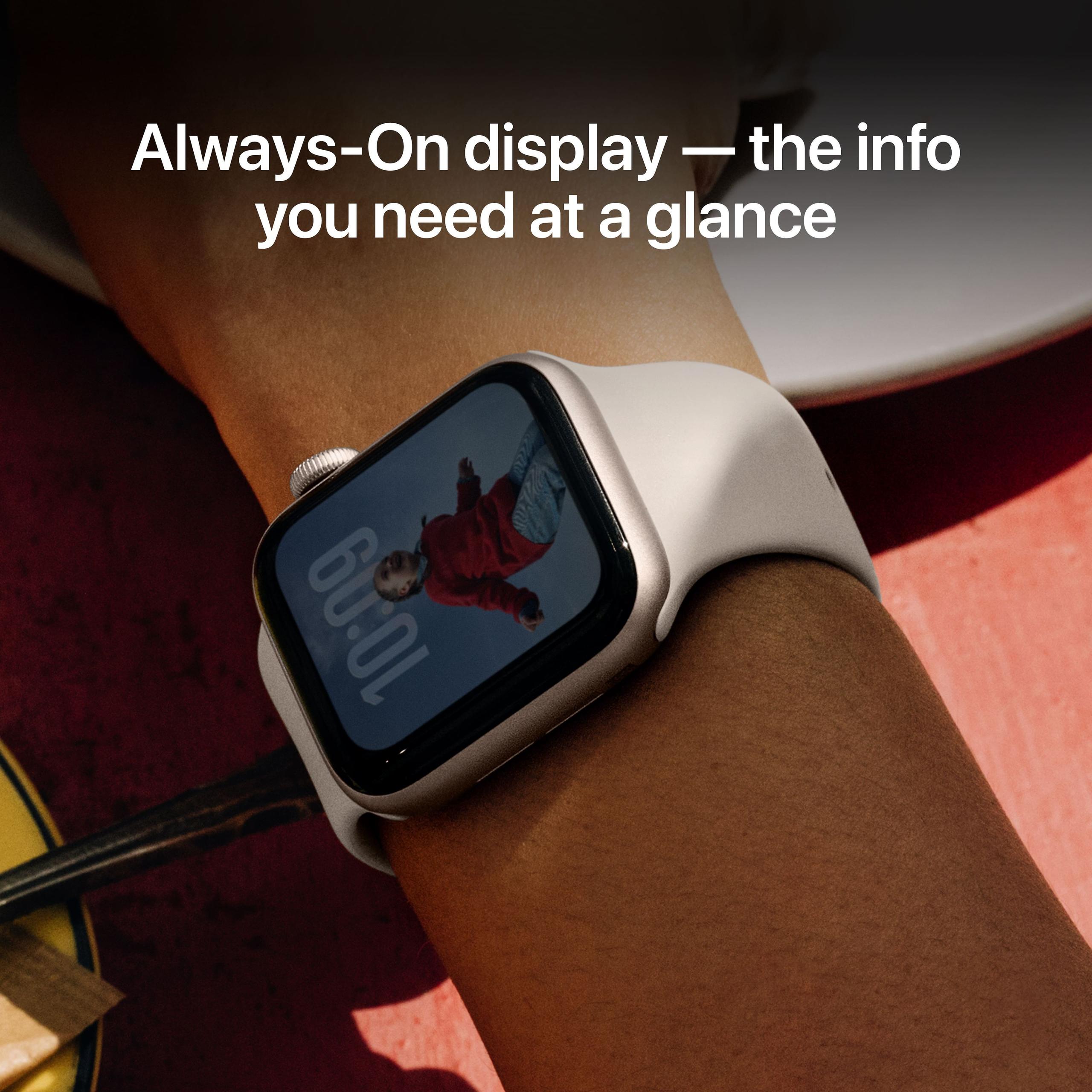
The Apple Watch SE 3 finally brings Always-On capability to the SE line, reaching up to 1,000 nits of brightness. This represents a significant upgrade from previous SE models and eliminates one of the major distinctions between Apple's budget and premium offerings. The display excels at showing notifications, app interfaces, and health data in formats designed for quick glances rather than extended interaction.
This is where the fundamental differences become most apparent. The Suunto Race S implements dual-frequency GNSS technology, which sounds complicated but delivers a simple benefit: dramatically better accuracy in challenging environments. Traditional GPS uses a single frequency (L1) that can struggle in dense forests, urban canyons, or mountainous terrain where signals bounce off surfaces before reaching your watch.
Dual-frequency GPS adds L5 signals, which penetrate obstacles better and provide redundant data for more accurate positioning. The Suunto supports five satellite systems simultaneously—GPS, GLONASS, GALILEO, QZSS, and BEIDOU—essentially using every available satellite to determine your location. For trail runners navigating technical terrain or cyclists tracking precise routes, this translates to tracks that actually match where you went rather than approximations.
The Apple Watch SE 3 uses single-frequency GPS, which performs perfectly well for typical fitness activities like neighborhood runs or gym workouts. Apple's implementation is reliable and power-efficient, but it lacks the precision needed for detailed navigation or professional athletic training where every meter counts.
Here's where use case dramatically affects value: if you're running the same 5K loop three times per week, the GPS difference is negligible. If you're bikepacking across unfamiliar terrain or training for ultramarathons, the Suunto's navigation capabilities become essential safety features.
Both watches collect impressive amounts of health data, but they process it differently. The Suunto Race S approaches fitness tracking like a coach, focusing on metrics that directly impact athletic performance. Heart Rate Variability (HRV)—a measure of how much your heart rate varies between beats—gets analyzed alongside sleep quality, training load, and recovery status to provide actionable guidance about when to push harder or rest.
The new optical heart rate sensor uses twice as many LEDs as previous versions, improving accuracy during intense interval training where rapid changes in effort often fool wrist-based sensors. While no optical sensor matches chest strap precision, the improvements make wrist-based training much more reliable for structured workouts.
The AI coaching feature learns your patterns and provides personalized guidance based on your actual performance rather than generic recommendations. This isn't just motivational—it analyzes whether your training load is building fitness or pushing you toward overtraining, using data patterns that would be nearly impossible to interpret manually.
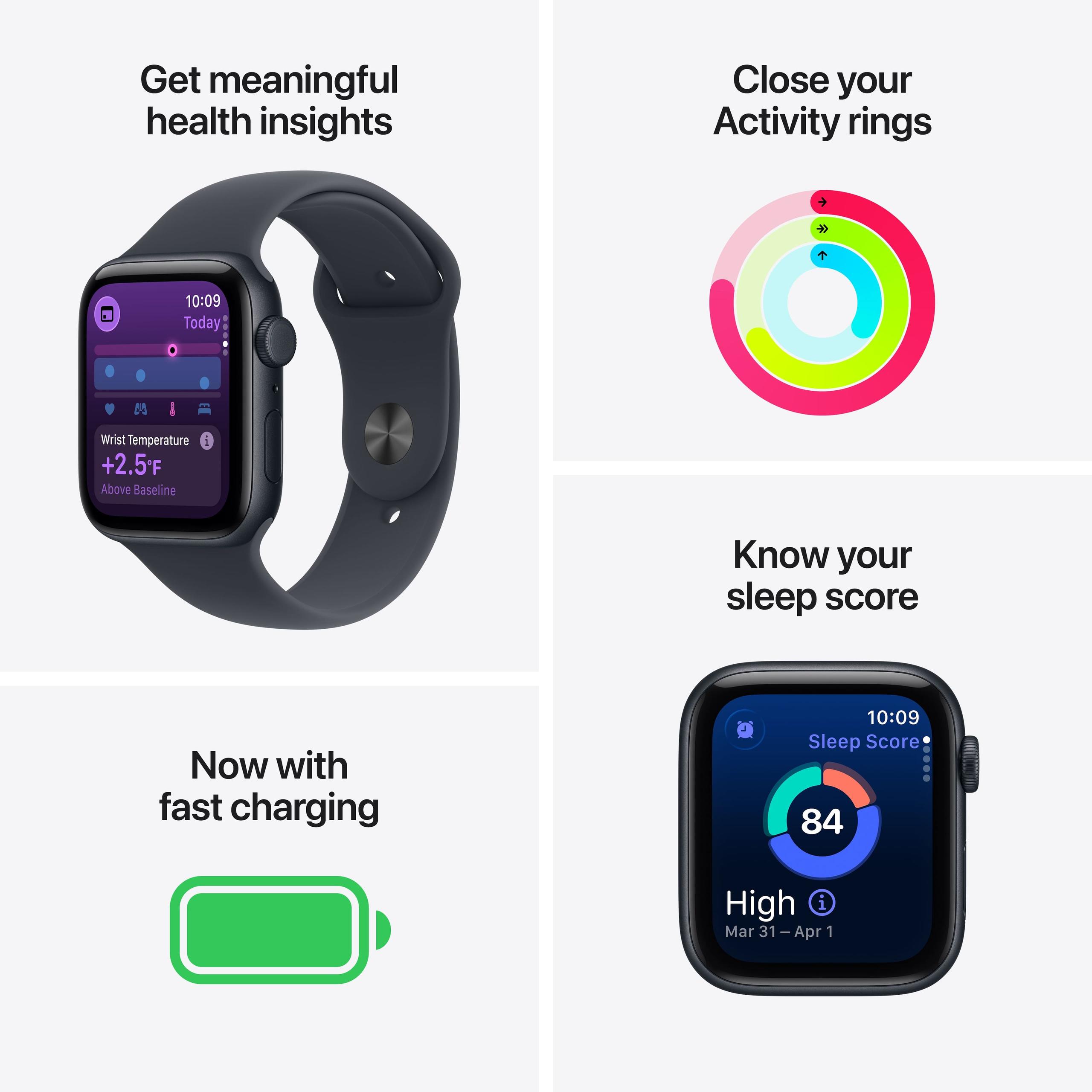
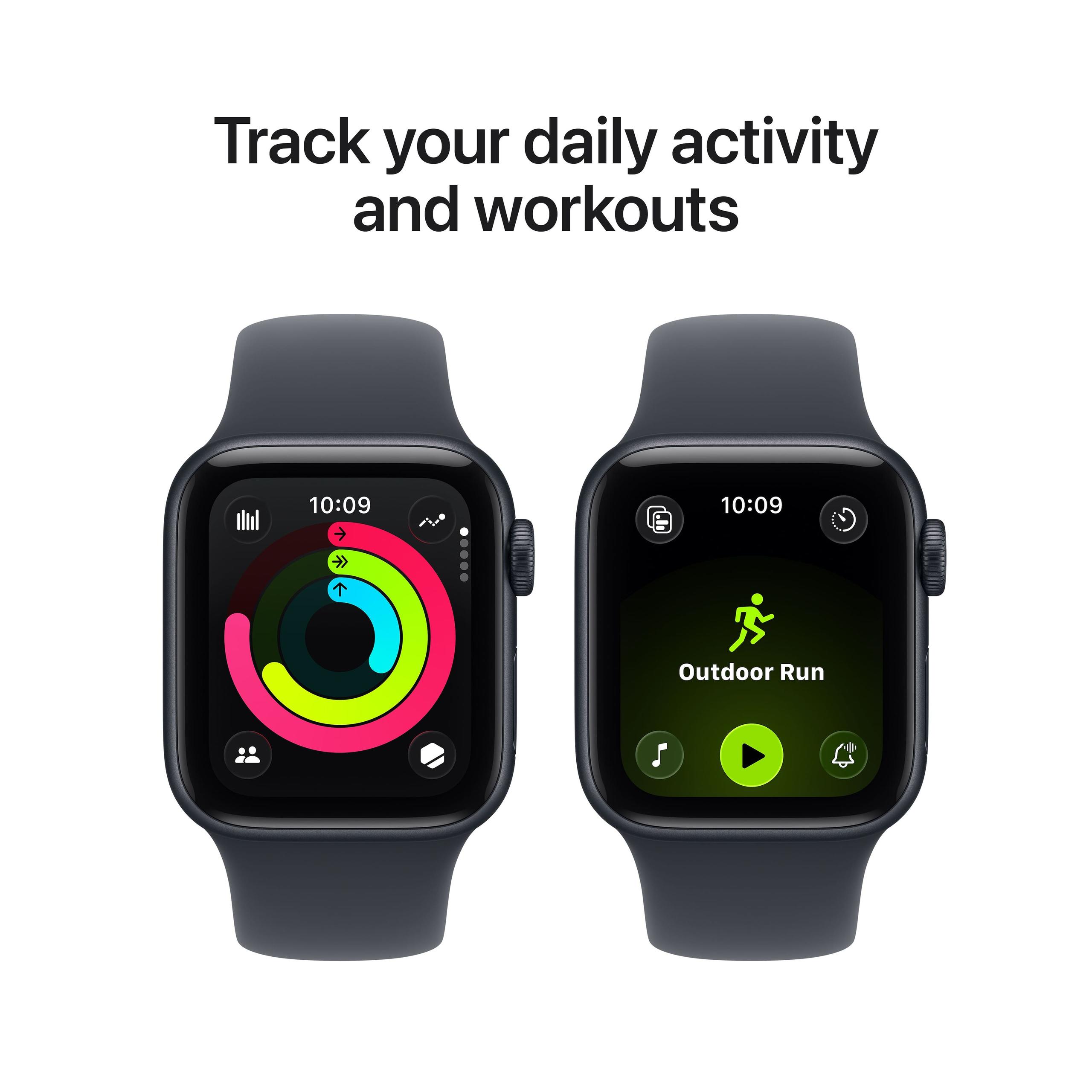
The Apple Watch SE 3 takes a broader health approach, excelling at comprehensive wellness monitoring. Sleep Score tracking provides insights into sleep quality beyond just duration. The new temperature sensor enables retrospective ovulation estimates—using overnight wrist temperature patterns to help identify fertile windows, which represents genuinely useful health technology rather than gadget features.
The Vitals app aggregates heart rate, respiratory rate, temperature, and sleep data into digestible insights about your overall health trends. For most people, this approach provides more actionable information than deep athletic metrics they might not understand or need.
Battery performance reveals each company's priorities clearly. The Suunto Race S delivers up to 30 hours of GPS tracking in performance mode, extending to 120 hours in tour mode (which reduces GPS frequency and disables heart rate monitoring). For daily wear without GPS activities, expect 9-13 days depending on notification frequency and display settings.
This endurance supports multi-day adventures where charging isn't possible and long training sessions where battery anxiety would ruin the experience. Ultra-runners doing 12-hour mountain races or backpackers on week-long trips need this reliability—it's not just convenient, it's often a safety requirement.
The Apple Watch SE 3 provides 18 hours of typical use, extending to 32 hours in Low Power Mode. While this requires daily charging, the fast charging capability (80% in 45 minutes) makes it practical for most lifestyles. The shorter battery life reflects the constant connectivity, app processing, and display updates that make smartwatch features possible.
Neither approach is inherently better—they serve different needs. If you want a device that disappears into your routine without charging concerns, the Suunto wins. If you prefer rich functionality and don't mind daily charging, the Apple's approach works perfectly.
The Apple Watch SE 3 excels as a comprehensive smartwatch, offering features that feel genuinely useful rather than gimmicky. On-device Siri processing means health queries get answered instantly without sending data to cloud servers—important for privacy-conscious users. The double-tap gesture (tapping thumb and index finger together) lets you answer calls or dismiss notifications without touching the screen, which sounds minor but becomes surprisingly natural during daily use.
App ecosystem access means you can extend functionality far beyond what either company initially envisioned. Weather apps with detailed forecasts, meditation timers, music streaming, payment processing—the platform approach creates possibilities that dedicated devices can't match.
The Suunto Race S offers basic smart notifications and music control but focuses resources on core sports functionality rather than attempting to replicate smartphone features. This isn't a limitation—it's a design choice that preserves battery life and system resources for GPS processing and sensor management.
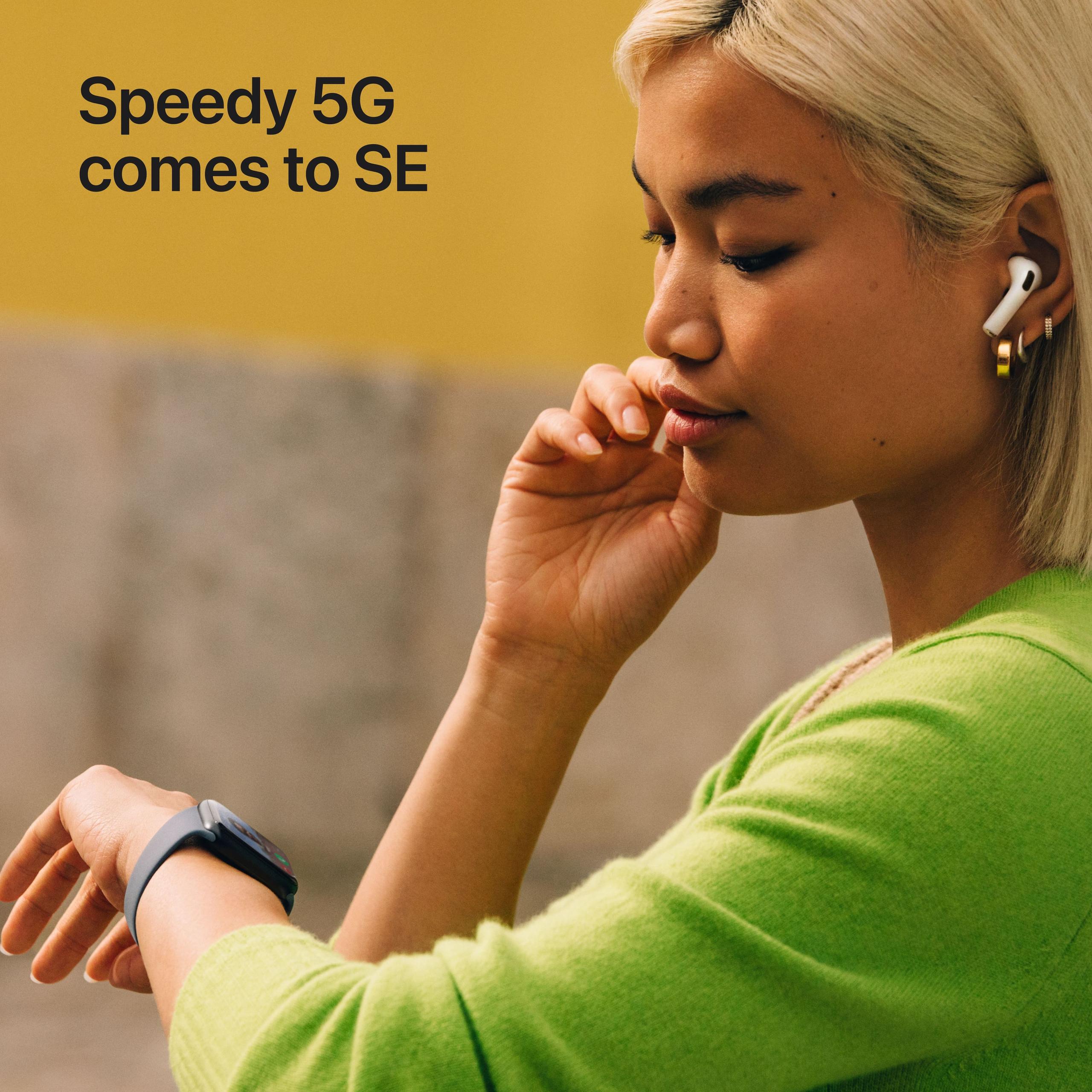
For users deeply integrated into Apple's ecosystem, the seamless connectivity creates genuine convenience. iPhone users can leave their phone at home for runs while maintaining call and message access through cellular connectivity. For Android users or those preferring platform independence, the Suunto's approach avoids lock-in while delivering superior athletic features.
The Suunto Race S includes 32GB of map storage with free offline maps—a significant advantage for outdoor activities. Turn-by-turn navigation, breadcrumb trails, and route planning work without cell coverage, essential for backcountry adventures. The ClimbGuide feature provides advance warning of upcoming elevation changes, helping athletes pace themselves during challenging terrain.
Barometric altitude measurement (combined with GPS data through FusedAlti technology) provides more accurate elevation tracking than GPS alone. For activities where elevation gain matters—hiking, cycling, trail running—this precision affects training metrics and safety decisions.
The Apple Watch SE 3 lacks detailed mapping but handles urban navigation adequately through iPhone integration. For most fitness activities in populated areas, this suffices. The limitation becomes apparent only when venturing beyond cell coverage or needing detailed terrain information.
Both devices monitor heart rate continuously, but they analyze different aspects of the data. The Suunto Race S focuses on performance-relevant metrics: training zones, recovery guidance, and fitness trends. The enhanced sensor design improves accuracy during structured workouts where intensity changes rapidly.
The Apple Watch SE 3 provides broader health monitoring including sleep apnea notifications—using motion sensors and heart rate patterns to identify potential breathing interruptions during sleep. While not a medical diagnosis, this feature can prompt users to seek professional evaluation for a serious health condition.
Temperature-based cycle tracking represents thoughtful health technology, using overnight wrist temperature variations to identify hormonal patterns. This passive monitoring provides insights without requiring daily inputs or specialized equipment.
The Suunto Race S makes sense if athletic performance drives your decision. Serious runners, cyclists, triathletes, and outdoor enthusiasts benefit from GPS precision, advanced training metrics, and multi-day battery life. The device excels when fitness represents a significant part of your lifestyle rather than just a daily health goal.
At the time of writing, the Suunto offers exceptional value for professional-grade sports features, typically costing significantly less than comparable devices from traditional sports watch competitors while matching or exceeding their capabilities.
The Apple Watch SE 3 serves users who want comprehensive health monitoring integrated into a capable smartwatch. If you use an iPhone and value the convenience of unified notifications, app access, and seamless ecosystem integration, the Apple approach provides better daily utility.
The health monitoring features appeal particularly to users interested in comprehensive wellness tracking rather than athletic performance optimization. Sleep analysis, cycle tracking, and broad health trend monitoring serve different needs than VO2 max calculations and training load analysis.
For most people, the decision comes down to primary use case: dedicated athletic training versus comprehensive daily health and connectivity. Both excel in their intended roles, but trying to use either outside its design philosophy leads to frustration.
The Suunto Race S will disappoint users expecting rich smart features, while the Apple Watch SE 3 won't satisfy serious athletes needing precision GPS and advanced training analysis. Understanding your priorities before shopping ensures you'll be happy with whichever direction you choose.
Consider your actual usage patterns rather than aspirational goals. If you currently run twice per week around your neighborhood, you probably don't need dual-frequency GPS. If you're already doing multi-day hiking trips or structured training plans, smart notifications matter less than reliable performance data.
Both represent excellent value in their categories and showcase how mature the wearable market has become. The choice isn't about finding the "better" device—it's about matching capabilities to your specific needs and lifestyle.
| Suunto Race S GPS Sports Watch | Apple Watch SE 3 40mm Smartwatch |
|---|---|
| GPS Accuracy - Critical for navigation and precise workout tracking | |
| Dual-frequency GNSS (L1 + L5) with 5 satellite systems - Professional-grade accuracy for outdoor adventures | Single-frequency GPS - Reliable for basic fitness tracking but less precise in challenging terrain |
| Battery Life - Determines how often you need to charge | |
| 30 hours GPS tracking / 9 days daily use - Supports multi-day adventures and eliminates charging anxiety | 18 hours typical use - Requires daily charging but offers fast charging (80% in 45 minutes) |
| Display Type - Affects visibility and battery consumption | |
| 1.32" AMOLED always-on (466 dpi) - Excellent sunlight visibility for outdoor activities | 1.32" LTPO OLED Always-On Retina (1000 nits) - Bright, responsive display optimized for notifications |
| Weight & Size - Impacts comfort for extended wear | |
| 45mm case, 60g - Substantial but designed for 24/7 athletic wear | 40mm case, 26.3g - Ultra-lightweight for all-day comfort in any setting |
| Smart Features - Determines daily functionality beyond fitness | |
| Basic notifications, music control - Focused on sports performance over connectivity | Full app ecosystem, Siri, cellular options - Comprehensive smartwatch with iPhone integration |
| Health Monitoring - Different approaches to wellness tracking | |
| Advanced training metrics, HRV analysis, VO2 max - Optimized for athletic performance and recovery | Sleep apnea detection, cycle tracking, comprehensive health trends - Broad wellness monitoring for daily health |
| Navigation Capabilities - Essential for outdoor activities | |
| 32GB offline maps, turn-by-turn navigation, breadcrumb trails - Professional outdoor navigation tools | Basic location services through iPhone - Limited standalone navigation capabilities |
| Water Resistance - Determines swimming and water sports suitability | |
| 50m water resistance - Suitable for swimming and water sports | 50m water resistance - Safe for swimming and daily water exposure |
| Durability - Important for long-term reliability | |
| Stainless steel bezel, Gorilla Glass - Built for harsh outdoor conditions and extreme sports | Ion-X glass (4x crack resistant), aluminum case - Designed for daily wear with improved scratch resistance |
| Sport Modes - Variety of activity tracking options | |
| 95+ sport modes with detailed analytics - Comprehensive tracking for serious athletes | Multiple workout types with Apple Fitness+ integration - Good variety focused on popular activities |
| Price Positioning - Value comparison at time of writing | |
| Mid-range pricing for professional sports watch features - Excellent value for GPS accuracy and battery life | Competitive smartwatch pricing with flagship performance - Strong value for Apple ecosystem integration |
The Suunto Race S GPS Sports Watch is significantly better for serious athletes. It offers dual-frequency GPS for precise tracking, 30 hours of GPS battery life for long training sessions, and advanced metrics like VO2 max, training load analysis, and HRV monitoring. The Suunto Race S also includes 95+ sport modes with detailed performance analytics that help optimize training and recovery.
The Apple Watch SE 3 40mm Smartwatch requires an iPhone to function properly and access its full feature set. The Suunto Race S GPS Sports Watch works independently with any smartphone (iOS or Android) and doesn't require specific ecosystem integration, making it more flexible for users with different phone preferences.
The Suunto Race S offers superior battery life with up to 9 days of daily use and 30 hours of GPS tracking. The Apple Watch SE 3 provides 18 hours of typical use, requiring daily charging. If you want to avoid frequent charging, the Suunto Race S is the clear winner.
Both watches track sleep, but differently. The Apple Watch SE 3 offers comprehensive health monitoring including sleep apnea detection, cycle tracking, and temperature sensing. The Suunto Race S focuses more on athletic recovery with HRV analysis and training load metrics rather than general wellness tracking.
The Suunto Race S GPS Sports Watch excels for outdoor activities with 32GB of offline maps, turn-by-turn navigation, barometric altimeter, and breadcrumb trails. It's designed specifically for outdoor adventures where GPS accuracy and navigation are critical. The Apple Watch SE 3 lacks detailed mapping capabilities for backcountry use.
Yes, both the Suunto Race S and Apple Watch SE 3 feature always-on displays. The Suunto Race S uses AMOLED technology optimized for outdoor visibility, while the Apple Watch SE 3 uses LTPO OLED that can reach 1000 nits of brightness for excellent readability in various conditions.
The Apple Watch SE 3 40mm Smartwatch provides comprehensive smart features including a full app ecosystem, Siri integration, cellular connectivity options, and seamless iPhone integration. The Suunto Race S offers basic smart notifications and music control but focuses primarily on sports functionality rather than general smartwatch features.
Both watches offer 50-meter water resistance suitable for swimming and water sports. However, the Suunto Race S GPS Sports Watch includes dedicated swimming modes with detailed stroke analysis, while the Apple Watch SE 3 provides basic swim tracking integrated with its broader fitness platform.
The Apple Watch SE 3 is more comfortable for daily wear, weighing only 26.3 grams compared to the Suunto Race S's 60 grams. The Apple watch's lightweight aluminum construction and smaller profile make it less noticeable during office work, social events, and casual activities.
The Suunto Race S offers superior GPS accuracy with dual-frequency GNSS technology that works well in challenging environments like forests or urban canyons. The Apple Watch SE 3 uses reliable single-frequency GPS that's adequate for typical fitness activities but less precise for detailed navigation or professional training needs.
Value depends on your needs. The Suunto Race S GPS Sports Watch offers exceptional value for athletes needing professional-grade sports features, GPS accuracy, and multi-day battery life. The Apple Watch SE 3 provides better value for users wanting comprehensive smartwatch functionality with capable fitness tracking integrated into the Apple ecosystem.
The Suunto Race S works completely independently for workouts, storing detailed maps offline and tracking all metrics without phone connectivity. The Apple Watch SE 3 40mm Smartwatch can track basic workouts independently but relies on iPhone connectivity for advanced features, detailed maps, and full functionality during activities.
We've done our best to create useful and informative comparisons to help you decide what product to buy. Our research uses advanced automated methods to create this comparison and perfection is not possible - please contact us for corrections or questions. These are the sites we've researched in the creation of this article: techradar.com - trackbetter.com - trackbetter.com - runnersworld.com - alastairrunning.com - youtube.com - feedthehabit.com - outdoorgearlab.com - irunfar.com - youtube.com - forum.suunto.com - youtube.com - dcrainmaker.com - the5krunner.com - youtube.com - youtube.com - grittyrunners.co.uk - youtube.com - us.suunto.com - us.suunto.com - youtube.com - playbetter.com - us.suunto.com - suunto.com - suunto.com - suunto.com - bestbuy.com - trackbetter.com - watchard.com - appleinsider.com - apple.com - youtube.com - tomsguide.com - apple.com - apple.com - youtube.com - apple.com - bandletic.com - youtube.com - t-mobile.com - youtube.com - apple.com - att.com - support.apple.com - phonearena.com - apple.com - apple.com - forums.macrumors.com - apple.com - apple.com - tomsguide.com - apple.com - apple.com

Privacy Policy
Terms and Conditions - Affiliate Policy
Home Security
© Copyright 2008-2026.
11816 Inwood Rd #1211, Dallas, TX 75244