

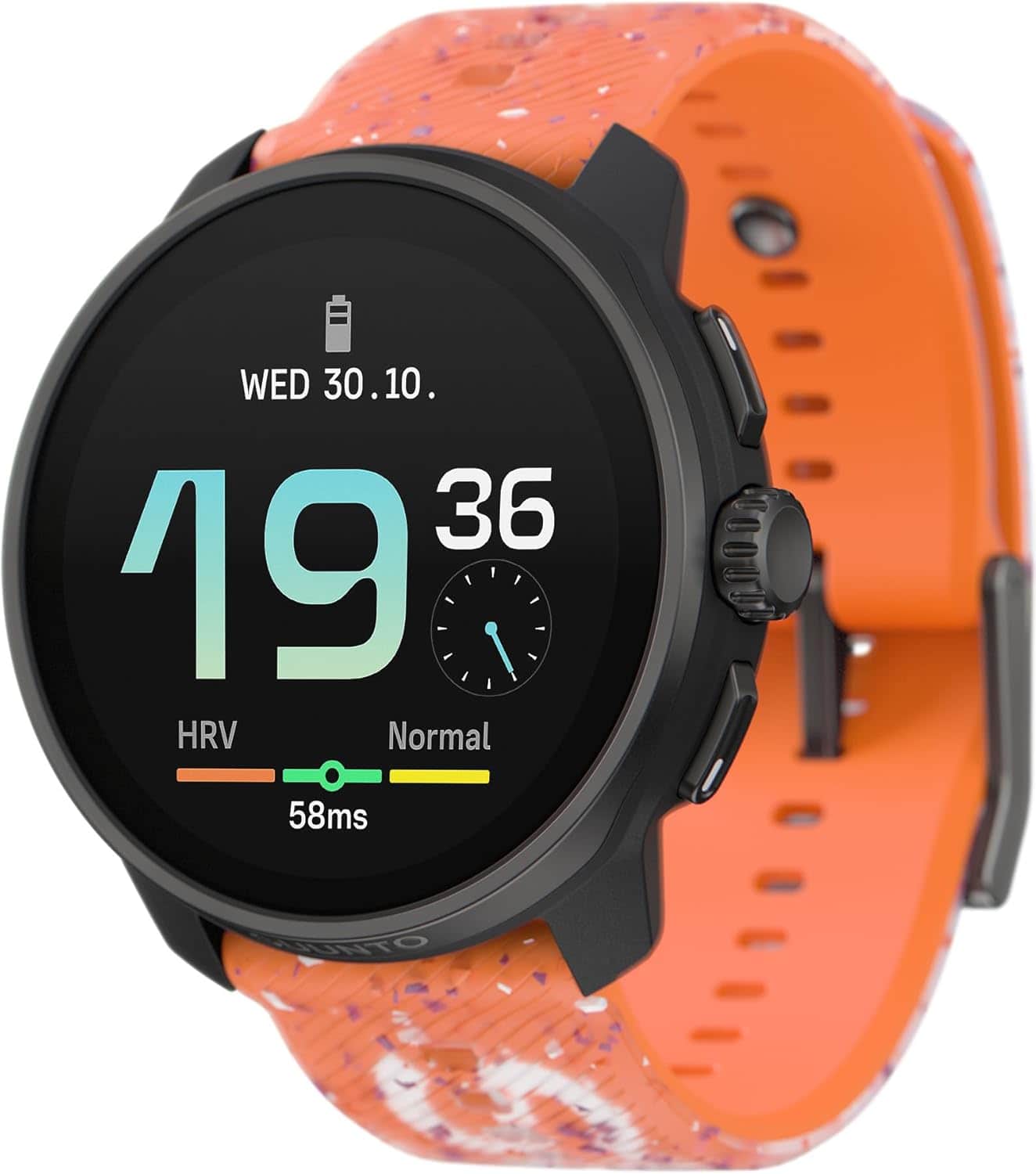
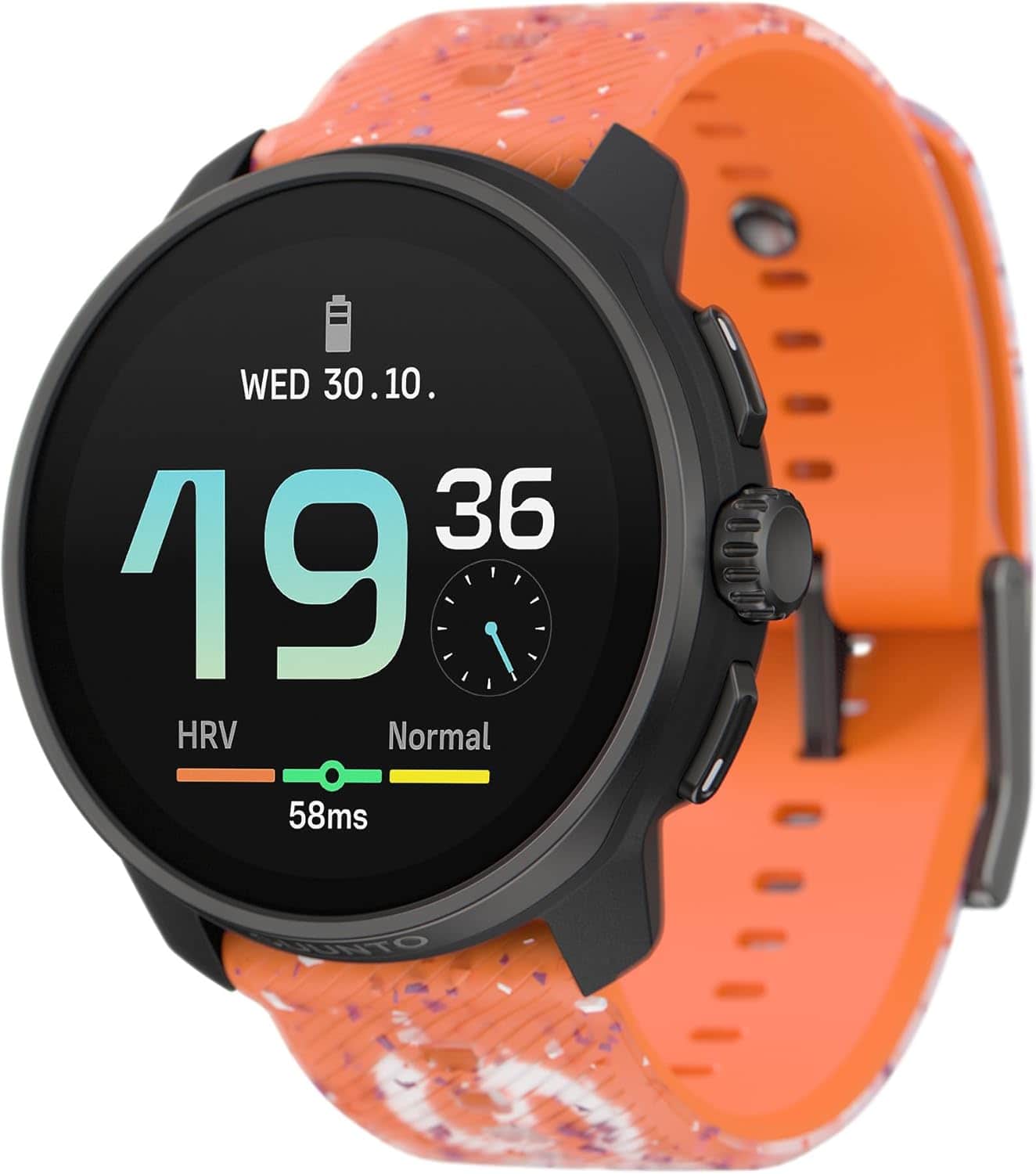
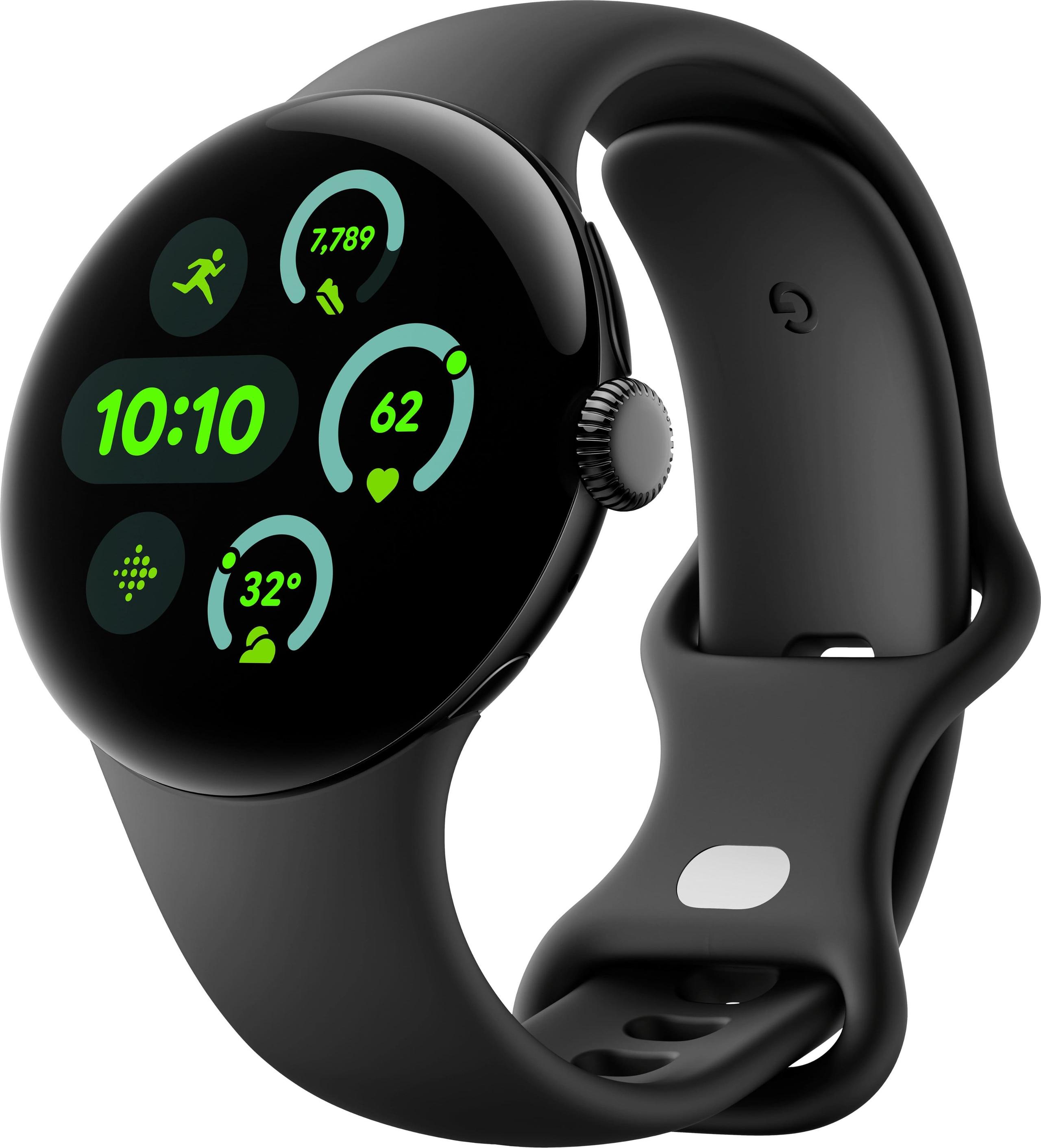
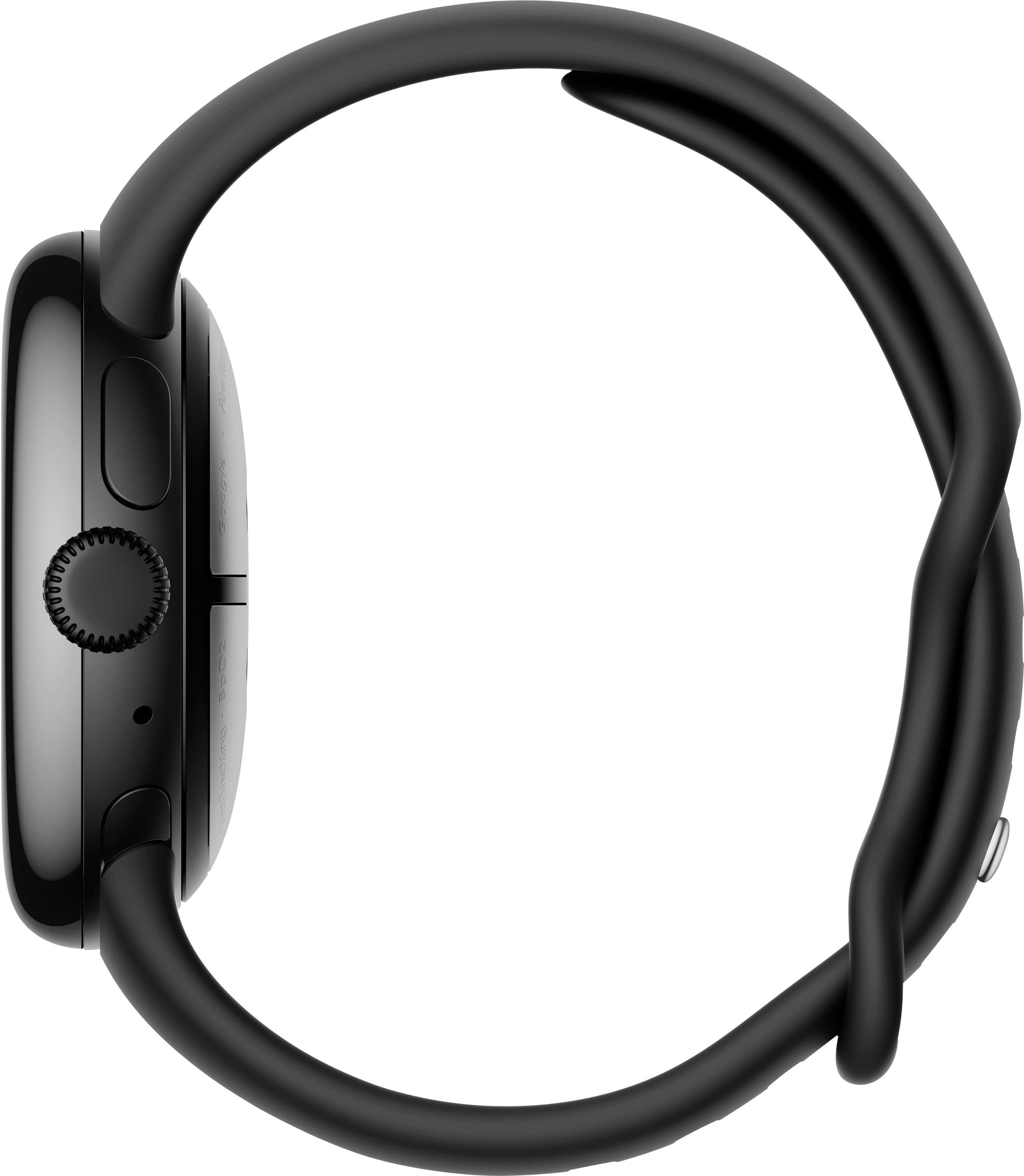

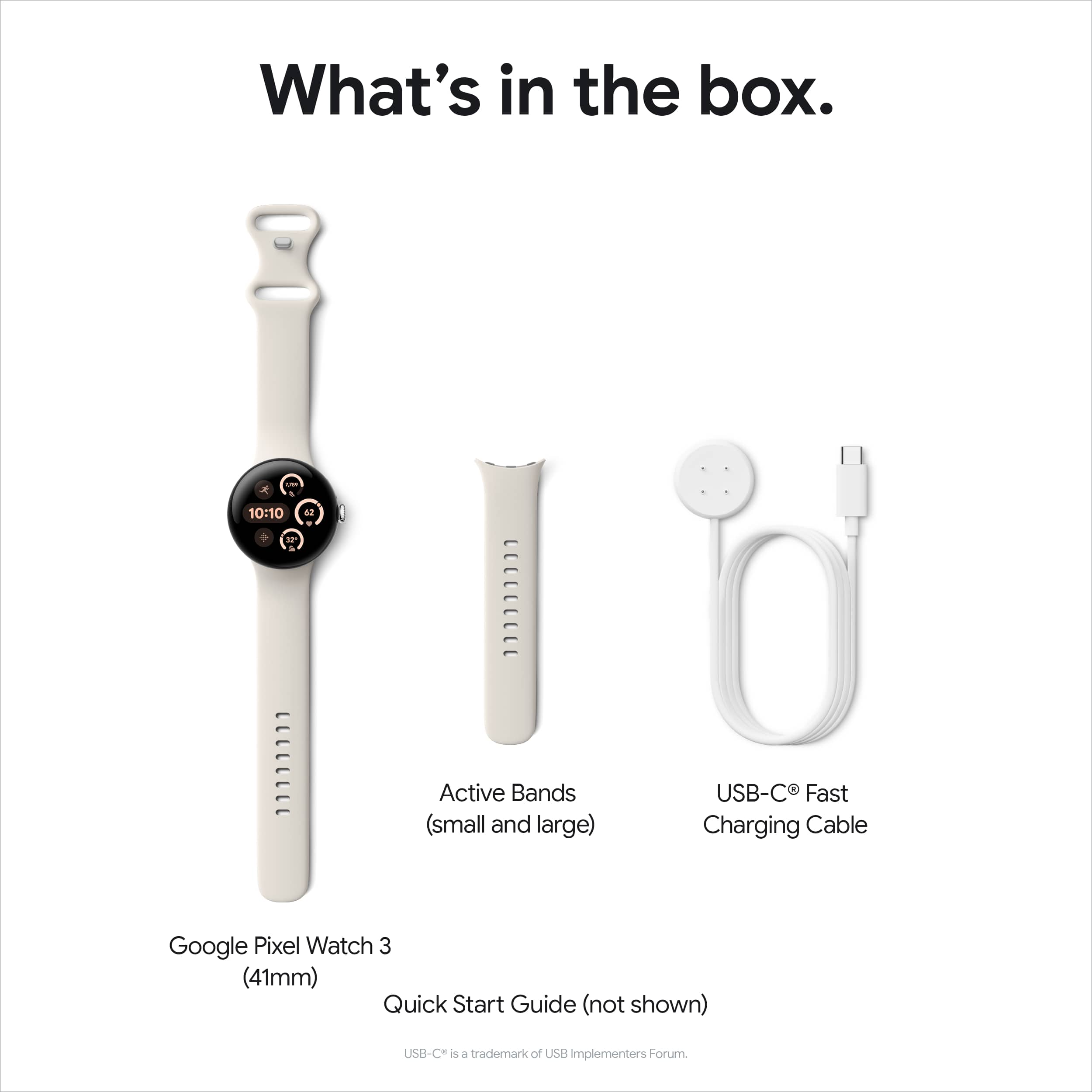
When I first started researching wrist-worn tech, I was surprised to discover how different the world of dedicated sports watches is from mainstream smartwatches. The Suunto Race S and Google Pixel Watch 3 41mm LTE represent these two distinct philosophies perfectly – one built for serious athletes, the other designed for everyday digital life with fitness as a bonus feature.
Released in 2024, both watches arrived during a particularly competitive period in wearable technology. The Suunto Race S launched as part of Suunto's effort to make professional-grade sports features more accessible, while the Google Pixel Watch 3 marked Google's continued push to establish itself as a credible Apple Watch alternative in the Android ecosystem.
The fundamental difference here isn't just about features – it's about philosophy. Sports watches like the Suunto Race S are purpose-built tools, similar to how a professional camera serves photographers differently than a smartphone camera serves casual users. Meanwhile, smartwatches like the Pixel Watch 3 aim to be digital swiss army knives, handling everything from fitness tracking to email management.
This distinction matters because it affects everything from battery design to interface priorities. A sports watch needs to survive a week-long backpacking trip without charging, while a smartwatch needs to handle notifications smoothly during a business meeting. Understanding which approach fits your lifestyle is crucial to making the right choice.
The Suunto Race S absolutely dominates in navigation capabilities, and the technical reasons are fascinating. It uses dual-frequency GNSS (Global Navigation Satellite System), which means it receives signals on both L1 and L5 frequency bands. Think of this like having both AM and FM radio – the extra frequency helps the watch maintain accuracy even when signals bounce off buildings in cities or get scattered by tree canopy in forests.
The watch can simultaneously connect to 32 satellites across five different systems: GPS (American), GLONASS (Russian), Galileo (European), QZSS (Japanese), and BeiDou (Chinese). This redundancy is like having multiple witnesses to confirm your exact location – if one system has issues, the others pick up the slack.
What really sets the Suunto Race S apart is its 32GB of map storage. Most fitness watches give you breadcrumb trails at best, but this device includes actual topographic maps that work without your phone. The ClimbGuide feature is particularly clever – it analyzes your route ahead of time and warns you about upcoming elevation changes, similar to how a GPS tells you about upcoming turns while driving.
The Pixel Watch 3, by comparison, offers competent but not exceptional GPS performance. It supports multiple satellite systems but lacks the dual-frequency precision that makes such a difference in challenging environments. Where it excels is integration with Google Maps for everyday navigation – getting directions to restaurants or finding your parked car.
For serious hikers, runners training for marathons, or anyone who ventures into areas with poor cell coverage, the Suunto's navigation superiority is worth the investment. For urban users who mainly need GPS for tracking morning jogs, the Pixel Watch's capabilities are perfectly adequate.
This is where the philosophical differences become most apparent. The Suunto Race S delivers up to 13 days of regular use or 30 hours of continuous GPS tracking in its most accurate mode. When you switch to "Tour mode" – which reduces GPS sampling frequency and turns off heart rate monitoring – you get an astounding 120 hours of tracking.
These numbers aren't just impressive statistics; they represent freedom. You can start a multi-day hiking trip without worrying about finding power outlets or carrying battery packs. The watch uses a more efficient AMOLED display and optimized processor specifically chosen for endurance rather than raw computational power.
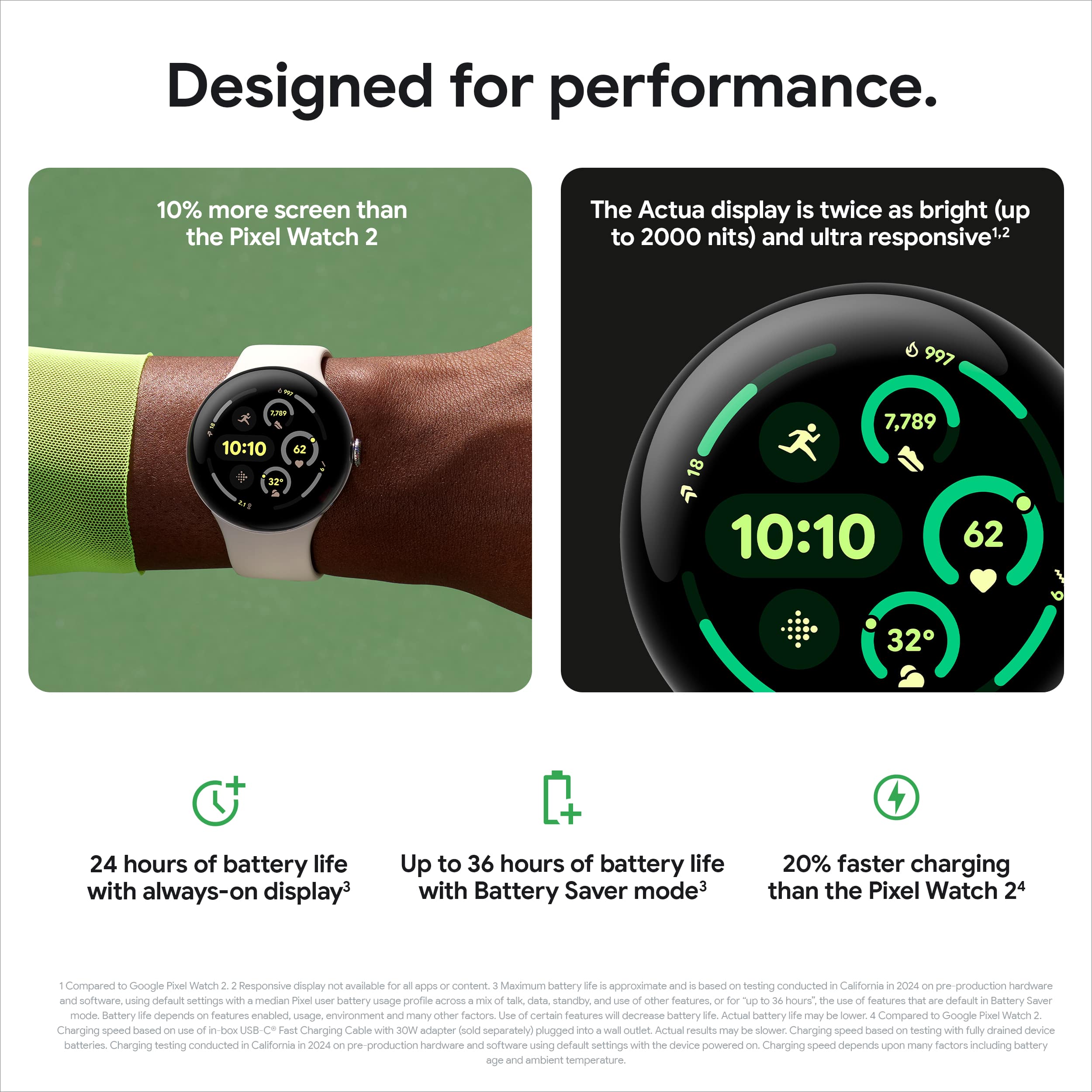
The Pixel Watch 3 takes the opposite approach with its 24-hour typical battery life (36 hours in battery saver mode). This reflects the smartwatch philosophy: pack in maximum functionality and assume users will charge daily, just like their smartphones. The always-on display, LTE connectivity, and constant app synchronization all demand more power.
At the time of writing, this battery difference represents the biggest practical consideration between these devices. If you're someone who forgets to charge devices regularly or frequently travels for work, the Suunto's battery endurance is genuinely liberating. But if you already have a nightly charging routine with your phone, the Pixel Watch's daily charging requirement might not feel burdensome.
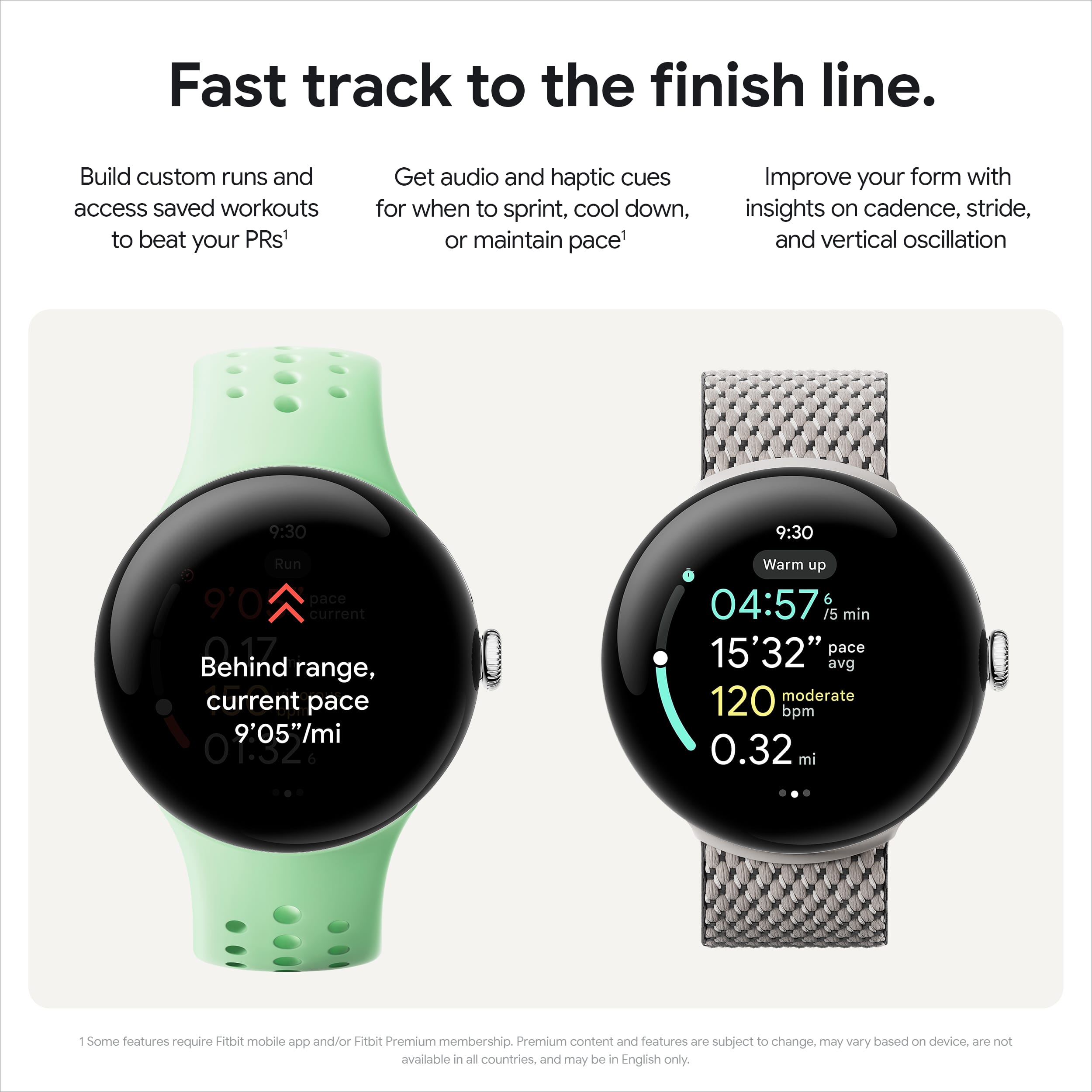
The Suunto Race S approaches fitness tracking like a professional coach would. It includes 95+ sport modes with specialized metrics for each activity. The wrist-based running power measurement is particularly impressive – it calculates how much energy you're expending while running using accelerometer data and algorithms, giving you insights traditionally available only with expensive foot pods or chest straps.
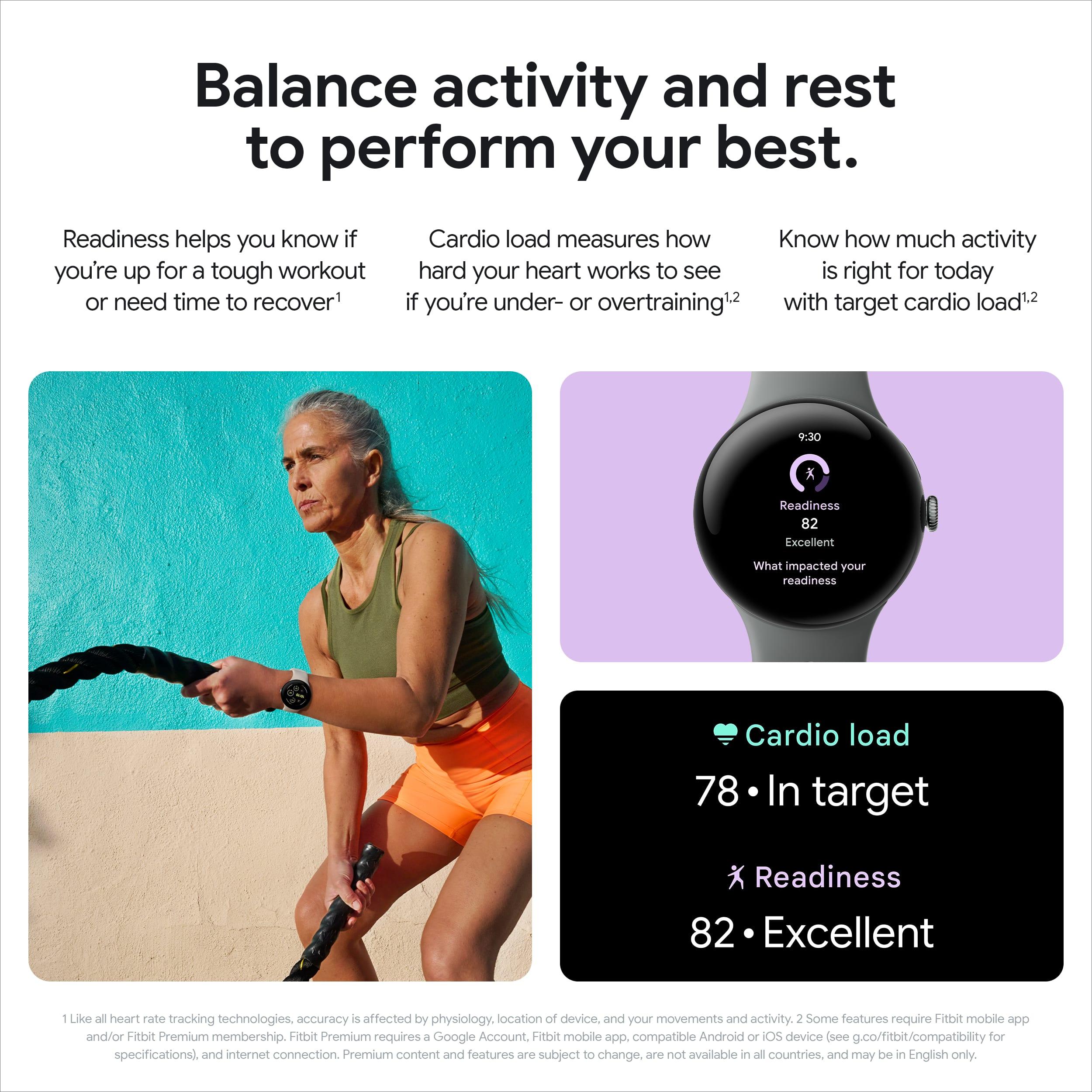
The heart rate variability (HRV) tracking deserves special attention. HRV measures the tiny variations in time between heartbeats, which reflects your autonomic nervous system's state. The Suunto uses this data for recovery recommendations through its AI coaching system. When your HRV drops significantly, it might suggest easier training or rest days.
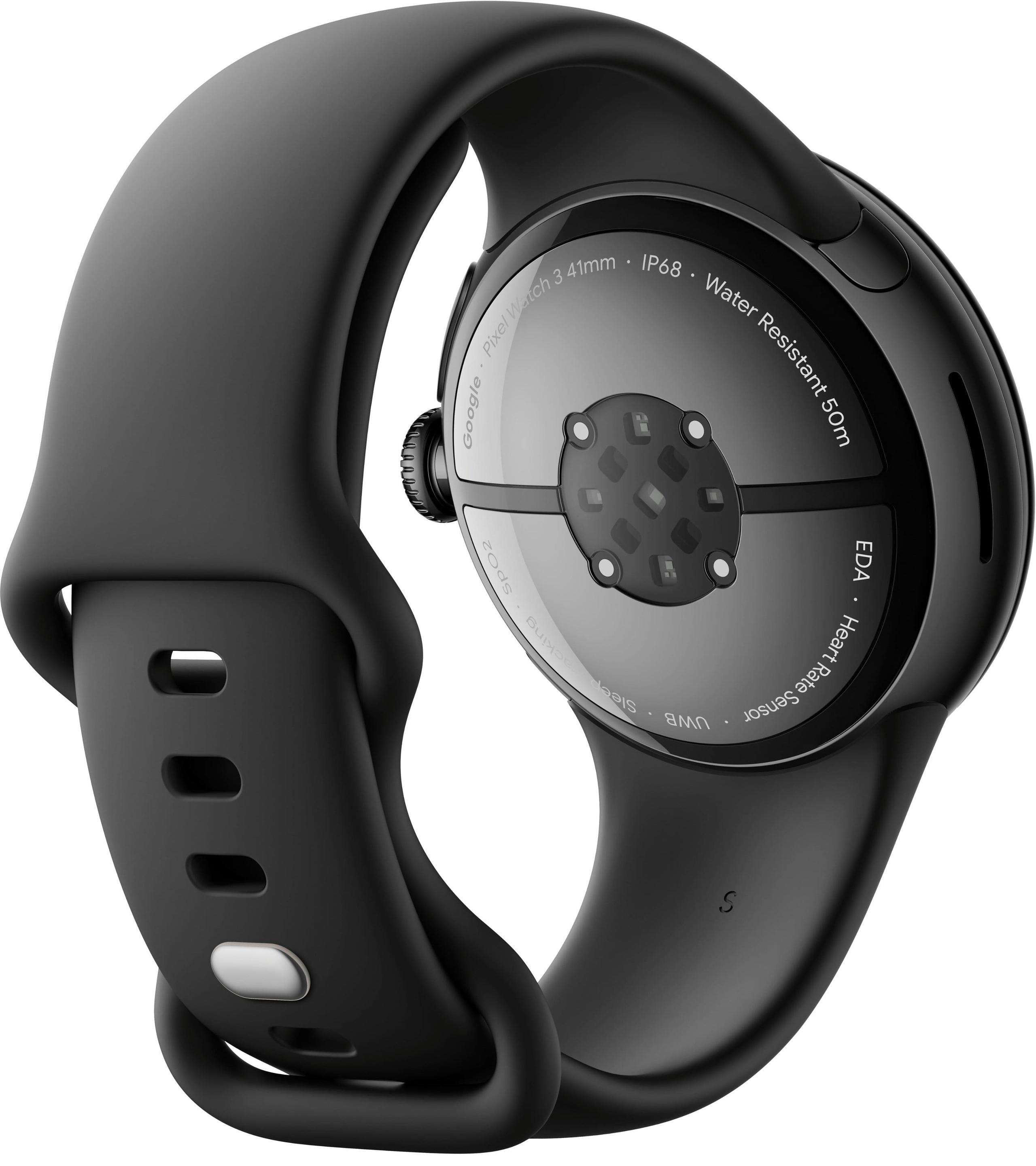
The Pixel Watch 3 takes a more comprehensive health approach. Its ECG (electrocardiogram) capability can detect irregular heart rhythms that might indicate atrial fibrillation – a potentially serious condition. The electrical skin conductance (cEDA) sensors measure stress by detecting tiny changes in skin conductivity caused by emotional responses.
What's particularly impressive about the Pixel Watch is its loss of pulse detection. Using multiple sensors working together, it can recognize if you've fallen and become unresponsive, automatically contacting emergency services. This feature represents smartwatch technology at its most potentially life-saving.
For training-focused users, the Suunto Race S provides deeper sports-specific insights and longer tracking capability. For health monitoring and medical awareness, the Pixel Watch 3 offers features that could genuinely save lives in emergency situations.
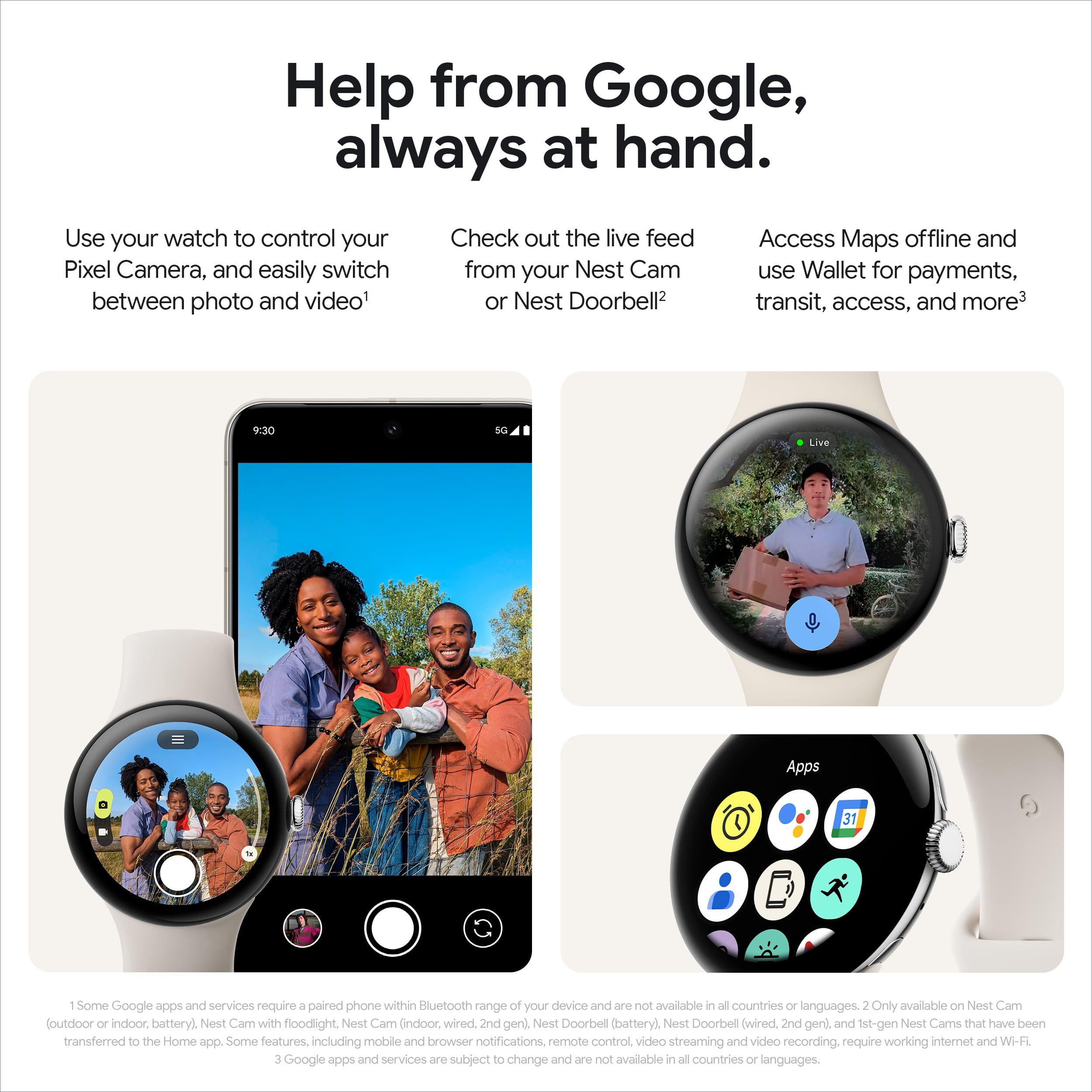
Here's where the Pixel Watch 3 truly shines and the philosophical differences become crystal clear. With LTE connectivity, it essentially becomes a standalone smartphone on your wrist. You can make calls, send texts, stream music, and run apps completely independently of your phone.
The integration with Google's ecosystem is seamless. Google Assistant responds to voice commands, Google Pay handles contactless payments, and Gmail notifications appear with full message content. The Wear OS app ecosystem, while smaller than phone app stores, includes most essential applications people actually use on smartwatches.
The Suunto Race S keeps smart features deliberately minimal. It handles notifications from your phone and can control music playback, but that's essentially it. This isn't a limitation – it's a design choice. The interface stays focused on training and navigation rather than getting cluttered with social media updates or work emails.
This difference matters more than many people initially realize. Having dealt with notification overload on various devices, I've come to appreciate how the Suunto's focused approach can actually be liberating during workouts or outdoor activities. Conversely, the Pixel Watch's comprehensive smart features make it genuinely useful for business travelers or busy parents who need to stay connected.
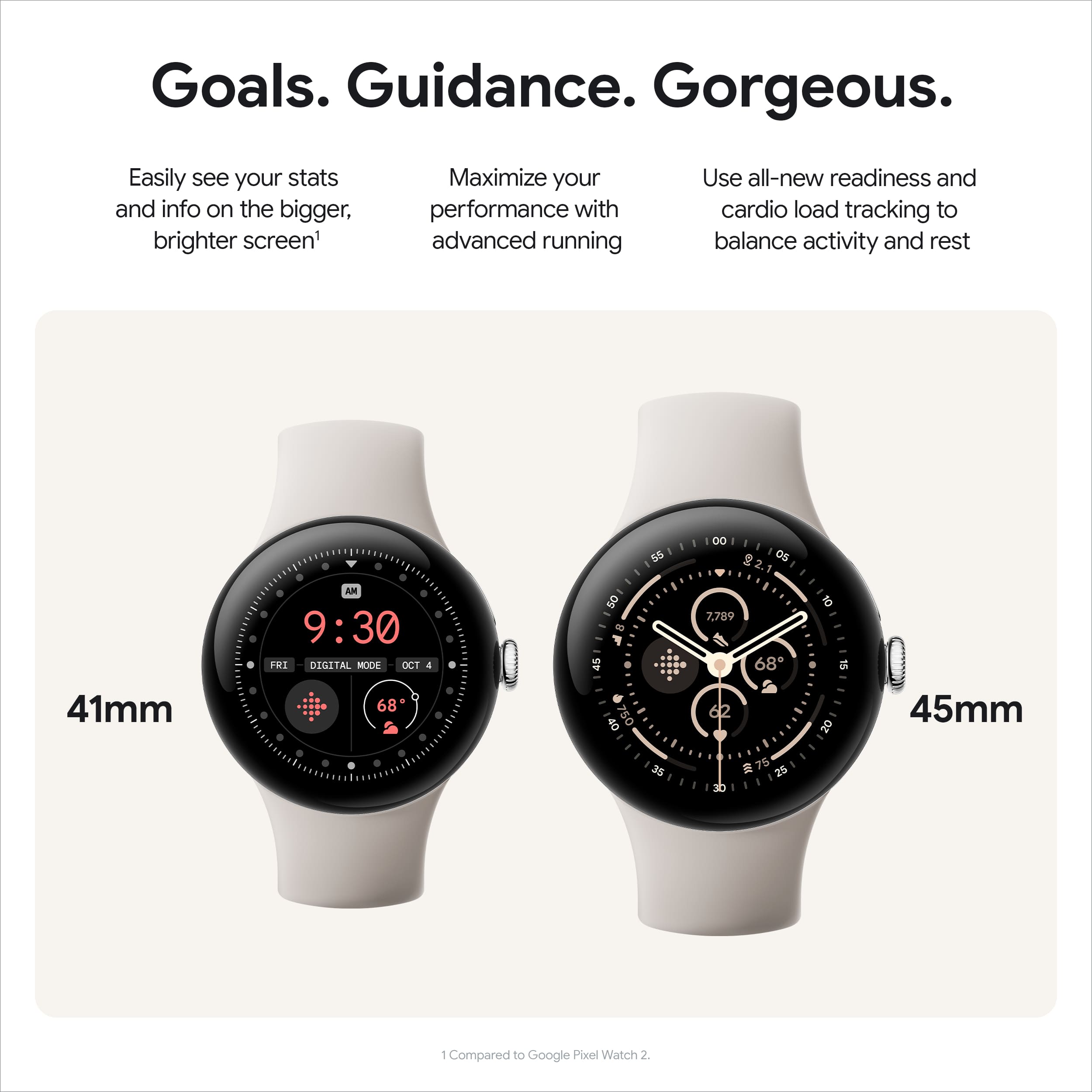
The Suunto Race S uses a stainless steel bezel with Gorilla Glass, designed to survive outdoor adventures. At 60 grams with a 45mm case, it definitely feels substantial on the wrist. The 50-meter water resistance covers swimming and water sports, though it's not as robust as some dive-rated watches.
The operating temperature range of -20°C to +55°C reveals its outdoor focus – this watch is designed to function in environments that would shut down most consumer electronics. The digital crown provides tactile feedback that works well with gloves, another outdoor-focused design choice.
The Pixel Watch 3 prioritizes everyday wearability. At just 31 grams for the 41mm case, it's remarkably light and comfortable for extended wear. The 100% recycled aluminum construction feels premium while supporting environmental sustainability. The rounded, minimalist design works equally well with workout clothes or business attire.
Both watches reflect their intended use cases in their physical design. The Suunto looks and feels like a serious tool, while the Pixel Watch appears more like jewelry that happens to be incredibly smart.
At the time of writing, both watches occupy similar price ranges in the premium wearable category, but their value propositions differ significantly. The Suunto Race S provides exceptional value for its sports features – you're getting capabilities that previously required much more expensive professional equipment.
The Pixel Watch 3 spreads its value across broader functionality. You're paying for LTE connectivity, comprehensive health monitoring, and full smartwatch capabilities. However, ongoing costs add up: LTE service typically runs around $10 monthly, and Fitbit Premium (recommended for advanced health insights) adds another subscription fee.
The Suunto avoids ongoing costs for core functionality, though connecting to professional training platforms like TrainingPeaks might involve separate subscriptions. For athletes already using these services, the integration provides additional value.
Both 2024 releases show how much wearable technology has advanced. The Suunto Race S represents a significant step forward in making professional sports features accessible at more reasonable prices. Previous generations of GPS sports watches with similar capabilities cost significantly more and offered less battery life.
The Pixel Watch 3 demonstrates Google's maturation in wearable hardware. Early Pixel watches suffered from poor battery life and limited health features. This generation finally delivers competitive performance across most key metrics.
The timing of these releases is significant – both companies were responding to increased competition from Apple, Samsung, and Garmin. This competitive pressure drove innovations that benefit consumers, particularly in battery efficiency and sensor accuracy.
For marathon training, the Suunto Race S excels with its ability to track long runs without battery anxiety and provide detailed pacing and power metrics. The offline maps prove invaluable for exploring new running routes without carrying a phone.
For business travelers, the Pixel Watch 3's LTE connectivity allows staying connected during flights (when permitted) and handling urgent communications without pulling out a phone during meetings.
The Suunto shines during weekend camping trips where charging isn't possible but GPS tracking remains important for safety. The Pixel Watch excels during busy weekdays when seamless integration with calendar appointments, payments, and communication becomes essential.
Choose the Suunto Race S if you're serious about training, frequently venture into areas with poor cell coverage, or want maximum battery life for multi-day activities. It's particularly valuable for runners, cyclists, hikers, and anyone who views fitness tracking as a primary rather than secondary feature.
The Pixel Watch 3 makes more sense for users deeply integrated into Google's ecosystem who want comprehensive smart features alongside solid fitness tracking. It's ideal for busy professionals, Android enthusiasts, or anyone who prioritizes health monitoring over pure sports performance.
These watches represent genuinely different approaches to wrist-worn technology. The Suunto Race S is an exceptional tool for athletes and outdoor enthusiasts who need professional-grade sports features and extended battery life. The Pixel Watch 3 is a comprehensive smart device that handles fitness tracking well while excelling at everything else a modern smartwatch should do.
Your choice ultimately depends on whether you need a specialized sports tool or a general-purpose smart device. Both excel in their intended roles, and neither is objectively better – they're simply designed for different users with different priorities.
| Suunto Race S GPS Sports Watch | Google Pixel Watch 3 41mm LTE Smartwatch |
|---|---|
| Display Technology - Affects outdoor visibility and battery life | |
| 1.32" AMOLED touchscreen, 466x466px, bright but smaller | 1.2" Actua AMOLED, 320 ppi, up to 2,000 nits brightness |
| Battery Life - Critical for multi-day activities vs daily convenience | |
| Up to 13 days daily use, 30hrs GPS tracking, 120hrs tour mode | 24 hours typical use, 36 hours battery saver mode |
| GPS Accuracy - Essential for navigation and tracking precision | |
| Dual-frequency GNSS (L1+L5), 5 satellite systems, 32 satellites | Multi-system GPS (GPS, Galileo, GLONASS), good urban accuracy |
| Weight & Size - Impacts all-day comfort and wearability | |
| 45mm case, 60g, 11.4mm thick (substantial sports watch feel) | 41mm case, 31g, 12.3mm thick (lightweight everyday wear) |
| Water Resistance - Important for swimming and outdoor activities | |
| 50m (suitable for swimming and water sports) | 5 ATM + IP68 (swimming safe, comprehensive protection) |
| Smart Features - Determines standalone functionality | |
| Basic notifications, music control, weather alerts | Full LTE connectivity, Google Assistant, apps, calls, texts |
| Health Sensors - Affects monitoring capabilities and accuracy | |
| Optical HR, SpO2, HRV, altimeter, compass, temperature | ECG, SpO2, stress (cEDA), skin temp, loss of pulse detection |
| Sports Tracking - Depth of athletic performance features | |
| 95+ sport modes, wrist-based running power, AI coaching | 40+ exercises, Fitbit integration, readiness insights |
| Navigation Features - Critical for outdoor adventures | |
| 32GB offline maps, ClimbGuide, breadcrumb trails, route planning | Google Maps integration, basic GPS tracking |
| Charging Speed - Affects daily usability | |
| 1 hour to full charge, infrequent charging needed | 60 minutes to 100%, daily charging required |
| Build Materials - Determines durability and premium feel | |
| Stainless steel bezel, Gorilla Glass, outdoor-focused | 100% recycled aluminum, Gorilla Glass 5, premium lightweight |
| Ecosystem Integration - Platform compatibility and data sync | |
| Strava, TrainingPeaks, basic phone compatibility | Deep Google services, Wear OS apps, Android optimization |
The Suunto Race S GPS Sports Watch significantly outperforms with up to 30 hours of continuous GPS tracking compared to the Google Pixel Watch 3 41mm LTE which typically lasts 24 hours total usage. For multi-day activities, the Suunto Race S offers up to 120 hours in tour mode, making it ideal for extended outdoor adventures.
The Google Pixel Watch 3 41mm LTE Smartwatch supports full LTE connectivity, allowing you to make calls, send texts, and use apps independently of your phone. The Suunto Race S GPS Sports Watch only provides basic notifications from your connected phone and cannot operate as a standalone communication device.
The Suunto Race S GPS Sports Watch offers superior GPS accuracy with dual-frequency GNSS technology and support for 5 satellite systems simultaneously. It includes 32GB of offline maps and professional-grade navigation features. The Google Pixel Watch 3 41mm LTE provides good GPS accuracy for basic fitness tracking but lacks the precision and offline capabilities of the Suunto Race S.
The Suunto Race S GPS Sports Watch excels with 95+ sport modes, wrist-based running power, and AI coaching specifically designed for serious athletes. The Google Pixel Watch 3 41mm LTE Smartwatch offers comprehensive health monitoring including ECG, stress tracking, and emergency features, making it better for overall wellness rather than pure sports performance.
Both watches are water-resistant, but they serve different needs. The Suunto Race S GPS Sports Watch offers 50m water resistance and specialized swimming metrics for serious swimmers. The Google Pixel Watch 3 41mm LTE provides 5 ATM + IP68 protection and tracks basic swimming activities while maintaining its smart features underwater.
The Google Pixel Watch 3 41mm LTE Smartwatch dominates with full Google ecosystem integration, app store access, Google Pay, and comprehensive notification handling. The Suunto Race S GPS Sports Watch keeps smart features minimal with basic notifications and music control, focusing instead on sports and navigation functionality.
The Google Pixel Watch 3 41mm LTE wins for comfort at just 31g with a 41mm case, making it suitable for smaller wrists and formal occasions. The Suunto Race S GPS Sports Watch weighs 60g with a 45mm case, feeling more substantial but potentially bulky for users with smaller wrists or those preferring lightweight devices.
Only the Suunto Race S GPS Sports Watch offers true offline mapping with 32GB storage, detailed topographic maps, and ClimbGuide features for outdoor navigation. The Google Pixel Watch 3 41mm LTE Smartwatch relies on Google Maps integration and requires connectivity for full navigation functionality.
The Suunto Race S GPS Sports Watch provides exceptional value for dedicated athletes with professional-grade sports features, extended battery life, and no ongoing subscription requirements for core functionality. The Google Pixel Watch 3 41mm LTE offers broader value across health monitoring and smart features but may require additional subscriptions for advanced fitness insights.
The Google Pixel Watch 3 41mm LTE Smartwatch excels in comprehensive health monitoring with ECG, blood oxygen, stress tracking, and emergency detection features. The Suunto Race S GPS Sports Watch focuses on sports-specific health metrics like HRV for recovery tracking and performance optimization rather than general wellness monitoring.
The Suunto Race S GPS Sports Watch requires minimal maintenance with up to 13 days of regular use between charges and no mandatory subscriptions. The Google Pixel Watch 3 41mm LTE needs daily charging and may require LTE service plans and Fitbit Premium subscriptions for full functionality, resulting in higher ongoing maintenance.
Choose the Suunto Race S GPS Sports Watch if you prioritize sports performance, multi-day battery life, offline navigation, and minimal distractions during training. Select the Google Pixel Watch 3 41mm LTE Smartwatch if you want comprehensive smart features, health monitoring, LTE connectivity, and seamless integration with Google services for everyday use.
We've done our best to create useful and informative comparisons to help you decide what product to buy. Our research uses advanced automated methods to create this comparison and perfection is not possible - please contact us for corrections or questions. These are the sites we've researched in the creation of this article: techradar.com - trackbetter.com - trackbetter.com - runnersworld.com - alastairrunning.com - youtube.com - feedthehabit.com - outdoorgearlab.com - irunfar.com - youtube.com - forum.suunto.com - youtube.com - dcrainmaker.com - the5krunner.com - youtube.com - youtube.com - grittyrunners.co.uk - youtube.com - us.suunto.com - us.suunto.com - youtube.com - playbetter.com - us.suunto.com - suunto.com - suunto.com - suunto.com - bestbuy.com - trackbetter.com - watchard.com - tomsguide.com - androidcentral.com - androidcentral.com - wareable.com - versus.com - hothardware.com - thedisconnekt.com - tomsguide.com - store.google.com - youtube.com - wareable.com - support.google.com - dcrainmaker.com - phonearena.com - fi.google.com - 9to5google.com - wareable.com - youtube.com - support.google.com - t-mobile.com - support.google.com - att.com - gsmarena.com - store.google.com - bestbuy.com - youtube.com - pre-www.att.com - androidcentral.com - phonearena.com

Privacy Policy
Terms and Conditions - Affiliate Policy
Home Security
© Copyright 2008-2026.
11816 Inwood Rd #1211, Dallas, TX 75244