

When you're standing in an electronics store or browsing online, choosing between a specialized sports watch and a general-purpose smartwatch can feel overwhelming. These devices might look similar at first glance, but they're built for completely different lifestyles. The Suunto Race S represents the pinnacle of dedicated athletic tracking, while the Apple Watch SE 2nd Generation embodies the modern smartwatch philosophy of doing everything reasonably well.
Think of it like choosing between a mountain bike and a city cruiser – both will get you from point A to point B, but one excels on rugged trails while the other shines on daily commutes. Understanding these fundamental differences will help you pick the right device for your actual needs, not just what looks coolest on your wrist.
The wearable technology market has evolved into two distinct camps since smartwatches first appeared over a decade ago. GPS sports watches, which have roots going back to early Garmin and Polar devices from the 2000s, focus entirely on athletic performance and outdoor navigation. They're the digital evolution of stopwatches, compasses, and altimeters that serious athletes have always relied on.
Smartwatches, popularized by Apple's original Watch in 2015, took a different approach entirely. Instead of replacing athletic tools, they aimed to extend your smartphone's capabilities to your wrist. The result is two product categories that happen to overlap in fitness tracking but serve fundamentally different primary purposes.
The key considerations when choosing between these approaches boil down to a few critical questions: Do you need a device that can survive and perform during multi-day outdoor adventures? Are you training for specific athletic goals that require detailed performance metrics? Or are you looking for a daily companion that keeps you connected while encouraging a healthier lifestyle?
Your answers to these questions matter more than any spec sheet comparison, because the best device is always the one that matches how you actually live and move.
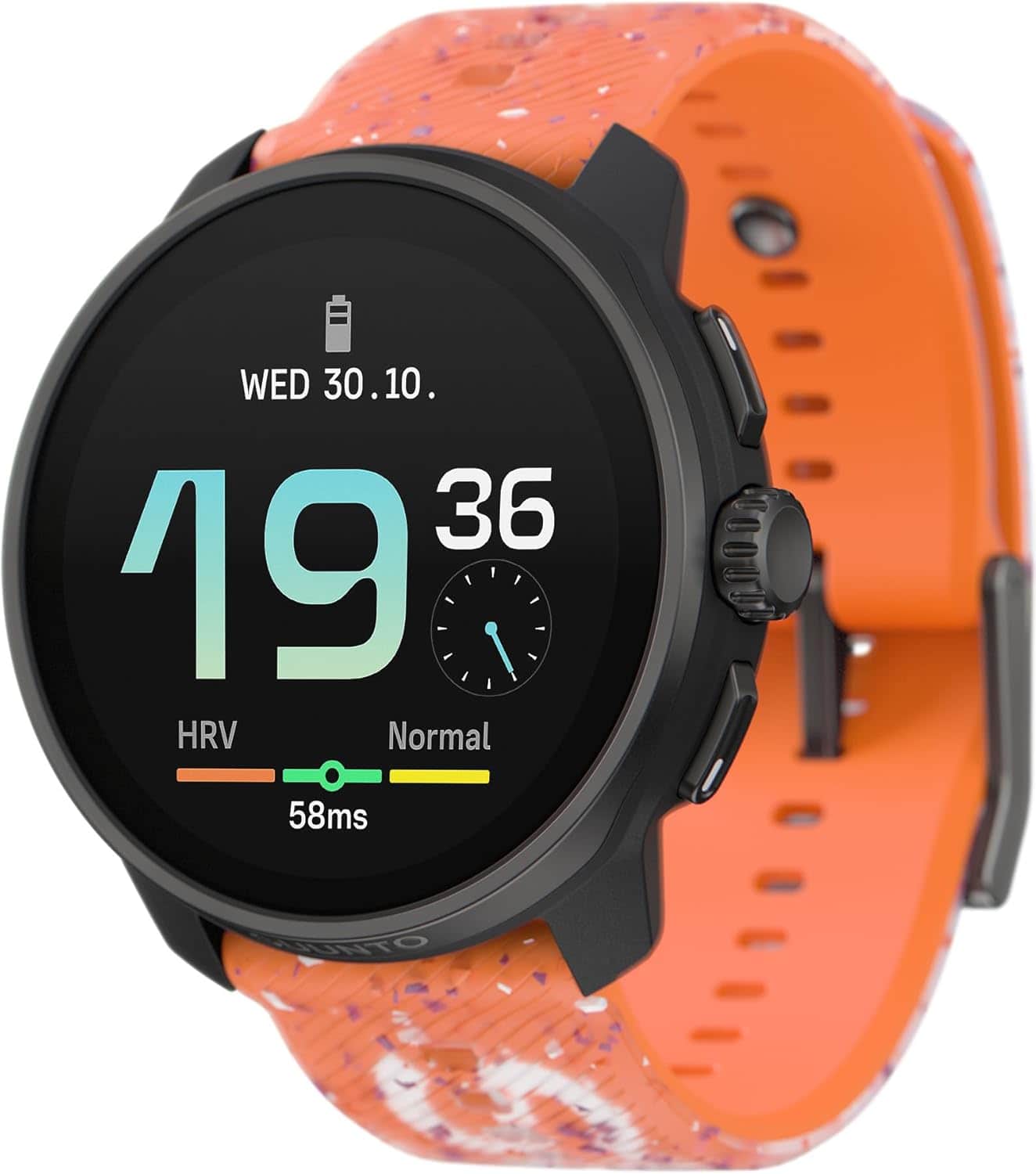
The Suunto Race S, released in 2024, represents the latest evolution in purpose-built sports watch design. At 45mm across and weighing 60 grams, it strikes a balance between substantial presence and wearable comfort. The stainless steel bezel and Gorilla Glass display aren't just about looking premium – they're engineered to withstand the kind of impacts and scratches you encounter when scrambling over rocks or navigating dense forest trails.
What's particularly impressive is the operating temperature range of -20°C to +55°C (-5°F to +130°F). This isn't marketing fluff; it means the watch will function reliably whether you're ice climbing in the Canadian Rockies or trail running through Death Valley. The 50-meter water resistance handles swimming and water sports, though it's worth noting this falls short of the deeper water resistance some competitors offer.
The physical controls deserve special mention. While touchscreens are great for smartphones, they become problematic when you're wearing gloves, dealing with wet hands, or trying to navigate while your heart rate is spiking during an intense workout. The Suunto Race S's digital crown and physical buttons ensure you can always access critical functions, regardless of conditions.
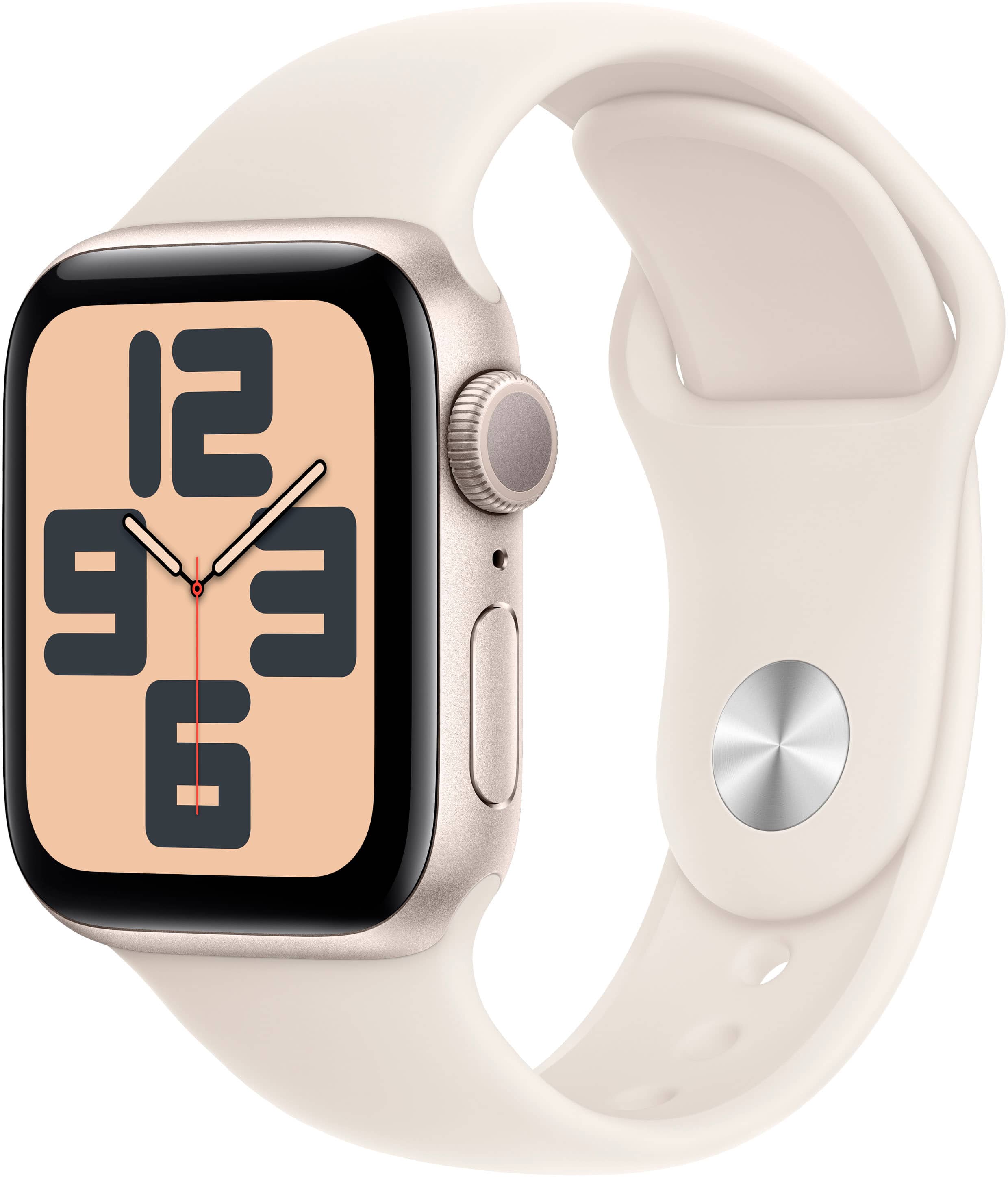
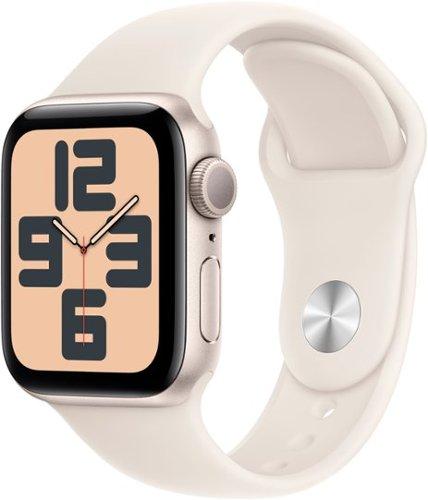
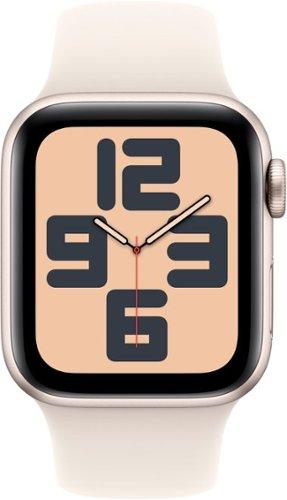
In contrast, the Apple Watch SE 2nd Generation, also from 2024, takes the opposite approach with its featherweight 26.4-gram aluminum construction. This ultra-light design makes it virtually disappear on your wrist during daily activities. The Ion-X glass and aluminum build prioritize comfort and style over rugged durability – this is a device designed for the gym-to-boardroom lifestyle rather than backcountry expeditions.
The design differences reflect their intended use cases perfectly. The Suunto says "I'm ready for whatever adventure you throw at me," while the Apple Watch whispers "I'll seamlessly blend into your daily routine without getting in the way."
Both devices feature AMOLED displays, but they've optimized this technology for completely different priorities. The Suunto Race S's 1.32-inch screen delivers 466 pixels per inch (ppi), which might seem modest compared to smartphone screens, but it's perfectly calibrated for outdoor readability. More importantly, this display is designed to remain visible in direct sunlight – a critical feature when you're checking navigation data during a desert hike or monitoring your pace during a sunny marathon.
The always-on capability means you never have to perform the awkward wrist-twist dance to check your data mid-workout. When you're in the middle of an intense interval training session or navigating a technical trail section, glancing down and instantly seeing your metrics can be the difference between maintaining focus and breaking rhythm.
The Apple Watch SE's Retina LTPO OLED display peaks at an impressive 1000 nits of brightness, making it incredibly sharp and vibrant for daily use. However, it lacks the always-on display feature found in higher-end Apple Watch models. This means the screen goes completely black when not actively being viewed, requiring a deliberate wrist movement or touch to activate. For checking the time during a meeting, this works fine. For quickly checking your heart rate zone during a challenging climb, it can be frustrating.
The display trade-offs reveal each device's priorities: the Suunto optimizes for consistent outdoor visibility and instant data access, while the Apple Watch prioritizes visual quality and battery efficiency for indoor, connected use.
This is where the Suunto Race S demonstrates why specialized devices still matter in our smartphone-dominated world. The dual-frequency GNSS (Global Navigation Satellite System) technology deserves some explanation, because it represents a significant leap forward in consumer GPS accuracy.
Traditional GPS receivers use only L1 frequency signals from satellites. The problem is that these signals can bounce off buildings, canyon walls, or dense tree canopies, creating position errors. Dual-frequency GNSS adds L5 frequency signals, which allows the watch to compare both frequencies and calculate much more accurate positions. Think of it like having two different people give you directions to the same destination – by comparing their routes, you can identify and correct for errors.
The Suunto Race S simultaneously connects to five different satellite systems: GPS (American), GLONASS (Russian), GALILEO (European), QZSS (Japanese), and BEIDOU (Chinese). This redundancy means that even in challenging environments like narrow canyons or under heavy forest canopy, you're likely to maintain accurate positioning. The practical result is GPS tracks that closely match your actual path, rather than the zigzag approximations you might get from less sophisticated systems.
The 32GB of storage dedicated to offline maps is genuinely impressive. This isn't just enough space for a few local trail maps – it's sufficient for detailed mapping data covering entire countries or continents. When you're planning a multi-week hiking trip or simply want the confidence of having maps available without cell service, this storage capacity becomes invaluable.
The ClimbGuide feature demonstrates the thoughtful engineering that goes into specialized sports devices. By analyzing elevation data and your planned route, it provides advance warnings about upcoming climbs, including gradient and estimated duration. For cyclists tackling challenging routes or runners preparing for hilly races, this kind of predictive information helps with pacing and energy management.
The Apple Watch SE offers competent but basic GPS functionality. It connects to four satellite systems (missing BEIDOU) and uses single-frequency positioning. For urban running, cycling, or general fitness tracking, this provides adequate accuracy. However, it lacks offline mapping capabilities and relies heavily on your iPhone for detailed navigation features.
The GPS performance difference matters most when you venture beyond suburban sidewalks and well-marked trails. If your activities take you into remote areas where accuracy and reliability become safety considerations, the Suunto's superior navigation capabilities justify its existence.
Modern fitness tracking involves far more than just counting steps and measuring heart rate, though these basics remain important. The sophistication of current optical heart rate sensors deserves recognition – these devices use LED lights to detect blood flow changes through your skin, providing continuous heart rate monitoring that was previously only available with chest strap monitors.
The Suunto Race S features an enhanced optical heart rate sensor with double the number of LEDs compared to previous generations. This improvement isn't just about having more lights; it's about creating redundancy and improving accuracy during challenging conditions. When you're doing interval training with rapid heart rate changes, or when cold weather reduces blood flow to your extremities, having multiple LED sensors increases the likelihood of getting accurate readings.
Heart Rate Variability (HRV) monitoring represents one of the most significant advances in consumer fitness tracking. HRV measures the tiny variations in time between heartbeats, which sounds mundane but provides insights into your autonomic nervous system function. Higher HRV generally indicates better recovery and readiness for training, while declining HRV can signal that you need rest or are fighting off illness.
The Suunto's AI coaching system, Suunto Coach AI, uses HRV along with training load, sleep quality, and other metrics to provide personalized guidance. This isn't just generic advice – it's recommendations based on your specific physiological state and training history. For serious athletes, this kind of personalized coaching can help optimize training while avoiding overtraining and injury.
The 95+ sport modes on the Suunto reflect the reality that different activities require different metrics and algorithms. Swimming requires stroke detection and pool length recognition. Cycling needs power estimation and gradient calculations. Trail running demands elevation gain tracking and terrain-adjusted pacing. Each sport mode optimizes the watch's sensors and calculations for that specific activity.
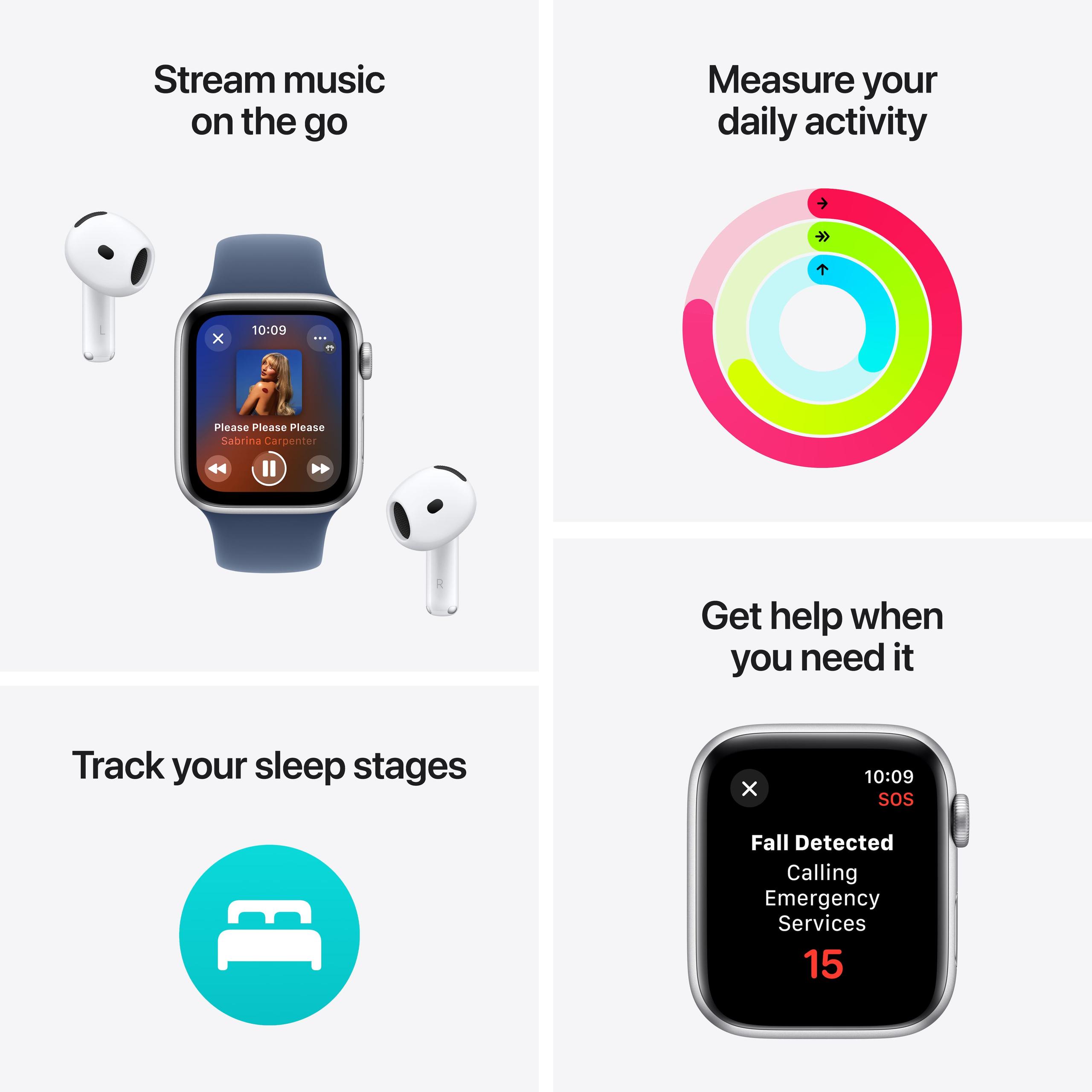
The Apple Watch SE takes a broader but shallower approach to health tracking. Its second-generation optical heart rate sensor provides reliable basic monitoring, and the addition of crash detection and fall detection adds genuine safety value. The integration with Apple's Health app creates a comprehensive picture of your daily activity, sleep patterns, and overall wellness trends.
However, the Apple Watch SE lacks some advanced health sensors found in higher-end models, including ECG (electrocardiogram) capability and blood oxygen monitoring. For general fitness and health awareness, this isn't a significant limitation. For athletes seeking detailed physiological insights, it represents a gap in capability.
Battery performance reveals the fundamental philosophical differences between these devices more clearly than any other specification. The Suunto Race S delivers 9 days of daily use with heart rate monitoring enabled, extending to 13 days with heart rate monitoring disabled. During GPS training activities, it provides 30 hours in performance mode (maximum accuracy) or an incredible 120 hours in tour mode (reduced GPS accuracy with heart rate monitoring disabled).
These numbers aren't just impressive; they're liberating. You can leave for a weekend camping trip without packing a charger. You can sign up for ultra-marathons, multi-day cycling events, or extended hiking expeditions without worrying about power management. The watch becomes a reliable tool rather than another device demanding daily attention.
The Apple Watch SE officially provides 18 hours of typical use, though real-world testing consistently shows closer to two days with moderate use including sleep tracking. This requires establishing a daily or every-other-day charging routine. While the wireless charging is convenient, it means you need to plan around power availability.
The battery life difference reflects different design priorities: the Suunto optimizes for extended independence, while the Apple Watch assumes you're living a connected lifestyle with regular access to charging infrastructure.
For most people living urban or suburban lifestyles, daily charging isn't a significant burden. But if your activities regularly take you away from power outlets, or if you simply prefer not to think about charging schedules, the battery life difference becomes a decisive factor.
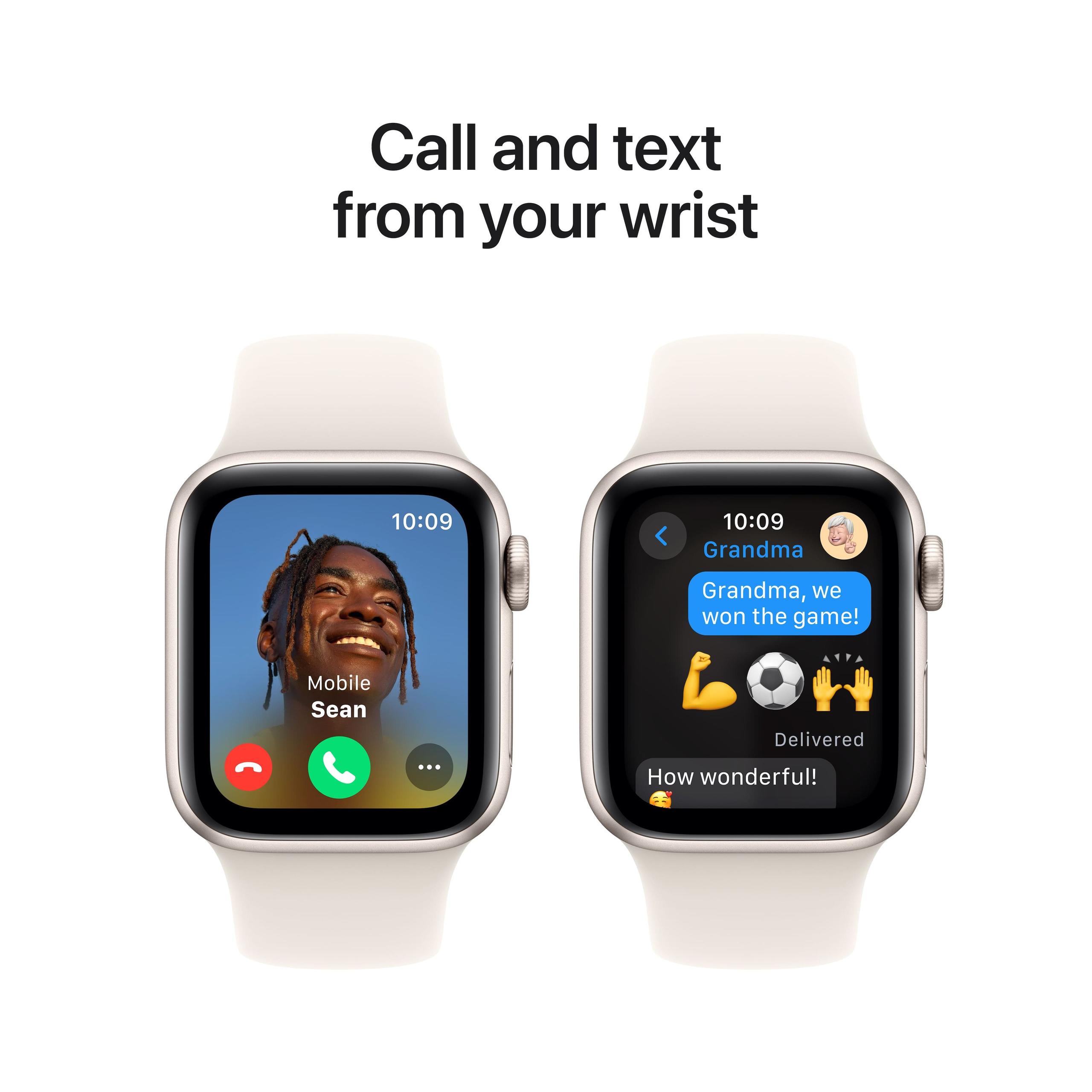
The Apple Watch SE excels in areas where the Suunto Race S barely participates. As a communication device, the Apple Watch handles calls, texts, emails, and notifications with the sophistication you'd expect from Apple's ecosystem. The seamless integration with iPhone means your watch automatically mirrors your phone's notification settings, calendar appointments, and contact information.
Apple Pay support turns the watch into a payment device, eliminating the need to carry cards or cash for many daily transactions. The App Store provides thousands of third-party applications, from meditation apps to games to productivity tools. This extensibility means the watch can adapt to your specific needs and interests.
However, this smart functionality comes with a significant limitation: iPhone dependency. The Apple Watch SE requires an iPhone for initial setup and loses much of its functionality when separated from its paired phone. If you use Android or prefer to minimize smartphone dependence, this integration becomes a liability rather than an asset.
The Suunto Race S takes a more focused approach to smart features. It provides basic notifications, music control, and smartphone integration, but these feel like bonus features rather than core capabilities. The watch is designed to function independently, with its own GPS, mapping, and activity tracking that don't require smartphone connectivity.
This independence proves valuable in scenarios where smartphone reliability becomes questionable: outdoor adventures where phone batteries drain quickly in cold weather, international travel where roaming charges discourage phone use, or activities where you simply want to disconnect from constant connectivity.
At the time of writing, these devices occupy different price tiers, with the Suunto Race S commanding a premium over the Apple Watch SE. This price difference reflects the specialized engineering and niche market for serious sports watches versus the mass-market appeal of general-purpose smartwatches.
The value proposition depends entirely on your use case. If you're a serious athlete, outdoor enthusiast, or someone whose activities regularly push beyond normal smartwatch capabilities, the Suunto's specialized features justify its cost. The superior GPS accuracy, extended battery life, offline mapping, and advanced training analytics provide tangible benefits that directly impact your activities.
For general fitness enthusiasts, casual athletes, and anyone prioritizing smart connectivity alongside basic fitness tracking, the Apple Watch SE offers better value. You get comprehensive smartwatch functionality plus solid fitness tracking at a more accessible price point.
The ecosystem considerations also affect value calculations. If you're already invested in Apple's ecosystem with an iPhone, Mac, and other Apple devices, the Apple Watch SE's seamless integration multiplies its utility. Conversely, if you use Android devices or prefer platform-agnostic solutions, the Suunto's independence becomes more valuable.
The choice between the Suunto Race S and Apple Watch SE 2nd Generation ultimately comes down to understanding your primary use case and accepting the trade-offs that come with specialization versus generalization.
Choose the Suunto Race S if you're serious about outdoor activities, endurance sports, or any pursuits where GPS accuracy and battery life become safety or performance considerations. This includes trail runners, hikers, cyclists tackling long distances, swimmers training in open water, or anyone whose activities regularly last longer than a few hours. The advanced training metrics, offline mapping, and multi-day battery life provide genuine utility that justifies the specialized focus.
The Suunto also makes sense if you prefer devices that do one thing exceptionally well rather than many things adequately. There's something satisfying about owning a tool that's genuinely excellent at its primary purpose, even if it means carrying additional devices for other needs.
Choose the Apple Watch SE if you want a single device that handles both daily smart connectivity and general fitness tracking. This works well for gym workouts, urban running, casual cycling, and fitness activities that don't push beyond normal smartwatch capabilities. The comprehensive health monitoring, safety features, and smart functionality provide excellent value for most users' actual needs.
The Apple Watch is also the clear choice if you're deeply integrated into Apple's ecosystem and want your wearable to enhance rather than replace smartphone functionality. The seamless experience of having calls, texts, payments, and apps available on your wrist can be genuinely transformative for daily life.
The truth is, both devices excel in their intended roles. The Suunto Race S is a superior sports watch that happens to have some smart features, while the Apple Watch SE is an excellent smartwatch that happens to track fitness well. Your satisfaction depends entirely on choosing the device that matches your actual lifestyle rather than your aspirational one.
Consider honestly how you spend your time, what activities matter most to you, and whether you value specialized excellence or broad capability. Both approaches have merit, but only one will truly serve your needs without compromise.
| Suunto Race S GPS Sports Watch | Apple Watch SE 2nd Generation 40mm GPS Smartwatch |
|---|---|
| Primary Purpose - Defines which device will better serve your needs | |
| Dedicated GPS sports watch for serious athletes and outdoor enthusiasts | General-purpose smartwatch with solid fitness tracking capabilities |
| Display Technology - Critical for outdoor visibility and always-on data access | |
| 1.32" AMOLED (466dpi) with always-on capability, optimized for sunlight readability | Retina LTPO OLED (1000 nits peak) with no always-on display, requires wrist raise to activate |
| Battery Life - Determines independence and charging frequency | |
| 9 days daily use, 30 hours GPS training (performance mode), 120 hours (tour mode) | 18 hours official rating, ~2 days real-world use with moderate activity |
| GPS Accuracy - Essential for navigation and precise activity tracking | |
| Dual-frequency GNSS (L1+L5) with 5 satellite systems, professional-grade accuracy | Single-frequency GPS with 4 satellite systems, adequate for general fitness |
| Offline Maps - Critical for navigation without phone connectivity | |
| 32GB storage with free worldwide offline maps, turn-by-turn navigation | No offline mapping, relies on iPhone for detailed navigation |
| Weight and Comfort - Affects all-day wearability | |
| 60g aluminum/steel construction, built for active use | 26.4g ultra-lightweight aluminum, optimized for daily wear |
| Water Resistance - Important for swimming and water sports | |
| 50m water resistance, suitable for swimming and water activities | 50m water resistance, equivalent swimming capability |
| Smart Features - Determines daily utility beyond fitness | |
| Basic notifications, music control, limited smartphone integration | Full iOS integration, Apple Pay, comprehensive app ecosystem, calls/texts |
| Health Sensors - Affects depth of health and fitness insights | |
| Enhanced optical HR, HRV, SpO₂, sleep tracking, stress monitoring | Second-gen optical HR, sleep tracking, fall/crash detection, basic health metrics |
| Sport Modes - Determines activity tracking versatility | |
| 95+ specialized sport modes with advanced metrics and AI coaching | General fitness tracking with basic sport modes, Apple Fitness+ integration |
| Ecosystem Compatibility - Affects integration with existing devices | |
| Platform-agnostic, works independently or with any smartphone | iPhone required for setup and full functionality, seamless Apple ecosystem integration |
| Durability - Important for outdoor and extreme use conditions | |
| Stainless steel bezel, Gorilla Glass, -20°C to +55°C operating range | Aluminum case, Ion-X glass, designed for daily use rather than extreme conditions |
| Training Analytics - Critical for performance-focused athletes | |
| Advanced metrics, training load, recovery analysis, personalized AI coaching | Basic fitness tracking, Apple Health integration, limited performance analytics |
The Suunto Race S GPS Sports Watch is specifically designed for serious athletes and outdoor enthusiasts. It offers dual-frequency GPS with professional-grade accuracy, 95+ sport modes, advanced training analytics with AI coaching, and up to 120 hours of GPS tracking. The Apple Watch SE 2nd Generation provides solid basic fitness tracking but lacks the specialized features, extended battery life, and navigation capabilities that serious athletes require for training and competitions.
The Suunto Race S functions completely independently with its own GPS, offline maps, and full activity tracking without needing a phone connection. The Apple Watch SE 2nd Generation requires an iPhone for initial setup and loses most smart functionality when separated from the phone, though basic fitness tracking still works offline.
The Suunto Race S significantly outperforms with 30 hours of GPS training in performance mode and up to 120 hours in tour mode, plus 9-13 days of daily use. The Apple Watch SE provides about 18 hours of use and requires daily or every-other-day charging, making it unsuitable for multi-day adventures or ultra-endurance activities.
The Suunto Race S GPS Sports Watch uses dual-frequency GNSS technology with five satellite systems for professional-grade accuracy, especially in challenging environments like forests or canyons. It also includes 32GB of offline maps with turn-by-turn navigation. The Apple Watch SE offers basic GPS accuracy suitable for urban fitness but lacks advanced positioning technology and offline mapping capabilities.
The Apple Watch SE 2nd Generation excels at smart connectivity with full call handling, comprehensive notifications, text responses, and Apple Pay integration. The Suunto Race S provides basic notifications and music control but focuses on sports functionality rather than smartphone replacement features.
Both watches offer 50m water resistance suitable for swimming. However, the Suunto Race S provides more detailed swim tracking with stroke detection and specialized pool/open water modes. The Apple Watch SE handles basic swim tracking well and integrates data with Apple's Health app for general fitness monitoring.
The Apple Watch SE 2nd Generation absolutely requires an iPhone for setup and full functionality - it won't work with Android devices. The Suunto Race S GPS Sports Watch works independently and can pair with any smartphone (iPhone or Android) for optional data syncing and additional features.
The Apple Watch SE is significantly lighter at 26.4g with a sleek aluminum design optimized for daily comfort. The Suunto Race S weighs 60g with a more substantial sports watch build that some find less comfortable for extended daily wear, though it's designed for active use and durability.
Both watches track sleep duration and stages. The Suunto Race S offers more advanced recovery analytics using heart rate variability (HRV), training load analysis, and AI-powered coaching recommendations. The Apple Watch SE 2nd Generation provides solid sleep tracking integrated with Apple Health but lacks the deeper recovery insights serious athletes need.
The Suunto Race S GPS Sports Watch features an always-on AMOLED display optimized for outdoor readability in direct sunlight. The Apple Watch SE has a brighter peak display (1000 nits) but lacks always-on capability, requiring wrist movement to activate the screen - problematic during intense activities or when wearing gloves.
The Apple Watch SE 2nd Generation dominates smart functionality with comprehensive iOS integration, thousands of apps, Apple Pay, calendar sync, and seamless iPhone connectivity. The Suunto Race S offers basic smart features like notifications and music control but prioritizes sports performance over smartphone replacement capabilities.
The Apple Watch SE provides excellent value for general users wanting comprehensive smartwatch features plus solid fitness tracking. The Suunto Race S GPS Sports Watch offers superior value for serious athletes, outdoor enthusiasts, and anyone needing professional-grade GPS accuracy, extended battery life, and advanced training analytics - the specialized features justify the investment for these specific use cases.
We've done our best to create useful and informative comparisons to help you decide what product to buy. Our research uses advanced automated methods to create this comparison and perfection is not possible - please contact us for corrections or questions. These are the sites we've researched in the creation of this article: techradar.com - trackbetter.com - trackbetter.com - runnersworld.com - alastairrunning.com - youtube.com - feedthehabit.com - outdoorgearlab.com - irunfar.com - youtube.com - forum.suunto.com - youtube.com - dcrainmaker.com - the5krunner.com - youtube.com - youtube.com - grittyrunners.co.uk - youtube.com - us.suunto.com - us.suunto.com - youtube.com - playbetter.com - us.suunto.com - suunto.com - suunto.com - suunto.com - bestbuy.com - trackbetter.com - watchard.com - techradar.com - bestbuy.com - techgearlab.com - fratellowatches.com - youtube.com - macobserver.com - youtube.com - gsmarena.com - pocketnow.com - att.com - walmart.com - gsmarena.com - bestbuy.com - apple.com - support.apple.com - apple.com - apple.com - youtube.com - phonetradr.com - 9to5mac.com - apple.com

Privacy Policy
Terms and Conditions - Affiliate Policy
Home Security
© Copyright 2008-2026.
11816 Inwood Rd #1211, Dallas, TX 75244