

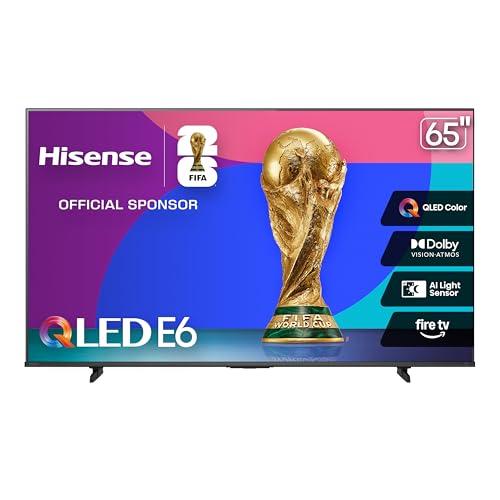
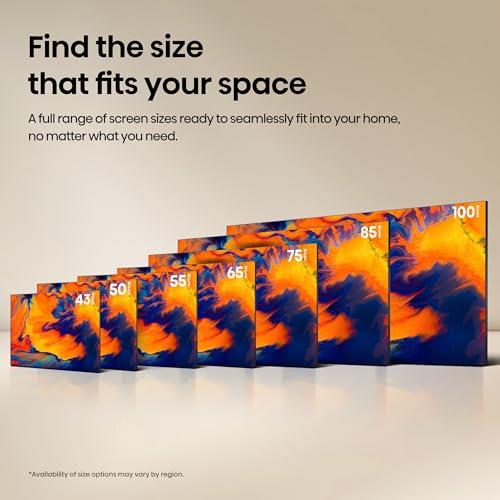
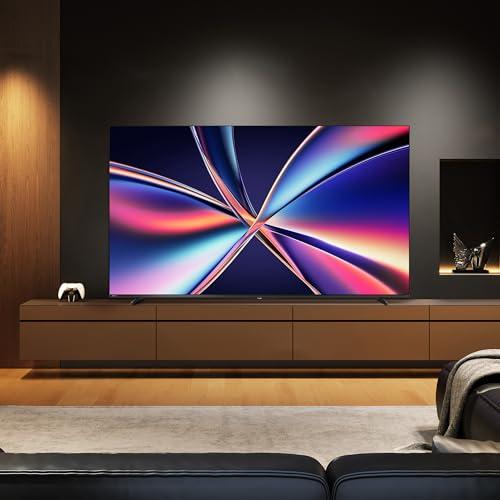
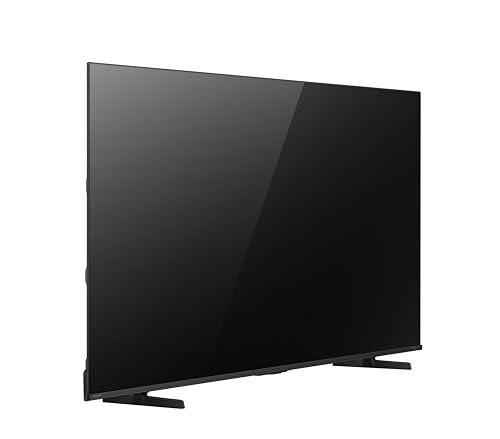
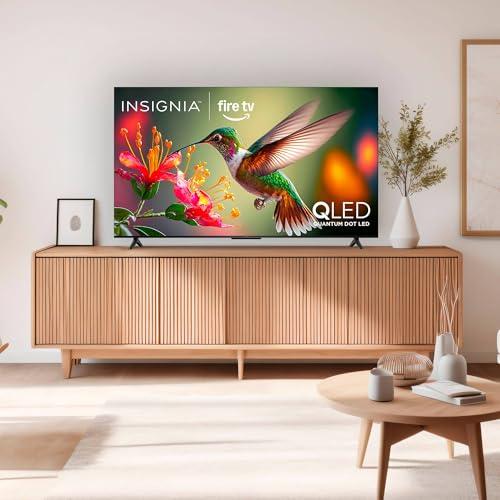
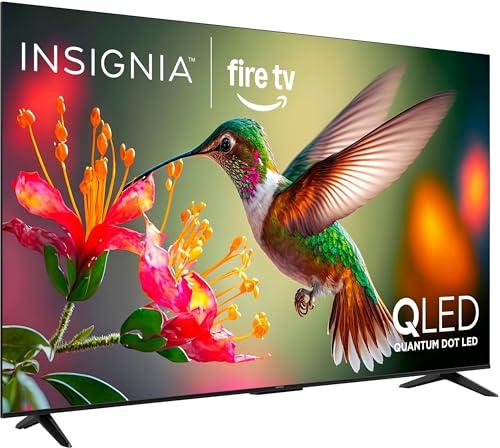
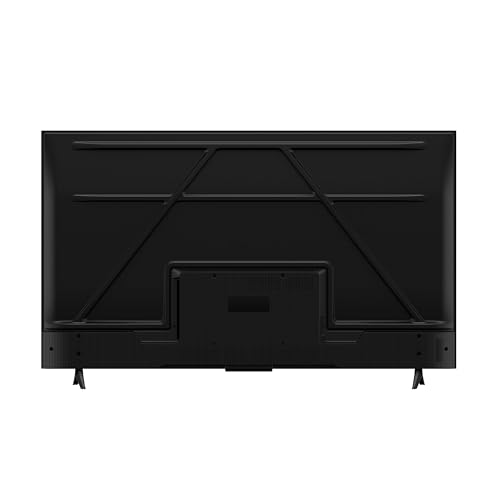
When you're shopping for a 65-inch TV, the sheer number of options can feel overwhelming. But if you've narrowed it down to QLED technology—and you should—you're already on the right track. QLED TVs use quantum dots (tiny semiconductor particles) to produce more accurate colors and brighter images than traditional LED displays. Today, we're comparing two compelling options: the Hisense 65" E6 Cinema Series and the Insignia 65" QF Series.
Both TVs promise premium picture quality without the premium price tag, but they take different approaches to get there. The Hisense E6, released in 2025, represents the latest in AI-powered picture processing, while the Insignia QF Series focuses on delivering core QLED benefits at an exceptionally competitive price point.
Before diving into specifics, let's talk about why QLED matters. Traditional LED TVs use white LED backlights with color filters, which can struggle with color accuracy and brightness. QLED displays add a layer of quantum dots between the backlight and the LCD panel. These microscopic particles emit specific colors when hit by blue light, creating more vibrant, accurate colors and significantly higher peak brightness.
The key considerations when choosing any QLED TV include picture quality (how realistic and vibrant the image looks), smart TV functionality, audio performance, gaming capabilities, and overall value. Peak brightness—measured in nits—determines how well the TV performs in bright rooms and with HDR content. Color gamut coverage shows how many colors the TV can display compared to what human eyes can see. Motion handling affects how smooth fast-moving content appears, crucial for sports and action movies.
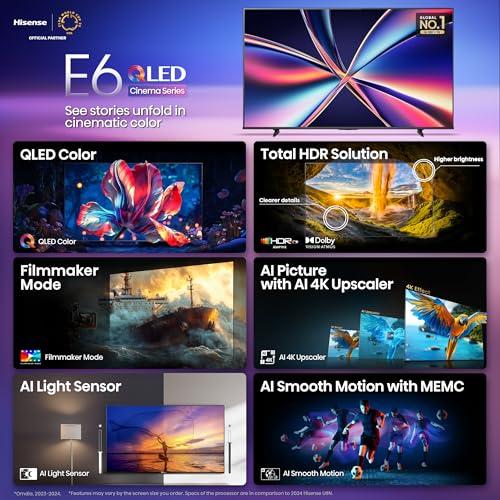
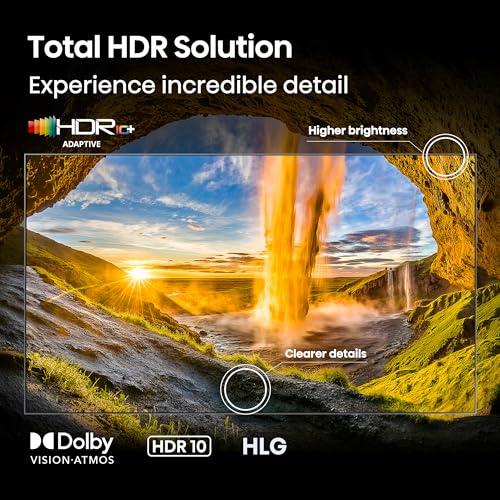
The Hisense E6 Cinema Series takes a comprehensive approach to HDR (High Dynamic Range) support. HDR expands the range between the darkest blacks and brightest whites, making images more lifelike. While the Insignia QF Series supports Dolby Vision and basic HDR10, the Hisense model goes further with HDR10+ Adaptive, HDR10, HLG, and Dolby Vision support.
This broader HDR compatibility matters more than you might think. HDR10+ and Dolby Vision use dynamic metadata—information that adjusts brightness and color on a scene-by-scene basis. Imagine watching a movie that cuts from a dark cave to bright sunlight; dynamic HDR formats optimize each scene individually rather than applying the same settings throughout. The Hisense E6 handles all these formats, while the Insignia QF focuses primarily on Dolby Vision.
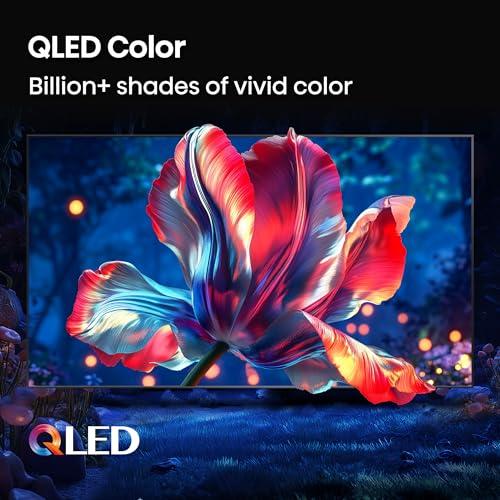
Both TVs claim quantum dot technology delivers "over a billion colors," but the Hisense E6 includes AI-enhanced color processing. This artificial intelligence analyzes content in real-time, adjusting color saturation and accuracy based on what you're watching. Our research suggests this creates more natural-looking skin tones and better color consistency across different types of content.
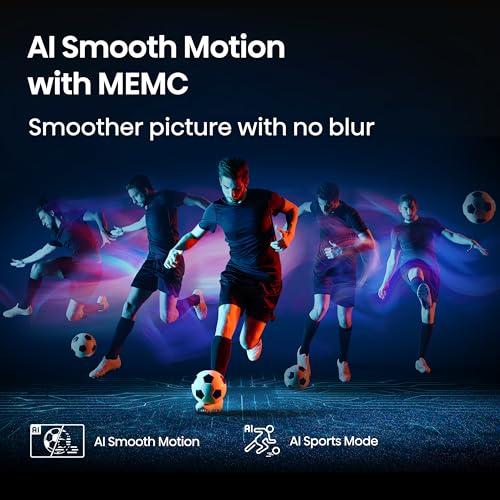
Motion handling separates these TVs significantly. The Hisense E6 features Motion Rate 120 with AI Smooth Motion and MEMC (Motion Estimation, Motion Compensation). MEMC technology analyzes consecutive frames, predicts where objects will move, and creates interpolated frames to smooth motion blur. This sounds complicated, but the practical result is noticeably cleaner motion during sports, action movies, and panning camera shots.
The Insignia QF Series includes motion processing that simulates 120Hz performance, but it's less sophisticated. Based on user reviews, the Insignia handles casual viewing well but struggles with fast-paced content compared to the Hisense model. If you watch a lot of sports or action films, this difference becomes apparent quickly.
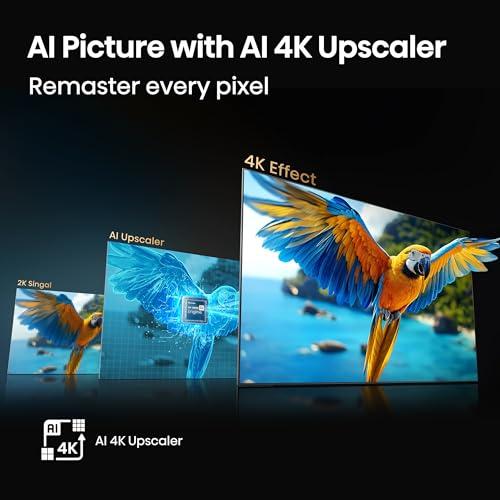
Here's where the Hisense E6 really shows its 2025 pedigree. The AI 4K Upscaler uses machine learning to enhance lower-resolution content, analyzing textures, edges, and patterns to intelligently add detail. This matters because much of what we watch—from cable TV to older streaming content—isn't native 4K. The AI processing can make 1080p content look genuinely impressive on a 4K screen.
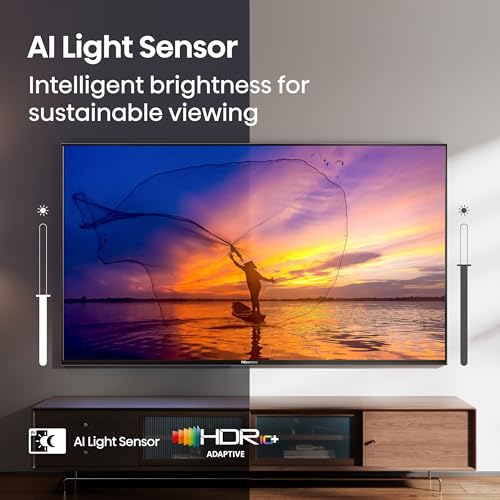
The AI Light Sensor adds another layer of sophistication, automatically adjusting screen brightness based on room lighting. This isn't just about comfort; it optimizes the picture for current viewing conditions and can extend the TV's lifespan by preventing unnecessary brightness in dark rooms.
The Insignia QF Series includes standard 4K upscaling, which is competent but not as advanced. The difference becomes noticeable with lower-quality sources like streaming services during peak hours or older broadcast content.
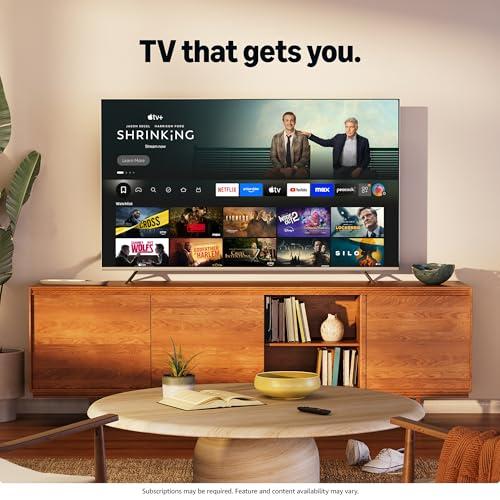
Both TVs run Amazon's Fire TV platform, but implementation details matter. The Hisense E6 includes the 2025 version of Fire TV with WiFi 6 support. WiFi 6 provides faster, more reliable wireless connections and better performance when multiple devices compete for bandwidth. If you've experienced streaming stutters during peak usage times, WiFi 6 often resolves these issues.
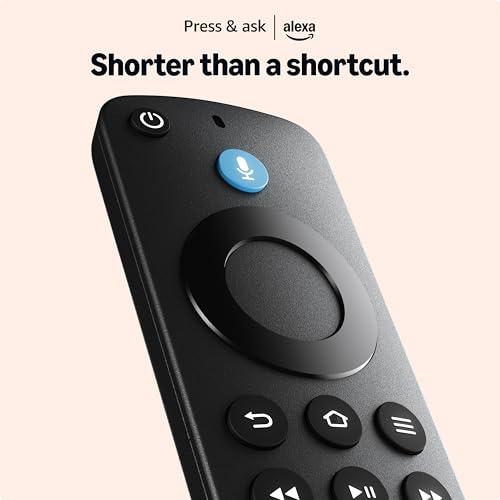
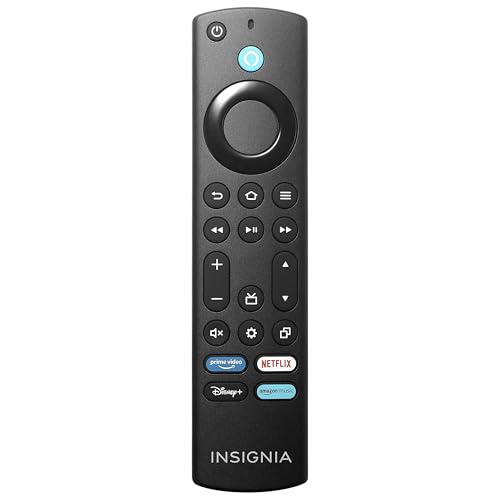
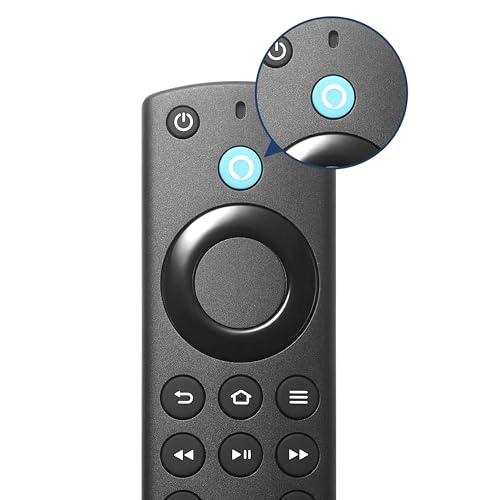
The Insignia QF Series uses WiFi 5, which works well for most households but may struggle in congested network environments or with very high bitrate content. Both TVs include Alexa Voice Remotes, but the newer implementation on the Hisense model typically offers faster response times and better integration with smart home devices.
Fire TV itself remains excellent across both models, providing access to all major streaming platforms with a user-friendly interface. The platform's strength lies in its content aggregation—it surfaces shows and movies from multiple services in one place, though you still need individual subscriptions.
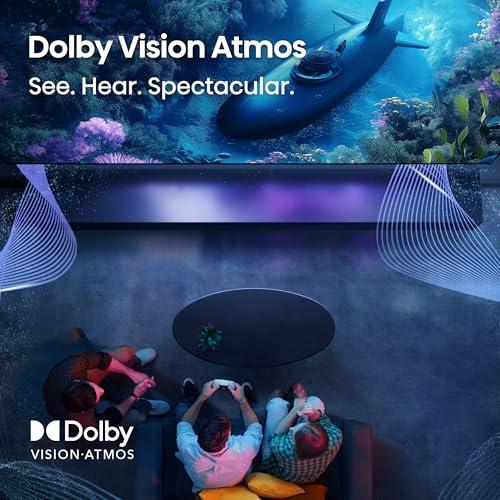
Both the Hisense E6 Cinema Series and Insignia QF Series support Dolby Atmos, but don't expect true surround sound from built-in speakers. Dolby Atmos creates three-dimensional audio by placing sounds in specific locations around and above listeners. However, flat-panel TV speakers simply can't replicate this effect convincingly.
User reviews suggest the Insignia QF performs slightly better than average for built-in audio, with dialog enhancement and volume leveling features that help with everyday viewing. The Hisense E6 likely includes more advanced audio processing, but the physical limitations of thin TV speakers remain.
For serious home theater use, plan to add a soundbar or surround system to either TV. Both support eARC (enhanced Audio Return Channel) for high-quality audio passthrough to external sound systems.
Gaming capabilities highlight the generational difference between these TVs. The Hisense E6 includes Adaptive Game Mode Plus with Variable Refresh Rate (VRR), Auto Low Latency Mode (ALLM), and support for 4K at 60Hz plus 1440p at 120Hz. VRR eliminates screen tearing by synchronizing the TV's refresh rate with the gaming console's output frame rate. ALLM automatically switches to low-latency mode when it detects gaming input, reducing the delay between controller inputs and on-screen action.
These features matter enormously for PlayStation 5 and Xbox Series X owners. Modern gaming consoles can output 120fps at 1440p resolution, and VRR support prevents the visual artifacts that occur when frame rates fluctuate. The Hisense model handles these advanced gaming features well.
The Insignia QF Series offers basic game mode functionality with reasonably low input lag for casual gaming, but lacks VRR and true 120Hz support. If gaming is important to your household, the Hisense E6 provides a noticeably superior experience.
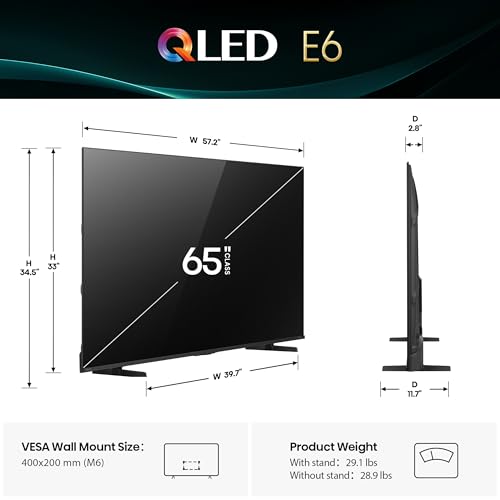
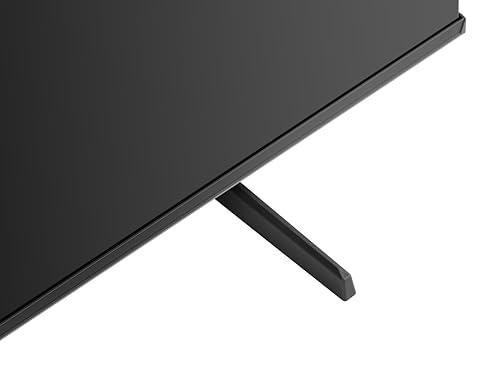
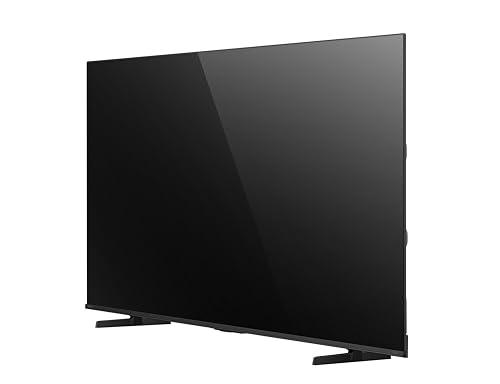
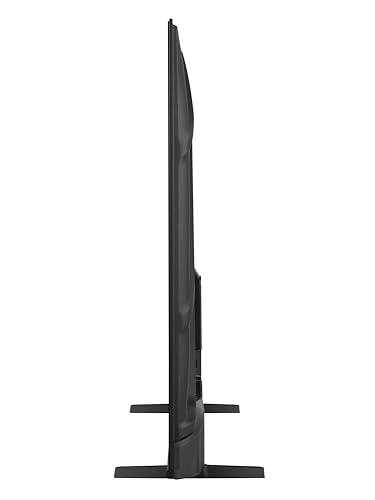
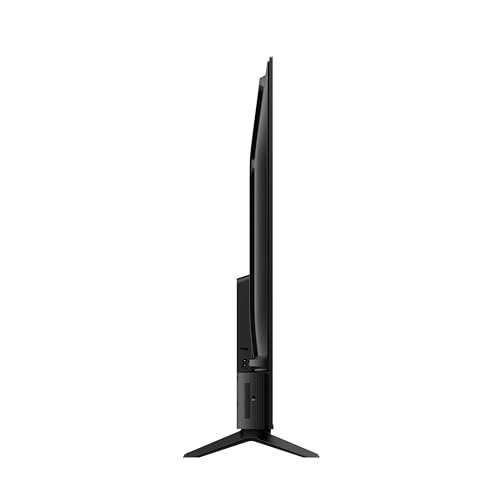
The Insignia QF Series impresses with its lightweight design—just under 28 pounds for a 65-inch TV. This makes installation and mounting significantly easier than heavier models. The metal bezel-less design looks modern and minimizes distractions during viewing.
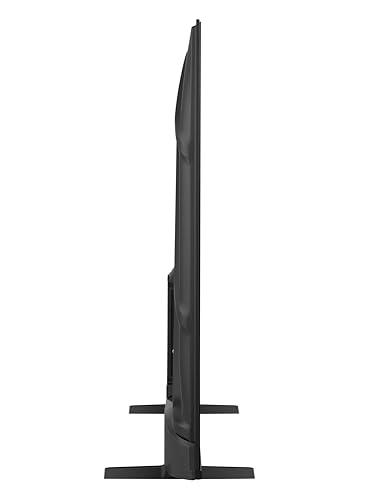
Build quality appears solid for the price point, though not premium. The Hisense E6 likely uses higher-grade materials and construction befitting a newer, more expensive model, but specific details aren't readily available at the time of writing.
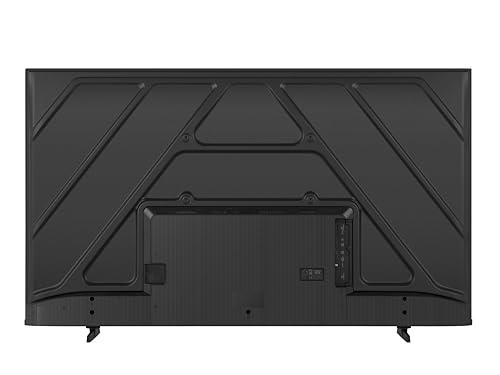
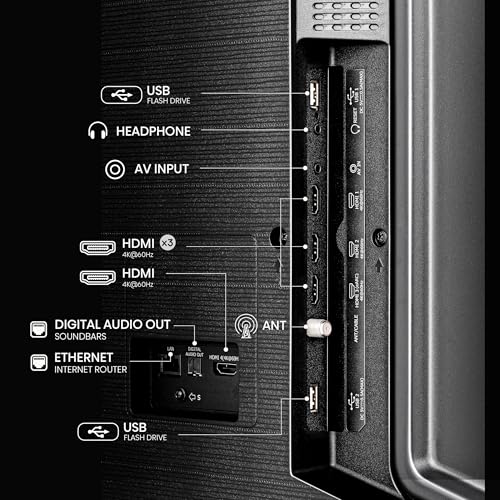
Both TVs include standard mounting compatibility and similar port layouts, with the Hisense model potentially offering more HDMI inputs and newer connection standards.
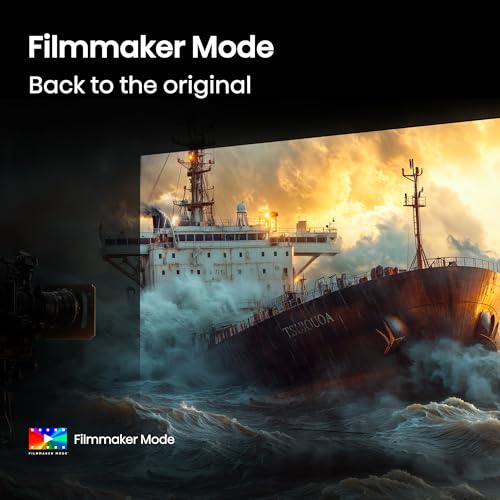
For dedicated home theater use, both TVs have strengths and limitations. The Hisense E6 Cinema Series includes Filmmaker Mode, which automatically disables motion smoothing and adjusts color temperature to display content as directors intended. This mode, developed in partnership with Hollywood filmmakers, ensures you see movies without the "soap opera effect" that motion interpolation can create.
The comprehensive HDR support on the Hisense model matters more in theater environments where you control lighting. Dark rooms allow the TV to achieve better contrast ratios and more accurate colors. The AI Light Sensor becomes particularly useful here, optimizing picture settings for dim viewing conditions without manual adjustment.
Both TVs work well for home theater setups, but the Hisense E6 provides more calibration options and professional-grade features that enthusiasts appreciate.
The Insignia QF Series represents exceptional value by bringing QLED technology to budget-conscious buyers. At the time of writing, it typically costs significantly less than competing QLED models while delivering genuinely impressive picture quality. User reviews consistently praise its color accuracy and overall visual performance relative to price.
The Hisense E6 Cinema Series costs more but justifies the premium with advanced features like comprehensive HDR support, AI processing, and superior gaming capabilities. The question becomes whether these improvements matter for your specific use case.
For casual viewing—streaming movies, watching cable TV, basic gaming—the Insignia QF delivers excellent results. The QLED panel produces vibrant colors and adequate brightness for most living rooms. Motion handling, while not exceptional, works fine for typical content.
The Hisense E6 excels when you push it harder. Fast-paced content benefits from superior motion processing. Gaming becomes noticeably smoother with VRR support. AI upscaling makes lower-quality sources look better. The comprehensive HDR support ensures compatibility with future content formats.
Choose the Insignia 65" QF Series if you want QLED picture quality without premium pricing. It's ideal for families upgrading from older TVs who primarily stream content and watch cable. The solid Fire TV implementation and decent built-in audio make it a complete package for everyday use. The lightweight design simplifies installation, and the reliable performance provides good long-term value.
The Hisense 65" E6 Cinema Series makes sense for users who want cutting-edge features and don't mind paying extra for them. Serious gamers benefit enormously from VRR and 120Hz support. Movie enthusiasts appreciate Filmmaker Mode and comprehensive HDR compatibility. The AI features provide genuine improvements for various content types, not just marketing buzzwords.
Both TVs succeed in their respective missions. The Insignia QF Series democratizes QLED technology, offering impressive picture quality at accessible pricing. Its straightforward approach focuses on core performance without unnecessary complications.
The Hisense E6 Cinema Series pushes boundaries with AI processing, advanced gaming features, and professional-grade calibration options. It represents the current state of mid-range TV technology and provides better future-proofing as content and gaming standards evolve.
Your choice depends on priorities and budget. If you want excellent QLED performance now at a great price, the Insignia QF delivers. If you prefer the latest features and don't mind spending more for them, the Hisense E6 offers compelling advantages that justify its higher cost. Either way, you're getting quantum dot color technology that significantly outperforms traditional LED displays—and that's the most important decision you've already made.
| Hisense 65" E6 Cinema Series QLED 4K Fire TV | Insignia 65" QF Series QLED 4K UHD Smart TV |
|---|---|
| Display Technology - Both use QLED quantum dots for superior color over standard LED | |
| 65" QLED with Quantum Dot Color (over 1 billion shades) | 65" QLED with Quantum Dot Technology |
| HDR Support - More formats mean better compatibility with streaming content | |
| Dolby Vision, HDR10+, HDR10, HLG (comprehensive support) | Dolby Vision, HDR10 (solid but fewer formats) |
| Motion Handling - Critical for sports and action movies | |
| Motion Rate 120 with AI Smooth Motion and MEMC | Motion processing with 120Hz simulation |
| Smart TV Platform - Both run Fire TV but with different implementations | |
| Fire TV (2025 version) with WiFi 6 | Fire TV with WiFi 5 |
| Gaming Features - Essential for PS5/Xbox Series X owners | |
| VRR, ALLM, 4K@60Hz, 1440p@120Hz support | Basic game mode, low input lag |
| AI Features - Advanced processing for better picture quality | |
| AI 4K Upscaler, AI Light Sensor, AI Smooth Motion | Standard 4K upscaling |
| Audio Technology - Both support Dolby Atmos but need soundbars for best results | |
| Dolby Atmos with advanced processing | Dolby Atmos with dialog enhancement features |
| Connectivity - More ports provide better flexibility | |
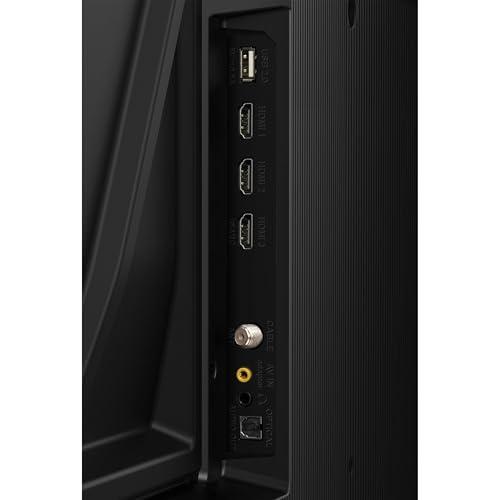
| Multiple HDMI ports (exact count unspecified) | 3 HDMI ports (1 with eARC) |
| Picture Modes - Professional calibration options matter for enthusiasts | |
| Filmmaker Mode plus customizable profiles | Standard picture modes |
| Build Quality - Weight and design affect installation and aesthetics | |
| Premium construction (2025 model) | Lightweight 27.8 lbs, metal bezel-less design |
| Target User - Different approaches to value and features | |
| Tech enthusiasts wanting latest AI features and gaming | Budget-conscious buyers wanting QLED at accessible price |
The Hisense 65" E6 Cinema Series offers superior picture quality with more advanced features like AI-enhanced color processing, comprehensive HDR support (Dolby Vision, HDR10+, HDR10, HLG), and AI 4K upscaling. The Insignia 65" QF Series delivers excellent QLED picture quality for the price but with fewer HDR formats and standard upscaling technology.
Both TVs run Amazon Fire TV, but the Hisense E6 Cinema Series includes the newer 2025 Fire TV implementation with WiFi 6 support for faster streaming. The Insignia QF Series uses the proven Fire TV platform with WiFi 5, which works well for most households but may struggle in high-traffic network environments.
The Hisense 65" E6 Cinema Series is significantly better for gaming, offering Variable Refresh Rate (VRR), Auto Low Latency Mode (ALLM), and support for 4K at 60Hz and 1440p at 120Hz. The Insignia 65" QF Series has basic game mode with low input lag but lacks advanced gaming features required for PS5 and Xbox Series X.
The Hisense E6 features superior motion handling with Motion Rate 120, AI Smooth Motion, and MEMC technology for cleaner motion during sports and action content. The Insignia QF includes motion processing that simulates 120Hz performance but is less sophisticated for fast-paced content.
The Insignia 65" QF Series provides exceptional value by bringing QLED technology to budget-conscious buyers without sacrificing core picture quality. The Hisense 65" E6 Cinema Series costs more but justifies the premium with advanced AI features, comprehensive HDR support, and superior gaming capabilities.
Yes, both the Hisense E6 Cinema Series and Insignia QF Series support Dolby Atmos audio. However, built-in TV speakers can't fully replicate the surround sound experience, so both TVs benefit from adding a soundbar or surround system for optimal audio performance.
The Hisense 65" E6 Cinema Series is better suited for dedicated home theaters with Filmmaker Mode that displays movies as directors intended, comprehensive HDR support, and AI Light Sensor for optimized dark room viewing. The Insignia QF Series works well for casual home theater use but lacks professional calibration features.
The Hisense E6 includes multiple AI enhancements: AI 4K Upscaler for improving lower-resolution content, AI Light Sensor for automatic brightness adjustment, and AI Smooth Motion for better motion processing. The Insignia QF Series uses standard processing without AI-powered enhancements.
The Hisense 65" E6 Cinema Series likely offers more HDMI ports and newer connection standards, while the Insignia 65" QF Series includes 3 HDMI ports (one with eARC), Bluetooth support, and Apple AirPlay compatibility. Both support modern connectivity needs for streaming and external devices.
The Hisense E6 Cinema Series likely features premium construction befitting a 2025 model, while the Insignia QF Series offers solid build quality with a lightweight design (27.8 lbs) and attractive metal bezel-less construction that makes installation easier.
The Hisense 65" E6 Cinema Series supports more HDR formats including Dolby Vision, HDR10+ Adaptive, HDR10, and HLG for better compatibility with various content sources. The Insignia 65" QF Series supports Dolby Vision and HDR10, which covers most streaming content but fewer overall formats.
Choose the Insignia 65" QF Series if you want QLED picture quality at an accessible price for everyday streaming and viewing. Select the Hisense 65" E6 Cinema Series if you're a gaming enthusiast, want the latest AI features, need comprehensive HDR support, or prefer cutting-edge technology with better future-proofing capabilities.
We've done our best to create useful and informative comparisons to help you decide what product to buy. Our research uses advanced automated methods to create this comparison and perfection is not possible - please contact us for corrections or questions. These are the sites we've researched in the creation of this article: bestbuy.com - bestbuy.com - rtings.com - pcvarge.com - youtube.com - youtube.com - youtube.com - rtings.com - shopabunda.com - hisense-usa.com - camelcamelcamel.com - manuals.plus - hisense-usa.com - hisense-usa.com - hisense-usa.com - slickdeals.net - bestbuy.com - bestbuy.com - bestbuy.com - youtube.com - rtings.com - youtube.com - youtube.com - manuals.plus - youtube.com - bestbuy.com - leaseville.com - financemycart.com - financemycart.com - bestbuy.com - klarna.com - bestbuy.com - slickdeals.net

Privacy Policy
Terms and Conditions - Affiliate Policy
Home Security
© Copyright 2008-2026.
11816 Inwood Rd #1211, Dallas, TX 75244