

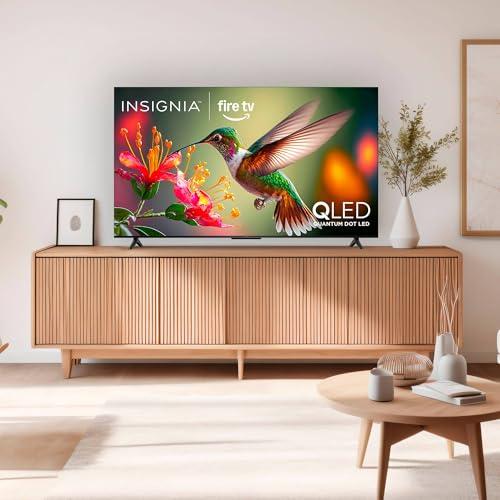
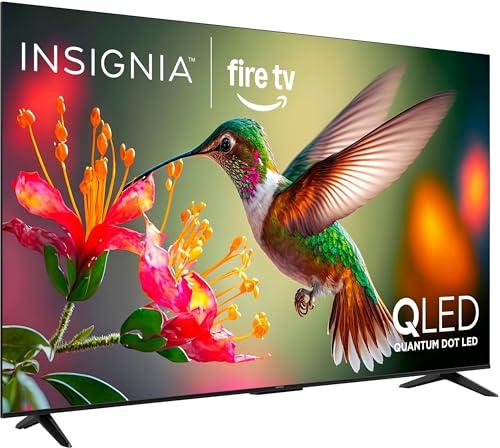
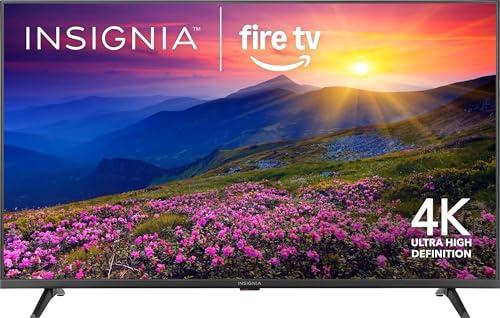
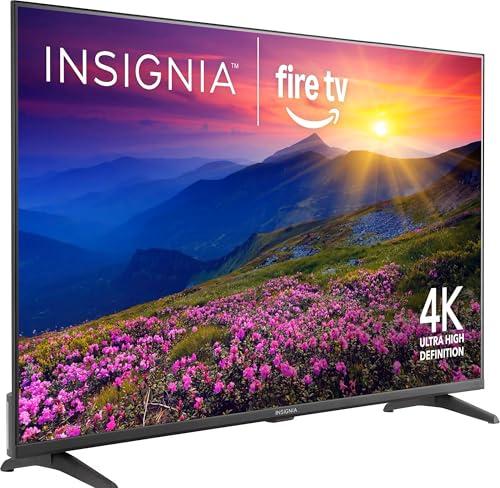
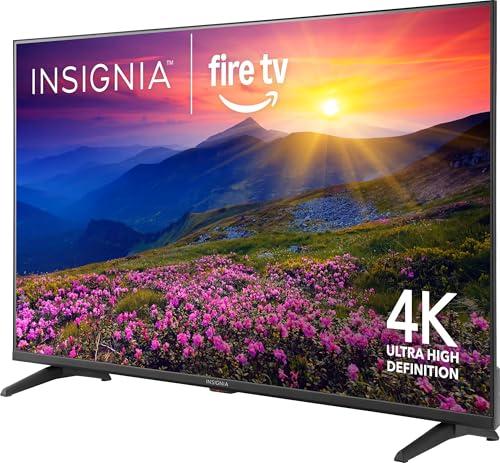
If you're shopping for a 65-inch TV without breaking the bank, you've probably stumbled across Insignia's lineup at Best Buy. Two models consistently catch shoppers' attention: the newer Insignia 65" QF Series QLED and the budget-focused Insignia 65" F50 Series. While both deliver big-screen entertainment at wallet-friendly prices, they represent different approaches to value and performance that could significantly impact your viewing experience.
The 65-inch TV market has become incredibly competitive, with manufacturers racing to pack premium features into affordable packages. At this screen size, you're entering serious home theater territory – large enough to transform how you experience movies, sports, and gaming. The key considerations that separate good TVs from great ones in this category include picture quality fundamentals like color accuracy and brightness, smart platform integration, audio capabilities, and overall build quality.
What makes this comparison particularly interesting is how these two Insignia models tackle the same basic mission – delivering 65 inches of 4K entertainment – through notably different technological approaches. The QF Series represents Insignia's premium offering with advanced display technology, while the F50 Series focuses on maximizing screen size while minimizing cost.
The most significant difference between these TVs lies in their fundamental display technology, which directly impacts everything you see on screen.
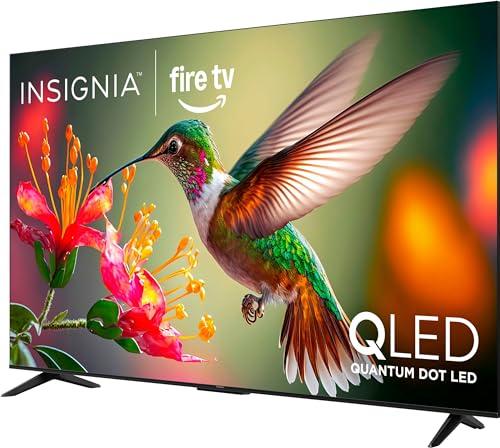
The Insignia QF Series features genuine QLED (Quantum Dot Light Emitting Diode) technology, a significant step up from traditional LED displays. Quantum dots are microscopic semiconductor particles that, when hit by light, emit very pure colors. Think of them as tiny color factories that can produce over a billion distinct color variations – far more than standard LED displays manage.
This isn't just marketing fluff. QLED technology delivers measurably better color accuracy, meaning the red of a rose or the blue of the ocean appears more lifelike and natural. The quantum dots also boost brightness significantly, which becomes crucial when watching HDR (High Dynamic Range) content where bright highlights need to really pop against dark shadows.
The F50 Series, released in 2022, uses conventional LED backlighting without quantum dot enhancement. While this older technology still produces a solid 4K picture, it can't match the color volume or brightness levels of QLED. Colors appear more muted, and the TV struggles more in bright rooms where ambient light washes out the picture.
However, LED technology has its merits – it's proven, reliable, and allows manufacturers to hit very aggressive price points. For many viewing scenarios, particularly in darker rooms, standard LED can still deliver satisfying picture quality.
High Dynamic Range represents one of the most significant improvements in TV technology over the past decade. HDR expands both the brightness range (from deeper blacks to brighter whites) and color range (more vibrant, accurate colors) that your TV can display. But not all HDR implementations are created equal.
The QF Series supports Dolby Vision, which represents the premium tier of HDR technology. Unlike static HDR formats that apply the same enhancement settings to entire movies, Dolby Vision analyzes each scene – sometimes each frame – and dynamically adjusts brightness, contrast, and color to optimize every moment. When you're watching a movie that transitions from a bright outdoor scene to a dark indoor conversation, Dolby Vision ensures both scenes look their absolute best.
The F50 Series supports standard HDR10, which still improves picture quality over non-HDR content but lacks the sophisticated scene-by-scene optimization. You'll notice the difference most in challenging content with mixed lighting – think of a movie scene where characters are backlit by a bright window. Dolby Vision handles these scenarios with much more nuance.
Our research into user experiences consistently shows that viewers notice Dolby Vision's benefits, particularly in popular streaming content from Netflix, Disney+, and Amazon Prime Video, where the format is increasingly common.
Both TVs attempt to address the eternal weakness of flat-screen displays – thin profiles leave little room for quality speakers. However, they take different approaches to audio enhancement.
The QF Series incorporates Dolby Atmos processing, which creates the illusion of three-dimensional sound from the TV's built-in speakers. Atmos analyzes audio tracks and attempts to position sounds in virtual space around you – helicopters flying overhead, rain falling from above, or dialogue clearly positioned at screen center. While built-in TV speakers can't replicate a full Atmos surround system, the processing does create a noticeably more immersive experience than standard audio.
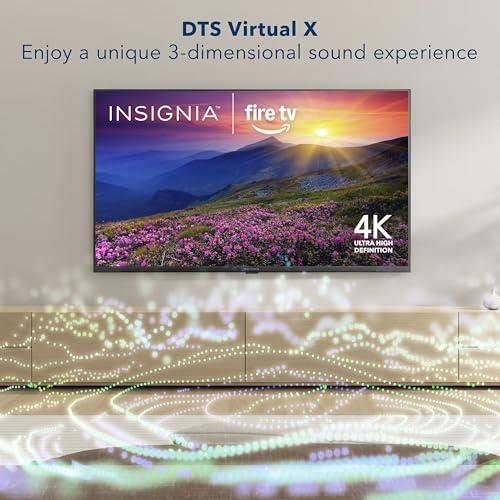
The F50 Series uses DTS Studio Sound, which focuses more on clarity and dialogue enhancement than spatial effects. This system emphasizes making voices more distinct and reducing the muddiness that often plagues TV speakers. It's a more practical approach that addresses the most common complaint about TV audio – difficulty understanding dialogue.
Both TVs benefit significantly from external audio solutions. Based on user feedback we've analyzed, most owners end up adding soundbars within six months, regardless of which model they choose.
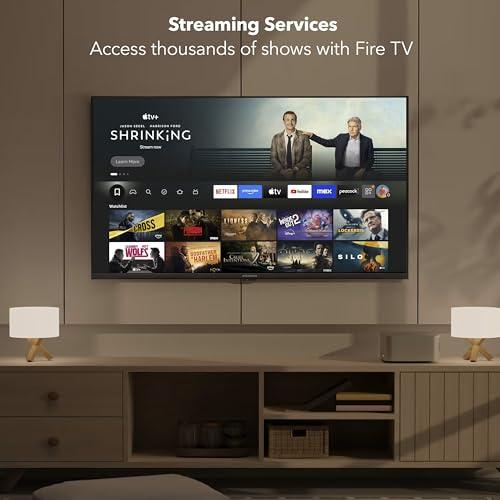
Both models run Amazon's Fire TV operating system, which eliminates one major differentiation point. This gives both TVs access to the same vast app library, identical interface design, and integrated Alexa voice control functionality.
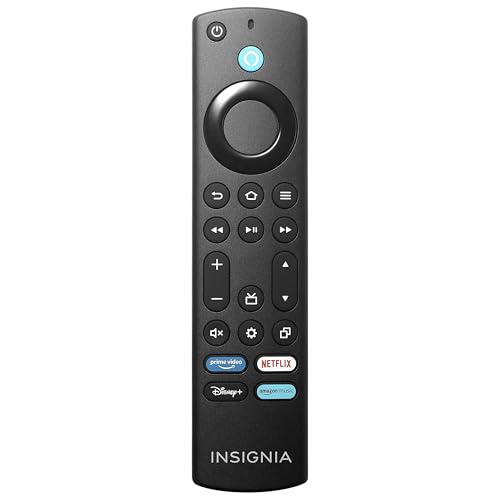
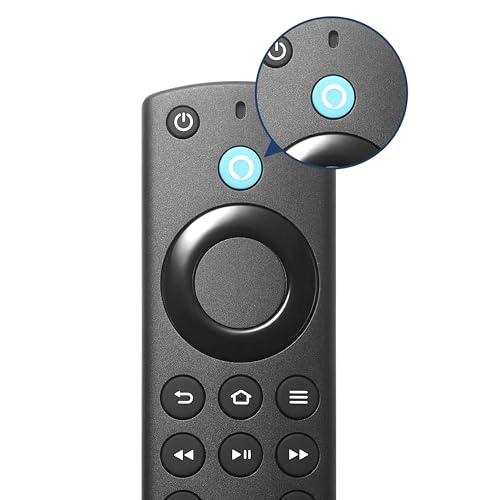
Fire TV has evolved into one of the more responsive smart TV platforms, with relatively quick app launching and menu navigation. The interface prioritizes Amazon's content but doesn't feel overly pushy about it. Voice control through the included Alexa remote works reliably for basic functions like launching apps, searching for content, and controlling volume.
However, both TVs share Fire TV's limitations. The platform occasionally suffers from minor lag when switching between apps or navigating complex menus. Some users report occasional freezing that requires a restart, though this isn't widespread based on the reviews we've analyzed.
The QLED advantage in the QF Series becomes most apparent in colorful content. Nature documentaries, animated movies, and vibrant TV shows showcase the quantum dot technology's superior color reproduction. Reds appear richer, greens more natural, and blues deeper without looking artificially oversaturated.
Standard LED in the F50 Series can appear somewhat washed out by comparison, particularly in well-lit rooms. Colors tend toward a slightly cooler, less natural tone that becomes more noticeable once you've experienced quantum dot enhancement.
Peak brightness – how bright the TV can get – significantly impacts viewing experience, especially for HDR content and bright room viewing. The QF Series achieves notably higher brightness levels, making it better suited for living rooms with large windows or lots of ambient light.
Both TVs use direct LED backlighting rather than edge lighting, which provides more uniform brightness across the screen. However, neither includes local dimming technology found in higher-end models, which means they can't dramatically darken specific screen areas while keeping others bright. This limits their contrast performance in challenging scenes, though the QF Series handles mixed lighting scenarios somewhat better.
Both TVs are limited to 60Hz refresh rates, which represents their biggest weakness for gaming enthusiasts. Modern gaming consoles support 120Hz output, but these TVs can't take advantage of those capabilities. For casual gaming and movie watching, 60Hz proves adequate, but serious gamers should look elsewhere.
Input lag – the delay between controller input and on-screen response – measures acceptably low on both models for casual gaming. Neither supports variable refresh rate (VRR) or other advanced gaming features that have become standard on mid-range and premium TVs.
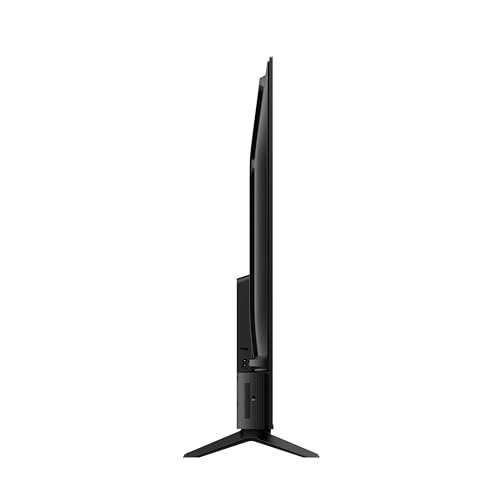
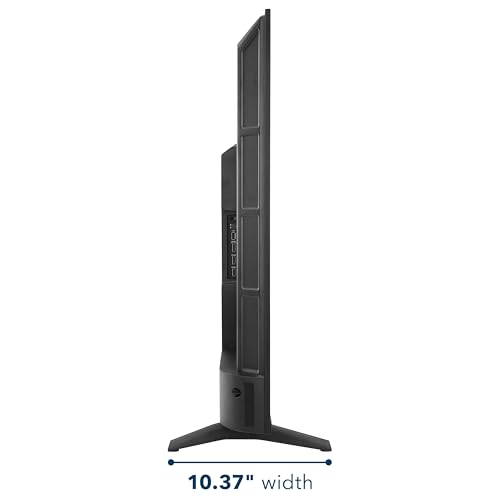
Both TVs feature similar construction approaches with lightweight designs that prioritize easy mounting and handling over premium materials. The QF Series weighs around 27.8 pounds with its stand, making it manageable for two-person installation.
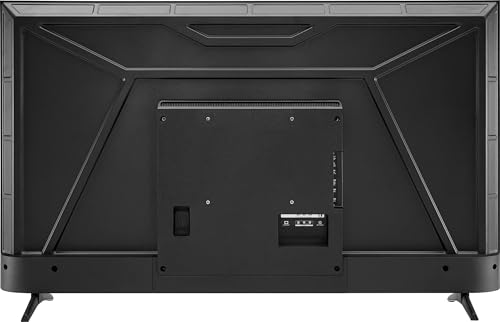
The bezel designs are minimalist and modern on both models, though neither feels particularly premium in hand. For wall mounting, both use standard VESA mounting patterns and work well with most universal mounts.
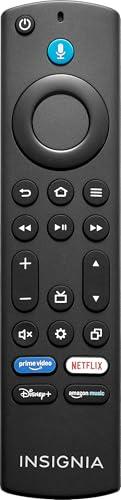
Build quality appears solid based on user reports, though some buyers note that remote controls feel somewhat cheap on both models. This represents typical cost-cutting in budget TV categories.
At the time of writing, the price gap between these models remains relatively modest – typically $30-50 separates them, though promotional pricing can temporarily narrow or widen this difference.
The QF Series delivers technology typically found in TVs costing significantly more. QLED displays from major brands often command $200-400 premiums over comparable LED models. Getting quantum dot technology, Dolby Vision support, and Dolby Atmos processing at this price point represents exceptional value for the feature set.
However, the TV doesn't match the performance of truly premium QLED models from Samsung, TCL, or other manufacturers. It lacks local dimming, achieves more modest peak brightness, and includes fewer advanced features. Still, for buyers wanting QLED benefits without premium pricing, it's compelling.
The F50 Series excels at maximizing screen size per dollar. Finding 65-inch 4K TVs with integrated smart platforms at this price point was nearly impossible just a few years ago. For buyers prioritizing size above all else, it delivers remarkable value.
The LED display technology, while not cutting-edge, still produces watchable 4K images suitable for most content types. Streaming video, cable TV, and casual movie watching all look acceptable, particularly in dimmer viewing environments.
For dedicated home theater use, the QF Series emerges as the clear choice. Dolby Vision support ensures optimal presentation of premium streaming content, while QLED technology provides the color accuracy and brightness needed for immersive movie experiences.
The F50 Series can serve in theater applications, but its limitations become more apparent during extended viewing sessions. HDR content lacks the punch and detail that makes the format compelling, and color accuracy issues become more noticeable in darkened rooms where picture quality flaws aren't masked by ambient light.
Both TVs benefit tremendously from external audio in theater applications. Their built-in speakers, while adequate for casual viewing, can't provide the dynamic range and clarity that movie soundtracks deserve.
Picture quality matters to your daily viewing experience. The QLED technology and Dolby Vision support create meaningful improvements you'll notice every time you watch TV. If you're planning to keep this TV for several years, the superior technology provides better long-term satisfaction.
You have a bright living room or family room where the TV will face windows or other light sources. The higher brightness capability handles ambient light much better than standard LED.
You watch lots of movies or premium streaming content where Dolby Vision and enhanced color accuracy provide clear benefits. Netflix, Disney+, and Amazon Prime Video increasingly offer Dolby Vision content that showcases the technology.
You can afford the modest price premium for noticeably better performance. The upgrade cost delivers substantial real-world improvements rather than minor specification differences.
Budget constraints make every dollar count, and you need maximum screen size at minimum cost. The F50 Series delivers 65 inches of 4K entertainment at an exceptional price point.
You're buying a secondary TV for a bedroom, guest room, or other location where ultimate picture quality isn't critical. Standard LED performance proves perfectly adequate for casual viewing.
Your viewing habits center around news, sports, and basic cable content where advanced display technology provides minimal benefits. Standard content doesn't showcase QLED advantages as dramatically as premium streaming or movies.
You're upgrading from a much smaller or older TV where any large 4K display represents a major improvement regardless of specific technology differences.
The modest price difference makes this decision easier than it might initially appear. The QF Series provides meaningful technological advantages that enhance daily viewing for a relatively small premium. QLED technology, Dolby Vision, and Dolby Atmos aren't just specification checkboxes – they create tangible improvements you'll experience every time you watch TV.
However, the F50 Series shouldn't be dismissed as a compromise choice. It delivers excellent value for buyers who prioritize screen size and smart features over cutting-edge display technology. For many viewing scenarios and room types, its LED display provides perfectly satisfactory performance.
The decision ultimately comes down to how much picture quality improvements matter to your viewing experience and budget flexibility. If you can afford the upgrade and plan to keep the TV for several years, the QF Series provides better long-term value through superior technology. If budget constraints dominate your decision-making, the F50 Series maximizes entertainment value per dollar spent.
Both TVs represent solid choices in their respective categories, but the QF Series offers a more compelling balance of features and performance for most buyers at the time of writing.
| Insignia 65" QF Series QLED 4K UHD Smart TV | Insignia 65" F50 Series 4K UHD Smart Fire TV |
|---|---|
| Display Technology - The foundation that determines color quality and brightness | |
| QLED (Quantum Dot LED) for superior color accuracy and brightness | Standard LED without quantum dot enhancement |
| HDR Support - Critical for streaming content and movie quality | |
| Dolby Vision + HDR10 (dynamic scene optimization) | HDR10 only (basic HDR enhancement) |
| Audio Processing - Affects immersion and dialogue clarity | |
| Dolby Atmos spatial audio processing | DTS Studio Sound for dialogue enhancement |
| Screen Size & Resolution - Both identical for viewing experience | |
| 65" 4K UHD (3840 x 2160) | 65" 4K UHD (3840 x 2160) |
| Smart Platform - Identical experience on both models | |
| Fire TV OS with Alexa Voice Remote | Fire TV OS with Alexa Voice Remote |
| Peak Brightness - Determines performance in bright rooms | |
| Higher brightness capability for better HDR and daylight viewing | Moderate brightness, best suited for darker rooms |
| Color Gamut - How vibrant and accurate colors appear | |
| Wide color gamut with quantum dot enhancement | Standard color range typical of LED displays |
| Refresh Rate - Important for gaming and motion handling | |
| 60Hz (adequate for movies, limiting for gaming) | 60Hz (adequate for movies, limiting for gaming) |
| HDMI Connectivity - Future-proofing and device compatibility | |
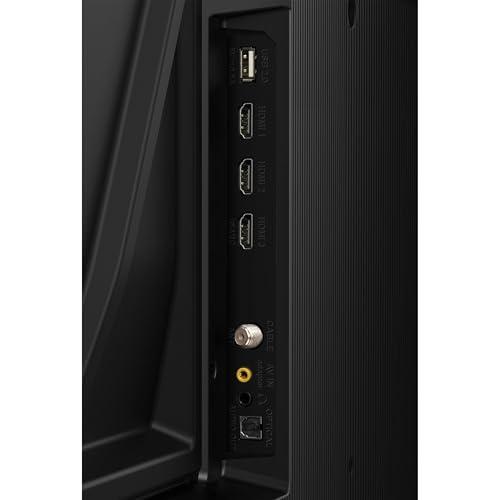
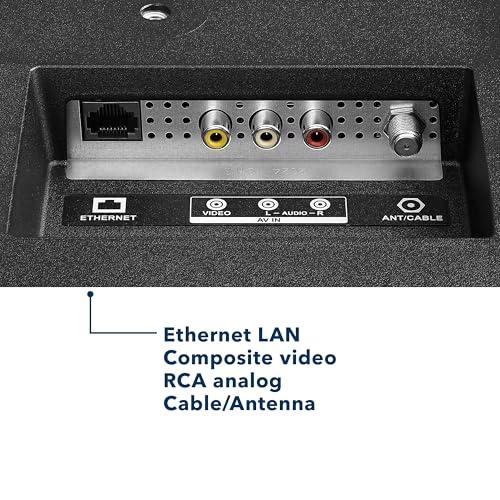
| 3 HDMI ports including eARC support | 3 HDMI ports including eARC support |
| Release Year - Indicates technology generation | |
| 2025 model with current-generation features | 2022 model representing older technology tier |
| Gaming Features - Advanced capabilities for console gaming | |
| Limited to 60Hz, no VRR or HDMI 2.1 features | Limited to 60Hz, no VRR or HDMI 2.1 features |
| Build Quality - Physical construction and weight | |
| Lightweight at 27.8 lbs, metal bezel-less design | Similar lightweight construction, modern design |
| Ideal Use Cases - Best applications for each model | |
| Home theater, bright rooms, premium streaming content | Budget installations, secondary TVs, casual viewing |
The primary difference is display technology. The Insignia 65" QF Series QLED uses advanced quantum dot technology for superior color accuracy and brightness, while the Insignia 65" F50 Series uses standard LED technology. The QF Series also supports Dolby Vision HDR and Dolby Atmos audio, which the F50 Series lacks.
The Insignia 65" QF Series QLED is significantly better for bright rooms due to its higher peak brightness capability from quantum dot technology. The F50 Series performs adequately in moderate lighting but can appear washed out in very bright environments with lots of windows or ambient light.
Yes, both the QF Series and F50 Series run identical Fire TV operating systems with the same app selection, Alexa voice control, and user interface. The smart platform experience is essentially the same on both models.
The Insignia 65" QF Series QLED delivers superior movie picture quality thanks to its QLED display technology and Dolby Vision HDR support. Colors appear more vibrant and lifelike, while Dolby Vision optimizes each scene for better contrast and detail compared to the standard HDR on the F50 Series.
Both TVs are adequate for casual gaming but limited for serious gamers. The QF Series and F50 Series both max out at 60Hz refresh rates and lack advanced gaming features like variable refresh rate or HDMI 2.1 support that modern gaming consoles can utilize.
Value depends on your priorities. The Insignia 65" F50 Series offers exceptional value for budget-conscious buyers wanting maximum screen size at minimum cost. The QF Series provides better long-term value through superior technology that enhances daily viewing, though at a higher upfront cost.
The Insignia 65" QF Series QLED features Dolby Atmos processing for more immersive spatial audio, while the F50 Series uses DTS Studio Sound focused on dialogue clarity. Both benefit from external soundbars, but the QF Series offers a more advanced built-in audio experience.
The Insignia 65" QF Series QLED is the clear choice for home theater applications. Its QLED technology, Dolby Vision HDR support, and Dolby Atmos audio processing create a more cinematic viewing experience that's ideal for dedicated movie watching compared to the F50 Series.
Yes, both the QF Series and F50 Series fully support 4K streaming from Netflix, Amazon Prime Video, Disney+, and other major services. However, the QF Series can take advantage of Dolby Vision content on these platforms for enhanced picture quality.
The Insignia 65" QF Series QLED is the newer 2025 model featuring current-generation display technology, while the F50 Series was released in 2022. The QF Series represents Insignia's latest premium offering in this size category.
Yes, both the Insignia 65" QF Series QLED and F50 Series feature identical 65-inch screens with 4K UHD (3840 x 2160) resolution. The physical dimensions and mounting options are also very similar between the two models.
If budget is your primary concern, the Insignia 65" F50 Series maximizes screen size for the lowest cost while still providing 4K resolution and smart TV features. However, if you can afford the modest premium, the QF Series offers significantly better picture quality that enhances your viewing experience long-term.
We've done our best to create useful and informative comparisons to help you decide what product to buy. Our research uses advanced automated methods to create this comparison and perfection is not possible - please contact us for corrections or questions. These are the sites we've researched in the creation of this article: bestbuy.com - bestbuy.com - bestbuy.com - youtube.com - rtings.com - youtube.com - youtube.com - manuals.plus - youtube.com - bestbuy.com - leaseville.com - financemycart.com - financemycart.com - bestbuy.com - klarna.com - bestbuy.com - slickdeals.net - bestbuy.com - bestbuy.com - pcvarge.com - whathifi.com - leaseville.com - bestbuy.com - manuals.plus - youtube.com - techeasypay.com - sears.com - rtings.com

Privacy Policy
Terms and Conditions - Affiliate Policy
Home Security
© Copyright 2008-2026.
11816 Inwood Rd #1211, Dallas, TX 75244