

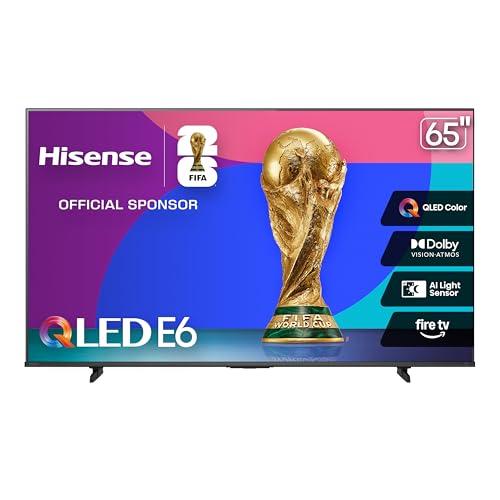

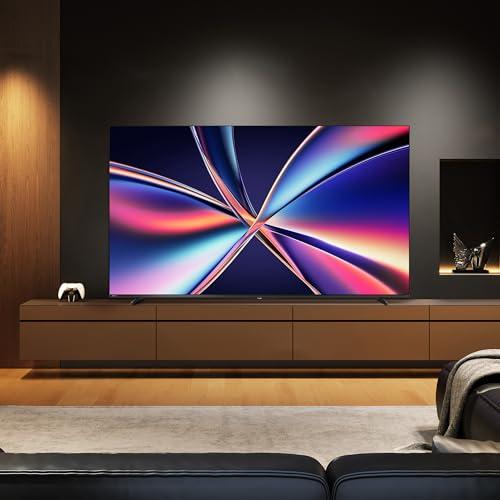
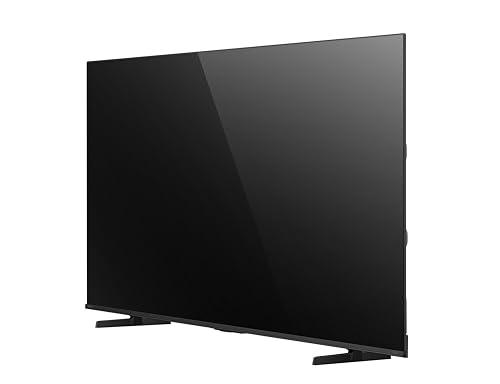
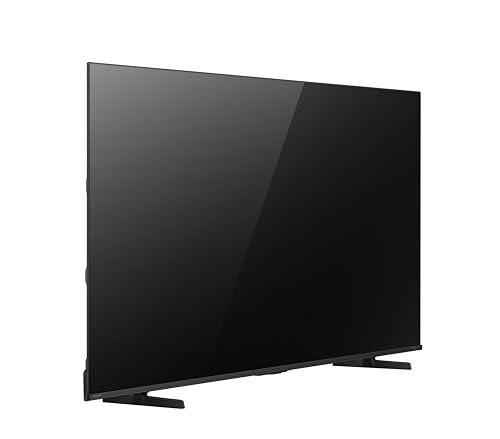
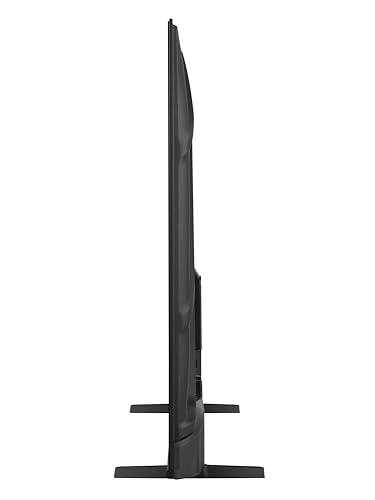
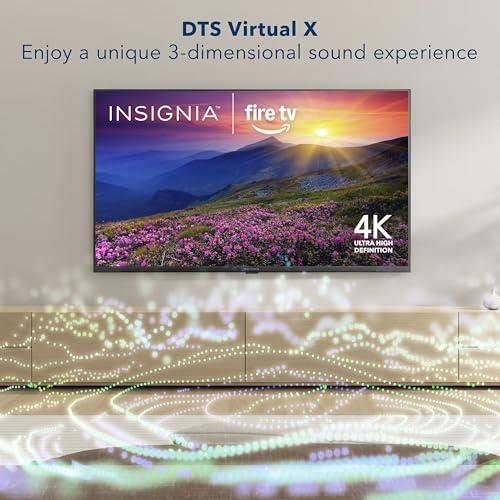
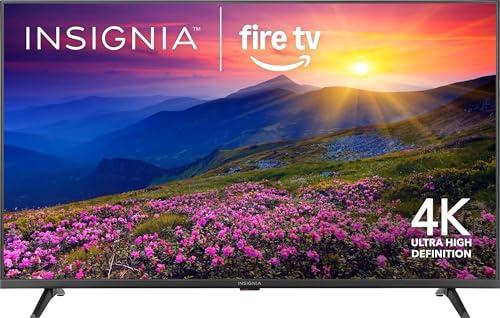
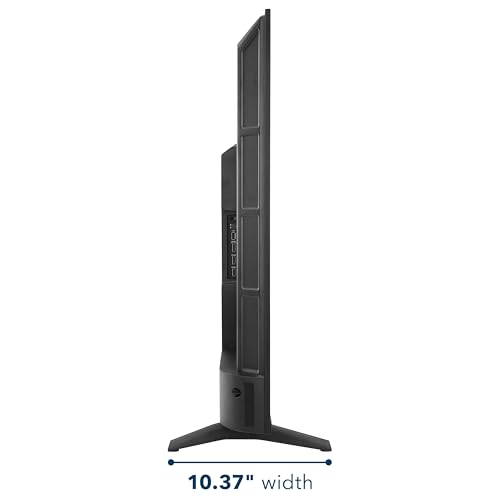
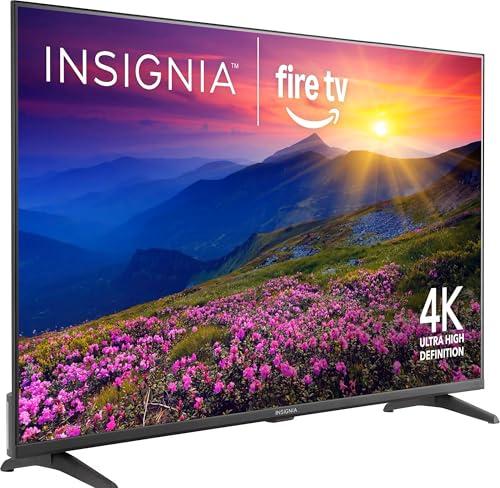
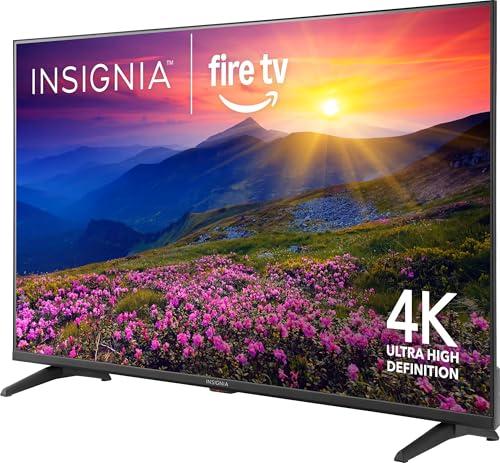
When you're shopping for a 65-inch TV, you're making a significant investment in your home entertainment setup. Both the Hisense 65" E6 Cinema Series QLED 4K Fire TV and the Insignia 65" F50 Series 4K UHD Smart Fire TV represent compelling options in the QLED market, but they take notably different approaches to delivering that big-screen experience you're after.
Before diving into the comparison, let's clarify what QLED actually means and why it matters for your viewing experience. QLED stands for Quantum Dot Light Emitting Diode, which is essentially a fancy way of saying these TVs use microscopic particles called quantum dots to produce more accurate and vibrant colors than traditional LED displays. Think of quantum dots as tiny color filters that can produce incredibly pure reds, greens, and blues – the building blocks of every color you see on screen.
The key considerations when choosing any 65-inch QLED TV include picture quality (how good everything looks), smart features (how easy it is to navigate and stream content), gaming performance (if you play video games), audio quality, and overall value. In our research across user reviews and expert opinions, we've found that picture quality and gaming capabilities tend to be the most important differentiators in this size category.
The Insignia F50 Series has been available for a couple of years now, representing a more established approach to budget QLED technology. The Hisense E6 Cinema Series, on the other hand, launched in 2025 as part of Hisense's latest generation of TVs, incorporating several technological advances that weren't available when the Insignia was first developed.
This timing difference is significant because TV technology moves quickly. The advances in processing power, HDR (High Dynamic Range) support, and gaming features over just a few years can create meaningful performance gaps between models released even relatively close together.
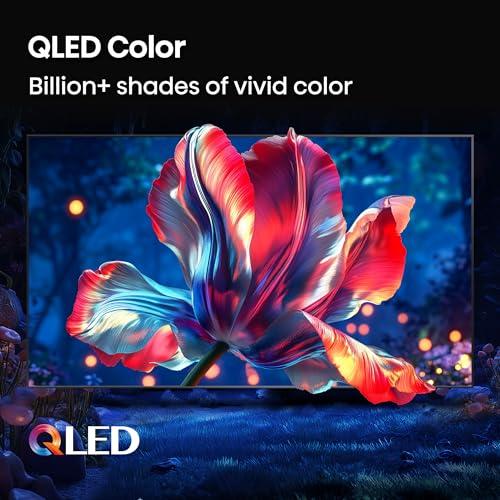
Both TVs use QLED technology, but the implementation tells a very different story. The Hisense E6 claims to display "over a billion shades of color," which sounds like marketing speak but actually reflects a more sophisticated quantum dot layer that can produce finer color gradations. In practical terms, this means you'll see smoother color transitions – think about a sunset where the orange gradually shifts to pink without visible bands or steps between colors.
The Insignia F50 delivers solid QLED performance for its price point, but our research suggests it doesn't quite reach the same level of color sophistication. Users consistently report that colors look vibrant and punchy, which is exactly what you want for most content, but the color accuracy isn't quite as refined as what you'll get from the newer Hisense model.
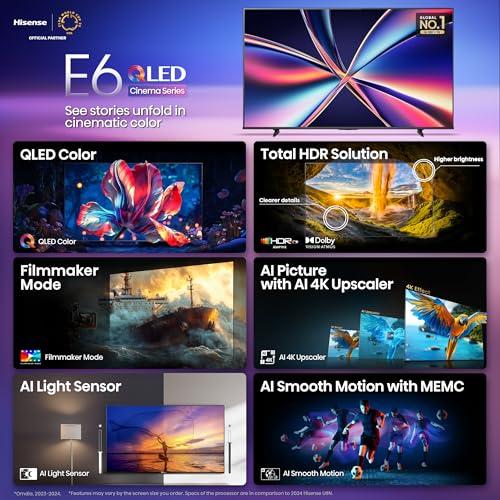
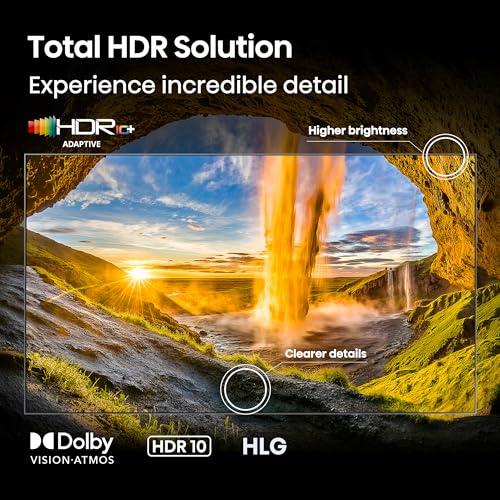
This is where the two TVs diverge significantly. HDR, or High Dynamic Range, essentially allows TVs to display a much wider range of brightness levels – from deeper blacks to brighter whites – creating more realistic images. The Hisense E6 supports what they call a "Total HDR Solution," including Dolby Vision, HDR10+ Adaptive, HDR10, and HLG formats.
Here's why this matters: Dolby Vision and HDR10+ are dynamic HDR formats, meaning they can adjust the picture settings scene by scene, or even frame by frame. If you're watching a movie that cuts from a dark cave to bright sunlight, these formats optimize each scene individually. The Insignia F50 supports HDR10 and Dolby Vision but lacks the more advanced HDR10+ Adaptive format.
However, there's an important caveat based on our research: both TVs have limitations in peak brightness, which means while they can display HDR content, the impact won't be as dramatic as you'd get from a premium TV costing significantly more. The Hisense E6 appears to have a slight edge in HDR performance, but neither will deliver the jaw-dropping HDR experience you might expect if you're coming from non-HDR content.
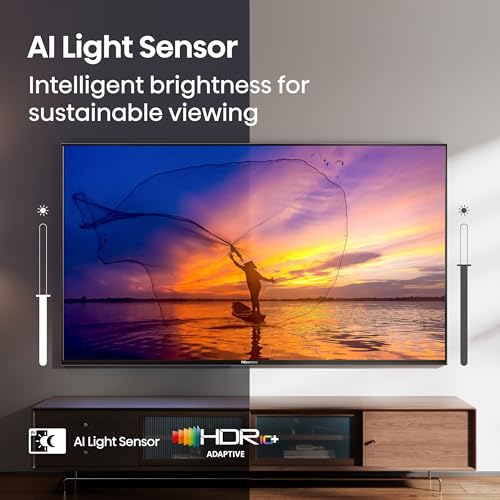
The Hisense E6 includes several AI-powered features that the Insignia F50 lacks entirely. The AI Light Sensor automatically adjusts screen brightness based on your room's lighting conditions, which sounds minor but makes a real difference in day-to-day use. If you're watching TV during the day with sunlight streaming in, then continue watching into the evening, the TV adapts without you having to fumble for the remote.
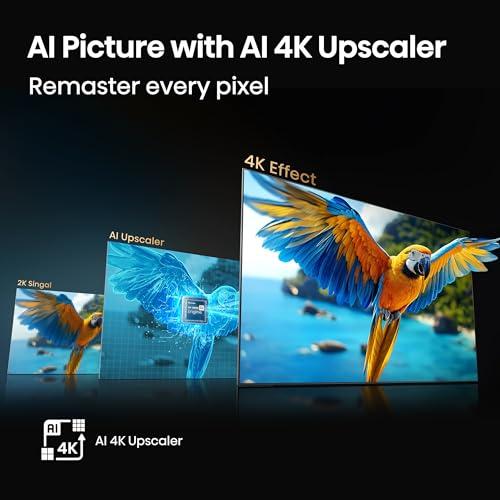
The AI 4K Upscaler is another standout feature. This uses machine learning to enhance lower-resolution content – like regular HD shows or older movies – to look closer to native 4K quality. While no upscaling is perfect, user reports suggest this feature works well enough to make a noticeable difference with older content.
If you're a gamer, or share your TV with someone who is, the gaming performance difference between these two TVs is substantial. The Hisense E6 offers 144Hz Game Mode Pro, Variable Refresh Rate (VRR), and Auto Low Latency Mode (ALLM) – features that directly impact how smooth and responsive games feel.
Let's break down what these gaming features actually do:
The Insignia F50 is limited to 60Hz and lacks these advanced gaming features. For casual gaming, it's perfectly adequate, but if you have a PlayStation 5, Xbox Series X, or gaming PC that can output higher frame rates, you won't be able to take advantage of their capabilities.
Based on user feedback, the difference is immediately noticeable in games like first-person shooters or racing games where smooth motion and quick response times matter most. The Hisense E6 essentially future-proofs your setup for the current generation of gaming consoles.
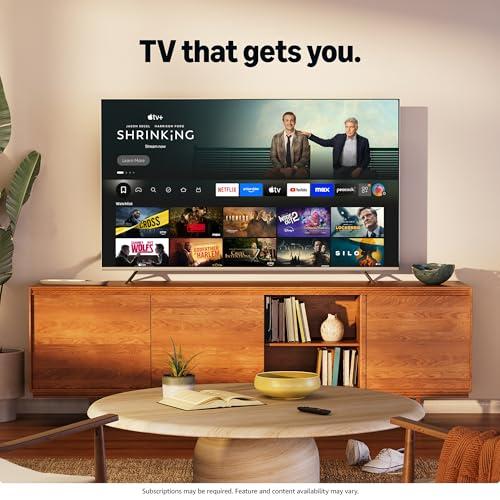
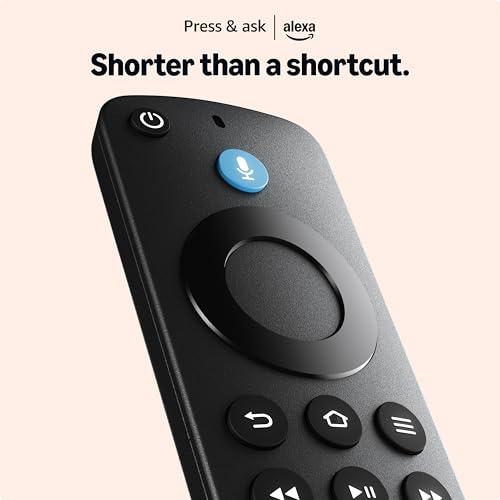
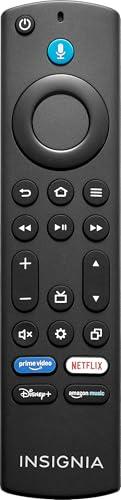
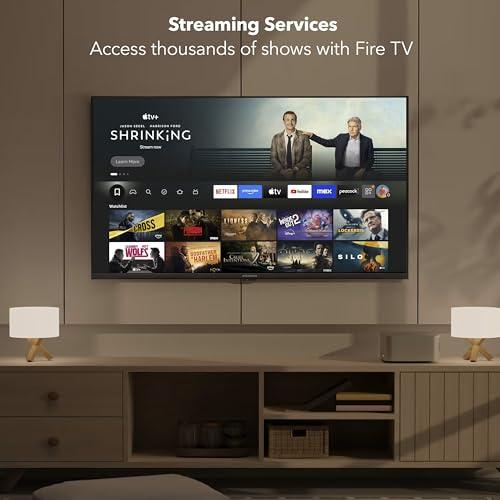
Both TVs run Fire TV, Amazon's smart TV platform, so the basic streaming experience is similar. You'll get access to all the major apps – Netflix, Disney+, Prime Video, YouTube, and many others – along with Alexa voice control through the included remote.
However, the Hisense E6 includes WiFi 6 support, while the Insignia F50 uses the older WiFi 5 standard. WiFi 6 provides faster speeds and better performance when multiple devices are connected to your network. If you stream a lot of 4K content or have a busy household with many connected devices, this can make streaming more reliable and reduce buffering.
From our research into user experiences, the Insignia F50 occasionally suffers from slow menu navigation and app responsiveness issues. While these aren't universal problems, they occur frequently enough to be worth considering. The newer Hisense E6 appears to have better overall platform performance, likely due to more powerful internal processing.
Audio is often overlooked when choosing a TV, but it significantly impacts your viewing experience. The Insignia F50 takes a more traditional approach with 20-watt speakers and DTS Studio Sound processing, which focuses on clear dialogue and balanced sound across different types of content.
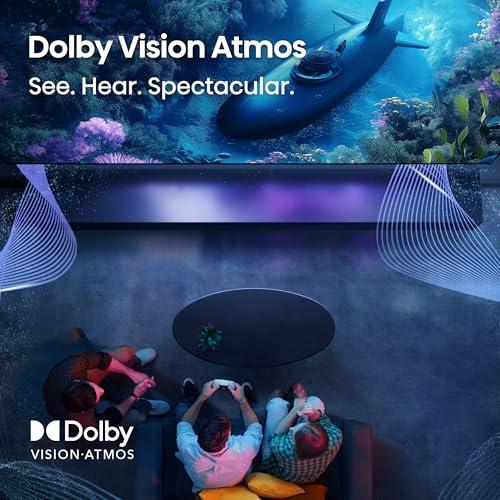
The Hisense E6 emphasizes Dolby Atmos support, which creates a more immersive, three-dimensional sound experience. Dolby Atmos can make sounds appear to come from above and around you, rather than just from the TV's speakers. However, built-in TV speakers have physical limitations, so while Dolby Atmos processing helps, it won't match a dedicated sound system.
User reviews suggest the Insignia F50 might actually produce slightly louder, clearer sound for everyday TV watching, while the Hisense E6 creates a more spatially interesting experience that particularly benefits movie watching.
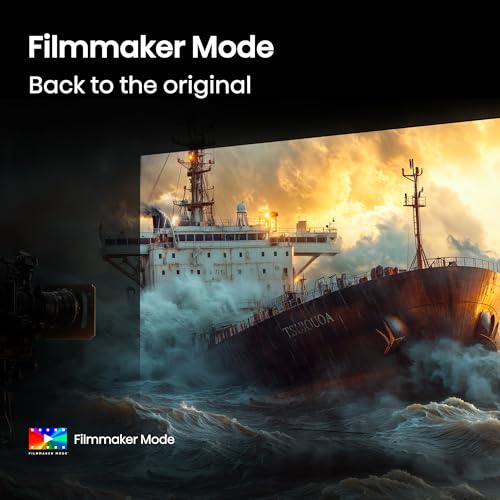
If you're building a dedicated home theater setup, several factors become more critical. The Hisense E6's Filmmaker Mode is designed to display movies exactly as the director intended, with accurate colors and proper aspect ratios. This feature automatically detects when you're watching cinema content and adjusts settings accordingly.
For home theater use, the superior HDR performance and color accuracy of the Hisense E6 become more noticeable, especially in a darkened room where you can appreciate subtle details in shadows and highlights. The AI Light Sensor also helps maintain consistent picture quality if you occasionally watch with some ambient lighting.
However, both TVs have narrow viewing angles, which is typical for LED-based displays. This means picture quality degrades when viewed from the side, so they work best when everyone is sitting relatively centered in front of the screen.
At the time of writing, there's a meaningful price gap between these two TVs, with the Insignia F50 positioned as the more budget-friendly option and the Hisense E6 commanding a premium for its additional features.
The Insignia F50 represents excellent value if you want QLED picture quality without paying for advanced gaming features or cutting-edge HDR processing. For families who primarily stream shows and movies, don't game competitively, and want a reliable big-screen TV, it delivers solid performance at an attractive price point.
The Hisense E6 costs more but justifies the premium with genuinely useful features: significantly better gaming performance, more sophisticated HDR processing, WiFi 6 connectivity, and AI-powered optimizations. If you plan to keep this TV for several years, these features provide better long-term value as content and gaming standards continue to evolve.
Choose the Hisense E6 Cinema Series if:
Choose the Insignia F50 Series if:
After evaluating user feedback, expert opinions, and technical specifications, the Hisense E6 Cinema Series emerges as the better overall TV, but with important caveats about value and use case.
For most buyers, the decision comes down to whether gaming performance and advanced picture processing are worth the price premium. The Hisense E6 is genuinely better in almost every technical aspect, but the Insignia F50 delivers satisfying performance for less demanding uses at a more accessible price point.
If you're building a primary entertainment setup that you'll use for several years, the Hisense E6 provides better long-term value through its future-ready features. If you need a good big-screen TV without the premium features, the Insignia F50 offers impressive QLED quality that will satisfy most viewers.
Both TVs represent solid choices in their respective price categories, but understanding your specific needs – particularly around gaming and picture quality priorities – will guide you to the right decision for your home entertainment setup.
| Hisense 65" E6 Cinema Series QLED 4K Fire TV | Insignia 65" F50 Series 4K UHD Smart Fire TV |
|---|---|
| Display Technology - Determines color quality and vibrancy | |
| QLED with over a billion color shades, advanced quantum dot layer | QLED with quantum dot technology, standard implementation |
| HDR Support - Critical for movie watching and streaming quality | |
| Dolby Vision, HDR10+, HDR10, HLG (comprehensive support) | Dolby Vision, HDR10 (basic but adequate support) |
| Gaming Performance - Essential for console and PC gaming | |
| 144Hz Game Mode Pro, VRR, ALLM (excellent for serious gamers) | 60Hz refresh rate, basic game mode (casual gaming only) |
| Motion Processing - Important for sports and action content | |
| AI Smooth Motion with MEMC, Motion Rate 120 | Standard motion processing, 60Hz limitations |
| Smart Features - Affects daily usability and future compatibility | |
| Fire TV with WiFi 6, AI Light Sensor, newer platform | Fire TV with WiFi 5, occasional responsiveness issues reported |
| Audio Technology - Impacts movie and TV show experience | |
| Dolby Atmos support for immersive sound | DTS Studio Sound, 20W speakers, clearer dialogue |
| Special Features - Convenience and optimization capabilities | |
| AI 4K Upscaler, Filmmaker Mode, automatic brightness adjustment | Apple AirPlay support, basic upscaling |
| Connectivity - Future-proofing and device compatibility | |
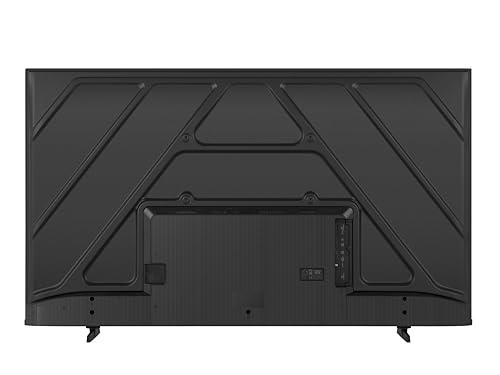
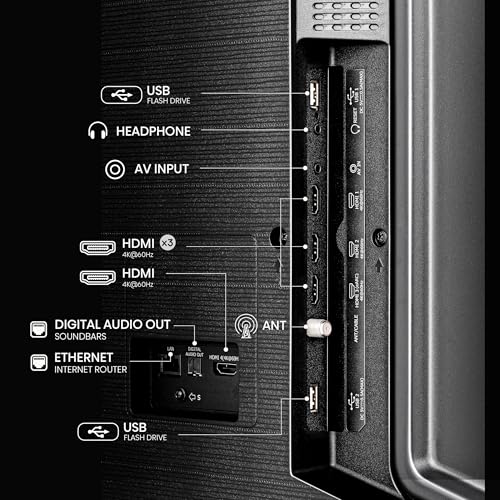
| WiFi 6, multiple HDMI with eARC, Bluetooth | WiFi 5, 3 HDMI ports with eARC, Bluetooth |
| Build Quality - Durability and design considerations | |
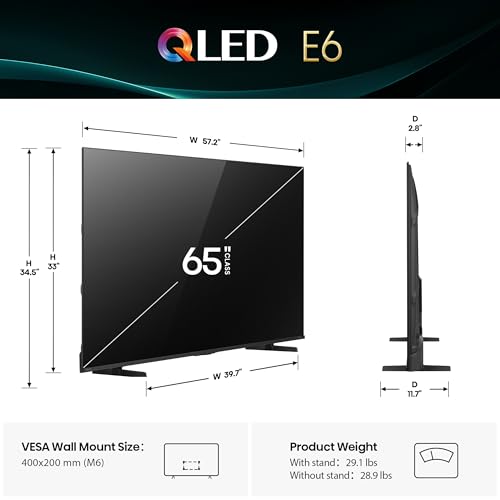
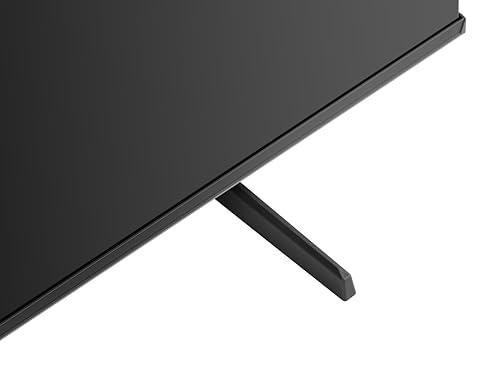
| 28.9 lbs, premium construction, 2025 model | 27.8 lbs, lightweight design, established model |
| Best For - Target user and use case | |
| Serious gamers, movie enthusiasts, tech-forward users | Budget-conscious families, casual viewers, secondary TVs |
The Hisense 65" E6 Cinema Series QLED 4K Fire TV delivers superior picture quality with its advanced QLED technology displaying over a billion color shades and comprehensive HDR support including Dolby Vision, HDR10+, HDR10, and HLG. The Insignia 65" F50 Series 4K UHD Smart Fire TV offers good QLED performance with HDR10 and Dolby Vision support, but lacks the color sophistication and HDR10+ format of the Hisense model.
The Hisense 65" E6 Cinema Series QLED 4K Fire TV is significantly better for gaming with its 144Hz Game Mode Pro, Variable Refresh Rate (VRR), and Auto Low Latency Mode (ALLM), making it ideal for PlayStation 5, Xbox Series X, and PC gaming. The Insignia 65" F50 Series 4K UHD Smart Fire TV is limited to 60Hz refresh rate and basic gaming features, suitable only for casual gaming.
The Insignia 65" F50 Series 4K UHD Smart Fire TV provides excellent value for budget-conscious buyers who want QLED quality without premium gaming features. The Hisense 65" E6 Cinema Series QLED 4K Fire TV costs more but justifies the premium with advanced gaming performance, superior HDR processing, and future-proofing features like WiFi 6.
Both TVs can work in home theater setups, but the Hisense 65" E6 Cinema Series QLED 4K Fire TV is better suited with its Filmmaker Mode, superior HDR performance, and AI Light Sensor for optimal viewing in darkened rooms. The Insignia 65" F50 Series 4K UHD Smart Fire TV works adequately for home theater but lacks advanced picture optimization features.
Both TVs run Fire TV with Alexa voice control, but the Hisense 65" E6 Cinema Series QLED 4K Fire TV includes WiFi 6 for faster streaming and better network performance. The Insignia 65" F50 Series 4K UHD Smart Fire TV uses WiFi 5 and some users report occasional menu lag and responsiveness issues.
The Insignia 65" F50 Series 4K UHD Smart Fire TV may have slightly better built-in speakers with 20W output and DTS Studio Sound for clearer dialogue. The Hisense 65" E6 Cinema Series QLED 4K Fire TV focuses on Dolby Atmos for more immersive spatial audio, though both TVs benefit from external sound systems for the best experience.
Yes, the Hisense 65" E6 Cinema Series QLED 4K Fire TV offers superior HDR with support for Dolby Vision, HDR10+ Adaptive, HDR10, and HLG formats, providing dynamic scene-by-scene optimization. The Insignia 65" F50 Series 4K UHD Smart Fire TV supports HDR10 and Dolby Vision but lacks the advanced HDR10+ format and sophisticated processing.
The Hisense 65" E6 Cinema Series QLED 4K Fire TV handles bright rooms better with its AI Light Sensor that automatically adjusts brightness based on ambient lighting conditions. The Insignia 65" F50 Series 4K UHD Smart Fire TV has decent brightness but lacks automatic adjustment features, requiring manual optimization for different lighting conditions.
Yes, both the Hisense 65" E6 Cinema Series QLED 4K Fire TV and Insignia 65" F50 Series 4K UHD Smart Fire TV run Fire TV operating system with access to Netflix, Disney+, Prime Video, Hulu, YouTube, and other major streaming apps. The Insignia model also includes Apple AirPlay support for additional device compatibility.
The Hisense 65" E6 Cinema Series QLED 4K Fire TV is more future-proof with WiFi 6, advanced gaming features supporting current console generations, and comprehensive HDR format support. The Insignia 65" F50 Series 4K UHD Smart Fire TV meets current needs well but may become outdated sooner for gaming and advanced streaming requirements.
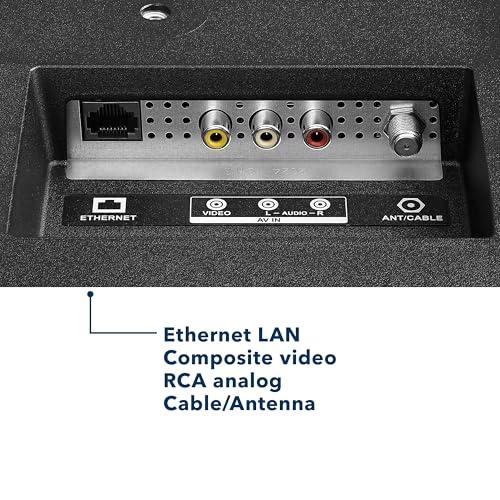
The Hisense 65" E6 Cinema Series QLED 4K Fire TV features WiFi 6 for faster wireless performance and multiple HDMI ports with eARC support. The Insignia 65" F50 Series 4K UHD Smart Fire TV includes 3 HDMI ports with eARC, USB ports, and WiFi 5, providing adequate connectivity for most setups but with slower wireless capabilities.
Choose the Insignia 65" F50 Series 4K UHD Smart Fire TV if you want excellent QLED quality for casual viewing, streaming, and light gaming at a lower cost. Select the Hisense 65" E6 Cinema Series QLED 4K Fire TV if you have serious gamers in the family, prioritize picture quality, or want a TV that will remain current as technology advances.
We've done our best to create useful and informative comparisons to help you decide what product to buy. Our research uses advanced automated methods to create this comparison and perfection is not possible - please contact us for corrections or questions. These are the sites we've researched in the creation of this article: bestbuy.com - bestbuy.com - rtings.com - pcvarge.com - youtube.com - youtube.com - youtube.com - rtings.com - shopabunda.com - hisense-usa.com - camelcamelcamel.com - manuals.plus - hisense-usa.com - hisense-usa.com - hisense-usa.com - slickdeals.net - bestbuy.com - bestbuy.com - rtings.com - youtube.com - pcvarge.com - whathifi.com - leaseville.com - bestbuy.com - manuals.plus - youtube.com - bestbuy.com - techeasypay.com - sears.com - rtings.com

Privacy Policy
Terms and Conditions - Affiliate Policy
Home Security
© Copyright 2008-2026.
11816 Inwood Rd #1211, Dallas, TX 75244