

The smart speaker market has split into two fascinating directions. On one side, you have premium devices that treat audio quality as seriously as smart features. On the other, budget-friendly options focus on getting voice assistants into every corner of your home without breaking the bank. The Bose Portable Smart Speaker and Amazon Echo Pop Smart Speaker represent these opposing philosophies perfectly.
At the time of writing, these speakers sit at opposite ends of the price spectrum—the Bose costs roughly ten times more than the Echo Pop. That dramatic price difference isn't just about brand markup; it reflects genuinely different approaches to what a smart speaker should be.
Smart speakers have evolved far beyond their original purpose as voice-controlled information kiosks. Today's market offers everything from tiny bedroom companions to powerful portable entertainment systems. The key considerations that separate good from great include audio performance, smart home integration, build quality, and versatility.
Audio performance involves several technical aspects worth understanding. Driver configuration refers to how many individual speakers are packed inside—more drivers usually mean better sound separation and fuller frequency response. Frequency response describes how well a speaker reproduces different sound ranges: bass (low frequencies), midrange (vocals and most instruments), and treble (high frequencies like cymbals). Passive radiators are speaker-like components that don't receive power directly but vibrate in response to the main driver, effectively increasing bass output without adding bulk.
Smart home integration has become equally important. Voice assistants like Alexa and Google Assistant can control lights, thermostats, security systems, and hundreds of other connected devices. Multi-room audio lets you play synchronized music throughout your house, while protocols like Matter (a universal smart home standard) ensure your speaker works with devices from different manufacturers.
Released in 2021, the Bose Portable Smart Speaker represents the company's attempt to merge their renowned audio expertise with modern smart features. Bose built their reputation on noise-canceling headphones and premium speakers, so expectations run high for anything bearing their name.
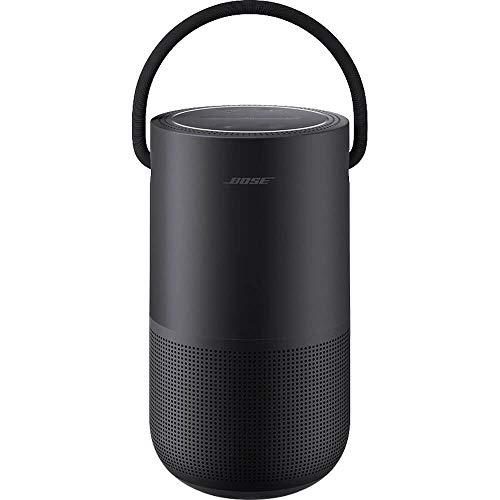
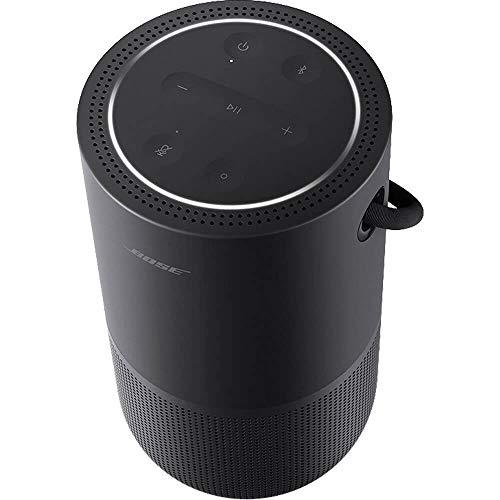
The Bose uses a sophisticated acoustic design that sets it apart from typical smart speakers. Instead of pointing a driver forward like most speakers, it fires downward into what Bose calls an "acoustic deflector." This creates 360-degree sound dispersion, meaning the music sounds consistent whether you're directly in front or walking around the speaker.
The bass performance particularly impresses thanks to three passive radiators—those vibrating components I mentioned earlier. Most portable speakers include one or two passive radiators, but the Bose uses three to create surprisingly deep low-frequency response for its size. When placed in a corner or against a wall, the bass becomes even more pronounced as the surfaces reinforce those low frequencies.
Our research into user experiences reveals consistent praise for the audio quality. The frequency response remains balanced across different volume levels, avoiding the harsh distortion that plagues many smaller speakers when pushed hard. The midrange clarity makes vocals shine through, while the treble stays smooth without becoming sharp or fatiguing during longer listening sessions.
However, placement matters significantly with the Bose. That 360-degree design works best when the speaker has space around it or sits against a solid surface. Hanging it by its fabric handle—while convenient for portability—reduces bass impact noticeably. This isn't a flaw so much as understanding how to maximize its acoustic design.
The Bose includes a substantial rechargeable battery rated for 12 hours of playback. Real-world usage typically delivers 6-7 hours with Wi-Fi enabled and moderate volume levels, which still surpasses most portable speakers. The battery charges via USB-C, and an optional charging cradle makes it easy to keep topped up at home.
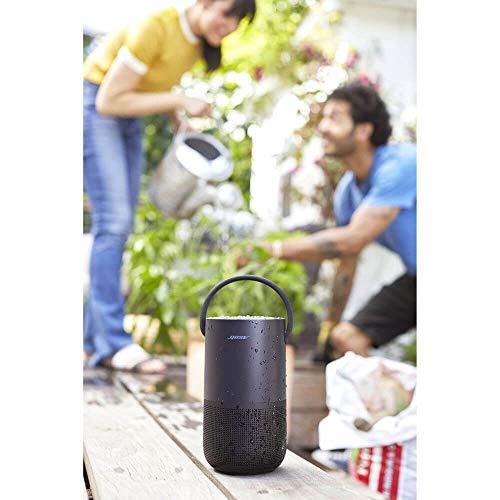
Build quality feels appropriately premium with aluminum and fabric construction that inspires confidence. The IPX4 water resistance rating means it handles splashes and light rain but shouldn't be submerged or left out in downpours. This level of protection makes it suitable for pool parties, beach trips, or camping without constant worry.
The fabric handle represents thoughtful design—it's flexible enough to hang from hooks but substantial enough for comfortable carrying. At 2.34 pounds, it's not exactly lightweight, but the weight contributes to the solid, quality feel rather than seeming excessive.
Perhaps the most interesting aspect of the Bose is its dual voice assistant support. While most smart speakers lock you into either Amazon's Alexa or Google Assistant, Bose includes both. This flexibility proves valuable if you use Google services but have Amazon smart home devices, or vice versa.
The microphone array performs exceptionally well at picking up voice commands from across rooms, even with music playing. The speaker processes many voice commands locally using advanced chips, reducing response delays compared to cloud-only processing.
Multi-room capabilities work through Bose's SimpleSync technology, allowing synchronization with other Bose speakers and soundbars. While not as extensive as Sonos's ecosystem, it provides solid whole-home audio for Bose device owners.
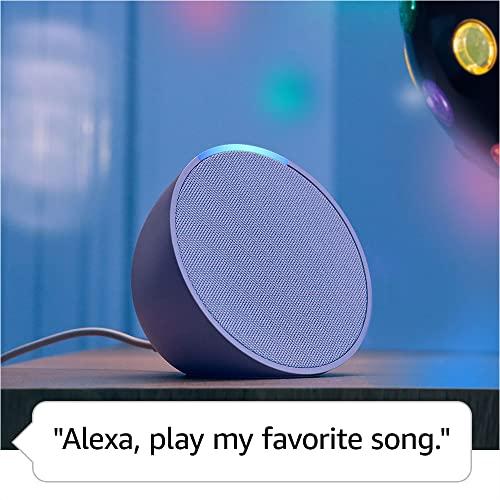
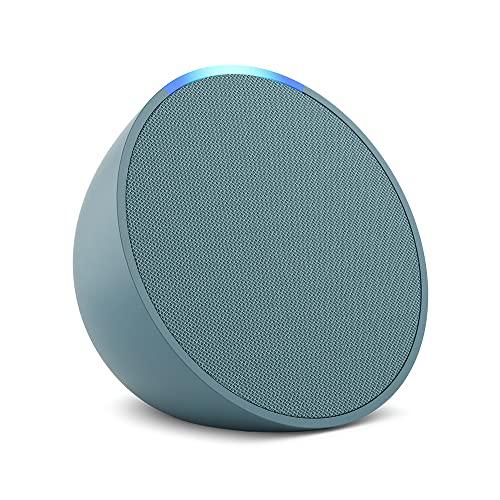
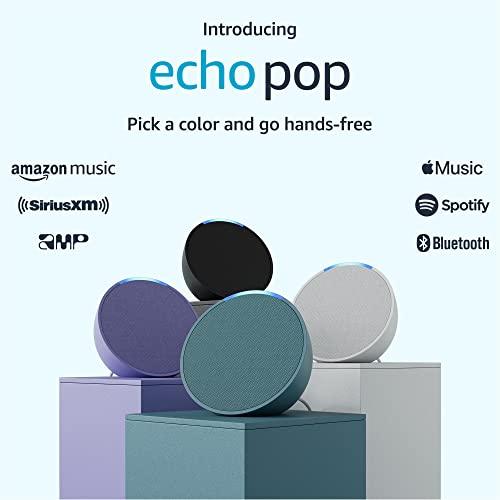
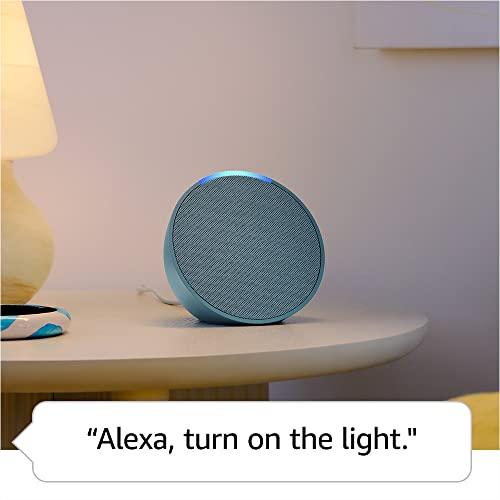
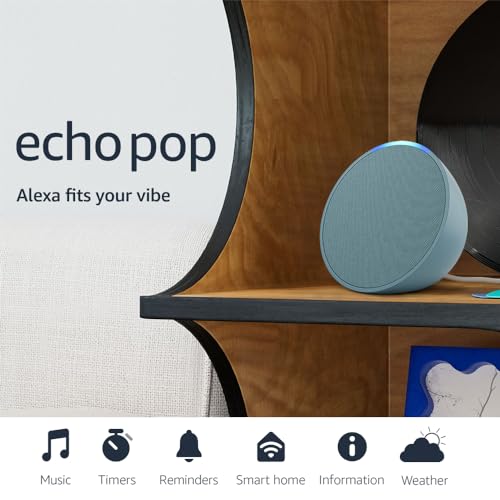
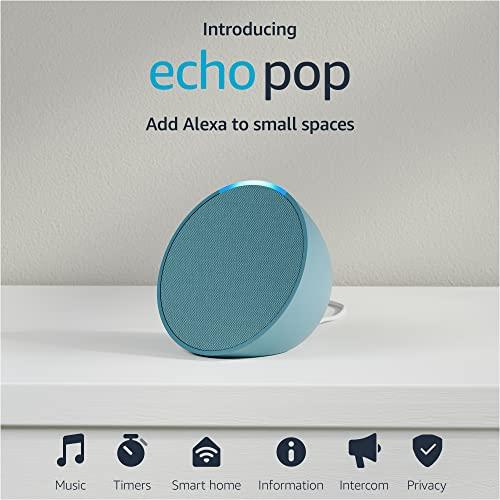
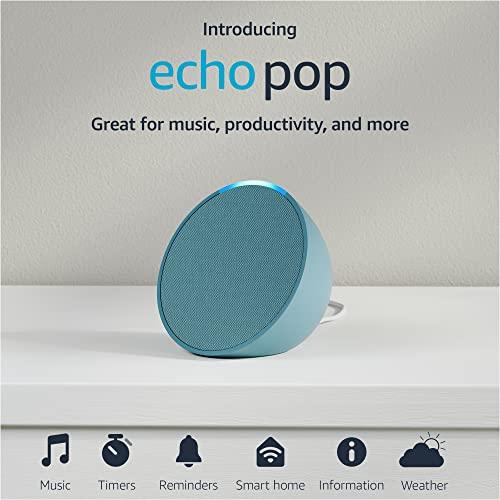
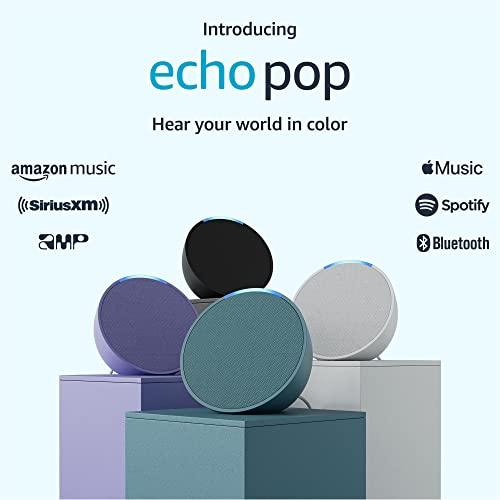
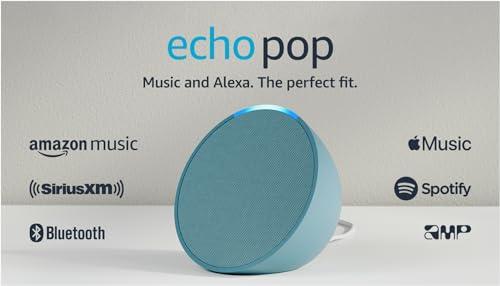
Amazon released the Echo Pop in 2023 as their most affordable smart speaker, designed to bring Alexa to every room without significant investment. Its half-sphere design breaks from the traditional cylindrical Echo look while keeping costs minimal.
The Echo Pop uses a single 1.95-inch front-firing driver—slightly larger than the previous-generation Echo Dot's driver. This forward-facing approach differs dramatically from the Bose's 360-degree design, creating more directional sound that works best when positioned against a wall or in a corner.
Audio quality meets expectations for its price range but no more. The frequency response emphasizes clarity in the midrange frequencies where voices live, making it excellent for podcasts, audiobooks, and voice calls. However, bass response remains limited due to the single small driver and lack of passive radiators.
User feedback consistently mentions distortion at higher volumes—typically above 70-80% of maximum. This isn't unusual for budget speakers, but it does limit the Echo Pop's usefulness for anything beyond casual background listening or small room coverage.
The three-band equalizer in the Alexa app helps optimize sound for different content types, though it can't overcome fundamental hardware limitations. For speech-focused content, the Echo Pop performs admirably. For music appreciation, it's adequate for casual listening but won't satisfy anyone seeking engaging audio experiences.
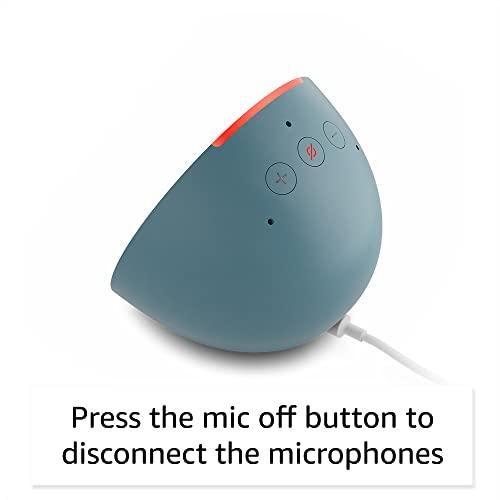
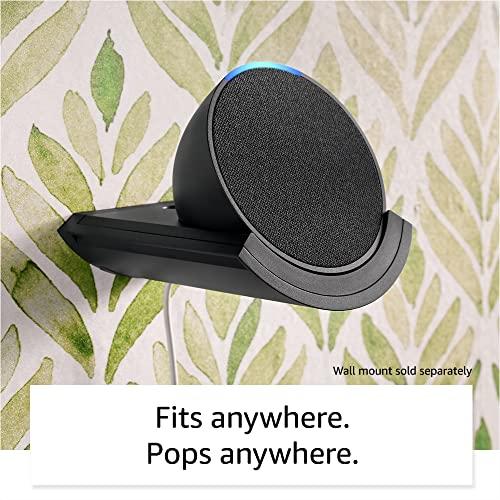
Unlike the Bose, the Echo Pop requires constant power through its proprietary cable. There's no battery option, making this strictly a plug-in device for permanent placement. This design choice keeps costs down while acknowledging that most users want smart speakers in fixed locations anyway.
The compact size (99 x 83 x 91 mm) and light weight (196g) make it easy to fit into tight spaces like nightstands, kitchen counters, or bathroom shelves. The half-sphere shape takes up less visual space than cylindrical designs while still providing stable placement.
Build quality matches the budget positioning—it's solid enough for normal use but lacks the premium materials and weather resistance of more expensive options. There's no water protection, so keep it away from splashes and humidity.
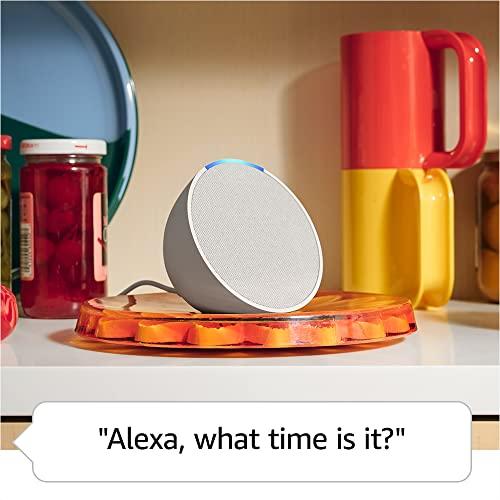
The Echo Pop's strength lies in its seamless integration with Amazon's ecosystem. Setup takes minutes through the Alexa app, and the speaker immediately gains access to thousands of Alexa skills—voice-controlled apps that extend functionality beyond basic commands.
The three-microphone array provides reliable voice recognition for most room sizes, though it doesn't match the far-field performance of premium alternatives. In typical bedroom or kitchen use, it responds consistently to normal speaking volumes.
Smart home control works excellently with Alexa-compatible devices. The Echo Pop supports Matter, the new universal smart home standard, plus Amazon's Sidewalk network that helps devices stay connected even outside your Wi-Fi range. It can also function as an Eero Wi-Fi extender, adding up to 1,000 square feet of network coverage—a unique feature at this price point.
However, the Echo Pop lacks the temperature and motion sensors found in some other Echo devices, limiting advanced automation capabilities. You can't create routines based on room temperature or occupancy detection.
The audio performance gap between these speakers is enormous—arguably the largest difference in any feature comparison. The Bose delivers genuinely impressive sound that stands among the best portable speakers regardless of smart features. Bass response reaches satisfying depths, midrange clarity brings out vocal details, and treble extension adds sparkle without harshness.
The Echo Pop provides functional audio that serves basic needs without excitement. It's perfectly adequate for voice calls, news briefings, or background music at low volumes. But direct comparison reveals how much audio quality improves with higher investment.
For home theater use, neither speaker serves as a primary audio source, but they fill different supplementary roles. The Bose works well for extending music to outdoor areas during parties or providing quality audio in secondary rooms. The Echo Pop could handle voice control duties in a home theater setup while leaving serious audio to dedicated equipment.
Both speakers handle basic voice assistant tasks competently, but with different advantages. The Bose offers assistant choice and superior far-field microphone performance, making it better for larger spaces or noisy environments. The Echo Pop provides deeper Amazon integration and unique features like Wi-Fi extension.
Multi-room audio capabilities differ significantly. The Bose works within Bose's ecosystem, which is more limited but higher quality. The Echo Pop integrates with Amazon's extensive multi-room platform, offering more flexibility for mixed-device setups.
The Bose clearly wins on build quality and durability. Premium materials, water resistance, and robust construction justify confidence in long-term reliability. The Echo Pop feels appropriately built for its price—solid enough for normal use but without premium touches or protection features.
At the time of writing, the price difference between these speakers approaches 10:1—among the largest ratios we've seen in electronics comparisons. This dramatic gap reflects genuinely different product philosophies rather than simple brand premium.
The Bose targets users who prioritize audio quality and want a speaker that serves multiple roles: premium Bluetooth speaker, smart home controller, and portable entertainment system. Its higher price attempts to justify replacing several separate devices with one high-quality unit.
The Echo Pop focuses on making smart speaker benefits accessible to budget-conscious consumers. Its value proposition centers on getting Alexa capabilities into multiple rooms affordably rather than delivering premium experiences.
For perspective, the Bose's price typically equals 8-10 Echo Pop units—enough to put Alexa in every room of most homes. Whether that trade-off makes sense depends entirely on your priorities and usage patterns.
Prioritize Audio Quality: If music listening represents a primary use case, the Bose delivers genuinely satisfying audio experiences. The sound quality gap is so significant that music lovers will notice immediately.
Need True Portability: The combination of battery power, weather resistance, and premium audio makes the Bose excellent for outdoor entertainment, travel, or moving between rooms regularly.
Want Ecosystem Flexibility: Dual voice assistant support proves valuable for households using mixed smart home devices or services. You're not locked into Amazon's ecosystem exclusively.
Value Long-term Investment: Despite higher upfront costs, the Bose may eliminate needs for separate Bluetooth speakers or additional audio equipment.
Have Budget Constraints: The Echo Pop's low price makes smart speaker experimentation accessible without significant financial risk.
Want Multi-room Coverage: Planning multiple speakers throughout your home makes the Echo Pop's affordability crucial. Budget permitting, several Echo Pop units provide better whole-home coverage than one Bose.
Prioritize Smart Home Features: If voice control and home automation matter more than audio quality, the Echo Pop's deep Amazon integration and unique features like Wi-Fi extension provide excellent value.
Prefer Simplicity: Easier setup, simpler operation, and Amazon's mature ecosystem make the Echo Pop more approachable for smart speaker newcomers.
These speakers succeed at completely different goals. The Bose Portable Smart Speaker excels as a premium audio device that happens to include smart features, while the Amazon Echo Pop Smart Speaker works as an affordable smart home controller that happens to play music.
Your choice should align with primary usage patterns. If you'll spend significant time listening to music and value portability, the Bose justifies its premium positioning through superior audio performance and versatile capabilities. If you mainly want voice control, smart home integration, and basic audio functionality, the Echo Pop delivers excellent value without unnecessary premium features.
The price gap reflects genuine capability differences rather than brand markup alone. Neither speaker represents poor value within its intended market segment, but they serve fundamentally different needs. Understanding those differences ensures your investment matches your expectations and usage patterns.
| Bose Portable Smart Speaker | Amazon Echo Pop Smart Speaker |
|---|---|
| Audio Quality - Most important factor for music enjoyment | |
| 360-degree sound with 3 passive radiators, warm bass, excellent clarity at all volumes | Single front-firing driver, decent for vocals/podcasts, distorts at high volume |
| Portability - Key for outdoor use and room flexibility | |
| Built-in battery (6-7 hours real-world), IPX4 water resistance, fabric handle | AC power only, must stay plugged in, no weather protection |
| Voice Assistants - Affects smart home compatibility | |
| Alexa + Google Assistant (choose either or both) | Alexa only (deep Amazon integration) |
| Speaker Configuration - Determines sound quality and directionality | |
| Multi-driver with downward-firing design and acoustic deflector | Single 1.95" front-firing driver |
| Build Quality - Impacts durability and premium feel | |
| Aluminum and fabric construction, premium materials, splash-resistant | Plastic construction, basic but solid, no water resistance |
| Smart Home Features - Advanced automation capabilities | |
| Multi-room via SimpleSync, no temperature/motion sensors | Multi-room via Alexa, Eero Wi-Fi extender, no temperature/motion sensors |
| Connectivity Options - Streaming and device compatibility | |
| Wi-Fi, Bluetooth 4.2, Apple AirPlay 2, Spotify Connect | Wi-Fi, Bluetooth input only, Alexa music services |
| Room Coverage - How well it fills different spaces | |
| Medium to large rooms, outdoor spaces, 360-degree coverage | Small rooms only (bedrooms, kitchens), directional sound |
| Value Proposition - What you get for the investment | |
| Premium audio + smart features + portability at high price | Basic smart speaker functionality at ultra-low price |
| Best Use Cases - Where each speaker excels | |
| Primary music speaker, outdoor entertaining, travel, multi-room flexibility | Budget multi-room setup, small spaces, smart home control, Alexa ecosystem entry |
The Bose Portable Smart Speaker delivers significantly better sound quality with its 360-degree audio design, three passive radiators, and multi-driver configuration. It produces rich bass, clear vocals, and maintains audio clarity at all volume levels. The Amazon Echo Pop Smart Speaker offers decent sound for its size but is limited by a single front-firing driver and tends to distort at higher volumes. For music listening, the Bose is the clear winner.
Only the Bose Portable Smart Speaker works without being plugged in, featuring a built-in rechargeable battery that provides 6-7 hours of real-world usage. The Amazon Echo Pop Smart Speaker requires constant AC power and must remain plugged into an outlet at all times. This makes the Bose ideal for outdoor use, travel, or moving between rooms.
Both speakers handle basic smart home control well, but with different strengths. The Amazon Echo Pop Smart Speaker offers deeper integration with Amazon's ecosystem and supports unique features like Eero Wi-Fi extension. The Bose Portable Smart Speaker provides more flexibility by supporting both Alexa and Google Assistant, letting you choose your preferred voice assistant or use both.
Neither speaker serves as a primary home theater audio solution, but they can play supplementary roles. The Bose Portable Smart Speaker works well for extending music to other areas during entertainment or providing quality audio in secondary rooms. The Amazon Echo Pop Smart Speaker could handle voice control duties in a home theater setup while leaving serious audio reproduction to dedicated equipment.
The Bose Portable Smart Speaker offers superior durability with premium aluminum and fabric construction plus IPX4 water resistance for splash protection. It can handle pool parties, light rain, and outdoor use. The Amazon Echo Pop Smart Speaker has basic plastic construction with no water resistance, making it suitable only for indoor use in dry environments.
The Amazon Echo Pop Smart Speaker is specifically designed for small rooms with its compact size and directional sound that works well placed against walls or in corners. The Bose Portable Smart Speaker can work in small rooms but is somewhat oversized for the space and may provide more audio quality than needed for casual bedroom listening.
Both speakers support multi-room audio but through different systems. The Amazon Echo Pop Smart Speaker works with Amazon's extensive multi-room platform and can connect with various Echo devices throughout your home. The Bose Portable Smart Speaker uses SimpleSync technology to pair with other Bose speakers and soundbars, though the ecosystem is more limited.
The Bose Portable Smart Speaker features a more advanced microphone array that excels at far-field voice recognition, picking up commands clearly even from across larger rooms or with background music playing. The Amazon Echo Pop Smart Speaker has reliable voice recognition for typical small to medium room use but doesn't match the Bose's performance in challenging acoustic environments.
The Bose Portable Smart Speaker supports Wi-Fi streaming via Apple AirPlay 2, Spotify Connect, and voice control for various services through both Alexa and Google Assistant. The Amazon Echo Pop Smart Speaker accesses streaming services primarily through Alexa voice commands and supports Amazon Music, Spotify, Apple Music, and other services available in the Alexa ecosystem.
Value depends on your priorities and budget. The Amazon Echo Pop Smart Speaker offers exceptional value for basic smart speaker functionality at an ultra-low price point. The Bose Portable Smart Speaker provides premium audio quality, portability, and advanced features that justify its higher cost for users who prioritize sound quality and versatility over affordability.
The Amazon Echo Pop Smart Speaker offers simpler setup through the Alexa app with guided instructions and immediate access to Amazon's ecosystem. The Bose Portable Smart Speaker requires more initial configuration, especially when setting up dual voice assistants, and may need online documentation since manuals aren't always included. However, both become intuitive once configured.
The Bose Portable Smart Speaker is the only viable choice for outdoor use, featuring battery power for portability, IPX4 water resistance for weather protection, and powerful 360-degree sound that can fill outdoor spaces effectively. The Amazon Echo Pop Smart Speaker cannot be used outdoors since it requires AC power and has no weather resistance.
We've done our best to create useful and informative comparisons to help you decide what product to buy. Our research uses advanced automated methods to create this comparison and perfection is not possible - please contact us for corrections or questions. These are the sites we've researched in the creation of this article: bestbuy.com - assets.bose.com - bestbuy.com - bestbuy.com - bose.com - techforless.com - soundguys.com - youtube.com - youtube.com - newegg.com - youtube.com - dell.com - nfm.com - staples.com - bose.com - sweetwater.com - focuscamera.com - rtings.com - reviewed.com - techradar.com - soundguys.com - youtube.com - youtube.com - youtube.com - bestbuy.com - soundguys.com - rtings.com - goodhousekeeping.com - bestbuy.com - youtube.com - dell.com - manuals.plus - youtube.com - bestbuy.com - en.wikipedia.org - nfm.com

Privacy Policy
Terms and Conditions - Affiliate Policy
Home Security
© Copyright 2008-2026.
11816 Inwood Rd #1211, Dallas, TX 75244