

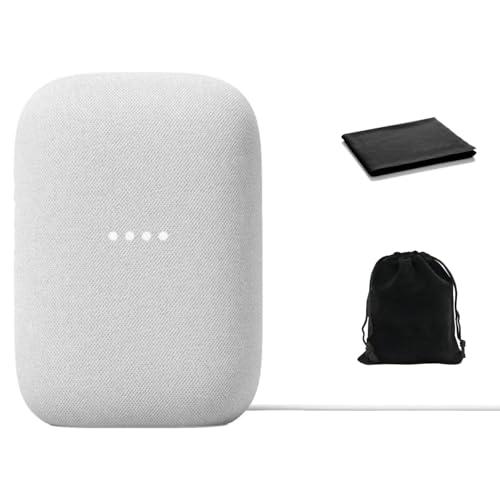
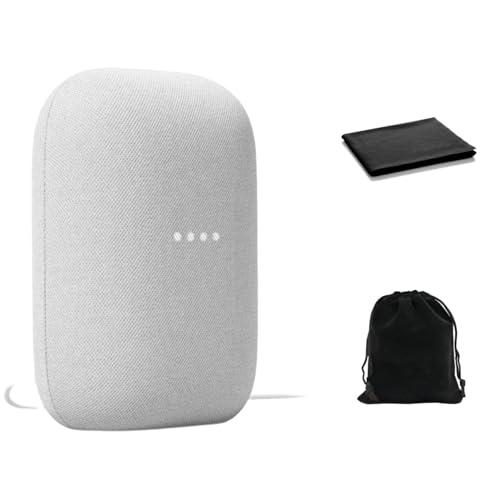
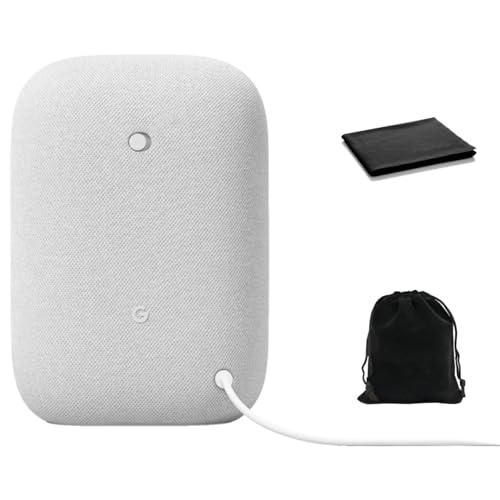
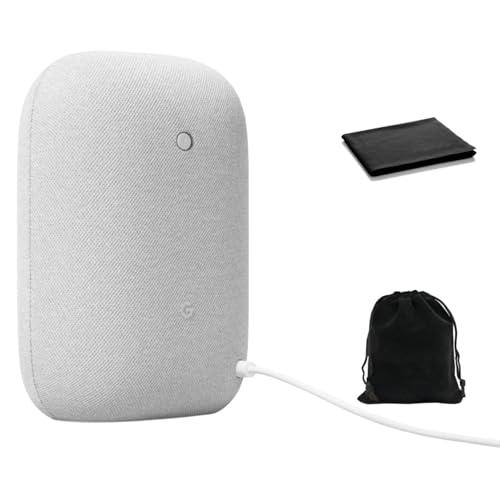



Smart speakers have become the command centers of modern homes, blending artificial intelligence with wireless audio to control everything from lights to music. But choosing the right one isn't straightforward—especially when comparing Google's mainstream offering against Amazon's budget champion. The Google Nest Audio, released in 2020, and the Amazon Echo Pop, launched three years later in 2023, represent fundamentally different philosophies in smart speaker design.
Understanding what separates these devices requires looking beyond surface-level features. While both can play music and control smart home devices, their approaches to audio quality, processing power, and value proposition couldn't be more different. The Nest Audio prioritizes balanced performance across all functions, while the Echo Pop maximizes smart home utility while keeping costs low.
Before diving into specifics, it's worth understanding what makes smart speakers unique in the tech landscape. These devices combine three core technologies: digital signal processing (DSP) for audio, far-field microphone arrays for voice pickup, and cloud-connected AI for understanding commands. The magic happens when these systems work together seamlessly—you speak naturally from across the room, the speaker processes your words, and responds with either audio playback or smart home actions.
The most critical performance factors include audio driver quality (the physical components that create sound), microphone sensitivity and noise cancellation, processing power for both audio and AI tasks, and connectivity standards for smart home integration. Different manufacturers prioritize these elements differently, which explains why two speakers can have similar features but vastly different user experiences.
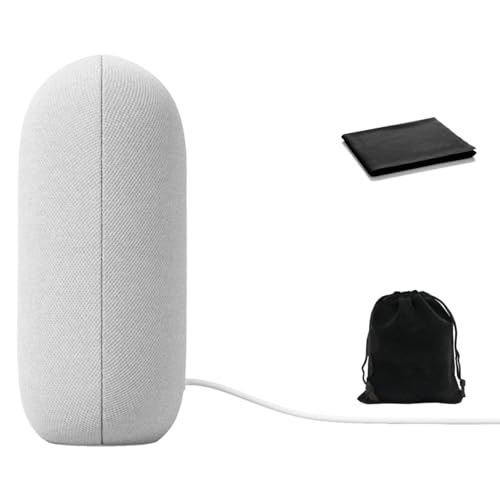
The Google Nest Audio houses a 75mm woofer paired with a dedicated 19mm tweeter—a two-driver configuration that immediately signals serious audio intentions. This driver setup allows different frequencies to be handled by speakers optimized for those ranges: the larger woofer moves more air to create bass and midrange sounds, while the smaller tweeter handles high-frequency details like cymbals and vocal clarity.
Google's engineers didn't stop at hardware. The device includes real-time audio processing algorithms that continuously analyze and adjust the sound output to maintain consistent tonal balance regardless of volume level. This means vocals stay clear whether you're listening quietly in the morning or cranking up volume for a dinner party. The Nest Audio also features Ambient IQ, which uses the device's microphones to monitor background noise and automatically adjusts volume accordingly—particularly useful when the dishwasher kicks on during your podcast.
Our research into user experiences reveals the Nest Audio delivers genuinely room-filling sound that works well as a primary speaker for medium-sized spaces. The bass response, while not earth-shaking, provides enough weight to make music engaging rather than thin or tinny. Google claims 75% louder output and 50% stronger bass compared to the original Google Home, and listening tests by audio reviewers consistently support these improvements.
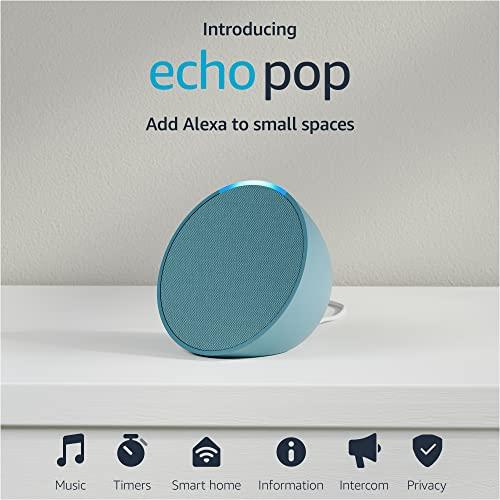
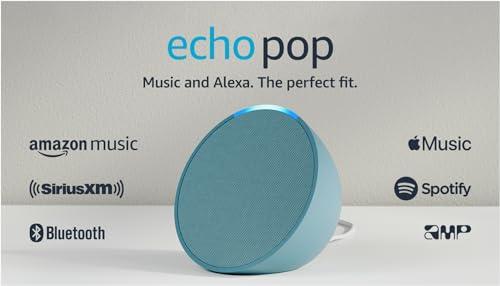
The Amazon Echo Pop takes a radically different approach with a single 1.95-inch front-firing driver. This design choice reflects Amazon's priority: deliver acceptable audio quality while minimizing size and cost. The front-firing configuration means sound projects directionally rather than omnidirectionally, which works well when the speaker sits on a desk or nightstand but creates a more limited listening area.
Professional audio measurements show the Echo Pop performs admirably for its size, with clear vocal reproduction and surprisingly decent midrange clarity. However, physics can't be cheated—the small driver simply cannot move enough air to create meaningful bass response or high volume levels without distortion. User feedback consistently indicates the device sounds best at 40-70% volume levels, beyond which harsh distortion creeps in.
The directional sound design actually works in the Echo Pop's favor for near-field listening. When placed on a desk or nightstand, the angled driver projects sound upward and outward, creating a more focused listening experience that works well for podcasts, audiobooks, or background music.
For serious music listening, the Google Nest Audio clearly dominates. Its larger drivers and sophisticated processing handle everything from classical orchestral pieces to bass-heavy electronic music with competence. The speaker maintains clarity at higher volumes, making it suitable for entertaining or filling larger rooms with sound.
The Amazon Echo Pop excels in different scenarios. Its compact size and directional audio make it ideal for personal listening at desks or bedside tables. The clear vocal reproduction works particularly well for spoken-word content, making it an excellent choice for podcast enthusiasts or those who primarily use smart speakers for news and audiobooks.
Neither device works particularly well for home theater applications due to audio latency issues over Wi-Fi connections. Both speakers introduce enough delay to create noticeable lip-sync problems when watching video content, though this limitation affects most smart speakers regardless of price point.
The Google Nest Audio leverages Google's advanced natural language processing, backed by a quad-core A53 processor running at 1.8GHz plus a dedicated machine learning hardware engine. This specialized ML chip handles common voice commands locally, reducing response times and improving privacy by keeping routine interactions on-device.
Google Assistant's standout feature is contextual understanding. Ask "What's the weather tomorrow?" followed by "What about the weekend?" and it understands you're still discussing weather. This conversational ability extends to complex queries and follow-up questions, making interactions feel more natural than simple command-response patterns.
Voice Match technology adds another layer of sophistication, allowing the Nest Audio to recognize up to six different household members and provide personalized responses. Ask about your calendar, and you'll get your schedule, not your spouse's—a surprisingly useful feature that becomes indispensable once you experience it.
The Amazon Echo Pop runs on Amazon's AZ2 Neural Edge processor, specifically designed for fast local processing of common commands. While not as conversationally sophisticated as Google Assistant, Alexa compensates with impressive response speed for routine tasks. Turn on lights, set timers, or adjust thermostats and the response feels nearly instantaneous.
Amazon's ecosystem advantage shines through Alexa's skill library—over 100,000 third-party integrations that extend functionality far beyond basic smart home control. From ordering pizza to playing interactive games, Alexa's breadth of capabilities often surprises new users. The trade-off comes in natural conversation, where Alexa sometimes struggles with complex or ambiguous requests that Google Assistant handles smoothly.
Both speakers excel at voice pickup, with three-microphone arrays that reliably capture commands from across typical rooms. The Echo Pop's microphones punch above the device's weight class, maintaining accuracy even in noisy environments—impressive given the compact form factor.
The Google Nest Audio integrates seamlessly within Google's ecosystem, offering Chromecast built-in for direct audio streaming from smartphones and computers. The device supports Matter, the new universal smart home standard designed to eliminate compatibility headaches between different manufacturers' devices.
However, the Nest Audio lacks a built-in Zigbee hub, meaning some smart home devices require additional bridges or hubs to connect. This limitation primarily affects older smart home devices or specific manufacturers that rely on Zigbee rather than Wi-Fi connections. For most users with modern smart home setups, this won't pose significant problems.
Multi-room audio represents one of Google's strengths. Multiple Nest Audio speakers can be grouped for synchronized playback throughout the home, or paired together for stereo sound in a single room. The audio synchronization works reliably, creating a cohesive whole-home audio experience.
Despite its budget positioning, the Amazon Echo Pop includes surprisingly advanced connectivity features. Beyond standard Matter support, it acts as an Amazon Sidewalk Bridge, extending Amazon's neighborhood network that helps compatible devices stay connected even outside your home's Wi-Fi range. This feature proves particularly valuable for outdoor security cameras or smart locks that might struggle with Wi-Fi coverage.
The Echo Pop also includes eero built-in Wi-Fi extension capability, allowing it to boost mesh network coverage by up to 1,000 square feet. This feature adds genuine utility beyond smart home control—essentially getting a Wi-Fi extender bundled with your smart speaker. For homes with Wi-Fi dead spots, this capability alone might justify the purchase.
The device supports Bluetooth LE Mesh for connecting low-power smart home devices, though it lacks the temperature and motion sensors found in more expensive Echo models. These sensors enable advanced automation scenarios like adjusting heating based on room temperature or triggering lights when someone enters.
The Google Nest Audio embraces minimalist design with its fabric-covered rectangular form. At 175 x 124 x 78mm and weighing 1.2kg, it requires stable surface placement but disappears visually into most room setups. Google constructed the enclosure from 70% recycled plastic, reflecting environmental consciousness alongside aesthetic restraint.
The capacitive touch controls on top provide intuitive volume and playback control, though finding these areas by feel in dark rooms can be challenging. The two-stage hardware microphone mute switch provides clear privacy control—when activated, the microphones physically disconnect, and amber LEDs confirm the muted state.
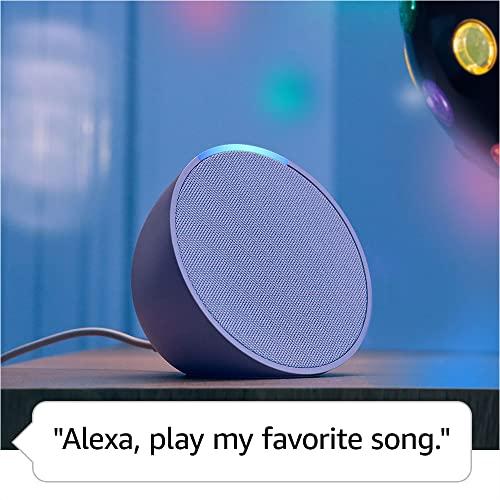
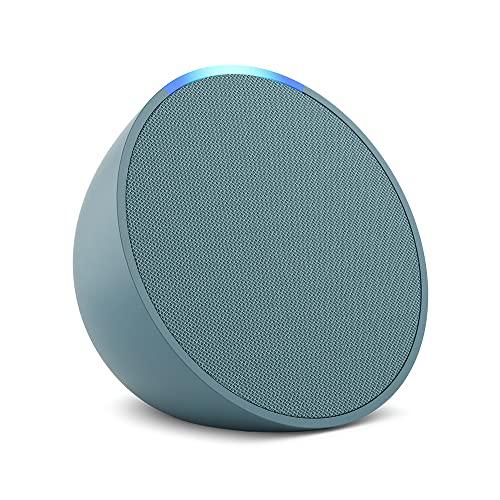
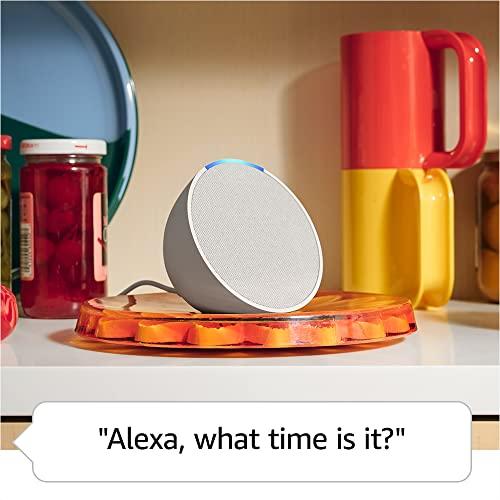
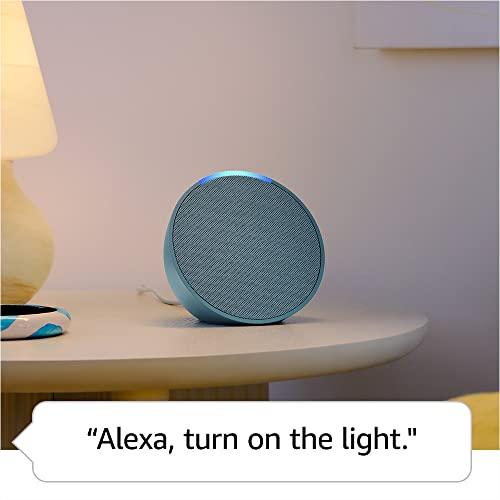
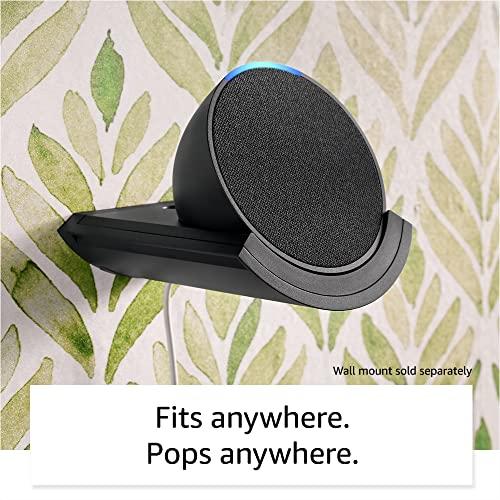
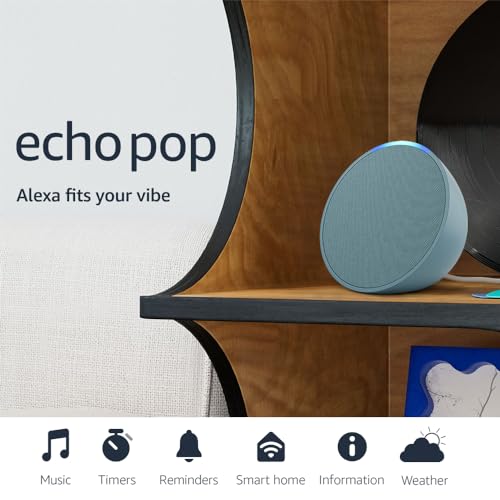
The Amazon Echo Pop takes the opposite approach with its distinctive semi-spherical design. Measuring just 99 x 83 x 91mm and weighing only 196g, it fits virtually anywhere—desk corners, narrow shelves, crowded nightstands. The compact footprint comes with practical advantages: it's less likely to be knocked over, requires minimal surface area, and works well in spaces where larger speakers would feel intrusive.
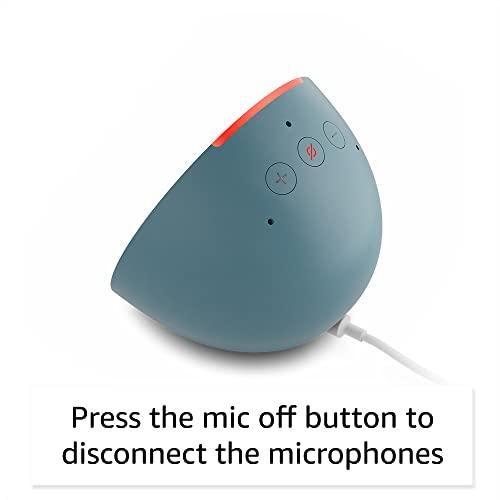
Amazon offers more vibrant color options including Lavender Bloom and Midnight Teal, plus optional colorful sleeves for further customization. The physical volume buttons and LED mute indicator provide clear tactile feedback, making controls easier to locate without looking.
Room acoustics significantly impact both speakers but in different ways. The Google Nest Audio benefits from placement away from walls to avoid bass buildup, though its processing algorithms help mitigate placement-related acoustic issues. The larger size means it needs a stable, uncluttered surface.
The Echo Pop's front-firing design actually works best when placed against walls or in corners, as surfaces help reinforce its limited bass output. The compact size makes it ideal for bedrooms, bathrooms, or small offices where larger speakers would overwhelm the space.
At the time of writing, the Google Nest Audio typically costs about 2.5 times more than the Amazon Echo Pop, though frequent sales can narrow this gap significantly. For users wanting a single speaker that handles both audio quality and smart home duties competently, the Nest Audio offers better long-term value despite the higher upfront cost.
The superior audio hardware suggests longer useful life—cheap drivers tend to degrade faster than quality components. If you're replacing a traditional speaker or sound system, the Nest Audio provides enough audio quality to serve as your primary playback device.
The Echo Pop's compelling value proposition emerges when considering whole-home coverage. Three Echo Pop units strategically placed throughout a home cost roughly the same as one Google Nest Audio plus the necessary additional speakers for multi-room coverage.
This approach provides voice control access in every room while maintaining acceptable audio quality for casual listening. The Echo Pop's additional connectivity features—Wi-Fi extension and Sidewalk Bridge—add utility that compounds with multiple units.
Since the Google Nest Audio launched in 2020, smart speaker technology has matured significantly. The device arrived during the first wave of Matter standard development, positioning it well for future smart home compatibility. Google's focus on audio processing algorithms has aged well, with the speaker receiving software updates that have improved voice recognition and audio performance.
The Amazon Echo Pop, launching three years later, benefits from this technological evolution. The AZ2 Neural Edge processor represents Amazon's third-generation smart speaker chip, incorporating lessons learned from millions of deployed devices. The inclusion of Wi-Fi extension and Sidewalk capabilities reflects Amazon's broader ecosystem strategy, turning each device into infrastructure for their expanding services.
Audio Quality Matters: If you plan to use your smart speaker for serious music listening, the Nest Audio's superior drivers and processing make it the clear choice. The difference becomes immediately apparent when playing bass-heavy music or trying to fill larger rooms with sound.
Google Ecosystem Integration: Heavy users of Gmail, Google Calendar, YouTube Music, and other Google services will appreciate the seamless integration and personalized responses that Voice Match enables.
Primary Speaker Role: When replacing a traditional speaker system or serving as the main audio device for a room, the Nest Audio provides adequate performance for most listeners.
Conversational AI Preference: If you enjoy natural back-and-forth conversations with your voice assistant or frequently ask complex, multi-part questions, Google Assistant's superior language processing provides a noticeably better experience.
Budget Constraints: When smart home control takes priority over audio quality, the Echo Pop delivers excellent voice assistant functionality at a fraction of the cost.
Space Limitations: Small rooms, cluttered surfaces, or aesthetic preferences for minimal visual impact make the Echo Pop's compact design ideal.
Multi-Room Strategy: Planning to deploy multiple speakers throughout your home makes the Echo Pop's affordability compelling, especially considering the added Wi-Fi extension benefits.
Amazon Ecosystem: Heavy Amazon Prime users or those with extensive Alexa-compatible smart home devices will appreciate the broad compatibility and rapid command processing.
Secondary Speaker Needs: Bedrooms, bathrooms, offices, or other spaces where you want voice control access but don't need premium audio quality.
Consider combining both devices: place a Google Nest Audio in your primary listening space (living room or kitchen) for quality audio and entertaining, while deploying Echo Pop units in bedrooms, bathrooms, and secondary areas for comprehensive smart home coverage. This strategy maximizes both audio quality and system utility while managing costs effectively.
Neither the Google Nest Audio nor Amazon Echo Pop represents a perfect smart speaker—they're purpose-built for different priorities and use cases. The Nest Audio succeeds as a balanced performer that doesn't embarrass itself in any category, making it ideal for users who want one device to handle multiple roles competently.
The Echo Pop excels by focusing ruthlessly on core functionality while adding unexpected connectivity features that enhance its utility beyond the price point. Its limitations become strengths when viewed through the lens of strategic placement and budget-conscious whole-home coverage.
Your choice ultimately depends on whether you prioritize audio quality and conversational AI (Nest Audio) or maximize smart home functionality per dollar (Echo Pop). Both devices succeed within their intended roles, making this less about finding the "best" speaker and more about matching capabilities to your specific needs and budget constraints.
| Google Nest Audio Smart Speaker | Amazon Echo Pop Smart Speaker |
|---|---|
| Audio Drivers - Critical for sound quality and room-filling capability | |
| 75mm woofer + 19mm tweeter (dedicated drivers for different frequencies) | Single 1.95" front-firing driver (compact but limited bass) |
| Maximum Volume - Determines room coverage without distortion | |
| Room-filling volume, 75% louder than predecessor | Best at 40-70% volume, distorts at higher levels |
| Form Factor - Affects placement flexibility and room aesthetics | |
| 175 x 124 x 78mm, 1.2kg (requires stable surface) | 99 x 83 x 91mm, 196g (fits anywhere, ultra-compact) |
| Voice Assistant - Core functionality and conversational ability | |
| Google Assistant with Voice Match (recognizes 6 users) | Amazon Alexa with 100,000+ skills |
| Smart Home Connectivity - Determines device compatibility | |
| Matter, Chromecast built-in, no Zigbee hub | Matter, eero Wi-Fi extension, Sidewalk Bridge, Bluetooth LE |
| Processing Power - Affects response speed and audio quality | |
| Quad-core A53 1.8GHz + dedicated ML hardware engine | AZ2 Neural Edge processor (faster local commands) |
| Microphone Array - Voice pickup accuracy across room | |
| 3 far-field microphones with advanced noise filtering | 3-microphone array, excellent pickup despite compact size |
| Multi-Room Audio - Whole-home music synchronization | |
| Stereo pairing and multi-room grouping with other Nest Audio speakers | Basic grouping with other Echo devices |
| Special Audio Features - Unique sound enhancements | |
| Ambient IQ (auto-adjusts volume based on room noise) | 3-band EQ customization via app |
| Wi-Fi Extension Capability - Added home network utility | |
| None | Built-in eero mesh extension (up to 1,000 sq ft coverage) |
| Privacy Controls - Microphone muting options | |
| Hardware mute switch with amber LED indicator | Physical mute button with red LED confirmation |
| Color Options - Personalization and home decor matching | |
| 5 subtle colors (Chalk, Charcoal, Sage, Sand, Sky) | 4 vibrant colors plus optional decorative sleeves |
| Best Use Cases - Ideal scenarios for each device | |
| Primary speaker for medium rooms, serious music listening | Secondary speakers, small spaces, budget whole-home coverage |
The Google Nest Audio delivers significantly better sound quality with its dual-driver system (75mm woofer + 19mm tweeter) compared to the Amazon Echo Pop's single 1.95-inch driver. The Nest Audio produces clearer vocals, stronger bass, and can fill medium-sized rooms without distortion, while the Echo Pop works best for small spaces and background listening.
The Amazon Echo Pop is much more compact at 99 x 83 x 91mm and weighs only 196g, making it perfect for small spaces like nightstands or desks. The Google Nest Audio is significantly larger at 175 x 124 x 78mm and weighs 1.2kg, requiring a stable surface but offering better audio performance due to its larger internal components.
Both excel in different ways. Google Assistant on the Nest Audio offers more conversational interactions and better contextual understanding, plus Voice Match technology that recognizes different family members. Alexa on the Echo Pop provides faster responses for basic commands and access to over 100,000 skills for extended functionality.
Neither the Google Nest Audio nor Amazon Echo Pop are ideal for home theater use due to audio latency issues over Wi-Fi that can cause lip-sync problems. Both speakers introduce enough delay to create noticeable timing issues when watching video content, making them better suited for music and voice control rather than TV audio.
The Amazon Echo Pop offers exceptional value for basic smart home control and casual listening at its lower price point. The Google Nest Audio costs more but provides significantly better audio quality and features that justify the premium for users who prioritize sound quality and want a primary speaker for their room.
Yes, both support multi-room functionality but differently. The Google Nest Audio can be paired with other Nest speakers for stereo sound or grouped for synchronized whole-home playback. The Amazon Echo Pop also supports basic grouping with other Echo devices, though its limited audio quality makes it better suited as part of a budget multi-room setup.
The Amazon Echo Pop is specifically designed for small spaces with its compact semi-spherical design and directional audio that works well on nightstands or desks. While the Google Nest Audio can work in bedrooms, its larger size and room-filling audio output might be overkill for intimate spaces.
Both the Google Nest Audio and Amazon Echo Pop support Matter, the universal smart home standard, ensuring broad device compatibility. The Echo Pop offers additional connectivity features like eero Wi-Fi extension and Amazon Sidewalk Bridge, while the Nest Audio integrates seamlessly with Google's ecosystem and Nest devices.
Both speakers feature excellent voice recognition with 3-microphone arrays. The Google Nest Audio uses advanced noise filtering and far-field technology for accurate pickup across medium rooms. The Amazon Echo Pop surprisingly delivers excellent voice pickup despite its compact size, reliably capturing commands even in noisy environments.
The Google Nest Audio is suitable for serious music listening with its balanced frequency response, real-time audio processing, and ability to handle various music genres without distortion. The Amazon Echo Pop is better suited for background music, podcasts, and casual listening due to its single-driver limitation and tendency to distort at higher volumes.
The Amazon Echo Pop provides more visual customization with four vibrant color options plus optional decorative sleeves for personalization. The Google Nest Audio offers five more subdued colors and focuses on blending into home decor. For audio customization, the Echo Pop includes 3-band EQ while the Nest Audio features automatic Ambient IQ volume adjustment.
This depends on your priorities. Multiple Amazon Echo Pop speakers provide comprehensive smart home coverage and voice control throughout your home at a lower total cost. A single Google Nest Audio offers superior audio quality for your primary listening space. Many users find success combining both approaches - using a Nest Audio in the main room and Echo Pop units in secondary spaces.
We've done our best to create useful and informative comparisons to help you decide what product to buy. Our research uses advanced automated methods to create this comparison and perfection is not possible - please contact us for corrections or questions. These are the sites we've researched in the creation of this article: rtings.com - soundguys.com - bestbuy.com - androidcentral.com - whathifi.com - rtings.com - thenextweb.com - youtube.com - audiosciencereview.com - youtube.com - sypnotix.com - rtings.com - audioholics.com - youtube.com - store.google.com - store.google.com - youtube.com - support.google.com - cdn.adiglobaldistribution.us - dxomark.com - store.google.com - crutchfield.com - soundguys.com - soundguys.com - support.google.com - store.google.com - bestbuy.com - en.wikipedia.org - store.google.com - youtube.com - rtings.com - reviewed.com - techradar.com - soundguys.com - youtube.com - youtube.com - youtube.com - bestbuy.com - soundguys.com - rtings.com - goodhousekeeping.com - bestbuy.com - youtube.com - dell.com - manuals.plus - youtube.com - bestbuy.com - en.wikipedia.org - nfm.com

Privacy Policy
Terms and Conditions - Affiliate Policy
Home Security
© Copyright 2008-2026.
11816 Inwood Rd #1211, Dallas, TX 75244