

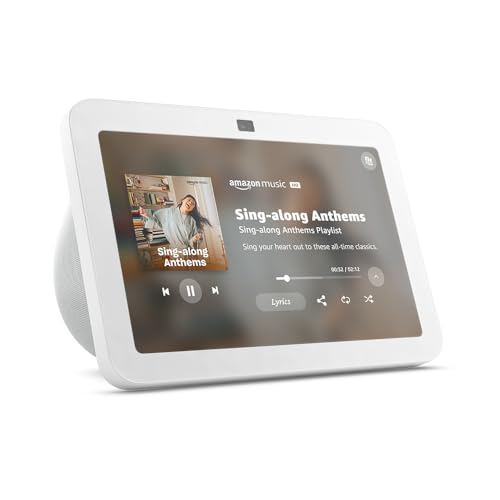
Amazon's Alexa ecosystem has evolved dramatically since its debut in 2014, expanding from a single cylindrical speaker into an entire family of smart devices. In 2023, Amazon released two very different approaches to bringing Alexa into your home: the premium Echo Show 8 3rd Gen smart display and the budget-friendly Echo Pop smart speaker. These devices represent opposite ends of Amazon's strategy—one offering a comprehensive multimedia experience, the other focusing on essential voice assistant functionality at an accessible price point.
Understanding which device fits your needs requires looking beyond simple price comparisons. The Echo Show 8 3rd Gen and Echo Pop serve fundamentally different purposes in the smart home ecosystem, each with distinct advantages that make them ideal for specific situations and users.
The core difference between these devices lies in their fundamental approach to user interaction. Smart displays like the Echo Show 8 3rd Gen combine visual interfaces with voice control, creating what's essentially a specialized computer designed for quick interactions and ambient information display. Smart speakers like the Echo Pop, on the other hand, focus entirely on audio-based interaction—both listening to you and responding through sound.
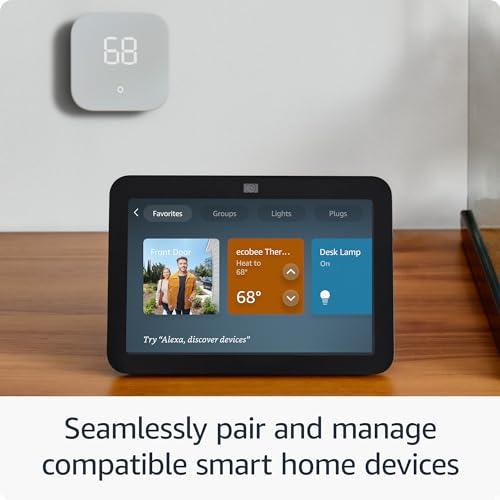
This distinction matters more than you might initially think. A smart display transforms routine tasks by providing visual feedback, eliminating guesswork when controlling smart home devices, and offering immediate confirmation of commands. When you ask Alexa to set a timer, you see it counting down. When you adjust your thermostat, you get visual confirmation of the temperature change. Smart speakers require you to remember voice commands or ask follow-up questions to confirm actions worked correctly.
The visual element also opens entirely new use cases. Video calling, recipe videos, photo displays, and streaming entertainment become possible with a smart display, while smart speakers remain purely functional voice assistants. However, this added functionality comes with increased complexity and cost—both financial and in terms of visual presence in your living space.
Amazon released the Echo Show 8 3rd Gen in 2023 as part of a major refresh to their smart display lineup. This generation marked significant improvements over its 2021 predecessor, particularly in processing power and audio quality. The inclusion of the AZ2 Neural Network Engine—Amazon's custom chip designed specifically for AI processing—made Alexa responses noticeably faster while enabling new features like adaptive content display.
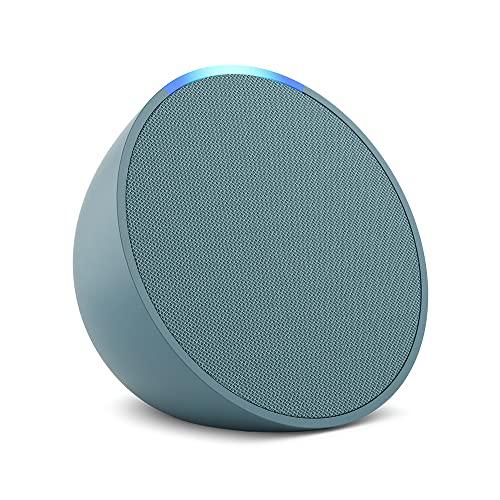
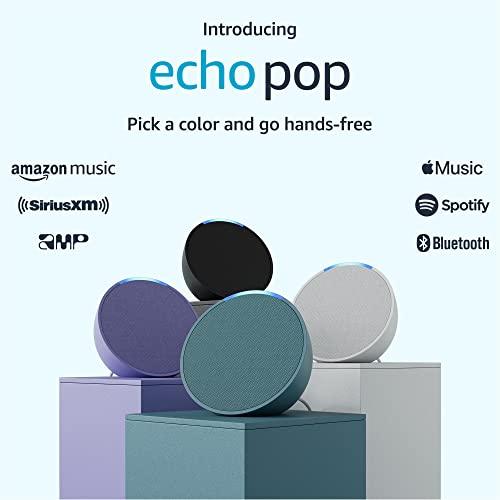
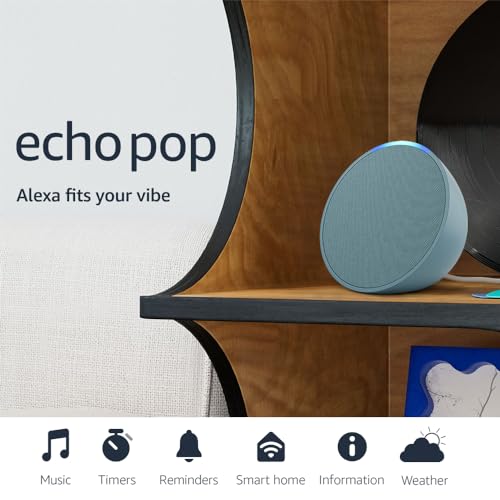
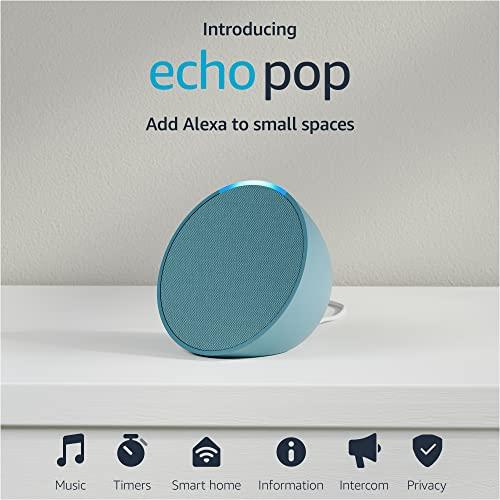
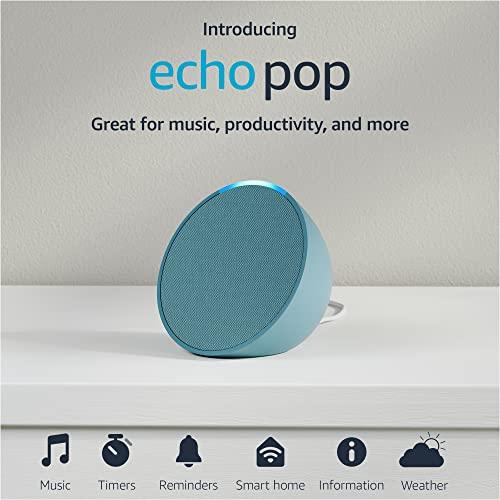
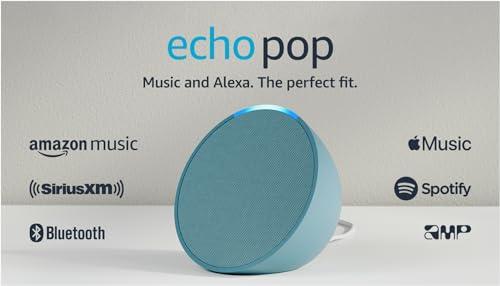
The Echo Pop also debuted in 2023 as Amazon's most affordable entry point into the Alexa ecosystem. Rather than being a scaled-down version of existing devices, Amazon designed it from scratch with a unique semi-spherical form factor and front-firing speaker configuration. This represents Amazon's recognition that many users want basic Alexa functionality without paying for features they won't use.
Both devices benefit from Amazon's accumulated experience in voice recognition, smart home integration, and user interface design. The 2023 releases incorporate Matter support—a new universal smart home protocol that allows devices from different manufacturers to work together seamlessly—positioning them for the evolving smart home landscape.
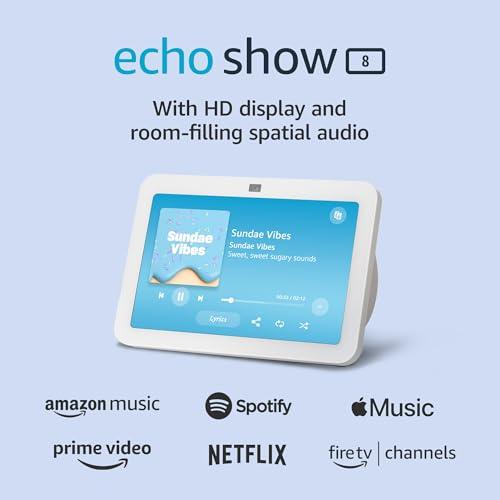
The 8-inch touchscreen on the Echo Show 8 3rd Gen fundamentally changes how you interact with Alexa. The 1280 x 800 resolution display provides crisp text and vibrant colors, making it genuinely useful for reading recipes, viewing weather forecasts, or checking calendar appointments without squinting.
What makes this display particularly clever is the Adaptive Content feature. Using proximity sensors and the 13-megapixel camera, the device detects how close you are and adjusts the information density accordingly. When you're across the room, it shows large, glanceable information like weather icons and time. As you approach, more detailed widgets appear, and when you're close enough to touch, the full interface becomes available. This prevents the screen from looking cluttered when viewed from a distance while providing detailed control when needed.
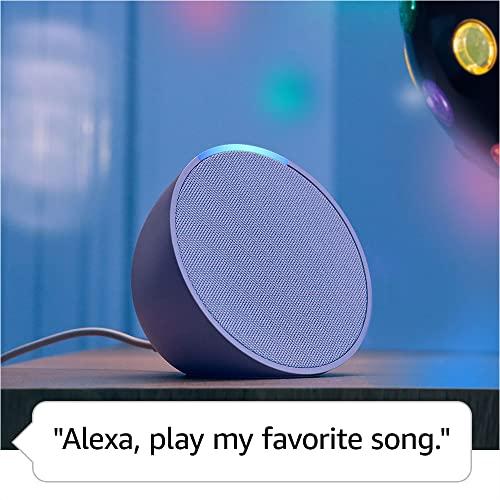
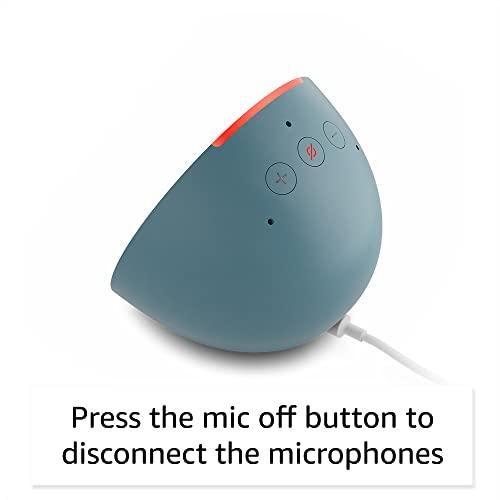
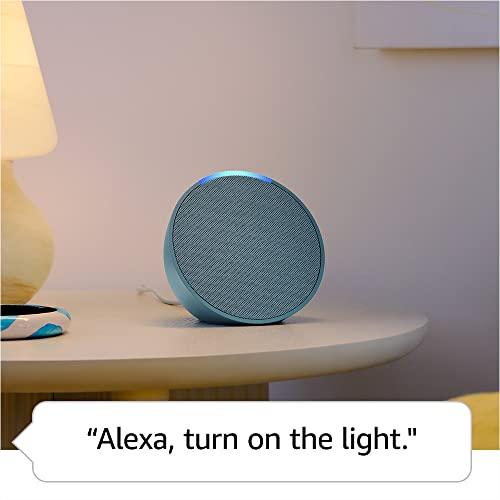
The Echo Pop takes the opposite approach, embracing voice-only interaction completely. There's something refreshing about a device that does exactly what it promises without trying to grab your visual attention. The curved LED light bar provides minimal feedback—blue when listening, red when muted—without becoming a distraction.
This voice-first design actually offers advantages in certain situations. When your hands are messy while cooking, voice control without visual confirmation feels more natural. In bedrooms, the absence of a bright screen reduces sleep disruption. Some users also prefer the privacy of not having a camera-equipped screen in personal spaces.
Audio quality represents the most significant performance gap between these devices. The Echo Show 8 3rd Gen includes dual 2-inch neodymium drivers with a passive bass radiator—essentially a vibrating membrane that enhances low-frequency sound without requiring additional powered drivers. This configuration, combined with spatial audio processing that adapts to room acoustics, delivers genuinely impressive sound quality for a smart display.
Our research into user experiences reveals consistent praise for the Echo Show 8's audio improvements over previous generations. The soundstage—the perceived width and depth of audio—feels significantly wider than typical smart speakers. Bass response extends low enough to make music enjoyable rather than just functional, while vocal clarity ensures podcast dialogue remains crisp even with background noise.
The Echo Pop uses a single 1.95-inch front-firing driver, which is actually slightly larger than the Echo Dot's speaker but faces a fundamental physics limitation. Smaller drivers and compact enclosures simply cannot move enough air to produce substantial bass or high volume levels without distortion. User reports consistently describe the Echo Pop's audio as adequate for voice responses and background music but unsuitable for serious listening.
The directional nature of the Echo Pop's speaker design creates both advantages and limitations. Positioned correctly against a wall or in a corner, it can sound fuller than expected due to boundary reinforcement—where nearby surfaces help boost bass response. However, this makes placement more critical than omnidirectional speakers that sound consistent from any angle.
For home theater applications, neither device serves as a primary sound source, but the Echo Show 8 3rd Gen works well as a secondary audio zone or for casual video streaming in bedrooms or kitchens. The Echo Pop lacks the audio quality needed for any home theater role beyond basic voice control of entertainment systems.
The smart home capabilities gap between these devices is substantial. The Echo Show 8 3rd Gen functions as a comprehensive smart home hub with built-in Zigbee radio, Thread Border Router support, and Matter compatibility. Zigbee is a wireless protocol specifically designed for smart home devices, offering better range and battery life than WiFi while creating a mesh network that strengthens as you add more devices. Thread is a newer protocol that promises even better reliability and lower power consumption.
Having these protocols built-in means the Echo Show 8 can directly control compatible devices without requiring separate hubs—potentially saving money and reducing complexity in your smart home setup. The visual interface also makes smart home management more intuitive, with customizable widgets showing device status at a glance and touch controls for quick adjustments.
The Echo Pop offers basic smart home integration through WiFi and Matter support but lacks the specialized radio protocols that enable direct device communication. This limits it to controlling WiFi-connected smart devices and those compatible with Matter, which is still a growing ecosystem. For many users, especially those just starting with smart home technology, this limitation won't matter immediately but could become frustrating as their setups expand.
Both devices support Amazon Sidewalk—a shared network that helps smart devices stay connected even when they're beyond your home WiFi range. This feature helps locate lost items and maintains connectivity for devices like smart locks or mailbox sensors.
The processing power difference between these devices significantly impacts Alexa's responsiveness. The Echo Show 8 3rd Gen uses an octa-core processor with Amazon's AZ2 Neural Network Engine, making it up to 40% faster at processing voice commands compared to previous generations. This translates to noticeably quicker responses, especially for complex queries that require internet searches or smart home device coordination.
The Echo Pop uses a simpler version of the AZ2 processor optimized for basic voice interactions. While Alexa responses remain reliable and reasonably quick, the difference becomes apparent when performing multiple commands in sequence or asking for complex information that requires processing multiple data sources.
Both devices excel at basic voice recognition, with multiple microphones designed to pick up commands even in noisy environments. The Echo Show 8's microphone array works particularly well for video calls, with noise cancellation technology that helps maintain clear communication even with background activity.
The Echo Show 8 3rd Gen offers several features impossible on audio-only devices. The 13-megapixel camera includes auto-framing technology that pans and zooms to keep you centered during video calls—a feature that works surprisingly well according to user reports, though it can't match dedicated webcams for speed and precision.
Visual ID allows the device to recognize different household members and personalize the display accordingly. This means your calendar events, music preferences, and smart home controls automatically adapt when it recognizes you approaching the device.
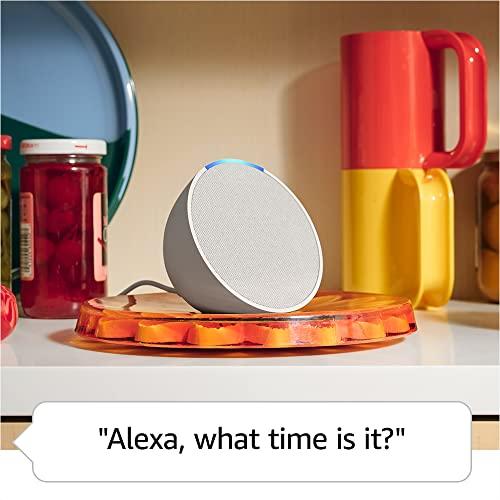
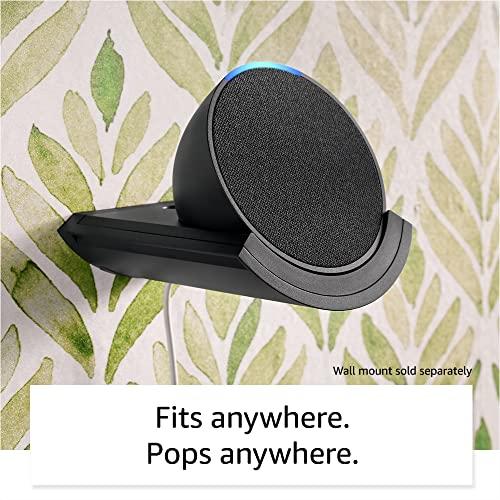
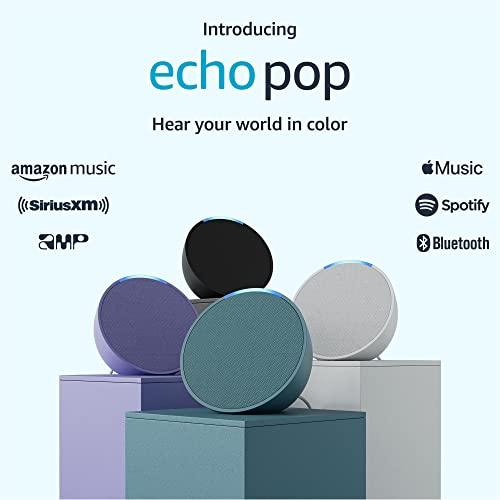
The Echo Pop's unique contribution is its unobtrusive presence. The semi-spherical design takes up minimal space and comes in colors that blend naturally with most decor styles. The compact size makes it ideal for spaces where larger devices would feel overwhelming or intrusive.
Both devices can extend your home's WiFi network if you use compatible eero mesh routers, potentially adding up to 1,000 square feet of coverage. This dual functionality helps justify the purchase for users with connectivity dead zones in their homes.
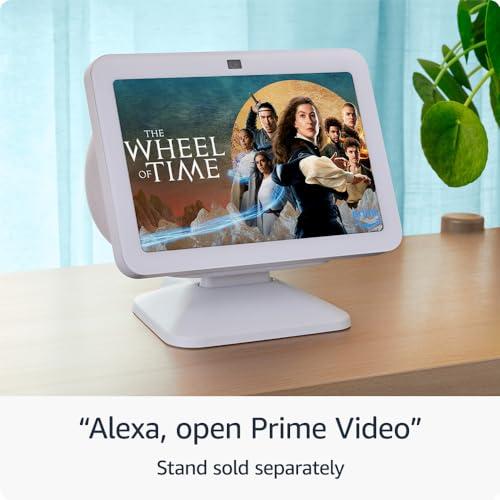
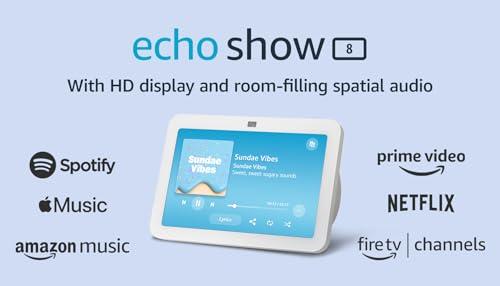
The entertainment divide between these devices is stark. The Echo Show 8 3rd Gen supports video streaming from major services including Prime Video, Netflix, and YouTube, turning it into a small television for casual viewing. The screen size works well for cooking shows, news videos, or background entertainment during daily routines.
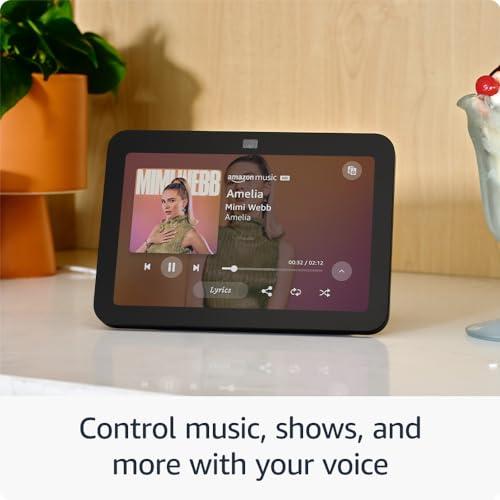
Music visualization adds an engaging element to audio playback, with album art, lyrics, and dynamic graphics that respond to the music. For podcast listeners, the ability to see show notes, episode descriptions, and chapter markers makes navigation much easier than voice commands alone.
The Echo Pop handles music and podcast playback competently but without visual enhancements. The audio quality limitations make it better suited for spoken content than music, though it handles background listening adequately at moderate volumes.
Both devices support Amazon's ecosystem of streaming services naturally, with particularly seamless integration for Amazon Music and Audible. Third-party service support varies, with some features requiring workarounds or limitations compared to native apps.
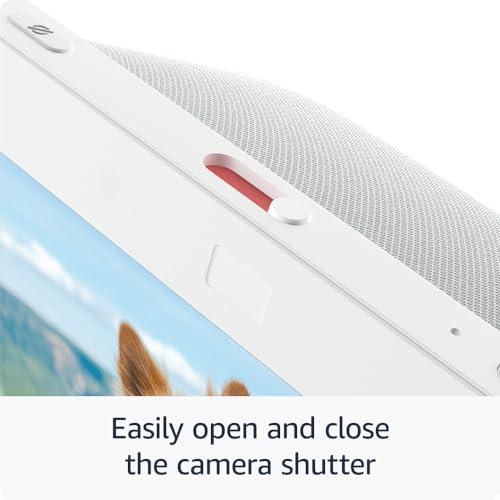
Privacy approaches differ significantly between these devices. The Echo Show 8 3rd Gen includes physical camera and microphone controls, with a sliding shutter that physically blocks the camera lens and a mute button that cuts microphone power. The camera can be used for home monitoring when you're away, but this requires trusting Amazon with visual access to your home.
The Echo Pop eliminates camera privacy concerns entirely while maintaining the microphone mute functionality. The visual indicator clearly shows when the microphone is disabled, providing clear feedback about the device's listening status.
Both devices process some voice commands locally using their AZ2 processors, reducing the amount of data sent to Amazon's servers. However, complex queries and smart home commands still require internet connectivity and cloud processing.
The Echo Show 8 3rd Gen makes sense for users who want a central smart home control point and multimedia capabilities. Families with children particularly benefit from video calling features and the ability to leave visual messages for each other. Kitchen users find the recipe display, timer visualization, and cooking video streaming genuinely useful for daily meal preparation.
Budget considerations aside, the Echo Show 8 provides better long-term value for users who expect to expand their smart home setups. The built-in hub functionality and comprehensive protocol support prevent the need for additional hardware purchases as you add more devices.
The Echo Pop suits users who want simple voice assistant functionality without visual complexity. Bedroom placement, office desks, and secondary rooms benefit from its unobtrusive presence and basic capabilities. Privacy-conscious users who prefer devices without cameras find it appealing, as do those who simply want to test Amazon's ecosystem before committing to more expensive devices.
Students and renters often prefer the Echo Pop because it provides essential Alexa functionality at a lower investment level. The compact size also makes it easier to move between locations when living situations change.
At the time of writing, the Echo Show 8 3rd Gen typically costs about four times more than the Echo Pop, but provides substantially more functionality. The price difference reflects genuinely different capabilities rather than simply premium branding.
Consider the Echo Show 8 3rd Gen if you want visual feedback for smart home control, plan to use video calling features, need superior audio quality for music listening, or want a device that can serve multiple entertainment functions. The investment makes particular sense if you're building a comprehensive smart home system or need a central control point for family coordination.
Choose the Echo Pop if you want basic Alexa functionality at the lowest price point, prefer voice-only interaction without visual distractions, need a device for smaller spaces where larger units would feel overwhelming, or want to test Amazon's ecosystem before investing in premium devices.
Both devices represent solid execution of their respective design philosophies. The Echo Show 8 3rd Gen succeeds as a comprehensive smart home hub and multimedia device, while the Echo Pop delivers essential voice assistant functionality without unnecessary complexity. Your choice should align with how you plan to use Alexa in your daily routine and whether visual features justify the substantial price difference for your specific needs.
| Amazon Echo Show 8 3rd Gen Smart Display | Amazon Echo Pop Smart Speaker |
|---|---|
| Display - Determines visual capabilities and multimedia functionality | |
| 8-inch HD touchscreen (1280 x 800) with adaptive content | No display - voice-only interaction |
| Camera - Essential for video calls and home monitoring | |
| 13MP centered camera with auto-framing and privacy shutter | No camera functionality |
| Audio Quality - Critical for music listening and call clarity | |
| Dual 2-inch neodymium drivers with passive bass radiator, spatial audio | Single 1.95-inch front-firing driver, limited bass response |
| Processor - Affects response speed and smart home performance | |
| Octa-core SoC with AZ2 Neural Network Engine (40% faster than previous gen) | AZ2 Neural Edge processor (basic voice processing) |
| Smart Home Hub - Determines device compatibility and setup complexity | |
| Built-in Zigbee, Thread Border Router, Matter support | Matter support only, no built-in hubs |
| Voice Recognition - Important for reliable command processing | |
| Multi-microphone array with noise cancellation | 3-microphone array with standard pickup |
| Size and Placement - Affects where you can use the device | |
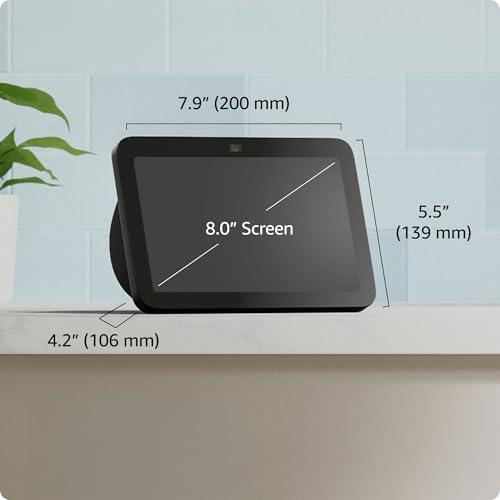
| 7.9 x 5.4 x 4.2 inches, needs dedicated surface space | 3.9 x 3.3 x 3.6 inches, fits anywhere |
| Entertainment Features - Key for media consumption beyond voice control | |
| Video streaming, photo display, music with visuals, recipe videos | Audio-only streaming, no visual entertainment |
| Connectivity Options - Determines integration flexibility | |
| Wi-Fi, Bluetooth, eero mesh extension, multiple smart home protocols | Wi-Fi, Bluetooth, eero mesh extension, limited protocols |
| Privacy Controls - Important for household security concerns | |
| Physical camera shutter and microphone mute button | Microphone mute button only (no camera to block) |
| Value Proposition - Cost versus feature set consideration | |
| Premium price for comprehensive smart display experience | Budget-friendly entry point to Alexa ecosystem |
The primary difference is that the Amazon Echo Show 8 3rd Gen features an 8-inch touchscreen display for visual interaction, video calls, and multimedia content, while the Amazon Echo Pop is a compact voice-only smart speaker without any display. The Echo Show 8 serves as a comprehensive smart home hub and entertainment device, whereas the Echo Pop focuses on essential Alexa voice assistant functionality at a budget-friendly price point.
The Amazon Echo Show 8 3rd Gen delivers significantly superior audio quality with dual 2-inch neodymium drivers, a passive bass radiator, and spatial audio technology. The Amazon Echo Pop has a single 1.95-inch front-firing driver that's adequate for voice responses and casual listening but lacks the bass response and volume needed for serious music enjoyment. For music lovers, the Echo Show 8 is the clear winner.
Only the Amazon Echo Show 8 3rd Gen supports video calls with its 13MP centered camera that includes auto-framing technology. The Amazon Echo Pop has no camera and can only handle voice calls through Alexa's calling features. If video calling with family and friends is important to you, the Echo Show 8 is your only option between these two devices.
The Amazon Echo Show 8 3rd Gen offers comprehensive smart home integration with built-in Zigbee hub, Thread Border Router, and Matter support, plus visual controls through the touchscreen. The Amazon Echo Pop provides basic smart home control through voice commands with Matter support but lacks the advanced hub functionality. For serious smart home enthusiasts, the Echo Show 8 provides better long-term value and capability.
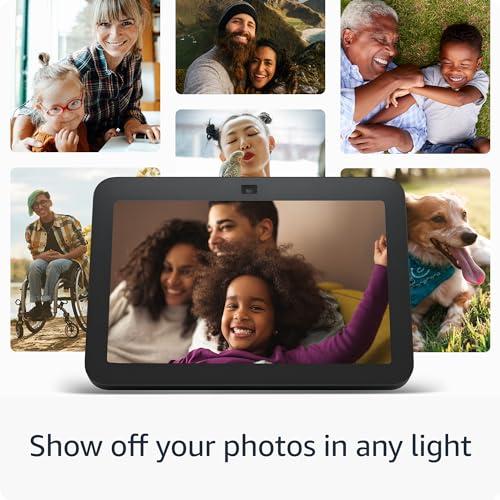
The Amazon Echo Show 8 3rd Gen supports video streaming from services like Prime Video, Netflix, YouTube, and can display photos, recipe videos, and music visualizations. The Amazon Echo Pop is audio-only and cannot display any video content. If you want to watch shows, cooking videos, or view photos, you'll need the Echo Show 8.
Both devices offer privacy controls, but they differ in approach. The Amazon Echo Show 8 3rd Gen includes physical camera shutter and microphone mute controls, giving you complete control over visual and audio privacy. The Amazon Echo Pop eliminates camera privacy concerns entirely since it has no camera, with only a microphone mute button. Privacy-conscious users often prefer the Echo Pop for its camera-free design.
Neither device is designed as a primary home theater speaker, but the Amazon Echo Show 8 3rd Gen can serve as a secondary audio zone or casual viewing device in bedrooms or kitchens. The Echo Show 8 can also control home theater equipment through Alexa voice commands and display entertainment information. The Amazon Echo Pop lacks the audio quality needed for any meaningful home theater role beyond basic voice control.
The Amazon Echo Pop is specifically designed for smaller spaces with its compact semi-spherical design and unobtrusive presence. It won't create sleep disruption with bright screens and fits easily on nightstands. The Amazon Echo Show 8 3rd Gen works in bedrooms too but requires more surface space and has a bright display that some users find distracting during sleep hours.
The Amazon Echo Show 8 3rd Gen excels in kitchen environments with recipe video display, step-by-step cooking instructions, timer visualization, and easy measurement conversions on screen. You can also make video calls while cooking and control smart kitchen appliances with visual feedback. The Amazon Echo Pop handles basic kitchen tasks like timers and unit conversions through voice commands but lacks the visual recipe guidance that makes cooking easier.
The Amazon Echo Show 8 3rd Gen offers more family-friendly features including video calls with grandparents, visual games and activities for kids, photo displays of family memories, and educational content with visual elements. Parents can also leave visual messages and use the display for shared calendars. The Amazon Echo Pop provides basic family features like voice calling and kid-friendly skills but lacks the engaging visual elements children often prefer.
The Amazon Echo Show 8 3rd Gen measures 7.9 x 5.4 x 4.2 inches and requires dedicated counter or shelf space due to its display and larger footprint. The Amazon Echo Pop is much more compact at 3.9 x 3.3 x 3.6 inches with a unique semi-spherical design that fits almost anywhere. The Echo Pop comes in more color options and blends more naturally into various room aesthetics.
The value depends on your needs and budget. The Amazon Echo Pop offers excellent value for users wanting basic Alexa functionality at the lowest price point. The Amazon Echo Show 8 3rd Gen provides significantly more features and capabilities that justify its higher cost for users who will utilize the display, superior audio, and comprehensive smart home features. Consider the Echo Pop for simple voice assistance or the Echo Show 8 for a complete smart home and entertainment experience.
We've done our best to create useful and informative comparisons to help you decide what product to buy. Our research uses advanced automated methods to create this comparison and perfection is not possible - please contact us for corrections or questions. These are the sites we've researched in the creation of this article: techradar.com - techradar.com - youtube.com - tomsguide.com - thedisconnekt.com - androidcentral.com - bestbuy.com - versus.com - versus.com - dimensions.com - ifixit.com - bestbuy.com - dell.com - youtube.com - youtube.com - rtings.com - reviewed.com - techradar.com - soundguys.com - youtube.com - youtube.com - youtube.com - bestbuy.com - soundguys.com - rtings.com - goodhousekeeping.com - bestbuy.com - youtube.com - dell.com - manuals.plus - youtube.com - bestbuy.com - en.wikipedia.org - nfm.com

Privacy Policy
Terms and Conditions - Affiliate Policy
Home Security
© Copyright 2008-2026.
11816 Inwood Rd #1211, Dallas, TX 75244