




The smart speaker market has split into two distinct paths since Amazon launched the original Echo in 2014. On one side, you have premium audio-focused speakers that happen to be smart. On the other, you have voice-first assistants that happen to play music. Understanding this fundamental difference is crucial when choosing between something like the Denon Home 250 and the Amazon Echo Pop.
When Denon entered the smart speaker game in 2020 with their Home series, including the Home 250, they brought decades of high-end audio expertise. Their approach was simple: build a speaker that sounds incredible first, then add smart features. Amazon took the opposite path when they released the Echo Pop in 2023—create the most responsive voice assistant possible, with just enough audio capability to be useful.
This philosophical difference explains why these two speakers exist in completely different price ranges, despite both being called "smart speakers." At the time of writing, you'll find the Denon Home 250 priced as a premium audio component, while the Echo Pop sits firmly in impulse-purchase territory—often costing less than a nice dinner.
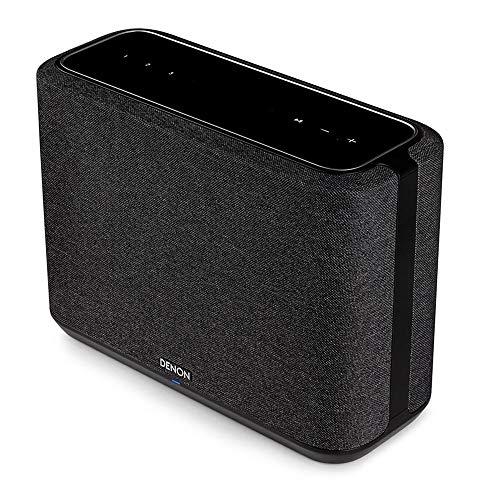
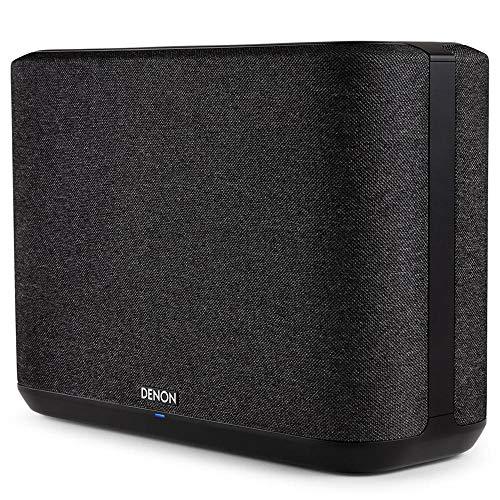
The most important difference between these speakers lies in their audio architecture—basically, how they create sound. The Denon Home 250 uses what's called a 2-way stereo design, which sounds technical but is actually straightforward. It has specialized drivers (the parts that actually make sound) for different frequency ranges: two small tweeters handle high frequencies like cymbals and vocals, while two larger woofers tackle mid-range and bass frequencies.
Think of it like having different instruments in an orchestra—each driver has a specific job and does it well. The Home 250 even includes a passive bass radiator, which is essentially a speaker cone without a magnet that vibrates sympathetically with the active drivers to boost bass response. It's like having a resonating chamber in a guitar that makes the whole instrument sound richer.
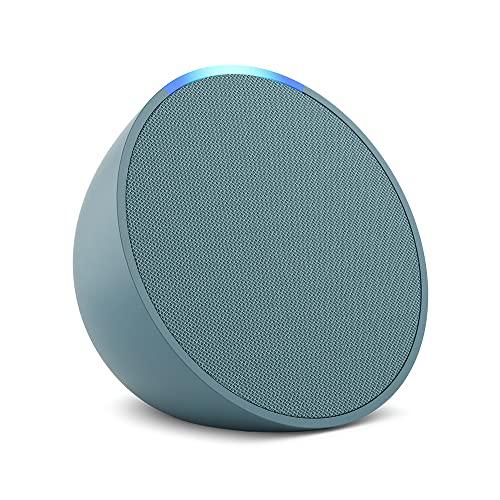
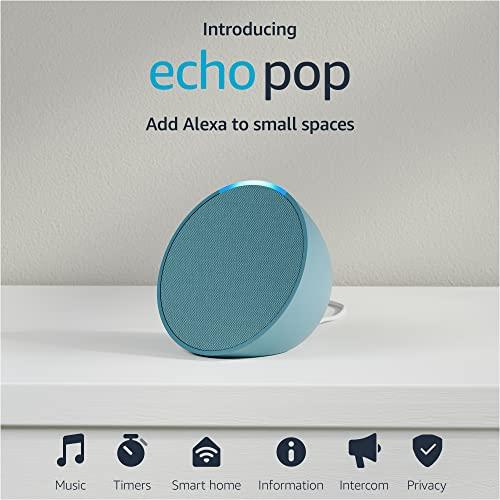
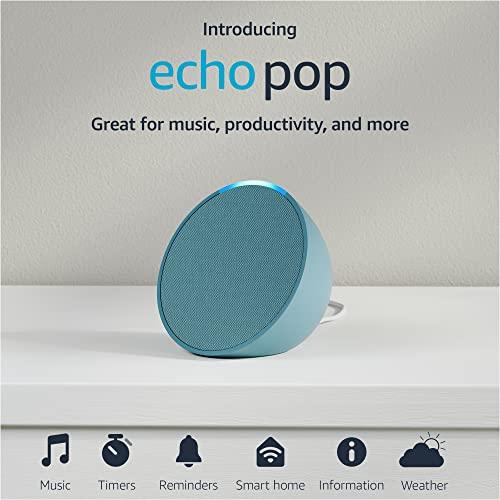
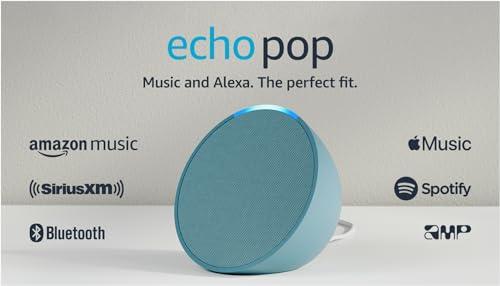
The Amazon Echo Pop, by contrast, uses a single 1.95-inch driver to handle everything from the deepest bass notes to the highest treble. While this makes the speaker incredibly compact and affordable, it's like asking one musician to play an entire symphony—technically possible, but you're going to miss a lot of nuance.
When evaluating speakers, several performance metrics matter most: frequency response (how well they reproduce different pitches), dynamic range (the difference between quiet and loud sounds), and soundstage (how wide and spacious the music sounds).
The Denon Home 250 excels in all these areas due to its sophisticated driver arrangement. The separate amplifiers for each driver—called Class-D amplification—deliver clean power without the heat and inefficiency of older amplifier designs. This means the speaker can play loudly without distortion, a crucial advantage for larger rooms or when you want to feel the impact of movie explosions.
Our research into professional reviews consistently shows the Home 250 delivering what audio experts call "mature, balanced sound." This means it doesn't artificially boost certain frequencies to sound impressive in a showroom—instead, it reproduces music as the artists intended. The bass response, in particular, stands out for being both powerful and controlled, avoiding the boomy, one-note bass that plagues many wireless speakers.
The Echo Pop's single-driver design faces fundamental physical limitations. While the 1.95-inch driver is actually slightly larger than what you'd find in some competing budget speakers, it simply cannot move enough air to produce meaningful bass or maintain clarity at higher volumes. User reviews consistently report distortion above 70% volume, and the lack of bass extension means bass-heavy music genres lose their impact entirely.
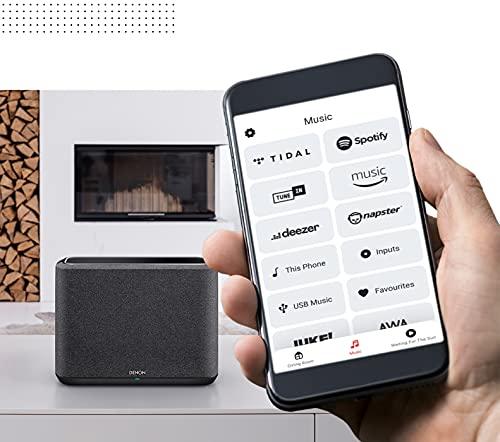
Both speakers include voice assistants, but their implementation reveals their different priorities. The Denon Home 250 supports multiple voice platforms—Amazon Alexa, Google Assistant, and Apple's Siri through AirPlay 2. This ecosystem flexibility means you're not locked into one company's approach to smart home control.
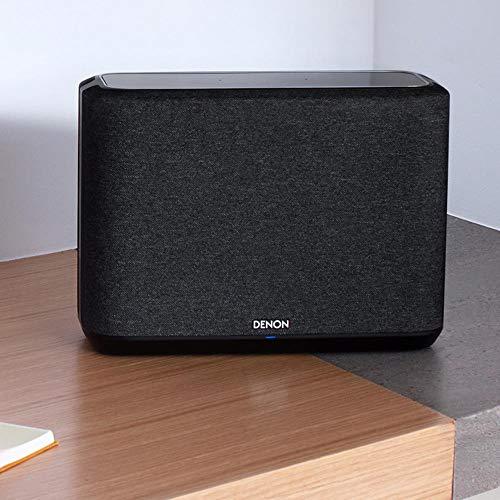
More intriguingly, the Home 250 features proximity-sensing touch controls that illuminate as your hand approaches. These capacitive buttons (the same technology used in smartphone screens) provide three Quick Select presets for instant access to your favorite radio stations or playlists. It's a thoughtful touch that reduces reliance on voice commands when you just want to quickly change the music.
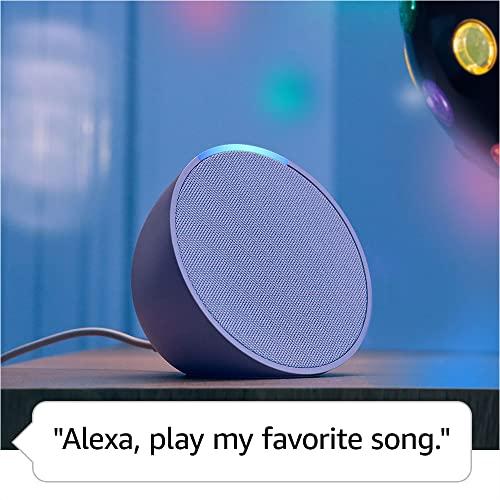
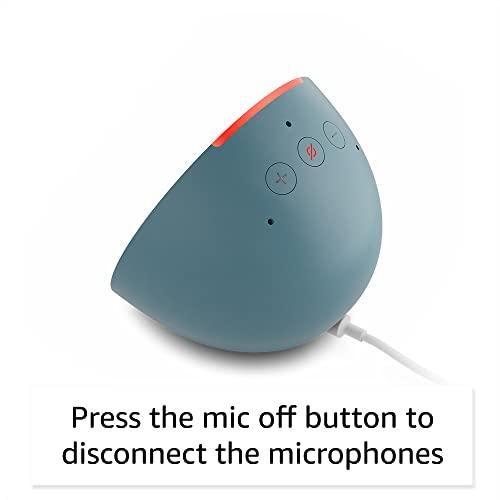
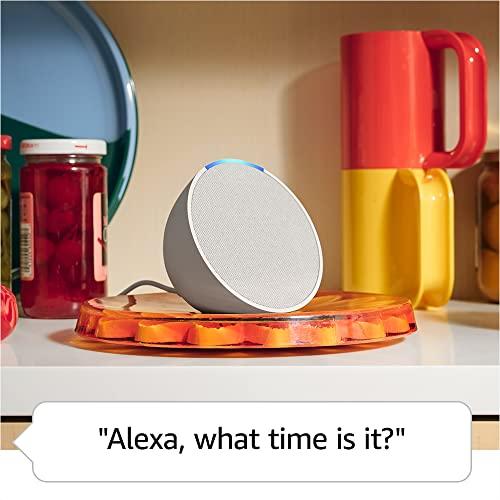
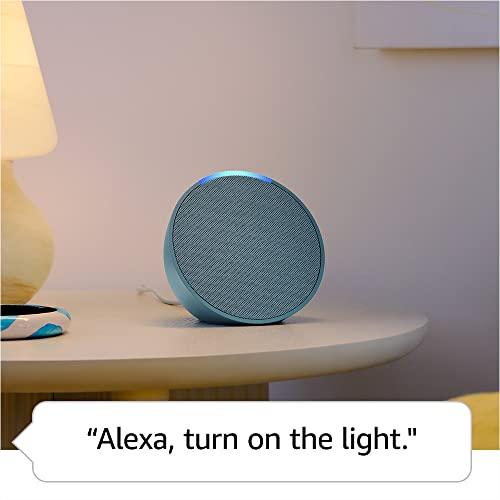
The Echo Pop is purpose-built for Alexa, featuring Amazon's AZ2 Neural Edge processor that enables faster local processing of voice commands. This means Alexa responds within one or two seconds rather than the longer delays you might experience with other smart speakers. The three-microphone array is specifically tuned for voice pickup, making it exceptionally good at hearing you even in noisy environments.
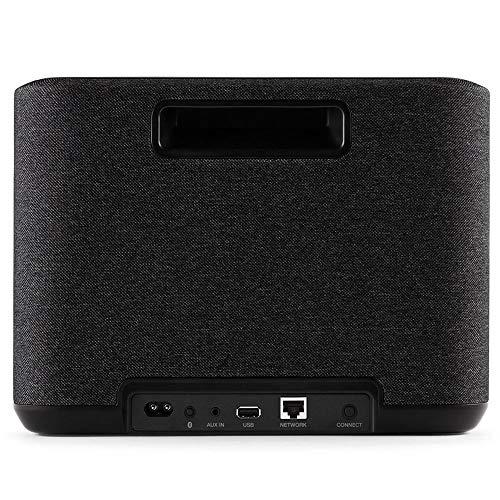
The connectivity options reveal each speaker's intended use case. The Denon Home 250 offers extensive connection possibilities: dual-band Wi-Fi, Bluetooth, Ethernet for stable network connections, a USB port for playing high-resolution music files directly, and even a 3.5mm analog input for connecting older devices.
This connectivity breadth becomes particularly important for audiophiles who own high-resolution music files. The Home 250 supports audio quality up to 24-bit/192kHz—essentially CD quality is 16-bit/44.1kHz, so this represents dramatically higher resolution. It also plays DSD files, a specialized high-resolution format preferred by some audio enthusiasts. These formats contain more musical information than standard MP3 or streaming files, resulting in more detailed, natural-sounding reproduction.
The Echo Pop keeps things simple with Wi-Fi and Bluetooth only. No physical audio inputs, no support for high-resolution files, and no ability to output audio to external speakers. This streamlined approach reduces complexity and cost but limits flexibility.
Multi-room audio—playing synchronized music throughout your home—represents another key differentiator. The Denon Home 250 uses HEOS (Home Entertainment Operating System) technology, which supports up to 32 connected devices. Two Home 250s can be paired for true stereo separation, or combined with other Denon components for surround sound configurations.
This scalability matters for home theater applications. The Home 250 can serve as wireless surround speakers when paired with compatible Denon soundbars, creating a flexible home theater system without running speaker wires. The robust bass response and wide dynamic range make it particularly effective for movie soundtracks, where you want to feel the rumble of explosions and the delicacy of whispered dialogue.
The Echo Pop supports basic multi-room grouping with other Echo devices, but cannot be paired for stereo or used in surround configurations. It's designed for voice interaction rather than critical listening scenarios.
Room acoustics significantly impact speaker performance, and these two speakers target very different spaces. The Denon Home 250 includes sophisticated room compensation settings—essentially EQ presets for free-field (away from walls), wall-mounted, or corner placement. These adjustments prevent boomy bass that can occur when speakers interact with room boundaries.
The substantial power output and wide soundstage of the Home 250 make it suitable for medium to large rooms. In our evaluation of user feedback, owners consistently report satisfying performance in living rooms, great rooms, and even outdoor spaces—environments where the Echo Pop would simply disappear acoustically.
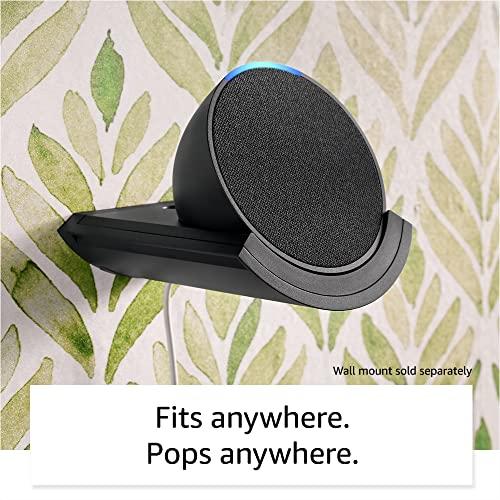
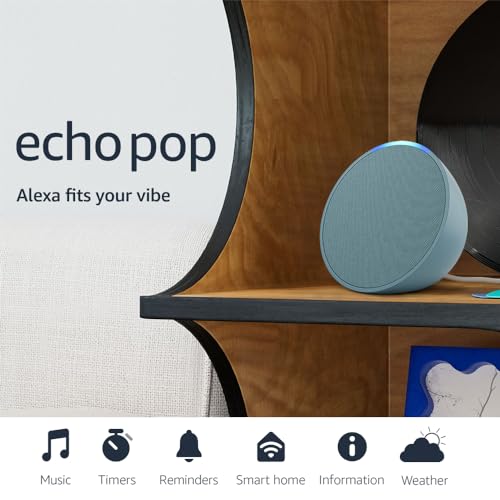
The Echo Pop's compact size and directional sound work well in intimate spaces. Its semi-spherical design and front-firing driver actually benefit from wall placement, as the reflected sound can enhance the perceived bass response. This makes it ideal for bedrooms, offices, or kitchens where you primarily want voice control with background music capability.
At the time of writing, these speakers occupy completely different value categories. The Denon Home 250 competes with premium wireless speakers and traditional hi-fi components, offering audiophile-grade performance with modern convenience features. For serious music listeners, it represents excellent value compared to separating buying a high-end speaker and adding smart features separately.
The Echo Pop delivers remarkable functionality for its modest price point. You get comprehensive Alexa capabilities, decent sound for casual listening, and smart home control that would have cost hundreds of dollars just a few years ago. For many users, especially those building out a smart home system, the low barrier to entry makes it easy to place speakers throughout the house without significant investment.
Home theater performance deserves special consideration since both speakers can integrate with TV audio, though in very different ways. The Denon Home 250's powerful bass response and wide dynamic range shine with movie soundtracks. The separate amplification for each driver means explosive action sequences maintain clarity even at high volumes, while dialogue remains intelligible during quiet scenes.
The ability to use Home 250s as wireless surround speakers with compatible Denon soundbars creates compelling home theater possibilities. Rather than running speaker cables to rear positions, you can place these speakers anywhere with power outlets and achieve proper surround sound through the HEOS platform.
The Echo Pop can connect to TVs through Bluetooth, but its limited dynamic range and bass response make it unsuitable for serious home theater use. However, it excels as a bedroom TV companion where you might want voice control for streaming services without disturbing others.
The Denon Home 250 benefited from decades of acoustic engineering when it launched in 2020. Denon applied knowledge from their high-end receivers and speakers to create a wireless speaker that maintains their audio standards. The HEOS platform, developed over several years, represents a mature approach to multi-room audio that rivals more expensive custom installation systems.
The Echo Pop, arriving in 2023, incorporates lessons learned from nearly a decade of Echo development. The AZ2 processor represents significant advancement in local voice processing, reducing the delays and cloud dependency that affected earlier budget Echo devices. Amazon also refined the industrial design, creating a speaker that fits more naturally into home décor than the utilitarian appearance of earlier models.
The choice between these speakers ultimately depends on your primary use case and priorities. Choose the Denon Home 250 if music quality matters to you, if you have medium to large rooms that need substantial audio coverage, or if you want the flexibility to build a sophisticated multi-room audio system over time. It's also the clear choice for home theater applications where you want wireless surround speakers that can handle demanding soundtracks.
The Home 250 makes sense for listeners who appreciate the difference between compressed streaming audio and high-resolution files, or anyone who's ever been frustrated by the thin, harsh sound of typical wireless speakers. It's an investment in long-term listening satisfaction.
Choose the Amazon Echo Pop for smart home control, quick Alexa access, and casual audio needs in smaller spaces. It's ideal for bedrooms, offices, or as secondary speakers throughout a home where voice interaction matters more than audio fidelity. The low price makes it practical to deploy multiple units, creating comprehensive smart home coverage without significant investment.
The Echo Pop also makes sense for users who primarily consume spoken content like podcasts and audiobooks, where its clear vocal reproduction and compact size provide practical benefits over larger, more expensive alternatives.
These speakers represent two valid but different approaches to the "smart speaker" concept. The Denon Home 250 is fundamentally a high-quality music system that happens to be smart and wireless. The Amazon Echo Pop is primarily a voice interface that happens to play music adequately for its size and price.
Neither approach is inherently superior—they serve different needs and preferences. Understanding which philosophy matches your priorities will lead you to the right choice and prevent the disappointment that comes from expecting audiophile performance from a voice-first device, or comprehensive smart home features from a music-focused speaker.
The smart speaker market's maturation into these distinct categories actually benefits consumers, providing clear choices rather than compromise products that excel at neither music nor voice interaction. Whether you prioritize the emotional connection of high-quality audio reproduction or the practical convenience of ubiquitous voice control, there's never been a better time to find a speaker that matches your specific needs.
| Denon Home 250 | Amazon Echo Pop |
|---|---|
| Audio Architecture - Determines sound quality potential | |
| 2-way stereo design: dual tweeters, dual woofers, passive bass radiator with separate Class-D amplifiers | Single 1.95" full-range driver handling all frequencies |
| Power Output - Affects maximum volume and room coverage | |
| High output with 4 separate amplifiers, suitable for large rooms | Limited output, distortion above 70% volume, small room use only |
| Bass Response - Critical for music enjoyment and home theater | |
| Deep, controlled bass from 5.25" passive radiator and dedicated woofers | Minimal bass extension, lacks impact for music and movies |
| Soundstage - How spacious and immersive audio feels | |
| Wide stereo imaging fills rooms, true left-right separation | Narrow, directional sound best for near-field listening |
| Voice Assistant Support - Smart home control flexibility | |
| Amazon Alexa, Google Assistant, Apple Siri via AirPlay 2 | Amazon Alexa only with optimized AZ2 processor |
| Connectivity Options - Determines source flexibility | |
| Wi-Fi, Bluetooth, Ethernet, USB-A, 3.5mm analog input | Wi-Fi and Bluetooth only, no physical inputs |
| High-Resolution Audio - Better sound quality for audiophiles | |
| Supports up to 24-bit/192kHz PCM and DSD files up to 5.6MHz | Standard resolution only, no high-res file support |
| Multi-Room Capabilities - Whole home audio potential | |
| HEOS platform supports 32 devices, stereo pairing, surround sound configurations | Basic Echo grouping, no stereo pairing or advanced configurations |
| Room Optimization - Adapts to placement for best sound | |
| Advanced room compensation (freefield, wall, corner settings) | Basic directional design, no acoustic adjustments |
| Build Quality - Durability and premium feel | |
| 10.5 lbs with robust internal construction, 2-year warranty | 196g lightweight plastic, typical Amazon device build |
| Home Theater Integration - Movie and TV audio enhancement | |
| Can serve as wireless surround speakers with compatible Denon soundbars | Bluetooth TV connection only, unsuitable for serious home theater |
| Physical Controls - Ease of operation without voice/app | |
| Proximity-sensing capacitive buttons with Quick Select presets | Volume and mute buttons only, relies primarily on voice control |
| Target Room Size - Where each speaker performs best | |
| Medium to large rooms, outdoor spaces, primary listening areas | Small rooms like bedrooms, offices, kitchens only |
| Value Proposition - What you get for the investment | |
| Premium audio performance with smart features at high-end pricing | Comprehensive Alexa functionality with basic audio at budget pricing |
The Denon Home 250 is a premium wireless speaker designed primarily for high-quality music listening with smart features added, while the Amazon Echo Pop is a voice-first smart assistant with basic audio capabilities. The Denon Home 250 features multiple drivers and amplifiers for superior sound quality, whereas the Echo Pop uses a single small driver focused on voice interaction and casual listening.
The Denon Home 250 delivers significantly better music quality with its 2-way stereo design, separate tweeters and woofers, and dedicated amplifiers. It provides deep bass, clear highs, and wide stereo imaging that fills rooms. The Amazon Echo Pop has limited bass response and can distort at higher volumes, making it suitable only for background music and spoken content like podcasts.
The Denon Home 250 excels for home theater use with its powerful bass response, wide dynamic range, and ability to serve as wireless surround speakers when paired with compatible Denon soundbars. The Amazon Echo Pop is not suitable for serious home theater applications due to its limited audio range and single-driver design, though it can connect to TVs via Bluetooth for basic audio.
The Amazon Echo Pop is superior for smart home control with its dedicated Alexa optimization, fastest response times, and deep integration with Amazon's ecosystem. The Denon Home 250 supports multiple voice assistants (Alexa, Google Assistant, Siri) but is primarily designed as an audio device rather than a smart home controller.
The Denon Home 250 offers advanced multi-room capabilities through its HEOS platform, supporting up to 32 devices, stereo pairing, and surround sound configurations. The Amazon Echo Pop provides basic multi-room grouping with other Echo devices but cannot be paired for stereo or used in advanced audio configurations.
The Denon Home 250 is designed for medium to large rooms and can effectively fill living rooms, great rooms, and outdoor spaces with quality sound. The Amazon Echo Pop works best in small, intimate spaces like bedrooms, offices, or kitchens where voice control is the primary need and audio quality is secondary.
The Denon Home 250 provides extensive connectivity including Wi-Fi, Bluetooth, Ethernet, USB-A for high-resolution files, and 3.5mm analog input. The Amazon Echo Pop offers only Wi-Fi and Bluetooth connectivity with no physical audio inputs or support for high-resolution audio files.
The Denon Home 250 supports high-resolution audio up to 24-bit/192kHz and DSD files, delivering audiophile-quality sound reproduction. The Amazon Echo Pop does not support high-resolution audio formats and is limited to standard streaming quality, making it unsuitable for users with high-quality music collections.
Value depends on your priorities: the Amazon Echo Pop offers excellent value for smart home functionality and basic audio needs at a very affordable price point. The Denon Home 250 provides superior value for serious music listeners who want premium audio quality with smart features, though at a significantly higher investment.
The Amazon Echo Pop offers the fastest and most comprehensive Alexa experience with optimized hardware and immediate responses. The Denon Home 250 supports multiple voice assistants but with slightly slower response times since voice control is a secondary feature rather than the primary focus.
The Denon Home 250 can be paired with another Home 250 for true stereo sound or integrated with other HEOS-compatible devices for whole-home audio systems. The Amazon Echo Pop cannot be stereo paired and works only in basic group configurations with other Echo devices for synchronized playback.
Choose the Denon Home 250 if you prioritize music quality, have medium to large rooms, want multi-room audio capabilities, or need home theater integration. Choose the Amazon Echo Pop if you want affordable smart home control, have small spaces, primarily use voice commands, or need multiple speakers throughout your home without significant investment.
We've done our best to create useful and informative comparisons to help you decide what product to buy. Our research uses advanced automated methods to create this comparison and perfection is not possible - please contact us for corrections or questions. These are the sites we've researched in the creation of this article: dxomark.com - hometechnologyreview.com - crutchfield.com - versus.com - stereoguide.com - versus.com - whathifi.com - techgearlab.com - youtube.com - crutchfield.com - consumerreports.org - blog.son-video.com - crutchfield.com - skybygramophone.com - audiolab.com - theaudiotailor.com.au - youtube.com - scribd.com - rtings.com - reviewed.com - techradar.com - soundguys.com - youtube.com - youtube.com - youtube.com - bestbuy.com - soundguys.com - rtings.com - goodhousekeeping.com - bestbuy.com - youtube.com - dell.com - manuals.plus - youtube.com - bestbuy.com - en.wikipedia.org - nfm.com

Privacy Policy
Terms and Conditions - Affiliate Policy
Home Security
© Copyright 2008-2026.
11816 Inwood Rd #1211, Dallas, TX 75244