




Smart speakers have become the modern equivalent of the kitchen radio, except they can also dim your lights, answer trivia questions, and control your entire home entertainment system. Amazon's Echo lineup dominates this space, but choosing between their most affordable options—the Echo Pop and Echo Dot 5th Generation—isn't as straightforward as you might think.
Both speakers aim to get Alexa (Amazon's voice assistant) into your home without breaking the bank, but they take notably different approaches. The differences go beyond just price, touching on audio quality, smart home capabilities, and even basic connectivity options that could make or break your experience.
Entry-level smart speakers serve as the gateway drug to the smart home ecosystem. They're designed to handle three main jobs: play music casually, respond to voice commands reliably, and control other smart devices in your home. Unlike premium speakers that focus heavily on audiophile-quality sound, these budget options prioritize convenience and accessibility over pure audio performance.
The key considerations when shopping in this category include audio quality (how good does music actually sound?), smart home integration (what devices can it control and how well?), voice assistant performance (does it understand you consistently?), connectivity options (can it connect to your phone or other devices?), and overall value (are you getting enough features for the money?).
What makes this comparison particularly interesting is that both the Echo Pop and Echo Dot 5th Generation come from the same company and run the same Alexa software, yet they offer distinctly different experiences based on their hardware choices and feature sets.
The most obvious difference between these speakers is their physical design, and this isn't just about looks—it fundamentally affects how they sound and where you can place them.
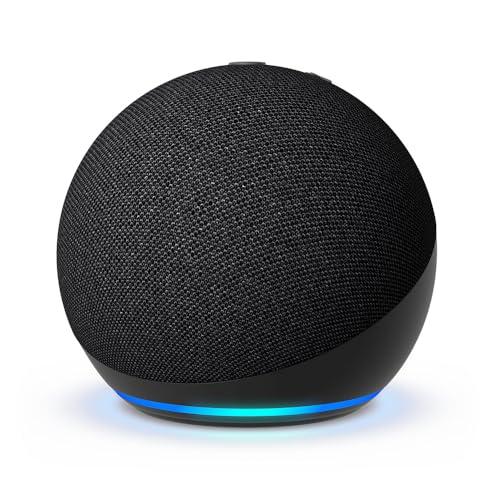
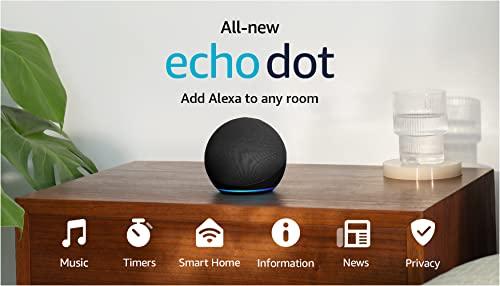
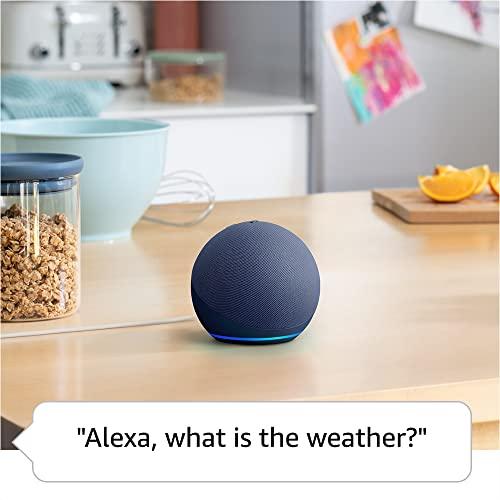
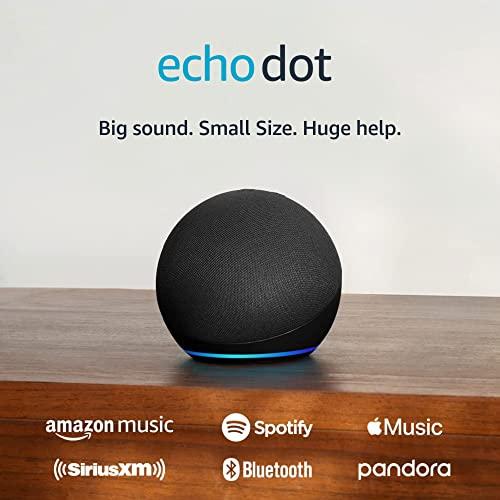
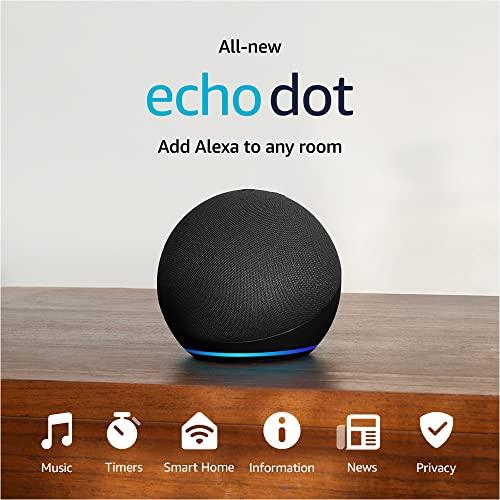
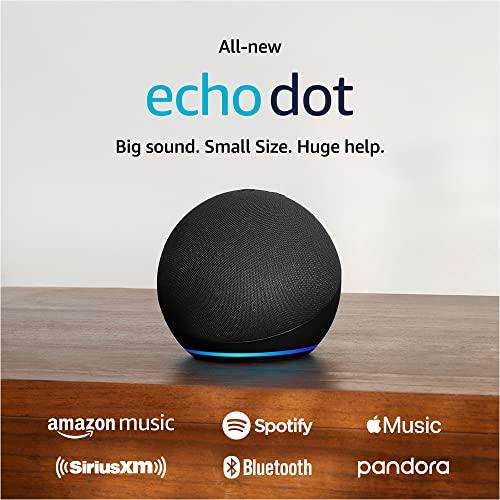
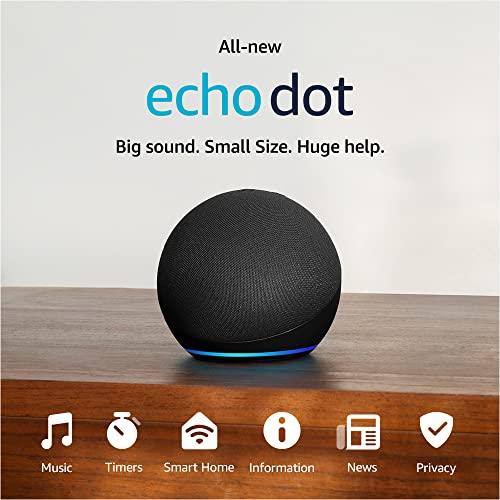
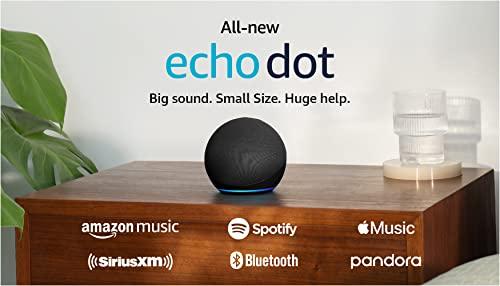
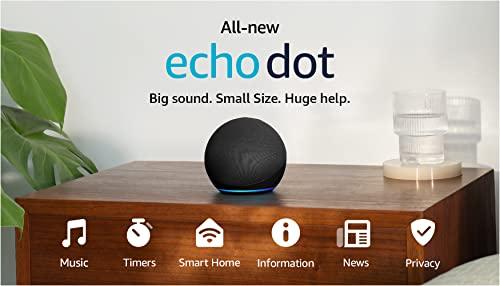
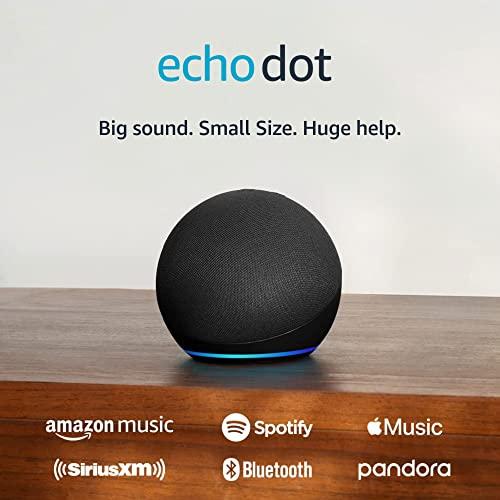
The Echo Dot 5th Generation, released in 2022, maintains Amazon's signature spherical design that's been refined over several generations. This tennis ball-sized speaker features a mesh fabric exterior and sits on a small base, with Alexa's signature light ring glowing around the bottom edge. The spherical shape allows sound to radiate in all directions (what audio engineers call "omnidirectional"), which means it can fill a room more evenly regardless of where you place it.
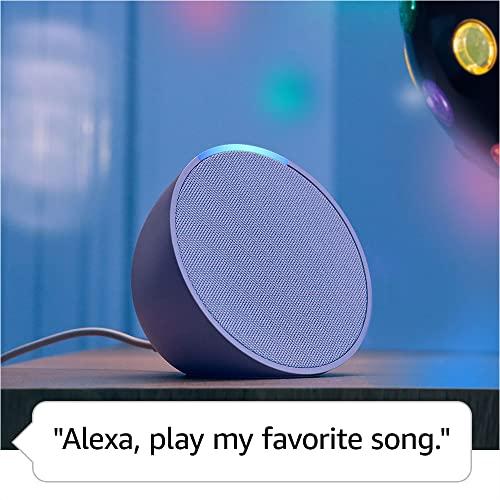
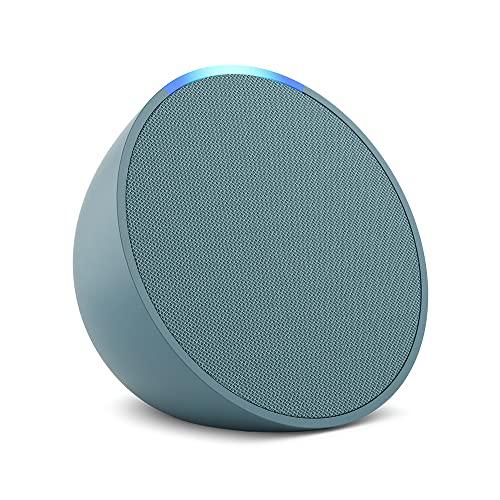
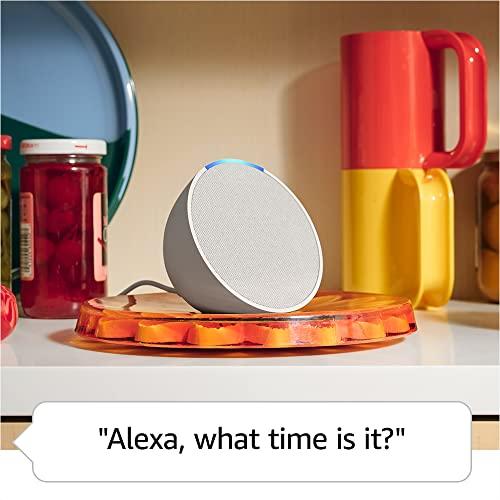
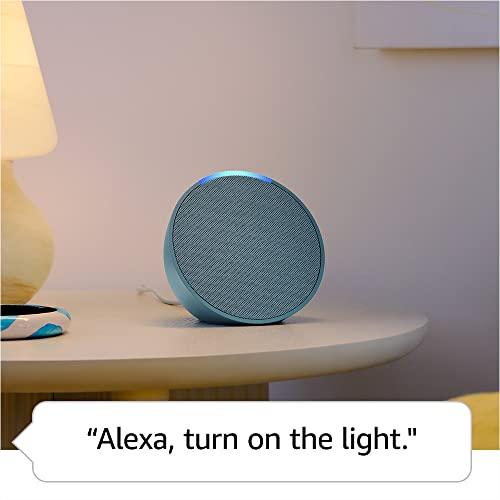
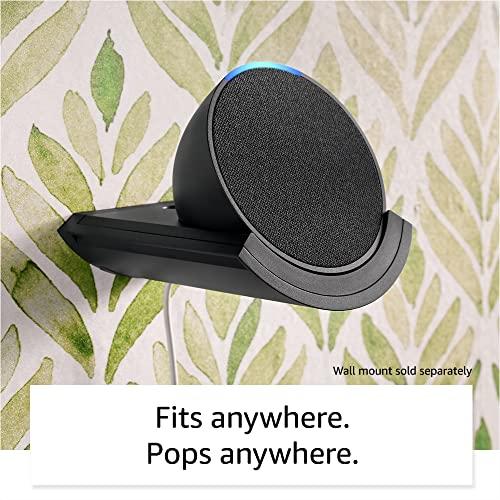
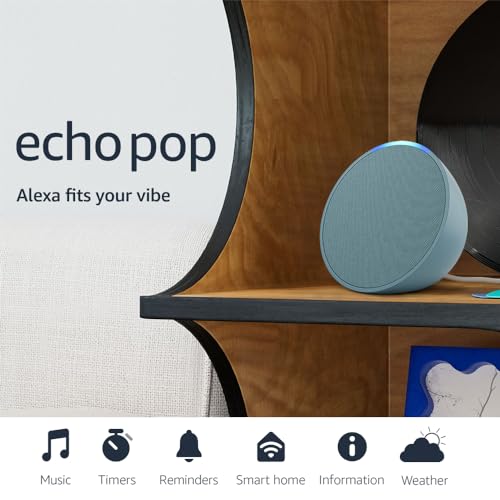
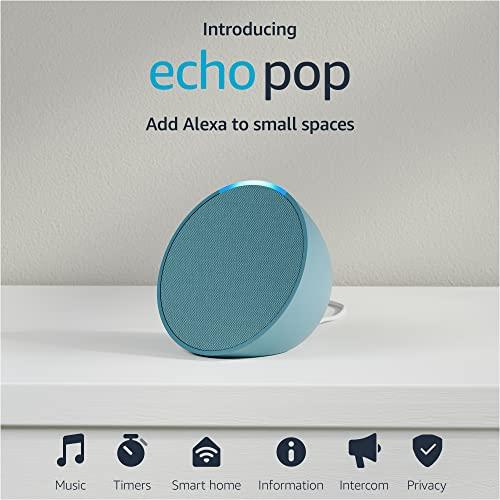
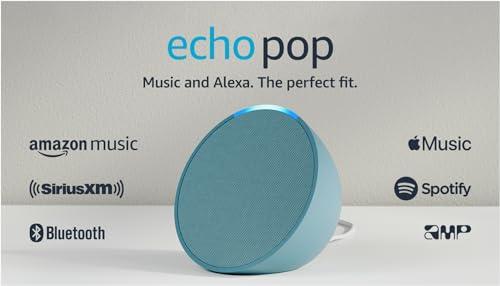
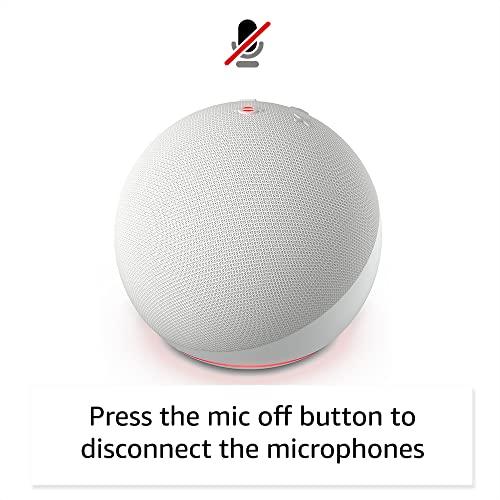
The Echo Pop, introduced in 2023, takes a radically different approach with its semi-spherical design—imagine cutting an Echo Dot in half and placing it flat-side down. This creates a more compact footprint that's ideal for desks, shelves, or tight spaces. The speaker fires forward and slightly upward, directing sound toward the listener rather than filling the entire room.
This design difference has practical implications. The Echo Dot works better in the center of a room or on a kitchen counter where multiple people might be listening from different angles. The Echo Pop excels when placed against a wall or on a desk where you'll primarily be listening from one direction.
Both speakers must remain plugged into the wall—there's no battery option, which limits their portability but keeps costs down and ensures they're always ready to respond to voice commands.
Audio quality represents the biggest practical difference between these two speakers, and the results might surprise you based on the specs alone.
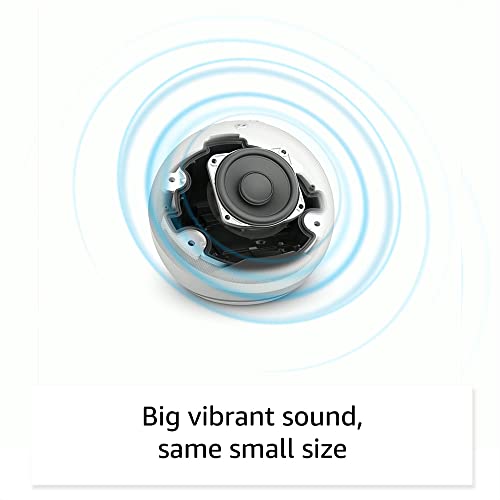
The Echo Pop features a larger 1.95-inch driver compared to the Echo Dot's 1.73-inch driver. In most audio equipment, bigger drivers typically mean better sound, especially for bass response. However, driver size is just one piece of the puzzle—the enclosure design, digital signal processing (DSP), and acoustic engineering play equally important roles.
Based on extensive user feedback and professional reviews, the Echo Dot 5th Generation consistently delivers superior overall audio quality despite its smaller driver. The key lies in its omnidirectional design and more sophisticated acoustic tuning. Users report noticeably better bass response, clearer mid-range frequencies (where vocals sit), and less distortion at moderate volume levels.
The Echo Pop produces a more neutral sound signature, which means it doesn't emphasize bass or treble as much. This can actually be preferable for podcasts, audiobooks, or vocal-heavy content, but it makes music sound somewhat flat and lifeless compared to its spherical sibling.
Both speakers struggle at high volumes—a common limitation in this price range. The Echo Dot handles higher volumes more gracefully, while the Echo Pop tends to distort earlier when pushed hard. For casual listening at 40-70% volume, both perform adequately for their size and price point.
Neither speaker will replace a dedicated music system or satisfy serious audiophiles, but for background music, podcast listening, or casual streaming, the Echo Dot provides a more enjoyable experience.
This is where the feature gap between these two speakers becomes most apparent, and it's particularly relevant if you're planning to build out a smart home system.
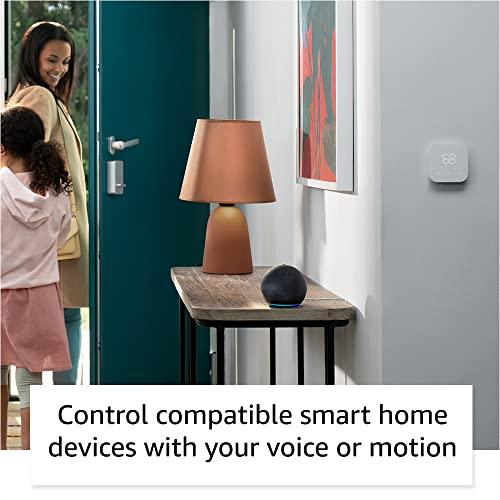
Both speakers include the core Alexa functionality—voice control, smart device management, music streaming, and access to thousands of Alexa "skills" (essentially apps for voice assistants). They can control lights, smart plugs, thermostats, and other compatible devices through simple voice commands.
However, the Echo Dot 5th Generation includes several advanced features that the Echo Pop completely lacks:
Temperature Sensing: The Echo Dot includes a built-in temperature sensor that can trigger automation routines based on room conditions. For example, you could set it to turn on a fan when the room gets too warm or adjust your smart thermostat based on actual room temperature rather than just the hallway where your main thermostat lives. This sensor isn't perfectly accurate (it can be off by a few degrees), but it's useful for general automation.
Motion Detection: Using ultrasound technology, the Echo Dot can detect when someone enters or leaves a room. This enables "occupancy-based" automation—lights that turn on when you walk into a room, or music that pauses when you leave. The ultrasound detection works by sending out high-frequency sound waves (inaudible to humans) and detecting when they bounce back differently due to movement.
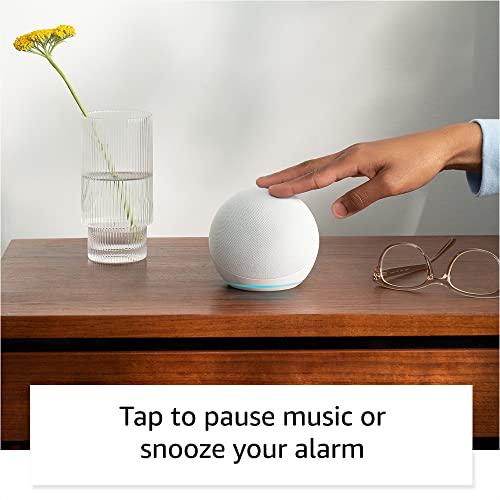
Tap Gesture Controls: The Echo Dot includes an accelerometer (motion sensor) that lets you tap the top of the device to pause music, snooze alarms, or end calls. This might seem minor, but it's surprisingly useful for bedside placement where you want to quickly silence an alarm without speaking.
The Echo Pop focuses on the essentials without these advanced features, which keeps its price lower but limits its smart home potential.
Both speakers can act as eero Wi-Fi extenders if you have a compatible eero mesh network system, potentially adding up to 1,000 square feet of Wi-Fi coverage to your home. This feature transforms them from simple speakers into part of your home networking infrastructure.
This represents one of the most significant practical differences between these speakers, and it's something Amazon doesn't highlight prominently in their marketing.
The Echo Dot 5th Generation includes both Wi-Fi and Bluetooth 4.2 connectivity. This means you can pair it with Bluetooth headphones for private listening, connect your phone directly to play music without using voice commands, or even pair it with a larger Bluetooth speaker if you want better sound quality while maintaining Alexa functionality.
The Echo Pop only includes Wi-Fi connectivity—no Bluetooth at all. This limits how you can use the device and eliminates several potentially useful scenarios. You can't pair headphones for late-night listening, can't connect your phone directly for music, and can't extend its audio capabilities with external Bluetooth speakers.
For many users, this connectivity limitation alone justifies choosing the Echo Dot, especially if you value flexibility in how you use your smart speaker.
Both speakers perform nearly identically when it comes to Alexa functionality, thanks to their shared AZ2 Neural Edge Processor. This chip, introduced across Amazon's 2022-2023 Echo lineup, handles voice processing locally on the device rather than sending everything to Amazon's servers immediately. This results in faster response times and more reliable performance.
In practice, both the Echo Pop and Echo Dot respond to wake words consistently, understand commands accurately in normal room conditions, and provide quick answers to questions. The three-microphone array in each speaker picks up voice commands reliably, even with moderate background noise or music playing.
The voice recognition and response quality is essentially identical between the two speakers, so your choice shouldn't be based on Alexa performance—focus on the other factors we've discussed.
Neither of these speakers is designed for serious home theater use, but they can play supporting roles in your entertainment setup.
Both speakers support multi-room audio, meaning you can group them with other Echo devices to play synchronized music throughout your house. They can also control smart TVs, streaming devices, and sound systems through voice commands if those devices support Alexa integration.
However, if you're looking for a smart speaker to enhance your TV audio experience, both fall short. They lack the audio output jacks, power, and acoustic design needed for meaningful home theater improvement. You'd be better served by Amazon's larger Echo speakers or dedicated soundbars with Alexa built-in.
The Echo Dot's Bluetooth capability does offer one advantage here—you could potentially pair it with Bluetooth headphones for private TV watching, though this requires compatible TV Bluetooth support.
Choose the Echo Dot 5th Generation if you:
Choose the Echo Pop if you:
At the time of writing, the price difference between these speakers is relatively modest—typically around $10-15 depending on current promotions. However, this small price gap represents a significant percentage difference at this price point, and the feature disparity is even more dramatic.
The Echo Dot 5th Generation offers substantially more functionality for a small premium. The combination of better audio quality, Bluetooth connectivity, and advanced smart home sensors creates much more value for most users. It's the kind of price-to-feature ratio that makes the decision obvious for anyone who can accommodate the slightly higher cost.
The Echo Pop serves a specific niche—users who absolutely cannot exceed a certain budget threshold or those who specifically value its compact design and don't need the additional features. For this narrow use case, it provides adequate Alexa functionality at the lowest possible price point.
For most buyers, the Echo Dot 5th Generation represents the clear choice despite its higher price. The superior audio quality alone justifies the difference for anyone who plans to play music regularly, and the additional smart home features provide room for growth as you add more connected devices to your home.
The Echo Pop makes sense primarily as a budget-first choice or as a secondary speaker for rooms where you only need basic Alexa functionality. Its unique design might also appeal to users who value aesthetics and have limited space for speaker placement.
Consider your primary use case carefully. If you're mainly interested in voice commands for timers, weather updates, and basic smart home control, the Echo Pop will serve you adequately while saving money. If you plan to stream music regularly, want room for smart home expansion, or value connectivity flexibility, the Echo Dot 5th Generation provides significantly more capability for a modest price increase.
Both speakers will get Alexa into your home and provide the core smart speaker experience. The question is whether you value the enhanced features and better performance enough to justify the price difference—and for most users building their first smart home setup, the answer is yes.
| Amazon Echo Pop Smart Speaker | Amazon Echo Dot 5th Generation Smart Speaker |
|---|---|
| Audio Quality - Most important for music listening and overall satisfaction | |
| 1.95" front-firing driver, neutral sound with limited bass and early distortion at high volumes | 1.73" front-firing driver with superior bass response, clearer vocals, and better high-volume performance |
| Design and Placement Flexibility - Affects where you can use it effectively | |
| Semi-spherical with directional sound, compact footprint ideal for desks and shelves | Traditional spherical design with omnidirectional sound, works well anywhere in a room |
| Connectivity Options - Determines how you can connect other devices | |
| Wi-Fi only (2.4GHz/5GHz), no Bluetooth capability | Wi-Fi (2.4GHz/5GHz) plus Bluetooth 4.2 for headphones and external speakers |
| Smart Home Sensors - Enables advanced automation beyond basic voice control | |
| None (basic Alexa functionality only) | Temperature sensor, ultrasound motion detection, and tap gesture controls |
| Voice Assistant Performance - How well it understands and responds to commands | |
| AZ2 Neural Edge Processor with 3-microphone array, identical Alexa performance | AZ2 Neural Edge Processor with 4-microphone array, identical Alexa performance |
| Color Options - Aesthetic customization for your space | |
| 4 colors: Charcoal, Glacier White, Lavender Bloom, Midnight Teal | 3 colors: Charcoal, Deep Sea Blue, Glacier White |
| Smart Home Integration - Core functionality for controlling connected devices | |
| Full Alexa integration, Matter support, eero Wi-Fi extension up to 1,000 sq ft | Full Alexa integration, Matter support, eero Wi-Fi extension up to 1,000 sq ft, plus environmental automation |
| Physical Controls - How you interact without voice commands | |
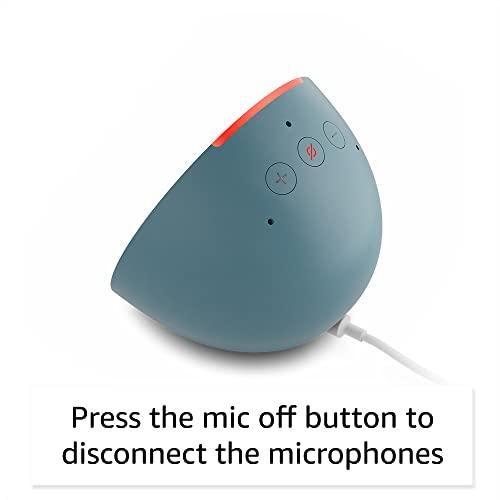
| Volume up/down buttons and microphone mute button only | Volume up/down, microphone mute, action button, plus tap-to-snooze functionality |
| Release Date and Processor - Indicates how current the technology is | |
| May 2023 with AZ2 Neural Edge Processor for fast local voice processing | October 2022 with AZ2 Neural Edge Processor for fast local voice processing |
| Value Proposition - Who should choose this option | |
| Best for strict budgets, desk placement, and basic Alexa needs without advanced features | Better overall value with superior audio, smart home growth potential, and Bluetooth flexibility |
The Amazon Echo Dot 5th Generation Smart Speaker delivers superior audio quality compared to the Amazon Echo Pop Smart Speaker. Despite having a smaller 1.73-inch driver versus the Pop's 1.95-inch driver, the Echo Dot produces better bass response, clearer vocals, and handles higher volumes with less distortion. The omnidirectional design of the Echo Dot also fills rooms more evenly than the directional sound from the Echo Pop.
The primary difference is that the Echo Dot 5th Generation includes advanced smart home features like temperature sensing, motion detection, and Bluetooth connectivity, while the Echo Pop focuses on basic Alexa functionality at a lower price point. The Echo Dot also offers better audio quality and omnidirectional sound design compared to the more compact, front-firing Echo Pop.
No, the Amazon Echo Pop Smart Speaker only supports Wi-Fi connectivity and cannot connect to Bluetooth headphones or external speakers. In contrast, the Amazon Echo Dot 5th Generation Smart Speaker includes both Wi-Fi and Bluetooth 4.2, allowing you to pair headphones, connect your phone directly, or link to Bluetooth speakers for enhanced audio.
The Echo Dot 5th Generation is significantly better for smart home automation thanks to its built-in temperature sensor and ultrasound motion detection. These sensors enable environmental automation like temperature-triggered routines and occupancy-based lighting control. The Echo Pop only provides basic Alexa voice control without advanced sensing capabilities.
Neither the Amazon Echo Pop nor the Amazon Echo Dot 5th Generation are designed for serious home theater use due to their small size and limited audio power. However, both can control smart TVs and streaming devices through voice commands. The Echo Dot has a slight advantage with its Bluetooth capability for connecting to headphones for private listening.
The Amazon Echo Pop Smart Speaker features a more compact, semi-spherical design that's ideal for desks, shelves, and tight spaces. Its flat-back design takes up less room than the traditional spherical shape of the Echo Dot 5th Generation. However, the Echo Pop's directional sound works best when placed against a wall or on a desk where you'll listen from one direction.
Yes, both the Echo Pop and Echo Dot 5th Generation support Amazon's multi-room audio feature, allowing you to group them with other Echo devices to play synchronized music throughout your home. Both speakers also work as eero Wi-Fi extenders, adding up to 1,000 square feet of network coverage when paired with compatible eero mesh systems.
The Amazon Echo Dot 5th Generation Smart Speaker typically offers better overall value despite its higher price. The combination of superior audio quality, Bluetooth connectivity, advanced smart home sensors, and gesture controls provides significantly more functionality for a modest price increase over the Echo Pop. The Echo Pop only makes sense for strict budget constraints or basic Alexa needs.
Only the Echo Dot 5th Generation includes tap gesture controls that let you tap the top to pause music, snooze alarms, or end calls. The Amazon Echo Pop Smart Speaker relies solely on voice commands and physical buttons for volume and microphone mute, without any tap-to-control functionality.
The Amazon Echo Pop Smart Speaker offers more color choices with four options: Charcoal, Glacier White, Lavender Bloom, and Midnight Teal. The Echo Dot 5th Generation comes in three colors: Charcoal, Deep Sea Blue, and Glacier White. The Echo Pop also supports optional colorful sleeve accessories for further customization.
Yes, both the Echo Pop and Echo Dot 5th Generation must remain plugged into a wall outlet at all times. Neither speaker includes a built-in battery, so they cannot be used portably. This design choice keeps costs down and ensures the speakers are always ready to respond to voice commands without battery management concerns.
For most first-time smart home users, the Amazon Echo Dot 5th Generation Smart Speaker is the better choice due to its superior audio quality, Bluetooth flexibility, and advanced smart home features that provide room for growth. Choose the Amazon Echo Pop Smart Speaker only if you have strict budget constraints or specifically need its compact design for desk placement with basic Alexa functionality.
We've done our best to create useful and informative comparisons to help you decide what product to buy. Our research uses advanced automated methods to create this comparison and perfection is not possible - please contact us for corrections or questions. These are the sites we've researched in the creation of this article: rtings.com - reviewed.com - techradar.com - soundguys.com - youtube.com - youtube.com - youtube.com - bestbuy.com - soundguys.com - rtings.com - goodhousekeeping.com - bestbuy.com - youtube.com - dell.com - manuals.plus - youtube.com - bestbuy.com - en.wikipedia.org - nfm.com - soundguys.com - reviewed.com - youtube.com - youtube.com - whathifi.com - youtube.com - youtube.com - dell.com - bestbuy.com - youtube.com - youtube.com - nfm.com - staples.com - homedepot.com - techradar.com - gadgets360.com - youtube.com - versus.com

Privacy Policy
Terms and Conditions - Affiliate Policy
Home Security
© Copyright 2008-2026.
11816 Inwood Rd #1211, Dallas, TX 75244