




The world of smart home technology has evolved dramatically since Amazon first introduced the Echo in 2014. Today, we're faced with an interesting choice: do you want a device that focuses purely on delivering excellent audio and voice interaction, or would you prefer something that combines voice assistance with a visual display? This decision boils down to comparing two fundamentally different approaches to smart home control.
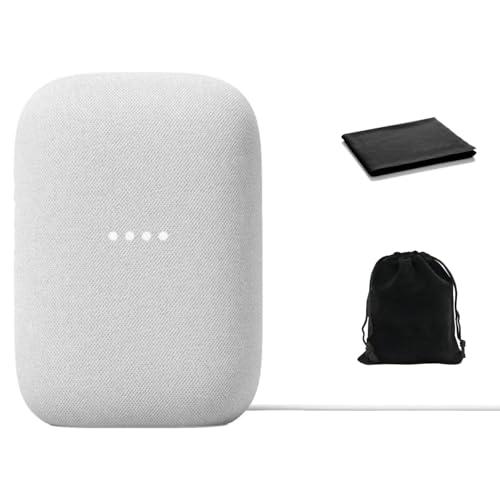
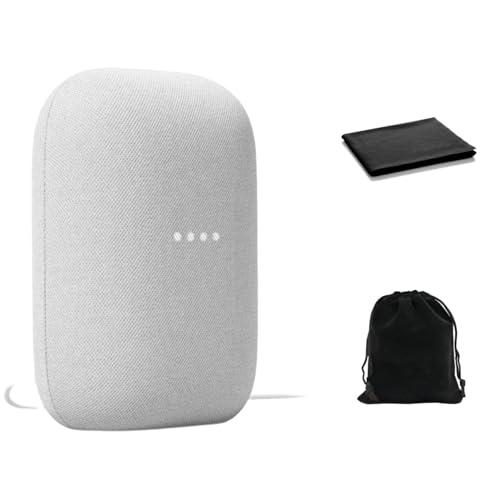
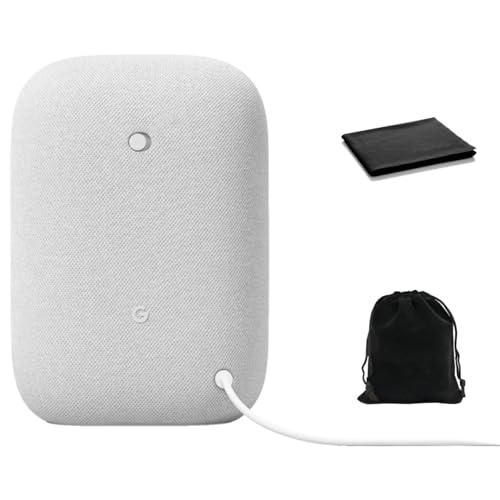
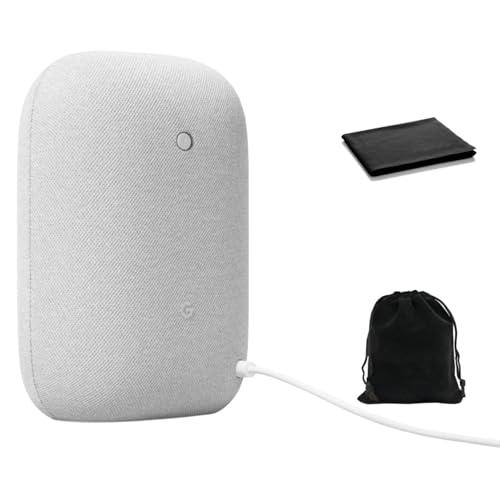
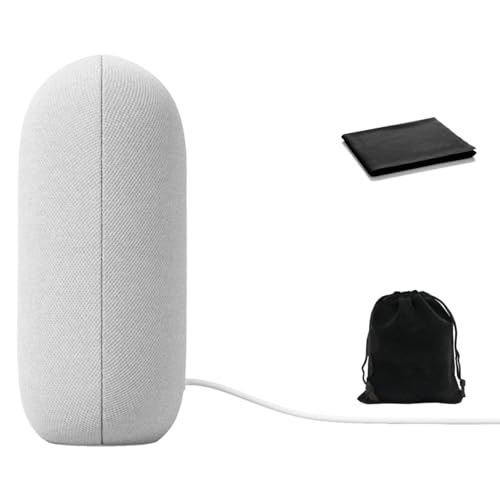
The Google Nest Audio, released in 2020, represents the refined smart speaker approach—a device that prioritizes audio quality and seamless voice interaction without any visual distractions. On the other side, we have the Amazon Echo Show 5 (3rd Gen), launched in 2023, which combines Alexa's voice capabilities with a 5.5-inch touchscreen display. Both devices serve as smart home hubs, but they deliver information and interact with users in completely different ways.
Before diving into specifics, it's worth understanding what makes these devices tick. Both the Google Nest Audio and Echo Show 5 function as always-listening voice assistants that can control smart home devices, answer questions, play music, and perform countless other tasks through voice commands. However, they represent two distinct philosophies in smart home design.
Smart speakers like the Nest Audio focus entirely on audio excellence and voice interaction. Every component is optimized for sound quality and microphone sensitivity. Smart displays like the Echo Show 5 add a visual layer, allowing you to see weather forecasts, watch videos, make video calls, and interact through touch as well as voice.
The key considerations when choosing between these approaches include how you prefer to receive information (spoken vs. visual), where you plan to place the device, your primary use cases, and which smart home ecosystem you're already using or planning to adopt.
When it comes to pure audio performance, the Google Nest Audio takes a commanding lead. This isn't surprising given that it's designed as a speaker first and smart device second. The Nest Audio features a 75mm woofer (the larger driver that handles bass and mid-range frequencies) paired with a 19mm tweeter (the smaller driver responsible for high-frequency sounds like cymbals and vocals). This two-driver setup, combined with Google's computational audio processing, delivers what the company claims is 75% louder sound with 50% stronger bass compared to its predecessor.
In practice, this means the Nest Audio can fill a medium to large room with balanced, clear sound. The device uses real-time audio processing algorithms—essentially software that continuously adjusts how the audio is played based on what type of content you're listening to. This means podcast voices sound crisp and clear, while music gets the full treatment with rich bass and detailed highs.
The Echo Show 5, by contrast, includes a single 1.7-inch full-range speaker. While Amazon has improved the audio quality in this third generation with clearer vocals and enhanced bass response, it's still fundamentally designed for personal listening rather than room-filling audio. The speaker is adequate for voice responses, alarms, and casual music listening when you're nearby, but it can't compete with a dedicated speaker for serious music enjoyment.
This difference becomes crucial depending on your intended use. If you're planning to use your smart assistant primarily for music listening, podcasts, or as a kitchen companion where you need to hear responses clearly while cooking, the Nest Audio provides a significantly better experience. However, if you're looking for a bedside device or desk companion where you'll be close enough to hear clearly, the Echo Show 5's audio quality is perfectly adequate.
Both devices excel at voice recognition, though they achieve this through slightly different approaches. The Google Nest Audio uses a three-microphone array with advanced noise cancellation technology. These far-field microphones can pick up your voice even when you're across the room or when there's background noise. Google has refined this technology significantly since the device's 2020 release, with software updates improving recognition accuracy and response times.
Google Assistant's strength lies in its search capabilities and integration with Google's vast knowledge base. When you ask complex questions, Google Assistant tends to provide more detailed, conversational responses. It excels at understanding context and follow-up questions, making conversations feel more natural. The integration with Google services like Calendar, Maps, Gmail, and YouTube is seamless and comprehensive.
The Echo Show 5 employs a two-microphone array that's also quite effective at picking up voice commands, though with slightly less range than the Nest Audio. Where Alexa truly shines is in smart home integration and skills diversity. Amazon has built the most extensive ecosystem of third-party integrations, with over 100,000 Alexa skills available at the time of writing. This means you can find Alexa skills for almost any smart home device, service, or niche application you might want.
Alexa also tends to be faster at executing smart home commands and has more natural-sounding voice responses thanks to Amazon's significant investment in text-to-speech technology over the past few years.
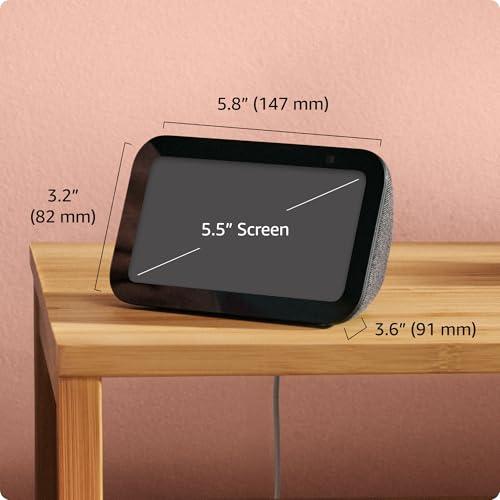
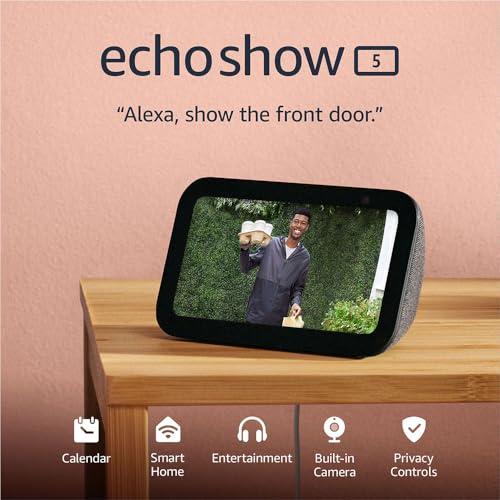
This is where the Echo Show 5 fundamentally changes the user experience. The 5.5-inch display with 960×480 pixel resolution might not sound impressive compared to your smartphone, but for quick information consumption, it's perfectly adequate. The screen transforms how you interact with your smart assistant in several meaningful ways.
Weather forecasts become visual with icons and multi-day predictions instead of long spoken descriptions. Recipes display with images and step-by-step instructions that stay on screen while you cook. Calendar information shows as a visual timeline rather than a spoken list of appointments. News briefings include headlines and images, making it easier to decide what stories you want to hear more about.
The Echo Show 5 also includes a 2-megapixel camera that enables video calling to other Echo devices with screens, smartphones with the Alexa app, or Skype contacts. While 2MP isn't cutting-edge camera technology, it's sufficient for casual video calls with family members. The camera also enables basic home monitoring features, allowing you to check in on pets or rooms remotely through the Alexa app.
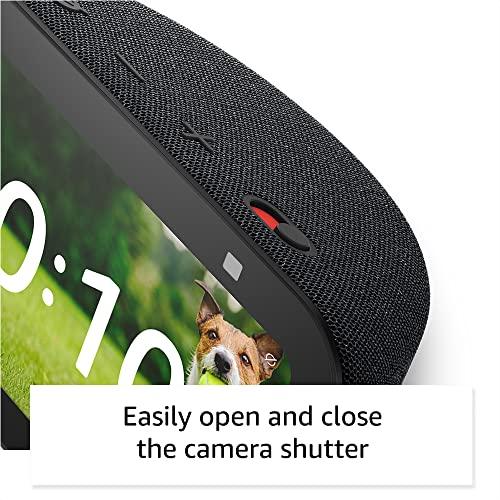
For privacy-conscious users, both devices include physical controls to disable microphones, and the Echo Show 5 adds a physical camera shutter that mechanically blocks the camera lens when closed.
Both devices serve as smart home hubs, but they approach this differently. The Google Nest Audio integrates tightly with Google's ecosystem and supports Matter (a new smart home standard that allows devices from different manufacturers to work together more easily). Setup and management happen through the Google Home app, and the experience is streamlined if you're already using Google services.
The Nest Audio excels with Chromecast-enabled devices, allowing you to cast audio to the speaker from virtually any app on your phone or computer. It also supports multi-room audio, meaning you can group multiple Google speakers throughout your home for synchronized music playback.
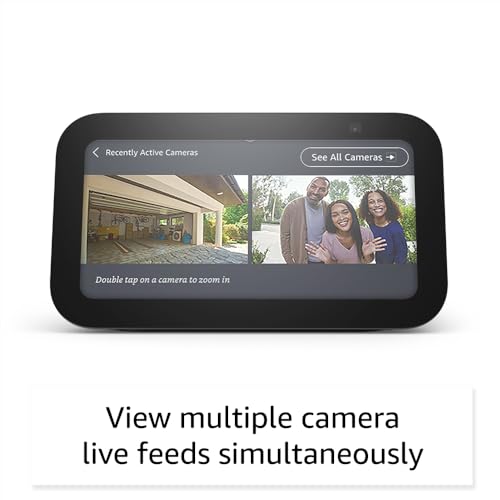
The Echo Show 5 offers broader third-party device compatibility thanks to Alexa's extensive smart home partnerships. The visual interface provides a significant advantage for smart home management—you can see the status of devices, view live camera feeds from security systems, and troubleshoot issues more easily when you have visual feedback.
For home theater integration, neither device is ideal as a primary audio source. The Nest Audio can serve as a decent supplementary speaker for casual TV watching, but it lacks the low-latency connection needed for serious home theater use. The Echo Show 5 is primarily designed for personal viewing and wouldn't work well as a TV speaker replacement due to its limited audio output.
The Google Nest Audio includes some sophisticated features that showcase Google's software expertise. Ambient IQ automatically adjusts volume based on background noise in your room—particularly useful for spoken content like news or audiobooks. Voice Match technology can recognize up to six different family members' voices, providing personalized responses and access to individual calendars and preferences.
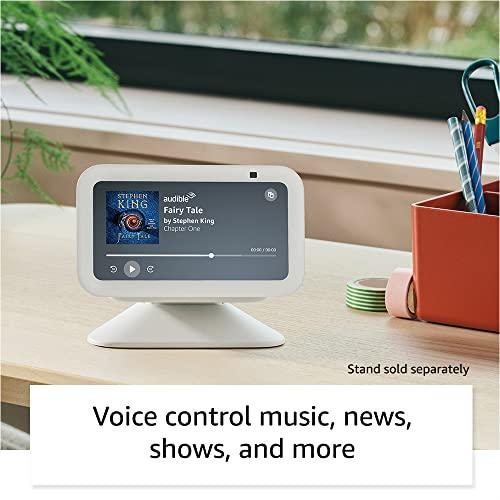
The Echo Show 5 offers several display-specific features that audio-only devices simply can't match. The sunrise alarm gradually brightens the screen to wake you naturally, while night mode dims the display and reduces blue light for better sleep. Prime Video and other streaming services work directly on the device, though the small screen makes this more suitable for quick video clips than serious viewing.
The Drop In feature allows the Echo Show 5 to function as an intercom system with other Echo devices in your home, and the visual component means you can see who you're talking to when using this feature between rooms.
When evaluating these devices, the most important performance characteristics depend entirely on your intended use. For audio performance, the key metrics are frequency response (how well it reproduces different pitches), maximum volume without distortion, and clarity of voice reproduction. The Nest Audio significantly outperforms the Echo Show 5 in all these areas.
For voice recognition, response time and accuracy in noisy environments are crucial. Both devices perform well here, though the Nest Audio's three-microphone array provides a slight edge in challenging acoustic environments.
For smart home control, compatibility with your existing devices and response speed for commands matter most. The Echo Show 5 generally has broader device compatibility, while both offer similar response speeds for basic commands.
At the time of writing, smart displays typically command a premium over audio-only smart speakers, and the Echo Show 5 generally costs more than the Nest Audio. However, value isn't just about the initial price—it's about what capabilities you get for your money.
If your primary use case is music listening and voice interaction, the Nest Audio delivers significantly better audio performance per dollar spent. You're paying for premium audio components and computational processing that directly improve your listening experience.
The Echo Show 5 costs more but provides capabilities that are impossible with audio-only devices. The display, camera, and visual interaction features add genuine utility that may eliminate your need for separate devices like alarm clocks, digital photo frames, or basic video calling solutions.
Based on extensive research into user experiences and expert reviews, here's how to think about this decision:
Choose the Google Nest Audio if you prioritize audio quality above all else. It's ideal for music enthusiasts, podcast listeners, or anyone who wants a smart assistant that sounds great while maintaining a minimal visual footprint in their home. The device excels in kitchens, living rooms, or any space where you want room-filling sound and seamless Google service integration.
The Echo Show 5 makes more sense for users who value visual information and multi-modal interaction. It's particularly well-suited for bedside use, home offices, or kitchens where you frequently need to reference recipes or visual information. The video calling capabilities make it valuable for families who want easy communication between rooms or with distant relatives.
Consider the Echo Show 5 if you're building a comprehensive smart home system and want visual feedback for device management and security monitoring. The display makes troubleshooting and system oversight much more intuitive than voice-only interaction.
For most users, the decision comes down to this fundamental question: do you primarily want a great-sounding speaker that happens to be smart, or do you want a smart home hub that happens to play audio? The Nest Audio excels at the former, while the Echo Show 5 provides a more versatile platform for the latter approach.
Both devices represent mature, well-executed approaches to smart home control. Your choice should align with how you actually plan to use the device day-to-day, rather than trying to future-proof for capabilities you may never need. Either way, you'll get a capable smart assistant that can grow with your smart home ecosystem over time.
| Google Nest Audio Smart Speaker | Amazon Echo Show 5 3rd Gen Smart Display |
|---|---|
| Product Category - Fundamentally different approaches to smart home control | |
| Smart Speaker (audio-focused) | Smart Display (visual + audio) |
| Release Year - Indicates available features and technology generation | |
| 2020 (mature Google Assistant integration) | 2023 (latest Alexa display technology) |
| Display - Critical for visual information and video calls | |
| None (audio-only interaction) | 5.5-inch touchscreen (960×480 resolution) |
| Audio Hardware - Most important for music quality and room-filling sound | |
| 75mm woofer + 19mm tweeter (premium audio components) | Single 1.7-inch speaker (adequate for personal use) |
| Voice Assistant - Determines smart home compatibility and search capabilities | |
| Google Assistant (excellent for search and Google services) | Alexa (broader smart home device compatibility) |
| Microphone Array - Affects voice recognition range and accuracy | |
| 3 far-field microphones (superior room coverage) | 2 far-field microphones (good for close-range use) |
| Camera - Essential for video calls and home monitoring | |
| None | 2MP front-facing camera with physical shutter |
| Smart Home Integration - Determines which devices you can control | |
| Google Home ecosystem + Matter support | Alexa ecosystem (100,000+ skills) + Matter support |
| Unique Audio Features - Special capabilities that enhance listening experience | |
| Ambient IQ volume adjustment, Voice Match for 6 users | Basic audio with improved bass over previous generation |
| Physical Design - Important for placement flexibility and home aesthetics | |
| Fabric-covered speaker design (1.2kg, larger footprint) | Compact display with rounded edges (456g, smaller footprint) |
| Privacy Controls - Critical for users concerned about always-listening devices | |
| Hardware mic mute switch | Hardware mic mute + physical camera shutter |
| Streaming Services - Affects entertainment options and ease of use | |
| YouTube Music, Spotify, Chromecast built-in | Prime Video, YouTube (browser), Spotify, video calling |
| Multi-Room Audio - Important for whole-home music systems | |
| Yes (sync with other Google speakers) | Limited (primarily single-room use) |
| Best Use Cases - Where each device excels most | |
| Music listening, larger rooms, Google ecosystem users | Bedside, kitchen, office, visual info needs, video calls |
The Google Nest Audio is significantly better for music listening. It features a dedicated 75mm woofer and 19mm tweeter that deliver room-filling sound with rich bass and clear vocals. The Amazon Echo Show 5 3rd Gen has a smaller 1.7-inch speaker designed primarily for voice responses and personal listening rather than serious music enjoyment.
No, only the Amazon Echo Show 5 3rd Gen supports video calls thanks to its built-in 2MP camera and 5.5-inch display. You can make video calls to other Echo devices, smartphones with the Alexa app, or Skype contacts. The Google Nest Audio has no camera or display, so it only supports voice calls through Google services.
Both work well with smart homes, but in different ways. The Echo Show 5 offers broader device compatibility through Alexa's extensive ecosystem and provides visual control of smart home devices, including live camera feeds. The Google Nest Audio integrates deeply with Google services and supports Matter compatibility, but all control happens through voice commands only.
Yes, both the Google Nest Audio and Amazon Echo Show 5 require constant power through their AC adapters. Neither device has a built-in battery, so they must remain plugged into electrical outlets to function.
The Amazon Echo Show 5 3rd Gen is better suited for bedrooms. Its compact size, visual alarm clock features, sunrise alarm simulation, and night mode make it ideal for bedside use. The Google Nest Audio lacks visual feedback and is larger, making it less convenient as a bedside companion.
Only the Echo Show 5 can display videos on its 5.5-inch screen, supporting Prime Video and YouTube through the browser. The Google Nest Audio has no display, so video content is impossible. However, the small screen on the Echo Show 5 is better suited for quick clips rather than serious video watching.
The Google Nest Audio has slightly better voice recognition thanks to its three far-field microphones compared to the two microphones in the Echo Show 5. Both devices perform well at recognizing commands, but the Google Nest Audio tends to pick up voice commands from greater distances more reliably.
Neither device is ideal for home theater use. The Google Nest Audio can serve as a supplementary speaker for casual TV watching but lacks the power and low-latency connection needed for serious home theater audio. The Echo Show 5 is designed for personal viewing and wouldn't work well as a TV speaker replacement due to its limited audio output.
Both are highly capable but excel in different areas. Google Assistant on the Google Nest Audio provides more detailed search results and better integration with Google services like Gmail and Calendar. Alexa on the Echo Show 5 offers broader smart home compatibility with over 100,000 skills and tends to be faster at executing smart home commands.
The Amazon Echo Show 5 offers touch controls on its screen for volume, playback, and navigation, providing an alternative to voice commands. The Google Nest Audio has capacitive touch controls on top for basic functions like play/pause and volume, but most features require voice interaction.
Both devices offer good privacy controls. The Google Nest Audio has a hardware microphone mute switch that physically disconnects the microphones. The Echo Show 5 includes both a microphone mute button and a physical camera shutter, providing more comprehensive privacy options since it has both audio and visual sensors.
The answer depends on your needs. The Google Nest Audio typically offers better value if you prioritize audio quality and primarily use voice commands. The Amazon Echo Show 5 provides better value if you want visual information display, video calling capabilities, and touch controls, even though it generally costs more than the Google Nest Audio.
We've done our best to create useful and informative comparisons to help you decide what product to buy. Our research uses advanced automated methods to create this comparison and perfection is not possible - please contact us for corrections or questions. These are the sites we've researched in the creation of this article: rtings.com - soundguys.com - bestbuy.com - androidcentral.com - whathifi.com - rtings.com - thenextweb.com - youtube.com - audiosciencereview.com - youtube.com - sypnotix.com - rtings.com - audioholics.com - youtube.com - store.google.com - store.google.com - youtube.com - support.google.com - cdn.adiglobaldistribution.us - dxomark.com - store.google.com - crutchfield.com - soundguys.com - soundguys.com - support.google.com - store.google.com - bestbuy.com - en.wikipedia.org - store.google.com - youtube.com - bestbuy.com - reviewed.com - goodhousekeeping.com - techradar.com - geekzone.co.nz - versus.com - youtube.com - versus.com - youtube.com - hindustantimes.com - nfm.com - dimensions.com - gadgetguy.com.au - youtube.com - versus.com - dell.com - bestbuy.com - homedepot.com - homedepot.com - businessinsider.com - en.wikipedia.org - youtube.com

Privacy Policy
Terms and Conditions - Affiliate Policy
Home Security
© Copyright 2008-2026.
11816 Inwood Rd #1211, Dallas, TX 75244