

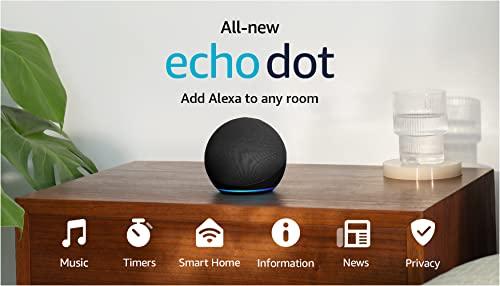


Smart speakers have transformed from novelty gadgets into essential home devices that control everything from your lights to your morning routine. But with dozens of options available, choosing between two seemingly similar products can feel overwhelming. Today, we're diving deep into two popular choices: the Google Nest Audio and the Amazon Echo Dot 5th Generation.
These speakers represent fundamentally different approaches to smart home audio. One prioritizes sound quality and seamless integration with Google's ecosystem, while the other focuses on compact versatility and comprehensive smart home features. Understanding these differences will help you pick the right speaker for your specific needs and budget.
Modern smart speakers serve as digital assistants, entertainment hubs, and home automation controllers all rolled into one compact device. When evaluating any smart speaker, you'll want to consider several key factors that go beyond just "how good does music sound?"
The most important considerations include voice assistant performance (how well the device understands and responds to your commands), audio quality (clarity, volume, and frequency response), smart home integration (which devices it can control and how easily), and ecosystem compatibility (how well it works with your existing apps and services).
At the time of writing, both the Google Nest Audio and Amazon Echo Dot 5th Generation occupy similar price ranges in the mid-tier smart speaker market, though the Echo Dot frequently appears in promotional sales that can significantly reduce its cost. This makes the value comparison particularly interesting, as you're essentially choosing between two different philosophies at comparable price points.
The Google Nest Audio, released in 2020, marked Google's serious entry into premium smart speaker audio. Google designed this speaker to replace the original Google Home with significantly improved sound quality and more sophisticated voice processing. The company focused on creating a speaker that could serve as a primary audio source for a room while maintaining the intelligent assistant features users expected.
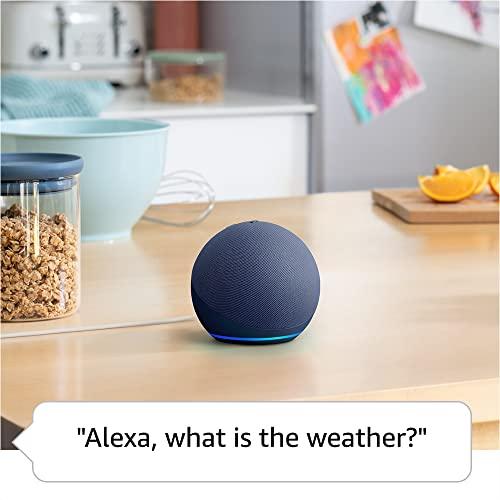
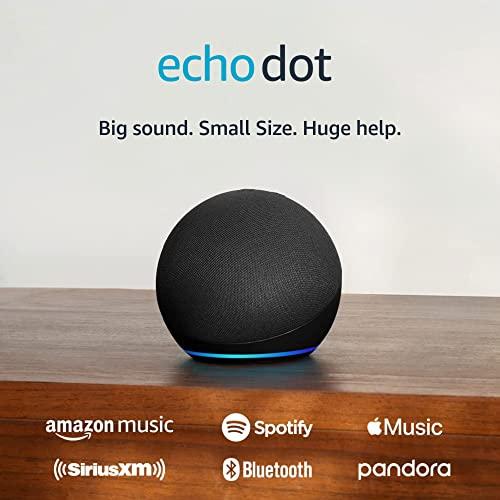
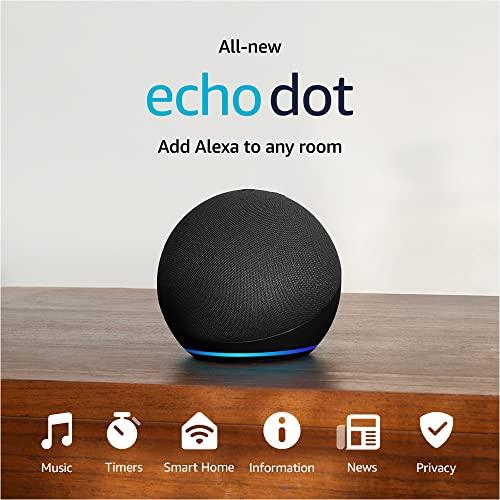
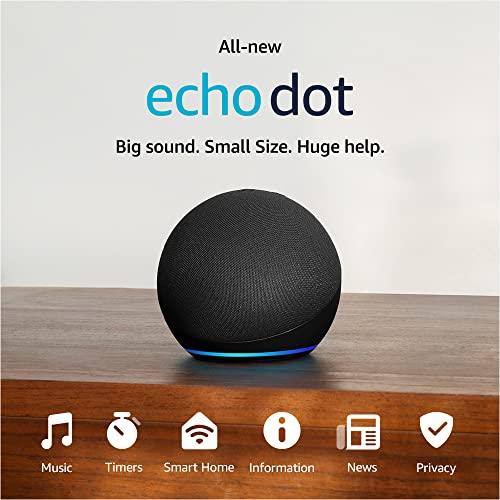
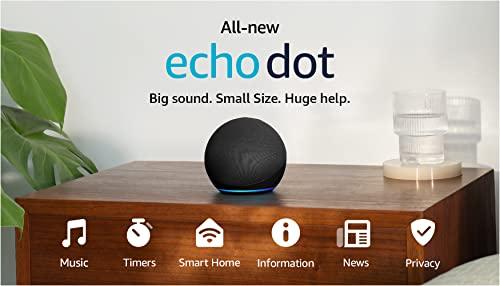
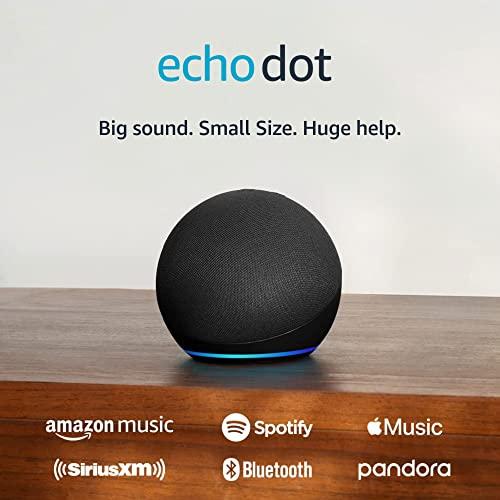
The Amazon Echo Dot 5th Generation, launched in 2022, represents Amazon's latest evolution of their most popular smart speaker format. This generation introduced several new sensors and capabilities while maintaining the compact, affordable approach that made the Echo Dot series successful. Amazon's strategy here focused on packing more smart home functionality into a small, versatile package.
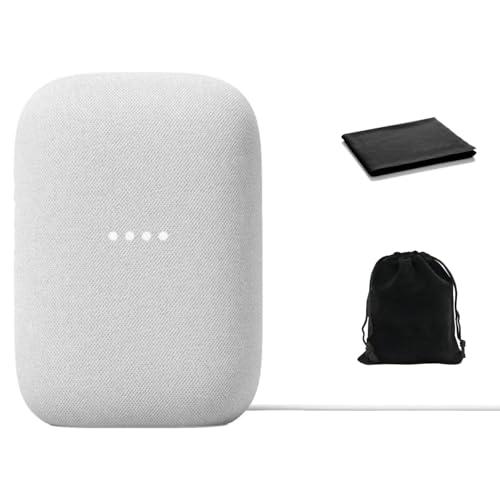
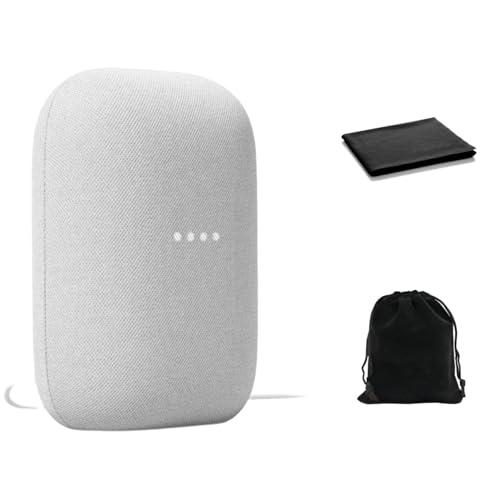
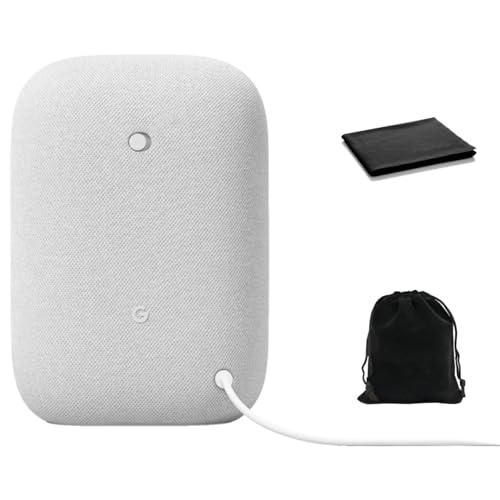
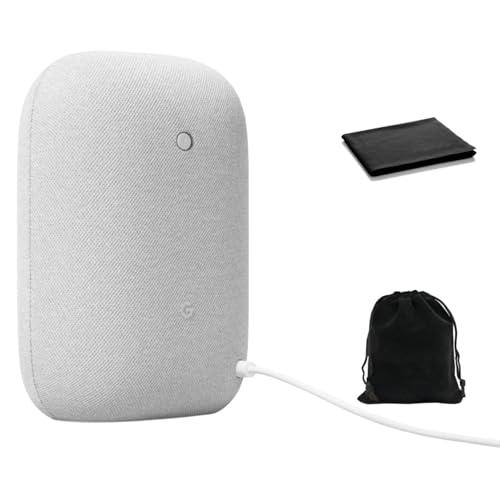
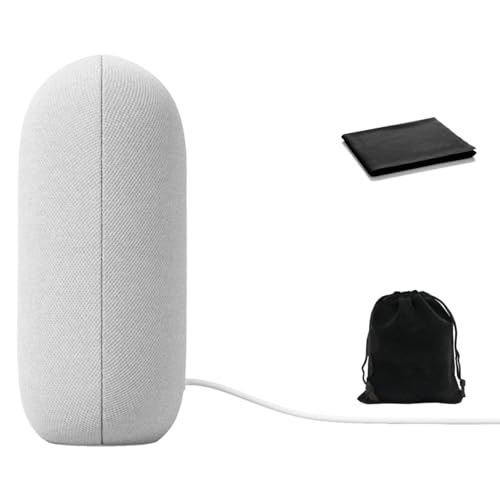
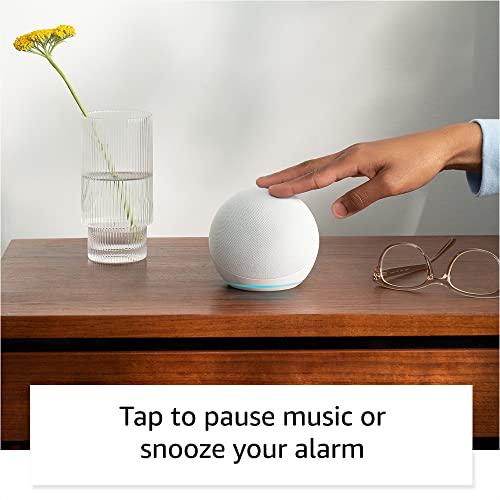
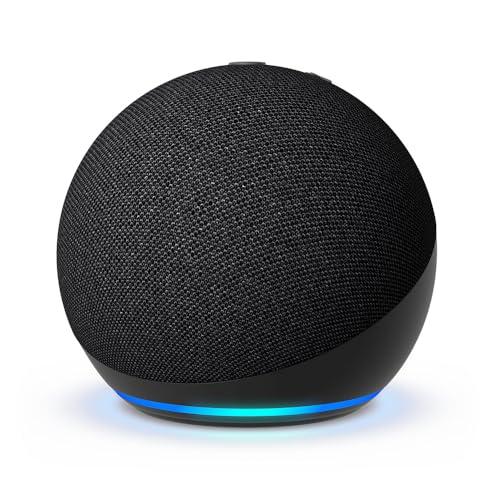
Physically, these speakers couldn't be more different. The Google Nest Audio adopts a minimalist, fabric-covered design that measures about 7 inches tall and weighs nearly 3 pounds. It's designed to sit prominently in a room and serve as the primary audio source. The Amazon Echo Dot 5th Generation, by contrast, features a compact spherical design that's roughly 4 inches in diameter and weighs less than a pound. You can easily tuck it into a corner, place it on a nightstand, or mount it on a wall.
This is where the philosophical differences between these speakers become most apparent. The Google Nest Audio uses a two-driver system with a 75mm woofer (the larger driver that handles bass and mid-range frequencies) and a 19mm tweeter (the smaller driver responsible for high frequencies like cymbals and vocal details). This configuration, similar to what you'd find in traditional bookshelf speakers, allows for more accurate sound reproduction across the entire frequency spectrum.
Our research into professional reviews and user feedback consistently shows the Google Nest Audio delivering more balanced, room-filling sound. The larger woofer produces deeper, more controlled bass, while the dedicated tweeter ensures vocals and instruments remain clear and detailed. Google's real-time audio processing continuously adjusts the sound output based on what you're listening to, optimizing the frequency response for music, podcasts, or audiobooks.
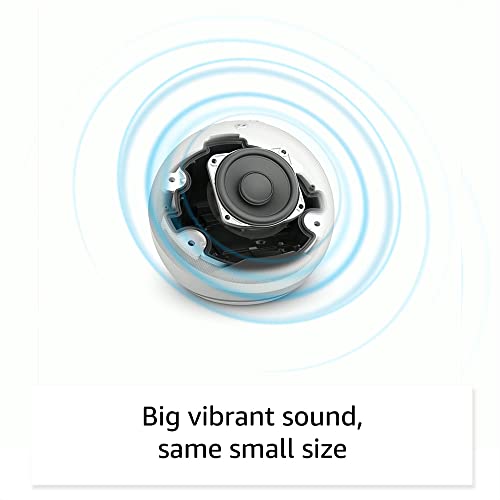
The Amazon Echo Dot 5th Generation takes a different approach with a single 1.73-inch front-firing driver. While this might sound limiting, Amazon has engineered what they call their "highest-excursion driver ever in a Dot." This means the speaker cone can move further back and forth, producing more air movement and, consequently, more bass than you'd expect from such a small device.
Based on our evaluation of user reviews and expert tests, the Echo Dot 5th Generation produces surprisingly punchy bass for its size, often impressing listeners who expect thin, tinny sound from compact speakers. However, this bass-forward tuning can sometimes overshadow mid-range frequencies where vocals live, making some music sound less balanced than on the Google Nest Audio.
The Google Nest Audio clearly wins in maximum volume output and room coverage. Its larger size allows for bigger drivers and more internal air space, both crucial for producing loud, undistorted sound. Google claims 75% more volume than their previous Google Home speaker, and our research suggests this translates to comfortable listening levels in medium to large rooms.
The Echo Dot 5th Generation can certainly fill a bedroom or kitchen with sound, but pushing it to maximum volume often results in distortion and compressed dynamics. However, for its intended use cases—bedside tables, desks, or smaller spaces—it provides more than adequate volume levels.
One unique feature of the Google Nest Audio is Ambient IQ, which automatically adjusts volume based on background noise. This works particularly well for spoken content like podcasts or audiobooks, ensuring you can always hear dialogue clearly even when the dishwasher is running or kids are playing nearby.
Both speakers offer some level of audio customization, but with different approaches. The Google Nest Audio includes Media EQ, which automatically adjusts the sound profile based on what you're playing. Music gets one treatment, podcasts another, and audiobooks a third. You can also manually adjust bass and treble levels through the Google Home app.
The Amazon Echo Dot 5th Generation provides basic EQ controls through the Alexa app, but the options are more limited. The focus here is less on audiophile-level customization and more on "set it and forget it" operation.
The Amazon Echo Dot 5th Generation introduces Amazon's AZ2 Neural Edge Processor, a significant upgrade from previous generations. This dedicated chip handles voice processing locally, resulting in noticeably faster response times when you ask Alexa questions or give commands. Our research indicates this speed advantage is particularly noticeable in noisy environments or when music is playing loudly.
The Google Nest Audio uses a quad-core ARM processor with a dedicated machine learning chip. While not quite as snappy as the latest Echo Dot for simple commands, it excels at understanding context and handling complex, conversational queries. Google Assistant's natural language processing tends to be more sophisticated, allowing for more natural interactions.
Google Assistant, powering the Google Nest Audio, integrates seamlessly with Google's ecosystem of services. It can access your Gmail, Google Calendar, Google Maps, and YouTube Music accounts to provide personalized responses. The Voice Match feature can recognize up to six different household members' voices, providing customized information to each person.
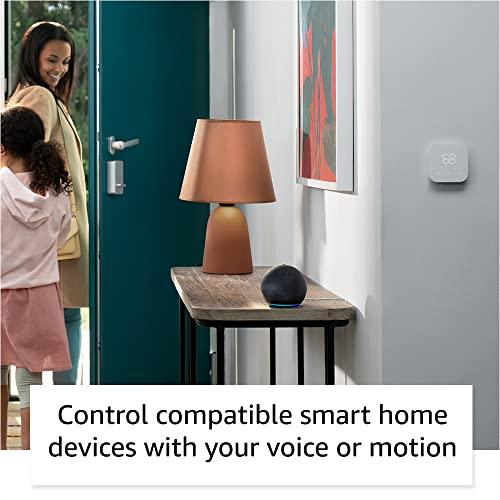
Amazon Alexa, running on the Echo Dot 5th Generation, offers broader third-party integration through its extensive Skills marketplace. While not as conversationally sophisticated as Google Assistant, Alexa excels at home automation tasks and can control a wider variety of smart home devices out of the box.
Both speakers can serve as smart home hubs, but with different strengths. The Google Nest Audio supports the Matter standard (a universal smart home protocol that ensures different brands work together) and integrates naturally with Google/Nest devices like thermostats, cameras, and displays.
The Amazon Echo Dot 5th Generation offers broader compatibility with third-party smart home devices and includes support for Amazon Sidewalk, a low-bandwidth network that helps devices like Ring cameras and smart locks stay connected even when your Wi-Fi is down.
Here's where the Echo Dot 5th Generation really differentiates itself. It includes a temperature sensor that can trigger automated routines—imagine your smart thermostat automatically adjusting when the Echo Dot detects your bedroom getting too warm. The ultrasound motion sensor can detect when someone enters or leaves a room, enabling lights to turn on automatically or music to pause when you step away.
Perhaps most uniquely, this Echo Dot can function as an eero Wi-Fi mesh extender if you have a compatible eero router system. This means it's not just consuming your network bandwidth—it's actually helping improve Wi-Fi coverage throughout your home.
The Google Nest Audio focuses more on audio and assistant features rather than additional sensors, though it does include Chromecast built-in, allowing you to easily cast audio from your phone or computer.
Both speakers support modern Wi-Fi standards (802.11ac with both 2.4GHz and 5GHz bands) and Bluetooth connectivity, but their ecosystem integrations differ significantly.
The Google Nest Audio works best if you're already invested in Google's services. It seamlessly integrates with YouTube Music, Google Podcasts, and Google Play Music (while it was available). Spotify and other third-party services work well too, but the experience is most refined with Google's own platforms.
The Amazon Echo Dot 5th Generation naturally pairs best with Amazon's services like Amazon Music Unlimited and Audible, but it also offers excellent support for Spotify, Apple Music, and other major streaming platforms. The broader third-party ecosystem around Alexa means you'll find more specialized integrations and niche services available.
Neither speaker is designed as a primary home theater solution, but they serve different secondary roles. The Google Nest Audio can pair with another Nest Audio for stereo sound, creating a more immersive listening experience for casual TV watching or music. However, both speakers suffer from audio latency when used with video content, making lip-sync issues noticeable.
For home theater use, you're better served by dedicated soundbars or TV-specific speakers. However, both speakers excel as voice controllers for your entertainment system, allowing you to adjust TV volume, change channels (with compatible smart TVs), or launch streaming apps using voice commands.
At the time of writing, both speakers occupy similar price ranges in their standard retail pricing, but market dynamics often favor the Amazon Echo Dot 5th Generation. Amazon frequently offers aggressive promotional pricing, especially during Prime Day, Black Friday, and other sales events. This can make the Echo Dot significantly more affordable than the Google Nest Audio, which sees fewer dramatic price reductions.
From a pure features-per-dollar perspective, the Echo Dot 5th Generation often wins, especially during sale periods. You're getting temperature sensing, motion detection, Wi-Fi extension capabilities, and solid audio performance in a compact package. However, if audio quality is your primary concern, the Google Nest Audio delivers noticeably better sound that justifies its higher typical price.
Consider your long-term satisfaction too. If you primarily use your smart speaker for music and podcast listening, the superior audio quality of the Google Nest Audio will provide daily enjoyment that outlasts any initial price savings. If you're building a comprehensive smart home system and want speakers throughout multiple rooms, the Echo Dot's lower cost and additional sensors make more sense.
You should seriously consider the Google Nest Audio if you're primarily interested in audio quality and Google ecosystem integration. This speaker shines when you want one device that can serve as your main music source for a room. If you frequently listen to music, podcasts, or audiobooks, the superior sound quality and balanced frequency response will enhance your daily listening experience.
The Google Nest Audio also makes sense if you're already deep in Google's ecosystem. If you use Gmail, Google Calendar, YouTube Music, and other Google services regularly, the seamless integration and personalized responses provide genuine daily value. The more conversational nature of Google Assistant makes it better for complex queries and follow-up questions.
The Echo Dot 5th Generation is the better choice if you want maximum smart home functionality in a compact, affordable package. The temperature sensor, motion detection, and Wi-Fi extension capabilities provide unique value that the Google speaker can't match. If you're planning to deploy multiple smart speakers throughout your home, the Echo Dot's lower cost and space-efficient design make more sense.
This speaker also wins if you prioritize voice assistant speed and reliability over conversational sophistication. Alexa's faster response times and extensive third-party integration make it better for quick commands and home automation tasks.
Neither speaker is objectively "better"—they excel in different areas and serve different user priorities. The Google Nest Audio represents the better choice for audio-focused users who want superior sound quality and Google ecosystem integration. The Amazon Echo Dot 5th Generation offers exceptional value for smart home enthusiasts who want maximum functionality in a compact, versatile package.
Consider your primary use case, existing ecosystem commitments, and budget flexibility. If you're unsure, the Echo Dot's lower typical price and frequent sales make it a safer entry point into smart speakers, while the Google Nest Audio provides more long-term audio satisfaction for serious listeners.
Both speakers will serve you well—the key is choosing the one that aligns with how you actually plan to use it in your daily life.
| Google Nest Audio | Amazon Echo Dot 5th Generation |
|---|---|
| Release Date & Technology Generation - Newer isn't always better for established products | |
| 2020 release with mature Google Assistant integration | 2022 release with latest AZ2 Neural Edge Processor |
| Physical Design & Size - Consider your space and aesthetic preferences | |
| Large fabric puck (175×124×78mm, 1.2kg) designed as room centerpiece | Compact sphere (100×100×80mm, 340g) fits anywhere |
| Audio Configuration - The most important factor for music lovers | |
| Dual-driver system: 75mm woofer + 19mm tweeter for balanced sound | Single 1.73" front-firing driver optimized for bass |
| Maximum Volume & Room Coverage - Critical for larger spaces | |
| 75% louder than original Google Home, fills medium-large rooms | Adequate for small-medium rooms, can distort at max volume |
| Voice Assistant Intelligence - Affects daily usability and convenience | |
| Google Assistant excels at conversational queries and context understanding | Alexa faster for simple commands, broader third-party skills ecosystem |
| Smart Home Integration - Important if you want comprehensive automation | |
| Google/Nest devices + Matter standard support | Broader device compatibility + Amazon Sidewalk network |
| Unique Smart Features - Differentiating capabilities that add value | |
| Ambient IQ auto-volume, Voice Match for 6 users, Chromecast built-in | Temperature sensor, motion detection, eero Wi-Fi extender capability |
| Connectivity Options - Flexibility for different setups | |
| Wi-Fi, Bluetooth, Google Cast protocol | Wi-Fi, Bluetooth, tap gesture controls, physical buttons |
| Ecosystem Integration - Choose based on your existing services | |
| Seamless with Google services (YouTube Music, Gmail, Calendar) | Best with Amazon services, excellent Spotify/Apple Music support |
| Multi-Room Audio - For whole-house sound systems | |
| Pairs with another Nest Audio for stereo sound | Multi-room with other Echo devices, cannot create stereo pair |
| Privacy Controls - Important for security-conscious users | |
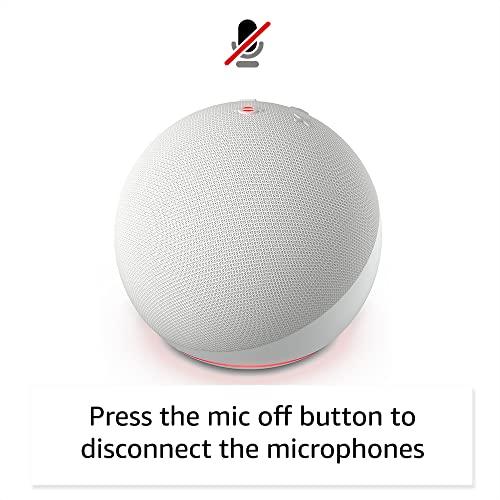
| Hardware microphone mute switch, Google privacy controls | Physical mute button, Alexa privacy settings |
| Value Proposition - Consider long-term satisfaction vs upfront cost | |
| Higher price justified by superior audio quality | Frequently discounted, maximum features per dollar |
The Google Nest Audio delivers significantly better sound quality with its dual-driver system featuring a 75mm woofer and 19mm tweeter. This configuration produces more balanced audio with clearer vocals and deeper bass compared to the Amazon Echo Dot 5th Generation, which uses a single 1.73-inch driver. While the Echo Dot 5th Generation offers surprisingly good bass for its compact size, the Google Nest Audio provides superior room-filling sound and audio clarity.
The Amazon Echo Dot 5th Generation excels in smart home control with broader device compatibility, extensive third-party Skills, and unique features like temperature sensing and motion detection. It also supports Amazon Sidewalk for enhanced connectivity. The Google Nest Audio offers solid smart home integration with Google/Nest devices and Matter standard support, but the Echo Dot 5th Generation provides more comprehensive automation capabilities overall.
The size difference is dramatic. The Google Nest Audio is a larger speaker measuring 175×124×78mm and weighing 1.2kg, designed to be a prominent room feature. The Amazon Echo Dot 5th Generation is much more compact at 100×100×80mm and only 340g, making it perfect for nightstands, desks, or tight spaces where the Google Nest Audio might not fit.
Both offer excellent voice recognition, but with different strengths. Google Assistant on the Google Nest Audio excels at conversational queries, context understanding, and complex questions. Amazon Alexa on the Echo Dot 5th Generation responds faster to simple commands and performs better in noisy environments. The Google Nest Audio is better for natural conversations, while the Amazon Echo Dot 5th Generation is more reliable for quick home automation tasks.
Neither speaker is ideal for home theater use due to audio latency issues that cause lip-sync problems. However, you can pair two Google Nest Audio speakers for stereo sound, which improves the experience for casual TV watching. The Echo Dot 5th Generation cannot create stereo pairs but works well as a voice controller for smart TVs and streaming devices.
The Amazon Echo Dot 5th Generation typically offers better value with more features per dollar, including temperature sensing, motion detection, and Wi-Fi extender capabilities. It also goes on sale more frequently. However, if audio quality is your priority, the Google Nest Audio justifies its higher price with significantly better sound that provides long-term listening satisfaction.
Yes, both speakers support Spotify and Apple Music. The Amazon Echo Dot 5th Generation offers slightly better integration with Apple Music and broader streaming service compatibility. The Google Nest Audio works well with these services but provides the most seamless experience with YouTube Music and other Google services.
The Google Nest Audio is clearly better for large rooms, offering 75% more volume than Google's previous speaker and superior sound dispersion. Its larger drivers and cabinet size allow it to fill bigger spaces without distortion. The Amazon Echo Dot 5th Generation is best suited for small to medium rooms and may struggle to provide adequate volume in larger spaces.
Both speakers support hands-free calling, but with different approaches. The Google Nest Audio can make calls through Google services and supports Voice Match to identify different users. The Amazon Echo Dot 5th Generation offers calling through Alexa services and can connect to your phone via Bluetooth for personal calls using either speaker.
Both offer solid privacy controls. The Google Nest Audio includes a hardware microphone mute switch that physically disconnects the microphones. The Amazon Echo Dot 5th Generation has a physical mute button and provides visual indicators when muted. Both allow you to review and delete voice recordings, making privacy protection comparable between the Google Nest Audio and Echo Dot 5th Generation.
Both speakers require Wi-Fi for their primary smart features and voice assistant capabilities. However, once connected, the Amazon Echo Dot 5th Generation can play music via Bluetooth from your phone without Wi-Fi. The Google Nest Audio also supports Bluetooth playback but is more dependent on internet connectivity for most features. Neither speaker has built-in battery power.
For multiple rooms, the Amazon Echo Dot 5th Generation is often the better choice due to its compact size, lower cost, and unique features like temperature sensing in each room. You can create multi-room audio groups with multiple Echo devices. The Google Nest Audio also supports multi-room audio and can pair with another Nest Audio for stereo sound, but the higher cost makes outfitting multiple rooms more expensive.
We've done our best to create useful and informative comparisons to help you decide what product to buy. Our research uses advanced automated methods to create this comparison and perfection is not possible - please contact us for corrections or questions. These are the sites we've researched in the creation of this article: rtings.com - soundguys.com - bestbuy.com - androidcentral.com - whathifi.com - rtings.com - thenextweb.com - youtube.com - audiosciencereview.com - youtube.com - sypnotix.com - rtings.com - audioholics.com - youtube.com - store.google.com - store.google.com - youtube.com - support.google.com - cdn.adiglobaldistribution.us - dxomark.com - store.google.com - crutchfield.com - soundguys.com - soundguys.com - support.google.com - store.google.com - bestbuy.com - en.wikipedia.org - store.google.com - youtube.com - soundguys.com - reviewed.com - youtube.com - youtube.com - whathifi.com - youtube.com - youtube.com - dell.com - bestbuy.com - youtube.com - youtube.com - nfm.com - soundguys.com - staples.com - homedepot.com - techradar.com - gadgets360.com - youtube.com - versus.com - en.wikipedia.org

Privacy Policy
Terms and Conditions - Affiliate Policy
Home Security
© Copyright 2008-2026.
11816 Inwood Rd #1211, Dallas, TX 75244