




Smart speakers have evolved far beyond simple voice assistants into the central nervous system of modern homes. These devices blend high-quality audio playback with artificial intelligence, serving as your music player, information hub, and smart home controller all in one compact package. But with so many options available, choosing the right smart speaker for your needs requires understanding the subtle but important differences between competing approaches.
Today we're comparing two fundamentally different philosophies in smart speaker design: the Google Nest Audio, Google's balanced approach to audio quality and AI assistance, and the Amazon Echo Dot Max, Amazon's latest premium compact speaker that pushes both audio performance and smart home integration to new levels.
Before diving into specifics, it's helpful to understand what makes a smart speaker truly valuable in 2025. Unlike traditional Bluetooth speakers that simply play audio, smart speakers integrate voice-controlled AI assistants that can answer questions, control smart home devices, set timers, and manage your daily schedule hands-free.
The most important performance characteristics for smart speakers include audio quality (how good music and spoken content sound), voice recognition accuracy (how well the device hears and understands you from across the room), response speed (how quickly the AI processes and responds to commands), and smart home integration (which devices and protocols the speaker can control directly).
What makes this comparison particularly interesting is that both devices target similar price points at the time of writing, but take remarkably different approaches to achieving value. Understanding these philosophical differences will help you choose the speaker that best matches your priorities and lifestyle.
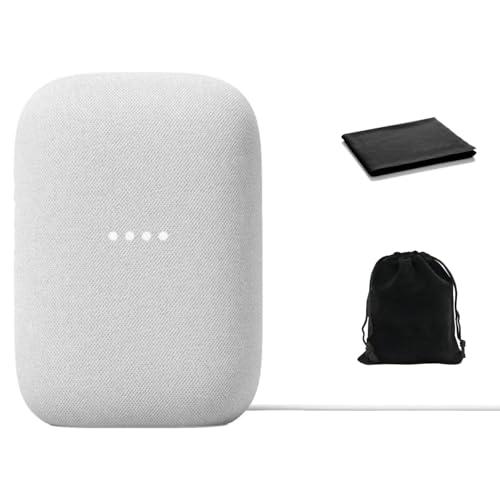
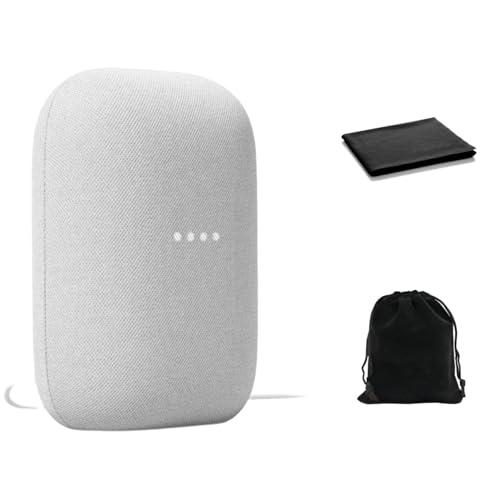
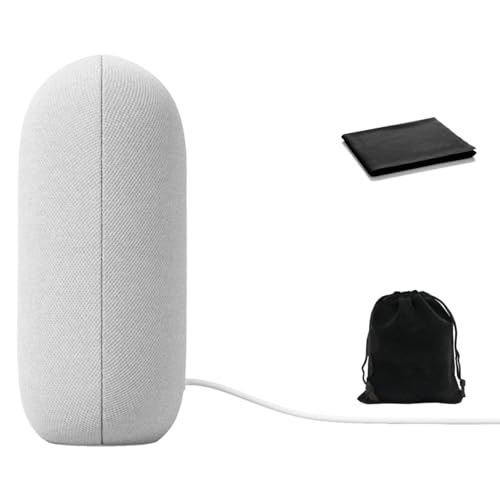
The Google Nest Audio launched in 2020 during a period when Google was refining its approach to smart speakers after learning from the original Google Home's limitations. Google's engineers focused on creating a speaker with neutral, balanced audio reproduction that would excel at the most common smart speaker tasks: playing podcasts, audiobooks, and background music while providing reliable voice assistant functionality.
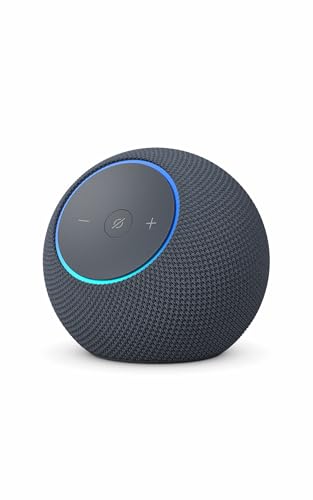
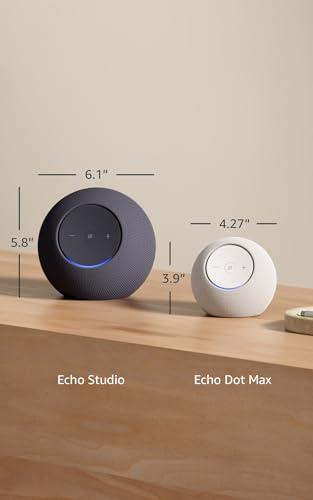
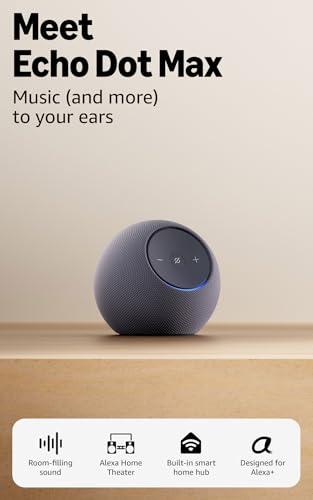
The Amazon Echo Dot Max, released in 2025, represents Amazon's response to five years of user feedback and technological advancement. Rather than simply iterating on existing designs, Amazon rebuilt the Echo Dot concept from the ground up, integrating their most advanced AI processor (the custom AZ3 chip) with significantly improved audio hardware and comprehensive smart home hub capabilities.
This five-year gap in development is crucial to understand. The Echo Dot Max benefits from newer processing technology, more advanced voice recognition algorithms, and lessons learned from millions of deployed smart speakers. However, the Nest Audio has had years to prove its reliability and build a mature ecosystem of compatible services.
When evaluating smart speaker audio quality, the most important metrics are frequency response balance (how evenly the speaker reproduces different sound frequencies), dynamic range (the difference between the quietest and loudest sounds the speaker can produce), and room-filling capability (how well the sound spreads throughout your space).
The Google Nest Audio employs a 75mm woofer paired with a 19mm tweeter in a carefully tuned enclosure designed for neutral frequency response. This means the speaker doesn't artificially boost bass or treble, instead aiming to reproduce audio as the original recording artist intended. The result is exceptional clarity for vocals and spoken content—perfect for podcasts, audiobooks, and news briefings where understanding every word matters.
Google's engineers also implemented Ambient IQ technology, which uses the device's microphones to monitor background noise and automatically adjust volume for spoken content. This feature proves invaluable when you're cooking in a noisy kitchen but want to hear your podcast clearly, or when traffic noise from outside would otherwise drown out important information.
The Amazon Echo Dot Max takes a fundamentally different approach with what Amazon calls a "high-excursion woofer" paired with a custom tweeter. This driver configuration, combined with increased internal air space compared to standard Echo Dot models, produces nearly three times the bass response of previous generations. The "high-excursion" terminology refers to how far the woofer cone can move back and forth, directly translating to deeper, more powerful bass reproduction.
More significantly, the Echo Dot Max supports Dolby Atmos and spatial audio—technologies that create the illusion of sound coming from all directions rather than just from the speaker itself. Dolby Atmos is typically found in movie theaters and high-end home theater systems, making its inclusion in a compact smart speaker quite remarkable. This creates a more immersive experience for music and makes the speaker significantly more engaging for entertainment content.
Based on expert reviews and user feedback, the audio performance differences are stark but serve different purposes. The Nest Audio excels when you need clear, intelligible audio for daily tasks—listening to news, taking hands-free phone calls, or background music during work. The Echo Dot Max shines when you want your music to have impact and presence, making it better for active listening sessions or small gatherings where you want sound that fills the room with energy.
Voice assistant performance involves several technical components: wake word detection (how reliably the device recognizes "Hey Google" or "Alexa"), natural language processing (how well the AI understands complex or conversational requests), response latency (the delay between your question and the assistant's response), and contextual awareness (the assistant's ability to understand follow-up questions and maintain conversation flow).
The Google Nest Audio runs Google Assistant, which has consistently rated highly for conversational abilities and contextual understanding. Google Assistant excels at handling complex, multi-part questions and maintaining context across follow-up queries. For example, you might ask "What's the weather tomorrow?" followed by "What about Thursday?" and Google Assistant will understand that "Thursday" refers to the weather forecast without needing you to repeat the full question.
Google's Voice Match technology deserves special mention—it can recognize up to six different family members' voices and provide personalized responses. When you ask about your calendar, you get your schedule, not your spouse's. This personalization extends to music preferences, commute information, and even shopping lists.
The Echo Dot Max introduces Amazon's Alexa+ platform, powered by the custom AZ3 chip with dedicated AI acceleration hardware. This represents a significant technological leap—the AZ3 processor includes specialized circuits designed specifically for AI workloads, similar to how graphics cards accelerate video processing. The result is noticeably faster response times and support for more complex voice interactions.
However, Alexa+ comes with important caveats. Unlike basic Alexa functionality, Alexa+ requires all voice recordings to be processed in Amazon's cloud servers rather than locally on the device. This means every conversation with your smart speaker is sent over the internet to Amazon's data centers for processing, which raises privacy considerations for some users.
From a performance standpoint, reviews consistently highlight the Echo Dot Max's superior response speed, while the Nest Audio maintains advantages in natural conversation flow and integration with Google's ecosystem of services like Gmail, Google Calendar, and YouTube Music.
Modern smart home devices communicate using various wireless protocols—think of these as different "languages" that smart devices use to talk to each other. The most common protocols include Wi-Fi (which most devices use for internet connectivity), Zigbee (a low-power protocol popular with sensors and light switches), Thread (a newer, more efficient protocol for battery-powered devices), and Matter (an industry standard designed to make different brands work together seamlessly).
The Google Nest Audio functions primarily as a Wi-Fi-based smart home controller, meaning it can control devices that connect to your home's wireless network but cannot directly communicate with Zigbee or Thread devices without additional hubs. This approach works well for basic smart home setups with Wi-Fi-connected lights, thermostats, and cameras, but limits expansion possibilities for more sophisticated automation.
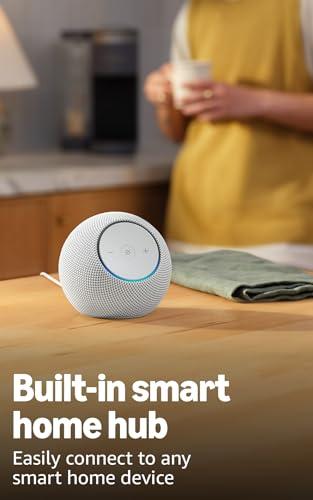
The Amazon Echo Dot Max includes built-in Zigbee, Thread, and Matter hub functionality, effectively replacing multiple separate hub devices that would otherwise clutter your network setup. This comprehensive approach means the speaker can directly control a much wider range of smart home devices without requiring additional hardware investments.
To put this in practical terms: if you want to add motion sensors throughout your house to automatically control lights, the Nest Audio would require you to purchase a separate Zigbee hub (typically $50-100), while the Echo Dot Max could control those sensors directly. Over time, this hub functionality could save hundreds of dollars in additional hardware costs while simplifying your smart home network.
The Echo Dot Max also supports Omnisense technology, which uses advanced sensing capabilities to detect room acoustics and automatically optimize audio output for your specific space. This goes beyond simple volume adjustment—the speaker actually analyzes how sound reflects off your walls and furniture to tune its frequency response for optimal clarity.
The technical specifications of smart speaker processors directly impact both current performance and long-term software support. The Google Nest Audio uses Google's standard smart speaker processor with machine learning acceleration for common voice commands. This chip handles most tasks adequately but occasionally shows delays with complex requests or when processing multiple simultaneous commands.
The Amazon Echo Dot Max's AZ3 chip represents a generational leap in smart speaker processing power. Amazon designed this processor specifically for AI workloads, including dedicated circuits for voice recognition, natural language processing, and real-time audio enhancement. The practical result is noticeably faster response times and support for more sophisticated AI features that would overwhelm older processors.
This processing advantage becomes particularly important for multi-speaker scenarios. The Echo Dot Max can coordinate with up to five additional units to create a Dolby Atmos surround sound system for home theater use. The AZ3 chip has sufficient processing power to handle the complex audio timing and frequency management required for this setup, while the Nest Audio lacks the computational resources for similar multi-speaker audio processing.
For users considering smart speakers as part of a home entertainment system, the differences between these devices become pronounced. The Google Nest Audio can certainly play audio from your TV through Chromecast functionality, but it lacks the processing power and audio features for serious home theater integration.
The Echo Dot Max was explicitly designed with home theater use in mind. Its Dolby Atmos support means it can decode and play the same advanced audio formats found in movie theaters and high-end soundbars. When paired with multiple Echo Dot Max units and Amazon's Fire TV devices, you can create a legitimate surround sound system that rivals traditional home theater setups costing significantly more.
The spatial audio capabilities deserve particular emphasis for movie watching. Rather than hearing all sound come from a single point, Dolby Atmos creates the illusion of helicopters flying overhead, rain falling around you, or dialogue coming from specific screen positions. This immersive audio significantly enhances the viewing experience for movies, TV shows, and even video games.
At the time of writing, the upfront costs of both speakers are relatively similar, but their long-term ownership costs differ dramatically. The Google Nest Audio provides full functionality without mandatory ongoing subscriptions, though you can optionally subscribe to services like YouTube Music or Google One for enhanced features.
The Amazon Echo Dot Max requires an Alexa+ subscription for its most advanced AI features, representing a significant ongoing cost. However, existing Amazon Prime members receive Alexa+ included with their membership, which changes the value equation considerably. For Prime subscribers, the Echo Dot Max offers substantial additional value without extra cost.
This subscription model reflects different business philosophies: Google treats smart speakers as gateway devices to sell you other services and products, while Amazon views advanced AI features as premium services worth charging for directly.
Privacy-conscious users should understand the fundamental differences in how these devices handle voice data. The Google Nest Audio can process many common commands locally on the device without sending audio to Google's servers, though complex queries still require cloud processing.
The Amazon Echo Dot Max with Alexa+ functionality sends all voice interactions to Amazon's cloud servers for processing, eliminating local processing options entirely. While this enables more sophisticated AI responses, it means Amazon receives and analyzes every conversation with your smart speaker.
Both companies provide transparency about data collection and allow users to delete voice recordings, but users who prioritize keeping voice interactions private should carefully consider these architectural differences.
After extensive research into user experiences and expert reviews, clear usage scenarios emerge for each device.
Choose the Google Nest Audio if you prioritize crystal-clear audio for spoken content, want no ongoing subscription requirements, live primarily within Google's ecosystem of services, or value privacy options that keep some voice processing local to your device. Its balanced audio signature and conversational AI make it excellent for daily tasks, podcast listening, and background music during work or cooking.
Choose the Amazon Echo Dot Max if you want powerful, room-filling sound for music listening, need comprehensive smart home hub functionality to replace multiple devices, plan to build a multi-speaker home theater system, or already subscribe to Amazon Prime. Its advanced processing power and Dolby Atmos support make it significantly better for entertainment and active music listening.
The Echo Dot Max represents the current state-of-the-art in smart speaker technology, with superior processing power, more advanced audio features, and comprehensive smart home integration. However, these advantages come with higher long-term costs and privacy trade-offs that won't appeal to all users.
For most users seeking a reliable, high-quality smart speaker for daily use, the Google Nest Audio remains an excellent choice that delivers exceptional value without ongoing costs. For users who want cutting-edge features and don't mind subscription fees, the Echo Dot Max offers capabilities that were unimaginable in smart speakers just a few years ago.
The choice ultimately depends on your priorities: proven reliability and value versus cutting-edge features and comprehensive smart home control. Both approaches have merit, and understanding your specific needs will guide you to the right decision.
| Google Nest Audio | Amazon Echo Dot Max |
|---|---|
| Release Date - Technology generation and maturity | |
| 2020 (mature, proven platform) | 2025 (latest tech, cutting-edge features) |
| Audio Hardware - Determines sound quality and room coverage | |
| 75mm woofer + 19mm tweeter (balanced, vocal-focused) | High-excursion woofer + custom tweeter (3x more bass, room-filling) |
| Premium Audio Features - Advanced listening experiences | |
| Standard stereo output | Dolby Atmos + spatial audio support |
| Voice Assistant - Core intelligence and response speed | |
| Google Assistant (conversational, context-aware) | Alexa+ with AZ3 chip (faster responses, advanced AI) |
| Subscription Requirements - Ongoing costs for full functionality | |
| No mandatory subscriptions | Alexa+ subscription required (free with Prime membership) |
| Smart Home Hub Capabilities - Device control without additional hubs | |
| Wi-Fi only (requires separate hubs for Zigbee/Thread) | Built-in Zigbee, Thread, Matter hub (replaces multiple devices) |
| Multi-Speaker Support - Home theater and whole-home audio | |
| Basic stereo pairing only | Dolby Atmos surround sound with up to 5 speakers |
| Voice Recognition Features - Personalization and family use | |
| Voice Match for up to 6 users | Single-user optimization |
| Privacy Options - Local vs cloud processing | |
| Local processing available for common commands | All Alexa+ features require cloud processing |
| Physical Controls - Ease of use without voice commands | |
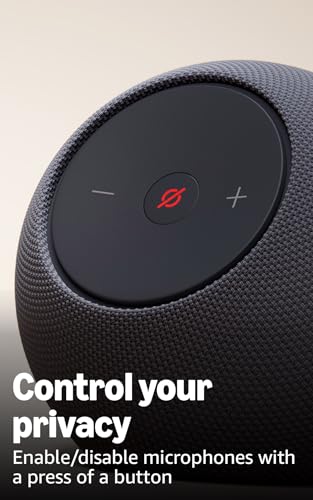
| Touch-sensitive volume/play controls | Three physical buttons (mute, volume up/down) |
| Design Philosophy - Form factor and room integration | |
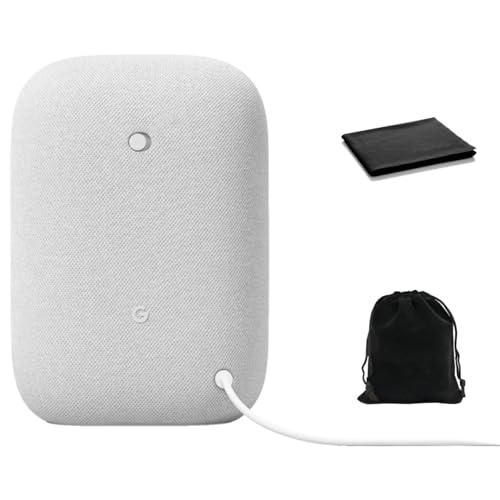
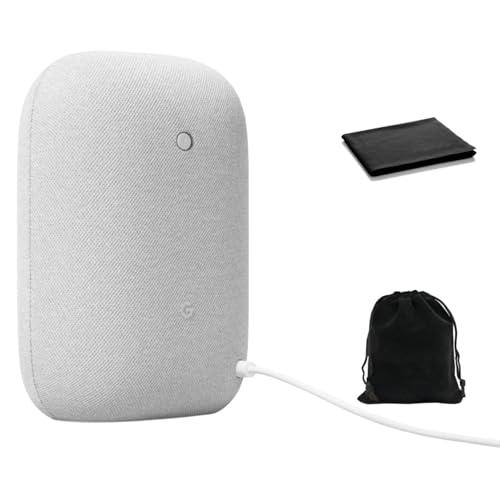
| Minimalist fabric pill shape (70% recycled plastic) | Spherical with 3D acoustic knit fabric |
| Processor Technology - Future-proofing and performance | |
| Standard Google chip with ML acceleration | Custom AZ3 chip with dedicated AI accelerator |
| Unique Standout Features - What sets each apart | |
| Ambient IQ auto-volume, Chromecast integration | Omnisense room adaptation, comprehensive hub functionality |
The Amazon Echo Dot Max delivers significantly better sound quality for music listening, featuring nearly 3x more bass than standard Echo speakers and support for Dolby Atmos spatial audio. The Google Nest Audio offers more balanced, neutral sound that's excellent for vocals and spoken content like podcasts, but lacks the bass impact and room-filling presence of the Echo Dot Max.
The Google Nest Audio works fully without any mandatory subscriptions - you get complete Google Assistant functionality right out of the box. The Amazon Echo Dot Max requires an Alexa+ subscription for its advanced AI features, though existing Amazon Prime members get Alexa+ included with their membership at no extra cost.
The Amazon Echo Dot Max is far superior for smart home control, featuring built-in Zigbee, Thread, and Matter hub functionality that can directly control most smart devices without additional hardware. The Google Nest Audio primarily works with Wi-Fi devices and requires separate hubs for other smart home protocols.
The Amazon Echo Dot Max excels for home theater use with Dolby Atmos support and the ability to create surround sound systems using multiple speakers paired with Fire TV devices. The Google Nest Audio can play TV audio through Chromecast but lacks the processing power and audio features for serious home theater integration.
The Amazon Echo Dot Max responds noticeably faster thanks to its custom AZ3 processor with dedicated AI acceleration hardware. The Google Nest Audio occasionally shows delays with complex requests, though it excels at natural conversation flow and follow-up questions.
The Google Nest Audio supports Voice Match technology that can recognize up to 6 different family members and provide personalized responses for calendars, music preferences, and reminders. The Amazon Echo Dot Max currently focuses on single-user optimization rather than multi-user voice recognition.
The Google Nest Audio offers better privacy options by processing many common voice commands locally on the device without sending audio to Google's servers. The Amazon Echo Dot Max with Alexa+ functionality sends all voice interactions to Amazon's cloud servers for processing.
The Google Nest Audio supports basic stereo pairing with another Nest Audio speaker. The Amazon Echo Dot Max goes much further, supporting multi-speaker setups with up to 5 additional units for Dolby Atmos surround sound, making it ideal for comprehensive home audio systems.
Both speakers work with major streaming services, but integration differs by ecosystem. The Google Nest Audio seamlessly integrates with YouTube Music, Spotify, and Google services. The Amazon Echo Dot Max works excellently with Amazon Music, Spotify, and other services, with Alexa+ providing enhanced music discovery and control features.
The Google Nest Audio has no mandatory ongoing costs - all core functionality is included. The Amazon Echo Dot Max requires an Alexa+ subscription for advanced AI features, though Prime members receive this included with their existing membership.
The Google Nest Audio excels for spoken content with its balanced audio signature that prioritizes vocal clarity. It also features Ambient IQ technology that automatically adjusts volume based on background noise. While the Echo Dot Max can play podcasts well, its bass-forward tuning is optimized more for music than speech.
The Google Nest Audio offers a simpler entry point with no subscription requirements and straightforward setup, making it ideal for users new to smart speakers. The Amazon Echo Dot Max provides more advanced features and comprehensive smart home hub capabilities but comes with subscription costs and more complex functionality that may overwhelm beginners.
We've done our best to create useful and informative comparisons to help you decide what product to buy. Our research uses advanced automated methods to create this comparison and perfection is not possible - please contact us for corrections or questions. These are the sites we've researched in the creation of this article: rtings.com - soundguys.com - bestbuy.com - androidcentral.com - whathifi.com - rtings.com - thenextweb.com - youtube.com - audiosciencereview.com - youtube.com - sypnotix.com - rtings.com - audioholics.com - youtube.com - store.google.com - store.google.com - youtube.com - support.google.com - cdn.adiglobaldistribution.us - dxomark.com - store.google.com - crutchfield.com - soundguys.com - soundguys.com - support.google.com - store.google.com - bestbuy.com - en.wikipedia.org - store.google.com - youtube.com - techradar.com - engadget.com - engadget.com - t3.com - telegraph.co.uk - gadgetmatch.com - youtube.com - youtube.com - youtube.com - youtube.com - homecrux.com - aboutamazon.com - phonearena.com - tomsguide.com - matteralpha.com - techbuzz.ai - techradar.com - pocket-lint.com - bestbuy.com

Privacy Policy
Terms and Conditions - Affiliate Policy
Home Security
© Copyright 2008-2026.
11816 Inwood Rd #1211, Dallas, TX 75244