



The premium wireless earbuds market has exploded over the past few years, with manufacturers pushing boundaries in sound quality, battery life, and specialized features. Two standout models that represent different philosophies in this space are the Beats Powerbeats Pro 2 and the Apple AirPods Pro 2. While both share core Apple technologies, they target distinctly different users and use cases.
Understanding which earbuds suit your needs requires looking beyond basic specs to consider how you'll actually use them. Do you prioritize all-day listening, intense workouts, or seamless daily convenience? The answer to this question largely determines which of these two excellent options makes more sense for your lifestyle and budget.
Premium wireless earbuds have evolved far beyond simple Bluetooth audio devices. Today's top-tier models pack sophisticated processors, multiple microphones, advanced sensors, and computational audio algorithms that adapt sound in real-time. The key considerations when evaluating premium earbuds include fit and security, audio quality and sound signature, active noise cancellation effectiveness, battery performance, unique features that differentiate products, optimization for specific use cases, ecosystem integration with your devices, and overall value proposition.
The most important performance metrics to evaluate are Multi-Dimensional Audio Quality Scores (MDAQS), which provide standardized ratings across timbre, distortion, and immersiveness. These scores help cut through marketing claims to understand actual audio performance differences. Battery life measurements should consider both per-charge listening time and total capacity with the charging case, as this dramatically affects real-world usability.
Active noise cancellation has become table stakes for premium earbuds, but implementation quality varies significantly. The best systems adapt continuously to your environment and ear seal, while lesser implementations simply apply static noise reduction. Understanding these differences helps explain why some earbuds excel in certain environments while others struggle.
The Beats Powerbeats Pro 2 and Apple AirPods Pro 2 represent fundamentally different approaches to premium audio, despite sharing the same underlying Apple H2 chip technology. Released in 2025, the Powerbeats Pro 2 marked Beats' return to relevance in the premium sports earbud market after a six-year gap since the original 2019 model. This extended development period allowed Beats to incorporate mature Apple technologies while adding fitness-specific innovations that were previously missing from their lineup.
The AirPods Pro 2, launched in 2022, established Apple's mainstream premium audio dominance with groundbreaking hearing health features and refined daily-use optimization. Rather than chasing sports performance, Apple focused on creating the ultimate everyday listening experience with exceptional portability and sophisticated audio processing.
These different philosophies manifest in every design decision, from physical form factors to sound tuning to feature prioritization. The Powerbeats Pro 2 embrace a larger, more specialized design that prioritizes security and battery life over portability. The AirPods Pro 2 optimize for convenience and broad appeal, accepting some trade-offs in battery capacity and sports performance.
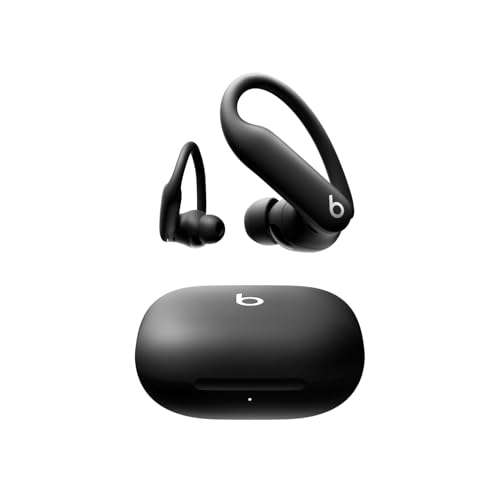
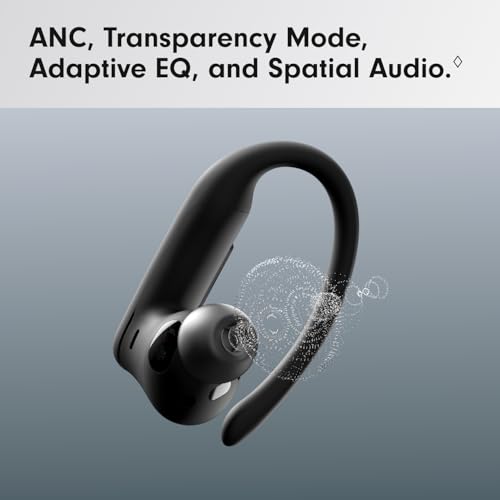
The most immediately obvious difference between these earbuds lies in their physical design approaches. The Powerbeats Pro 2 feature distinctive over-ear hooks made from flexible nickel-titanium alloy that wraps around your ear for security. At 0.30 ounces per earbud, they're notably heavier than the AirPods Pro 2 at 0.19 ounces, but this weight includes the hook mechanism that ensures they'll never fall out during intense activity.
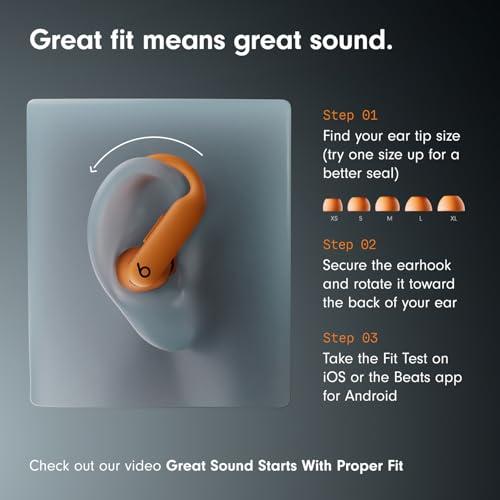
The earhook design underwent significant refinement from the original Powerbeats Pro, becoming 20% lighter while maintaining the same security. However, the fitting process requires more technique than traditional earbuds. You need to push the Powerbeats Pro 2 deeper into your ear canal than you might expect, creating a proper seal for both comfort and optimal sound quality. This takes practice but becomes second nature once learned.
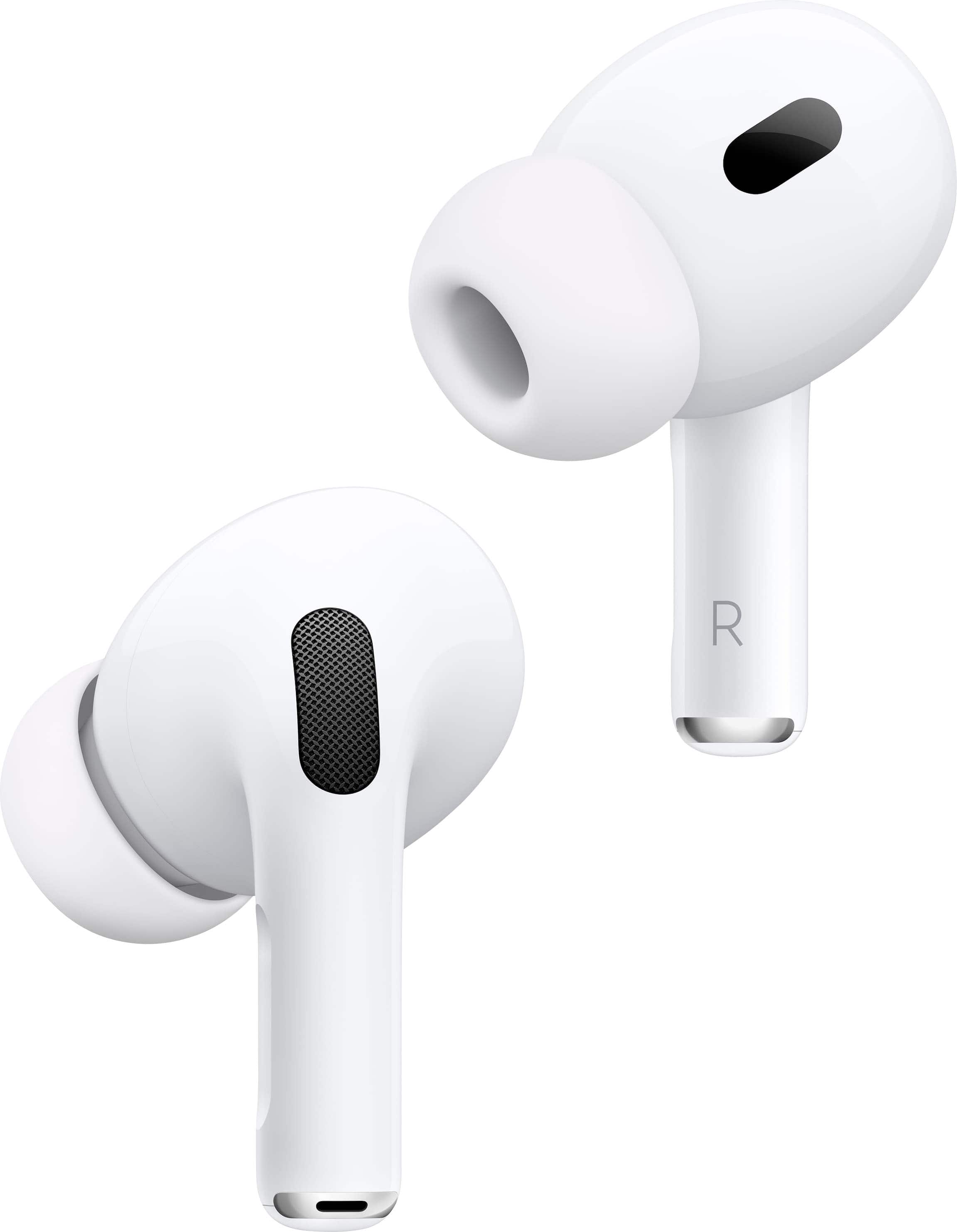
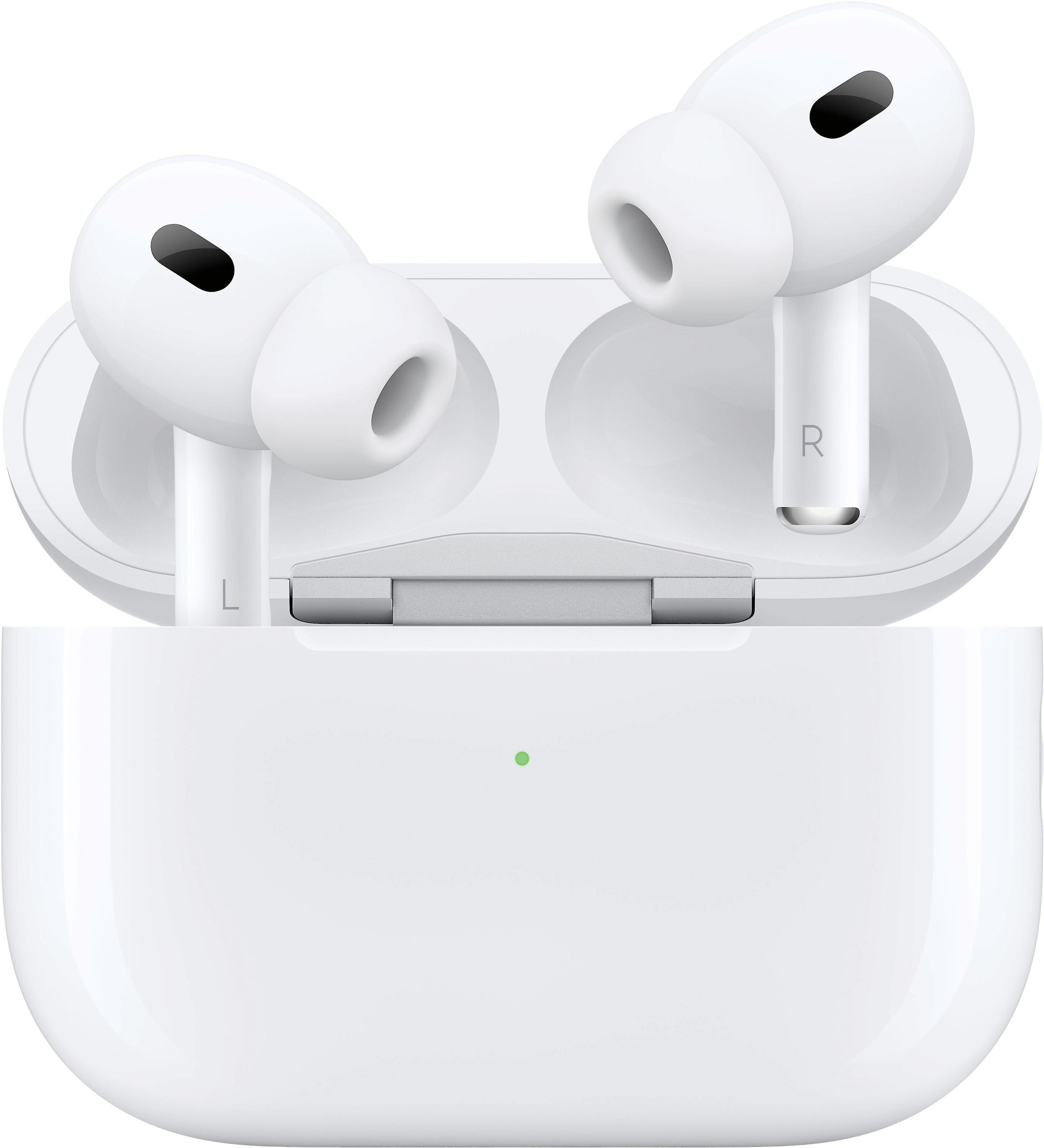
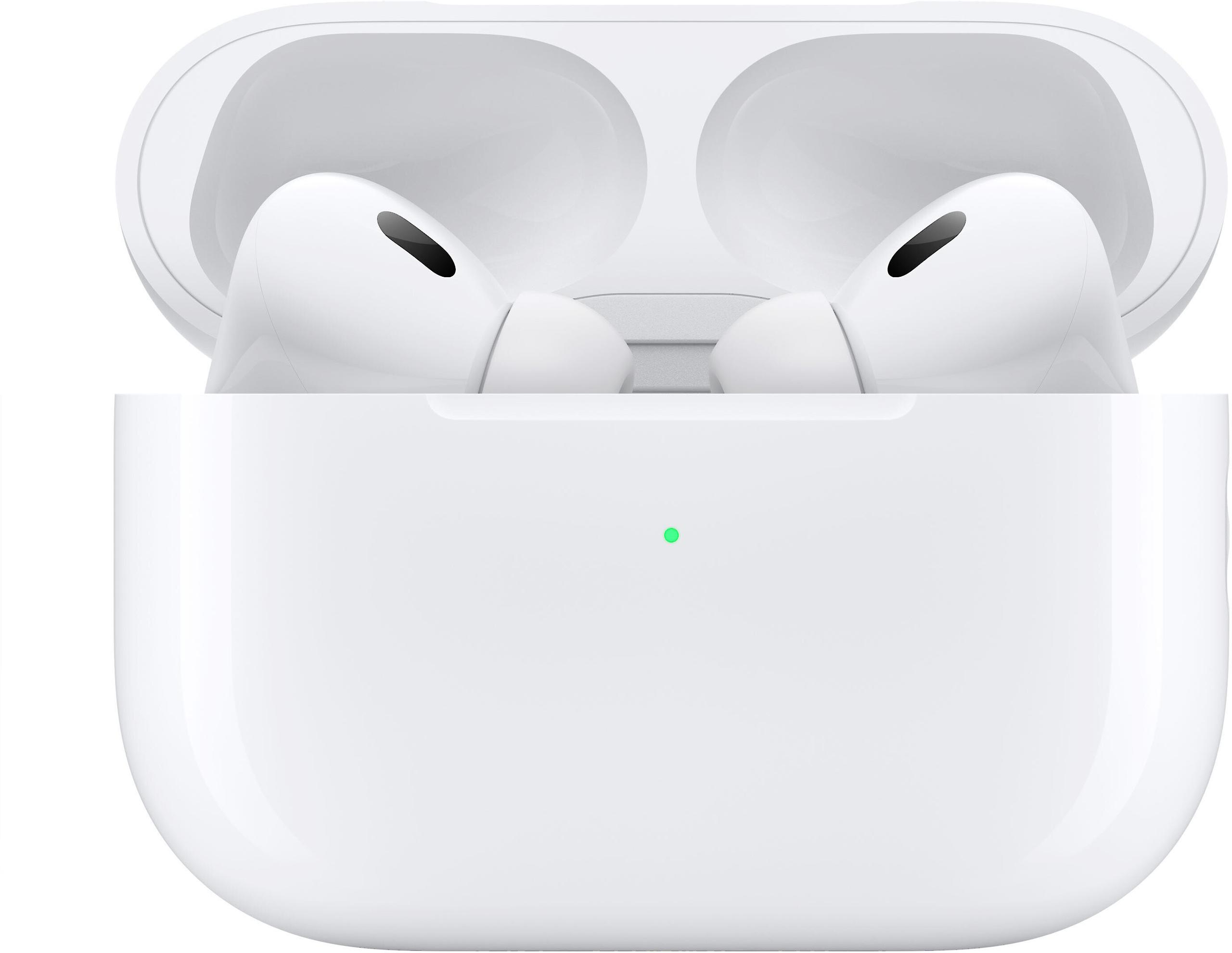
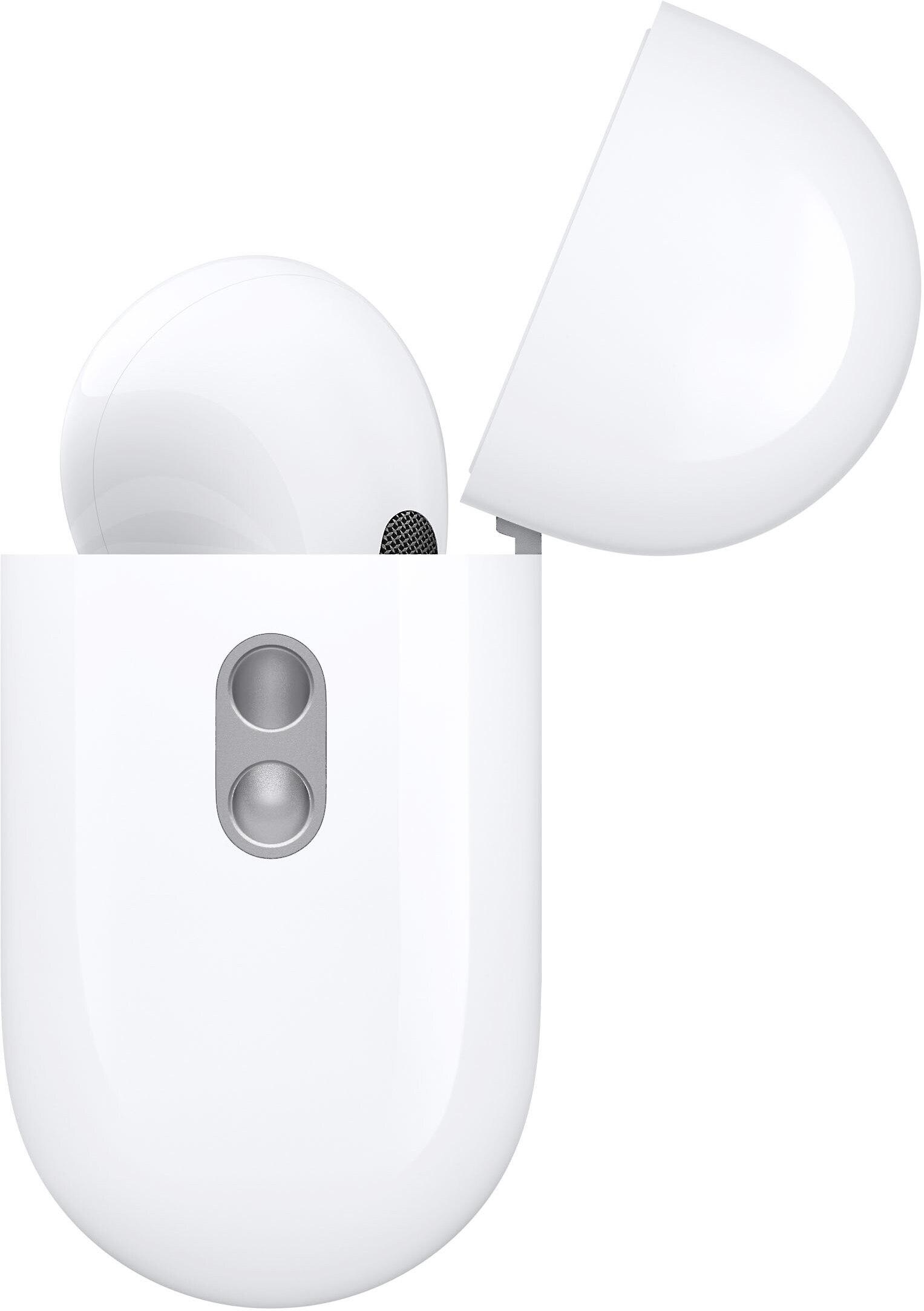
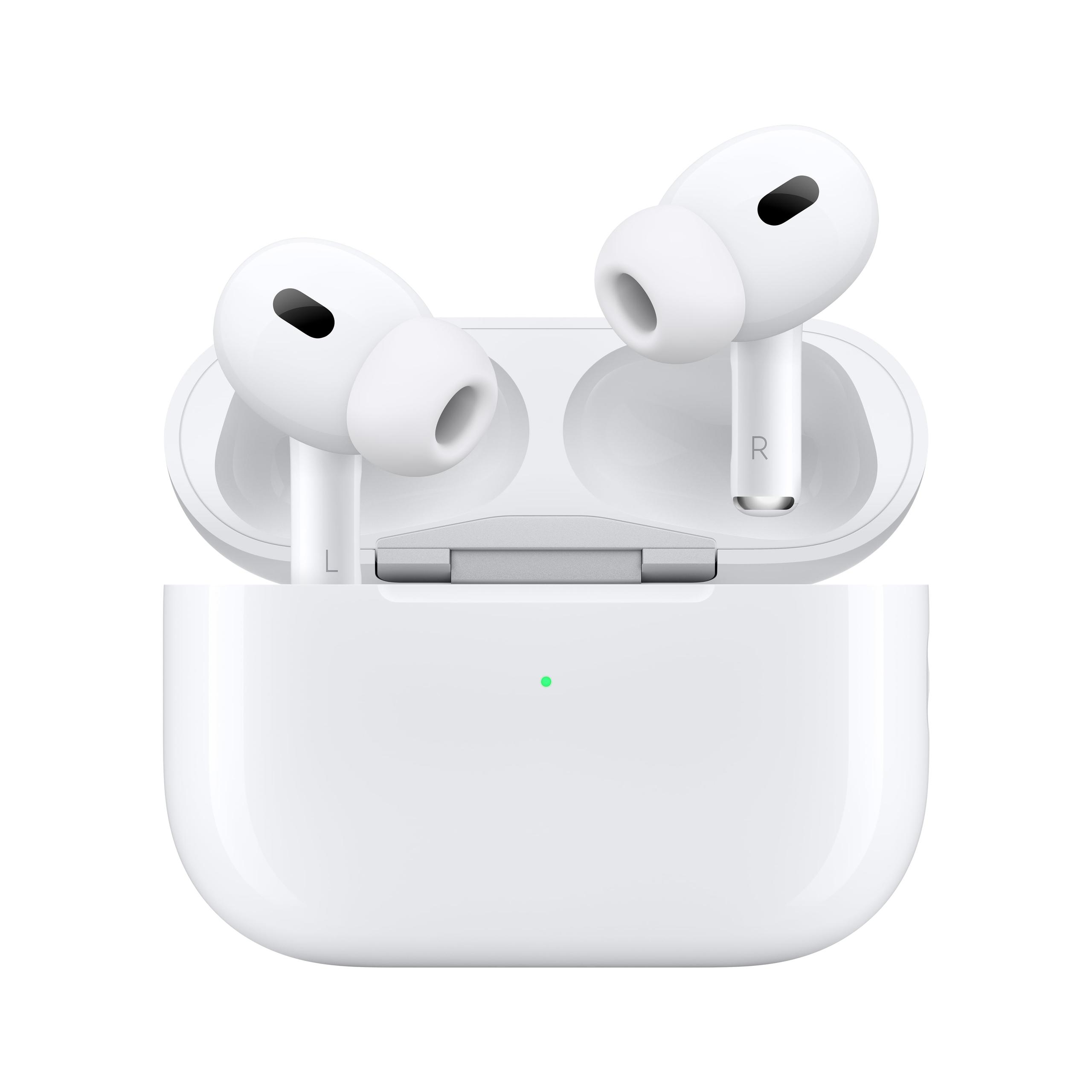
In contrast, the AirPods Pro 2 maintain Apple's signature stem design, measuring just 1.22 inches in height with a streamlined profile optimized for all-day wear and easy pocketability. The compact design comes with inherent trade-offs in battery capacity and physical security during vigorous movement, but most users find them more convenient for daily use.
Both models offer multiple ear tip sizes – the Powerbeats Pro 2 include five options from XS to XL, while the AirPods Pro 2 provide four sizes. Getting the right fit is crucial for both comfort and performance, as an improper seal dramatically reduces noise cancellation effectiveness and can cause discomfort during extended wear.
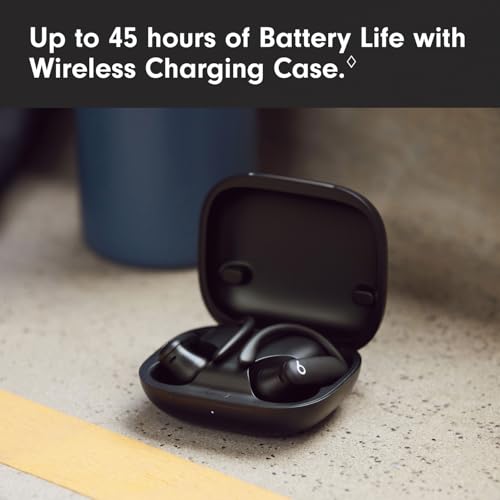
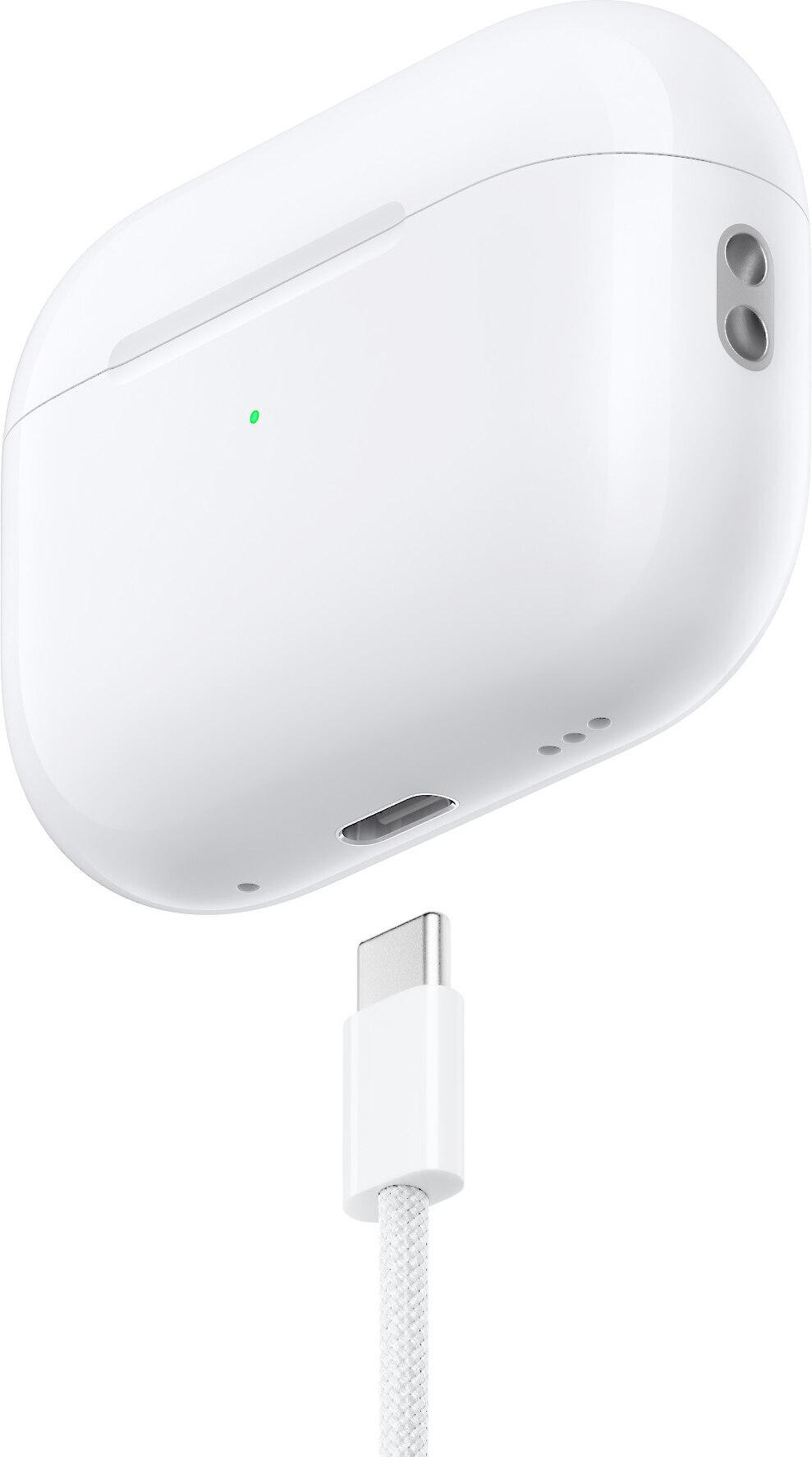
The charging cases reflect these design philosophies, with the Powerbeats Pro 2 case weighing 2.43 ounces compared to the AirPods Pro 2's 1.79 ounces. While the Powerbeats case is 33% smaller than the previous generation, it's still notably larger than the AirPods case, trading portability for the extended battery capacity that serious athletes demand.
Sound quality represents one of the most nuanced differences between these models, with each tuned for their intended use cases. The Powerbeats Pro 2 deliver an energetic sound signature with amplified bass and treble designed to motivate during workouts. This isn't neutral audiophile tuning – it's specifically crafted to make you want to move, with punchy low-end response that complements high-intensity activities.
However, this energetic tuning comes with compromises. The Powerbeats Pro 2 lack upper treble detail, creating a darker overall tone that some find less engaging for detailed music listening. Interestingly, our research reveals they sound significantly better with active noise cancellation enabled than disabled, particularly in lower-mid frequencies. This suggests the ANC system doesn't just block noise – it actively improves the frequency response.
The AirPods Pro 2 take a more balanced approach, aiming for broad appeal across music genres with slight bass emphasis that pleases most listeners without overwhelming detail. In standardized Multi-Dimensional Audio Quality Scores, the AirPods Pro 2 achieve an overall rating of 4.8 out of 5, compared to the Powerbeats Pro 2's 4.6 with ANC enabled (dropping to 3.8 with ANC disabled).
The most significant difference appears in distortion management, where the AirPods Pro 2 score 4.7 compared to the Powerbeats Pro 2's 3.7. This means the AirPods maintain cleaner sound at higher volumes and with complex musical passages, making them better suited for critical listening sessions.
Both models feature Adaptive EQ technology that uses inward-facing microphones to continuously adjust frequency response based on your ear shape and the fit of the ear tips. However, the AirPods Pro 2 implement this more sophisticatedly, creating truly personalized sound profiles that adapt in real-time to what you're actually hearing.
For home theater use, both models support spatial audio, but the AirPods Pro 2 offer superior implementation with personalized head tracking that creates more convincing surround sound effects. The Powerbeats Pro 2 work well for movie watching but don't match the immersive experience Apple's flagship provides.
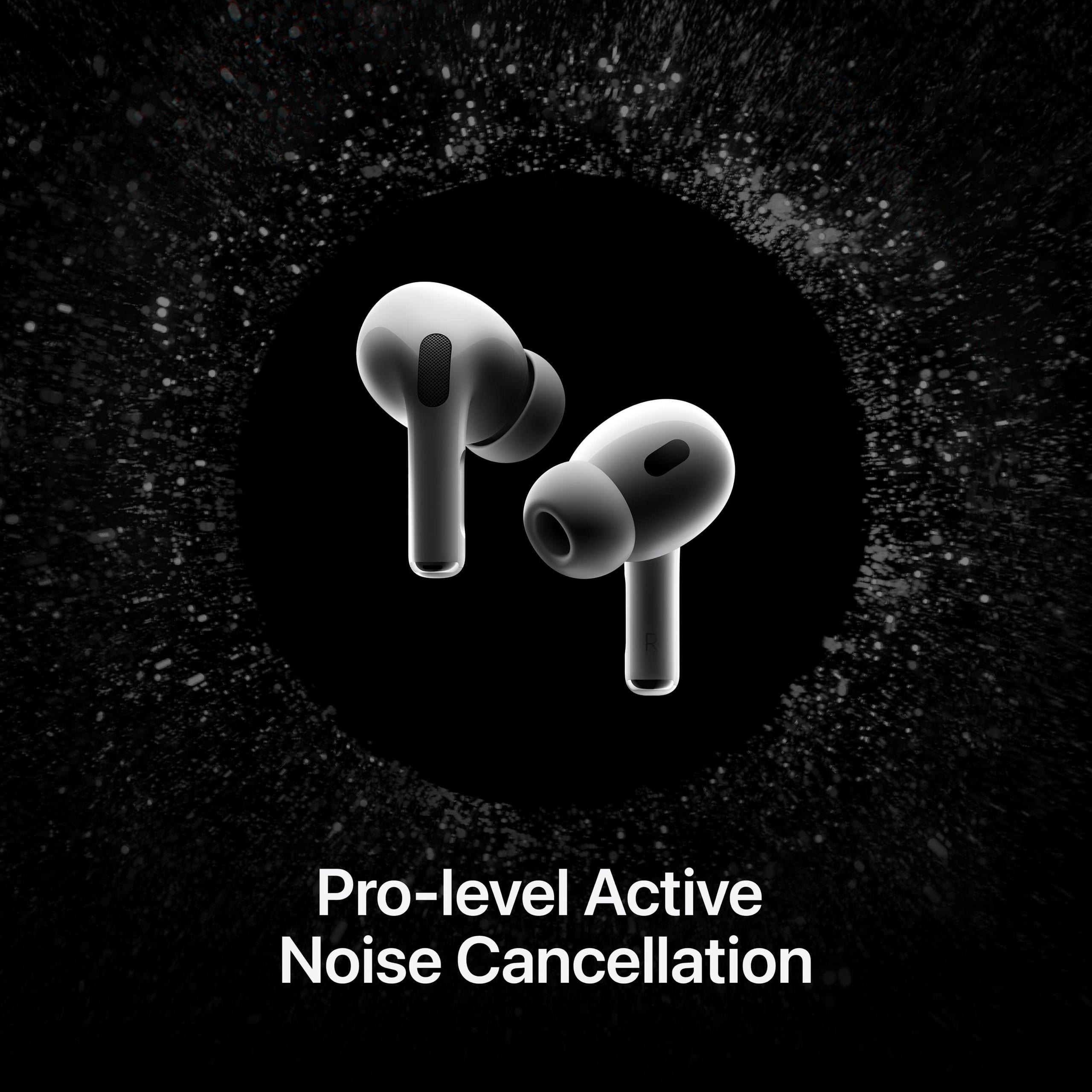
Active noise cancellation represents one area where the AirPods Pro 2 clearly outperform the Powerbeats Pro 2. This isn't surprising given that ANC is a first-generation feature for the Powerbeats line, while Apple has refined their implementation over multiple product generations.
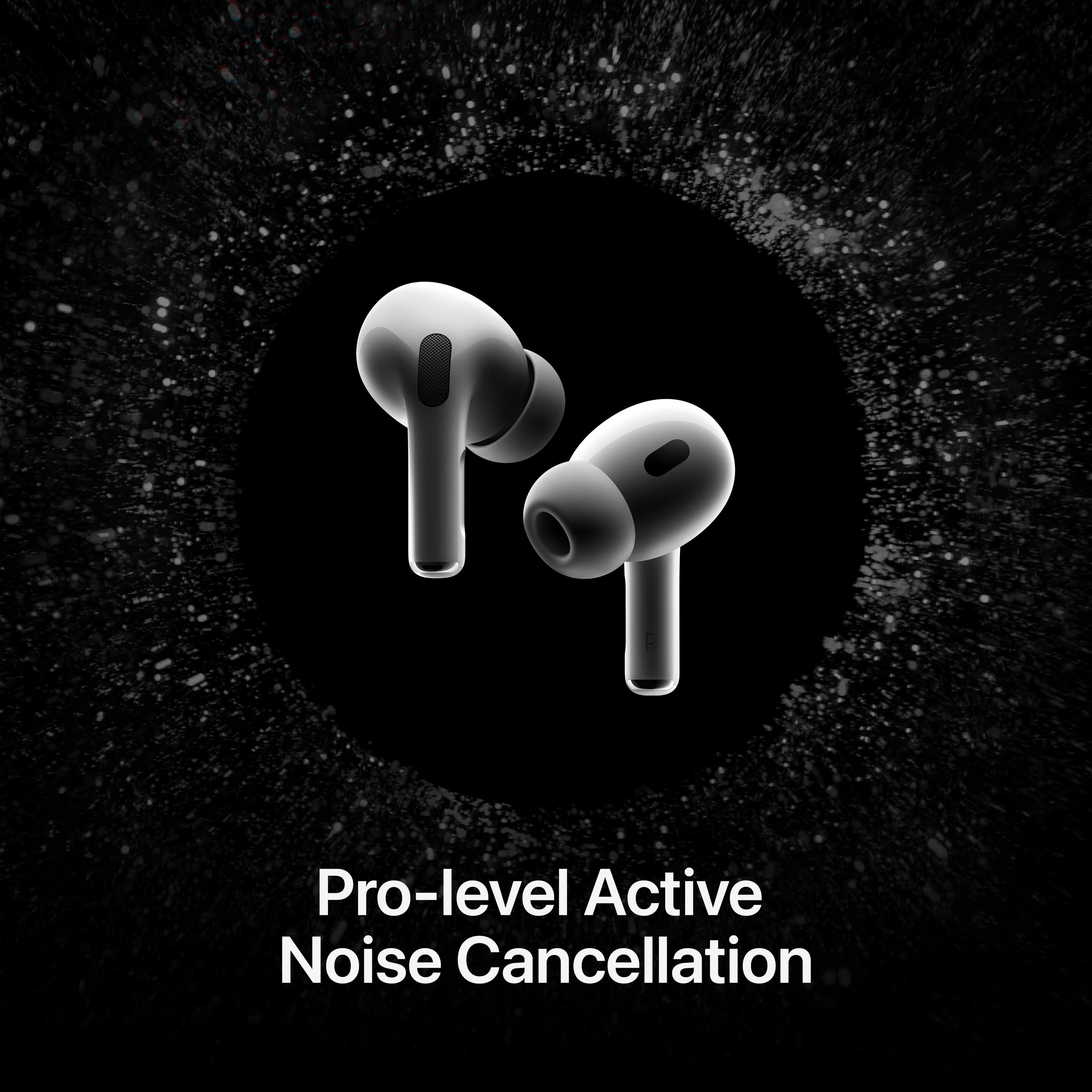
The AirPods Pro 2 achieve industry-leading noise cancellation performance, with Apple claiming up to 2x improvement over the original AirPods Pro. Our research confirms this translates to superior ambient noise isolation across frequency ranges, particularly effective against constant noise like airplane engines, air conditioning, and traffic.
The transparency mode implementation also differs significantly. The AirPods Pro 2 process external audio 48,000 times per second, selectively reducing loud noises like sirens while preserving important sounds like conversations. This creates a more natural, comfortable listening experience when you need environmental awareness.
The Powerbeats Pro 2 offer competent but not exceptional ANC, with an adaptive algorithm that updates 200 times per second. It's effective for typical gym environments and urban noise but doesn't reach the isolation levels of Apple's flagship. However, for most workout scenarios, this level of noise reduction is actually preferable – you often want some environmental awareness during physical activity for safety reasons.
Both models handle wind noise reasonably well, though neither completely eliminates the whistling that can occur during outdoor runs or cycling. The Powerbeats Pro 2 may have a slight advantage here due to their more secure fit and earhook design that can help shield the microphones.
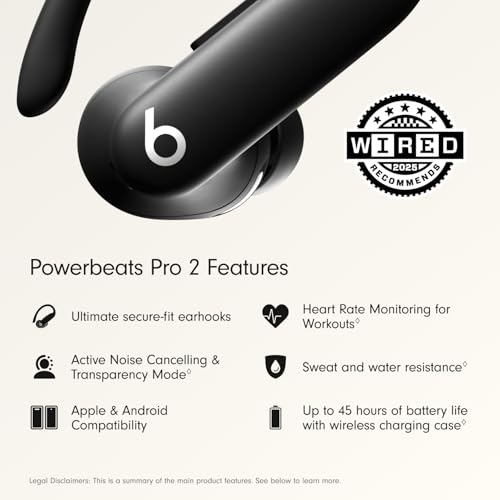
Battery performance reveals the starkest difference between these models, with the Powerbeats Pro 2 delivering substantially superior endurance. Each earbud provides up to 10 hours of listening time with ANC disabled, extending to 45 hours total with the charging case. Even with ANC enabled, you get 8 hours per charge for 36 hours total.
This represents a significant advantage for users who prioritize long listening sessions or travel frequently. The ability to go nearly two full workdays without needing to charge the case eliminates battery anxiety and makes the Powerbeats Pro 2 genuinely convenient for extended use.
The AirPods Pro 2 provide approximately 6 hours per charge with ANC enabled (falling slightly short of Apple's marketing claims in real-world testing), with the case adding up to 24 additional hours for around 30 hours maximum. While respectable for their size, this represents nearly 50% less total capacity than the Powerbeats Pro 2.
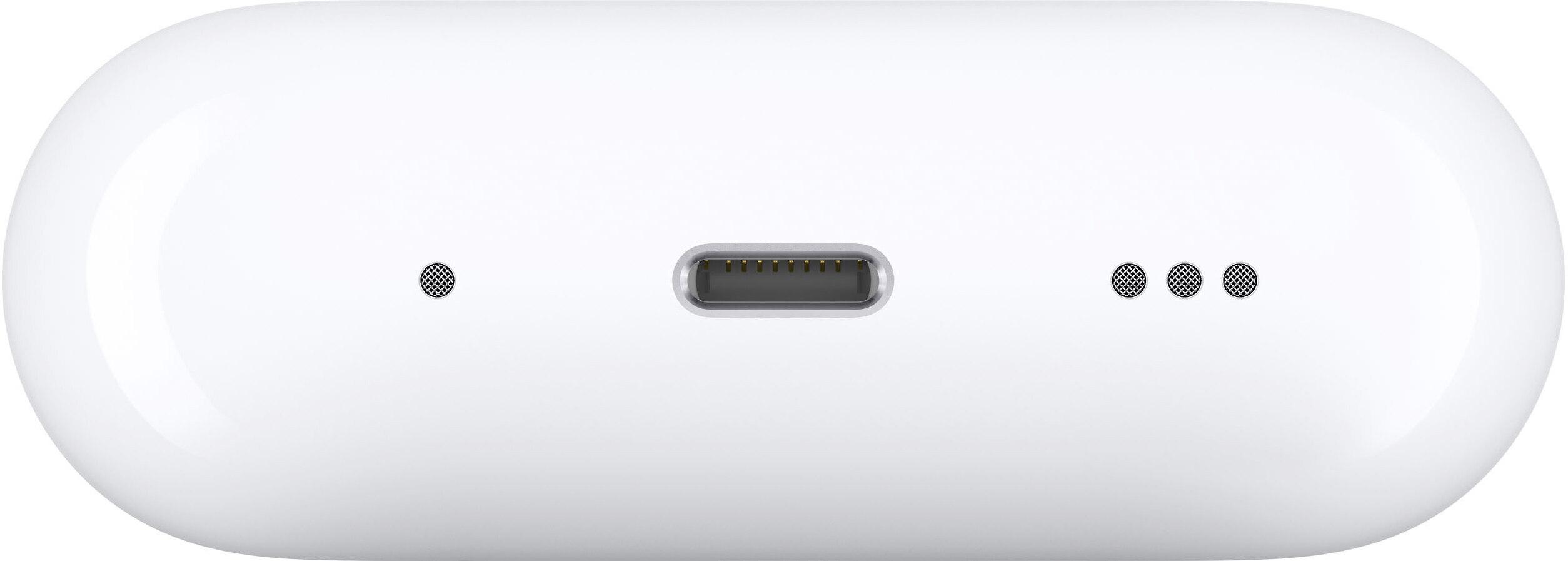
Both models support fast charging, delivering about 1.5 hours of playback from a 5-minute charge, which helps mitigate capacity differences for emergency top-ups. Both cases support wireless charging via Qi standard, with the AirPods Pro 2 additionally supporting MagSafe charging for Apple users.
The battery performance difference becomes particularly relevant for fitness users who might wear earbuds for multi-hour activities or forget to charge regularly. Having nearly twice the battery capacity can be the difference between completing your planned workout and dealing with dead earbuds mid-session.
Perhaps the most interesting comparison lies in each model's signature exclusive features, which highlight their different target markets and Apple's diverse innovation priorities.
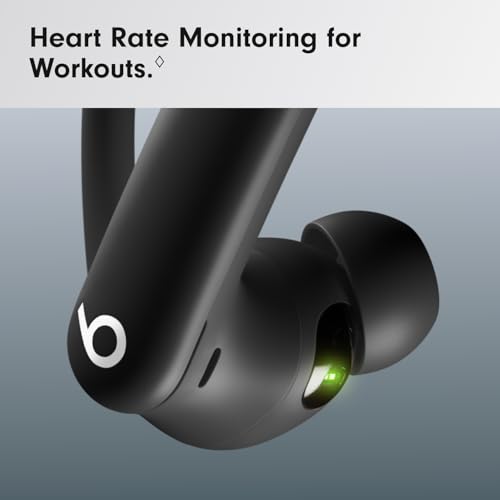
The Powerbeats Pro 2 introduce heart rate monitoring to the wireless earbuds category through optical sensors that pulse green LED light over 100 times per second to detect blood flow changes. This represents genuinely useful innovation for fitness enthusiasts, providing real-time heart rate data that integrates with popular fitness apps like Peloton, Nike Run Club, and Apple Fitness+.
However, this heart rate monitoring has important limitations. It only functions during designated workouts, not throughout the day, and accuracy can vary based on ear anatomy, sweat levels, and earbud fit. It's a valuable addition for structured fitness activities but doesn't replace dedicated fitness trackers for comprehensive health monitoring.
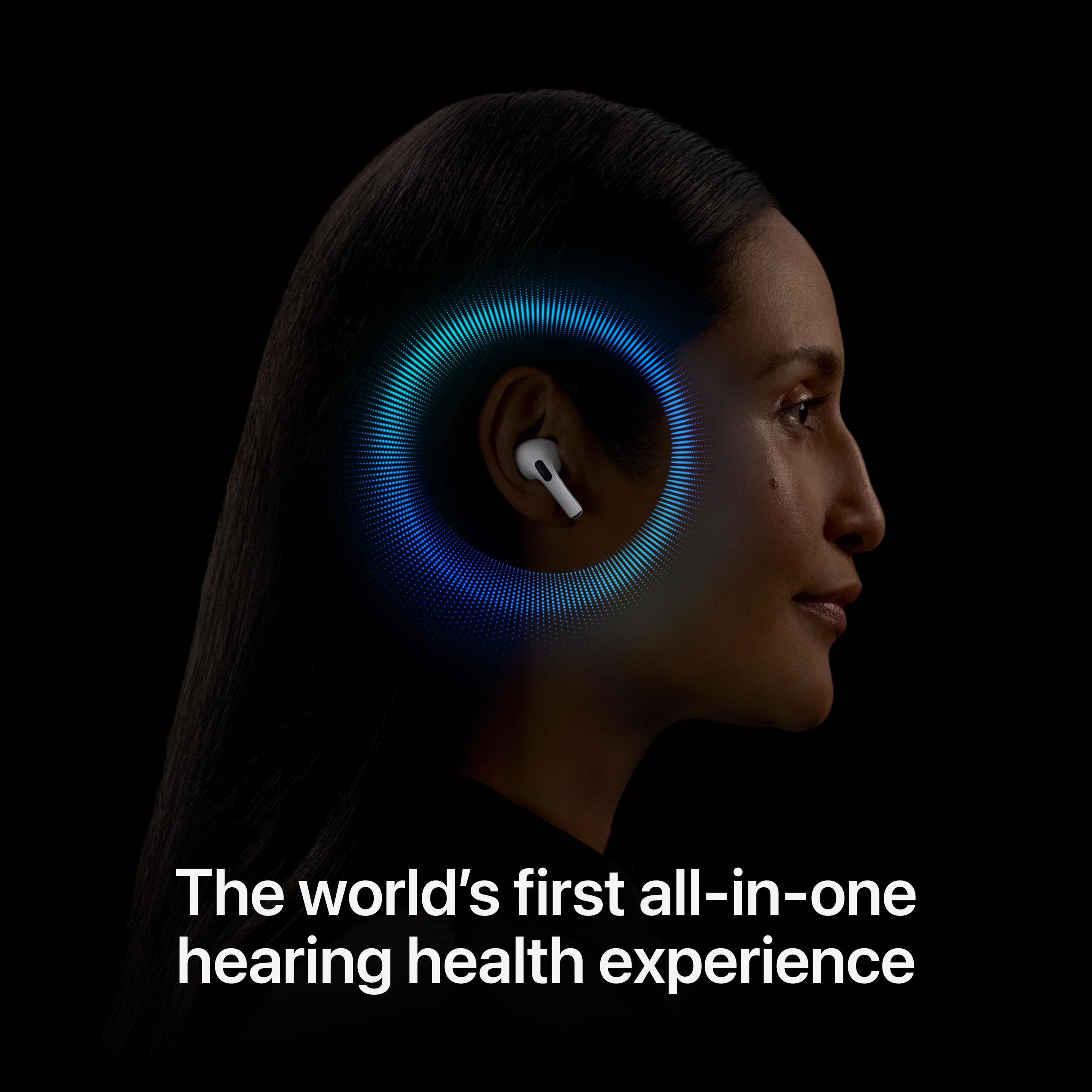
The AirPods Pro 2 counter with clinical-grade hearing aid functionality for mild to moderate hearing loss, implemented through iOS 18 updates. This represents a genuinely groundbreaking accessibility feature that could benefit millions of users who experience hearing difficulties but haven't pursued traditional hearing aids.
The hearing health features include a scientifically validated hearing test that creates personalized audio profiles, active hearing protection that reduces loud environmental sounds, and conversation boost functionality that enhances speech clarity in noisy environments. These features work seamlessly across all audio content and represent long-term value that extends far beyond entertainment.
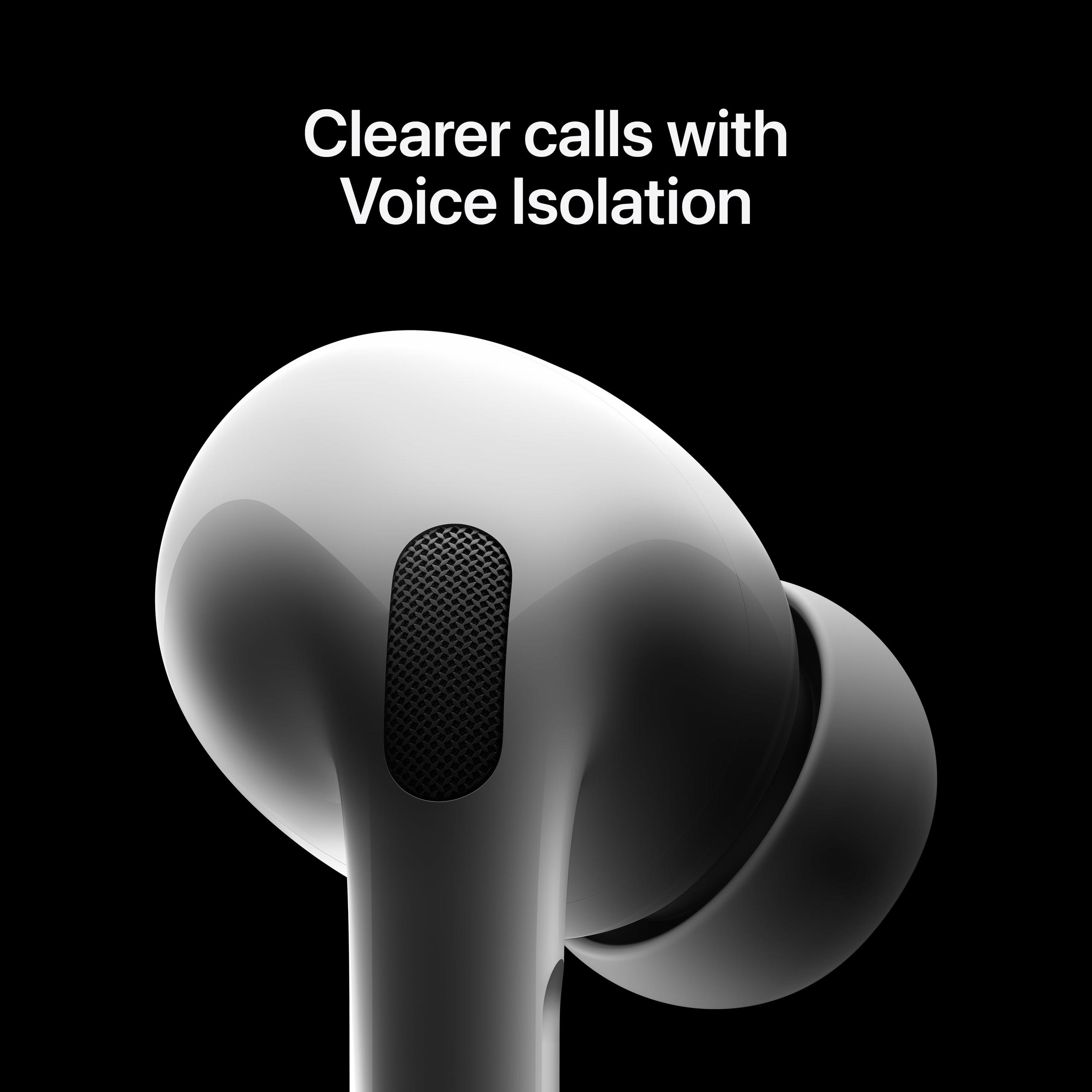
Both models also include sophisticated microphone systems for call quality, but the AirPods Pro 2 implement superior voice isolation algorithms that provide clearer call quality in challenging acoustic environments.
Both models share Apple's H2 chip technology, enabling advanced features like seamless device switching between Apple products, hands-free Siri activation, and enhanced computational audio processing. However, their broader platform compatibility differs significantly.
For Apple ecosystem users, both provide excellent integration, though the AirPods Pro 2 offer slightly more refined features like Precision Finding that helps locate misplaced earbuds using your iPhone. The Powerbeats Pro 2 include physical controls that some users prefer over the AirPods Pro 2's touch controls, particularly during workouts when gloves or sweaty fingers might interfere with touch sensitivity.
Android users should strongly consider the Powerbeats Pro 2, which maintain most functionality through the dedicated Beats app. The AirPods Pro 2 lose significant features on Android, including seamless pairing, battery status integration, and customizable controls.
One notable limitation affects the Powerbeats Pro 2: switching between devices requires completely forgetting and re-pairing them, which creates friction for users who regularly switch between multiple phones, tablets, or computers.
At the time of writing, both models typically retail in similar price ranges, though the AirPods Pro 2 often command slightly lower street prices due to their longer market presence and broader availability. This pricing dynamic makes the comparison particularly interesting from a value perspective.
The Powerbeats Pro 2 justify their positioning through specialized features that appeal to serious fitness users: exceptional battery life, heart rate monitoring, secure fit, and sports-optimized sound tuning. For users who prioritize these characteristics, they represent excellent value despite any price premium.
The AirPods Pro 2 offer broader appeal with superior overall audio quality, industry-leading noise cancellation, and innovative hearing health features. Their lower typical pricing makes them exceptional value for general users who don't need sports-specific capabilities.
Consider the total cost of ownership as well. Both models include premium features that might otherwise require separate purchases – heart rate monitoring typically requires a separate fitness tracker, while hearing health features could replace expensive audiological equipment for some users.
Intense Workouts and Sports: The Powerbeats Pro 2 excel here with zero movement during vigorous activity, sweat resistance, and motivational sound tuning. The heart rate monitoring adds genuine functionality, while the exceptional battery life accommodates long training sessions.
Daily Commuting and Office Use: The AirPods Pro 2 provide superior noise cancellation for transit environments, more portable design for professional settings, and better overall audio quality for music and calls throughout the day.
Travel and Long Listening Sessions: The Powerbeats Pro 2's 45-hour total battery life eliminates charging anxiety during extended travel, while the AirPods Pro 2 offer better noise cancellation for airplane environments but require more frequent charging.
Home Theater and Entertainment: Both models handle movie watching well, but the AirPods Pro 2 provide more sophisticated spatial audio implementation with personalized head tracking that creates more convincing surround sound effects.
Accessibility and Hearing Health: The AirPods Pro 2 offer unique value for users with hearing difficulties through clinical-grade hearing aid functionality and professional hearing testing capabilities.
Choose the Beats Powerbeats Pro 2 if fitness and sports performance are priorities, you need maximum battery life for long activities or travel, heart rate tracking during workouts appeals to you, you prefer reliable physical controls over touch controls, or you're primarily an Android user seeking premium earbuds with good cross-platform functionality.
Choose the Apple AirPods Pro 2 if you prioritize everyday listening over sports-specific features, want the most refined sound quality and superior noise cancellation available, value compact design and easy portability, could benefit from hearing aid features or professional hearing testing, need seamless integration across multiple Apple devices, or prefer proven premium features at competitive pricing.
The decision ultimately comes down to your primary use case and lifestyle. Serious fitness enthusiasts will find genuine value in the Powerbeats Pro 2's specialized features and exceptional battery life, while general consumers will appreciate the AirPods Pro 2's superior overall audio performance and broader appeal. Both represent excellent examples of premium wireless earbuds, just optimized for different users and use cases.
Neither choice is wrong – they're simply different tools for different jobs, both executed at the highest level within their respective niches.
| Beats Powerbeats Pro 2 | Apple AirPods Pro 2 |
|---|---|
| Design & Fit - Critical for comfort and staying secure during activity | |
| Over-ear hooks with 5 ear tip sizes, 0.30oz per earbud | Compact stem design with 4 ear tip sizes, 0.19oz per earbud |
| Battery Life - Determines how often you'll need to charge | |
| 10 hours per charge, 45 hours total (8h/36h with ANC) | 6 hours per charge, 30 hours total (with ANC) |
| Active Noise Cancellation - Essential for blocking distractions | |
| Good ANC, updates 200x per second (first-gen for Powerbeats) | Industry-leading ANC, 2x better than previous generation |
| Audio Quality (MDAQS Score) - Overall sound performance rating | |
| 4.6/5 with ANC, 3.8/5 without ANC | 4.8/5 overall score |
| Sound Signature - How the earbuds tune music for different uses | |
| Energetic with amplified bass/treble for workouts | Balanced with slight bass boost for all music genres |
| Unique Health Features - Specialized capabilities beyond basic audio | |
| Heart rate monitoring during workouts via optical sensors | Clinical-grade hearing aid functionality for mild-moderate hearing loss |
| Water/Sweat Resistance - Protection during exercise and weather | |
| IPX4 sweat and water resistant | IP54 dust, sweat, and water resistant (superior rating) |
| Controls - How you interact with the earbuds | |
| Physical buttons including volume rockers | Touch controls on stems with force sensors |
| Charging Case Features - Convenience and portability factors | |
| Wireless + USB-C charging, 2.43oz case weight | MagSafe + wireless + USB-C charging, 1.79oz case, Precision Finding |
| Platform Compatibility - How well they work across different devices | |
| Excellent with Android via Beats app, good with Apple | Exceptional with Apple devices, limited functionality on Android |
| Best Use Cases - Who should choose each product | |
| Serious fitness users, long battery life needs, Android users | Daily listening, commuting, hearing health needs, Apple ecosystem users |
The Beats Powerbeats Pro 2 offer significantly better battery life with 10 hours per charge and 45 hours total with the case (8 hours/36 hours with ANC on). The Apple AirPods Pro 2 provide 6 hours per charge and 30 hours total with the case. For long workouts or travel, the Powerbeats Pro 2 are clearly superior.
The Beats Powerbeats Pro 2 are specifically designed for fitness with secure over-ear hooks that prevent them from falling out during intense activity, plus unique heart rate monitoring. The Apple AirPods Pro 2 can handle light exercise but may shift during vigorous workouts. For serious fitness use, choose the Powerbeats Pro 2.
The Apple AirPods Pro 2 have superior overall audio quality with a 4.8/5 MDAQS rating compared to the Beats Powerbeats Pro 2's 4.6/5. The AirPods Pro 2 offer more balanced sound suitable for all music genres, while the Powerbeats Pro 2 have an energetic, bass-heavy sound optimized for workouts.
Yes, both models feature active noise cancellation, but the Apple AirPods Pro 2 have industry-leading ANC that's significantly more effective than the Beats Powerbeats Pro 2's first-generation implementation. For blocking out distractions during commuting or focused listening, the AirPods Pro 2 perform better.
The Apple AirPods Pro 2 are more comfortable for extended daily wear due to their lighter weight (0.19oz vs 0.30oz per earbud) and compact design. The Beats Powerbeats Pro 2 are comfortable during workouts but their larger size and ear hooks make them less ideal for all-day office or casual use.
The Beats Powerbeats Pro 2 work excellently with Android through the dedicated Beats app, maintaining most features. The Apple AirPods Pro 2 have limited functionality on Android, losing features like seamless pairing and battery status. Android users should choose the Powerbeats Pro 2.
Both models offer good call quality, but the Apple AirPods Pro 2 have superior voice isolation algorithms and microphone systems that provide clearer calls in noisy environments. The Powerbeats Pro 2 have decent call quality but aren't as refined for phone conversations.
Both support spatial audio for an immersive home theater experience, but the Apple AirPods Pro 2 offer superior implementation with personalized head tracking that creates more convincing surround sound effects. The Powerbeats Pro 2 work fine for movies but don't match the AirPods Pro 2's home entertainment capabilities.
The Apple AirPods Pro 2 are groundbreaking for hearing accessibility, offering clinical-grade hearing aid functionality for mild to moderate hearing loss, plus scientifically validated hearing tests. The Beats Powerbeats Pro 2 don't have any hearing health features, making the AirPods Pro 2 the clear choice for hearing assistance.
The Beats Powerbeats Pro 2 offer heart rate monitoring during workouts via optical sensors, perfect for fitness tracking. The Apple AirPods Pro 2 feature hearing health capabilities including hearing tests and hearing aid functionality. Choose based on whether fitness tracking or hearing health is more important to you.
The Apple AirPods Pro 2 case is more portable (1.79oz vs 2.43oz) and offers MagSafe charging plus Precision Finding to locate lost earbuds. The Beats Powerbeats Pro 2 case is larger but provides much longer battery life. The AirPods Pro 2 case wins for daily convenience, while the Powerbeats Pro 2 case excels for extended use.
This depends on your priorities. The Apple AirPods Pro 2 typically cost less and offer superior overall audio quality, making them better value for general users. The Beats Powerbeats Pro 2 justify their positioning with specialized fitness features, exceptional battery life, and heart rate monitoring that serious athletes will appreciate. Choose based on whether you prioritize everyday listening or fitness performance.
We've done our best to create useful and informative comparisons to help you decide what product to buy. Our research uses advanced automated methods to create this comparison and perfection is not possible - please contact us for corrections or questions. These are the sites we've researched in the creation of this article: rtings.com - soundguys.com - soundguys.com - soundguys.com - bestbuy.com - tomsguide.com - techradar.com - youtube.com - slatepad.org - appleinsider.com - cnet.com - techradar.com - apple.com - bestbuy.com - panthertech.fiu.edu - beatsbydre.com - beatsbydre.com - youtube.com - beatsbydre.com - apple.com - gsmarena.com - alexreviewstech.com - recordingnow.com - apple.com - apple.com - cnet.com - hearingreview.com - target.com - support.apple.com - costco.com - cnet.com - quill.com

Privacy Policy
Terms and Conditions - Affiliate Policy
Home Security
© Copyright 2008-2026.
11816 Inwood Rd #1211, Dallas, TX 75244