

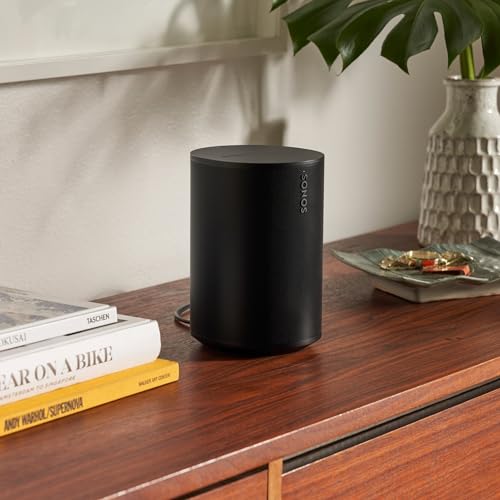
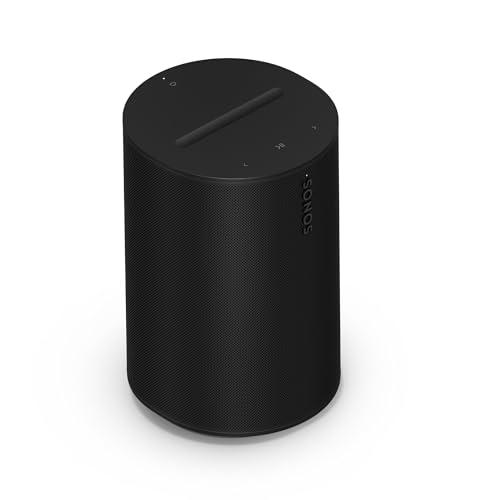
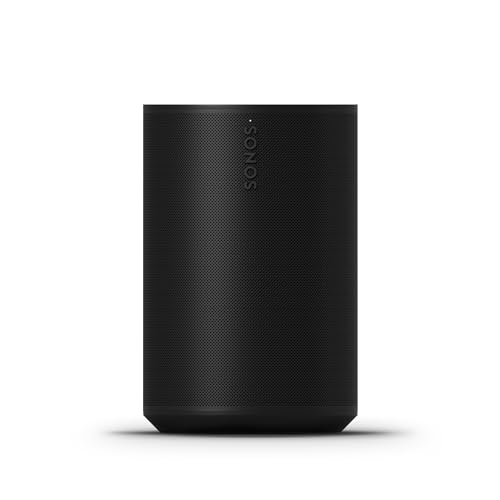
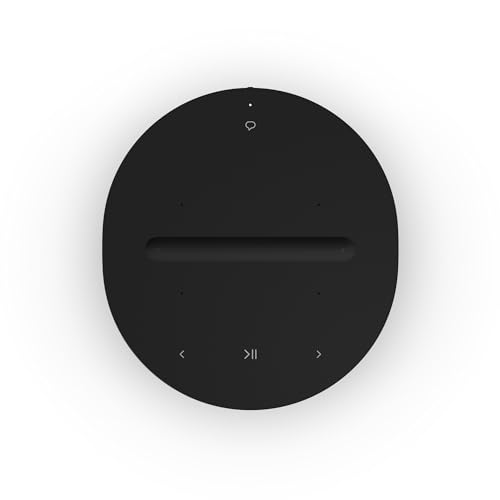



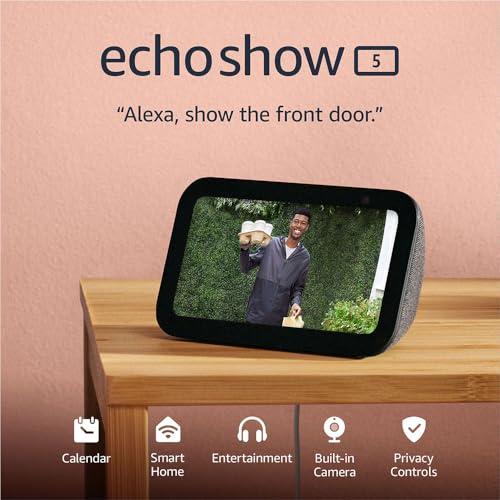
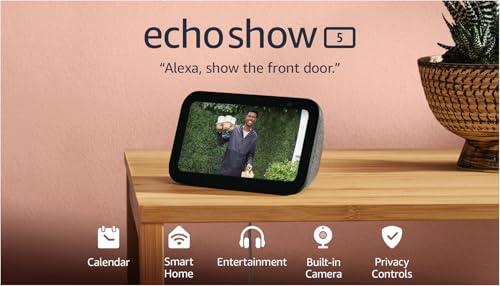
When shopping for smart home devices, you'll quickly discover two very different approaches to bringing intelligence and audio into your living space. On one side, you have dedicated smart speakers like the Sonos Era 100, which launched in 2023 as part of Sonos's refresh of their compact speaker lineup. On the other, there are smart displays such as Amazon's Echo Show 5 (3rd Gen), also released in 2023, representing the latest evolution of Amazon's compact visual assistant category.
These devices tackle similar problems—playing music, controlling smart homes, and responding to voice commands—but they take fundamentally different approaches. Understanding these differences will help you choose the right device for your specific needs and budget.
The smart home audio landscape has evolved significantly since Amazon introduced the original Echo in 2015. What started as simple voice assistants have branched into specialized categories, each optimized for different use cases.
Smart speakers like the Sonos Era 100 prioritize audio quality above all else. They're built around the idea that if you're going to have a speaker in your room, it should sound exceptional when playing music. These devices typically feature multiple drivers (individual speakers that handle different frequency ranges), advanced amplification systems, and acoustic engineering that rivals traditional hi-fi equipment.
Smart displays like the Echo Show 5 take a different approach entirely. They combine basic audio capabilities with a touchscreen interface, camera, and visual feedback system. Think of them as tablets that happen to have speakers, rather than speakers with added features.
The key considerations when choosing between these categories include how much you prioritize audio quality, whether you prefer visual or voice-only interfaces, your smart home setup complexity, and of course, your budget. At the time of writing, premium smart speakers typically cost roughly 2-3 times more than comparable smart displays, but they deliver significantly better audio performance.
The Sonos Era 100's most significant advantage lies in its sophisticated audio architecture. Unlike many compact speakers that use a single driver, the Era 100 employs what's called a "dual angled tweeter" design. Tweeters are small speakers specifically designed to reproduce high frequencies like cymbals, vocals, and the sparkle in guitar strings. By angling two tweeters in different directions, the Era 100 creates genuine stereo separation—meaning you can actually distinguish between left and right audio channels.
This stereo capability makes a dramatic difference when listening to music. Instruments appear to occupy distinct positions in the soundstage (the perceived spatial arrangement of sound), rather than everything seeming to come from a single point. When you listen to a Beatles track, for instance, you might hear John Lennon's vocal in the center, Paul's bass guitar slightly to the left, and George's lead guitar floating to the right.
The Era 100 also features a 25% larger mid-woofer compared to its predecessor, the Sonos One. The mid-woofer handles bass frequencies and midrange sounds like vocals and most instruments. This larger driver moves more air, producing deeper bass and more detailed midrange reproduction. In practical terms, this means kick drums have more punch, bass guitars sound fuller, and voices have more presence and warmth.
Perhaps most impressively, the Sonos Era 100 includes Trueplay tuning technology. This system uses either your smartphone's microphone or the speaker's built-in microphones to analyze your room's acoustics. It then automatically adjusts the speaker's frequency response to compensate for acoustic issues. If your speaker sits near a wall that boosts bass frequencies, Trueplay will reduce the bass output accordingly. This ensures balanced sound regardless of placement.
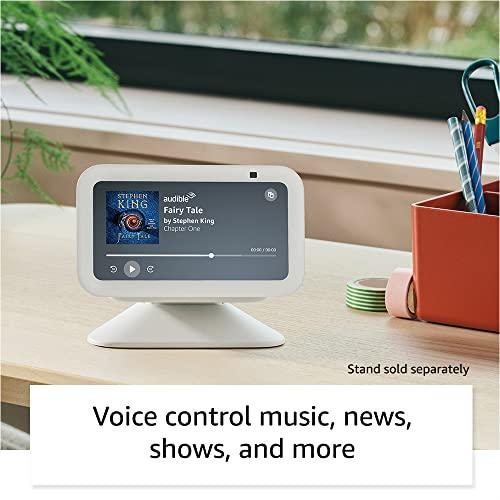
The Echo Show 5 takes a more pragmatic approach to audio. Its single 1.7-inch speaker is designed primarily for voice clarity—ensuring Alexa's responses, phone calls, and spoken content like news or audiobooks sound clear and intelligible. While Amazon has improved the audio quality in the third generation, adding what they describe as "deeper bass and clearer vocals," it remains fundamentally a mono speaker optimized for spoken content rather than music.
This doesn't mean the Echo Show 5 sounds bad for its intended use cases. For casual background music while cooking, morning news briefings, or podcast listening, it performs admirably. The audio improvement over previous generations is noticeable, with less distortion at higher volumes and better vocal clarity. However, when compared directly to a dedicated music speaker like the Era 100, the limitations become apparent quickly.
The mono configuration means there's no stereo separation, so music loses much of its spatial dimension. The smaller driver can't move enough air to produce substantial bass, making music sound thin and lacking in low-end punch. The frequency response—how evenly the speaker reproduces different pitches—is optimized for voice rather than the full spectrum of musical content.
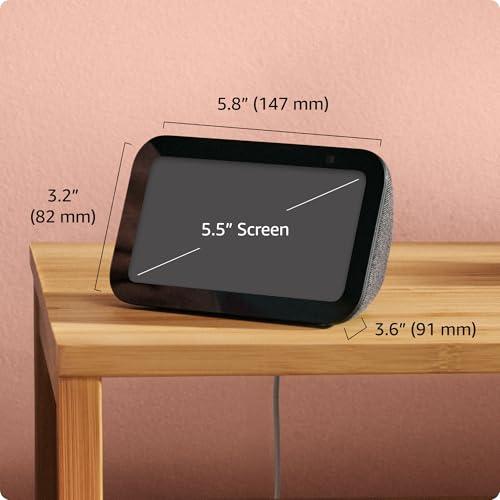
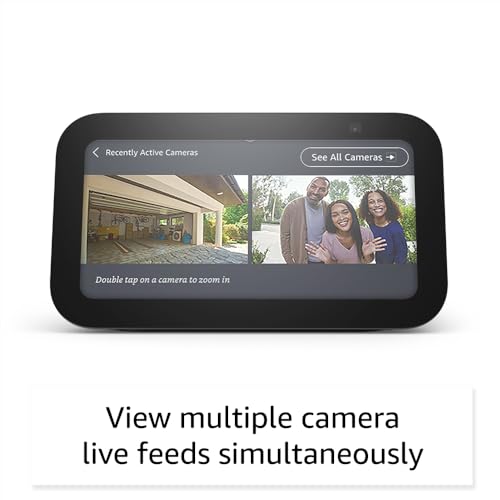
The Echo Show 5's 5.5-inch touchscreen fundamentally changes how you interact with your smart home. Instead of remembering specific voice commands, you can simply tap on-screen controls to adjust lights, view security camera feeds, or check thermostat settings. The display shows the current status of your devices at a glance—something impossible with audio-only speakers.
This visual approach proves particularly valuable for complex smart home setups. If you have multiple light zones, the screen can display them all simultaneously, allowing you to adjust each individually. Security camera integration becomes much more useful when you can actually see the footage rather than just receiving voice descriptions.
The Sonos Era 100, by contrast, relies entirely on voice commands or smartphone app control. While this works well for basic functions like volume control and track selection, more complex smart home tasks require pulling out your phone or remembering specific command phrases. This audio-only approach feels more natural for music-focused use but can be limiting for broader smart home management.
Both devices support major smart home standards, but with different strengths. The Echo Show 5 naturally integrates deeply with Amazon's ecosystem, including Prime Video streaming, Amazon Music, and extensive Alexa Skills. It also supports Apple HomeKit integration, making it surprisingly versatile for mixed-ecosystem households.
The Sonos Era 100 excels in multi-room audio scenarios. If you already have other Sonos speakers, the Era 100 can join synchronized playgroups, play different music in different rooms, or serve as rear surround speakers in a Sonos home theater setup. This ecosystem integration is particularly powerful for whole-home audio systems, though it does create some lock-in effects—you'll want to stick with Sonos speakers to maintain full functionality.
The Sonos Era 100 includes Wi-Fi 6 (802.11ax) support, the latest wireless standard that provides faster speeds and better performance in crowded network environments. This matters for high-resolution audio streaming and ensures the speaker will remain capable as streaming services continue improving their audio quality offerings.
More significantly, the Era 100 adds Bluetooth 5.0 connectivity—a first for Sonos's compact speaker line. This allows direct connection to phones, tablets, or computers without requiring a Wi-Fi network. While Sonos built its reputation on Wi-Fi-based whole-home systems, adding Bluetooth makes the Era 100 much more flexible for portable use or guest connections.
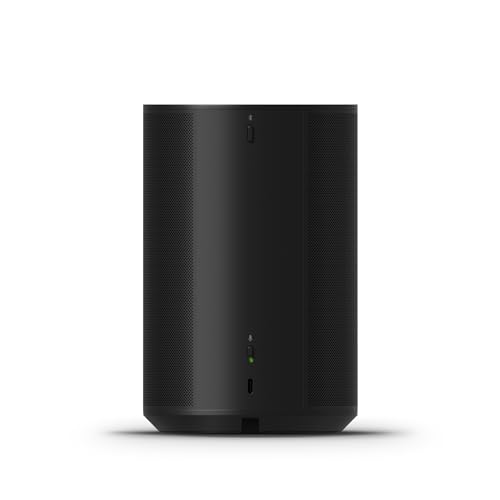
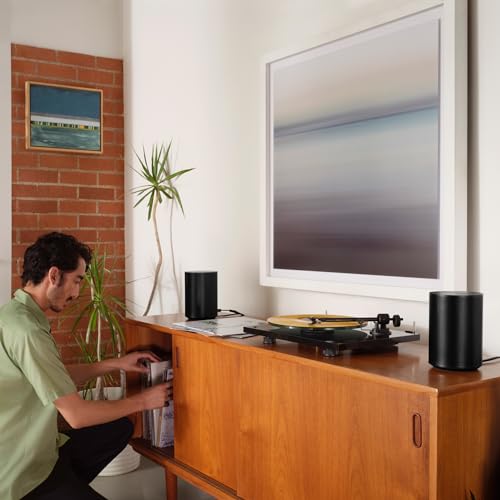
The speaker also includes a USB-C port that accepts a line-in adapter (sold separately). This might seem like a minor feature, but it's crucial for connecting analog sources like turntables or older audio equipment that lacks digital connectivity.
The Echo Show 5 uses Wi-Fi 5 (802.11ac), which is perfectly adequate for its needs but not quite as future-proof as the Era 100's Wi-Fi 6 support. However, the integration of display, camera, and audio into a single compact unit eliminates the need for additional adapters or accessories.
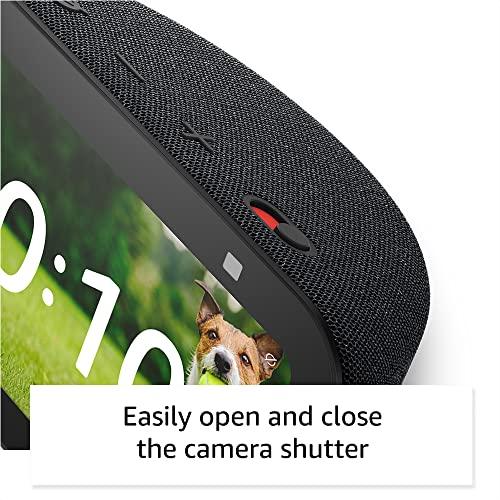
Both devices include hardware privacy controls, reflecting growing consumer awareness of smart home security. The Echo Show 5 features a physical camera shutter and microphone disconnect button, allowing complete audio and visual privacy when desired. The Sonos Era 100 includes a physical microphone disconnect switch and processes voice commands locally when possible, reducing cloud dependency.
For home theater applications, these devices serve very different roles. The Sonos Era 100 can function as rear surround speakers when paired with Sonos soundbars like the Arc or Beam. Two Era 100 speakers create a genuine 5.1 surround system, adding spatial audio effects and ambient sound positioning that significantly enhances movie watching.
The Echo Show 5 isn't designed for home theater use, though it can display video content on its small screen. Its single speaker and compact size make it unsuitable for serious movie audio, but it works well as a bedside companion for late-night streaming or as a kitchen display for background video content while cooking.
If you're building a home theater system, starting with one Sonos Era 100 for music and potentially adding a second for stereo pairing or surround sound makes much more sense than trying to use multiple Echo Show devices.
At the time of writing, the Sonos Era 100 commands roughly 2.5 times the price of the Echo Show 5. This significant price difference reflects their different design priorities and target audiences.
The Sonos Era 100's premium pricing becomes justified when you consider the audio engineering involved. The custom waveguides that create its wide soundstage, the multiple amplifiers powering each driver independently, and the acoustic tuning that enables room correction all represent genuine technical advantages that cost more to implement.
From a pure audio performance perspective, our research into professional reviews and user feedback consistently shows the Era 100 delivering sound quality that competes with dedicated stereo speakers costing similar amounts. The bass extension, stereo imaging, and overall tonal balance receive high marks from audio enthusiasts who directly compare it to other speakers in its price range.
The Echo Show 5's value proposition lies in its versatility rather than audio excellence. For significantly less money, you get adequate audio plus video calling, smart home control, visual information display, and streaming capabilities. If you primarily need a smart home controller that happens to play music occasionally, rather than a serious music speaker, the Echo Show 5 represents exceptional value.
You should consider the Sonos Era 100 if music quality matters significantly to you. This speaker shines in scenarios where audio performance is the primary consideration—bedrooms where you wake up to music, home offices where you listen throughout the workday, or living spaces where the speaker serves as the main music source.
The Era 100 also makes sense if you're planning a larger Sonos ecosystem. Starting with one speaker and gradually adding others for whole-home audio creates a compelling long-term value proposition, despite the higher initial investment per speaker.
If you're an Apple ecosystem user who relies heavily on AirPlay 2, the Sonos Era 100's seamless integration provides a better experience than Amazon's more limited Apple compatibility.
The Echo Show 5 makes more sense for most households that want smart home functionality without a major financial commitment. Its visual interface genuinely improves the smart home experience, making complex device control much more intuitive than voice commands alone.
This device excels as a bedside companion, kitchen assistant, or desk accessory where you need quick access to information, timers, reminders, and casual audio content. The video calling capability adds genuine utility for families or anyone who regularly communicates with relatives.
If budget constraints are significant, the Echo Show 5 provides a complete smart home starter kit at a fraction of the cost of premium alternatives.
These devices represent fundamentally different approaches to smart home audio, and both succeed at their intended purposes. The Sonos Era 100 delivers genuinely impressive audio quality that justifies its premium positioning for music lovers. The Echo Show 5 provides exceptional versatility and smart home functionality at a budget-friendly price point.
Your choice ultimately depends on whether you prioritize audio excellence or multifunctional convenience. If you spend significant time actively listening to music and appreciate high-quality sound reproduction, the Era 100's superior audio performance will provide lasting satisfaction. If you want a capable smart home hub that handles music as one of many functions, the Echo Show 5's combination of features and affordability makes it the more practical choice.
Consider starting with the device that matches your primary use case, knowing that these aren't mutually exclusive choices—many households eventually find room for both types of devices serving different purposes throughout the home.
| Sonos Era 100 | Echo Show 5 3rd Gen |
|---|---|
| Audio Configuration - Determines music quality and stereo imaging | |
| True stereo with dual angled tweeters + 25% larger mid-woofer | Single 1.7" mono speaker optimized for voice |
| Display & Visual Interface - Essential for smart home control and information | |
| No display (audio-only control via voice/app) | 5.5" touchscreen (960 x 480 pixels) |
| Smart Home Integration - How you control connected devices | |
| Voice commands only, excellent multi-room audio | Visual touch controls + voice, broader ecosystem support |
| Wireless Connectivity - Future-proofing and connection flexibility | |
| Wi-Fi 6, Bluetooth 5.0, AirPlay 2, USB-C line-in | Wi-Fi 5, no Bluetooth audio, limited wired options |
| Voice Assistants - Which services you can access | |
| Sonos Voice Control, Amazon Alexa (no Google Assistant) | Amazon Alexa, Apple Siri/HomeKit support |
| Camera & Video Calling - Communication and monitoring features | |
| No camera capabilities | 2MP camera with video calling and home monitoring |
| Multi-Room Audio - Building whole-home sound systems | |
| Full Sonos ecosystem integration, stereo pairing, surround sound | Basic multi-room via Alexa, no advanced audio sync |
| Room Tuning Technology - Automatic sound optimization | |
| Trueplay tuning (iOS and Android compatible) | No room correction technology |
| Physical Design - Size and placement considerations | |
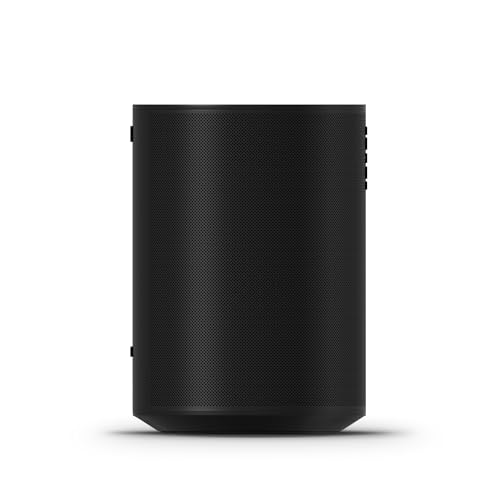
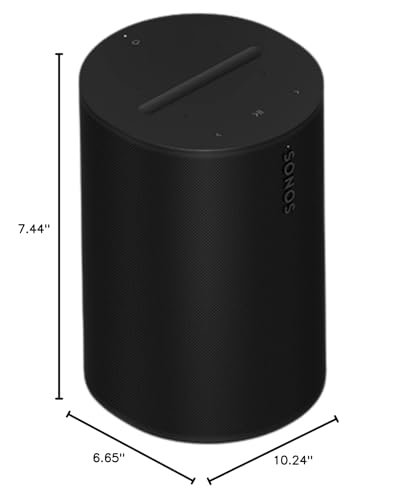
| Larger (7.2" H x 4.7" W), 4.45 lbs, premium build | Compact (5.8" W x 3.2" H), 1 lb, space-efficient |
| Primary Use Cases - What each device does best | |
| Dedicated music listening, hi-fi audio, home theater | Smart home hub, video calls, visual info display |
| Price Category - Investment level at time of writing | |
| Premium smart speaker (~2.5x more expensive) | Budget-friendly smart display (entry-level pricing) |
The Sonos Era 100 delivers significantly better sound quality for music listening. It features true stereo sound with dual angled tweeters and a 25% larger mid-woofer, creating genuine left-right channel separation and deeper bass. The Echo Show 5 uses a single mono speaker optimized for voice clarity rather than music reproduction, making it adequate for casual listening but not ideal for serious music enjoyment.
Both devices can control smart home devices, but in different ways. The Echo Show 5 offers superior smart home control with its touchscreen interface, allowing you to visually manage lights, thermostats, and security cameras. The Sonos Era 100 relies on voice commands only, which works well for basic functions but becomes limiting for complex smart home setups that benefit from visual feedback.
The Echo Show 5 is specifically designed for video calls with its built-in 2MP camera and 5.5-inch display. It supports video calling to other Echo devices and can be used for home monitoring. The Sonos Era 100 has no camera or display capabilities, making it unsuitable for video communication.
The Echo Show 5 primarily uses Amazon Alexa but also supports Apple Siri through HomeKit integration. The Sonos Era 100 supports Sonos Voice Control and Amazon Alexa, but notably lacks Google Assistant support, which may be important for some users' existing smart home ecosystems.
The Sonos Era 100 excels in home theater applications - you can use two speakers as rear surrounds with Sonos soundbars like the Arc or Beam, creating a full 5.1 surround sound system. The Echo Show 5 isn't designed for home theater use due to its small mono speaker, though it can display video content on its compact screen.
This depends on your priorities. The Echo Show 5 offers exceptional value as a multifunctional device, combining smart home control, video calling, and basic audio at a budget-friendly price. The Sonos Era 100 costs significantly more but delivers premium audio quality that justifies the price for music enthusiasts who prioritize sound performance.
The Sonos Era 100 offers more advanced connectivity with Wi-Fi 6, Bluetooth 5.0, AirPlay 2 support, and USB-C line-in capability. The Echo Show 5 uses Wi-Fi 5 and lacks Bluetooth audio streaming, making it less flexible for direct device connections but perfectly adequate for its intended smart display functions.
The Sonos Era 100 is specifically designed for multi-room audio systems, allowing seamless integration with other Sonos speakers for synchronized playback throughout your home. The Echo Show 5 supports basic multi-room audio through Alexa but lacks the advanced audio synchronization and quality that makes the Sonos ecosystem superior for whole-home music.
This depends on your primary use case. The Echo Show 5 is more compact and serves well as a bedside smart alarm clock with visual information display. However, if music quality matters for your bedroom listening, the Sonos Era 100 provides significantly better audio despite being larger, making it worth the extra space for music lovers.
Both devices include hardware privacy features. The Echo Show 5 has a physical camera shutter and microphone/camera off button for complete privacy control. The Sonos Era 100 includes a physical microphone disconnect switch and processes some voice commands locally, reducing cloud dependency for privacy-conscious users.
The Sonos Era 100 offers superior Apple integration with full AirPlay 2 support, allowing seamless streaming from iPhones, iPads, and Macs. While the Echo Show 5 supports some Apple HomeKit integration, it lacks AirPlay functionality, making direct streaming from Apple devices more limited.
Both devices require internet connectivity for most smart features. However, the Sonos Era 100 can function as a Bluetooth speaker for direct audio streaming from phones without Wi-Fi, and can use its USB-C line-in for completely offline audio playback. The Echo Show 5 relies heavily on cloud services and offers limited functionality without internet access.
We've done our best to create useful and informative comparisons to help you decide what product to buy. Our research uses advanced automated methods to create this comparison and perfection is not possible - please contact us for corrections or questions. These are the sites we've researched in the creation of this article: smarthomesounds.co.uk - whathifi.com - rtings.com - smarthomesounds.co.uk - whathifi.com - rtings.com - audioadvice.com - loudnwireless.com - sonos.com - rtings.com - youtube.com - sonos.com - redsharknews.com - hometechnologyreview.com - bestbuy.com - sonos.com - trysonos.sg - sonos.com - youtube.com - bestbuy.com - audiolab.com - costco.com - surrounds.com.au - bestbuy.com - bestbuy.com - reviewed.com - goodhousekeeping.com - techradar.com - geekzone.co.nz - versus.com - youtube.com - versus.com - youtube.com - hindustantimes.com - nfm.com - dimensions.com - gadgetguy.com.au - youtube.com - versus.com - dell.com - bestbuy.com - homedepot.com - homedepot.com - businessinsider.com - en.wikipedia.org - youtube.com

Privacy Policy
Terms and Conditions - Affiliate Policy
Home Security
© Copyright 2008-2026.
11816 Inwood Rd #1211, Dallas, TX 75244