

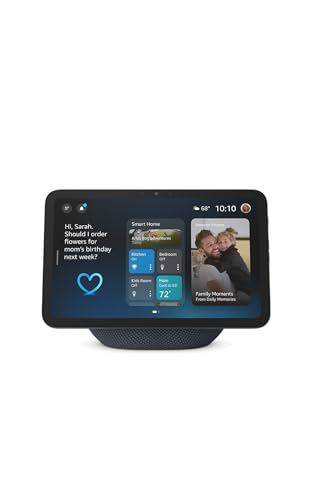

When Amazon released the Echo Show 8 in 2023, they weren't just updating a smart display—they were making a statement about the future of home automation. Around the same time, Sonos launched the Era 100, doubling down on their philosophy that exceptional audio quality should never be compromised. At similar price points (at the time of writing), these devices represent two completely different approaches to smart home audio, and choosing between them requires understanding what matters most in your daily life.
The smart home audio market has evolved dramatically since the first Amazon Echo launched nearly a decade ago. Today, you're choosing between two distinct philosophies: devices that do many things adequately versus devices that do one thing exceptionally well. The Echo Show 8 embodies the "smart home command center" approach, combining visual interface, audio playback, video calling, and home automation control. The Sonos Era 100 represents the "audio-first" philosophy, focusing exclusively on delivering premium sound quality with smart features as supporting elements.
This distinction matters because it fundamentally changes how you'll interact with these devices daily. A smart display becomes the visual nerve center of your home, while a premium speaker becomes the backbone of your audio experience. Understanding which approach fits your lifestyle better is crucial for making the right choice.
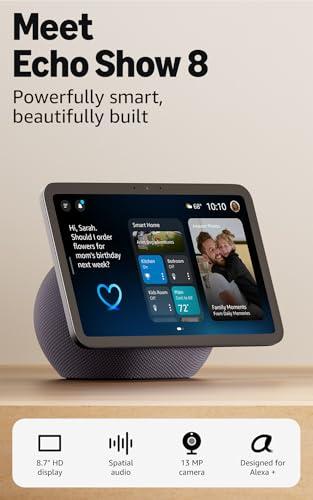
Amazon's 2023 refresh of the Echo Show 8 introduced several meaningful improvements that address real-world use cases. The 13-megapixel camera represents a significant upgrade from previous generations, supporting auto-framing technology that keeps you centered during video calls even as you move around the kitchen or living room. This feature uses on-device computer vision—essentially, the device's internal processor analyzes the camera feed locally rather than sending data to the cloud—to provide smooth, responsive tracking.
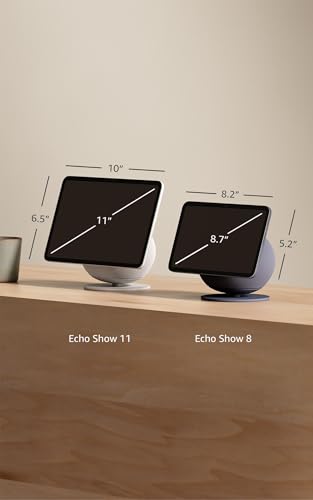
The 8-inch display strikes what many consider the sweet spot in Amazon's lineup. It's large enough to comfortably read recipes, view weather information, or watch short video clips, but compact enough to fit on most kitchen counters or nightstands without overwhelming the space. The 1280 x 800 pixel resolution delivers sharp text and vibrant photos, though the overall interface hasn't evolved as dramatically as some users might hope.
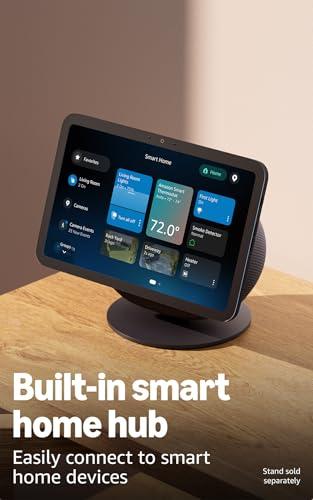
What makes the Echo Show 8 particularly compelling is its role as a smart home hub. The device includes built-in support for Zigbee, Matter, and Thread protocols—industry standards that allow smart devices to communicate with each other without relying on cloud services. This means you can control lights, locks, and sensors even if your internet connection drops, and response times are noticeably faster because commands don't need to travel to Amazon's servers and back.
The practical implications are significant. Instead of asking Alexa to turn off the lights and waiting for the command to process, you can simply tap the display's lighting controls for instant response. For families managing multiple smart devices, this visual control method often feels more intuitive than voice commands, especially when you need to adjust multiple settings simultaneously.
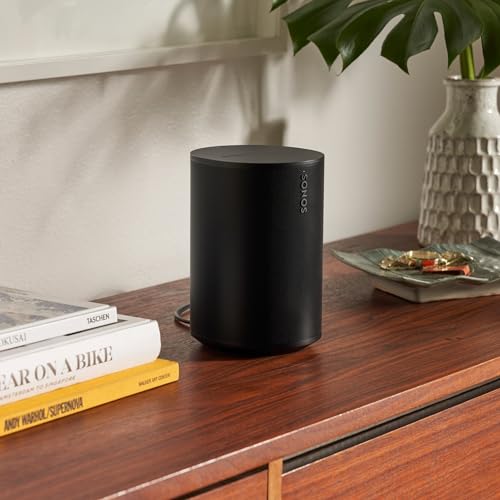
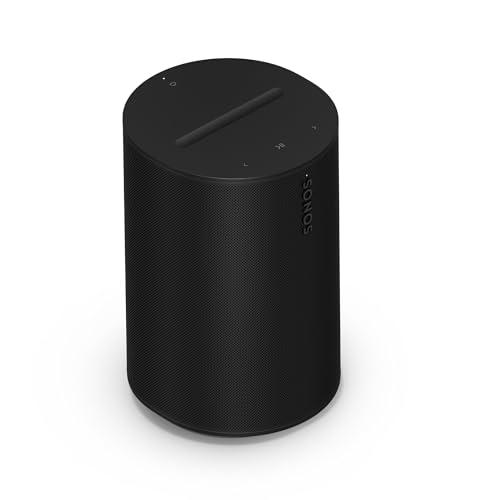
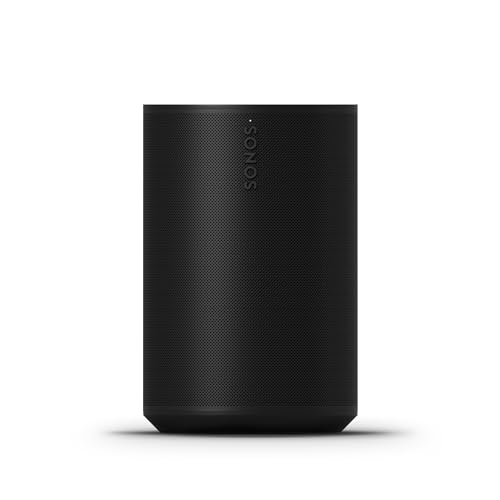
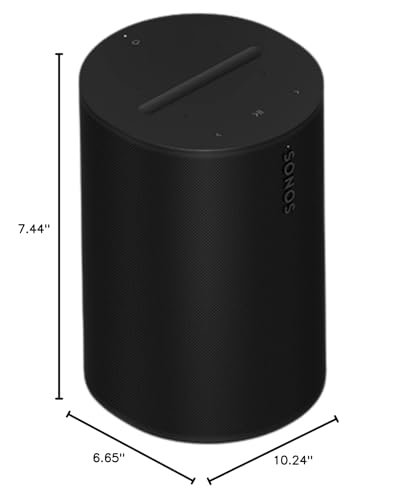
The Sonos Era 100, launched in early 2023, represents Sonos's commitment to uncompromising audio quality in a compact form factor. The speaker's acoustic design centers around dual angled tweeters and a significantly larger mid-woofer compared to traditional compact speakers. This configuration enables true stereo sound from a single unit—a technical achievement that requires careful driver placement and sophisticated digital signal processing.
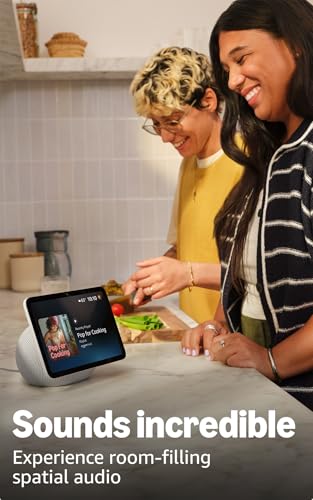
The difference in audio approach becomes apparent immediately. Where the Echo Show 8 uses spatial processing to create a sense of width from two forward-facing drivers, the Sonos Era 100 physically angles its tweeters to create genuine stereo separation. This means instruments and vocals appear to come from distinct locations in the soundstage rather than a general "wall of sound" effect.
Trueplay tuning technology sets Sonos apart from most competitors. This system uses your smartphone's microphone to analyze your room's acoustic properties—how sound reflects off walls, furniture, and other surfaces—then automatically adjusts the speaker's frequency response to compensate for these environmental factors. A speaker placed near a wall might boost certain frequencies to counteract bass buildup, while one in an open space might adjust differently to maintain tonal balance.
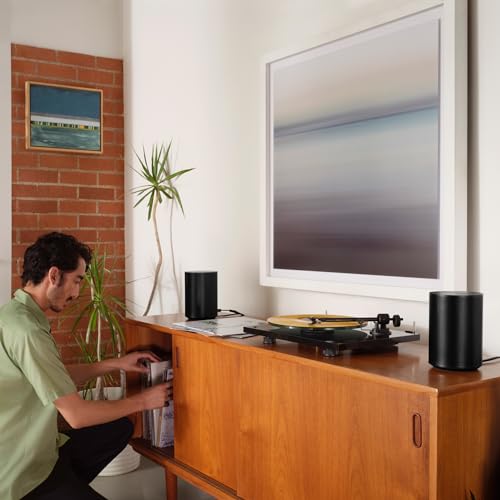
The Era 100 also introduces Bluetooth connectivity to the Sonos ecosystem for the first time, alongside Wi-Fi 6 support for faster, more reliable wireless streaming. The inclusion of a USB-C input (with optional adapter) means you can connect analog sources like turntables or CD players directly, something the Echo Show 8 cannot accommodate.
Based on extensive user feedback and expert reviews, the audio quality gap between these devices is substantial. The Sonos Era 100 consistently delivers what listeners describe as "far superior" sound quality, with particular strengths in bass response, vocal clarity, and overall dynamic range.
The technical differences explain this performance gap. The Echo Show 8 uses two 2-inch drivers with a passive radiator for bass enhancement. While this configuration can produce surprisingly robust sound for casual listening, it's fundamentally limited by driver size and the need to accommodate the display and other components within the chassis.
The Sonos Era 100 dedicates its entire internal volume to audio components, featuring larger drivers powered by individual Class-D amplifiers. Class-D amplification is more efficient and generates less heat than traditional amplifiers, allowing more power in a smaller space while maintaining better control over driver movement. This results in tighter bass response and clearer midrange reproduction.
Perhaps more importantly, the Era 100 maintains consistent sound quality across all volume levels. Many speakers, including the Echo Show 8, apply dynamic compression at higher volumes to prevent distortion, but this squashes the dynamic range that makes music feel alive. The Sonos maintains better dynamics, though some compression artifacts may appear at maximum volume levels.
The Echo Show 8 takes a more comprehensive approach to smart home integration, functioning as a central hub that can directly control compatible devices without requiring additional hardware. Its support for Zigbee, Matter, and Thread means it can communicate with a wide range of smart switches, sensors, and locks using local wireless protocols rather than relying on internet connectivity.
This local processing capability, enhanced by Amazon's AZ2 Neural Engine processor, results in noticeably faster response times for smart home commands. When you ask Alexa to adjust the thermostat or lock the door, the command is processed locally when possible, eliminating the delays associated with cloud-based processing.
The visual interface adds another dimension to smart home control. Rather than remembering voice commands for different devices, you can access controls through intuitive touch interfaces. The display can show live feeds from security cameras, adjust lighting scenes with sliders, or provide visual confirmation when doors are locked or unlocked.
The Sonos Era 100 offers smart home compatibility but requires separate hubs for most functions. Its Matter certification ensures future compatibility with emerging smart home standards, but the device itself isn't designed to be a central controller. Instead, it integrates with existing smart home systems rather than replacing them.
The Era 100 offers more diverse connectivity options, supporting Bluetooth 5.0, Wi-Fi 6, Apple AirPlay 2, and wired connections through USB-C. This flexibility means you can stream from virtually any source without being locked into a specific ecosystem. Whether you use Apple Music, Spotify, Tidal, or even vinyl records, the Era 100 accommodates your preferences.
The multi-room audio capabilities deserve special attention. If you already own other Sonos speakers or plan to expand your system, the Era 100 integrates seamlessly for synchronized playback throughout your home. Two Era 100s can be paired for true stereo sound or used as rear surround speakers in a home theater setup with Sonos soundbars like the Arc or Beam.
The Echo Show 8 primarily operates within Amazon's ecosystem, though it supports some third-party services through Alexa Skills. While this can feel limiting if you prefer Apple Music or other non-Amazon services, the integration with Amazon Prime Video, Amazon Music, and other Amazon services is exceptionally smooth.
For home theater applications, the Sonos Era 100 offers unique advantages. When paired with a Sonos soundbar, two Era 100s function as wireless surround speakers, creating an immersive 5.1 audio experience without running cables across your room. The Trueplay tuning ensures proper balance between the front soundbar and rear speakers, automatically adjusting for your room's acoustics.
The Echo Show 8 can't serve as a home theater component, but it can display information about what's playing and control compatible smart TVs through Alexa commands. For some users, having a central display that shows movie information, controls lighting, and adjusts room temperature creates a different but equally valuable home theater experience.
The Echo Show 8 excels in kitchen environments where visual information proves invaluable. Recipe display, cooking timers with visual countdowns, and the ability to make hands-free video calls while preparing meals provide practical benefits that pure audio devices cannot match. The 13-megapixel camera's auto-framing keeps you in view even as you move around the kitchen, making it excellent for video calls with family while cooking.
However, the Era 100 may actually provide a better kitchen experience for users who prioritize audio quality while cooking. Its superior sound reproduction makes podcasts more intelligible and music more enjoyable, while the compact design fits easily on kitchen counters without dominating the space.
Both devices work well in bedrooms, but serve different purposes. The Echo Show 8 functions as a smart alarm clock with customizable displays, weather information, and gentle wake-up lighting. The display can show family photos during the day and dim automatically at night.
The Sonos Era 100 provides a better experience for bedtime music, audiobooks, or sleep sounds thanks to its superior audio quality and ability to play at very low volumes without losing clarity—something many speakers struggle with.
The Echo Show 8 benefits from Amazon's AZ2 Neural Engine, which provides 40% faster performance compared to previous generations. This improvement is most noticeable in Alexa response times and smart home command processing, though the touch interface still feels sluggish compared to modern smartphones or tablets.
The Era 100 doesn't need the same processing power since it focuses primarily on audio playback, but its Wi-Fi 6 support provides more reliable streaming performance, especially in homes with many connected devices competing for bandwidth.
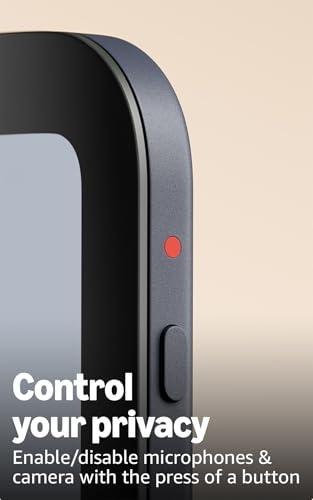
Both devices offer privacy controls, but with different approaches. The Echo Show 8 includes physical buttons to mute the microphone and cover the camera, while also providing software controls for voice recordings and camera access. The visual nature of the device makes privacy settings more accessible since you can see and adjust them on screen.
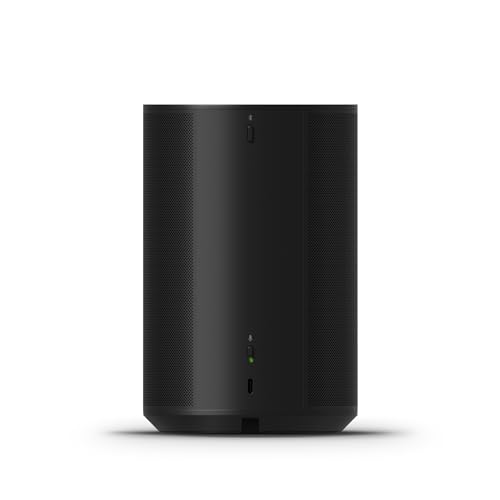
The Sonos Era 100 includes a physical microphone switch and processes voice commands locally when possible. Sonos has historically taken a stronger privacy stance, collecting less user data than Amazon, which may matter to privacy-conscious users.
At the time of writing, both devices compete in similar price ranges, making the value comparison particularly relevant. The Echo Show 8 provides exceptional value for users who need multiple functions in a single device. When you consider the cost of buying a smart display, decent speaker, video calling device, and smart home hub separately, the Echo Show 8 represents significant savings.
The Sonos Era 100 offers better value for users who prioritize audio quality and plan to build a larger audio system over time. While the initial purchase price is similar, the upgrade path differs significantly. Echo Show users typically replace the entire unit when upgrading, while Sonos users can add speakers to create a comprehensive multi-room system.
Both products launched in 2023 with meaningful improvements over their predecessors, suggesting they'll remain relevant for several years. The Echo Show 8 introduced faster processing, better camera quality, and improved smart home integration. The Era 100 brought Bluetooth connectivity, Wi-Fi 6, and enhanced audio processing to the Sonos lineup.
Choose the Amazon Echo Show 8 if you want a central smart home command center that handles multiple functions adequately rather than one function exceptionally. It's ideal for families who make frequent video calls, users heavily invested in Amazon's ecosystem, or anyone who values the convenience of visual smart home control. The device works best for casual music listening, podcast playback, and background audio where convenience matters more than audio fidelity.
Select the Sonos Era 100 if audio quality is your primary concern and you're willing to sacrifice multi-function convenience for superior sound reproduction. It's the right choice for serious music listeners, users who plan to build a multi-room audio system, or anyone who wants room-calibrated sound optimization. The Era 100 also makes sense if you prefer ecosystem flexibility and don't want to be locked into Amazon's services.
The decision ultimately comes down to breadth versus depth. The Echo Show 8 excels as a Swiss Army knife for smart home functionality, while the Sonos Era 100 serves as a precision instrument for audio reproduction. Consider your primary use case, expansion plans, and whether you value convenience or quality more highly. Both represent excellent value in their respective approaches to smart home audio, but they serve fundamentally different needs in modern connected homes.
| Amazon Echo Show 8 | Sonos Era 100 |
|---|---|
| Core Function - What the device is designed to do | |
| Smart display with 8-inch touchscreen, video calling, and smart home hub | Premium audio speaker focused exclusively on sound quality |
| Audio Quality - The most noticeable daily difference | |
| Adequate for casual listening with spatial audio and bass boost | Superior stereo sound with dual tweeters and room calibration |
| Speaker Configuration - How sound is produced | |
| Two 2-inch drivers with passive bass radiator | Dual angled tweeters + larger mid-woofer with individual amplifiers |
| Display - Visual interface capabilities | |
| 8-inch HD touchscreen (1280 x 800) with adaptive brightness | No display - pure audio focus |
| Camera - Video calling and monitoring | |
| 13MP with auto-framing and privacy shutter | No camera |
| Smart Home Hub - Built-in device control | |
| Native Zigbee, Matter, Thread support for direct device control | Matter certified but requires separate hubs for most functions |
| Voice Assistants - AI integration options | |
| Amazon Alexa only with 4-microphone array | Choice of Alexa, Google Assistant, or Siri with single microphone |
| Connectivity - How you stream content | |
| Wi-Fi 4, Bluetooth for limited functions | Wi-Fi 6, Bluetooth 5.0, AirPlay 2, USB-C line-in |
| Room Calibration - Optimizing sound for your space | |
| Basic room adaptation technology | Advanced Trueplay tuning using smartphone microphones |
| Multi-Room Audio - Expanding throughout your home | |
| Limited to Echo Show 8 grouping with other Alexa devices | Full Sonos ecosystem integration with perfect sync |
| Home Theater Use - Surround sound capabilities | |
| Cannot function as part of home theater setup | Can pair as stereo speakers or rear surrounds with Sonos soundbars |
| Music Service Flexibility - Streaming platform support | |
| Primarily Amazon Music with limited third-party integration | Universal compatibility with all major streaming services |
| Physical Controls - Hardware interaction | |
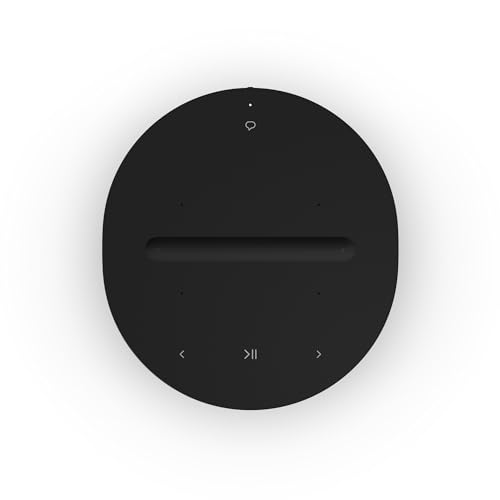
| Touch display plus physical volume/mute buttons | Capacitive touch controls on top panel |
| Value Proposition - What you get for your money | |
| All-in-one smart home command center with acceptable audio | Premium audio quality with future expansion possibilities |
The Sonos Era 100 delivers significantly superior audio quality compared to the Amazon Echo Show 8. The Era 100 features dual angled tweeters and a larger mid-woofer that create true stereo sound with deeper bass and clearer vocals. The Echo Show 8 provides adequate sound for casual listening but prioritizes multiple functions over premium audio performance.
Only the Amazon Echo Show 8 supports video calling with its 13-megapixel camera that includes auto-framing technology. The Sonos Era 100 has no camera and focuses exclusively on audio, so it cannot handle video calls or visual communication features.
The Amazon Echo Show 8 excels at smart home control with built-in Zigbee, Matter, and Thread support, plus a touchscreen interface for direct device control. The Sonos Era 100 offers basic smart home integration but requires separate hubs for most functions and lacks visual control options.
The Sonos Era 100 works with virtually all music streaming services including Spotify, Apple Music, and Tidal without platform restrictions. The Amazon Echo Show 8 primarily integrates with Amazon Music but supports other services through Alexa Skills with more limited functionality.
The Sonos Era 100 can function as rear surround speakers when paired with Sonos soundbars, creating a wireless 5.1 home theater system. Two Era 100 units can also pair for true stereo sound. The Amazon Echo Show 8 cannot serve as part of a home theater setup but can control compatible smart TVs.
The Sonos Era 100 provides flexibility with support for Alexa, Google Assistant, or Siri. The Amazon Echo Show 8 only works with Amazon Alexa but offers deeper integration including visual responses and personalized voice recognition for multiple family members.
The Sonos Era 100 offers more versatile connectivity with Wi-Fi 6, Bluetooth 5.0, AirPlay 2, and USB-C line-in options. The Amazon Echo Show 8 uses Wi-Fi 4 and basic Bluetooth, with connectivity primarily designed around Amazon's ecosystem rather than universal compatibility.
The Amazon Echo Show 8 excels in kitchens with recipe display, visual timers, and hands-free video calling while cooking. However, the Sonos Era 100 may be better if you prioritize high-quality audio for music and podcasts while preparing meals, as its sound quality is substantially superior.
The Sonos Era 100 integrates seamlessly into Sonos's multi-room ecosystem, allowing you to add speakers throughout your home with perfect audio synchronization. The Amazon Echo Show 8 can group with other Alexa devices but doesn't offer the same level of audio quality or expansion flexibility as the Sonos system.
Both work well in bedrooms but serve different purposes. The Amazon Echo Show 8 functions as a smart alarm clock with visual information and photo display capabilities. The Sonos Era 100 provides superior audio for bedtime music and maintains clarity at very low volumes, making it ideal for sleep sounds or quiet listening.
The Amazon Echo Show 8 includes physical buttons to mute the microphone and cover the camera, plus on-screen privacy controls. The Sonos Era 100 has a physical microphone switch and processes more commands locally. Sonos generally collects less user data than Amazon, which may appeal to privacy-conscious users.
The Amazon Echo Show 8 provides exceptional value for users needing multiple functions in one device - smart display, video calling, smart home hub, and decent audio. The Sonos Era 100 offers better value for audio enthusiasts who prioritize sound quality and plan to build a expandable multi-room system over time.
We've done our best to create useful and informative comparisons to help you decide what product to buy. Our research uses advanced automated methods to create this comparison and perfection is not possible - please contact us for corrections or questions. These are the sites we've researched in the creation of this article: thedisconnekt.com - thehousetech.com - bestbuy.com - tomsguide.com - youtube.com - bestbuy.com - dimensions.com - engadget.com - youtube.com - techradar.com - ifixit.com - dreamgreenhouse.com - aboutamazon.com - engadget.com - en.wikipedia.org - bestbuy.com - homedepot.com - smarthomesounds.co.uk - whathifi.com - rtings.com - smarthomesounds.co.uk - whathifi.com - rtings.com - audioadvice.com - loudnwireless.com - sonos.com - rtings.com - youtube.com - sonos.com - redsharknews.com - hometechnologyreview.com - bestbuy.com - sonos.com - trysonos.sg - sonos.com - youtube.com - bestbuy.com - audiolab.com - costco.com - surrounds.com.au - bestbuy.com

Privacy Policy
Terms and Conditions - Affiliate Policy
Home Security
© Copyright 2008-2026.
11816 Inwood Rd #1211, Dallas, TX 75244