







Smart speakers have transformed from simple wireless audio devices into the command centers of modern homes. These compact powerhouses now handle everything from playing your morning playlist to dimming the lights for movie night. But with so many options flooding the market, choosing the right one can feel overwhelming—especially when you're comparing products that take fundamentally different approaches to what a smart speaker should be.
Today, we're diving deep into two speakers that represent distinct philosophies in smart speaker design: Amazon's Echo Dot Max and the Sonos Era 100. While both launched in recent years (the Era 100 in 2023 and the Echo Dot Max following Amazon's ongoing Echo refresh cycle), they couldn't be more different in their priorities and target users.
Before we jump into the nitty-gritty comparison, it's worth understanding what separates a great smart speaker from a mediocre one. The most obvious factor is sound quality—after all, these devices spend most of their time playing music. But modern smart speakers are judged on much more than just audio performance.
Voice recognition accuracy determines how well your speaker understands commands in noisy environments or from across the room. Smart home integration capabilities decide whether your speaker can control your lights, thermostat, and security system, or if it's limited to basic tasks. Connectivity options affect how flexibly you can use the device with different audio sources and in various room configurations.
Then there's the ecosystem question—whether the speaker works best within a specific brand's family of products or plays nicely with devices from multiple manufacturers. This consideration becomes crucial if you're planning to expand your setup over time.
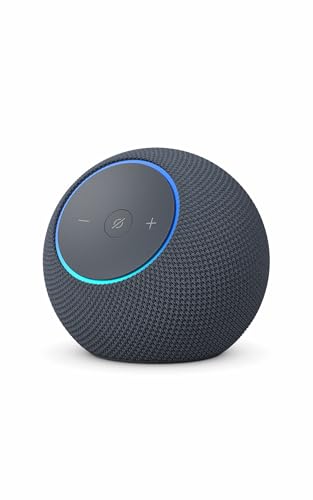
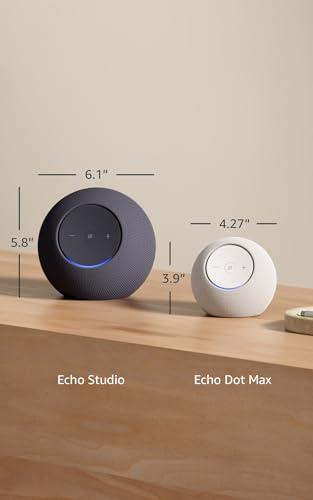
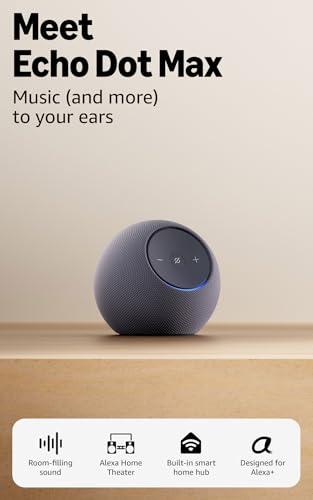
Amazon's Echo Dot Max represents the company's attempt to solve a persistent problem with their popular Dot series: underwhelming sound quality. Released as part of Amazon's recent Echo lineup refresh, the Echo Dot Max keeps the compact footprint that made the original Dot popular while dramatically improving audio performance.
The key innovation here is Amazon's new dual-driver system, featuring a dedicated woofer for bass response and a custom tweeter for crisp highs. This represents a significant departure from the single full-range driver found in standard Echo Dots. Amazon claims this configuration delivers nearly three times the bass response of their previous generation Dots—a bold claim that our research into user and expert reviews suggests is largely accurate.
But the Echo Dot Max isn't just about better sound. It's powered by Amazon's custom AZ3 chip, which enables their next-generation Alexa+ voice assistant. This enhanced AI promises more natural conversations and better context understanding compared to the original Alexa. The device also includes what Amazon calls "Omnisense technology"—essentially advanced room acoustics sensing that automatically adjusts the speaker's output based on its placement and surroundings.
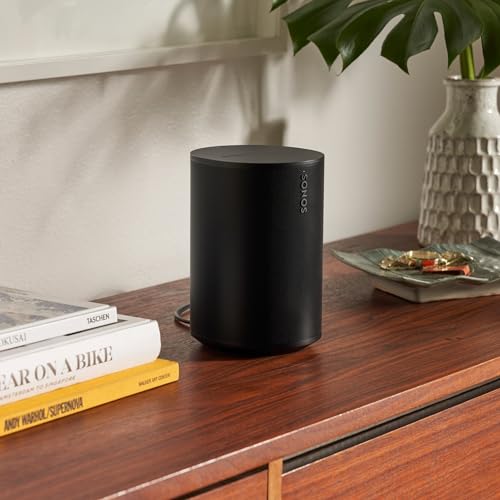
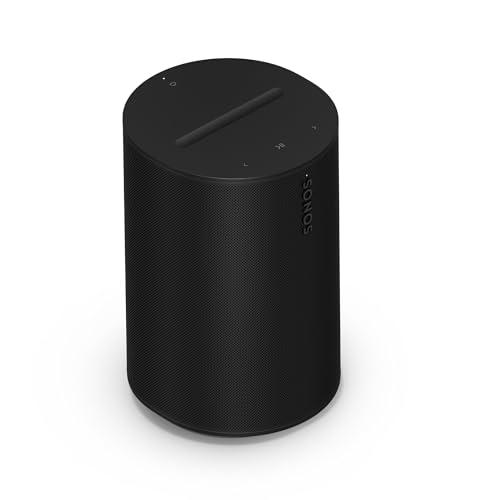
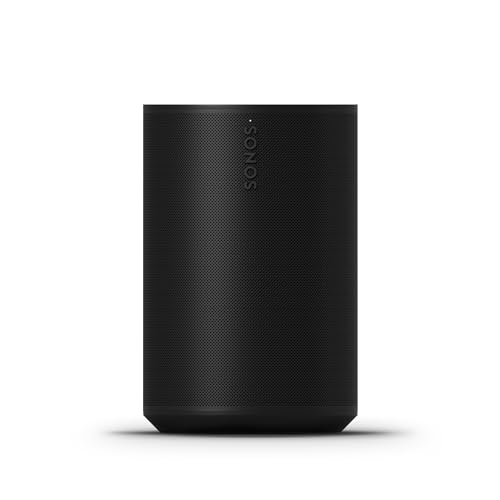
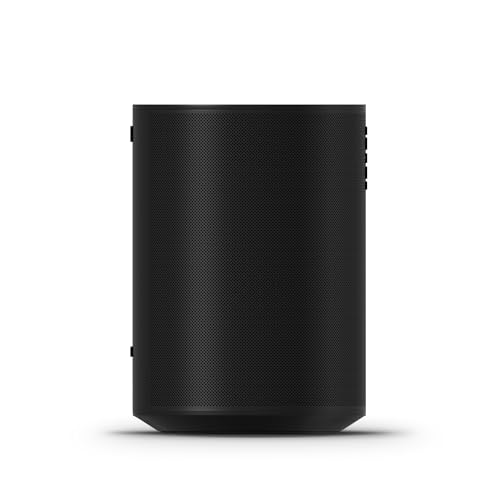
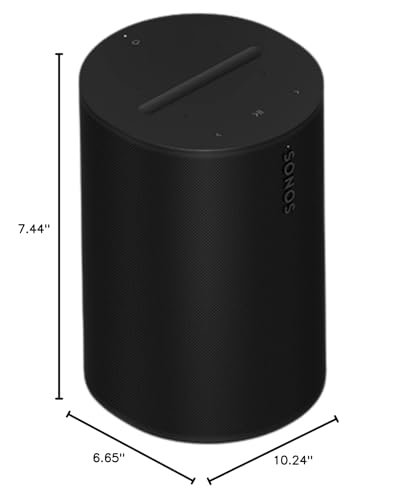
The Sonos Era 100, launched in 2023, takes a completely different approach. Rather than trying to be everything to everyone, Sonos focused laser-sharp attention on audio quality while adding just enough smart features to remain competitive. This speaker replaces the popular Sonos One in their lineup, addressing some key limitations while maintaining the audio-first philosophy that has made Sonos a favorite among music enthusiasts.
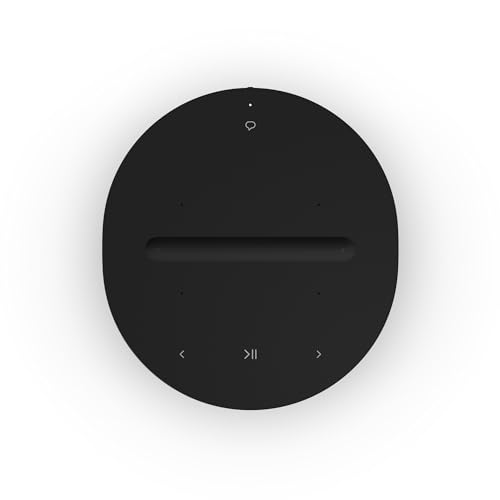
The Era 100's standout feature is its true stereo design achieved through dual angled tweeters positioned above a significantly larger mid-woofer (25% bigger than its predecessor). This configuration allows a single speaker to create genuine left-right stereo separation—something most compact speakers simply fake through digital processing.
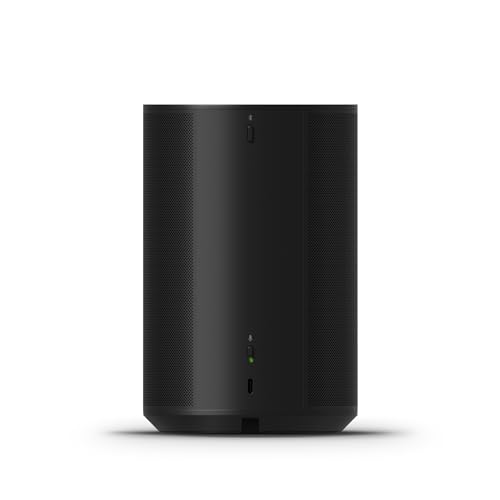
Sonos has also addressed connectivity limitations that plagued earlier models. The Era 100 now includes Bluetooth 5.0 for direct device pairing and a USB-C input for wired connections (though you'll need to buy the adapter separately). These additions make the speaker far more versatile than previous Sonos offerings, which were limited to Wi-Fi streaming.
When it comes to audio performance, our research reveals a clear hierarchy between these speakers, though both excel in different areas.
The Echo Dot Max represents a dramatic improvement over standard Echo Dots in bass response. The dedicated woofer configuration allows it to reproduce low frequencies that would make smaller drivers struggle. Users consistently report being surprised by how much bass this compact speaker can produce, with many noting it rivals speakers twice its size.
However, the Sonos Era 100 operates in a different league entirely. The larger driver and more sophisticated acoustic engineering deliver not just more bass, but better-controlled bass. Where the Echo Dot Max might impress you with its unexpected low-end punch, the Era 100 provides bass that remains tight and articulate even at higher volumes. This matters when you're listening to complex music with layered instrumentation—the Era 100 keeps everything separated and clear.
This is where the design philosophies become most apparent. The Echo Dot Max uses digital processing and its spherical design to create what Amazon calls "360-degree sound." This approach works well for filling a room with audio, making it ideal for background listening or when the speaker isn't positioned optimally.
The Sonos Era 100's dual-tweeter configuration creates genuine stereo separation that's immediately noticeable when you're positioned in front of the speaker. Instruments pan convincingly from left to right, and vocals maintain a centered, focused presence. This makes the Era 100 substantially better for active listening sessions where you're paying attention to the music rather than using it as background ambiance.
Both speakers handle moderate volume levels well, but they respond differently to being pushed harder. The Echo Dot Max maintains its composure reasonably well at higher volumes, though some compression becomes evident as you approach maximum output. Its 360-degree design philosophy means it can effectively fill medium-sized rooms, even when not centrally positioned.
The Era 100 demonstrates more sophisticated volume handling, maintaining clarity and dynamics even when played loud. However, its directional design means positioning matters more—you'll get the best performance when the speaker can project sound freely into the room rather than being tucked into a corner.
The smart capabilities of these speakers represent perhaps their most fundamental difference in philosophy and execution.
Amazon's Echo Dot Max showcases the company's significant investment in voice AI. The enhanced Alexa+ system, powered by the AZ3 chip, demonstrates noticeably improved natural language processing. Users report that the speaker better understands context and handles follow-up questions more naturally than previous Echo devices.
The improved microphone array deserves special mention. Amazon has enhanced their far-field voice recognition technology, allowing the Echo Dot Max to understand commands even in noisy environments or when music is playing at moderate volumes. This makes a substantial difference in daily use, particularly if you frequently give voice commands from across the room.
The Sonos Era 100 takes a more minimalist approach to voice control. It supports both Amazon Alexa and Sonos's own voice assistant, but with a critical difference: much of the processing happens on-device rather than in the cloud. This provides better privacy protection but sometimes results in slightly slower response times compared to cloud-based systems.
Importantly, Sonos includes a physical microphone disconnect switch—a hardware-level privacy feature that completely disables voice monitoring when engaged. This appeals to users who want smart features available when needed but prefer knowing when their device isn't listening.
This area highlights the most significant capability gap between the speakers. The Echo Dot Max includes a built-in Zigbee hub, essentially incorporating smart home hub functionality that would normally require a separate device costing $30-50. This means you can directly control compatible smart lights, locks, sensors, and other devices without additional hardware.
Amazon's ecosystem integration extends far beyond basic device control. The Echo Dot Max can manage routines that coordinate multiple devices, handle complex scheduling, and integrate deeply with other Amazon services like Prime Video and Amazon Music. For users already invested in Amazon's ecosystem, this creates a seamless experience that's difficult to replicate with other brands.
The Era 100 offers more limited smart home capabilities, though it does support Matter—the new universal smart home standard. This future-proofs the device for upcoming smart home devices but doesn't provide the immediate, comprehensive control available through Amazon's more mature platform.
Modern smart speakers need to work with various audio sources and room configurations, and this is where the Sonos Era 100 demonstrates clear advantages.
The Era 100 supports an impressive array of connectivity options: Wi-Fi 6 for fast, reliable network streaming; Bluetooth 5.0 for direct device pairing; Apple AirPlay 2 for seamless iOS integration; and USB-C line input for wired connections. This flexibility means you can use virtually any audio source, from vinyl records (via USB connection) to high-resolution streaming services.
The Echo Dot Max focuses primarily on Wi-Fi streaming through Amazon's services and partners, though it does support Bluetooth for basic device pairing. This approach works well within Amazon's ecosystem but provides less flexibility for users with diverse audio sources or preferences for specific streaming platforms.
Both speakers can integrate into larger audio systems, but they take different approaches. The Echo Dot Max pairs naturally with other Echo devices and Fire TV products to create surround sound setups. Amazon's recent software updates enable Dolby Atmos support when multiple Echo devices work together, creating surprisingly effective home theater experiences.
The Sonos Era 100 offers more sophisticated multi-room capabilities. Two Era 100s can be paired for true stereo separation, or they can serve as rear surround speakers in a Sonos home theater setup. The company's mature multi-room ecosystem allows for seamless whole-home audio with synchronized playback across different zones.
For home theater use specifically, both speakers offer interesting options. The Echo Dot Max integrates well with Fire TV devices and can participate in surround sound configurations. However, the Era 100's superior audio quality and true stereo capabilities make it more effective as dedicated rear surround speakers, though this requires investing in a Sonos soundbar for the main channels.
Both speakers include room correction technology, but they implement it differently. The Echo Dot Max's Omnisense technology automatically adjusts output based on acoustic feedback from the room. This happens continuously and transparently, requiring no user intervention.
The Era 100 uses Sonos's Trueplay technology, which requires a more active setup process. Using your smartphone's microphone, you walk around the room while the speaker plays test tones, allowing it to map the acoustic characteristics and adjust its output accordingly. While this requires more effort, it typically produces more precise optimization results.
At the time of writing, these speakers occupy different price tiers, with the Echo Dot Max positioned as a premium compact speaker while the Era 100 commands a significant price premium that reflects its audio-focused positioning.
The Echo Dot Max offers impressive value when you consider its included smart home hub functionality and dramatic audio improvement over standard Echo devices. For users primarily interested in voice control and decent music playback, it provides a compelling package that would cost significantly more if purchased as separate components.
The Era 100's higher price point reflects its premium audio engineering and build quality. While expensive compared to basic smart speakers, it offers value when considered as a high-quality bookshelf speaker that happens to include smart features. Sonos's track record of providing software updates for many years also suggests better long-term value retention.
After extensive research into user experiences and expert opinions, clear usage patterns emerge for each speaker.
Choose the Echo Dot Max if:
Choose the Sonos Era 100 if:
These speakers represent two valid but different approaches to smart speaker design. The Echo Dot Max excels as a smart home hub that happens to sound quite good, while the Era 100 prioritizes audio excellence with just enough smart features to remain relevant.
Based on our research and analysis of user feedback, the Echo Dot Max offers exceptional value for users who want to dip their toes into both smart home automation and improved audio quality without breaking the bank. Its integration with Amazon's mature ecosystem provides functionality that would require multiple devices from other manufacturers.
The Sonos Era 100 justifies its premium pricing through superior sound quality that's immediately apparent when playing any type of music. If you care about audio fidelity and plan to use your speaker primarily for music listening, the Era 100's advantages become worth the additional investment.
Ultimately, your choice should align with your primary use case: smart home control and voice assistance favor the Echo Dot Max, while music quality and system expansion potential favor the Era 100. Both represent significant improvements over their predecessors and deliver on their respective promises—you just need to decide which promise matters more to your household.
| Amazon Echo Dot Max | Sonos Era 100 |
|---|---|
| Audio Configuration - Determines sound quality and stereo separation | |
| Dual-driver system: dedicated woofer + custom tweeter for 3x bass improvement over standard Echo Dots | True stereo: dual angled tweeters + 25% larger mid-woofer for genuine left-right separation |
| Voice Assistant Integration - Controls smart home and handles commands | |
| Alexa+ with AZ3 chip, enhanced natural language processing, far-field microphone array | Alexa + Sonos Voice Control, on-device processing for privacy, physical mic disconnect |
| Smart Home Hub Capability - Eliminates need for separate hub devices | |
| Built-in Zigbee hub for direct smart device control (saves $30-50 on separate hub) | Matter-certified but no built-in hub (requires separate hub for most smart devices) |
| Connectivity Options - Affects flexibility with different audio sources | |
| Wi-Fi streaming, Bluetooth pairing, Fire TV integration for surround sound | Wi-Fi 6, Bluetooth 5.0, AirPlay 2, USB-C line-in (adapter sold separately) |
| Room Correction Technology - Optimizes sound for your space | |
| Omnisense automatic room adaptation (no user setup required) | Trueplay tuning using smartphone microphone (more precise but requires manual setup) |
| Multi-Room Audio Expansion - Building whole-home systems | |
| Pairs with other Echo devices for multi-room, limited to Amazon ecosystem | Integrates with full Sonos ecosystem, can pair as stereo or home theater surrounds |
| Physical Design - Size and placement considerations | |
| Compact spherical design with 3D knit fabric, 360-degree sound dispersion | Larger bookshelf design (4.45 lbs), directional sound requires thoughtful positioning |
| Platform Independence - Works with multiple streaming services | |
| Optimized for Amazon services (Music, Prime Video), limited third-party integration | Native support for 100+ streaming services, platform-agnostic approach |
| Home Theater Integration - Enhances TV and movie audio | |
| Dolby Atmos support with Fire TV devices, easy Echo ecosystem pairing | Superior as rear surrounds with Sonos soundbars, true stereo capability |
The Sonos Era 100 delivers superior sound quality with true stereo separation through dual angled tweeters and a larger mid-woofer. While the Amazon Echo Dot Max offers significantly improved bass over standard Echo Dots (3x more), the Era 100 provides more refined audio with better instrument separation and clarity across all volume levels.
Yes, both speakers work for home theater, but differently. The Amazon Echo Dot Max pairs with Fire TV devices and other Echo speakers to create Dolby Atmos surround sound systems. The Sonos Era 100 excels as rear surround speakers when paired with Sonos soundbars, offering true stereo separation that enhances the home theater experience.
The Amazon Echo Dot Max is significantly better for smart home control, featuring a built-in Zigbee hub that directly controls compatible devices without additional hardware. It also offers enhanced Alexa+ voice recognition and deeper integration with Amazon's ecosystem. The Sonos Era 100 has basic voice control but focuses primarily on audio quality.
The Sonos Era 100 natively supports over 100 streaming services and works platform-independently. The Amazon Echo Dot Max works best within Amazon's ecosystem (Prime Music, Amazon Music) but supports other services through voice commands and Bluetooth connectivity, though with less seamless integration.
Value depends on your priorities. The Amazon Echo Dot Max offers excellent value by combining improved audio, voice control, and smart home hub functionality in one affordable package. The Sonos Era 100 costs more but delivers premium audio quality and greater streaming flexibility, making it better value for music-focused users.
Yes, both support pairing but differently. Two Amazon Echo Dot Max speakers can be grouped for wider sound coverage within Amazon's ecosystem. Two Sonos Era 100 speakers create true stereo separation with dedicated left and right channels, providing a more authentic stereo listening experience for music.
The Amazon Echo Dot Max has superior voice recognition with its enhanced microphone array and Alexa+ processing, working effectively even in noisy environments or from across rooms. The Sonos Era 100 has adequate voice recognition but focuses less on this feature, offering a physical microphone disconnect for privacy-conscious users.
The Amazon Echo Dot Max works with the Alexa app and integrates with Amazon's ecosystem. The Sonos Era 100 requires the Sonos S2 app for setup and advanced features but also works with individual streaming service apps and supports AirPlay 2 for iOS users.
The Amazon Echo Dot Max works well in small to medium rooms with its 360-degree sound dispersion, making placement less critical. The Sonos Era 100 performs best in small to medium rooms when properly positioned, offering superior sound quality but requiring more thoughtful placement for optimal performance.
The Sonos Era 100 offers more connectivity options including Bluetooth 5.0, AirPlay 2, and USB-C line input (adapter sold separately), making it compatible with turntables, computers, and other audio sources. The Amazon Echo Dot Max supports Bluetooth pairing and Wi-Fi streaming but has fewer wired connection options.
Both companies provide regular updates, but with different focuses. The Amazon Echo Dot Max receives frequent Alexa feature updates and smart home improvements. The Sonos Era 100 has Sonos's strong track record of long-term support, often providing new features and streaming service additions for many years after purchase.
Choose the Amazon Echo Dot Max if you want smart home control, voice assistance, and decent music quality in one affordable package. Select the Sonos Era 100 if audio quality is your top priority and you're willing to pay more for superior sound with the flexibility to expand into a premium multi-room system later.
We've done our best to create useful and informative comparisons to help you decide what product to buy. Our research uses advanced automated methods to create this comparison and perfection is not possible - please contact us for corrections or questions. These are the sites we've researched in the creation of this article: techradar.com - engadget.com - engadget.com - t3.com - telegraph.co.uk - gadgetmatch.com - youtube.com - youtube.com - youtube.com - youtube.com - homecrux.com - aboutamazon.com - phonearena.com - tomsguide.com - matteralpha.com - techbuzz.ai - techradar.com - pocket-lint.com - bestbuy.com - smarthomesounds.co.uk - whathifi.com - rtings.com - smarthomesounds.co.uk - whathifi.com - rtings.com - audioadvice.com - loudnwireless.com - sonos.com - rtings.com - youtube.com - sonos.com - redsharknews.com - hometechnologyreview.com - bestbuy.com - sonos.com - trysonos.sg - sonos.com - youtube.com - bestbuy.com - audiolab.com - costco.com - surrounds.com.au - bestbuy.com

Privacy Policy
Terms and Conditions - Affiliate Policy
Home Security
© Copyright 2008-2026.
11816 Inwood Rd #1211, Dallas, TX 75244