


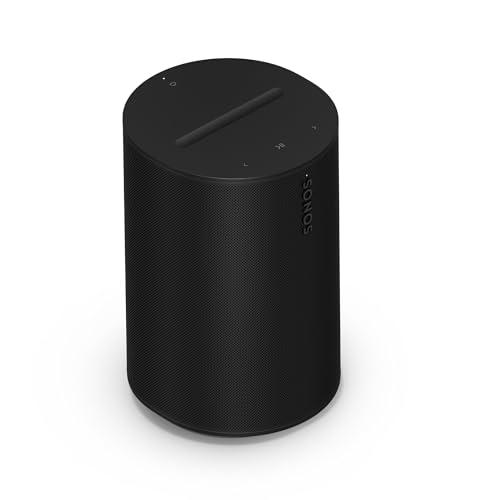
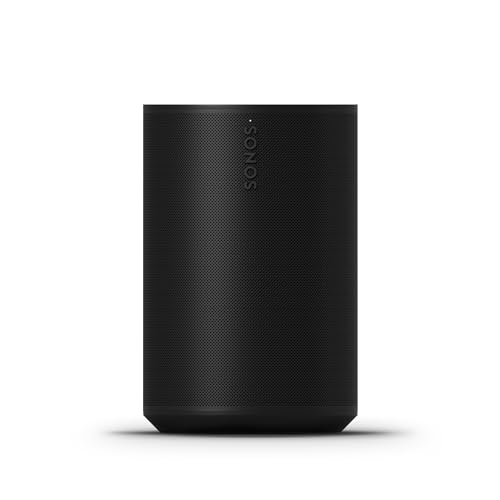
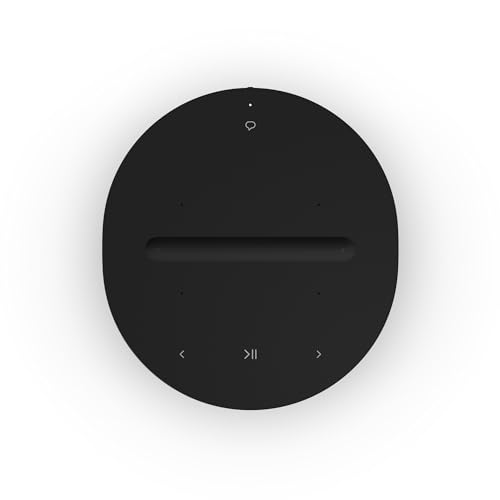
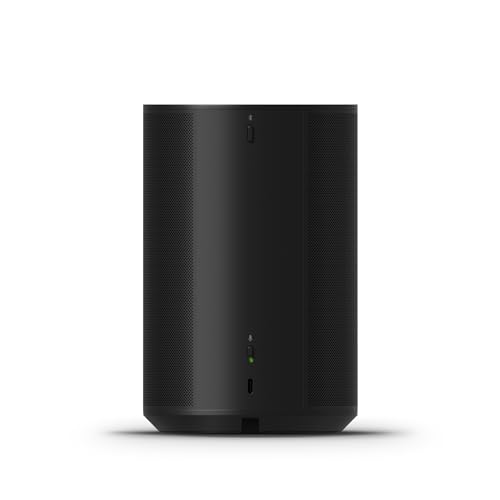
When shopping for smart home devices, you'll often find yourself torn between multi-function gadgets and specialized equipment. The Amazon Echo Show 15 and Sonos Era 100 perfectly illustrate this dilemma. Released in 2021 and 2023 respectively, these devices take completely different approaches to bringing intelligence and audio to your home.
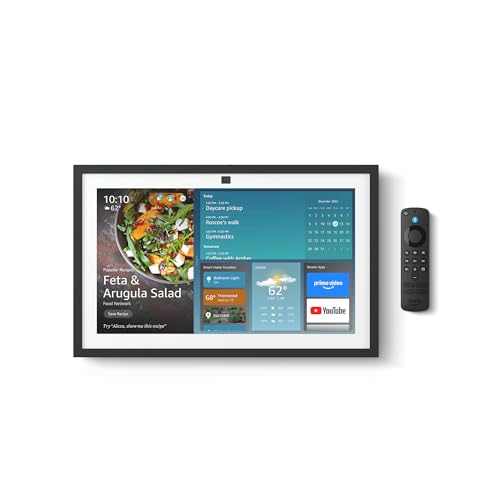
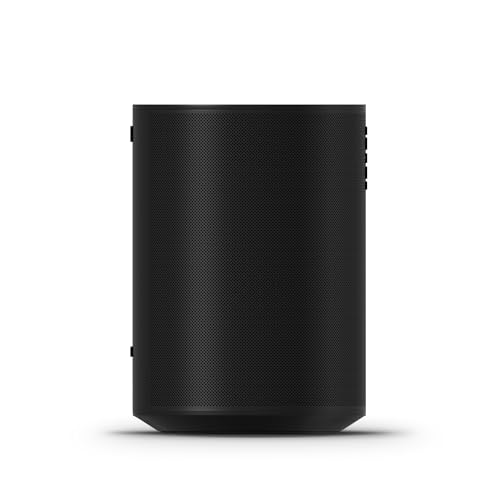
The Echo Show 15 is what we call a visual smart hub—think of it as a large tablet permanently mounted on your wall, packed with speakers and a camera. The Era 100, on the other hand, is a dedicated premium speaker that happens to be smart. Understanding which approach suits your lifestyle requires diving deep into what each device actually does well.
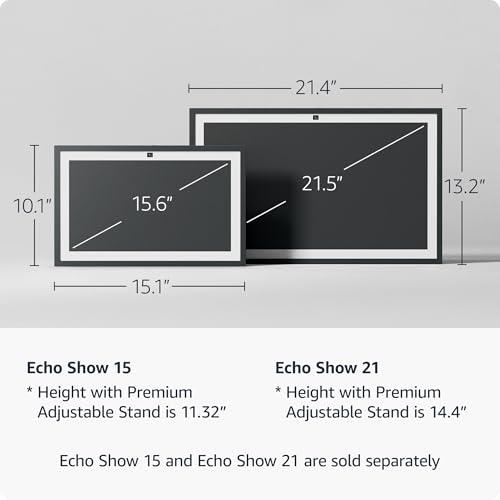
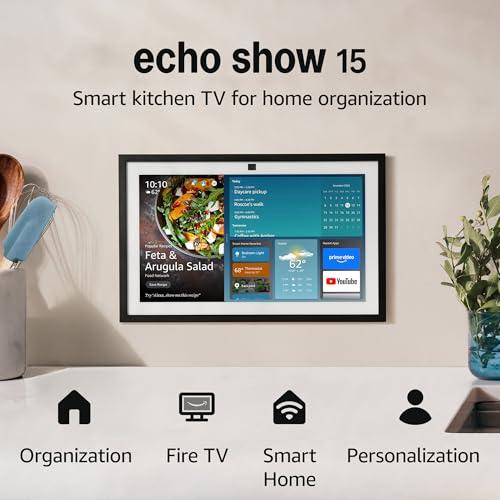
The fundamental difference between these devices goes beyond their obvious visual distinctions. The Amazon Echo Show 15 operates on the principle that information is better when you can see it. Its massive 15.6-inch touchscreen serves as a digital command center for your entire household. You can glance at it while making coffee to check the weather, see who's calling during a video chat, or control smart lights with a simple tap.
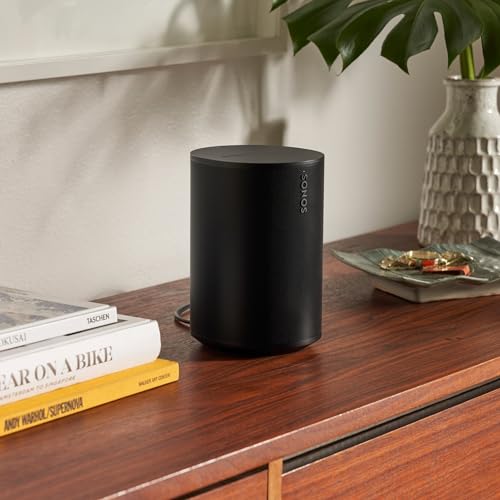
Meanwhile, the Sonos Era 100 follows the audio-first philosophy that dominated high-end speakers for decades before smart features arrived. Sonos built their reputation on making speakers that sound significantly better than typical consumer electronics, and the Era 100 continues that tradition while adding modern connectivity options.
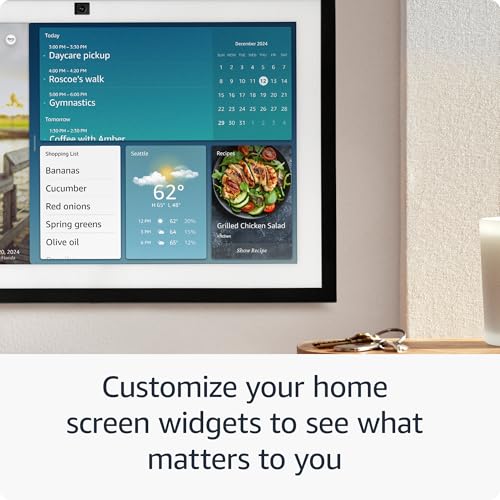
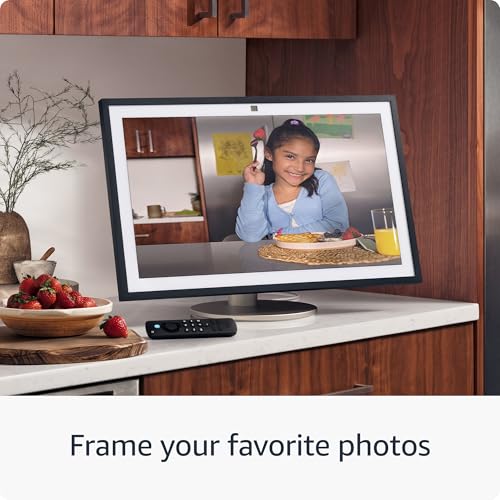
These philosophical differences matter more than you might think. When the Echo Show 15 was released, Amazon was clearly betting that people wanted centralized information displays in their homes. The device functions as a digital photo frame when idle, displays customizable widgets for family calendars and to-do lists, and can stream Netflix or YouTube through its built-in Fire TV capabilities.
The Era 100, launched two years later, represents Sonos's response to the growing smart speaker market while maintaining their audio quality standards. Rather than cramming a screen onto their speaker, they focused on improving sound reproduction and adding connectivity features like Bluetooth 5.0—something previous Sonos speakers lacked entirely.
Here's where these devices diverge most dramatically, and frankly, where the Sonos Era 100 absolutely dominates. The difference in audio quality isn't subtle—it's immediately obvious to anyone who listens to both devices side by side.
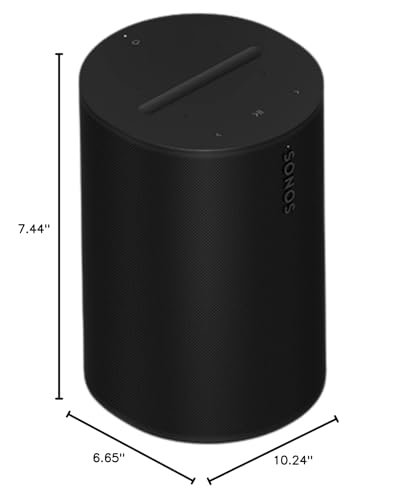
The Era 100 uses what Sonos calls a "next-generation acoustic architecture." This means it has two angled tweeters (the small speakers that handle high frequencies like cymbals and vocals) positioned to create genuine stereo separation. Most compact speakers, including the Echo Show 15, essentially play mono audio—the same sound comes from all drivers. The Era 100's dual tweeter design means you can actually hear instruments positioned left and right in the stereo field, making music sound more spacious and realistic.
Equally important is the Era 100's mid-woofer, which is 25% larger than what you'll find in similar-sized speakers. This larger driver moves more air, producing deeper, more controlled bass frequencies. When you play something like Billie Eilish's "bad guy," you'll hear the subtle bass line that defines the song, rather than the muddy thump that lesser speakers produce.
The Amazon Echo Show 15 takes a different approach entirely, and unfortunately, it's not a particularly effective one for music. The device uses backwards-facing speakers that fire sound toward whatever wall it's mounted on. This design decision makes sense for voice assistant responses—when Alexa speaks, the sound bounces off the wall and disperses throughout the room reasonably well. However, for music, this creates what audio engineers call "comb filtering," where certain frequencies cancel each other out and others become overly prominent.
Our research into user experiences consistently shows that the Echo Show 15 sounds "tinny" and lacks the bass response that makes music enjoyable. Several users noted that even smaller devices like the Echo Dot provide better music playback, which is somewhat embarrassing for a device at this price point.
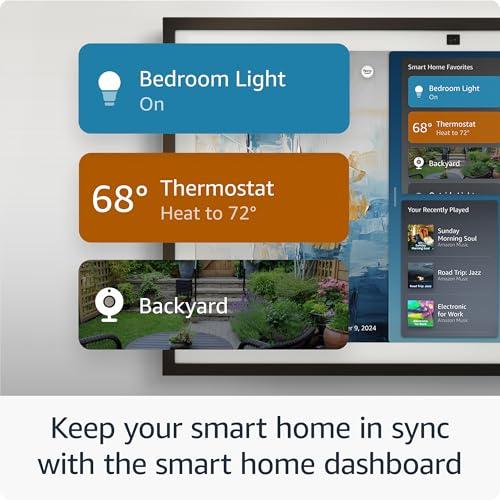
Both devices excel at smart home integration, but they approach it from opposite directions. The Amazon Echo Show 15 serves as a visual control center with touch-based interfaces for managing lights, cameras, and other connected devices. Its built-in Zigbee hub (a wireless communication protocol that many smart home devices use) means it can directly control compatible devices without requiring separate hubs scattered around your house.
The visual aspect provides genuine advantages for smart home management. When reviewing security camera footage or adjusting complex lighting scenes, having a large touchscreen makes the process significantly more intuitive than voice commands alone. The device's Visual ID feature can recognize different family members and display personalized information—your calendar appointments, messages, and preferred smart home settings.
The Sonos Era 100 takes a more platform-agnostic approach that many users prefer. Rather than locking you into Amazon's ecosystem, it works with virtually any voice assistant. You can use Siri through Apple's AirPlay 2, Amazon Alexa through direct integration, or Sonos's own voice control system that processes commands locally on the device for faster response times.
This flexibility extends to music services as well. While the Echo Show 15 works best with Amazon Music and shows some bias toward Amazon's services, the Era 100 treats all streaming platforms equally. Whether you prefer Spotify, Apple Music, YouTube Music, or any other service, the experience remains consistent.
The technical specifications reveal another significant difference in future-proofing. The Era 100 supports Wi-Fi 6, the latest wireless standard that provides faster speeds and better performance in homes with many connected devices. The Echo Show 15 uses the older Wi-Fi 5 standard, which was already becoming outdated when the device launched in 2021.
More importantly, the Era 100 includes Bluetooth 5.0 connectivity—a feature that previous Sonos speakers completely lacked. This addition addresses one of the biggest complaints about earlier Sonos products: the inability to quickly connect a phone or laptop for audio playback without going through the main app interface.
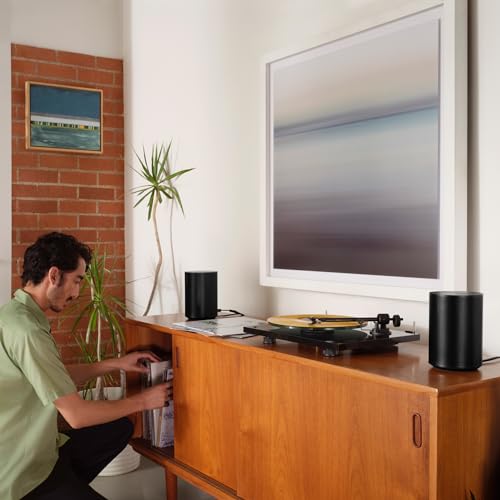
The Era 100 also includes a USB-C port that accepts a line-in adapter, allowing you to connect turntables, computers, or other audio sources directly. This wired option ensures zero latency for timing-critical applications like gaming or professional audio work.
One of Sonos's standout features is Trueplay room tuning, and the Era 100 includes an updated version that works with both iOS and Android devices. Trueplay uses your smartphone's microphone to analyze how sound bounces around your specific room, then automatically adjusts the speaker's frequency response to compensate for acoustic problems.
This technology addresses a fundamental issue with audio reproduction: every room sounds different. Hard surfaces like tile floors and glass windows reflect high frequencies, making speakers sound harsh. Soft furnishings like couches and curtains absorb those same frequencies, making speakers sound muffled. Trueplay measures these effects and applies corrective equalization automatically.
The Echo Show 15 lacks any sophisticated room correction system. While you can adjust basic bass and treble levels through the Alexa app, these broad controls can't address the specific acoustic problems in your space.
Of course, the Echo Show 15 offers something the Era 100 simply cannot: a large, high-quality display. The 15.6-inch screen runs at 1920x1080 resolution, providing sharp text and vibrant colors for everything from recipe videos to video calls.
The display functionality genuinely shines in certain scenarios. For families with busy schedules, having a centralized calendar visible in the kitchen or hallway eliminates the need to check phones constantly. The device can display different information for different family members using voice recognition or facial recognition through its 5-megapixel camera.
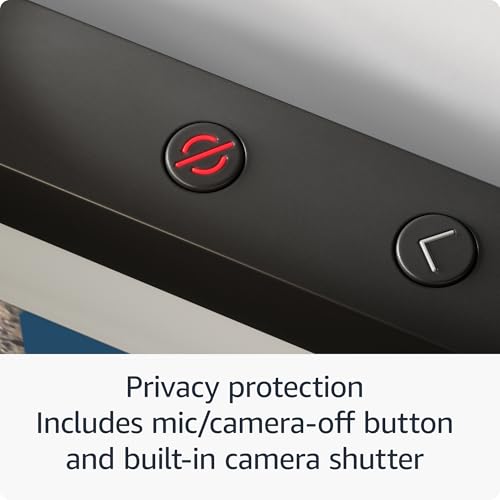
Video calling represents another clear advantage for the Echo Show 15. The large screen and decent camera make it significantly better for family video chats than smartphone screens, especially when multiple people want to participate. The camera includes privacy features like a physical shutter and can be completely disabled when not needed.
The built-in Fire TV functionality essentially gives you a small television for casual viewing. While you wouldn't want to watch a movie on a 15.6-inch screen from across the room, it works well for following cooking videos, checking news, or entertaining kids during meal preparation.
For users considering these devices as part of a larger home theater setup, the Era 100 offers more compelling options. Two Era 100 speakers can be paired for true stereo sound, creating a much wider soundstage than any single speaker can achieve. They can also serve as rear surround speakers when combined with Sonos soundbars like the Arc or Beam.
This scalability means your initial Era 100 purchase can evolve into a sophisticated multi-room audio system over time. The whole-home audio experience that Sonos pioneered remains unmatched in terms of reliability and ease of use.
The Echo Show 15 doesn't integrate well into traditional home theater setups. While it can display video content, its poor audio quality makes it unsuitable as a primary entertainment device. You're essentially buying it for the smart home features and accepting mediocre audio as a compromise.
At the time of writing, both devices fall into the premium smart home category, but they represent different types of investments. The Echo Show 15 costs slightly more and functions as an all-in-one solution that replaces multiple devices—digital photo frame, video calling screen, smart home control panel, and casual entertainment display.
The Era 100 costs somewhat less while focusing entirely on delivering excellent audio performance. However, its true value becomes apparent when you consider it as the foundation for a larger Sonos ecosystem. A single Era 100 might seem expensive compared to basic smart speakers, but its audio quality justifies the premium, and its expandability protects your investment.
From a longevity perspective, dedicated audio equipment typically remains useful much longer than devices with screens. Display technology evolves rapidly, and what seems cutting-edge today often appears dated within a few years. Quality speakers, conversely, can provide excellent service for decades with proper care.
The decision between these devices should align closely with your primary use case and household priorities.
Choose the Amazon Echo Show 15 if you value visual information and multi-function convenience above audio quality. This device excels in busy family households where centralized organization provides genuine daily value. If you frequently make video calls, want to stream casual entertainment while cooking, or need visual feedback for smart home control, the large display justifies the compromises in audio performance.
The Echo Show 15 also makes sense if you're already invested heavily in Amazon's ecosystem. Users with Ring security systems, Fire TV devices, and Alexa-enabled smart home products will find the integration seamless and genuinely useful.
However, if music listening represents a significant part of your daily routine, the Echo Show 15's audio limitations become impossible to ignore. The backwards-facing speakers and lack of proper stereo imaging make it unsuitable as a primary music device, regardless of its other capabilities.
Choose the Sonos Era 100 if audio quality matters more than visual features. This speaker delivers genuinely impressive sound quality that competes with dedicated bookshelf speakers costing significantly more. The stereo imaging, controlled bass response, and room-filling volume make it suitable for serious music listening, not just background audio.
The Era 100 also provides better long-term flexibility. Its platform-agnostic design means you're not locked into any particular ecosystem, and its expandability allows you to build a sophisticated multi-room audio system over time. The superior connectivity options, including Wi-Fi 6 and Bluetooth, ensure it will remain relevant as technology evolves.
For users planning home theater upgrades, the Era 100 integrates seamlessly with Sonos soundbars and can function as rear surround speakers. This upgrade path doesn't exist with the Echo Show 15.
Ultimately, both devices succeed within their intended roles, but they serve fundamentally different purposes. The Amazon Echo Show 15 prioritizes convenience and visual functionality while accepting audio compromises. The Sonos Era 100 focuses on audio excellence while omitting display features entirely. Your choice should reflect which capabilities matter most for your daily routine and long-term smart home goals.
| Amazon Echo Show 15 | Sonos Era 100 |
|---|---|
| Display - Essential for visual information and video calls | |
| 15.6" Full HD touchscreen (1920x1080) | No display |
| Audio Quality - Most important for music enjoyment | |
| Backwards-facing speakers, tinny sound, weak bass | Dual angled tweeters + 25% larger woofer, true stereo sound |
| Primary Function - Determines which device fits your needs | |
| Visual smart hub with integrated audio | Premium audio-first smart speaker |
| Camera - Required for video calls and facial recognition | |
| 5MP camera with Visual ID and privacy shutter | No camera |
| Voice Assistant Support - Affects ecosystem flexibility | |
| Amazon Alexa only | Alexa, Siri (AirPlay), Sonos Voice Control |
| Smart Home Hub - Controls other devices directly | |
| Built-in Zigbee hub for direct device control | Matter-certified, requires separate hubs |
| Connectivity - Future-proofing and device compatibility | |
| Wi-Fi 5, no Bluetooth, Chromecast built-in | Wi-Fi 6, Bluetooth 5.0, AirPlay 2, USB-C line-in |
| Room Audio Tuning - Optimizes sound for your space | |
| Basic EQ adjustments only | Trueplay automatic room correction (iOS & Android) |
| Placement Flexibility - Where you can use the device | |
| Wall-mount required for best experience | Portable, works on any surface |
| Streaming Services - Entertainment options | |
| Fire TV built-in, optimized for Amazon services | Platform-agnostic, equal access to all services |
| Expandability - Building a larger system | |
| Standalone device, limited integration options | Stereo pairing, multi-room audio, home theater integration |
| Best Use Case - Who should buy this device | |
| Families needing visual organization hub with decent audio | Music lovers wanting premium sound quality |
The Sonos Era 100 delivers significantly better audio quality than the Amazon Echo Show 15. The Era 100 features dual angled tweeters and a 25% larger woofer that produces true stereo sound with deeper, more controlled bass. The Echo Show 15 uses backwards-facing speakers that create tinny sound with poor bass response, making it unsuitable for serious music listening.
The Amazon Echo Show 15 is a visual smart hub with a 15.6-inch touchscreen that combines display functionality with basic audio capabilities. The Sonos Era 100 is a dedicated premium speaker focused entirely on audio quality without any display. The Echo Show 15 prioritizes visual information and smart home control, while the Era 100 emphasizes superior sound reproduction.
Only the Amazon Echo Show 15 supports video calls with its built-in 5MP camera and large display. The Sonos Era 100 has no camera or display capabilities, so it cannot handle video calling. The Echo Show 15 works well for family video chats and includes privacy features like a physical camera shutter.
The Amazon Echo Show 15 offers more comprehensive smart home control with its built-in Zigbee hub and visual touch interface for managing devices. However, the Sonos Era 100 provides greater platform flexibility, working with Alexa, Siri, and Sonos Voice Control rather than being locked to Amazon's ecosystem.
The Sonos Era 100 excels in home theater applications - two units can be paired for stereo sound or used as rear surround speakers with Sonos soundbars. The Amazon Echo Show 15 is not suitable for home theater use due to its poor audio quality and wall-mount design that doesn't integrate well with traditional entertainment setups.
The Sonos Era 100 provides superior connectivity with Wi-Fi 6, Bluetooth 5.0, AirPlay 2, and USB-C line-in options. The Amazon Echo Show 15 uses older Wi-Fi 5 technology and lacks Bluetooth connectivity, though it includes Chromecast built-in and Fire TV streaming capabilities.
The Sonos Era 100 offers platform-agnostic streaming that works equally well with all major music services like Spotify, Apple Music, and YouTube Music. The Amazon Echo Show 15 works with most services but shows preference for Amazon Music and integrates more seamlessly with Amazon's ecosystem.
The Amazon Echo Show 15 excels as a family organization hub with its customizable widgets for calendars, shopping lists, and reminders that everyone can see at a glance. The Sonos Era 100 lacks visual capabilities and focuses purely on audio, making the Echo Show 15 better for household coordination and scheduling.
The Sonos Era 100 includes Trueplay room tuning that automatically optimizes sound quality for your specific space using your smartphone's microphone. The Amazon Echo Show 15 only offers basic bass and treble adjustments without sophisticated room correction capabilities.
The Sonos Era 100 is designed for portable use and works well on any surface throughout your home. The Amazon Echo Show 15 is designed for wall mounting and works best in a fixed location like a kitchen or hallway, making the Era 100 much more flexible for different rooms.
The Sonos Era 100 offers excellent expandability - you can pair two units for stereo, add them to multi-room setups, or use them as surround speakers with Sonos soundbars. The Amazon Echo Show 15 functions as a standalone device with limited options for audio system integration.
The Sonos Era 100 typically provides better long-term value for audio enthusiasts due to its superior sound quality, platform flexibility, and expandability into larger systems. The Amazon Echo Show 15 offers better value for families prioritizing visual smart home features and multi-function convenience over audio quality, though its display technology may become outdated faster than quality audio equipment.
We've done our best to create useful and informative comparisons to help you decide what product to buy. Our research uses advanced automated methods to create this comparison and perfection is not possible - please contact us for corrections or questions. These are the sites we've researched in the creation of this article: choose.co.uk - youtube.com - capsulenz.com - gadgetguy.com.au - youtube.com - tomsguide.com - techradar.com - youtube.com - developer.amazon.com - tomsguide.com - dell.com - en.wikipedia.org - youtube.com - bestbuy.com - youtube.com - youtube.com - smarthomesounds.co.uk - whathifi.com - rtings.com - smarthomesounds.co.uk - whathifi.com - rtings.com - audioadvice.com - loudnwireless.com - sonos.com - rtings.com - youtube.com - sonos.com - redsharknews.com - hometechnologyreview.com - bestbuy.com - sonos.com - trysonos.sg - sonos.com - youtube.com - bestbuy.com - audiolab.com - costco.com - surrounds.com.au - bestbuy.com

Privacy Policy
Terms and Conditions - Affiliate Policy
Home Security
© Copyright 2008-2026.
11816 Inwood Rd #1211, Dallas, TX 75244