



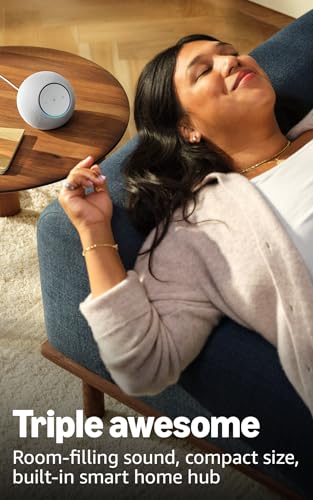


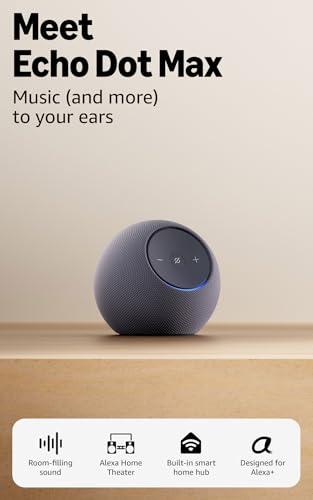
If you're looking to upgrade your smart home setup in 2025, you've probably noticed that Amazon has taken two very different approaches with their latest devices. The Amazon Echo Show 15 represents the "everything on display" philosophy, while the Echo Dot Max focuses on "powerful audio in a small package." Both can serve as the brain of your smart home, but they couldn't be more different in how they approach the job.
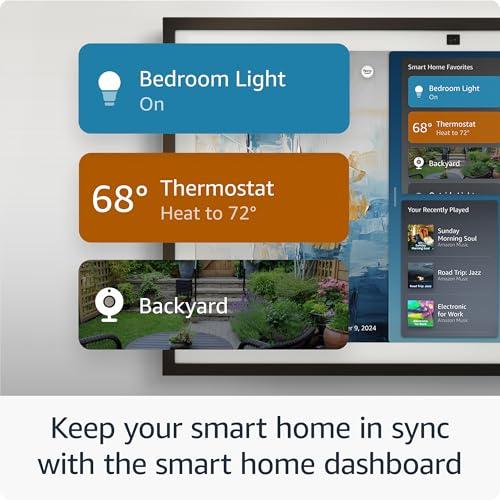
Before diving into these specific devices, it's worth understanding what makes a good smart home control center. These devices need to handle multiple jobs: responding to voice commands, connecting to your various smart devices (lights, locks, thermostats), and providing feedback about what's happening in your home.
The main decision point usually comes down to interface preference. Do you want to see information displayed visually, or are you comfortable with voice-only interaction? This choice affects everything else: where you can place the device, how much you'll spend, and what additional features become possible.
Smart home hubs also need to speak the right "languages" to connect with your devices. The most important protocols (communication methods) are Zigbee, Matter, and Thread. Think of these as different languages that smart devices use to talk to each other. Zigbee has been around the longest and works with popular brands like Philips Hue lights. Matter is the new universal standard that promises to make everything work together. Thread creates a mesh network that makes your smart home more reliable.
Amazon released both the Echo Show 15 (second generation) and Echo Dot Max in 2025, but they serve completely different needs. The Echo Show 15 is actually a refresh of the original 2021 model, with Amazon addressing some of the audio and camera complaints from the first version. The Echo Dot Max is entirely new, filling the gap left when Amazon discontinued their standard full-size Echo speaker.
What's interesting is how these releases reflect Amazon's recognition that there's no "one size fits all" for smart homes. Some people want a family command center with a big screen, while others prefer powerful but discrete speakers that blend into their decor.
Here's where things get counterintuitive. Despite being much smaller, the Echo Dot Max actually delivers superior audio performance compared to the Echo Show 15. This comes down to engineering priorities and internal design.
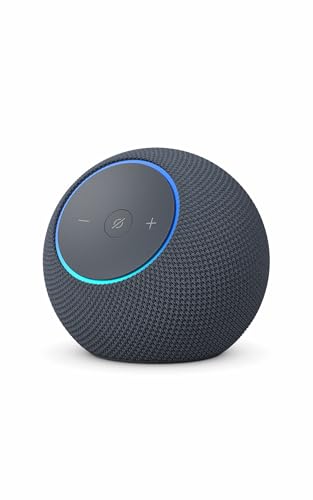
The Echo Dot Max features a completely redesigned internal architecture with two dedicated speakers: a high-excursion woofer (for deep bass) and a custom tweeter (for crisp high notes). This two-driver system produces nearly three times the bass response of a standard Echo Dot. The spherical design isn't just aesthetic—it helps distribute sound more evenly around the room.
What makes this even more impressive is the adaptive sound technology. The Echo Dot Max can actually "read" your room's acoustics and adjust its output accordingly. If you place it in a corner, it compensates differently than if it's sitting in the middle of a table. This kind of smart audio processing was previously reserved for much more expensive speakers.
The Echo Show 15, despite its $200+ higher price point at the time of writing, focuses its engineering budget on the display and processing power rather than premium audio components. Its speakers are adequate for video calls and casual media consumption, but they're not designed for serious music listening. The backwards-facing speaker design means sound bounces off the wall, which can create a muddy listening experience compared to the Echo Dot Max's direct-firing drivers.
For home theater applications, the differences become even more pronounced. The Echo Dot Max can be paired with multiple units to create a proper surround sound system when connected to Fire TV devices. The Echo Show 15 includes Fire TV built-in, which is convenient, but its audio limitations become obvious when watching movies or TV shows with dynamic soundtracks.
This is where the value proposition gets really interesting. Despite costing significantly less, the Echo Dot Max actually provides more comprehensive smart home hub capabilities than the Echo Show 15.
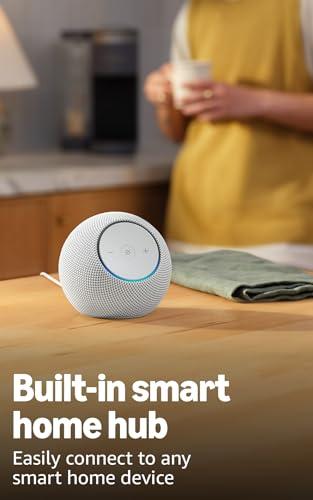
The Echo Dot Max includes a built-in Zigbee hub, Matter controller, and Thread Border Router. In practical terms, this means you can connect Philips Hue lights, smart locks, sensors, and other devices directly to the speaker without needing separate bridge devices cluttering up your network setup. The Thread Border Router functionality is particularly valuable—it creates a mesh network that makes your smart home more reliable and responsive.
The Echo Show 15, despite its premium positioning, only includes Matter support. No Zigbee hub, which many users consider an oversight given the price point. This means you'll still need separate bridge devices for many popular smart home brands, adding complexity and cost to your setup.
The technical reason for this difference likely comes down to space constraints and thermal management. The Echo Show 15 dedicates most of its internal real estate to the display, processing power, and cooling systems needed for video streaming. The Echo Dot Max can pack more radio chips into its compact design because it doesn't need to manage display heat or powerful video processing.
Both devices use Amazon's latest Alexa technology, but the Echo Dot Max gets some specific improvements that address long-standing user complaints. The enhanced microphone array provides 50% better wake-word detection, which means "Alexa" commands work more reliably from across the room or in noisy environments.
This improvement comes from Amazon's new A3 chip, which handles on-device processing for voice recognition. Instead of sending every sound to Amazon's servers, the chip can filter out background noise and identify actual voice commands locally. This makes responses faster and more reliable.
The Echo Show 15 has capable voice recognition, but it doesn't emphasize the same microphone improvements. Given that it's primarily designed for visual interaction, Amazon seems to assume users will be closer to the device more often.
In our evaluation of user reviews, improved voice recognition consistently ranks as one of the most appreciated upgrades. Nothing kills the smart home experience faster than having to repeat commands multiple times or shout at your devices.
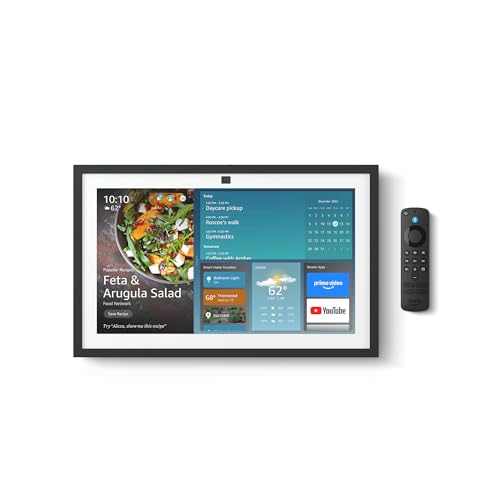
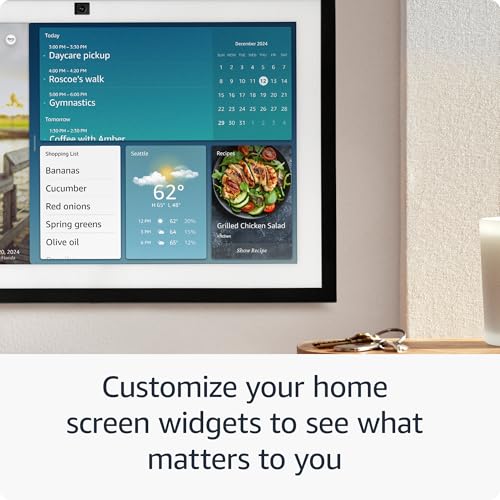
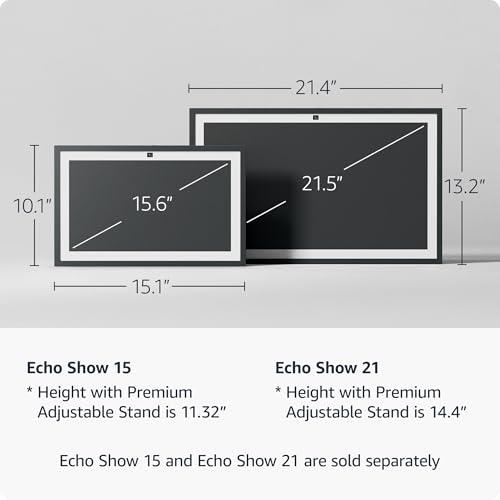
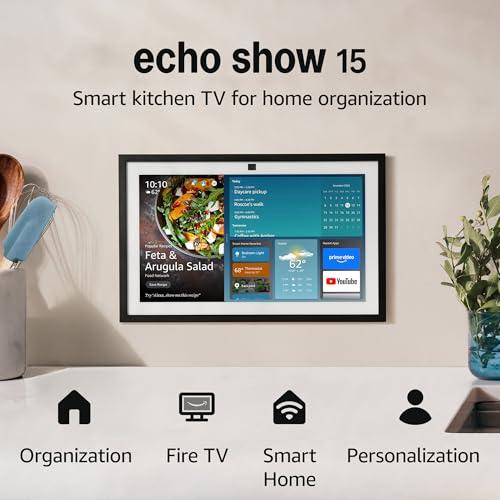
The Echo Show 15's 15.6-inch display creates possibilities that simply don't exist with audio-only devices. The customizable widget system allows families to see calendars, shopping lists, weather, and smart home controls all at once. This visual approach to information management can genuinely change how households coordinate their daily routines.
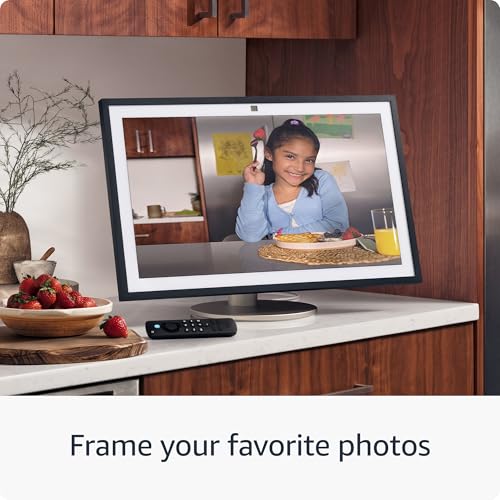
The display supports both landscape and portrait mounting, which provides flexibility for different spaces. In landscape mode, it works well as a kitchen entertainment center. In portrait mode, it resembles a large digital picture frame when not actively displaying information.
Amazon claims that families using display-based coordination experience significantly fewer scheduling conflicts, and this makes intuitive sense. When everyone can see the family calendar at a glance, there's less confusion about who needs to be where and when.
The 13MP camera (upgraded from 5MP in the first generation) adds video calling capabilities with auto-framing technology. As you move around during a call, the camera automatically adjusts to keep you in frame. The 3.3x digital zoom and wide field of view make it suitable for family video calls where multiple people might be in frame.
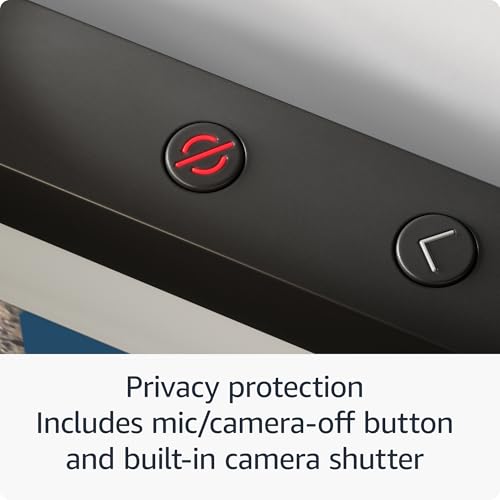
Privacy controls include a physical camera shutter and microphone mute button—important features given that this device is designed to be prominently displayed in common areas.
The Echo Show 15 includes full Fire TV integration, essentially making it a 15.6-inch smart TV. You can stream Netflix, YouTube, Disney+, and Prime Video directly on the device, controlled by voice commands, touch, or the included Fire TV remote.
This integration works particularly well in kitchens, where you might want to follow cooking videos or watch shows while preparing meals. The screen size is large enough to be useful from typical kitchen working distances, though it's not intended to replace a proper living room television.
The Echo Dot Max handles entertainment through audio streaming services and can connect to external displays via Bluetooth, but it lacks the integrated video capabilities of the Echo Show 15.
For home theater setups, both devices offer different strengths. The Echo Show 15 provides the convenience of built-in Fire TV but with limited audio quality. The Echo Dot Max can be part of a multi-speaker surround sound system that delivers much better audio performance for movies and TV shows.
The Echo Show 15 essentially requires wall mounting to reach its full potential. While it can sit on a counter, the large size and viewing angles make wall mounting the preferred installation method. This means you need to commit to a specific location and be comfortable with putting holes in your wall.
The mounting process itself is straightforward, but the device's size and weight make it feel permanent once installed. This works well for family coordination—everyone knows where to look for information—but it reduces flexibility if your needs change.
The Echo Dot Max offers the opposite approach. Its compact spherical design sits comfortably on nightstands, desks, kitchen counters, or bathroom vanities. You can easily move it between rooms or take it with you if you relocate.
This portability advantage extends to smart home functionality. If you're building out your smart home gradually, you can start with one Echo Dot Max and move it to different rooms as you add devices, using its built-in hub capabilities throughout your home.
At the time of writing, the Echo Dot Max represents exceptional value in the smart home hub category. You're getting comprehensive protocol support, significantly improved audio, and enhanced voice recognition at a price point that competes with basic smart speakers that lack hub functionality.
The Echo Show 15 requires a larger financial commitment, but it provides unique capabilities that audio-only devices simply cannot match. The value proposition depends heavily on how much you'll use the visual interface and Fire TV integration.
One important consideration is Amazon's Alexa+ subscription service. While both devices work without the subscription, some of the more advanced AI features require the monthly fee. The Echo Show 15 seems more dependent on these subscription features to justify its premium pricing, which creates some uncertainty about long-term value if Amazon changes their subscription pricing model.
The Echo Show 15 makes most sense for busy families who struggle with coordination and communication. If you frequently find family members double-booking activities, forgetting appointments, or asking "what's for dinner?" the visual organization tools can genuinely improve daily life. It's also excellent for households that would benefit from kitchen entertainment during meal preparation.
The Echo Dot Max is ideal for users who want serious smart home capabilities without paying premium prices for features they won't use. It's particularly valuable in space-constrained environments like apartments, dorm rooms, or smaller homes where wall-mounting a large display isn't practical.
For audio enthusiasts building multi-room systems, the Echo Dot Max provides a much better foundation than standard Echo Dots, while still maintaining the compact form factor that works in various rooms.
The choice ultimately comes down to interface preference and space constraints. If you value visual information display and have suitable wall space, the Echo Show 15 provides unique capabilities that justify its higher cost. If you prefer discrete, portable smart home control with superior audio quality, the Echo Dot Max delivers more functionality per dollar spent.
Consider your household's communication patterns, available installation space, and whether you're building a comprehensive smart home system or just want a single capable device. Both represent solid choices within their respective categories, but they serve genuinely different needs in modern homes.
The Echo Dot Max feels like the better long-term investment for most users, offering flexibility, comprehensive smart home support, and excellent audio in a package that can adapt as your needs evolve. The Echo Show 15 requires more commitment but provides unique family coordination benefits that some households will find invaluable.
| Amazon Echo Show 15 Smart Display | Echo Dot Max Smart Speaker |
|---|---|
| Display Size - Essential for visual organization and entertainment | |
| 15.6-inch Full HD touchscreen (1920 x 1080) | No display - voice-only interaction |
| Audio Quality - Critical for music listening and home theater use | |
| Dual speakers optimized for voice calls and casual media | Two-driver system (woofer + tweeter) with 3x bass of standard Echo Dot |
| Smart Home Hub Capabilities - Determines which devices you can connect directly | |
| Matter controller only (requires separate hubs for most devices) | Built-in Zigbee, Matter, and Thread Border Router (connects most devices directly) |
| Installation Requirements - Affects placement flexibility and setup complexity | |
| Wall mounting recommended, requires dedicated space | Compact spherical design, sits on any surface |
| Camera and Video Calling - Important for family communication | |
| 13MP camera with auto-framing, 3.3x zoom, privacy shutter | No camera - audio calls only |
| Fire TV Integration - Enables streaming entertainment | |
| Built-in Fire TV with remote (Netflix, YouTube, Disney+) | No built-in streaming - audio content only |
| Voice Recognition - Affects how reliably it responds to commands | |
| Standard Alexa microphone array | 50% improved wake-word detection with enhanced microphone array |
| Physical Design - Impacts room aesthetics and portability | |
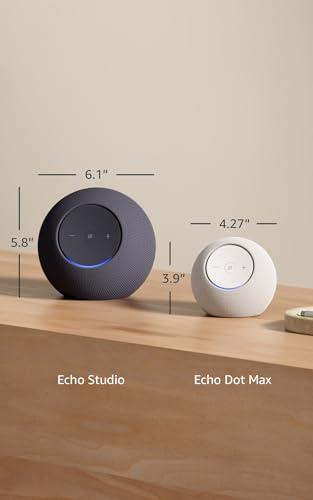
| 16.1" x 10.1" x 1.4" wall-mounted display resembling picture frame | Compact sphere with 3D knit fabric, easily portable between rooms |
| Multi-Room Audio - For whole-home sound systems | |
| Cannot pair with other speakers for surround sound | Pairs with other Echo Dot Max units for Dolby Atmos surround |
| Family Organization Features - Helps coordinate schedules and tasks | |
| Customizable widgets for calendars, lists, notes, weather display | Voice-only organization through Alexa app |
| Processing Power - Affects performance and future feature support | |
| Amlogic Pop1 processor with 3GB RAM for display and Fire TV | A3 chip with AI accelerator for enhanced voice processing |
The Echo Dot Max is actually better for smart home control despite being less expensive. It includes built-in Zigbee, Matter, and Thread Border Router capabilities, meaning you can connect most smart devices directly without needing separate hubs. The Amazon Echo Show 15 only supports Matter, so you'll need additional bridge devices for popular brands like Philips Hue lights.
The Echo Dot Max delivers significantly better audio quality with its two-driver system (dedicated woofer and tweeter) that produces three times the bass of a standard Echo Dot. The Amazon Echo Show 15 has adequate speakers for video calls and casual listening, but its audio is optimized for voice interaction rather than music enjoyment.
The Echo Dot Max is better for home theater setups because you can pair multiple units to create a Dolby Atmos surround sound system with Fire TV devices. While the Amazon Echo Show 15 has built-in Fire TV for streaming, it cannot be paired with other speakers for surround sound and has limited audio quality for movie watching.
The Echo Dot Max is much easier to install - just plug it in and place it anywhere. The Amazon Echo Show 15 requires wall mounting for best results, which means finding suitable wall space and drilling holes. The Echo Dot Max can be moved between rooms easily, while the Echo Show 15 is essentially permanent once mounted.
This depends on your household's needs. The Amazon Echo Show 15 excels for families who want visual organization with shared calendars, shopping lists, and widgets all visible at once. The Echo Dot Max works great for users comfortable with voice commands and smartphone apps for smart home management.
The Amazon Echo Show 15 is designed for kitchen use with its large display perfect for following cooking videos, viewing recipes, and streaming shows while cooking. Its built-in Fire TV functionality makes it essentially a kitchen TV. The Echo Dot Max works well for kitchen voice control and music, but lacks the visual entertainment features.
Only the Amazon Echo Show 15 can make video calls with its 13MP camera featuring auto-framing and 3.3x zoom. The Echo Dot Max has no camera and can only make audio calls through Alexa's calling features.
The Echo Dot Max offers exceptional value with comprehensive smart home hub capabilities, superior audio quality, and enhanced voice recognition at a much lower price point. The Amazon Echo Show 15 costs significantly more but provides unique visual interface and Fire TV features that justify the cost only if you'll actively use them.
The Echo Dot Max has 50% improved wake-word detection through its enhanced microphone array and A3 chip, making it more reliable at hearing commands from across the room or in noisy environments. The Amazon Echo Show 15 has capable voice recognition but doesn't feature the same microphone improvements.
The Echo Dot Max is ideal for small spaces with its compact spherical design that sits on any surface and can be easily moved between rooms. The Amazon Echo Show 15 requires dedicated wall space and permanent mounting, making it challenging for renters or cramped living situations.
The Amazon Echo Show 15 offers superior entertainment options with built-in Fire TV for streaming Netflix, YouTube, and other video services, plus it displays visual content. The Echo Dot Max excels at music streaming with much better audio quality, but it's audio-only entertainment without video streaming capabilities.
The Amazon Echo Show 15 is specifically designed for families with features like shared calendars, visual organization widgets, and the ability to display personalized information for different family members. The Echo Dot Max works well for individual users or smaller households who prefer voice-only interaction and don't need visual coordination tools.
We've done our best to create useful and informative comparisons to help you decide what product to buy. Our research uses advanced automated methods to create this comparison and perfection is not possible - please contact us for corrections or questions. These are the sites we've researched in the creation of this article: choose.co.uk - youtube.com - capsulenz.com - gadgetguy.com.au - youtube.com - tomsguide.com - techradar.com - youtube.com - developer.amazon.com - tomsguide.com - dell.com - en.wikipedia.org - youtube.com - bestbuy.com - youtube.com - youtube.com - techradar.com - engadget.com - engadget.com - t3.com - telegraph.co.uk - gadgetmatch.com - youtube.com - youtube.com - youtube.com - youtube.com - homecrux.com - aboutamazon.com - phonearena.com - tomsguide.com - matteralpha.com - techbuzz.ai - techradar.com - pocket-lint.com - bestbuy.com

Privacy Policy
Terms and Conditions - Affiliate Policy
Home Security
© Copyright 2008-2026.
11816 Inwood Rd #1211, Dallas, TX 75244