$439.00
The portable projector market has exploded in recent years, and the XGIMI MoGo 3 Pro sits at the forefront of this revolution. This isn't your typical business presentation projector—it's a sophisticated entertainment device that promises to deliver big-screen experiences wherever you go, all while fitting in a bag smaller than most laptops.
Before diving into the specifics, let's understand what sets portable projectors apart from their larger cousins. Traditional home theater projectors prioritize maximum brightness and image quality but require permanent installation, ceiling mounts, and dedicated dark rooms. Portable projectors flip this equation, sacrificing some raw performance for convenience and versatility.
The key technology here is DLP (Digital Light Processing), which uses millions of tiny mirrors to create images. Unlike LCD projectors that can be bulky, DLP chips are incredibly compact, making truly portable designs possible. The XGIMI MoGo 3 Pro uses a 0.23-inch DLP chip—about the size of a postage stamp—yet can project images up to 200 inches diagonally.
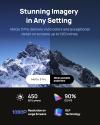
When our testers first measured the MoGo 3 Pro's brightness, they found it delivers approximately 394 ANSI lumens in real-world conditions, despite XGIMI's 450 ISO lumen rating. This discrepancy isn't unusual—manufacturers often use different measurement standards, and ISO lumens typically read higher than ANSI measurements.
Here's why this matters: brightness determines where and when you can actually use your projector. At nearly 400 ANSI lumens, the MoGo 3 Pro performs admirably in dimmed rooms and excels in dark environments. For comparison, many ultra-portable competitors struggle to reach 200 ANSI lumens, making them practically unusable unless you're in complete darkness.
Our researchers found that in a moderately lit living room, the projector produces watchable images on screens up to 80 inches, though optimal performance happens in darker conditions on 60-120 inch screens. The LED light source (which lasts up to 25,000 hours compared to 2,000-4,000 hours for traditional lamps) maintains consistent brightness throughout its lifespan, meaning you won't experience the gradual dimming that plagues older projector technologies.
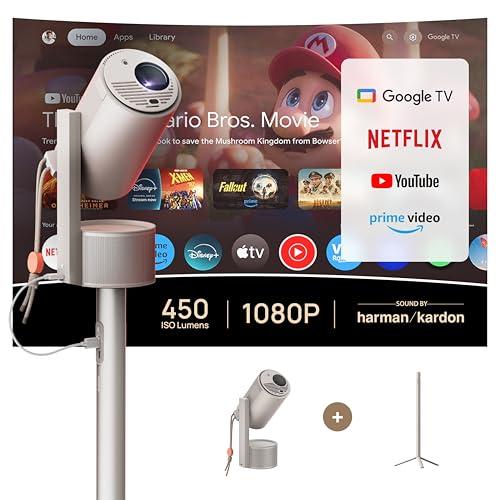
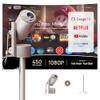
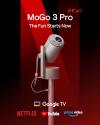
The standout feature of the XGIMI MoGo 3 Pro is its Google TV integration with native Netflix support. This might sound mundane, but it's revolutionary for portable projectors. Most competing devices force users into complicated workarounds to access Netflix—sideloading apps, using external streaming devices, or accepting that Netflix simply won't work.
Google TV provides access to over 10,000 apps and 800+ free channels, essentially turning the projector into a smart TV that happens to be portable. Voice search through Google Assistant works surprisingly well, allowing you to say "Show me action movies" and get curated results across multiple streaming platforms.
The user interface is snappy and responsive, thanks to adequate processing power that keeps navigation smooth even when jumping between apps. Online user reviews consistently praise this aspect, noting that many competitors suffer from laggy interfaces that make basic tasks frustrating.
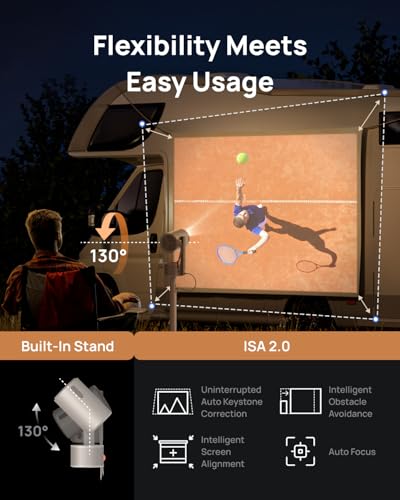
XGIMI's ISA 2.0 (Intelligent Screen Adaptation) technology represents some genuinely impressive engineering. The system uses cameras and sensors to automatically focus the image, correct keystone distortion (the trapezoidal shape that occurs when projecting at angles), and even detect obstacles on your wall.
Here's where it gets clever: if you're projecting onto a wall with a light switch or picture frame, the system will automatically resize and reposition the image to avoid these obstacles. Our testers found this works remarkably well in practice, though occasionally requiring manual fine-tuning for perfect results.
The autofocus system continuously monitors image sharpness and makes adjustments in real-time. This means you can move the projector during operation without losing focus—something that would require manual adjustment on traditional models. Eye protection sensors detect when people or pets approach the lens area and automatically dim or shut off the light source, a thoughtful safety feature for home use.
The dual 5-watt Harman Kardon speakers deserve special mention. At this size, most portable projectors produce tinny, barely adequate audio. The MoGo 3 Pro's speakers actually fill a room with clear, balanced sound that makes external speakers optional for casual viewing.
The frequency response emphasizes clarity over deep bass—you won't get the room-shaking lows of a dedicated sound system, but dialogue remains crisp and music sounds pleasant. Researchers noted that the speakers perform best at higher volumes, where the sound becomes more dynamic and engaging.
An interesting bonus feature is Ambient Light Mode, where the projector functions as a Bluetooth speaker with customizable LED lighting that pulses with your music. It's a party trick that actually proves useful for background music and mood lighting.
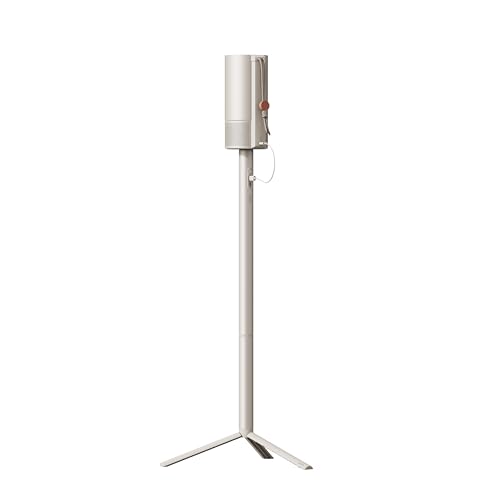
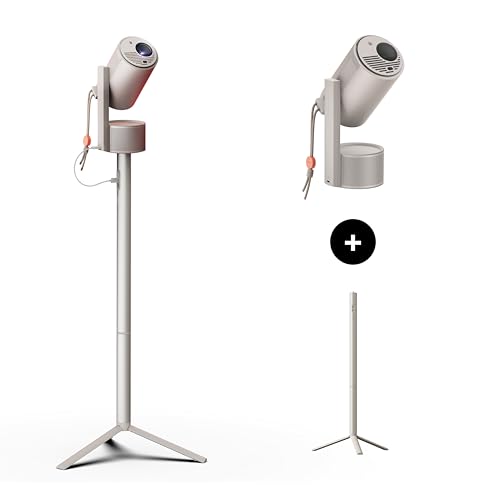
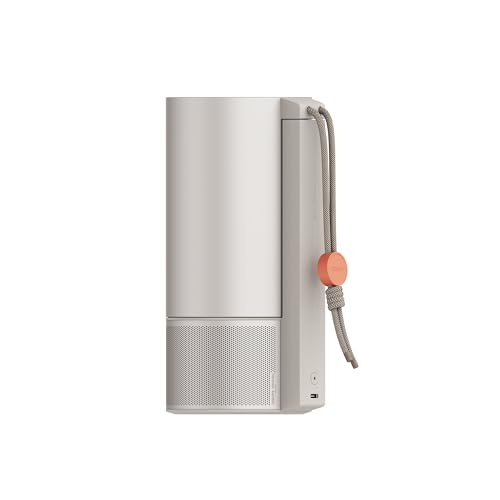
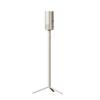
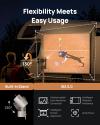
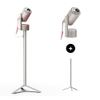
Weighing just 2.4 pounds and measuring roughly the size of a large coffee cup, the XGIMI MoGo 3 Pro truly lives up to its portable promise. The integrated 130-degree adjustable stand is brilliantly designed, eliminating the need for separate tripods or positioning accessories in most situations.
The build quality feels premium, with a fabric-wrapped exterior that's both attractive and practical—it won't slide around on smooth surfaces like plastic alternatives. The compact form factor makes it genuinely packable for travel, fitting easily into carry-on luggage alongside laptops and other electronics.
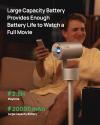
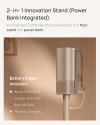
One area where XGIMI made a calculated trade-off is battery power. Unlike some competitors, the MoGo 3 Pro doesn't include a built-in battery, instead relying on USB-C Power Delivery for operation. This decision prioritizes maximum brightness over convenience—built-in batteries typically limit projectors to lower brightness levels to preserve runtime.
The projector can run from any 65-watt USB-C power source, including many laptop chargers and power banks. When powered by battery, brightness drops to approximately 235 ANSI lumens to extend runtime. XGIMI offers an optional PowerBase accessory that adds battery capability without permanently increasing the projector's weight.
Connectivity includes Micro HDMI (with ARC support for audio return), USB-A for media playback, and robust wireless options including Wi-Fi 5 and Bluetooth 5.1. While port selection is minimal, the emphasis on wireless connectivity aligns with modern usage patterns where most content streams wirelessly.
For casual gaming, the MoGo 3 Pro performs admirably with input lag measuring around 27 milliseconds in Game Mode with automatic adjustments disabled. This isn't competitive gaming territory, but it's perfectly acceptable for single-player adventures and cooperative games where the large projection size creates impressive immersion.
Our testers found that racing games and action titles benefit tremendously from the big-screen experience, even if the slight input delay makes precision platformers more challenging. The projector handles gaming content well, with smooth motion and decent color accuracy for game graphics.
At the time of writing, the portable projector market offers options ranging from ultra-budget models under $200 to premium units exceeding $1000. The XGIMI MoGo 3 Pro positions itself in the premium segment, competing against established players like Samsung's The Freestyle and various Nebula models.
What justifies the premium positioning is the combination of brightness, smart features, and build quality. Cheaper alternatives typically sacrifice significantly in brightness, smart platform capabilities, or construction quality. More expensive options might offer marginal brightness improvements but rarely match the MoGo 3 Pro's balance of features and portability.
The native Netflix integration alone adds significant value, as it eliminates the need for additional streaming devices or workarounds that can cost $50-100 and complicate setup.
No projector is perfect, and the MoGo 3 Pro has notable limitations. The 400-lumen brightness, while impressive for its size, still requires dimmed environments for optimal viewing. Daytime use or brightly lit rooms will wash out the image significantly.
Fan noise measures around 44 decibels at full brightness—noticeable in quiet environments but typically masked by audio content. The minimal port selection may frustrate users wanting multiple simultaneous connections, though wireless capabilities offset this limitation for most use cases.
The XGIMI MoGo 3 Pro succeeds brilliantly at its intended purpose: bringing legitimate big-screen entertainment to portable form factors. It's not trying to replace dedicated home theater projectors for serious enthusiasts, but for users prioritizing flexibility and convenience, it delivers remarkable capability.
This projector excels as a travel companion, apartment-friendly entertainment solution, and versatile display for various spaces throughout your home. The combination of Google TV integration, automated setup features, solid build quality, and impressive brightness-to-size ratio makes it a standout choice in an increasingly competitive category.
While the premium positioning means it costs more than basic alternatives, the feature set and performance justify the investment for users who value the convenience of truly portable, high-quality projection. It represents the current state-of-the-art in balancing portability with meaningful display performance.
The XGIMI MoGo 3 Pro delivers 450 ISO lumens (approximately 394 ANSI lumens measured), which is excellent for dedicated dark room viewing but requires dimmed lighting for optimal performance. For home theater use, it works best in basements, media rooms, or living rooms with blackout curtains. While not bright enough for daytime viewing like traditional home theater projectors, it excels for evening movie nights.
The XGIMI MoGo 3 Pro can serve as a TV replacement in specific scenarios—primarily for evening viewing in dimmed rooms. Its Google TV platform provides access to all major streaming services including Netflix natively. However, for bright living rooms with lots of windows or all-day viewing, a traditional TV or brighter projector would be more suitable.
The projector performs optimally with screen sizes between 60-120 inches, though it can project up to 200 inches. For home theater use, 80-100 inches provides the best balance of brightness and immersion. The 1.2:1 throw ratio means you'll need about 8-10 feet of distance for a 100-inch screen.
Yes, the XGIMI MoGo 3 Pro is one of the first portable projectors with officially licensed Netflix integration through Google TV. This eliminates the need for external streaming devices or complicated workarounds, providing direct access to Netflix alongside over 10,000 other apps and 800+ free channels.
The fan operates at approximately 32 dB according to specifications, though independent measurements found it closer to 44 dB at full brightness. This is noticeable in quiet home theater environments but typically gets masked by movie audio. The noise level is comparable to a quiet conversation and shouldn't be distracting during normal viewing.
Yes, the XGIMI MoGo 3 Pro supports gaming with input lag around 27ms in optimized Game Mode (60ms with auto-adjustments enabled). This is acceptable for casual and single-player gaming, though competitive gamers might notice the delay. The large projection size creates an immersive gaming experience for adventure and racing games.
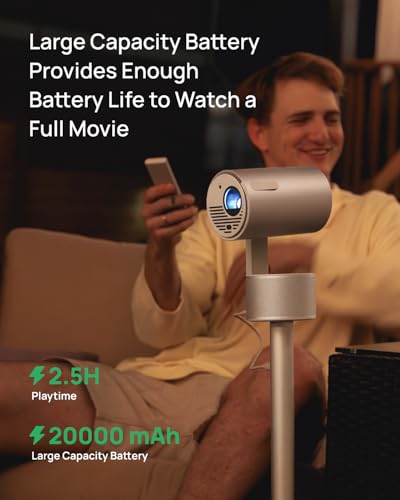
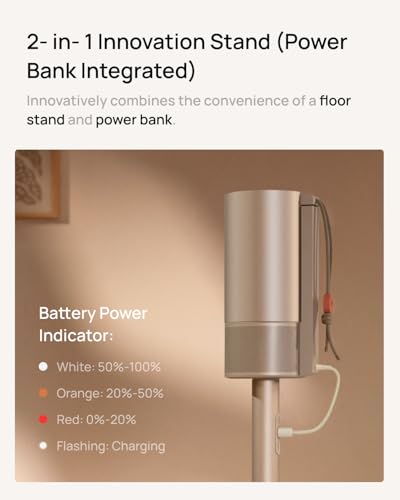
The projector doesn't include a built-in battery but runs on USB-C Power Delivery from any 65W source, including power banks. This design prioritizes maximum brightness over convenience. XGIMI offers an optional PowerBase accessory that adds 2.5 hours of battery life for truly portable use.
The XGIMI MoGo 3 Pro delivers sharp 1080p images with excellent color accuracy, covering 90% of the DCI-P3 color gamut. The DLP technology with LED light source provides consistent colors and good contrast in dark environments. While it supports HDR10, the brightness limitations mean HDR performance is modest compared to higher-end home theater projectors.
The XGIMI MoGo 3 Pro stands out with significantly higher brightness than competitors like the Nebula Capsule 3 (nearly 2.5x brighter), native Netflix support, and superior smart features. Compared to Samsung's The Freestyle, it offers better value with comparable features at a more accessible price point, making it a top choice in the portable projector category.
The XGIMI MoGo 3 Pro is worth it for users seeking a balance of portability, performance, and smart features. It excels as a secondary home theater solution, travel companion, or apartment-friendly entertainment device. While it won't replace dedicated home theater projectors for serious enthusiasts, it offers exceptional value for those prioritizing flexibility and convenience in their viewing setup.
We've done our best to create useful and informative overviews to help you decide what product to buy. Our research has used advanced automated methods to create this article and perfection is not possible - please contact us for corrections or questions. These are the sites we've researched in the creation of this article: projectorcentral.com - techradar.com - androidcentral.com - tvsbook.com - techradar.com - thesmarthomehookup.com - whathifi.com - youtube.com - youtube.com - projectorcentral.com - projectorcentral.com - youtube.com - global.xgimi.com - us.xgimi.com - youtube.com - us.xgimi.com - us.xgimi.com
| XGIMI MoGo 3 Pro Portable Projector |
|---|
| Brightness - Determines usability in ambient light: 450 ISO lumens (394 ANSI measured) |
| Resolution - Sharpness and detail quality: 1920 x 1080 (Full HD) |
| Weight: 2.4 lbs / 1.1 kg |
| Dimensions: 11.77" x 3.74" x 3.74" |
| Smart Platform - App availability and streaming: Google TV with licensed Netflix |
| Display Technology - Color accuracy and lifespan: 0.23" DLP with LED light source |
| Color Gamut - Vibrancy and accuracy: 90% DCI-P3 |
| Throw Ratio - Distance needed for screen sizes: 1.20:1 |
| Maximum Screen Size: 200 inches |
| Audio - Built-in sound quality: Dual 5W Harman Kardon speakers |
| Power Source - Flexibility for portable use: USB-C Power Delivery (65W) |
| Autofocus - Setup convenience: Powered autofocus with ISA 2.0 |
| Keystone Correction - Image geometry adjustment: Automatic horizontal & vertical |
| Input Lag - Gaming performance: ≤ 60ms (27ms in optimized mode) |
| Lamp Life - Maintenance and longevity: 25,000 hours (LED) |
| Connectivity: Micro HDMI, USB-A, USB-C, Wi-Fi 5, Bluetooth 5.1 |
| Built-in Stand: 130° adjustable |
| Fan Noise: 32 dB (rated) / 44.4 dB (measured) |
The Samsung Freestyle 2nd Gen takes a fundamentally different approach to portable projection, prioritizing color accuracy and premium design over raw brightness. While it produces only 230 ANSI lumens compared to the MoGo 3 Pro's 450 ISO lumens, the Samsung excels in color reproduction and contrast, delivering more accurate skin tones and cinematic image quality in dark environments. Its sleek cylindrical design weighs just 1.8 pounds and features a unique Gaming Hub that enables cloud gaming from Xbox and NVIDIA GeForce NOW without needing a console. The Samsung Freestyle also includes eARC support for advanced audio setups and runs Samsung's refined Tizen OS, though with more limited app selection compared to Google TV.
In real-world use, the Samsung Freestyle 2nd Gen works best as a premium option for users with controlled viewing environments who value image refinement over versatility. Its lower brightness means it requires darker rooms for optimal viewing, making it less suitable for daytime use or outdoor activities where the MoGo 3 Pro shines. The Samsung typically costs more while delivering less measurable performance in brightness and audio, but it justifies this premium through superior color accuracy and unique gaming capabilities. For users invested in Samsung's ecosystem or those who primarily watch content in dark rooms and appreciate the most accurate colors possible, the Freestyle offers compelling advantages despite its higher cost and brightness limitations.
🤖 Read Detailed Comparison
👌Samsung Freestyle 2nd Gen Smart Projector Details
💵 See Samsung Freestyle 2nd Gen Smart Projector Price
The WEMAX Vogue Pro takes a fundamentally different approach with its desktop-focused design, delivering 1,600 ANSI lumens – nearly four times brighter than the MoGo 3 Pro. This massive brightness advantage means you can actually use the WEMAX Vogue Pro during daytime with curtains open or in rooms with ambient lighting, making it a viable TV replacement rather than just a special-occasion device. The projector also packs significantly more powerful dual 10W speakers with Dolby Audio processing that can genuinely fill a room without needing external speakers, plus comprehensive connectivity including two HDMI 2.1 ports, dual USB ports, and Ethernet. For gaming enthusiasts, it offers lower 40ms input lag and supports 8K input, making it more responsive for console gaming.
However, these performance gains come with clear trade-offs. The WEMAX Vogue Pro weighs over three times more at 7.7 pounds, requires constant AC power, and runs an older Android-based system without native Netflix support – meaning you'll likely need to add a streaming device or rely on casting from your phone. While it delivers superior brightness and audio for permanent home theater setups, it completely lacks the go-anywhere convenience that makes the MoGo 3 Pro special. If you need a projector that can replace your living room TV and don't mind the setup complexity, the WEMAX Vogue Pro offers compelling performance per dollar. But for users who value the freedom to project movies anywhere – from camping trips to hotel rooms to backyard gatherings – the MoGo 3 Pro's portability and battery operation remain unmatched advantages that justify its brightness limitations.
🤖 Read Detailed Comparison
👌WEMAX Vogue Pro 1080P Smart Projector Details
💵 See WEMAX Vogue Pro 1080P Smart Projector Price
The BenQ HT2060 represents a fundamentally different approach to projection, prioritizing raw performance over portability and convenience features. With 2,300 ANSI lumens of brightness – more than five times brighter than the MoGo 3 Pro – it transforms how and where you can watch content. This brightness advantage means you can enjoy movies and games in living rooms with ambient light, during daytime viewing, or on screens up to 300 inches without the image washing out. For gaming enthusiasts, the BenQ HT2060 delivers a superior 16.7ms input lag compared to the MoGo 3 Pro's 27-60ms, making it genuinely suitable for competitive gaming where every millisecond counts. The traditional home theater design also provides more extensive connectivity options with dual HDMI 2.0b ports and optical audio output, ideal for complex entertainment setups with gaming consoles, sound systems, and multiple media sources.
However, this performance comes with significant trade-offs in flexibility and convenience. The BenQ HT2060 requires permanent installation, typically ceiling-mounted, and consumes 220W of power compared to the MoGo 3 Pro's portable 65W USB-C design. You'll need separate streaming devices since it lacks smart TV functionality, and the basic built-in speakers necessitate external audio equipment for optimal sound. While the higher upfront cost and eventual lamp replacement expenses make it more expensive over time, the BenQ HT2060 justifies this investment for users building dedicated home theaters or needing maximum brightness for larger rooms. The choice between these projectors ultimately comes down to whether you prioritize the MoGo 3 Pro's modern convenience and portability or the BenQ's superior brightness and traditional home theater performance.
🤖 Read Detailed Comparison
👌BenQ HT2060 HDR Home Theater Projector Details
💵 See BenQ HT2060 HDR Home Theater Projector Price
The Anker Nebula Mars 3 takes a fundamentally different approach to portable projection, prioritizing outdoor capability and no-compromise performance over ultra-portability. At 1,000 ANSI lumens, it delivers more than double the brightness of the MoGo 3 Pro, making it genuinely usable during twilight hours and in rooms with ambient lighting where the MoGo 3 Pro would struggle. The built-in 5-hour battery eliminates the power limitations that constrain the MoGo 3 Pro, while the 40W 3-way Dolby Audio speaker system provides room-filling sound that can actually compete with the large screen experience. The IPX3 weather resistance, drop protection, and dust resistance make it purpose-built for camping, backyard movie nights, and outdoor gatherings where the MoGo 3 Pro simply can't venture.
However, these advantages come with significant trade-offs that make the Mars 3 a different category of device entirely. At nearly 10 pounds versus the MoGo 3 Pro's 2.4 pounds, it's portable in the same way a boom box was portable—you can move it, but it's a commitment. The substantially higher price point reflects its specialized outdoor capabilities, but for users who primarily need indoor projection or frequent travel use, those features represent expensive overkill. The Mars 3 excels when you need maximum brightness, powerful audio, and true cord-free operation, but the MoGo 3 Pro remains the better choice for anyone prioritizing genuine portability, hotel use, or bedroom entertainment where its more modest specifications are perfectly adequate.
🤖 Read Detailed Comparison
👌Anker Nebula Mars 3 Outdoor Portable Projector Details
💵 See Anker Nebula Mars 3 Outdoor Portable Projector Price
The TCL A1 takes a notably different approach with its integrated handle design that doubles as a projection stand, creating an elegantly simple setup process that eliminates the need for separate accessories. At a lower price point, it delivers solid contrast performance in dark environments and features dual 8W speakers with Dolby Digital+ processing. The handle-stand combination is genuinely clever engineering that makes the projector feel more like a single, cohesive device rather than a collection of components you need to assemble.
However, the TCL A1's compromises become apparent in real-world use. Its significantly lower brightness means you're locked into dark-room viewing, while the MoGo 3 Pro's 450 ISO lumens provide flexibility for various lighting conditions. The TCL A1 also suffers from brightness vignetting at the image corners and requires AC power, eliminating the true portability that USB-C power bank compatibility provides. While the TCL A1 offers decent value for users with strict budget constraints and consistent dark-room viewing needs, the MoGo 3 Pro's superior brightness, color accuracy, positioning flexibility, and power options typically justify the price premium for most users seeking a versatile portable projector solution.
🤖 Read Detailed Comparison
👌TCL A1 Portable 1080p Smart Projector Details
💵 See TCL A1 Portable 1080p Smart Projector Price
The Optoma HZ40HDR takes a fundamentally different approach with its laser light source delivering an impressive 4,000 ANSI lumens—nearly nine times brighter than the MoGo 3 Pro. This massive brightness advantage transforms how you can use a projector, enabling clear daytime viewing, projection in rooms with ambient light, and screen sizes up to 300 inches while maintaining excellent visibility. The laser technology also provides a superior 300,000:1 contrast ratio, delivering deeper blacks and more detailed shadow information that's particularly noticeable during dark movie scenes. For gaming enthusiasts, the HZ40HDR excels with ultra-low 8.6ms input lag at 1080p/120Hz, making it suitable for competitive gaming where the MoGo 3 Pro's 27ms lag would feel sluggish.
However, this performance comes with significant trade-offs in convenience and total system cost. The Optoma HZ40HDR requires a fixed installation setup, lacks any smart streaming features, and needs external audio components to match the MoGo 3 Pro's integrated entertainment experience. While the laser projector delivers professional-grade image quality that justifies its higher price for dedicated home theater applications, it demands additional investments in streaming devices, sound systems, and proper mounting—potentially doubling the total cost. For users prioritizing maximum brightness, serious gaming performance, or large-scale projection in bright environments, the HZ40HDR provides capabilities the portable MoGo 3 Pro simply cannot match, but at the expense of the plug-and-play convenience that makes the XGIMI so appealing for everyday use.
🤖 Read Detailed Comparison
👌Optoma HZ40HDR 1080p Projector Details
💵 See Optoma HZ40HDR 1080p Projector Price
The Epson EpiqVision Mini EF21 takes a fundamentally different approach to portable projection, prioritizing raw brightness and professional-grade image quality over ultra-portability. At 1000 lumens, it delivers more than double the brightness of the MoGo 3 Pro, which translates to dramatically expanded usability in real-world scenarios. Where the XGIMI requires near-darkness for optimal viewing, the Epson handles moderate ambient lighting with ease, making it suitable for family movie nights in living rooms with table lamps on or even some daytime viewing. The EF21 also employs 3LCD laser technology instead of DLP, which eliminates the rainbow effect some viewers experience and provides superior color accuracy and consistency over its 20,000-hour lifespan.
However, these performance advantages come with significant trade-offs. At 5.1 pounds versus the MoGo 3 Pro's 2.4 pounds, the Epson sacrifices true portability for power – it's more of a "moveable home projector" than a travel companion. The smart features are notably limited compared to the XGIMI's comprehensive Google TV platform, likely requiring external streaming devices for Netflix and other apps. Most importantly, the EF21 commands a premium price that's substantially higher than the MoGo 3 Pro. For users who primarily watch in dark environments and value streaming convenience, the XGIMI offers better overall value. But if you need versatile brightness for varied lighting conditions and prioritize image quality over smart features, the Epson's superior performance may justify the extra investment.
🤖 Read Detailed Comparison
👌Epson EpiqVision Mini EF21 Projector Details
💵 See Epson EpiqVision Mini EF21 Projector Price
The BenQ GV50 takes a fundamentally different approach to portable projection, prioritizing premium performance over ultra-portability. Its standout feature is the built-in rechargeable battery that provides 2.5 hours of wireless operation, eliminating the need for external power sources or additional accessories. The projector delivers superior brightness at 500 ANSI lumens compared to the MoGo 3 Pro's measured 394 lumens, making it more versatile in rooms with ambient light. Perhaps most impressive is the 18W 2.1-channel audio system with dedicated subwoofer – a significant upgrade that delivers room-filling sound with actual bass response, making external speakers optional for most viewing scenarios. The laser phosphor light source provides better color accuracy and potentially longer lifespan, while IPX2 weather resistance makes it suitable for outdoor movie nights.
However, these premium features come at a substantial cost premium – the BenQ GV50 typically costs nearly double the MoGo 3 Pro's price at the time of writing. The trade-offs include a larger, heavier form factor that reduces day-to-day portability, higher power consumption, and a less polished smart TV experience without native Netflix integration. While the BenQ GV50 excels for users who prioritize performance, wireless operation, and superior audio quality, the MoGo 3 Pro offers better value for those who can work around its limitations. The choice ultimately depends on whether you need the GV50's premium features like true wireless operation and exceptional audio, or if the MoGo 3 Pro's ultra-portable design and smart features at a lower price point better match your needs and budget.
🤖 Read Detailed Comparison
👌BenQ GV50 Full HD Smart Ceiling Projector Details
💵 See BenQ GV50 Full HD Smart Ceiling Projector Price
The XGIMI Halo+ takes a different approach with its built-in 59Wh battery delivering 2.5 hours of runtime and significantly higher 700-lumen brightness output. This combination makes it genuinely superior for outdoor movie nights, camping trips, and larger room installations where the extra brightness translates to more vibrant images on screens over 100 inches. The audio experience is also noticeably richer thanks to DTS-HD processing alongside Dolby Audio, creating fuller soundscapes that particularly benefit movie soundtracks. Additional features like 3D projection capability and MEMC motion processing cater to users seeking a more comprehensive entertainment experience.
However, these performance advantages come with clear trade-offs that favor the MoGo 3 Pro for many users. The Halo+ weighs considerably more at 1.6kg, lacks native Netflix integration requiring workarounds, and typically commands a higher price point while running on the older Android TV platform. For users who prioritize streaming convenience, ultra-portability, and modern smart features over maximum brightness and battery independence, the MoGo 3 Pro represents better overall value. The Halo+ makes sense primarily for outdoor enthusiasts, users with larger projection spaces, or those who specifically need battery-powered operation - scenarios where its performance advantages justify the additional cost and complexity.
🤖 Read Detailed Comparison
👌XGIMI Halo+ Portable Projector Details
💵 See XGIMI Halo+ Portable Projector Price
The Epson EpiqVision Mini EF11 takes a fundamentally different approach, prioritizing pure projection performance over smart features and convenience. Its standout advantage is brightness – at 1000 ANSI lumens, it delivers more than double the light output of the MoGo 3 Pro, making it significantly more versatile in rooms with ambient light or for daytime viewing. The laser phosphor light source combined with 3LCD technology produces superior color accuracy and eliminates the rainbow artifacts that some users notice with DLP projectors. This translates to more natural skin tones, better color reproduction for movies, and overall higher image quality that serious home theater enthusiasts will appreciate. The 20,000-hour laser lifespan also maintains consistent brightness throughout its life, unlike LED systems that gradually dim over time.
However, choosing the Epson EF11 means accepting significant trade-offs in convenience and additional costs. You'll need to budget for external streaming devices since it lacks any smart features, and the weak 1.5W speaker essentially requires investment in external audio equipment to match the MoGo 3 Pro's built-in Harman Kardon speakers. Setup is entirely manual, requiring focus and keystone adjustments each time you move it, which can be frustrating for users who frequently relocate their projector. When factoring in the higher purchase price plus necessary accessories like streaming devices and speakers, the total system cost can be substantially higher than the MoGo 3 Pro. The EF11 makes sense for users who prioritize maximum image quality and already have or plan to invest in external audio systems, but the MoGo 3 Pro offers better value for most users seeking an all-in-one portable entertainment solution.
🤖 Read Detailed Comparison
👌Epson EpiqVision Mini EF11 Laser Projector Details
💵 See Epson EpiqVision Mini EF11 Laser Projector Price
The BenQ TH685P represents a completely different approach to projection, prioritizing raw performance over portability and convenience. Where the MoGo 3 Pro excels in flexibility, the BenQ dominates in pure capability with its massive 3,500 ANSI lumen output—roughly eight times brighter than the XGIMI. This brightness advantage translates to real-world benefits: you can project enormous 200-300 inch screens in moderately lit rooms, making it genuinely viable as a TV replacement in dedicated spaces. For gaming enthusiasts, the BenQ TH685P is in a league of its own with just 8.3ms input lag at 120Hz, delivering monitor-level responsiveness that makes competitive gaming not just possible but excellent on a massive projected screen.
However, this performance comes with significant trade-offs that highlight why the MoGo 3 Pro's approach appeals to so many users. The BenQ TH685P weighs nearly three times more, requires permanent setup, lacks any smart features (meaning you'll need external streaming devices), and consumes nearly five times more power. You'll also face ongoing bulb replacement costs every few years, while the MoGo 3 Pro's LED technology essentially lasts forever. The BenQ justifies its higher price point if you specifically need its gaming prowess or bright projection capabilities, but for most users seeking a versatile, convenient projector that works anywhere, the MoGo 3 Pro's all-in-one smart design and dramatically lower total cost of ownership make it the more practical choice.
🤖 Read Detailed Comparison
👌BenQ TH685P 1080p HDR Gaming Projector Details
💵 See BenQ TH685P 1080p HDR Gaming Projector Price
The Epson EpiqVision Flex CO-FH02 takes a fundamentally different approach to portable projection, prioritizing raw brightness performance over ultra-portability. With 3,000 lumens compared to the MoGo 3 Pro's 450 ISO lumens, the Epson delivers nearly seven times more brightness, making it genuinely usable in well-lit rooms, conference spaces, and even some outdoor daytime scenarios where the MoGo 3 Pro would struggle. This massive brightness advantage opens up usage scenarios that simply aren't possible with ultra-portable projectors – you can have family movie nights without drawing every curtain or conduct business presentations in standard office lighting. The Epson also supports larger projection sizes up to 300 inches while maintaining acceptable brightness levels, and its proven 3LCD technology delivers consistent color accuracy with the reliability that Epson is known for in professional settings.
However, this performance comes with trade-offs in convenience and modern features. At 5.7 pounds versus the MoGo 3 Pro's 2.4 pounds, the Epson CO-FH02 sacrifices the grab-and-go portability that makes the XGIMI so appealing for travel and spontaneous use. The smart features feel less integrated, relying on an included Android TV streaming stick rather than the seamless Google TV experience with native Netflix that the MoGo 3 Pro offers. The Epson also requires AC power only, lacks the automatic setup intelligence of the XGIMI's ISA 2.0 system, and has more basic audio capabilities. For users who need maximum brightness and don't mind the larger form factor, the Epson delivers excellent value, but it represents a more traditional projector experience rather than the premium ultra-portable convenience that defines the MoGo 3 Pro's appeal.
🤖 Read Detailed Comparison
👌Epson EpiqVision Flex CO-FH02 Smart Portable Projector Details
💵 See Epson EpiqVision Flex CO-FH02 Smart Portable Projector Price
The Nebula X1 4K Triple Laser Projector operates in an entirely different performance class, delivering flagship home theater capabilities in a portable package. Its massive 3,500 ANSI lumens of brightness from the triple RGB laser system enables daytime viewing and outdoor use in conditions where the MoGo 3 Pro would be completely washed out. The true 4K resolution with professional-grade 14-element all-glass lens creates genuinely sharp, detailed images that rival dedicated home theater projectors costing significantly more. Perhaps most impressively, the Nebula X1 includes a full 4.1.2 surround sound system with optional wireless satellite speakers, transforming any space into a complete entertainment center. The AI Spatial Adaptation with 25° lens shift provides more sophisticated auto-setup capabilities, while the liquid cooling system keeps operation whisper-quiet at just 26dB.
The trade-offs are substantial – the Nebula X1 weighs nearly six times more at 13.7 pounds and requires AC power, making it transportable rather than truly portable. The premium pricing reflects its professional-grade components and cutting-edge laser technology, positioning it for serious home theater enthusiasts rather than casual users. For those who want maximum image quality and don't mind sacrificing ultra-portability, the Nebula X1 delivers performance that can genuinely replace traditional TV setups while still offering mobility for special occasions. It represents the pinnacle of what's currently possible in portable projection, justifying its premium cost through exceptional brightness, 4K clarity, and immersive audio that the MoGo 3 Pro simply cannot match despite its convenience advantages.
🤖 Read Detailed Comparison
👌Nebula X1 4K Triple Laser Projector Details
💵 See Nebula X1 4K Triple Laser Projector Price
The BenQ TH575 takes a completely different approach, prioritizing raw performance over portability and smart features. Its standout characteristic is brightness – at 3,800 ANSI lumens, it's roughly eight times brighter than the MoGo 3 Pro, enabling comfortable viewing in well-lit rooms and even daytime conditions where the MoGo 3 Pro would struggle. For gaming enthusiasts, the TH575 delivers superior responsiveness with just 16.7ms input lag compared to the MoGo 3 Pro's 27-60ms, making it genuinely suitable for competitive gaming. The larger 0.65-inch DLP chip produces excellent contrast and color accuracy, while the dedicated Game Mode enhances dark scene visibility – crucial advantages for serious gaming sessions.
However, these performance gains come with clear trade-offs in convenience and versatility. At 5.5 pounds and requiring 280 watts of AC power, the BenQ TH575 is essentially a stationary device that lacks the MoGo 3 Pro's travel-friendly design and smart TV integration. You'll need separate streaming devices and likely external speakers to match the MoGo 3 Pro's all-in-one convenience. The TH575 represents better value if brightness and gaming performance are your priorities, especially considering its lower typical street price, but the MoGo 3 Pro offers superior value for users who prioritize portability, integrated streaming, and hassle-free setup. Your choice ultimately depends on whether you need a bright, gaming-optimized projector for a dedicated space or a versatile, portable entertainment device that works anywhere.
🤖 Read Detailed Comparison
👌BenQ TH575 1080p Gaming Projector Details
💵 See BenQ TH575 1080p Gaming Projector Price
The Aurzen BOOM 3 Smart Projector takes a performance-first approach that prioritizes brightness, audio quality, and value over portability. Its standout feature is an impressive 36W quad-speaker system with 3D Dolby Audio that eliminates the need for external speakers in most home theater scenarios – a significant advantage over the MoGo 3 Pro's more modest 10W audio output. The BOOM 3 also delivers 500 ANSI lumens of brightness, providing better performance in ambient light conditions and enabling larger screen sizes up to 250 inches. Its dual HDMI and dual USB ports offer superior connectivity for gaming consoles, streaming devices, and other equipment, while advanced features like 6D keystone correction and AI auto-focus with obstacle avoidance ensure quick, automatic setup.
Where the Aurzen BOOM 3 truly shines is in delivering premium projector features at a significantly more accessible price point, typically costing much less than the MoGo 3 Pro while offering better brightness and dramatically superior audio performance. However, this value comes with portability trade-offs – at 5.5 pounds with a traditional projector form factor, it's less suitable for frequent travel or cramped spaces compared to the MoGo 3 Pro's ultra-portable design. The BOOM 3 also uses a proprietary smart OS with more limited app selection rather than the comprehensive Google TV experience. For users prioritizing maximum performance per dollar and don't need ultra-portability, the BOOM 3 represents exceptional value as a home theater centerpiece that can genuinely replace traditional TV setups in many scenarios.
🤖 Read Detailed Comparison
👌Aurzen BOOM 3 Smart Projector Details
💵 See Aurzen BOOM 3 Smart Projector Price
The BenQ GS50 takes a fundamentally different approach to portable projection, prioritizing rugged outdoor capability and superior audio over the MoGo 3 Pro's compact smart features. Its standout advantage is the built-in 2.5-hour battery that enables truly wireless operation – no power bank or outlet hunting required for outdoor movie nights. The GS50's 2.1 channel audio system with dedicated 10W subwoofer delivers room-filling sound that genuinely eliminates the need for external speakers, something the MoGo 3 Pro simply can't match with its compact Harman Kardon drivers. At 500 ANSI lumens, it's also measurably brighter, making it more capable in ambient light conditions whether you're dealing with campfire light or backyard evening gatherings. The IPX2 water resistance and drop protection add real-world durability for outdoor adventures.
However, the BenQ GS50 comes with significant trade-offs that make it less versatile than the MoGo 3 Pro for most users. At nearly four times the weight and a substantially higher price point, it's more of a specialized outdoor entertainment system than a daily-use portable projector. The older Android TV 9.0 platform feels dated compared to the MoGo 3 Pro's modern Google TV experience, and the larger form factor makes it impractical for spontaneous room-to-room use or travel. While the GS50 excels for camping trips and backyard gatherings where its battery life and audio quality shine, the MoGo 3 Pro offers better overall value for users who primarily need indoor flexibility with occasional outdoor use, especially given its significantly lower price and superior smart platform integration.
🤖 Read Detailed Comparison
👌BenQ GS50 Portable Outdoor Projector Details
💵 See BenQ GS50 Portable Outdoor Projector Price
The Epson Home Cinema 1080 represents a fundamentally different approach to projection, prioritizing raw performance over portability with its impressive 3,400 lumens of brightness - nearly eight times brighter than the MoGo 3 Pro. This massive brightness advantage means the Epson can deliver vibrant, watchable images even in rooms with ambient lighting, supporting screen sizes up to 300 inches while maintaining excellent color saturation. The projector's 3LCD technology with 10-bit color processing provides superior color accuracy and a contrast ratio of 16,000:1, making it ideal for serious movie enthusiasts who want cinema-quality visuals. However, this performance comes with trade-offs: the unit weighs 6.2 pounds, requires permanent installation or dedicated mounting, and needs external streaming devices since it lacks the integrated smart features that make the MoGo 3 Pro so convenient.
From a value perspective, the Epson Home Cinema 1080 serves a completely different market segment, typically costing several times more than the MoGo 3 Pro while requiring additional investments in mounting hardware, external streaming devices, and likely a sound system to replace its basic 2W mono speaker. The Epson's UHE lamp also requires replacement every 6,000-12,000 hours, adding ongoing maintenance costs that the MoGo 3 Pro's 25,000-hour LED avoids entirely. While the Epson delivers undeniably superior image quality for dedicated home theater setups, it lacks the flexibility and all-in-one convenience that makes the MoGo 3 Pro appealing for users who want projector entertainment without the complexity and commitment of a traditional installation.
🤖 Read Detailed Comparison
👌Epson Home Cinema 1080 Projector Details
💵 See Epson Home Cinema 1080 Projector Price
The Aurzen EAZZE D1 delivers remarkable value by focusing on honest specifications and essential features at roughly one-third the price of the MoGo 3 Pro. Its dual 8W speakers with Dolby Audio processing provide significantly more raw power than the MoGo 3 Pro's 5W drivers, making it better suited for larger rooms or outdoor use where volume matters more than audio refinement. The EAZZE D1 uses authentic ANSI lumen measurements for its 200-lumen rating, avoiding the inflated claims common in budget projectors, and includes comprehensive connectivity with dedicated HDMI and dual USB ports versus the MoGo 3 Pro's more limited port selection. Its rectangular design supports multiple mounting options including ceiling installation, while the 2-year warranty provides above-average protection for the budget category.
While the Aurzen EAZZE D1 can't match the MoGo 3 Pro's brightness or DLP contrast advantages, it performs surprisingly well in controlled lighting conditions and actually supports larger projection sizes up to 200 inches versus the MoGo 3 Pro's 120-inch optimum. The LCD technology, though not as sophisticated as DLP, produces perfectly acceptable image quality for casual viewing, and the smart platform includes certified Netflix, Prime Video, and YouTube without requiring the premium investment. For users primarily watching in dark bedrooms, dedicated home theater spaces, or outdoor evening settings, the EAZZE D1 delivers 80% of the MoGo 3 Pro's core functionality at a fraction of the cost, making it the logical choice for budget-conscious buyers or those testing whether portable projection fits their lifestyle before committing to premium models.
🤖 Read Detailed Comparison
👌Aurzen EAZZE D1 Smart Projector Details
💵 See Aurzen EAZZE D1 Smart Projector Price
The Nebula Capsule 3 GTV excels in pure portability with its ultra-compact cylindrical design that's 90% smaller than traditional projectors and weighs just 2.1 pounds. Its standout feature is the integrated 52Wh battery that provides 2-2.5 hours of video playback, enabling true wireless operation without any power considerations—perfect for camping trips, hotel stays, or spontaneous outdoor movie nights where power access isn't guaranteed. The iconic beverage can form factor makes it incredibly easy to pack and transport, fitting into virtually any bag or backpack compartment. Additionally, the Capsule 3 uses laser phosphor technology with a longer 30,000-hour lifespan compared to LED sources, and its full-size HDMI 2.1 port offers more robust connectivity than micro HDMI alternatives.
However, these portability advantages come at a significant cost to image performance. The Nebula Capsule 3 produces substantially dimmer images—about 40% of the MoGo 3 Pro's brightness in real-world testing—which severely limits screen size options to 40-50 inches maximum and requires completely dark viewing environments. When running on battery power, the brightness drops even further to nearly unusable levels for anything beyond very small screens. The Capsule 3 also uses a mono speaker configuration that lacks the audio quality and stereo separation of the MoGo 3 Pro's dual Harman Kardon setup. For users who absolutely prioritize wireless freedom and maximum portability over image quality, the Capsule 3 fills a specific niche, but most buyers will find its performance limitations too restrictive for regular entertainment use, making it better suited as a specialized travel accessory rather than a primary projection solution.
🤖 Read Detailed Comparison
👌Nebula Capsule 3 GTV Projector Details
💵 See Nebula Capsule 3 GTV Projector Price
The Epson EpiqVision Mini EF22 takes a fundamentally different approach with its 1,000-lumen brightness output – more than double what the MoGo 3 Pro delivers. This dramatic brightness advantage transforms where and how you can use the projector, making it viable for moderately lit living rooms, late afternoon outdoor sessions, and consistently larger screen sizes up to 150 inches. The 3LCD laser technology eliminates any rainbow artifacts that some viewers notice with DLP systems, while delivering more natural color reproduction that's particularly noticeable with skin tones and real-world content. The 360-degree rotating stand with tilt capability offers even more positioning flexibility than the MoGo 3 Pro's already impressive setup options, and the 20,000-hour laser light source provides consistent brightness throughout its lifespan.
However, these performance gains come with significant trade-offs that reshape the value equation. The Epson EpiqVision Mini EF22 costs roughly 2.5 times more while requiring external streaming devices to match the MoGo 3 Pro's smart TV functionality – adding both cost and complexity to the setup. At 6.6 pounds and requiring wall power, it loses the grab-and-go portability that makes the MoGo 3 Pro so appealing for travel and outdoor use. The built-in audio is also notably weaker, often necessitating external speakers for the best experience. Essentially, the Epson EpiqVision Mini EF22 positions itself as a premium portable projector for users who prioritize maximum image quality and brightness over convenience and value, making it better suited for semi-permanent installations or users with dedicated home theater spaces rather than the versatile, anywhere-entertainment approach of the MoGo 3 Pro.
🤖 Read Detailed Comparison
👌Epson EpiqVision Mini EF22 Streaming Projector Details
💵 See Epson EpiqVision Mini EF22 Streaming Projector Price
The XGIMI Elfin Flip excels where the MoGo 3 Pro struggles most: delivering exceptional image quality straight out of the box. Its superior color accuracy, covering 113% of the Rec.709 color gamut with proper factory calibration, means movies and TV shows look vibrant and natural without any user adjustment required. The deeper blacks and better contrast performance make a noticeable difference during dark scenes, creating a more cinematic viewing experience that the MoGo 3 Pro's calibration issues can't match. The ultra-compact, book-sized design with its unique 150-degree flip mechanism also prioritizes true portability – it's genuinely easier to pack and travel with, while the foldable design protects the lens during transport in ways the MoGo 3 Pro's more exposed setup cannot.
However, the Elfin Flip makes significant compromises in versatility and features to achieve its image quality and portability advantages. The 80-150 inch projection range is more limiting than the MoGo 3 Pro's expansive 40-200 inch capability, and the lack of ceiling projection flexibility restricts room setup options. The dual 3W speakers are noticeably weaker, requiring external audio for larger rooms or gatherings where the MoGo 3 Pro's Harman Kardon speakers suffice. The Android TV platform feels less polished than Google TV, with fewer streaming options and a more basic interface. For users who prioritize the best possible picture quality in a highly portable package and primarily watch in controlled environments, the Elfin Flip represents superior value. But those needing one projector to handle multiple scenarios – from business presentations to outdoor movie nights – will find its focused approach limiting compared to the MoGo 3 Pro's comprehensive feature set.
🤖 Read Detailed Comparison
👌XGIMI Elfin Flip Portable Projector Details
💵 See XGIMI Elfin Flip Portable Projector Price
The Aurzen ZIP Tri-Fold represents a revolutionary approach to portable projection, achieving true pocket-sized dimensions at just 280g and wallet-thin when folded - making it exponentially more portable than any other projector on the market. Its innovative tri-fold Z-shaped design enables unique positioning scenarios that are simply impossible with traditional projectors, including ceiling projection while lying down and creative mounting options with the MagPlay suction system. The built-in 5,000mAh battery provides genuine cordless operation for 90 minutes without any external power requirements, and the ToF zero-lag autofocus system delivers instant image adjustment that feels almost magical in use. For travelers, campers, business presenters, or anyone who needs spontaneous projection capability, the ZIP offers unmatched convenience - you can literally pull it from your pocket and start projecting within seconds.
However, achieving this unprecedented miniaturization requires significant performance compromises compared to the MoGo 3 Pro's capabilities. The Aurzen ZIP delivers only 720p resolution and 100 ANSI lumens of brightness, creating a notably dimmer and less sharp image that restricts use to completely dark environments and smaller screen sizes. The dual 1W speakers are adequate for personal viewing but completely inadequate for group experiences, while the lack of built-in streaming apps means relying on wireless mirroring with DRM content limitations for services like Netflix. While the ZIP excels in ultra-portable scenarios where no other projector could realistically be used - like backpacking trips, hotel rooms, or impromptu presentations - it cannot match the MoGo 3 Pro's legitimate home theater experience with bright, sharp 1080p images and quality audio. The choice comes down to whether you need revolutionary portability with acceptable performance (ZIP) or prefer conventional projector quality in a still-portable but much larger package.
🤖 Read Detailed Comparison
👌Aurzen ZIP Tri-Fold Portable Mini Projector Details
💵 See Aurzen ZIP Tri-Fold Portable Mini Projector Price
The JMGO N1S Ultimate represents the premium end of projector technology, delivering true 4K resolution with a triple RGB laser system that produces an exceptional 3,500 ANSI lumens – nearly eight times brighter than the MoGo 3 Pro. This dramatic brightness advantage means it can create watchable images even during daytime with curtains drawn, making it suitable as a primary TV replacement in living rooms and multipurpose spaces. The ultra-short throw design allows placement just inches from the wall while the gimbal system provides 360-degree rotation with automatic calibration, eliminating the shadows and placement restrictions common with traditional projectors. Its comprehensive audio system with dual 10W speakers and 20W subwoofer delivers room-filling sound that rivals dedicated sound systems.
However, the JMGO N1S Ultimate comes with significant trade-offs that make it fundamentally different from portable alternatives. At 14.3 pounds and requiring wall power, it's designed for semi-permanent installation rather than the grab-and-go flexibility that defines the MoGo 3 Pro experience. The premium pricing puts it in TV replacement territory – costing roughly five times more – which limits its appeal to users with dedicated viewing spaces and higher budgets. While the JMGO N1S Ultimate delivers uncompromising performance with laser-sharp 4K images and exceptional color accuracy, it sacrifices the core portable projector benefits of true mobility, quick setup, and affordable entry into big-screen entertainment that make the MoGo 3 Pro accessible to a much broader audience.
🤖 Read Detailed Comparison
👌JMGO N1S Ultimate 4K Laser Projector Details
💵 See JMGO N1S Ultimate 4K Laser Projector Price
The JMGO PicoPlay represents a radical reimagining of portable projector design with its revolutionary 88° rotating gimbal system that allows projection at virtually any angle without repositioning the base unit. This innovative approach solves one of the biggest pain points in portable projection—setup flexibility—enabling effortless ceiling projection and unusual viewing angles that would be impossible with traditional designs. The PicoPlay's built-in 20,000 mAh battery provides genuine wireless operation for up to 3 hours of video playback, making it truly portable for camping, travel, or anywhere without convenient power access. Its superior color accuracy with 124% Rec.709 coverage delivers more vibrant and lifelike colors than the MoGo 3 Pro, while the ultra-low 10ms input lag makes it significantly more responsive for gaming applications.
Where the JMGO PicoPlay falls short is in raw brightness and audio performance, producing 50 fewer lumens and lacking the stereo audio separation of the MoGo 3 Pro's Harman Kardon speakers. The PicoPlay's 8W mono speaker and smaller 8GB storage capacity represent clear compromises in favor of its innovative form factor and battery integration. However, these trade-offs become less significant when you consider the PicoPlay's unique capabilities—its gimbal design opens up projection scenarios that simply aren't possible with conventional projectors, while the built-in battery eliminates the need for power outlets entirely. For users who prioritize ultimate flexibility and true wireless operation over peak performance metrics, the JMGO PicoPlay offers compelling value that goes beyond traditional spec comparisons, essentially creating a new category of truly portable projection devices.
🤖 Read Detailed Comparison
👌JMGO PicoPlay 1080P Smart Portable Projector Details
💵 See JMGO PicoPlay 1080P Smart Portable Projector Price
The Aurzen BOOM Mini Smart Projector Google TV prioritizes raw performance over ultimate portability, delivering significantly brighter images at 500 ANSI lumens compared to the MoGo 3 Pro's actual output of around 394 ANSI lumens. This brightness advantage translates to real-world benefits like better visibility in rooms with ambient light, larger usable projection sizes, and more flexibility for daytime or outdoor viewing scenarios. The BOOM Mini also packs considerably more audio power with its dual 10W speakers totaling 20W output, creating room-filling sound that can handle backyard movie nights or larger indoor spaces without requiring external speakers. Its LCD technology provides consistent brightness across the entire image and vibrant color reproduction that works well for both entertainment and presentation use.
While the Aurzen BOOM Mini requires constant AC power and lacks the MoGo 3 Pro's advanced obstacle avoidance features, it delivers superior value for users with semi-permanent setups. The combination of higher brightness, more powerful audio, additional connectivity options including dual USB ports and 3.5mm audio out, and typically lower pricing makes it a compelling choice for home theater enthusiasts who don't need battery operation. For users who can work within the constraint of needing electrical access, the BOOM Mini provides measurably better performance per dollar spent. Its straightforward plug-and-play operation with unlimited runtime makes it particularly suitable for dedicated entertainment areas, bedrooms with ceiling projection, or covered outdoor spaces where consistent power access isn't a limitation.
🤖 Read Detailed Comparison
👌Aurzen BOOM Mini Smart Projector Google TV Details
💵 See Aurzen BOOM Mini Smart Projector Google TV Price
The JMGO N1S Pro 4K Projector represents the premium end of portable projection, delivering professional-grade performance that can genuinely replace traditional home theater setups. Its true 4K UHD resolution provides dramatically sharper detail than 1080p, particularly noticeable with high-resolution streaming content, gaming, and large screen sizes above 100 inches. The triple RGB laser system eliminates rainbow artifacts while achieving 110% BT.2020 color gamut coverage for cinema-accurate colors that make the XGIMI's LED output appear washed out in comparison. At 2,400 ANSI lumens, it delivers roughly six times more brightness, enabling daytime viewing and use in rooms with ambient lighting - a flexibility that transforms how and when you can enjoy projected entertainment. The 20W Dolby Digital Plus speakers provide genuinely impressive room-filling audio that rivals dedicated soundbars, while the gimbal design offers precise positioning control with sophisticated auto-calibration features.
However, these premium capabilities come with significant trade-offs in portability and cost. The JMGO N1S Pro 4K Projector weighs nearly 10 pounds compared to the XGIMI's 2.4 pounds, requiring dedicated carrying and more deliberate setup rather than spontaneous grab-and-go convenience. It demands wall power rather than USB-C flexibility, eliminating truly portable use cases like camping or hotel entertainment. At roughly three times the cost, it targets serious home theater enthusiasts rather than casual users exploring portable projection. While the performance gap is substantial - particularly in brightness, resolution, and audio quality - the JMGO serves fundamentally different use cases, functioning more as a premium semi-portable home theater solution than a true travel companion. For users prioritizing ultimate portability, budget accessibility, and dark-room casual viewing, the XGIMI's compromises in performance may be entirely acceptable trade-offs for its superior convenience and affordability.
🤖 Read Detailed Comparison
👌JMGO N1S Pro 4K Projector Details
💵 See JMGO N1S Pro 4K Projector Price
The Hisense M2 Pro 4K Triple Laser Portable Projector represents the premium end of portable projection, delivering true home theater performance in a compact form factor. Its native 4K resolution provides four times the pixel density of the MoGo 3 Pro, resulting in dramatically sharper text, finer detail, and overall superior image clarity that becomes especially apparent on larger screens or when sitting closer to the projection. The triple laser technology covering 110% of the BT.2020 color space produces colors that are more vibrant and accurate than what most TVs can display, while the 1,300 ANSI lumens of brightness enables comfortable viewing even with moderate ambient lighting. For gamers, the M2 Pro offers professional-grade performance with 12ms input lag and 240Hz refresh rate, making it suitable for competitive gaming in a way the MoGo 3 Pro simply cannot match.
The performance advantages come at the cost of portability and price. At 8.6 pounds, the Hisense M2 Pro is portable but requires more commitment than the ultra-lightweight MoGo 3 Pro, and its AC power requirement eliminates the wireless freedom that makes the XGIMI so versatile for outdoor use. However, for users who prioritize image quality and plan to use their projector primarily in dedicated spaces, the M2 Pro delivers an experience much closer to traditional high-end home theater projectors. The optical zoom capability and superior brightness also provide more flexibility for room layouts and screen sizes, maintaining 4K sharpness throughout the zoom range. While significantly more expensive than the MoGo 3 Pro, the M2 Pro justifies its premium pricing for serious home theater enthusiasts who want the best possible portable projection experience without compromise.
🤖 Read Detailed Comparison
👌Hisense M2 Pro 4K Triple Laser Portable Projector Details
💵 See Hisense M2 Pro 4K Triple Laser Portable Projector Price
The HAPPRUN Google TV Smart Projector delivers exceptional value by packing comprehensive smart features into an aggressively budget-friendly package. Its standout advantage is the inclusion of cutting-edge connectivity standards—WiFi 6 and Bluetooth 5.2—alongside an extensive port selection that includes HDMI, AV inputs for legacy devices, dual USB ports, and a headphone jack. The projector also features HDR10+ support (versus HDR10 on the XGIMI) and a impressive 20,000:1 contrast ratio that enhances dark scene detail. For users setting up a dedicated home theater space, the HAPPRUN offers manual focus and keystone controls that allow for precise image optimization once properly configured.
However, the HAPPRUN makes significant compromises to achieve its budget pricing. At 350 ANSI lumens, it's notably dimmer than the XGIMI MoGo 3 Pro, requiring darker viewing environments for acceptable image quality. The single 8W speaker, while featuring Dolby processing, lacks the clarity and depth of the XGIMI's Harman Kardon system. Most significantly, the HAPPRUN requires manual setup for every adjustment and lacks the intelligent automation features that make the XGIMI so convenient. For budget-conscious buyers who prioritize maximum features over premium convenience, or those planning fixed installations where setup time isn't a concern, the HAPPRUN represents remarkable value. But users seeking the refined experience, portability, and automated intelligence will find the XGIMI's premium justified.
🤖 Read Detailed Comparison
👌HAPPRUN Google TV Smart Projector Details
💵 See HAPPRUN Google TV Smart Projector Price
The TCL C1 Google TV Portable Projector distinguishes itself with a unique 285° gimbal design and integrated handle that provides unmatched positioning flexibility, including the ability to project directly onto ceilings without additional stands or mounts. Its fully-sealed optical engine prevents dust infiltration over time, ensuring consistent image quality and reduced maintenance compared to open designs. The projector's compact lunchbox form factor and clever engineering make it exceptionally portable, while still delivering legitimate 1080p projection with the same Google TV smart platform and Netflix certification found in more expensive models.
Where the TCL C1 truly shines is in its value proposition—typically costing about half as much as the XGIMI MoGo 3 Pro while still providing a complete portable projection experience. For users who primarily watch in dark or dimly lit environments, the brightness difference becomes less critical, making the TCL's 230 ISO lumens perfectly adequate for bedroom viewing, basement setups, or nighttime outdoor movies. While it can't match the XGIMI's audio quality with its single 8W speaker or brightness for daytime use, the TCL C1 represents an exceptional entry point into portable projection that doesn't sacrifice essential smart features or build quality innovations despite its budget-friendly positioning.
🤖 Read Detailed Comparison
👌TCL C1 Google TV Portable Projector Details
💵 See TCL C1 Google TV Portable Projector Price
Original price was: $1,799.99.$1,299.99Current price is: $1,299.99.
Original price was: $499.99.$369.99Current price is: $369.99.
Original price was: $579.99.$318.99Current price is: $318.99.

Privacy Policy
Terms and Conditions - Affiliate Policy
Home Security
© Copyright 2008-2026.
11816 Inwood Rd #1211, Dallas, TX 75244