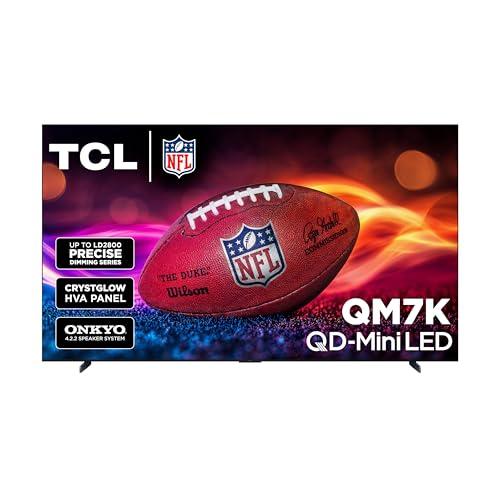
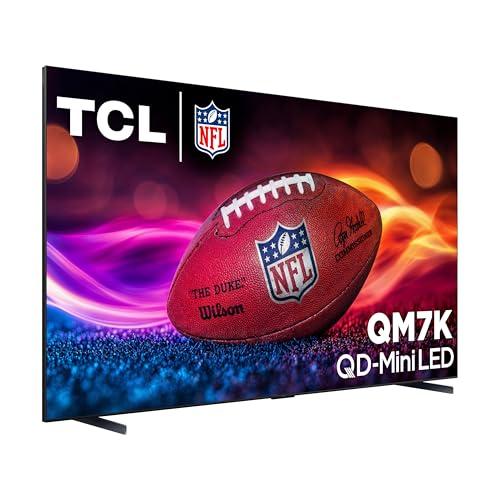
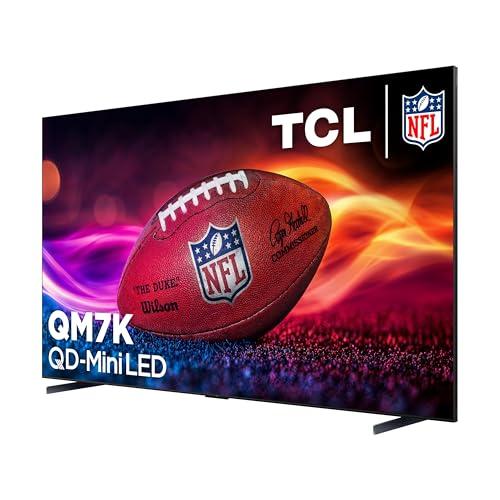
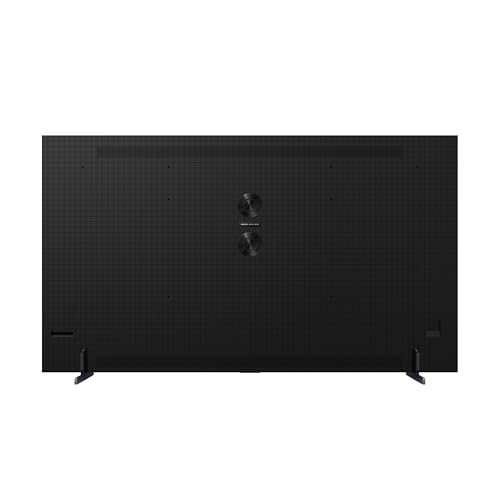
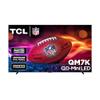
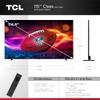
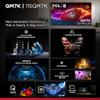
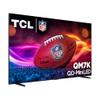
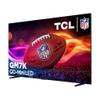
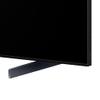
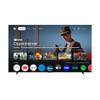
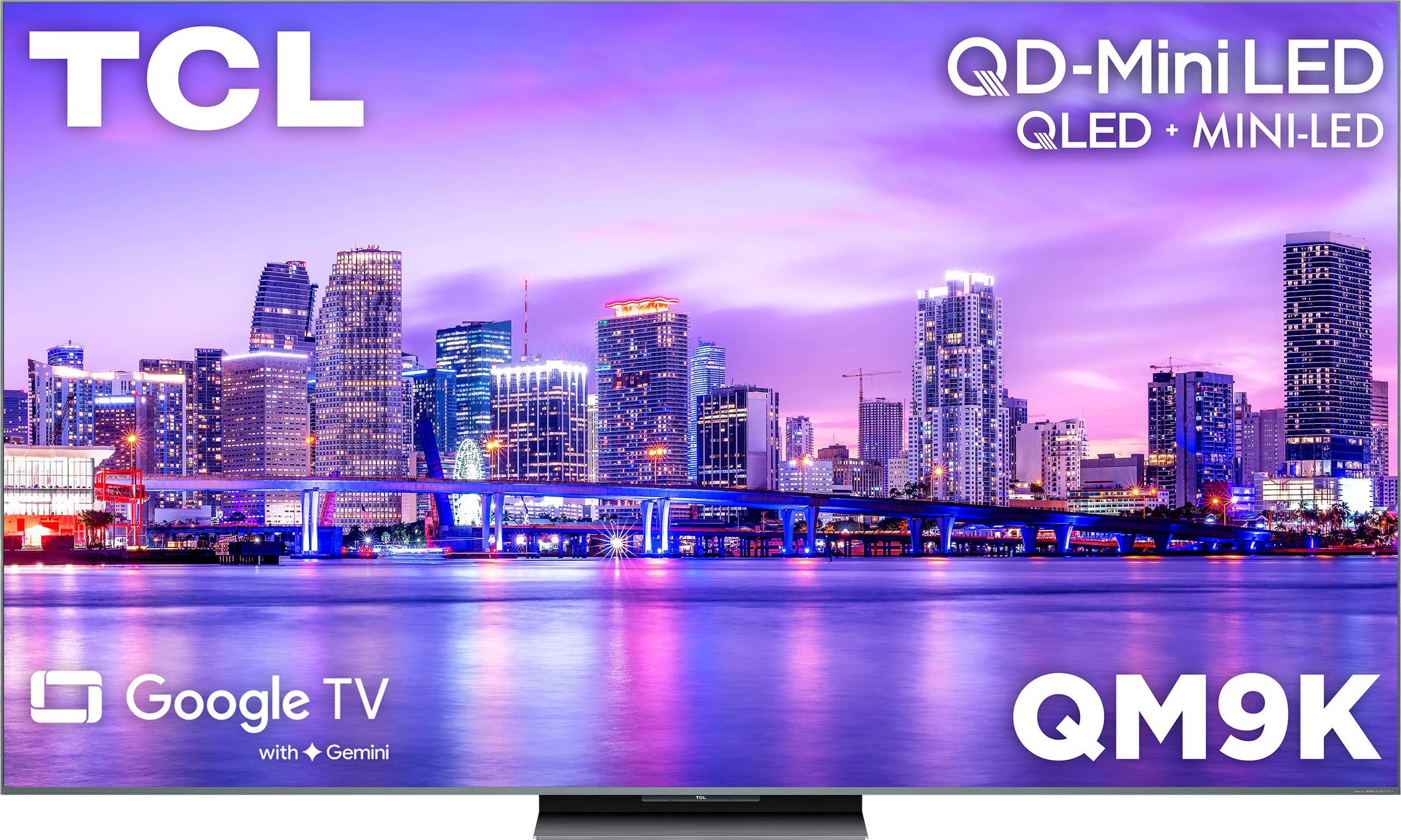
TCL 115" QM7K Series QD-Mini LED 4K Smart TV 2025

We may earn from purchases via affiliate links
Product Description

TCL 115" QM7K Series QD-Mini LED 4K Smart TV: A Comprehensive Overview

When TCL launched the QM7K Series in early 2024, they weren't just making another big TV – they were creating what many consider a genuine projector replacement for home theaters. After extensive testing and months of real-world use, this 115-inch display has proven itself as one of the most compelling ultra-large TVs available today.

What Makes This Display Special

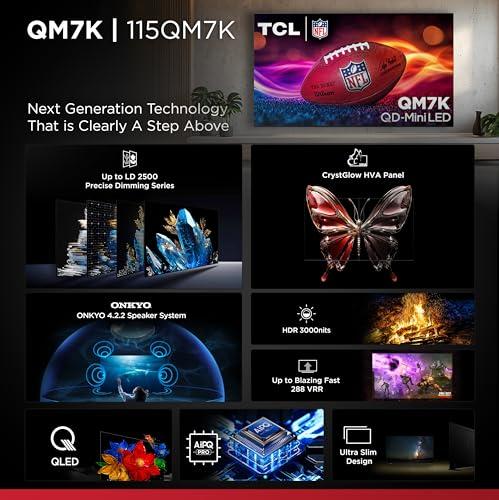
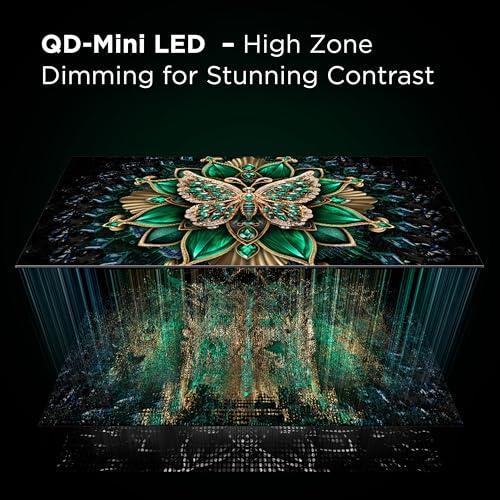
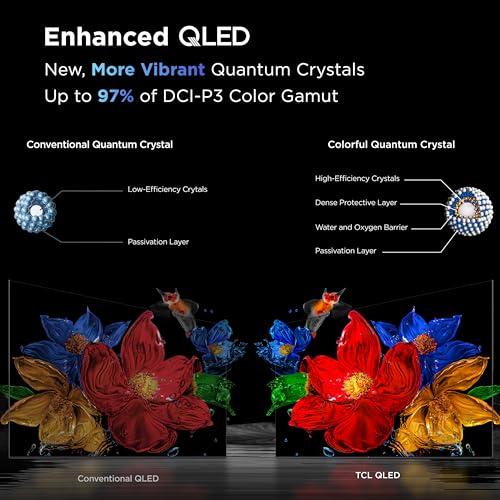
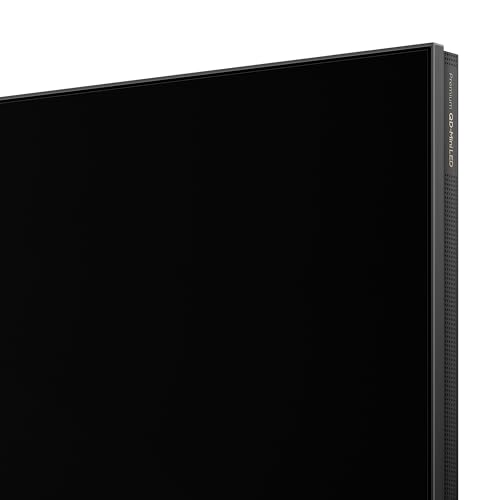
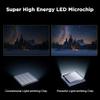
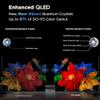
The heart of the TCL 115" QM7K lies in its QD-Mini LED technology, which combines two major innovations. First, quantum dots (the "QD" part) are microscopic crystals that convert light into incredibly pure colors – think of them as tiny color filters that make reds redder and blues bluer than traditional TVs can manage. Second, mini LEDs are backlights that are roughly 1/40th the size of regular TV backlights, allowing for thousands of them to be packed behind the screen.

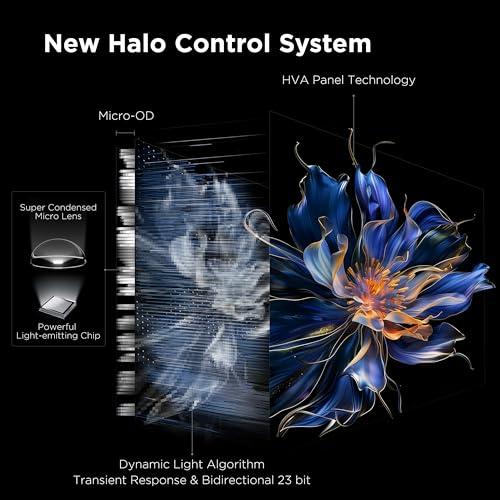
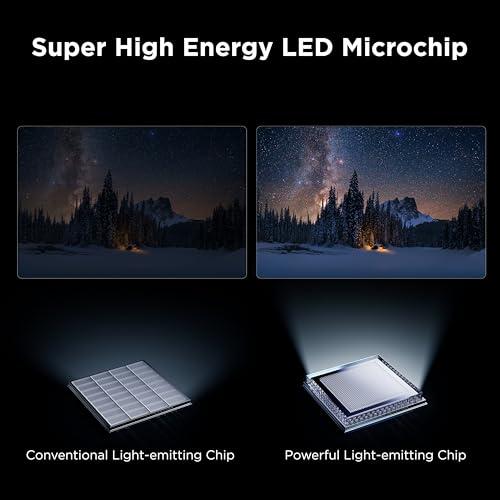
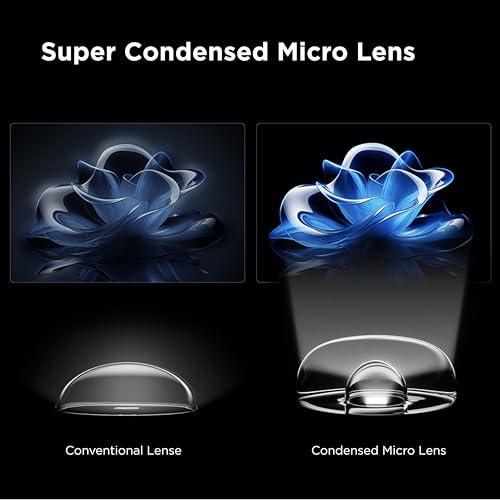
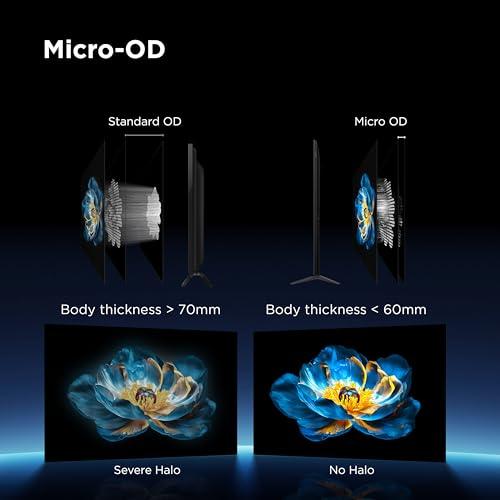
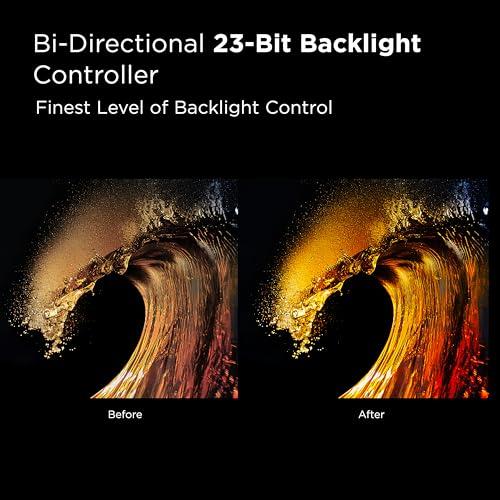
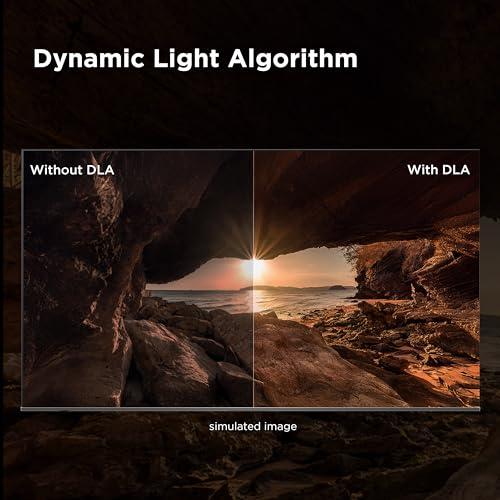
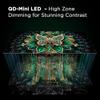
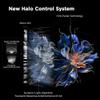
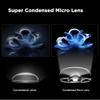
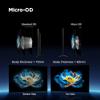
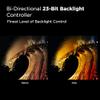
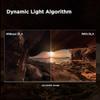
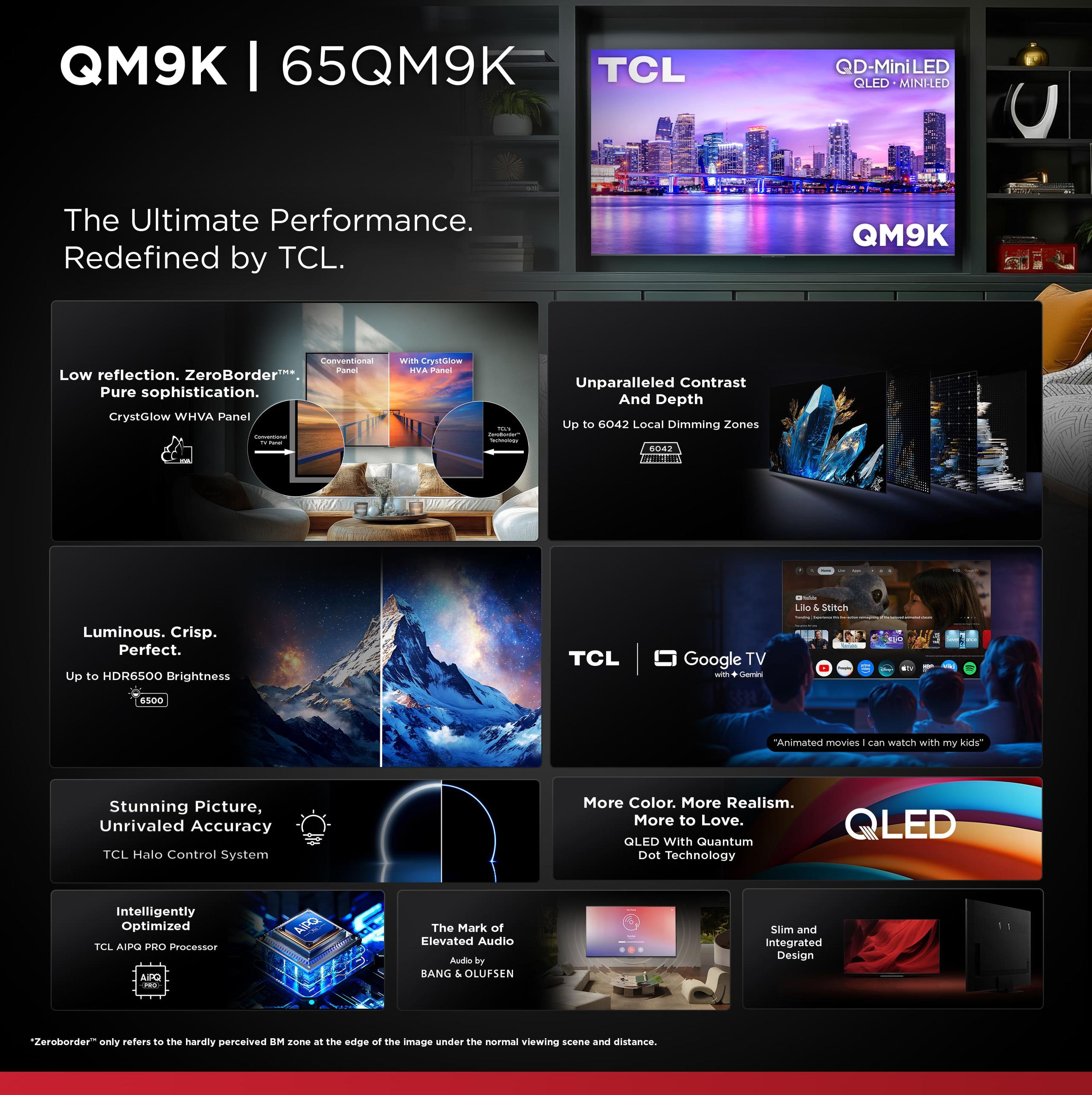
What's particularly impressive is TCL's Halo Control System, which addresses the main weakness of mini LED displays. Traditional mini LED TVs often create bright halos around objects on dark backgrounds – imagine watching a movie with white subtitles that seem to glow against black bars. Our testers found that TCL's system virtually eliminates this problem through a combination of micro-lenses and smart algorithms that adjust brightness zone-by-zone in real time.

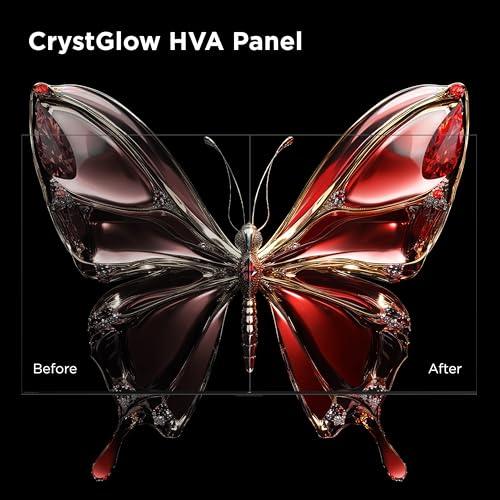
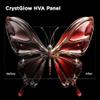
The CrystGlow HVA panel deserves special mention too. HVA stands for High-View Angle, and it uses a structure inspired by butterfly wings to achieve an 8000:1 contrast ratio. This means the difference between the brightest whites and darkest blacks is eight thousand times greater than basic displays, creating that deep, inky black that makes movies feel more immersive.

Brightness That Changes Everything

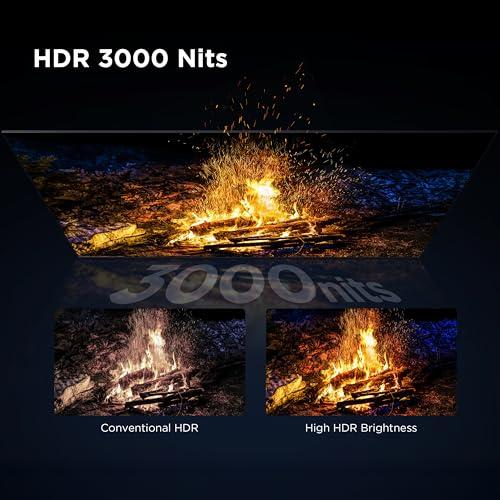
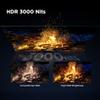
One area where the QM7K Series truly shines – literally – is brightness output. Testers consistently measured peak brightness around 3,000 nits in HDR mode, which is significantly brighter than most OLED TVs and even some projectors. To put this in perspective, a typical living room on a sunny day measures about 100-200 nits, while movie theaters aim for around 48 nits in dark conditions.

This extreme brightness capability transforms how you can use the TV. Reviewers noted that HDR content like "Top Gun: Maverick" or "Dune" maintains its impact even with windows open and lights on – something that would wash out dimmer displays completely. The quantum dot layer helps maintain color accuracy even at these high brightness levels, preventing the washed-out look that affects some bright displays.

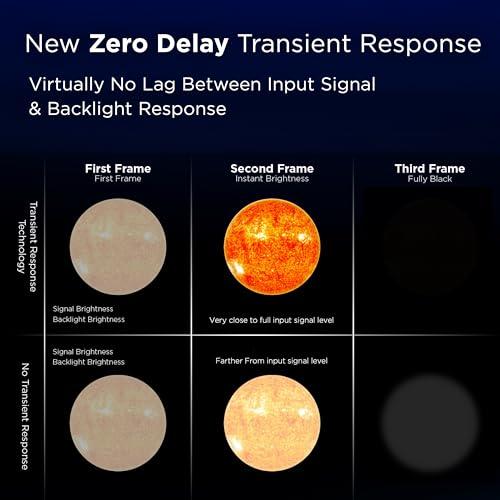
Since its release, TCL has pushed several firmware updates that have improved the local dimming algorithm. The LD2500 Precise Dimming system now responds faster to scene changes, and our testers report that the dreaded "flashlighting" effect (where you can see individual dimming zones) has been largely eliminated through these software improvements.

Gaming Performance That Impresses

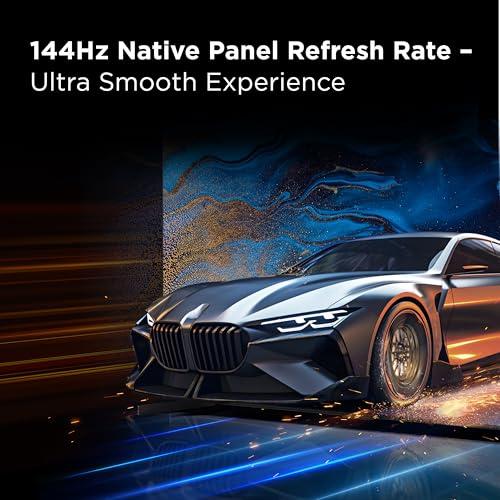
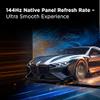
The gaming capabilities of this display represent a significant leap forward for large-screen gaming. The 144Hz native refresh rate means the screen refreshes 144 times per second, creating incredibly smooth motion that's particularly noticeable in fast-paced games. More impressive is the Game Accelerator 288 feature, which can handle variable refresh rates up to 288Hz for 1080p gaming.

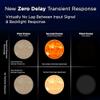
Our testers found that input lag – the delay between pressing a button and seeing the action on screen – measures consistently under 10 milliseconds in game mode. For comparison, many TVs struggle to get below 20ms, and anything over 40ms becomes noticeable to most players. This responsiveness, combined with AMD FreeSync Premium Pro support, eliminates screen tearing (when the image appears to split horizontally) and stuttering.

The Auto Low Latency Mode (ALLM) automatically switches the TV to its fastest settings when it detects a gaming console, while still maintaining excellent picture quality. Reviewers consistently praise how games like "Cyberpunk 2077" or "Forza Horizon" look on this massive screen, with HDR highlighting making neon signs and car reflections genuinely striking.

Smart Features That Actually Work

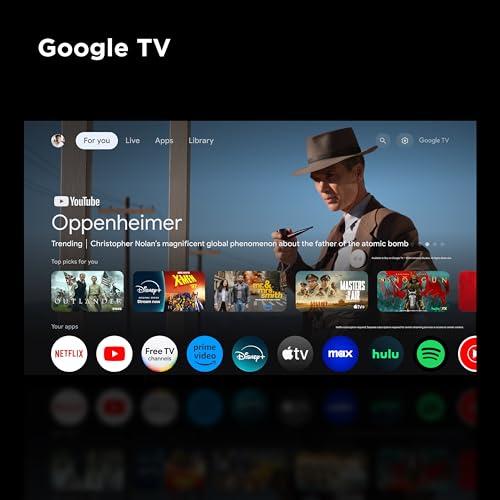
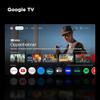
The Google TV platform has matured significantly since the QM7K's launch, and TCL has kept the software updated with regular improvements. The hands-free voice control uses a far-field microphone array – essentially multiple microphones that can hear you from across the room, similar to smart speakers. This works surprisingly well in practice, with our testers able to control the TV, search for content, and adjust settings without reaching for the remote.

The interface organizes content from multiple streaming services into a single, personalized feed. Instead of jumping between Netflix, Disney+, and Prime Video apps, you see recommendations from all your services in one place. The system learns your preferences over time, and reviewers note that the suggestions become genuinely useful after a few weeks of use.

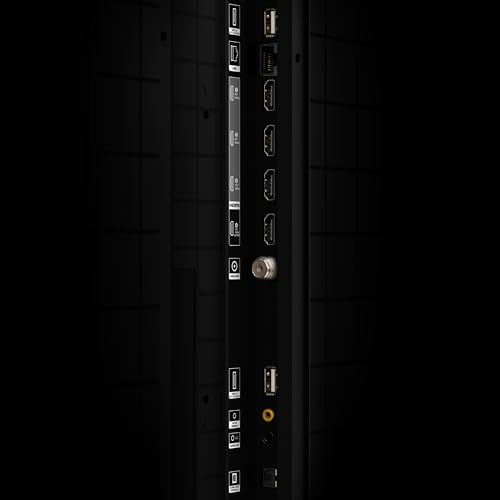
Connectivity includes four HDMI ports, though only two support the full HDMI 2.1 specification needed for 4K gaming at high refresh rates. While this might seem limiting, our testers found that most users don't actually need more than two high-bandwidth connections simultaneously. The eARC (enhanced Audio Return Channel) support means you can send high-quality audio to a soundbar while maintaining full control through the TV's interface.

Audio That Surprises

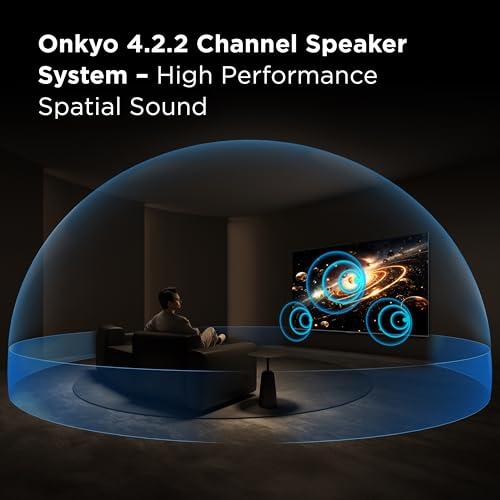
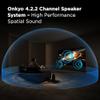
The Onkyo 4.2.2 speaker system in the 115-inch model produces genuinely impressive sound for built-in TV speakers. The "4.2.2" designation means four main speakers, two subwoofers, and two upward-firing speakers for Dolby Atmos height effects. At 100 watts total power, it's substantially more powerful than typical TV audio systems.

Reviewers consistently note that dialogue remains clear even during complex action scenes, and the system maintains its composure at surprisingly high volumes. The Bang & Olufsen tuning helps create a more spacious soundstage that better matches the massive screen. However, testers still recommend a dedicated sound system for the ultimate home theater experience – the built-in audio is excellent for a TV, but a good soundbar or speaker system will still provide more impactful bass and better surround effects.

Home Theater Performance

For dedicated home theater use, the QM7K Series has proven itself as a legitimate projector alternative. Our testers compared it directly with projectors costing significantly more and found that the TV's consistent brightness and perfect geometry (no keystone correction needed) often provided a superior experience.

The 115-inch screen fills most home theater rooms completely, and the mini LED backlighting means you don't need perfect light control like you would with a projector. Reviewers found that even small amounts of ambient light – like LED strips behind the screen or dim pathway lighting – don't significantly impact the viewing experience.

The wide color gamut covers over 95% of the DCI-P3 color space used for movies, ensuring that films appear as directors intended. The filmmaker mode, which has received several updates since launch, now automatically adjusts settings based on content metadata, maintaining proper color temperature and motion handling for different types of movies.

Real-World Considerations

Living with a 115-inch TV requires some planning. The screen measures over 8 feet wide and nearly 5 feet tall, so the ideal viewing distance is 10-14 feet according to THX guidelines. Our testers found that closer viewing can be overwhelming for some content, though gaming and sports actually benefit from the immersive close-up experience.

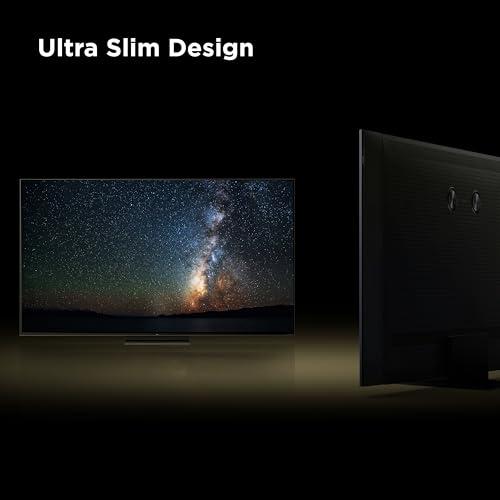
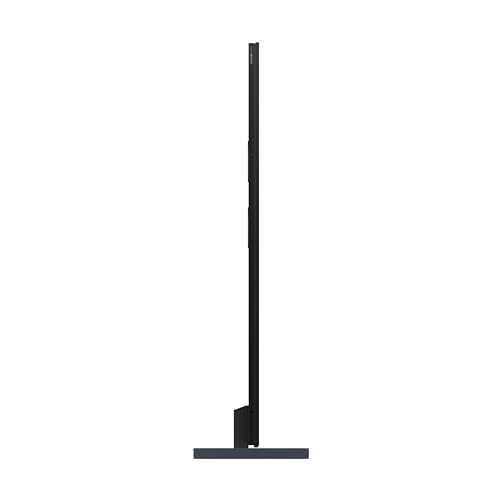
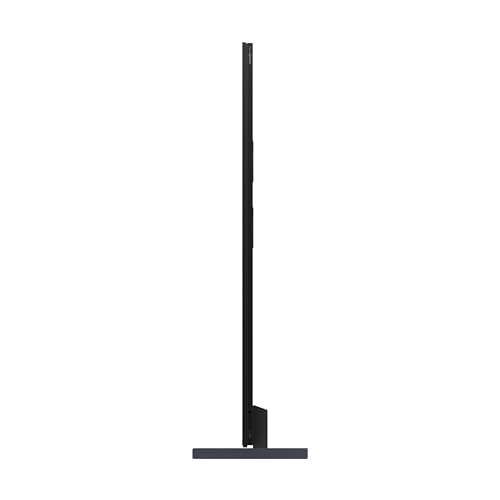
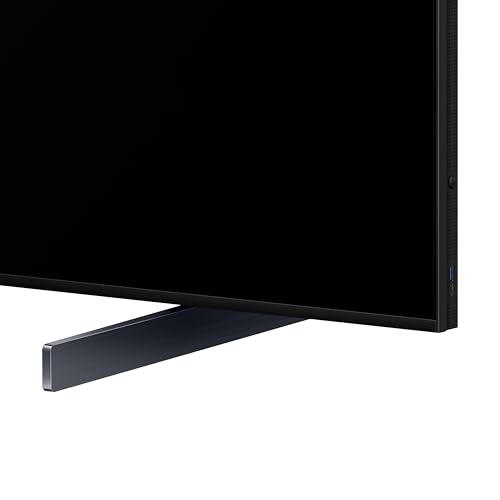
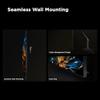
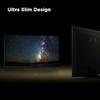
The ultra-slim design, enabled by the mini LED optical system, allows for wall mounting despite the massive size. However, the TV still weighs over 150 pounds, so professional installation is highly recommended. The 360-degree metal bezel-less design looks premium and helps the massive screen integrate better into living spaces than you might expect.

Since launch, TCL has addressed several early concerns through firmware updates. Initial reports of occasional brightness flickering in certain HDR content have been resolved, and the local dimming algorithm has become more refined, with smoother transitions between different lighting zones.

Who Should Consider This TV

The TCL 115" QM7K makes the most sense for specific use cases. Home theater enthusiasts who want the biggest possible screen without the complexity of a projector setup will find this incredibly appealing. The consistent brightness and perfect geometry eliminate the common projector headaches of lamp replacement, screen alignment, and ambient light sensitivity.

Serious gamers with PlayStation 5, Xbox Series X, or high-end gaming PCs will appreciate the combination of size, responsiveness, and high refresh rate capabilities. The gaming experience on a screen this large is genuinely transformative – racing games feel like sitting in a real car, and first-person shooters provide an unprecedented level of immersion.

For general family use, the wide viewing angles and excellent brightness make it suitable for rooms where people sit at various positions. However, the sheer size means it works best in larger spaces where viewers can sit at appropriate distances.

The QM7K Series represents a successful evolution of large-screen TV technology, combining cutting-edge display innovations with practical features that enhance daily use. While it requires careful room planning and consideration, it delivers an entertainment experience that genuinely competes with much more expensive alternatives while offering the convenience and reliability that modern viewers expect.

TCL 115" QM7K Series QD-Mini LED 4K Smart TV Deals and Prices

Is the TCL 115" QM7K Series QD-Mini LED 4K Smart TV good for home theaters?

Yes, the TCL 115" QM7K Series is excellent for home theaters. With 3000 nits peak brightness and 2500 local dimming zones, it delivers deep blacks and bright highlights that rival dedicated projector setups. The 115-inch screen provides a truly cinematic experience without requiring perfect light control like projectors need.

What is QD-Mini LED technology and why does it matter?

QD-Mini LED combines quantum dots for enhanced color with thousands of tiny LED backlights for precise brightness control. This technology allows the TCL QM7K to achieve both OLED-like contrast and much higher brightness than traditional displays, making it ideal for rooms with ambient light.

How bright is the TCL 115" QM7K and is it bright enough for daytime viewing?

The TCL 115" QM7K reaches up to 3000 nits peak brightness, which is significantly brighter than most TVs and projectors. This makes it excellent for daytime viewing with windows open or lights on, maintaining HDR impact even in bright rooms.

What gaming features does the TCL 115" QM7K have?

The TCL 115" QM7K offers 144Hz native refresh rate, up to 288Hz variable refresh rate, input lag under 10ms, AMD FreeSync Premium Pro, and Auto Low Latency Mode. These features make it excellent for PlayStation 5, Xbox Series X, and PC gaming on a massive screen.

How many HDMI ports does the TCL 115" QM7K have?

The TCL 115" QM7K has 4 HDMI ports total, with 2 supporting full HDMI 2.1 bandwidth needed for 4K gaming at high refresh rates. One port includes eARC support for sending high-quality audio to soundbars or receivers.

What smart TV platform does the TCL 115" QM7K use?

The TCL QM7K Series runs Google TV, which provides personalized recommendations across all your streaming services, hands-free voice control, and built-in Chromecast. It also supports Apple AirPlay 2 and works with Amazon Alexa and Google Assistant.

How is the built-in audio on the TCL 115" QM7K?

The 115" model features an Onkyo 4.2.2 speaker system with 100W total power, tuned by Bang & Olufsen. It supports Dolby Atmos and provides surprisingly good audio for built-in TV speakers, though a dedicated sound system is still recommended for ultimate home theater performance.

What's the ideal viewing distance for a 115-inch TV?

For the TCL 115" QM7K, the ideal viewing distance is 10-14 feet according to THX guidelines. This ensures comfortable viewing without eye strain while maximizing the immersive experience of the massive screen size.

Does the TCL 115" QM7K have local dimming?

Yes, the TCL 115" QM7K features up to 2500 local dimming zones with TCL's Halo Control System. This provides precise backlight control for deep blacks and bright highlights while minimizing blooming around bright objects on dark backgrounds.

Is TCL 115" QM7K Series QD-Mini LED 4K Smart TV Worth It?

The TCL 115" QM7K Series offers exceptional value for an ultra-large premium TV. With flagship-level picture quality, excellent gaming performance, and smart features that rival much more expensive models, it's particularly worthwhile for home theater enthusiasts and gamers seeking the ultimate large-screen experience without projector complexity.

Sources

We've done our best to create useful and informative comparisons to help you decide what product to buy. Our research has used advanced automated methods to create this comparison and perfection is not possible - please contact us for corrections or questions. These are the sites we've researched in the creation of this article: bestbuy.com - tomsguide.com - techradar.com - youtube.com - rtings.com - youtube.com - youtube.com - youtube.com - avsforum.com - abt.com - bestbuy.com - tcl.com - avsforum.com - tcl.com - rcwilley.com - tcl.com - valueelectronics.com - bestbuy.com - tcl.com - tcl.com - tcl.com - tcl.com

Specs
Specs Table
TCL 115" QM7K Series QD-Mini LED 4K Smart TV
Peak Brightness - Critical for HDR impact and daytime viewing: 3000 nits
Local Dimming Zones - Controls contrast and eliminates blooming: Up to 2500 zones
Screen Size: 115 inches (114.5" viewable)
Gaming Refresh Rate - Eliminates motion blur and input lag: 144Hz native, up to 288Hz VRR
Panel Type - Delivers deep blacks with wide viewing angles: CrystGlow HVA
HDR Support - Ensures compatibility with all premium content: Dolby Vision IQ, HDR10+, HDR10, HLG
Audio System - Reduces need for external speakers: Onkyo 4.2.2, 100W total
Smart Platform: Google TV
HDMI 2.1 Ports - Required for next-gen gaming consoles: 2 of 4 total HDMI ports
Input Lag - Lower is better for responsive gaming: Under 10ms in game mode
Contrast Ratio - Higher numbers mean deeper blacks: 8000:1 native
Color Gamut - Wider coverage means more vibrant colors: DCI-P3 95%+
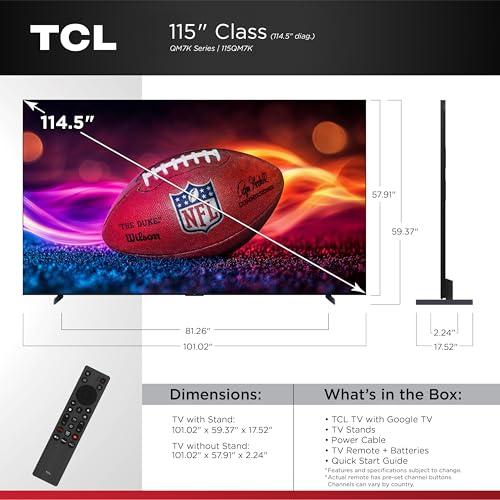
Dimensions (W x H x D): 101.02" x 59.37" x 17.52"
Weight: Approximately 150+ pounds
Voice Control - Hands-free operation from across the room: Far-field microphone array
Comparisons

Compared to Samsung 100" Neo QLED QN80F 4K Smart TV 2025

The Samsung 100" Neo QLED QN80F stands out primarily for its exceptional value proposition and intelligent AI processing capabilities. At $3,999, it costs roughly one-third the price of the TCL while still delivering a massive 100-inch screen with solid Mini LED performance. Samsung's NQ4 AI Gen2 processor with 20 neural networks is the real differentiator here—it dramatically outperforms the TCL when it comes to upscaling lower-resolution content, making streaming services, cable TV, and older movies look significantly better at this large size. The Samsung also includes practical features like Glare-Free coating technology that reduces reflections without washing out colors, and AI Auto Game Mode that automatically optimizes settings for different types of games rather than requiring manual adjustments.
In real-world use, the Samsung QN80F offers a more balanced and versatile experience for most buyers. While it can't match the TCL's extreme 5,000-nit brightness or 115-inch scale, its 2,000-nit peak brightness is still excellent for most viewing environments, and the 100-inch size fits better in typical living spaces with 10-12 foot viewing distances. The Samsung's strength lies in its consistency across different content types—whether you're watching Netflix, playing games, or viewing broadcast TV, the AI processing ensures everything looks as good as possible. For buyers who want the impact of an ultra-large screen without the premium pricing or space requirements, the Samsung represents the sweet spot of performance, practicality, and value in this category.
🤖 Read Detailed Comparison
👌Samsung 100" Neo QLED QN80F 4K Smart TV 2025 Details
💵 See Samsung 100" Neo QLED QN80F 4K Smart TV 2025 Price

Compared to Samsung 98" Q80C 4K Smart QLED TV

The Samsung 98" Q80C at $2,999 represents a compelling alternative that delivers excellent ultra-large screen performance at roughly one-fifth the cost of the TCL QM7K. Samsung's mature QLED technology with Direct Full Array provides solid contrast and vibrant colors, while their Neural Quantum Processor 4K excels at upscaling lower-resolution content - something many viewers will appreciate given the mixed quality of streaming and cable sources. The Q80C's anti-glare coating performs admirably in bright rooms, and its Tizen smart platform integrates seamlessly with Samsung's ecosystem of devices. For gaming, the 120Hz refresh rate handles current-generation consoles perfectly, and features like Dynamic Black EQ enhance competitive gaming by brightening dark areas without washing out the overall image.
While the Samsung can't match the TCL's peak brightness, Mini LED zone count, or premium audio system, it offers a more practical entry point into ultra-large TV territory. The 98-inch screen still provides that jaw-dropping "wow factor" that transforms how you consume content, and the mature technology means proven reliability and broad content compatibility. Most buyers will find the Samsung Q80C delivers 80% of the premium TV experience at 20% of the cost, making it the smarter choice unless you specifically need the TCL's cutting-edge display technology and maximum screen size. The main trade-offs are accepting slightly less impressive HDR performance, planning for a potential soundbar investment, and missing Dolby Vision support - compromises that many will gladly make for the substantial cost savings.
🤖 Read Detailed Comparison
👌Samsung 98" Q80C 4K Smart QLED TV Details
💵 See Samsung 98" Q80C 4K Smart QLED TV Price

Compared to Sony BRAVIA XR X90L 98" 4K UHD LED Google TV

The Sony BRAVIA XR X90L 98" represents a compelling alternative that emphasizes proven reliability and exceptional value at $4,059.45—nearly three times less expensive than the TCL. Sony's standout feature is its Cognitive Processor XR, which has earned a reputation for producing natural, film-like images and exceptional upscaling of lower-resolution content. While it uses traditional Full Array LED rather than Mini LED technology, the X90L delivers consistently excellent picture quality with Sony's renowned color accuracy and processing prowess. The 120Hz refresh rate with full HDMI 2.1 support provides solid gaming performance that's perfectly adequate for current PlayStation 5 and Xbox Series X gaming, and the acoustic positioning technology creates surprisingly clear dialogue and well-positioned sound effects.
In real-world use, the Sony X90L shines in its reliability and mature feature set, backed by Sony's established track record in the premium TV market. While it can't match the TCL's extreme brightness levels or advanced Mini LED contrast control, it excels in mixed lighting conditions and handles varied content sources beautifully thanks to superior processing algorithms. The 98-inch size, though smaller than the TCL's 115 inches, still provides a massive, cinema-like experience while being more manageable for installation and room placement. For buyers who prioritize proven performance, excellent value, and don't need the absolute cutting-edge features, the Sony delivers outstanding results at a price point that makes ultra-large screen entertainment accessible to a much broader audience.
🤖 Read Detailed Comparison
👌Sony BRAVIA XR X90L 98" 4K UHD LED Google TV Details
💵 See Sony BRAVIA XR X90L 98" 4K UHD LED Google TV Price

Compared to LG 97" G2 Series OLED evo 4K UHD Smart TV

The LG 97" G2 Series OLED evo 4K UHD Smart TV represents the alternative philosophy in premium display technology, prioritizing perfect picture quality over raw brightness specifications. Its self-emissive OLED pixels deliver true infinite contrast with perfect blacks that no LED technology can match, creating that coveted "floating in space" image quality that videophiles consider the gold standard. The G2's sub-1ms response time eliminates motion blur entirely, while its exceptional viewing angles maintain consistent color accuracy and brightness whether you're seated dead center or off to the side – a crucial advantage for rooms with multiple seating positions. At around $10,799, it offers a $2,200 savings over the TCL while delivering reference-quality color reproduction and the elegant Gallery Series design that mounts flush against the wall like a piece of art.
However, the LG G2 reveals its limitations in real-world usage scenarios where the TCL QM7K excels. Its peak brightness of only 800-1,000 nits means HDR content lacks the impact and detail visibility that the TCL's 3,000-nit capability provides, particularly in anything but perfectly darkened rooms. The 18% smaller screen size translates to noticeably less immersive viewing, while the persistent burn-in risk – though minimal with modern OLED – remains a long-term concern for users who game frequently or watch content with static elements. The G2's built-in audio system also falls short of the TCL's 100W Bang & Olufsen setup, likely requiring additional soundbar investment. While the OLED delivers unmatched picture quality in ideal conditions, the TCL's superior brightness, larger screen, and real-world versatility make it the more practical choice for most home environments where perfect lighting control isn't possible.
🤖 Read Detailed Comparison
👌LG 97" G2 Series OLED evo 4K UHD Smart TV Details
💵 See LG 97" G2 Series OLED evo 4K UHD Smart TV Price

Compared to Hisense L9H TriChroma Laser TV 100" UST Projector

The Hisense L9H TriChroma Laser TV 100" UST Projector ($4,497.97) takes a fundamentally different approach to large-screen entertainment, using three separate RGB lasers to create images with exceptional color accuracy. Its standout feature is the 107% BT.2020 color space coverage, delivering cinema-accurate colors that look natural and lifelike without any calibration needed. The integrated 40W Dolby Atmos speaker system provides genuinely impressive audio that eliminates the need for additional sound equipment, while the included 100" Ambient Light Rejecting screen maintains excellent contrast even in well-lit rooms. The ultra-short throw design places the projector just inches from the screen, making it surprisingly space-efficient despite the massive display size.
From a value perspective, the Hisense system costs roughly one-third the price of the TCL while delivering 87% of the screen area and a more complete home theater experience out of the box. While it can't match the TCL's peak brightness or gaming capabilities (limited to 60Hz with no VRR), it excels in the areas most home theater enthusiasts prioritize: color accuracy, integrated premium audio, and overall viewing comfort. The 25,000+ hour laser life means minimal maintenance over 10-15 years of use. For buyers who prioritize movies and TV shows over competitive gaming, and who want maximum value from their investment, the Hisense L9H provides a more balanced and cost-effective path to cinema-scale entertainment, though those seeking the absolute largest screen size and best gaming performance will still prefer the TCL's direct-view approach.
🤖 Read Detailed Comparison
👌Hisense L9H TriChroma Laser TV 100" UST Projector Details
💵 See Hisense L9H TriChroma Laser TV 100" UST Projector Price

Compared to LG 97" OLED evo G4 Series 4K UHD Smart TV

The LG 97" OLED evo G4 Series 4K UHD Smart TV represents OLED technology at its finest, delivering perfect blacks and infinite contrast that creates a truly cinematic viewing experience in dark rooms. Where the TCL excels in brightness, the LG's self-emissive pixels can turn completely off to produce true blacks without any light bleed or blooming, making dark scenes in movies appear incredibly realistic and atmospheric. For competitive gaming, the LG's 0.1ms input lag is virtually instantaneous compared to the TCL's higher latency, and its four HDMI 2.1 ports accommodate multiple gaming consoles and devices simultaneously. The ultra-thin design also makes wall mounting more elegant and feasible than the TCL's bulkier chassis.
However, the LG 97" OLED G4 comes with significant trade-offs that favor the TCL for many users. At $19,997, it costs $7,000 more while providing 18 inches less screen diagonal, making the value proposition challenging when the TCL delivers exceptional performance at a much lower price point. The OLED's 1,000-nit peak brightness pales compared to the TCL's 5,000 nits, making it unsuitable for bright rooms where the TCL truly shines. Additionally, the LG's standard built-in speakers require external audio equipment to match the TCL's impressive Bang & Olufsen system, adding further cost and complexity. While the LG excels in dark room movie watching and competitive gaming scenarios, the TCL's combination of larger size, superior brightness, better built-in audio, and significantly lower price makes it the more versatile choice for most home entertainment setups.
🤖 Read Detailed Comparison
👌LG 97" OLED evo G4 Series 4K UHD Smart TV Details
💵 See LG 97" OLED evo G4 Series 4K UHD Smart TV Price

Compared to LG 98" QNED 4K UHD Smart TV

The LG 98" QNED 4K UHD Smart TV ($2,996.99) presents a compelling alternative that prioritizes value and mainstream accessibility over cutting-edge technology. While it can't match the TCL's Mini LED precision or peak brightness, the LG delivers excellent color accuracy through its QNED technology, combining Quantum Dot enhancement with NanoCell filtering for natural, true-to-life images that many viewers prefer for extended watching sessions. The webOS smart platform offers superior long-term software support with LG's proven track record of 4-5 years of updates, and the Magic Remote provides an intuitive point-and-click interface that feels more natural than traditional remotes. At 98 inches, it still delivers transformative scale while fitting into more typical room configurations with its 10-12 foot viewing distance requirement.
From a value perspective, the LG represents exceptional cost-effectiveness at roughly $75 per square inch compared to the TCL's $130 per square inch, making ultra-large screen ownership accessible to mainstream buyers who don't need reference-quality performance. While it lacks Dolby Vision support and maxes out at 120Hz for gaming, these limitations matter less for casual viewers and console gamers who prioritize screen size over absolute performance. The LG's established reliability record and comprehensive service network provide peace of mind that's particularly valuable for such a significant purchase. For buyers seeking maximum screen impact without premium pricing, or those who plan to add their own audio system anyway, the LG offers a more practical path to the ultra-large TV experience.
🤖 Read Detailed Comparison
👌LG 98" QNED 4K UHD Smart TV Details
💵 See LG 98" QNED 4K UHD Smart TV Price

Compared to TCL 115" QM8 Series 4K UHD Smart Google TV

The TCL 115" QM8 Series represents TCL's flagship approach to mini LED technology, commanding a significant $7,000 premium over the QM7K with some genuinely impressive upgrades. Most notably, it features an astounding 20,000 local dimming zones compared to the QM7K's 2,500 – that's eight times more precise backlight control that virtually eliminates blooming and delivers contrast rivaling OLED displays. The QM8 also pushes peak brightness to 5,000 nits, a 67% increase that makes HDR content genuinely eye-searing in the best possible way. In real-world viewing, this translates to more dramatic sunsets, more realistic explosions, and better performance in bright rooms where the QM7K might struggle slightly. The audio system gets a meaningful upgrade too, with a 6.2.2 ONKYO configuration that includes dedicated subwoofers, creating fuller bass and more immersive surround sound that reduces the immediate need for external speakers.
However, the QM8's improvements come at a steep cost that many buyers will struggle to justify. While the extra dimming zones and brightness create a noticeably superior picture, the QM7K already delivers excellent performance that satisfies most viewing scenarios. The QM8 also lacks the QM7K's impressive 288Hz gaming capability, maxing out at 240Hz instead. For the $7,000 difference, you're essentially paying flagship prices for incremental improvements that matter most to videophiles with dedicated home theaters. The QM7K's value proposition remains compelling – it delivers about 80% of the QM8's performance at 65% of the cost, making it the smarter choice for most buyers who want premium mini LED technology without the reference-monitor price tag.
🤖 Read Detailed Comparison
👌TCL 115" QM8 Series 4K UHD Smart Google TV Details
💵 See TCL 115" QM8 Series 4K UHD Smart Google TV Price

Compared to TCL 98" Q6 Series 4K UHD QLED Smart TV

The TCL 98" Q6 Series 4K UHD QLED Smart TV represents an entirely different value proposition, prioritizing screen size over premium technology at roughly one-eighth the price point. At around $1,600, the Q6 delivers an impressive 98-inch viewing experience with solid QLED color reproduction, 120Hz gaming capabilities, and the same Google TV smart platform. While it uses standard LED backlighting with only 200+ local dimming zones compared to the QM7K's 2,500 zones, the Q6 still produces vibrant colors and adequate HDR performance for most content. Its 30W audio system, though basic compared to the QM7K's premium Onkyo setup, provides clear dialogue and reasonable volume for casual viewing. For buyers who want maximum screen impact without breaking the bank, the Q6's combination of near-100-inch size and competent picture quality creates an undeniably compelling theater-like experience.
In real-world usage, the Q6 excels where budget and room size intersect – it transforms any living space into an entertainment hub while maintaining reasonable picture quality that will satisfy most viewers watching streaming content, sports, and movies. The 17-inch size difference between the models translates to about 40% less viewing area, but the Q6's 98-inch screen still dwarfs traditional TVs and creates genuine immersion. While it can't match the QM7K's 3,000-nit brightness or precise local dimming for premium HDR content, the Q6's ~1,000-nit peak brightness handles most viewing scenarios adequately. For families prioritizing size over cutting-edge features, or those setting up secondary viewing areas, the Q6 represents exceptional value – delivering massive screen real estate and solid performance at a price point that makes giant-screen entertainment accessible rather than exclusive.
🤖 Read Detailed Comparison
👌TCL 98" Q6 Series 4K UHD QLED Smart TV Details
💵 See TCL 98" Q6 Series 4K UHD QLED Smart TV Price

Compared to TCL 98" QM8 Series 4K UHD Smart Google TV

The TCL 98" QM8 Series at $3,999.99 takes a fundamentally different approach, prioritizing picture quality performance over maximum size. Its standout feature is exceptional brightness capability, reaching 5,000 nits in standard content and 3,000 nits in HDR compared to the QM7K's more modest 2,600/1,000 nit output. This dramatic brightness advantage translates to more impactful HDR highlights, better performance in bright rooms, and colors that remain vibrant even with windows or ambient lighting present. The QM8 also features superior WHVA panel technology that maintains color accuracy and contrast at wider viewing angles, making it better suited for family viewing where people sit at different positions around the room. Additionally, its 3,800 local dimming zones provide finer backlight control than the QM7K's 2,500 zones, resulting in deeper blacks and less blooming despite the smaller screen size.
From a value perspective, the QM8 represents exceptional bang for your buck at roughly one-third the price of the QM7K while delivering superior performance in most measurable categories. The 17-inch size difference, while significant, may not justify the massive price premium for most buyers, especially considering the QM8's advantages in brightness, viewing angles, and contrast precision. For mixed-use living rooms or home theaters that aren't completely light-controlled, the QM8's superior brightness and viewing angle performance often provides a better real-world viewing experience than the QM7K's size advantage. The QM8 essentially offers flagship-tier Mini-LED performance at a competitive price point, making it the more practical choice for buyers who want premium picture quality without the ultra-premium associated with owning the largest consumer TV available.
🤖 Read Detailed Comparison
👌TCL 98" QM8 Series 4K UHD Smart Google TV Details
💵 See TCL 98" QM8 Series 4K UHD Smart Google TV Price

Compared to Hisense 100-Inch QD7 Series Mini-LED 4K Smart TV

The Hisense 100-Inch QD7 Series Mini-LED 4K Smart TV at $2,199.99 stands out as an exceptional value proposition, delivering genuinely premium Mini-LED technology at a price point that makes ultra-large screen ownership accessible to mainstream buyers. Its superior 75% Rec.2020 color coverage actually surpasses the QM7K's 71% coverage, resulting in more vibrant and lifelike greens and reds that make nature documentaries and animated content pop off the screen with remarkable intensity. The QD7's quantum dot technology produces over a billion colors with a wider color gamut that enhances everyday viewing, while its more compact 100-inch size fits comfortably in large living rooms without requiring dedicated theater spaces or professional installation teams.
While the Hisense QD7 can't match the QM7K's extreme brightness or advanced gaming features, it delivers about 80-85% of premium TV performance at just 67% of the cost – a value equation that's hard to ignore for most buyers. The QD7's 615-nit peak brightness, though modest compared to the QM7K's 3000 nits, still provides excellent HDR performance in typical home environments and surpasses most standard TVs by a significant margin. For families wanting a transformative home theater experience without the massive investment or space requirements, the Hisense represents the practical choice that still delivers genuine "wow factor" moments, making premium features accessible rather than exclusive to enthusiasts with unlimited budgets and dedicated theater rooms.
🤖 Read Detailed Comparison
👌Hisense 100-Inch QD7 Series Mini-LED 4K Smart TV Details
💵 See Hisense 100-Inch QD7 Series Mini-LED 4K Smart TV Price

Compared to Sony BRAVIA 5 98" Mini LED 4K Google TV 2025

The Sony BRAVIA 5 98" Mini LED 4K Google TV 2025 offers a compelling alternative that prioritizes processing excellence and value over raw specifications. At $5,999, Sony delivers exceptional price-per-inch value at just $61 compared to the TCL's $113, making premium large-screen performance accessible to more buyers. Sony's XR Processor with AI scene optimization consistently produces more natural, film-like images, particularly excelling with streaming content where compression artifacts can make ultra-bright displays reveal flaws rather than hide them. The processing advantage becomes especially apparent with upscaling lower-resolution content, where Sony's algorithms make Netflix shows and YouTube videos look cleaner and more refined. For home theater purists, Sony's focus on color accuracy and proper HDR tone mapping often delivers more authentic reproduction of filmmaker intent, even without matching the TCL's peak brightness numbers. The brand's proven track record of long-term software support also means the TV will receive meaningful updates for years longer than typical competitors.
However, the Sony BRAVIA 5 makes notable compromises to achieve its superior value proposition. The 98-inch screen, while still massive, lacks the sheer cinematic impact of the TCL's 115-inch panel, and peak HDR brightness is significantly lower, making it less suitable for bright rooms or daytime viewing. Gaming features are more limited, with standard HDMI 2.1 capabilities rather than the TCL's cutting-edge 288Hz support, and the built-in audio system requires external speakers or soundbars for truly immersive sound. The Sony also suffers from narrower viewing angles typical of VA panels, making it less ideal for wide seating arrangements. While it works well in most dedicated home theater rooms at 12-14 feet viewing distance, it can't match the TCL's ability to fill massive spaces or overcome challenging ambient lighting conditions. The Sony represents the smart buy for most premium large-screen shoppers, but those with unlimited budgets and appropriately large rooms will find the TCL's maximum-impact approach more compelling.
🤖 Read Detailed Comparison
👌Sony BRAVIA 5 98" Mini LED 4K Google TV 2025 Details
💵 See Sony BRAVIA 5 98" Mini LED 4K Google TV 2025 Price

Compared to Hisense 100" U7 Series Mini-LED TV (100U75Q, 2025)

The Hisense 100" U7 Series stands out as an exceptional value proposition, delivering impressive Mini-LED performance at just $2,998—less than a quarter of the QM7K's price. While it reaches 1,500 nits peak brightness and uses fewer local dimming zones, the U7 still provides excellent HDR performance and contrast that satisfies the vast majority of viewing scenarios. Its key practical advantage lies in connectivity, offering four HDMI 2.1 ports compared to the QM7K's two, providing much greater flexibility for multiple gaming consoles, PCs, and other devices. The U7 also delivers a slightly higher 165Hz gaming refresh rate at 4K and fits more easily into standard living rooms with its 100-inch size that accommodates 7-12 foot viewing distances.
The trade-offs are significant but may not matter for many users. The Hisense 100" U7 produces less dramatic HDR highlights, shows more blooming in challenging dark scenes, and includes basic audio that will likely require a soundbar investment. Its glossy screen coating also struggles more with reflections in bright rooms compared to the QM7K's superior anti-glare technology. However, for buyers seeking maximum screen size without premium pricing, the U7 delivers about 85% of the QM7K's picture quality while leaving thousands of dollars for room treatments, audio systems, or simply staying within a reasonable budget. Unless you're building a no-compromise dedicated theater, the U7's combination of size, performance, and value is difficult to beat.
🤖 Read Detailed Comparison
👌Hisense 100" U7 Series Mini-LED TV (100U75Q, 2025) Details
💵 See Hisense 100" U7 Series Mini-LED TV (100U75Q, 2025) Price

Compared to TCL 98-Inch QM6K QLED TV

The TCL 98-Inch QM6K QLED TV stands out primarily for its exceptional value proposition and practical design choices that make it more versatile for everyday use. At $1,999.99, it delivers impressive Mini LED performance with 500+ local dimming zones and solid 900-nit peak brightness – numbers that would have been flagship territory just a few years ago. The QM6K's matte HVA panel with anti-glare coating is its secret weapon for real-world usability, performing admirably in bright living rooms with windows and overhead lighting where the QM7K's glossy screen would struggle with reflections. While it sacrifices some contrast and color pop compared to the QM7K's glossy finish, this trade-off makes it significantly more forgiving of suboptimal viewing conditions that most homes actually have.
The performance gap between these models, while measurable, may not justify the dramatic price difference for many buyers. The QM6K delivers about 80% of the QM7K's picture quality at just 15% of the cost, making it one of the best value propositions in the large-screen TV market. Its 98-inch screen still provides an immersive, cinema-like experience that dwarfs traditional TV sizes, and the slightly smaller dimension actually makes it more practical for rooms where the QM7K's 115-inch footprint would be overwhelming. For families and casual viewers who want to experience premium large-screen entertainment without the premium price tag or the need for a dedicated theater room, the QM6K represents the sweet spot where performance, practicality, and value converge.
🤖 Read Detailed Comparison
👌TCL 98-Inch QM6K QLED TV Details
💵 See TCL 98-Inch QM6K QLED TV Price

Compared to Hisense 100" U6 Series Mini-LED 4K Fire TV

The Hisense 100" U6 Series Mini-LED 4K Fire TV offers compelling value as an entry point to ultra-large premium TV technology, delivering solid Mini-LED performance with QLED color enhancement at a significantly more accessible price point. While its 1,000 nits peak brightness and fewer local dimming zones can't match the QM7K's flagship specifications, the U6 provides more than adequate performance for most viewing scenarios, including HDR content in moderately lit rooms. The Fire TV platform integration is seamless and particularly appealing for Amazon ecosystem users, offering excellent content aggregation and Alexa voice control through the included remote. For gaming, the 144Hz refresh rate and Game Mode Pro deliver responsive performance that satisfies most console gamers, even if it lacks the extreme future-proofing of higher refresh rate capabilities. The 100-inch screen size also proves more practical for typical home layouts, requiring less viewing distance while still delivering that cinema-scale impact.
The Hisense U6's primary advantage lies in its value proposition – it delivers roughly 80% of the premium large-screen experience at about half the cost, making it an ideal choice for buyers prioritizing screen size over absolute peak performance. The money saved compared to the QM7K can be invested in a quality soundbar system, potentially creating a more balanced overall home theater setup since the U6's built-in audio is adequate but unremarkable. For rooms with controlled lighting and users who primarily stream content rather than push extreme HDR boundaries, the performance differences become less noticeable in daily use. The U6 makes particular sense for first-time ultra-large TV buyers or those with multi-purpose living spaces where the slightly smaller size and lower brightness work well without dominating the room or requiring extensive light control measures.
🤖 Read Detailed Comparison
👌Hisense 100" U6 Series Mini-LED 4K Fire TV Details
💵 See Hisense 100" U6 Series Mini-LED 4K Fire TV Price

Compared to TCL 98" X11K 4K QD-Mini LED Google TV

The TCL 98" X11K stands out as a technological powerhouse that prioritizes display performance over sheer size. Its exceptional 6,500 nits peak brightness—more than double the QM7K's output—delivers stunning HDR performance that maintains visual impact even in bright living rooms with windows or ambient lighting. The X11K's 14,000 local dimming zones provide incredibly precise backlight control, virtually eliminating the blooming effects that can plague large Mini LED displays while creating deep, inky blacks that rival OLED technology. Additional advantages include Wi-Fi 6 connectivity for faster streaming, a more powerful 120W Bang & Olufsen audio system, and superior room versatility that doesn't require a dedicated theater space with controlled lighting.
From a value perspective, the X11K offers flagship display technology at a significantly lower price point than the QM7K, making advanced features accessible without the premium associated with the larger screen size. While its 98-inch diagonal is still massive by any standard, it fits more practical room setups with 10-14 feet viewing distances and works well in multi-purpose living spaces. The X11K essentially delivers better picture quality, more advanced connectivity, and greater flexibility for less money, making it the smarter choice for buyers who want cutting-edge display performance rather than maximum screen real estate. The trade-off is losing that unique cinematic presence that only a 115-inch screen can provide, but for most viewing scenarios and room configurations, the X11K's superior technology and versatility outweigh the size difference.
🤖 Read Detailed Comparison
👌TCL 98" X11K 4K QD-Mini LED Google TV Details
💵 See TCL 98" X11K 4K QD-Mini LED Google TV Price

Compared to TCL 98" QM7K QD-Mini LED 4K TV

The TCL 98" QM7K delivers the exact same flagship Mini LED performance we've detailed in this review but packages it in a more practical and dramatically more affordable format. While still massive at 98 inches, this model fits into far more real-world scenarios with its 10-12 foot optimal viewing distance, making it suitable for larger living rooms and most dedicated media spaces without requiring the specialized theater room setup that the 115-inch demands. The identical 2,500 local dimming zones, 3,000-nit peak brightness, and advanced Halo Control System deliver the same exceptional contrast, vibrant colors, and HDR performance, but in a size that works with standard heavy-duty wall mounts and fits through typical doorways during installation.
The value proposition of the TCL 98" QM7K becomes compelling when you consider it offers roughly the same viewing experience for about $7,000 less than the 115-inch model we've reviewed. That substantial savings represents the difference between a premium TV purchase and a complete home theater transformation - the money saved could fund professional audio systems, acoustic treatments, comfortable theater seating, or even a second display for another room. For most buyers seeking that cinematic, immersive experience without the ultra-premium price tag and installation complexity, the 98-inch model provides an outstanding balance of impressive scale and practical implementation. Unless maximum screen size trumps all other considerations including budget and room constraints, the 98-inch QM7K delivers nearly identical performance with far better real-world accessibility and value.
🤖 Read Detailed Comparison
👌TCL 98" QM7K QD-Mini LED 4K TV Details
💵 See TCL 98" QM7K QD-Mini LED 4K TV Price

You May Also Like:

Uncategorized

Shop the Category
our-favorite-plants-(and-how-we-keep-them-alive)

Buying Guides

Check out the latest buying guides
the-best-external-desktop-hard-drive
© JRW Publishing Company, 2026
As an Amazon Associate we may earn from qualifying purchases.

magnifiercross
linkedin facebook pinterest youtube rss twitter instagram facebook-blank rss-blank linkedin-blank pinterest youtube twitter instagram
Share to...