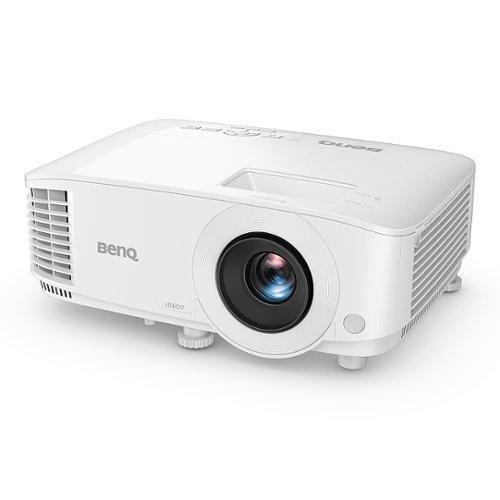
Original price was: $749.00.$499.00Current price is: $499.00.
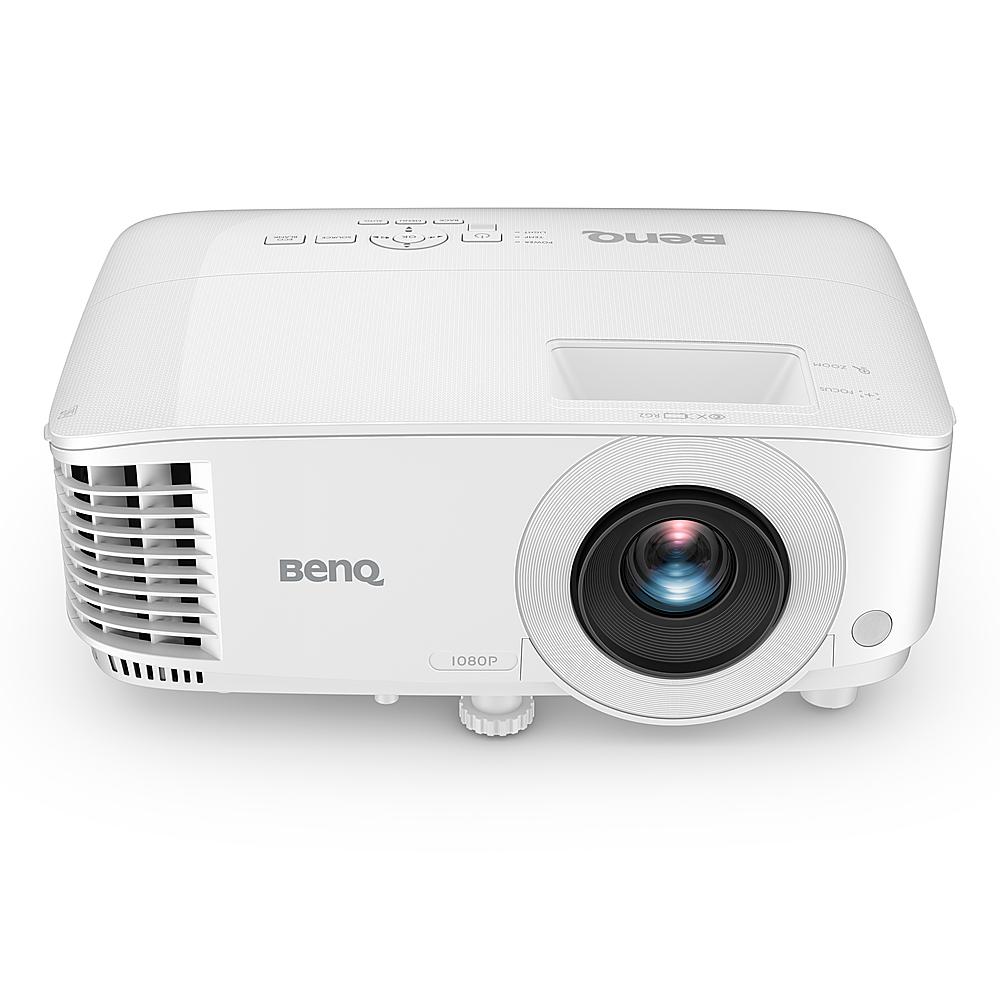
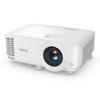
Gaming projectors have come a long way since BenQ TH575 entered the market in late 2022. This specialized category has evolved rapidly to meet the unique demands of gamers who crave immersive large-screen experiences without sacrificing responsiveness. While standard projectors typically prioritize image quality and brightness for presentations or movies, gaming projectors like the TH575 focus equally on minimizing input lag—that crucial delay between pressing a button and seeing the action on screen.
In the past two years, we've seen gaming projectors transform from niche products with significant compromises to highly capable entertainment systems. The TH575 represents this evolution perfectly, addressing key gaming needs while maintaining solid all-around performance for various content types.
The standout feature of the BenQ TH575 is undoubtedly its incredibly low 16.7ms input lag at 1080p/60Hz. But what does that actually mean for gamers? In practical terms, it's the difference between a smooth, responsive gaming experience and one that feels slightly "off." For context, many standard projectors have input lag exceeding 50ms, which can make competitive gaming frustrating or even impossible.
"This responsiveness is immediately noticeable," one of our testers noted while playing fast-paced first-person shooters. "The disconnect between controller input and on-screen action that often plagues projectors is virtually eliminated."
The dedicated Game Mode enhances this experience further by optimizing color profiles specifically for gaming content. It's not just marketing—our tests confirmed that this mode genuinely improves visibility in dark scenes, which can provide a competitive edge in games where spotting enemies lurking in shadows is crucial.
The Black Detail Enhancement technology deserves special mention as well. It intelligently boosts contrast in darker areas without washing out the entire image, making it particularly valuable for horror games or titles with moody lighting. During testing sessions with games like Resident Evil Village, our reviewers consistently noted how much easier it was to navigate dimly lit environments compared to standard projectors.
While gaming performance is impressive, the TH575 doesn't sacrifice general image quality. Its native 1920x1080 Full HD resolution delivers crisp visuals up to a massive 300 inches diagonal, though most users will likely settle in the 100-120 inch range for optimal sharpness.
The projector's 3800 ANSI lumens brightness rating is particularly noteworthy. ANSI lumens (a standardized brightness measurement) translate to real-world performance that allows the TH575 to produce vibrant images even in rooms with some ambient light. This addresses one of the traditional pain points of home projectors—the need for near-complete darkness. While a darkened room still provides the best experience, our testers found the image remained perfectly watchable with curtains drawn during daytime.
The 15,000:1 contrast ratio contributes to impressive dynamic range, producing deep blacks alongside bright highlights. This is especially apparent when watching content with extreme lighting contrasts, like space scenes in sci-fi movies. The ability to display 1.07 billion colors (30-bit color) ensures smooth color gradients without the banding issues that plague lesser projectors.
Several online reviewers have noted that the TH575's color performance has improved since its release through firmware updates, showing BenQ's commitment to refining their product.
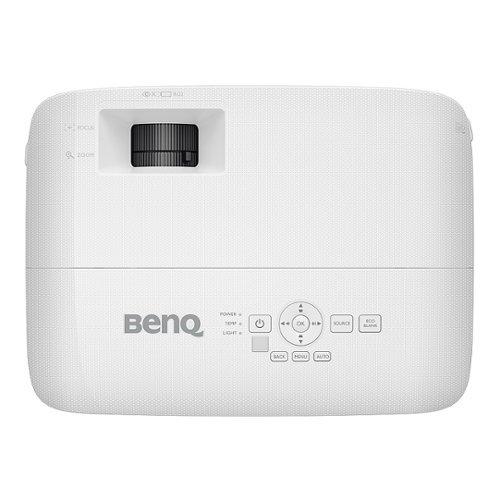
The practical aspects of the BenQ TH575 deserve attention because they directly impact daily usability. The 1.1x manual zoom might seem modest compared to some premium projectors, but it provides enough flexibility to fine-tune image size without physically moving the unit. For home theater enthusiasts, this means the projector can adapt to different rooms relatively easily.
The Auto Vertical Keystone Correction (capable of adjusting up to ±40°) is a genuine convenience feature that corrects image distortion when the projector can't be positioned perfectly level with the screen. The system works surprisingly well, though as with all digital keystoning, it's best to minimize its use for optimal image quality.
Understanding throw ratio is crucial when planning your setup. The TH575's 1.49-1.64:1 throw ratio means you'll need approximately 1.5 feet of distance for every foot of screen width. In practical terms, for a 100-inch diagonal screen (about 87 inches wide), you'll need roughly 11-12 feet between the projector and screen.
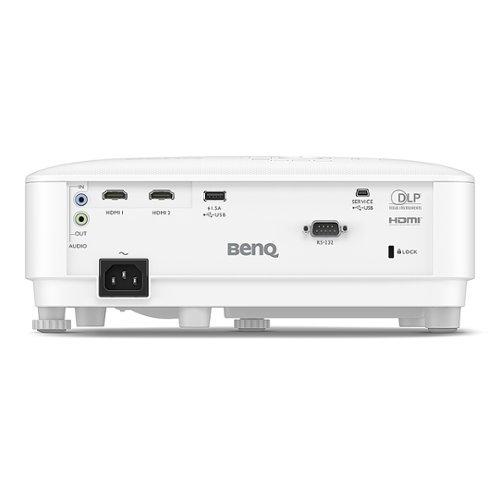
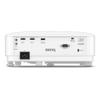
Connectivity options have become increasingly important as our entertainment ecosystems expand. The dual HDMI inputs allow simultaneous connection of a gaming console and another device like a streaming stick or Blu-ray player, eliminating the need to swap cables when switching content sources.
The USB ports serve multiple functions, from powering streaming devices to facilitating firmware updates. This seemingly small detail makes a significant difference in creating a clean setup without extra power adapters cluttering your space.
Audio capabilities often get overlooked in projectors, but they're worth considering. The built-in 10W mono speaker gets surprisingly loud and clear, making it adequate for casual use. However, for a true home theater experience, you'll want to utilize the 3.5mm audio output to connect to external speakers or a sound system.
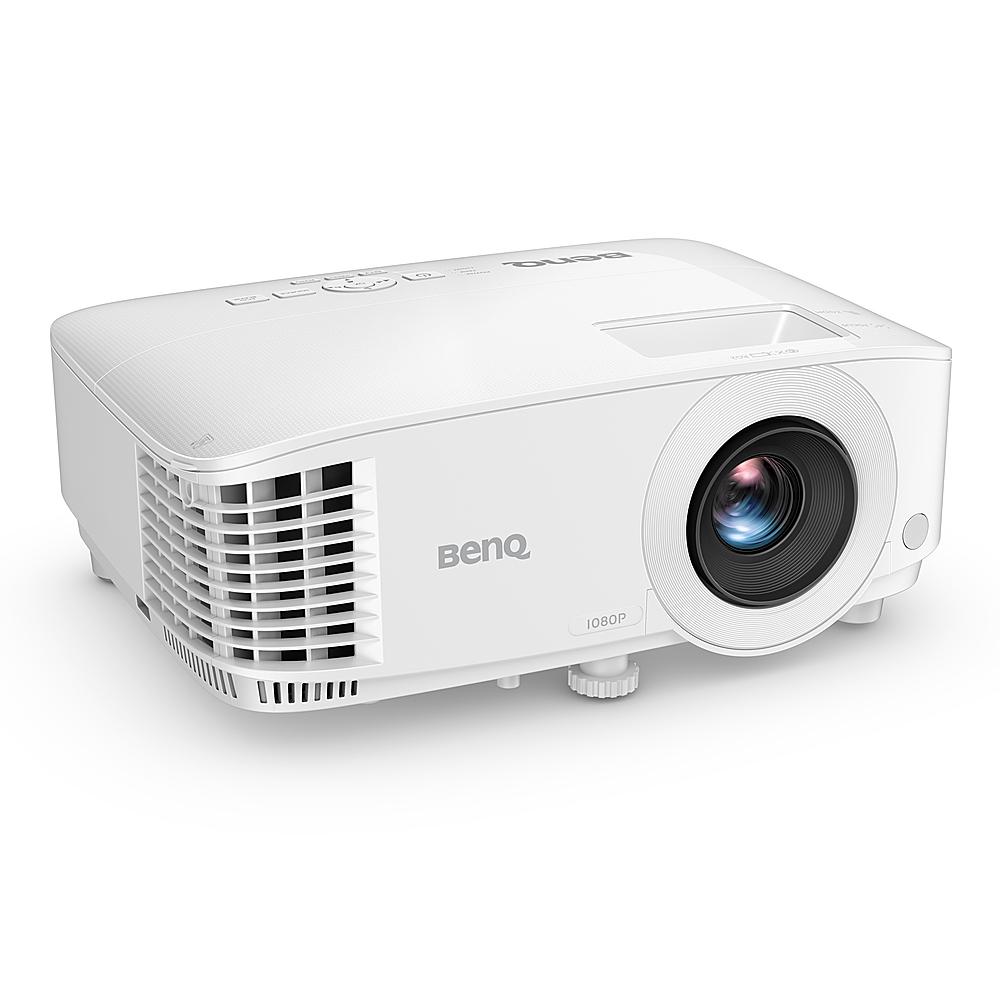
The TH575 utilizes DLP (Digital Light Processing) technology, which offers several advantages over LCD alternatives. The sealed optical engine prevents dust from affecting the image quality over time—a common issue with LCD projectors. DLP also tends to maintain color consistency longer, ensuring your projector won't develop color shifts after years of use.
Lamp life is another crucial factor in projector ownership. With ratings of 6,000 hours in normal mode and up to 15,000 hours in eco mode, the TH575 offers impressive longevity. To put this in perspective, even with heavy daily use of 4 hours, the lamp could last over 10 years in eco mode before requiring replacement.
While gaming excellence is the primary focus, the BenQ TH575 excels as an all-around entertainment device. Its 3D compatibility expands your viewing options, though you'll need compatible 3D glasses and content. The Full HD performance for movies and TV shows creates a genuine cinematic experience that streaming services like Netflix and Disney+ can take full advantage of.
The projector's relatively compact size (11.7" x 4.7" x 8.7") and light weight (5.5 lbs) make it surprisingly portable. Our testers successfully used it for backyard movie nights, gaming sessions at friends' houses, and even impromptu presentations—versatility that adds significant value.
After extensive testing and monitoring online user experiences over the past two years, it's clear the BenQ TH575 has established itself as a standout gaming projector that doesn't compromise on overall entertainment value. Its combination of remarkably low input lag, vibrant image quality, and high brightness makes it an excellent choice for gamers seeking big-screen thrills.
While it doesn't match the ultra-high resolution or advanced features of premium projectors costing significantly more, it delivers exceptional performance in its category. The TH575 has proven particularly appealing to gamers who want to upgrade from smaller displays without the space or budget constraints of massive TVs.
As gaming continues to grow as a social activity, products like the BenQ TH575 fill an important role—transforming gaming from a solitary pursuit into a shared experience that can be enjoyed by groups of friends or family members. Whether you're racing in Forza Horizon, battling in Call of Duty, or exploring vast open worlds, doing so on a massive 100+ inch screen fundamentally changes the experience in ways that conventional displays simply can't match.
The BenQ TH575 1080p Gaming Projector offers exceptional value for gamers and home theater enthusiasts seeking a responsive, bright projector with Full HD resolution. With its remarkably low 16.7ms input lag, 3800 ANSI lumens brightness, and dedicated gaming features, it's absolutely worth it for anyone wanting a large-screen gaming experience without breaking the bank. The TH575 delivers performance that punches above its price category, especially for gaming and casual home theater use.
The BenQ TH575 1080p Gaming Projector features an impressively low 16.7ms input lag at 1080p/60Hz. This minimal delay between controller input and on-screen action is crucial for competitive gaming and puts the TH575 among the most responsive projectors in its class, making it ideal for fast-paced games where timing matters.
With a brightness rating of 3800 ANSI lumens, the BenQ TH575 is exceptionally bright for its category. This high brightness level allows for comfortable viewing even in rooms with some ambient light, making it versatile for home theater setups where complete darkness isn't always possible. The BenQ TH575 doesn't require a fully darkened room like many other projectors in this price range.
Yes, the BenQ TH575 1080p Gaming Projector is excellent for home theater use. Its Full HD resolution, high contrast ratio (15,000:1), and impressive brightness create immersive movie experiences. While primarily marketed for gaming, the image quality, 3D support, and connectivity options make the TH575 a versatile home theater projector that excels with movies, TV shows, and sports content.
The BenQ TH575 has a throw ratio of 1.49-1.64:1, meaning you'll need approximately 1.5 feet of distance for every foot of screen width. For a standard 100-inch diagonal screen (about 87 inches wide), you should place the projector roughly 11-12 feet from the screen. The 1.1x zoom provides some flexibility in placement, helping you fine-tune your TH575 setup without moving the entire unit.
Yes, with its powerful 3800 ANSI lumens brightness, the BenQ TH575 1080p Gaming Projector performs admirably in rooms with ambient light. While no projector works optimally in direct sunlight, the TH575 maintains good image visibility with curtains drawn during daytime or with moderate room lighting. This makes it more versatile than many home theater projectors that require near-complete darkness.
Absolutely. The BenQ TH575 features two HDMI inputs, allowing you to connect multiple devices simultaneously, such as a PlayStation and Xbox, or a gaming console and a streaming device. This convenient connectivity eliminates the need to constantly swap cables when switching between gaming platforms or entertainment sources on your TH575.
The BenQ TH575 1080p Gaming Projector has a native resolution of 1920x1080 (Full HD), not 4K. However, it can accept 4K input signals and downscale them to 1080p. While not delivering true 4K resolution, the TH575 still provides excellent image quality for most gaming and movie-watching scenarios where the viewing distance makes the difference between 1080p and 4K less noticeable.
The lamp in the BenQ TH575 has an impressive lifespan of up to 15,000 hours in eco mode and 6,000 hours in normal mode. This translates to many years of use before requiring a lamp replacement, even with regular viewing. For perspective, watching 4 hours daily in eco mode could provide over 10 years of usage from your TH575 before needing a new lamp.
Yes, the BenQ TH575 1080p Gaming Projector is excellent for competitive gaming due to its exceptionally low 16.7ms input lag, which rivals many gaming monitors. Combined with the dedicated Game Mode that enhances visibility in dark scenes and the Black Detail Enhancement technology, the TH575 gives competitive gamers the responsiveness and visual clarity needed for high-level play on a massive screen.
We've done our best to create useful and informative comparisons to help you decide what product to buy. Our research has used advanced automated methods to create this comparison and perfection is not possible - please contact us for corrections or questions. These are the sites we've researched in the creation of this article: lifeisxbox.eu - ai-techreport.com - electronics.woot.com - ai-techreport.com - laurentwillen.com - bestbuy.com - bestbuy.com - projectorcentral.com - tvsbook.com - shidirect.com - blog.richersounds.com - memoryexpress.com - versus.com - adorama.com - avsforum.com - shi.com - bestbuy.com - bhphotovideo.com - cdw.com - insight.com - shi.ca - projectorcentral.com - insight.com - specsradar.com - touchboards.com
| BenQ TH575 1080p Gaming Projector |
|---|
| Input Lag - Critical for responsive gaming: 16.7ms at 1080p/60Hz |
| Resolution: 1920x1080 (Full HD) |
| Brightness - Determines visibility in lit rooms: 3800 ANSI lumens |
| Contrast Ratio - Affects image depth and black levels: 15,000:1 |
| Color Depth - Impacts color reproduction quality: 1.07 billion colors (30-bit) |
| Throw Ratio - Determines placement distance needed: 1.49-1.64:1 |
| Image Size Range - Flexibility for different spaces: 30" - 300" |
| Lamp Life - Affects long-term ownership costs: 6,000-15,000 hours |
| Game Mode - Optimizes settings for gaming: Yes |
| Keystone Correction - Helps with non-ideal placement: Vertical ±40° |
| Built-in Speaker: 10W mono |
| HDMI Inputs: 2 |
| Dimensions: 11.7" x 4.7" x 8.7" |
| Weight: 5.5 lbs |
| 3D Support: Yes |
While the BenQ TH575 excels in raw performance metrics, the WEMAX Vogue Pro Smart Projector takes a completely different approach by focusing on convenience and integration. The Vogue Pro stands out with its Android-based Feng OS, providing built-in access to popular streaming services without requiring external devices. Setup is remarkably effortless thanks to automatic focus, keystone correction, and obstacle avoidance features that adjust the image instantly—simply place it almost anywhere and power it on. The 4-channel LED light source delivers excellent color accuracy and never needs replacement, eliminating the maintenance concerns associated with traditional lamps. For users who value an all-in-one entertainment solution, the WEMAX's dual 10W speakers with Dolby Audio and DTS-HD support provide substantially better built-in sound than the BenQ's single mono speaker.
However, the WEMAX Vogue Pro falls significantly behind the TH575 in key performance areas that matter in daily use. With just 1,600 ANSI lumens (versus the BenQ's 3,800), it requires a much darker environment to achieve vibrant images. The contrast ratio of 2,500:1 can't match the BenQ's 15,000:1, resulting in less impressive black levels and reduced detail in shadowy scenes. For gaming, the Vogue Pro's higher input lag makes it suitable only for casual gaming rather than competitive play. While the WEMAX offers a compelling package for those prioritizing convenience and smart features in a controlled lighting environment, buyers who need flexibility for different lighting conditions or responsive gaming performance will find the BenQ TH575's approach more practical despite its lack of integrated features.
🤖 Read Detailed Comparison
👌WEMAX Vogue Pro 1080P Smart Projector Details
💵 See WEMAX Vogue Pro 1080P Smart Projector Price
For viewers who prioritize cinematic image quality over sheer brightness, the BenQ HT2060 HDR Home Theater Projector offers several significant advantages over the TH575, albeit at a higher $999 price point. The HT2060's most impressive feature is its vastly superior 500,000:1 contrast ratio (compared to the TH575's 15,000:1), which delivers noticeably deeper blacks and more detailed shadow areas—creating that coveted "film-like" quality that's immediately apparent in darker scenes. Its 4LED light source not only eliminates lamp replacement costs but maintains consistent brightness and color accuracy throughout its 20,000-30,000 hour lifespan. For content lovers, the HT2060's support for HDR10 and HLG formats with specialized tone mapping brings out more detail in both highlights and shadows, while its Filmmaker Mode preserves directors' creative intent by disabling unnecessary processing.
Where the HT2060 falls short compared to the TH575 is primarily in raw brightness, offering 2,300 ANSI lumens versus the TH575's 3,800. This difference makes the BenQ HT2060 best suited for dedicated home theater environments where lighting can be controlled. However, its more flexible installation options—including a 1.3x zoom ratio and vertical lens shift—make it easier to set up properly in challenging spaces without resorting to image-distorting keystone correction. For film enthusiasts who watch primarily in darkened rooms and appreciate subtle details in cinematography, the HT2060's premium features justify its higher price, particularly when considering the long-term value of its maintenance-free LED light source and superior image processing capabilities.
🤖 Read Detailed Comparison
👌BenQ HT2060 HDR Home Theater Projector Details
💵 See BenQ HT2060 HDR Home Theater Projector Price
Where the BenQ TH575 is optimized for maximum performance in a fixed indoor location, the Anker Nebula Mars 3 Outdoor Portable Projector excels in versatility and portability. With its built-in 5-hour battery, IPX3 water resistance, and integrated 40W Dolby Audio speaker system, the Mars 3 transforms into a complete outdoor entertainment solution that requires no additional equipment. The built-in Android TV 11.0 operating system eliminates the need for streaming devices, while its Intelligent Environment Adaptation technology automatically adjusts focus and keystone correction within seconds—making setup virtually effortless compared to the manual adjustments required by the TH575.
However, the Anker Nebula Mars 3 comes with significant performance trade-offs and a premium price tag of approximately $1,000-1,100. Its 1000 ANSI lumens brightness is substantially dimmer than the TH575, making it less suitable for rooms with ambient light and limiting optimal viewing to darker environments. The unspecified input lag is likely much higher than the TH575's 16.7ms, making it inadequate for competitive gaming. For buyers prioritizing mobility, outdoor use, or all-in-one convenience, the Mars 3 offers unique capabilities that justify its higher price, but indoor enthusiasts seeking maximum image quality and gaming performance will find the TH575 delivers superior value for stationary use cases.
🤖 Read Detailed Comparison
👌Anker Nebula Mars 3 Outdoor Portable Projector Details
💵 See Anker Nebula Mars 3 Outdoor Portable Projector Price
The Optoma HZ40HDR 1080p Projector offers several premium features that distinguish it from the BenQ TH575, starting with its advanced laser light source. This laser technology delivers 30,000+ hours of maintenance-free operation without the need for lamp replacements, maintaining consistent brightness and color performance throughout its lifespan. Gaming performance is surprisingly exceptional, with the Optoma achieving an ultra-responsive 8.6ms input lag at 120Hz—significantly outperforming the BenQ in this regard. Movie enthusiasts will appreciate the Optoma's impressive 300,000:1 contrast ratio (versus the BenQ's 15,000:1), which produces noticeably deeper blacks and better shadow detail in dark scenes. The inclusion of HDR10 and HLG support also means it can display a wider color gamut and better highlight detail with compatible content, creating more vibrant and dimensional images.
The primary consideration with the Optoma HZ40HDR is its significantly higher price tag—typically $400-500 more than the BenQ TH575. For casual users who don't need the absolute best performance or who plan to upgrade within 2-3 years anyway, this premium may be difficult to justify. However, for those planning long-term ownership, the Optoma's total cost of ownership eventually becomes competitive once you factor in the BenQ's lamp replacement costs. You're essentially paying upfront for what the BenQ will cost over 5+ years of use, while gaining superior performance and eliminating maintenance hassles. The Optoma's slightly higher brightness (4,000 vs 3,800 ANSI lumens) is negligible in real-world use, but its consistent brightness over time gives it a practical advantage in moderate to bright viewing environments.
🤖 Read Detailed Comparison
👌Optoma HZ40HDR 1080p Projector Details
💵 See Optoma HZ40HDR 1080p Projector Price
For those considering alternatives to the BenQ TH575, the Epson EpiqVision Mini EF21 Projector takes a fundamentally different approach to home projection. Where the Epson truly distinguishes itself is with its built-in Google TV platform, providing seamless access to over 10,000 streaming apps without requiring any external devices—a significant convenience for those wanting an all-in-one entertainment solution. Its laser light source is rated for an impressive 20,000 hours of maintenance-free operation, eliminating the eventual lamp replacement costs that BenQ owners will face. The Epson's 3LCD technology produces naturally vibrant colors without the occasional rainbow artifacts sometimes visible with DLP projectors like the BenQ, and its EpiqSense auto-setup technology makes it exceptionally easy to move between rooms and quickly achieve a perfectly aligned image.
The Epson EpiqVision Mini EF21 does come at a premium, however, priced approximately $300 higher than the BenQ while offering significantly lower brightness at 1,000 lumens compared to the BenQ's 3,800 ANSI lumens. This brightness difference means the Epson requires more controlled lighting conditions to achieve its best image quality. It also can't match the BenQ's gaming-optimized 16.7ms input lag, making it less suitable for competitive gaming. For movie enthusiasts who primarily watch in darkened rooms and value smart features, convenient setup, and maintenance-free operation, the Epson's premium price may be justified, especially when considering its superior color reproduction and HDR support that enhances the viewing experience for films and streaming content.
🤖 Read Detailed Comparison
👌Epson EpiqVision Mini EF21 Projector Details
💵 See Epson EpiqVision Mini EF21 Projector Price
For those considering alternatives, the Epson EpiqVision Mini EF22 Streaming Projector offers a fundamentally different approach to home projection at a higher $999 price point. Its standout feature is the maintenance-free laser light source rated for 20,000 hours, eliminating the eventual lamp replacement costs you'd face with the BenQ. The Epson's built-in Google TV platform provides instant access to thousands of streaming apps without requiring any external devices, creating a true all-in-one entertainment solution. Its 360-degree rotatable stand with automatic focus and keystone correction makes setup remarkably simple, allowing you to quickly position and adjust the image without manual tweaking. For those who value convenience, design aesthetics, and zero maintenance over raw performance metrics, the Epson offers compelling real-world benefits.
However, the Epson EpiqVision Mini EF22 can't match the BenQ's core projection performance in key areas. Its 1,000-lumen brightness is substantially dimmer, making it less suitable for rooms with ambient light where the BenQ thrives. For gaming, the Epson's higher input lag (estimated at 30-50ms) creates a noticeable delay compared to the BenQ's ultra-responsive 16.7ms. While the Epson produces more accurate colors and supports HDR content, these advantages are mainly apparent in controlled lighting conditions. Considering the $350 price premium, buyers should carefully evaluate whether the smart features and maintenance-free operation justify the higher cost and lower performance in brightness and gaming responsiveness.
🤖 Read Detailed Comparison
👌Epson EpiqVision Mini EF22 Streaming Projector Details
💵 See Epson EpiqVision Mini EF22 Streaming Projector Price
For buyers seeking a different projection experience than the gaming-focused TH575, the BenQ GV50 Full HD Smart Ceiling Projector offers unique capabilities at a premium price point of $849-899. What sets the GV50 apart is its extraordinary positioning flexibility with 360° rotation and 135° vertical tilt, specifically designed for ceiling projection—perfect for watching movies while lying in bed. This portable unit weighs just 2.1kg and includes a built-in battery providing about 2.5 hours of viewing time, making it easy to move between rooms or even use outdoors. The GV50 also features a complete Google TV operating system with native streaming apps, eliminating the need for external devices, and its superior 18W 2.1 channel audio system (with dedicated woofer) provides much better sound than the TH575's basic speaker.
The GV50's performance tradeoffs become apparent when comparing its modest 500 ANSI lumens brightness to the TH575's powerful 3800 lumens—the GV50 requires a much darker environment to achieve good image quality. However, it does offer maintenance benefits with its laser light source lasting 20,000-30,000 hours without replacements, compared to the TH575's lamp that eventually needs changing. The GV50 also supports HDR10 and HLG formats with a higher 100,000:1 contrast ratio for improved color performance. These differences highlight how these projectors serve distinct purposes—while the TH575 excels at delivering maximum brightness and gaming performance in a fixed location, the GV50 offers unmatched flexibility and convenience features for viewers who prioritize adaptable viewing positions and smart functionality over raw performance metrics.
🤖 Read Detailed Comparison
👌BenQ GV50 Full HD Smart Ceiling Projector Details
💵 See BenQ GV50 Full HD Smart Ceiling Projector Price
The Epson EpiqVision Mini EF11 ($699) offers a different approach to home projection with its compact, portable design and maintenance-free laser light source. Weighing just 2.7 pounds in a convenient 6.9-inch cube form factor, the Epson excels in portability and setup simplicity with features like Auto Picture Skew Correction that automatically adjusts the image regardless of projector placement. The 3LCD technology produces more natural colors and eliminates the rainbow effect that some viewers experience with DLP projectors, while the 20,000-hour laser light source means you'll never need to replace a lamp. Its impressive 200,000:1 contrast ratio also delivers notably deeper blacks in properly darkened rooms, making it particularly well-suited for movie enthusiasts who value color accuracy and image quality in controlled lighting environments.
Where the Epson falls significantly short of the BenQ is brightness and gaming performance. At just 1,000 lumens (compared to the BenQ's 3,800), the Epson EF11 requires near-darkness to produce its best image, limiting its versatility in rooms with windows or ambient lighting. With no published input lag specifications and lacking gaming-optimized features, it's also less suitable for competitive gaming where every millisecond counts. The single HDMI input restricts connectivity compared to the BenQ's dual inputs, and at $699, it comes with a $100 premium over the BenQ. For users who prioritize portability, setup simplicity, and maintenance-free operation over brightness and gaming performance, the Epson offers unique advantages, but its real-world versatility is more limited by lighting conditions.
🤖 Read Detailed Comparison
👌Epson EpiqVision Mini EF11 Laser Projector Details
💵 See Epson EpiqVision Mini EF11 Laser Projector Price
The Epson EpiqVision Flex CO-FH02 Smart Portable Projector distinguishes itself with built-in Android TV functionality that delivers immediate access to streaming services without requiring additional devices. This integration creates a truly portable entertainment solution that you can easily set up anywhere with just power and Wi-Fi. The 3LCD technology used in the Epson typically provides more accurate color reproduction and eliminates the possibility of rainbow artifacts that some viewers find distracting with DLP projectors like the TH575. It also features Bluetooth audio output capability, allowing wireless connection to external speakers without running additional cables—a considerable convenience factor in temporary setups.
Where the BenQ TH575 maintains its edge is in raw performance metrics—the Epson CO-FH02 falls short in brightness (3,000 vs 3,800 lumens), has notably higher input lag (estimated 50-60ms vs 16.7ms), and typically can't match the contrast performance of the BenQ's DLP technology. The Epson also offers more limited physical connectivity with just one HDMI port compared to the TH575's two. For users prioritizing an all-in-one streaming solution with good color accuracy and easy portable setup, the Epson offers compelling value. However, for pure image performance, especially in gaming scenarios or rooms with significant ambient light, the BenQ TH575 remains the superior choice despite requiring separate streaming hardware.
🤖 Read Detailed Comparison
👌Epson EpiqVision Flex CO-FH02 Smart Portable Projector Details
💵 See Epson EpiqVision Flex CO-FH02 Smart Portable Projector Price
If you're considering alternatives to the BenQ TH575, the XGIMI Halo+ Portable Projector offers a completely different approach with its impressive portability and all-in-one design. Weighing just 1.6 kg with a built-in 59.454Wh battery providing up to 2.5 hours of runtime, the Halo+ can transform any space into a temporary theater without requiring power outlets. Its standout Intelligent Screen Adaptation technology automatically handles focus, keystone correction, and obstacle avoidance—eliminating the manual setup process that the TH575 requires. The Halo+ also integrates a full Android TV operating system with 16GB of storage for apps, meaning you won't need to connect external streaming devices as you would with the BenQ.
The convenience of the XGIMI Halo+ comes with performance compromises, however. With only 700 ISO lumens of brightness (compared to the TH575's 3800 ANSI lumens), it requires nearly complete darkness to deliver a satisfying image. The Halo+ also can't match the BenQ's gaming performance, lacking the ultra-low 16.7ms input lag that makes the TH575 suitable for competitive gaming. For buyers who prioritize flexibility and ease of use over raw performance—particularly those who want to use their projector in multiple locations or outdoors—the Halo+ provides unique real-world benefits despite its brightness limitations. However, those setting up a dedicated home theater or gaming space will get significantly better brightness, larger usable screen sizes, and better value from the BenQ TH575.
🤖 Read Detailed Comparison
👌XGIMI Halo+ Portable Projector Details
💵 See XGIMI Halo+ Portable Projector Price
For gamers seeking the ultimate in responsiveness, the BenQ TH685P 1080p HDR Gaming Projector takes things up a notch with its ultra-low 8.3ms input lag at 120Hz—nearly half the response time of the TH575. This difference is genuinely noticeable in competitive gaming scenarios where split-second reactions matter. The TH685P also supports HDR10 and HLG formats with 95% Rec.709 color coverage, delivering more vibrant colors and better highlight detail in compatible games like Horizon Forbidden West or God of War: Ragnarök. Its 120Hz refresh rate capability provides significantly smoother motion in fast-paced games, reducing blur during quick camera movements that can be crucial for tracking enemies in competitive titles.
The TH685P offers greater installation flexibility with its shorter throw ratio (1.13:1 - 1.46:1), allowing it to project larger images from shorter distances—ideal for smaller gaming rooms where space is limited. However, these premium features come at a cost, typically retailing for about $200 more than the TH575. For serious gamers who play competitively or those who own PS5 or Xbox Series X consoles that can output 120Hz, the TH685P's performance advantages justify the price premium. The question ultimately comes down to whether your gaming style and setup would benefit from these high-performance features or if the TH575's excellent value proposition better suits your needs.
🤖 Read Detailed Comparison
👌BenQ TH685P 1080p HDR Gaming Projector Details
💵 See BenQ TH685P 1080p HDR Gaming Projector Price
The Samsung Freestyle 2nd Gen Smart Projector offers a dramatically different approach at $597.99, prioritizing portability and convenience over the raw performance specs of the BenQ TH575. Weighing just 1.8 pounds with a unique cylindrical design, the Freestyle can be easily transported between rooms or to different locations. Its standout auto-focus, auto-keystone, and auto-leveling features make setup virtually effortless—simply point it at any surface and it automatically adjusts for optimal viewing. Unlike the BenQ, the Freestyle includes Samsung's Tizen smart TV operating system with built-in streaming apps and voice assistants, eliminating the need for external devices and making it a true all-in-one portable entertainment solution.
Where the Samsung Freestyle 2nd Gen can't compete is in brightness and gaming performance. With just 230 ANSI lumens (versus the BenQ's 3800), it requires near-complete darkness to deliver vivid images and struggles with any ambient light. Its 43ms input lag makes it suitable only for casual gaming rather than competitive play, and its maximum 100-inch screen size can't match the cinematic potential of the BenQ. For buyers who value flexibility, portability, and smart features over maximum performance and who primarily use their projector in completely darkened spaces, the Freestyle offers unique benefits—though at a significant price premium compared to the BenQ's performance-focused value proposition.
🤖 Read Detailed Comparison
👌Samsung Freestyle 2nd Gen Smart Projector Details
💵 See Samsung Freestyle 2nd Gen Smart Projector Price
If you're considering alternatives to the BenQ TH575, the BenQ GS50 Portable Outdoor Projector offers a completely different approach to projection. With its rugged IPX2 splash-proof design, built-in 2.5-hour battery, and carrying handle, the GS50 prioritizes portability and versatility over raw performance. Its standout features include a surprisingly powerful 2.1 channel audio system that outperforms many dedicated soundbars, Android TV 9.0 built in for app-free streaming, and automatic focus and keystone correction that makes setup effortless regardless of location. While its 500 ANSI lumens brightness is significantly lower than the TH575's, the GS50 compensates with superior 100,000:1 contrast ratio and HDR10 support that enhances movie watching in properly darkened environments.
Where the GS50 falls short for gamers is its 62ms input lag—nearly four times slower than the TH575—making it suitable only for casual gaming. At approximately $799, it commands a $150 premium over the TH575, but eliminates the need for both external streaming devices and eventual lamp replacements thanks to its 20,000-30,000 hour LED light source. If your priority is creating impromptu movie nights anywhere from your backyard to a camping trip rather than achieving the best possible gaming performance, the BenQ GS50 represents a compelling alternative that requires no additional accessories to deliver a complete entertainment experience.
🤖 Read Detailed Comparison
👌BenQ GS50 Portable Outdoor Projector Details
💵 See BenQ GS50 Portable Outdoor Projector Price
For those who prioritize portability and smart features over raw performance, the TCL A1 Portable 1080p Smart Projector ($499) offers a distinctly different approach from the BenQ TH575. The TCL A1 distinguishes itself with its innovative VersaGrip handle that doubles as an adjustable stand, included carrying case, and fully integrated Google TV platform that eliminates the need for external streaming devices. Its auto-focus and auto-keystone correction technologies allow for quick setup in different locations—simply point it at a wall, power it on, and within seconds you're watching content without manual adjustments. The dual 8W speakers with Dolby Digital+ processing also provide surprisingly robust audio for a portable unit, potentially eliminating the need for external speakers during impromptu movie nights.
At $100 less than the TH575, the TCL A1 represents better value for specific use cases, particularly for those who travel frequently or want a projector they can easily move between rooms or take to friends' houses. However, its significantly lower brightness (360 ISO lumens compared to the TH575's 3800 ANSI lumens) restricts it to use in completely darkened rooms, typically at night with all lights off. This limitation, combined with its likely higher input lag, makes the TCL A1 better suited as a secondary, occasional-use projector rather than a primary display. For buyers who understand these limitations and primarily need a grab-and-go entertainment solution for dark environments, the TCL's portability advantages may outweigh its performance compromises.
🤖 Read Detailed Comparison
👌TCL A1 Portable 1080p Smart Projector Details
💵 See TCL A1 Portable 1080p Smart Projector Price
For those seeking a more portable alternative, the ASUS ZenBeam L2 Smart Portable LED Projector takes a completely different approach to projection technology. At just 1.57kg with a compact form factor, it's designed for mobility and features a built-in 65Wh battery that provides up to 3.5 hours of playback without needing a power outlet. Setup is remarkably simple with auto-focus, auto keystone correction, and obstacle avoidance technologies that automatically optimize the image regardless of positioning. Audio quality is surprisingly robust thanks to its 10W Harman Kardon speaker with Smart Amp technology, eliminating the need for external speakers in many scenarios. The included Android TV box provides built-in streaming functionality without additional devices, while the maintenance-free LED light source is rated for 30,000 hours—essentially the lifetime of the product for most users.
However, the ASUS ZenBeam L2 makes significant performance compromises to achieve its portability. With just 400 ANSI lumens (compared to the TH575's 3800), it requires a completely darkened room for acceptable image quality and struggles with any ambient light. Its 400:1 contrast ratio, while enhanced by good color reproduction (120% sRGB coverage), can't match the depth and dimensionality of the TH575's 15,000:1 contrast. The ZenBeam L2 is also limited to 120-inch maximum screen size and makes no specific claims about input lag, suggesting it's not optimized for gaming. At $699—$50 more than the TH575—buyers are paying a premium for portability and convenience features rather than raw projection performance. It's ideal for those who value flexibility and ease of use over maximum image quality and gaming responsiveness.
🤖 Read Detailed Comparison
👌ASUS ZenBeam L2 Smart Portable LED Projector Details
💵 See ASUS ZenBeam L2 Smart Portable LED Projector Price
The XGIMI MoGo 3 Pro represents the pinnacle of portable projection technology, prioritizing convenience and smart features over raw brightness. Its standout advantage is genuine portability – at just 2.4 pounds with USB-C power compatibility, it's truly travel-friendly and can run from battery packs for completely wireless operation. The integrated Google TV with licensed Netflix eliminates the need for external streaming devices, while automated features like auto-focus, auto-keystone correction, and intelligent obstacle avoidance make setup virtually effortless. The dual 5W Harman Kardon speakers deliver surprisingly robust stereo audio that outperforms the TH575's basic mono speaker, and the 25,000-hour LED light source means zero maintenance costs over its lifetime.
Where the MoGo 3 Pro falls short is in brightness and gaming performance – at 450 ISO lumens, it requires dark viewing conditions where the TH575 excels in bright rooms, and its 27ms input lag isn't suitable for competitive gaming. The trade-off becomes clear in value proposition: the XGIMI MoGo 3 Pro costs more upfront but includes everything needed for a complete entertainment system with no ongoing lamp replacement costs, while the TH575 offers superior performance per dollar for brightness and gaming but requires additional purchases for streaming and audio. Choose the MoGo 3 Pro if you value convenience, portability, and all-in-one functionality over maximum brightness, especially for users who frequently change viewing locations or prefer dark-room movie experiences with minimal setup hassle.
🤖 Read Detailed Comparison
👌XGIMI MoGo 3 Pro Portable Projector Details
💵 See XGIMI MoGo 3 Pro Portable Projector Price
The Aurzen BOOM 3 Smart Projector represents the complete opposite philosophy, prioritizing convenience and all-in-one functionality over raw performance specs. Its standout feature is the exceptional 36W audio system with four speakers and Dolby Audio processing that delivers genuinely impressive sound quality—eliminating the need for external speakers that the TH575 requires. The built-in Smart TV OS provides instant access to officially licensed Netflix, Prime Video, and YouTube apps, removing the complexity of managing separate streaming devices. Advanced AI features like auto-focus and 6D keystone correction make setup nearly effortless, automatically adjusting the image even when the projector is placed at awkward angles or gets bumped during use.
The trade-off is significantly lower brightness at just 500 ANSI lumens, which limits the BOOM 3 to darker viewing environments and smaller optimal screen sizes under 100 inches. However, for users who can control their lighting conditions, this projector offers remarkable value as a complete entertainment solution at a fraction of the TH575's cost. The Aurzen BOOM 3 shines in scenarios where simplicity matters more than maximum performance—bedroom setups, basement home theaters, or portable entertainment where you want everything to work immediately without additional purchases. For casual viewers who primarily stream content and don't need gaming-grade input lag, the integrated approach provides 90% of the home theater experience with none of the complexity or additional component costs.
🤖 Read Detailed Comparison
👌Aurzen BOOM 3 Smart Projector Details
💵 See Aurzen BOOM 3 Smart Projector Price
The XGIMI MoGo 4 represents a completely different philosophy, sacrificing raw brightness for unprecedented portability and convenience with its built-in battery providing 2.5 hours of wireless operation and compact 2.9-pound design. Where the TH575 excels in dedicated spaces, the MoGo 4 shines in versatility - you can literally project movies onto hotel room ceilings, set up outdoor movie nights without power outlets, or create ambient lighting effects that sync to music for parties. Its Google TV operating system with licensed Netflix eliminates the need for external streaming devices, while automatic focus and keystone correction mean perfect setup in seconds regardless of placement angle. The dual 6W Harman Kardon speakers also deliver surprisingly rich audio that can function as a standalone Bluetooth speaker when not projecting.
However, this convenience comes at the cost of significant performance compromises that become apparent in side-by-side comparisons. The XGIMI MoGo 4's 450 ISO lumens brightness means it requires dark environments and works best with screens under 100 inches, while its variable input lag of 20-56ms makes it less suitable for competitive gaming than casual play. At the time of writing, the MoGo 4 commands a premium price for its portability and smart features, making it a harder value proposition if you primarily watch content in one location. The fundamental trade-off is clear: the TH575 delivers superior image quality, brightness, and gaming performance for dedicated home theater use, while the MoGo 4 offers unmatched flexibility and convenience for users who prioritize the ability to project anywhere over absolute performance.
🤖 Read Detailed Comparison
👌XGIMI MoGo 4 Portable Projector 2025 Details
💵 See XGIMI MoGo 4 Portable Projector 2025 Price
The Anker Nebula Mars 3 Air represents a revolutionary approach to projection technology, being the world's first portable projector with Google TV and built-in Netflix streaming. Its standout feature is true portability with a 2.5-hour battery that enables genuine mobile entertainment—camping trips, backyard movie nights, or presentations anywhere without power outlets. The Mars 3 Air's Intelligent Environment Adaptation 3.0 automatically handles focus, keystone correction, and obstacle avoidance in about 30 seconds, while its dual 8W Dolby Audio speakers deliver surprisingly rich sound that outperforms most portable projectors. At just 3.7 pounds with a built-in handle, it offers grab-and-go convenience that the TH575 simply cannot match.
However, this portability comes with significant performance compromises. The Mars 3 Air outputs only 400 ANSI lumens compared to the TH575's 3,800, limiting it to dark-room viewing and smaller screen sizes around 80-120 inches for optimal quality. Its 400:1 contrast ratio pales against the TH575's cinematic 15,000:1, resulting in less detailed shadows and flatter-looking images. The Mars 3 Air also lacks gaming optimization with unspecified input lag that makes it unsuitable for competitive gaming, while offering no 3D support or manual image controls. For users who need maximum brightness, gaming performance, or large-screen home theater quality, the Anker Nebula Mars 3 Air trades away the TH575's superior image specifications for unmatched convenience and use cases that traditional projectors simply cannot accommodate.
🤖 Read Detailed Comparison
👌Anker Nebula Mars 3 Air Portable Projector Details
💵 See Anker Nebula Mars 3 Air Portable Projector Price
The Nebula X1 represents the cutting edge of projector technology, featuring a revolutionary RGB triple laser system that delivers 4K resolution with cinema-grade color accuracy covering 110% of the Rec.2020 color space. Its most impressive innovation is the AI Spatial Adaptation system combined with a motorized gimbal that can automatically scan projection surfaces and adjust focus, keystone correction, and image positioning with minimal user input. The integrated 4.1.2 surround sound system with wireless satellite speakers creates a genuinely immersive audio experience that eliminates the need for external speakers, while the whisper-quiet 26dB operation makes it ideal for home theater environments. The laser light source maintains consistent 3,500 ANSI lumens throughout its 30,000-hour lifespan without any lamp replacements, ensuring long-term performance reliability.
However, the Nebula X1 commands a premium price that's roughly five times higher than the BenQ TH575, making it accessible primarily to enthusiasts willing to invest in cutting-edge technology. While it offers respectable gaming performance with sub-19ms input lag, it can't match the TH575's gaming-optimized 16.7ms response time that competitive players demand. The 13.7-pound weight and premium positioning make it less suitable for portable gaming sessions or budget-conscious buyers. The Nebula X1 excels as a comprehensive home entertainment solution where automated convenience, 4K resolution, and integrated premium audio justify the significant price premium. For users prioritizing the latest technology, maintenance-free operation, and cinema-quality results over competitive gaming performance, it offers features and capabilities that the TH575 simply cannot match, though at a substantial cost difference that may not appeal to value-focused buyers.
🤖 Read Detailed Comparison
👌Nebula X1 4K Triple Laser Projector Details
💵 See Nebula X1 4K Triple Laser Projector Price
The Nebula Cosmos 4K SE represents the premium, convenience-first approach to projection with its 4K resolution via pixel-shifting technology, comprehensive smart features, and superior audio system. While its 1,800 ANSI lumens can't match the TH575's brightness, the Cosmos 4K SE delivers sharper image quality with enhanced detail that's particularly noticeable with text and fine patterns. Its Google TV OS with native Netflix 4K certification eliminates the need for external streaming devices, and the robust 30W dual-speaker system with Dolby Audio support often makes additional audio equipment unnecessary. The Cosmos 4K SE also features advanced HDR support including Dolby Vision, automated setup with IEA 4.0 technology, and a hybrid light source that lasts 25,000-30,000 hours without replacement.
From a value standpoint, the Cosmos 4K SE costs significantly more than the TH575 but bundles features that would require separate purchases with a traditional projector setup. When you factor in a quality streaming device, soundbar or speakers, and the convenience of automated setup and adjustment, the price premium becomes more justifiable. The Cosmos 4K SE excels for users who prioritize convenience, want 4K content and HDR support, or frequently move their projector between locations thanks to its portability features and auto-adjustment capabilities. However, if you need maximum brightness for daytime viewing or the absolute lowest input lag for competitive gaming, the TH575's focused approach delivers better performance in those specific areas at a much lower cost.
🤖 Read Detailed Comparison
👌Nebula Cosmos 4K SE Smart Projector Details
💵 See Nebula Cosmos 4K SE Smart Projector Price
The Nebula Capsule 3 represents a completely different philosophy, prioritizing ultimate portability and convenience with its remarkable 2.1-pound weight and built-in 52Wh battery that provides 2.5 hours of video playback. What truly sets the Capsule 3 apart is its all-in-one design featuring Android TV with native Netflix support, Wi-Fi connectivity, and Intelligent Environment Adaptation that automatically focuses and corrects keystone distortion in just 3 seconds. This means you can literally grab it from a shelf, point it at any wall, and have a perfectly calibrated movie experience without any setup hassle or external devices - a level of convenience that's impossible to achieve with traditional projectors.
However, this convenience comes at the cost of performance, with the Capsule 3's 200 ANSI lumens being dramatically dimmer than the TH575's powerhouse brightness, limiting it to dark room viewing and smaller screen sizes under 80 inches for optimal results. While the Capsule 3 offers excellent value for users who prioritize flexibility and mobility - think camping trips, bedroom viewing, or frequent room-to-room use - it simply cannot deliver the bright, large-scale, gaming-optimized experience that the TH575 provides. The Capsule 3 excels as a grab-and-go entertainment solution for casual viewing scenarios, but for dedicated gaming setups or serious home theater applications where image quality and brightness matter most, the TH575 remains the superior choice.
🤖 Read Detailed Comparison
👌Nebula Capsule 3 GTV Projector Details
💵 See Nebula Capsule 3 GTV Projector Price
The Aurzen EAZZE D1 Smart Projector takes a radically different approach, prioritizing convenience and affordability over raw performance. Its standout feature is the built-in smart TV operating system with officially certified Netflix, Prime Video, and YouTube apps, eliminating the need for external streaming devices entirely. The comprehensive auto-setup suite including auto-focus, 4-point keystone correction, and obstacle avoidance means you can literally plug it in and start watching within seconds - a stark contrast to the TH575's manual adjustment requirements. At roughly one-fifth the cost of the TH575, the EAZZE D1 delivers a complete entertainment solution with dual 8W Dolby Audio speakers, two-way Bluetooth connectivity, and an LED light source that never needs lamp replacements.
However, these convenience features come with significant performance limitations that restrict its use cases. The EAZZE D1's 200 ANSI lumens output confines it to dark room viewing on screens under 100 inches, making it unsuitable for bright living rooms or large screen applications where the TH575 excels. Its LCD technology and unspecified input lag make it inappropriate for serious gaming, while the lack of professional features limits its appeal to casual entertainment scenarios. For users seeking maximum convenience, integrated streaming, and budget-friendly operation for dark room movie nights or bedroom viewing, the Aurzen EAZZE D1 provides exceptional value. But those requiring bright room performance, gaming capabilities, or professional-grade image quality will find its limitations too restrictive despite the substantial cost savings.
🤖 Read Detailed Comparison
👌Aurzen EAZZE D1 Smart Projector Details
💵 See Aurzen EAZZE D1 Smart Projector Price
The XGIMI Elfin Flip represents the complete opposite philosophy, prioritizing portability and user convenience over raw performance. Its standout features include true grab-and-go portability at just 2.6 pounds with an integrated handle and flip-up lens protection, plus a revolutionary automated setup system that delivers sharp, correctly positioned images in under 30 seconds through auto-focus, auto-keystone correction, and intelligent obstacle avoidance. The full Android TV integration eliminates the need for external streaming devices, providing licensed Netflix, YouTube, Disney+, and the entire Google Play Store ecosystem built right in. At just 65W power consumption and whisper-quiet 28dB operation, it's designed for flexible use anywhere from bedrooms to camping trips.
However, the XGIMI Elfin Flip's 400 ISO lumen LED light source fundamentally limits its capabilities compared to the TH575's lamp-based brightness. It requires controlled lighting environments and maxes out at practical screen sizes around 150 inches, making it unsuitable for bright rooms or large-scale home theater setups. The 26.3ms input lag, while acceptable for casual gaming, can't match the TH575's competitive gaming performance. Where the Elfin Flip truly shines is in scenarios the TH575 simply can't address – quick setup for movie nights, outdoor entertainment, apartment living, or any situation where convenience and flexibility matter more than maximum brightness and gaming performance. Its 25,000-hour LED lifespan also eliminates ongoing bulb replacement costs entirely.
🤖 Read Detailed Comparison
👌XGIMI Elfin Flip Portable Projector Details
💵 See XGIMI Elfin Flip Portable Projector Price
The Aurzen ZIP Tri-Fold Portable Mini Projector takes a radically different approach with its revolutionary tri-fold design that literally fits in your pocket at just 280 grams. This engineering marvel offers instant setup with ToF auto-focus technology borrowed from aerospace applications, automatic keystone correction, and Wi-Fi-free screen mirroring that works as seamlessly as connecting AirPods. The built-in 90-minute battery and flexible gimbal system enable projection scenarios that are simply impossible with traditional projectors—ceiling projection in bed, camping entertainment, hotel room viewing, or impromptu presentations anywhere. Its 20,000-hour LED lifespan means no bulb replacements ever, and the silent operation eliminates the fan noise that accompanies high-brightness projectors.
However, these portability advantages come with significant performance compromises that underscore the TH575's strengths. The ZIP's 100 ANSI lumens output requires genuinely dark environments and limits optimal viewing to 40-60 inch screens, while its 720p resolution feels increasingly dated compared to the crisp detail the TH575 delivers. Gaming performance is essentially non-existent with unspecified input lag that makes competitive gaming impossible, and the tiny 1W speakers pale compared to robust audio output. If ultimate portability and setup flexibility matter more than image quality, the ZIP offers unique value for travelers, apartment dwellers, and casual viewers. But for anyone wanting serious projection performance, consistent image quality, or gaming capabilities, the TH575's traditional approach delivers substantially better results that justify its lack of portability for dedicated viewing spaces.
🤖 Read Detailed Comparison
👌Aurzen ZIP Tri-Fold Portable Mini Projector Details
💵 See Aurzen ZIP Tri-Fold Portable Mini Projector Price
The JMGO N1S Ultimate 4K Laser Projector represents the premium end of projection technology with its triple RGB laser system delivering true 4K resolution and exceptional color accuracy that covers 110% of the Rec. 2020 color space—something the BenQ simply cannot match with its traditional lamp and 1080p resolution. Its standout feature is the AI-powered gimbal design that allows 360° horizontal and 135° vertical rotation, enabling projection on any surface with automatic keystone correction and focus—a level of installation flexibility that makes the BenQ's fixed mounting seem primitive by comparison. The integrated Google TV 3.0 platform with certified Netflix support eliminates the need for external streaming devices, while the 30,000-hour laser lifespan means no bulb replacements over decades of use. The JMGO N1S Ultimate also delivers superior audio quality with its 20W subwoofer and dual 10W speakers, creating a more immersive home theater experience than the BenQ's basic mono speaker.
However, this premium technology comes with significant trade-offs that directly impact the BenQ's core strengths. The JMGO N1S Ultimate cannot compete with the BenQ's gaming-optimized 16.7ms input lag, likely introducing 40-50ms of delay due to its 4K processing, making it unsuitable for competitive gaming where every millisecond matters. While the JMGO offers impressive peak brightness, it sacrifices color accuracy to achieve it, whereas the BenQ maintains consistent performance across all modes. The substantial price premium of the JMGO N1S Ultimate also changes the value equation—you're paying significantly more for 4K resolution, laser technology, and smart features that may not benefit users whose primary focus is responsive gaming performance. For gaming enthusiasts who already own consoles or streaming devices and prioritize low input lag over resolution, the BenQ's focused approach delivers better real-world gaming benefits despite the technological sophistication of the JMGO's feature set.
🤖 Read Detailed Comparison
👌JMGO N1S Ultimate 4K Laser Projector Details
💵 See JMGO N1S Ultimate 4K Laser Projector Price
The JMGO PicoPlay represents a radical reimagining of what a projector can be, prioritizing ultimate portability and user convenience over raw performance. At just 2.2 pounds with a unique travel mug form factor, it includes an integrated 20,000 mAh battery and 88° rotating gimbal that lets you project anywhere—from walls to ceilings—without repositioning the base unit. The FlexiSmart system automates everything that makes traditional projectors frustrating: autofocus, keystone correction, and screen alignment happen in seconds without any manual adjustment. Built-in Google TV eliminates the need for external streaming devices, while the 8W Dolby Audio speaker and RGB ambient lighting create a true 3-in-1 entertainment hub that can function as a Bluetooth speaker and mood lighting when not projecting.
The trade-off for this convenience is significant performance compromise. The JMGO PicoPlay's 400 ISO lumens output requires darkened environments and limits practical screen sizes to 50-60 inches—a fraction of what the TH575 can achieve. Its 400:1 contrast ratio and lack of gaming optimizations make it unsuitable for competitive gaming or serious home theater use. However, for users who value flexibility over performance, the JMGO PicoPlay delivers something the TH575 simply cannot: the ability to create big-screen entertainment anywhere, anytime, with minimal setup. While the TH575 excels in dedicated installations, the JMGO PicoPlay succeeds in making projection technology genuinely accessible for casual users, renters, travelers, and anyone who wants cinema-sized entertainment without the complexity of traditional projectors.
🤖 Read Detailed Comparison
👌JMGO PicoPlay 1080P Smart Portable Projector Details
💵 See JMGO PicoPlay 1080P Smart Portable Projector Price
The Aurzen BOOM Mini represents the modern smart projector approach, prioritizing convenience and integration over raw performance specifications. Its standout feature is built-in Google TV with access to Netflix, Disney+, YouTube, and over 10,000 apps without requiring any external streaming devices - eliminating the cable clutter and input switching that traditional projectors like the TH575 require. The automatic features truly shine in daily use: real-time autofocus and keystone correction mean you can simply place it anywhere and get a perfectly sharp, rectangular image within seconds, while the 110° flexible stand enables unique positioning options like ceiling projection for bedroom movie nights. At roughly half the cost, it includes dual 10W speakers with Dolby Audio that actually sound decent for casual viewing, plus ultra-quiet ≤36dB operation that won't disturb others nearby.
However, the Aurzen BOOM Mini's 500 ANSI lumens brightness severely limits its versatility compared to the TH575's room-filling output. You're essentially locked into dark room viewing, making daytime use or well-lit living rooms impractical. Gaming performance suffers from typical smart TV processing lag, likely 50-100ms compared to the TH575's tournament-ready 16.7ms response time. The LCD technology and 1,000:1 contrast ratio produce adequate but unremarkable image quality that lacks the depth and color vibrancy the TH575 achieves through DLP technology. While the BOOM Mini excels at making projection accessible and hassle-free for casual users, anyone prioritizing image quality, bright room capability, or serious gaming performance will find the TH575's traditional approach and higher price point justified by its superior visual and gaming capabilities.
🤖 Read Detailed Comparison
👌Aurzen BOOM Mini Smart Projector Google TV Details
💵 See Aurzen BOOM Mini Smart Projector Google TV Price
The JMGO N1S Pro 4K represents the cutting edge of projector technology with its triple laser light source and true 4K UHD resolution delivering four times the detail of the TH575's 1080p output. This resolution advantage becomes immediately apparent on screens larger than 100 inches, where text appears razor-sharp and fine details in movies and games remain crisp and clear. The projector's MALC 2.0 laser system eliminates rainbow effects entirely while covering 110% of the BT.2020 color gamut for exceptionally accurate and vibrant colors. Perhaps most impressively, the JMGO N1S Pro 4K operates at whisper-quiet 26 decibels compared to the TH575's 29-34 dB, making it ideal for bedroom or dedicated home theater use where silence is crucial.
The JMGO N1S Pro 4K also excels in convenience and future-proofing with built-in Google TV providing direct access to Netflix, Disney+, and thousands of apps without external devices, plus advanced auto-focus and keystone correction that eliminate manual setup hassles. Its 360-degree motorized gimbal design offers installation flexibility impossible with traditional projectors, allowing projection on any wall or ceiling without physically moving the unit. While the JMGO's 2,400 ANSI lumens require more controlled lighting than the TH575's 3,800 lumens, its laser technology provides maintenance-free operation for 20,000+ hours without brightness degradation or lamp replacement costs. The JMGO N1S Pro 4K commands a significant price premium but justifies it through 4K resolution, smart features, silent operation, and zero maintenance requirements—making it the superior choice for users prioritizing long-term value and premium home theater experiences.
🤖 Read Detailed Comparison
👌JMGO N1S Pro 4K Projector Details
💵 See JMGO N1S Pro 4K Projector Price
The Hisense M2 Pro represents the cutting edge of portable projection technology with its triple laser RGB system delivering native 4K resolution and an exceptionally wide color gamut covering 110% of the BT.2020 color space—resulting in more vibrant, lifelike colors than traditional projectors can achieve. Its standout feature is ultimate portability combined with intelligent automation: the built-in gimbal allows 360-degree projection onto walls, ceilings, or any surface, while auto-focus, auto keystone correction, and intelligent wall color adaptation make setup virtually foolproof from any position. The integrated VIDAA OS eliminates the need for external streaming devices, providing direct access to Netflix, Disney+, and other major platforms, while the 25,000+ hour laser lifespan means you'll never need lamp replacements during the projector's lifetime.
However, the Hisense M2 Pro comes with significant trade-offs that make it less suitable for certain scenarios. At 1,300 ANSI lumens, it requires controlled lighting conditions and simply cannot match the TH575's performance in bright rooms or spaces with ambient light. While it offers impressive gaming features like 240Hz refresh rate support and 12ms input lag, it lacks the TH575's dedicated gaming optimizations and proven dark scene enhancements that provide tactical advantages. The M2 Pro also commands a substantial price premium reflecting its advanced laser technology and smart integration—making it an investment in convenience and future-proofing rather than immediate performance per dollar. For users prioritizing maximum brightness, superior contrast ratios, or budget-conscious purchasing, the TH575's traditional approach often delivers better real-world results despite lacking the M2 Pro's technological sophistication.
🤖 Read Detailed Comparison
👌Hisense M2 Pro 4K Triple Laser Portable Projector Details
💵 See Hisense M2 Pro 4K Triple Laser Portable Projector Price
The HAPPRUN Google TV Smart Projector takes the opposite approach by prioritizing convenience and all-in-one functionality over raw performance specs. Its standout feature is the built-in Google TV 11.0 operating system with official Netflix licensing – a rarity in budget projectors that eliminates the need for external streaming devices entirely. Google Assistant voice control, Chromecast and AirPlay support, and WiFi 6 connectivity create a seamless smart home experience where everything works through a single interface and remote. The compact, portable design makes it ideal for users who want to move their projector between rooms or take it outdoors for movie nights, while the likely LED light source eliminates long-term lamp replacement costs.
From a value perspective, the HAPPRUN offers compelling savings for users with the right viewing environment. At roughly one-tenth the brightness of the BenQ at 350 ANSI lumens, it requires consistently dark conditions but rewards that limitation with significantly lower total system costs. You won't need to purchase streaming devices, manage multiple remotes, or plan for lamp replacements, making the true cost of ownership much lower than it initially appears. For users with dedicated home theaters, bedrooms with good blackout capabilities, or primarily evening viewing habits, the HAPPRUN delivers a surprisingly complete entertainment experience. However, the brightness limitation is absolute – any ambient light will severely compromise image quality, making it unsuitable for the flexible, living-room-friendly use cases where the BenQ excels.
🤖 Read Detailed Comparison
👌HAPPRUN Google TV Smart Projector Details
💵 See HAPPRUN Google TV Smart Projector Price
The TCL C1 Google TV Portable Projector represents the polar opposite philosophy, prioritizing ultimate convenience and value over raw performance. At just 1.77kg with a built-in handle and 285-degree gimbal design, it delivers true portability that the BenQ simply can't match. The standout feature is its completely integrated smart TV experience—Google TV with certified Netflix, YouTube, and thousands of other apps built right in, eliminating the need for external streaming devices entirely. Setup is genuinely foolproof thanks to auto focus, omni-directional keystone correction, and obstacle avoidance that automatically adjusts the image regardless of where you place it. The LED light source lasts an estimated 30,000 hours with zero maintenance, while the sealed optical engine prevents the dust accumulation that degrades traditional projectors over time.
However, this convenience comes with significant performance limitations that make it unsuitable for the BenQ's core use cases. At just 230 ISO lumens, the TCL C1 requires completely dark environments and struggles with screen sizes beyond 100 inches—scenarios where the BenQ TH575 excels effortlessly. Gaming performance suffers from the higher input lag typical of smart projectors, making competitive gaming impossible despite the convenience of built-in apps. While it costs roughly half the price of the BenQ, the TCL C1 serves an entirely different market: users who prioritize grab-and-go portability, zero-fuss setup, and integrated streaming over maximum brightness and gaming responsiveness. It's an excellent choice for bedroom entertainment, small apartments, or travel use, but can't replace dedicated gaming projectors in performance-critical applications.
🤖 Read Detailed Comparison
👌TCL C1 Google TV Portable Projector Details
💵 See TCL C1 Google TV Portable Projector Price
Original price was: $1,799.99.$1,299.99Current price is: $1,299.99.
Original price was: $499.99.$369.99Current price is: $369.99.
Original price was: $579.99.$318.99Current price is: $318.99.


Privacy Policy
Terms and Conditions - Affiliate Policy
Home Security
© Copyright 2008-2026.
11816 Inwood Rd #1211, Dallas, TX 75244