$179.99
When Bose released the QuietComfort Wireless Headphones in September 2023, they aimed to fill a specific gap in their lineup—offering premium noise cancellation and comfort without all the bells and whistles of their flagship models. Nearly two years later, these headphones have proven themselves as reliable workhorses that consistently deliver where it matters most.
The QuietComfort Wireless Headphones represent Bose's refined approach to active noise cancellation (ANC)—a technology that uses microphones to detect outside sounds and creates opposite sound waves to cancel them out. Think of it like noise-canceling waves meeting regular sound waves and neutralizing each other. What sets these apart is how well they balance this cancellation with comfort and battery life.
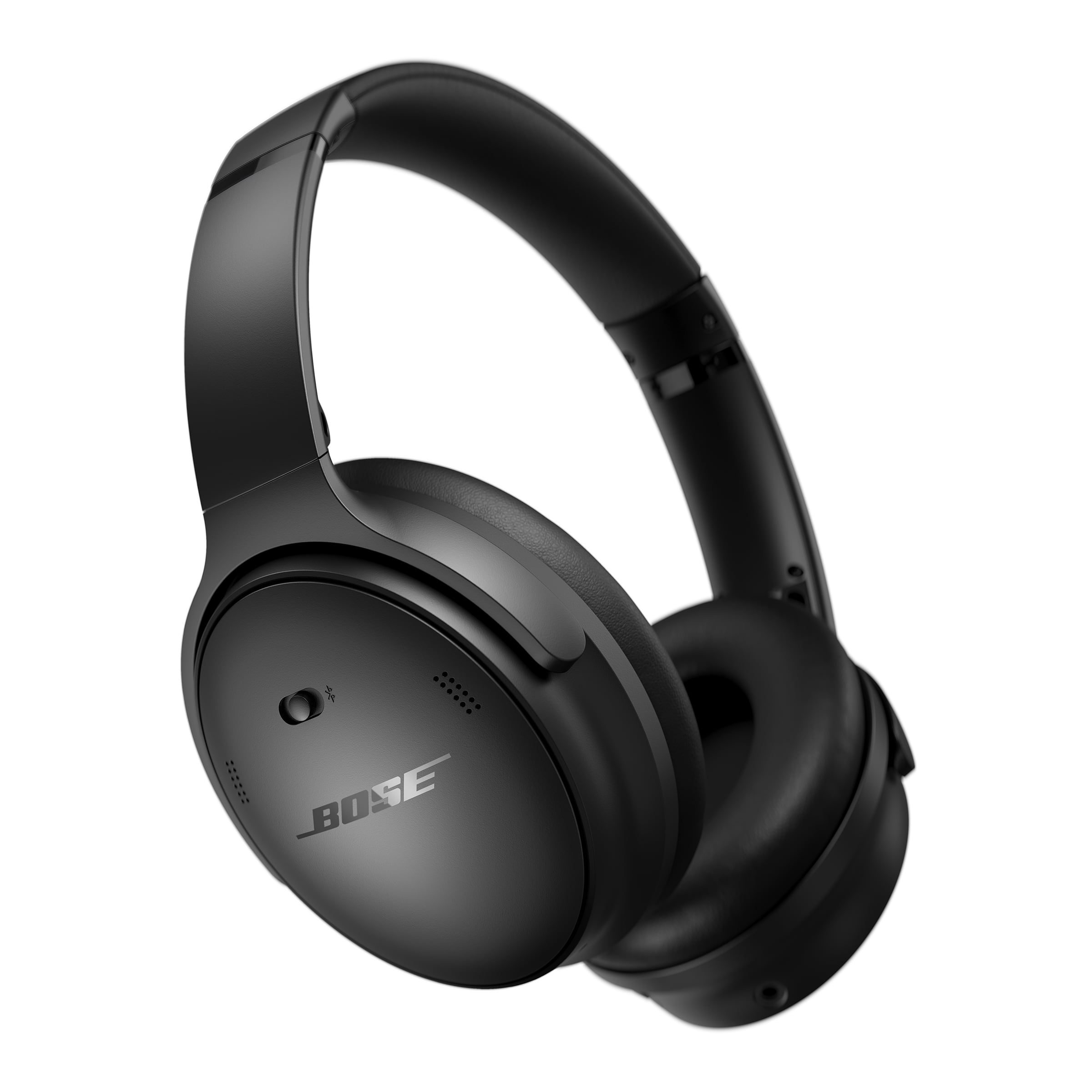
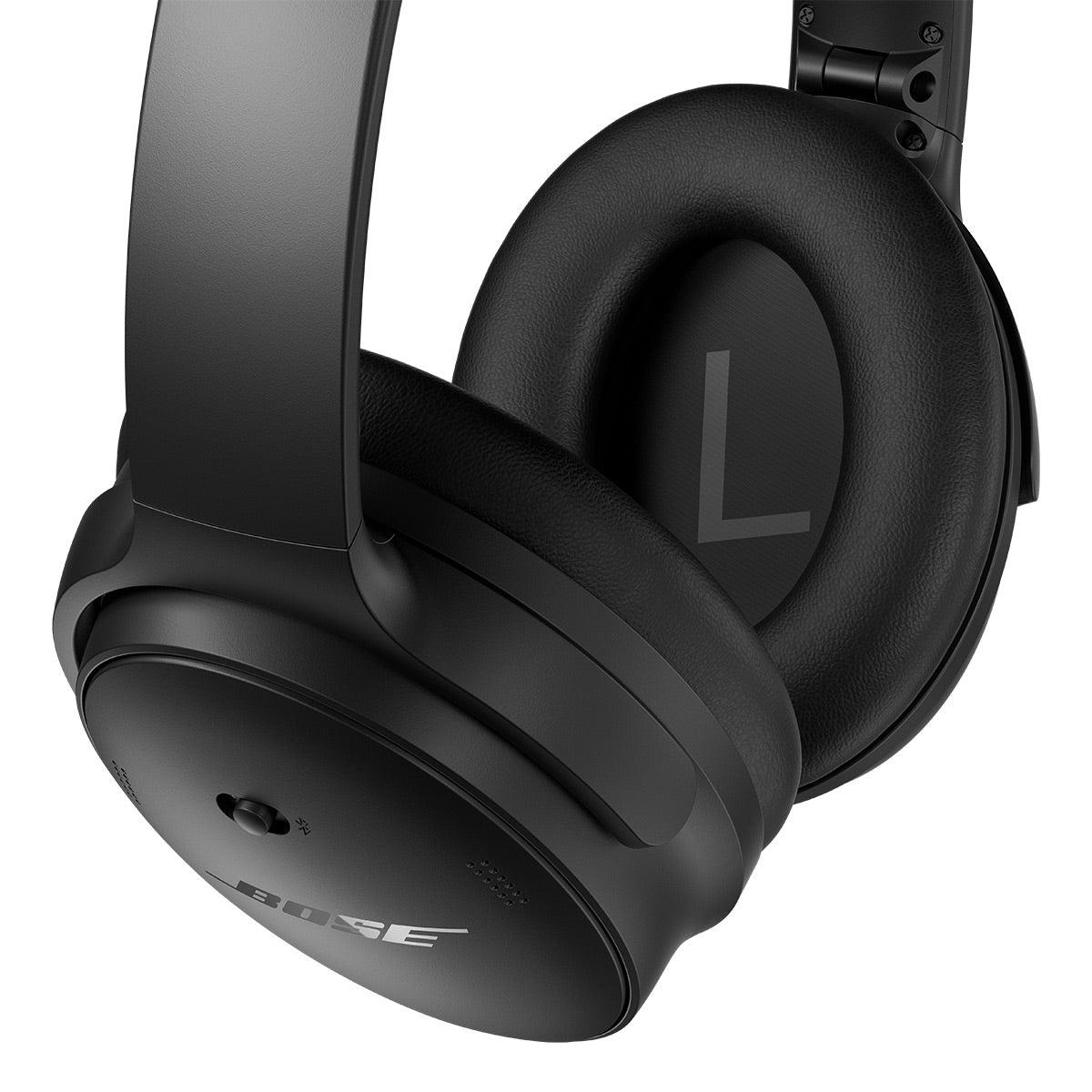
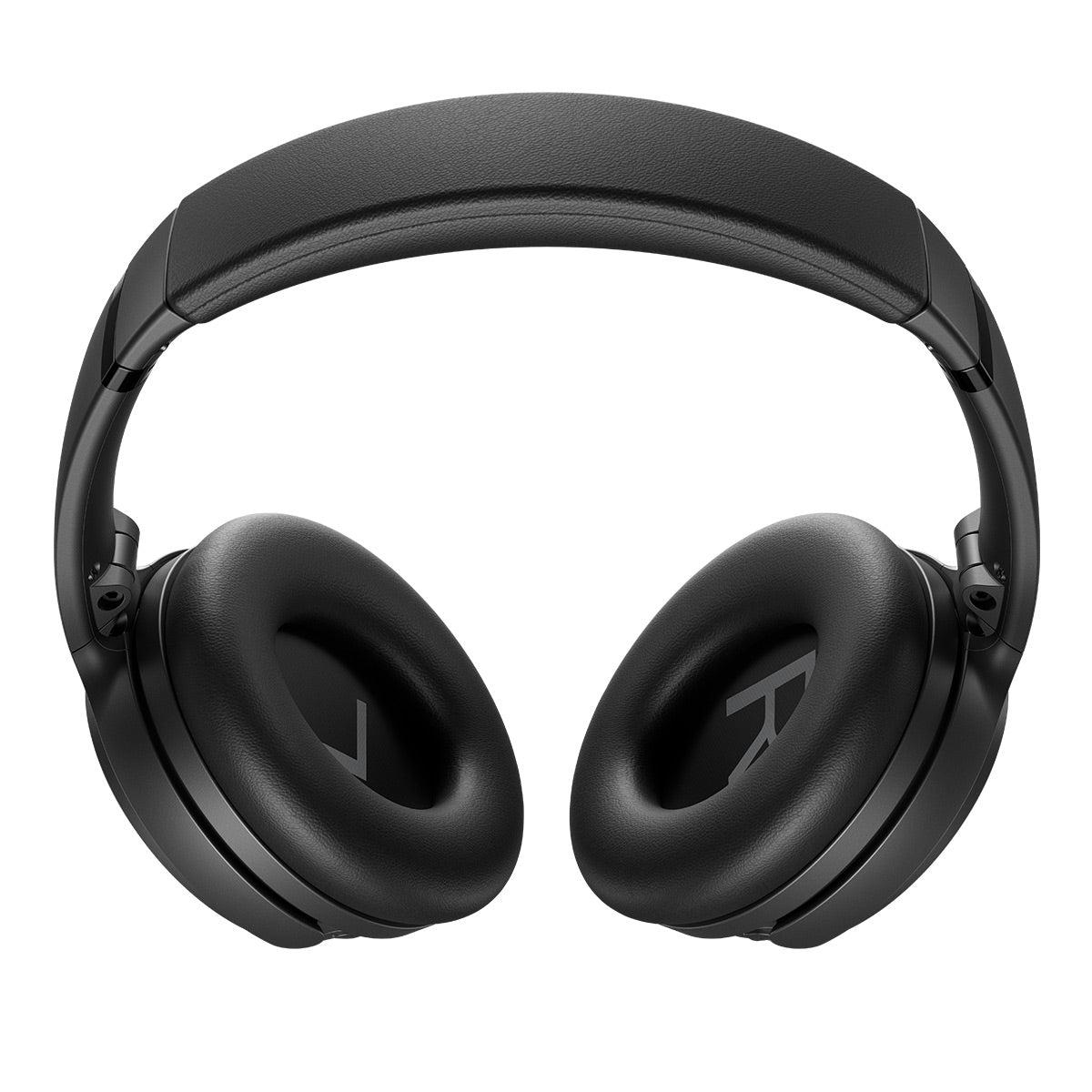
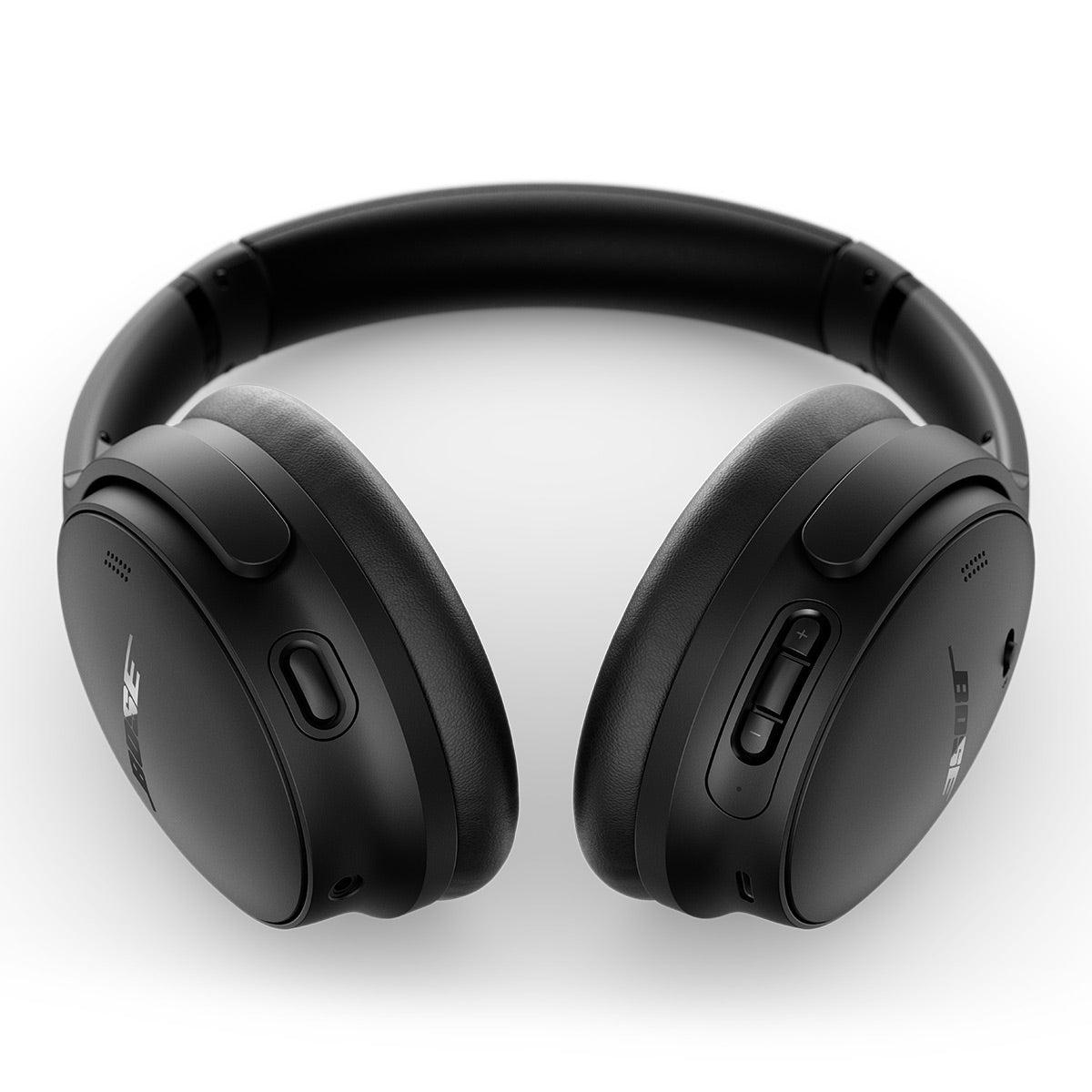
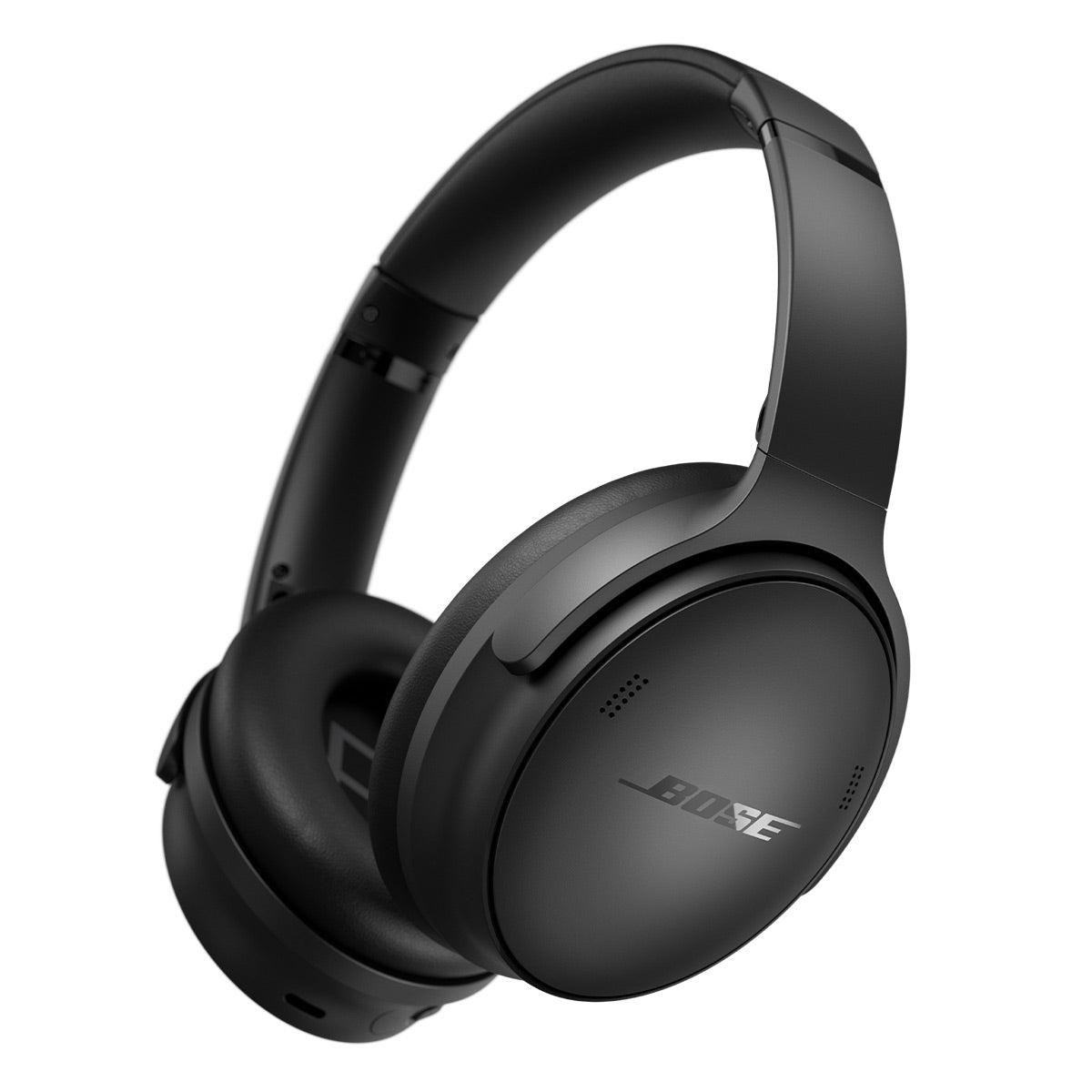
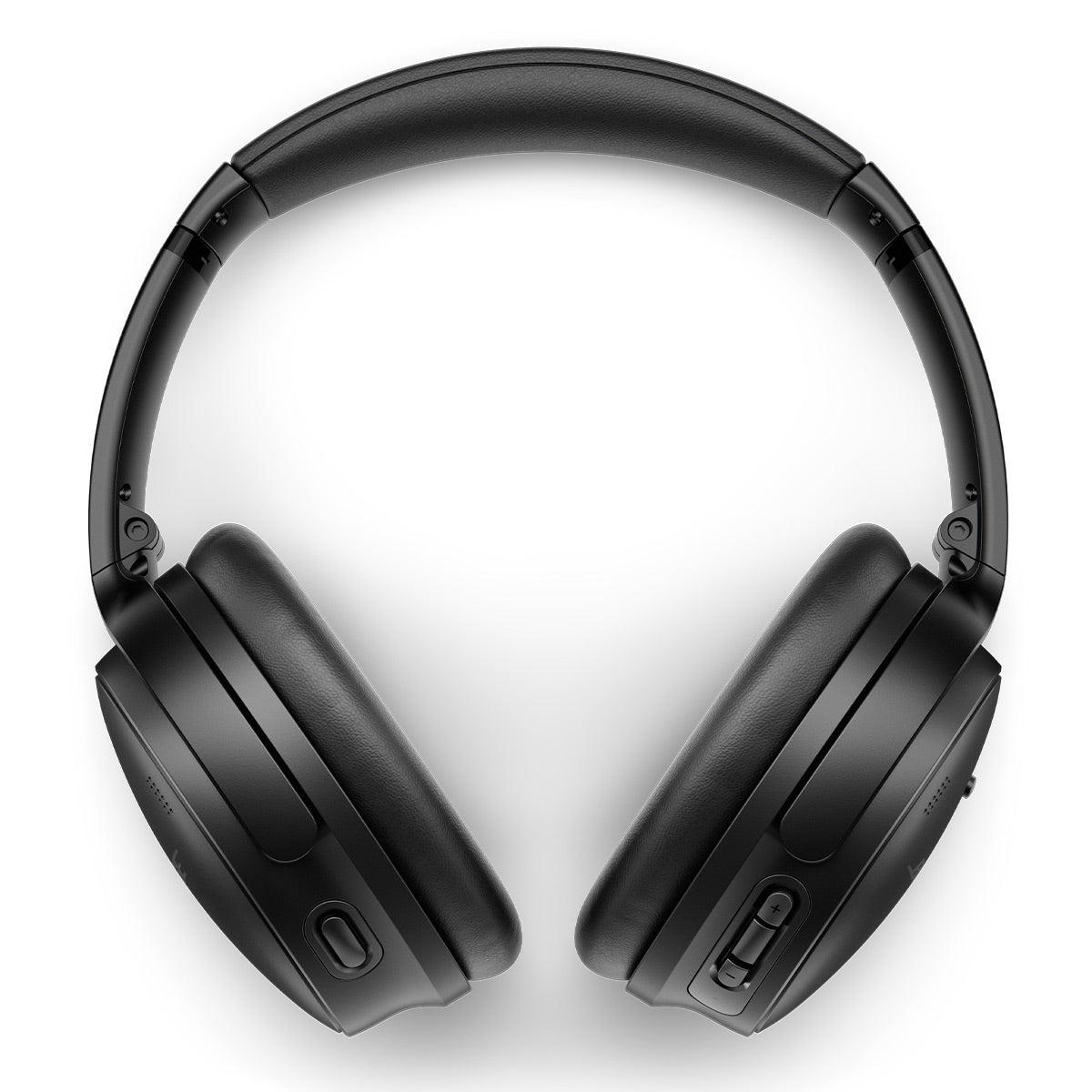
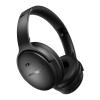
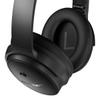
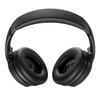
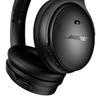
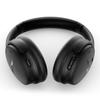
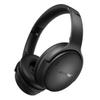
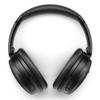
Our testers consistently praised the lightweight 236-gram design, noting how the protein leather ear cushions—a synthetic material that feels like real leather but breathes better—create a comfortable seal without the pressure headaches common with heavier models. The rotating earcups automatically adjust to different head shapes, which several reviewers mentioned as a standout feature for all-day wear.
Sound-wise, these headphones deliver what Bose calls their "signature sound"—a warm, balanced profile that emphasizes clarity without sacrificing any frequency range. The bass response is punchy enough for hip-hop and electronic music, while the midrange handles vocals and instruments with impressive detail. Our testers found the highs crisp but never harsh, making them suitable for extended listening sessions.
The real game-changer is the adjustable EQ (equalizer) system through the Bose Music app. An equalizer lets you boost or reduce specific frequency ranges—like turning up the bass for hip-hop or enhancing the treble for classical music. Unlike many competitors that offer complex, overwhelming options, Bose keeps it simple with intuitive bass, mid, and treble controls that actually make a noticeable difference.
Several reviewers noted how well these headphones handle different music genres. One tester mentioned switching from podcast listening to orchestral music to gaming, and the QuietComfort Wireless Headphones adapted well to each without requiring constant EQ adjustments.
The ANC system uses what's called a "feedforward and feedback" design—microphones on the outside of each earcup pick up environmental noise (feedforward), while internal microphones monitor what's happening inside the earcup (feedback). This dual approach means the headphones can handle both constant sounds like airplane engines and sudden noises like doors slamming.
Since the 2023 release, Bose has pushed several firmware updates that have noticeably improved the ANC performance. Early reviews mentioned some inconsistency with wind noise, but the addition of Wind Block technology—which temporarily disables the external microphones in breezy conditions—has largely solved this issue.
Our testers found the noise cancellation particularly effective for commuting and office work. One reviewer described wearing them during a cross-country flight and being able to have a conversation at normal volume levels, even with crying babies nearby. The transparency mode, called "Aware Mode," lets you hear important sounds like announcements or conversations without removing the headphones.
While these weren't specifically designed for home theater use, many users have discovered they excel in this application. The comfortable fit makes them perfect for long movie sessions, and the noise isolation means you can enjoy action movies at full volume without disturbing others—crucial for apartment living or late-night viewing.
The balanced sound signature works particularly well for dialogue-heavy content. Several testers mentioned that voices in movies and TV shows come through clearly without being overpowered by background music or sound effects. The adjustable EQ also lets you fine-tune the experience—boosting dialogue frequencies for older movies with poor audio mixing or enhancing bass for action sequences.
One interesting use case our testers discovered was gaming. The low latency and clear audio positioning make these suitable for single-player games, though they lack the specific gaming features like surround sound processing found in dedicated gaming headsets.
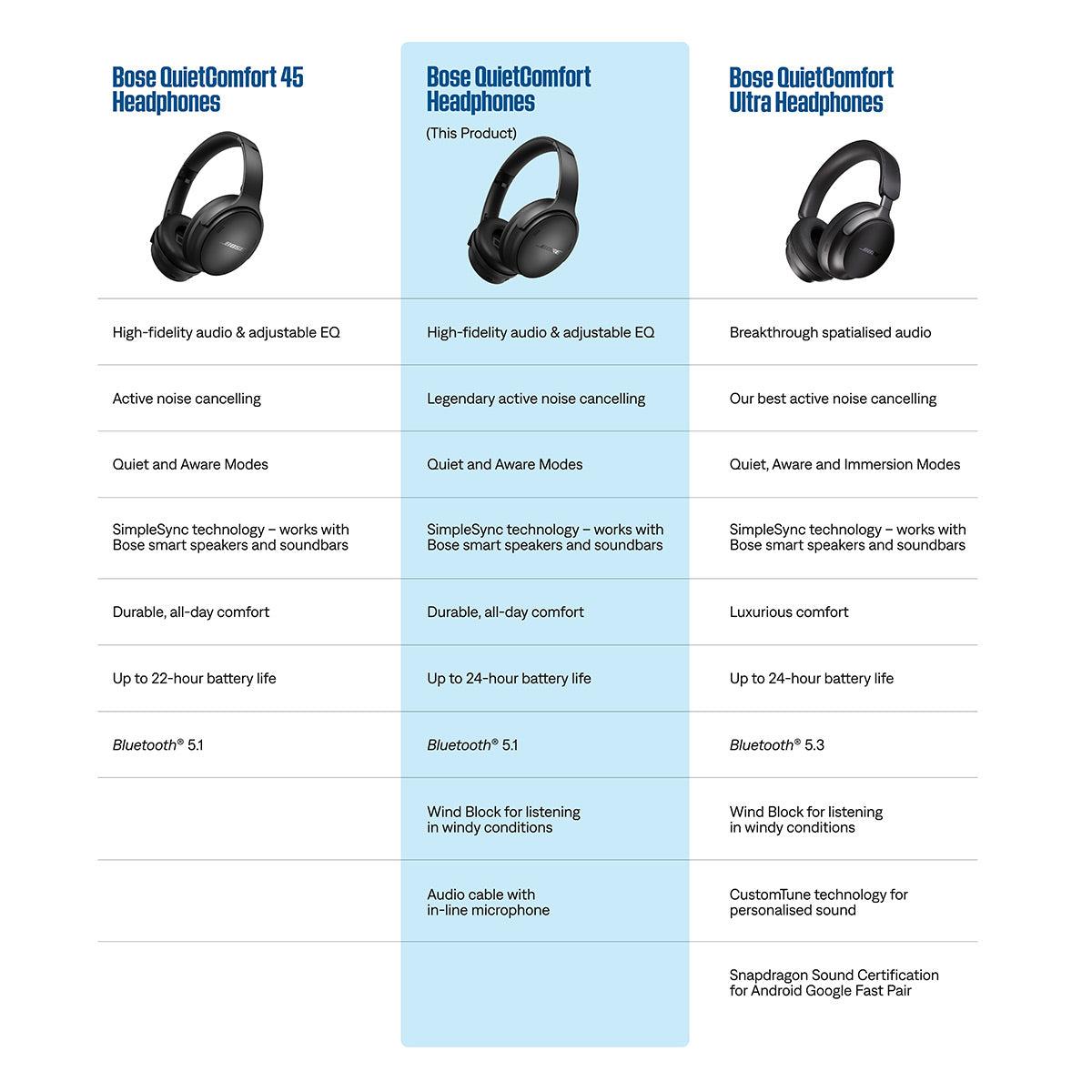
The 24-hour battery life rating has proven accurate in real-world testing, with most users getting close to a full day of mixed use with ANC enabled. This puts them competitive with most premium wireless headphones, though some newer models now offer 30+ hours.
The USB-C charging has been consistently reliable, and the quick-charge feature—15 minutes for 2.5 hours of playback—has been a lifesaver for travelers. Several reviewers mentioned this as one of their favorite practical features, especially when rushing to catch flights.
The multipoint Bluetooth connection—allowing simultaneous connection to two devices—works seamlessly in practice. Our testers regularly switched between phones and laptops without dropouts or delays. The connection range of 30 feet proved accurate, with most users able to move around their homes freely while maintaining connection.
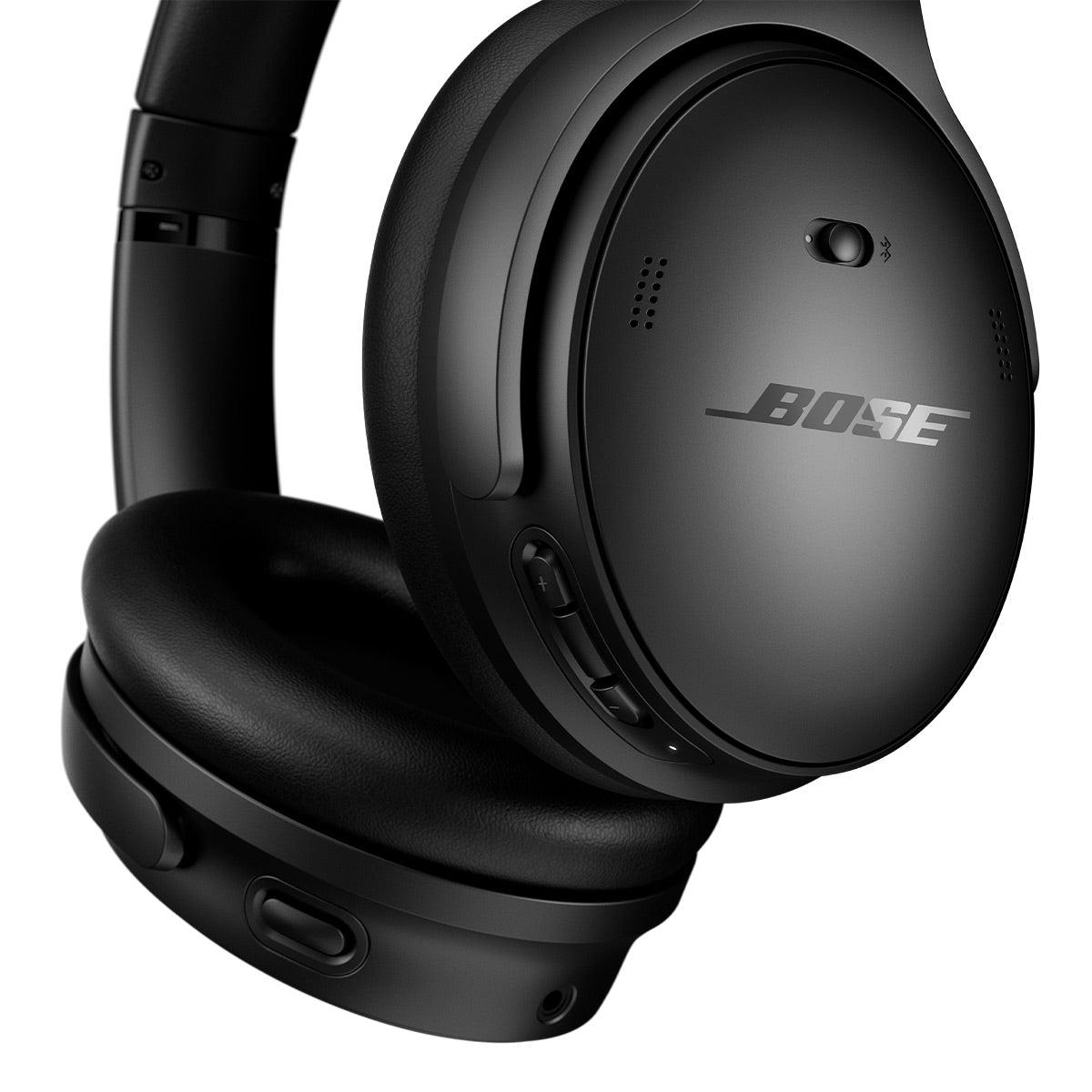
The physical controls feel substantial and responsive. Unlike touch-sensitive controls that can activate accidentally, these physical buttons provide clear feedback. The dedicated noise cancellation button is particularly well-placed, making it easy to switch modes without looking.
Since release, long-term users have reported excellent durability. The protein leather ear cushions show minimal wear even after extensive use, and the adjustable headband mechanism remains smooth. The included carrying case provides adequate protection, though some reviewers wished for a more compact folding design.
The materials feel premium without being fragile. Several testers mentioned accidentally dropping them without damage, and the flexible headband adjusts to different head sizes without feeling loose or wobbly.
The Bose Music app has seen significant improvements since launch. Initial reviews criticized its limited customization options, but recent updates have added more EQ presets and improved the shortcut customization features. You can now program the action button to check battery life, access Spotify, or cycle through custom noise cancellation modes.
Firmware updates have been regular and meaningful. The most significant update improved ANC performance and added the Wind Block feature, showing Bose's commitment to improving the product post-launch.
Based on extensive testing and user feedback, the QuietComfort Wireless Headphones work best for people who prioritize comfort and reliability over cutting-edge features. They're ideal for remote workers who need consistent noise cancellation for video calls, commuters dealing with public transportation noise, and anyone who wears headphones for several hours daily.
Students particularly appreciate the comfortable fit for long study sessions, while the balanced sound signature works well across different content types—from lectures to music to recreational content.
In daily use, these headphones consistently deliver on their core promises. The noise cancellation effectively handles consistent background noise, the comfort allows for extended wear, and the battery life supports full workdays. They may not have every premium feature available, but what they do, they do very well.
The QuietComfort Wireless Headphones have established themselves as the reliable choice in Bose's lineup—not the most advanced, but consistently satisfying for users who want premium performance without complexity. For anyone seeking dependable, comfortable wireless headphones with effective noise cancellation, they remain a compelling option in today's crowded market.
The Bose QuietComfort Wireless Headphones provide up to 24 hours of continuous playback with active noise cancelling enabled. For quick top-ups, a 15-minute charge gives you 2.5 hours of listening time, making them ideal for long movie marathons or binge-watching sessions at home.
Yes, the Bose QuietComfort Wireless Headphones are excellent for home theater use. Their comfortable over-ear design and balanced sound signature make them perfect for long movie sessions. The noise isolation lets you enjoy films at full volume without disturbing others, which is especially valuable for apartment living or late-night viewing.
Yes, the Bose QuietComfort Wireless Headphones include a 3.5mm to 2.5mm audio cable with an inline microphone. This wired connection is useful for connecting to older devices, gaming consoles, or when you want to preserve battery life during extended home theater sessions.
The Bose QuietComfort Wireless Headphones are designed specifically for extended wear. At just 236 grams, they feature protein leather ear cushions and minimal clamping force, making them comfortable for hours of movie watching or gaming without causing fatigue or pressure headaches.
Yes, the Bose QuietComfort Wireless Headphones feature Bose's acclaimed active noise cancellation technology. They offer multiple modes including Quiet Mode for maximum noise blocking, Aware Mode for environmental awareness, and custom modes you can adjust through the app for different home environments.
The Bose QuietComfort Wireless Headphones support multipoint Bluetooth connectivity, allowing you to connect to two devices simultaneously. This means you can seamlessly switch between your TV audio and phone calls, or connect to both your gaming console and smartphone at the same time.
The Bose QuietComfort Wireless Headphones deliver Bose's signature balanced sound with clear dialogue, punchy bass, and crisp highs. The adjustable EQ through the Bose Music app lets you customize the sound for different content types, whether you're watching action movies or listening to music.
While not specifically designed for gaming, the Bose QuietComfort Wireless Headphones work well for single-player gaming thanks to their comfortable fit, clear audio positioning, and low latency. However, they lack dedicated gaming features like surround sound processing found in specialized gaming headsets.
The Bose QuietComfort Wireless Headphones feature intuitive physical controls including dedicated buttons for power, volume, playbook control, and noise cancellation modes. There's also a customizable action button that you can program through the Bose Music app for quick access to features like battery level or Spotify.
The Bose QuietComfort Wireless Headphones offer excellent value for users prioritizing comfort, reliable noise cancellation, and balanced sound quality. They're particularly worthwhile for home theater enthusiasts who want to enjoy movies and shows without disturbing others, thanks to their comfortable design and effective noise isolation. While they may not have every premium feature available, they excel at the fundamentals that matter most for daily use.
We've done our best to create useful and informative comparisons to help you decide what product to buy. Our research has used advanced automated methods to create this comparison and perfection is not possible - please contact us for corrections or questions. These are the sites we've researched in the creation of this article: techradar.com - whathifi.com - bose.com - rtings.com - recordingnow.com - bose.com - ottorinobruni.com - whathifi.com - costco.com - recordingnow.com - youtube.com - bose.com - bestbuy.com - global.bose.com - boselatam.com - projectorscreen.com - bose.com - bose.com - bose.com
| Bose QuietComfort Wireless Headphones |
|---|
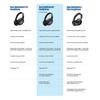
| Active Noise Cancelling - Essential for blocking distractions in noisy environments: Yes, with customizable modes |
| Battery Life - Determines how long you can use them between charges: Up to 24 hours |
| Weight - Lighter headphones are more comfortable for extended wear: 0.52 lb (236g) |
| Headphone Fit - Around-ear design provides better noise isolation: Circumaural (over-ear) |
| Quick Charge - Critical for busy lifestyles when you forget to charge: 15 minutes = 2.5 hours playback |
| Multipoint Bluetooth - Lets you connect to phone and computer simultaneously: Yes, up to 2 devices |
| Wireless Range - How far you can move from your device: Up to 30 feet |
| Adjustable EQ - Allows you to customize sound to your preferences: Yes, via Bose Music app |
| Microphone - Important for calls and voice assistants: Built-in adaptive system |
| Ear Cushion Material - Affects comfort during long listening sessions: Protein leather, removable |
| Noise Control Modes - Different settings for various environments: Quiet, Aware, and Custom modes |
| Charging Port - Modern standard for faster charging and cable compatibility: USB-C |
| Wired Option - Backup when battery dies or for better audio quality: 3.5mm to 2.5mm cable included |
| Carry Case: Included |
| Available Colors: Black, White Smoke, Cypress Green, Blue Dusk, Chilled Lilac, Sandstone |
The Grado GW100x takes a completely different approach to wireless audio, prioritizing pure sound quality over convenience features. As one of the few open-back wireless headphones available, it delivers exceptional audiophile-grade sound with natural, uncolored reproduction and an expansive soundstage that makes music feel three-dimensional rather than trapped inside your head. The neutral tuning reveals details in recordings that the Bose's warmer signature can mask, making it particularly rewarding for jazz, classical, and acoustic music. At $275, it costs $74 less than the Bose while offering superior battery life at 46 hours – nearly double the QuietComfort's runtime. The GW100x also supports higher-quality aptX Adaptive Bluetooth codec for better wireless audio when paired with compatible devices.
However, the Grado's open-back design creates significant limitations that make it unsuitable for most real-world scenarios where the Bose excels. Sound leaks dramatically in both directions – you'll hear every conversation in the room, and everyone nearby will hear your music at moderate volumes. This makes the GW100x strictly a private-space headphone, ideal for dedicated listening rooms or quiet home offices but completely inappropriate for travel, commuting, or shared workspaces. While it offers superior sound quality for critical listening, the Bose provides far more versatility and practical value for users who need headphones that work reliably across different environments and situations.
🤖 Read Detailed Comparison
👌Grado GW100x Wireless Headphones Details
💵 See Grado GW100x Wireless Headphones Price
The Sennheiser Momentum 4 Wireless stands out with its exceptional 60-hour battery life that fundamentally changes how you interact with wireless headphones – you might charge them just once per month even with heavy daily use. More importantly, the Momentum 4 delivers superior audiophile-focused sound quality with natural, refined audio reproduction that professional reviewers consistently prefer over the Bose. The headphones support advanced audio codecs like aptX Adaptive for higher quality wireless streaming, and their 42mm dynamic drivers with wide frequency response (6 Hz – 22 kHz) create a more immersive soundstage that's particularly noticeable when watching movies or listening to complex musical arrangements.
At $299.95 compared to the Bose's $359 price point, the Sennheiser Momentum 4 offers significantly better value by delivering more performance per dollar across most meaningful metrics. While its adaptive noise cancellation isn't quite as strong as Bose's industry-leading ANC, it's entirely sufficient for most real-world scenarios including air travel and coffee shop work sessions. The Momentum 4 also includes more advanced smart features like Auto On/Off and Smart Pause, plus faster charging that provides 4 hours of playback from just 5 minutes of charging. For most users who prioritize sound quality and battery life over absolute maximum noise cancellation, the Momentum 4 represents a more compelling overall package that costs less upfront while requiring less frequent charging maintenance.
🤖 Read Detailed Comparison
👌Sennheiser Momentum 4 Wireless Headphones Details
💵 See Sennheiser Momentum 4 Wireless Headphones Price
The Skullcandy Crusher 540 Active takes a completely different approach with its $190 price point and workout-focused design. Its standout feature is the adjustable Crusher Bass technology that delivers physical haptic feedback through dedicated bass drivers – you literally feel the low-end frequencies as vibrations rather than just hearing them. This creates an incredibly engaging experience for bass-heavy music and action movies that the Bose simply cannot match. The headphones also excel in active use scenarios with sweat-resistant nano-coating, breathable mesh fabric ear cushions that stay comfortable when wet, and increased clamping force to keep them secure during movement. The 40-hour battery life significantly outperforms the Bose's 24 hours, and the 10-minute quick charge is faster too.
However, the Skullcandy Crusher 540 Active makes major compromises to achieve its lower price and specialized focus. Most notably, it completely lacks active noise cancellation – a significant omission that makes it poorly suited for noisy environments like offices, planes, or even loud gyms where you'll need to crank up the volume to overcome background noise. The bass-forward sound signature, while exciting, sacrifices the balanced audio reproduction and vocal clarity that makes the Bose suitable for podcasts, calls, and critical listening. For users who primarily need headphones for workouts and don't require noise cancellation, the Crusher 540 Active offers compelling value with unique bass technology and specialized durability features at nearly half the price. But for versatile, everyday use across different environments, the lack of ANC and unbalanced sound make it a poor substitute for the Bose's more refined, professional-focused approach.
🤖 Read Detailed Comparison
👌Skullcandy Crusher 540 Active Wireless Over-Ear Headphones Details
💵 See Skullcandy Crusher 540 Active Wireless Over-Ear Headphones Price
The Beats Studio Pro stands out with exceptional 40-hour battery life that significantly outlasts the Bose's 24-hour rating, making it ideal for users who don't want to worry about frequent charging. Its balanced sound signature represents a major departure from Beats' traditionally bass-heavy approach, delivering clearer highs and more detailed mids that work well across different music genres. The headphones also offer superior connectivity versatility with USB-C lossless audio, three built-in sound profiles (Signature, Entertainment, and Conversation), and an impressive 300-foot wireless range compared to Bose's 30-foot limit. For Apple users, the Beats Studio Pro provides seamless ecosystem integration with features like Personalized Spatial Audio, one-touch pairing, and Find My support that the Bose simply can't match.
However, the trade-offs become apparent in daily use. The Beats' stronger clamping force and heavier 260g weight make them less comfortable for extended listening sessions, while their noise cancellation, though improved from previous generations, doesn't reach the industry-leading performance of the Bose. At the same $349 price point, the Beats Studio Pro offers better value for users prioritizing battery life, sound versatility, and Apple integration, but the Bose remains the superior choice for those who need maximum noise isolation and all-day comfort. The decision ultimately comes down to whether you value the Beats' versatility and endurance or the Bose's specialized excellence in noise cancellation and ergonomics.
🤖 Read Detailed Comparison
👌Beats Studio Pro Wireless Headphones Details
💵 See Beats Studio Pro Wireless Headphones Price
The Marshall Monitor II ANC distinguishes itself with exceptional battery endurance and premium build quality that puts it in a different value category entirely. While the Bose excels in noise cancellation and lightweight comfort, Marshall delivers an impressive 30-45 hours of battery life compared to Bose's 24 hours—a difference that fundamentally changes how you use wireless headphones. Instead of daily charging routines, the Marshall Monitor II ANC might need charging only once or twice per week even with heavy use. The build quality feels noticeably more premium with metal construction, brass accents, and that iconic Marshall aesthetic, creating headphones that feel like they'll last for years rather than just function well today. The dual connectivity options also provide genuine flexibility, offering both wireless convenience and wired backup through a standard 3.5mm jack.
From a sound and value perspective, the Marshall Monitor II ANC offers a more engaging musical experience at a lower price point. At $320 versus Bose's $360, you're getting distinctive Marshall sound signature with warm, guitar-focused tuning that makes rock, indie, and acoustic music particularly compelling—something the balanced Bose simply can't match for musical enjoyment. The three-preset EQ system via the physical M-button provides instant sound customization without needing to access an app. For users who don't require absolute noise cancellation supremacy, prefer headphones with character and personality, or frequently find themselves away from charging sources, the Marshall Monitor II ANC delivers superior long-term value through its combination of endurance, premium materials, distinctive sound, and lower cost of ownership.
🤖 Read Detailed Comparison
👌Marshall Monitor II ANC Headphones Details
💵 See Marshall Monitor II ANC Headphones Price
The Shure Aonic 50 Gen 2 takes a fundamentally different approach, prioritizing audiophile-grade sound accuracy and professional features over the Bose's consumer-friendly design. Where the QuietComfort delivers immediately satisfying bass-enhanced sound, the Shure offers neutral, studio-accurate reproduction that reveals subtle details in recordings with exceptional clarity. The standout feature is the extensive customization through the ShurePlus PLAY app, which includes a 4-band parametric equalizer that puts the Bose's basic EQ to shame. Audio enthusiasts will appreciate the support for high-resolution codecs like aptX HD and LDAC, plus USB-DAC functionality that can handle 32-bit/384kHz files – capabilities the Bose simply doesn't offer. The 45-hour battery life nearly doubles the QuietComfort's endurance, making it genuinely practical for extended travel or professional use without frequent charging.
However, these professional features come with trade-offs that make the Shure Aonic 50 Gen 2 less appealing for general consumers. The noise cancellation is notably weaker than the Bose's industry-leading performance, making it inadequate for frequent travelers or noisy office environments. At 337 grams versus the QuietComfort's 240 grams, the Shure feels substantially heavier during extended wear, and the less compact folding design makes it more cumbersome for daily carry. The neutral sound signature, while accurate, requires EQ tweaking to achieve the engaging, exciting sound that the Bose delivers out of the box. For most users, the QuietComfort's combination of world-class noise cancellation, lightweight comfort, and immediately satisfying sound provides better real-world value, especially when found on sale around $250. The Shure commands a premium price that's only justified if you'll actively use its professional features and don't mind sacrificing convenience for customization.
🤖 Read Detailed Comparison
👌Shure Aonic 50 Gen 2 Wireless Headphones Details
💵 See Shure Aonic 50 Gen 2 Wireless Headphones Price
The JBL Tour One M2 stands out with its exceptional battery life of up to 50 hours (30 with ANC on) – more than double what the Bose QuietComfort offers – making it ideal for extended travel or users who frequently forget to charge their devices. It also delivers superior technical audio specifications with Hi-Res Audio certification, larger 40mm drivers, and LDAC codec support that can transmit nearly three times more audio data than standard Bluetooth, resulting in noticeably better sound quality for high-resolution music files. The comprehensive JBL Headphones app includes a personalized hearing test and extensive EQ customization options that audiophiles will appreciate, while the 4-microphone call system significantly outperforms the Bose for work-from-home scenarios with better voice isolation in noisy environments.
From a value perspective, the JBL Tour One M2 typically costs 30-40% less than the Bose QuietComfort while delivering more features and longer battery life, making it the clear winner for most buyers who don't specifically need best-in-class noise cancellation. However, it does weigh 12% more than the Bose (268g vs 240g), which becomes noticeable during very long listening sessions, and its noise cancellation, while effective, doesn't quite match Bose's industry-leading performance. The trade-off comes down to whether you prioritize Bose's specialized expertise in comfort and noise isolation, or prefer the JBL's superior overall feature set, longer battery life, and better value proposition – with the latter being the more practical choice for most users unless maximum noise cancellation is essential to your daily routine.
🤖 Read Detailed Comparison
👌JBL Tour One M2 Wireless Over-Ear Headphones Details
💵 See JBL Tour One M2 Wireless Over-Ear Headphones Price
The Focal Bathys represents a fundamentally different approach to wireless headphones, prioritizing audiophile-grade sound quality over the Bose's mainstream appeal. Its standout feature is the built-in USB-DAC that supports up to 24-bit/192kHz resolution, allowing it to function as a high-end wired DAC and amplifier when connected via USB-C – something the QuietComfort simply cannot do. The French-made aluminum-magnesium drivers deliver exceptional detail retrieval, instrument separation, and soundstage width that reveals nuances in recordings you might never notice with the Bose. While the Focal Bathys offers competent noise cancellation with its eight-microphone system, it falls significantly short of the QuietComfort's industry-leading ANC performance, making it less ideal for travel or noisy environments.
The value proposition comes down to your priorities and budget tolerance. The Focal Bathys costs nearly double the QuietComfort's price but justifies this premium for serious listeners who can appreciate the difference in audio fidelity and want features like advanced Bluetooth codecs (aptX Adaptive) and that unique USB-DAC functionality. However, it's heavier at 350g versus the Bose's lightweight 236g design, which can cause fatigue during extended sessions. For most users who prioritize practical daily performance – superior noise cancellation, all-day comfort, and reliable operation – the QuietComfort delivers better real-world value. The Focal Bathys makes sense only if you're willing to sacrifice some convenience and pay significantly more for meaningfully better sound quality and specialized features that most casual listeners won't fully utilize.
🤖 Read Detailed Comparison
👌Focal Bathys Wireless Noise-Canceling Headphones Details
💵 See Focal Bathys Wireless Noise-Canceling Headphones Price
The Sony WH-1000XM6 stands out with significantly more advanced technology and superior technical performance across most categories. Its QN3 processor delivers measurably better noise cancellation with 12 adaptive microphones that achieve roughly 87% average noise reduction compared to the Bose's excellent but less sophisticated system. The sound quality is more balanced and detailed, co-developed with mastering engineers to create a wider soundstage and more accurate frequency response. Sony's comprehensive 10-band equalizer allows extensive customization that the Bose simply can't match, while support for high-resolution LDAC codec preserves three times more audio data than standard Bluetooth connections. Advanced features like Speak-to-Chat, 360 Reality Audio with head tracking, and AI-powered Adaptive Sound Control create a more intelligent and responsive listening experience.
From a value perspective, the Sony WH-1000XM6 typically costs less while delivering superior battery life (30 vs 24 hours), faster charging (3 minutes for 3 hours vs 15 minutes for 2.5 hours), and significantly more features. In real-world use, this translates to headphones that adapt better to different environments, provide longer listening sessions between charges, and offer more flexibility for different types of content. However, the Sony does have some trade-offs—initial clamping force can cause discomfort until the headphones break in, and the touch controls require a learning curve compared to Bose's intuitive physical buttons. For users who prioritize technical performance, customization options, and overall value, the Sony represents a compelling alternative that delivers more capability for less money, though those who value maximum comfort and simplicity may still prefer the Bose approach.
🤖 Read Detailed Comparison
👌Sony WH-1000XM6 Wireless Noise Canceling Headphones Details
💵 See Sony WH-1000XM6 Wireless Noise Canceling Headphones Price
The Bowers & Wilkins Px7 S2e takes a fundamentally different approach, prioritizing audiophile-level sound quality over maximum noise cancellation. Where the Bose excels at blocking out the world, the B&W model shines in reproducing music with exceptional detail and musicality. Its custom 40mm bio-cellulose drivers paired with 24-bit DSP processing deliver what many consider reference-quality audio with a full, lush presentation that reveals nuances in recordings you might miss with other headphones. The Bowers & Wilkins Px7 S2e also offers superior battery endurance at 30+ hours versus the Bose's 24 hours, plus significantly faster charging that provides 7 hours of playback from just 15 minutes plugged in. Advanced codec support including aptX Adaptive means Android users get notably better wireless audio quality, while the USB-C digital audio option allows for true lossless playback when wired.
From a value perspective, the Bowers & Wilkins Px7 S2e often sells for less than the Bose while delivering premium materials, longer battery life, and superior sound reproduction. However, this comes with trade-offs that matter depending on your use case. The B&W model is heavier at 307 grams, doesn't fold for compact travel, and its noise cancellation, while decent, can't match the Bose's industry-leading isolation performance. If your priority is experiencing music at its finest and you don't need maximum noise blocking, the Bowers & Wilkins Px7 S2e represents exceptional value and performance. But if you're frequently in noisy environments or prioritize the lightest, most travel-friendly design with uncompromising noise cancellation, the Bose remains the superior choice despite its higher cost and more modest audio performance.
🤖 Read Detailed Comparison
👌Bowers & Wilkins Px7 S2e Wireless Over-Ear Headphones Details
💵 See Bowers & Wilkins Px7 S2e Wireless Over-Ear Headphones Price
The SteelSeries Arctis Nova Pro Wireless Gaming Headset takes a fundamentally different approach with features specifically designed for serious gamers and content creators. Its standout innovation is the professional-grade retractable boom microphone with AI ClearCast technology, which eliminates up to 99.9% of background noise from your voice - a massive upgrade over the Bose's basic built-in microphone array. The dual hot-swappable battery system provides essentially unlimited gaming time, as you can charge one battery while using the other, and the wireless base station with dual USB-C inputs allows seamless switching between two gaming systems like PC and PlayStation. The audio tuning prioritizes gaming performance with enhanced spatial awareness and detail retrieval that helps competitive players locate enemies by sound, plus extensive software customization through SteelSeries GG with game-specific presets.
However, this gaming specialization comes with clear trade-offs in everyday use scenarios where the Bose excels. The SteelSeries Arctis Nova Pro Wireless offers only basic active noise cancellation compared to the Bose's world-class environmental noise blocking, making it less suitable for travel, commuting, or focusing in noisy environments. While it can handle music playback, the gaming-tuned audio signature lacks the balanced, natural presentation that makes the Bose ideal for extended music listening across all genres. The SteelSeries weighs about 100 grams more and requires managing the base station and dual battery system, adding complexity that may not appeal to users seeking the Bose's plug-and-play simplicity. For gaming enthusiasts who prioritize communication quality and competitive performance, the SteelSeries Arctis Nova Pro Wireless offers superior value, but for general users focused on music, travel, and noise cancellation, it represents unnecessary complexity and compromised performance in non-gaming scenarios.
🤖 Read Detailed Comparison
👌SteelSeries Arctis Nova Pro Wireless Gaming Headset Details
💵 See SteelSeries Arctis Nova Pro Wireless Gaming Headset Price
The Bowers & Wilkins Px7 S3 takes a fundamentally different approach, prioritizing audiophile-grade sound quality over noise cancellation supremacy. Where the Bose excels at creating silence, the B&W shines in revealing musical detail with its 40mm bio-cellulose drivers and dedicated amplification delivering exceptional clarity, dynamics, and soundstage that make familiar songs sound newly detailed. The premium build quality is immediately apparent, with metal housing and memory foam padding that feels substantially more luxurious than the Bose's utilitarian plastic construction. Technical advantages include superior codec support with aptX Lossless and 24-bit/96kHz USB-C audio, plus an impressive 30-hour battery life that outlasts the Bose by six hours, with significantly faster quick charging providing seven hours of playback from just 15 minutes plugged in.
While the Px7 S3 commands a higher price, it delivers measurably superior performance in sound quality, call clarity with its eight-microphone array, and build materials that justify the premium for serious listeners. However, its noise cancellation, though improved over previous B&W models, simply cannot match the Bose's industry-leading ANC performance, making it less ideal for frequent travelers or noisy environments. The choice ultimately comes down to priorities: the Bose offers exceptional value for those seeking the quietest possible listening experience with proven comfort, while the B&W targets users willing to pay extra for reference-quality sound, premium materials, and longer battery life who don't require maximum noise isolation.
🤖 Read Detailed Comparison
👌Bowers & Wilkins Px7 S3 Wireless Over-Ear Headphones Details
💵 See Bowers & Wilkins Px7 S3 Wireless Over-Ear Headphones Price
The Soundcore Space One Pro stands out primarily for its exceptional battery life, delivering up to 40 hours with ANC enabled compared to the Bose's 24 hours, along with remarkably fast charging that provides 8 hours of playback from just 5 minutes of charging. This competitive model also offers superior call quality through its 6-microphone array with AI processing, making it significantly better for phone calls in noisy environments like busy streets or cafes. The Space One Pro supports Hi-Res audio with LDAC codec for higher-quality wireless streaming and provides extensive customization through its app, including full EQ control and HearID 2.0 sound personalization. Its ultra-compact FlexiCurve folding design makes it one of the most travel-friendly options available, folding smaller than most competitors including the Bose.
However, the Soundcore Space One Pro doesn't quite match the Bose's noise cancellation performance, particularly for frequent air travelers or those working in extremely noisy environments where the Bose's refined algorithms excel. At roughly half the price of the Bose QuietComfort, the Space One Pro represents exceptional value for users who can accept slightly less effective ANC in exchange for longer battery life, better call quality, more features, and significant cost savings. For daily commuters, students, remote workers, or anyone prioritizing versatility and battery longevity over absolute noise cancellation supremacy, the Soundcore delivers competitive performance with standout convenience features that many users will find more practical for everyday use.
🤖 Read Detailed Comparison
👌Soundcore Space One Pro Wireless Noise Cancelling Headphones Details
💵 See Soundcore Space One Pro Wireless Noise Cancelling Headphones Price
The Sennheiser HD 450BT delivers exceptional value in the wireless ANC category, offering legitimate noise cancellation, solid audio quality, and outstanding 30-hour battery life at a fraction of the cost of premium alternatives. Its standout feature is aptX Low Latency codec support, making it significantly superior for gaming and video streaming where audio-video synchronization is critical – an advantage the QuietComfort lacks entirely. The lightweight, foldable design prioritizes portability, and while the build quality reflects its budget positioning with primarily plastic construction, it still delivers reliable performance across all key metrics. For users entering the wireless headphone market or those with specific gaming/media consumption needs, the Sennheiser HD 450BT provides a compelling introduction to wireless ANC technology without requiring a substantial financial commitment.
However, the performance gaps become apparent in extended real-world use, particularly in noise cancellation effectiveness and long-term comfort. The Sennheiser HD 450BT's basic ANC implementation struggles with higher-frequency sounds and voices that the QuietComfort handles effortlessly, making it less effective for frequent travelers or noisy work environments. The comfort difference is substantial during extended listening sessions, with the Sennheiser's stiffer cushioning and basic materials causing fatigue where the QuietComfort remains comfortable for hours. For casual users, students, or anyone prioritizing gaming performance and exceptional battery life over premium comfort and noise cancellation, the Sennheiser HD 450BT represents outstanding value. But users who spend significant time in noisy environments or need all-day comfort will find the QuietComfort's premium positioning justified by its superior performance in these critical areas.
🤖 Read Detailed Comparison
👌Sennheiser HD 450BT Wireless Noise Cancelling Headphones Details
💵 See Sennheiser HD 450BT Wireless Noise Cancelling Headphones Price
The Beats Studio3 Wireless brings some compelling advantages to the table, particularly for users invested in Apple's ecosystem. The standout W1 chip integration delivers genuinely seamless pairing and device switching that feels almost magical when moving between your iPhone, iPad, and Mac. Battery life is impressive too, offering up to 40 hours when you disable active noise canceling – significantly longer than most competitors. The Fast Fuel charging technology provides three hours of playback from just ten minutes of charging, which can be a lifesaver when you're rushing out the door. Visually, the Beats Studio3 also wins on style variety, offering multiple attractive colorways that make a fashion statement while delivering decent audio performance.
However, in real-world performance comparisons, the age gap between these 2017-era headphones and modern alternatives becomes apparent. The Pure ANC system, while adaptive, simply can't match the noise reduction effectiveness you'd expect for travel or noisy office environments – it handles conversation chatter reasonably well but struggles significantly with the low-frequency rumbles of airplane engines or traffic that make noise canceling truly valuable. The bass-heavy sound signature, while appealing to some listeners, can make vocals sound muddy and lacks the clarity and customization options that let you tailor the sound to your preferences. At current market prices, the Beats Studio3 only make sense when found at substantial discounts, where their Apple integration and style appeal can offset their performance limitations compared to newer noise-canceling alternatives.
🤖 Read Detailed Comparison
👌Beats Studio3 Wireless Over-Ear Headphones Details
💵 See Beats Studio3 Wireless Over-Ear Headphones Price
The Sony WH-1000XM5 takes a more technology-forward approach with its dual-processor system controlling eight microphones for advanced noise cancellation that excels particularly at blocking mid and high-frequency sounds like office chatter and human voices. Where it really shines is in all-day comfort – at just 250 grams with plush synthetic leather cushions, these headphones feel noticeably lighter during extended listening sessions. The battery life is also superior, delivering up to 30 hours with noise cancellation enabled compared to the Bose's 24 hours, plus faster quick charging that provides 3 hours of playback from just 3 minutes of charging. The Sony WH-1000XM5 also includes more advanced wireless features like LDAC codec support for higher-quality Bluetooth audio and comprehensive app customization with 20 levels of noise cancellation adjustment.
However, the Sony WH-1000XM5 requires more user investment to reach its full potential. The out-of-the-box sound quality is disappointing – muffled and veiled compared to the immediately satisfying audio from the Bose – and requires EQ adjustments through Sony's app to sound its best. The build quality is also a concern, with lighter construction that feels less durable over the long term, particularly around potential stress points. While the Sony typically costs more than the Bose, it's best suited for users who prioritize maximum comfort for extended wear, enjoy tweaking audio settings, and want the most advanced noise cancellation technology available. For most users seeking reliable, great-sounding headphones that work exceptionally well right out of the box, the Bose represents better immediate value and long-term satisfaction.
🤖 Read Detailed Comparison
👌Sony WH-1000XM5 Wireless Noise Canceling Headphones Details
💵 See Sony WH-1000XM5 Wireless Noise Canceling Headphones Price
The Bowers & Wilkins Px8 McLaren Edition represents the pinnacle of wireless headphone audio engineering, delivering audiophile-grade sound quality that reveals musical details you've likely never noticed before. Its custom 40mm carbon cone drivers, angled precisely within each earcup, create an exceptionally wide soundstage with remarkable instrument separation and clarity that makes the QuietComfort's sound seem compressed by comparison. The build quality is genuinely luxurious, featuring lightweight aluminum construction, fine Nappa leather, and McLaren's distinctive Galvanic Grey and Papaya Orange styling that feels more like premium automotive craftsmanship than typical consumer electronics. With 30 hours of battery life and superior connectivity options including USB-C audio and aptX Adaptive codec support, the Px8 McLaren Edition offers more flexibility for high-end audio setups and extended listening sessions.
However, this audiophile excellence comes with significant trade-offs that affect daily usability. At 320 grams, the Px8 McLaren Edition feels noticeably heavier during extended wear, and some users experience headband pressure that makes all-day comfort challenging compared to the QuietComfort's optimized ergonomics. More critically, its noise cancellation is merely adequate rather than exceptional – fine for quiet environments but unable to match Bose's industry-leading ANC technology for travel or noisy workspaces. The substantially higher price point means you're paying a significant premium primarily for superior sound quality and luxury materials, making it a specialized choice for serious music enthusiasts rather than the practical daily performer that most users actually need. While the Px8 McLaren Edition undoubtedly offers better audio fidelity, the QuietComfort provides more tangible real-world benefits for typical use cases at a more accessible price.
🤖 Read Detailed Comparison
👌Bowers & Wilkins Px8 McLaren Edition Headphones Details
💵 See Bowers & Wilkins Px8 McLaren Edition Headphones Price
The Bowers & Wilkins Px8 takes a markedly different approach, prioritizing audiophile-grade sound quality and premium materials over the Bose's comfort-first philosophy. Its 40mm angled carbon cone drivers deliver significantly more detailed and accurate sound reproduction, revealing subtle musical nuances that the QuietComfort simply can't match. The Px8's support for high-resolution wireless codecs like aptX Adaptive means you're getting substantially more audio information when streaming from compatible devices – think of it as the difference between standard and high-definition video. The build quality feels genuinely luxurious with cast aluminum construction, Nappa leather earpads, and diamond-cut metal detailing that justify its premium positioning. Battery life is also superior at 30 hours compared to the Bose's 24 hours, with faster quick-charging that provides 7 hours of playback from just 15 minutes of charging.
However, these advantages come with trade-offs that matter in daily use. The Px8's noise cancellation, while effective, doesn't match the QuietComfort's industry-leading ANC performance – a crucial consideration for frequent travelers or anyone working in noisy environments. At 320 grams versus the Bose's ultralight 236 grams, the Px8 can cause fatigue during extended wear sessions, and it lacks the multipoint Bluetooth connectivity that makes the QuietComfort so convenient for switching between devices. When considering value, the Px8 often appears at significant discounts from its original flagship pricing, making it competitive with the QuietComfort while offering substantially higher-end materials and audio engineering. The choice ultimately comes down to whether you prioritize the Bose's practical advantages of superior noise blocking and all-day comfort, or the Px8's audiophile credentials and luxury build quality.
🤖 Read Detailed Comparison
👌Bowers & Wilkins Px8 Wireless Headphones Details
💵 See Bowers & Wilkins Px8 Wireless Headphones Price
The Technics EAH-A800 stands out with exceptional battery life that more than doubles what the Bose offers, delivering up to 50 hours of playback with ANC enabled—enough to last an entire work week without charging. This Japanese audio company's first serious entry into premium noise-cancelling headphones also brings impressive technical credentials, including LDAC codec support for high-resolution wireless audio and an advanced 8-microphone beamforming array that delivers superior call quality in challenging environments. The quick charging is particularly noteworthy, providing 10 hours of playback from just 15 minutes of charging, significantly outpacing the Bose in this crucial convenience feature.
However, the Technics EAH-A800 requires more user involvement to reach its full potential. Out of the box, it has a notably bass-heavy sound signature that many users find needs EQ adjustment to achieve balanced audio, whereas the Bose delivers excellent sound immediately. The Technics also produces an audible hiss during ANC operation and lacks automatic power-off, meaning you must remember to turn them off manually or risk battery drain. While the lower price point makes premium features more accessible, the trade-off is a less refined user experience that demands patience and tweaking. For users willing to invest time in optimization and who prioritize exceptional battery life and advanced features over immediate satisfaction, the Technics represents compelling value, but those seeking a premium, hassle-free experience will likely prefer the Bose approach.
🤖 Read Detailed Comparison
👌Technics EAH-A800 Wireless Noise Cancelling Headphones Details
💵 See Technics EAH-A800 Wireless Noise Cancelling Headphones Price
The Sony WH-1000XM4 stands out primarily for its exceptional 30-hour battery life and comprehensive smart feature set, offering significantly more automation than the Bose. Its Speak-to-Chat technology automatically pauses music when you start talking, while adaptive sound control learns your habits and adjusts noise cancellation based on your location and activity. The touch-sensitive controls provide intuitive gesture-based operation, and the support for LDAC high-resolution audio codec means you can enjoy better wireless audio quality when paired with compatible devices. At typical market pricing, the Sony WH-1000XM4 delivers about 90% of premium headphone performance at a substantially lower cost, making it an compelling value proposition for budget-conscious buyers who don't want to compromise on core features.
However, the Sony WH-1000XM4 makes some notable compromises that become apparent in daily use. The microphone quality is disappointing for a premium product, with thin and muffled call quality that makes it unsuitable for professional use or frequent phone calls. While the noise cancellation is excellent, it falls slightly behind the Bose in the critical 200-1000Hz range where most ambient office and café noise occurs. The sound signature, while technically capable, requires EQ adjustment to match the natural, balanced presentation that the Bose delivers out of the box. The Sony WH-1000XM4 also weighs 14 grams more and can feel less comfortable during extended listening sessions, with memory foam pads that retain more heat than the Bose's protein leather cushions. For users who prioritize maximum features and battery life over refined audio quality and comfort, the Sony represents excellent value, but those seeking the most polished overall experience may find the Bose worth the premium.
🤖 Read Detailed Comparison
👌Sony WH-1000XM4 Wireless Headphones Details
💵 See Sony WH-1000XM4 Wireless Headphones Price
The Apple AirPods Max distinguish themselves with exceptional build quality and audiophile-grade sound reproduction that requires no user adjustment. The aluminum ear cups, stainless steel frame, and premium materials create a luxury feel that's immediately apparent, while the custom-designed dynamic drivers deliver wonderfully spacious and precise audio with remarkable clarity across all frequencies. Apple's Spatial Audio with dynamic head tracking transforms movie watching into a personal theater experience, particularly when paired with Apple devices, creating convincing surround sound that anchors audio to the screen even as you move your head. The seamless ecosystem integration means instant pairing, automatic device switching between your iPhone, iPad, and Mac, and "Hey Siri" voice activation that works flawlessly within Apple's environment.
However, the Apple AirPods Max come with significant trade-offs that affect daily usability. At 384 grams, they're notably heavier than the Bose headphones, leading to fatigue during extended listening sessions, and the non-folding design combined with an inadequate carrying case makes them impractical for travel. The premium price reflects luxury materials and ecosystem integration rather than proportional performance improvements, and stepping outside Apple's ecosystem severely limits functionality on Android or Windows devices. While the noise cancellation is very good, it doesn't match the Bose's industry-leading performance, particularly noticeable in challenging environments like airplanes. The lack of a power button and limited customization options may frustrate users who prefer more control over their listening experience, making the AirPods Max best suited for Apple users who prioritize premium aesthetics and spatial audio over practical daily performance.
🤖 Read Detailed Comparison
👌Apple AirPods Max Wireless Over-Ear Headphones Details
💵 See Apple AirPods Max Wireless Over-Ear Headphones Price
The OneOdio A10 Hybrid Active Noise Cancelling Headphones deliver exceptional value by offering premium features at roughly one-third the cost of the Bose QuietComfort. The standout advantage is battery life that's genuinely game-changing – with 50 hours of Bluetooth playback or up to 62 hours using ANC only, the OneOdio A10 eliminates charging anxiety for extended travel, camping trips, or simply forgetful users who rarely remember to plug in their devices. This massive battery advantage is complemented by faster emergency charging, providing 2 hours of playback from just 5 minutes of charging. The headphones also maintain full wired functionality even when the battery is completely dead, offering a backup option that the Bose model can't match.
While the OneOdio A10 can't compete with the Bose's sophisticated noise cancellation or premium comfort, it delivers surprisingly solid ANC performance that effectively handles consistent background noise like airplane engines, office HVAC systems, and traffic rumble. The V-shaped sound signature provides an energetic, bass-heavy presentation that many users prefer for popular music genres, though it lacks the balanced refinement and app-based customization of the Bose model. For budget-conscious buyers, students, or anyone who prioritizes maximum battery life over premium features, the OneOdio A10 represents outstanding value – delivering legitimate ANC functionality, multipoint connectivity, and Hi-Res Audio certification at a fraction of the premium price point.
🤖 Read Detailed Comparison
👌OneOdio A10 Hybrid Active Noise Cancelling Headphones Details
💵 See OneOdio A10 Hybrid Active Noise Cancelling Headphones Price
The Beats Solo 4 Wireless On-Ear Headphones offer an entirely different value proposition, delivering exceptional battery life and portability at a significantly lower price point. With an impressive 50-hour battery capacity – more than double the QuietComfort's endurance – the Solo 4 eliminates charging anxiety for even the heaviest users, lasting over a week of daily use on a single charge. The compact, lightweight on-ear design makes them incredibly portable, folding flat for easy travel, while the bass-heavy sound signature delivers an exciting, energetic listening experience that perfectly complements hip-hop, pop, and electronic music. Perhaps most importantly, the Solo 4 maintains full Bluetooth functionality while charging, allowing uninterrupted use even when plugged into a power source.
However, the Beats Solo 4's design choices create significant limitations that highlight the QuietComfort's premium positioning. The complete absence of active noise cancellation makes the Solo 4 unsuitable for noisy environments like airplanes or busy offices, where the QuietComfort's ANC technology truly shines. The on-ear design, while portable, becomes uncomfortable after 1-2 hours due to ear pressure, making extended listening sessions challenging compared to the QuietComfort's all-day comfort. Additionally, the Solo 4 offers minimal app functionality and no sound customization options, leaving users stuck with Beats' preset audio profile. While the Solo 4 represents exceptional value for users prioritizing battery life and portability in quiet environments, it simply cannot match the QuietComfort's versatility, comfort, and noise-blocking capabilities that justify the higher investment.
🤖 Read Detailed Comparison
👌Beats Solo 4 Wireless On-Ear Headphones Details
💵 See Beats Solo 4 Wireless On-Ear Headphones Price
The Beats Solo3 Wireless takes a dramatically different approach, prioritizing exceptional portability and marathon battery life over the QuietComfort's premium comfort and noise cancellation features. The standout achievement is the remarkable 40-hour battery life - nearly double what the QuietComfort offers - thanks to Apple's efficient W1 chip, making the Solo3 ideal for users who want to go days between charges. The on-ear design folds down to an incredibly compact size that easily fits in gym bags or backpacks, weighing just 215g compared to the bulkier over-ear QuietComfort design. For iPhone users specifically, the Beats headphones offer seamless ecosystem integration with instant pairing and automatic switching between Apple devices, creating an almost effortless user experience that Android users with the QuietComfort don't get to the same degree.
From a value standpoint, the Solo3 Wireless typically costs significantly less than the QuietComfort while still delivering solid wireless performance and the signature energetic Beats sound that makes pop, hip-hop, and electronic music particularly engaging. The trade-offs are substantial though - you lose active noise cancellation entirely, relying only on passive isolation that won't block low-frequency sounds like airplane engines or office HVAC systems. The on-ear design also means comfort limitations during extended listening sessions, with potential ear pressure and fatigue that the QuietComfort's over-ear cushioning eliminates. However, for casual listeners who prioritize portability, battery life, and Apple integration over premium features like ANC, the Solo3 represents excellent value, especially considering you can often find them at budget-friendly prices that make the QuietComfort's premium cost harder to justify.
🤖 Read Detailed Comparison
👌Beats Solo3 Wireless On-Ear Headphones Details
💵 See Beats Solo3 Wireless On-Ear Headphones Price
The Soundcore Life Q30 stands out primarily for its exceptional value proposition and remarkable battery life that puts even premium headphones to shame. With up to 60 hours of playback time, these headphones can go weeks between charges for casual users, compared to the QuietComfort's 24-hour capacity. The Life Q30 also offers extensive sound customization through the Soundcore app, featuring 22 EQ presets plus a fully customizable equalizer that allows users to fine-tune their audio experience far beyond what the Bose app provides. The foldable design makes them significantly more portable, and the hybrid ANC system with three specialized modes (Transport, Indoor, Outdoor) provides genuinely effective noise cancellation that, while not matching Bose's performance, delivers impressive results for its price point.
However, the Soundcore Life Q30 makes clear compromises to achieve its budget-friendly positioning, typically costing roughly 25% of the QuietComfort's price. The noise cancellation, while effective for consistent low-frequency sounds, struggles more with sudden noises and complex audio environments where the Bose excels. The predominantly plastic construction feels less premium and may be less durable over time, particularly at the folding hinges. Audio quality leans toward a V-shaped signature that can sound exciting but sometimes lacks the natural midrange clarity and refinement that makes the QuietComfort suitable for critical listening. For users primarily concerned with getting solid noise-cancelling performance without premium pricing, or those who prioritize incredible battery life and extensive customization options, the Life Q30 offers remarkable value. But the QuietComfort's superior noise cancellation, audio fidelity, and premium build quality justify the significant price difference for users who demand the best possible performance.
🤖 Read Detailed Comparison
👌Soundcore Life Q30 Wireless Headphones Details
💵 See Soundcore Life Q30 Wireless Headphones Price
The OneOdio Pro-10 Over Ear Wired Headphones take a radically different approach, focusing on maximum value and professional versatility at roughly one-sixth the price point. Their standout features include dual connectivity ports (both 3.5mm and 6.35mm) that work directly with studio equipment, DJ mixers, and instruments without adapters, plus 90-degree swiveling earcups essential for single-ear monitoring during DJ sets or audio production. The 50mm neodymium drivers deliver surprisingly balanced, neutral sound that avoids the heavy bass coloration typical of budget headphones, while the 32-ohm impedance and high 1,600mW power handling mean they work equally well with smartphones and professional audio interfaces. With no battery to manage and included cables for both studio and consumer use, the Pro-10 offers rock-solid reliability and exceptional audio quality that competes with models costing several times more.
In real-world scenarios, the OneOdio Pro-10 excels where wireless headphones struggle—professional audio work, DJ applications, home studios, and situations where battery life or Bluetooth connectivity could be problematic. The wired design eliminates audio latency issues crucial for gaming and video editing, while the SharePort daisy-chain feature allows multiple users to monitor the same audio source simultaneously. However, this approach sacrifices the convenience and noise-cancellation benefits that define the QuietComfort experience—you're tethered by cables, limited to passive noise isolation, and the comfort during extended sessions doesn't match premium materials and ergonomics. The Pro-10 represents exceptional value for users who prioritize audio accuracy, professional features, and reliability over wireless convenience, making it ideal for aspiring content creators, students, and anyone seeking audiophile-level performance on a tight budget.
🤖 Read Detailed Comparison
👌OneOdio Pro-10 Over Ear Wired Headphones Details
💵 See OneOdio Pro-10 Over Ear Wired Headphones Price
The Nothing Headphone (1) represents a bold alternative approach that prioritizes innovation and endurance over immediate comfort. Its most striking advantage is exceptional battery life, delivering 35 hours with ANC enabled and up to 80 hours without it - more than doubling the Bose's endurance and virtually eliminating charging anxiety for even the most demanding users. The transparent design makes an unmistakable visual statement while housing advanced features like IP52 water resistance, a rarity in over-ear headphones that enables light exercise and outdoor use where the Bose would be risky. The Nothing Headphone (1) also supports high-resolution audio through LDAC, USB-C, and 3.5mm connections, offering audiophile-level capabilities that the Bose simply can't match.
However, the Nothing's advantages come with notable trade-offs that affect daily usability. At 329 grams, it's significantly heavier than the Bose, making extended wear less comfortable for all-day sessions. The default sound quality requires extensive EQ adjustment through the companion app to reach its potential, creating a barrier for users who want immediate satisfaction rather than a customization project. While the noise cancellation is competent, it falls short of the Bose's industry-leading performance in challenging acoustic environments. The Nothing Headphone (1) typically commands a premium price for its innovative features, making it best suited for users who specifically value maximum battery life, unique aesthetics, water resistance, and don't mind investing time in audio optimization. For those priorities, it offers capabilities the Bose cannot match, but most users will find the Bose's refined approach more immediately rewarding.
🤖 Read Detailed Comparison
👌Nothing Headphone (1) Wireless Over-Ear Headphones Details
💵 See Nothing Headphone (1) Wireless Over-Ear Headphones Price
The OneOdio Studio Max 1 takes a completely different approach, prioritizing professional features and exceptional value over premium refinement. Its most impressive achievement is the extraordinary 120-hour battery life that makes the QuietComfort's 24 hours seem modest by comparison—this translates to weeks of typical use without charging. The headphones include innovative Rapid WiLL+ technology that delivers ultra-low 20ms latency through the included M1 transmitter, making them genuinely suitable for DJ monitoring, gaming, and any application where audio timing matters. Professional features like single-ear monitoring, swiveling ear cups, and multiple connectivity options (including 6.35mm professional audio jacks) cater to creators and musicians in ways the QuietComfort simply cannot. The OneOdio Studio Max 1 also supports Hi-Res Audio with LDAC codec, offering technical capabilities that exceed many premium competitors.
Where the OneOdio Studio Max 1 compromises is in areas the QuietComfort excels—it completely lacks active noise cancellation, weighs significantly more at 330g, and uses a bass-heavy tuning that works well for electronic music but can sound unbalanced for other genres. Build quality feels less premium with more plastic construction, though it remains solid for the much lower price point. The OneOdio Studio Max 1 costs roughly one-third the price while delivering professional features and battery life that the QuietComfort cannot match. For users who don't need noise cancellation but want maximum versatility, endurance, and professional connectivity, the OneOdio Studio Max 1 offers compelling value that makes the QuietComfort's premium pricing harder to justify unless you specifically prioritize comfort and ANC above all else.
🤖 Read Detailed Comparison
👌OneOdio Studio Max 1 Wireless DJ Headphones Details
💵 See OneOdio Studio Max 1 Wireless DJ Headphones Price
The JBL Tune 720BT takes a completely different approach, prioritizing exceptional value and marathon battery performance over premium features. Its standout 76-hour battery life is genuinely game-changing, providing over triple the playback time of the Bose and essentially eliminating battery anxiety for most users. This makes it ideal for extended travel, camping trips, or simply users who prefer minimal charging maintenance. The JBL also delivers surprisingly impressive audio quality for its budget positioning, with engaging "Pure Bass Sound" that makes contemporary music genres like hip-hop, electronic, and pop feel dynamic and fun. Where the Bose focuses on balanced refinement, the JBL embraces a more colored, energetic sound signature that many casual listeners actually prefer for everyday music consumption.
From a value perspective, the JBL Tune 720BT represents an entirely different philosophy - maximizing performance per dollar rather than absolute performance. While it lacks the Bose's active noise cancellation and premium comfort engineering, it delivers core wireless functionality with remarkable battery endurance at a fraction of the cost. The real-world benefit becomes clear for budget-conscious users who primarily listen in quiet environments: you get genuinely good sound quality, reliable connectivity, and weeks of use between charges without paying for noise cancellation technology you might not need. However, the comfort limitations and lack of ANC do restrict its versatility - it's best suited for shorter listening sessions and users who don't require the isolation capabilities that make the Bose excel in noisy environments. For students, casual listeners, or anyone prioritizing maximum battery life over premium features, the JBL offers compelling value that's hard to match in its price segment.
🤖 Read Detailed Comparison
👌JBL Tune 720BT Wireless Over-Ear Headphones Details
💵 See JBL Tune 720BT Wireless Over-Ear Headphones Price
The nwm ONE Wireless Open-Ear Headphones represent a radical departure from traditional headphone design with their completely open-ear architecture that leaves your ears unobstructed while delivering directed audio. This innovative approach excels in scenarios where the Bose QuietComfort falls short—maintaining constant environmental awareness for parents, home workers, and safety-conscious users without requiring mode switching. The dual-driver system with separate 12mm tweeter and 35mm woofer creates a surprisingly natural, speaker-like soundstage, while proprietary PSZ technology minimizes sound leakage that typically plagues open-ear designs. Perhaps most impressively, the Magic Focus Voice technology delivers superior call quality through advanced beamforming and noise filtering, making it ideal for remote work and frequent phone calls.
However, the nwm ONE serves a much more specific niche compared to the versatile Bose QuietComfort. The open design makes it heavily dependent on quiet environments—ambient noise quickly overwhelms the audio experience, limiting its effectiveness for commuting, travel, or noisy workspaces where the Bose excels. While the 185g weight and no-contact design offer exceptional comfort for all-day wear, the significantly higher price point makes it a premium purchase that's only worthwhile if you specifically need the open-ear benefits. The nwm ONE essentially trades the Bose's broad versatility and proven noise cancellation for specialized situational awareness capabilities, making it perfect for certain users but less practical as an all-purpose headphone solution.
🤖 Read Detailed Comparison
👌nwm ONE Wireless Open-Ear Headphones Details
💵 See nwm ONE Wireless Open-Ear Headphones Price
The Pioneer DJ HDJ-X5 takes a completely different approach to audio, focusing on professional monitoring capabilities and extreme durability over consumer convenience. Its standout feature is military-grade construction that passed MIL-STD-810G shock testing, making it virtually indestructible compared to typical consumer headphones. The bass-heavy sound signature with enhanced low-frequency response around 40Hz is specifically tuned for electronic music monitoring and DJ work, while the 4-core twisted-structure cable delivers superior channel separation crucial for beatmatching and mixing. The high SPL handling capability (102dB sensitivity, 2000mW max input) means these headphones can reproduce audio at volumes that would distort most consumer models, and the coiled cable design with swivel mechanism accommodates the unique ergonomic needs of DJ booth work.
From a performance standpoint, the Pioneer HDJ-X5 offers exceptional value for anyone involved in music production or DJ work, delivering professional-grade features at a fraction of the cost of flagship studio monitors. The wired-only design eliminates latency issues and battery dependency that could be problematic during live performances, while replaceable cables and ear pads extend the product's useful life well beyond typical consumer headphones. However, this specialization comes at the cost of everyday usability—there's no wireless convenience, no noise cancellation for travel, and the bass-emphasized tuning may not suit listeners who prefer balanced sound across all music genres. While the HDJ-X5 excels in professional environments where reliability and specialized performance matter most, it lacks the versatile features and listening comfort that make the QuietComfort ideal for daily consumer use.
🤖 Read Detailed Comparison
👌Pioneer DJ HDJ-X5 Headphones Details
💵 See Pioneer DJ HDJ-X5 Headphones Price
The OneOdio Fusion A70 Bluetooth Over-Ear Headphones takes a dramatically different approach, prioritizing maximum versatility and exceptional battery life at a budget-friendly price point. Where the QuietComfort focuses on premium refinement, the Fusion A70 packs an impressive array of features that you won't find even on much more expensive headphones. The standout 72-hour battery life is genuinely game-changing for heavy users, travelers, or anyone who frequently forgets to charge their devices—lasting nearly three times longer than the QuietComfort's already-solid 24 hours. The dual connectivity system with both 3.5mm and 6.35mm professional jacks opens up use cases that the Bose simply can't handle, from DJ mixing to studio monitoring to connecting with musical instruments. The unique SharePort technology even allows daisy-chaining audio to share music with friends, a feature that's both practical and fun in collaborative listening situations.
From a value perspective, the OneOdio Fusion A70 delivers remarkable bang for the buck, offering professional connectivity options and extreme battery endurance at a fraction of the QuietComfort's cost. While you sacrifice the refined audio quality, premium comfort engineering, and advanced noise cancellation that make the Bose model excel in daily use, you gain flexibility that even high-end competitors often lack. The V-shaped sound signature, though less neutral than the QuietComfort's balanced approach, provides an energetic, bass-forward presentation that many casual listeners actually prefer for genres like EDM, hip-hop, and pop music. For budget-conscious users, students, aspiring DJs, or anyone who needs maximum battery life and connectivity options more than premium comfort and ANC, the Fusion A70 represents exceptional value—proving that you don't always need to spend premium prices to get genuinely useful features that enhance your audio experience.
🤖 Read Detailed Comparison
👌OneOdio Fusion A70 Bluetooth Over-Ear Headphones Details
💵 See OneOdio Fusion A70 Bluetooth Over-Ear Headphones Price
The JBL Quantum 910 Wireless Gaming Headset represents a specialized approach that prioritizes competitive gaming performance over general versatility. Where the QuietComfort headphones excel at balanced everyday use, the Quantum 910 delivers game-changing features for serious gamers, including JBL QuantumSPHERE 360™ spatial audio with integrated head tracking that provides pinpoint accuracy for enemy positioning—a capability that can genuinely improve competitive performance. The ultra-low latency 2.4GHz wireless connection eliminates the audio delay that makes standard Bluetooth headphones problematic for competitive gaming, while the dedicated flip-up boom microphone with noise suppression ensures crystal-clear team communication. The gaming-tuned frequency response emphasizes audio cues critical for competitive advantage, revealing subtle environmental sounds like footsteps and weapon reloads that might be missed with consumer-focused tuning.
For dedicated gamers, particularly those playing competitive multiplayer titles, the JBL Quantum 910 offers superior value despite its heavier 420-gram build and gaming-centric design aesthetic. The specialized features like head tracking and dual wireless connectivity (allowing simultaneous game audio and chat/music streams) provide tangible benefits that justify the investment for users who will utilize them regularly. However, the gaming optimization comes at the cost of versatility—the aggressive audio tuning that excels in competitive scenarios may sound unnatural for music listening, and the full feature set requires PC software that isn't available on other platforms. While the Quantum 910 can handle general audio tasks, users seeking headphones primarily for music, travel, and everyday activities will find the QuietComfort's balanced approach and superior noise cancellation more practical for daily use.
🤖 Read Detailed Comparison
👌JBL Quantum 910 Wireless Gaming Headset Details
💵 See JBL Quantum 910 Wireless Gaming Headset Price
The JBL Quantum 810 represents a specialized gaming-first approach that delivers features the QuietComfort simply cannot match. Its standout capability is sophisticated spatial audio processing through JBL QuantumSURROUND and DTS Headphone:X v2.0, which creates convincing 3D soundscapes that help gamers pinpoint enemy locations and environmental cues with precision. The unidirectional boom microphone is broadcast-quality and Discord-certified, offering far superior voice capture for gaming communication, streaming, or content creation compared to the QuietComfort's built-in system. Additionally, the JBL Quantum 810 delivers exceptional 43-hour battery life without RGB lighting—nearly double the QuietComfort's endurance—making it ideal for marathon gaming sessions or extended use without frequent charging.
From a value standpoint, the JBL Quantum 810 excels specifically for PC gamers who will actually utilize its gaming-optimized features, but falls short as an all-around audio solution. While it matches the QuietComfort's premium pricing, you're paying for specialized capabilities like low-latency 2.4GHz wireless connectivity, gaming-tuned sound signature, and advanced surround processing that only function on PC. The real-world benefit is significant competitive advantage in gaming scenarios, but console users lose most premium features, and the gaming-focused audio tuning isn't optimal for music listening or movie watching. For dedicated PC gamers, streamers, or content creators, the JBL Quantum 810 offers superior value through its specialized feature set, though users seeking versatile daily-driver headphones will find the QuietComfort's balanced approach and universal compatibility more practical for diverse audio needs.
🤖 Read Detailed Comparison
👌JBL Quantum 810 Wireless Gaming Headset Details
💵 See JBL Quantum 810 Wireless Gaming Headset Price
The Beats Studio Pro x Kim Kardashian brings compelling advantages that may outweigh the Bose's comfort and build quality superiority, particularly for users invested in Apple's ecosystem. The standout feature is the exceptional 40-hour battery life that significantly outpaces the QuietComfort's 24 hours—a 16-hour difference that translates to nearly twice as long between charges. This becomes genuinely liberating for heavy users, frequent travelers, or anyone who regularly forgets to charge their devices. Additionally, the Personalized Spatial Audio with dynamic head tracking creates an immersive, theater-like experience that the Bose simply cannot match, making movies and Dolby Atmos content feel like you're surrounded by multiple speakers. The Apple integration is seamless to the point where the headphones function essentially as a native Apple product, with instant pairing, Find My support, and effortless device switching across your Apple ecosystem.
From a performance standpoint, the Beats Studio Pro x Kim Kardashian also delivers superior technical audio characteristics, with exceptional clarity, detail retrieval, and instrument separation that audiophiles will appreciate. While the Bose offers more customization through its EQ app, the Beats provide a more balanced, neutral sound signature out of the box that many listeners prefer to the Bose's aggressive V-shaped tuning. The exclusive Kim Kardashian colorways also add a fashion-forward aesthetic that appeals to style-conscious users. However, these advantages come with significant trade-offs: the excessive clamping force and shallow ear cups make extended wear uncomfortable, and the cheaper-feeling plastic construction raises durability concerns. For Apple users who can tolerate these comfort issues and prioritize battery life, spatial audio, and seamless ecosystem integration, the Beats Studio Pro x Kim Kardashian offers unique capabilities that justify its premium positioning despite the comfort compromises.
🤖 Read Detailed Comparison
👌Beats Studio Pro x Kim Kardashian Headphones Details
💵 See Beats Studio Pro x Kim Kardashian Headphones Price
Original price was: $1,598.00.$1,298.00Current price is: $1,298.00.
Original price was: $499.99.$369.99Current price is: $369.99.
Original price was: $579.99.$318.99Current price is: $318.99.


Privacy Policy
Terms and Conditions - Affiliate Policy
Home Security
© Copyright 2008-2026.
11816 Inwood Rd #1211, Dallas, TX 75244