

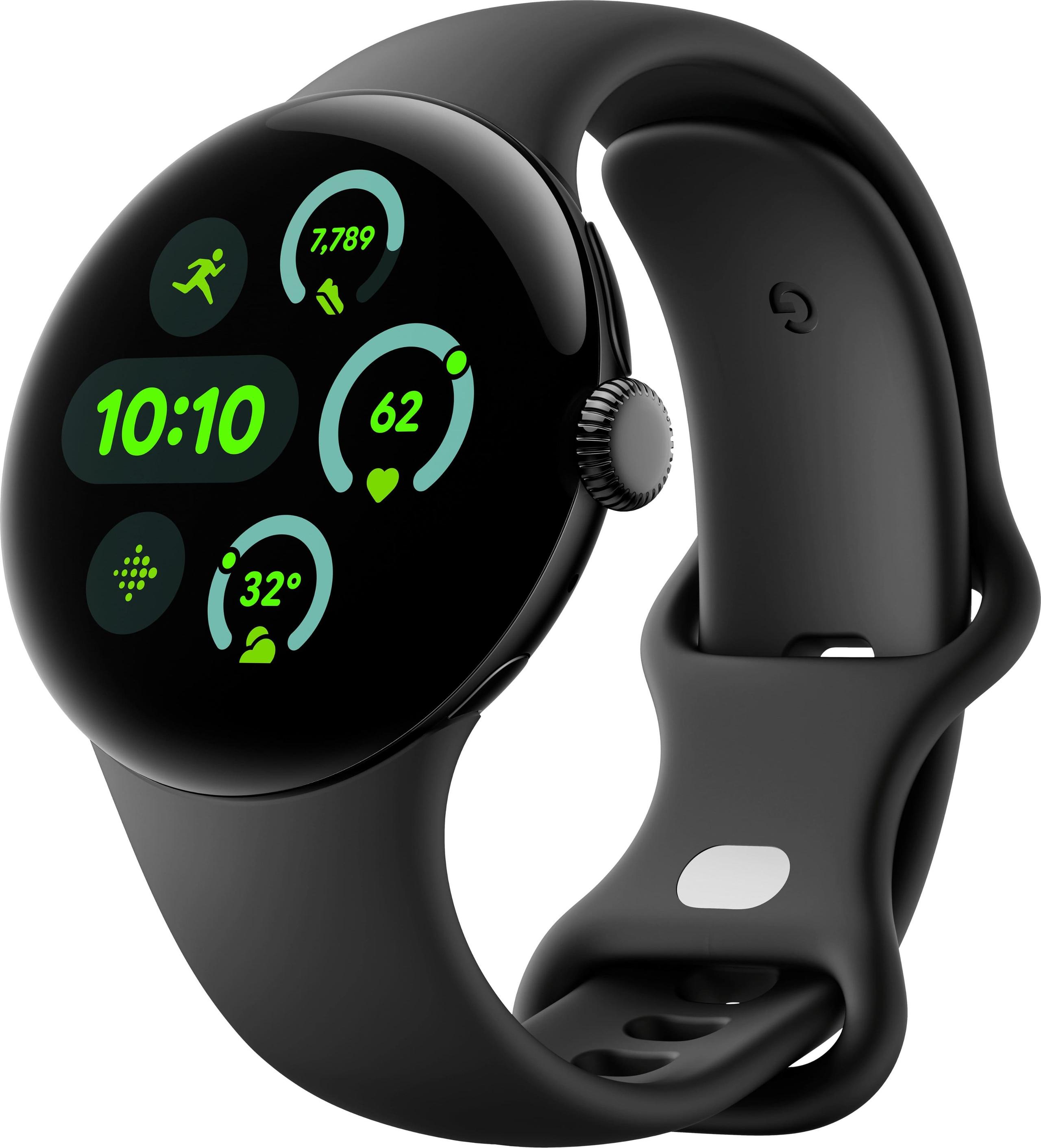
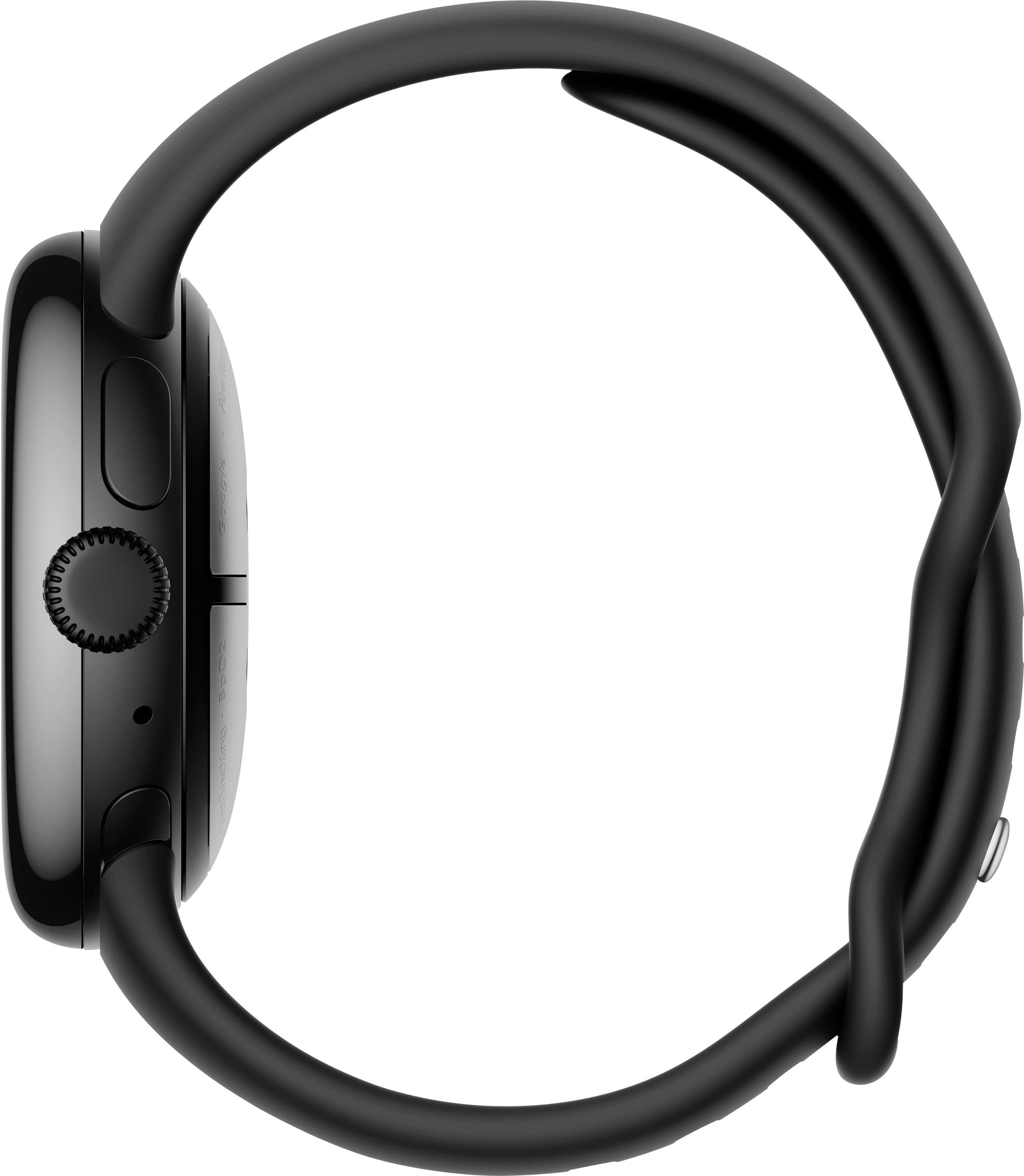
Choosing a premium smartwatch in 2024 feels a bit like picking between a Swiss Army knife and a fine dress watch. Both the Samsung Galaxy Watch Ultra and Google Pixel Watch 3 represent the pinnacle of their respective design philosophies, but they couldn't be more different in their approach to wearable technology.
Released in 2024, these watches showcase how the smartwatch industry has matured beyond simple fitness tracking into sophisticated computers for your wrist. The Samsung Galaxy Watch Ultra pushes boundaries with military-grade durability and multi-day battery life, while the Google Pixel Watch 3 focuses on refined everyday wearability with cutting-edge health sensors. Understanding which approach fits your lifestyle better is crucial to making the right choice.
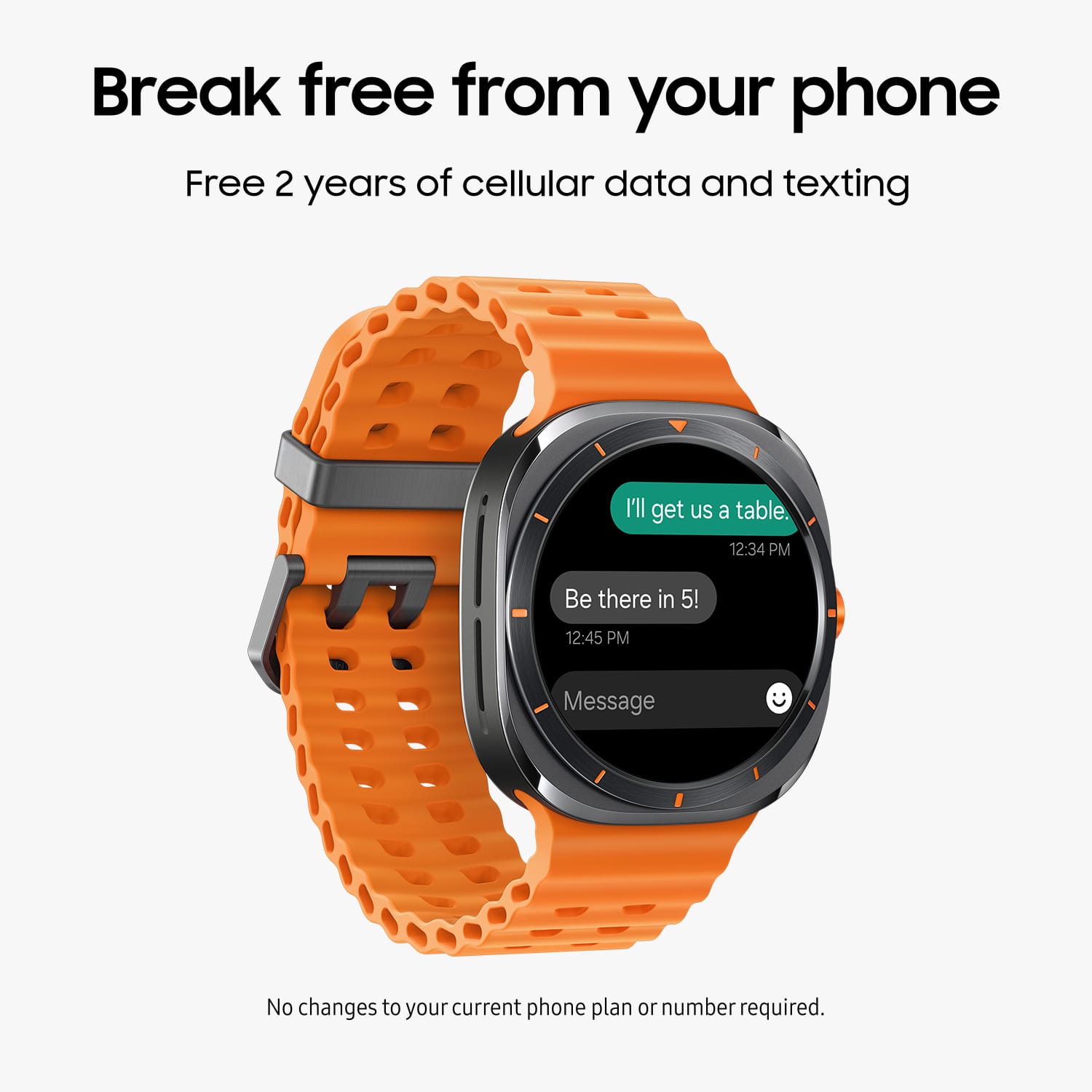
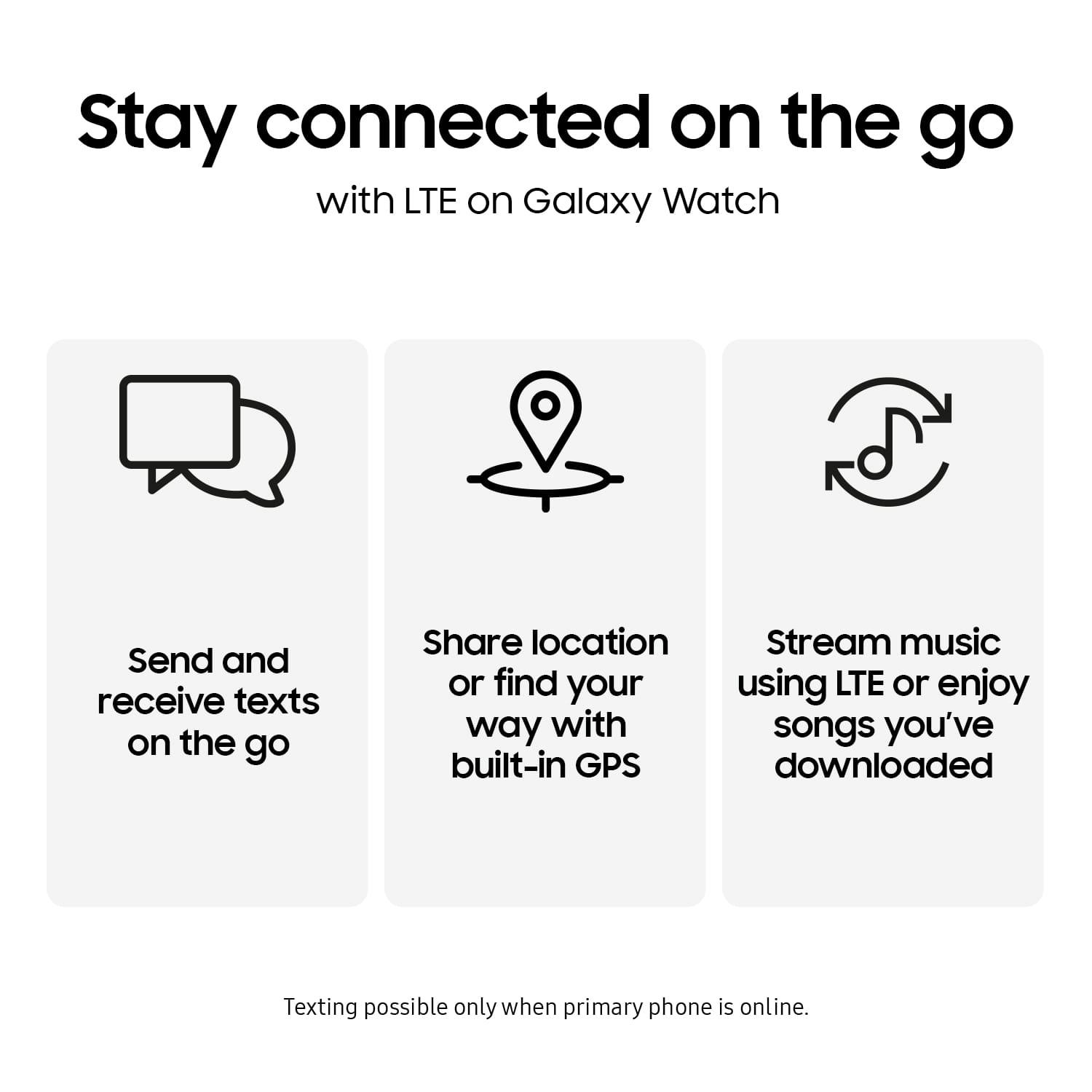
Premium LTE smartwatches like these aren't just fitness trackers with cellular capabilities – they're standalone computing devices that can replace your phone for many daily tasks. LTE connectivity means you can leave your phone at home and still make calls, send texts, stream music, and access apps directly from your wrist.
The key considerations boil down to a few critical trade-offs. Battery life versus form factor represents the biggest decision point. Do you want a watch that lasts multiple days but feels substantial on your wrist, or would you prefer something lighter and more elegant that requires nightly charging? Your activity level, wrist size, and daily routine will heavily influence this choice.
Durability requirements vary dramatically between users. Office workers and casual fitness enthusiasts have very different needs than trail runners, construction workers, or military personnel. The health tracking accuracy and ecosystem integration (how well the watch works with your existing phone and apps) round out the primary considerations that should guide your decision.
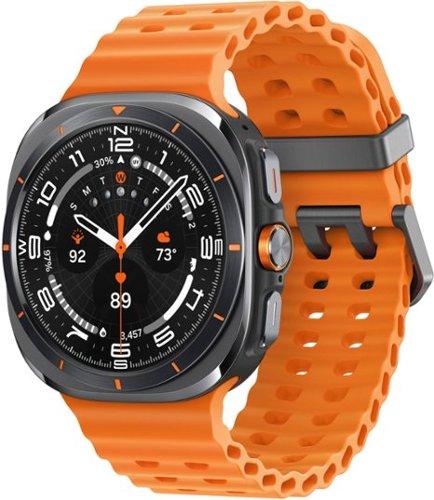
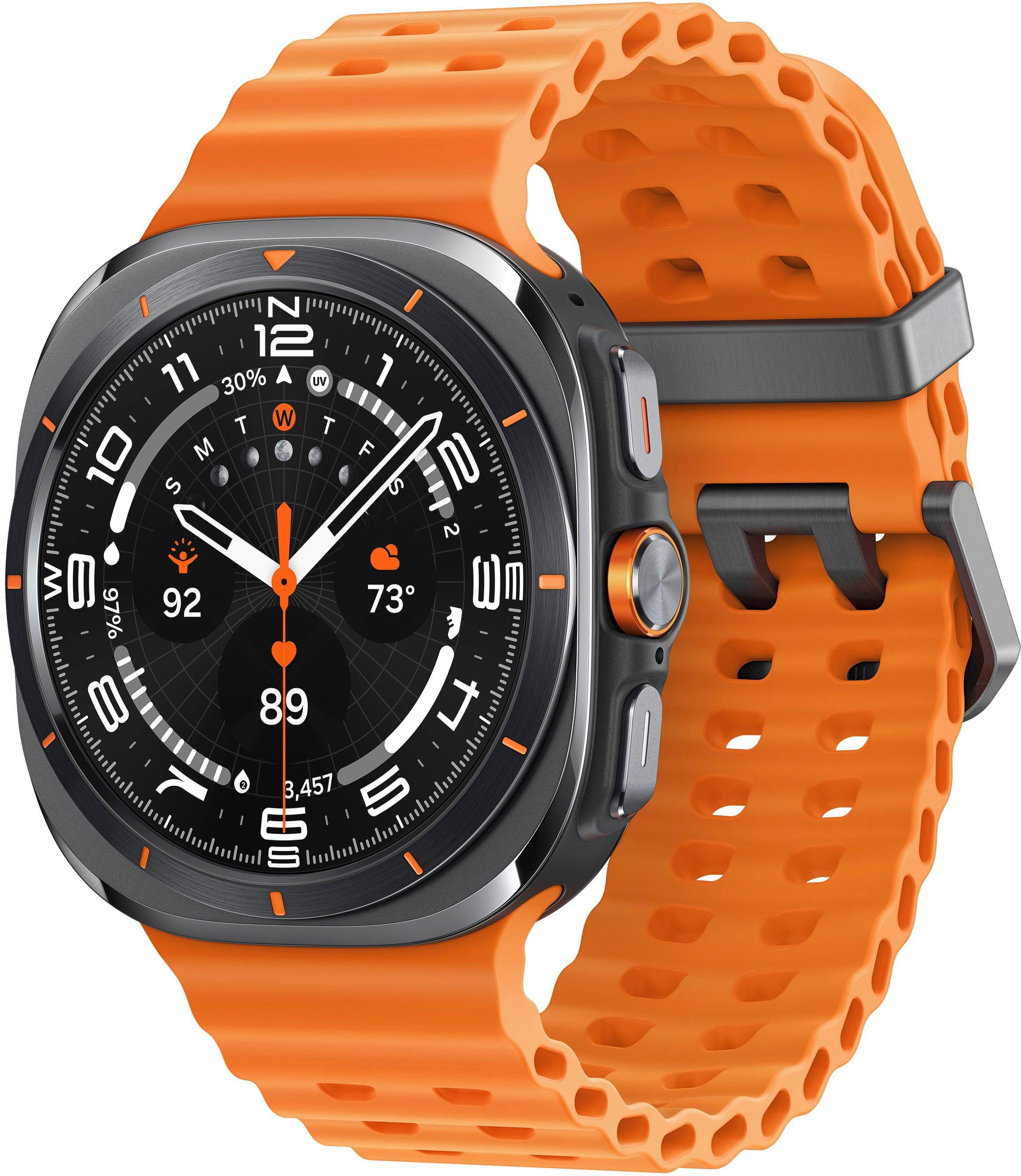
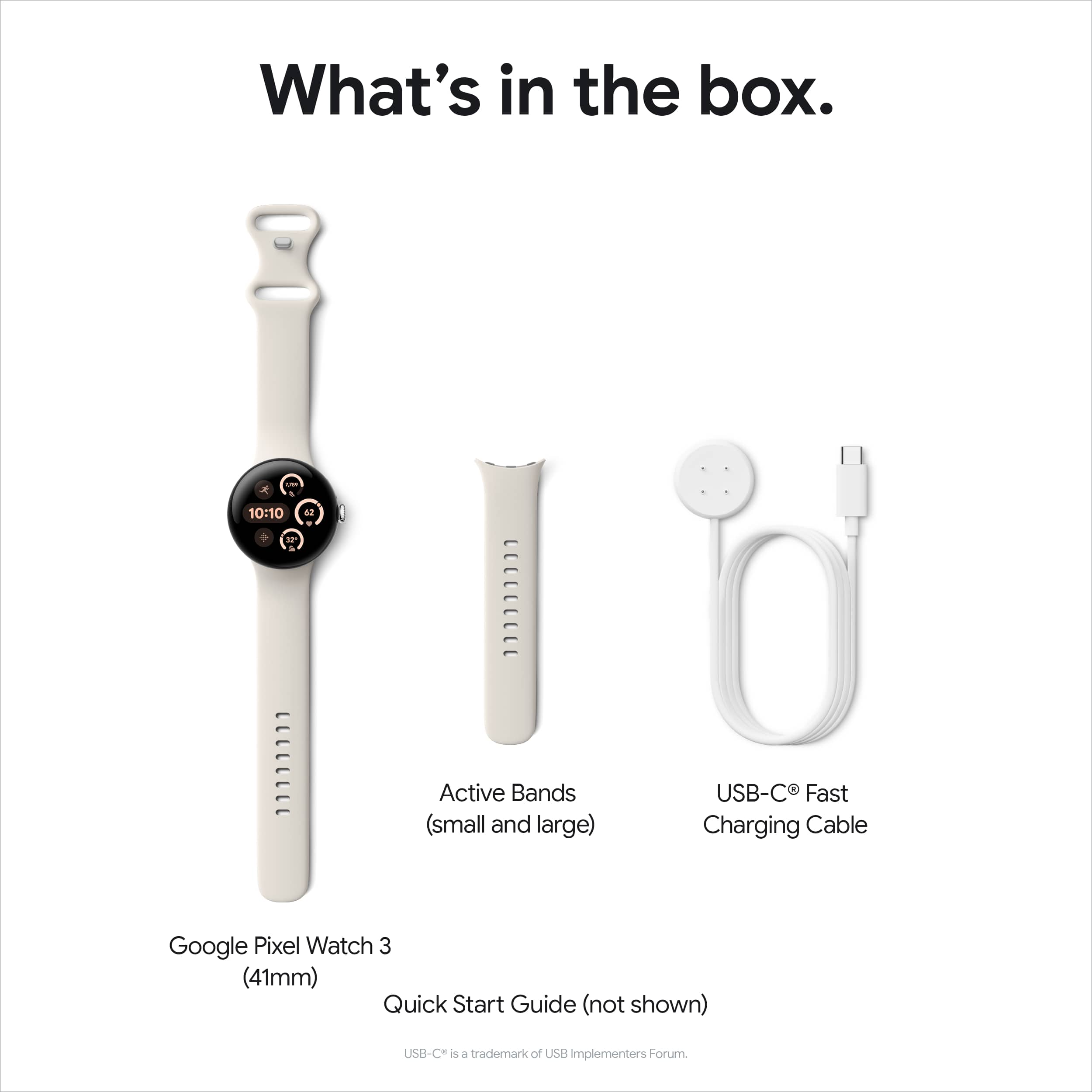
The most striking difference between these watches becomes apparent the moment you see them side by side. The Samsung Galaxy Watch Ultra embraces a "maximum capability" approach with its imposing 47mm titanium case. At over 60 grams, it's nearly twice the weight of the Google Pixel Watch 3, which tips the scales at just 31 grams in its 41mm configuration.
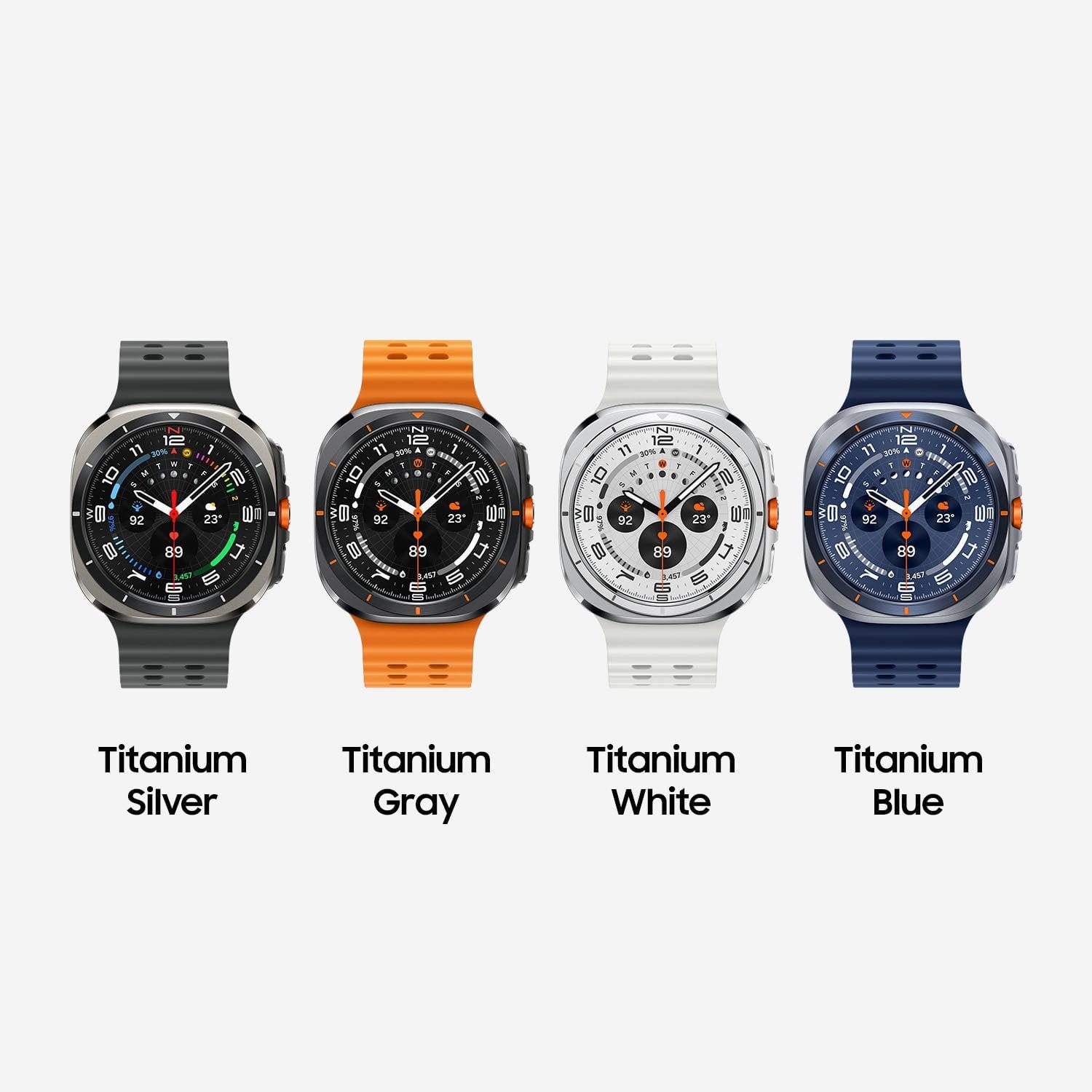
Samsung built their watch using Grade 4 titanium – the same material used in aerospace applications and premium dive watches. This isn't just marketing speak; titanium offers an exceptional strength-to-weight ratio while being hypoallergenic and corrosion-resistant. The sapphire crystal protecting the display ranks 9 on the Mohs hardness scale, making it nearly unscratchable by anything except diamond.
Google took a different path with their Pixel Watch 3, using 100% recycled aluminum construction wrapped in Corning Gorilla Glass 5. While not as scratch-resistant as sapphire, Gorilla Glass 5 offers excellent impact resistance and keeps the weight down significantly. The recycled aluminum approach aligns with Google's sustainability goals while delivering a premium feel at a lower manufacturing cost.
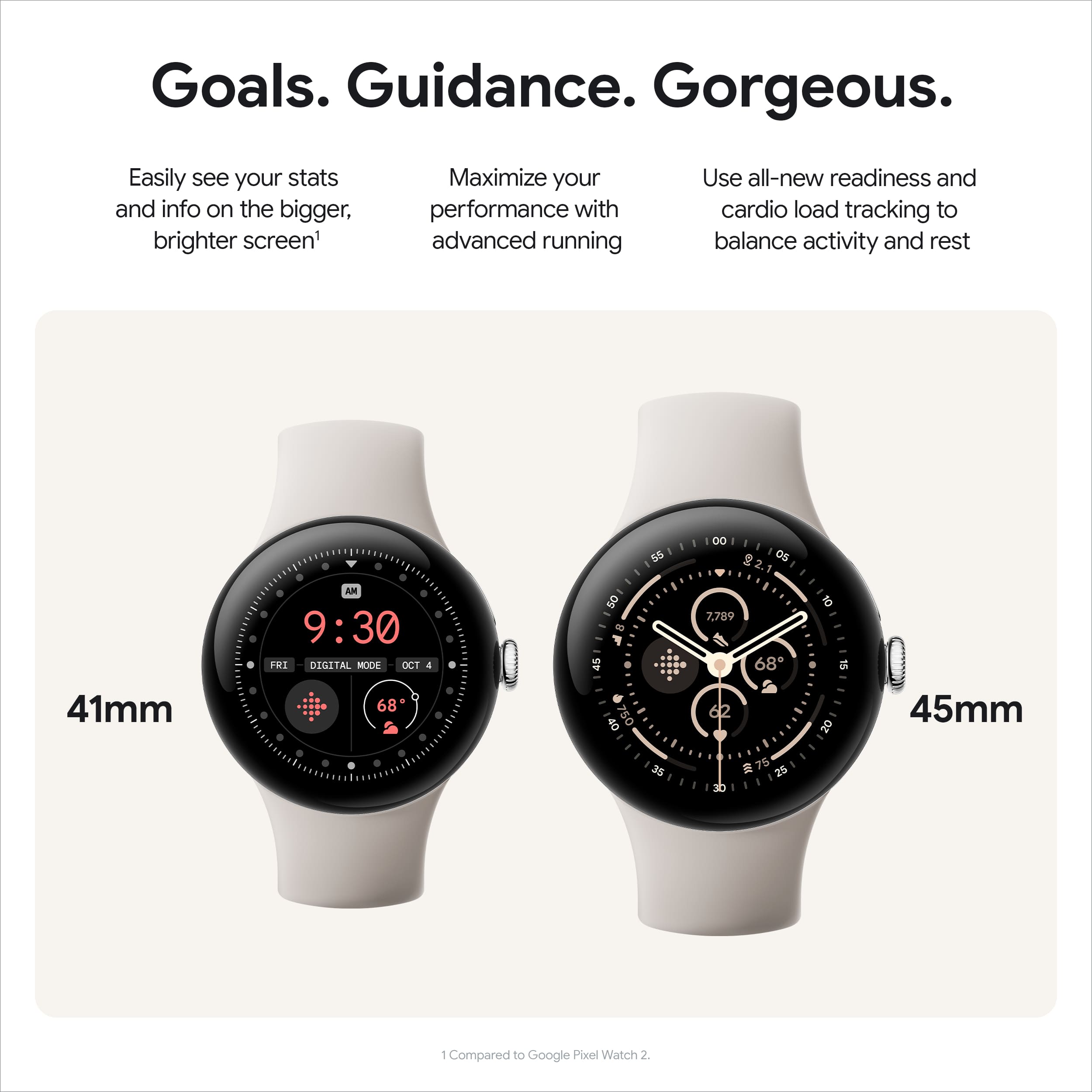
The size difference matters more than the numbers suggest. The Samsung Galaxy Watch Ultra's 47mm case works best on wrists measuring 7 inches or larger, while the Google Pixel Watch 3 in 41mm comfortably fits wrists from 6 to 8 inches. If you have smaller wrists or prefer subtle accessories, the Samsung's imposing presence might feel overwhelming during daily wear.
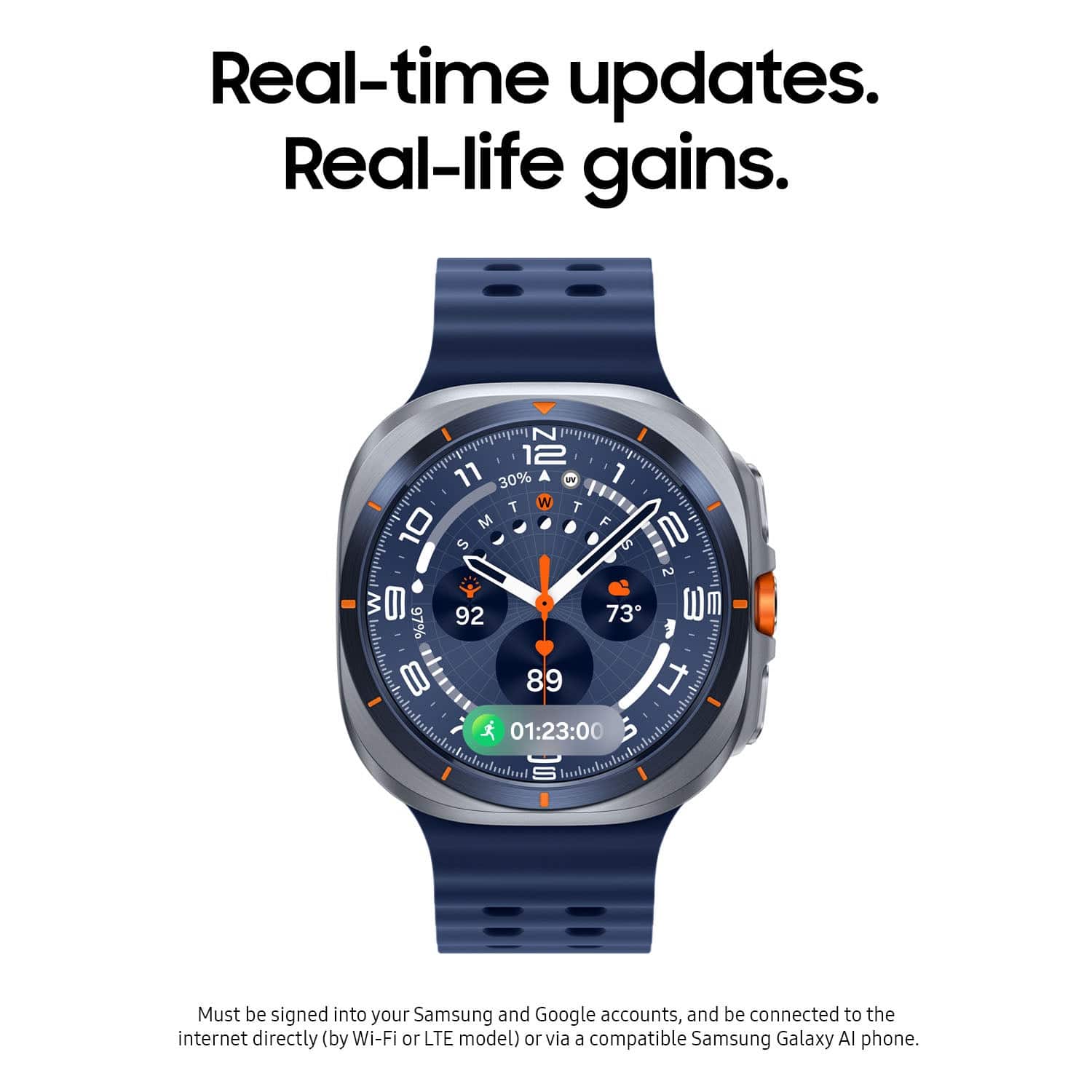
Both watches feature AMOLED displays, but their implementations reveal different priorities. The Samsung Galaxy Watch Ultra boasts an exceptional 3,000 nits of peak brightness – bright enough to remain clearly visible even in direct desert sunlight. This extreme brightness comes courtesy of Samsung's latest Super AMOLED technology, which has been refined over years of smartphone display development.
The larger 1.5-inch display provides more real estate for apps, notifications, and watch faces, making interactions feel less cramped. With 480x480 pixel resolution, text remains sharp and images look crisp. The sapphire crystal not only protects against scratches but also maintains excellent optical clarity without the slight color tinting sometimes seen with mineral glass.
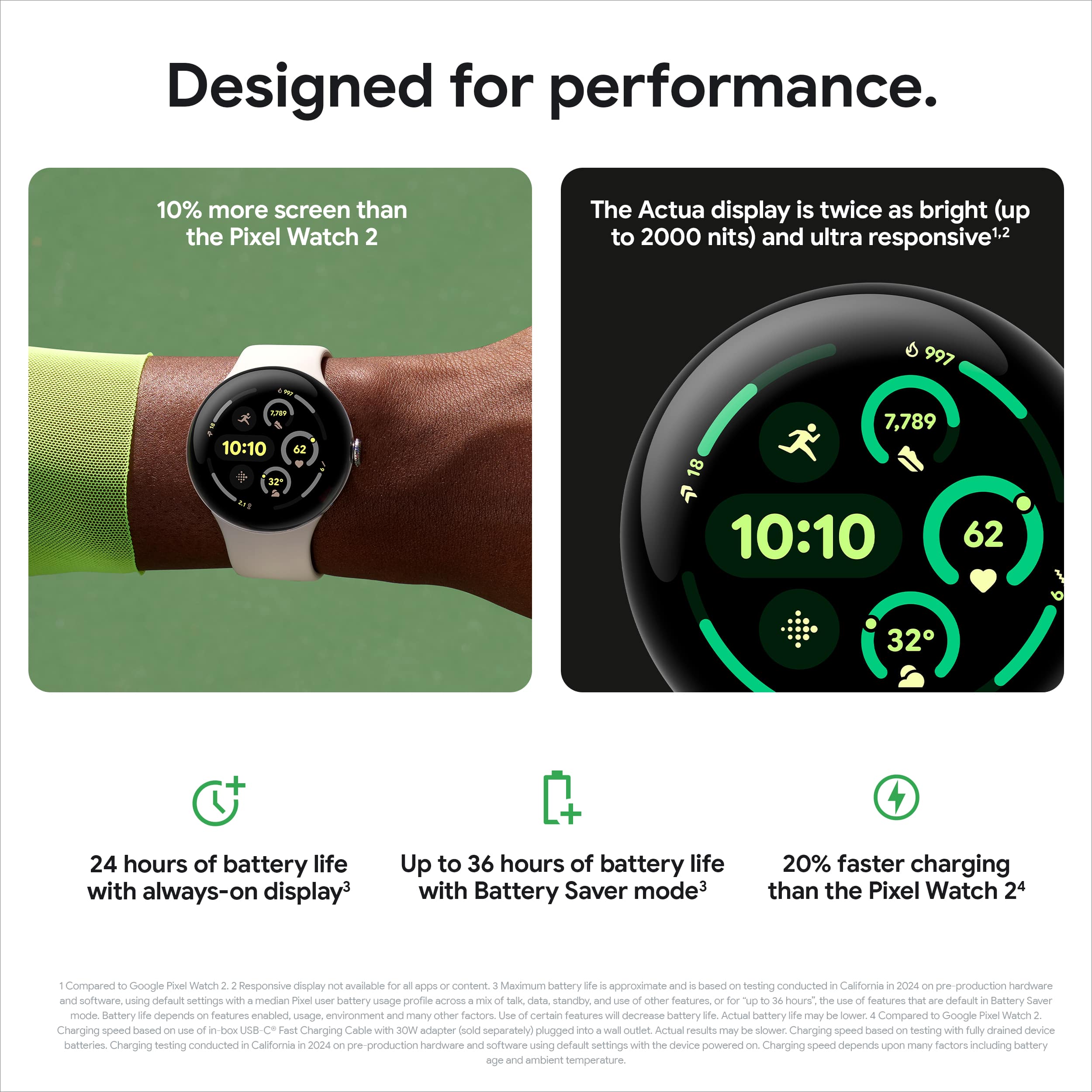
Google's Pixel Watch 3 counters with a more technically sophisticated LTPO (Low Temperature Polycrystalline Oxide) AMOLED display. LTPO technology allows the refresh rate to vary dynamically from 1Hz during static display modes up to 60Hz for smooth animations. This variable refresh rate significantly improves battery efficiency – when you're just checking the time, the display consumes minimal power, but scrolling through apps feels buttery smooth.
At 2,000 nits peak brightness, the Google Pixel Watch 3 still handles outdoor visibility well, though not quite matching Samsung's extreme output. The 1.2-inch display feels appropriately sized for the watch's more compact form factor, and Google's edge-to-edge design creates an elegant, modern aesthetic.
From a practical standpoint, Samsung's display advantage becomes most apparent during outdoor activities where maximum visibility is crucial. The Google watch's efficiency gains matter more for daily office use where the display spends most of its time in low-power modes.
The processor war between these watches showcases cutting-edge semiconductor technology miniaturized for wearable devices. Samsung's Galaxy Watch Ultra runs on the Exynos W1000, built using a 3-nanometer manufacturing process – the same advanced node used in flagship smartphones. This penta-core processor includes four ARM Cortex-A55 efficiency cores running at 1.5GHz and one high-performance Cortex-A78 core at 1.6GHz.
The 3nm process technology allows Samsung to pack more transistors into a smaller space while reducing power consumption. This translates to faster app launches, smoother animations, and better multitasking capability when running multiple apps simultaneously. The dedicated high-performance core can handle demanding tasks like GPS navigation with complex routing calculations without bogging down the entire system.
Google's Pixel Watch 3 uses Qualcomm's Snapdragon W5 Gen 1, manufactured on a 4nm process. While not as advanced as Samsung's 3nm chip, Qualcomm optimized this processor specifically for Wear OS efficiency. The four Cortex-A53 cores run at 1.7GHz, with a dedicated Cortex M33 coprocessor handling sensor data and always-on display functions.
Both watches include 2GB of RAM, which proves adequate for smooth multitasking in Wear OS 5. However, Samsung offers up to 64GB of storage compared to Google's 32GB. This difference becomes significant if you plan to store music locally for offline playback during workouts, or if you use many third-party apps that cache data locally.
In real-world usage, the Samsung Galaxy Watch Ultra feels noticeably more responsive when launching apps, switching between functions, or handling complex watch faces with multiple complications. The Google Pixel Watch 3 performs well for typical smartwatch tasks but can show slight delays during heavy multitasking scenarios.
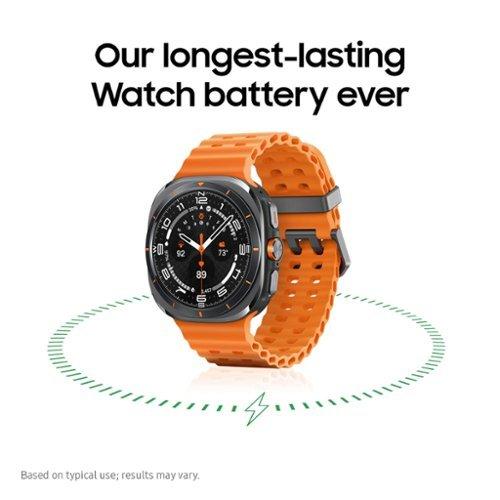
Perhaps no specification creates a bigger divide between these watches than battery capacity and resulting usage time. The Samsung Galaxy Watch Ultra packs a massive 590mAh battery – enormous by smartwatch standards – that delivers 60 to 80 hours of real-world usage depending on your settings and usage patterns.
This multi-day battery life fundamentally changes how you interact with the device. You can head out for a weekend camping trip, track multiple hiking sessions with GPS, and still have power remaining. The always-on display can stay enabled without anxiety about making it through the day. Heavy GPS usage during long trail runs or cycling sessions doesn't require careful power management.
Google's Pixel Watch 3 takes the opposite approach with a 307mAh battery designed around daily charging habits. While this delivers approximately 24 hours of usage with typical use patterns, the watch compensates with significantly faster charging speeds. Reaching 50% charge takes just 24 minutes, and a full charge completes in about an hour.
The charging speed difference matters more than it initially appears. If you forget to charge the Samsung Galaxy Watch Ultra overnight, you'll need to wait about two hours for a complete charge. The Google Pixel Watch 3 can gain enough power for a full day in the time it takes to shower and get dressed.
From an efficiency standpoint, Google's LTPO display technology and optimized processor help squeeze maximum usage from the smaller battery. Samsung's larger capacity somewhat masks less efficient power management, though the 3nm processor does provide improvements over previous generations.
Your lifestyle determines which approach works better. If you travel frequently, work long shifts, or engage in multi-day outdoor activities, Samsung's approach eliminates charging anxiety. If you already charge devices nightly and prefer lighter wearables, Google's fast-charging strategy fits better into established routines.
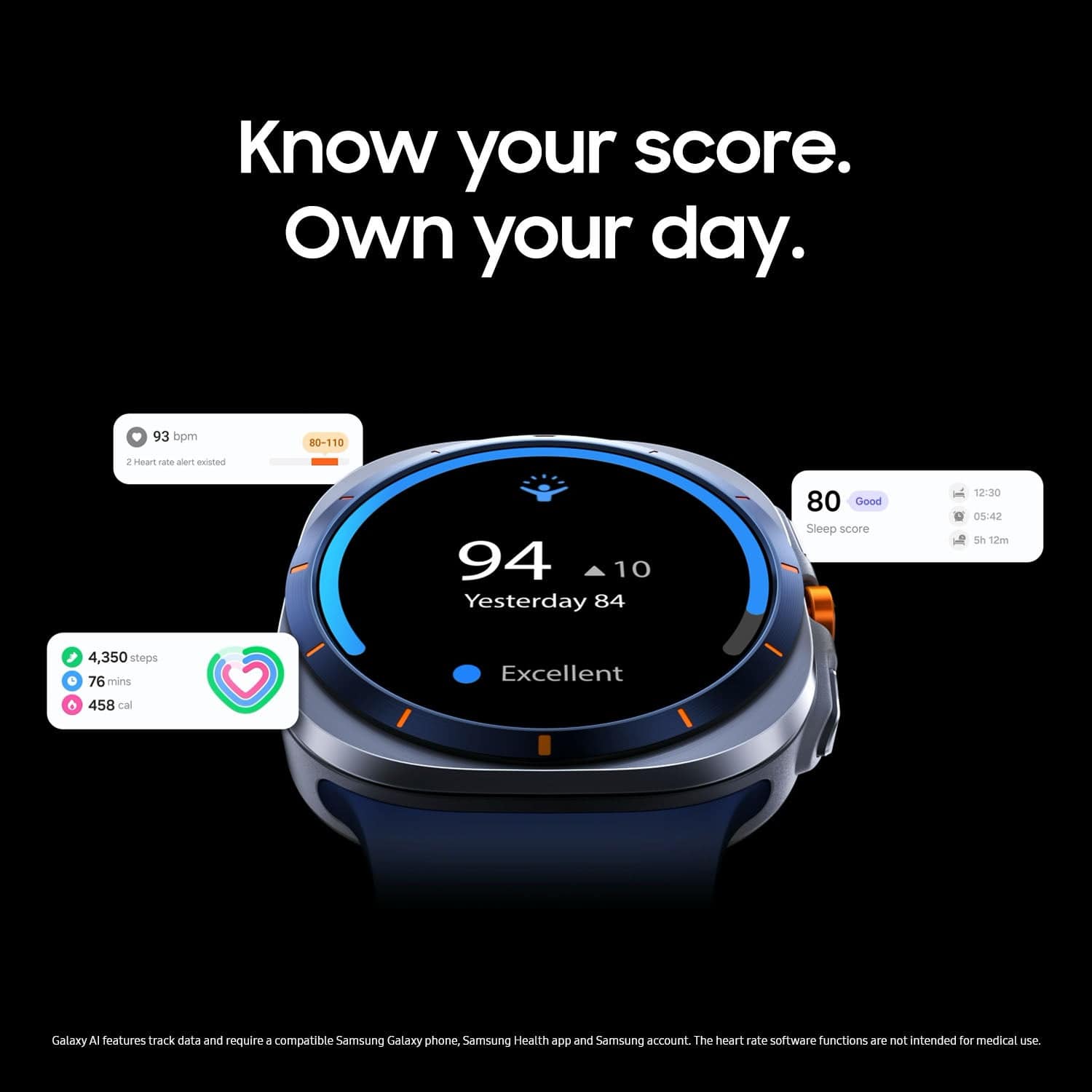
Both watches excel at health tracking but emphasize different capabilities based on their target users. The Samsung Galaxy Watch Ultra focuses on comprehensive fitness metrics and outdoor activity tracking, while the Google Pixel Watch 3 prioritizes advanced wellness monitoring and stress management.
Samsung's BioActive Sensor represents their most advanced health monitoring system, incorporating 13 individual LEDs compared to typical smartwatch implementations using 4-8 LEDs. This increased sensor array improves heart rate accuracy, particularly during high-intensity interval training where rapid heart rate changes can confuse simpler sensors.
The inclusion of Bioelectrical Impedance Analysis (BIA) allows the Samsung Galaxy Watch Ultra to estimate body composition metrics like muscle mass, body fat percentage, and water retention. While not as accurate as dedicated body composition scales, it provides useful trends for fitness tracking. However, user reviews suggest these readings can be inconsistent and should be viewed as rough estimates rather than precise measurements.
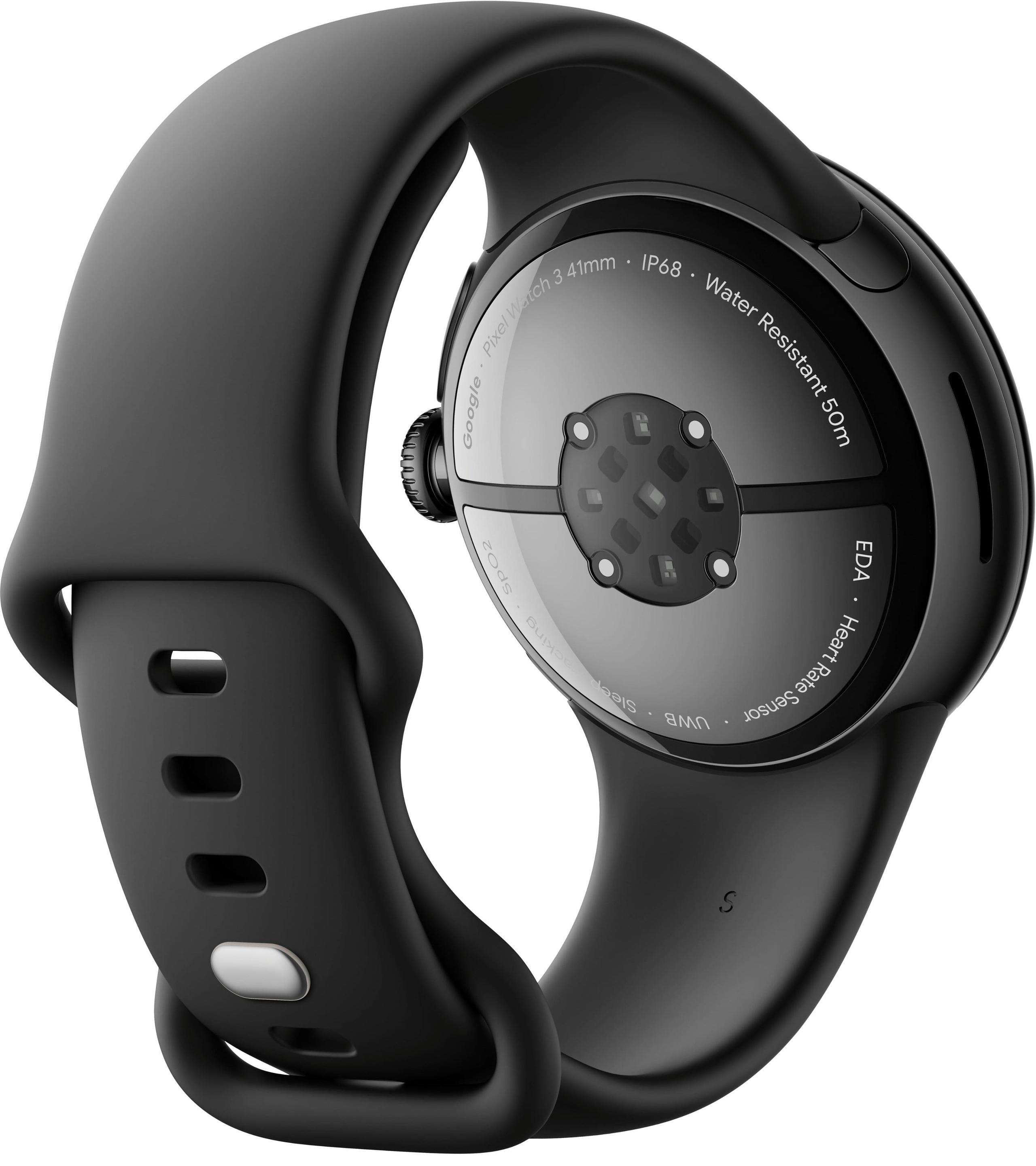
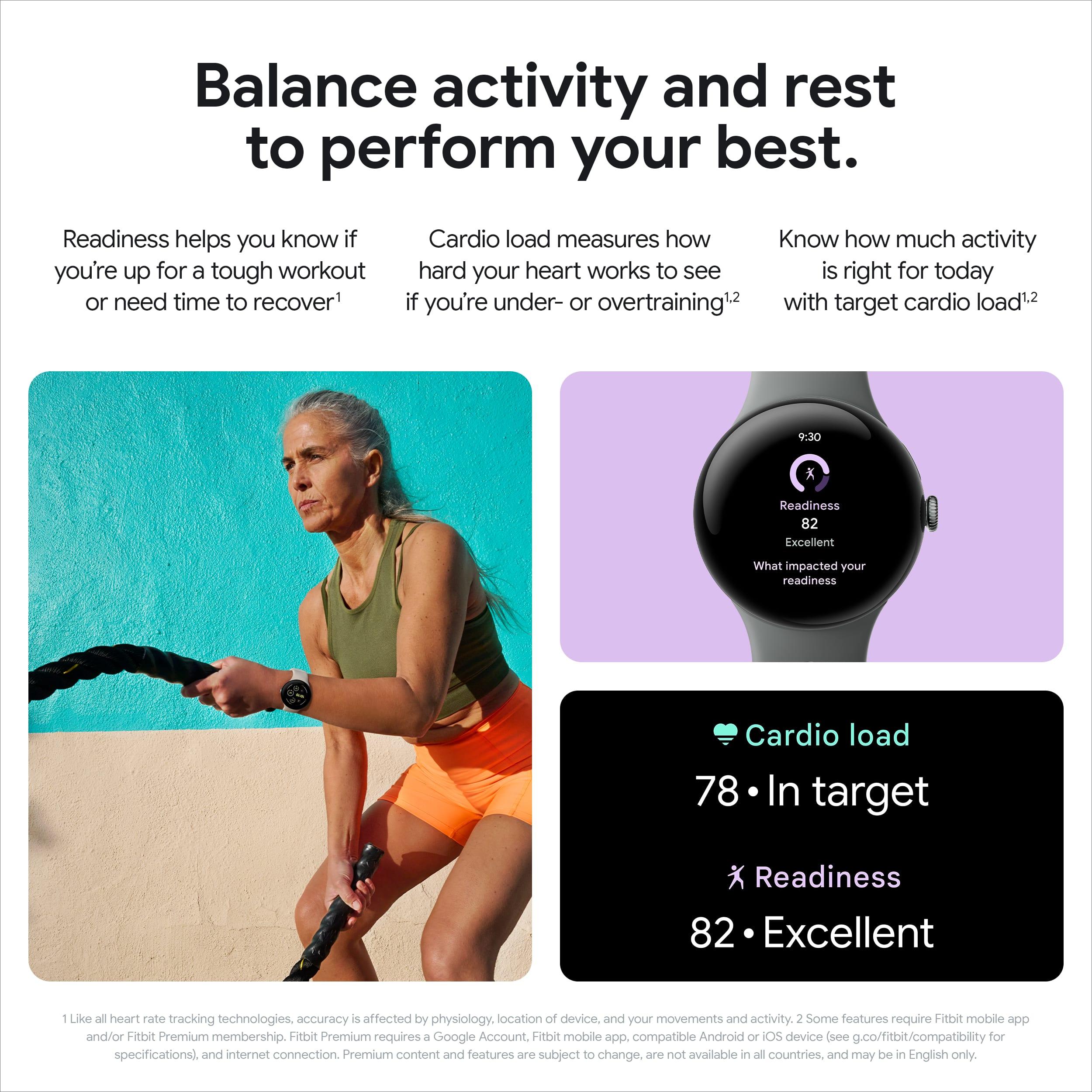
Google's approach with the Pixel Watch 3 emphasizes stress monitoring through their unique electrical skin conductance (cEDA) sensor. This technology measures tiny changes in skin conductivity that correlate with stress responses, providing more immediate and accurate stress tracking than traditional heart rate variability methods.
The standout safety feature for Google is Loss of Pulse Detection, which can identify cardiac arrest situations and automatically contact emergency services. This represents genuine life-saving technology that goes beyond typical fitness tracking into medical monitoring territory.
For GPS accuracy, the Samsung Galaxy Watch Ultra clearly dominates with dual-frequency GPS supporting both L1 and L5 satellite bands. Dual-frequency GPS provides significantly better accuracy in challenging environments like dense urban areas with tall buildings or forested trails where satellite signals can be blocked or reflected. This makes Samsung's watch nearly as accurate as dedicated Garmin devices for outdoor navigation.
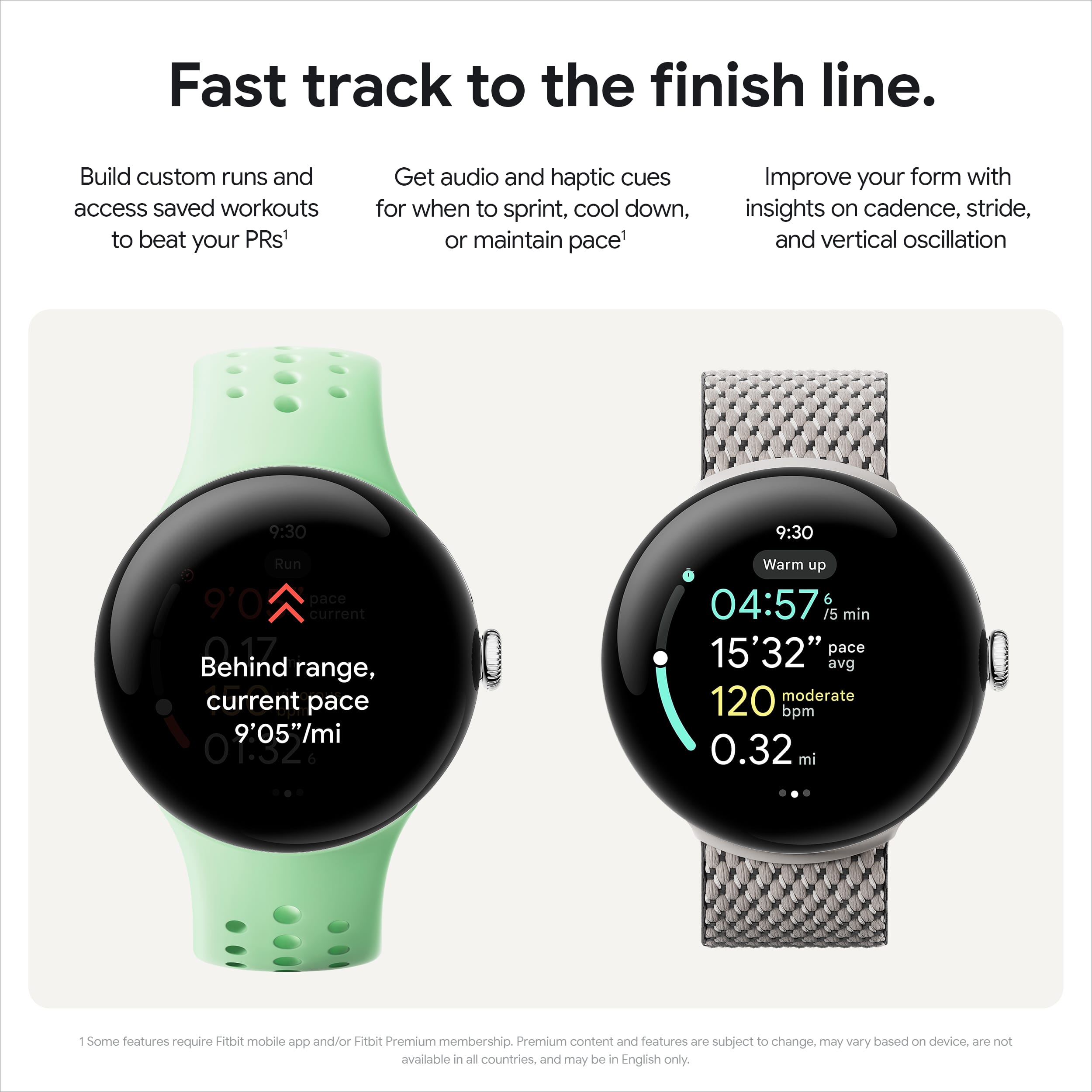
The Google Pixel Watch 3 uses standard single-frequency GPS, which works well for most activities but can struggle with accuracy in challenging signal environments. For casual runners and gym users, this rarely presents problems, but serious outdoor athletes will notice the difference during precise route tracking.
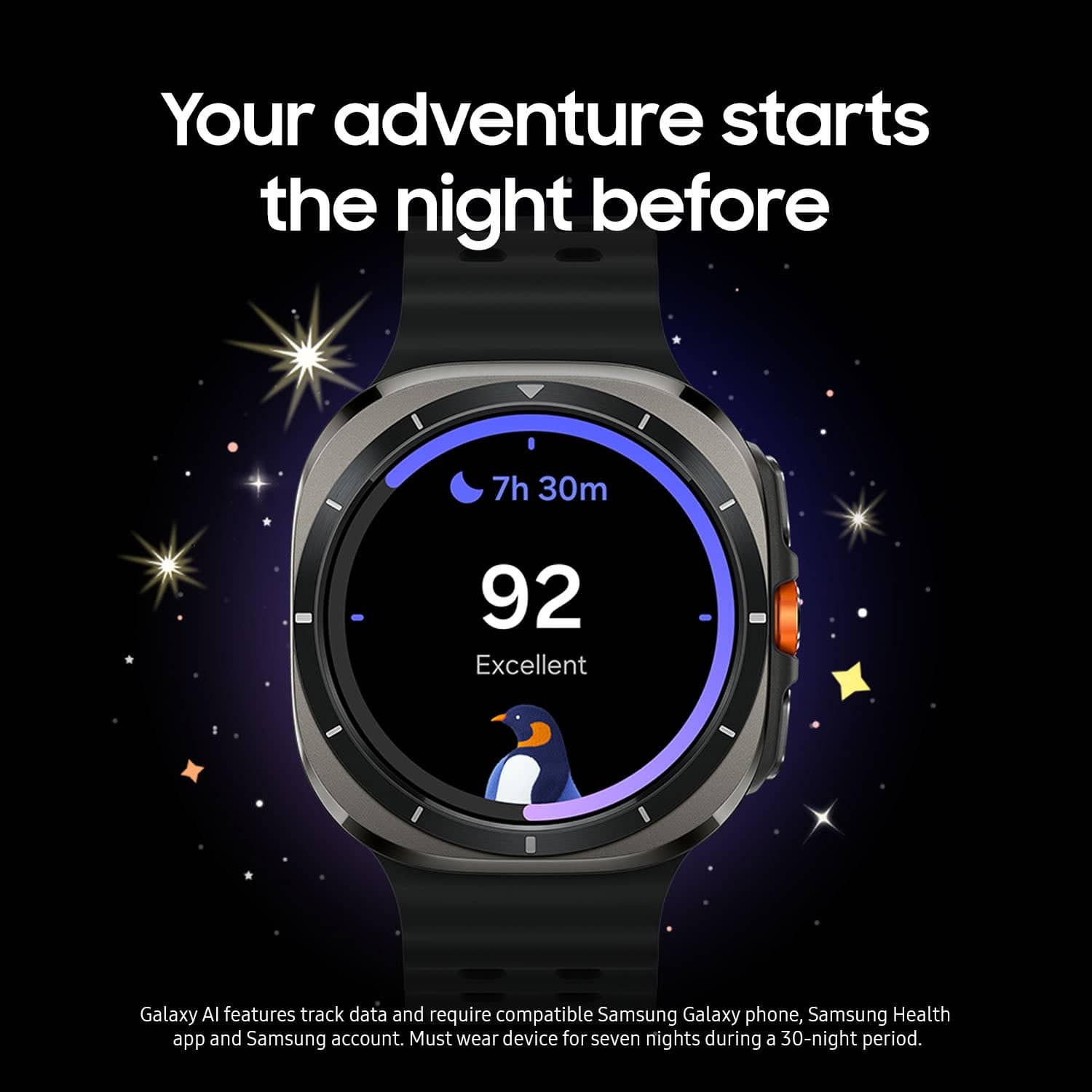
Sleep tracking represents an area where both watches excel, though with different strengths. Samsung provides comprehensive sleep stage analysis and detailed recovery metrics, while Google offers more actionable sleep coaching and better integration with overall health trends.
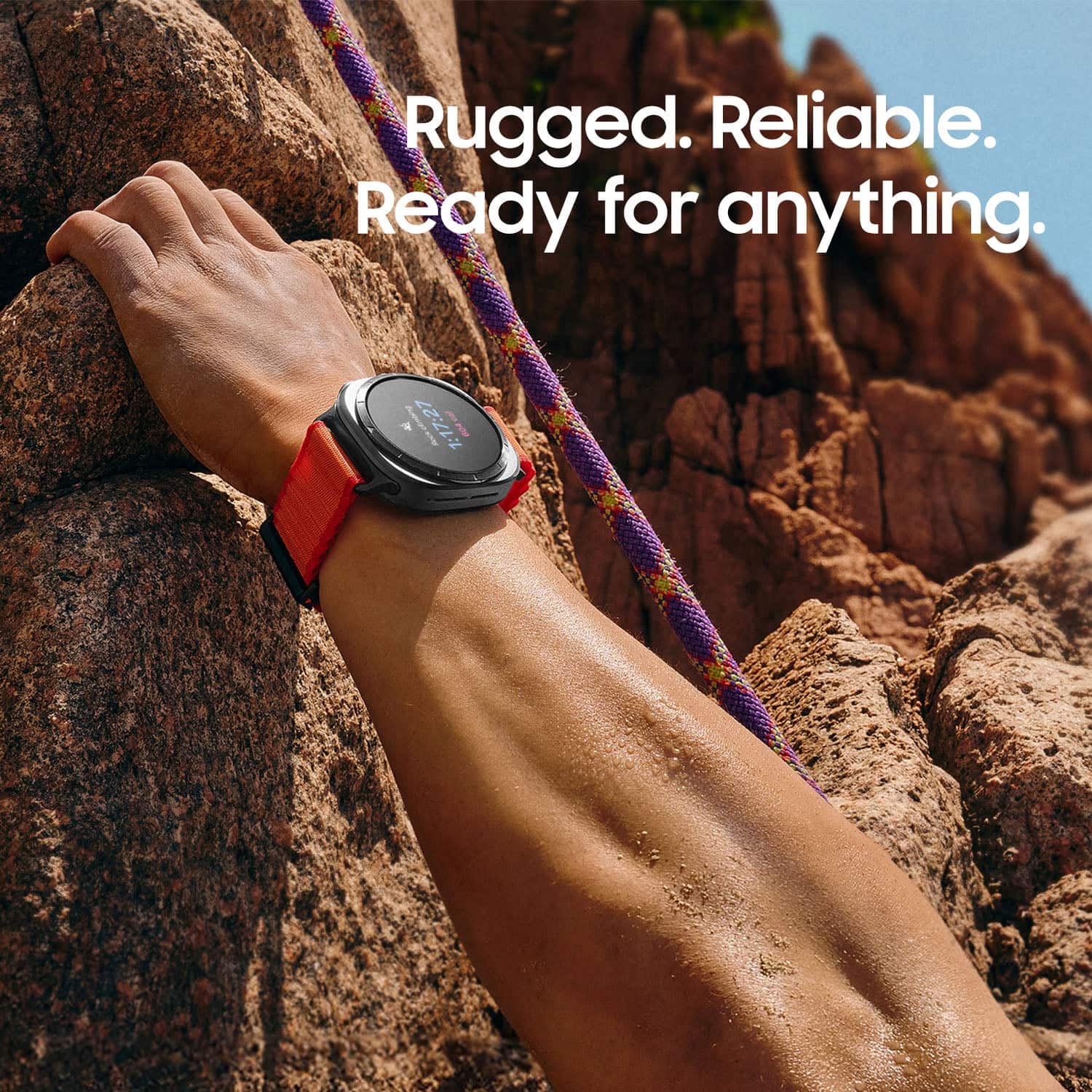
The durability gap between these watches reflects their different intended use cases. Samsung engineered the Galaxy Watch Ultra to meet MIL-STD-810H military standards, which involves testing for extreme temperatures (-20°C to +55°C), altitude resistance up to 9,000 meters, thermal shock, vibration, and impact resistance.
The 10 ATM water resistance rating allows for recreational diving up to 100 meters depth, though the watch isn't certified for professional diving use. The titanium construction resists corrosion from saltwater exposure, making it suitable for ocean swimming and water sports. The sapphire crystal can withstand impacts that would shatter mineral glass or even Gorilla Glass.
Google's Pixel Watch 3 offers more modest but still adequate protection with 5 ATM water resistance (suitable for swimming and showering) and IP68 dust protection. The aluminum construction and Gorilla Glass 5 provide good protection against daily wear and accidental drops, but this watch isn't designed for extreme environments.
For most users, Google's protection level proves sufficient for gym workouts, swimming, and typical daily activities. The Samsung watch's extreme durability primarily benefits users who work in harsh environments, engage in adventure sports, or simply want maximum peace of mind regarding their investment.
The ecosystem integration story reveals how these watches connect with your broader digital life. The Samsung Galaxy Watch Ultra works best within Samsung's ecosystem, offering features like seamless Galaxy phone integration, Samsung Health platform syncing, and Galaxy AI-powered insights.
When paired with Samsung phones, the watch can mirror phone calls with excellent audio quality, sync fitness data across Samsung Health apps, and access exclusive features like advanced camera controls and Samsung Pay integration. However, many features remain accessible when paired with other Android phones, though some Samsung-specific functions may be limited.
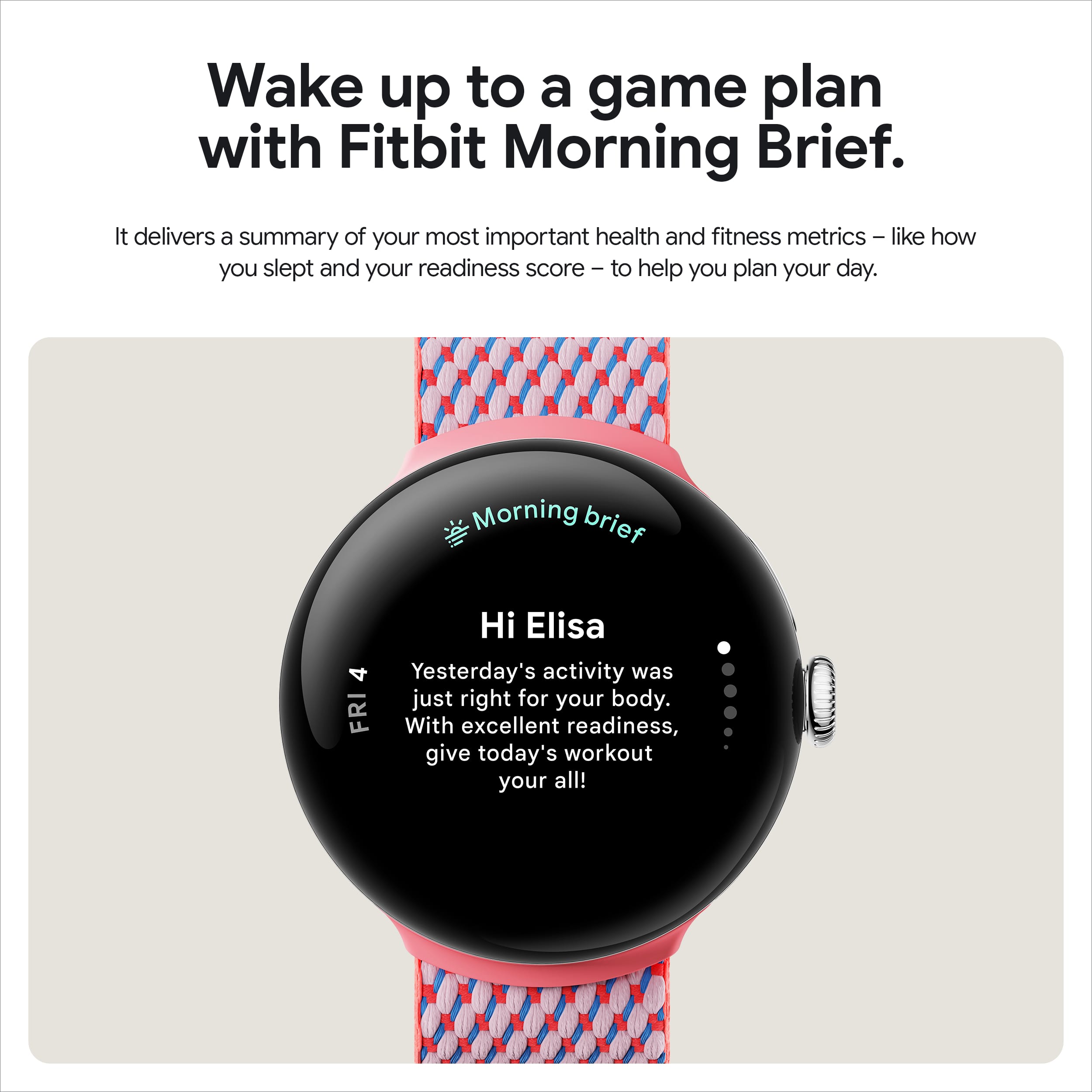
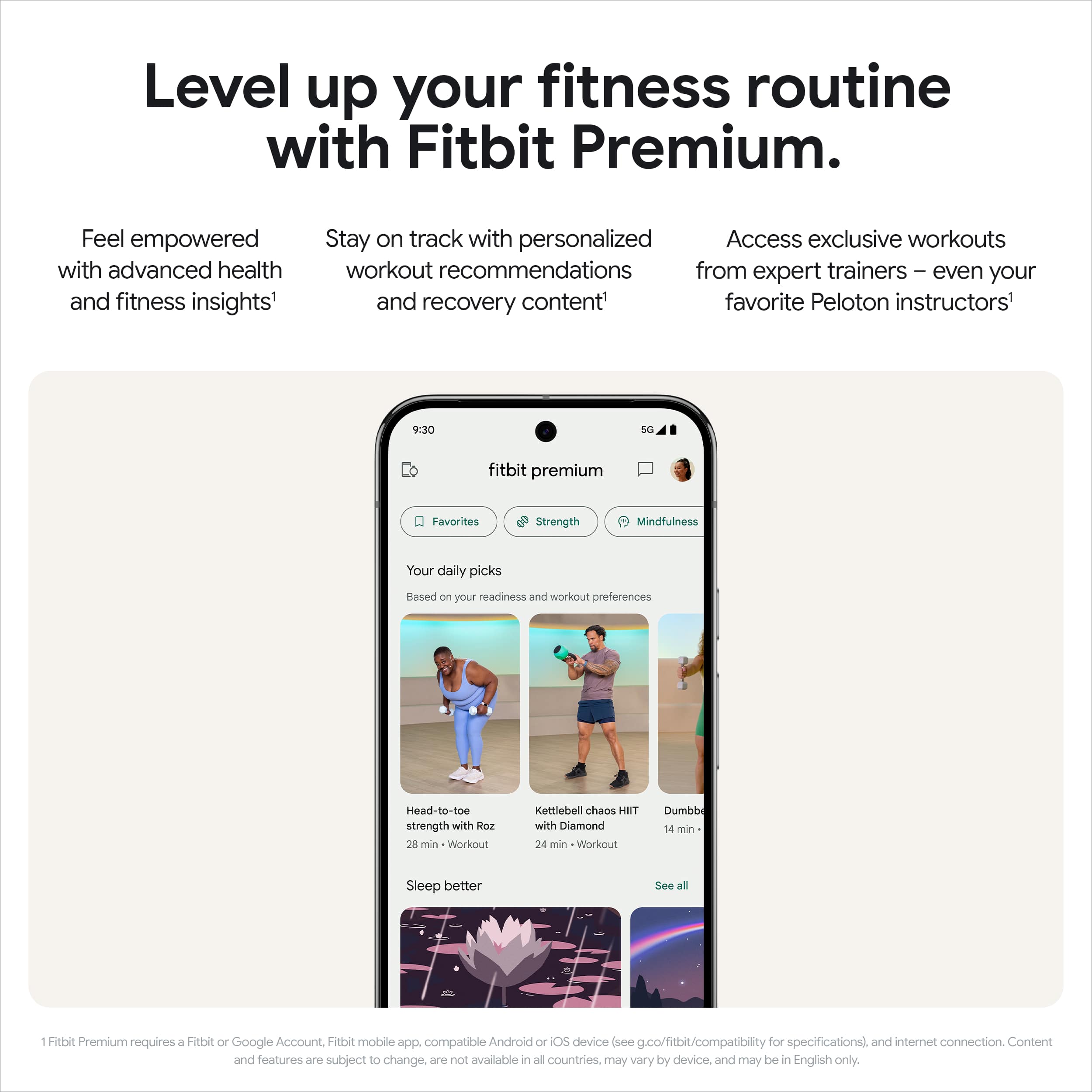
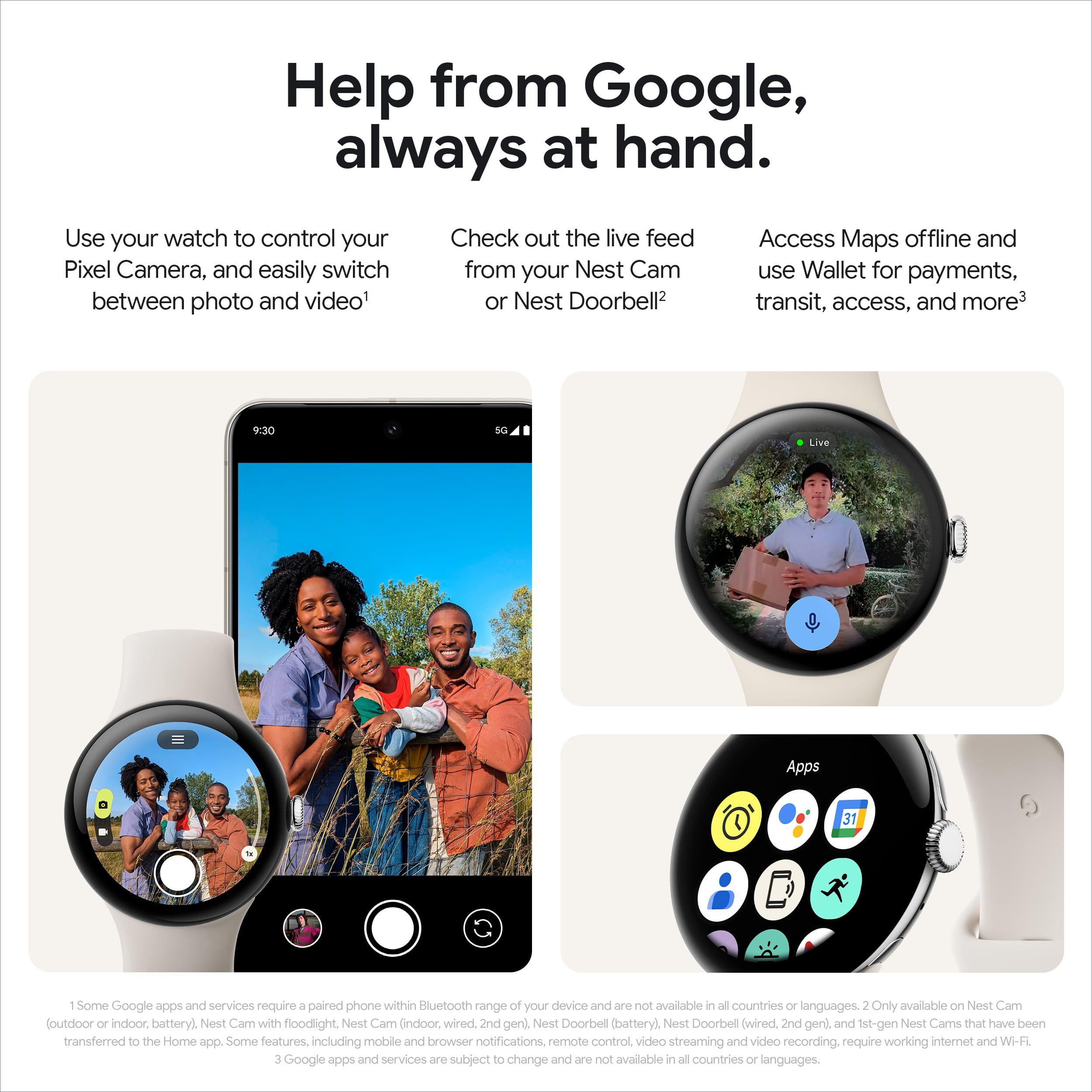
Google's Pixel Watch 3 naturally integrates deeply with Google services like Gmail, Google Calendar, Google Assistant, and Google Pay. The Fitbit ecosystem integration provides comprehensive health coaching and social fitness features, though some advanced Fitbit Premium features require ongoing subscription costs.
For users heavily invested in Google services, the Pixel Watch offers superior integration with existing workflows. Gmail notifications feel more natural, Google Assistant responses are faster, and calendar integration works seamlessly. However, users preferring Samsung's approach to health tracking and device ecosystem might find Google's implementation less comprehensive.
At the time of writing, these watches occupy different value positions in the premium smartwatch market. The Samsung Galaxy Watch Ultra commands a significant price premium, positioning itself against other ultra-premium wearables like high-end Garmin devices and the Apple Watch Ultra.
Samsung's pricing reflects genuine premium materials and capabilities. The titanium construction, sapphire crystal, multi-day battery life, and extreme durability certification justify costs typically associated with luxury sports watches. For users who can utilize these capabilities fully, the value proposition makes sense.
The Google Pixel Watch 3 offers more accessible pricing for premium smartwatch features, making advanced health monitoring and LTE connectivity available to broader audiences. The refined design, fast charging, and comprehensive health tracking provide excellent value for users who don't require extreme durability or multi-day battery life.
Consider the total cost of ownership when evaluating value. Samsung's longer battery life means less frequent charging cycles and potentially longer overall battery lifespan. Google's approach requires daily charging, which over several years results in more charge cycles and eventual battery degradation.
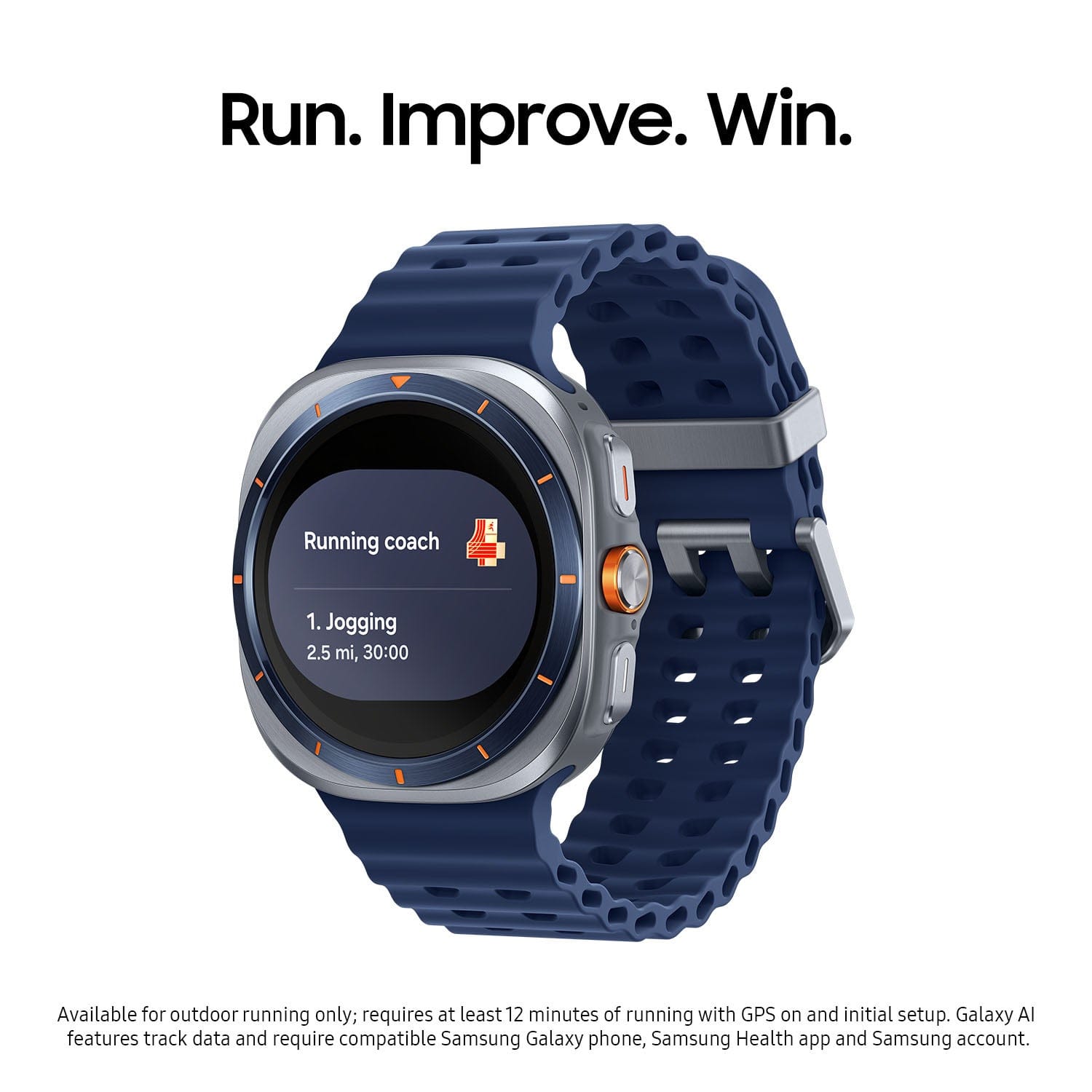
The Samsung Galaxy Watch Ultra makes the most sense for outdoor enthusiasts, serious athletes, and users who prioritize maximum capability over comfort. If you regularly engage in hiking, trail running, cycling, or water sports, the superior GPS accuracy, extreme durability, and multi-day battery life provide genuine functional advantages.
Professional users in demanding environments – construction workers, military personnel, or first responders – benefit from the military-grade durability and reliable performance under stress. The larger display also helps users who need to quickly glance at notifications or apps while wearing gloves or in challenging lighting conditions.
However, the substantial size and weight make the Samsung watch less suitable for formal occasions, smaller wrists, or users who prefer subtle accessories. The premium pricing also places it beyond many budgets, particularly when the extreme capabilities won't be utilized regularly.
The Google Pixel Watch 3 appeals to users wanting premium smartwatch features in a more refined, wearable package. Office workers, casual fitness enthusiasts, and fashion-conscious buyers appreciate the lighter weight, elegant design, and comfortable all-day wear characteristics.
The advanced stress monitoring and sleep tracking capabilities benefit users focused on overall wellness rather than extreme athletic performance. The faster charging fits well with established daily routines, and the more accessible pricing makes premium smartwatch features available without requiring premium budgets.
For users with smaller wrists or those who prefer subtle technology accessories, the Google watch provides flagship capabilities without the bulk. The strong Google services integration also benefits users already invested in Gmail, Google Calendar, and other Google ecosystem apps.
Choosing between these watches ultimately depends on matching their strengths to your specific needs and lifestyle. Consider the Samsung Galaxy Watch Ultra if you need multi-day battery life, engage in serious outdoor activities, have larger wrists, and can justify the premium pricing for extreme capabilities you'll actually use.
Opt for the Google Pixel Watch 3 if you prioritize daily wearability, prefer nightly charging routines, want advanced wellness monitoring, use Google services extensively, or need premium smartwatch features at more accessible pricing.
Both watches represent excellent implementations of their respective design philosophies. Samsung pushes the boundaries of what's possible in a wearable device, while Google focuses on refinement and user experience optimization. Neither choice is inherently wrong – they're simply optimized for different users and use cases in the evolving smartwatch landscape.
| Samsung Galaxy Watch Ultra 47mm LTE Smartwatch 2025 | Google Pixel Watch 3 41mm LTE Smartwatch |
|---|---|
| Display Size & Brightness - Bigger screen and higher brightness make outdoor visibility much better | |
| 1.5" Super AMOLED, 3,000 nits peak brightness | 1.2" Actua AMOLED LTPO, 2,000 nits peak brightness |
| Battery Life - Determines if you need to charge daily or can go multiple days | |
| 590mAh, 60-80 hours typical use (2-3 days) | 307mAh, 24 hours typical use (daily charging required) |
| Build Materials - Affects durability, weight, and scratch resistance | |
| Grade 4 titanium case, sapphire crystal glass, 60.5g | 100% recycled aluminum, Gorilla Glass 5, 31g |
| Water Resistance - Higher rating means safer for swimming and water sports | |
| 10 ATM (100m depth) + MIL-STD-810H certified | 5 ATM (50m depth) + IP68 dust protection |
| Processor & Performance - Newer chip means faster app loading and smoother operation | |
| Exynos W1000 (3nm), penta-core up to 1.6GHz | Snapdragon W5 Gen 1 (4nm), quad-core 1.7GHz |
| Storage Capacity - More storage allows offline music and apps without phone | |
| 32GB or 64GB options, 2GB RAM | 32GB only, 2GB RAM |
| GPS Accuracy - Dual-frequency provides much better tracking for outdoor activities | |
| Dual-frequency GPS (L1+L5) + multiple satellite systems | Single-frequency GPS + multiple satellite systems |
| Health Sensors - Different approaches to tracking fitness and wellness metrics | |
| BioActive sensor (13 LEDs), BIA body composition, heart rate, SpO2 | Multi-path optical HR, cEDA stress sensor, Loss of Pulse Detection |
| Charging Speed - Faster charging means less downtime when battery runs low | |
| 10W wireless, ~2 hours full charge | USB-C fast charging, 50% in 24 minutes, 100% in 60 minutes |
| Size & Comfort - Larger watches work better on bigger wrists but feel bulkier | |
| 47mm only (best for 7"+ wrists) | 41mm option available (comfortable for 6-8" wrists) |
| Ecosystem Integration - Better integration with matching phone brand improves functionality | |
| Samsung Health, Galaxy AI, One UI Watch 6 | Google services, Fitbit ecosystem, Wear OS 5 |
| Unique Features - Standout capabilities that differentiate each watch | |
| Emergency siren, titanium durability, extreme sports focus | UWB support, cEDA stress monitoring, refined design |
The Samsung Galaxy Watch Ultra has significantly better battery life with its 590mAh battery lasting 60-80 hours (2-3 days) compared to the Google Pixel Watch 3's 307mAh battery that lasts about 24 hours. However, the Google Pixel Watch 3 charges much faster, reaching 50% in just 24 minutes versus the Samsung's 2-hour charging time.
The Samsung Galaxy Watch Ultra is much larger at 47mm and weighs 60.5g, making it best suited for wrists 7 inches or larger. The Google Pixel Watch 3 comes in a more compact 41mm size weighing only 31g, making it comfortable for wrists ranging from 6-8 inches and better for all-day wear.
The Samsung Galaxy Watch Ultra is significantly more durable with Grade 4 titanium construction, sapphire crystal glass, 10 ATM water resistance, and MIL-STD-810H military certification. The Google Pixel Watch 3 uses recycled aluminum with Gorilla Glass 5 and 5 ATM water resistance - adequate for daily use but not as rugged as the Samsung.
The Samsung Galaxy Watch Ultra features a larger 1.5-inch Super AMOLED display with exceptional 3,000 nits brightness for superior outdoor visibility. The Google Pixel Watch 3 has a 1.2-inch LTPO AMOLED display with 2,000 nits brightness and more efficient power management thanks to its variable refresh rate technology.
The Samsung Galaxy Watch Ultra offers superior GPS accuracy with dual-frequency GPS (L1+L5 bands) that rivals dedicated sports watches like Garmin devices. The Google Pixel Watch 3 uses standard single-frequency GPS which works well for most activities but may struggle in challenging environments like dense urban areas or forests.
The Samsung Galaxy Watch Ultra focuses on comprehensive fitness metrics with its 13-LED BioActive sensor, body composition analysis, and advanced running metrics. The Google Pixel Watch 3 emphasizes wellness monitoring with unique electrical skin conductance (cEDA) for stress tracking and Loss of Pulse Detection for cardiac emergencies.
Both watches work with Android phones, but the Samsung Galaxy Watch Ultra integrates best with Samsung Galaxy devices for features like Samsung Health and Galaxy AI. The Google Pixel Watch 3 offers superior integration with Google services like Gmail, Calendar, and Google Assistant, plus deeper Fitbit ecosystem connectivity.
The Samsung Galaxy Watch Ultra offers more storage flexibility with 32GB or 64GB options, allowing you to store more music and apps locally. The Google Pixel Watch 3 comes with 32GB of storage, which is adequate for most users but less than Samsung's maximum offering.
The Google Pixel Watch 3 charges much faster with USB-C fast charging, reaching 50% in 24 minutes and 100% in about an hour. The Samsung Galaxy Watch Ultra takes approximately 2 hours for a full charge but compensates with much longer battery life between charges.
The Samsung Galaxy Watch Ultra uses the newer 3nm Exynos W1000 processor with a penta-core design that delivers superior performance for demanding apps and multitasking. The Google Pixel Watch 3 uses the Snapdragon W5 Gen 1 processor optimized for Wear OS efficiency, providing smooth performance for typical smartwatch tasks.
The Google Pixel Watch 3 is much better for smaller wrists with its 41mm size and lightweight 31g design that feels comfortable during all-day wear. The Samsung Galaxy Watch Ultra at 47mm and 60.5g is designed for larger wrists and may feel overwhelming or uncomfortable on smaller arms.
Choose the Google Pixel Watch 3 if you want a refined, comfortable daily wear experience with excellent Google integration and don't mind daily charging. Pick the Samsung Galaxy Watch Ultra if you need maximum battery life, extreme durability for outdoor activities, have larger wrists, and can utilize its advanced fitness tracking capabilities.
We've done our best to create useful and informative comparisons to help you decide what product to buy. Our research uses advanced automated methods to create this comparison and perfection is not possible - please contact us for corrections or questions. These are the sites we've researched in the creation of this article: smartwatch-straps.co.uk - wareable.com - dcrainmaker.com - pocket-lint.com - sypnotix.com - youtube.com - youtube.com - 9to5google.com - us.community.samsung.com - youtube.com - samsung.com - phonearena.com - versus.com - gsmarena.com - samsung.com - samsung.com - phonearena.com - samsung.com - samsung.com - samsung.com - samsung.com - samsung.com - t-mobile.com - att.com - youtube.com - bestbuy.com - verizon.com - youtube.com - bandletic.com - androidcentral.com - samsung.com - samsung.com - samsung.com - samsung.com - tomsguide.com - androidcentral.com - androidcentral.com - wareable.com - versus.com - hothardware.com - thedisconnekt.com - tomsguide.com - store.google.com - youtube.com - wareable.com - support.google.com - dcrainmaker.com - phonearena.com - fi.google.com - 9to5google.com - wareable.com - youtube.com - support.google.com - t-mobile.com - support.google.com - att.com - gsmarena.com - store.google.com - bestbuy.com - youtube.com - pre-www.att.com - androidcentral.com - phonearena.com

Privacy Policy
Terms and Conditions - Affiliate Policy
Home Security
© Copyright 2008-2026.
11816 Inwood Rd #1211, Dallas, TX 75244