

Choosing between the Samsung Galaxy Watch Ultra and Apple Watch Series 11 isn't just about picking a smartwatch—it's about selecting a comprehensive health companion, fitness coach, and communication hub that can potentially replace your phone for hours or even days at a time. Both represent the pinnacle of smartwatch technology in 2025, but they take fundamentally different approaches to solving the same problems.
The Samsung Galaxy Watch Ultra, released in 2024 as Samsung's most ambitious wearable yet, positions itself as the ultimate outdoor adventure companion. Meanwhile, the Apple Watch Series 11, launched in 2025, focuses on refining the daily smartwatch experience while introducing groundbreaking health monitoring capabilities. Understanding these philosophical differences is crucial to making the right choice.
Premium smartwatches have evolved far beyond simple notification displays. Today's flagship models serve as independent communication devices, sophisticated health laboratories, and AI-powered fitness coaches. The key considerations when evaluating these devices center around ecosystem integration (how well they work with your existing devices), health and fitness capabilities, build quality and durability, battery endurance, cellular independence, and overall value proposition.
Both watches excel in these areas but emphasize different strengths. The Samsung Galaxy Watch Ultra prioritizes extreme durability and multi-day endurance, while the Apple Watch Series 11 focuses on daily refinement and cutting-edge health insights.
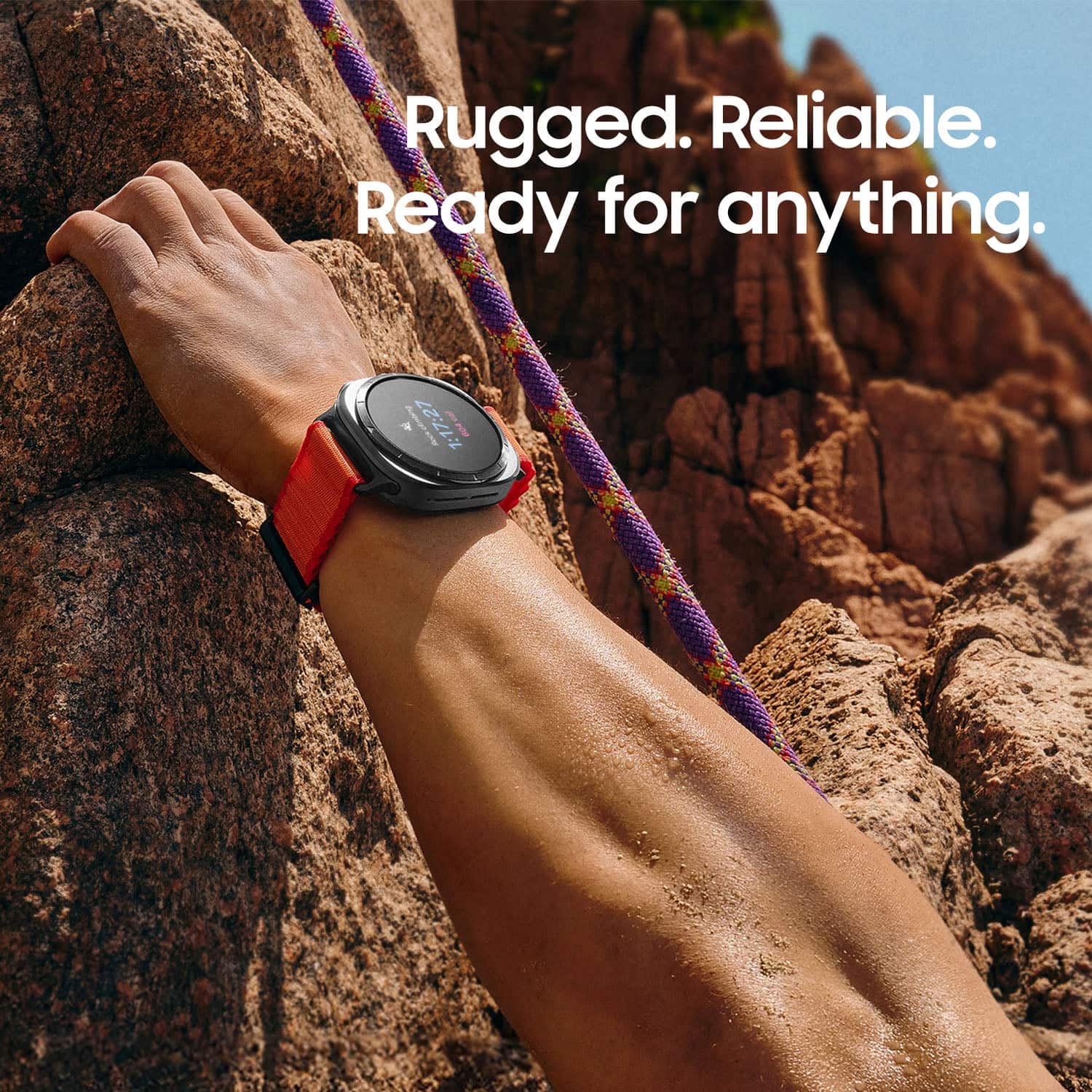
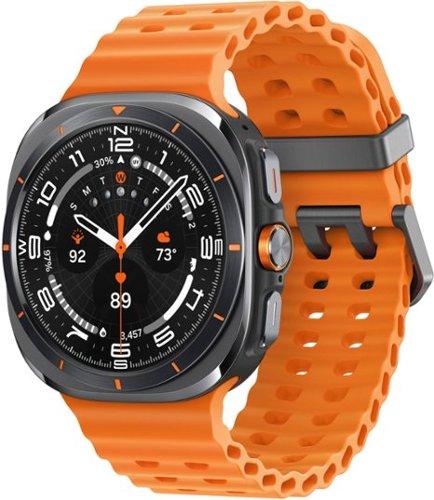
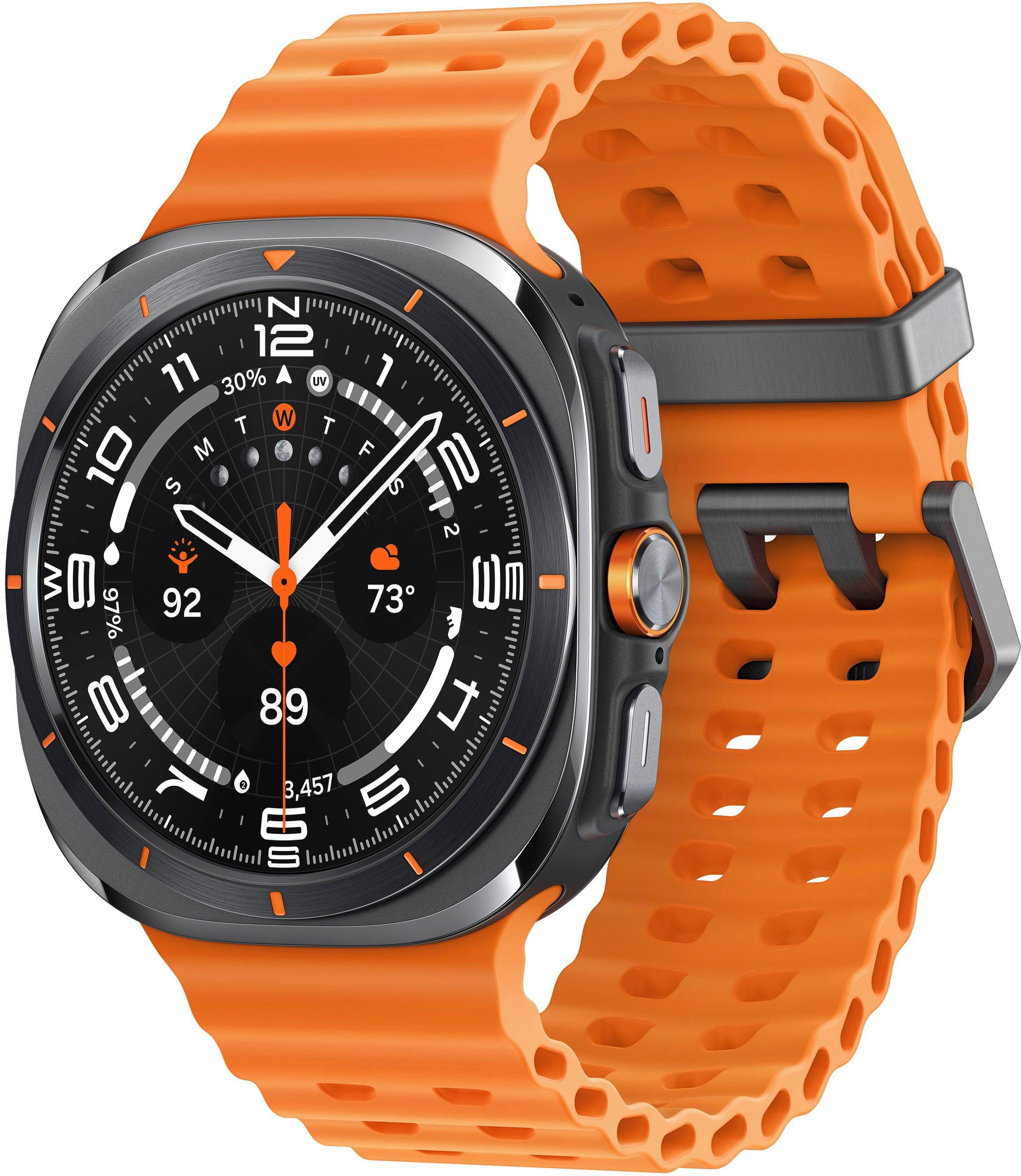
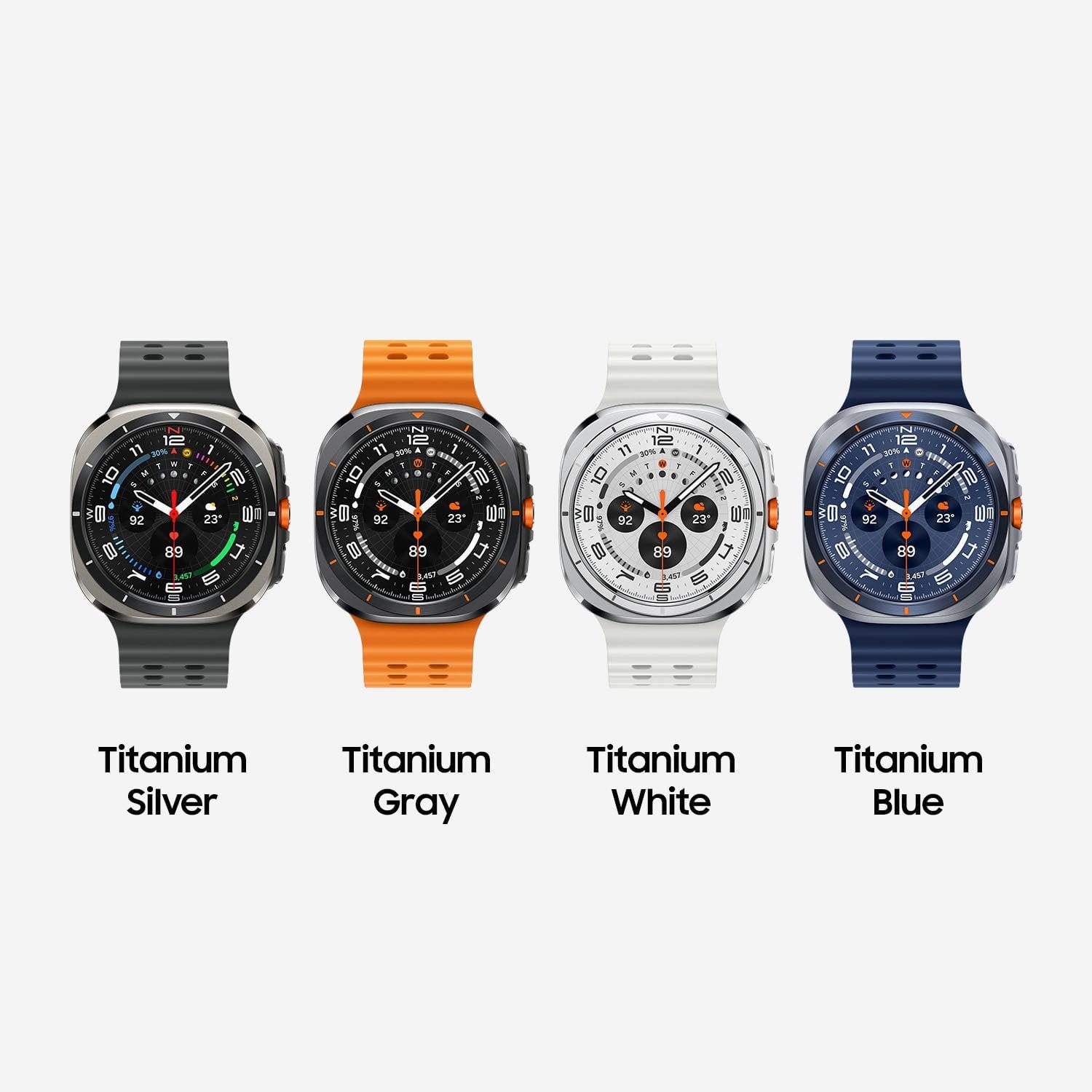
The design differences between these watches immediately reveal their intended audiences. The Samsung Galaxy Watch Ultra features a robust Grade 4 titanium frame—the same material used in aerospace applications—paired with sapphire crystal glass for the display. This isn't just marketing; sapphire crystal rates 9 on the Mohs hardness scale, making it nearly as scratch-resistant as diamonds. The watch can withstand water pressure equivalent to 100 meters underwater (10 ATM rating) and meets military durability standards (MIL-STD-810H), meaning it's been tested against extreme temperatures, humidity, vibration, and shock.
At 60.5 grams and 12.1mm thick, the Samsung Galaxy Watch Ultra feels substantial on the wrist. This isn't a watch you'll forget you're wearing, but that presence comes with tangible benefits. The titanium construction resists corrosion and maintains strength across temperature extremes—important if you're hiking in desert heat or skiing in subzero conditions.
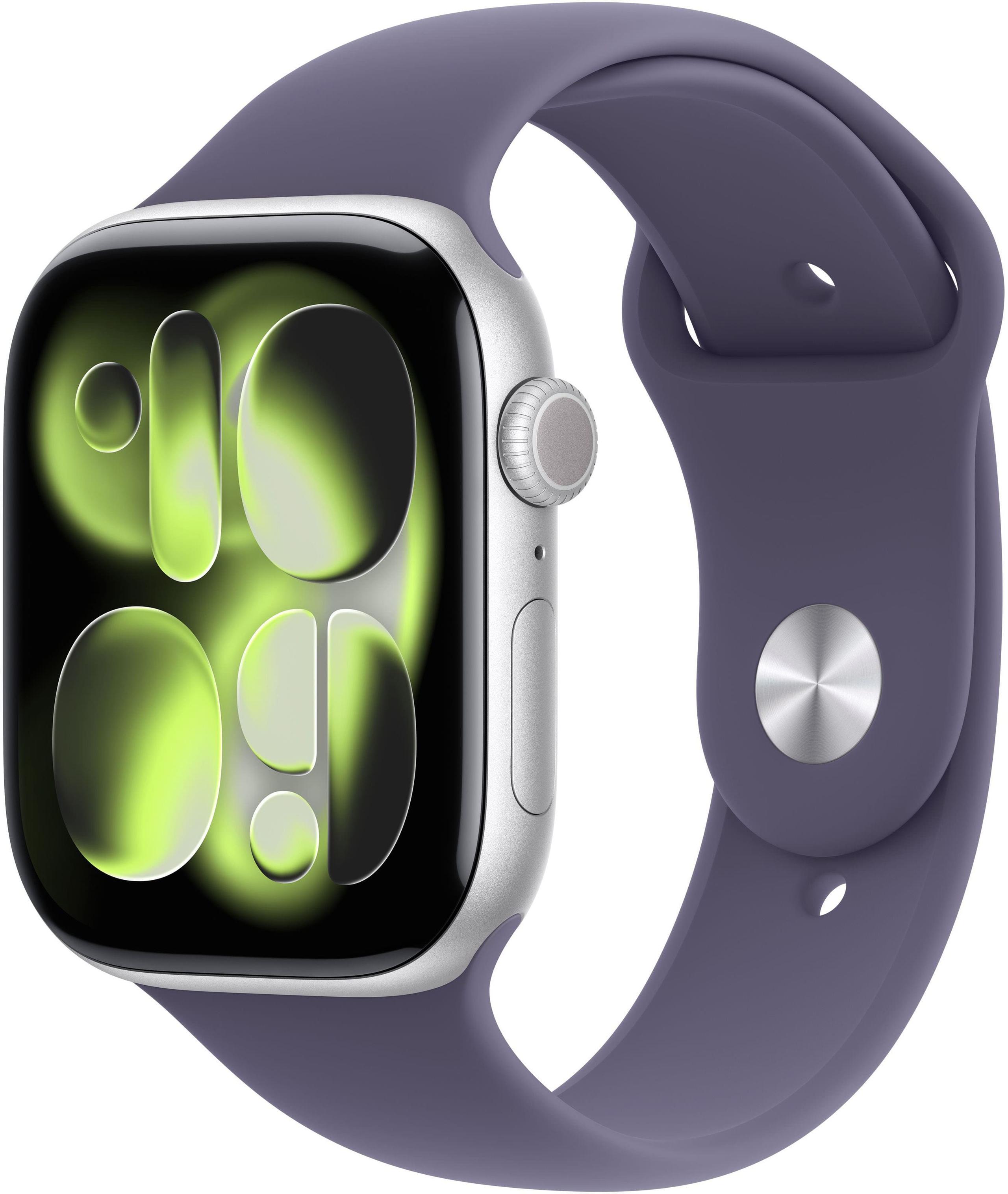
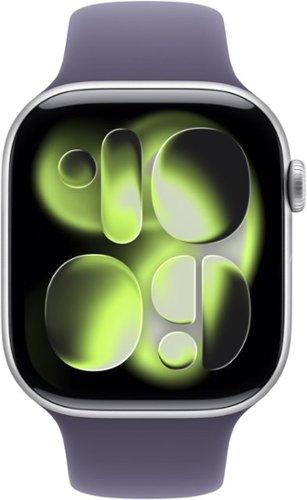
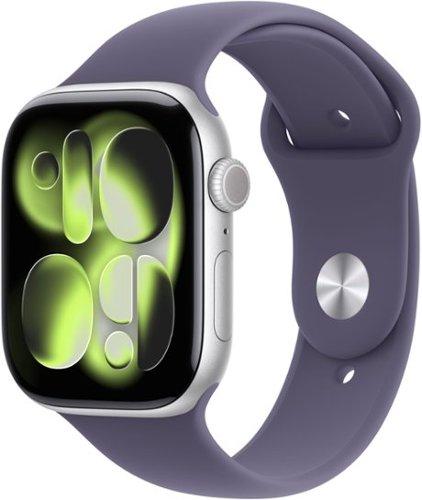
The Apple Watch Series 11 takes a different approach, prioritizing daily comfort with its 35.3-gram aluminum construction and svelte 9.7mm thickness. Apple has introduced a new ceramic coating process for the Ion-X glass that makes it twice as scratch-resistant as previous generations. While not as inherently tough as sapphire crystal, this treatment strikes a balance between protection and manufacturing cost.
The rectangular display design of the Apple Watch Series 11 maximizes screen real estate for text and app interfaces, while the Samsung Galaxy Watch Ultra's round face appeals to traditional watch aesthetics. Interestingly, Samsung removed the rotating bezel that was a signature feature of previous Galaxy watches—a decision that has divided users who appreciated the tactile navigation method.
Under the hood, these watches represent different philosophies about performance. The Samsung Galaxy Watch Ultra employs a cutting-edge 3-nanometer Exynos W1000 processor. For context, smaller nanometer processes allow more transistors to fit in the same space, improving both performance and power efficiency. The penta-core design (five processing cores) paired with 2GB of RAM provides substantial computational power for a wearable device.
The Apple Watch Series 11 uses the S10 chip with a dual-core processor and dedicated 4-core Neural Engine for machine learning tasks. While the specifications appear less impressive on paper—just 1GB of RAM—Apple's tight integration between hardware and software typically delivers performance that feels equivalent or superior to higher-spec competitors.
In practical use, both watches deliver smooth, responsive experiences. The Samsung Galaxy Watch Ultra benefits from its larger RAM allocation when running multiple apps simultaneously or processing complex health calculations. The Apple Watch Series 11 compensates with superior software optimization, though this advantage only applies within Apple's ecosystem.
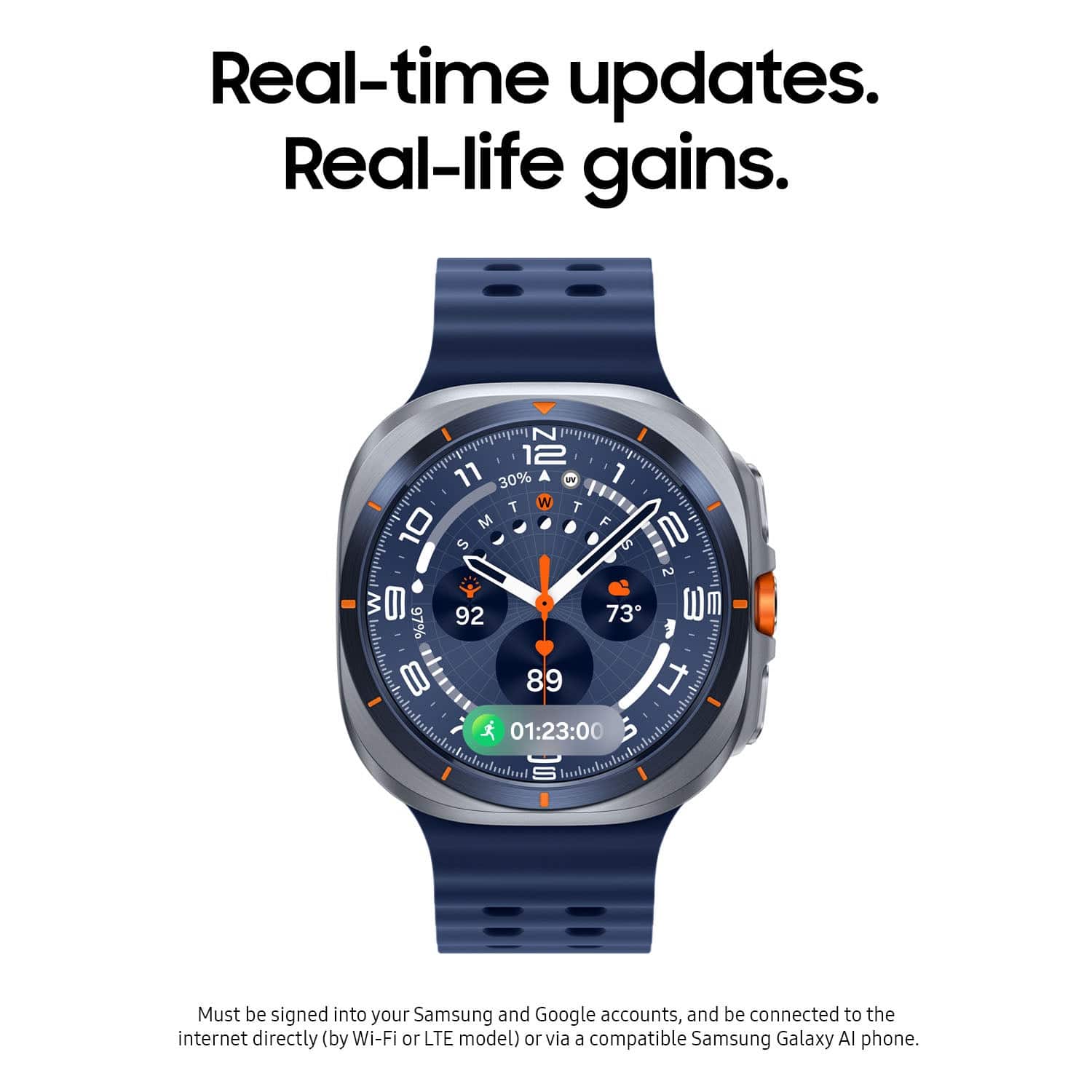
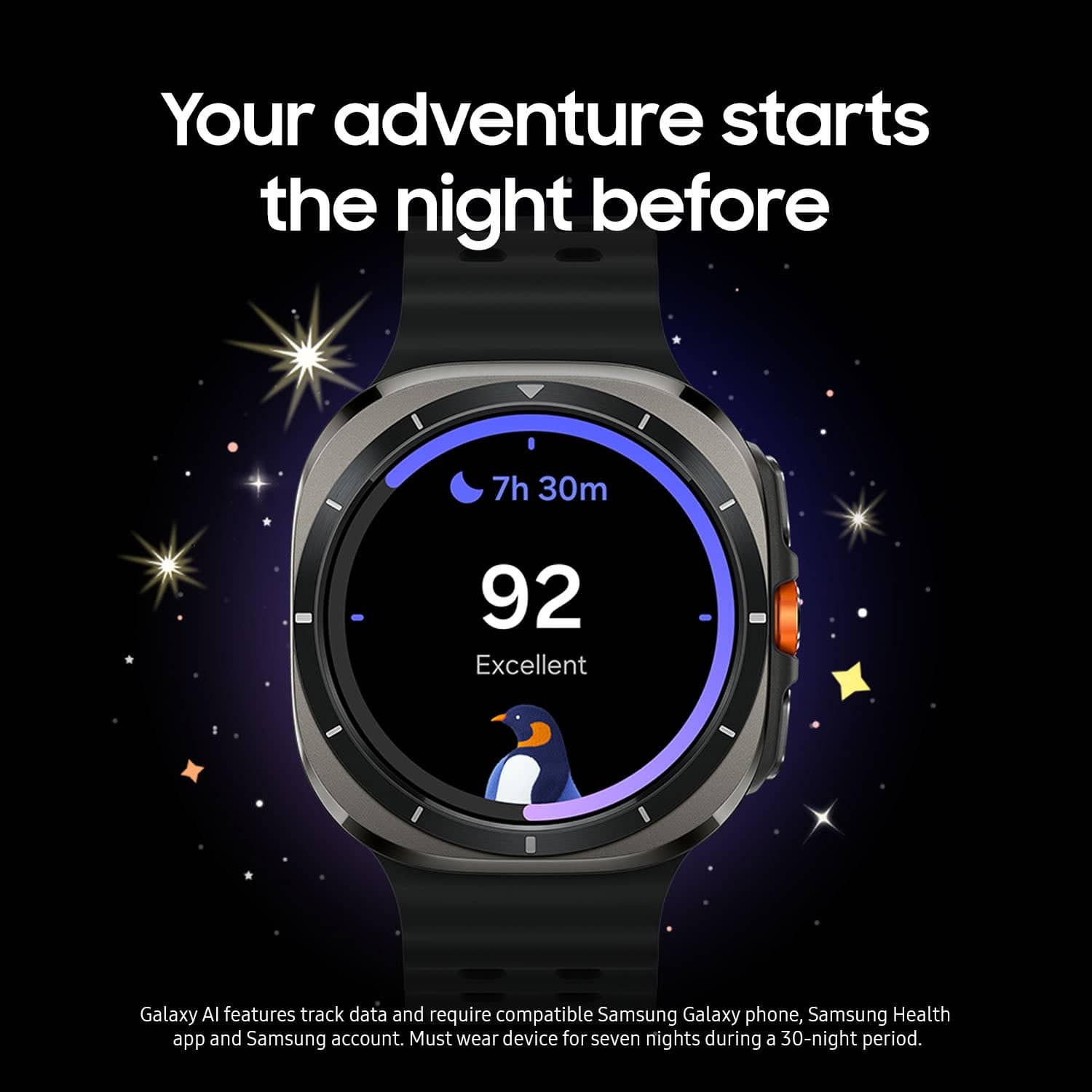
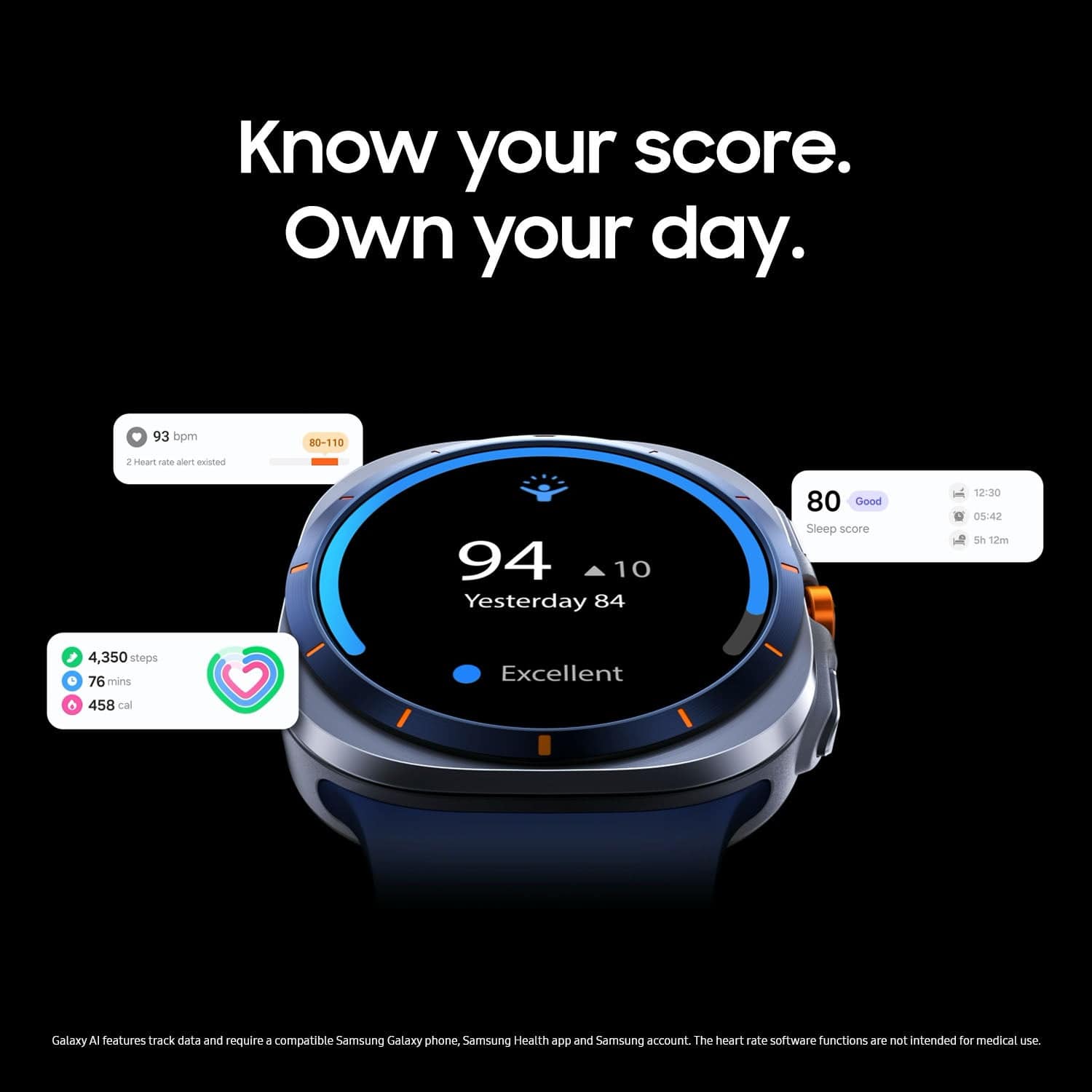
Health tracking represents perhaps the most significant differentiator between these devices. The Samsung Galaxy Watch Ultra features what Samsung calls a BioActive Sensor—essentially a sophisticated array of optical, electrical, and thermal sensors working in concert. This system can measure not just heart rate and blood oxygen, but also perform bioelectrical impedance analysis to estimate body composition including muscle mass, body fat percentage, and water retention.
The infrared temperature sensors deserve special attention. These can monitor both body temperature for health insights and water temperature for swimming or diving activities. Combined with the pressure sensors, the watch can function as a basic dive computer for shallow water activities—something unique in the mainstream smartwatch market.
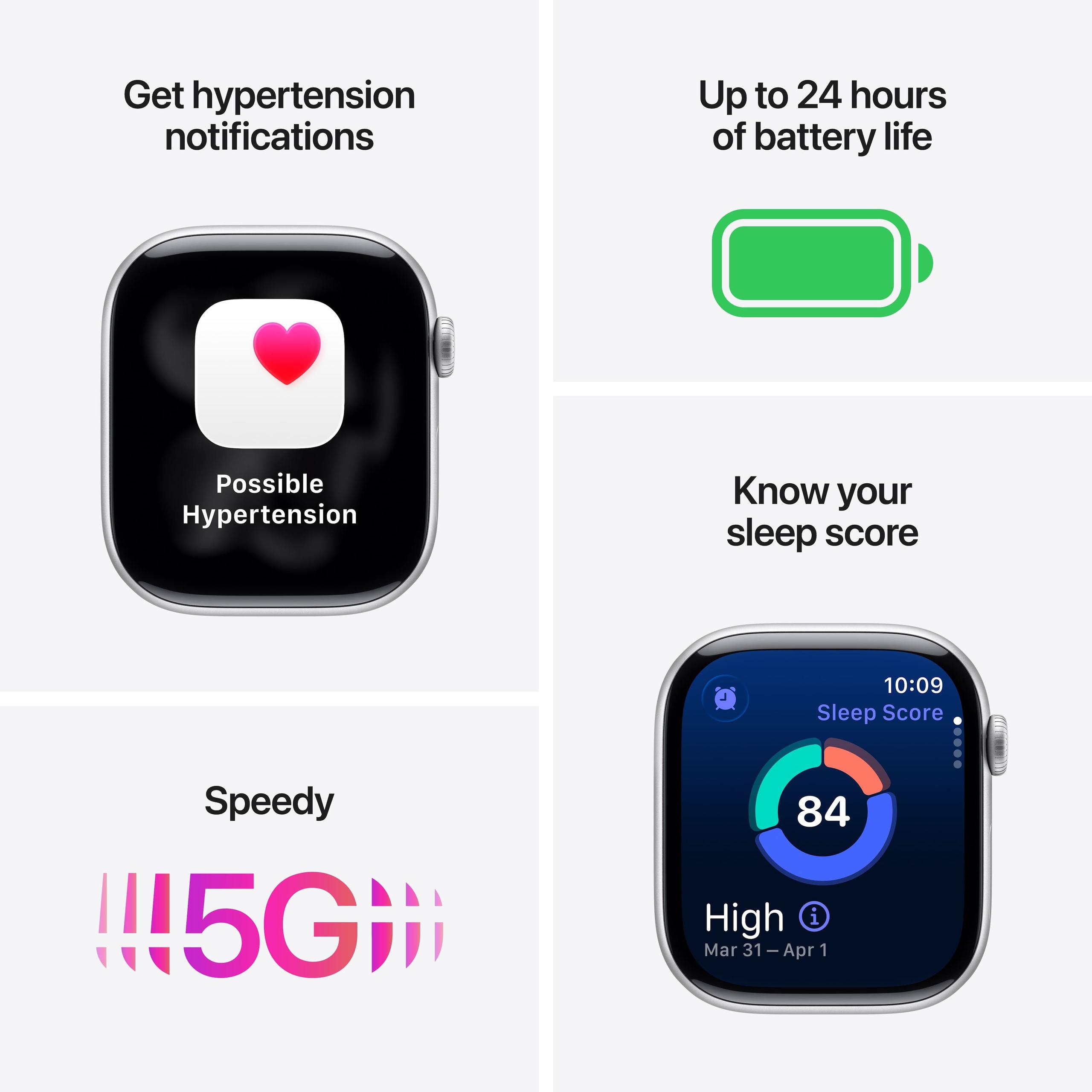
The Apple Watch Series 11 introduces hypertension notifications, a potentially game-changing feature for the millions of people with high blood pressure. Using long-term heart rate pattern analysis, the watch can detect irregularities that might indicate chronic hypertension and suggest users consult healthcare providers. This represents a significant step toward predictive health monitoring rather than just reactive measurement.
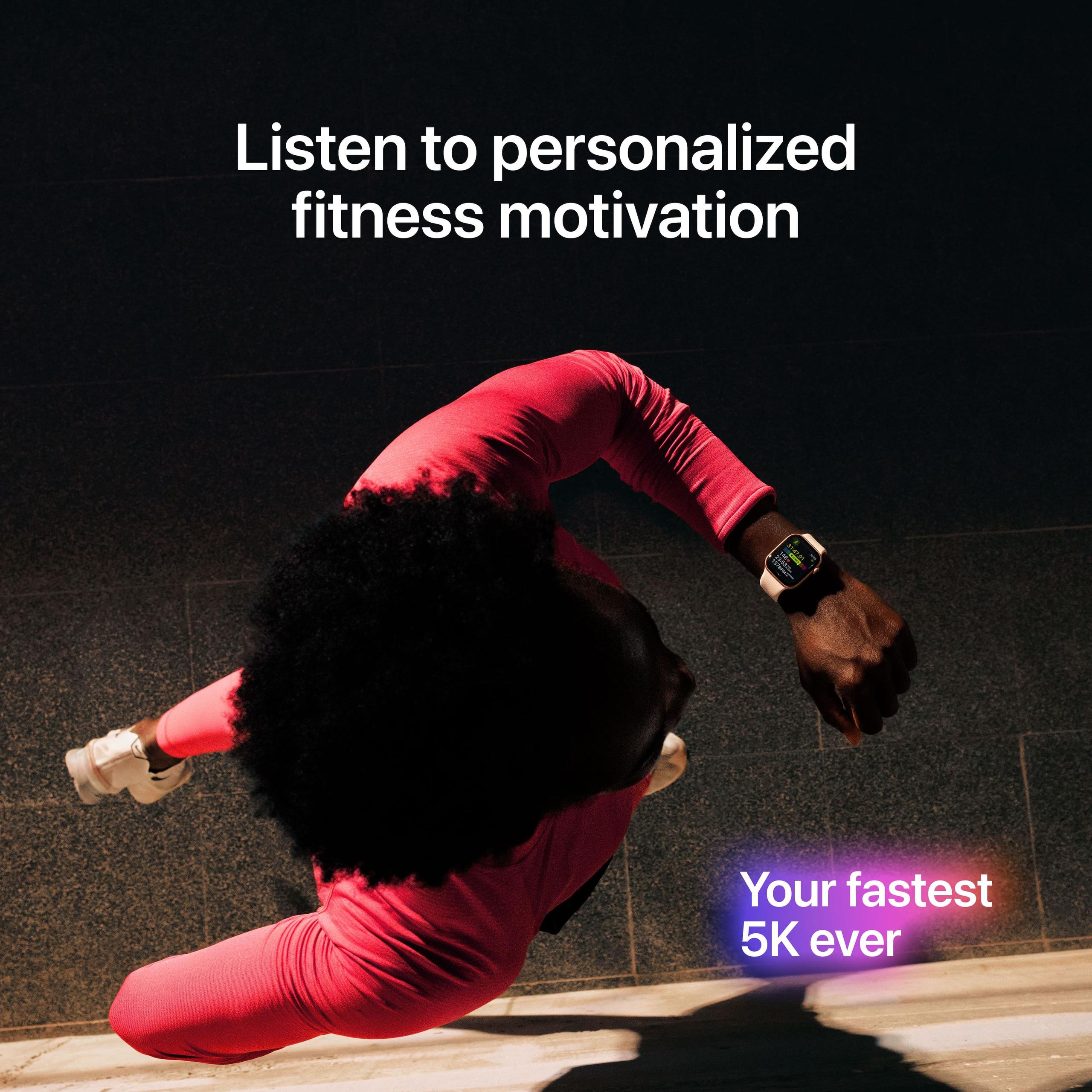
Apple's Sleep Score feature provides detailed analysis of sleep quality, factoring in duration, interruptions, and restfulness phases. The Workout Buddy, powered by Apple Intelligence (Apple's AI system), offers real-time coaching during exercises, providing pacing advice and recovery recommendations based on your historical performance data.
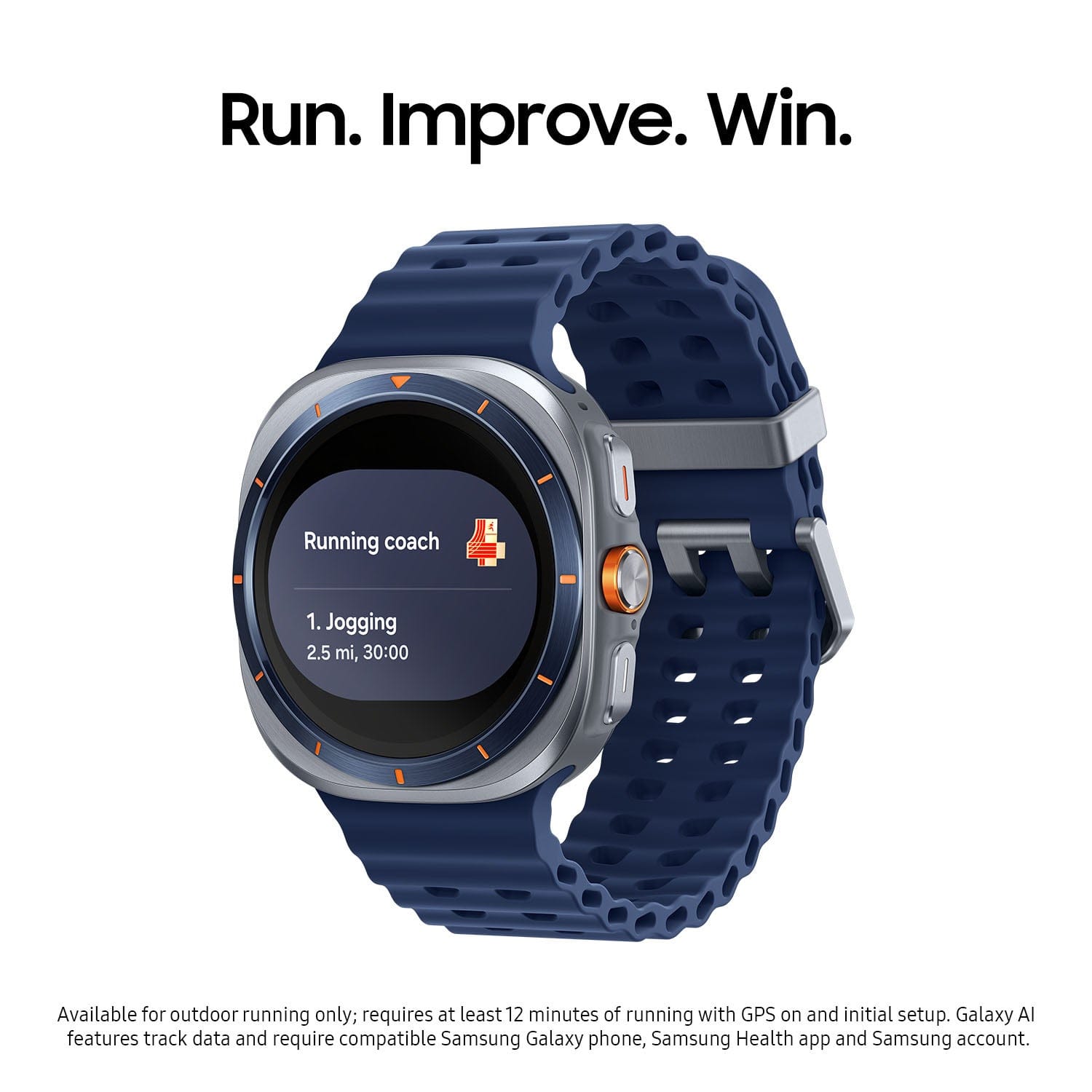
For fitness tracking, the watches serve different primary use cases. The Samsung Galaxy Watch Ultra excels in outdoor and water-based activities. Its dual-frequency GPS system supports both L1 and L5 satellite bands, providing significantly improved location accuracy in challenging environments like dense forests or urban canyons. The 48-hour exercise power saving mode makes it practical for multi-day hiking or cycling adventures.
Water sports tracking sets the Samsung Galaxy Watch Ultra apart from virtually all competitors. It can automatically detect and track swimming, water skiing, kayaking, and windsurfing with remarkable accuracy. The water temperature sensors provide data useful for both safety and performance optimization.
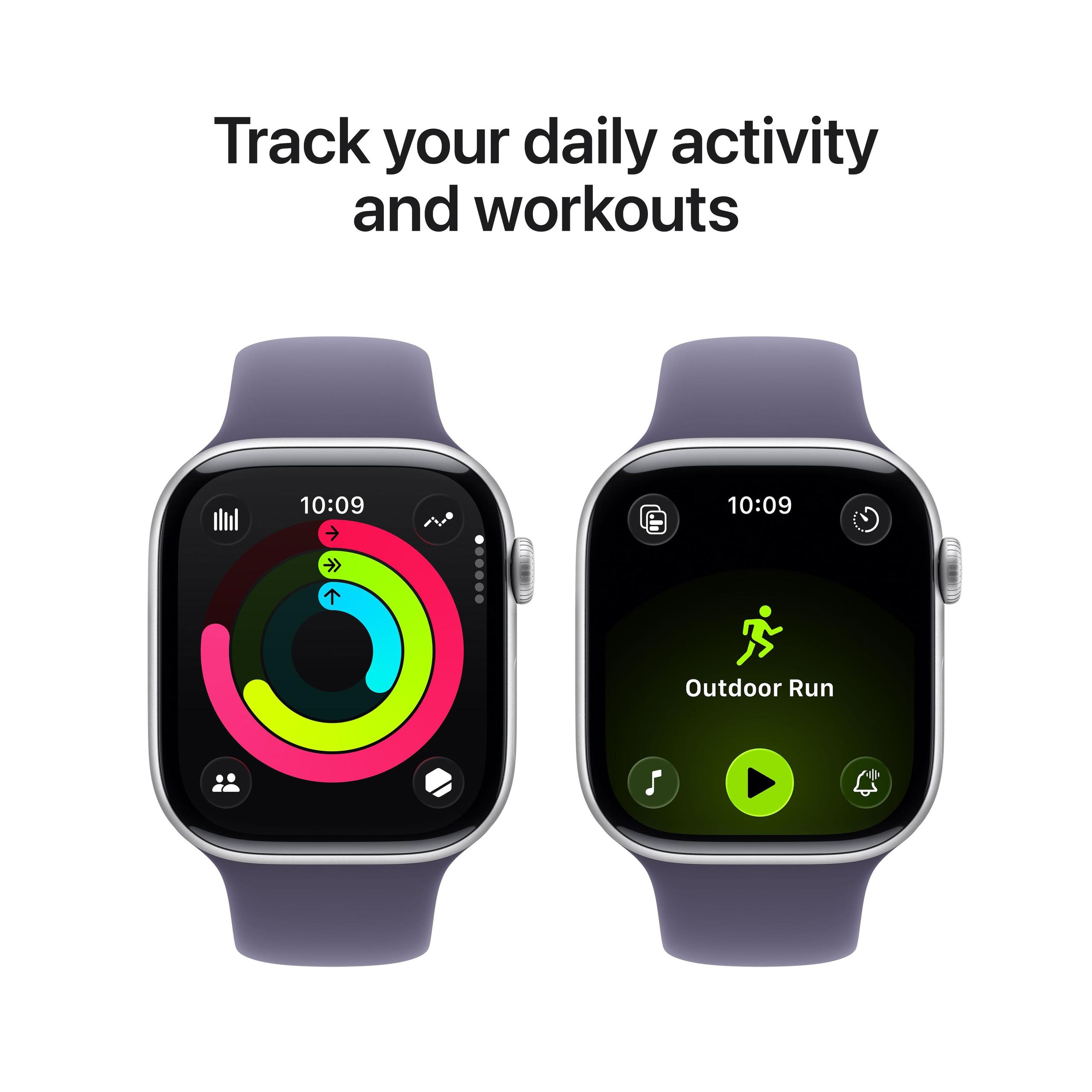
The Apple Watch Series 11 focuses on optimizing common fitness activities, particularly running. Heart rate accuracy during high-intensity interval training has improved significantly, with measurements closely matching chest strap monitors in most scenarios. The integration with Apple Fitness+ provides guided workouts and detailed performance analytics that sync seamlessly across Apple devices.
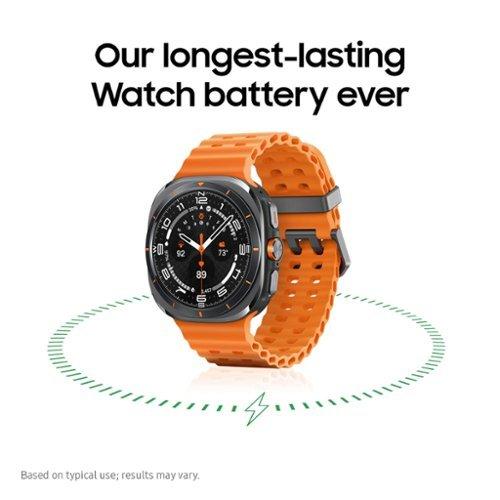
Battery life represents the Samsung Galaxy Watch Ultra's most compelling advantage. The 590mAh battery delivers genuinely impressive endurance: 60 hours with the always-on display active, extending to 80 hours with the display set to wake only when raised. In power-saving mode, the watch can operate for up to 100 hours—more than four days of basic functionality.
This endurance transforms how you can use the device. Multi-day camping trips, long-distance cycling events, or international travel become feasible without carrying charging cables. The 48-hour exercise power saving mode maintains GPS tracking and core fitness functions for extended outdoor activities.
The Apple Watch Series 11 offers 24 hours of normal use—a significant improvement over previous generations but still requiring daily charging for most users. The fast charging capability provides 8 hours of use from just 15 minutes of charging, making it practical to top up during daily routines. For users accustomed to charging their phone nightly, this pattern feels natural.
At the time of writing, the battery difference represents a fundamental choice: Do you prioritize extended independence or accept daily charging for other benefits?
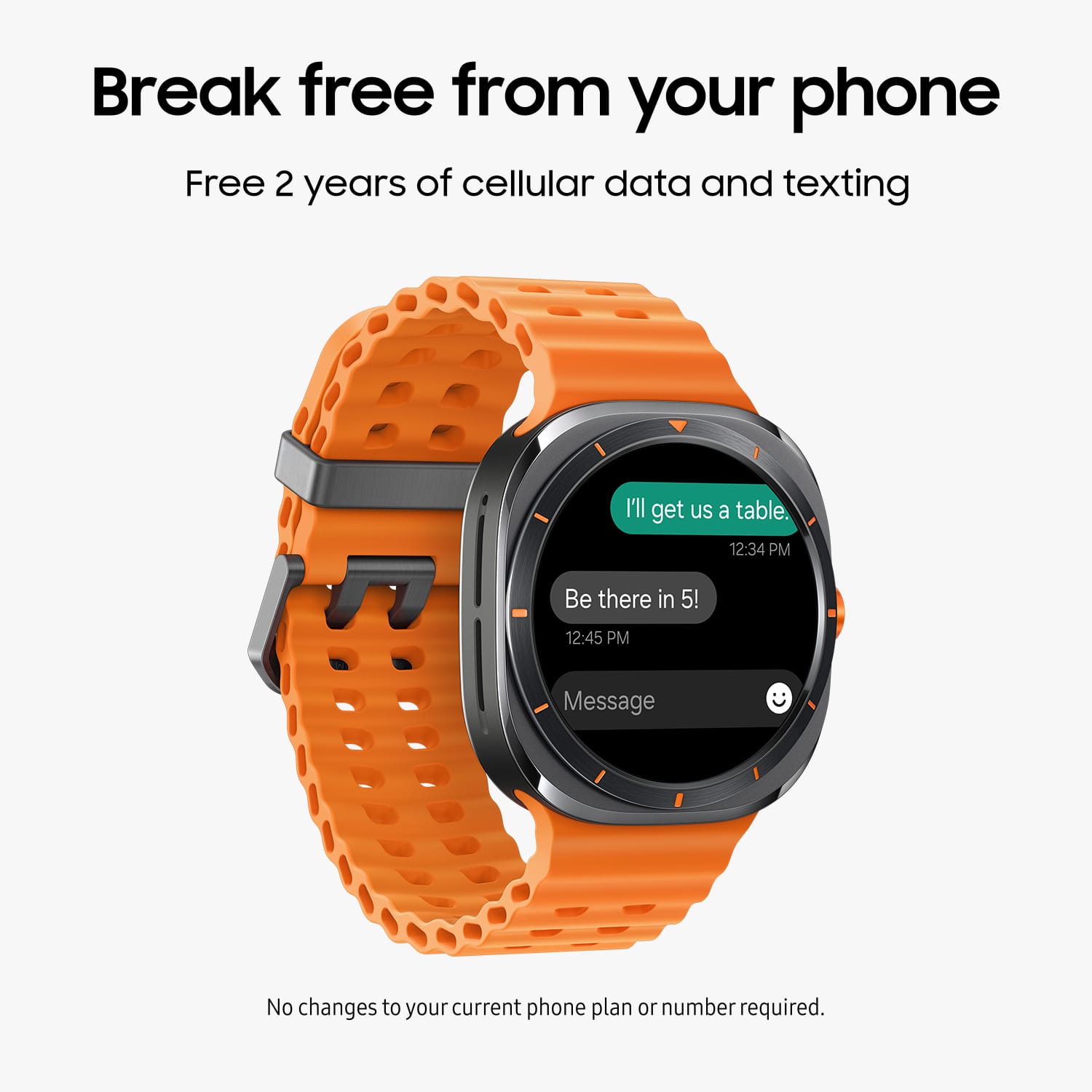
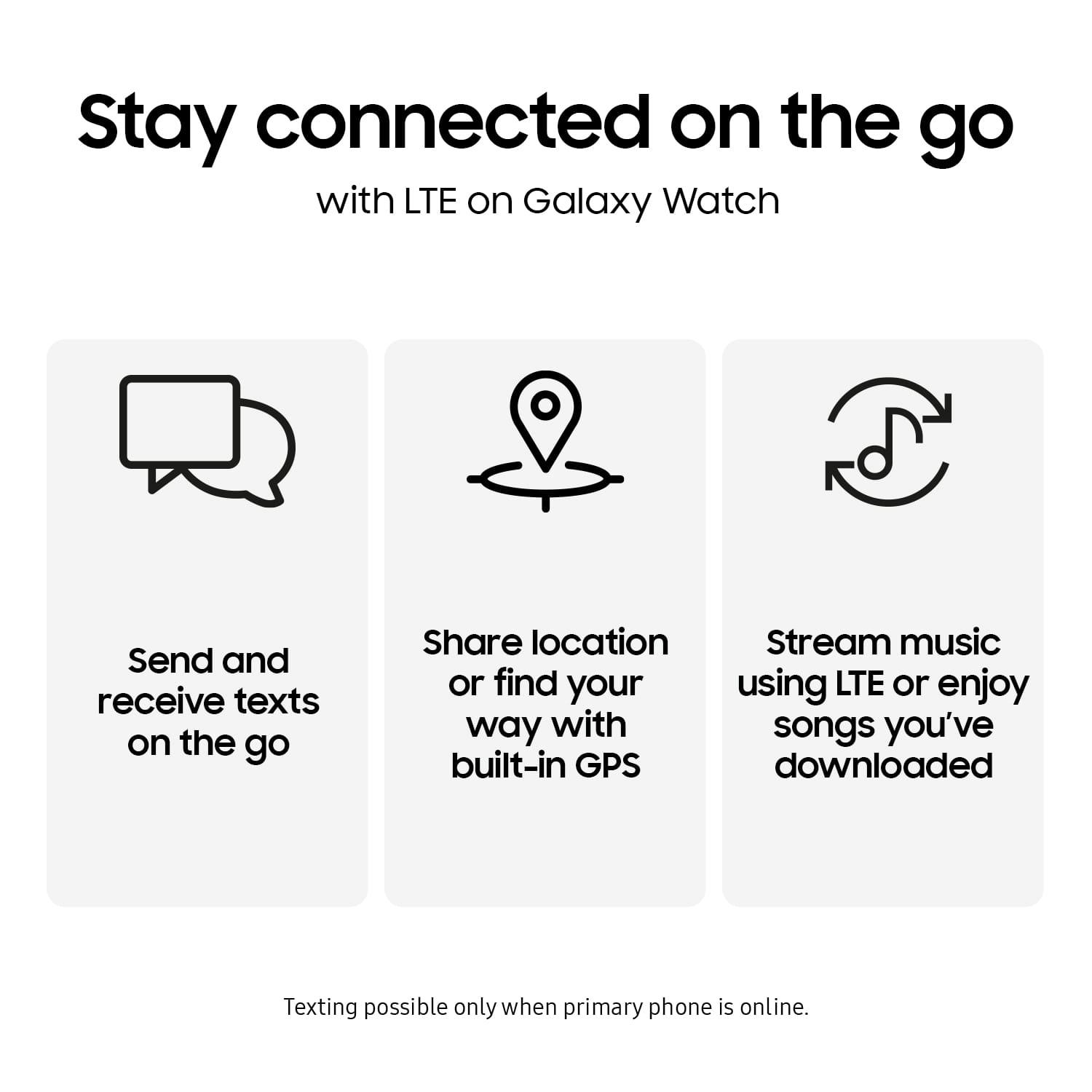
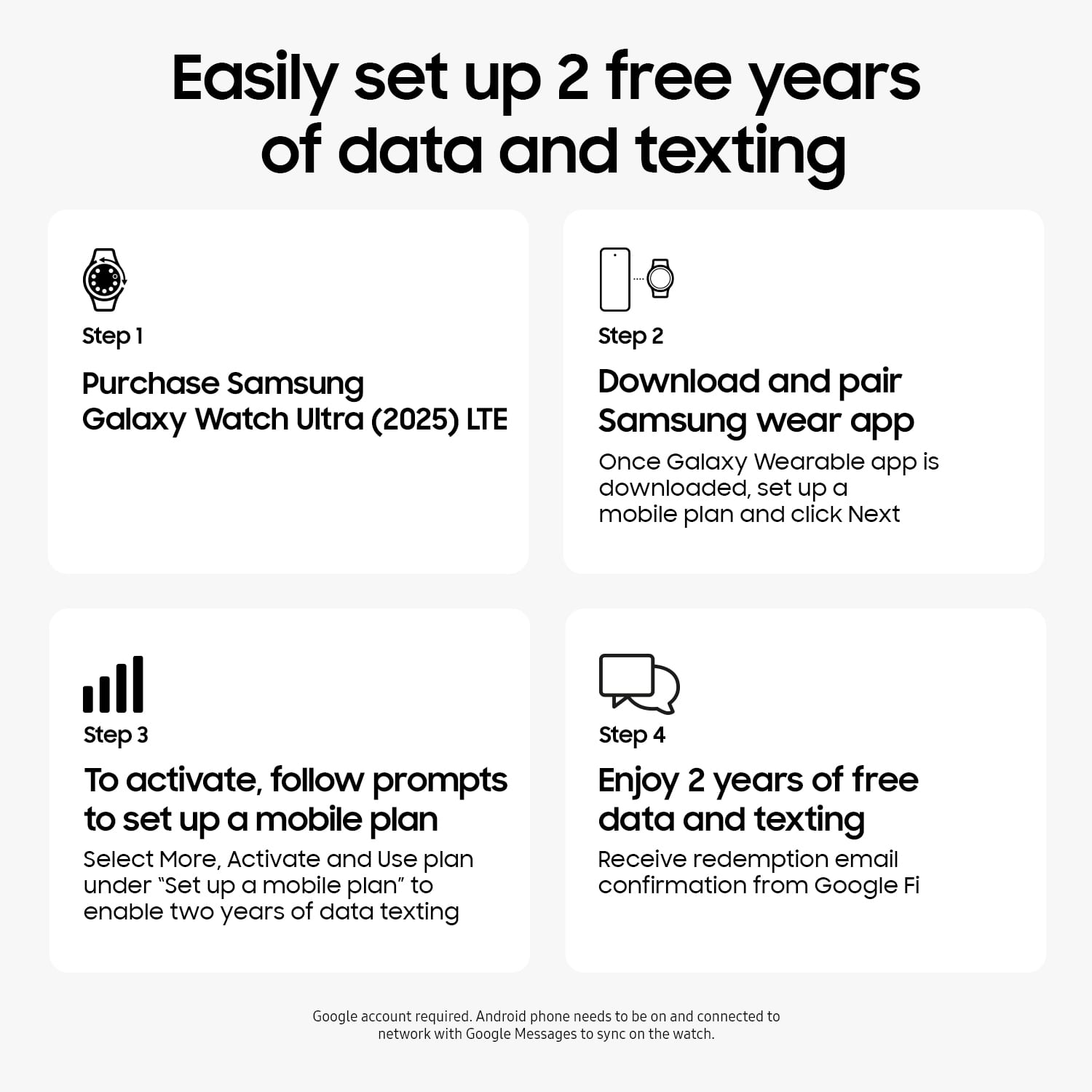
Both watches offer cellular independence, but with different strengths. The Samsung Galaxy Watch Ultra supports extensive 4G LTE bands, making it particularly well-suited for international travel. The eSIM technology (embedded SIM that doesn't require physical cards) allows easy carrier switching and international roaming setup.
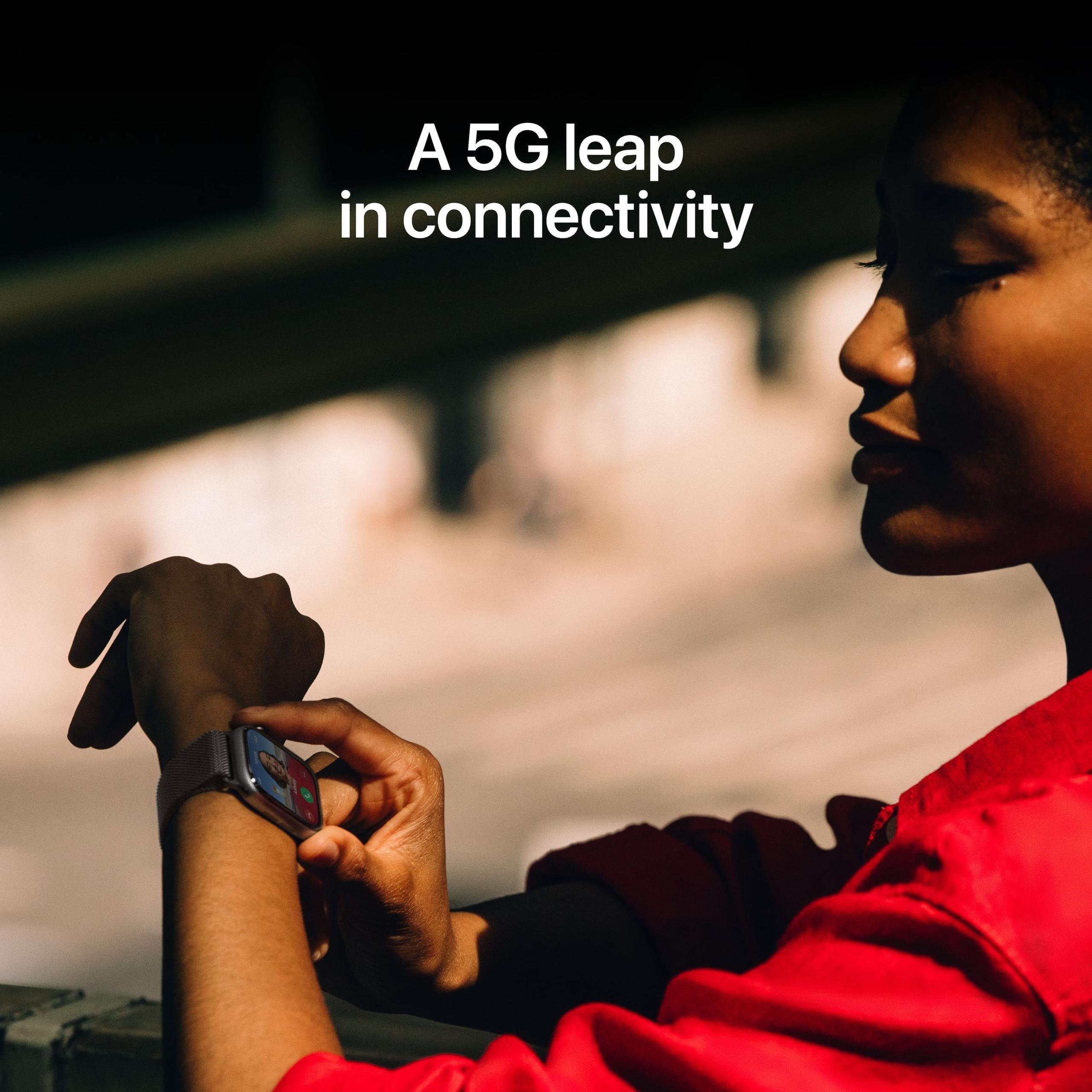
The Apple Watch Series 11 introduces 5G cellular connectivity to the Apple Watch lineup for the first time. This provides faster data speeds, improved call quality, and better performance in areas with 5G coverage. The dual-antenna design enhances signal strength even in challenging reception areas.
For users who frequently travel internationally, the Samsung Galaxy Watch Ultra's broader band support provides more reliable connectivity. However, in areas with good 5G coverage, the Apple Watch Series 11 offers a notably superior connected experience.
The software experience reflects each company's broader approach to user interface design. The Samsung Galaxy Watch Ultra runs Wear OS 5 with Samsung's One UI Watch 6 overlay, providing extensive customization options. Users can modify watch faces, notification handling, and gesture controls to match personal preferences. Google Gemini integration provides capable voice assistance and smart features.
Unfortunately, Samsung's decision to remove the rotating bezel—a beloved navigation method from previous Galaxy watches—has created interface challenges. Users report that the digital bezel replacement feels less intuitive and precise than the physical rotating mechanism.
The Apple Watch Series 11 runs watchOS 26 with Apple's new Liquid Glass interface, featuring dynamic visual effects and adaptive widgets that respond to context and movement. The integration with Apple Intelligence provides contextual health coaching and predictive suggestions. Gesture controls like double-tap and wrist flick allow hands-free interaction.
The app ecosystem favors Apple, with developers typically creating more polished, watch-optimized applications for watchOS due to Apple's stricter development guidelines and larger user base.
At the time of writing, pricing reflects the different positioning of these devices. The Samsung Galaxy Watch Ultra typically commands a premium price that reflects its titanium construction and specialized features, though Samsung frequently offers significant discounts that can make it competitive with aluminum alternatives.
The Apple Watch Series 11 generally prices lower initially but maintains more stable pricing over time. Apple's longer software support lifecycle—typically 5-6 years of major updates—provides better long-term value for users who keep devices for extended periods.
When considering cost per feature, the Samsung Galaxy Watch Ultra offers exceptional value for users who need its specialized capabilities: multi-day battery life, extreme durability, and comprehensive water sports tracking. The premium materials and construction justify the price for users who prioritize build quality.
The Apple Watch Series 11 provides better value for users seeking a refined daily smartwatch experience with cutting-edge health monitoring and seamless ecosystem integration.
Choose the Samsung Galaxy Watch Ultra if you own an Android phone, prioritize multi-day battery life for outdoor adventures, need serious water resistance for aquatic activities, value premium titanium construction, want the most comprehensive health sensor suite, or frequently travel internationally and need reliable global connectivity.
The Samsung Galaxy Watch Ultra excels for outdoor enthusiasts, water sports participants, travelers, and users who prefer extended device independence over daily charging routines.
Choose the Apple Watch Series 11 if you own an iPhone and value seamless ecosystem integration, prefer daily comfort with lighter design, want cutting-edge 5G connectivity, prioritize running and general fitness over specialized outdoor sports, value refined software experience and app ecosystem, or need advanced health features like hypertension monitoring.
The Apple Watch Series 11 serves iPhone users seeking the most refined daily smartwatch experience, fitness enthusiasts focused on common activities, and users who prioritize health monitoring advancement over extreme durability.
Both watches represent excellent choices within their intended use cases. The Samsung Galaxy Watch Ultra targets users who push boundaries and need technology that can keep pace with extreme demands. The Apple Watch Series 11 focuses on perfecting the everyday smartwatch experience while introducing meaningful health innovations.
Your choice ultimately depends on your phone ecosystem, activity preferences, and whether you prioritize extended independence or refined daily integration. Both devices will serve their intended users exceptionally well, representing the current pinnacle of smartwatch technology in their respective approaches to solving modern wearable computing challenges.
| Samsung Galaxy Watch Ultra 47mm LTE Smartwatch 2025 | Apple Watch Series 11 GPS + Cellular 46mm Aluminum Case Smartwatch |
|---|---|
| Case Material - Determines durability and premium feel | |
| Grade 4 titanium frame with sapphire crystal display | Aluminum case with Ion-X glass (2x scratch-resistant coating) |
| Weight - Affects daily comfort and wearability | |
| 60.5g (substantial presence, built for durability) | 35.3g (lightweight for all-day comfort) |
| Water Resistance - Critical for swimming and water sports | |
| 10 ATM (100m submersible, suitable for diving) | Standard water resistance (swimming capable) |
| Battery Life - Determines charging frequency | |
| 60-100 hours depending on usage (multi-day independence) | 24 hours normal use, 38 hours low power mode |
| Display Technology - Affects visibility and power consumption | |
| 1.5" Super AMOLED, 480x480px, sapphire crystal protection | Always-On Retina LTPO OLED, up to 2,000 nits brightness |
| Processor - Impacts performance and AI capabilities | |
| Exynos W1000 (3nm), 2GB RAM, 32GB/64GB storage | S10 chip with Neural Engine, 1GB RAM, 64GB storage |
| Health Sensors - Advanced monitoring capabilities | |
| BioActive sensor with body composition analysis, water/body temperature | Hypertension notifications, Sleep Score, enhanced heart rate monitoring |
| GPS Accuracy - Essential for outdoor activities and fitness tracking | |
| Dual-frequency (L1+L5) with multiband GNSS support | Standard GPS with GLONASS, Galileo support |
| Cellular Connectivity - Determines standalone phone functionality | |
| 4G LTE with extensive global band support, eSIM | 5G cellular (first Apple Watch with 5G), dual-antenna design |
| Operating System - Affects app ecosystem and updates | |
| Wear OS 5 with One UI Watch 6 (Android compatible) | watchOS 26 (requires iPhone, longer update support) |
| Fitness Focus - Specialized activity tracking | |
| Water sports excellence, 48-hour exercise mode, outdoor adventures | Running optimization, Apple Fitness+ integration, general fitness |
| AI Features - Smart assistance and health insights | |
| Galaxy AI health coaching, Google Gemini integration | Apple Intelligence, Workout Buddy coaching, contextual suggestions |
| Build Certification - Extreme condition resistance | |
| MIL-STD-810H military standard, -55°C to 55°C operation | Standard consumer electronics durability testing |
The Samsung Galaxy Watch Ultra offers significantly longer battery life with 60-100 hours depending on usage settings, while the Apple Watch Series 11 provides 24 hours of normal use. If you want multi-day independence without charging, the Samsung Galaxy Watch Ultra is the clear winner.
The Samsung Galaxy Watch Ultra features premium Grade 4 titanium construction with sapphire crystal glass, making it extremely durable and scratch-resistant. The Apple Watch Series 11 uses aluminum with ceramic-coated Ion-X glass that's lighter and more comfortable for daily wear but less rugged than the Samsung Galaxy Watch Ultra.
The Apple Watch Series 11 is specifically designed for iPhone users and requires an iPhone to function, offering seamless integration with Apple's ecosystem. The Samsung Galaxy Watch Ultra works with Android phones and has limited functionality with iPhones, making the Apple Watch Series 11 the obvious choice for iPhone owners.
Yes, both the Samsung Galaxy Watch Ultra and Apple Watch Series 11 offer cellular connectivity for standalone calling, messaging, and data. The Samsung Galaxy Watch Ultra uses 4G LTE with broad global band support, while the Apple Watch Series 11 features 5G connectivity for faster data speeds where available.
The Samsung Galaxy Watch Ultra excels in water activities with 10 ATM water resistance (100m submersible), water temperature sensors, and specialized tracking for swimming, water skiing, and kayaking. The Apple Watch Series 11 is suitable for swimming but lacks the specialized water sports features of the Samsung Galaxy Watch Ultra.
The Samsung Galaxy Watch Ultra offers comprehensive body composition analysis, including muscle mass and body fat percentage, plus dual temperature sensors. The Apple Watch Series 11 introduces hypertension notifications and detailed sleep scoring. Both provide excellent heart rate monitoring, but the Samsung Galaxy Watch Ultra offers more comprehensive health metrics.
The Samsung Galaxy Watch Ultra is built for extreme conditions with MIL-STD-810H military certification, titanium construction, and operation in temperatures from -55°C to 55°C. The Apple Watch Series 11 is durable for daily use but not designed for extreme outdoor conditions like the Samsung Galaxy Watch Ultra.
The Samsung Galaxy Watch Ultra features dual-frequency GPS (L1+L5) with multiband GNSS support for superior accuracy in challenging environments like dense forests or urban areas. The Apple Watch Series 11 offers standard GPS that's accurate for most activities but not as precise as the advanced system in the Samsung Galaxy Watch Ultra.
For outdoor adventures and water sports, the Samsung Galaxy Watch Ultra is superior with specialized tracking modes and 48-hour exercise battery mode. For running and general fitness, the Apple Watch Series 11 excels with AI-powered coaching and seamless Apple Fitness+ integration. Your choice depends on your primary activities.
The Apple Watch Series 11 weighs 35.3g, making it very comfortable for all-day wear, while the Samsung Galaxy Watch Ultra weighs 60.5g due to its titanium construction. The Apple Watch Series 11 is better for users prioritizing comfort, while the Samsung Galaxy Watch Ultra appeals to those wanting substantial, premium feel.
The Apple Watch Series 11 generally offers more polished apps and longer software support (5-6 years of updates) within Apple's ecosystem. The Samsung Galaxy Watch Ultra runs Wear OS with good Google integration and customization options. App quality typically favors the Apple Watch Series 11, while customization favors the Samsung Galaxy Watch Ultra.
The Samsung Galaxy Watch Ultra offers broader international 4G LTE band support and easier eSIM carrier switching, making it better for global travel. The Apple Watch Series 11 provides 5G speeds where available but may have more limited international compatibility compared to the Samsung Galaxy Watch Ultra's extensive band support.
We've done our best to create useful and informative comparisons to help you decide what product to buy. Our research uses advanced automated methods to create this comparison and perfection is not possible - please contact us for corrections or questions. These are the sites we've researched in the creation of this article: smartwatch-straps.co.uk - wareable.com - dcrainmaker.com - pocket-lint.com - sypnotix.com - youtube.com - youtube.com - 9to5google.com - us.community.samsung.com - youtube.com - samsung.com - phonearena.com - versus.com - gsmarena.com - samsung.com - samsung.com - phonearena.com - samsung.com - samsung.com - samsung.com - samsung.com - samsung.com - t-mobile.com - att.com - youtube.com - bestbuy.com - verizon.com - youtube.com - bandletic.com - androidcentral.com - samsung.com - samsung.com - samsung.com - samsung.com - techradar.com - youtube.com - youtube.com - dcrainmaker.com - apple.com - tomsguide.com - youtube.com - phonearena.com - androidcentral.com - youtube.com - apple.com - tomsguide.com - appleinsider.com - pre-www.att.com - apple.com - macobserver.com - swappa.com - phonearena.com - apple.com - t-mobile.com - apple.com - phonearena.com - apple.com - apple.com - apple.com - att.com - apple.com - tomsguide.com - appleinsider.com - tomsguide.com - apple.com - t-mobile.com - macrumors.com - apple.com - en.wikipedia.org - techpoint.africa - phonearena.com - youtube.com - verizon.com

Privacy Policy
Terms and Conditions - Affiliate Policy
Home Security
© Copyright 2008-2026.
11816 Inwood Rd #1211, Dallas, TX 75244