

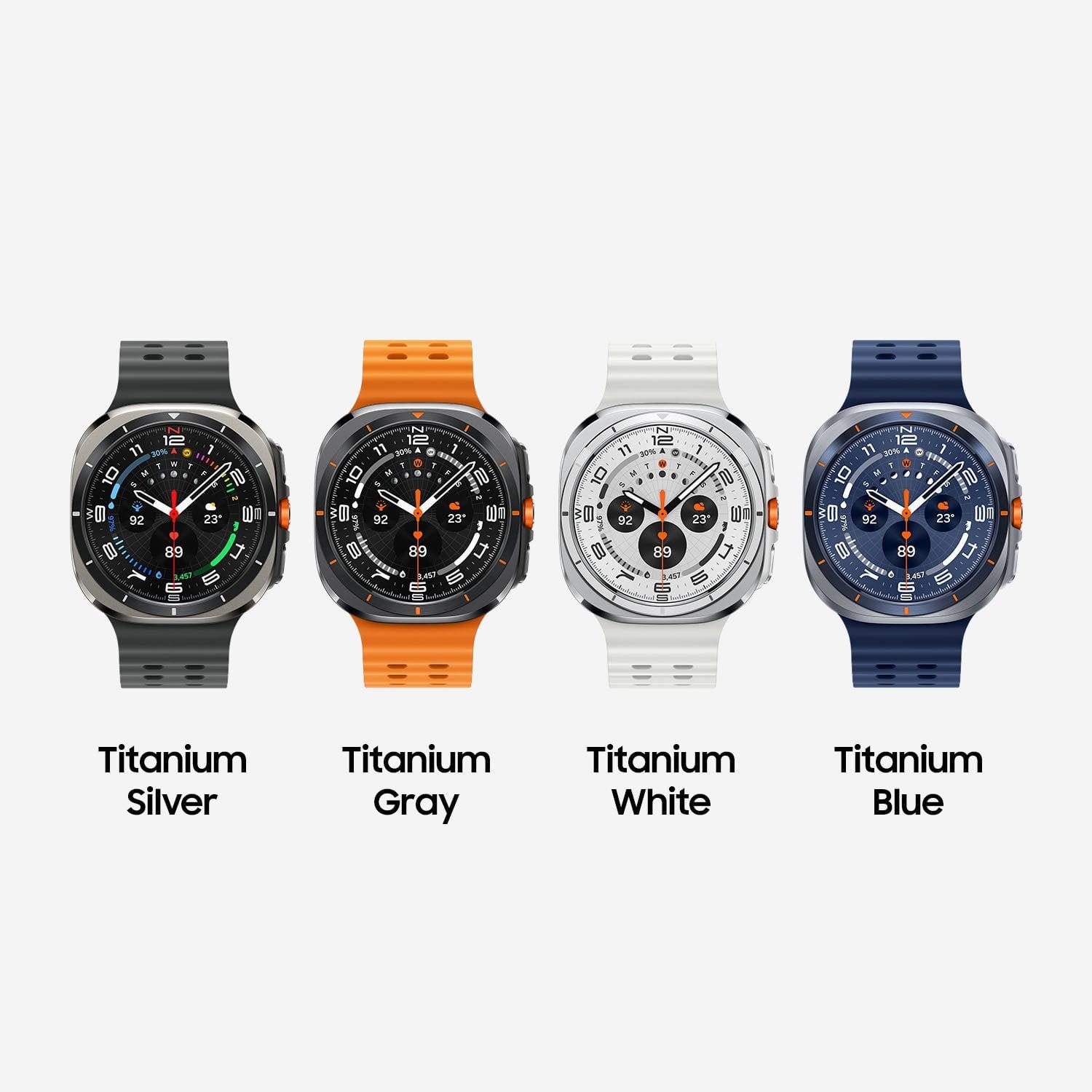
When you're shopping for a smartwatch, the sheer range of options can feel overwhelming. At one end, you have budget-friendly devices that cover the basics, and at the other, premium watches that cost as much as a decent laptop. Two watches that perfectly illustrate this divide are the Noise ColorFit Pro 6 Max and the Samsung Galaxy Watch Ultra—and understanding their differences will help you figure out exactly what you need from a smartwatch.
Smartwatches have evolved far beyond simple step counters. Today's devices are essentially tiny computers strapped to your wrist, capable of everything from making phone calls to monitoring your heart's electrical activity. The key is understanding which features actually matter for your lifestyle.
The smartwatch market generally breaks down into three tiers: budget devices under $200, mid-range options between $200-400, and premium watches above $400. At the time of writing, the Noise ColorFit Pro 6 Max sits firmly in the budget category, while the Samsung Galaxy Watch Ultra commands premium pricing—creating a fascinating comparison of what you get when you spend five times more.
Your primary considerations should be: How accurate do you need health tracking to be? Do you want to leave your phone at home sometimes? How rough will you be with the watch? And honestly, how much do you want to spend? These questions will guide you toward the right choice.
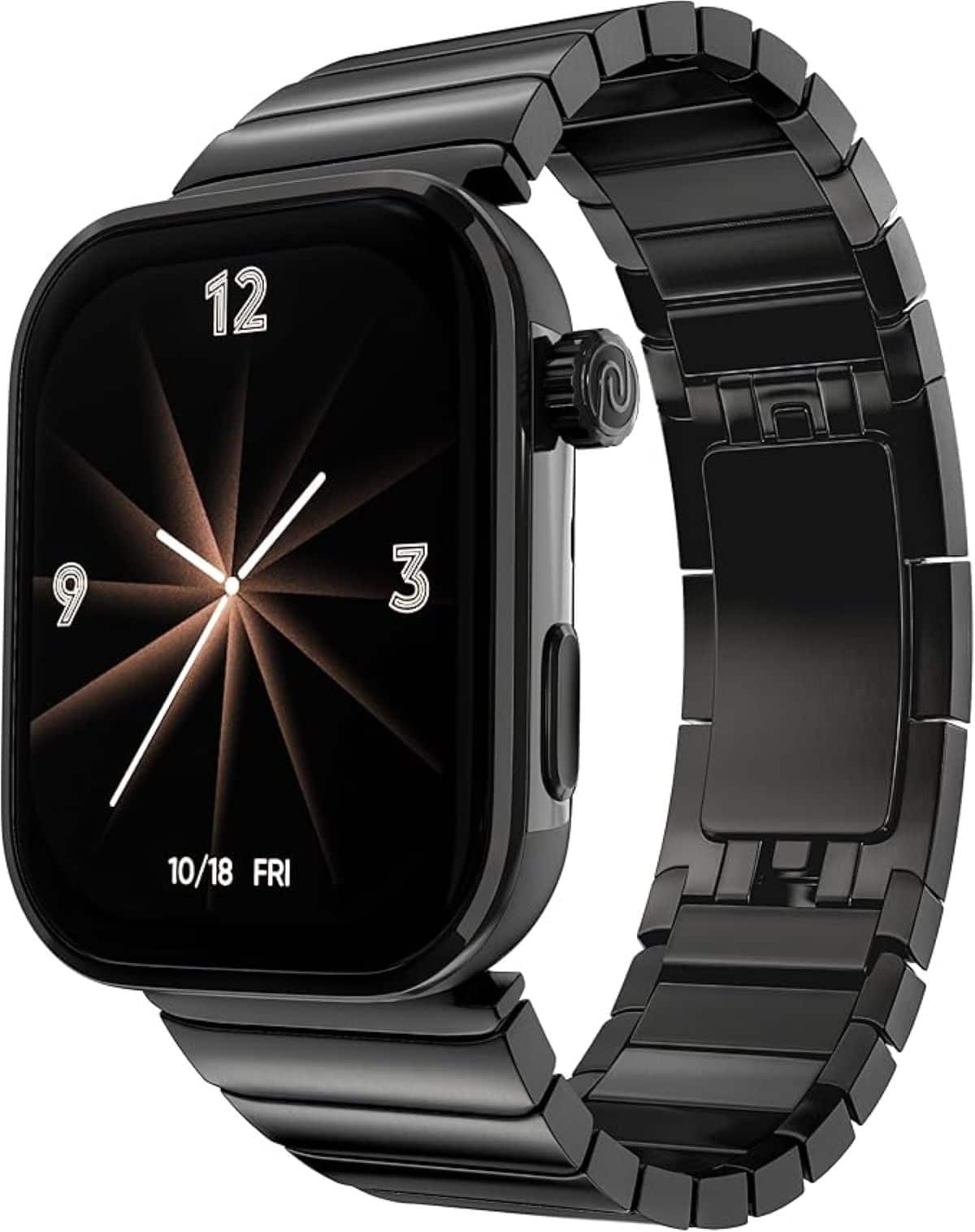
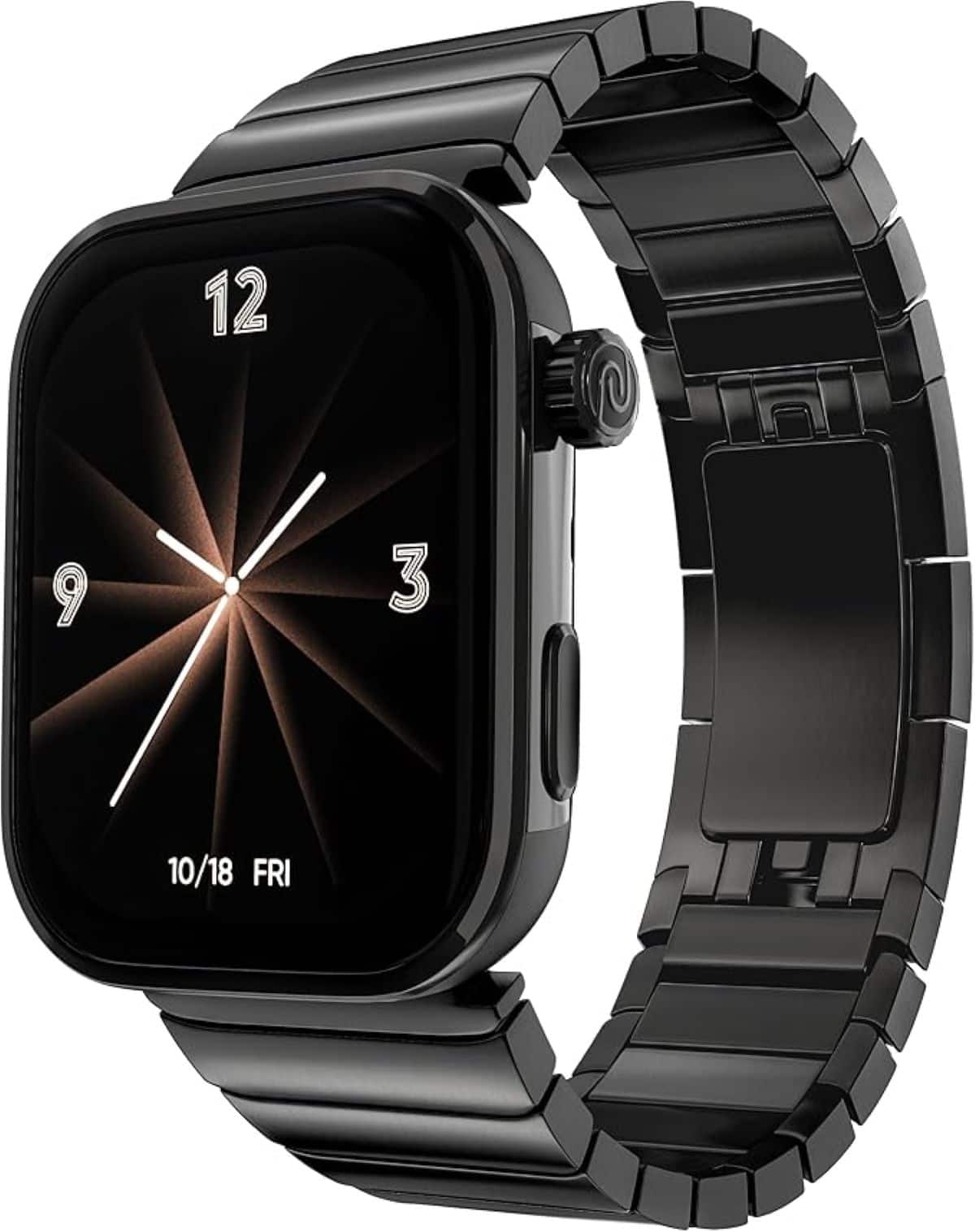
The Noise ColorFit Pro 6 Max launched in early 2025, representing Noise's push into more premium materials and features while maintaining their budget-friendly positioning. It's part of a broader trend where budget smartwatch makers are incorporating AMOLED displays and stainless steel builds—features that used to be exclusive to expensive watches.
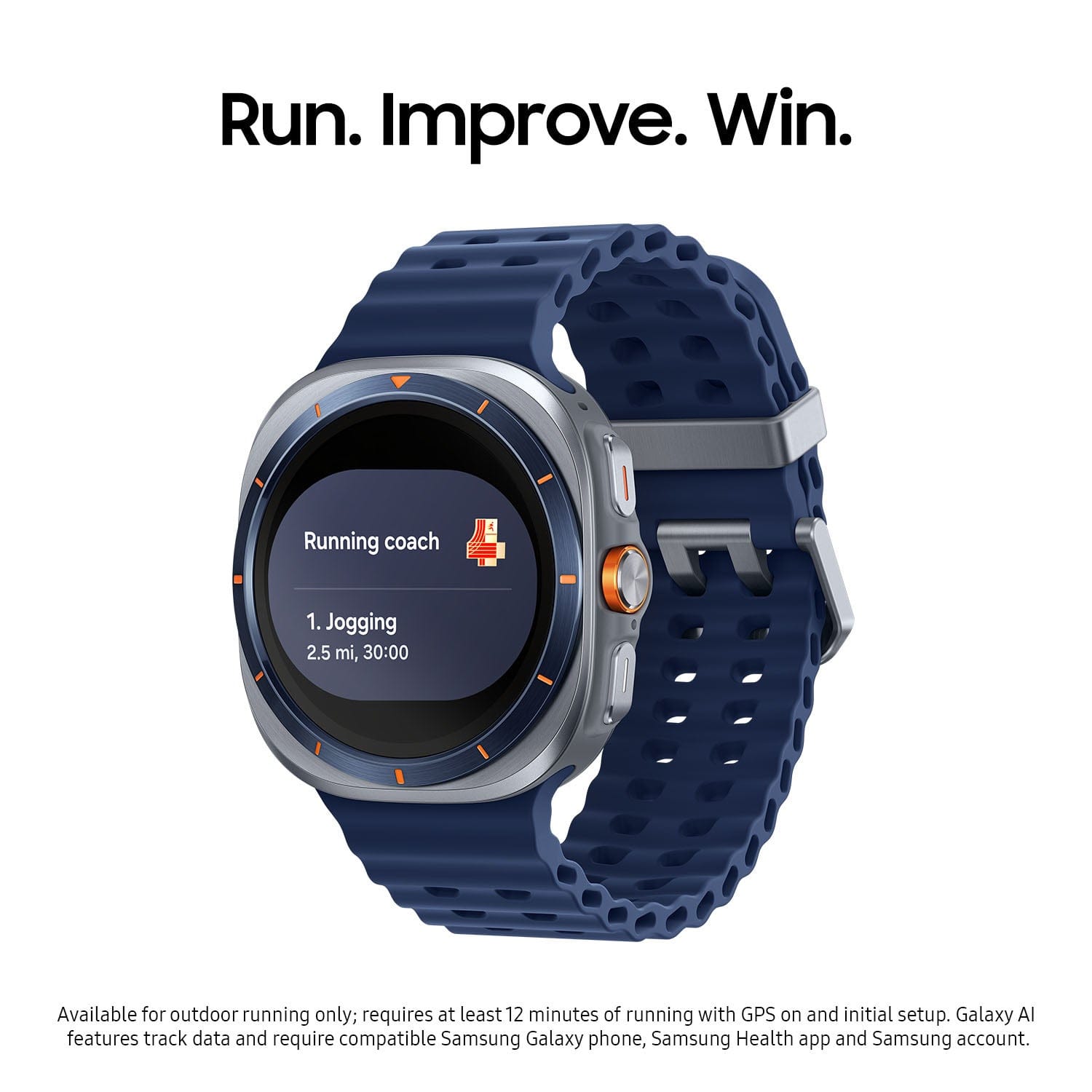
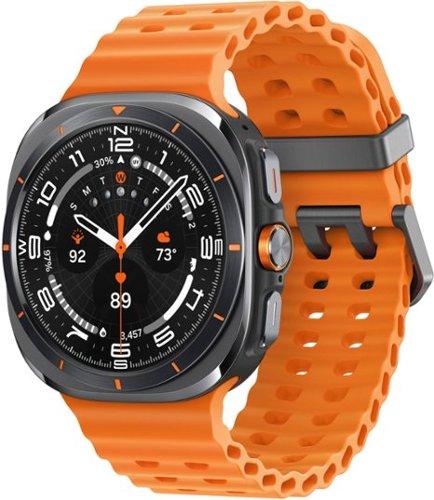
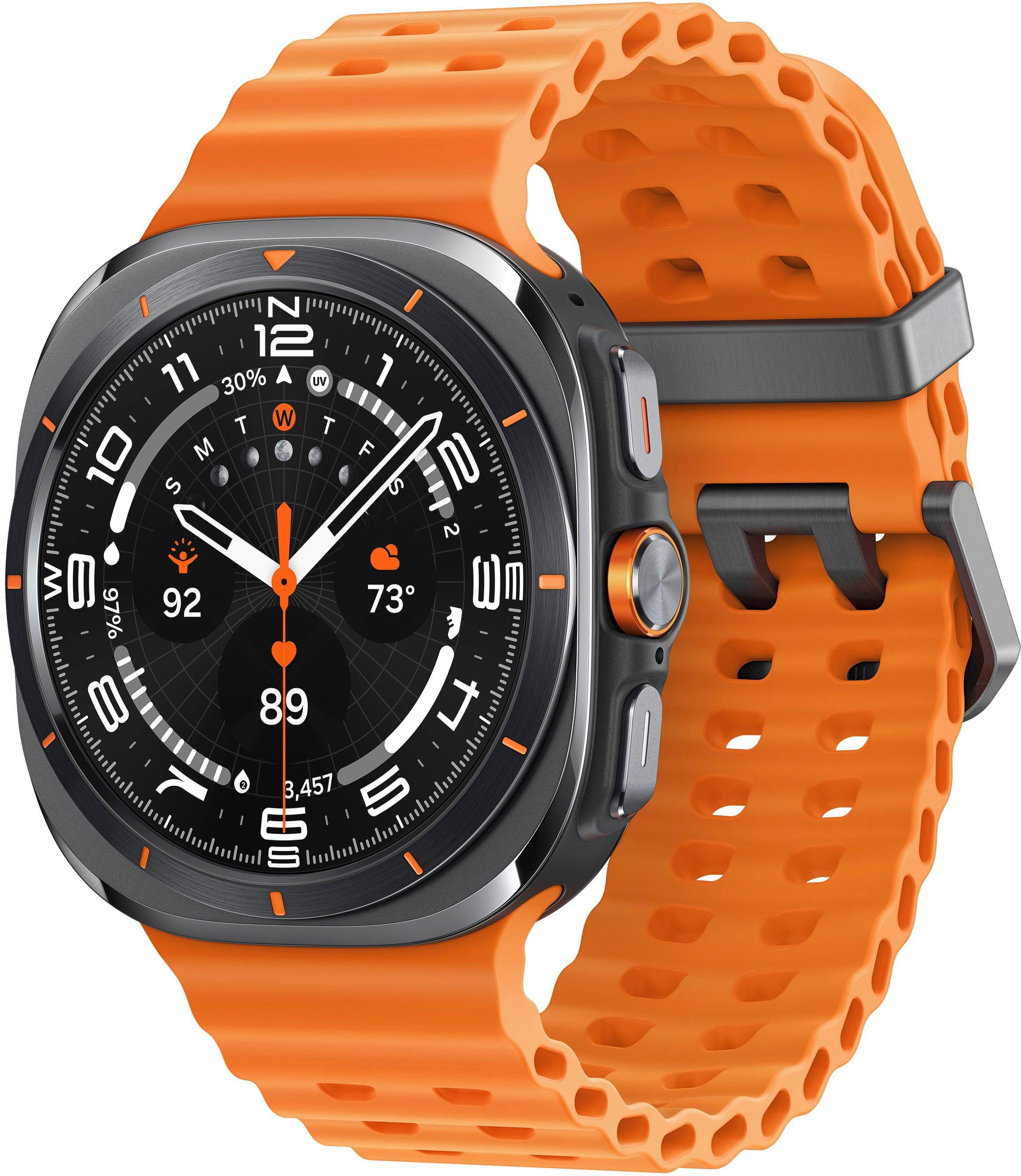
The Samsung Galaxy Watch Ultra also debuted in 2025, but as Samsung's answer to Apple's Ultra series and Garmin's rugged sports watches. It represents a significant technological leap from Samsung's previous generation, particularly in processing power and battery management. The 2025 model introduced the new Exynos W1000 processor built on a cutting-edge 3-nanometer manufacturing process—a technical upgrade that sounds boring but delivers real-world improvements in speed and battery efficiency.
This timing is important because both companies were responding to user feedback from 2023 and 2024 models, incorporating lessons learned about what people actually want from their smartwatches.
The display is arguably the most important component since you'll be staring at it dozens of times daily. Here's where these two watches take completely different approaches.
The Noise ColorFit Pro 6 Max features a generous 1.96-inch AMOLED display with a rectangular shape and 410x502 pixel resolution. AMOLED technology means each pixel produces its own light, creating deep blacks and vibrant colors while consuming less battery when displaying dark content. The rectangular shape maximizes screen real estate—you can actually read full text messages without scrolling, which is surprisingly convenient.
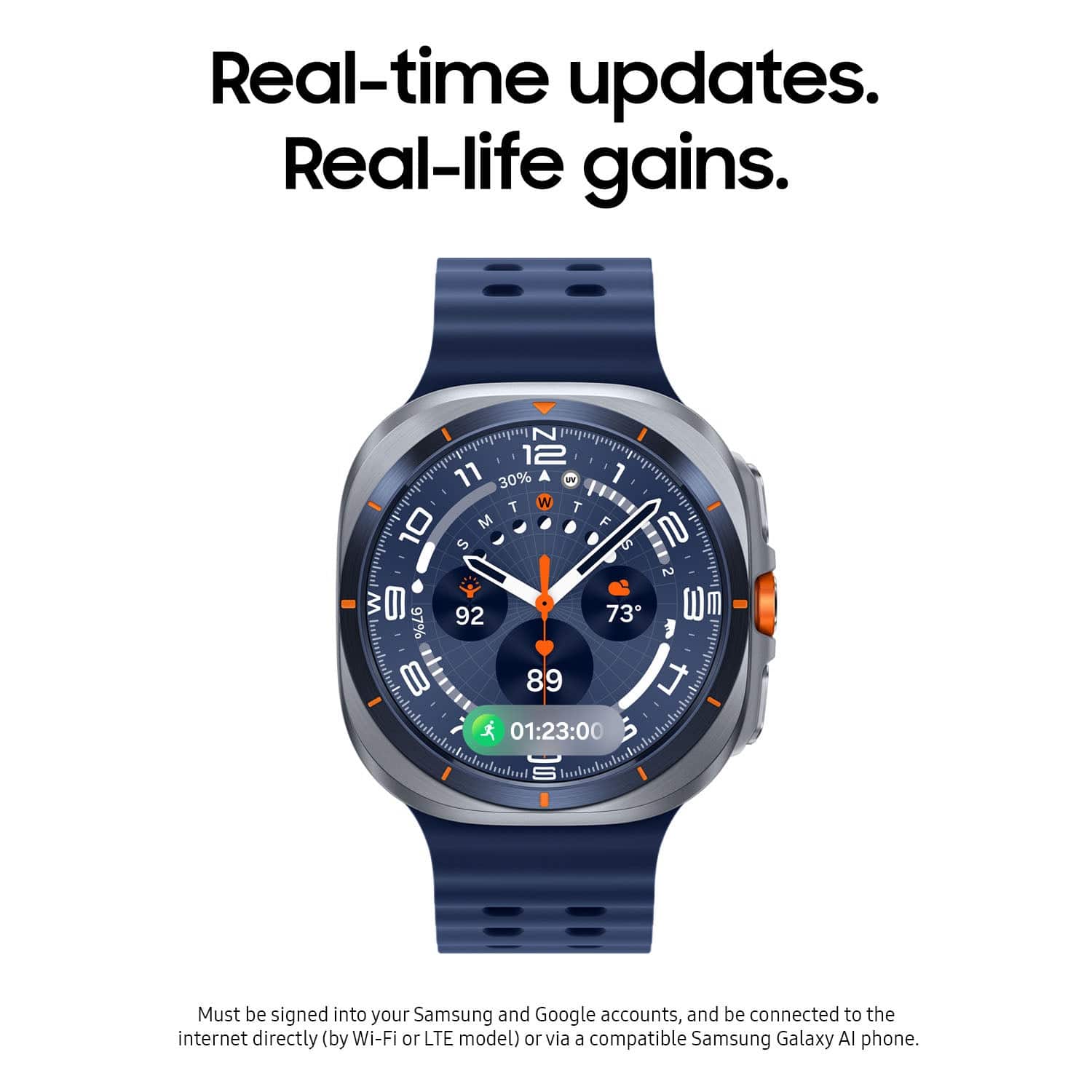
However, the Samsung Galaxy Watch Ultra counters with a smaller 1.5-inch circular Super AMOLED display that pushes 3,000 nits of peak brightness. To put this in perspective, most smartphone screens max out around 1,000-1,200 nits. This extreme brightness means you can actually read the watch face while skiing on a sunny mountain or running during a bright summer afternoon—scenarios where other watches become nearly invisible.
The Samsung also uses sapphire crystal glass, which ranks 9 out of 10 on the Mohs hardness scale. Your typical house keys rank about 5.5, meaning they literally cannot scratch this display. The Noise ColorFit Pro 6 Max uses standard tempered glass, which is perfectly adequate for normal use but will show wear over time.
Based on user reviews, the Samsung's superior brightness and scratch resistance justify its higher cost if you spend significant time outdoors or in bright environments. However, the Noise's larger display area proves more practical for reading notifications and navigating menus—a daily convenience that shouldn't be overlooked.
This is where the price difference becomes most apparent. The Samsung Galaxy Watch Ultra runs on Samsung's Exynos W1000 processor, manufactured using a 3-nanometer process. Without getting too technical, smaller manufacturing processes allow more transistors (the tiny switches that do computing work) to fit in the same space, making the processor both faster and more energy-efficient.
Paired with 2GB of RAM and up to 64GB of storage, the Samsung handles multitasking effortlessly. You can stream music, track a workout with GPS, receive notifications, and run background health monitoring simultaneously without any lag. The Wear OS 5 platform provides access to thousands of apps through the Google Play Store, essentially turning your wrist into a tiny smartphone.
The Noise ColorFit Pro 6 Max uses a more basic EN2 processor with 1.5GB RAM. While specifications aren't fully detailed, real-world performance reviews indicate it handles core functions well but struggles with complex tasks or multiple simultaneous operations. The proprietary Nebula UI is designed to work within these limitations, focusing on smooth animations for basic functions rather than supporting resource-intensive applications.
For most casual users, the Noise's processing power proves perfectly adequate. But if you want to stream Spotify directly from your watch, use navigation apps, or run sophisticated fitness analysis, the Samsung's computational advantage becomes essential.
Both watches monitor heart rate, blood oxygen levels (SpO2), and basic activity metrics, but their approaches differ significantly.
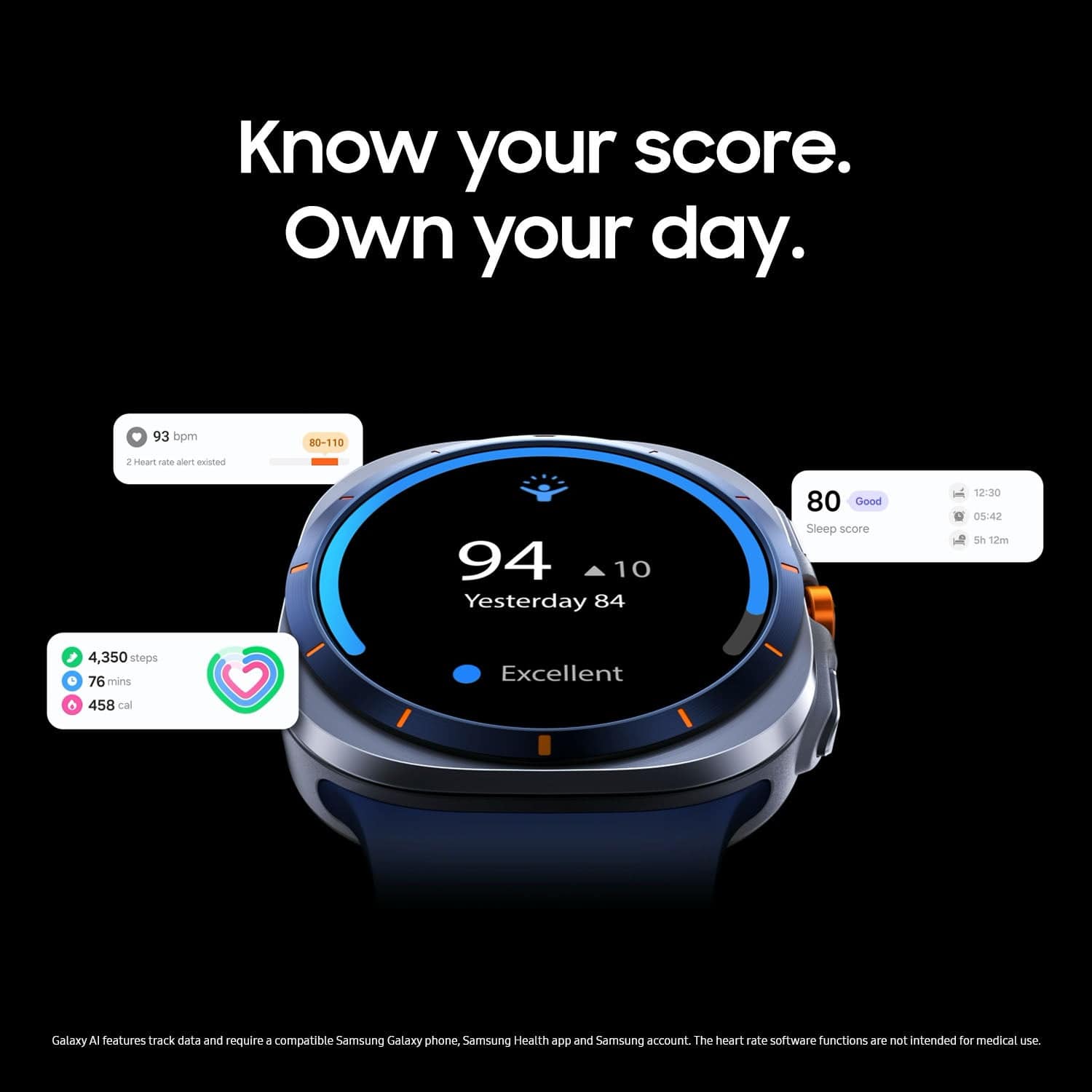
The Samsung Galaxy Watch Ultra incorporates Samsung's BioActive sensor system—a sophisticated array that uses multiple light wavelengths and electrical sensors to measure various health metrics. Independent testing shows its heart rate accuracy matches medical-grade chest strap monitors even during high-intensity interval training. The watch can perform ECG readings (measuring your heart's electrical activity), body composition analysis (estimating muscle mass, body fat percentage, and water retention), and multi-point temperature monitoring.
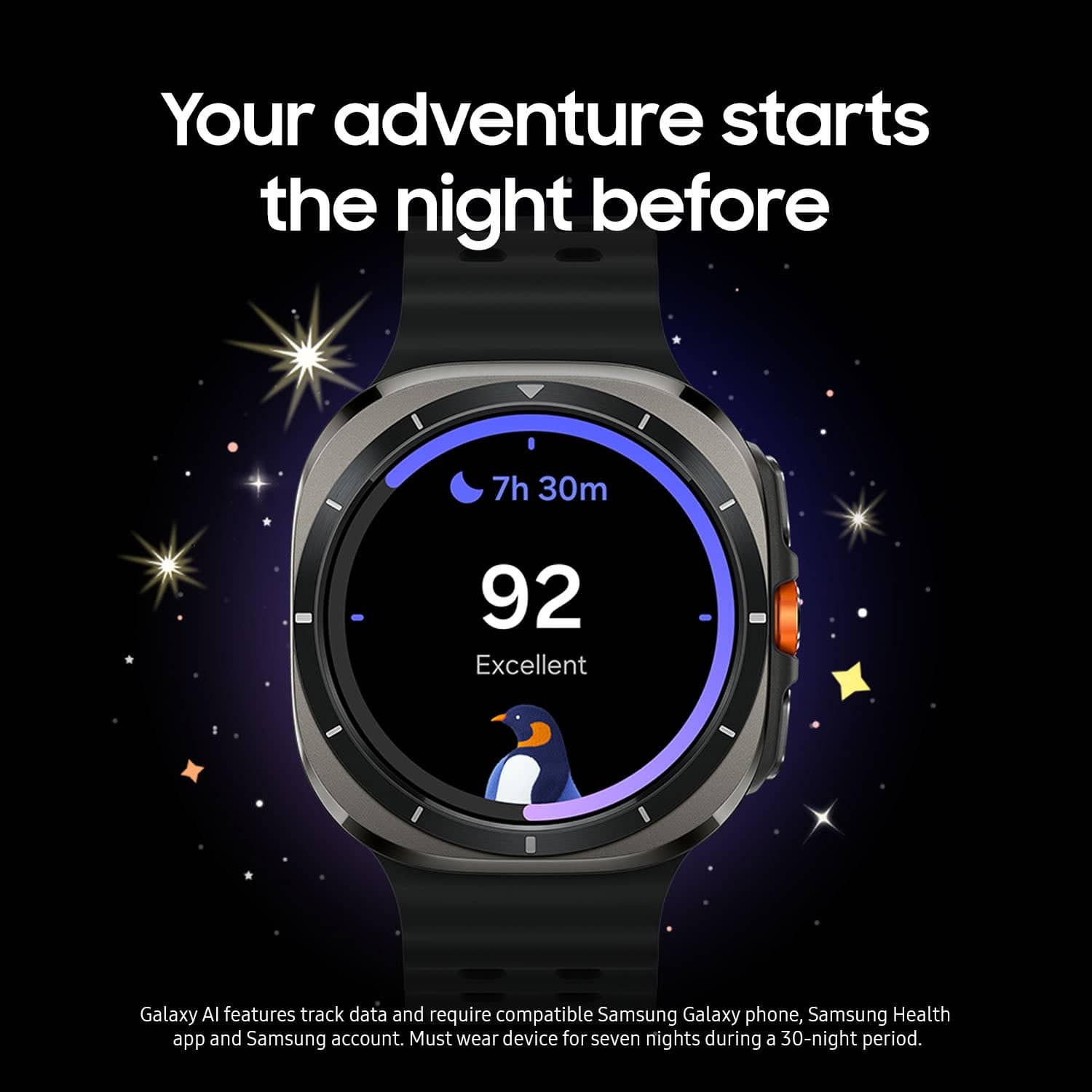
More importantly, the Samsung's health algorithms have been refined through years of data collection and medical partnerships. Features like Samsung Health's sleep coaching analyze not just how long you slept, but sleep stages, environmental factors, and recovery metrics to provide actionable recommendations.
The Noise ColorFit Pro 6 Max offers comprehensive health tracking with over 100 sports modes and continuous monitoring capabilities. However, based on user feedback, its sensors prioritize consistency over clinical accuracy. For casual fitness tracking—counting steps, monitoring sleep patterns, tracking basic workouts—it performs admirably. But if you're training for a marathon or managing a health condition that requires precise measurements, the Samsung's medical-grade sensors justify their premium.
One area where both watches excel is sleep tracking, though the Samsung provides more detailed analysis including sleep debt calculations and personalized recommendations based on your patterns.
GPS capability separates serious fitness watches from casual activity trackers, and here the difference is stark.
The Samsung Galaxy Watch Ultra features dual-frequency GPS supporting both L1 and L5 satellite bands. This technical feature dramatically improves accuracy in challenging environments. Traditional single-frequency GPS struggles in urban areas with tall buildings or dense forest canopy because satellite signals can bounce off surfaces before reaching your watch, creating location errors.
Dual-frequency GPS compares signals from both frequency bands to identify and correct these errors, providing accuracy within 1-2 meters even in difficult conditions. Combined with support for GLONASS (Russian), Galileo (European), and BeiDou (Chinese) satellite systems, the Samsung can maintain precise tracking almost anywhere on Earth.
The Noise ColorFit Pro 6 Max includes basic GPS functionality that works well for casual outdoor activities like neighborhood walks or park runs. However, user reviews indicate it can lose accuracy in challenging environments and takes longer to acquire initial satellite locks.
For serious runners, hikers, or cyclists who need precise distance and pace measurements, the Samsung's GPS superiority is worth the price premium. If you mainly exercise indoors or in open areas with clear sky visibility, the Noise's GPS proves perfectly functional.
Battery management reveals each company's design philosophy clearly.
The Noise ColorFit Pro 6 Max prioritizes longevity with up to seven days of typical use. This approach recognizes that many users want a "set it and forget it" experience—charge weekly, wear constantly, don't worry about power management. For basic fitness tracking and notifications, this strategy works brilliantly.
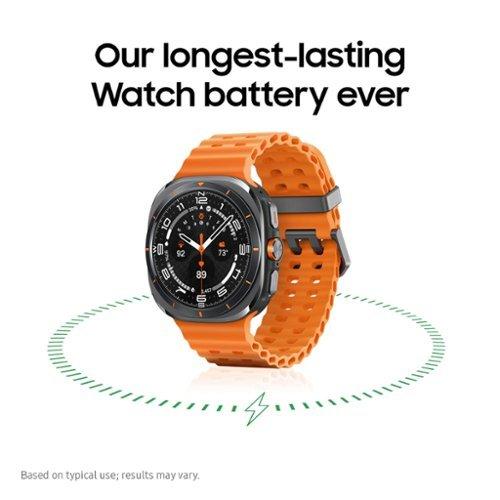
The Samsung Galaxy Watch Ultra takes a more sophisticated approach with its 590mAh battery and intelligent power management. Under normal use (including always-on display, regular notifications, and daily workouts), it provides about 36 hours of battery life. However, its power-saving modes extend this dramatically—up to 100 hours in minimal functionality mode, or 48 hours during GPS-intensive activities like hiking.
More importantly, the Samsung's fast charging reaches 80% capacity in just 45 minutes. This means you can quickly top up before a workout or overnight, making the shorter daily battery life less problematic in practice.
The battery philosophy reflects each watch's intended use: the Noise assumes you want consistent, predictable performance with minimal management, while the Samsung provides flexibility for varying activity levels and intensive use periods.
This represents perhaps the most fundamental difference between these watches.
The Noise ColorFit Pro 6 Max connects to your smartphone via Bluetooth and offers calling capabilities through the paired phone. You can answer calls using the watch's built-in speaker and microphone, control music playback, and receive notifications. However, venture beyond Bluetooth range (typically 30-50 feet), and functionality becomes severely limited.
Crucially, the Noise supports both Android and iOS devices, making it an attractive option for iPhone users who want smartwatch features without Apple Watch pricing.
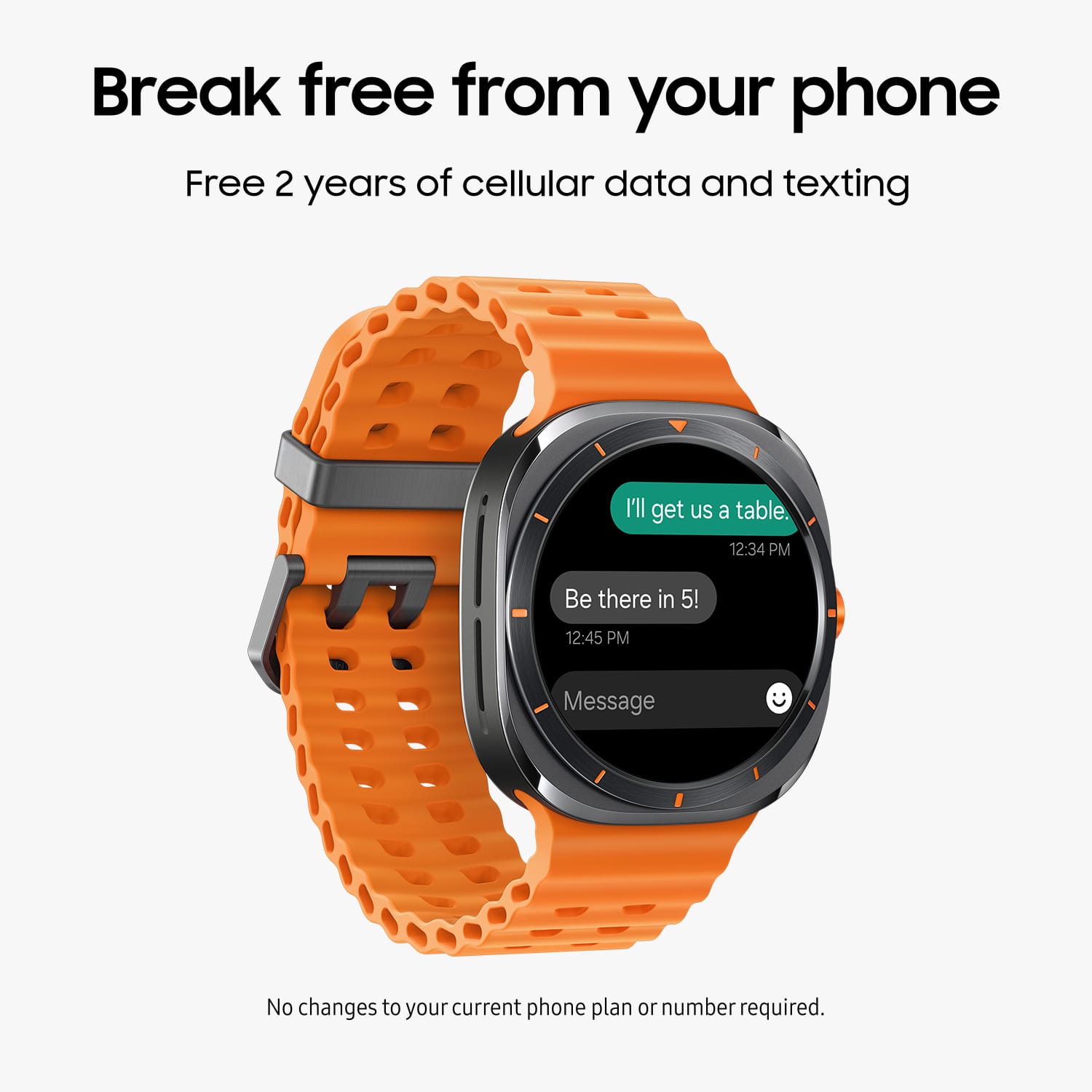
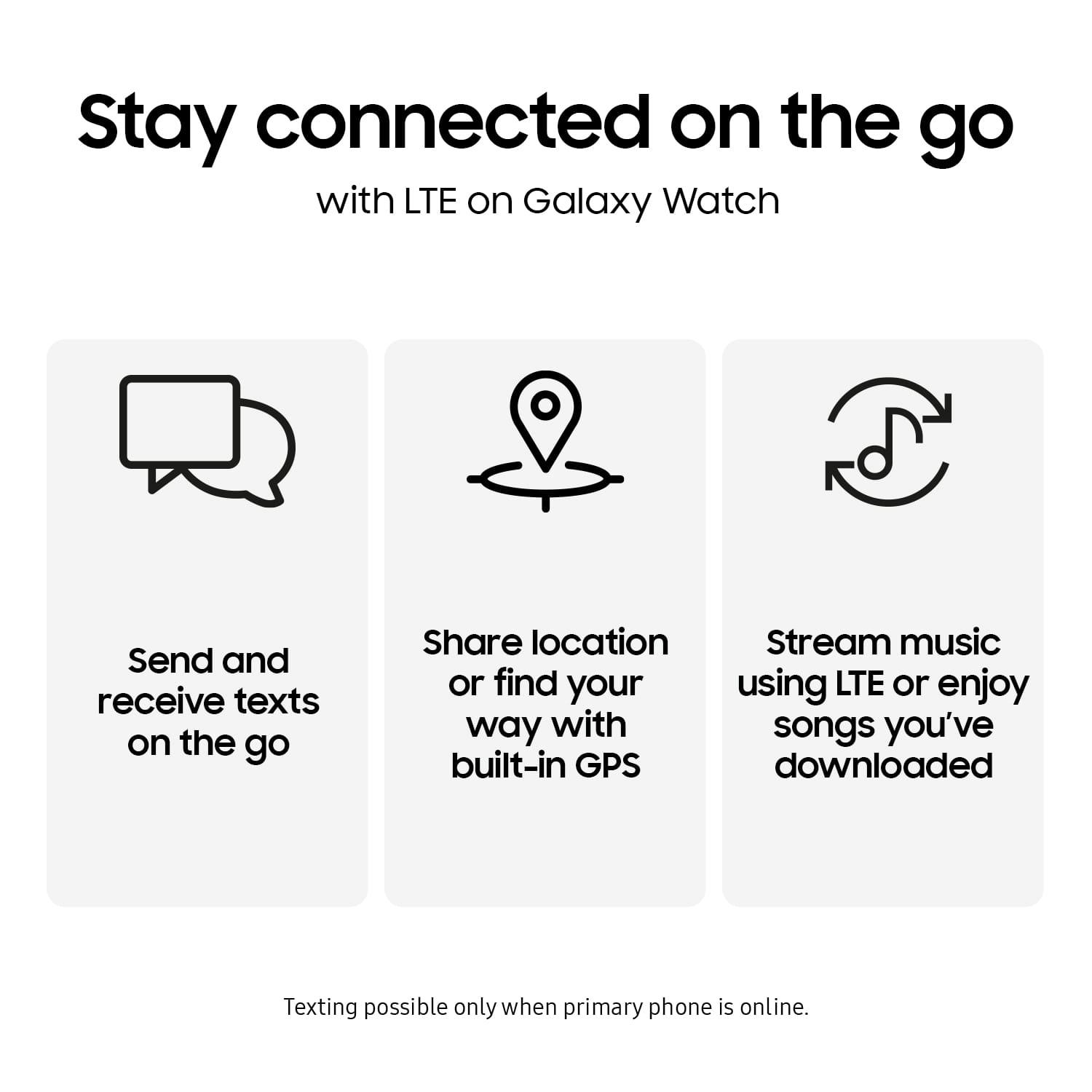
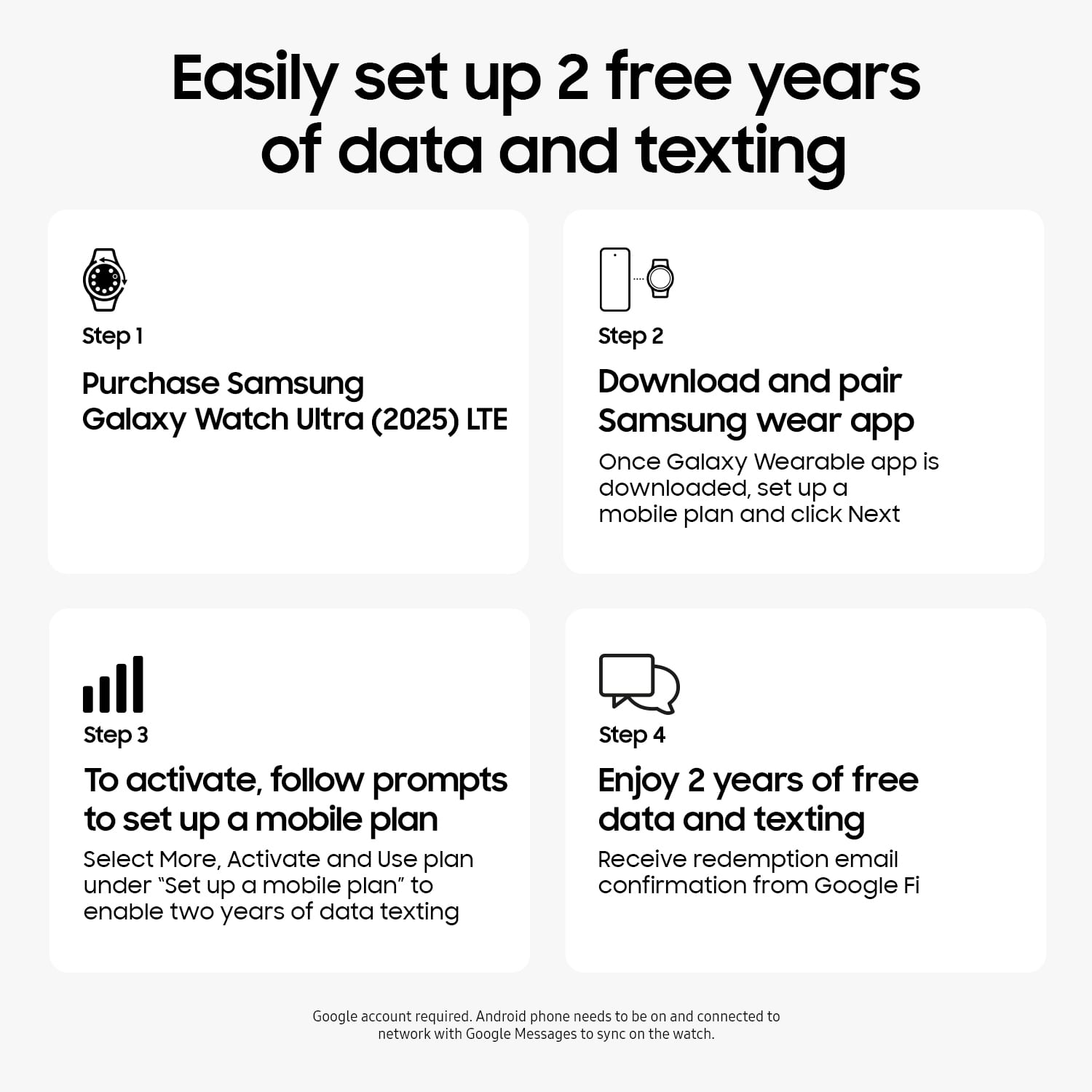
The Samsung Galaxy Watch Ultra includes full LTE cellular connectivity with embedded SIM (eSIM) technology. This means the watch can make calls, send messages, stream music, and access internet services completely independently of your smartphone. You can literally leave your phone at home for runs, hikes, or trips to the gym while maintaining full communication capabilities.
However, this independence comes with caveats: the Samsung only works with Android phones, requires a cellular plan from your carrier (typically adding $10-15 monthly to your bill), and the cellular radio consumes significant battery when active.
For users who want smartphone independence during workouts or outdoor activities, the Samsung's LTE capability justifies both its higher price and ongoing service costs. If you're comfortable carrying your phone for most activities, the Noise's Bluetooth-dependent approach proves more economical.
The construction quality gap reflects each product's intended environment.
The Noise ColorFit Pro 6 Max features a stainless steel case with 5ATM water resistance, meaning it can withstand pressure equivalent to 50 meters underwater. In practical terms, this covers swimming, showering, and most water sports. The build quality feels solid for daily wear, though extended use reviews suggest the case can show scratches and wear over time.
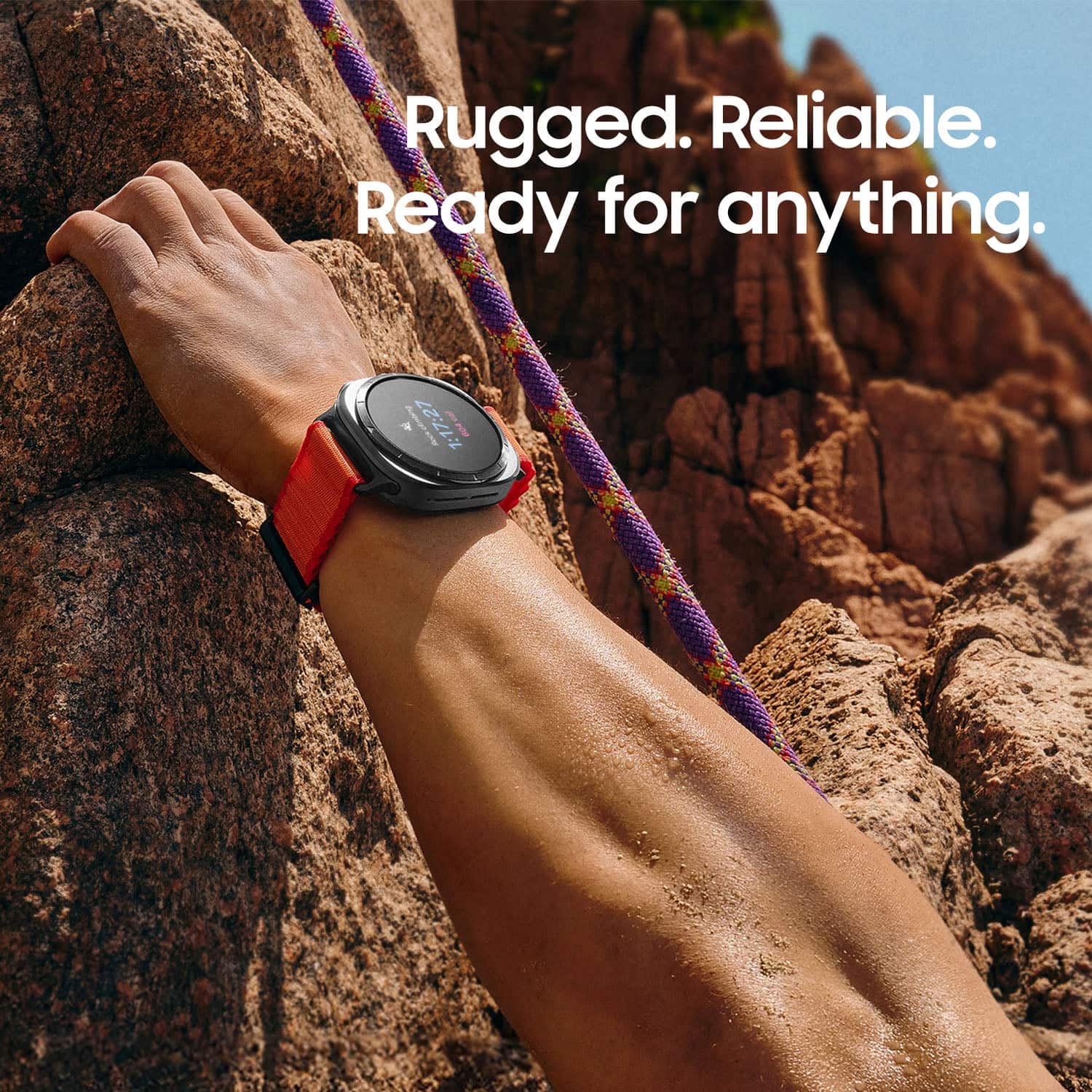
The Samsung Galaxy Watch Ultra uses Grade 4 titanium construction with sapphire crystal glass and meets MIL-STD-810H military durability standards. These certifications mean the watch has been tested to withstand extreme temperatures (from -20°C to +55°C), altitude changes up to 9,000 meters, shock, vibration, and salt fog exposure.
Its 10ATM water resistance rating allows for serious swimming and water sports, though it's not certified for scuba diving. The titanium construction provides superior strength-to-weight ratio compared to stainless steel while being naturally corrosion-resistant.
Users report that the Samsung's build quality justifies its premium positioning, showing minimal wear even after months of intensive outdoor use. However, the titanium case, while lighter than steel, can show scratches more easily than some alternatives.
For casual daily wear, the Noise's build quality proves entirely adequate. If your lifestyle involves outdoor adventures, construction work, or military/emergency services use, the Samsung's military-grade durability becomes a practical necessity rather than a luxury feature.
The software experience highlights the fundamental difference between these watches.
The Noise ColorFit Pro 6 Max runs proprietary Nebula UI 2.0, designed specifically for its hardware limitations. The interface focuses on smooth, intuitive navigation for core functions: health tracking, notifications, basic apps, and customization options. One standout feature is AI-generated watch faces—you can create personalized designs through text prompts, adding a fun customization element typically found only in premium devices.
However, third-party app support is extremely limited. You're essentially locked into Noise's ecosystem and whatever features the company decides to implement.
The Samsung Galaxy Watch Ultra runs Wear OS 5 with Samsung's One UI Watch interface, providing access to the full Google Play Store app catalog. This means you can install banking apps, navigation software, fitness applications, games, and productivity tools directly on your watch.
Google Assistant integration provides sophisticated voice control, while Samsung's Galaxy AI features offer personalized health insights and recommendations. The watch can function as a Samsung SmartThings hub, controlling smart home devices, and supports Google Pay for contactless payments.
For users who want a simple, focused smartwatch experience, the Noise's streamlined approach eliminates complexity and decision fatigue. Power users who want to customize functionality and add capabilities will find the Samsung's open ecosystem essential.
Neither watch specifically targets home theater use, but their smart home capabilities differ significantly. The Samsung Galaxy Watch Ultra can control Samsung TVs and soundbars through SmartThings integration, pause/play streaming content, and adjust volume through voice commands or touch gestures.
The Noise ColorFit Pro 6 Max offers basic media controls for music playback through your connected smartphone but lacks direct smart home device integration.
For serious home theater enthusiasts, the Samsung's broader ecosystem connectivity provides meaningful convenience, though dedicated smart home controllers remain more practical for complex setups.
After analyzing user reviews, expert evaluations, and real-world performance data, clear use cases emerge for each watch.
Choose the Noise ColorFit Pro 6 Max if you want an affordable entry into smartwatch functionality without major compromises. It's perfect for iPhone users seeking Apple Watch alternatives, first-time smartwatch buyers testing the waters, or Android users who prioritize value over premium features. The large display, solid health tracking, and week-long battery life deliver surprising capability for the investment required.
The Samsung Galaxy Watch Ultra makes sense for serious fitness enthusiasts, outdoor adventurers, or professionals working in demanding environments. Its medical-grade health sensors, military durability, standalone cellular capability, and comprehensive app ecosystem justify the premium pricing if you'll actually utilize these advanced features.
Honestly, the decision comes down to matching your budget and usage patterns. The Noise delivers about 80% of typical smartwatch functionality at 20% of the Samsung's cost. But that remaining 20% of capability—GPS accuracy, health sensor precision, durability, and smartphone independence—represents features that become essential once you need them.
Consider your primary use case: casual fitness tracking and notifications favor the Noise ColorFit Pro 6 Max, while serious training, outdoor adventures, or professional demands justify the Samsung Galaxy Watch Ultra's premium positioning. There's no wrong choice, just different priorities and budgets.
| Noise ColorFit Pro 6 Max | Samsung Galaxy Watch Ultra |
|---|---|
| Display Size & Technology - Affects daily usability and outdoor visibility | |
| 1.96" AMOLED rectangular (larger screen, better for notifications) | 1.5" Super AMOLED circular (3,000 nits brightness for extreme outdoor visibility) |
| Build Quality & Durability - Determines lifespan and suitable environments | |
| Stainless steel case, 5ATM water resistance (fine for daily wear and swimming) | Grade 4 titanium, sapphire crystal, 10ATM + MIL-STD-810H (military-grade for extreme conditions) |
| Processor & Performance - Impacts speed and multitasking capability | |
| EN2 processor, 1.5GB RAM (adequate for basic functions) | Exynos W1000 (3nm), 2GB RAM, up to 64GB storage (flagship performance) |
| GPS Accuracy - Critical for outdoor activities and fitness tracking | |
| Built-in GPS (basic accuracy, suitable for casual use) | Dual-frequency GPS (L1+L5) with multi-satellite support (professional-grade precision) |
| Health Sensors - Determines tracking accuracy for serious fitness goals | |
| Heart rate, SpO2, stress monitoring (good for casual health tracking) | BioActive sensor suite with ECG, body composition, temperature (medical-grade accuracy) |
| Connectivity - Affects independence from your smartphone | |
| Bluetooth calling, notifications (requires phone nearby, works with Android & iOS) | Full LTE cellular with eSIM (complete smartphone independence, Android only) |
| Battery Life - Important for travel and extended outdoor activities | |
| Up to 7 days typical use (set-and-forget convenience) | 36 hours normal / 100 hours power-saving (fast charging in 45 minutes) |
| Smart Features & Apps - Determines long-term versatility | |
| Proprietary UI with AI watch faces (limited but focused experience) | Wear OS 5 with Google Play Store (full app ecosystem and voice assistant) |
| Target User - Who gets the best value from each watch | |
| Budget-conscious buyers, iPhone users, casual fitness tracking | Serious athletes, outdoor enthusiasts, professionals needing durability |
The Noise ColorFit Pro 6 Max is better for beginners due to its simpler interface, longer battery life, and lower learning curve. It works with both Android and iOS phones, making it accessible regardless of your smartphone choice. The Samsung Galaxy Watch Ultra offers more features but can overwhelm new smartwatch users with its complexity.
The primary difference is market positioning: the Noise ColorFit Pro 6 Max is a budget-friendly option focusing on essential smartwatch features, while the Samsung Galaxy Watch Ultra is a premium device with military-grade durability, cellular connectivity, and professional-grade health sensors.
The Noise ColorFit Pro 6 Max offers longer daily battery life with up to 7 days of typical use. The Samsung Galaxy Watch Ultra provides 36 hours of normal use but extends to 100 hours in power-saving mode and charges much faster at 45 minutes to 80%.
Only the Samsung Galaxy Watch Ultra can function independently with its built-in LTE cellular connectivity, allowing calls, messages, and internet access without your phone. The Noise ColorFit Pro 6 Max requires Bluetooth connection to your smartphone for most smart features.
The Samsung Galaxy Watch Ultra provides significantly more accurate fitness tracking with its BioActive sensor suite and dual-frequency GPS. Professional reviews show it matches medical-grade devices for heart rate monitoring. The Noise ColorFit Pro 6 Max offers good basic fitness tracking but lacks clinical-grade accuracy.
The Noise ColorFit Pro 6 Max works with both Android and iOS devices, making it a good Apple Watch alternative. The Samsung Galaxy Watch Ultra only works with Android phones, limiting its compatibility for iPhone users.
The Samsung Galaxy Watch Ultra is superior for outdoor activities with its military-grade durability (MIL-STD-810H), 10ATM water resistance, extreme temperature tolerance, and precise dual-frequency GPS. The Noise ColorFit Pro 6 Max handles basic outdoor use but isn't designed for extreme conditions.
Both watches support calling, but differently. The Noise ColorFit Pro 6 Max offers Bluetooth calling through your paired smartphone with built-in speaker and microphone. The Samsung Galaxy Watch Ultra provides full cellular calling independence with LTE connectivity and eSIM technology.
Value depends on your needs. The Noise ColorFit Pro 6 Max offers exceptional value for basic smartwatch functionality at a fraction of premium watch costs. The Samsung Galaxy Watch Ultra provides better value if you need advanced health tracking, cellular independence, and military-grade durability.
The Noise ColorFit Pro 6 Max features a larger 1.96-inch rectangular AMOLED display that's better for reading notifications. The Samsung Galaxy Watch Ultra has a smaller 1.5-inch circular display but with 3,000 nits peak brightness and sapphire crystal protection for superior outdoor visibility and scratch resistance.
The Samsung Galaxy Watch Ultra offers vastly more apps through Wear OS and Google Play Store, including banking, navigation, and productivity apps. The Noise ColorFit Pro 6 Max has limited third-party app support but focuses on core smartwatch functions with AI-customizable watch faces.
The Samsung Galaxy Watch Ultra can control smart home devices through Samsung SmartThings integration and Google Assistant, including TVs and home automation systems. The Noise ColorFit Pro 6 Max offers basic media playback controls through your connected smartphone but lacks direct smart home integration capabilities.
We've done our best to create useful and informative comparisons to help you decide what product to buy. Our research uses advanced automated methods to create this comparison and perfection is not possible - please contact us for corrections or questions. These are the sites we've researched in the creation of this article: moneycontrol.com - youtube.com - youtube.com - cashify.in - youtube.com - cashify.in - firstpost.com - gadgets360.com - youtube.com - gadgetsnow.indiatimes.com - gonoise.com - youtube.com - insightkar.com - croma.com - gonoise.com - manuals.plus - youtube.com - gadgetbytenepal.com - gadgets360.com - timesofindia.indiatimes.com - fonearena.com - media.croma.com - youtube.com - vijaysales.com - smartwatch-straps.co.uk - wareable.com - dcrainmaker.com - pocket-lint.com - sypnotix.com - youtube.com - youtube.com - 9to5google.com - us.community.samsung.com - youtube.com - samsung.com - phonearena.com - versus.com - gsmarena.com - samsung.com - samsung.com - phonearena.com - samsung.com - samsung.com - samsung.com - samsung.com - samsung.com - t-mobile.com - att.com - youtube.com - bestbuy.com - verizon.com - youtube.com - bandletic.com - androidcentral.com - samsung.com - samsung.com - samsung.com - samsung.com

Privacy Policy
Terms and Conditions - Affiliate Policy
Home Security
© Copyright 2008-2026.
11816 Inwood Rd #1211, Dallas, TX 75244