

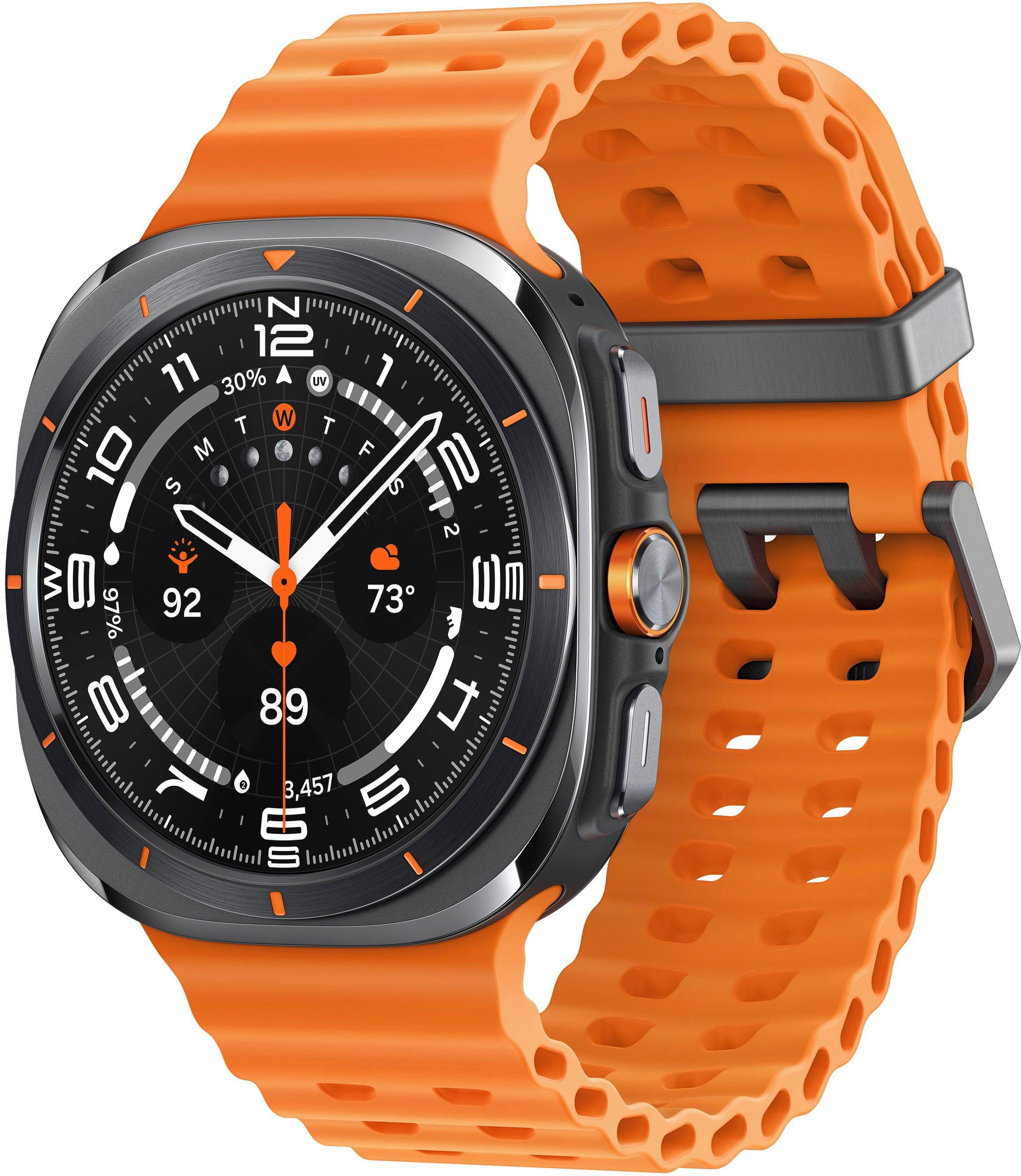
When you're in the market for a premium wearable device, the choice between a feature-packed smartwatch and a specialized dive computer can feel overwhelming. The Samsung Galaxy Watch Ultra and Garmin Descent Mk3 represent two completely different philosophies in wearable technology, and understanding which approach fits your lifestyle is crucial for making the right investment.
Released in 2024, both devices showcase cutting-edge technology, but they're designed for fundamentally different users. The Samsung Galaxy Watch Ultra is Samsung's flagship rugged smartwatch that aims to be your all-in-one wrist companion, while the Garmin Descent Mk3 is a professional-grade dive computer that happens to include smartwatch features as a bonus.
These products highlight an important distinction in the wearable market. On one side, you have comprehensive smartwatches that try to do everything well—from handling your phone calls and messages to tracking your sleep and guiding your workouts. On the other, you have specialized devices built for specific activities first, with general features added as secondary benefits.
The key considerations when choosing between these approaches come down to your primary use case, how much you value specialized performance versus general versatility, and whether you need professional-grade capabilities for specific activities like diving.
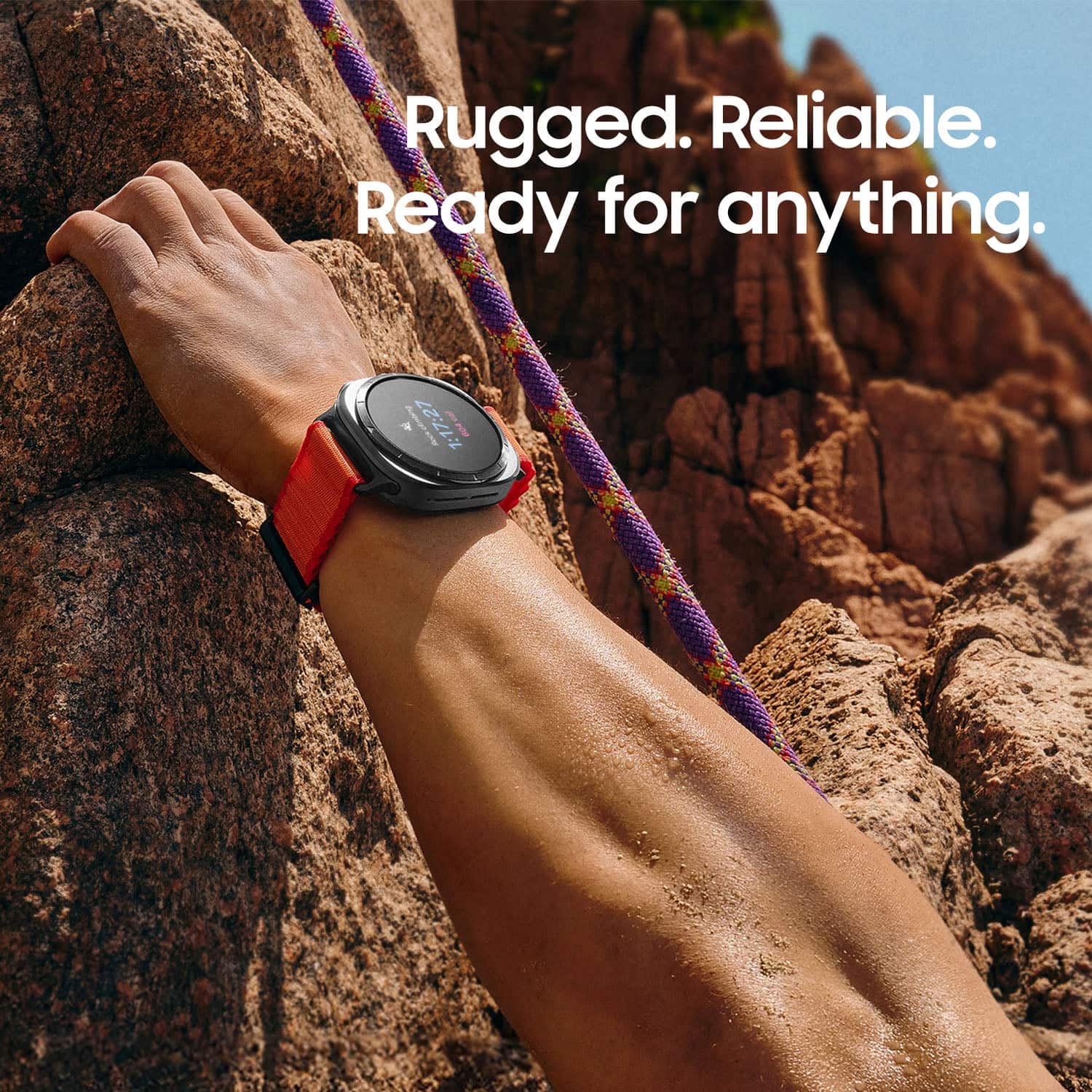
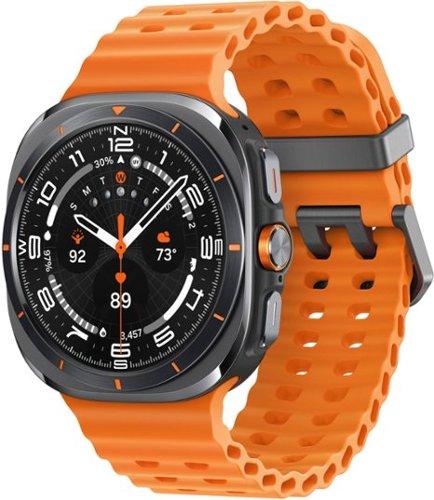
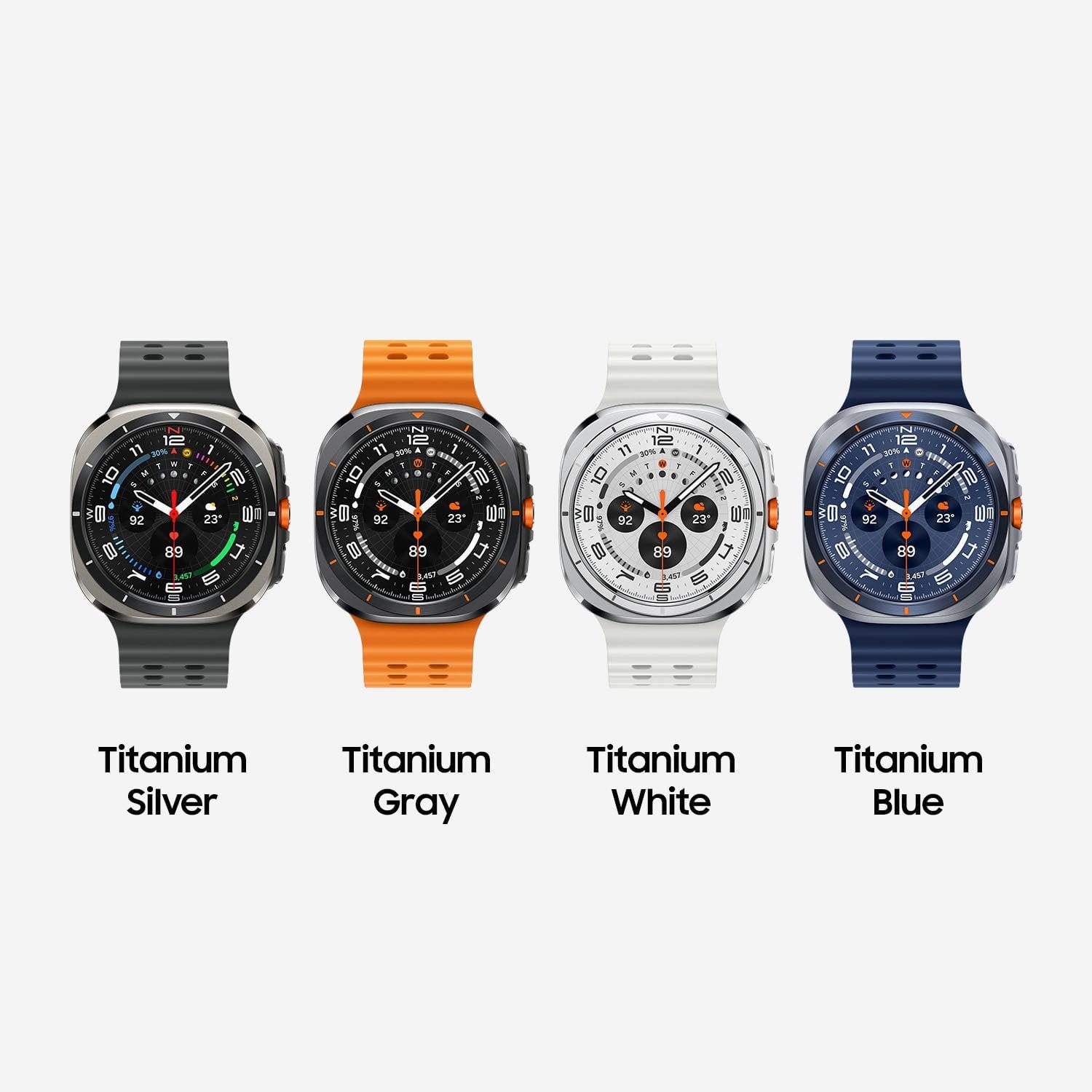
The Samsung Galaxy Watch Ultra takes the luxury route with its Grade 4 titanium frame and sapphire crystal front. This isn't just marketing fluff—Grade 4 titanium is the same material used in aerospace applications because it offers an excellent strength-to-weight ratio while being highly corrosion-resistant. The watch feels substantial on your wrist without being overly heavy, and the sapphire crystal is virtually scratchproof under normal use.
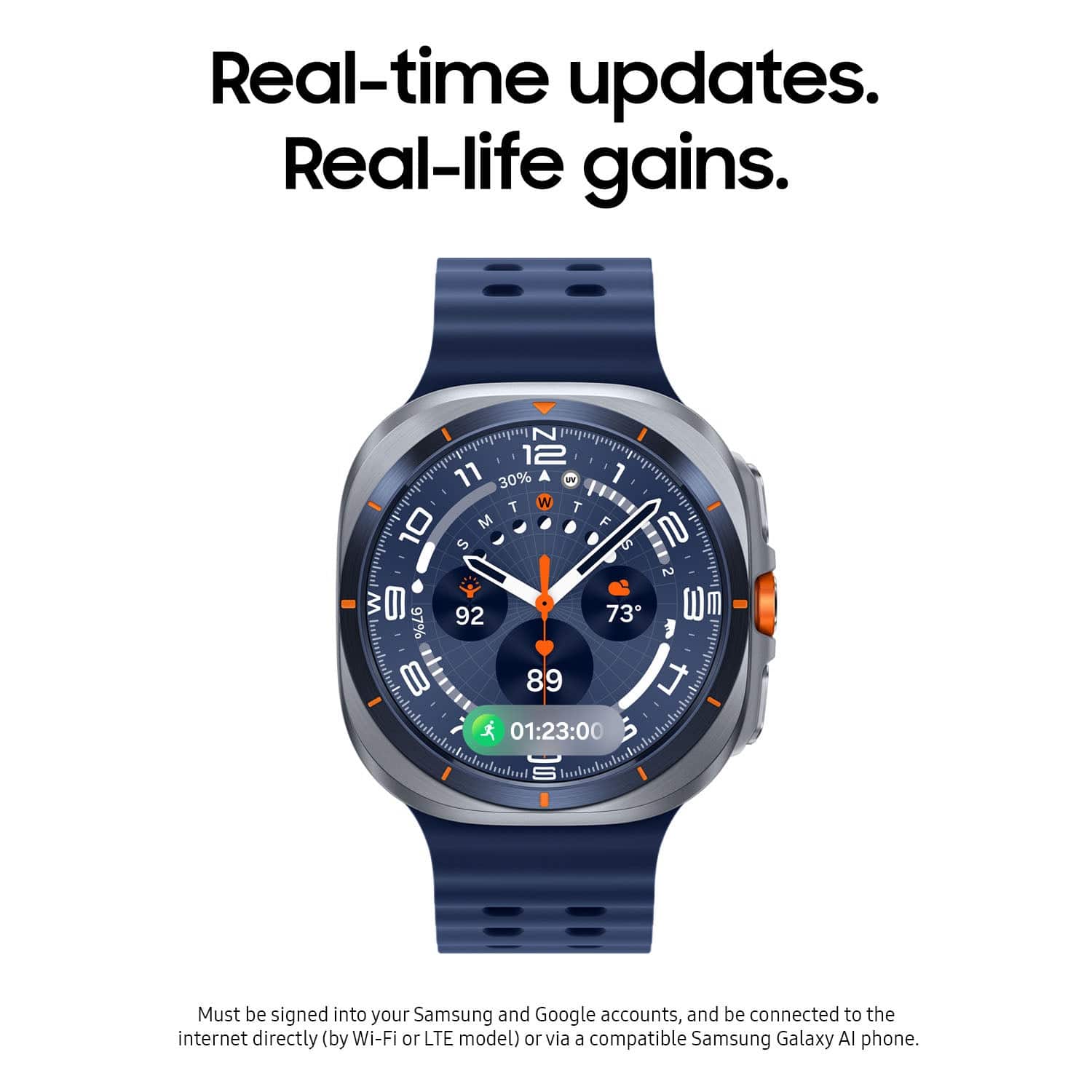
What's particularly impressive about Samsung's approach is the 3,000-nit display brightness. To put this in perspective, most smartphone screens max out around 1,000 nits, and even premium outdoor watches rarely exceed 1,500 nits. This extreme brightness means you can read the screen clearly even in direct sunlight while skiing or hiking at high altitude.
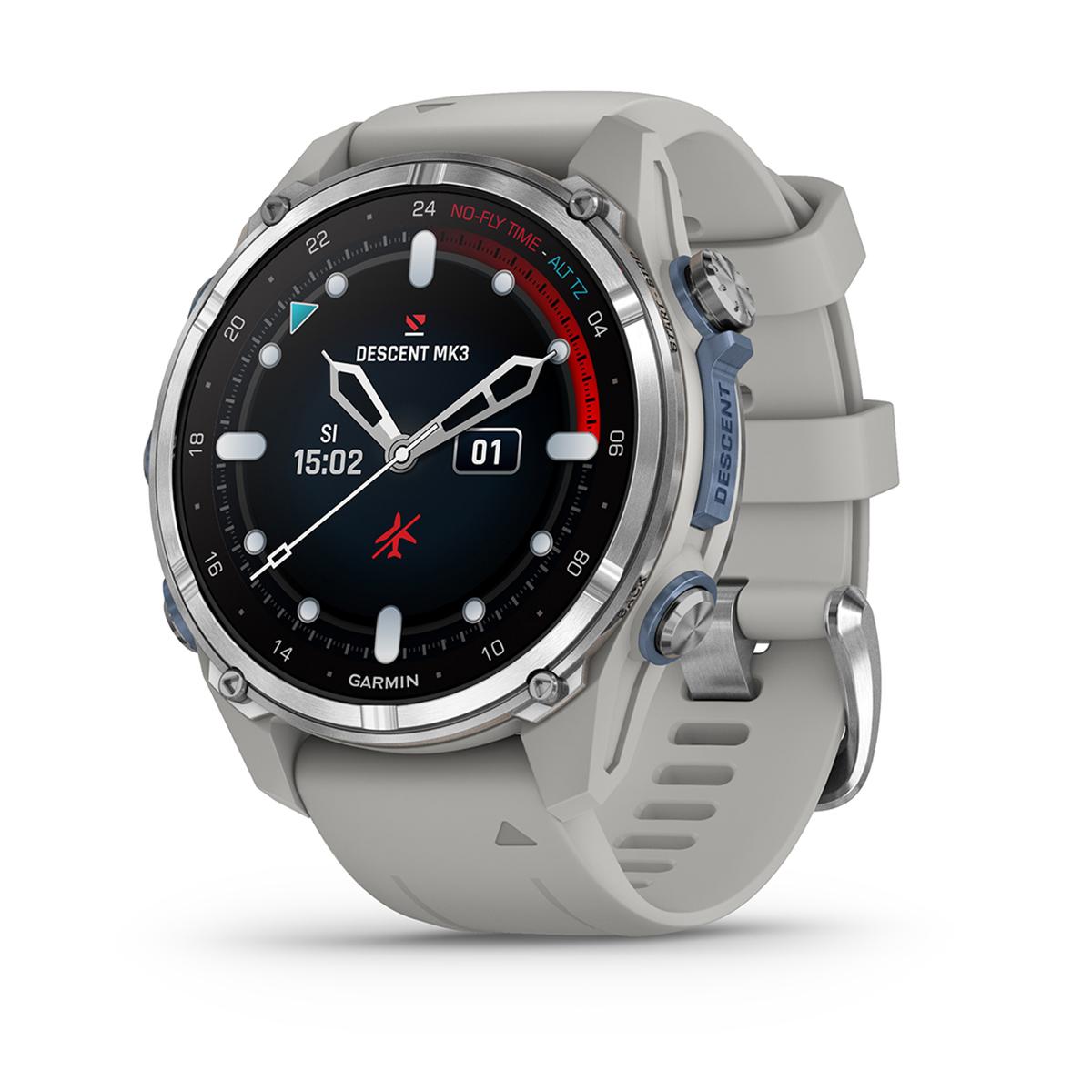
The Garmin Descent Mk3, by contrast, prioritizes functional durability over luxury aesthetics. Its fiber-reinforced polymer case might sound less premium than titanium, but this material choice serves a specific purpose. Polymer is lighter, doesn't conduct cold (important when diving in cold water), and can better withstand the pressure changes that come with deep diving.
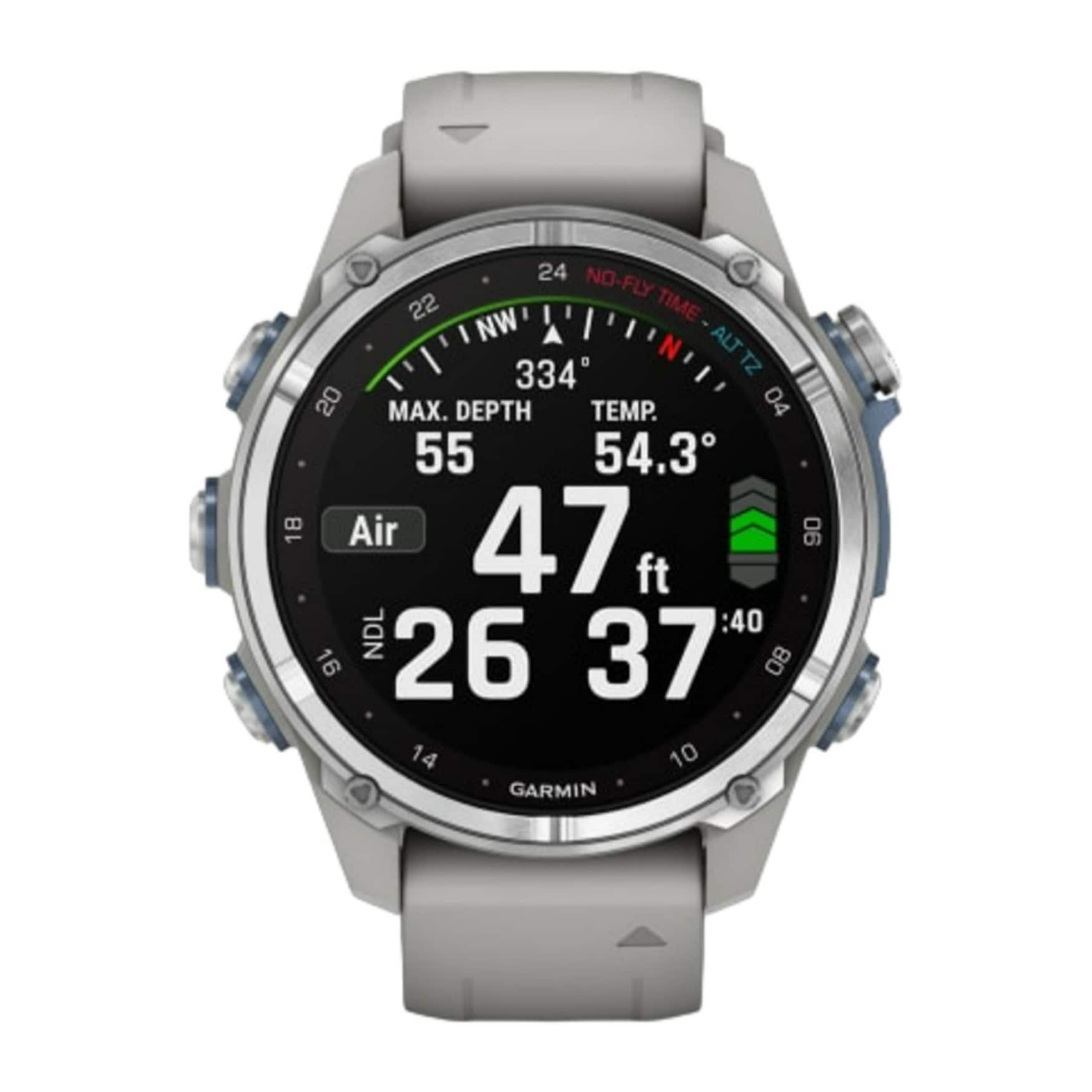
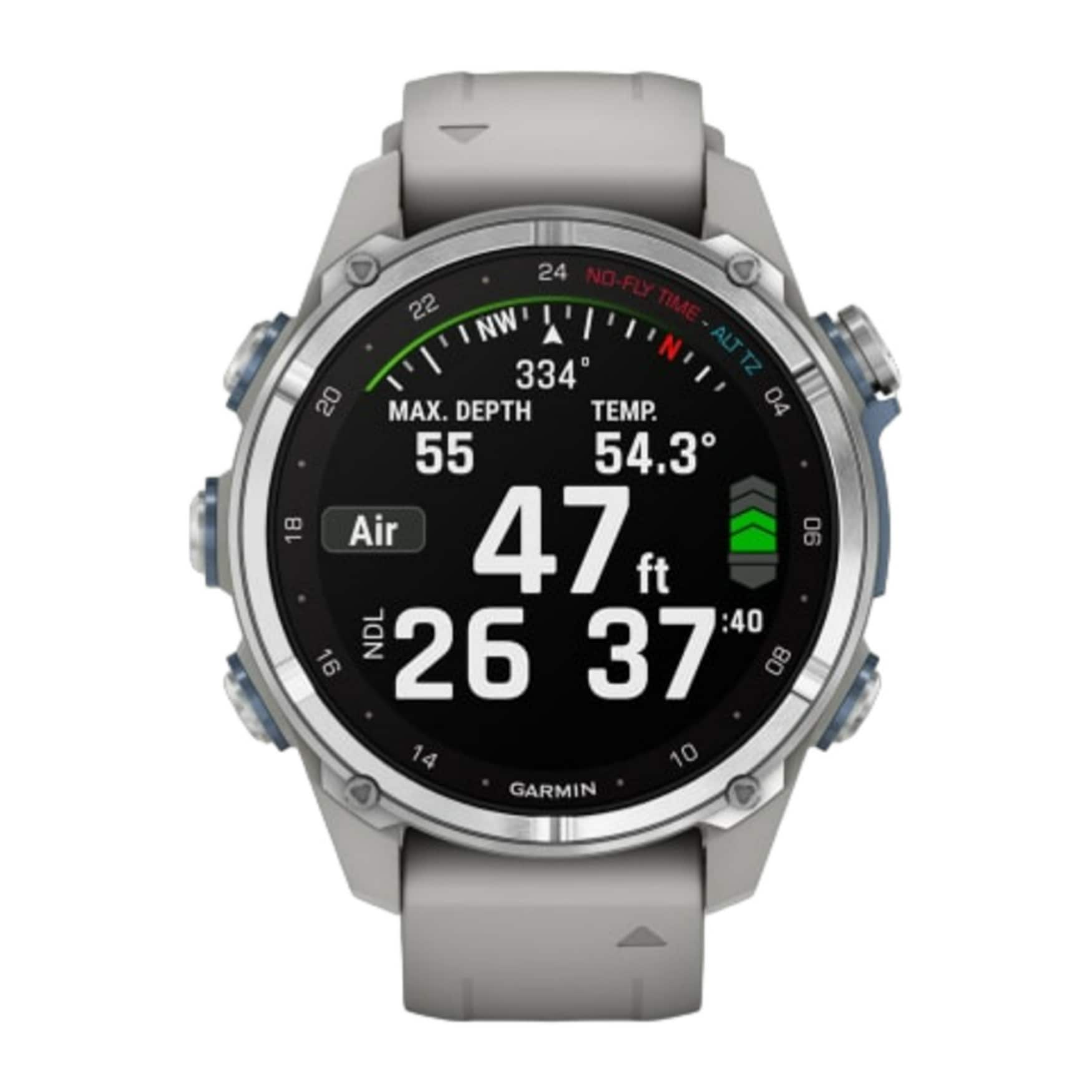
The most significant difference is water resistance capability. While the Samsung Galaxy Watch Ultra offers 10 ATM water resistance (equivalent to 100 meters depth), this rating is designed for surface water activities like swimming and snorkeling. The Garmin Descent Mk3 is rated to 200 meters with full functionality—meaning you can actually use all its features while diving at depth, not just survive being submerged.
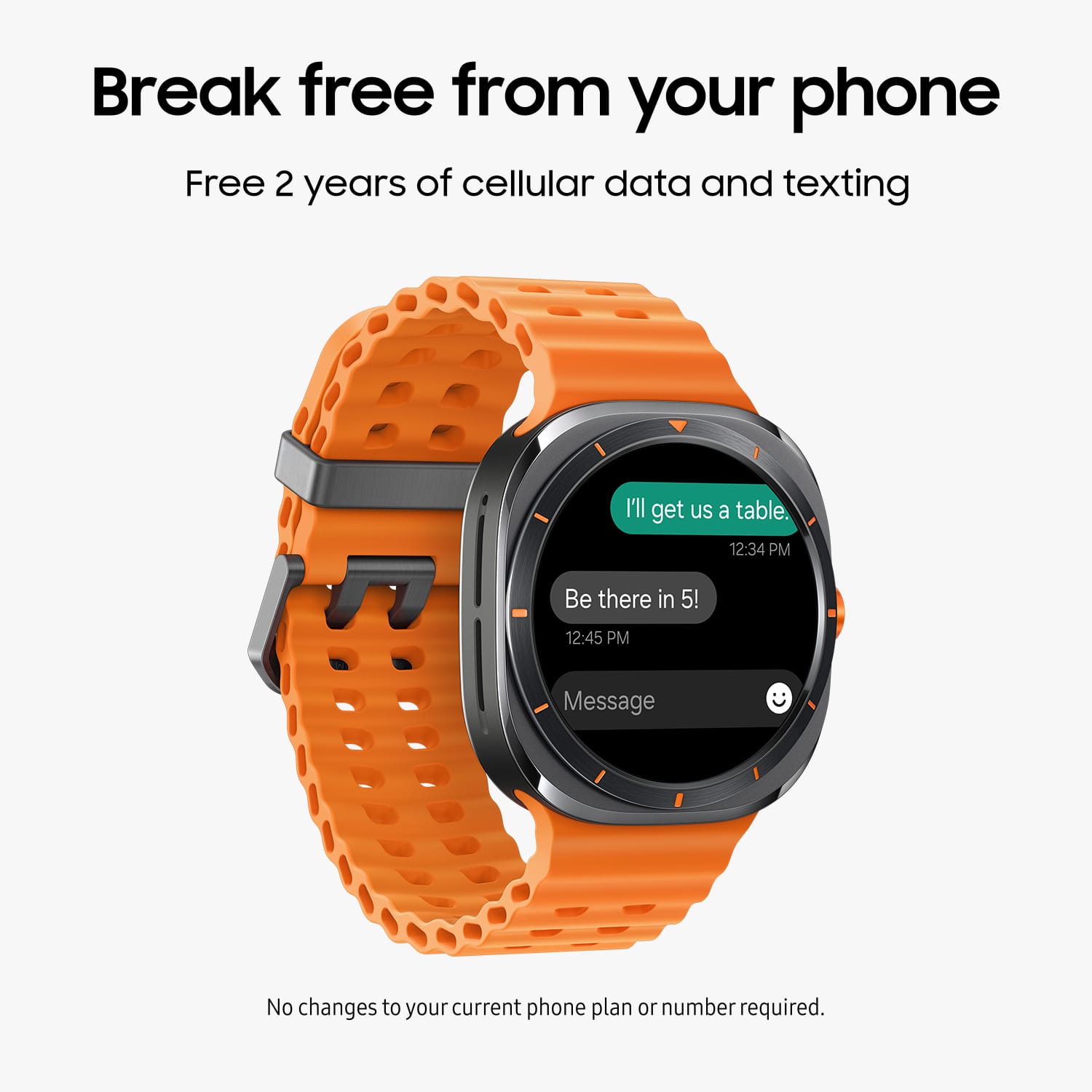
Here's where the philosophical differences become most apparent. The Samsung Galaxy Watch Ultra runs Wear OS 5 with Samsung's One UI Watch overlay, giving you access to the full Google Play Store ecosystem. This means you can install apps for everything from meditation to music streaming, use Google Assistant or Samsung's Bixby, and handle calls, texts, and notifications seamlessly.
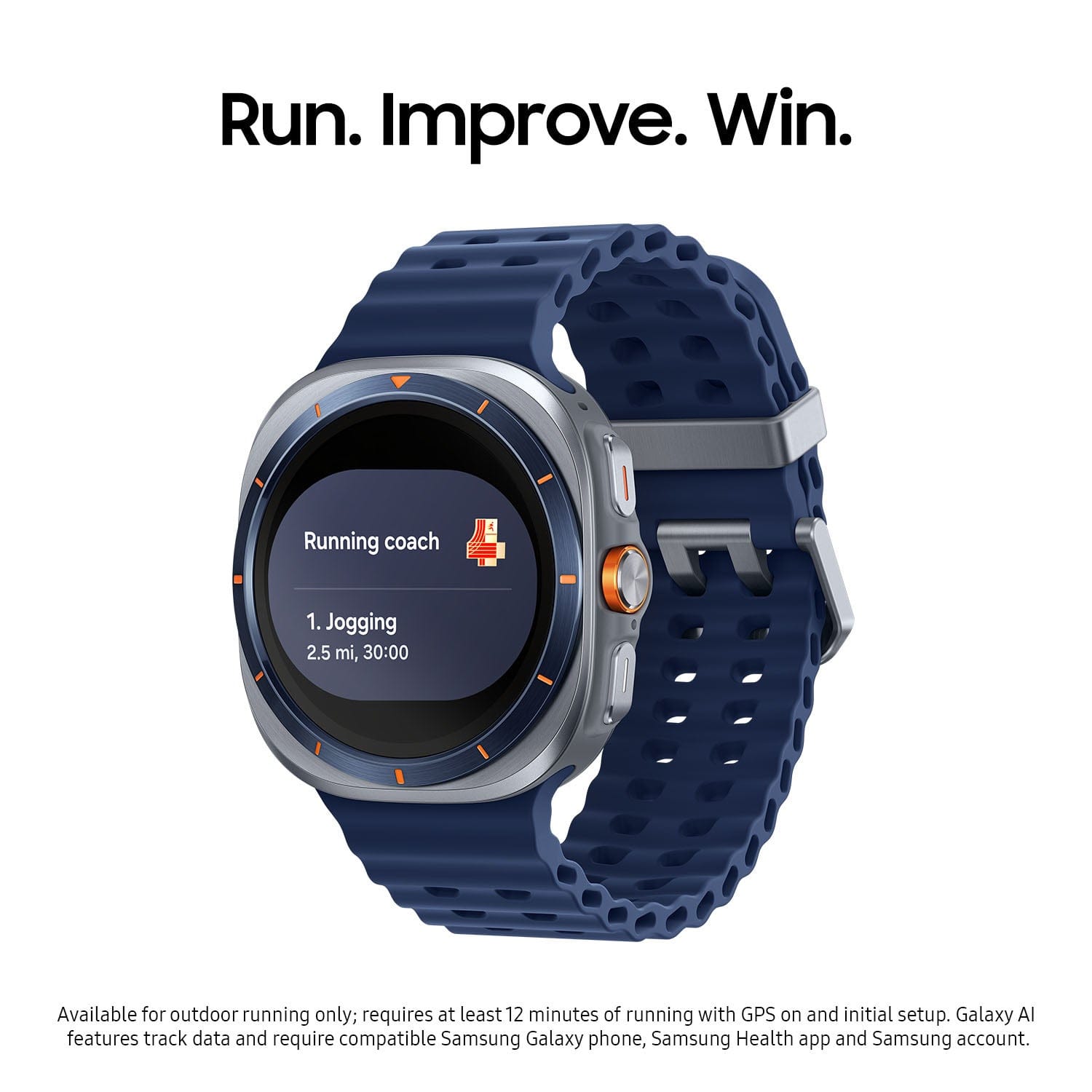
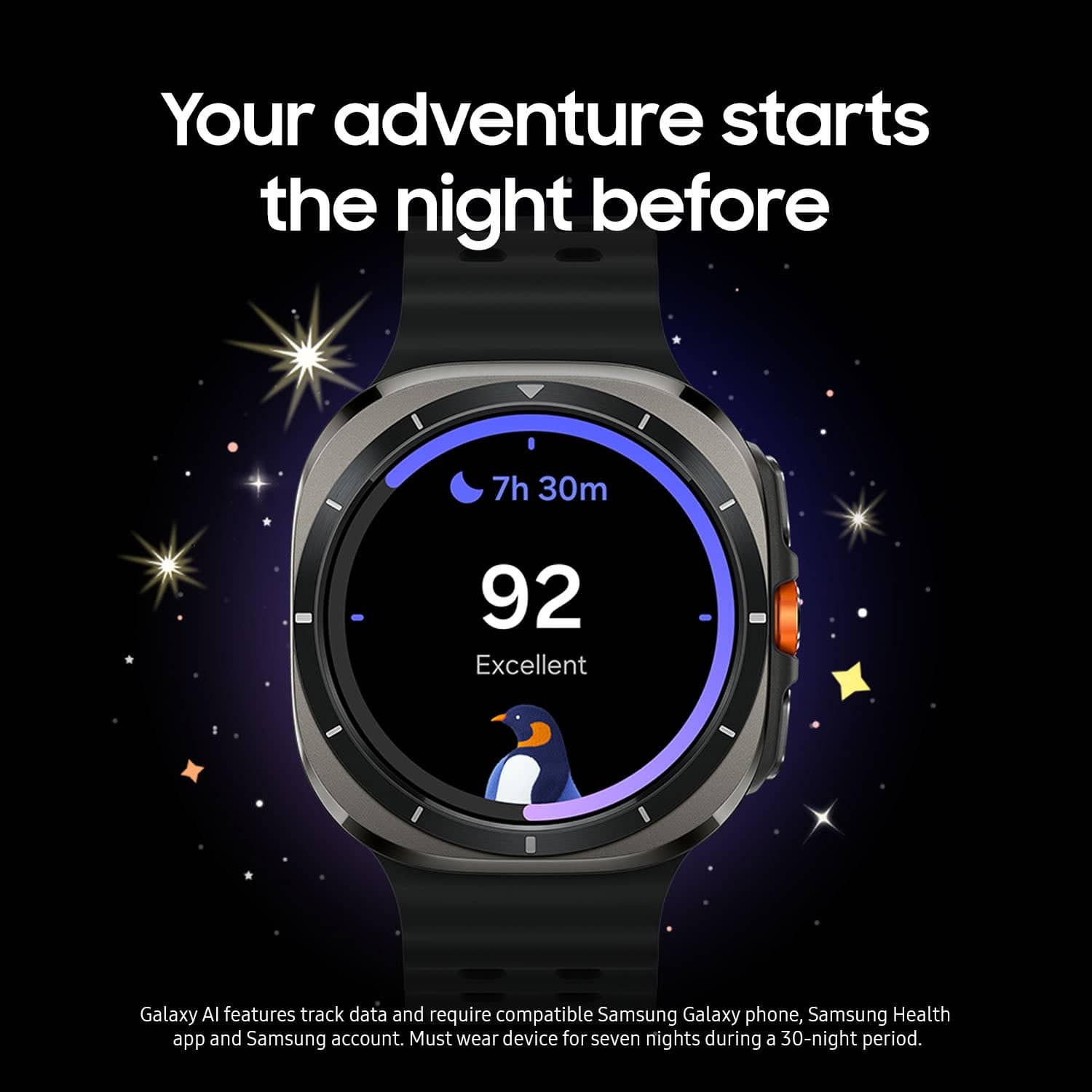
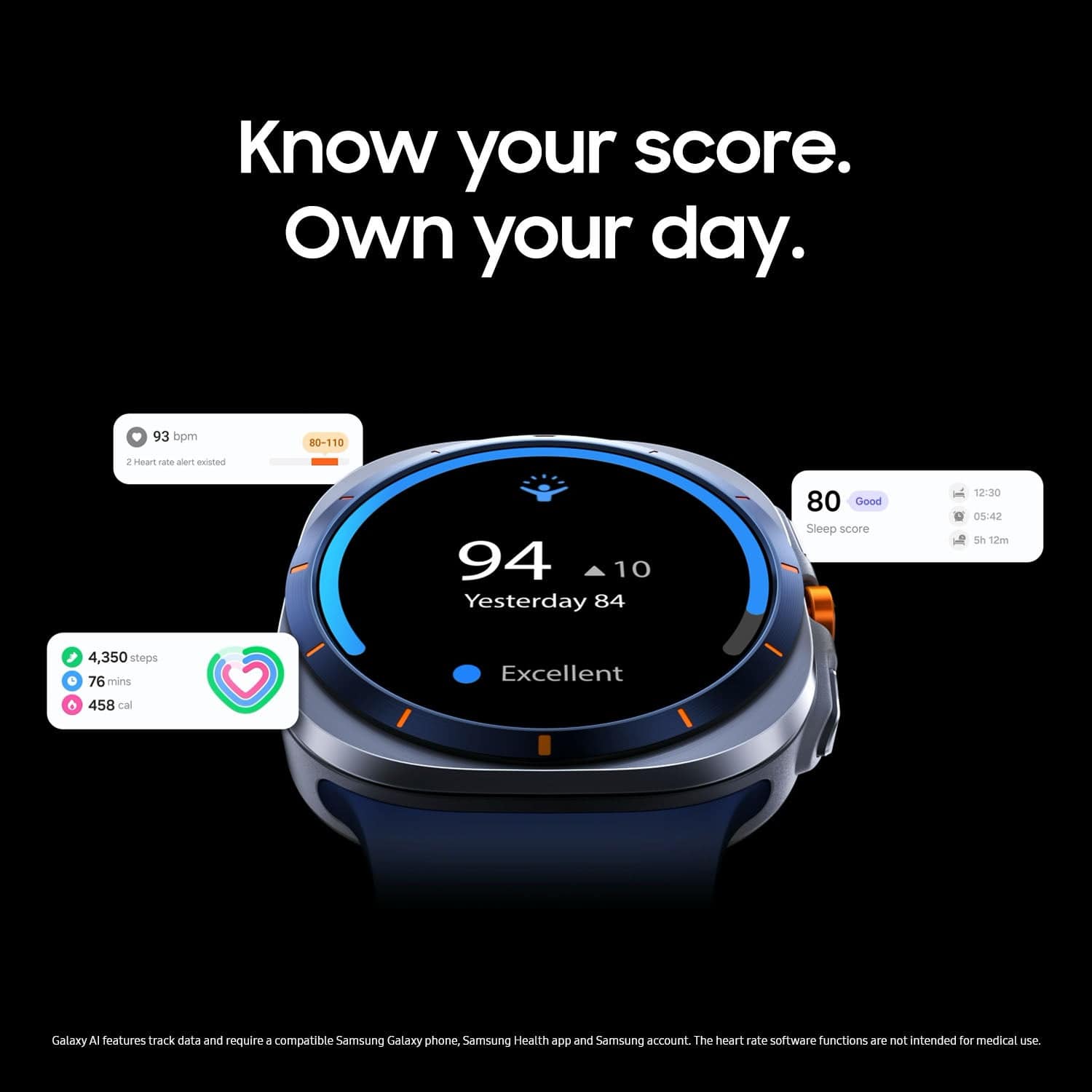
The Galaxy AI integration is particularly noteworthy. The watch doesn't just track your heart rate—it analyzes patterns to provide insights about your energy levels, recovery needs, and even suggests optimal workout timing. The antioxidant index feature, for example, uses multiple sensors to estimate your body's oxidative stress levels, which can help you understand when you might be overtraining or need more rest.
The Garmin Descent Mk3 takes a more utilitarian approach to smart features. You get basic notifications, music storage, and Garmin Pay for contactless payments, but the app ecosystem is limited to Garmin's Connect IQ platform. This isn't necessarily a weakness—it's a design choice that prioritizes battery life and system stability over feature abundance.
Where Garmin excels is in cross-platform compatibility. While the Samsung Galaxy Watch Ultra works best with Android devices (and has limited functionality with iPhones), the Garmin Descent Mk3 works equally well with both iOS and Android devices.
Both devices take fitness tracking seriously, but their approaches differ significantly. The Samsung Galaxy Watch Ultra leverages artificial intelligence to provide personalized insights and coaching. Its BioActive sensor suite can perform ECG readings (electrocardiogram readings that can detect irregular heart rhythms), measure blood oxygen levels (SpO2), and even track your body and water temperature during activities.
The dual-frequency GPS is a standout feature that most people don't fully appreciate. Traditional GPS uses the L1 frequency, which can be inaccurate in urban environments or under tree cover due to signal reflection and blocking. By adding L5 frequency support, the Samsung Galaxy Watch Ultra can maintain accuracy even in challenging environments, making it more reliable for precise activity tracking.
The Garmin Descent Mk3 approaches fitness from a sports science perspective, using algorithms developed over decades of working with athletes. While it may not have AI-powered insights, it provides incredibly detailed metrics that serious athletes rely on. The training load analysis, for instance, helps you understand how different workouts affect your body's various energy systems.
What sets Garmin apart is the dive readiness assessment feature. This analyzes your sleep quality, recent exercise, stress levels, and even jet lag to determine if you're physiologically prepared for diving. It's the kind of feature that demonstrates Garmin's understanding of their target user—someone who needs to make safety-critical decisions based on their physical state.
This is where the products diverge most dramatically. The Samsung Galaxy Watch Ultra is perfectly adequate for recreational water activities. You can wear it while swimming laps, track your strokes, and even measure water temperature. The 10 ATM rating means it can handle recreational snorkeling and shallow diving without issues.
However, the Garmin Descent Mk3 is in an entirely different league when it comes to diving. It uses the Bühlmann ZHL-16c decompression algorithm—the same mathematical model used by professional dive computers to calculate safe ascent profiles and prevent decompression sickness (the bends). This algorithm considers factors like depth, time, and gas mixtures to ensure divers can safely return to the surface.
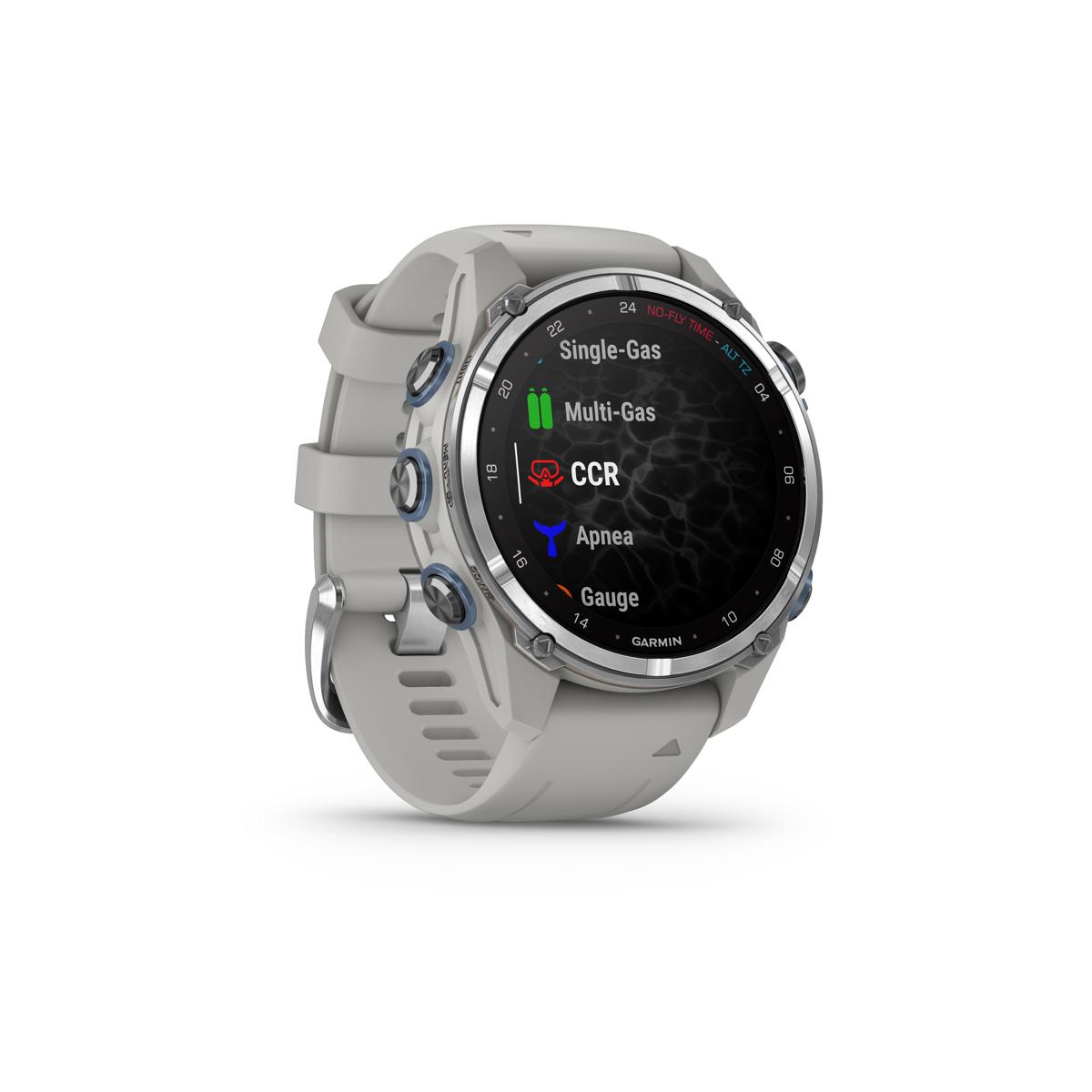
The ability to handle multiple gas mixtures is crucial for technical diving. While recreational divers typically use regular air (21% oxygen, 79% nitrogen), technical divers might use nitrox (higher oxygen content for longer bottom times), trimix (helium mixed in for deep dives), or even pure oxygen for decompression stops. The Garmin Descent Mk3 can manage one bottom gas and up to 11 backup or decompression gas mixtures—a capability that can literally be life-saving for technical divers.
The device also supports closed-circuit rebreather (CCR) diving, where divers recycle their breathing gas through a scrubber system. This type of diving requires extremely precise monitoring of gas mixtures and is typically only done by highly trained technical divers.
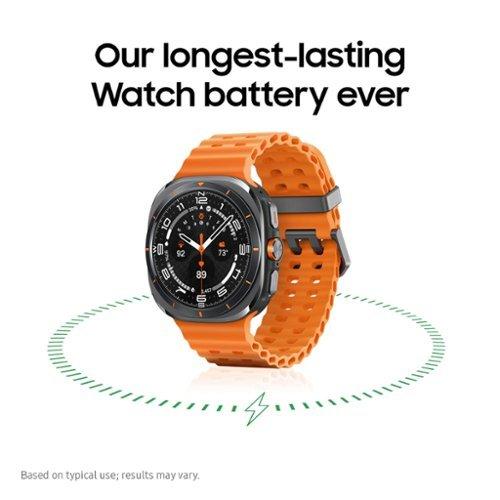
Battery performance reveals how each company optimized for their target user. The Samsung Galaxy Watch Ultra focuses on all-day versatility, offering up to 60 hours of normal use with the always-on display enabled. This is impressive for a device with such a bright screen and comprehensive feature set.
The power-saving mode extending usage to 100 hours is particularly clever—it maintains essential functions like time, basic fitness tracking, and emergency features while dramatically reducing power consumption. For outdoor enthusiasts on multi-day adventures, this could be the difference between staying connected and being completely cut off.
The Garmin Descent Mk3 optimizes differently, prioritizing dive-specific performance. The 30-hour dive mode rating might seem lower, but consider that this means 30 hours of continuous underwater use with all sensors active, calculating decompression algorithms, and potentially logging multiple dives. For context, most recreational diving days involve 2-4 hours of actual underwater time, so 30 hours represents many days of diving.
The 10-day smartwatch mode is achieved through careful power management and a more focused feature set. By not trying to do everything, Garmin can optimize battery usage for the features their users actually need.
The Samsung Galaxy Watch Ultra showcases Samsung's latest Exynos W1000 processor, built on a 3-nanometer manufacturing process. This might sound like marketing jargon, but smaller manufacturing processes generally mean more efficient processors that generate less heat while delivering better performance. The practical result is smoother animations, faster app loading, and better battery efficiency.
The 2GB of RAM and up to 64GB of storage (doubled from previous generations) ensures the watch can handle multitasking and store substantial amounts of music, apps, and data locally. This is particularly valuable when you're away from your phone or in areas with poor connectivity.
The Garmin Descent Mk3 doesn't publish detailed processor specifications, but Garmin's approach focuses on optimization rather than raw power. The dive computer algorithms require precise, real-time calculations, and the system is designed for reliability over flashiness. In diving, a system crash isn't just inconvenient—it could be dangerous.
At the time of writing, these devices occupy different price tiers that reflect their target markets. The Samsung Galaxy Watch Ultra positions itself as a premium consumer device that justifies its cost through comprehensive features and premium materials. For someone who wants a single device to handle communication, fitness tracking, navigation, and entertainment, the value proposition is strong.
The Garmin Descent Mk3 commands a significantly higher price point, but it's competing in the professional dive computer market where safety and reliability are paramount. Compared to other professional dive computers, the addition of smartwatch features actually makes it a relative bargain for divers who would otherwise need separate devices.
The decision between these devices should start with an honest assessment of your primary needs. If you're looking for a premium smartwatch that can handle outdoor adventures and recreational water activities, the Samsung Galaxy Watch Ultra delivers exceptional value. Its combination of smart features, fitness tracking, and rugged design makes it ideal for active professionals who want one device to handle everything.
However, if you're a certified diver who regularly explores underwater environments, the choice becomes clearer. The Garmin Descent Mk3 isn't just a luxury—it's a safety device. Its professional-grade algorithms and deep-water capabilities make it essential equipment for serious diving activities.
For fitness enthusiasts who aren't divers, the decision often comes down to ecosystem preference and feature priorities. Samsung's AI-powered insights and comprehensive app ecosystem appeal to users who want cutting-edge technology and seamless smartphone integration. Garmin's sports science approach and detailed metrics attract athletes who prioritize training optimization and don't need extensive smart features.
The Samsung Galaxy Watch Ultra excels as a daily driver that happens to be extremely capable during outdoor activities. The Garmin Descent Mk3 excels as a specialized tool that provides useful everyday features as a bonus. Understanding this distinction is key to making the right investment for your specific needs and lifestyle.
Both devices represent the pinnacle of their respective approaches, and both justify their premium positioning through exceptional build quality and innovative features. The right choice depends entirely on whether you need a smartwatch that can dive, or a dive computer that can smart watch.
| Samsung Galaxy Watch Ultra 47mm LTE Smartwatch 2025 | Garmin Descent Mk3 Dive Computer 43mm |
|---|---|
| Primary Use Case - Determines if this device fits your lifestyle | |
| Premium smartwatch with rugged outdoor capabilities | Professional dive computer with smartwatch features |
| Display Quality - Critical for outdoor visibility and underwater readability | |
| 1.5" Super AMOLED, 480x480px, 3,000 nits brightness | 1.2" AMOLED touchscreen, 390x390px, standard brightness |
| Water Resistance - Defines safe depth limits for water activities | |
| 10 ATM (100m) - recreational swimming and snorkeling | 200m professional diving rating with full functionality |
| Processor & Performance - Affects speed and battery efficiency | |
| Exynos W1000 (3nm), 2GB RAM, 64GB storage | Proprietary Garmin processor optimized for reliability |
| Operating System - Determines app availability and smartphone integration | |
| Wear OS 5 with full Google Play Store access | Garmin proprietary OS with limited Connect IQ apps |
| Smart Features - Essential for daily smartphone replacement | |
| LTE calling, Galaxy AI insights, comprehensive notifications | Basic notifications, music storage, limited smart features |
| Battery Life - Critical for multi-day adventures or long dives | |
| Up to 100 hours power saving, 60 hours normal use | 10 days smartwatch mode, 30 hours continuous dive mode |
| Diving Capabilities - Professional diving requirements vs recreational use | |
| Basic swim tracking, water temperature sensor | Bühlmann ZHL-16c algorithm, multi-gas support, CCR mode |
| GPS Accuracy - Important for outdoor navigation and activity tracking | |
| Dual-frequency (L1+L5) for improved urban and forest accuracy | Multi-band GPS with SatIQ technology for extended battery |
| Health Sensors - Determines medical and fitness monitoring depth | |
| ECG, SpO2, body/water temp, BioActive sensor suite | Heart rate, pulse ox, depth, temperature, barometric altimeter |
| Build Materials - Affects durability and premium feel | |
| Grade 4 titanium frame, sapphire crystal front | Fiber-reinforced polymer case, titanium bezel, sapphire lens |
| Device Ecosystem - Compatibility with your existing devices | |
| Best with Samsung/Android, limited iPhone functionality | Works equally well with both iOS and Android |
| Target User - Who gets the most value from each approach | |
| Active professionals wanting comprehensive smartwatch features | Certified divers needing professional-grade safety equipment |
The Samsung Galaxy Watch Ultra is significantly better for everyday use as a smartwatch. It offers comprehensive smartphone integration with LTE calling, full Google Play Store access, Galaxy AI health insights, and seamless notification handling. The Garmin Descent Mk3 provides only basic smart features like simple notifications and music storage, making it less suitable as a primary daily smartwatch.
Only the Garmin Descent Mk3 is suitable for actual diving with its 200-meter depth rating and professional Bühlmann ZHL-16c decompression algorithm. The Samsung Galaxy Watch Ultra is limited to recreational swimming and snorkeling with its 10 ATM (100-meter) water resistance, which isn't designed for deep diving or technical underwater activities.
Battery life depends on usage. The Samsung Galaxy Watch Ultra offers up to 100 hours in power-saving mode and 60 hours with normal use, making it better for extended smartwatch functionality. The Garmin Descent Mk3 provides 10 days in smartwatch mode but excels with 30 hours of continuous dive mode operation, which is specifically optimized for underwater use.
The Samsung Galaxy Watch Ultra works best with Android devices and has limited functionality with iPhones. The Garmin Descent Mk3 offers equal compatibility with both iOS and Android devices through the Garmin Connect app, making it more versatile for users who might switch phone platforms.
Both excel at fitness tracking but in different ways. The Samsung Galaxy Watch Ultra offers AI-powered insights, comprehensive health monitoring with ECG and SpO2, and over 100 workout modes with dual-frequency GPS. The Garmin Descent Mk3 provides sports science-based metrics and detailed training analysis preferred by serious athletes, plus unique features like dive readiness assessment.
The fundamental difference is purpose: the Samsung Galaxy Watch Ultra is a premium smartwatch designed for comprehensive daily use with rugged outdoor capabilities, while the Garmin Descent Mk3 is primarily a professional dive computer that includes basic smartwatch features as secondary functionality.
Both are highly durable but for different environments. The Samsung Galaxy Watch Ultra features Grade 4 titanium construction with MIL-STD-810H compliance for general rugged use. The Garmin Descent Mk3 is specifically engineered for extreme underwater conditions with 200-meter depth rating and pressure resistance that exceeds typical smartwatch capabilities.
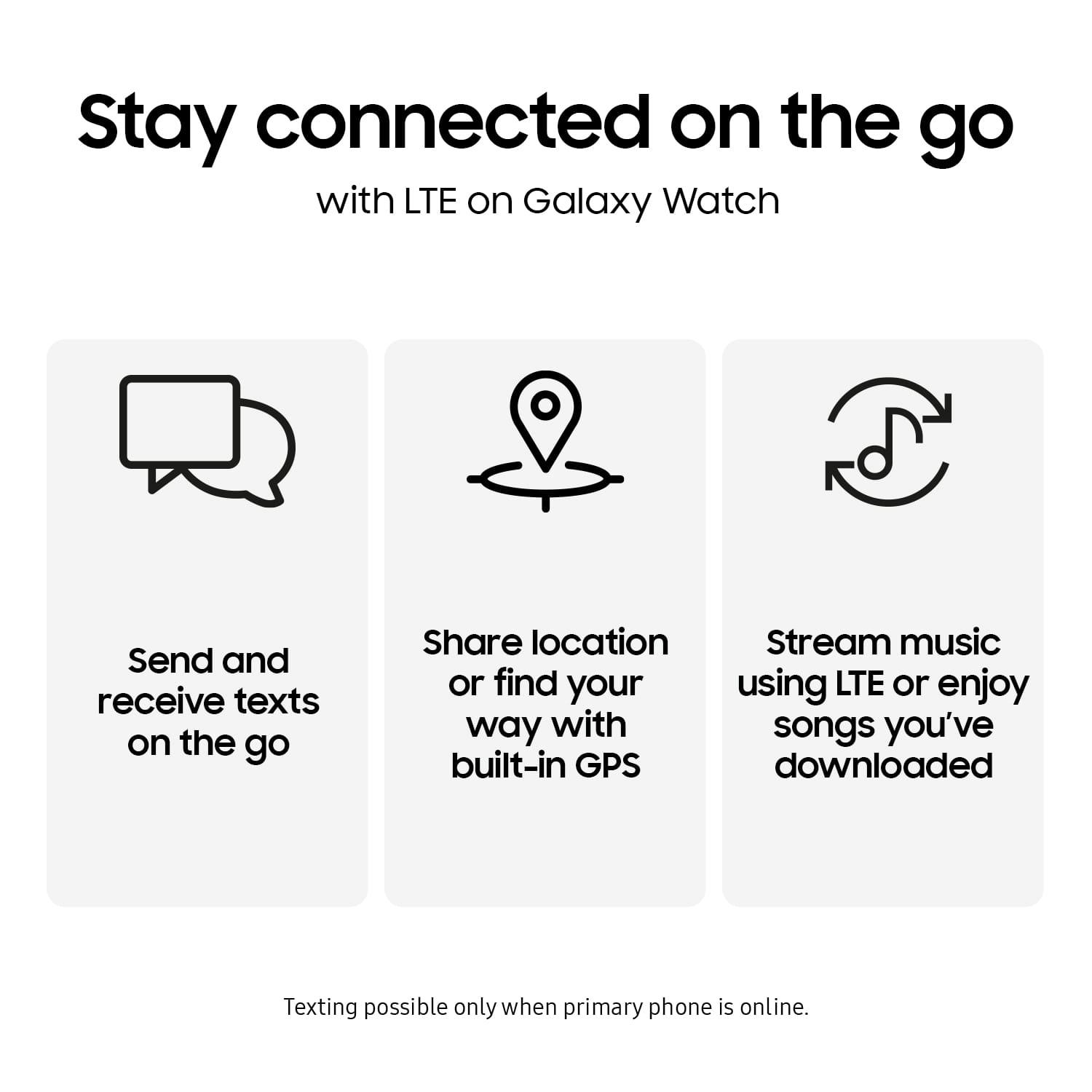
Only the Samsung Galaxy Watch Ultra supports full LTE calling functionality, allowing you to make and receive calls independently from your smartphone. The Garmin Descent Mk3 does not have cellular connectivity and relies on Bluetooth connection to your phone for any communication features.
For general outdoor activities like hiking and camping, the Samsung Galaxy Watch Ultra offers better overall functionality with its bright 3,000-nit display, comprehensive navigation features, and extended battery life. However, for specialized underwater activities, the Garmin Descent Mk3 is unmatched with its professional diving capabilities and waterproof design.
The LTE version of the Samsung Galaxy Watch Ultra can operate independently for calls, messages, and internet connectivity. The Garmin Descent Mk3 can function standalone for diving, fitness tracking, and basic features, but requires smartphone connection for smart notifications and data syncing.
The Samsung Galaxy Watch Ultra has a superior display with its 1.5-inch Super AMOLED screen, higher 480x480 pixel resolution, and exceptional 3,000-nit brightness for outdoor visibility. The Garmin Descent Mk3 has a smaller 1.2-inch AMOLED display that's optimized for underwater readability rather than general smartwatch use.
Choose the Samsung Galaxy Watch Ultra if you want a premium daily smartwatch with outdoor capabilities, comprehensive smart features, and AI-powered health insights. Choose the Garmin Descent Mk3 if you're a certified diver who needs professional-grade diving capabilities, or a serious athlete who prioritizes specialized sports metrics over general smartwatch functionality.
We've done our best to create useful and informative comparisons to help you decide what product to buy. Our research uses advanced automated methods to create this comparison and perfection is not possible - please contact us for corrections or questions. These are the sites we've researched in the creation of this article: smartwatch-straps.co.uk - wareable.com - dcrainmaker.com - pocket-lint.com - sypnotix.com - youtube.com - youtube.com - 9to5google.com - us.community.samsung.com - youtube.com - samsung.com - phonearena.com - versus.com - gsmarena.com - samsung.com - samsung.com - phonearena.com - samsung.com - samsung.com - samsung.com - samsung.com - samsung.com - t-mobile.com - att.com - youtube.com - bestbuy.com - verizon.com - youtube.com - bandletic.com - androidcentral.com - samsung.com - samsung.com - samsung.com - samsung.com - youtube.com - divernet.com - techradar.com - youtube.com - submersiblewrist.substack.com - bluewaterphotostore.com - youtube.com - youtube.com - scubaboard.com - youtube.com - youtube.com - scubaboard.com - scubaboard.com - divemagazine.com - apneapassion.com - thegpsstore.com - support.garmin.com - divegearexpress.com - www8.garmin.com - support.garmin.com - force-e.com - paragondivestore.com - austinsdiving.com - www8.garmin.com - www8.garmin.com

Privacy Policy
Terms and Conditions - Affiliate Policy
Home Security
© Copyright 2008-2026.
11816 Inwood Rd #1211, Dallas, TX 75244