

Choosing the right smartwatch in 2025 feels overwhelming with so many options, but two devices stand out for Android users: the OnePlus Watch 3 43mm and Samsung Galaxy Watch Ultra 47mm. These watches take completely different approaches to the same goal—keeping you connected, healthy, and active. One prioritizes incredible value and all-day comfort, while the other targets serious athletes with premium materials and cutting-edge sensors.
After diving deep into user reviews, expert analyses, and technical specifications, it's clear these watches serve different audiences despite running similar software. The OnePlus Watch 3 delivers flagship features at a mid-range price, while the Samsung Galaxy Watch Ultra justifies its premium positioning with materials and capabilities you won't find elsewhere. Let's break down exactly what makes each special and who should choose what.
The Android smartwatch market has matured significantly since Google launched Wear OS. Both the OnePlus Watch 3 and Samsung Galaxy Watch Ultra run Wear OS 5, giving them access to Google's ecosystem including the Play Store, Google Pay, and Assistant integration. However, each manufacturer adds their own software layer and unique features.
The key considerations when choosing between premium Android smartwatches come down to size and comfort, battery endurance, build quality and durability, health tracking accuracy, ecosystem integration, and overall value. These factors matter differently depending on whether you're a casual fitness enthusiast or a serious athlete pushing boundaries in extreme conditions.
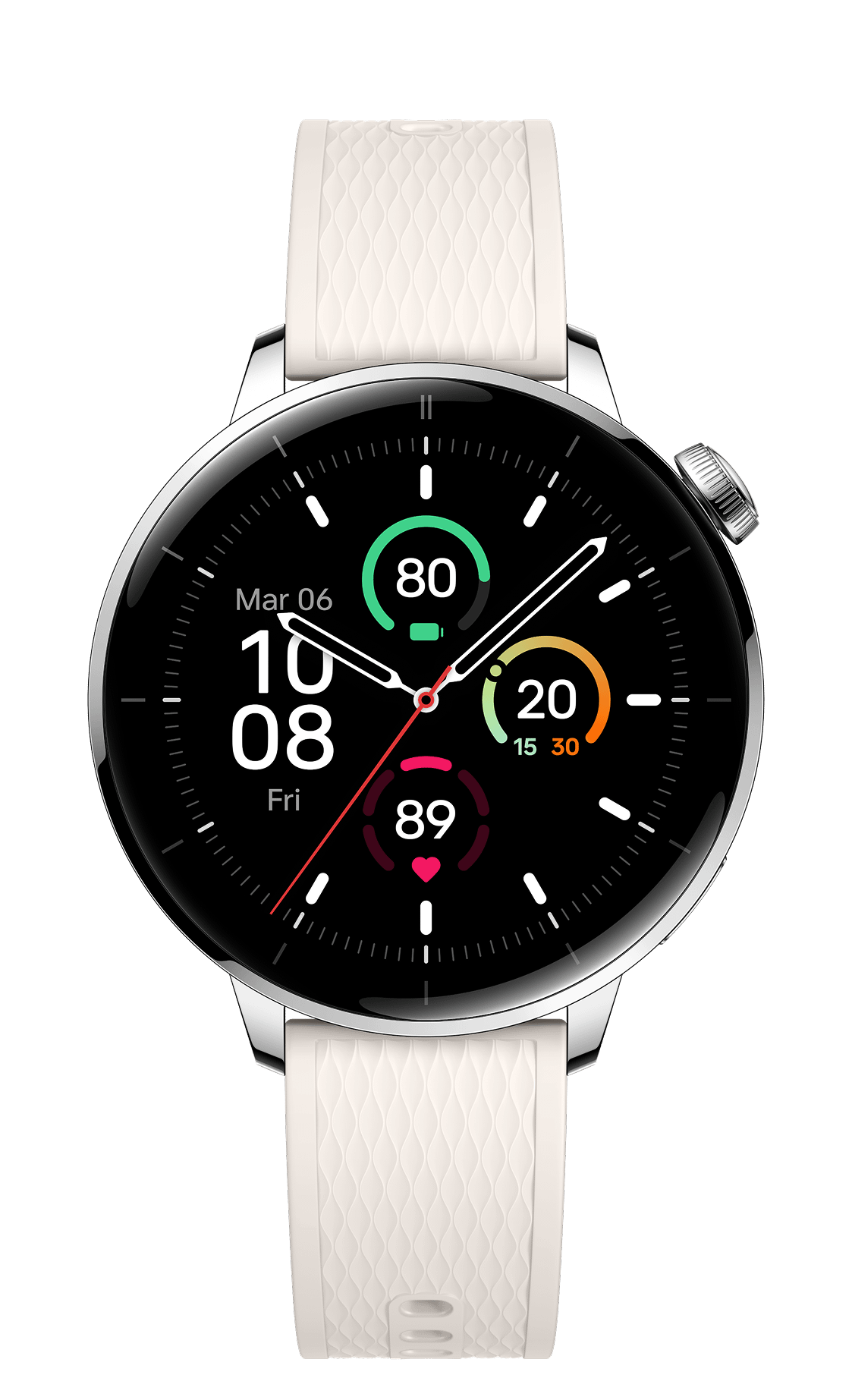
The most immediately noticeable difference is size. The OnePlus Watch 3 43mm measures exactly that—43mm across—making it significantly smaller than Samsung's 47mm offering. This 4mm difference translates to a much more noticeable gap in wrist presence than you might expect.
At just 67 grams with the strap, the OnePlus Watch 3 feels remarkably light on your wrist. You'll forget you're wearing it during sleep tracking or long workdays. The stainless steel construction with a clean, round face gives it a classic smartwatch look that works equally well with workout gear or business attire.
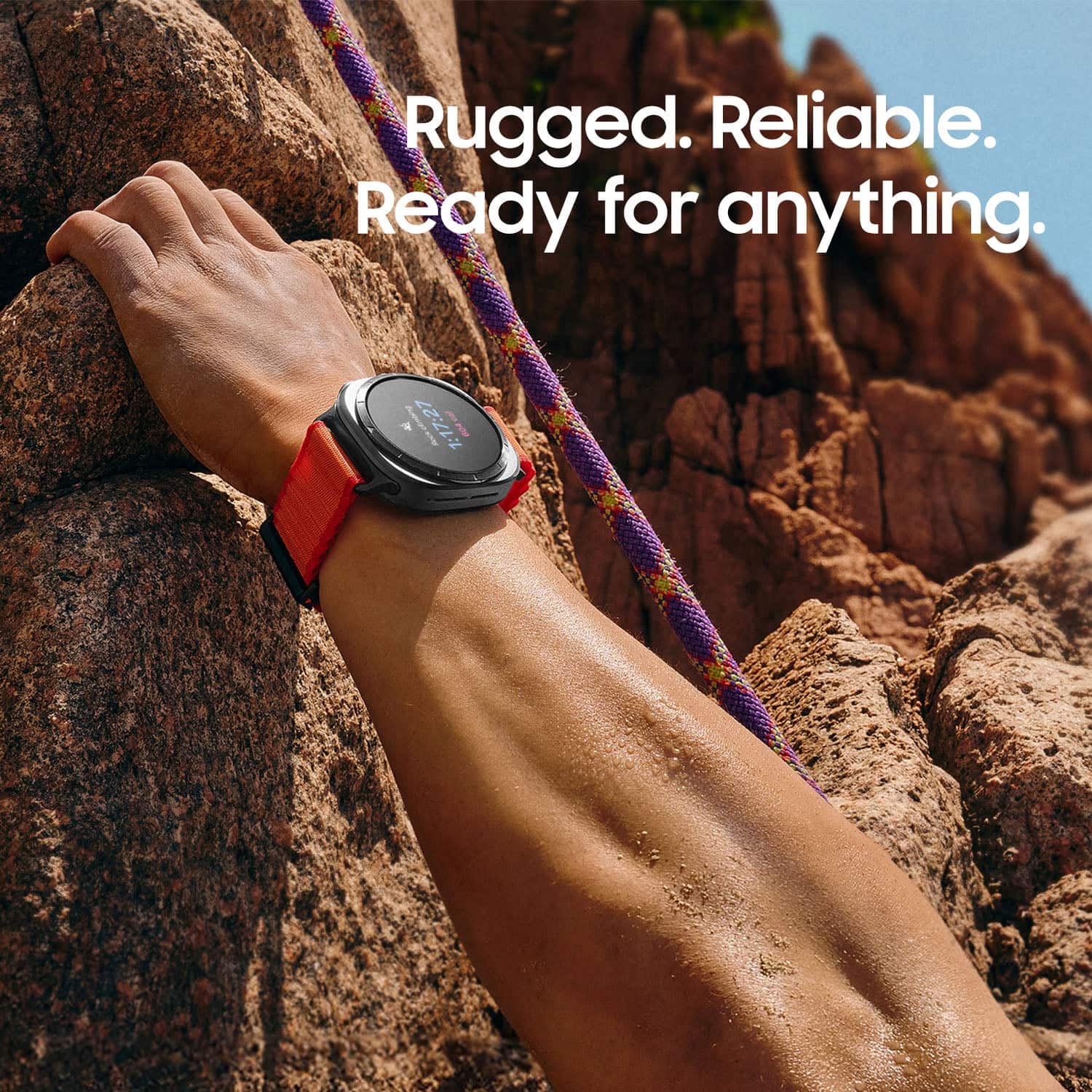
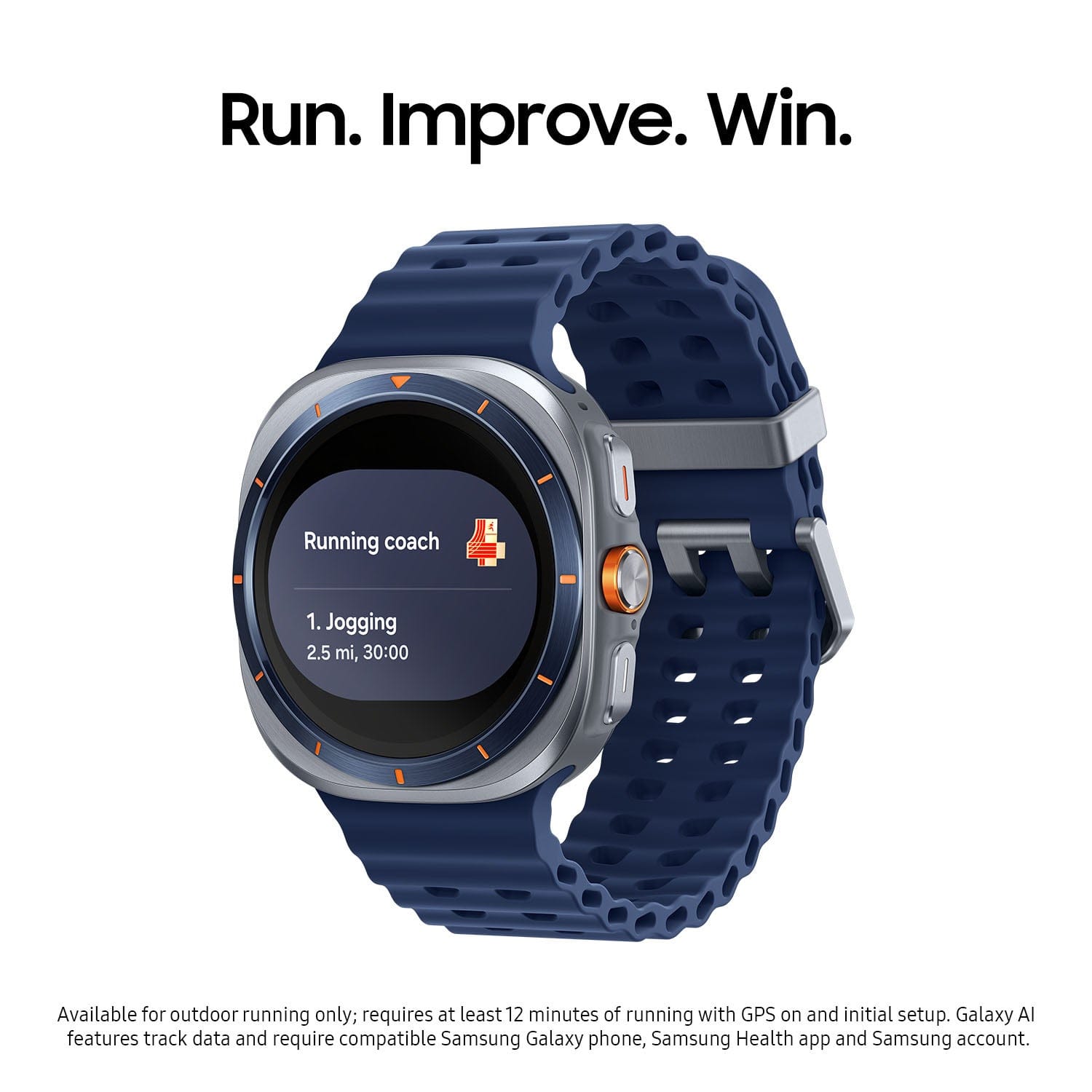
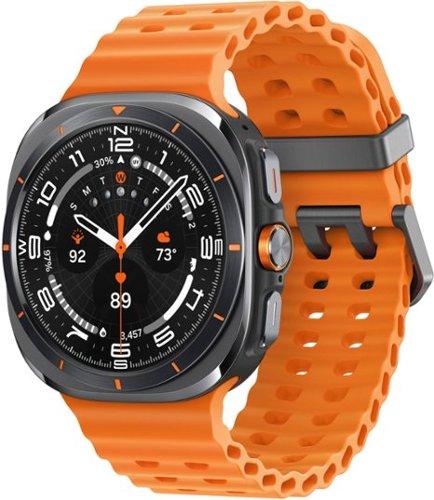
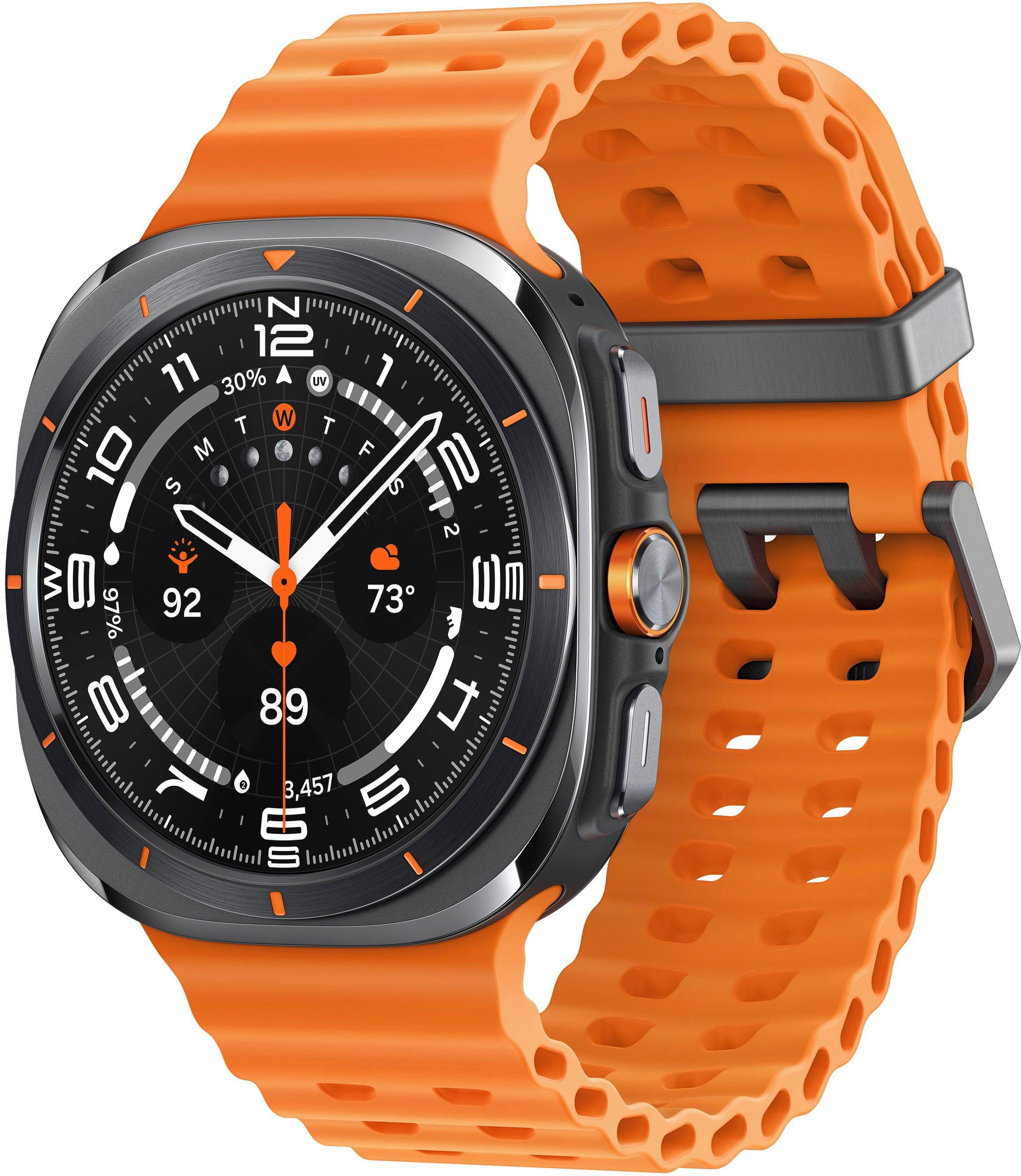
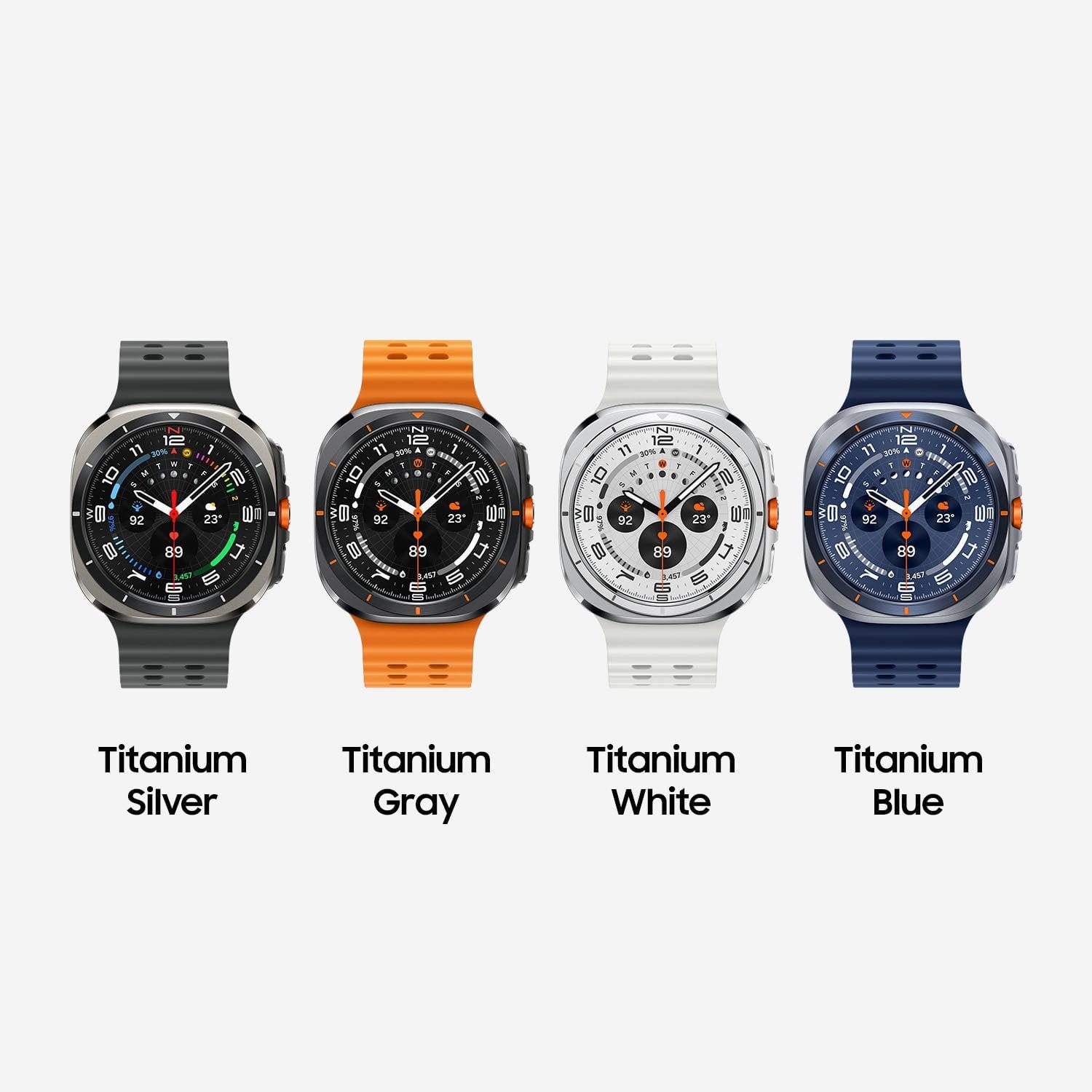
The Samsung Galaxy Watch Ultra, weighing 60.5 grams, actually feels heavier despite the lower number because of its larger surface area and distinctive "squircle" design—a rounded square shape that Samsung chose for its rugged aesthetic. The Grade 4 titanium construction (a aerospace-grade alloy known for strength and corrosion resistance) gives it a premium heft that screams quality but demands more wrist real estate.
For users with smaller wrists or those who prioritize comfort over statement-making, the OnePlus Watch 3 wins hands down. The Samsung targets users who want their watch to announce serious athletic intentions.
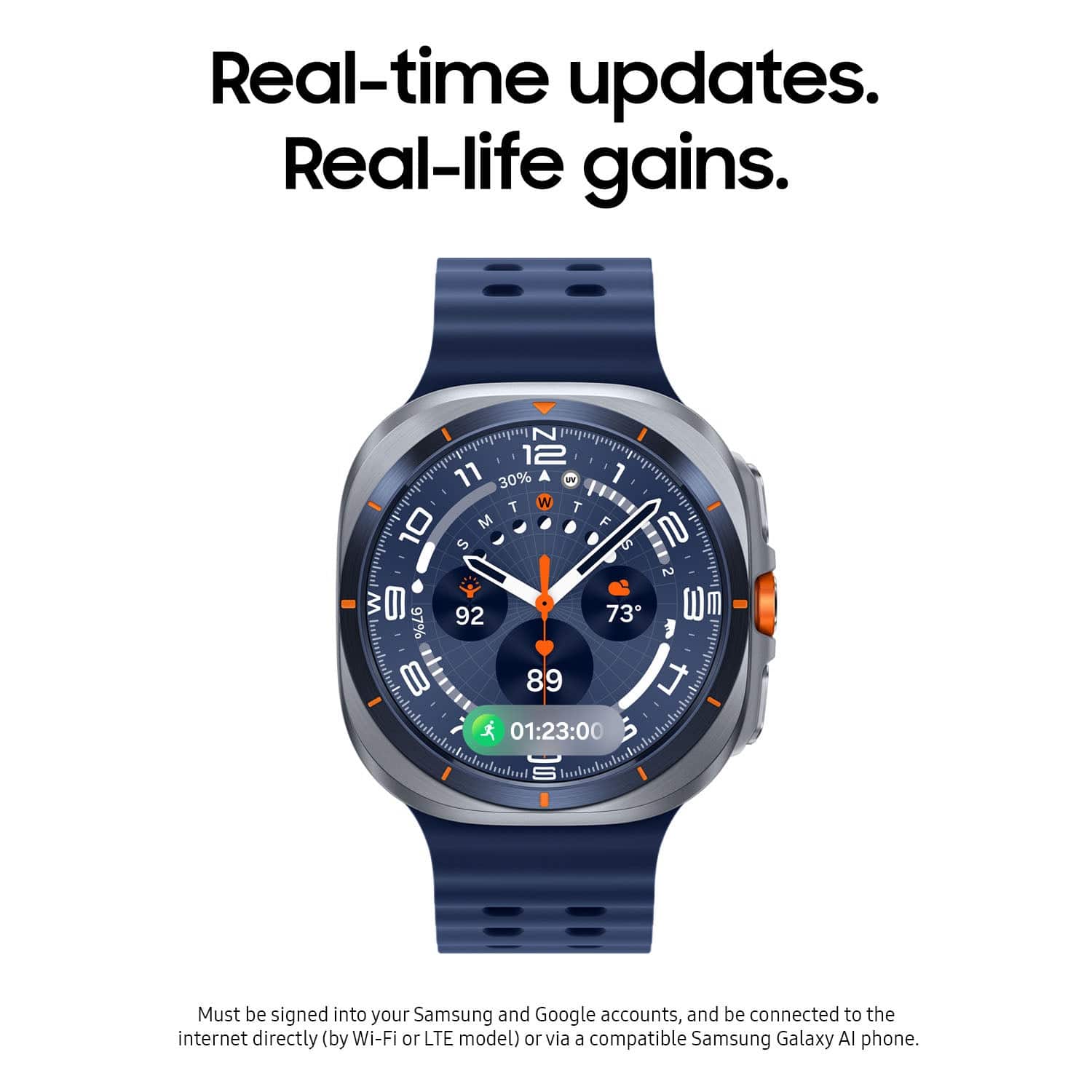
Screen quality separates good smartwatches from great ones, and here we see a clear winner for outdoor use. The Samsung Galaxy Watch Ultra features a massive 1.5-inch Super AMOLED display that reaches an incredible 3,000 nits of peak brightness. To put that in perspective, most smartphone screens top out around 1,000-1,200 nits. This extreme brightness means you can read the screen clearly even in direct desert sunlight—crucial for serious outdoor athletes.
The OnePlus Watch 3 offers a respectable 1.32-inch AMOLED display peaking at 1,000 nits, which handles most lighting conditions well but struggles in bright outdoor environments. For indoor use and typical daily activities, the difference isn't dramatic. Both displays offer rich colors and sharp text thanks to AMOLED technology, which produces true blacks and vibrant colors by turning off individual pixels.
The pixel density remains similar between both watches (around 327-350 pixels per inch), so text and icons appear equally crisp. The Samsung's larger screen simply gives you more information at once, which proves helpful when reviewing detailed fitness metrics or navigating maps during outdoor activities.
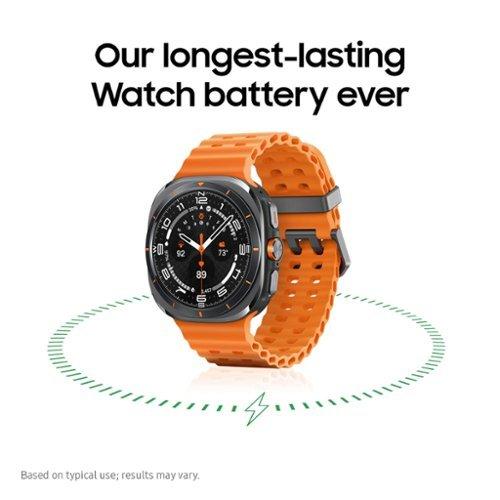
Battery performance reveals the most interesting technical difference between these watches. The Samsung Galaxy Watch Ultra packs a substantial 590mAh battery—nearly double the OnePlus Watch 3's 345mAh capacity. Logic suggests Samsung should dominate battery life, but real-world usage tells a different story.
The OnePlus Watch 3 employs a clever dual-engine architecture combining Qualcomm's Snapdragon W5 Gen 1 processor with a BES2800BP co-processor. This system automatically switches between chips depending on what you're doing. Checking the time or receiving notifications? The low-power co-processor handles it. Running GPS navigation or streaming music? The main processor kicks in. This intelligent switching delivers up to 60 hours of "smart mode" usage—meaning all features active—which consistently outperforms the Samsung's typical 36-48 hours under similar conditions.
Samsung counters with impressive power-saving modes that can extend usage up to 100 hours, but these modes severely limit functionality. You lose most smart features, making the watch essentially a basic fitness tracker. The OnePlus achieves better practical battery life while maintaining full smartwatch capabilities.
For most users, the OnePlus Watch 3 provides the better battery experience because you're not constantly worrying about charging or sacrificing features. However, if you're heading into the wilderness for extended periods, the Samsung's extreme power-saving modes could prove lifesaving.
Here's where Samsung justifies its premium positioning. The Galaxy Watch Ultra uses Grade 4 titanium for the case—the same material used in aerospace applications—paired with sapphire crystal glass. Sapphire crystal rates 9 on the Mohs hardness scale (diamond is 10), making it nearly scratchproof under normal conditions. The watch meets MIL-STD-810H military standards and offers 10 ATM water resistance, meaning it can handle 100 meters underwater.
The OnePlus Watch 3 features solid stainless steel construction with 2.5D cover glass and 5 ATM water resistance (50 meters). While not as premium as Samsung's materials, it's perfectly adequate for swimming, showering, and most outdoor activities. The build feels substantial and well-made, just not quite at the aerospace level.
The water resistance difference matters significantly for serious swimmers or divers. 10 ATM versus 5 ATM means the Samsung can handle deeper submersion and more vigorous water activities. For most users who occasionally swim laps or get caught in rain, both watches provide adequate protection.
Both watches excel at basic health tracking—heart rate, sleep monitoring, step counting, and blood oxygen levels (SpO2). However, the Samsung Galaxy Watch Ultra includes sensors the OnePlus lacks entirely.
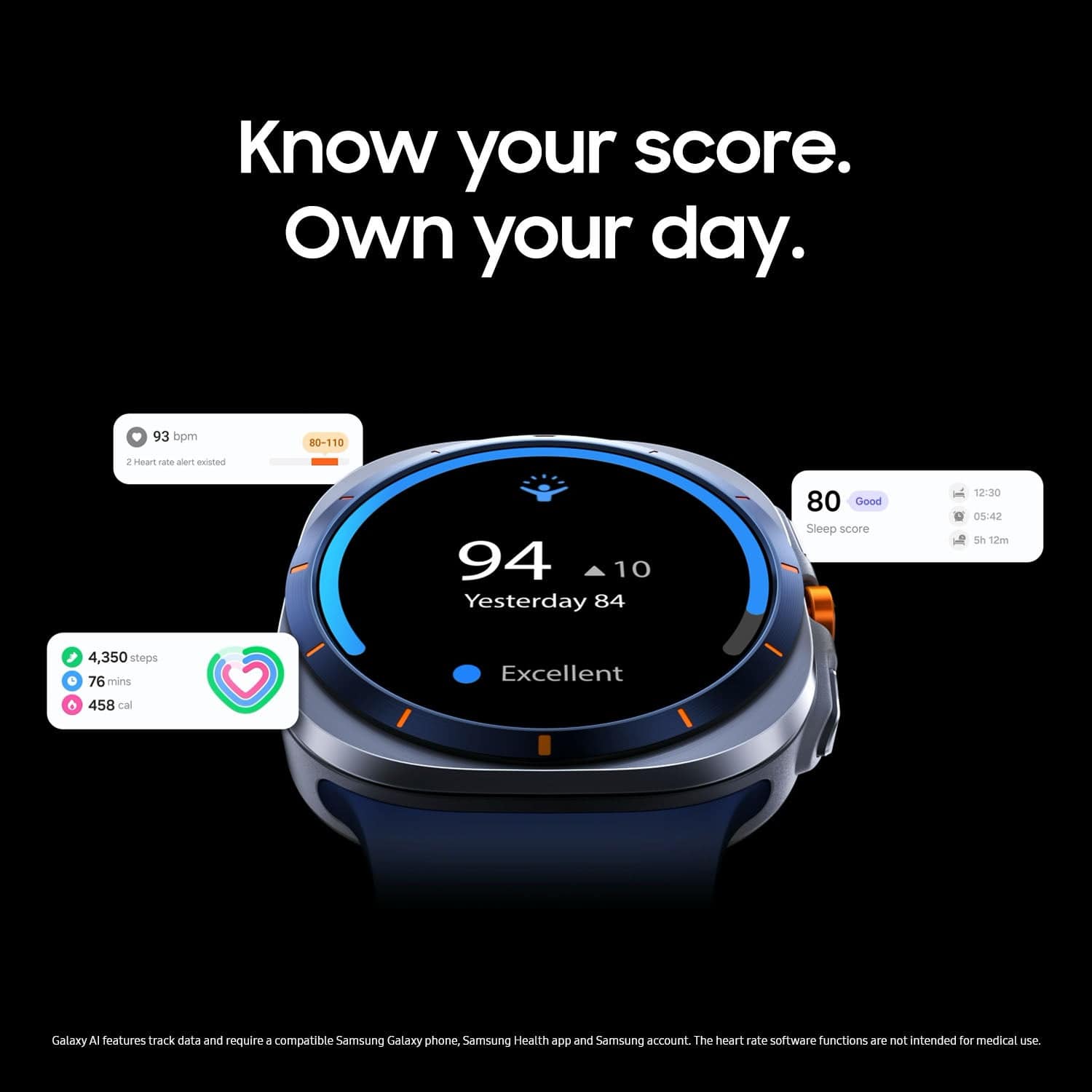
Samsung's BioActive sensor suite includes ECG (electrocardiogram) capability, which measures electrical signals from your heart to detect irregular rhythms. It also features body temperature monitoring and bioelectrical impedance analysis (BIA)—a technology that sends tiny electrical currents through your body to measure body fat percentage, muscle mass, and water retention.
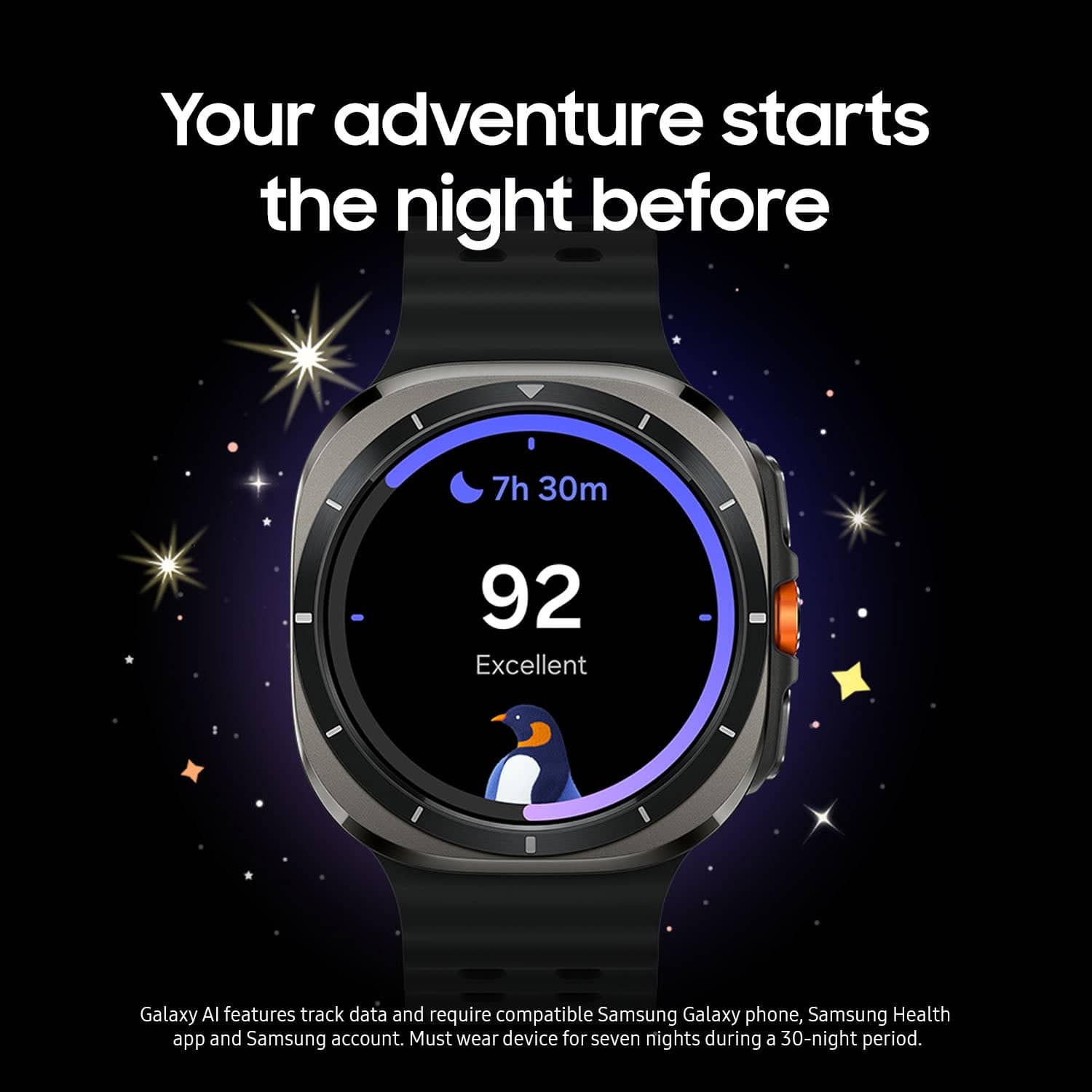
The OnePlus Watch 3 focuses on core health metrics but executes them well. Its optical heart rate sensor proved accurate within 2-3 beats per minute compared to chest strap references during testing scenarios reported by users. Sleep tracking receives particularly high marks for automatically detecting bedtime, wake-ups, and providing useful insights about breathing patterns during rest.
For GPS accuracy, the Samsung includes dual-frequency positioning (L1+L5 bands) that significantly improves location precision in challenging environments like dense forests or urban canyons with tall buildings. The OnePlus uses single-band GPS that performs adequately for most fitness activities but may drift in difficult conditions.
Real-world testing reported by users shows both watches tracking distance accurately during runs, typically within 1-2% of dedicated GPS sports watches like Garmin devices. However, Samsung's dual-frequency advantage becomes apparent in challenging terrain or when precise route mapping matters.
Both watches run Google's Wear OS 5, but with distinctly different personalities. The Samsung Galaxy Watch Ultra layers Samsung's One UI Watch 6 interface over Wear OS, providing deep integration with Galaxy phones and exclusive features like Galaxy AI health coaching. This AI analyzes your sleep patterns, activity levels, and stress indicators to provide personalized recommendations for improving wellness.
Samsung also includes Google Gemini integration, allowing complex voice commands like "start a workout and play my running playlist" executed in one request. The interface feels polished and feature-rich, though sometimes overwhelming for users who prefer simplicity.
The OnePlus Watch 3 takes a cleaner approach, combining Wear OS with their RTOS (Real-Time Operating System) dual-engine setup. This provides access to all Google services—Play Store, Google Pay, Assistant—while maintaining the battery efficiency mentioned earlier. The interface feels more streamlined and less cluttered, appealing to users who want smartwatch functionality without complexity.
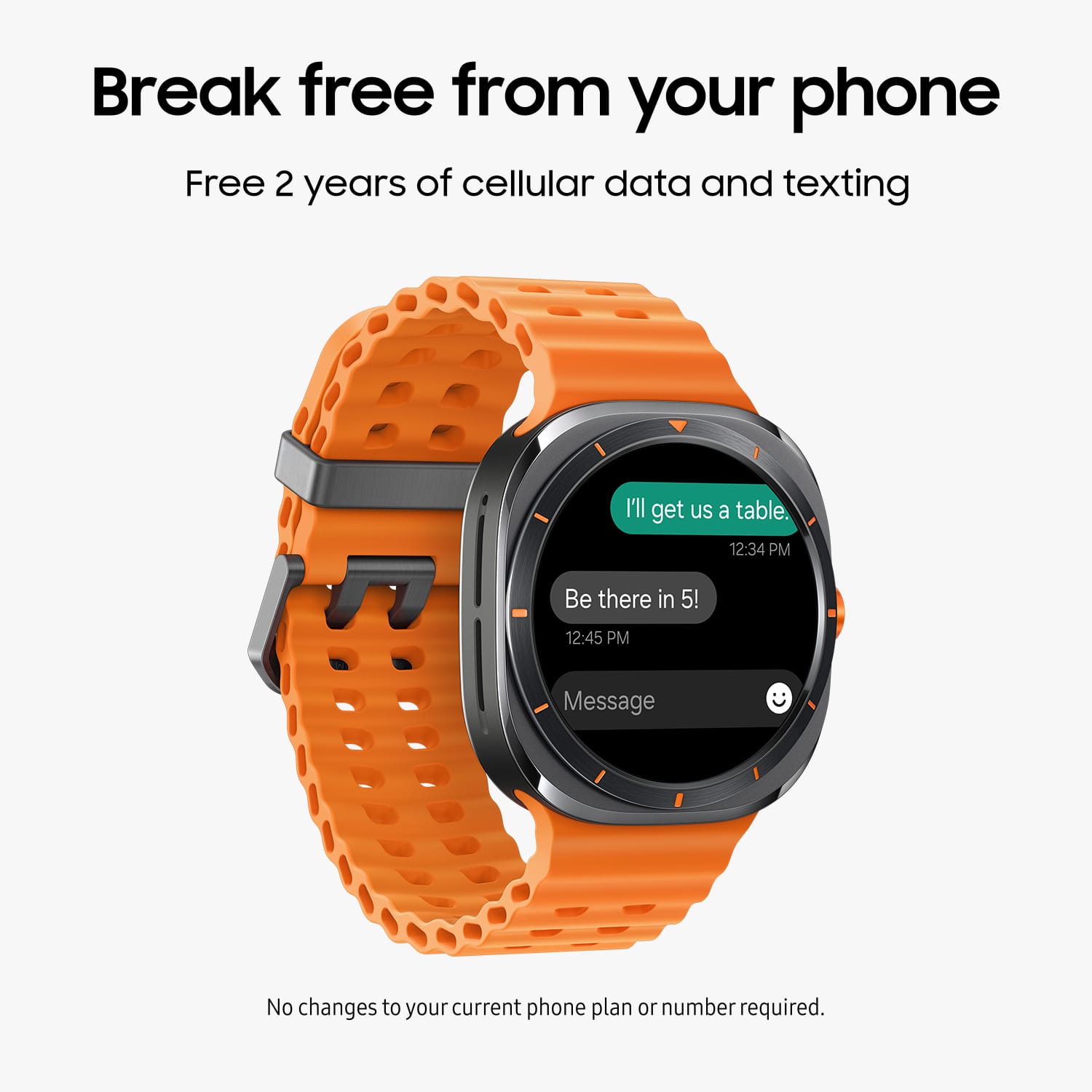
Both support phone calls through built-in speakers and microphones, though the Samsung delivers noticeably louder, clearer audio quality. For contactless payments, both include NFC chips supporting Google Pay and Samsung Pay respectively.
The technical specifications reveal interesting processing differences. Samsung's Galaxy Watch Ultra uses the cutting-edge Exynos W1000 processor built on a 3-nanometer manufacturing process—smaller transistors mean better efficiency and performance. This chip handles demanding tasks like AI processing and complex health calculations smoothly.
The OnePlus Watch 3 combines the Snapdragon W5 Gen 1 with its co-processor approach, prioritizing efficiency over raw power. Both watches include 2GB RAM and provide snappy performance for typical smartwatch tasks—no lag opening apps, smooth scrolling through menus, or delays when accessing notifications.
Storage differs meaningfully: the Samsung provides 64GB compared to OnePlus's 32GB. This extra space matters for users who want to store music directly on the watch for phone-free workouts or install numerous apps.
At the time of writing, the OnePlus Watch 3 43mm costs roughly half what Samsung charges for the Galaxy Watch Ultra. This price difference fundamentally shapes how to evaluate these devices.
The OnePlus delivers exceptional value by including most features serious users need—accurate health tracking, excellent battery life, solid build quality, and full Wear OS functionality—at a mid-range price point. It represents what many consider the sweet spot for Android smartwatches: flagship capabilities without flagship pricing.
The Samsung targets users willing to pay premium prices for premium materials, cutting-edge sensors, and features they'll actually use. The titanium construction, sapphire crystal, advanced health monitoring, and extreme durability justifies higher pricing for users who need these capabilities.
Both watches launched in 2025, representing significant evolution in Android smartwatch technology. The OnePlus Watch 3 marked OnePlus's commitment to the smartwatch market after mixed reception of earlier models, incorporating user feedback about battery life and build quality.
Samsung's Galaxy Watch Ultra continued their "Ultra" premium tier strategy, following the success of their smartphone Ultra models. The 2025 version included major improvements over 2024's model—doubled storage capacity, the new 3nm processor, and enhanced AI features.
The 2025 smartwatch landscape shows manufacturers finally delivering on promises of multi-day battery life and comprehensive health tracking while maintaining reasonable performance expectations.
Choose the OnePlus Watch 3 43mm if you want excellent smartwatch functionality without premium pricing. It's perfect for users with smaller wrists who prioritize comfort and battery life over cutting-edge sensors. If you're a moderate fitness enthusiast who tracks runs, monitors sleep, and wants reliable phone notifications, this watch delivers everything needed at outstanding value.
The smaller size and lighter weight make it ideal for sleep tracking and all-day wear without fatigue. The superior battery efficiency means fewer charging interruptions to your routine. For Android users seeking their first serious smartwatch or upgrading from basic fitness trackers, it represents an excellent entry into premium smartwatch features.
Choose the Samsung Galaxy Watch Ultra 47mm if you're a serious athlete, outdoor professional, or tech enthusiast who values cutting-edge features and premium materials. The extreme water resistance, dual-frequency GPS, advanced health sensors, and titanium construction justify higher pricing for users who'll utilize these capabilities.
It's the clear choice for swimmers, divers, hikers, or trail runners who need precise location tracking and comprehensive health monitoring. The larger display and louder speakers benefit users who frequently take calls from their watch or need maximum outdoor visibility.
The Samsung also makes sense for Galaxy phone users who want seamless ecosystem integration and don't mind paying for premium materials and exclusive features they'll actually use.
Both watches represent excellent options within their respective market segments. The decision ultimately depends on your specific needs, wrist size preferences, and willingness to pay for premium features versus prioritizing value and practicality.
| OnePlus Watch 3 43mm | Samsung Galaxy Watch Ultra 47mm |
|---|---|
| Display Size & Brightness - Affects outdoor visibility and information density | |
| 1.32" AMOLED, 1,000 nits (good indoors, struggles in bright sun) | 1.5" Super AMOLED, 3,000 nits (excellent in direct sunlight) |
| Case Size & Weight - Critical for comfort and wrist fit | |
| 43mm, 67g with strap (compact, ideal for smaller wrists) | 47mm, 60.5g (larger presence, better for statement piece) |
| Build Materials - Determines durability and premium feel | |
| Stainless steel case, 2.5D cover glass (solid everyday durability) | Grade 4 titanium, sapphire crystal (aerospace-grade premium) |
| Water Resistance - Limits swimming and water sports capability | |
| 5 ATM/50m (swimming, showering, light water activities) | 10 ATM/100m (diving, serious water sports, extreme conditions) |
| Battery Life - Most important for daily usability | |
| Up to 60 hours smart mode (dual-engine efficiency wins) | Up to 36-48 hours typical use, 100 hours power-saving |
| Battery Capacity - Raw power reserve | |
| 345mAh (smaller but more efficient) | 590mAh (larger capacity, less efficient usage) |
| Health Sensors - Advanced monitoring capabilities | |
| Heart rate, SpO2, sleep, stress (covers essentials well) | ECG, body temperature, BIA body composition, vascular health |
| GPS Accuracy - Critical for outdoor activities and running | |
| Single-band GPS (adequate for most fitness activities) | Dual-frequency L1+L5 GPS (superior accuracy in challenging terrain) |
| Processor & Performance - Affects smoothness and AI features | |
| Snapdragon W5 Gen 1 + BES2800BP dual-chip (efficiency focused) | Exynos W1000 3nm (cutting-edge performance, AI processing) |
| Storage Capacity - Space for music and apps | |
| 32GB (sufficient for most users) | 64GB (plenty of room for offline content) |
| Operating System - Smart features and ecosystem integration | |
| Wear OS 5 + RTOS (clean, streamlined Google integration) | One UI Watch 6 + Wear OS 5 (Galaxy AI, Gemini integration) |
| Cellular Connectivity - Independence from phone | |
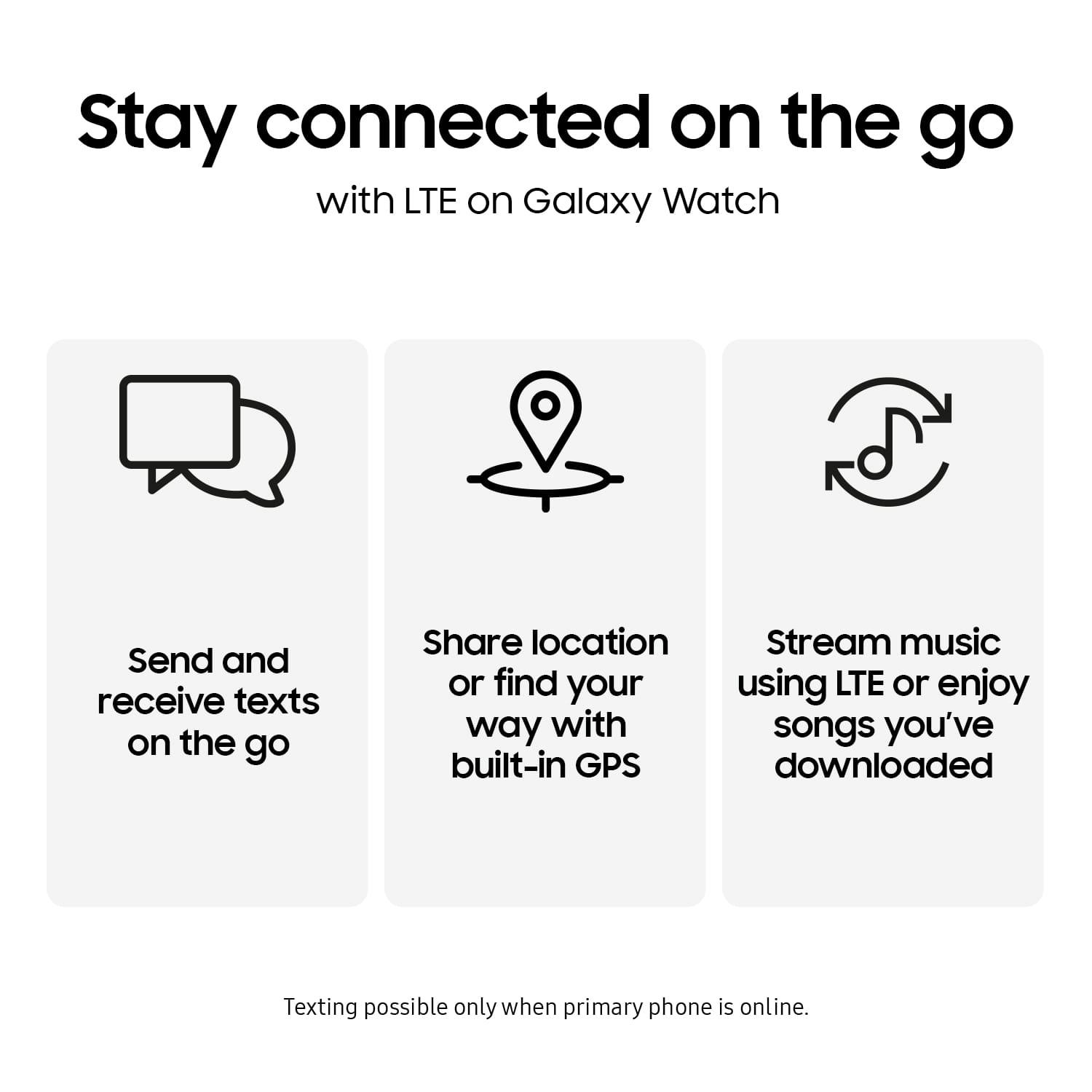
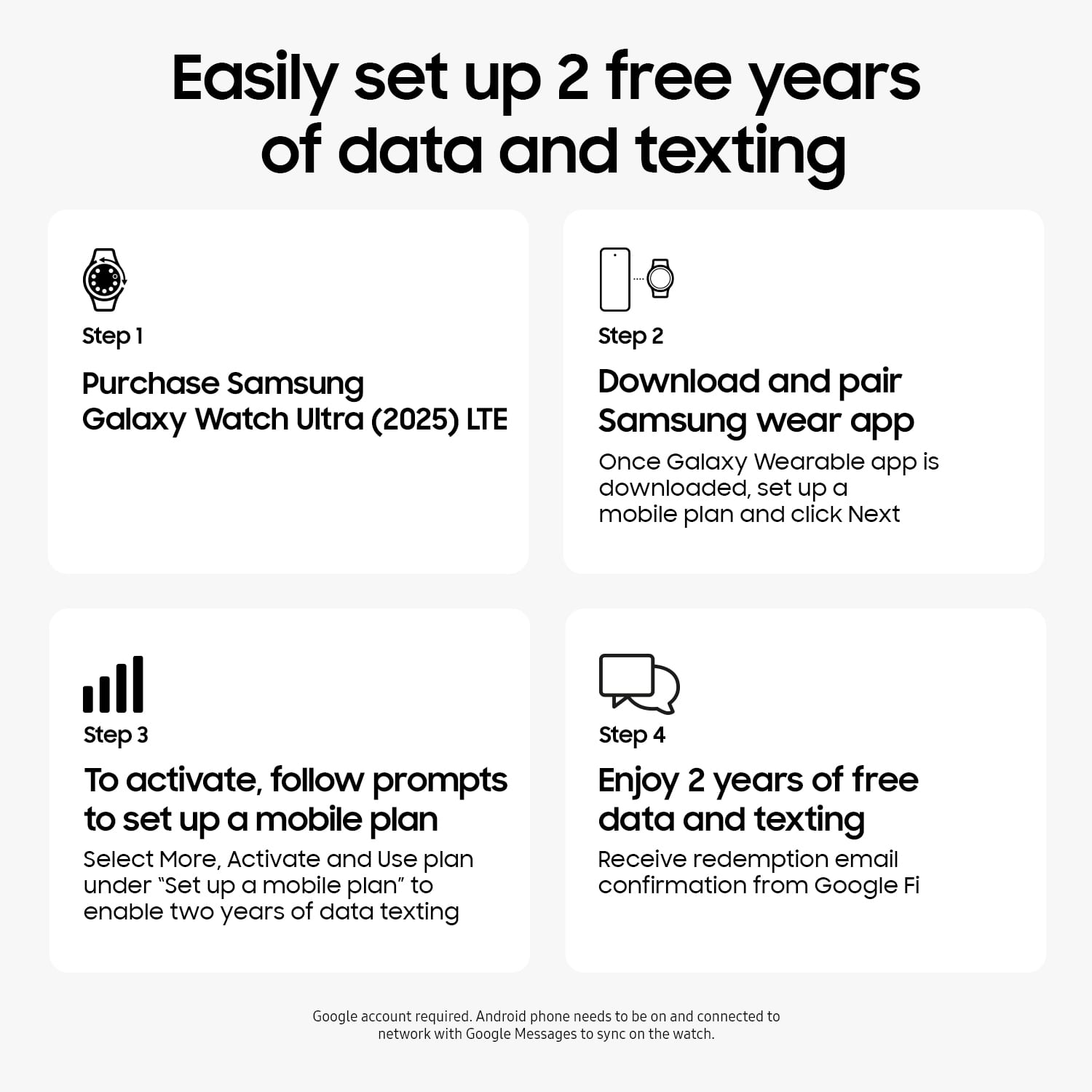
| Bluetooth/WiFi only (requires phone nearby) | LTE with eSIM (standalone calls, data, complete independence) |
| Value Proposition - Performance per dollar spent | |
| Exceptional value with flagship features at mid-range pricing | Premium pricing justified by advanced sensors and materials |
The OnePlus Watch 3 43mm delivers superior real-world battery life with up to 60 hours in smart mode thanks to its dual-engine architecture that intelligently switches between processors. The Samsung Galaxy Watch Ultra offers 36-48 hours of typical use with its larger 590mAh battery, but the OnePlus Watch 3 achieves better efficiency despite having a smaller 345mAh battery.
The OnePlus Watch 3 43mm measures 43.2mm across and weighs 67g with strap, making it significantly more compact and comfortable for smaller wrists. The Samsung Galaxy Watch Ultra is larger at 47.4mm and designed for users who want a more prominent wrist presence and don't mind the bigger footprint.
The Samsung Galaxy Watch Ultra excels in durability with Grade 4 titanium construction, sapphire crystal glass, and 10 ATM water resistance (100m depth). It meets military MIL-STD-810H standards for extreme conditions. The OnePlus Watch 3 43mm offers solid stainless steel build with 5 ATM water resistance, suitable for swimming but not as rugged as the Samsung Galaxy Watch Ultra.
Yes, both the OnePlus Watch 3 43mm and Samsung Galaxy Watch Ultra run Wear OS 5 and work with any Android phone. However, the Samsung Galaxy Watch Ultra offers enhanced features when paired with Galaxy phones, while the OnePlus Watch 3 provides a more universal Android experience.
The Samsung Galaxy Watch Ultra includes advanced sensors like ECG, body temperature monitoring, and bioelectrical impedance analysis for body composition. The OnePlus Watch 3 43mm covers essential health metrics like heart rate, SpO2, and sleep tracking accurately but lacks the premium sensors found in the Samsung Galaxy Watch Ultra.
Both watches support phone calls through built-in speakers and microphones. The Samsung Galaxy Watch Ultra offers LTE connectivity for standalone calls without your phone nearby, plus notably louder and clearer audio quality. The OnePlus Watch 3 43mm handles calls well through Bluetooth but requires your phone to be in range.
The Samsung Galaxy Watch Ultra features dual-frequency GPS (L1+L5) for superior accuracy in challenging environments like forests or urban areas. Both watches offer comprehensive fitness tracking, but the OnePlus Watch 3 43mm provides excellent value with 100+ sport modes and accurate single-band GPS that works well for most activities.
The Samsung Galaxy Watch Ultra dominates outdoor visibility with its 1.5-inch display reaching 3,000 nits brightness, making it readable in direct sunlight. The OnePlus Watch 3 43mm has a 1.32-inch display with 1,000 nits brightness that works well indoors and in moderate lighting but struggles in bright outdoor conditions.
The OnePlus Watch 3 43mm provides exceptional value by delivering most flagship smartwatch features at roughly half the cost of premium alternatives. The Samsung Galaxy Watch Ultra justifies its higher price with premium materials, advanced sensors, and extreme durability for users who need these specific capabilities.
Yes, both the OnePlus Watch 3 43mm and Samsung Galaxy Watch Ultra include NFC chips for contactless payments. The OnePlus Watch 3 uses Google Pay, while the Samsung Galaxy Watch Ultra supports both Google Pay and Samsung Pay for broader payment compatibility.
The Samsung Galaxy Watch Ultra includes 64GB of storage compared to 32GB in the OnePlus Watch 3 43mm. This extra space matters if you plan to store lots of music offline or install many apps directly on the watch, though 32GB proves sufficient for most users' needs.
Both watches excel at sleep tracking with automatic detection and detailed insights. The OnePlus Watch 3 43mm provides solid sleep analysis including breathing patterns and sleep scores. The Samsung Galaxy Watch Ultra offers more advanced sleep features including temperature monitoring and AI-powered sleep coaching, making it slightly superior for comprehensive sleep health monitoring.
We've done our best to create useful and informative comparisons to help you decide what product to buy. Our research uses advanced automated methods to create this comparison and perfection is not possible - please contact us for corrections or questions. These are the sites we've researched in the creation of this article: phonearena.com - gadgetsandwearables.com - oneplus.com - gadgetsandwearables.com - youtube.com - oneplus.com - androidauthority.com - androidcentral.com - nextpit.com - androidcentral.com - geekspin.co - droid-life.com - mobilemaya.com - androidfaithful.com - versus.com - youtube.com - mobilemaya.com - droid-life.com - youtube.com - techaeris.com - oneplus.com - gsmarena.com - oneplus.com - androidheadlines.com - gsmarena.com - smartwatch-straps.co.uk - wareable.com - dcrainmaker.com - pocket-lint.com - sypnotix.com - youtube.com - youtube.com - 9to5google.com - us.community.samsung.com - youtube.com - samsung.com - phonearena.com - versus.com - gsmarena.com - samsung.com - samsung.com - phonearena.com - samsung.com - samsung.com - samsung.com - samsung.com - samsung.com - t-mobile.com - att.com - youtube.com - bestbuy.com - verizon.com - youtube.com - bandletic.com - androidcentral.com - samsung.com - samsung.com - samsung.com - samsung.com

Privacy Policy
Terms and Conditions - Affiliate Policy
Home Security
© Copyright 2008-2026.
11816 Inwood Rd #1211, Dallas, TX 75244