


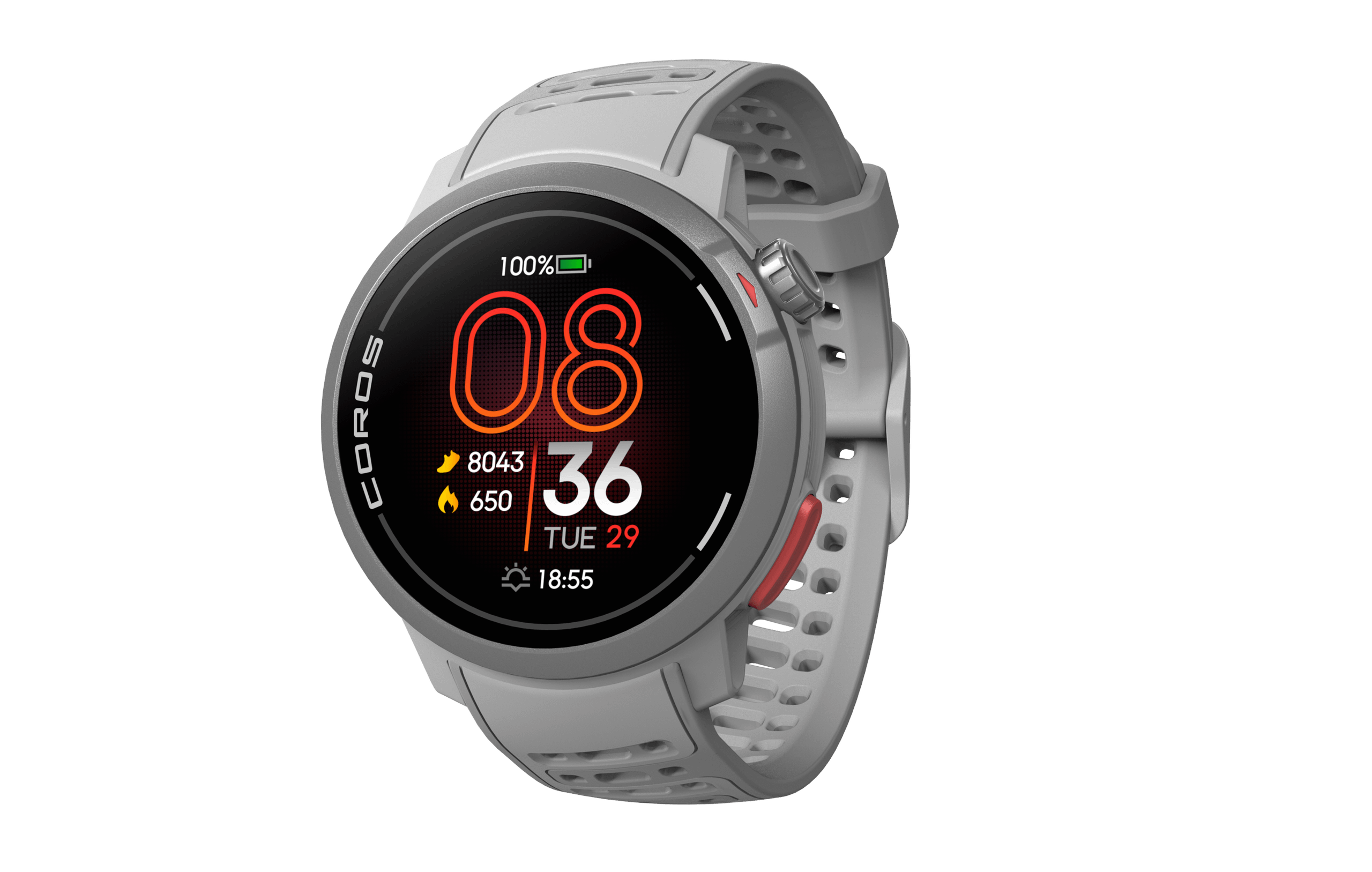
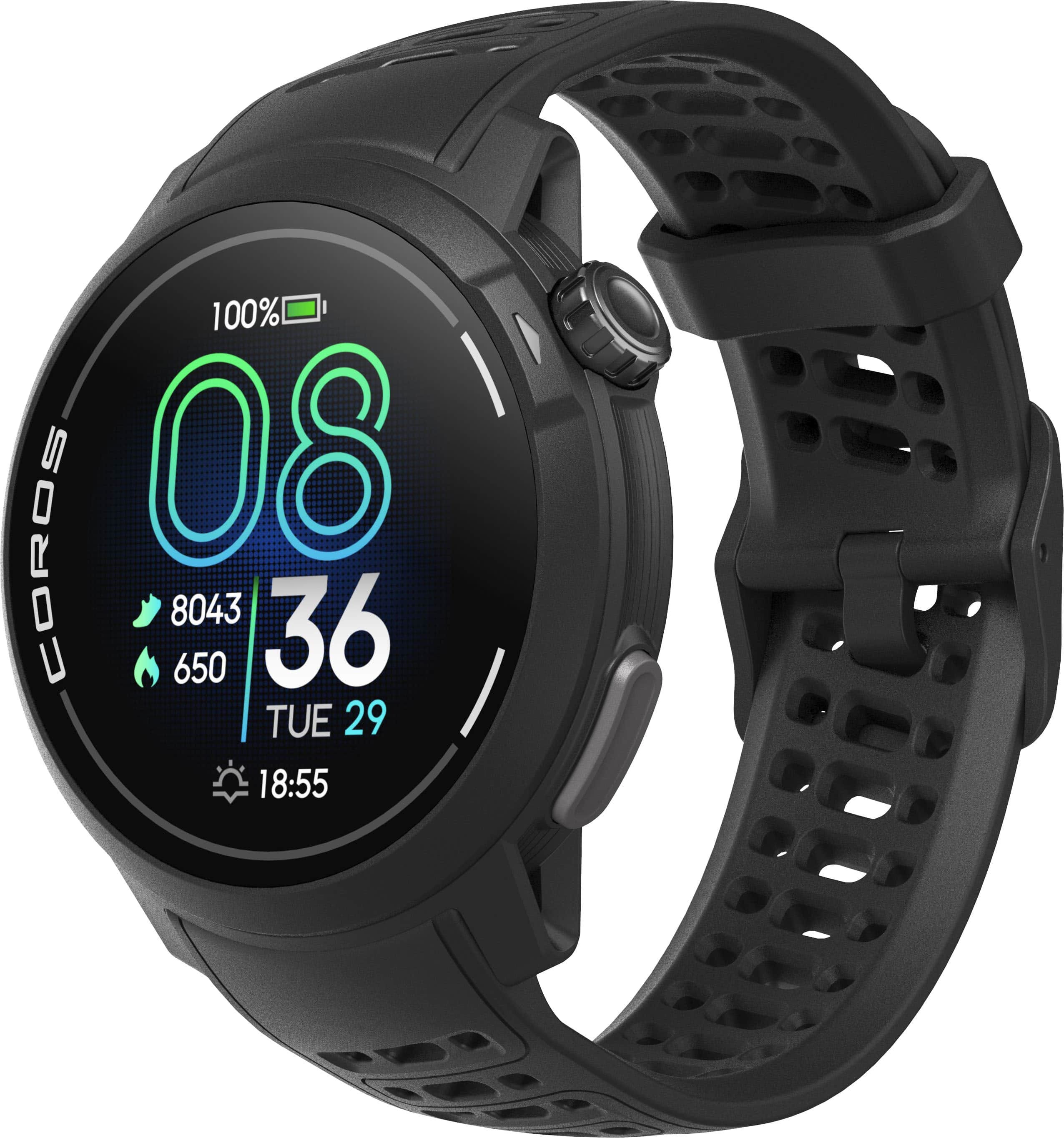
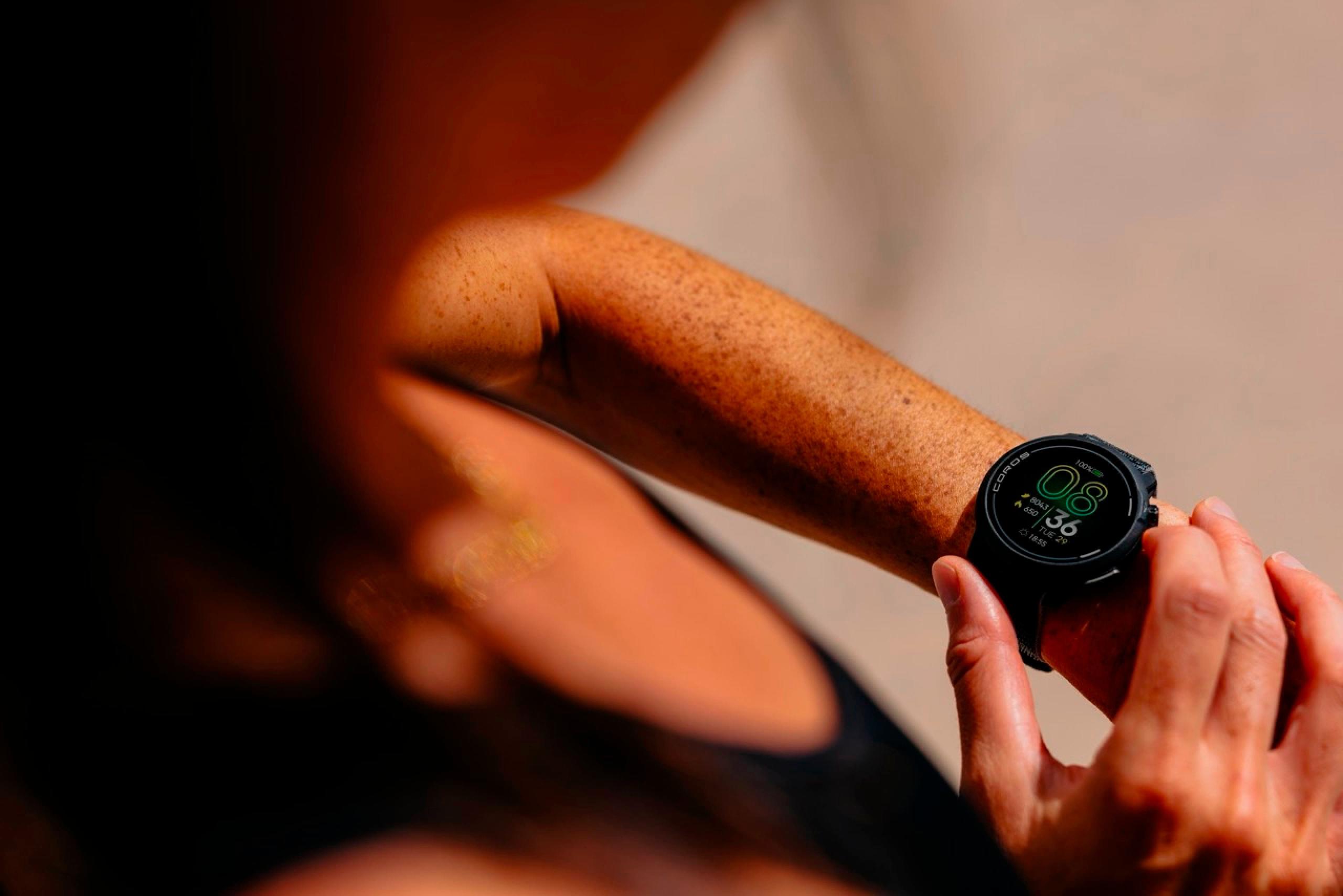
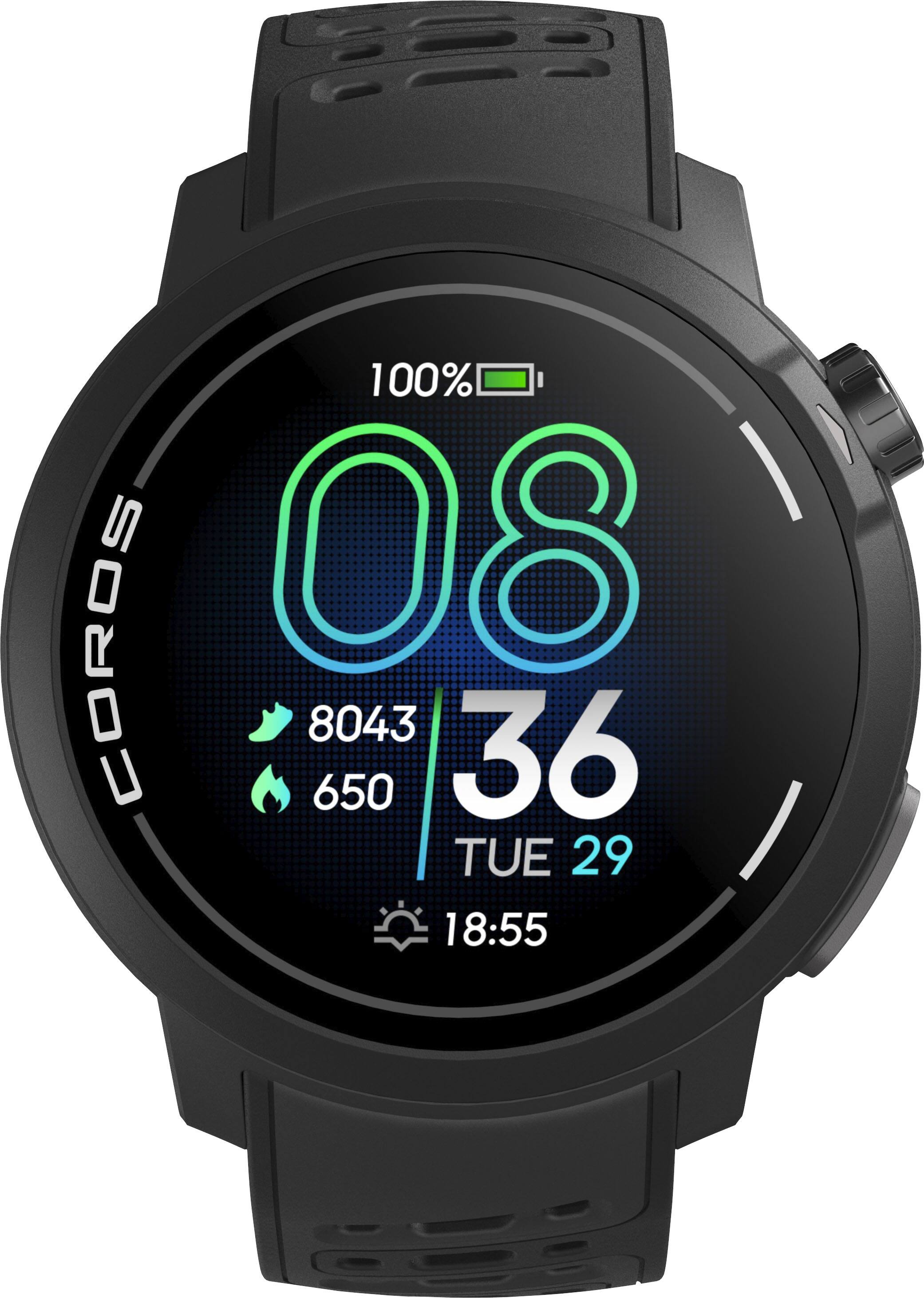
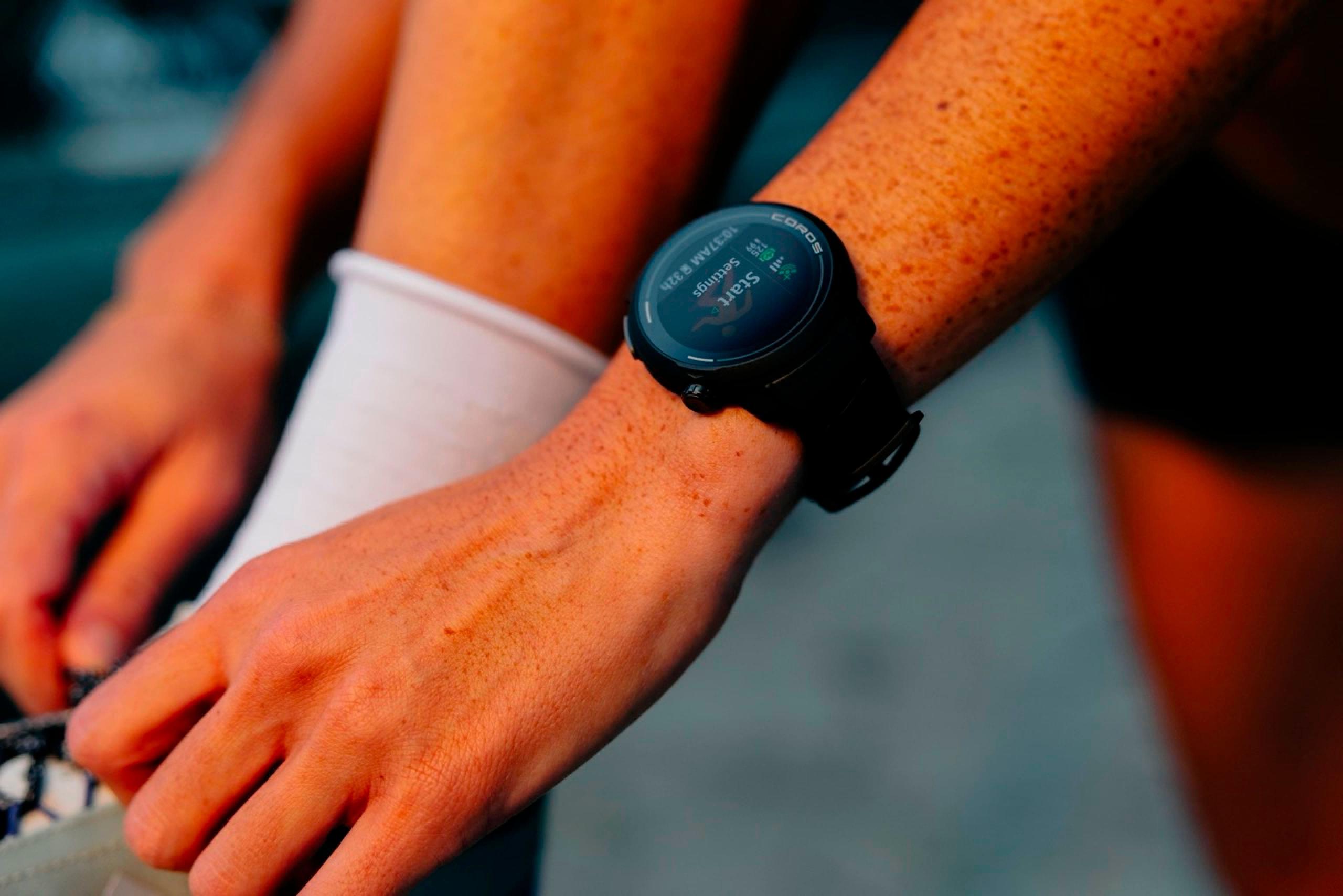
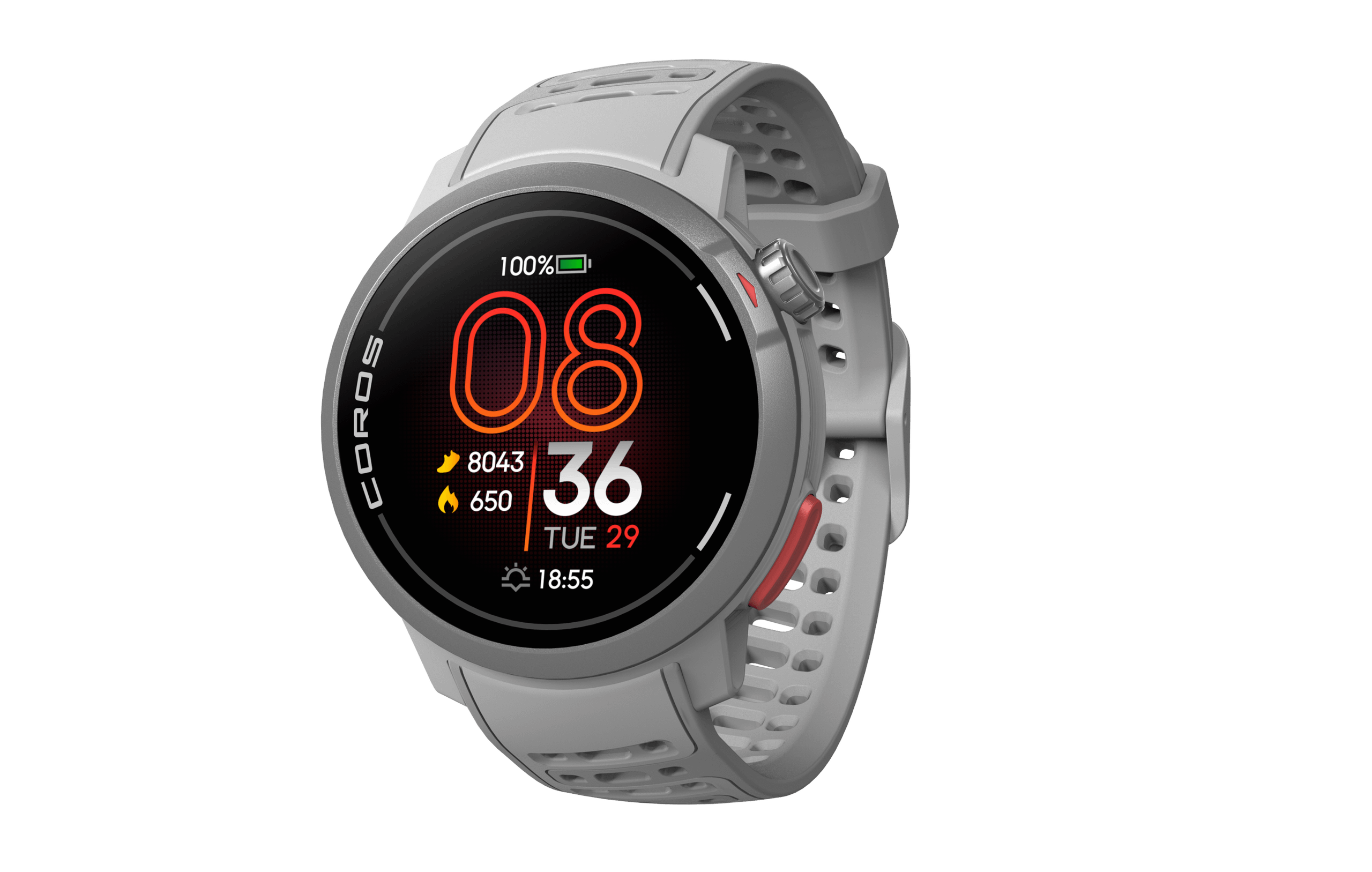
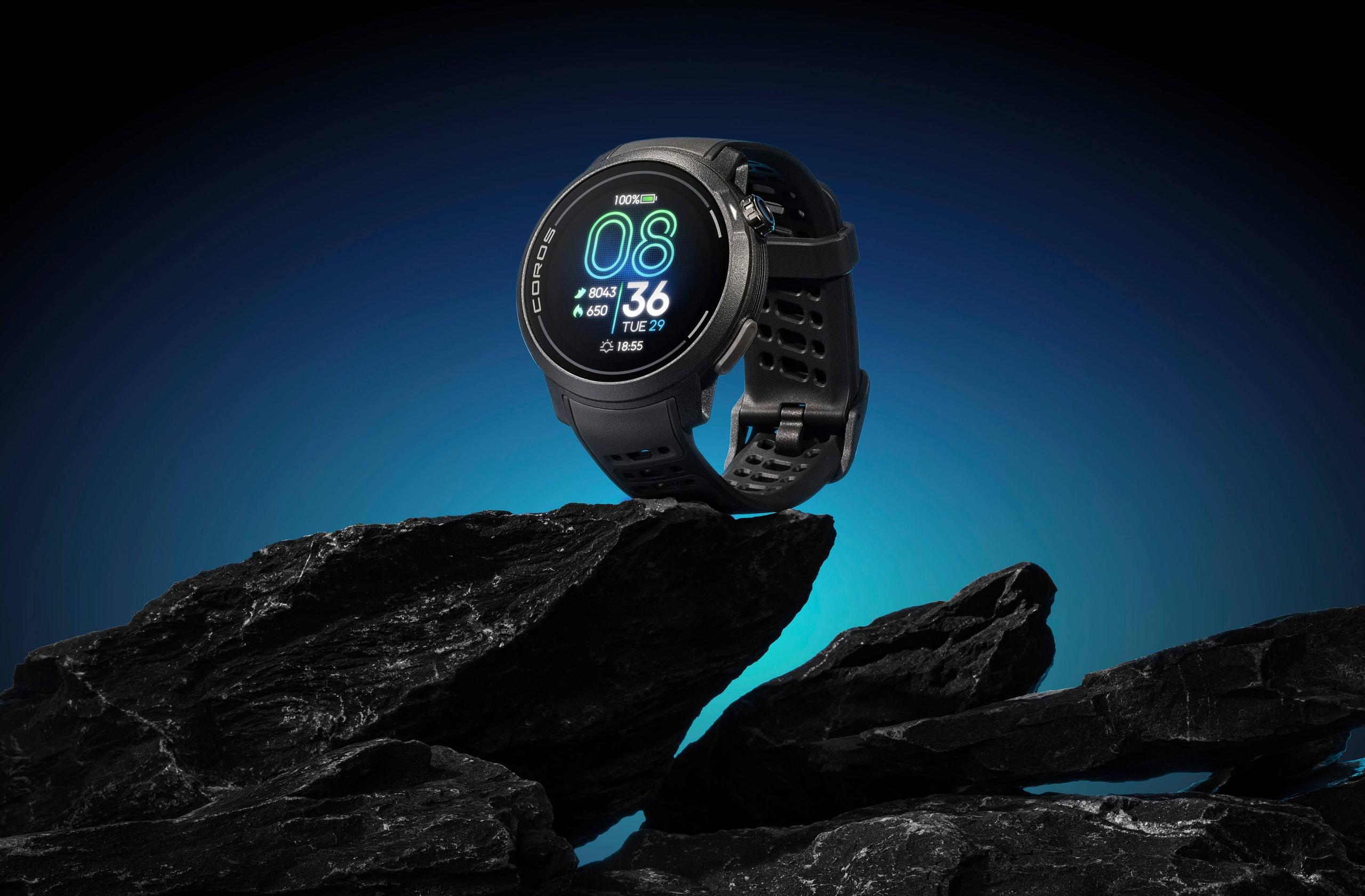
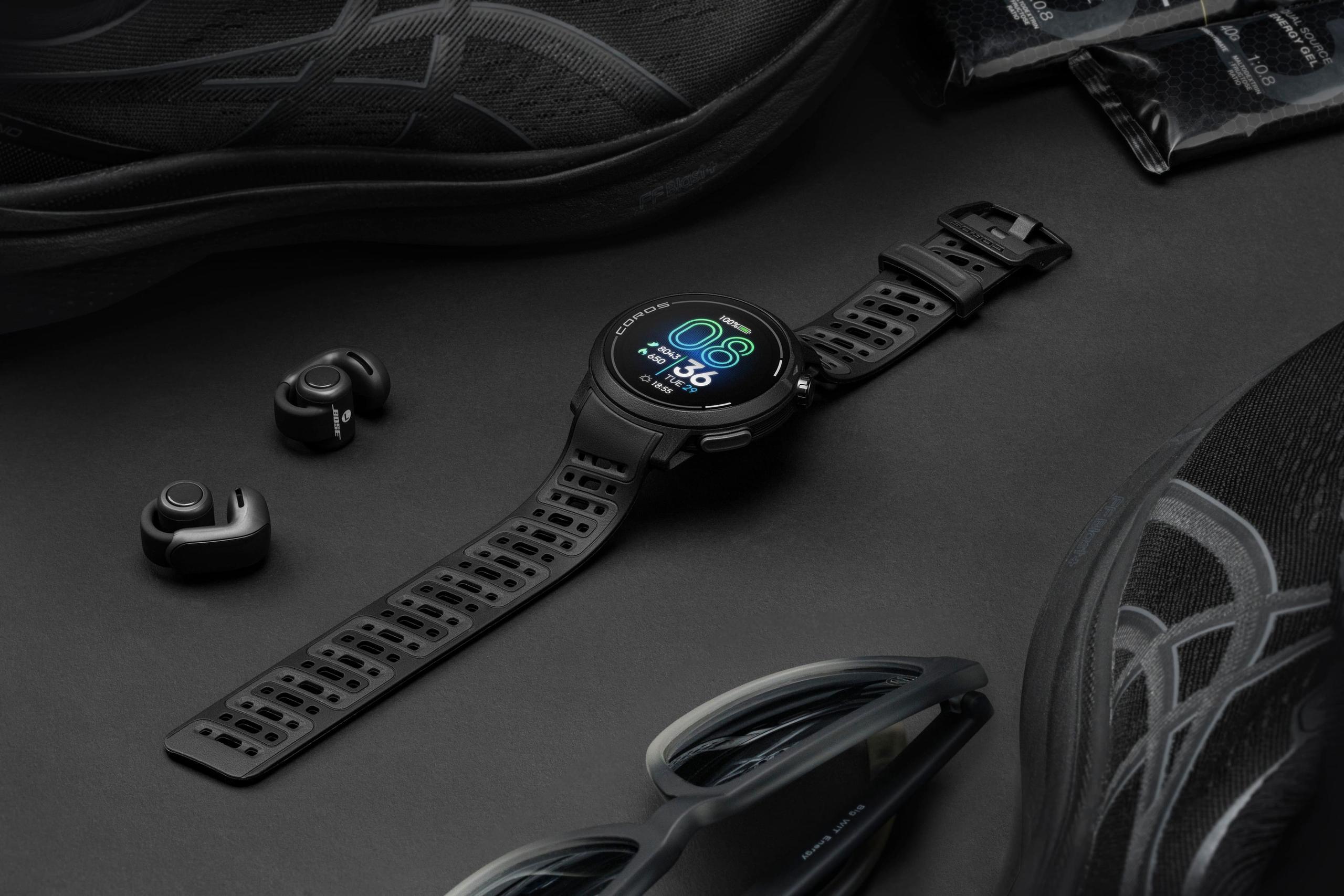
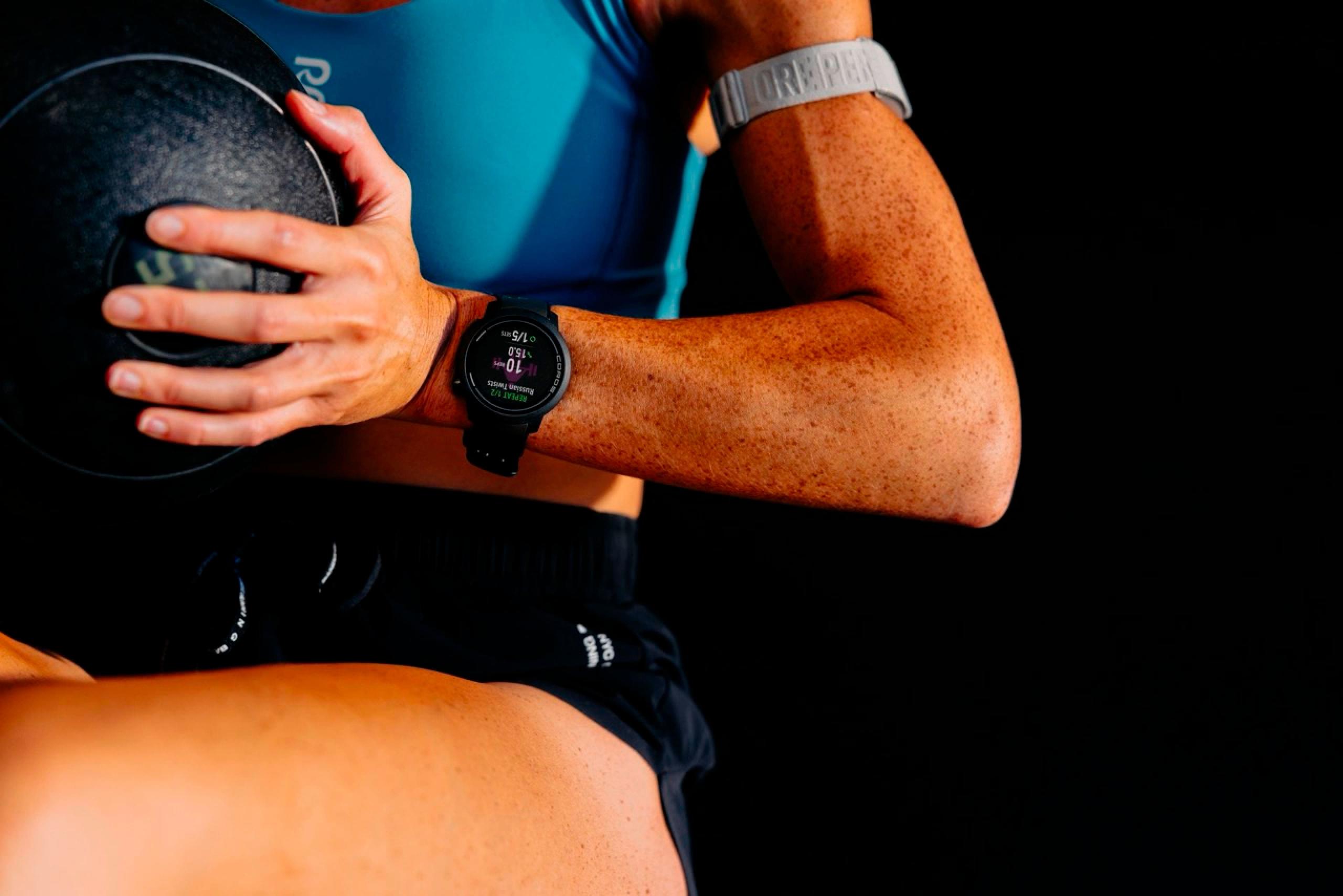
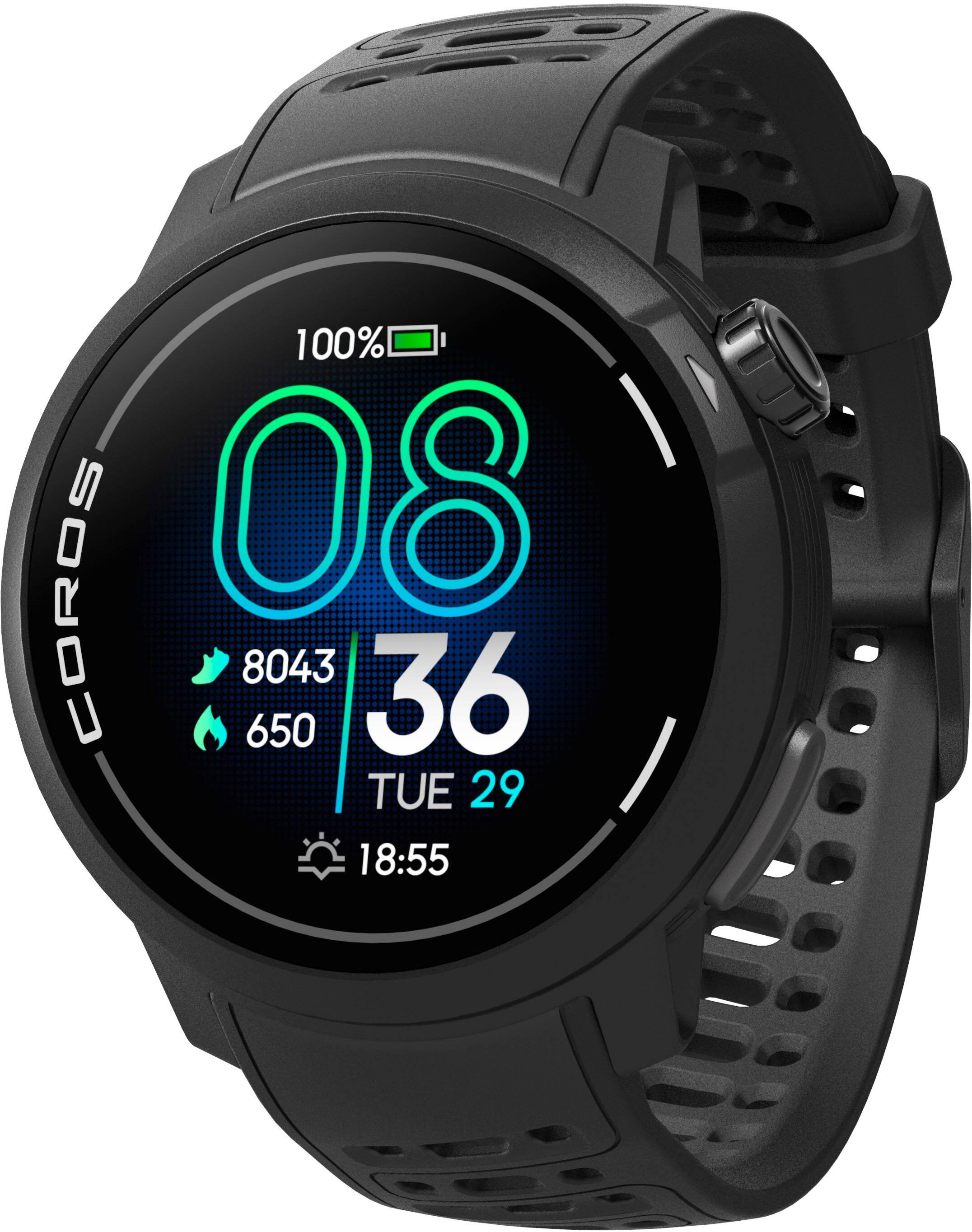
If you're serious about fitness tracking or need a rugged smartwatch that can handle extreme conditions, you've likely narrowed your search down to two very different but equally impressive options. The Samsung Galaxy Watch Ultra represents the "everything device" approach—a premium smartwatch that does it all with flagship smartphone-level features packed into a titanium shell. Meanwhile, the COROS Pace Pro takes a laser-focused approach, prioritizing GPS accuracy, battery life, and training features above all else.
Both watches launched in 2024 (with the Samsung getting a 2025 refresh), representing the latest thinking in premium wearable technology. But they solve the same core problem—advanced fitness tracking and durability—in completely different ways. Understanding these differences is crucial to making the right choice for your needs and budget.
Premium sport smartwatches occupy a unique space in the wearable market. Unlike basic fitness trackers that count steps and estimate calories, these devices offer professional-grade GPS tracking, comprehensive health monitoring, and the durability to handle extreme environments. They're designed for people who push their limits—whether that's running ultramarathons, climbing mountains, or simply wanting the most accurate data possible from their training sessions.
The category sits at an interesting crossroads. On one side, you have comprehensive smartwatches that happen to excel at fitness tracking. On the other, you have specialized sports devices that add just enough smart features to be convenient daily drivers. Both approaches have merit, but they serve different types of users.
Key considerations in this space include build quality that can survive harsh conditions, battery life for extended activities, GPS systems that work reliably in challenging environments, comprehensive health sensors, and enough smart functionality to justify wearing the device all day. The balance between these features—and their respective priorities—defines each product's character.
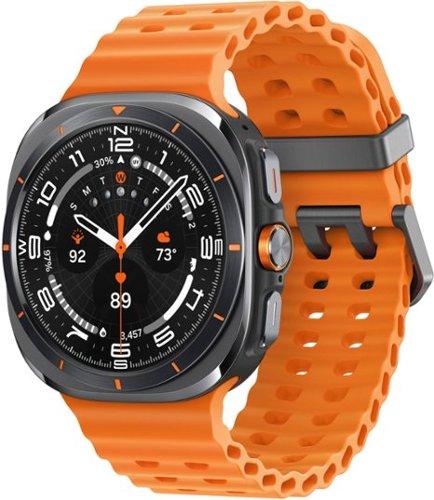
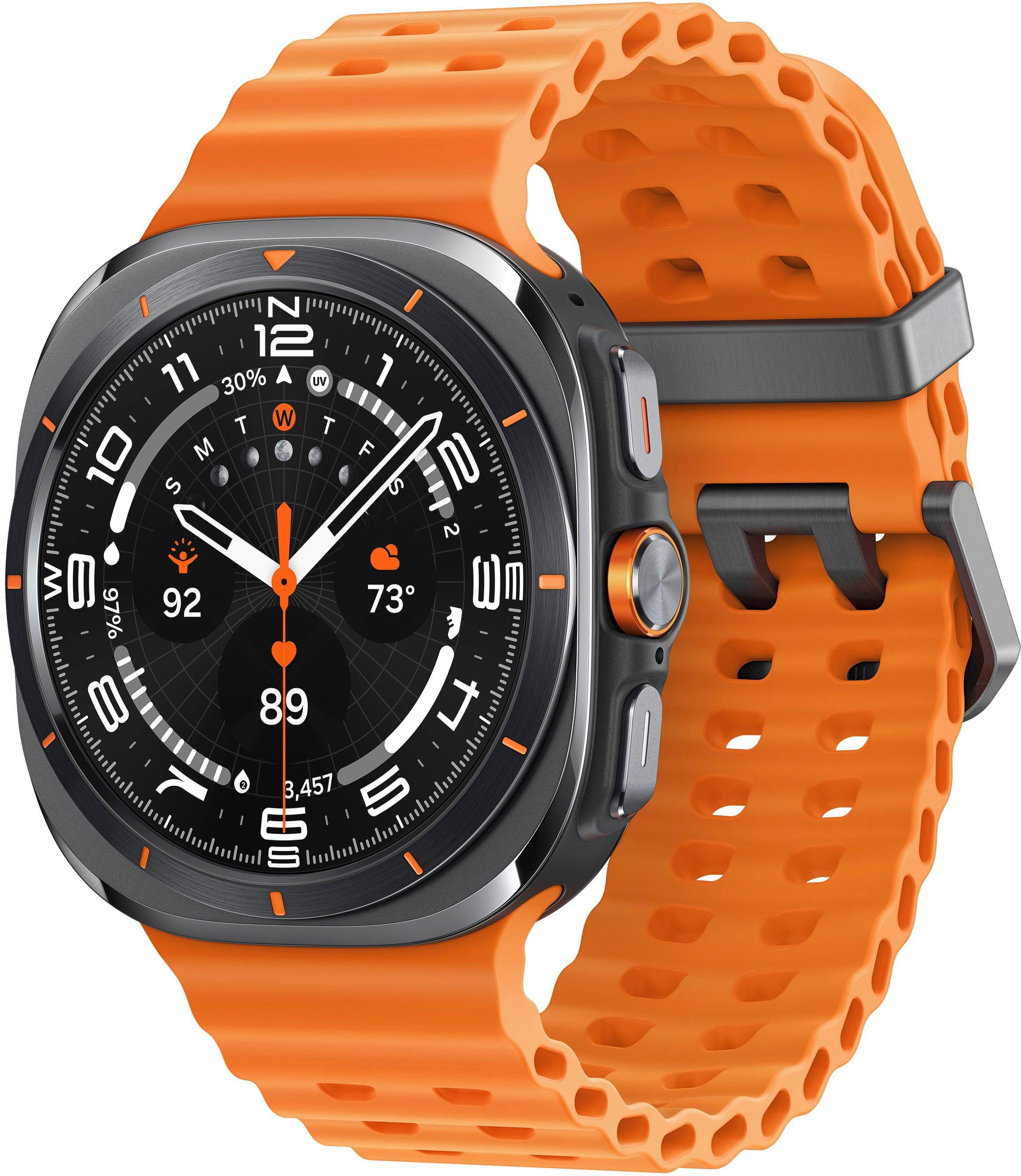
The Samsung Galaxy Watch Ultra embodies the "one device for everything" philosophy. Samsung took their flagship smartwatch capabilities and wrapped them in a military-spec titanium case. You get cellular connectivity, a full app ecosystem, comprehensive health monitoring powered by artificial intelligence, and integration with your entire digital life. It's designed for users who want their wrist to be as capable as their smartphone.
The COROS Pace Pro, by contrast, represents pure focus. COROS, a company that emerged from the endurance sports community, designed this watch specifically for athletes who prioritize performance data above everything else. Every engineering decision serves the primary goals of GPS accuracy, battery longevity, and training insights. Smart features exist to support athletic performance, not replace your phone.
Both approaches launched with significant technological advances in 2024. Samsung introduced their new 3nm Exynos W1000 processor (a manufacturing process that packs more transistors into less space for better performance and efficiency) and doubled storage capacity to 64GB. COROS debuted their fastest processor yet and added full-color offline mapping—a major upgrade from simple breadcrumb navigation.
GPS accuracy might seem like a technical detail, but it's fundamental to everything these watches do. Poor GPS means inaccurate distance measurements, wrong pace calculations, and unreliable navigation—problems that compound over long training sessions or multi-day adventures.
The COROS Pace Pro uses what's called an All-Satellite Dual-Frequency GNSS chipset. Let's break that down: GNSS (Global Navigation Satellite System) means it can connect to multiple satellite networks—not just GPS from the United States, but also Russia's GLONASS, Europe's Galileo, China's Beidou, and Japan's QZSS. Dual-frequency means it receives signals on two different radio frequencies (L1 and L5), which helps eliminate errors caused by atmospheric interference.
Based on extensive testing by professional reviewers and endurance athletes, this system delivers exceptional accuracy. In challenging environments like dense forests or urban canyons where signals bounce off buildings, the COROS Pace Pro consistently outperforms many competitors. This translates to more accurate pace feedback during runs, precise distance measurements for training logs, and reliable navigation when you're miles from cell coverage.
The Samsung Galaxy Watch Ultra also features dual-frequency GPS with multi-satellite support, and its performance is genuinely excellent. In most situations, the difference between the two watches would be negligible for casual users. However, the Samsung's GPS system serves dual purposes—it needs to balance accuracy with battery conservation since it's powering many other features simultaneously. The COROS system, being purpose-built primarily for athletic tracking, can dedicate more resources to maintaining that precision edge.
For most weekend warriors or regular fitness enthusiasts, both systems will provide more than adequate accuracy. The difference becomes meaningful for ultramarathoners, adventure racers, or anyone whose training depends on precise data collection over extended periods.
Battery performance reveals the fundamental difference between these devices most clearly. The COROS Pace Pro delivers up to 38 hours of continuous GPS tracking, extending to 31 hours when using the most demanding dual-frequency mode. In daily use mode—handling basic smartwatch functions, sleep tracking, and periodic heart rate monitoring—it lasts 20 days.
These numbers aren't just impressive; they're transformational for certain use cases. Ultra-marathoners can complete races like the Western States 100-miler without worrying about their watch dying. Backpackers can navigate for days without carrying charging cables. Even regular runners benefit from the freedom of never having to plan charging around their training schedule.
The Samsung Galaxy Watch Ultra, with its 590mAh battery, provides solid performance for a full-featured smartwatch—up to 60-80 hours depending on settings. However, intensive GPS use significantly reduces this runtime, which is typical for devices handling cellular connectivity, app notifications, always-on displays, and continuous health monitoring.
This difference stems from fundamental design priorities. The COROS Pace Pro uses a specialized processor optimized for efficiency rather than raw computing power. Its relatively simple operating system requires minimal background processing. The Samsung uses a more powerful 3nm processor that enables smartphone-like capabilities but demands more energy.
Neither approach is wrong—they serve different needs. If you're planning multi-day adventures where charging isn't possible, the COROS's battery advantage is decisive. If you need your watch to be a comprehensive communication and productivity device, the Samsung's battery life is perfectly adequate for daily charging routines.
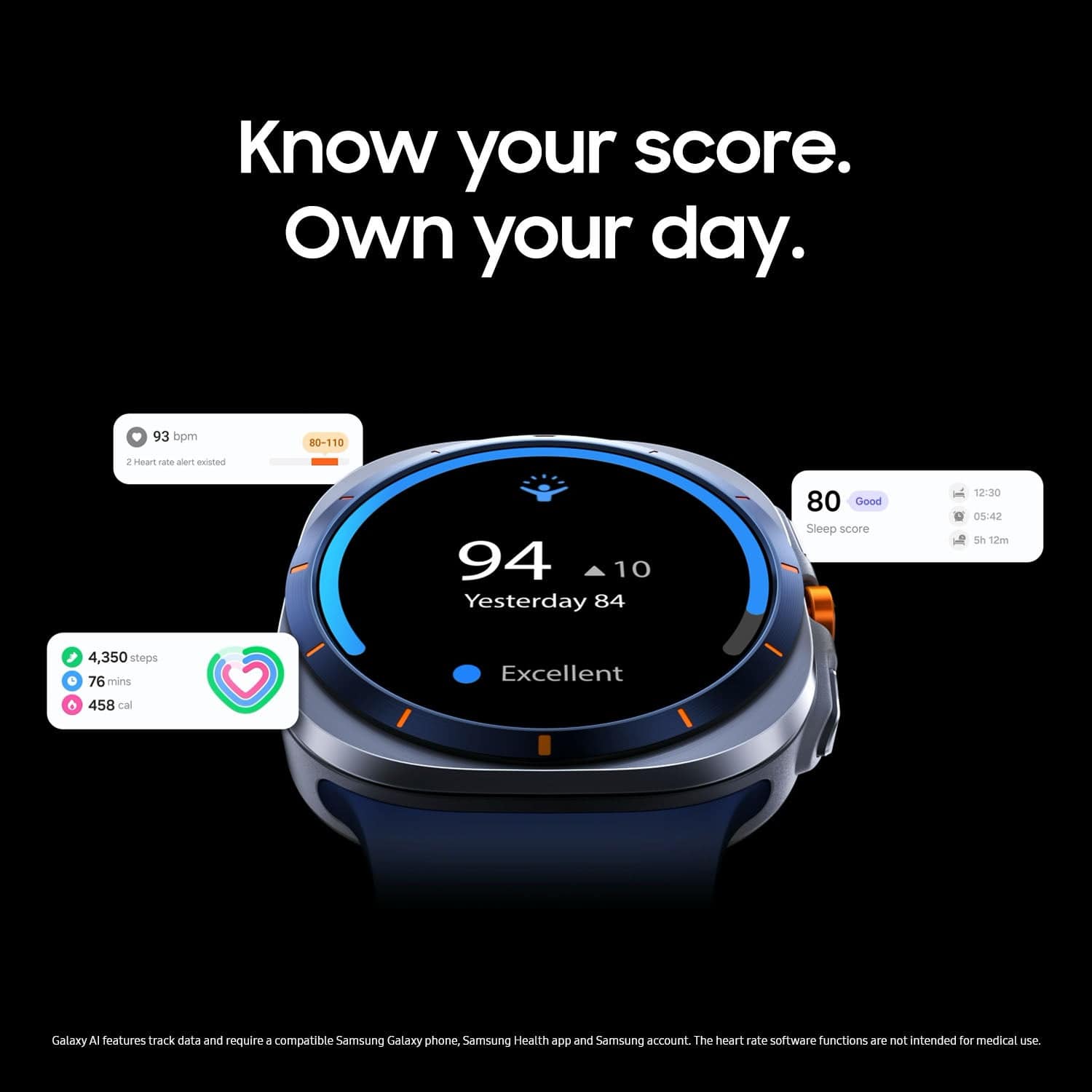
Both watches offer sophisticated health monitoring, but their approaches differ significantly. The Samsung Galaxy Watch Ultra provides what could be called "whole-life health monitoring." Its BioActive sensor suite includes ECG (electrocardiogram) for heart rhythm analysis, bioelectrical impedance for body composition measurements, blood pressure trend monitoring, and advanced sleep analysis with coaching recommendations.
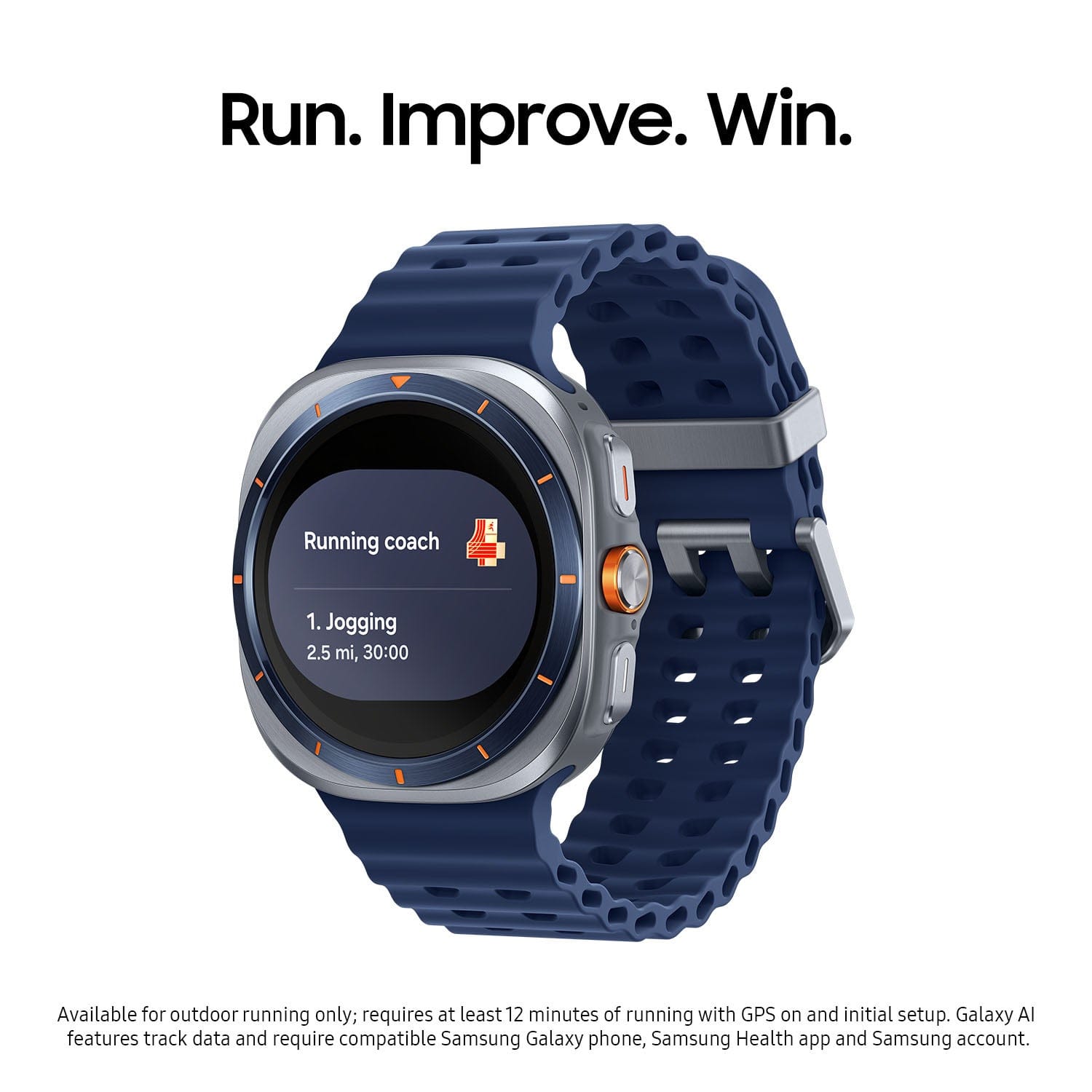
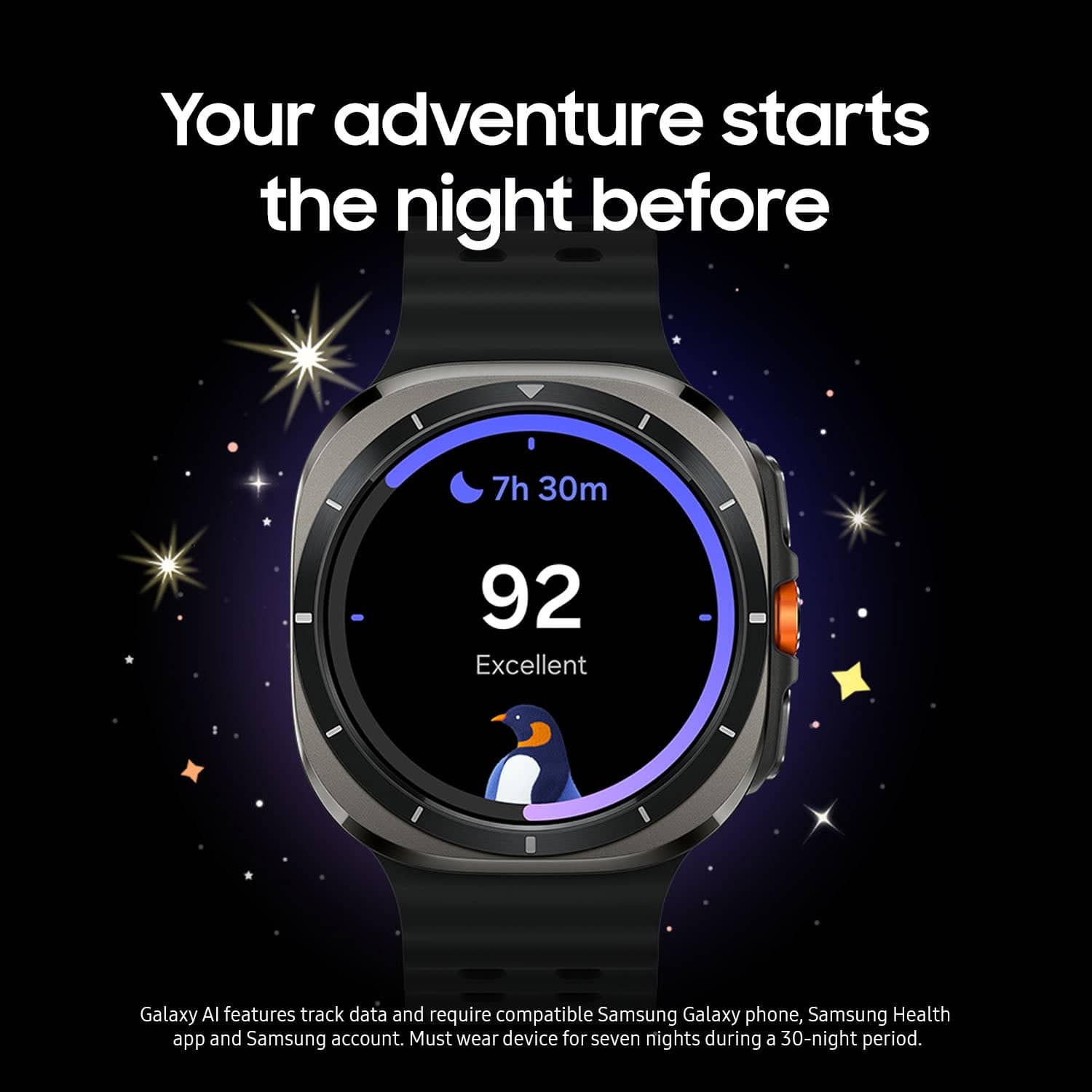
The Galaxy AI integration is particularly notable—it analyzes your sleep patterns, activity levels, and recovery metrics to provide personalized recommendations. The system can suggest optimal bedtimes, warn about overtraining, and even detect irregular heart rhythms that might warrant medical attention. For users interested in comprehensive wellness tracking beyond just athletic performance, this ecosystem is remarkably sophisticated.
The COROS Pace Pro focuses its health monitoring specifically on athletic performance. Its optical heart rate sensor (using 5 LEDs and 4 photodetectors for better accuracy) provides reliable data during activities, though like most optical sensors, it can struggle with certain skin tones or during high-intensity intervals. The watch excels at VO2 max estimation (a measure of aerobic fitness), training load analysis, and recovery recommendations specifically tailored to endurance athletes.
Where COROS really shines is in actionable training insights. The system analyzes your workout history, current fitness level, and recovery status to recommend training intensities and recovery periods. For serious athletes following structured training plans, these insights can be genuinely valuable for optimizing performance and preventing overtraining.
Both systems include sleep tracking, but with different focuses. Samsung provides detailed sleep stage analysis with lifestyle recommendations. COROS focuses on how sleep affects athletic recovery and performance. Neither system matches dedicated sleep monitoring devices for accuracy, but both provide useful insights for their target audiences.
The display tells the story of each device's priorities. The Samsung Galaxy Watch Ultra features a 1.5-inch Super AMOLED screen capable of reaching 3,000 nits peak brightness—among the brightest smartwatch displays available. This extreme brightness ensures perfect visibility even in direct desert sun or snow glare, critical for outdoor adventures.
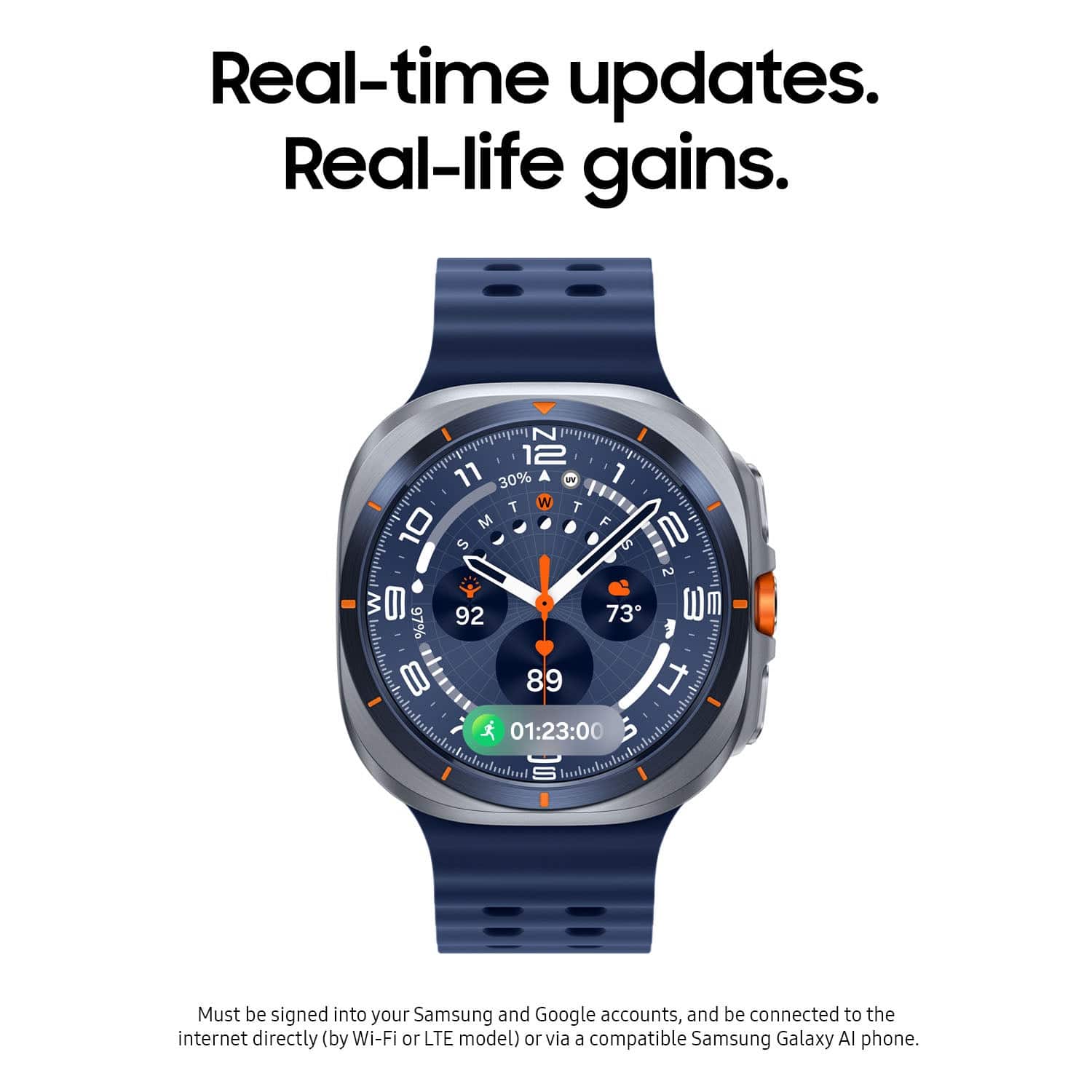
The display supports full-color maps, high-resolution photography, and rich app interfaces. The Wear OS 5 operating system provides a smartphone-like experience with Google Play Store access, comprehensive notification handling, and seamless integration with Android devices. You can respond to texts, take calls, stream music, and run third-party apps like any modern smartwatch.
The COROS Pace Pro uses a 1.3-inch AMOLED touchscreen with 1,500 nits peak brightness. While not as blindingly bright as Samsung's display, it's perfectly readable in all practical situations. The interface prioritizes clarity and simplicity—large, easy-to-read data fields, intuitive navigation, and minimal distractions during activities.
COROS's approach eliminates complexity that might interfere with training. You won't find social media apps or games, but you will find sophisticated training tools, detailed performance analytics, and mapping features designed specifically for athletes. The 32GB of storage primarily serves downloadable maps and music for training sessions.
The user experience reflects these priorities. Samsung's interface rewards exploration and customization—you can tweak widgets, download specialized apps, and personalize almost everything. COROS provides a more focused experience that gets out of your way during activities while providing deep training insights afterward.
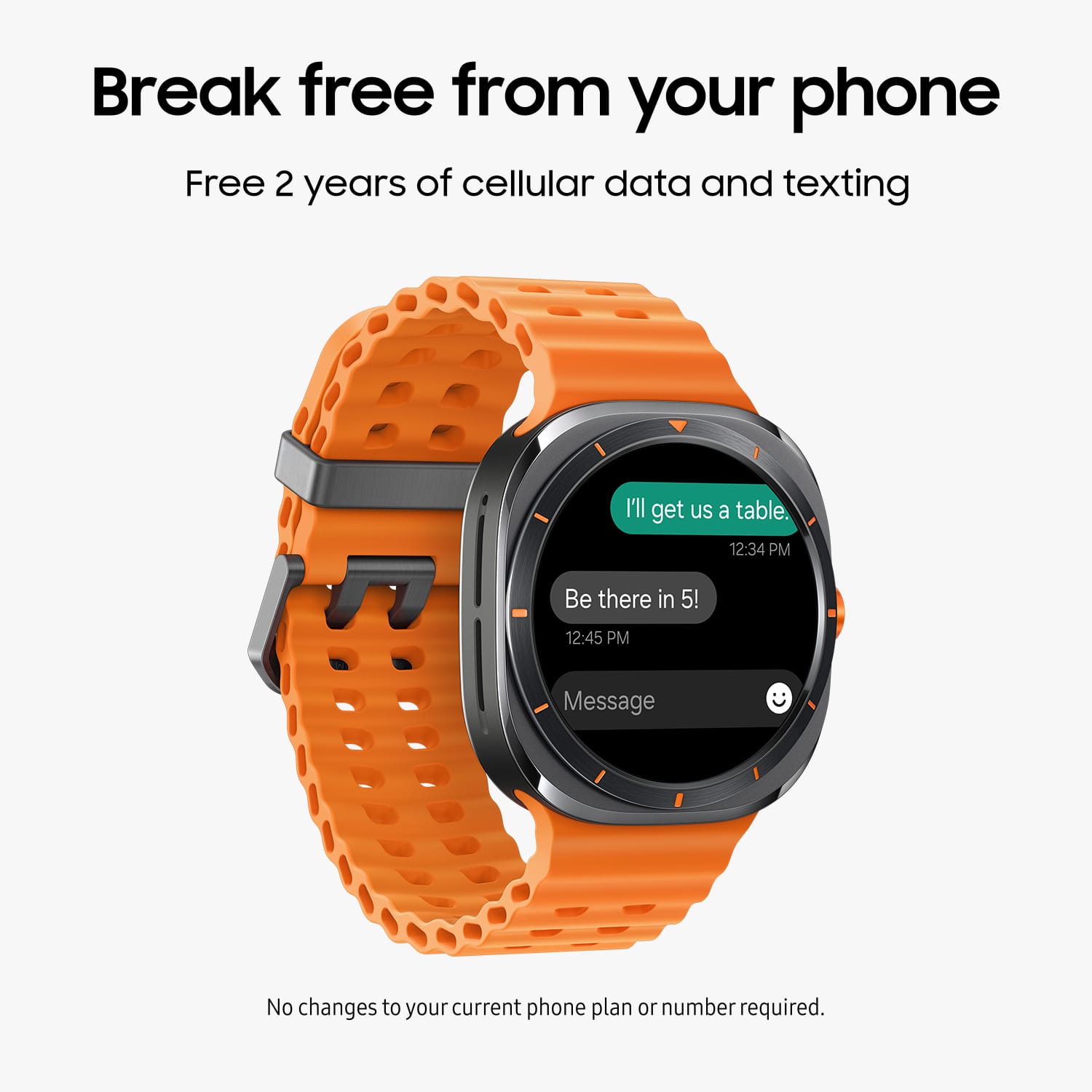
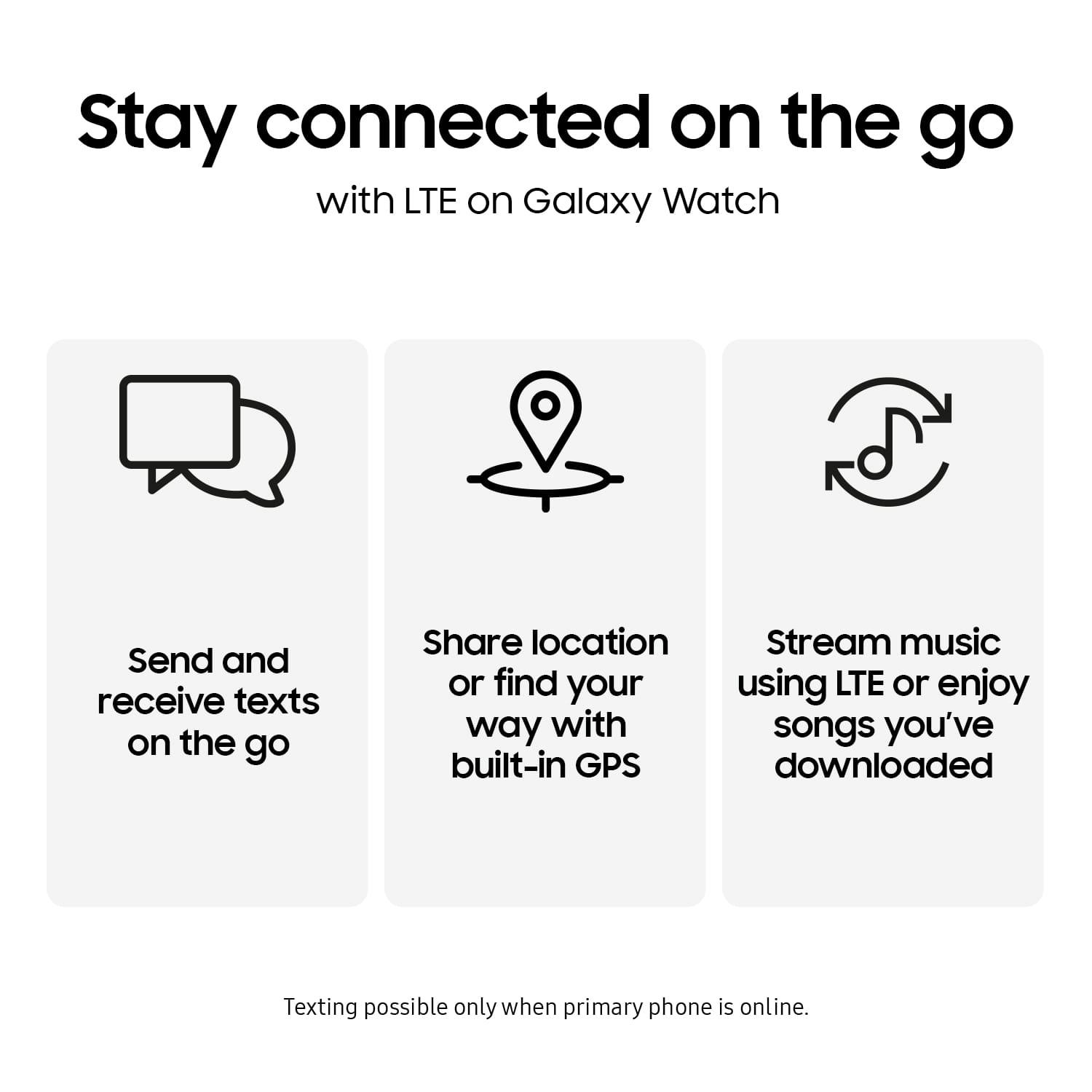
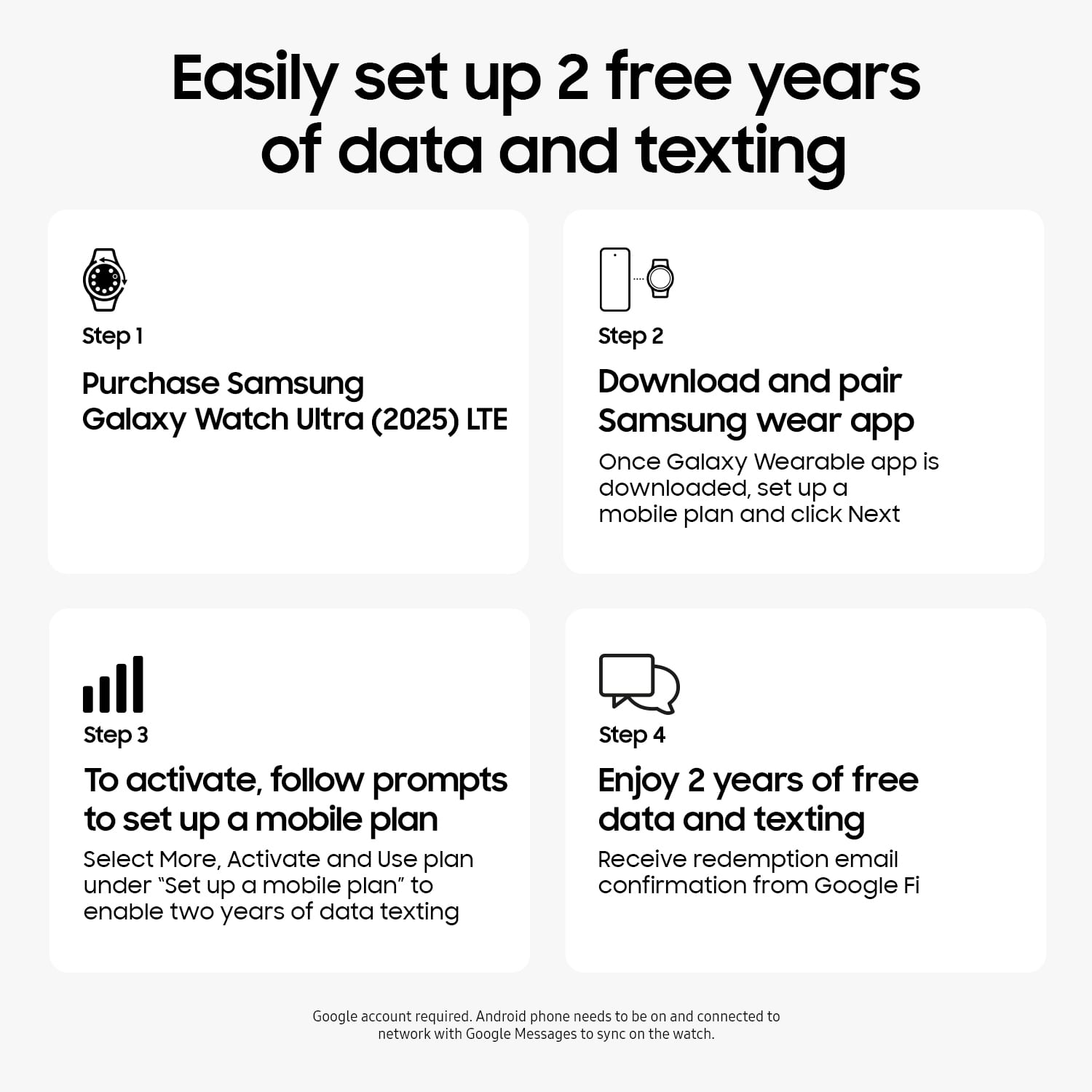
The Samsung Galaxy Watch Ultra operates as a true smartphone companion. Its LTE cellular connectivity allows completely independent operation—you can leave your phone at home and still receive calls, reply to messages, stream music, and access emergency services. This independence is particularly valuable for athletes who don't want to carry phones during long runs or technical climbs.
The full Wear OS ecosystem means access to Google Assistant, Google Pay for contactless payments, and thousands of third-party apps. Integration with Samsung's Galaxy ecosystem provides additional benefits like seamless device switching, shared clipboards, and enhanced health data synchronization across devices.
The COROS Pace Pro includes smart features specifically chosen to support athletic activities. Bluetooth connectivity enables music playback through wireless headphones, essential for long training sessions. The watch can control action cameras from GoPro and Insta360, useful for documenting adventures. Notifications are handled simply—you see them, but responding requires your phone.
The COROS approach eliminates potential distractions during training while maintaining essential connectivity. You won't accidentally open social media apps mid-workout, but you will get emergency notifications and can control your music without breaking stride.
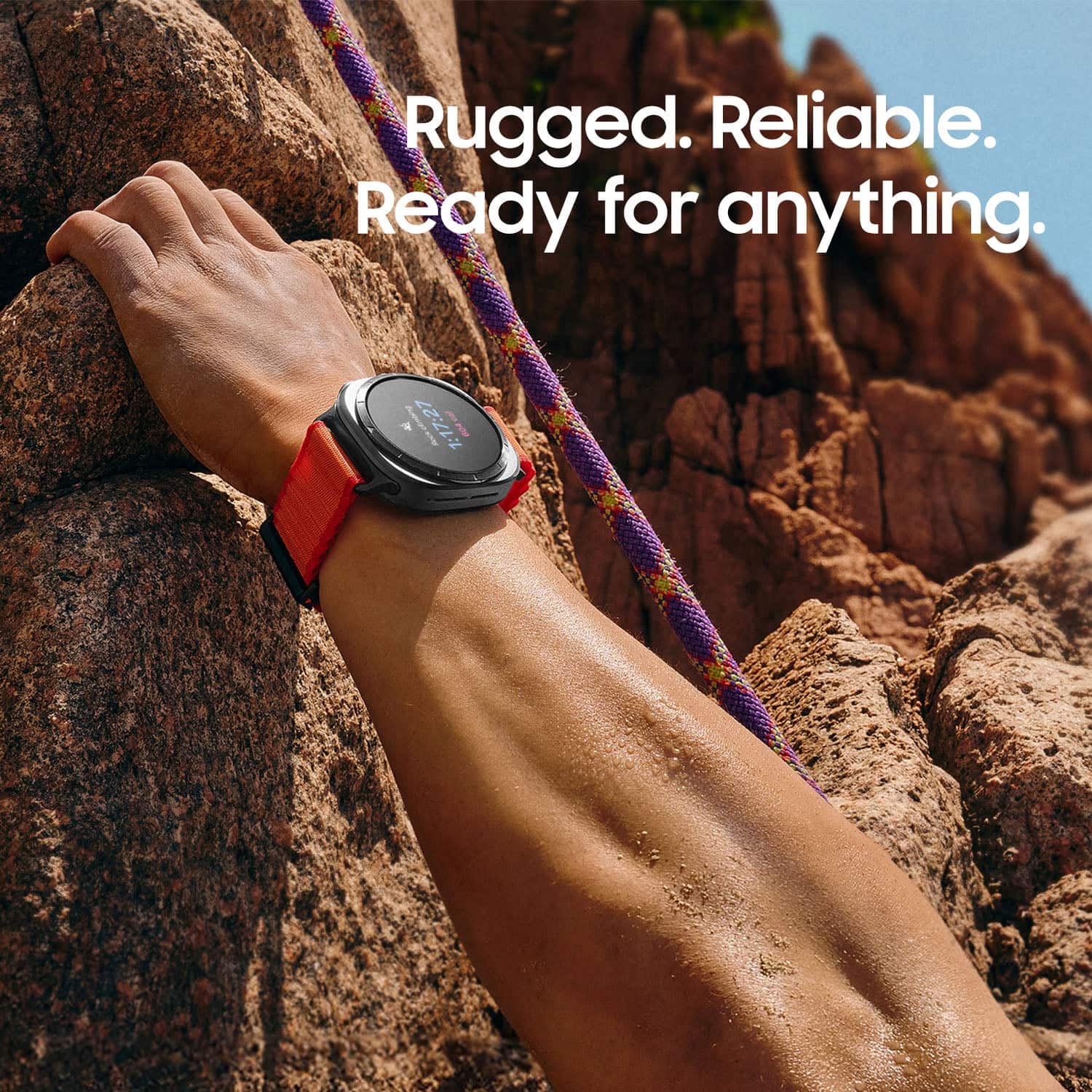
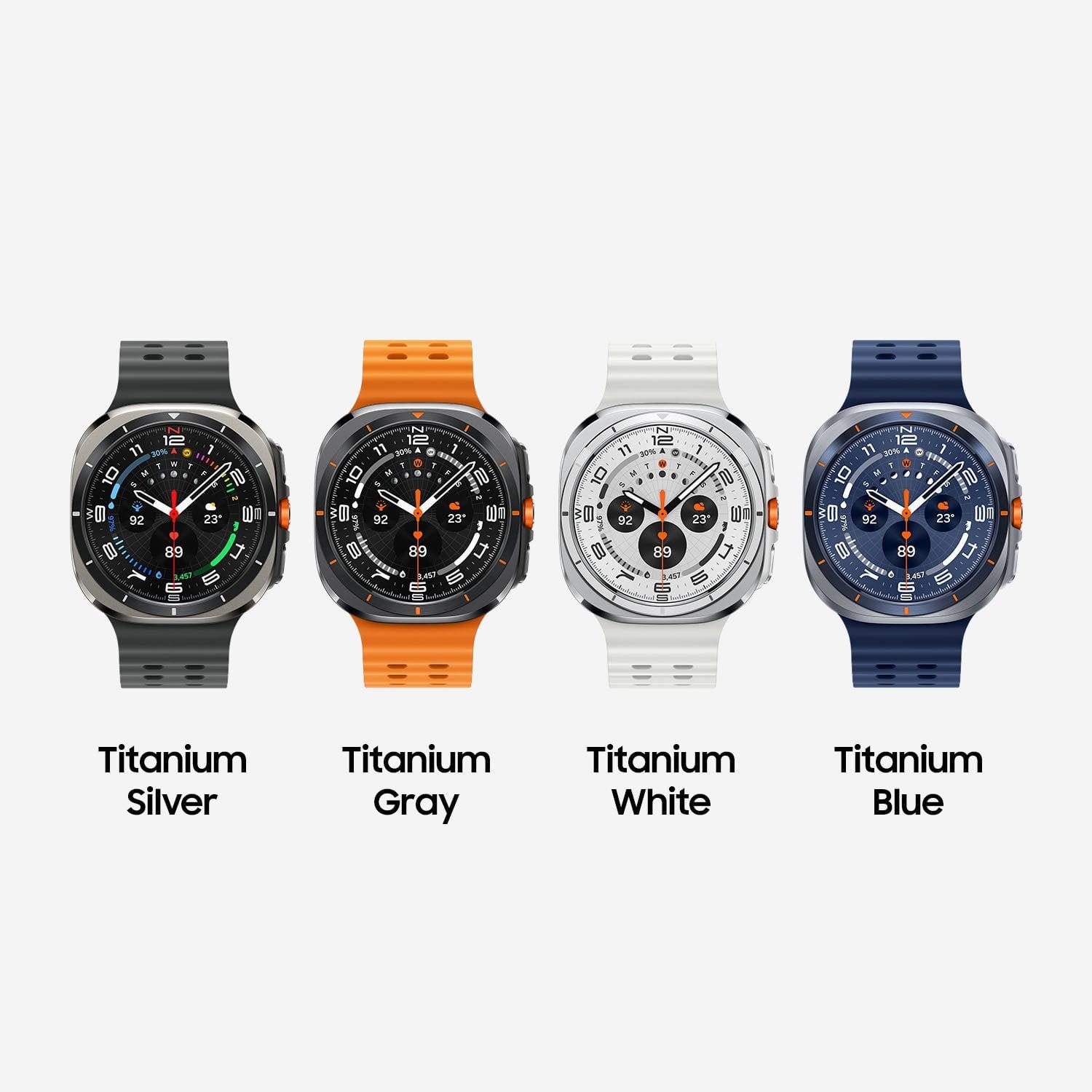
Both watches target extreme durability but achieve it differently. The Samsung Galaxy Watch Ultra weighs 60.5 grams and uses Grade 4 titanium construction with sapphire crystal glass protection. It meets MIL-STD-810H military specifications for shock, vibration, and temperature extremes, plus offers 10 ATM water resistance (suitable for recreational scuba diving).
This construction creates a virtually indestructible device. The titanium case can handle impacts that would destroy lesser watches, while the sapphire crystal resists scratching from rocks, metal tools, or accidental impacts. For users who need maximum protection—perhaps military personnel, construction workers, or extreme sports athletes—this durability justifies the weight penalty.
The COROS Pace Pro weighs just 37 grams with a nylon band, making it one of the lightest GPS sport watches available. The fiber-reinforced polymer construction prioritizes weight savings while maintaining 5 ATM water resistance suitable for swimming and surface water sports.
This weight difference is more significant than it might seem. During ultra-marathons or long climbing sessions, every gram matters for comfort and performance. The COROS disappears on your wrist in ways that heavier watches cannot, reducing fatigue over extended periods.
Neither approach is superior universally—they serve different priorities. Maximum protection versus minimal weight represents a fundamental trade-off that depends on your primary use cases.
At the time of writing, both watches command premium pricing but deliver value in different ways. The Samsung Galaxy Watch Ultra positions itself as a flagship device that consolidates multiple gadgets into one premium package. When you consider the cost of a high-end fitness tracker, cellular-connected smartwatch, and rugged adventure watch separately, the Galaxy Watch Ultra's comprehensive approach provides reasonable value.
The COROS Pace Pro delivers exceptional value specifically for athletic applications. Compared to similarly capable GPS sport watches from established brands like Garmin or Polar, the COROS often provides superior battery life and GPS accuracy at competitive pricing. However, it doesn't attempt to replace other devices—it simply excels at its specific mission.
The value calculation depends heavily on how you'll actually use the device. If you need comprehensive smart features, cellular connectivity, and maximum durability, the Samsung's higher price point becomes justified. If your priorities center on athletic performance, GPS accuracy, and battery life, the COROS provides better value for those specific needs.
Choose the Samsung Galaxy Watch Ultra if you want one premium device that handles everything. This makes sense for users deeply integrated into Android ecosystems, professionals who need rugged durability with smart connectivity, or anyone who values the convenience of leaving their phone behind while maintaining full communication capabilities. The comprehensive health monitoring also appeals to users interested in wellness tracking beyond just fitness metrics.
The Galaxy Watch Ultra serves users who view their smartwatch as an extension of their smartphone—providing convenience, connectivity, and comprehensive functionality in extreme conditions. If you frequently find yourself wishing your current watch could do more, this device likely delivers that additional capability.
Choose the COROS Pace Pro if athletic performance is your primary concern. This watch serves serious runners, cyclists, hikers, and adventure athletes who prioritize GPS accuracy, battery life, and training insights above all else. The weight advantage becomes crucial for ultramarathon running, long-distance cycling, or any activity where comfort over extended periods matters more than maximum features.
The COROS appeals to users who prefer specialized tools that excel at specific tasks rather than general-purpose devices that attempt everything. If you already have a smartphone that handles communication and entertainment well, the Pace Pro provides superior athletic functionality without unnecessary complexity.
Consider your primary use cases honestly. If you spend more time in conference rooms than on trail runs, the Samsung's comprehensive smart features probably serve you better. If you're training for your next ultra-marathon or planning multi-day backpacking trips, the COROS's specialized focus delivers more practical value.
Both devices represent the current state of the art in their respective approaches. The decision comes down to whether you prioritize comprehensive functionality or specialized athletic excellence. Either choice will serve you well within its intended use case—the key is matching the device's strengths to your actual needs rather than theoretical requirements you might never use.
| Samsung Galaxy Watch Ultra 47mm LTE Smartwatch 2025 | COROS Pace Pro GPS Sport Watch |
|---|---|
| Display - Critical for outdoor visibility and user experience | |
| 1.5" Super AMOLED, 480x480, up to 3,000 nits (brightest available, perfect for desert/snow conditions) | 1.3" AMOLED, 416x416, 1,500 nits (excellent visibility, more compact design) |
| Battery Life - Essential for extended activities and multi-day adventures | |
| Up to 60-80 hours daily use, significantly less with GPS (requires regular charging) | Up to 38 hours GPS tracking, 20 days daily use (exceptional for ultra-endurance activities) |
| Weight - Impacts comfort during long activities | |
| 60.5g (substantial but manageable for most users) | 37g nylon / 49g silicone (ultralight, disappears on wrist during long runs) |
| GPS Accuracy - Most important for precise tracking and navigation | |
| Dual-frequency L1+L5 with multi-satellite (very accurate for most activities) | All-Satellite Dual-Frequency GNSS (superior accuracy in challenging environments) |
| Build Materials - Determines durability in extreme conditions | |
| Grade 4 titanium, sapphire crystal, MIL-STD-810H, 10 ATM (maximum protection) | Fiber-reinforced polymer, mineral glass, 5 ATM (lighter but still durable for most sports) |
| Smart Features - Determines daily usefulness beyond fitness | |
| Full Wear OS, LTE connectivity, NFC payments, Google Play Store (complete smartphone replacement) | Basic notifications, music control, camera control (focused on athletic support only) |
| Health Monitoring - Breadth vs depth of tracking capabilities | |
| Comprehensive: ECG, blood pressure trends, body composition, Galaxy AI coaching | Athletic-focused: VO2 max, training load, recovery analysis, performance metrics |
| Storage Capacity - Important for offline maps and music | |
| 64GB (ample space for apps, music, maps, and data) | 32GB (sufficient for maps and music during activities) |
| Navigation Features - Critical for outdoor adventures and trail activities | |
| Good mapping with turn-by-turn directions, integrates with Samsung services | Excellent offline mapping, downloadable global topo maps, specialized outdoor navigation |
| Connectivity Options - Determines independence from phone | |
| LTE cellular, Wi-Fi, Bluetooth 5.3, NFC (complete independence from phone possible) | Wi-Fi, Bluetooth (requires phone for full smart features, but sufficient for training) |
The COROS Pace Pro has superior GPS accuracy thanks to its All-Satellite Dual-Frequency GNSS chipset that connects to GPS, GLONASS, Galileo, Beidou, and QZSS satellites. Professional testing shows it outperforms most competitors in challenging environments like dense forests or urban canyons. While the Samsung Galaxy Watch Ultra also offers dual-frequency GPS with excellent accuracy, the COROS Pace Pro is specifically optimized for precise athletic tracking.
The COROS Pace Pro significantly outperforms the Samsung Galaxy Watch Ultra in battery life, offering up to 38 hours of continuous GPS tracking and 20 days of daily use. The Samsung Galaxy Watch Ultra provides 60-80 hours of daily use but much less during GPS-intensive activities. For ultra-marathons or multi-day adventures, the COROS Pace Pro is the clear winner.
The Samsung Galaxy Watch Ultra excels in smart features with full Wear OS, LTE cellular connectivity, NFC payments, Google Play Store access, and comprehensive notification handling. You can leave your phone at home and maintain full communication capabilities. The COROS Pace Pro focuses on basic smart features like music control and simple notifications, requiring your phone for full functionality.
Both watches are built for extreme conditions but differently. The Samsung Galaxy Watch Ultra uses Grade 4 titanium construction with sapphire crystal glass, meeting MIL-STD-810H military standards and offering 10 ATM water resistance. The COROS Pace Pro prioritizes lightweight durability with fiber-reinforced polymer construction and 5 ATM water resistance. The Samsung Galaxy Watch Ultra provides maximum protection while the COROS Pace Pro balances durability with ultralight weight.
The COROS Pace Pro is designed specifically for serious athletes, offering superior GPS accuracy, exceptional battery life, specialized training metrics, and VO2 max analysis. Its lightweight design (37-49g) makes it comfortable for ultra-endurance activities. While the Samsung Galaxy Watch Ultra provides comprehensive health monitoring, the COROS Pace Pro delivers more focused athletic performance insights.
The Samsung Galaxy Watch Ultra has the advantage with its 1.5-inch Super AMOLED display capable of 3,000 nits peak brightness—among the brightest smartwatch displays available. The COROS Pace Pro offers excellent visibility with its 1,500 nits brightness, but the Samsung Galaxy Watch Ultra provides superior readability in extreme conditions like desert sun or snow glare.
The COROS Pace Pro is significantly lighter at just 37g with a nylon band (49g with silicone), making it one of the lightest GPS sport watches available. The Samsung Galaxy Watch Ultra weighs 60.5g due to its titanium construction. For ultra-marathons, long cycling sessions, or multi-day adventures where comfort matters most, the COROS Pace Pro provides a substantial advantage.
Value depends on your priorities. The Samsung Galaxy Watch Ultra provides comprehensive smartwatch functionality, cellular connectivity, and maximum durability in one premium package. The COROS Pace Pro offers exceptional value for athletic-focused users, delivering superior GPS accuracy and battery life at a competitive price point for serious sports watches.
The Samsung Galaxy Watch Ultra provides more comprehensive health monitoring with ECG, blood pressure trends, body composition analysis, and Galaxy AI-powered wellness coaching. The COROS Pace Pro focuses on athletic performance metrics like training load, recovery analysis, and VO2 max estimation. Choose the Samsung Galaxy Watch Ultra for overall wellness tracking or the COROS Pace Pro for sport-specific insights.
Both offer excellent navigation, but serve different needs. The COROS Pace Pro excels with downloadable global offline maps, regional topographical maps, and specialized outdoor navigation features perfect for backcountry adventures. The Samsung Galaxy Watch Ultra provides good mapping integrated with Samsung's services and cellular connectivity for real-time updates.
The Samsung Galaxy Watch Ultra provides deeper integration with Android devices, especially Samsung Galaxy phones, offering features like seamless device switching and enhanced ecosystem connectivity. The COROS Pace Pro works well with Android through the COROS app and syncs with popular fitness platforms like Strava and TrainingPeaks, but doesn't offer the same level of smart integration.
Choose the Samsung Galaxy Watch Ultra if you want one device that handles comprehensive smartwatch features, health monitoring, and rugged durability. Select the COROS Pace Pro if your primary focus is athletic performance, GPS accuracy, and exceptional battery life. The Samsung Galaxy Watch Ultra serves users wanting maximum versatility, while the COROS Pace Pro excels for dedicated fitness enthusiasts and endurance athletes.
We've done our best to create useful and informative comparisons to help you decide what product to buy. Our research uses advanced automated methods to create this comparison and perfection is not possible - please contact us for corrections or questions. These are the sites we've researched in the creation of this article: smartwatch-straps.co.uk - wareable.com - dcrainmaker.com - pocket-lint.com - sypnotix.com - youtube.com - youtube.com - 9to5google.com - us.community.samsung.com - youtube.com - samsung.com - phonearena.com - versus.com - gsmarena.com - samsung.com - samsung.com - phonearena.com - samsung.com - samsung.com - samsung.com - samsung.com - samsung.com - t-mobile.com - att.com - youtube.com - bestbuy.com - verizon.com - youtube.com - bandletic.com - androidcentral.com - samsung.com - samsung.com - samsung.com - samsung.com - southwesthikes.com - coros.com - dcrainmaker.com - garagegrowngear.com - tomsguide.com - techradar.com - runningwarehouse.com - wareable.com - runnersworld.com - alastairrunning.com - trackbetter.com - us.coros.com - youtube.com - youtube.com - corosnordic.com - coros.com - us.coros.com - coros.com - bikerumor.com - advnture.com - corosbenelux.com

Privacy Policy
Terms and Conditions - Affiliate Policy
Home Security
© Copyright 2008-2026.
11816 Inwood Rd #1211, Dallas, TX 75244