

Choosing a smartwatch in 2025 feels a bit like shopping for a car—you can get something that gets you from point A to point B reliably, or you can invest in a premium machine built for extreme conditions. The Samsung Galaxy Watch Ultra and Apple Watch SE 2nd Generation represent these two very different philosophies, and understanding which approach fits your life will save you both money and frustration.
Modern smartwatches have evolved far beyond simple notification displays. They're essentially miniature computers that monitor your health, track your workouts, and keep you connected without pulling out your phone. The key considerations when choosing between models center around five main areas: health monitoring capabilities, battery endurance, build quality and durability, display performance, and ecosystem integration.
The health monitoring aspect has become particularly sophisticated. Basic heart rate tracking, which uses LED lights to detect blood flow through your wrist, is now standard. More advanced watches include ECG sensors (electrocardiogram sensors that can detect irregular heart rhythms), SpO2 monitoring (blood oxygen level tracking), and even body temperature sensors. These features can provide early warnings about health issues, though they're not medical devices and shouldn't replace professional healthcare.
Battery life varies dramatically across the smartwatch category. Some premium models can run for days or even weeks, while others require daily charging. This difference often comes down to the display technology, processor efficiency, and how many sensors are constantly running in the background.
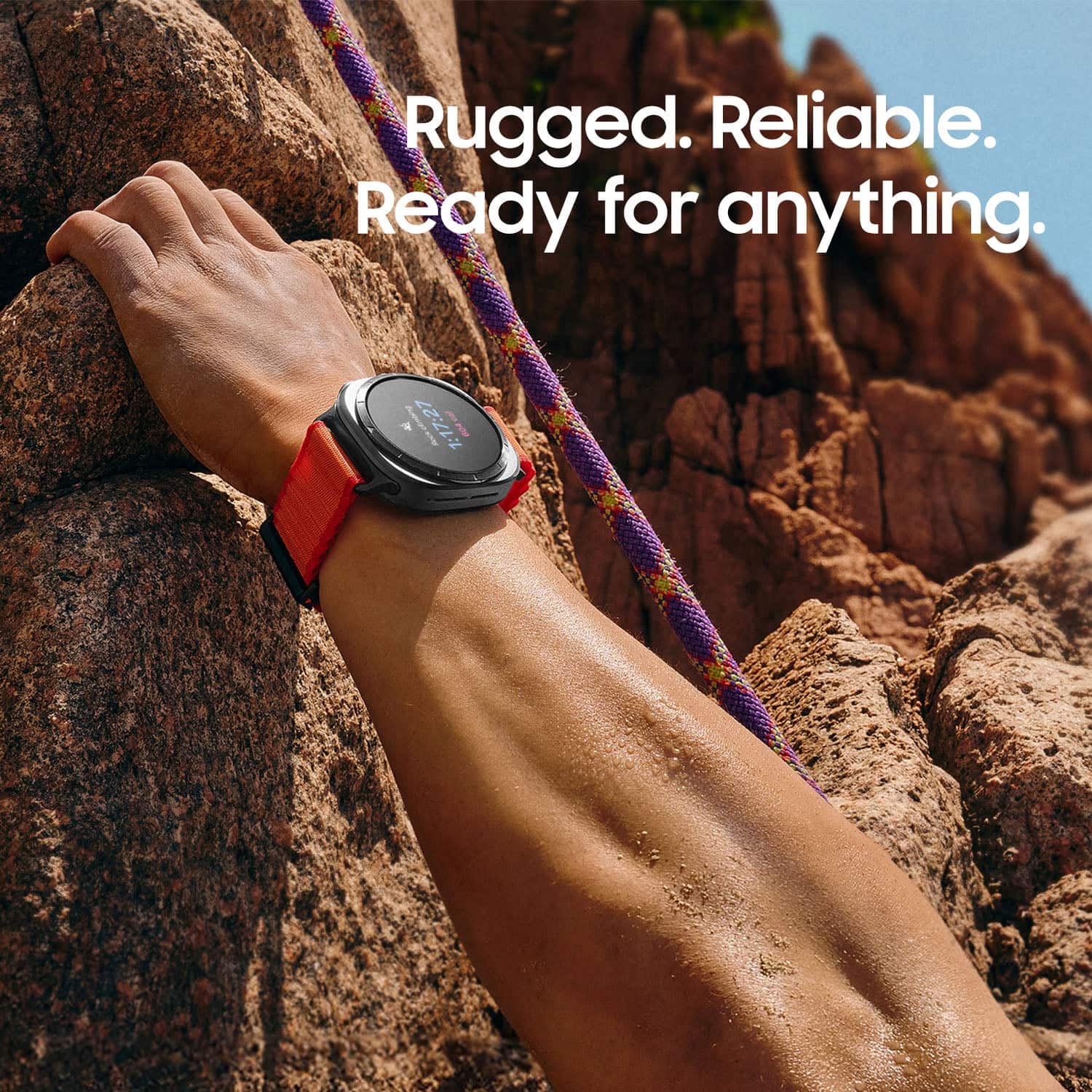
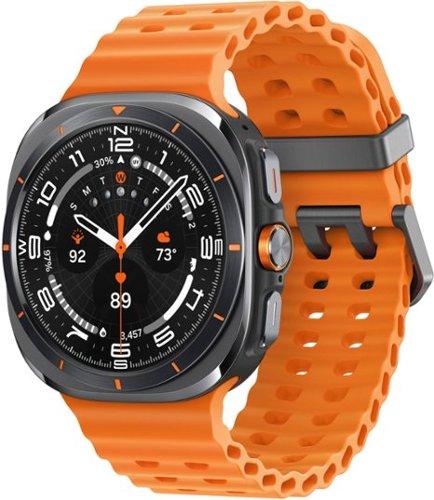
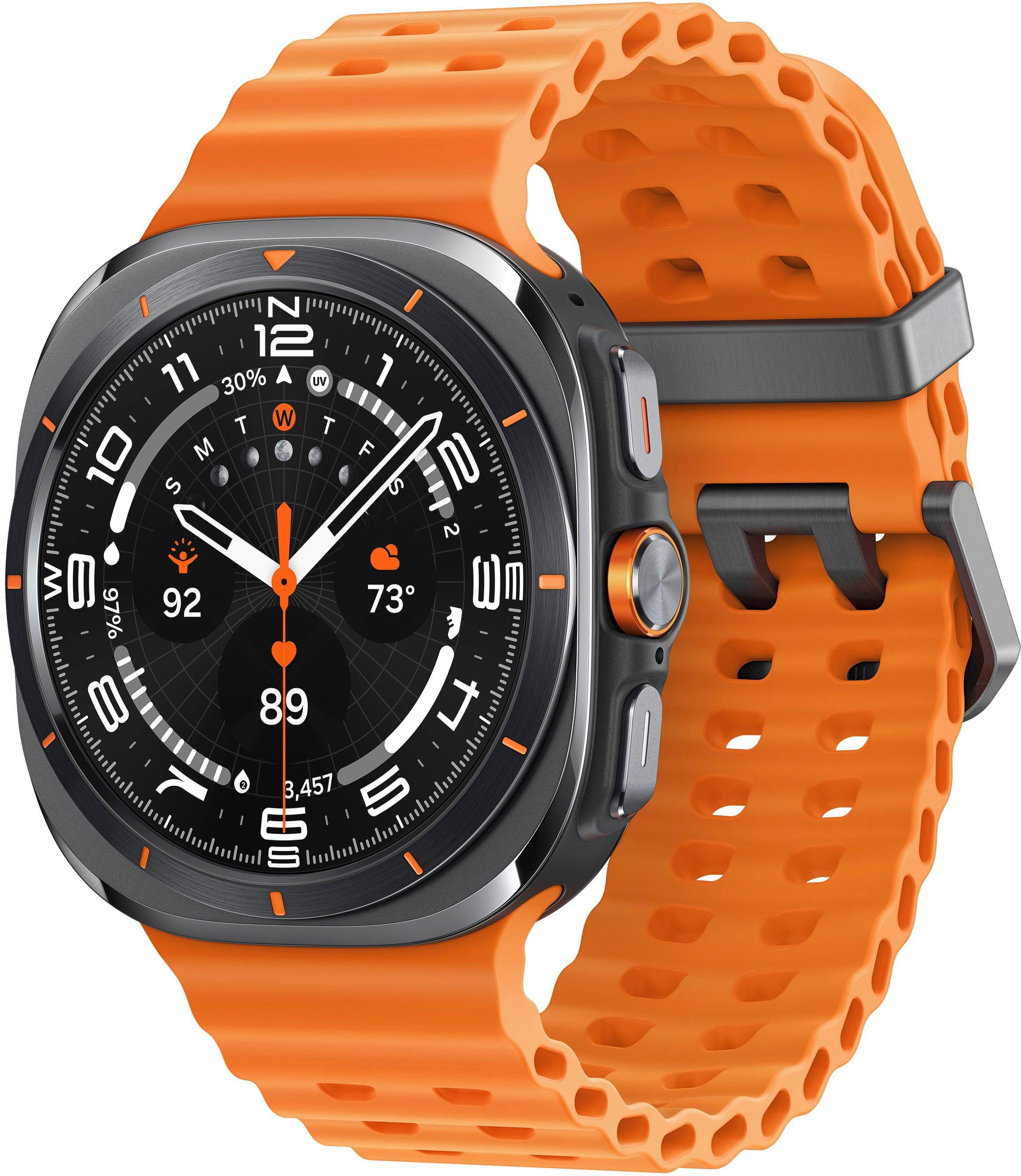
The Samsung Galaxy Watch Ultra, released in 2024, takes the "everything but the kitchen sink" approach. Samsung designed this watch for people who push their gear to the limits—think mountain climbers, ultra-marathon runners, and outdoor professionals who need their technology to survive extreme conditions. At the time of writing, it commands a premium price that reflects its titanium construction and advanced sensor suite.
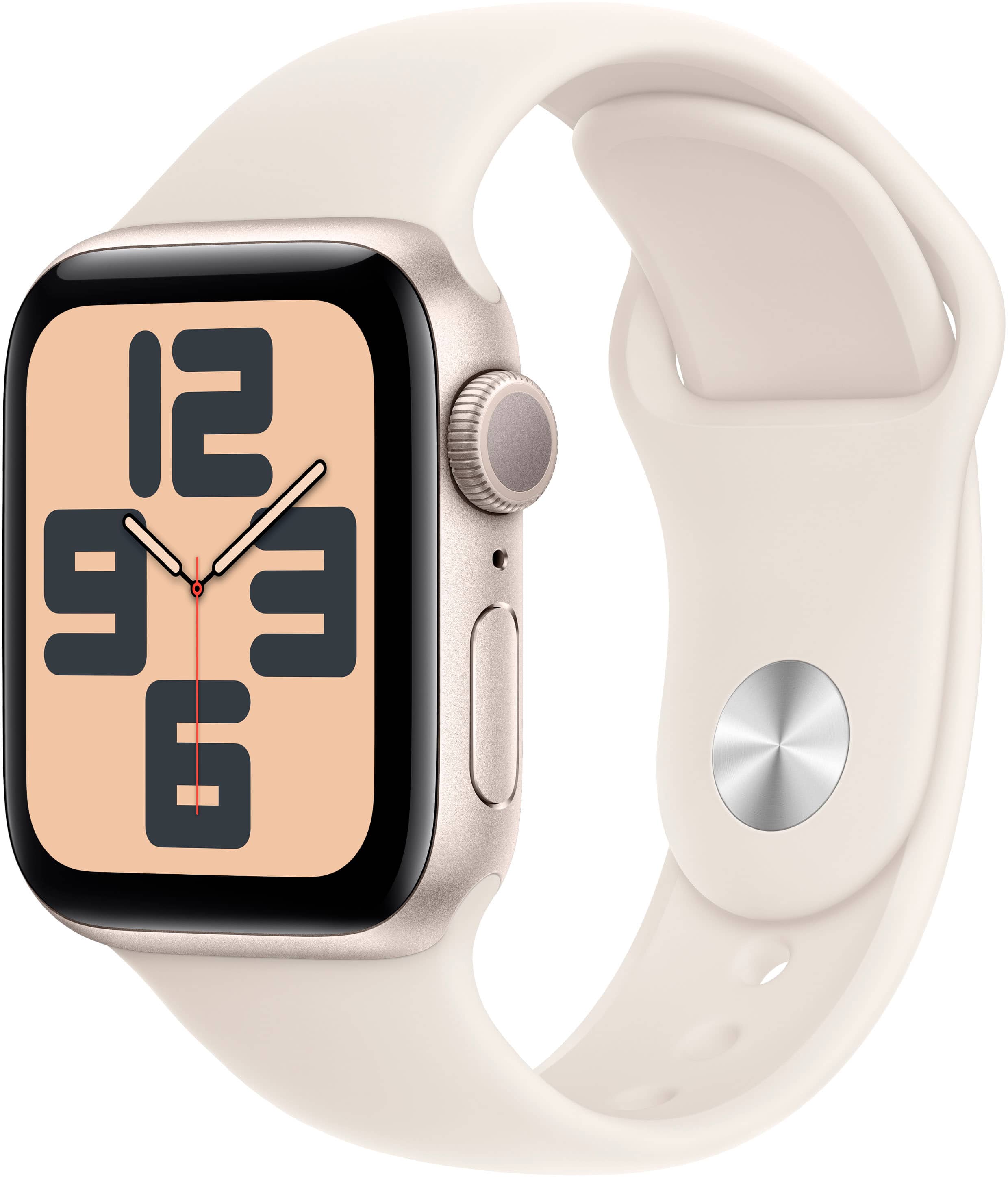
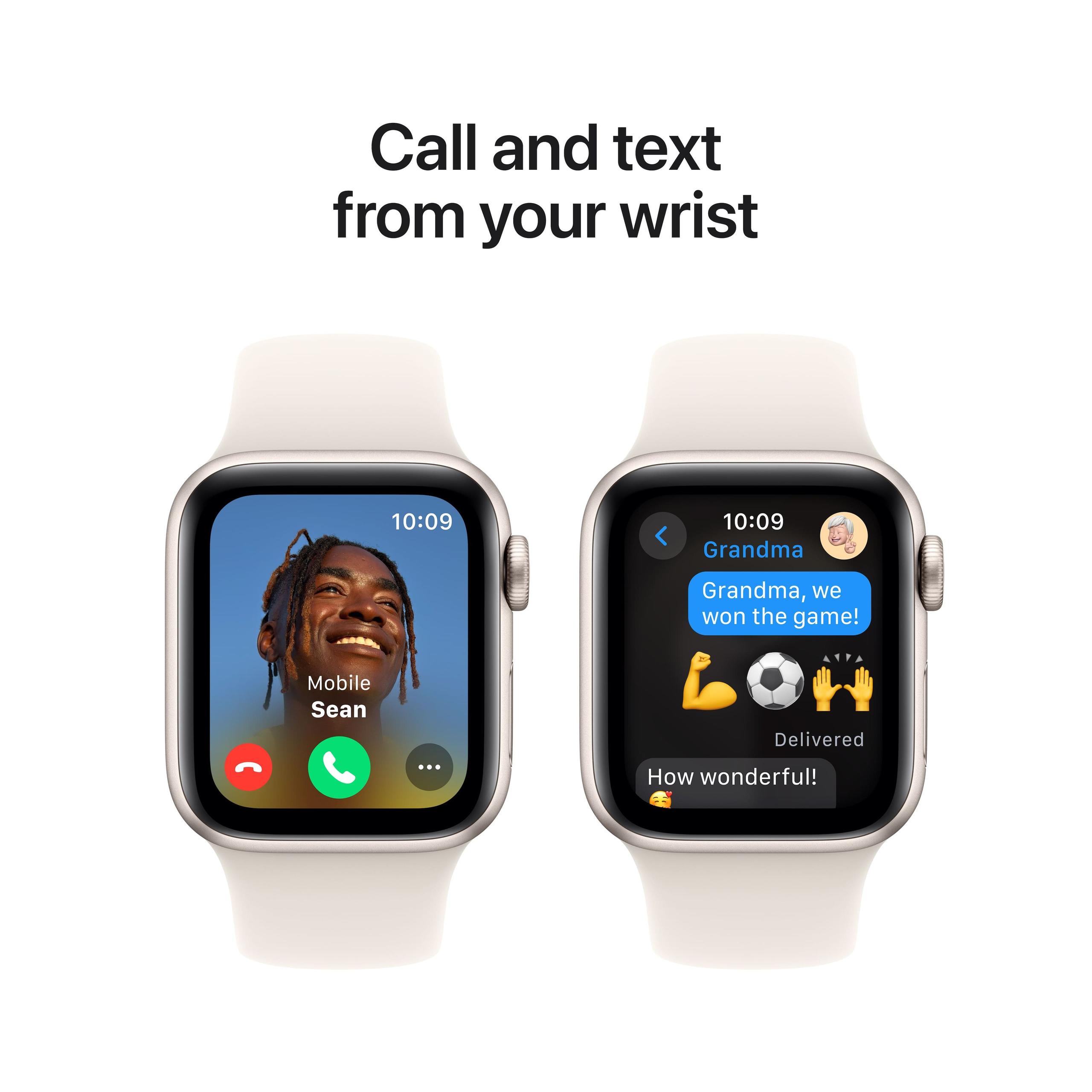
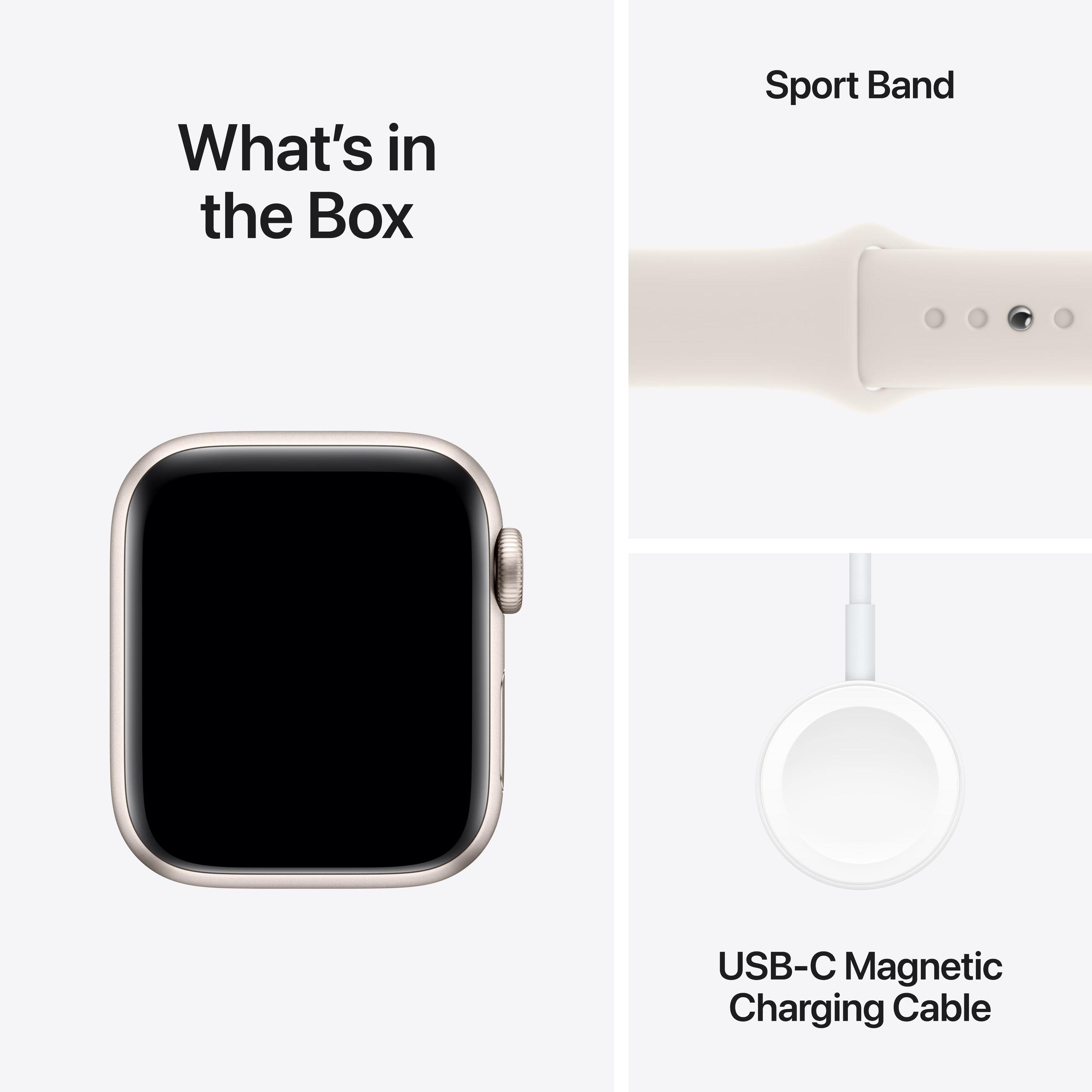
Meanwhile, the Apple Watch SE 2nd Generation, also from 2024, represents Apple's philosophy of delivering essential features at a more accessible price point. Rather than cramming in every possible sensor, Apple focused on perfecting the core smartwatch experience while keeping costs reasonable. This approach makes it significantly less expensive than the Galaxy Watch Ultra, typically costing less than a third of Samsung's premium offering.
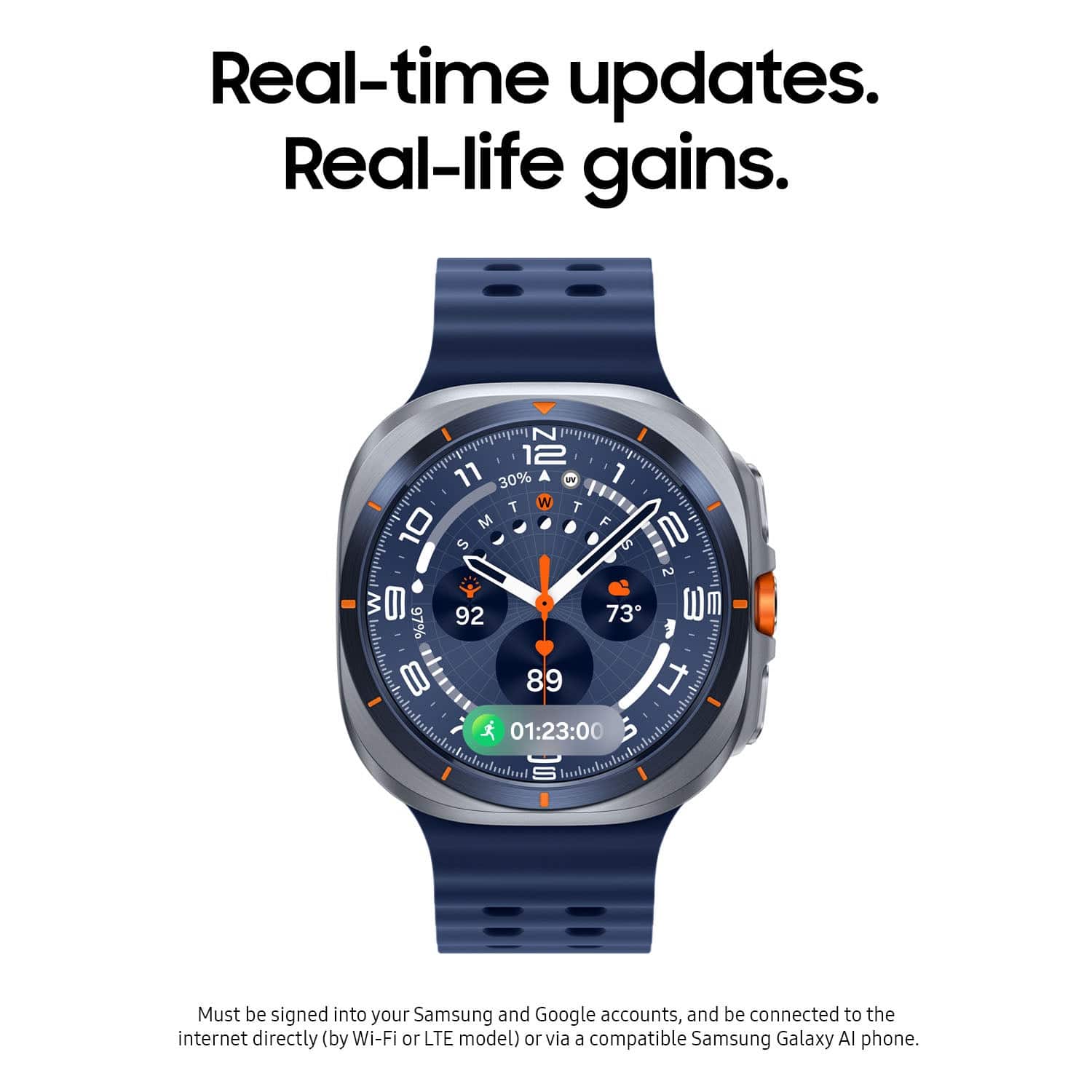
The display represents your primary interaction point with any smartwatch, and here the differences between these models become immediately apparent. The Samsung Galaxy Watch Ultra features a 1.5-inch Super AMOLED display capable of reaching 3,000 nits of peak brightness—that's roughly three times brighter than most smartphone screens. This extreme brightness means you can read the display even in direct desert sunlight, a crucial capability for outdoor enthusiasts.
This display uses sapphire crystal glass, the same material found in luxury watches and aircraft windows. Sapphire crystal rates 9 on the Mohs hardness scale (diamond is 10), making it virtually scratch-proof under normal circumstances. The always-on functionality means the display shows your watch face and key information continuously, without requiring a wrist gesture to wake it up.
The Apple Watch SE takes a more conservative approach with its Retina LTPO OLED display. While still bright at 1,000 nits peak brightness, it's notably dimmer than the Galaxy Watch Ultra. More importantly for daily use, the SE lacks always-on display functionality—the screen goes completely black when not actively in use. This means checking the time requires a deliberate wrist movement or tap, which can be inconvenient during workouts or when your hands are occupied.
The SE uses Ion-X glass, which is strengthened through chemical treatment but not as scratch-resistant as sapphire crystal. In practical terms, this means the Apple watch is more likely to show wear marks over time, especially if you're active or work with your hands.
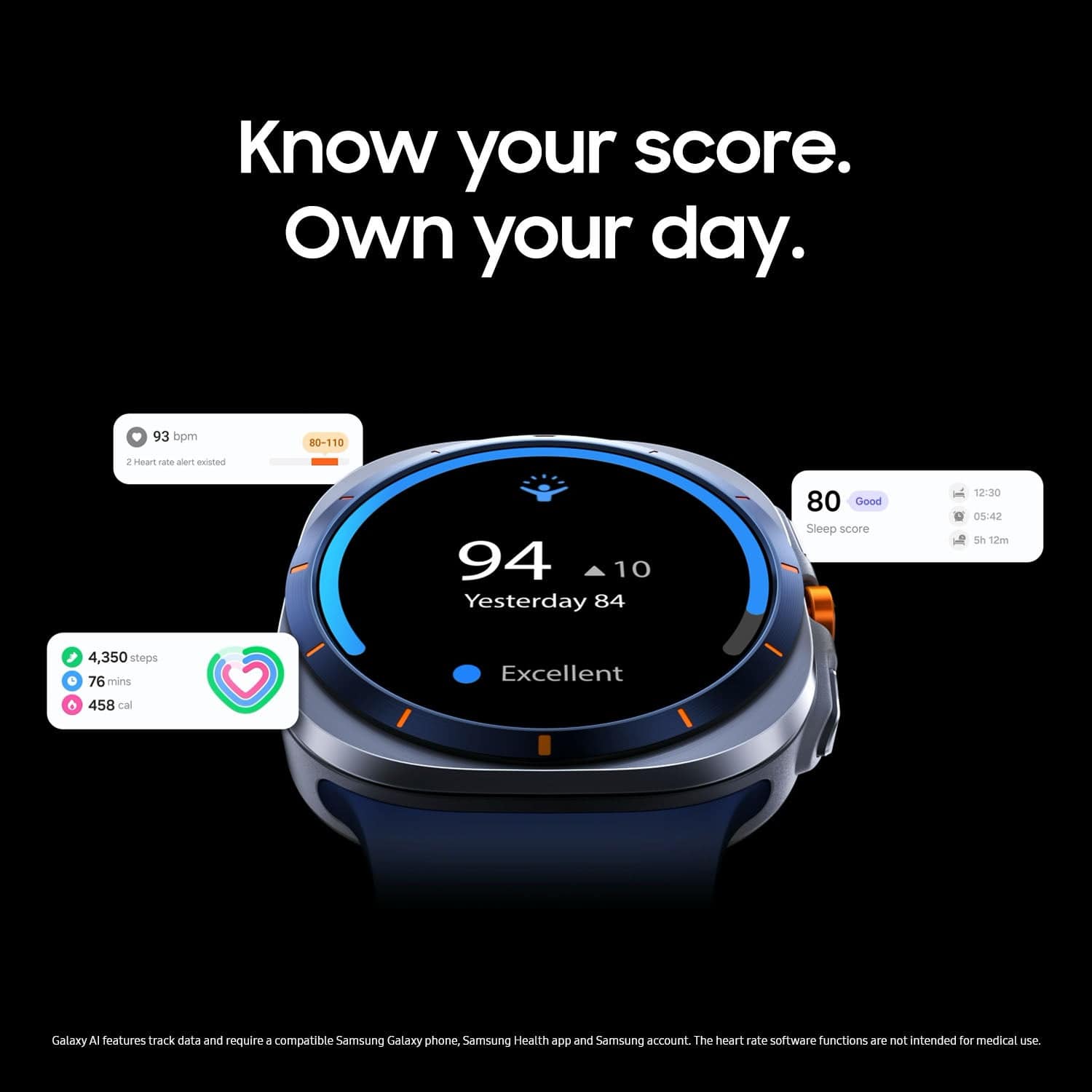
Health monitoring represents perhaps the biggest functional difference between these watches. The Samsung Galaxy Watch Ultra includes what Samsung calls a BioActive sensor suite—essentially multiple sensors combined into one system. This includes an ECG sensor for heart rhythm analysis, an SpO2 sensor for blood oxygen monitoring, and both body and water temperature sensors.
The ECG functionality deserves particular attention. This feature can detect atrial fibrillation, a common heart rhythm disorder that many people don't know they have. While not a replacement for medical testing, it can provide early warnings that prompt users to seek professional medical advice. The blood oxygen monitoring tracks how well your blood carries oxygen, which can indicate respiratory issues or help monitor recovery during intense training.
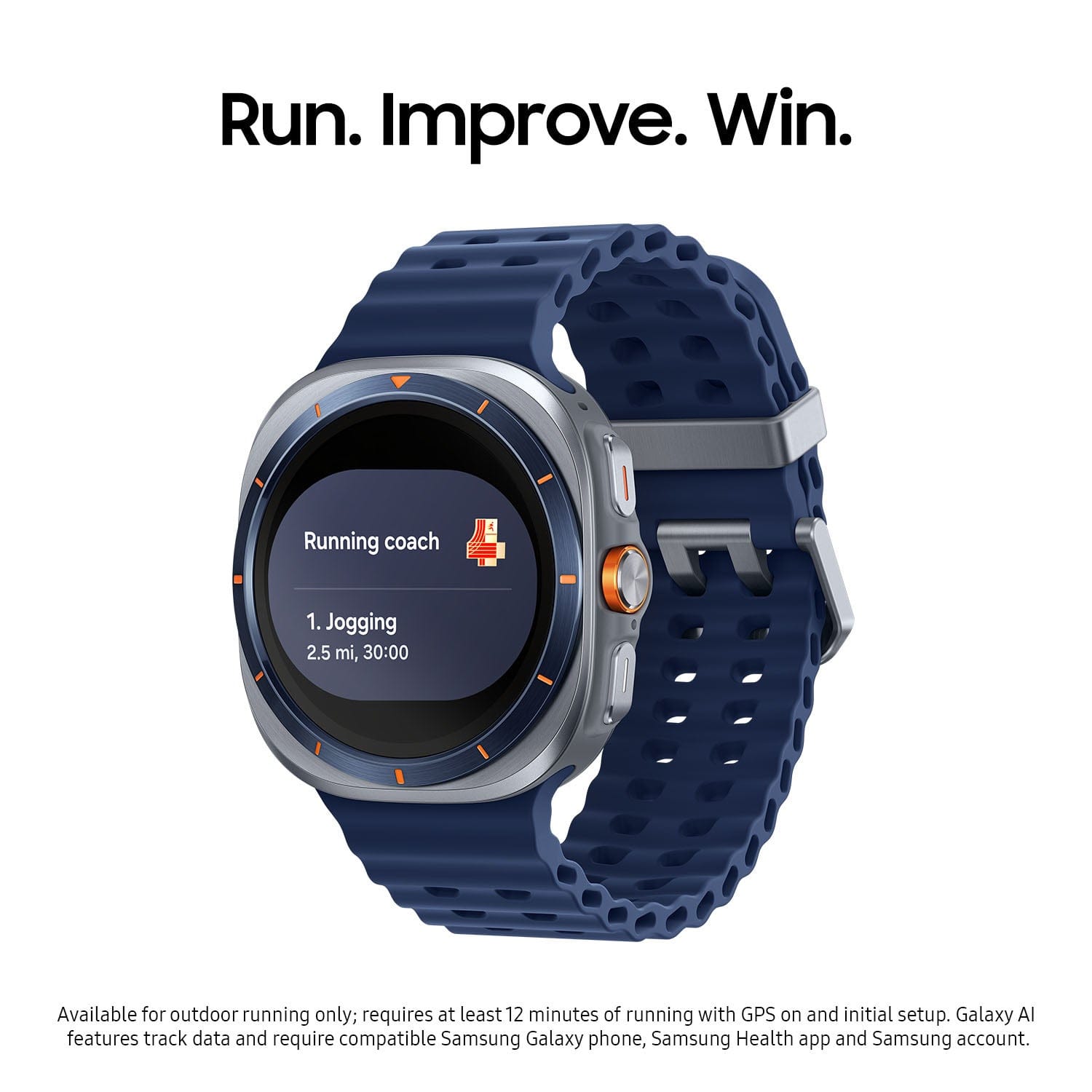
The Galaxy Watch Ultra also includes dual-frequency GPS tracking, using both L1 and L5 satellite bands. This technical improvement significantly enhances location accuracy, especially in challenging environments like urban canyons between tall buildings or dense forest areas. For serious runners or hikers, this translates to more accurate distance measurements and route tracking.
However, our research into user reviews reveals some concerning inconsistencies with the Galaxy Watch Ultra's heart rate accuracy during high-intensity activities. Multiple reviewers noted that during cycling workouts, the watch would sometimes register impossibly high heart rates or miss actual readings entirely. This appears to be less of an issue during running or general fitness activities, but it's worth considering if cycling is your primary form of exercise.
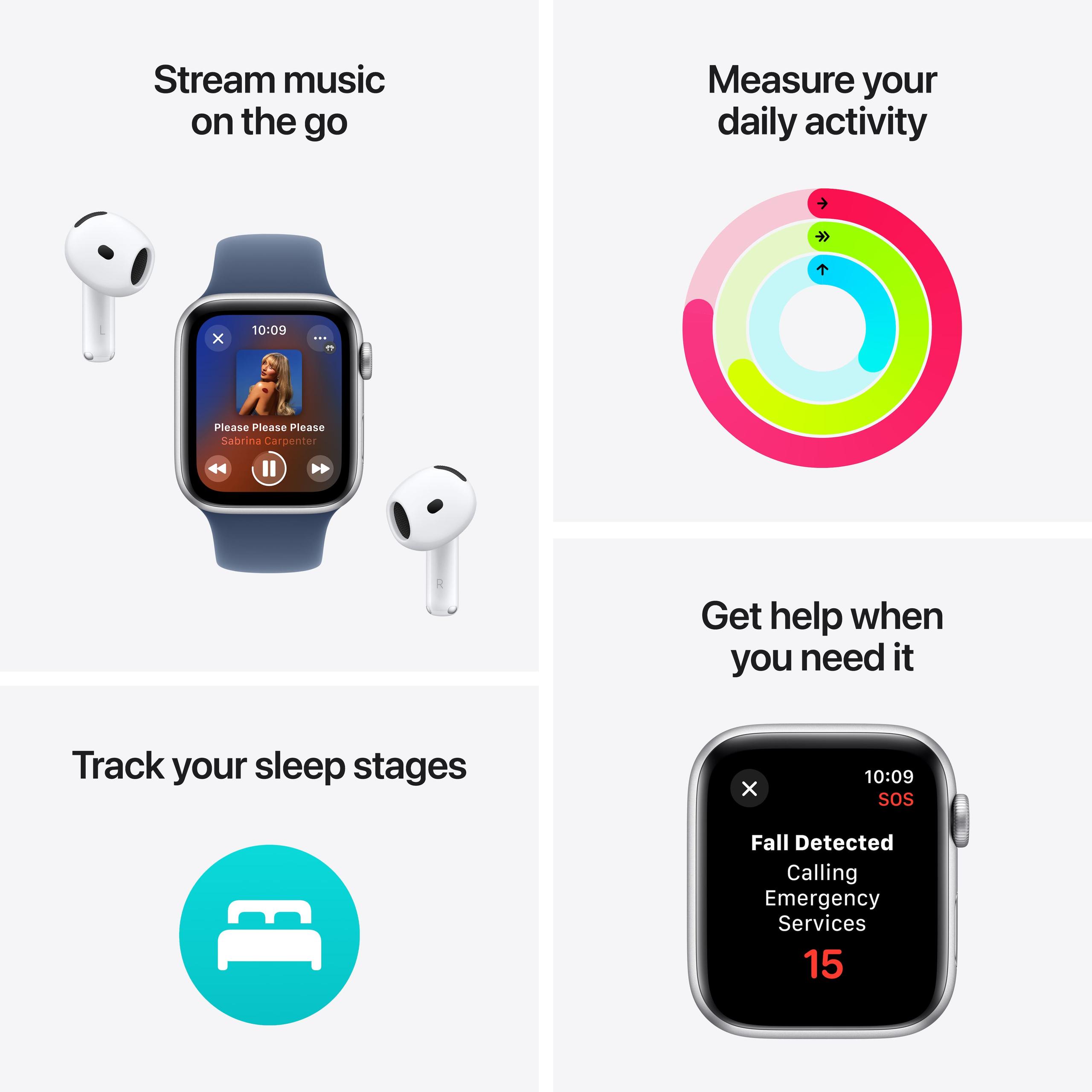
The Apple Watch SE takes a simpler but more reliable approach. It includes a second-generation optical heart sensor that, based on user feedback, tends to be more consistent across different types of activities. However, it lacks the advanced sensors found in the Galaxy Watch Ultra—no ECG, no blood oxygen monitoring, and no temperature tracking.
What the Apple Watch SE does include is excellent fall detection and crash detection capabilities. The watch can detect when you've taken a hard fall and automatically contact emergency services if you don't respond. The crash detection feature can even identify car accidents and call for help automatically.
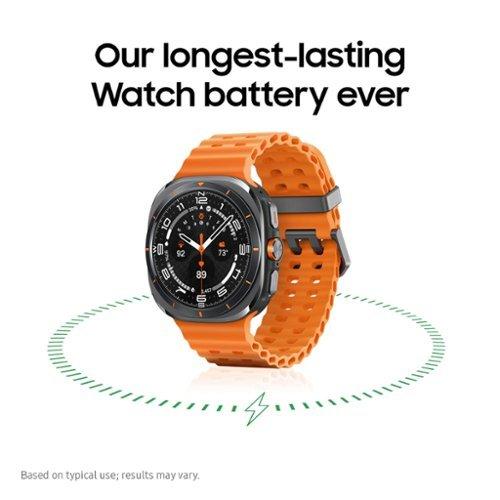
Battery performance represents one of the most significant practical differences between these watches. The Samsung Galaxy Watch Ultra includes a substantial 590mAh battery that delivers genuinely impressive endurance. In power-saving mode, Samsung claims up to 100 hours of operation—that's more than four full days. Even with normal usage including GPS tracking and the always-on display, most users report getting 2-3 days between charges.
For outdoor enthusiasts, this extended battery life can be genuinely liberating. You can head out for a weekend camping trip without worrying about finding a power source for your watch. The 10W wireless charging means relatively quick top-ups when you do need to recharge.
The Apple Watch SE follows Apple's traditional approach of daily charging. While Apple officially rates the battery for 18 hours, real-world usage typically extends this to about two days with moderate use. However, if you're actively using GPS tracking for workouts or receiving lots of notifications, you'll likely need to charge daily.
This difference in battery philosophy reflects each company's broader approach. Samsung designed the Galaxy Watch Ultra for extended adventures where charging isn't always possible, while Apple assumes most users have access to regular charging and prioritized keeping the watch lightweight and slim.
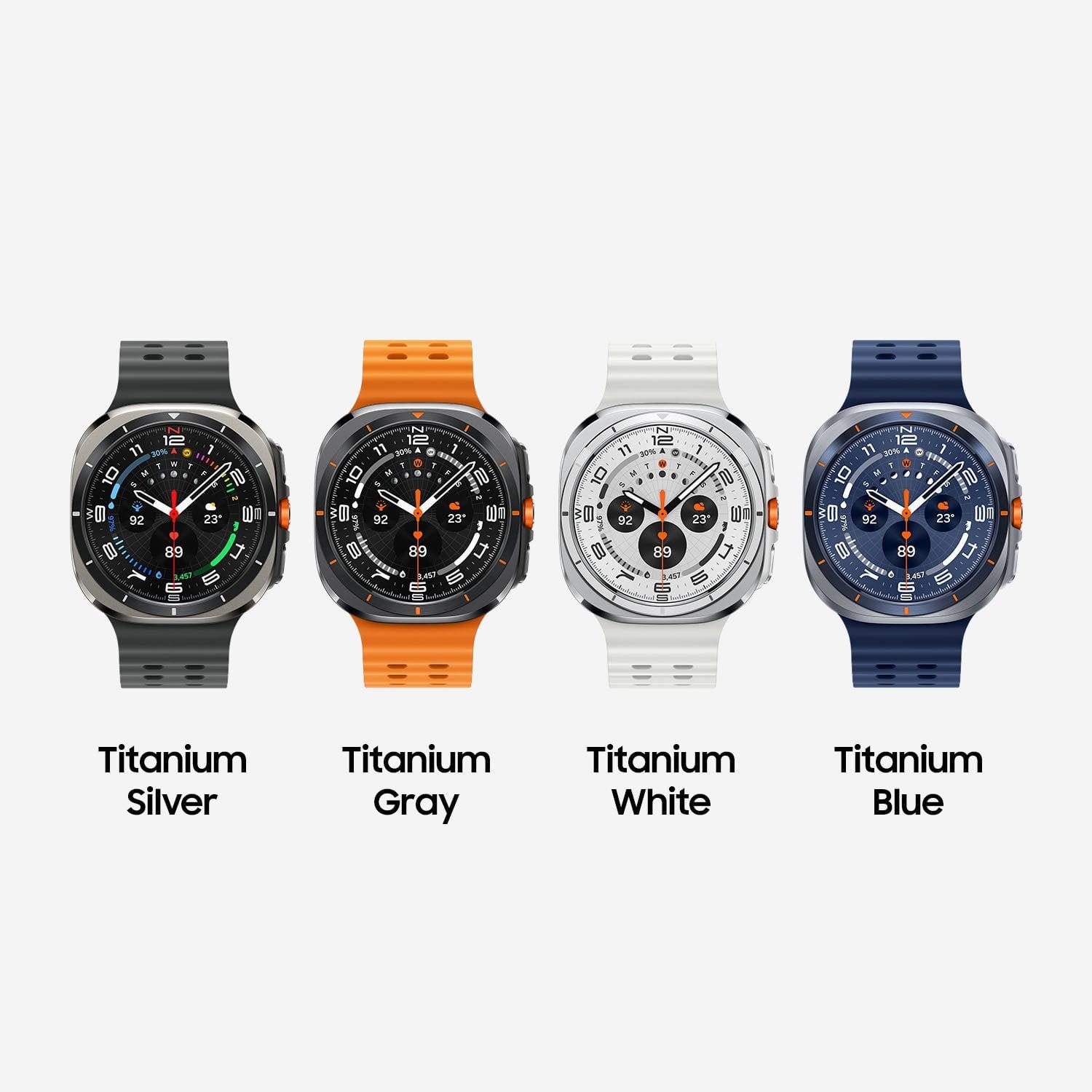
The construction differences between these watches tell the story of their intended use cases. The Samsung Galaxy Watch Ultra uses Grade 4 titanium for its case—the same material used in aerospace applications and high-end sports cars. This titanium construction provides excellent strength-to-weight ratio while resisting corrosion and maintaining a premium feel.
More importantly for active users, the Galaxy Watch Ultra meets MIL-STD-810H military durability standards. This certification means the watch has been tested to survive extreme temperatures (from -20°C to 55°C), altitude changes up to 9,000 meters, and various shock and vibration scenarios. The 10 ATM water resistance rating means it can handle pressure equivalent to 100 meters underwater, making it suitable for recreational diving and all water sports.
The Apple Watch SE uses an aluminum case, which keeps weight down to just 26.4 grams compared to the Galaxy Watch Ultra's 60.5 grams. This lighter construction makes the Apple watch more comfortable for all-day wear, especially for users with smaller wrists. However, aluminum is more prone to scratches and dents compared to titanium.
The SE's 50-meter water resistance covers swimming and most water activities, but it's not designed for diving or extreme water pressure scenarios. For most users, this level of protection is perfectly adequate.
The software experience represents another fundamental difference in philosophy. The Samsung Galaxy Watch Ultra runs Wear OS 5 with Samsung's One UI Watch 6 interface layered on top. This combination provides extensive customization options and access to the broader Google Play Store for watch apps. Samsung has integrated Galaxy AI features that provide personalized health insights and coaching based on your activity patterns.
The Exynos W1000 processor, built on a cutting-edge 3nm manufacturing process, provides plenty of computational power. The 2GB of RAM and 64GB of storage (double the previous generation) ensure smooth performance and ample space for apps, music, and data.
However, the Apple Watch SE demonstrates Apple's strength in software optimization. Despite having less powerful hardware on paper—the S8 chip with 1GB RAM and 32GB storage—the watch feels consistently responsive thanks to tight integration between hardware and software. The watchOS interface prioritizes simplicity and intuitive navigation over customization options.
The Apple watch requires an iPhone for full functionality, while the Galaxy Watch Ultra works with Android phones and offers limited compatibility with iPhones. This ecosystem lock-in is either a benefit or limitation depending on your smartphone preference.
When evaluating smartwatch performance, certain metrics matter more than others in daily use. GPS accuracy affects workout tracking and navigation reliability. Our analysis of user reviews suggests the Samsung Galaxy Watch Ultra provides superior GPS performance thanks to its dual-frequency capability, but the Apple Watch SE offers adequate accuracy for most fitness activities.
Heart rate monitoring consistency varies between activities. The Apple watch tends to provide more reliable readings across different exercise types, while the Samsung watch excels during running but can be inconsistent during cycling or activities with arm movement.
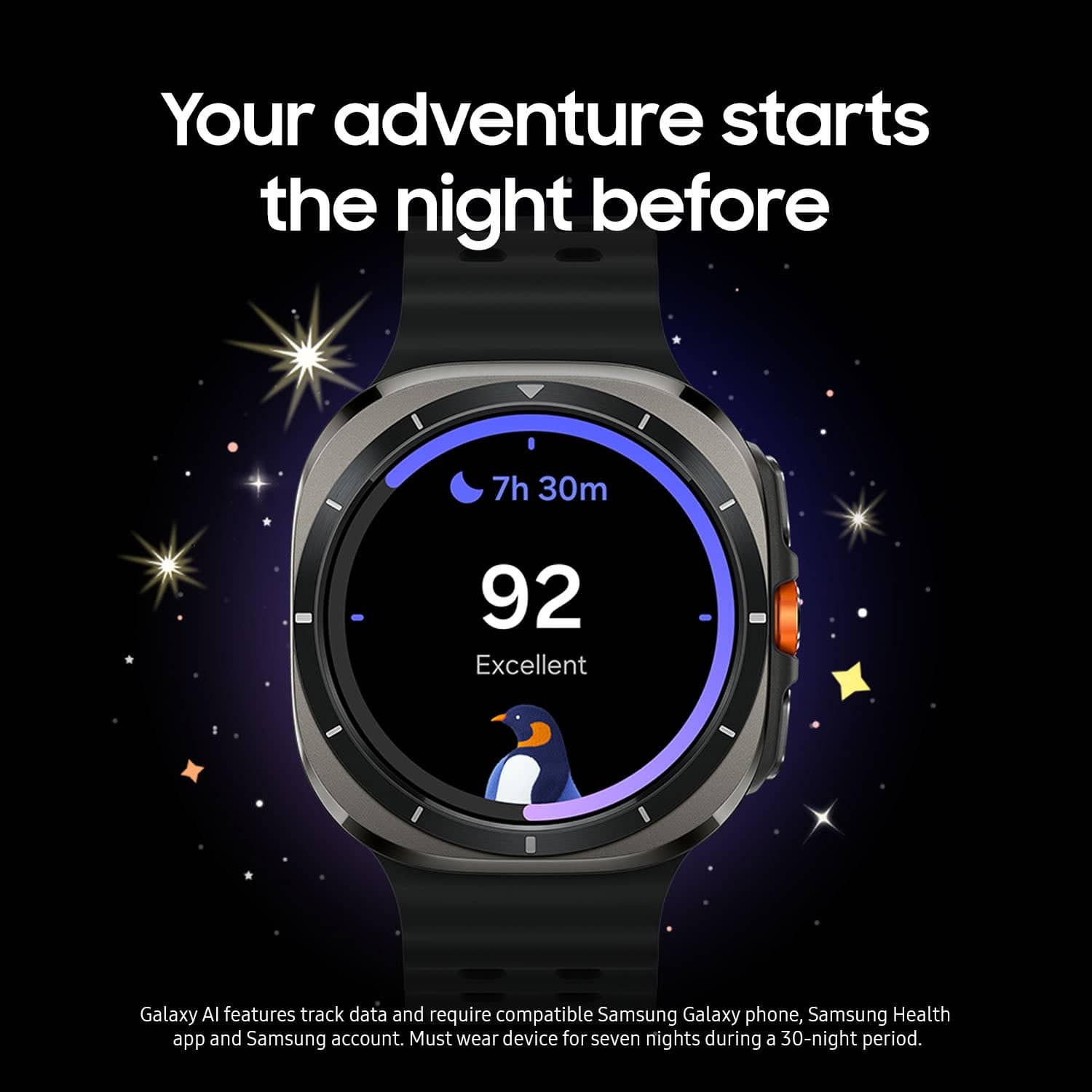
Battery life directly impacts user behavior. The Galaxy Watch Ultra's multi-day battery life encourages users to take advantage of sleep tracking and always-on features, while the Apple watch's daily charging requirement means some users disable certain features to extend battery life.
Response time and app loading speed favor the Apple watch due to software optimization, despite the Samsung watch having more powerful hardware specifications.
The Samsung Galaxy Watch Ultra makes sense for specific user profiles. If you're an outdoor enthusiast who regularly participates in hiking, climbing, or multi-day adventures, the extended battery life and extreme durability justify the premium price. The advanced health sensors appeal to users who want comprehensive health monitoring or have specific health concerns that benefit from ECG or blood oxygen tracking.
Android users who want a premium smartwatch experience will find the Galaxy Watch Ultra provides capabilities that rival or exceed Apple's offerings. The extensive customization options and Google services integration create a compelling package for users who prefer flexibility over simplicity.
The Apple Watch SE represents the better choice for iPhone users who want essential smartwatch functionality without premium pricing. If your primary needs involve fitness tracking, notifications, and basic health monitoring, the SE provides excellent value. The lighter weight and more comfortable design make it ideal for users who plan to wear their watch constantly.
First-time smartwatch buyers often benefit from the Apple watch's simpler interface and more intuitive user experience. The lower price point also makes it easier to try the smartwatch category without a major financial commitment.
At the time of writing, the price difference between these watches reflects their different market positions rather than simple feature comparisons. The Samsung Galaxy Watch Ultra costs significantly more but delivers specialized capabilities for demanding users. The Apple Watch SE provides excellent value by focusing on core functionality rather than premium features.
Consider your actual usage patterns rather than aspirational ones. If you rarely venture far from civilization or engage in extreme activities, the Galaxy Watch Ultra's specialized features may go unused. Conversely, if you regularly push your gear to its limits or need multi-day battery life for professional reasons, the premium price becomes justified.
Your smartphone platform partly determines the decision. iPhone users get the best experience with Apple watches, while Android users have more flexibility but may miss some integration features with the Samsung watch.
The smartwatch market continues evolving rapidly, with new health sensors, improved battery technology, and enhanced durability arriving regularly. Both watches represent solid long-term investments that should remain relevant for several years, but the Galaxy Watch Ultra's premium construction suggests it may age better physically, while the Apple watch's software support history indicates longer software update cycles.
Ultimately, both watches excel in their intended roles. The Samsung Galaxy Watch Ultra pushes boundaries and delivers maximum capability for users who need it, while the Apple Watch SE proves that excellent smartwatch experiences don't require premium pricing. Understanding which philosophy matches your needs will lead to years of satisfaction with your choice.
| Samsung Galaxy Watch Ultra 47mm LTE Smartwatch 2025 | Apple Watch SE 2nd Generation 40mm GPS Smartwatch |
|---|---|
| Display Technology - Critical for outdoor visibility and battery life | |
| 1.5" Super AMOLED, 3,000 nits peak brightness, always-on display, sapphire crystal | Retina LTPO OLED, 1,000 nits peak brightness, no always-on display, Ion-X glass |
| Build Quality & Durability - Determines longevity and activity suitability | |
| Grade 4 titanium case, 10 ATM water resistance, MIL-STD-810H certified, 60.5g | Aluminum case, 50m water resistance, standard durability, 26.4g |
| Battery Life - Most important for multi-day activities and convenience | |
| Up to 100 hours (power saving), 48-60 hours typical use, 10W wireless charging | Up to 18 hours official (2 days real-world), daily charging required |
| Health Sensors - Advanced monitoring vs reliable basics | |
| ECG, SpO2, body/water temperature, BioActive sensor suite, dual-frequency GPS | Heart rate, fall/crash detection, standard GPS - no ECG or SpO2 |
| Processor & Storage - Performance and app capacity | |
| Exynos W1000 (3nm), 2GB RAM, 64GB storage, Wear OS 5 | Apple S8 SiP, 1GB RAM, 32GB storage, watchOS optimized |
| Size & Comfort - Daily wearability and style preferences | |
| 47mm only, substantial presence, premium titanium finish | 40mm compact, lightweight aluminum, three color options |
| Connectivity - Independence from phone | |
| LTE cellular, eSIM, Wi-Fi, Bluetooth 5.3, works with Android phones | GPS only, requires iPhone nearby for calls/texts, seamless iOS integration |
| Target User - Who benefits most from each approach | |
| Outdoor enthusiasts, multi-day adventurers, Android users wanting premium features | iPhone users, everyday fitness tracking, budget-conscious buyers seeking essentials |
The Samsung Galaxy Watch Ultra offers significantly better battery life with up to 100 hours in power-saving mode and 48-60 hours with typical use. The Apple Watch SE 2nd Generation provides up to 18 hours officially, though real-world usage typically extends to about 2 days with moderate use.
The Samsung Galaxy Watch Ultra features a premium Grade 4 titanium construction with sapphire crystal glass and military-grade durability (MIL-STD-810H). The Apple Watch SE uses lightweight aluminum construction with Ion-X strengthened glass, making it more comfortable for daily wear but less rugged overall.
Both watches offer excellent fitness tracking, but with different strengths. The Samsung Galaxy Watch Ultra includes advanced sensors like ECG, SpO2, and temperature monitoring plus dual-frequency GPS for superior outdoor accuracy. The Apple Watch SE provides reliable heart rate monitoring and basic fitness tracking without the advanced health sensors.
The Samsung Galaxy Watch Ultra works primarily with Android phones and offers limited iPhone compatibility. The Apple Watch SE 2nd Generation requires an iPhone and won't function with Android devices at all.
The Samsung Galaxy Watch Ultra is specifically designed for extreme conditions with 10 ATM water resistance, titanium construction, and certification to survive temperatures from -20°C to 55°C. The Apple Watch SE offers 50m water resistance suitable for swimming but isn't built for extreme outdoor conditions.
The Samsung Galaxy Watch Ultra features a brighter 3,000-nit Super AMOLED display with always-on functionality and sapphire crystal protection. The Apple Watch SE has a 1,000-nit Retina display without always-on capability, requiring wrist gestures to activate the screen.
The Apple Watch SE 2nd Generation provides excellent value by delivering essential smartwatch features at a much lower price point. The Samsung Galaxy Watch Ultra offers premium materials and advanced features but at a significantly higher cost, making it worthwhile mainly for users who need its specialized capabilities.
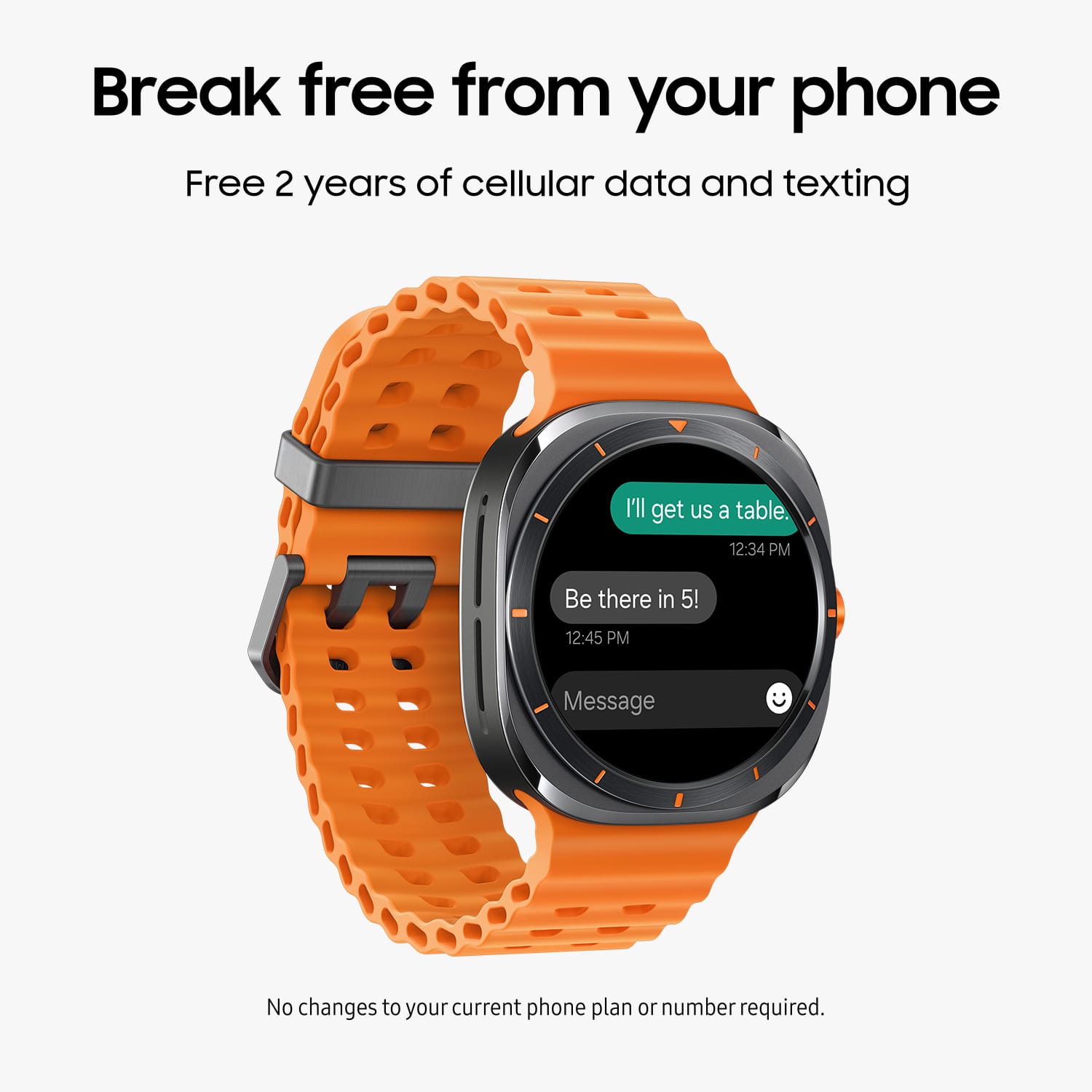
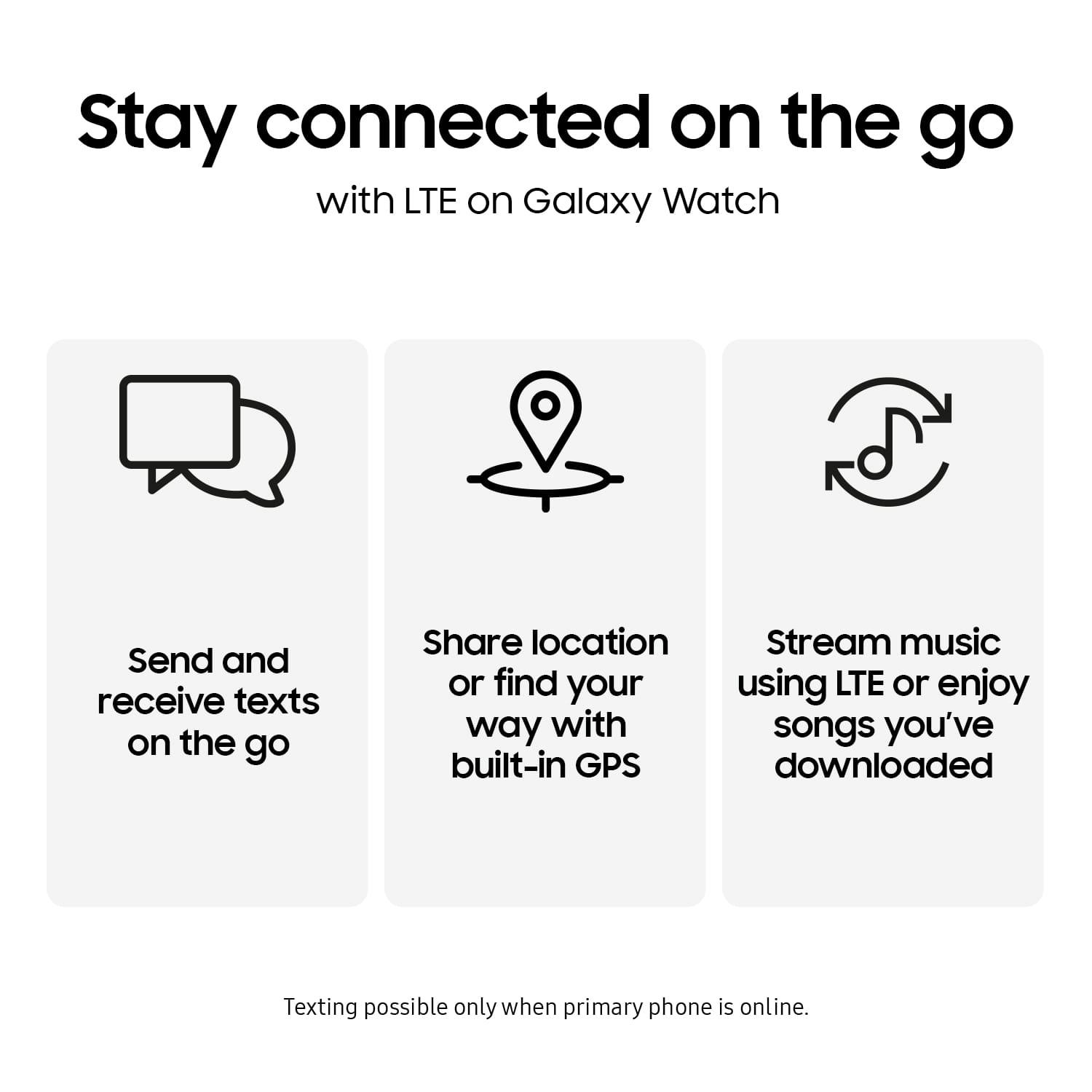
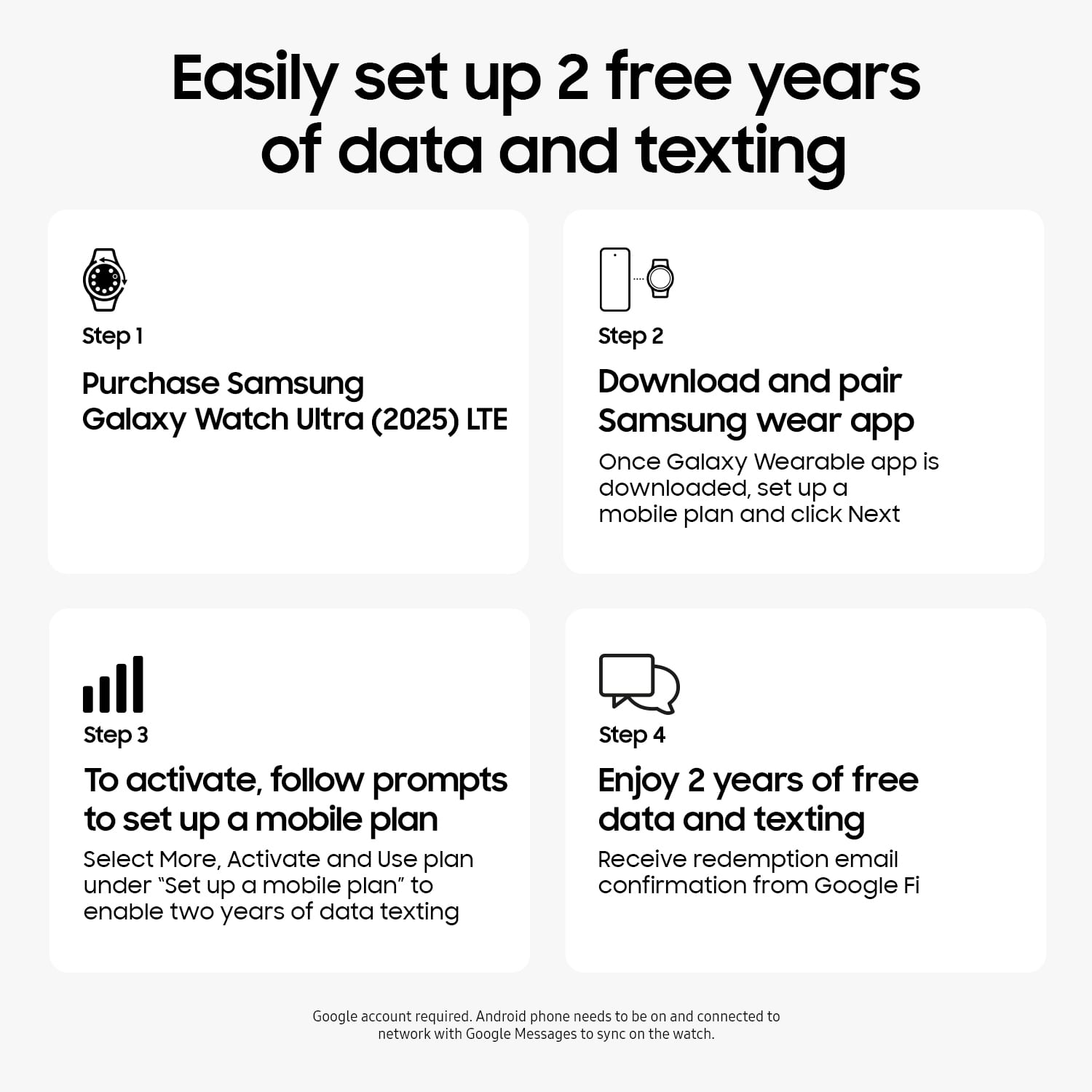
The Samsung Galaxy Watch Ultra includes LTE cellular connectivity with eSIM support, allowing independent calls and texts. The Apple Watch SE 2nd Generation is GPS-only and requires your iPhone to be nearby for calls and cellular features.
The Apple Watch SE is notably more comfortable at just 26.4g compared to the Samsung Galaxy Watch Ultra's 60.5g weight. The Apple watch's aluminum construction and smaller 40mm size make it less noticeable during extended wear, while the Samsung watch's larger titanium build may feel substantial on smaller wrists.
The Samsung Galaxy Watch Ultra offers comprehensive health monitoring including ECG, blood oxygen (SpO2), body temperature, sleep analysis, and advanced fitness metrics. The Apple Watch SE 2nd Generation provides essential health tracking with heart rate monitoring, sleep tracking, and safety features like fall detection, but lacks the advanced medical sensors.
The Samsung Galaxy Watch Ultra features dual-frequency GPS (L1+L5) that provides superior accuracy, especially in challenging environments like urban areas or forests. The Apple Watch SE offers standard GPS tracking that's adequate for most fitness activities but not as precise as the Samsung's advanced positioning system.
Both watches should provide 3-4 years of reliable use with regular software updates. The Samsung Galaxy Watch Ultra's premium titanium construction may age better physically, while the Apple Watch SE 2nd Generation benefits from Apple's strong track record of long-term software support across their device lineup.
We've done our best to create useful and informative comparisons to help you decide what product to buy. Our research uses advanced automated methods to create this comparison and perfection is not possible - please contact us for corrections or questions. These are the sites we've researched in the creation of this article: smartwatch-straps.co.uk - wareable.com - dcrainmaker.com - pocket-lint.com - sypnotix.com - youtube.com - youtube.com - 9to5google.com - us.community.samsung.com - youtube.com - samsung.com - phonearena.com - versus.com - gsmarena.com - samsung.com - samsung.com - phonearena.com - samsung.com - samsung.com - samsung.com - samsung.com - samsung.com - t-mobile.com - att.com - youtube.com - bestbuy.com - verizon.com - youtube.com - bandletic.com - androidcentral.com - samsung.com - samsung.com - samsung.com - samsung.com - techradar.com - bestbuy.com - techgearlab.com - fratellowatches.com - youtube.com - macobserver.com - youtube.com - gsmarena.com - pocketnow.com - att.com - walmart.com - gsmarena.com - bestbuy.com - apple.com - support.apple.com - apple.com - apple.com - youtube.com - phonetradr.com - 9to5mac.com - apple.com

Privacy Policy
Terms and Conditions - Affiliate Policy
Home Security
© Copyright 2008-2026.
11816 Inwood Rd #1211, Dallas, TX 75244