

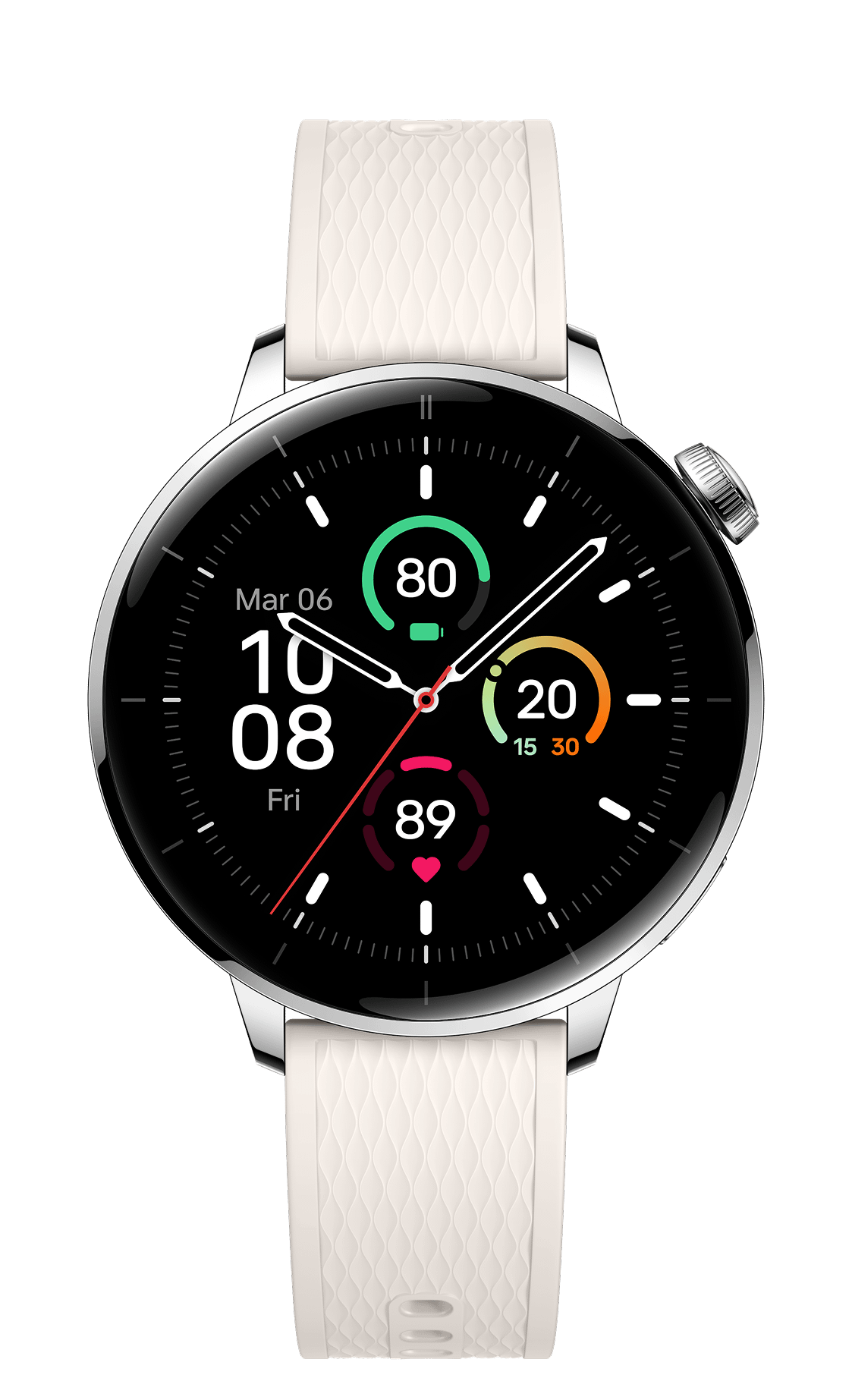
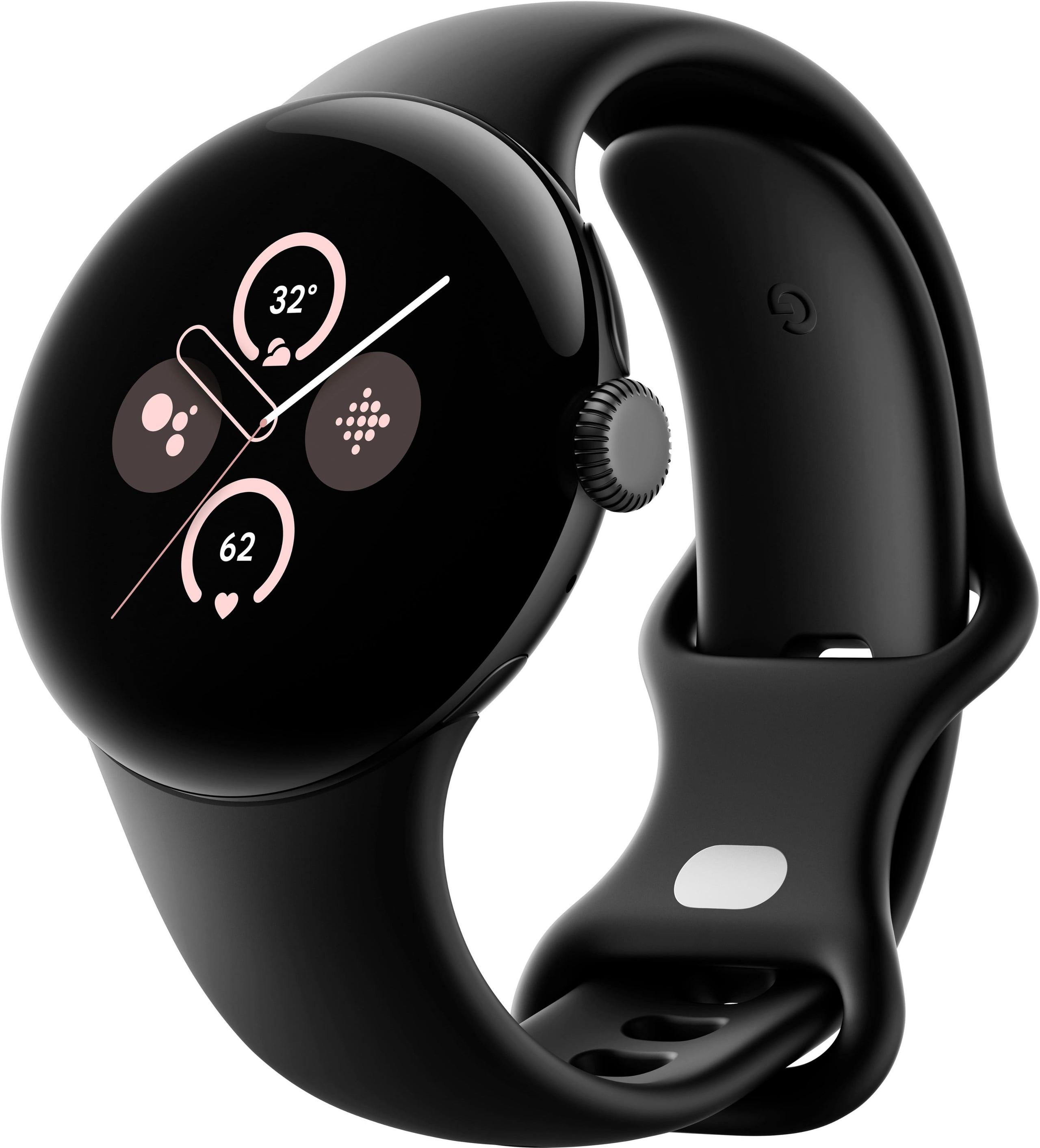

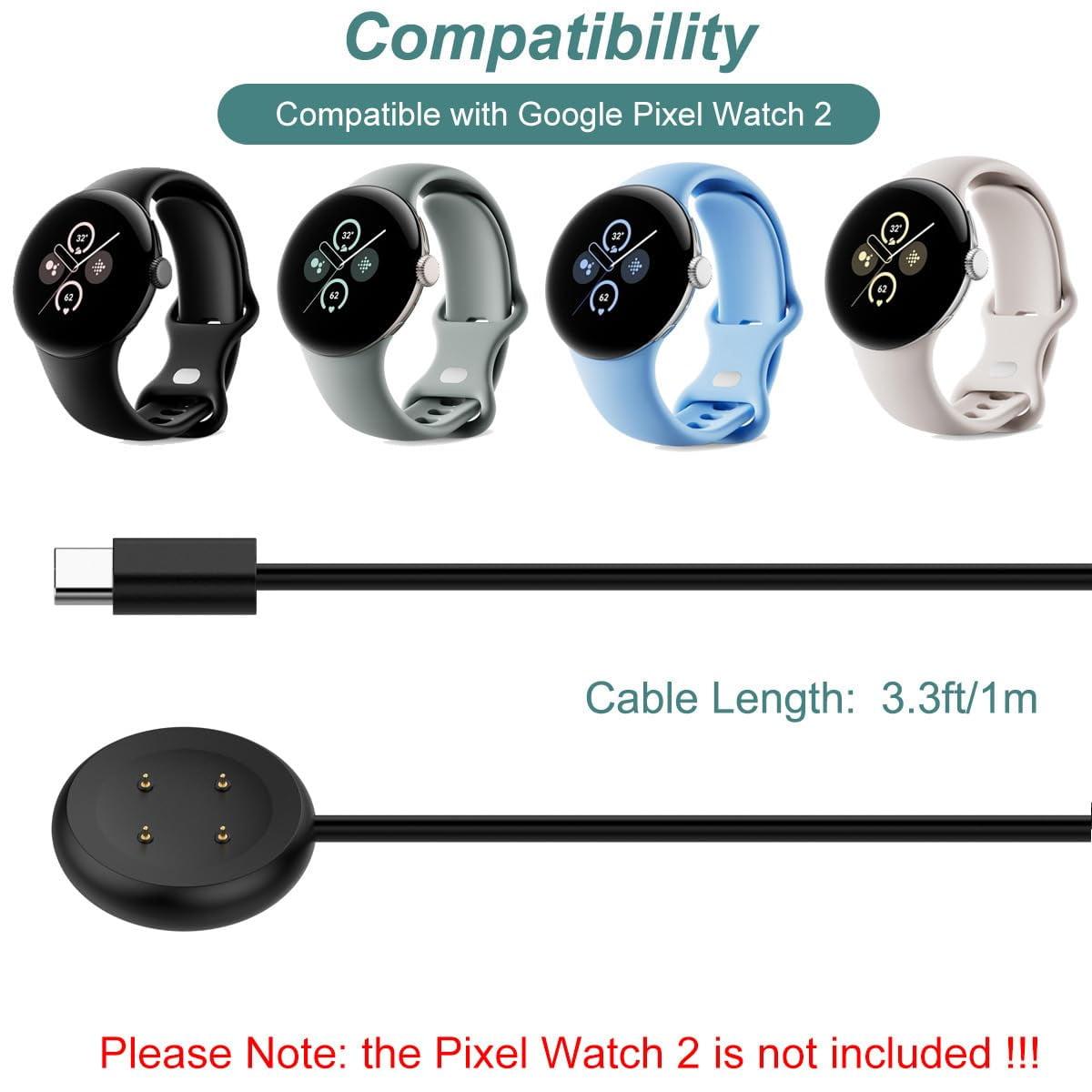
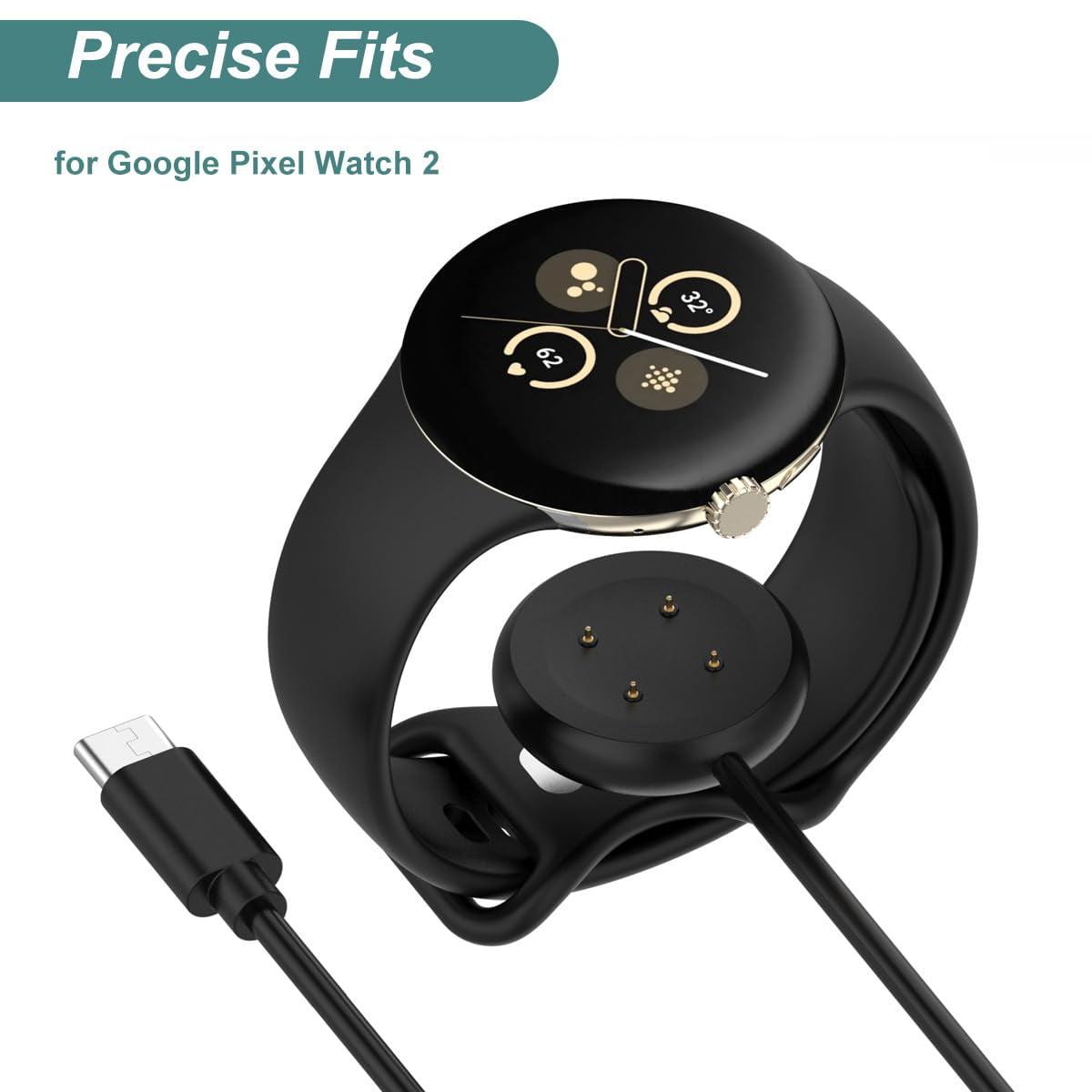
The smartwatch market has exploded with options, making it challenging to pick the right device for your needs. Two watches that frequently come up in conversations are the OnePlus Watch 3 43mm, released in 2025, and the Google Pixel Watch 2, which hit the market in 2023. While both run Google's Wear OS and offer solid fitness tracking, they represent very different approaches to smartwatch design and functionality.
At the time of writing, these watches sit in different price tiers—the Pixel Watch 2 offers exceptional value as a budget-friendly option, while the OnePlus Watch 3 commands a premium price for its advanced features. Understanding which approach works best for your lifestyle and needs is crucial to making the right choice.
Before diving into specifics, it's worth understanding what makes a smartwatch truly useful. Today's devices go far beyond simply showing notifications on your wrist. They're sophisticated health monitoring systems that track everything from your heart rate variability (how much your heartbeat timing varies, which indicates stress and recovery) to your sleep stages throughout the night.
The best smartwatches balance several competing priorities. You want accurate sensors that can track your workouts and health metrics reliably. You need a display that's readable in bright sunlight but doesn't drain the battery. The device should feel comfortable enough to wear 24/7, including during sleep, while being durable enough to handle workouts and daily wear.
Perhaps most importantly, the smartwatch needs to integrate seamlessly with your smartphone and daily routines. There's nothing worse than a fitness tracker that constantly loses GPS signal or a smartwatch that dies halfway through your day.
The Google Pixel Watch 2 and OnePlus Watch 3 43mm represent different generations of smartwatch technology, and this gap matters more than you might think. The two-year difference between their releases means the OnePlus Watch 3 benefits from newer processors, improved battery technology, and lessons learned from earlier Wear OS implementations.
When Google launched the Pixel Watch 2 in 2023, it addressed many criticisms of the original Pixel Watch, particularly around battery life and performance. The device introduced Google's first serious attempt at a health-focused smartwatch with deep Fitbit integration. However, it still carried some limitations of that era's technology.
The OnePlus Watch 3, arriving in 2025, represents the current state of smartwatch technology. It incorporates dual-engine architecture—a system where two different processors handle different tasks to maximize both performance and battery efficiency. This wasn't practical in earlier watches due to cost and complexity constraints.
Let's address the elephant in the room: battery life. This single factor often determines whether someone loves or abandons their smartwatch. Our research consistently shows that battery anxiety—constantly worrying about your device dying—ruins the smartwatch experience for many users.
The OnePlus Watch 3 43mm absolutely dominates this category, lasting up to 60 hours in smart mode and up to a week in power-saver mode. Compare this to the Pixel Watch 2, which typically requires charging every 24 hours. That's a dramatic difference that affects how you interact with your watch daily.
The secret lies in the OnePlus Watch 3's dual-engine architecture. The watch uses a powerful Snapdragon W5 Gen 1 processor for demanding tasks like running apps, processing GPS data, or handling phone calls. But for simple functions like displaying the time or counting steps, it switches to a much more efficient BES2800BP co-processor. This intelligent switching happens automatically and transparently, giving you the best of both worlds.
In practical terms, this means the OnePlus Watch 3 users can go on weekend trips without packing a charger, while Pixel Watch 2 owners need to plan their charging routine around their daily schedule. If you've ever had a fitness tracker die during a long hike or important workout, you understand why this matters so much.
The charging experience differs too. While both watches support fast charging, the OnePlus Watch 3 can gain a full day's use from just 10 minutes of charging. The Pixel Watch 2 reaches 50% in about 30 minutes, which is respectable but requires more planning.
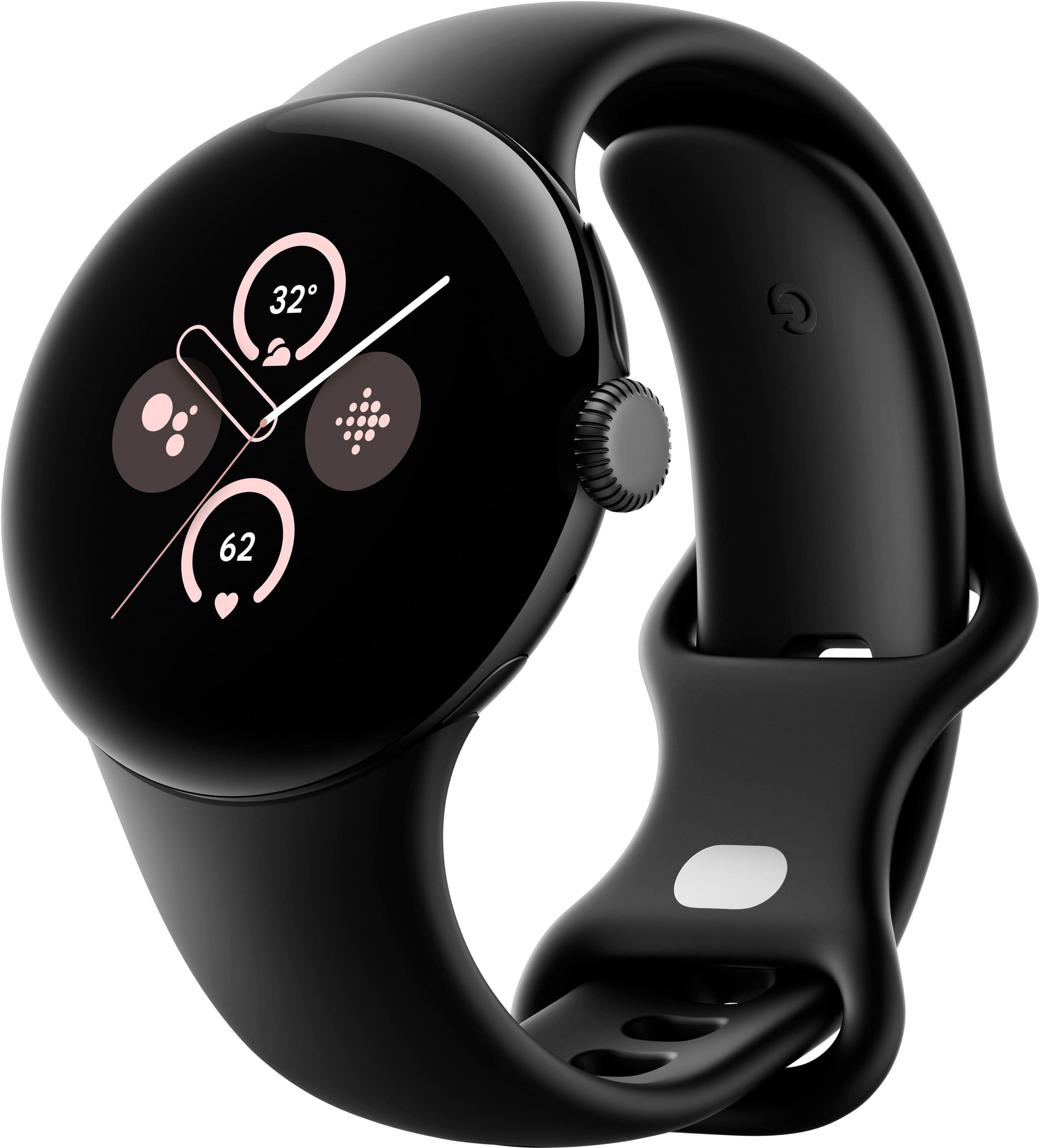
Both watches feature AMOLED displays (a screen technology that creates vibrant colors and deep blacks by lighting individual pixels), but the OnePlus Watch 3 edges ahead with a slightly larger 1.32-inch screen versus the Pixel Watch 2's 1.2-inch display. That 10% size difference becomes noticeable when reading notifications, checking health data, or navigating apps.
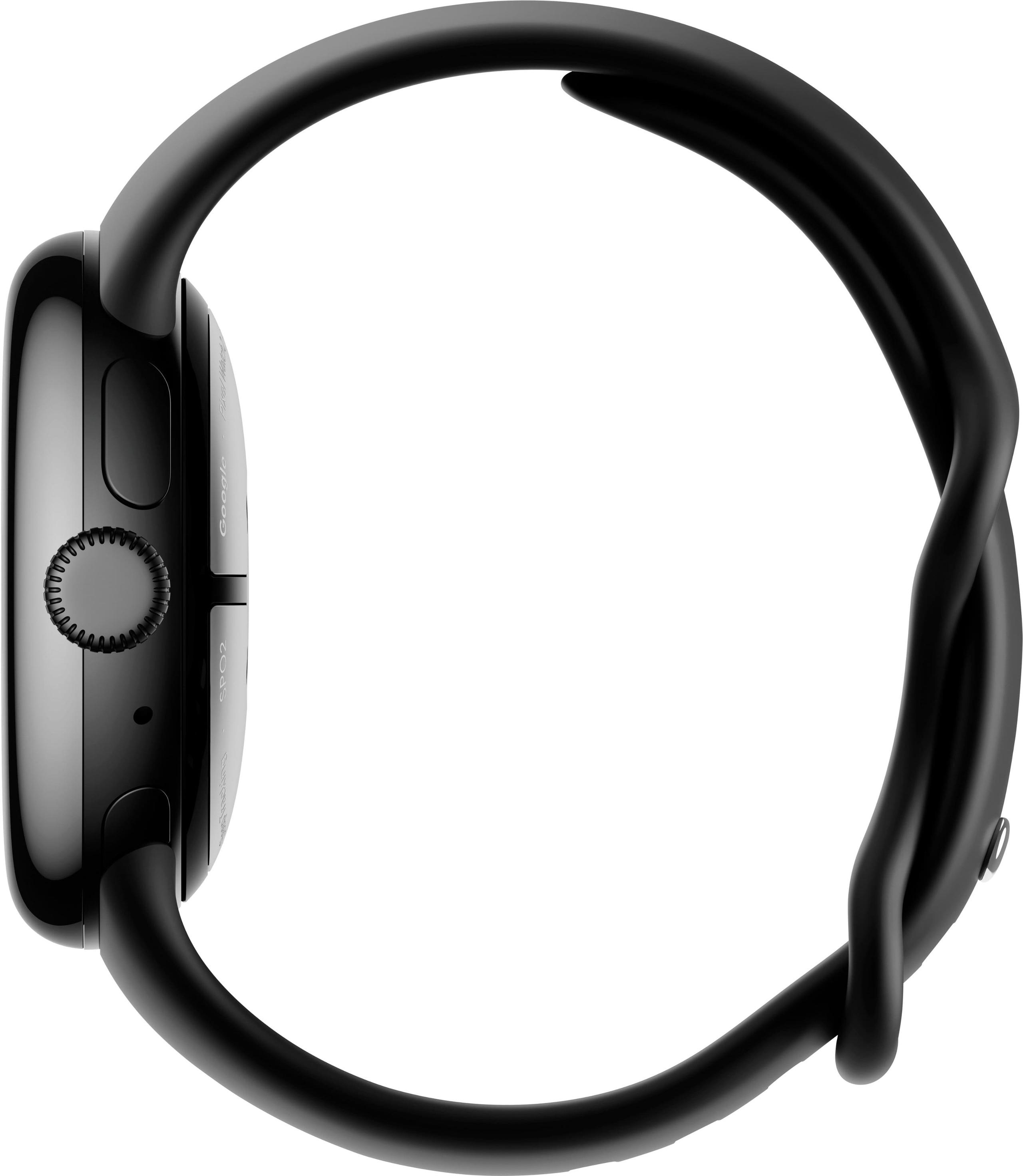
The OnePlus Watch 3 also includes a rotating crown—a physical dial that you can turn to scroll through menus and zoom in on information. This might seem like a small feature, but it dramatically improves the user experience when your hands are sweaty during workouts or when you're wearing gloves.
Both displays peak at around 1000 nits of brightness, making them readable in direct sunlight. The always-on display feature means you can glance at the time and key information without raising your wrist or tapping the screen, though this does impact battery life more on the Pixel Watch 2.
This is where these watches reveal their different design philosophies most clearly. The OnePlus Watch 3 43mm takes a comprehensive, data-rich approach to fitness tracking, while the Pixel Watch 2 focuses on simplicity and medical-grade health monitoring.
The OnePlus Watch 3 supports over 100 workout modes with detailed metrics that serious athletes appreciate. During running workouts, it tracks advanced metrics like running power (how much energy you're outputting), cadence (steps per minute), ground contact time, and VO2 max estimation (your body's maximum oxygen usage, indicating cardiovascular fitness).
These aren't just numbers for the sake of it—they provide actionable insights. Running power helps you pace efforts more consistently than heart rate alone, especially on hills where heart rate lags behind your actual effort. Ground contact time can indicate running efficiency and fatigue levels.
The Pixel Watch 2 offers about 40 workout modes with automatic detection features. While it tracks the essential metrics accurately, it focuses more on making fitness tracking effortless rather than comprehensive. The watch can automatically detect when you start running or cycling and begin tracking without any input from you.
Both watches deliver solid GPS accuracy based on our research of user experiences and expert testing. The OnePlus Watch 3 includes dual-frequency GPS (L1+L5 bands), which provides better accuracy in challenging environments like urban areas with tall buildings or dense forests. Real-world testing shows both watches typically track distance within 1-2% of premium GPS sports watches from Garmin.
The difference becomes more apparent during longer activities or in difficult GPS environments. If you frequently run or cycle in areas with poor satellite visibility, the OnePlus Watch 3's more advanced GPS system provides noticeably more consistent tracking.
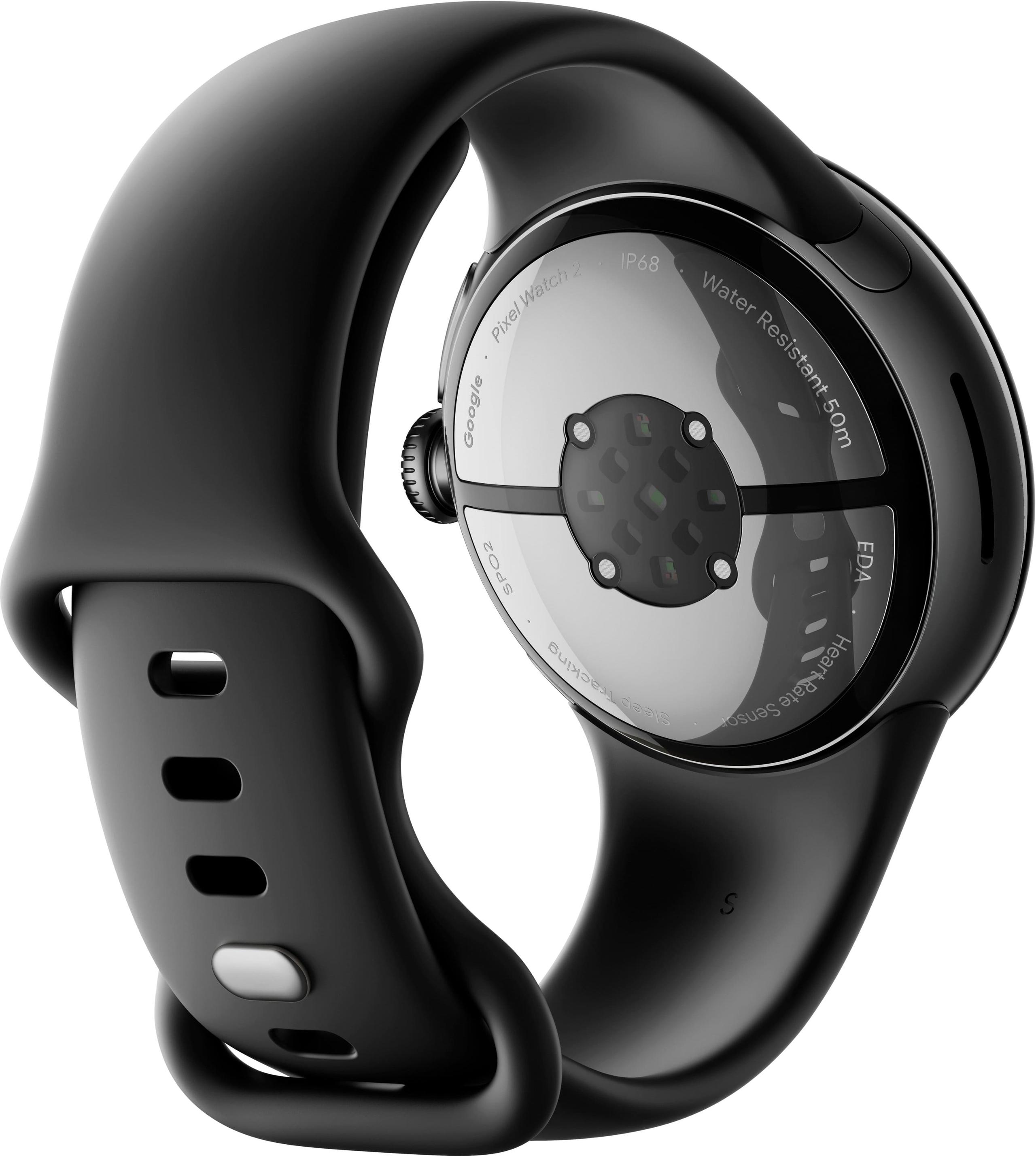
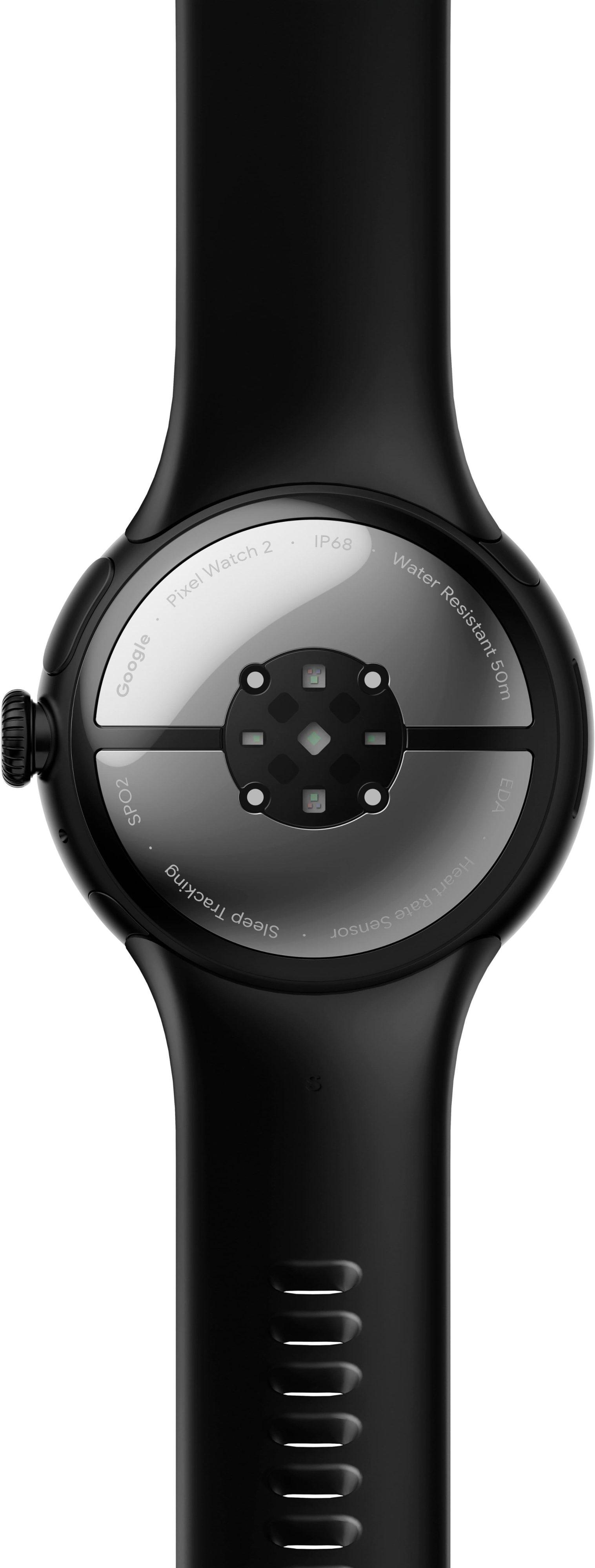
Both watches excel at heart rate monitoring, but through different approaches. The Pixel Watch 2 uses a multi-path heart rate sensor with five photodiodes and five LEDs, which Google claims provides 40% better accuracy during high-intensity activities compared to the original Pixel Watch.
The OnePlus Watch 3 43mm uses advanced algorithms combined with its optical heart rate sensor to achieve similar accuracy. In comparative testing, both watches typically stay within 2-3 beats per minute of chest strap monitors during workouts, which is excellent performance for wrist-based devices.
Where they differ is in the additional health sensors. The Pixel Watch 2 includes an ECG sensor (electrocardiogram, which measures electrical activity of your heart), skin temperature monitoring, and a continuous electrodermal activity sensor that tracks stress through skin conductivity changes. These medical-grade features provide deeper health insights but require Fitbit Premium subscription for full analysis.
Both watches run Google's Wear OS, but the OnePlus Watch 3 ships with the newer Wear OS 5, while the Pixel Watch 2 runs Wear OS 4. This version difference brings performance improvements and new features to the newer OnePlus device.
The OnePlus Watch 3's dual-OS approach is particularly clever. When you're actively using the watch, it runs full Wear OS with access to the Google Play Store, third-party apps, and all smart features. But when the screen is off or you're just checking the time, it switches to a more basic RTOS (Real-Time Operating System) that handles essential functions while barely sipping battery power.
The Pixel Watch 2 benefits from tighter Google integration, receiving priority access to Google app updates and features. It works seamlessly with Google Assistant, Calendar, Gmail, and Google Wallet for contactless payments. However, many of these features are also available on the OnePlus Watch 3, just with slightly less priority in receiving updates.
These watches take noticeably different approaches to construction and wearability. The OnePlus Watch 3 43mm uses a stainless steel case that feels premium and durable, though it adds weight. At 67 grams with the strap, it's substantial enough that you'll notice it on your wrist, especially initially.
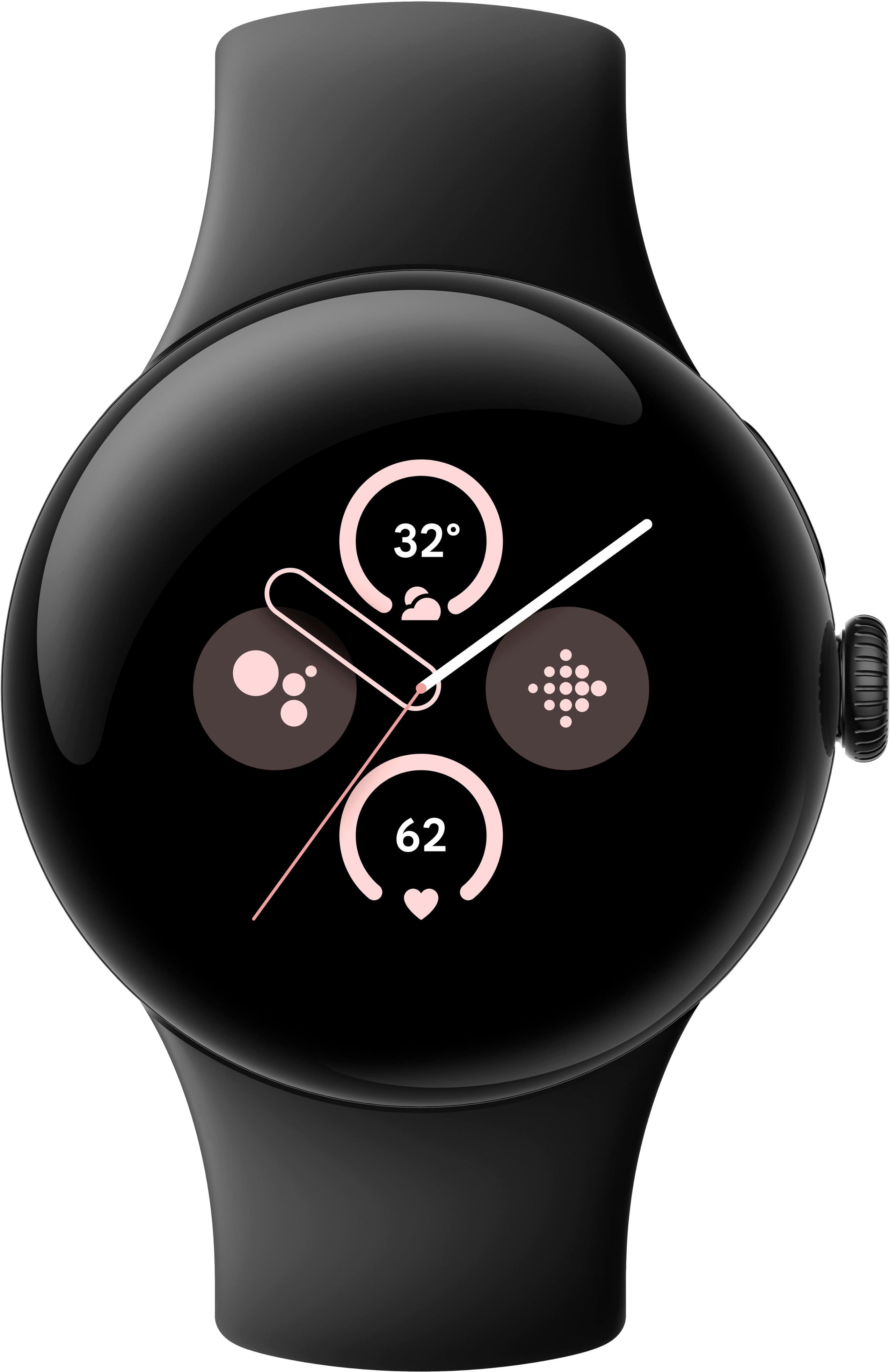
The Pixel Watch 2 prioritizes lightweight comfort with its 100% recycled aluminum construction. At approximately 50 grams with the strap, it's significantly lighter and more comfortable for 24/7 wear, including sleep tracking. The curved glass design also creates a more refined, jewelry-like appearance that works well in professional settings.
Both watches offer 5ATM water resistance (safe for swimming and showering) and IP68 dust/water protection. The OnePlus Watch 3 adds MIL-STD-810 military durability certification, indicating it can withstand more extreme conditions, drops, and environmental stresses.
At the time of writing, these watches occupy very different value propositions. The Pixel Watch 2 represents exceptional value in the budget-friendly category, delivering most essential smartwatch features at a fraction of the cost of premium options. It's particularly attractive for first-time smartwatch buyers or those primarily interested in basic fitness tracking and smart notifications.
The OnePlus Watch 3 43mm commands a premium price that reflects its advanced features, newer technology, and superior battery life. Whether this premium is justified depends on how much you value the extended battery life, advanced fitness metrics, and latest hardware.
Consider the long-term software support as well. The OnePlus Watch 3, being newer, likely has a longer runway for software updates and new features. However, Google typically provides multi-year support for Pixel devices, so both should remain current for several years.
While neither watch is specifically designed as a home theater controller, both offer useful media control features. The OnePlus Watch 3 includes 32GB of storage for offline music and supports video watch faces, making it more versatile for media consumption. Its rotating crown also provides more precise volume control when adjusting your home theater system.
The Pixel Watch 2 integrates well with Google's ecosystem, including Chromecast controls and YouTube Music. If your home theater setup relies heavily on Google services, the Pixel Watch provides more seamless integration.
The choice between these watches ultimately comes down to what you prioritize and how much you're willing to spend. The OnePlus Watch 3 43mm represents the premium option with cutting-edge technology, exceptional battery life, and comprehensive fitness features. It's the watch for users who want the best current technology has to offer and are willing to pay for it.
The Google Pixel Watch 2 remains an outstanding value choice that proves you don't need to spend premium prices for a capable smartwatch. Its lightweight design, solid health tracking, and Google integration make it ideal for casual users or those entering the smartwatch market for the first time.
Both are excellent devices that serve their intended markets well. Your decision should align with your budget, fitness goals, and how much battery life matters to your daily routine. Neither choice will disappoint, but understanding their strengths will help you pick the right one for your wrist.
| OnePlus Watch 3 43mm | Google Pixel Watch 2 |
|---|---|
| Battery Life - The most critical daily-use factor | |
| Up to 60 hours smart mode, 7 days power-saver (charge every 2-3 days) | 24 hours with always-on display (requires daily charging) |
| Display Size - Affects readability and usability | |
| 1.32-inch AMOLED, 466×466 pixels (10% larger screen) | 1.2-inch AMOLED, 450×450 pixels (more compact) |
| Weight - Critical for all-day comfort | |
| 67g with strap (more substantial feel) | ~50g with strap (ultra-lightweight for sleep tracking) |
| Build Materials - Durability vs comfort trade-off | |
| Stainless steel case with MIL-STD-810 certification | 100% recycled aluminum (lighter, more sustainable) |
| Workout Modes - Important for fitness enthusiasts | |
| 100+ modes with advanced metrics (running power, VO2 max, recovery) | 40+ modes with automatic detection (simplified approach) |
| GPS Accuracy - Essential for outdoor activities | |
| Dual-frequency L1+L5 with 5 satellite systems | Single-band GPS with 4 satellite systems |
| Health Sensors - Depth of health monitoring | |
| Heart rate, SpO2, sleep, stress (core sensors) | Heart rate, SpO2, ECG, skin temperature, cEDA stress (medical-grade) |
| Operating System - Software features and updates | |
| Wear OS 5 + RTOS dual-system (latest technology) | Wear OS 4 (established, well-supported) |
| Storage & Performance - App capacity and speed | |
| 32GB storage, 2GB RAM, dual-chip architecture | 32GB storage, 2GB RAM, Snapdragon W5 + Cortex M33 |
| Water Resistance - Swimming and shower safety | |
| 5ATM + IP68 (identical protection levels) | 5ATM + IP68 (identical protection levels) |
| Navigation Controls - Ease of use during activities | |
| Rotating crown + flat button (precise control) | Haptic crown + side button (tactile feedback) |
| Value Proposition - Price-to-feature ratio | |
| Premium pricing for advanced features and battery life | Exceptional value with essential smartwatch features |
The OnePlus Watch 3 43mm significantly outperforms the Google Pixel Watch 2 in battery life, lasting up to 60 hours in smart mode compared to just 24 hours. This means you can charge the OnePlus Watch 3 every 2-3 days versus daily charging for the Pixel Watch 2.
The OnePlus Watch 3 43mm features a 1.32-inch AMOLED display, while the Google Pixel Watch 2 has a 1.2-inch screen. The OnePlus Watch 3 provides about 10% more screen real estate, making it easier to read notifications and health data.
The Google Pixel Watch 2 is significantly lighter at approximately 50g with strap compared to the OnePlus Watch 3 43mm's 67g. The Pixel Watch 2's aluminum construction makes it more comfortable for sleep tracking and extended wear.
The OnePlus Watch 3 43mm offers over 100 workout modes with advanced metrics like running power and VO2 max, while the Google Pixel Watch 2 provides 40+ modes with automatic workout detection. The OnePlus Watch 3 is better for serious athletes, while the Pixel Watch 2 focuses on simplicity.
The OnePlus Watch 3 43mm includes dual-frequency GPS (L1+L5) for better accuracy in challenging environments, while the Google Pixel Watch 2 uses single-band GPS. Both provide excellent accuracy for most users, but the OnePlus Watch 3 performs better in urban areas or dense forests.
The Google Pixel Watch 2 offers more medical-grade sensors including ECG, skin temperature monitoring, and stress tracking through electrodermal activity. The OnePlus Watch 3 43mm includes core sensors like heart rate, SpO2, and sleep tracking but lacks the advanced medical features of the Pixel Watch 2.
The Google Pixel Watch 2 provides exceptional value with essential smartwatch features at a budget-friendly price point. The OnePlus Watch 3 43mm commands a premium but justifies it with superior battery life, advanced fitness tracking, and newer technology.
The OnePlus Watch 3 43mm features a stainless steel case with MIL-STD-810 durability certification, while the Google Pixel Watch 2 uses 100% recycled aluminum construction. The OnePlus Watch 3 is more durable, while the Pixel Watch 2 is lighter and more environmentally sustainable.
The OnePlus Watch 3 43mm ships with Wear OS 5 and includes a dual-OS system for better battery management, while the Google Pixel Watch 2 runs Wear OS 4. The OnePlus Watch 3 has newer technology, but the Pixel Watch 2 receives priority Google service updates.
Both watches support fast charging, but the OnePlus Watch 3 43mm can provide a full day's use from just 10 minutes of charging due to its efficient battery system. The Google Pixel Watch 2 reaches 50% charge in about 30 minutes, which is good but requires more planning due to daily charging needs.
The Google Pixel Watch 2 offers tighter integration with Google services and receives priority updates for Google apps like Assistant, Calendar, and Gmail. While the OnePlus Watch 3 43mm supports these services, the Pixel Watch 2 provides a more seamless Google ecosystem experience.
Choose the OnePlus Watch 3 43mm if you prioritize battery life, advanced fitness tracking, and premium build quality. Select the Google Pixel Watch 2 if you want exceptional value, lightweight comfort, medical-grade health sensors, and tight Google integration. The Pixel Watch 2 suits casual users, while the OnePlus Watch 3 targets fitness enthusiasts and power users.
We've done our best to create useful and informative comparisons to help you decide what product to buy. Our research uses advanced automated methods to create this comparison and perfection is not possible - please contact us for corrections or questions. These are the sites we've researched in the creation of this article: phonearena.com - gadgetsandwearables.com - oneplus.com - gadgetsandwearables.com - youtube.com - oneplus.com - androidauthority.com - androidcentral.com - nextpit.com - androidcentral.com - geekspin.co - droid-life.com - mobilemaya.com - androidfaithful.com - versus.com - youtube.com - mobilemaya.com - droid-life.com - youtube.com - techaeris.com - oneplus.com - gsmarena.com - oneplus.com - androidheadlines.com - gsmarena.com - tomsguide.com - tomsguide.com - tomsguide.com - phonearena.com - smartwatch-straps.co.uk - youtube.com - 6monthslater.net - petematheson.com - support.google.com - wareable.com - versus.com - verizon.com - youtube.com - youtube.com - androidpolice.com - techgearlab.com - wareable.com - androidcentral.com - blog.google - support.google.com - youtube.com - en.wikipedia.org - store.google.com - gsmarena.com - fi.google.com

Privacy Policy
Terms and Conditions - Affiliate Policy
Home Security
© Copyright 2008-2026.
11816 Inwood Rd #1211, Dallas, TX 75244