


The smartwatch market has matured significantly over the past few years, with devices becoming essential health companions rather than simple notification displays. As someone who has tracked this space closely, I've noticed that 2023 and 2024 brought particularly compelling mid-range options that challenge the premium tier's dominance. Two standouts in this competitive segment are the Samsung Galaxy Watch FE, released in mid-2024, and the Google Pixel Watch 2, which launched in late 2023.
Both watches target users who want premium smartwatch features without flagship pricing, but they take fundamentally different approaches. At the time of writing, the Samsung Galaxy Watch FE positions itself as the more budget-conscious option, while the Google Pixel Watch 2 commands a premium for superior hardware and processing power. The question isn't just which costs less upfront, but which delivers better long-term value when you factor in performance, features, and ongoing costs.
Before diving into specifics, it's worth understanding what makes a smartwatch truly useful in 2024. Unlike the basic fitness trackers of years past, today's smartwatches are essentially miniature computers strapped to your wrist. They need powerful processors to handle complex health calculations, sensor fusion (combining data from multiple sensors for accurate readings), and smooth user interfaces.
The most critical performance metrics for smartwatches include processor speed and efficiency, which affects how quickly apps load and how smoothly you can navigate menus. Battery optimization is equally crucial since these devices need to last at least a full day while constantly monitoring your health metrics. Display quality matters more than you might expect – when you're checking the time dozens of times daily, sharp text and vibrant colors make a meaningful difference in user satisfaction.
Health tracking accuracy has become the primary differentiator between good and great smartwatches. This involves sophisticated algorithms that process data from multiple sensors simultaneously, including optical heart rate monitors, accelerometers (which detect movement and orientation), and newer additions like electrodermal activity sensors that measure stress through skin conductance.
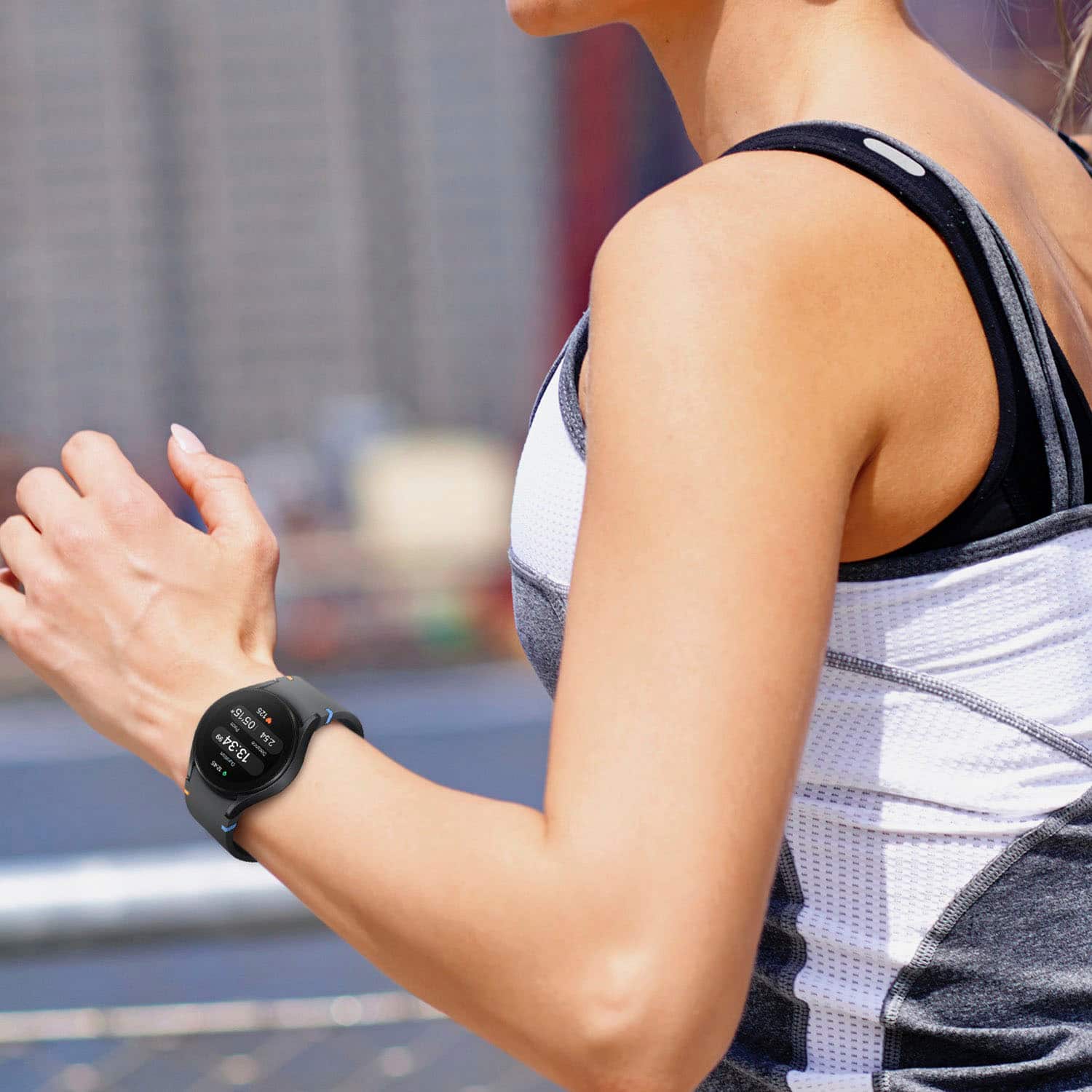
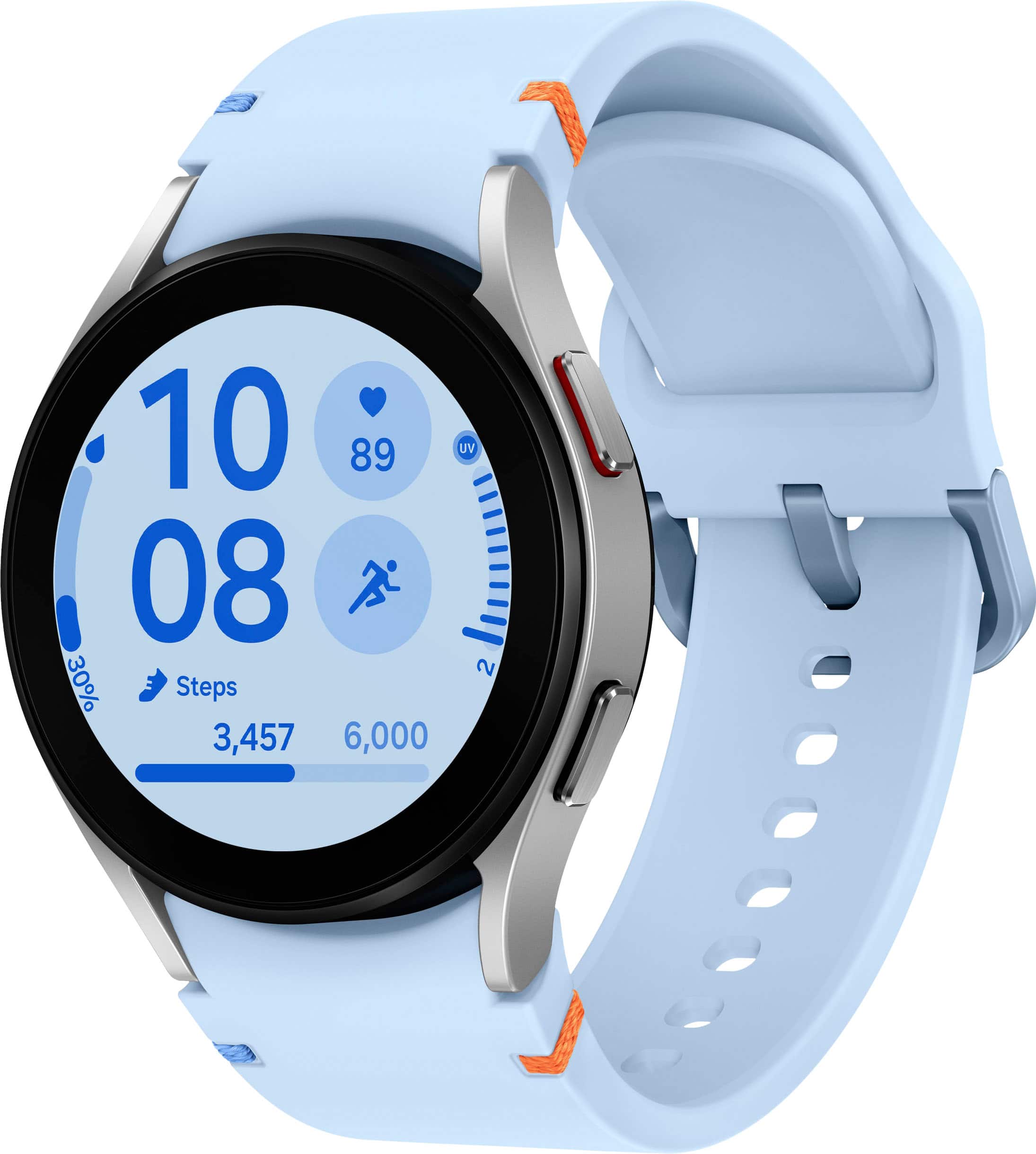
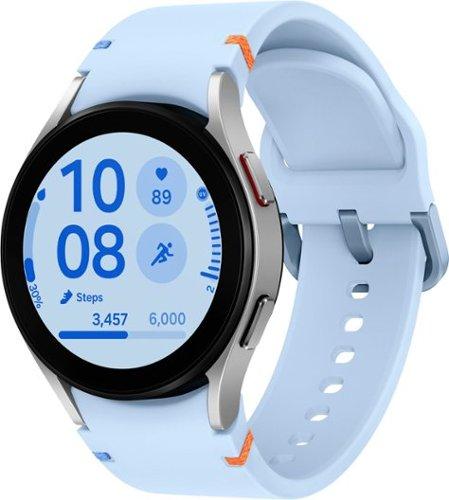
The Samsung Galaxy Watch FE takes a minimalist approach that prioritizes comfort and customization. Weighing just 26.6 grams, it's noticeably lighter than most competitors and feels almost weightless during extended wear. Samsung achieved this through a combination of aluminum construction and careful engineering, though they had to use a smaller 247mAh battery to keep weight down.
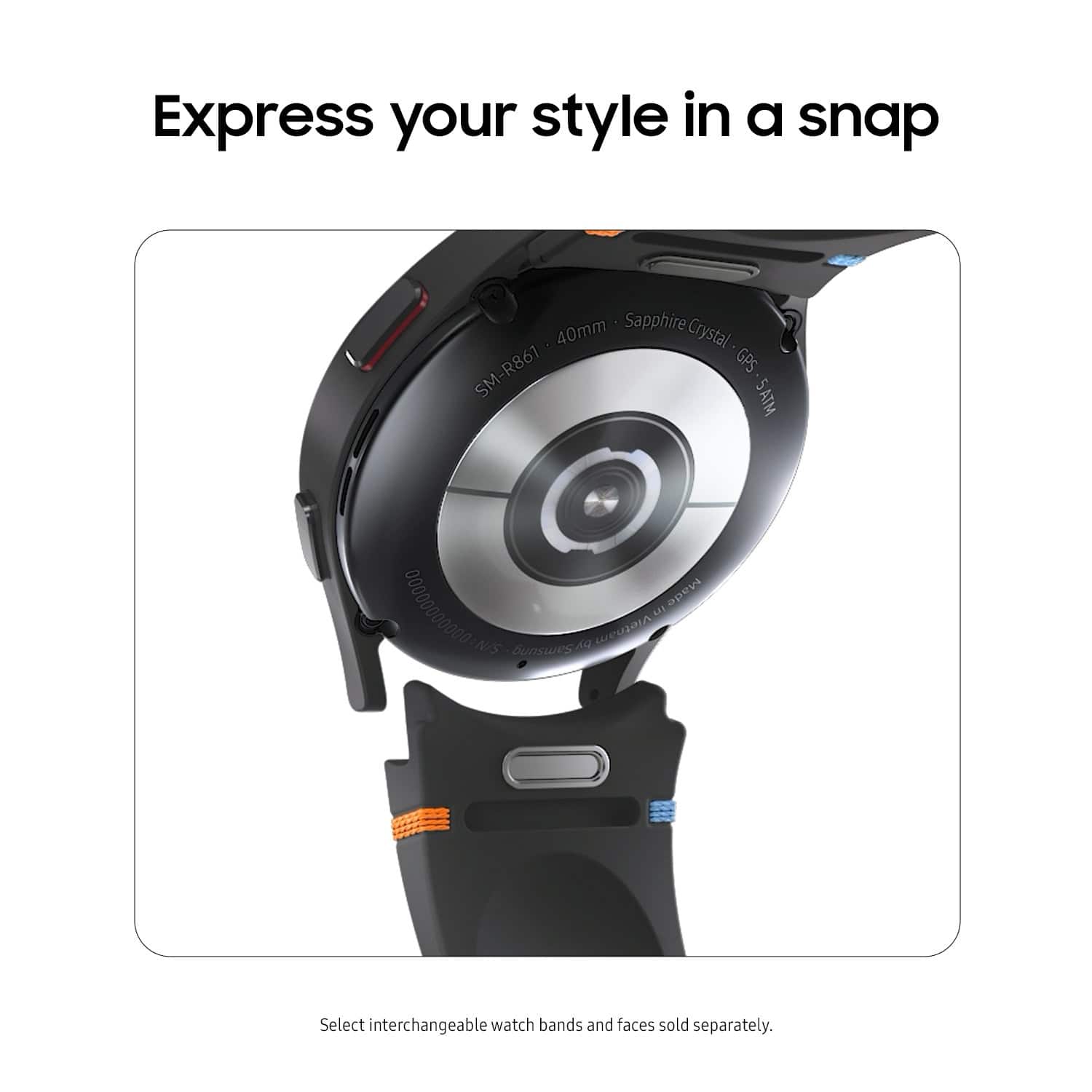
What impressed me most about the Galaxy Watch FE's design is its use of standard 20mm watch bands. This might seem like a minor detail, but it opens up a world of customization options. You can use any traditional watch strap, from premium leather bands to specialized sport straps, often at a fraction of the cost of proprietary alternatives. The watch also features Sapphire Crystal glass, which is significantly more scratch-resistant than the Gorilla Glass found on most smartwatches.
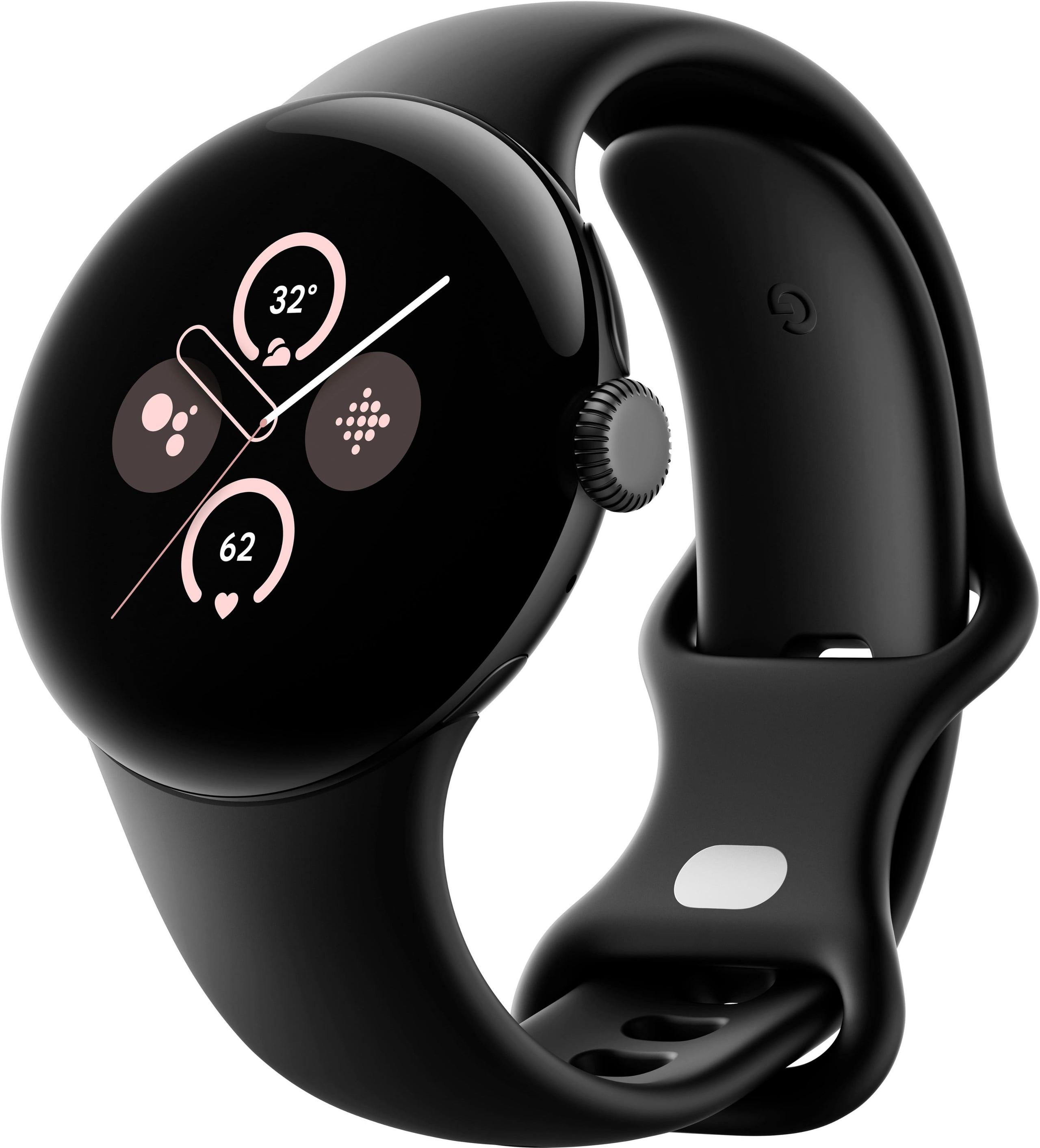
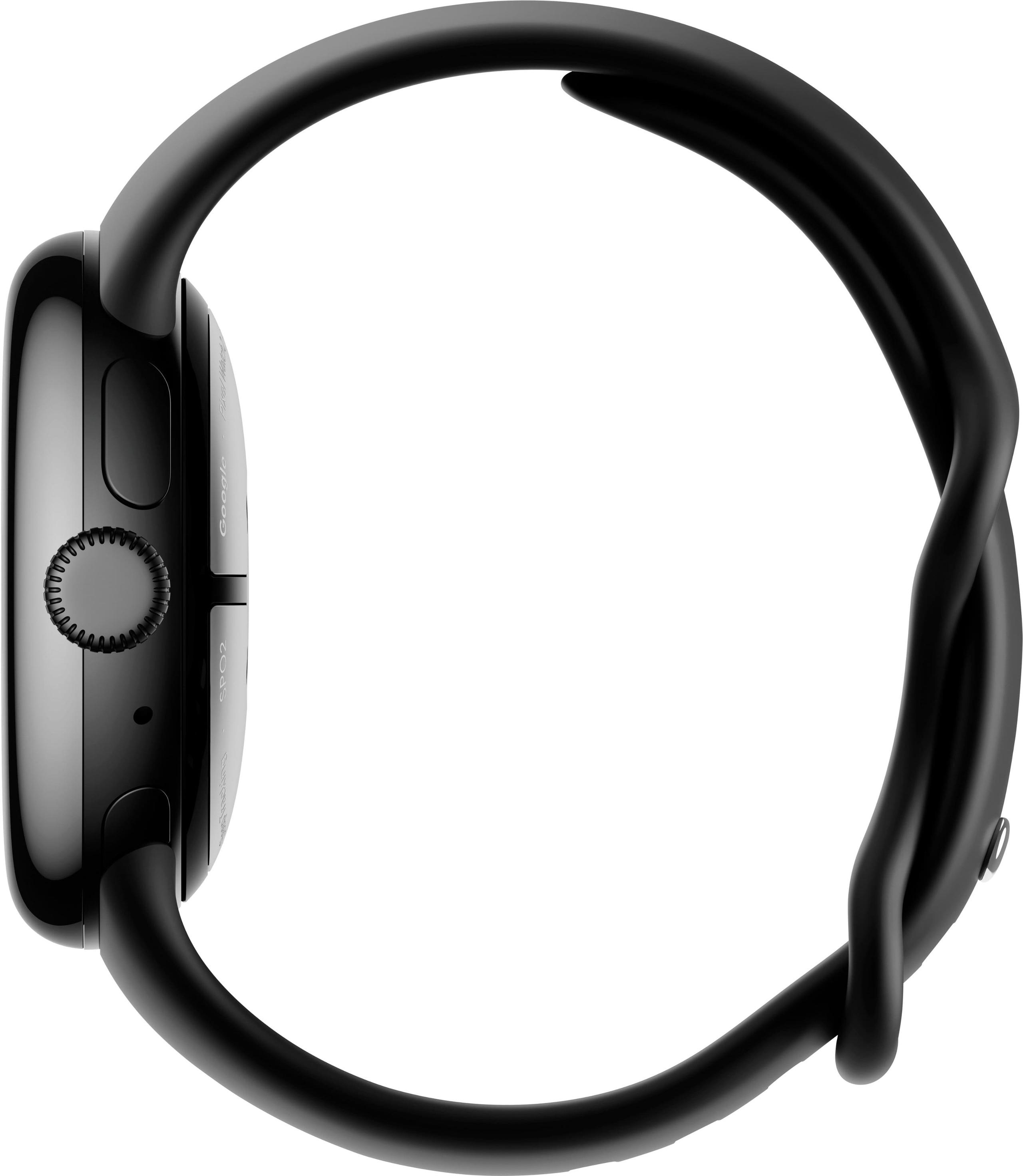
The Google Pixel Watch 2, by contrast, feels more premium in hand but requires some trade-offs. At 31 grams, it's about 17% heavier than the Samsung, which becomes noticeable during sleep tracking or long workouts. However, this extra weight comes from a more robust construction and a larger 306mAh battery that provides better longevity.
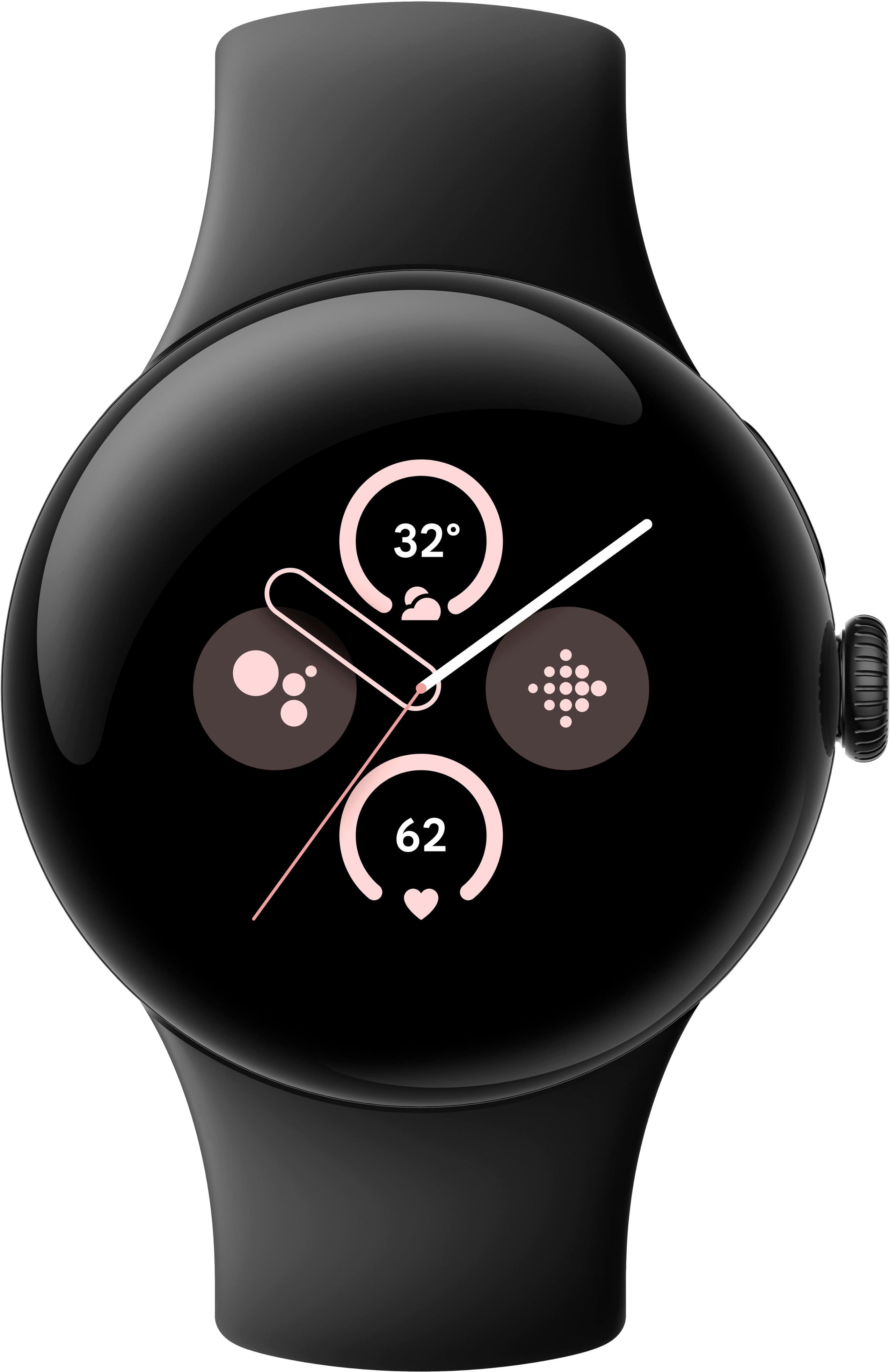
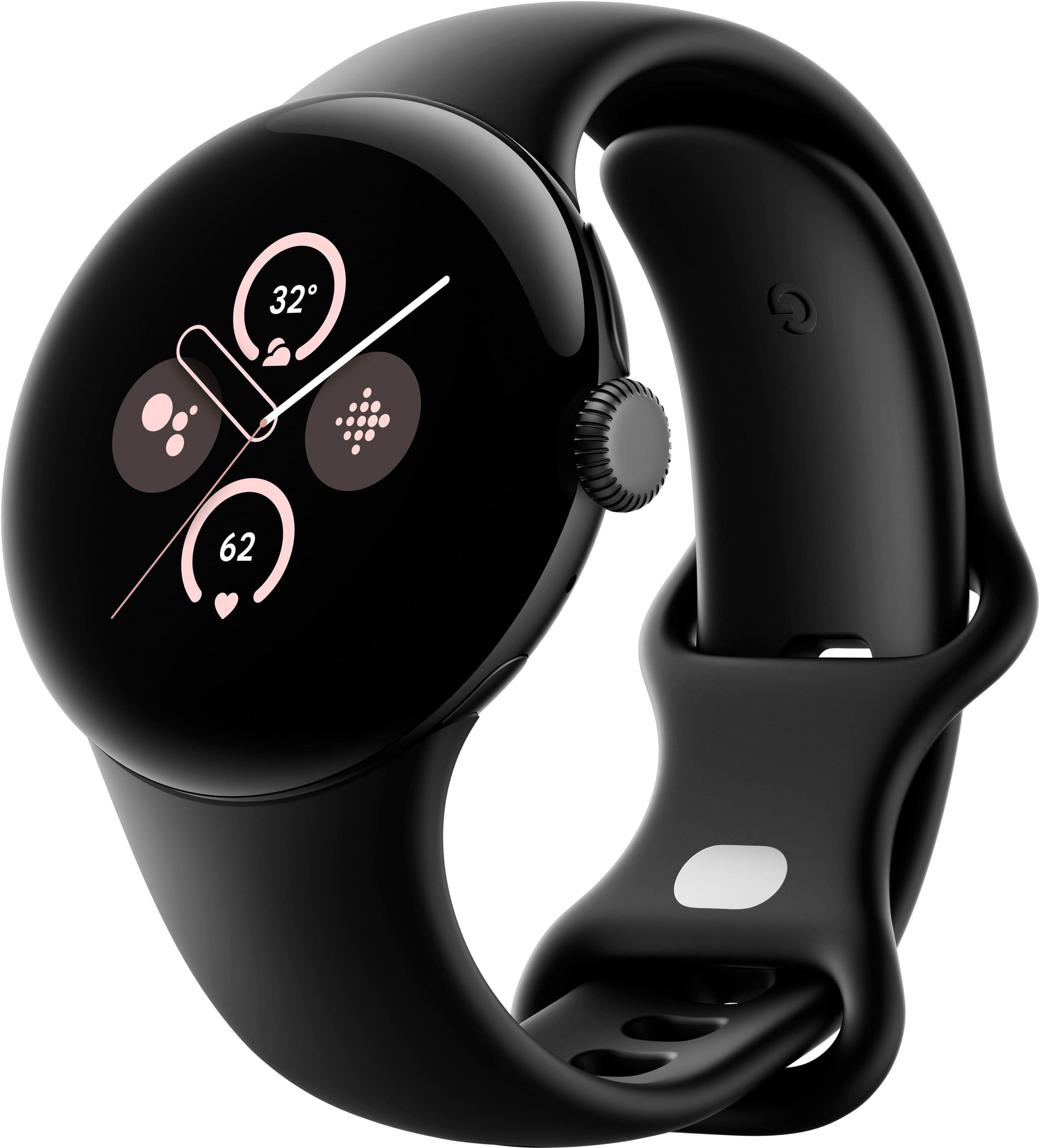
Google's design philosophy emphasizes integration over customization. The proprietary band system creates a seamless look and feel, but limits your options to Google's official accessories, which typically cost significantly more than third-party alternatives. The circular AMOLED display with its distinctive dome shape has become iconic, though the thick bezels around the screen feel dated compared to more recent smartwatch designs.
This is where the Google Pixel Watch 2 pulls significantly ahead, and the differences are immediately noticeable in daily use. The Pixel Watch 2 uses Qualcomm's current-generation Snapdragon W5+ processor running at 1.7GHz, paired with a dedicated Cortex M33 co-processor for handling background tasks efficiently. This dual-processor setup allows the main chip to focus on user interactions while the co-processor manages continuous health monitoring without draining the battery.
The Samsung Galaxy Watch FE, unfortunately, uses the three-year-old Exynos W920 processor from the Galaxy Watch 4 era. Running at just 1.18GHz with older architecture, it struggles with the demanding tasks that modern smartwatches need to handle. Based on user reports and professional reviews, this performance gap is most noticeable during startup, when launching apps, and when processing complex health calculations.
Memory allocation tells a similar story. The Pixel Watch 2 includes 2GB of RAM compared to the Samsung's 1.5GB, which might not sound like much, but makes a significant difference in multitasking performance. When you're switching between workout tracking, music controls, and notifications, that extra memory prevents the stuttering and app reloads that plague devices with insufficient RAM.
Storage capacity also favors the Google Pixel Watch 2 with 32GB versus 16GB on the Samsung Galaxy Watch FE. While you might not think you need much storage on a watch, modern smartwatches store music for offline playback, detailed health data, and increasingly sophisticated apps that require more space than their phone counterparts.
Both watches feature 1.2-inch AMOLED displays, but the similarities end there. The Google Pixel Watch 2 delivers notably sharper visuals with its 450×450 pixel resolution, resulting in 530 pixels per inch (PPI). The Samsung Galaxy Watch FE uses a 396×396 resolution, which translates to 467 PPI – still respectable, but the difference is visible when reading text or viewing detailed graphics.
AMOLED technology offers perfect blacks and vibrant colors on both watches, with excellent outdoor visibility thanks to peak brightness levels exceeding 1000 nits. However, the Pixel Watch 2's higher resolution makes text noticeably crisper, which matters more than you might expect when checking notifications throughout the day.
The Samsung Galaxy Watch FE compensates with superior glass protection. Its Sapphire Crystal covering is significantly more scratch-resistant than the Gorilla Glass 5 used on the Pixel Watch 2. While Gorilla Glass 5 is quite durable, Sapphire Crystal is nearly scratch-proof under normal use, which could be crucial for maintaining resale value and long-term appearance.
Battery performance represents one of the most significant practical differences between these watches. The Google Pixel Watch 2 consistently delivers superior battery life despite its more powerful processor, thanks to efficient power management and a larger 306mAh battery. Most users report getting a full 24 hours with always-on display enabled, often ending the day with 15-20% remaining.
The Samsung Galaxy Watch FE's smaller 247mAh battery struggles to match this performance, particularly when using power-hungry features like GPS tracking or LTE connectivity. Users frequently report needing to disable the always-on display or other features to achieve full-day battery life, which somewhat defeats the purpose of having a smartwatch.
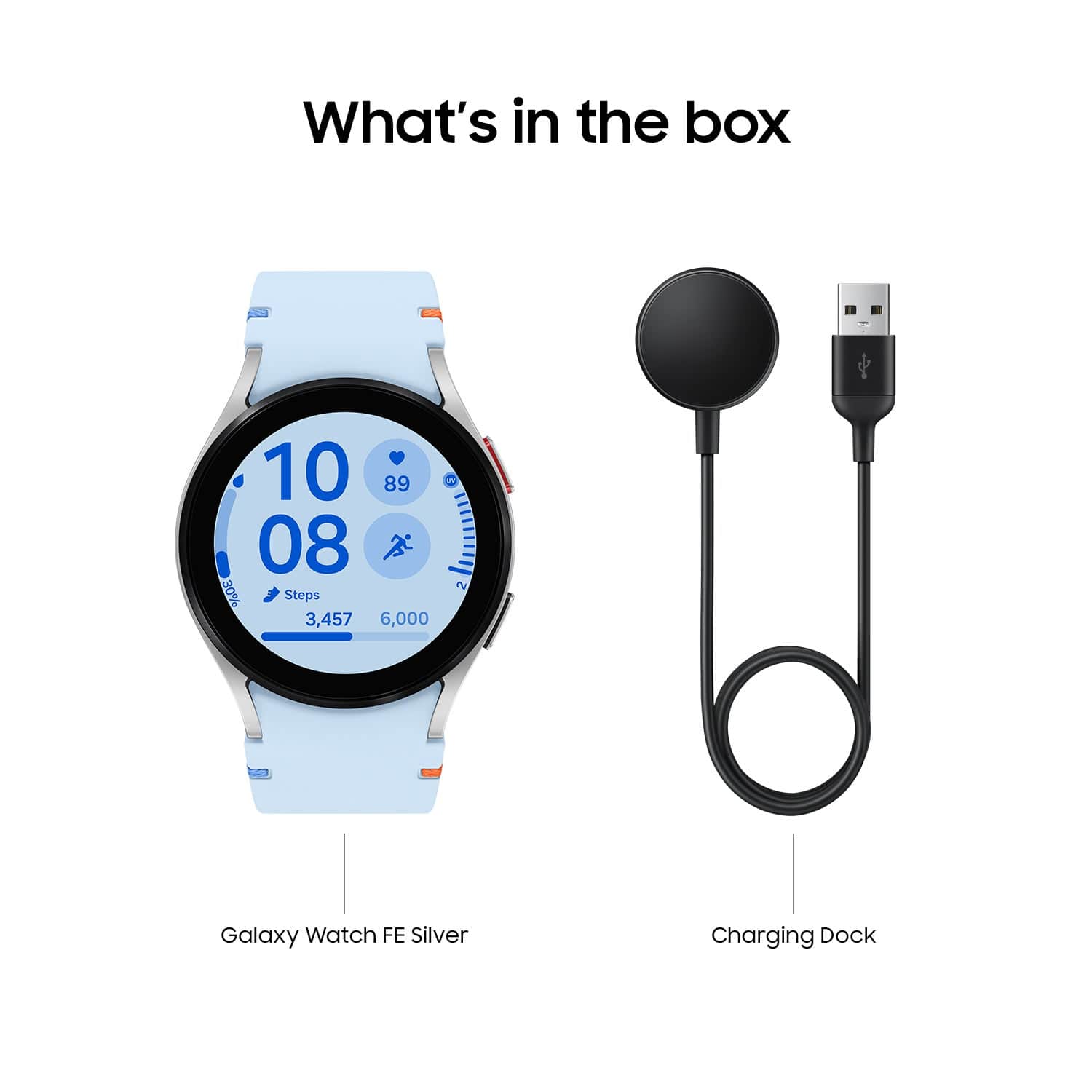
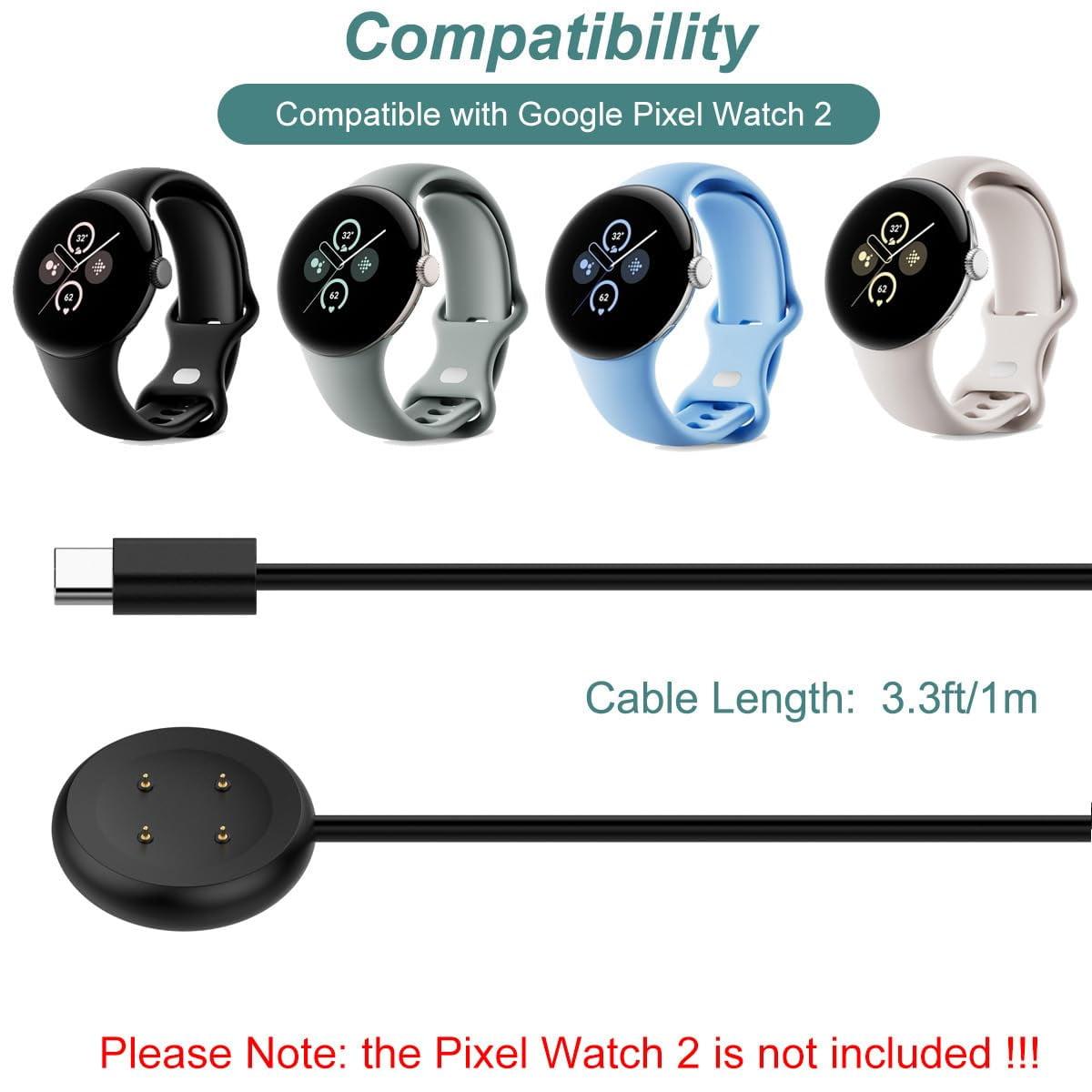
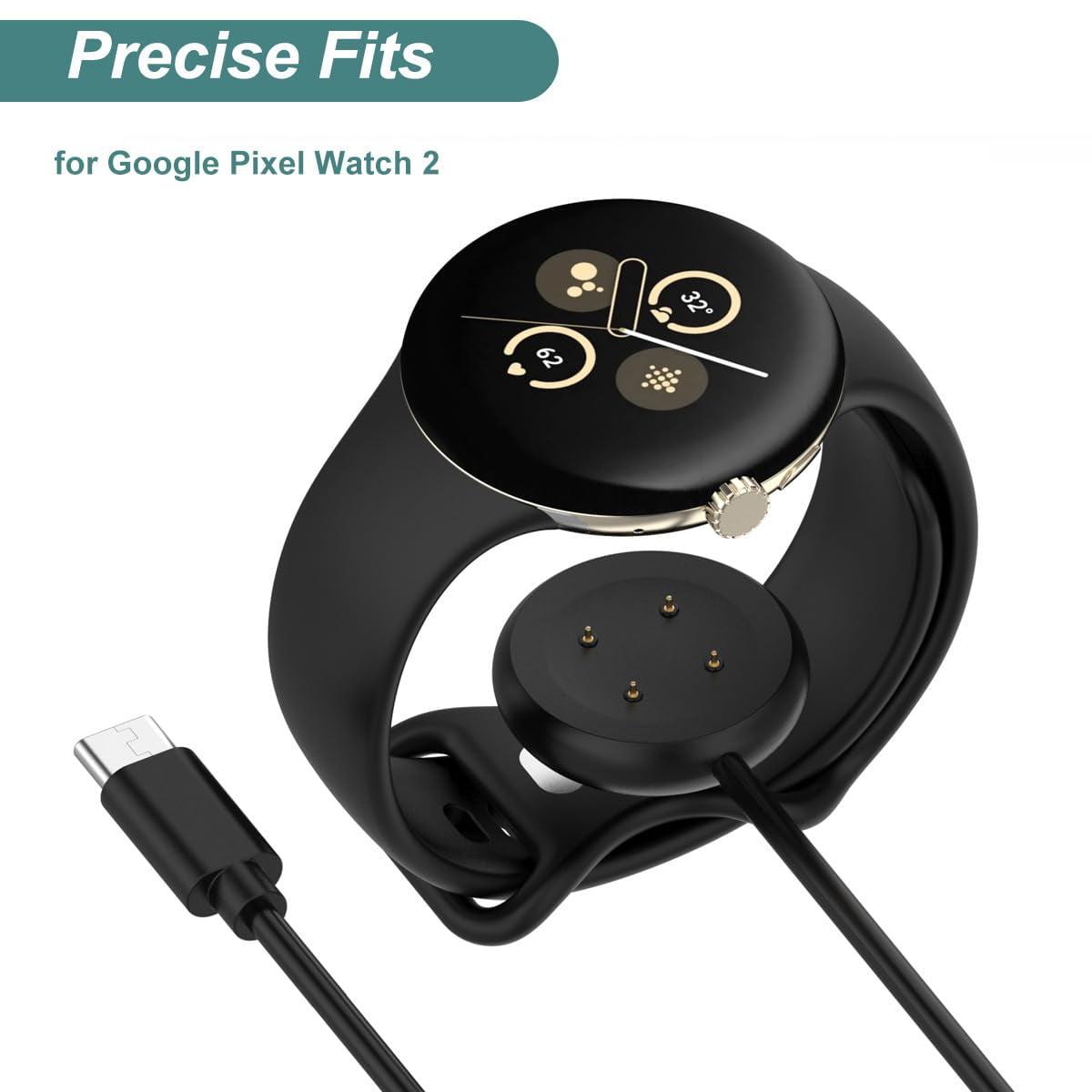
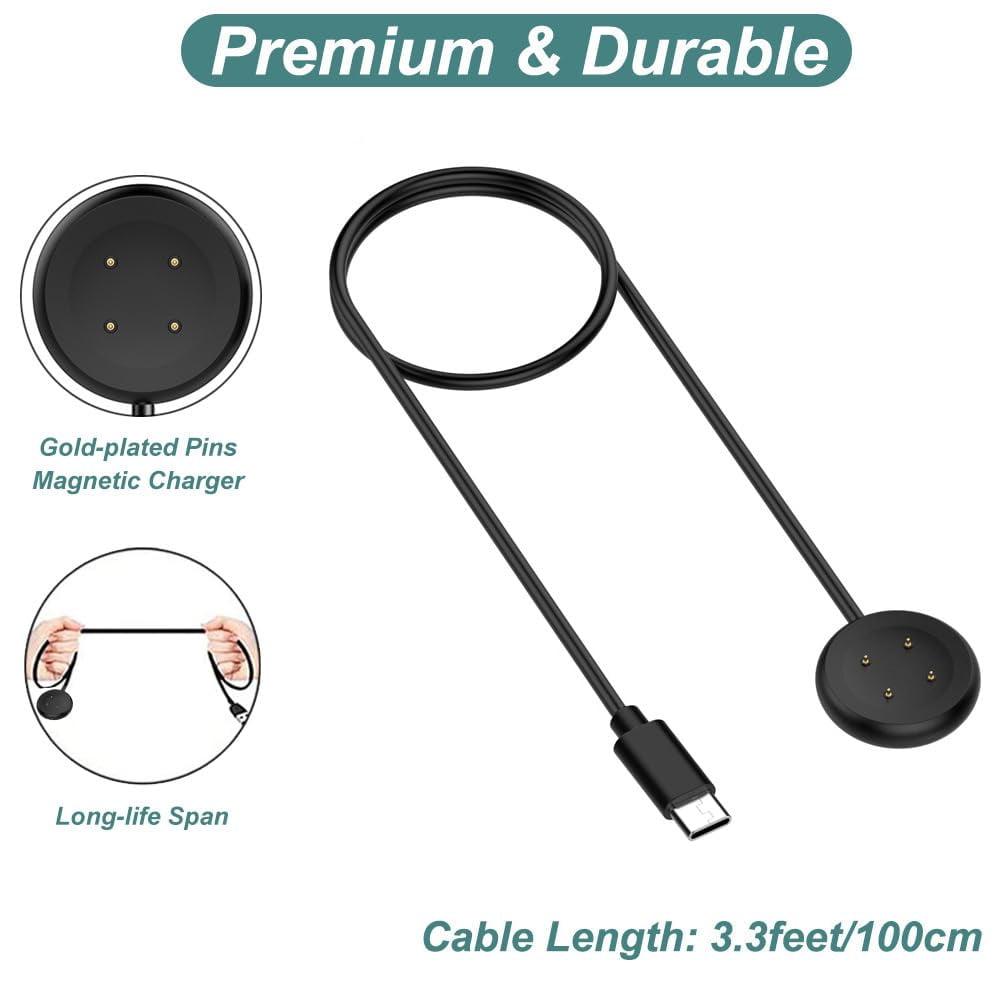
Charging speed creates an even bigger gap. The Pixel Watch 2 supports fast charging that reaches 50% capacity in just 30 minutes, making it practical to top up during your morning routine. The Samsung Galaxy Watch FE uses slower 5W charging that requires over two hours for a full charge, which can be inconvenient if you forget to charge overnight.
This charging difference becomes particularly important if you use sleep tracking. With the Pixel Watch 2, you can charge quickly before bed if needed, while the Samsung watch requires more planning to ensure adequate battery for overnight monitoring.
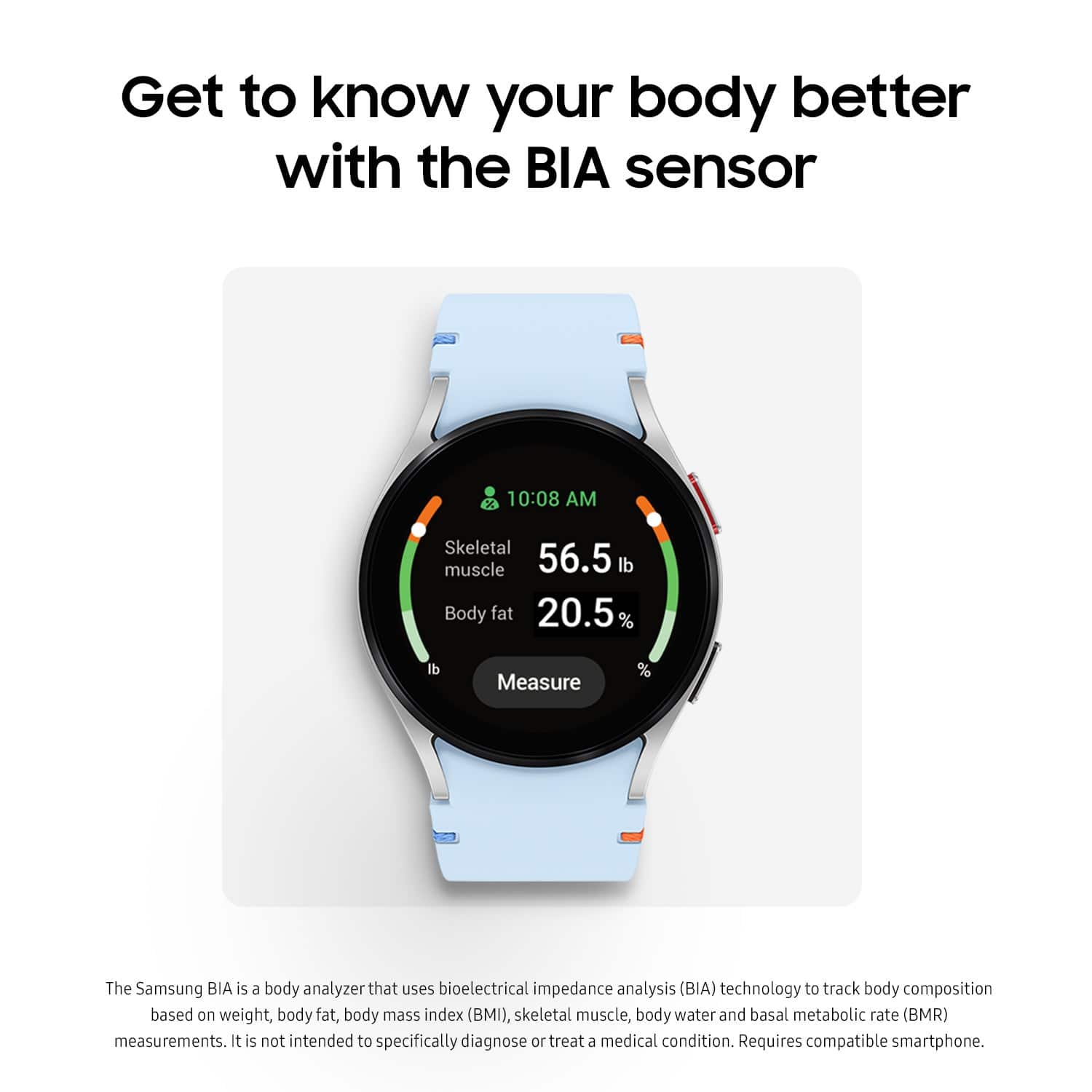
Both watches excel at health tracking but emphasize different aspects of wellness monitoring. The Samsung Galaxy Watch FE includes body composition analysis through bioelectrical impedance analysis (BIA) – essentially sending a tiny electrical current through your body to estimate body fat percentage, muscle mass, and water content. This feature, typically found only on expensive smart scales, provides valuable insights for fitness enthusiasts tracking body composition changes over time.
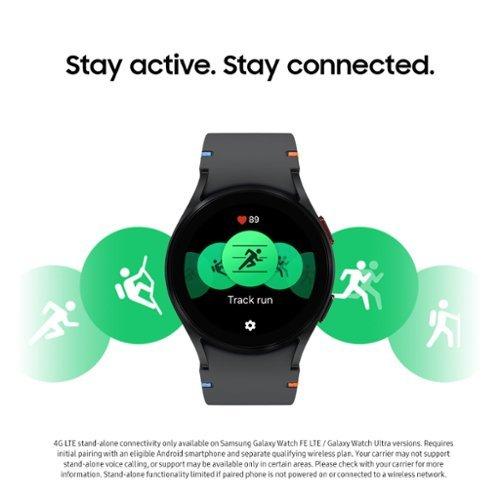
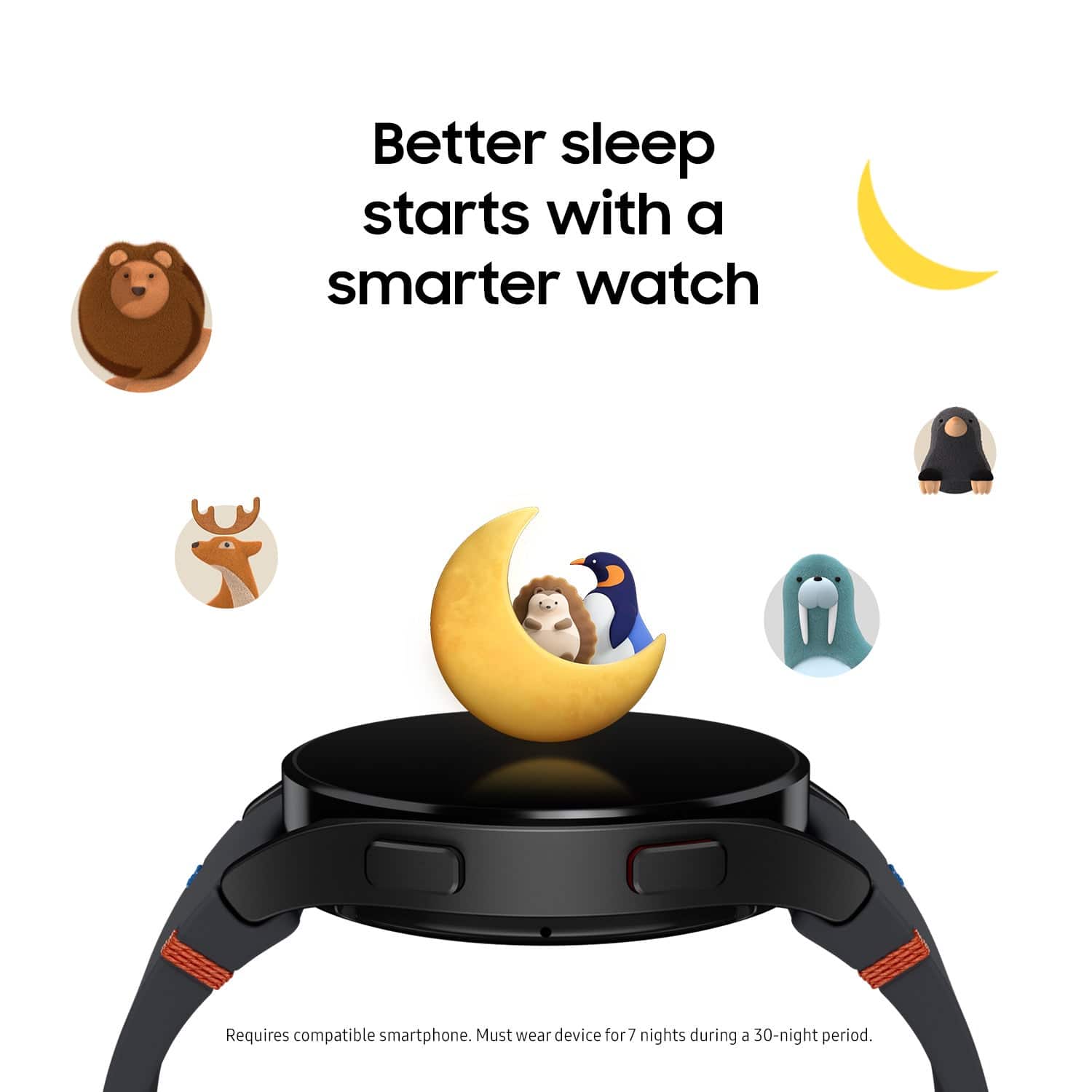
Samsung's sleep tracking includes advanced features like snore detection when paired with Samsung phones, using the phone's microphone to monitor sleep disturbances. The Galaxy Watch FE also supports over 100 workout modes, covering everything from mainstream activities to niche sports, with automatic workout detection for common exercises.
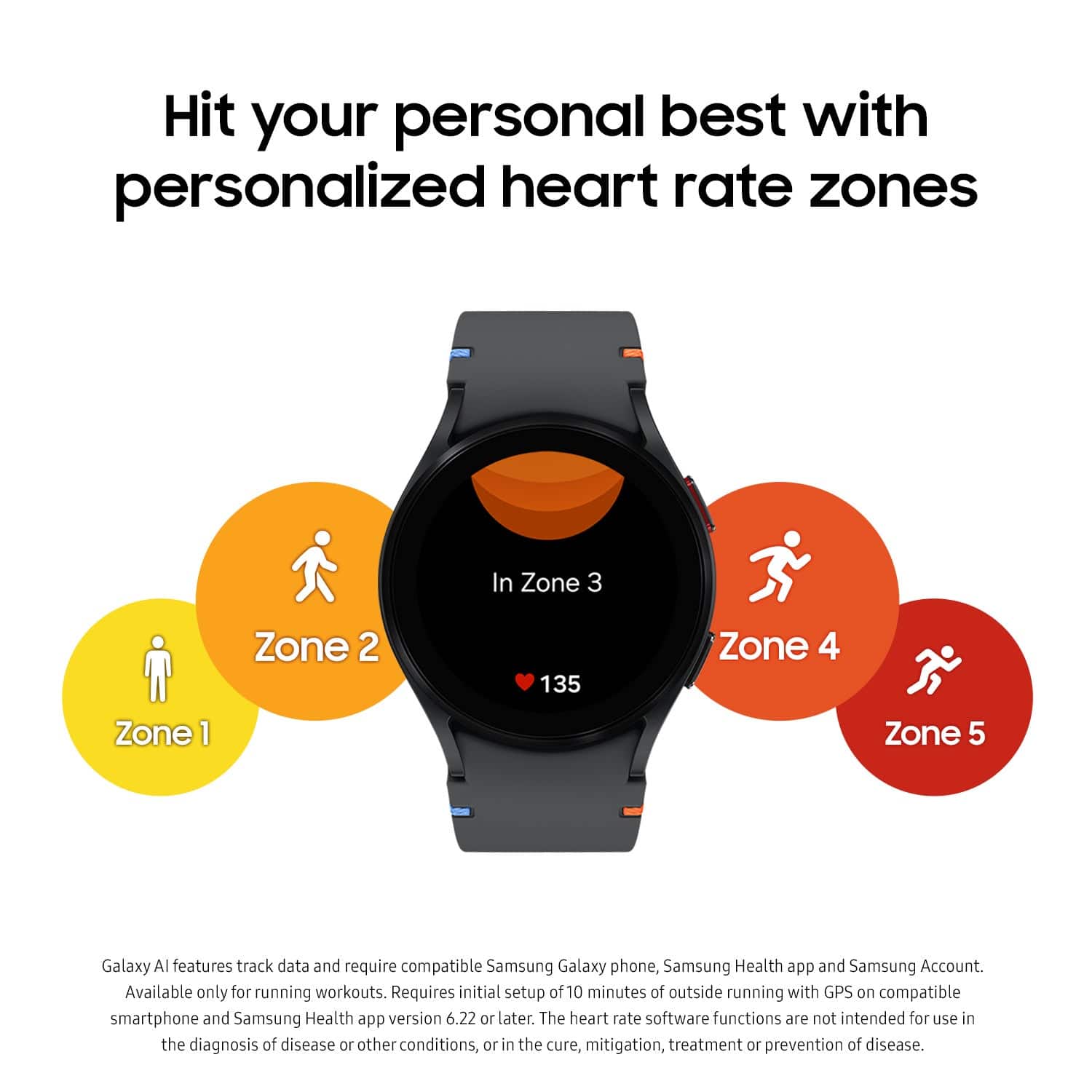
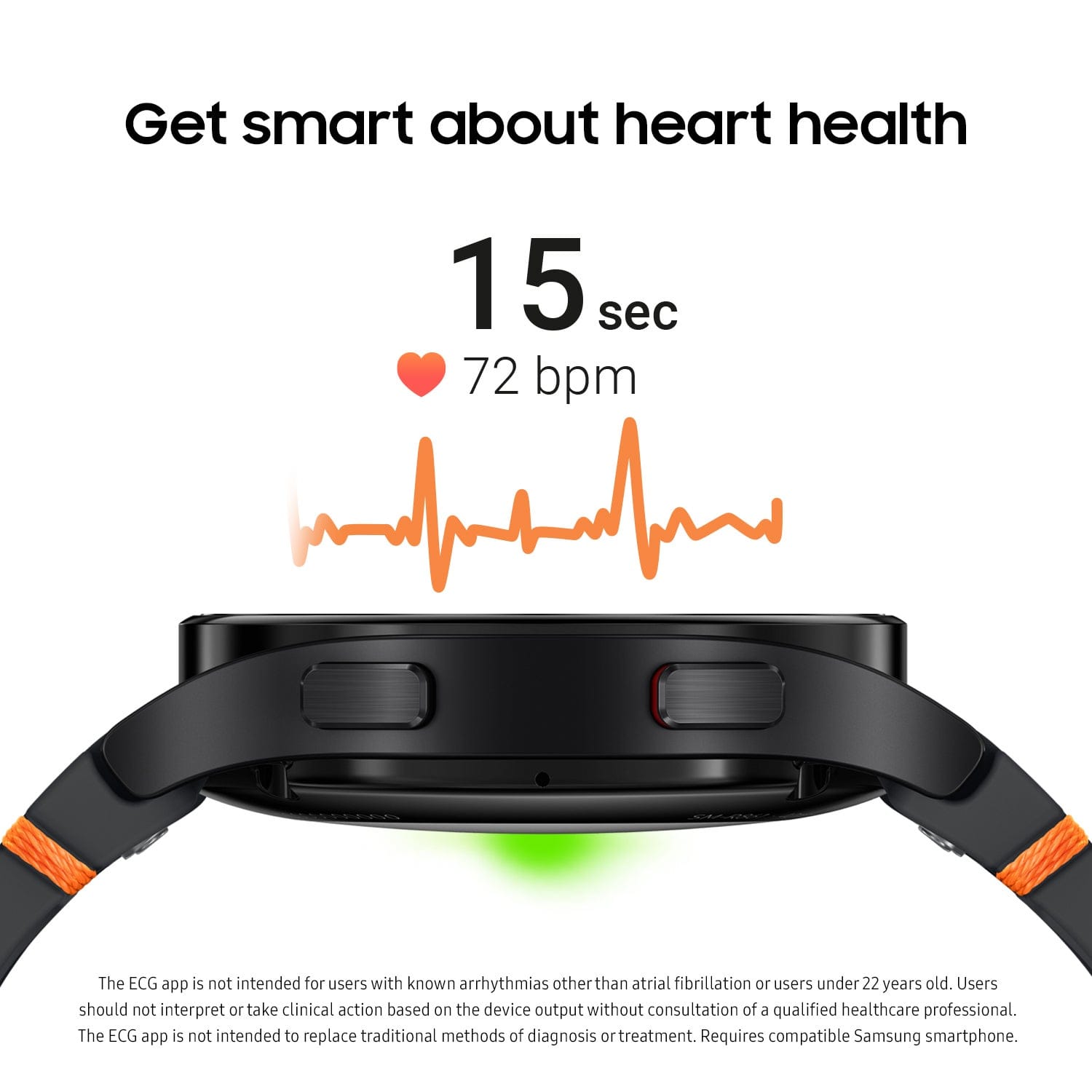
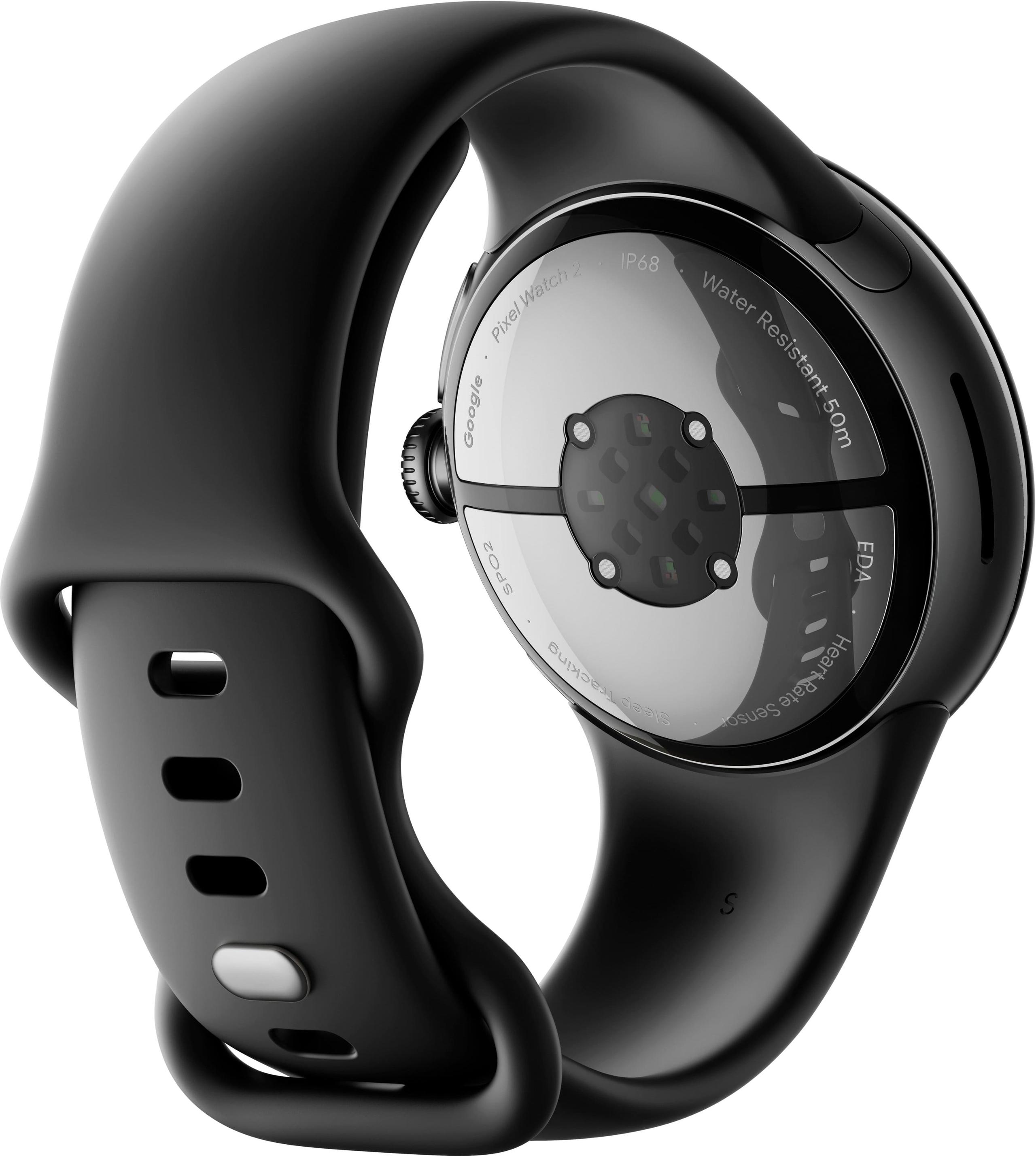
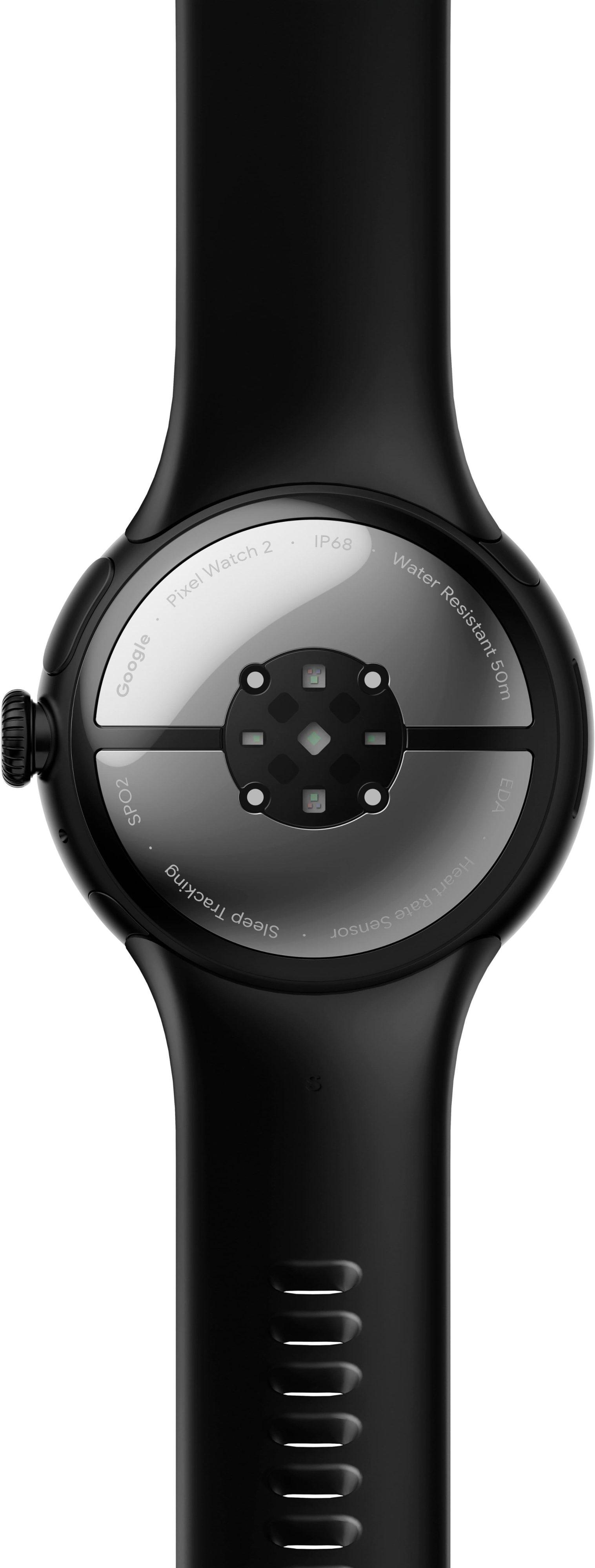
The Google Pixel Watch 2 takes a different approach, focusing on sensor accuracy and stress monitoring. Its multi-path heart rate sensor uses five LEDs and five photodiodes (light sensors) to achieve up to 40% better accuracy during vigorous exercise compared to traditional single-path sensors. This improved accuracy cascades through all heart-rate-dependent metrics, including calorie burn estimates and workout intensity zones.
Particularly innovative is the Pixel Watch 2's continuous electrodermal activity (cEDA) sensor, which measures subtle changes in skin conductance to detect stress responses. This technology, borrowed from Fitbit's premium devices, provides real-time stress notifications and guided breathing exercises when elevated stress is detected.
The Pixel Watch 2 also includes a dedicated skin temperature sensor that tracks nightly temperature variations, which can indicate illness, recovery status, or hormonal changes. This passive monitoring provides wellness insights without requiring any user intervention.
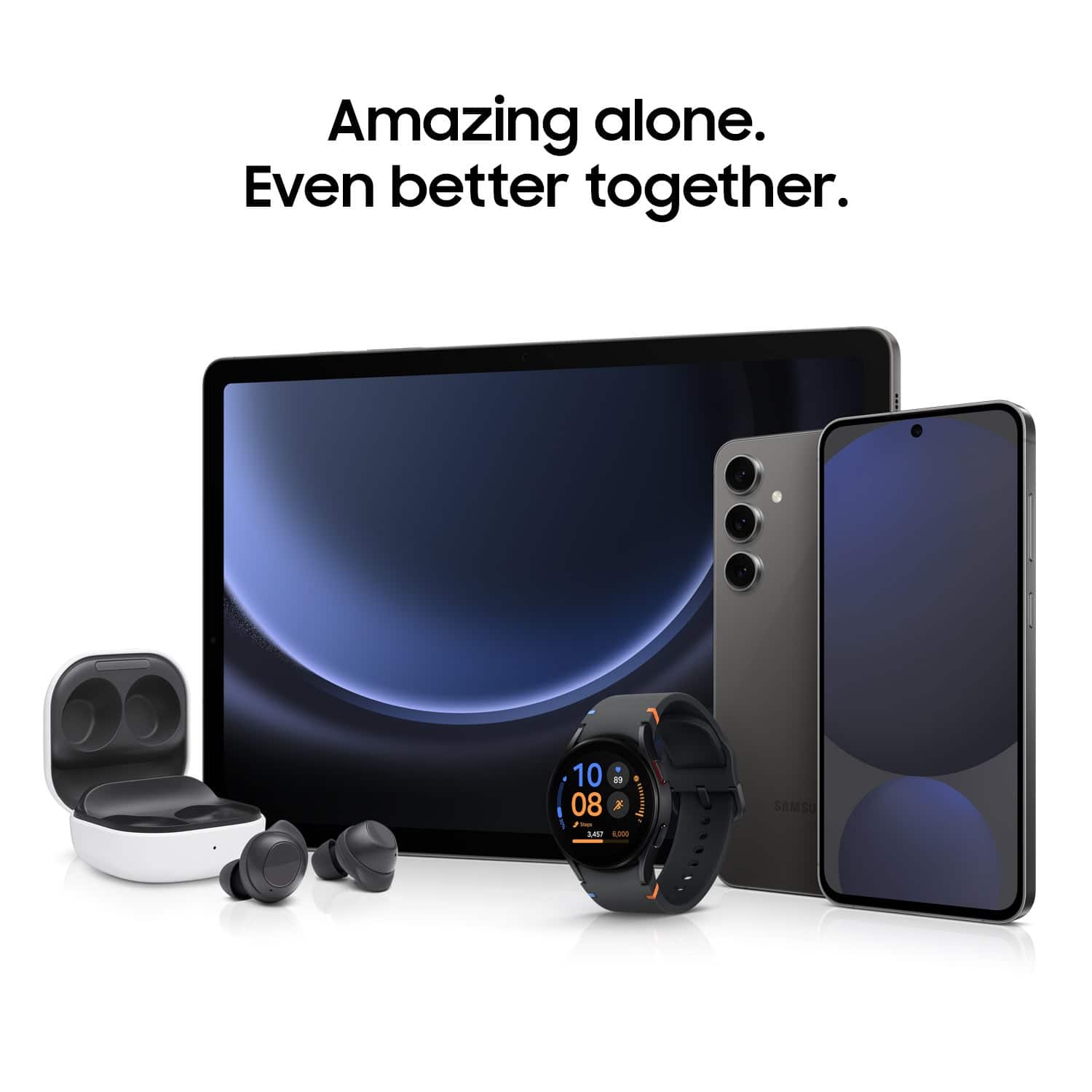
Both watches run Wear OS, but with different interfaces and capabilities. The Samsung Galaxy Watch FE uses Samsung's One UI 5 Watch overlay, which provides deep integration with Samsung phones but limited functionality with other Android devices. Samsung phone owners gain access to exclusive features like ECG monitoring and the full body composition analysis, while users of other Android phones miss out on these premium capabilities.
The Google Pixel Watch 2 runs a more vanilla Wear OS experience with direct access to Google services like Assistant, Maps, and Wallet. Importantly, it provides equal functionality regardless of your phone brand, making it a better choice for users who might switch between different Android manufacturers.
App performance heavily favors the Pixel Watch 2 due to its superior processor. Apps launch faster, navigation feels more responsive, and complex operations like GPS route calculation complete more quickly. The Samsung Galaxy Watch FE often shows its age during demanding tasks, with noticeable lag that can make the user experience feel sluggish.
Network connectivity reveals another area where the Samsung Galaxy Watch FE offers superior specifications on paper. It supports dual-band Wi-Fi, connecting to both 2.4GHz and 5GHz networks, which can provide better performance in crowded wireless environments. The watch also includes the latest Bluetooth 5.3 standard for improved device pairing and energy efficiency.
The Google Pixel Watch 2 uses older single-band Wi-Fi (2.4GHz only) and Bluetooth 5.0, which work perfectly well in practice but represent older standards. However, Google's implementation often feels more reliable in real-world use, with fewer connection drops and faster synchronization with paired phones.
Both watches offer LTE variants that enable independent calling, messaging, and music streaming without a phone connection. This feature particularly benefits runners and gym-goers who want to leave their phone at home while maintaining connectivity.
At the time of writing, the Samsung Galaxy Watch FE positions itself as the budget-friendly option, typically priced about $50-100 less than the Google Pixel Watch 2. However, this upfront savings requires some perspective when considering long-term ownership costs and user satisfaction.
The Samsung watch includes all health features without additional subscription fees, while the Pixel Watch 2 requires a Fitbit Premium subscription for advanced health insights after a free trial period. This subscription, costing around $10 monthly, adds significant long-term expense but provides professionally guided health programs, detailed trend analysis, and personalized recommendations.
From a pure performance perspective, the Pixel Watch 2 delivers significantly better value despite higher upfront costs. Its current-generation processor, doubled storage capacity, improved display resolution, and superior battery management create a noticeably better daily experience. The performance gap is likely to widen over time as software becomes more demanding and the Samsung's older processor struggles with updates.
The Samsung Galaxy Watch FE makes sense for specific use cases. If you own a Samsung phone and want access to exclusive health features without subscription fees, it provides solid value. The lighter weight and standard watch band compatibility also appeal to users who prioritize comfort and customization options. Budget-conscious buyers who primarily need basic smartwatch functionality – notifications, fitness tracking, and occasional apps – will find it adequate.
However, I'd recommend the Google Pixel Watch 2 for most users despite its higher price. The performance difference is immediately noticeable and will likely become more pronounced as both watches age. The superior battery life, faster charging, and better display quality significantly improve daily usability. The broader Android compatibility also makes it a safer choice if you might change phone brands in the future.
Performance enthusiasts, heavy app users, or anyone who values smooth, responsive operation should definitely choose the Pixel Watch 2. The three-year processor gap between these devices translates to meaningful real-world differences that affect every interaction with the watch.
Ultimately, both watches represent solid entries in the mid-range smartwatch segment, but they target slightly different users. The Samsung Galaxy Watch FE appeals to budget-conscious Samsung users who want premium features at a discount, while the Google Pixel Watch 2 serves users willing to pay more for superior performance and broader compatibility. In most scenarios, the Pixel Watch 2's combination of current-generation hardware and polished software experience justifies its premium over Samsung's more budget-focused offering.
| Samsung Galaxy Watch FE LTE 40mm Smartwatch | Google Pixel Watch 2 Smartwatch |
|---|---|
| Processor - Most critical factor for daily responsiveness and future software support | |
| 3-year-old Exynos W920 (1.18GHz) - Noticeable lag during app launches and intensive tasks | Current-gen Snapdragon W5+ (1.7GHz) with co-processor - Smooth, responsive performance |
| Display Resolution - Affects text sharpness and overall visual quality | |
| 396×396 pixels (467 ppi) - Good clarity but less sharp for detailed content | 450×450 pixels (530 ppi) - Noticeably crisper text and graphics |
| RAM - Determines multitasking ability and app switching speed | |
| 1.5GB - May struggle with multiple apps running simultaneously | 2GB - Better multitasking without app reloads |
| Storage - Important for music downloads, apps, and health data | |
| 16GB (7.6GB user available) - Limited space for offline content | 32GB - Ample room for music, apps, and data storage |
| Battery Capacity - Directly impacts daily usage time | |
| 247mAh - Requires careful battery management for full-day use | 306mAh - Reliably lasts 24+ hours with always-on display |
| Charging Speed - Critical for daily convenience and forgotten charges | |
| 5W slow charging (2+ hours full charge) - Requires overnight planning | Fast charging (50% in 30 minutes) - Quick top-ups during daily routine |
| Weight - Affects all-day comfort, especially during sleep tracking | |
| 26.6g - Lighter and more comfortable for extended wear | 31g - Slightly heavier but still comfortable for most users |
| Watch Band System - Impacts customization options and replacement costs | |
| Standard 20mm bands - Universal compatibility with affordable third-party options | Proprietary connector - Limited to Google's official bands at premium prices |
| Glass Protection - Determines long-term durability and scratch resistance | |
| Sapphire Crystal - Nearly scratch-proof under normal use | Gorilla Glass 5 - Good durability but more susceptible to scratches |
| Health Features Access - Ongoing costs for advanced insights | |
| All features included free - No subscription required for health data | Fitbit Premium required ($10/month) - Advanced insights behind paywall |
| Phone Compatibility - Feature availability across different Android devices | |
| Best with Samsung phones - Some premium features locked to Samsung devices | Universal Android support - Full features regardless of phone brand |
| Wi-Fi Connectivity - Network performance in crowded environments | |
| Dual-band Wi-Fi 5 (2.4GHz + 5GHz) - Better performance in congested areas | Single-band Wi-Fi 5 (2.4GHz only) - Adequate but may struggle in busy networks |
| Release Date - Indicates how current the technology is | |
| Mid-2024 - Newer release but uses older processor technology | Late 2023 - Established product with proven performance |
The Google Pixel Watch 2 delivers significantly better performance with its current-generation Snapdragon W5+ processor running at 1.7GHz, compared to the Samsung Galaxy Watch FE's 3-year-old Exynos W920 at 1.18GHz. Users report noticeably smoother app launches, faster navigation, and better multitasking on the Pixel Watch 2, while the Samsung Galaxy Watch FE can feel sluggish during intensive tasks.
The Google Pixel Watch 2 offers superior battery life with its larger 306mAh battery, typically lasting 24+ hours with always-on display enabled. The Samsung Galaxy Watch FE uses a smaller 247mAh battery and often requires users to disable features like always-on display to achieve full-day usage, making the Pixel Watch 2 more reliable for all-day wear.
The Samsung Galaxy Watch FE includes unique features like body composition analysis and snore detection, with all health insights provided free of charge. The Google Pixel Watch 2 focuses on sensor accuracy with its advanced multi-path heart rate sensor and continuous stress monitoring, but requires a Fitbit Premium subscription for detailed health insights after the free trial period.
The Google Pixel Watch 2 charges much faster, reaching 50% capacity in just 30 minutes thanks to its fast charging technology. The Samsung Galaxy Watch FE uses slower 5W charging that requires over 2 hours for a full charge, making the Pixel Watch 2 more convenient for quick top-ups throughout the day.
The Samsung Galaxy Watch FE uses standard 20mm watch bands, allowing you to choose from countless affordable third-party options from any watch band manufacturer. The Google Pixel Watch 2 uses a proprietary band system that limits you to Google's official accessories, which typically cost more but provide a more integrated look and feel.
The Google Pixel Watch 2 provides full functionality with any Android phone running version 9.0 or newer, regardless of manufacturer. The Samsung Galaxy Watch FE works with most Android devices but reserves some premium features like ECG monitoring and full body composition analysis exclusively for Samsung Galaxy phone owners.
The Google Pixel Watch 2 offers a sharper display with 450×450 pixel resolution (530 ppi), providing crisper text and graphics compared to the Samsung Galaxy Watch FE's 396×396 resolution (467 ppi). However, the Samsung watch compensates with superior Sapphire Crystal glass protection that's more scratch-resistant than the Pixel Watch 2's Gorilla Glass 5.
Value depends on your priorities: the Samsung Galaxy Watch FE offers lower upfront cost and no ongoing subscription fees, making it better for budget-conscious buyers. The Google Pixel Watch 2 costs more initially and requires a subscription for advanced features, but delivers superior performance, battery life, and display quality that justify the premium for most users.
The Google Pixel Watch 2 includes 32GB storage and 2GB RAM, providing ample space for apps, music, and smooth multitasking. The Samsung Galaxy Watch FE offers 16GB storage and 1.5GB RAM, which is adequate for basic use but may limit offline music storage and cause occasional slowdowns when running multiple apps simultaneously.
The Samsung Galaxy Watch FE is lighter at 26.6g compared to the Google Pixel Watch 2's 31g, making it more comfortable for extended wear and sleep tracking. Both watches use aluminum construction, but the weight difference becomes noticeable during long workouts or overnight use, giving the Samsung watch a comfort advantage.
The Samsung Galaxy Watch FE includes all health tracking features without requiring any subscription, providing full access to Samsung Health's comprehensive wellness platform. The Google Pixel Watch 2 offers a 6-month free trial of Fitbit Premium, but requires a monthly subscription afterward to access advanced health insights, personalized coaching, and detailed trend analysis.
The Samsung Galaxy Watch FE offers superior connectivity with dual-band Wi-Fi support (2.4GHz and 5GHz) and the latest Bluetooth 5.3 standard, providing better performance in crowded wireless environments. The Google Pixel Watch 2 uses single-band Wi-Fi and older Bluetooth 5.0, which work reliably but represent less advanced networking capabilities than the Samsung watch.
We've done our best to create useful and informative comparisons to help you decide what product to buy. Our research uses advanced automated methods to create this comparison and perfection is not possible - please contact us for corrections or questions. These are the sites we've researched in the creation of this article: bestbuy.com - samsungmobilepress.com - pocket-lint.com - samsung.com - youtube.com - gsmarena.com - techradar.com - news.samsung.com - youtube.com - androidpolice.com - youtube.com - bestbuy.com - samsung.com - samsung.com - phonearena.com - samsung.com - androidpolice.com - samsung.com - electronics.woot.com - youtube.com - att.com - samsung.com - tomsguide.com - tomsguide.com - tomsguide.com - phonearena.com - smartwatch-straps.co.uk - youtube.com - 6monthslater.net - petematheson.com - support.google.com - wareable.com - versus.com - verizon.com - youtube.com - youtube.com - androidpolice.com - techgearlab.com - wareable.com - androidcentral.com - blog.google - support.google.com - youtube.com - en.wikipedia.org - store.google.com - gsmarena.com - fi.google.com

Privacy Policy
Terms and Conditions - Affiliate Policy
Home Security
© Copyright 2008-2026.
11816 Inwood Rd #1211, Dallas, TX 75244