

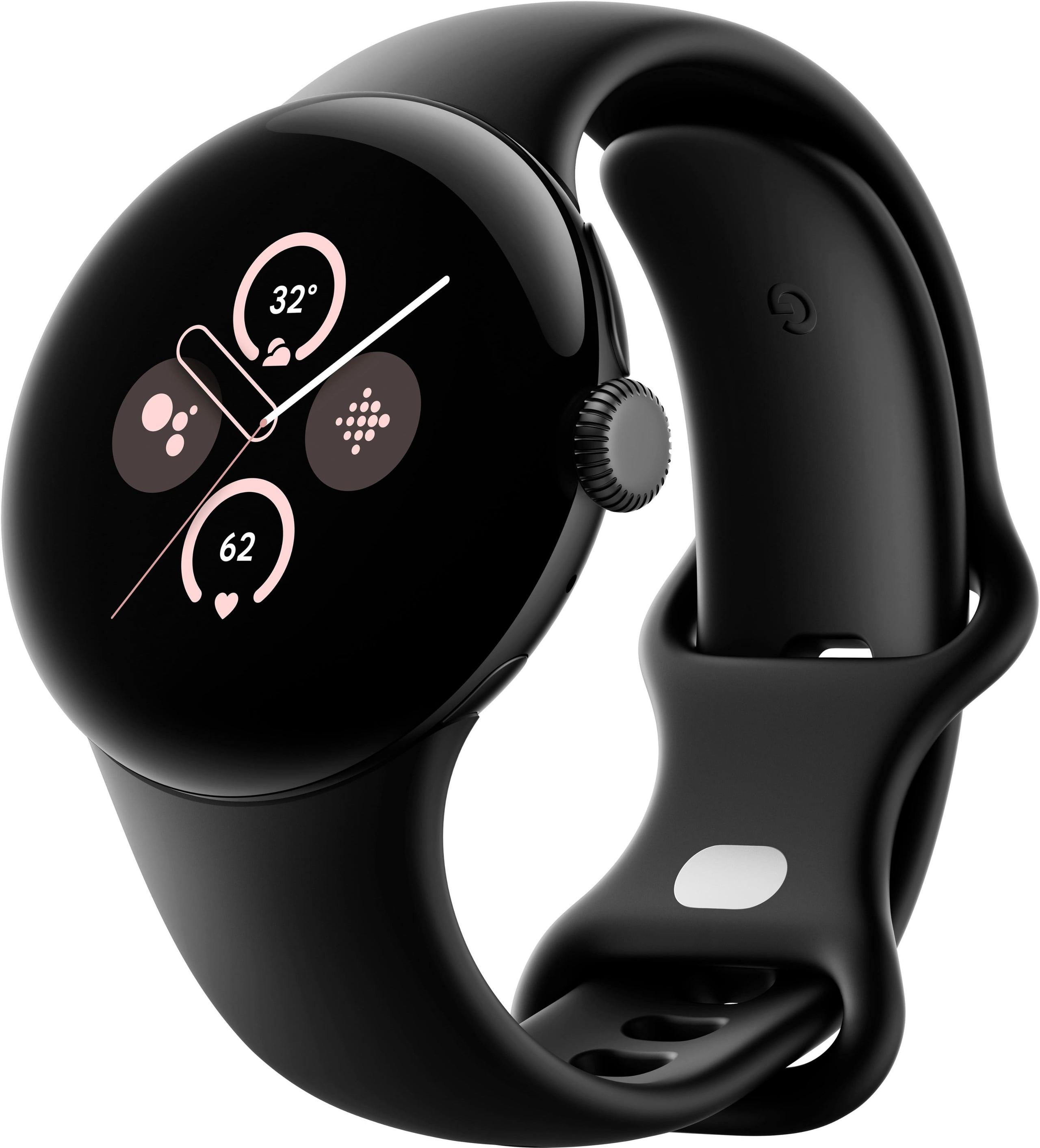
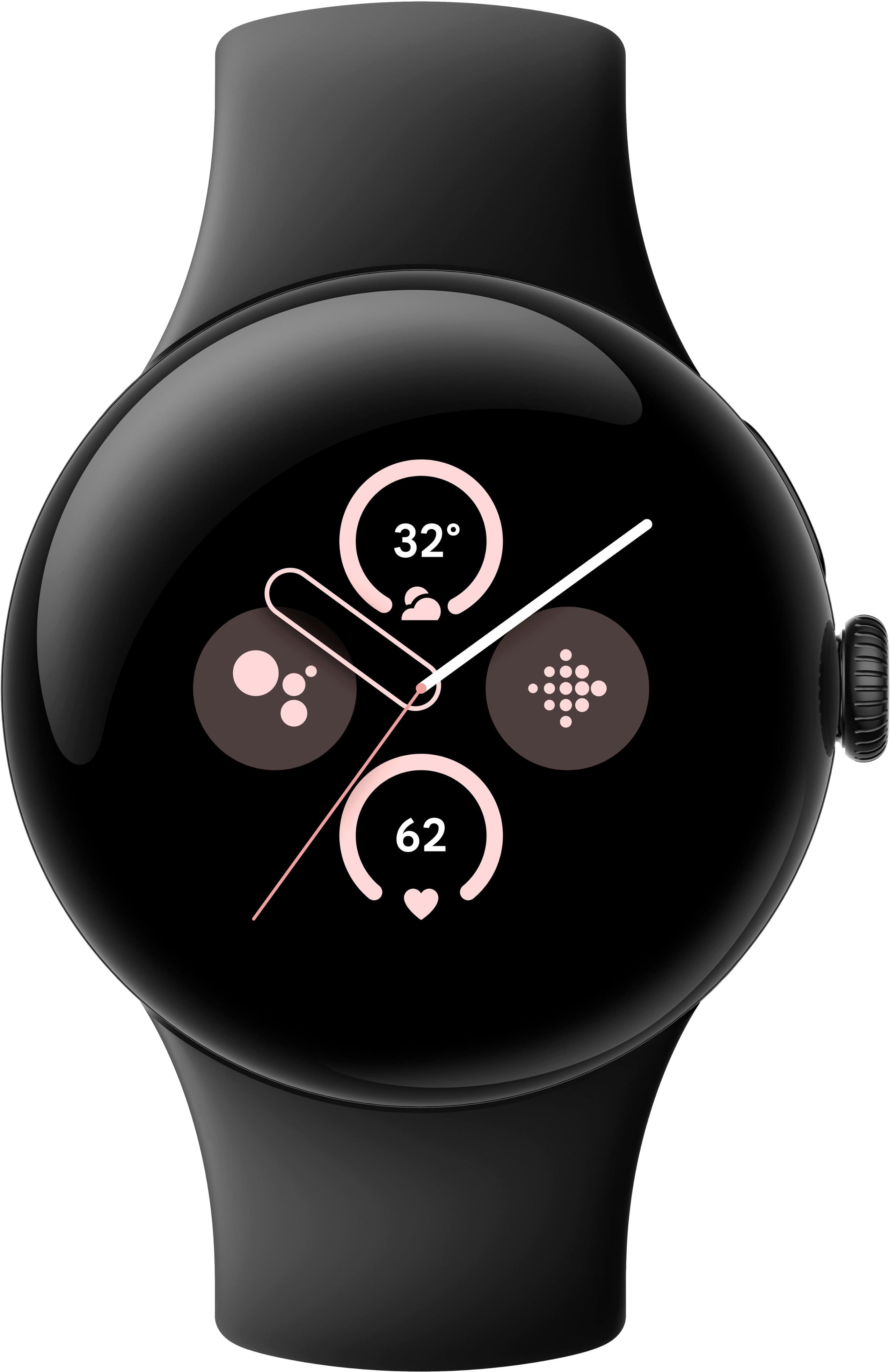

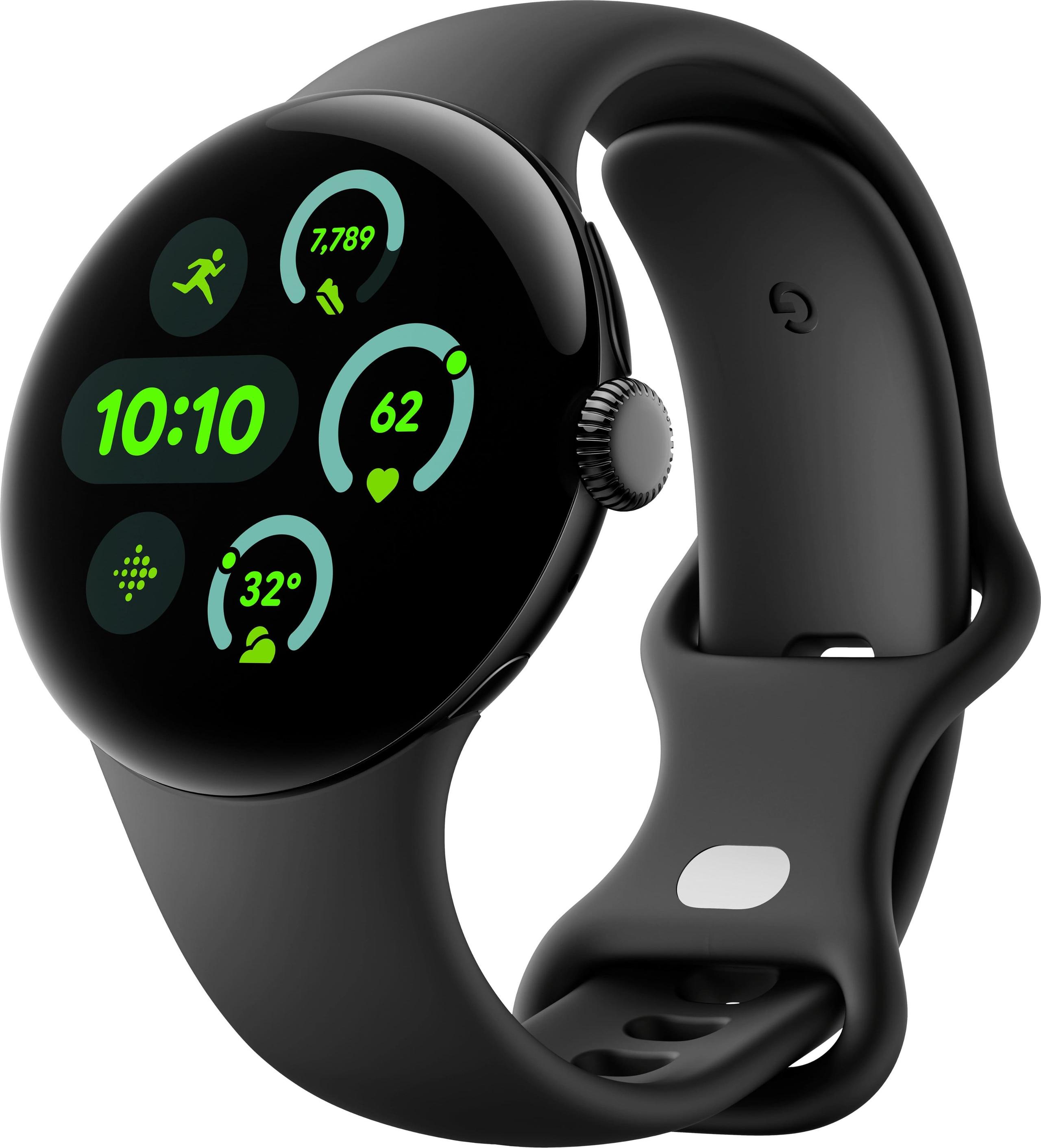
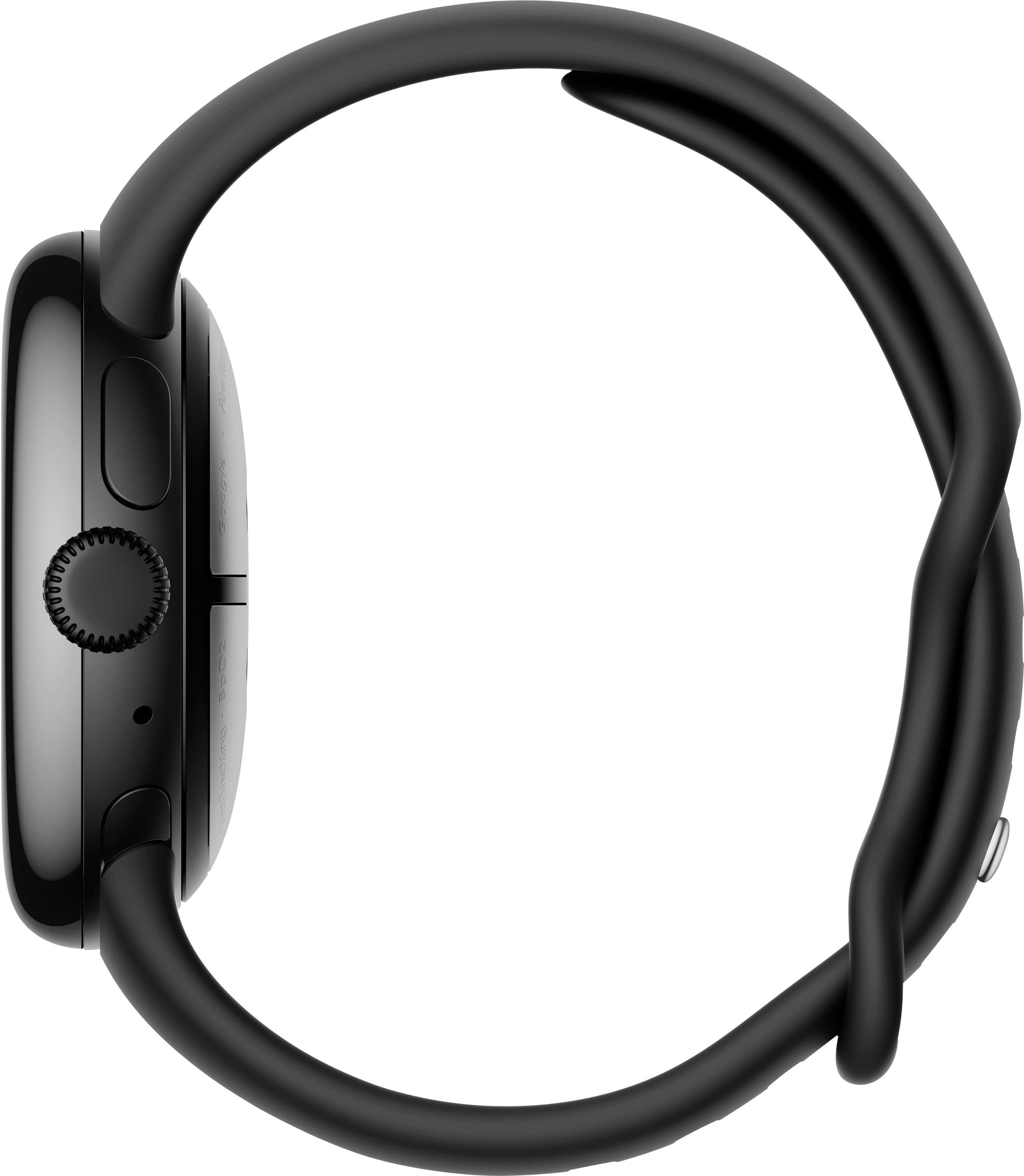
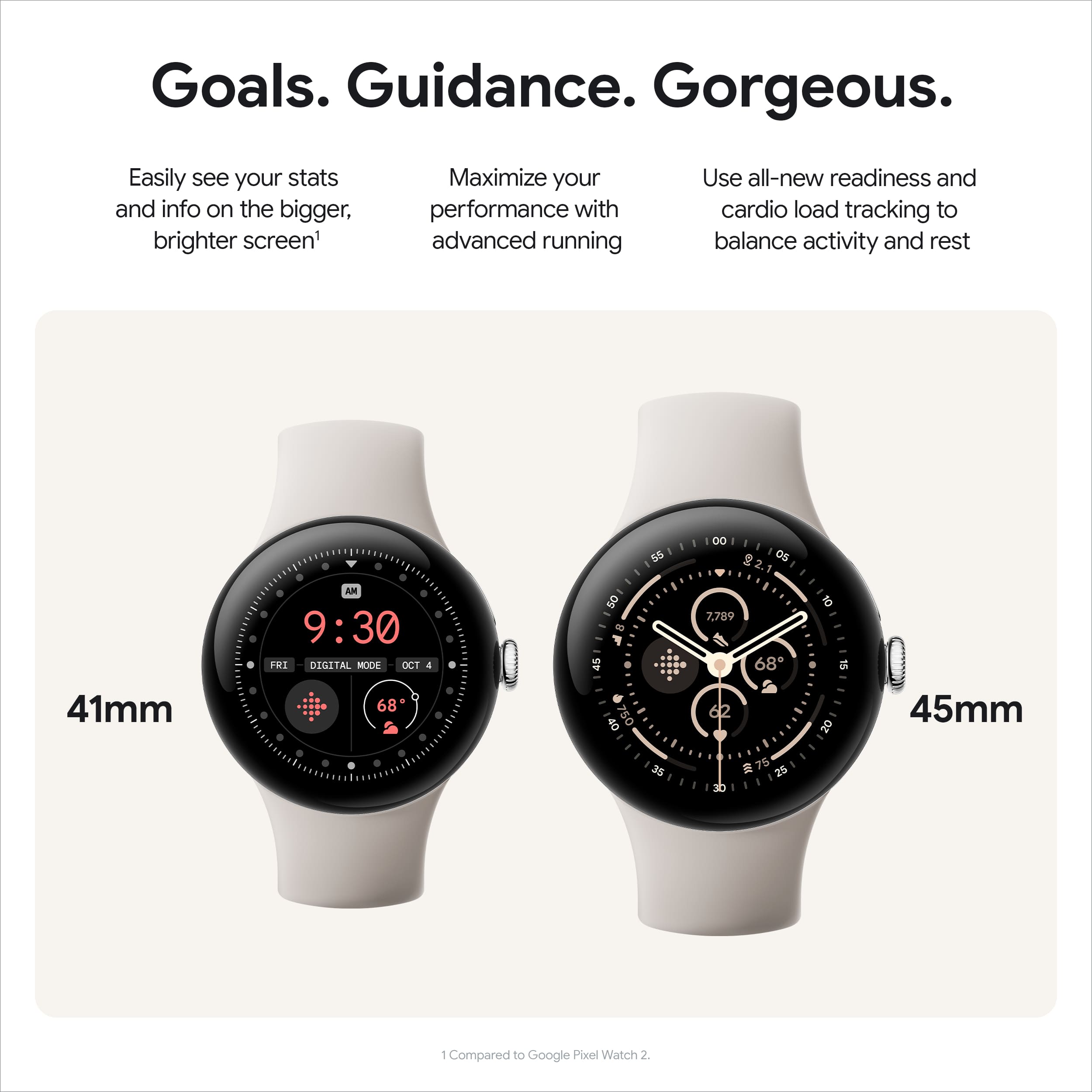
If you're an Android user looking for a smartwatch that does more than just tell time, Google's Pixel Watch lineup represents some of the most compelling options available. The Pixel Watch 2 launched in 2023 as Google's attempt to fix the shortcomings of their original smartwatch, while the Pixel Watch 3 arrived in 2024 with significant display and connectivity improvements. At the time of writing, both watches are available at substantially discounted prices from their original launch costs, making this an interesting decision between excellent value and premium features.
Before diving into specifics, it's worth understanding what separates a good smartwatch from a great one. Unlike fitness trackers that focus solely on health metrics, smartwatches aim to be miniature computers on your wrist. They need to handle notifications smoothly, run apps without stuttering, track your health accurately, and last through a full day of use.
The most important performance characteristics for any smartwatch include display visibility (can you actually read it outdoors?), processing responsiveness (does it lag when you tap something?), health tracking accuracy (especially heart rate during exercise), and battery reliability (will it die before bedtime?). These fundamentals matter more than flashy features that sound good on paper but fail in daily use.
Both Pixel Watches excel at Google ecosystem integration, meaning they work seamlessly with Gmail, Google Calendar, Google Pay, and Google Assistant. They also incorporate Fitbit's health tracking expertise, which Google acquired in 2021. This combination creates watches that feel more like natural extensions of your Android phone rather than separate gadgets you need to manage.
The most dramatic difference between these watches lies in their displays, and this isn't just about looking pretty. The Pixel Watch 2 features a standard AMOLED screen that reaches 1,000 nits of brightness with a 30Hz refresh rate. While adequate for indoor use, this display struggles significantly in direct sunlight – a common complaint among users who exercise outdoors or work outside.
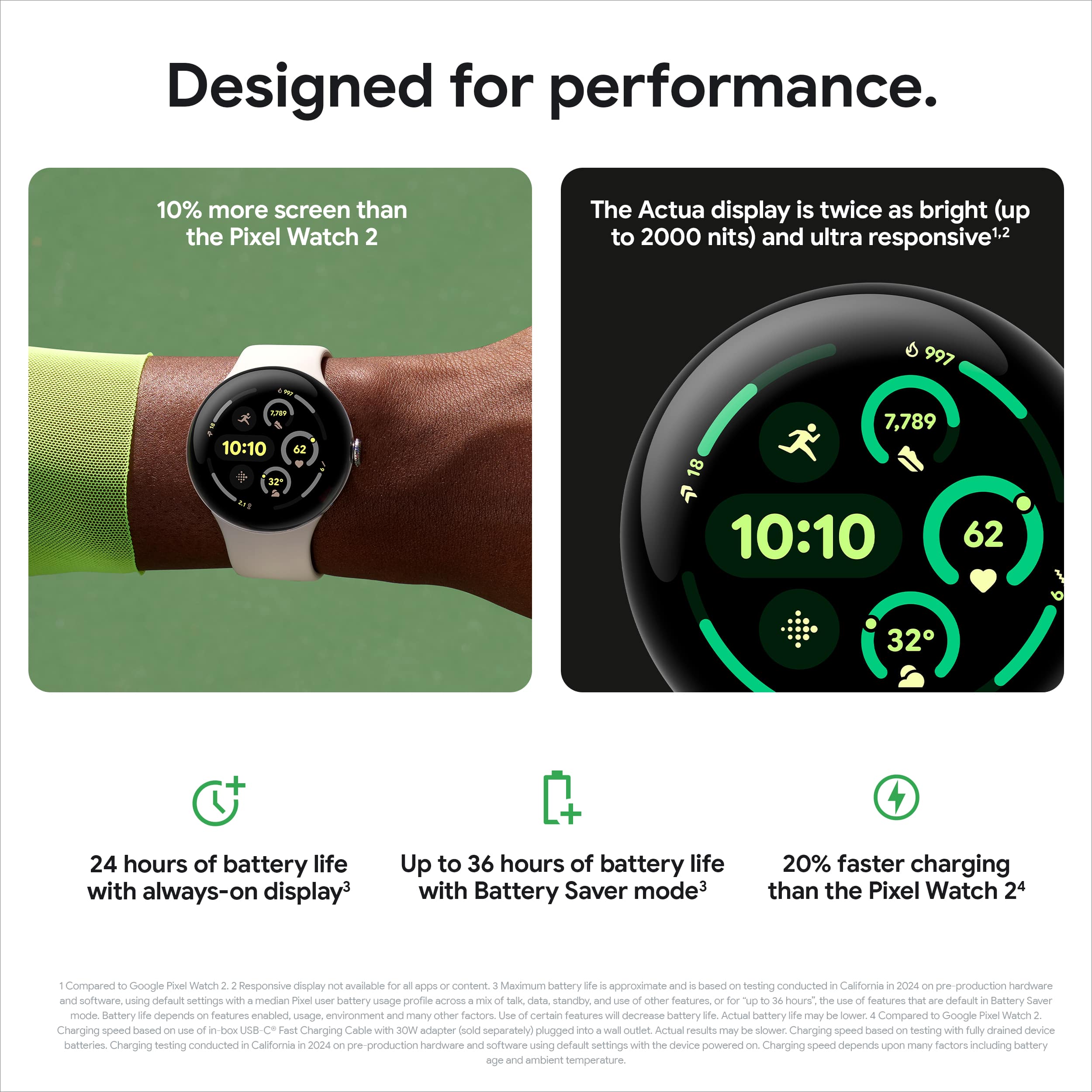
The Pixel Watch 3, by contrast, features what Google calls an "Actua" display that reaches 2,000 nits of peak brightness. To put this in perspective, this matches the outdoor visibility of premium smartphones like the iPhone 15 Pro or Samsung Galaxy S24. More importantly, it supports variable refresh rates from 1Hz up to 60Hz, thanks to LTPO (Low-Temperature Polycrystalline Oxide) technology.
Here's why this matters in real-world use: LTPO allows the display to slow down to 1Hz when showing the always-on clock, dramatically reducing power consumption. When you interact with the watch, it ramps up to 60Hz for smooth scrolling and animations. The Pixel Watch 2, locked at 30Hz, feels noticeably choppier when scrolling through apps or notifications.
Google also reduced the bezels (the black border around the screen) by 16% on the Pixel Watch 3. While both watches have the same 1.2-inch screen size, the newer model looks more modern and maximizes the usable display area. These improvements combined make the Watch 3 feel like a generational leap forward in daily usability.
Both watches use identical processing hardware: Qualcomm's Snapdragon W5 Gen 1 processor paired with a Cortex M33 co-processor, 2GB of RAM, and 32GB of storage. This means core performance for apps, Wear OS navigation, and general responsiveness is essentially identical between the models.
However, the Pixel Watch 3's superior display creates a more premium user experience. Apps launch at the same speed, but interacting with them feels more fluid thanks to the 60Hz refresh rate. It's similar to the difference between a budget smartphone and a flagship – the underlying performance might be similar, but the higher refresh rate makes everything feel more responsive and modern.
Both watches run Wear OS (Google's smartwatch operating system), with the Pixel Watch 3 launching on Wear OS 5 and the Pixel Watch 2 receiving the same update. This ensures feature parity for most software functions, though the newer watch gets first access to some exclusive features.
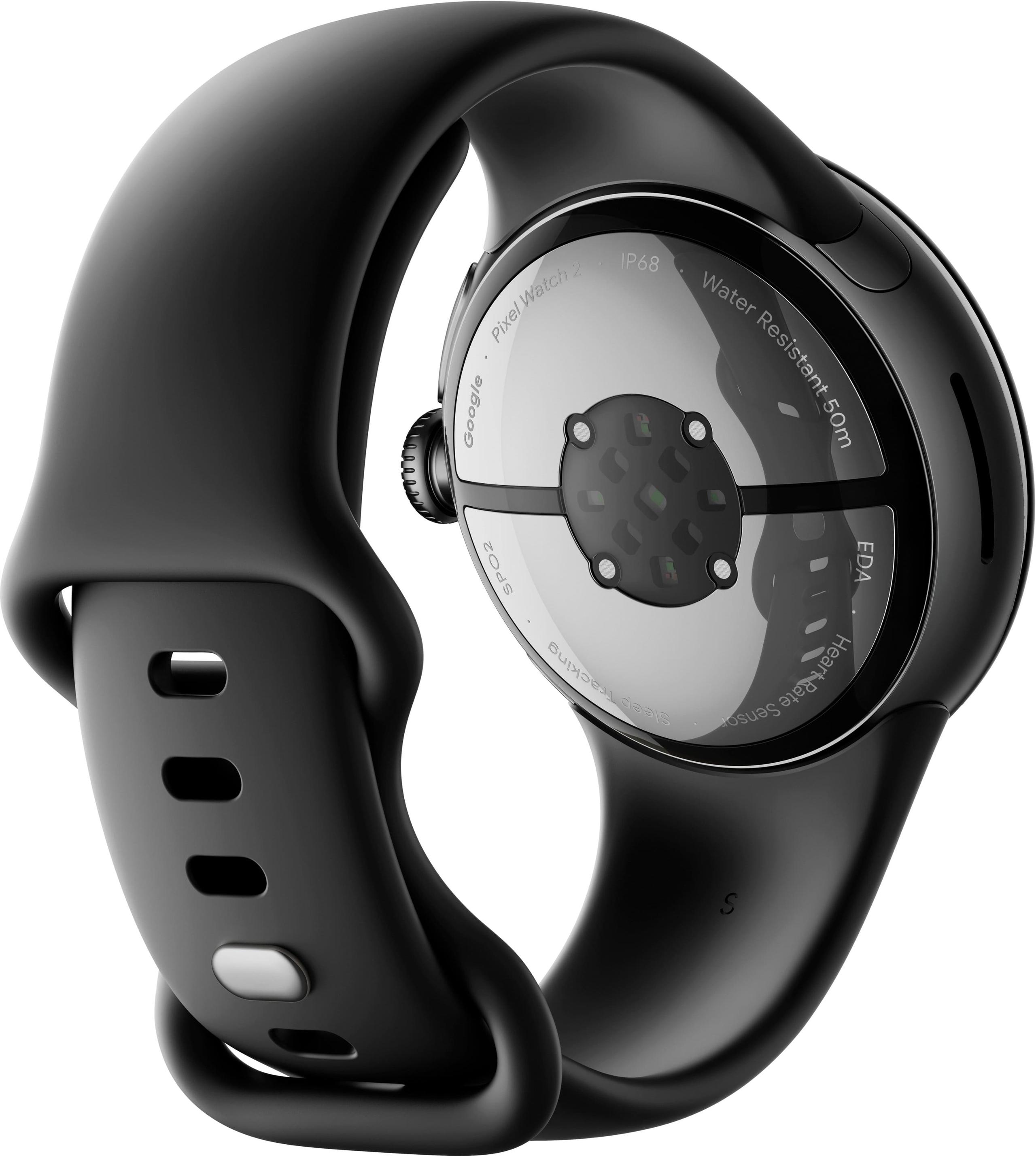
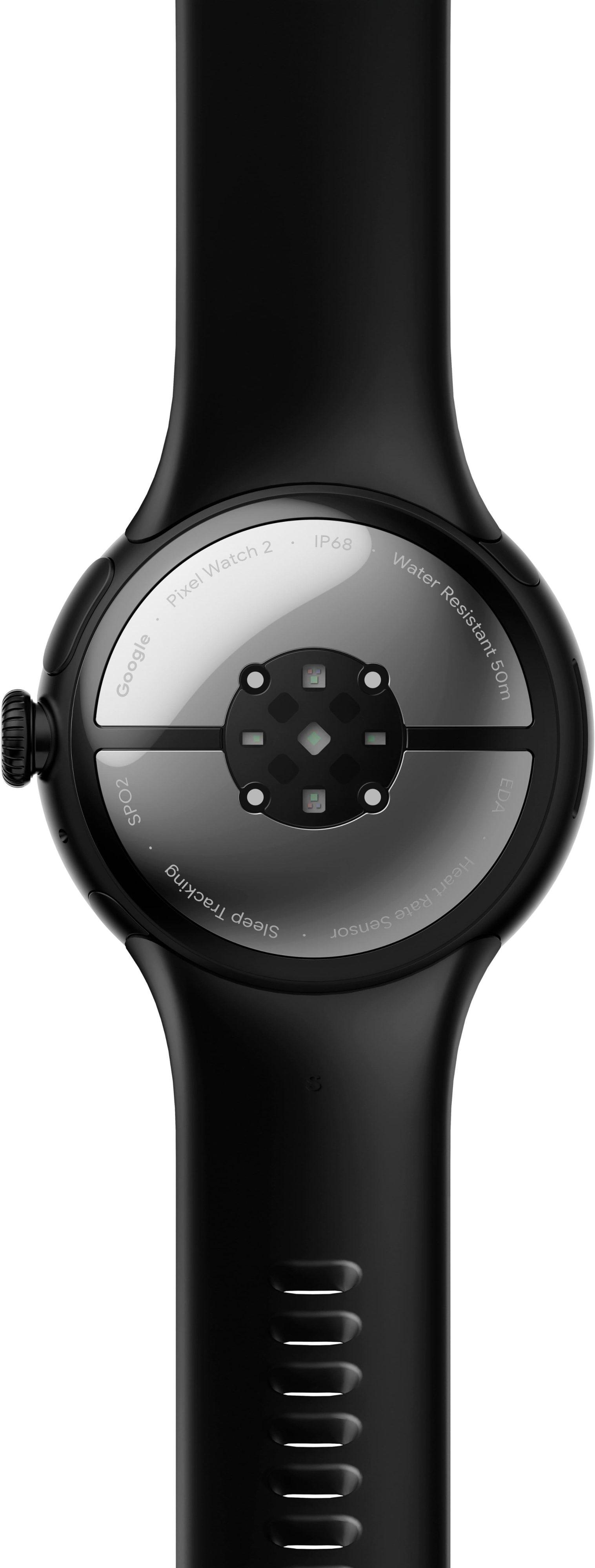
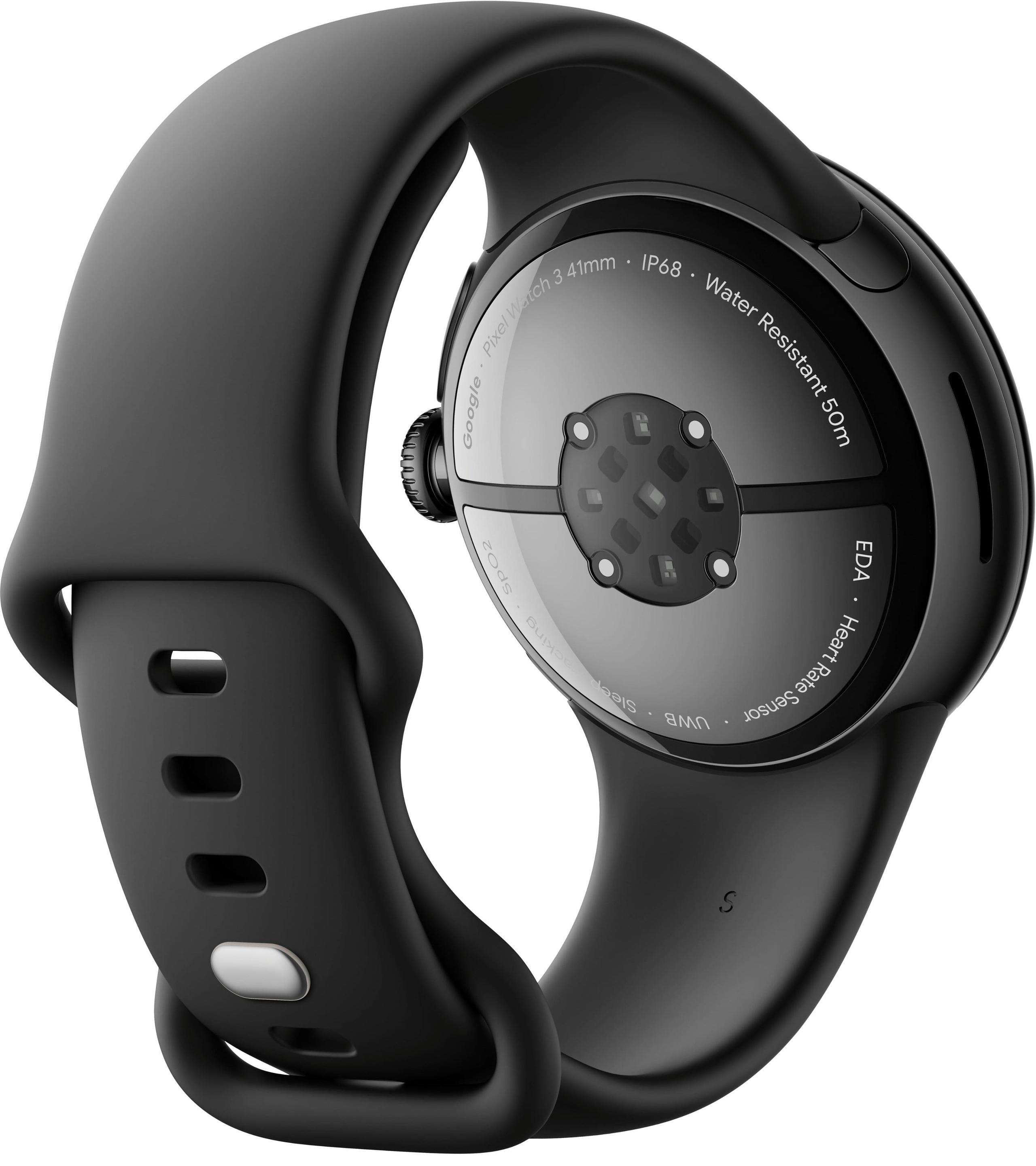
One area where these watches are functionally identical is health and fitness tracking. Both feature the same comprehensive sensor array: a multi-path optical heart rate sensor with five LEDs and five photodiodes, SpO2 sensors for blood oxygen monitoring, electrical sensors for ECG readings, skin temperature monitoring, and electrical skin conductance (cEDA) for stress tracking.
The multi-path heart rate sensor represents a significant improvement over simpler designs found in budget fitness trackers. Instead of just one or two light sources, this system uses multiple pathways to measure blood flow, providing more accurate readings during intense workouts. Google claims up to 40% better accuracy compared to single-path sensors, particularly during high-intensity interval training or activities with a lot of arm movement.
The cEDA sensor is particularly interesting – it measures tiny changes in skin conductance caused by stress responses. When combined with heart rate variability data, it can detect stress episodes and prompt you to take mindful breaks. This feature, borrowed from Fitbit's premium devices, adds valuable wellness insights beyond basic activity tracking.
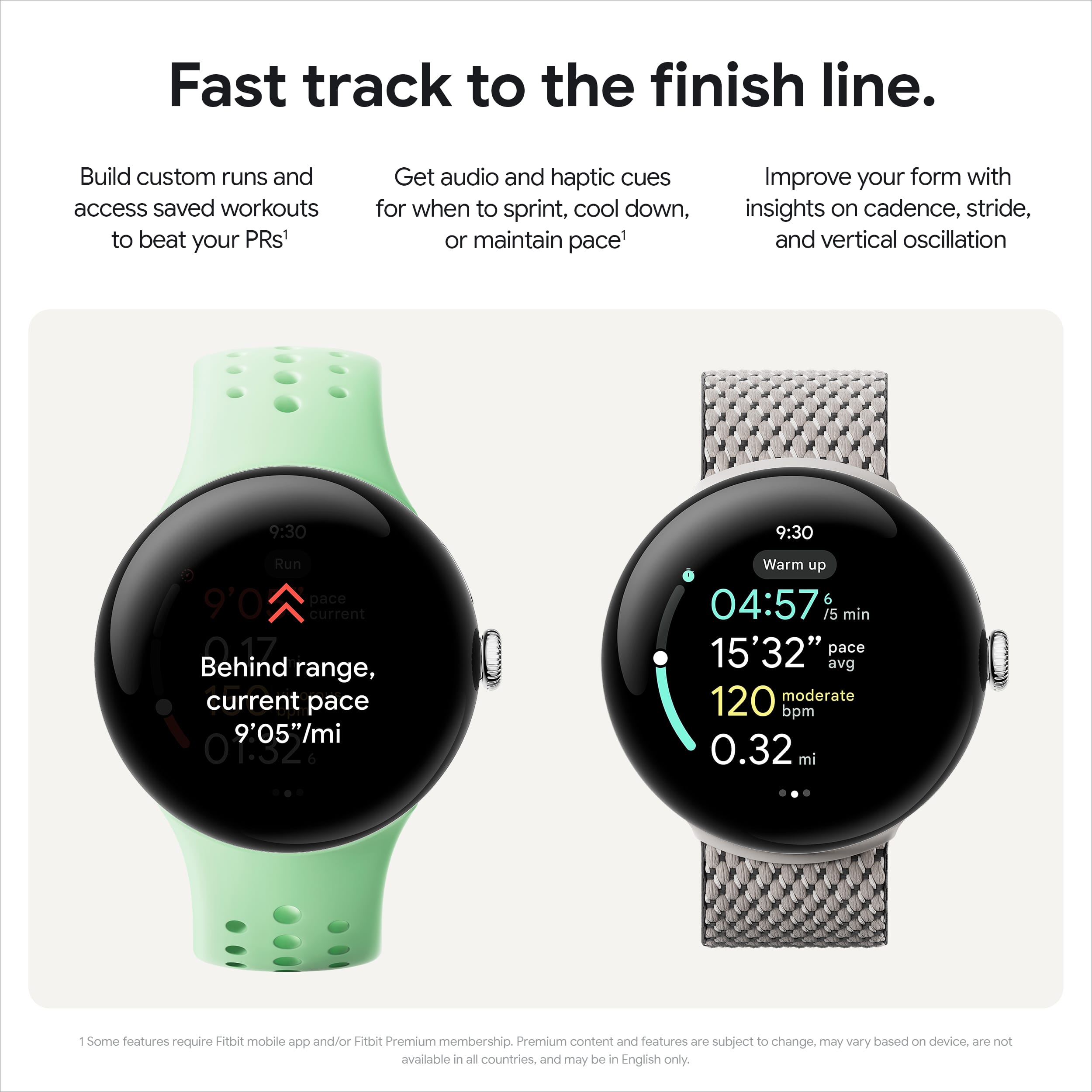
Both watches support over 40 different workout types, automatic exercise detection for common activities like walking and running, and GPS tracking for outdoor activities. Sleep tracking includes detailed analysis of sleep stages, with the skin temperature sensor providing additional insights into sleep quality and potential illness detection.
The connectivity differences between these watches highlight how technology standards evolve. The Pixel Watch 2 uses Bluetooth 5.0, single-band 2.4GHz Wi-Fi, and lacks some newer wireless technologies. While functional, this setup can struggle in congested wireless environments like offices or apartment buildings where many devices compete for the same frequencies.
The Pixel Watch 3 upgrades to Bluetooth 5.3, which offers better power efficiency and more reliable connections. More significantly, it adds dual-band Wi-Fi support, meaning it can connect to both 2.4GHz and 5GHz networks. This potentially doubles download speeds for app installations and data syncing, while also reducing interference from crowded 2.4GHz networks.
The newer watch also includes Ultra Wideband (UWB) technology, a short-range wireless standard that enables precise device location. This powers features like automatic phone unlocking when your watch is nearby and, for BMW owners, vehicle unlocking capabilities. While niche, UWB represents the kind of forward-looking technology that extends a device's useful lifespan.
For the LTE-equipped Pixel Watch 3, these connectivity improvements mean more reliable cellular performance and better integration with wireless networks. The watch can make calls, send texts, stream music, and access Google Pay independently of your phone – genuinely useful for workouts or situations where carrying a phone isn't practical.
Both watches feature similar 306-307mAh batteries and achieve Google's claimed 24-hour battery life with always-on display enabled. In real-world testing by reviewers and users, this typically translates to ending the day with 10-20% remaining after normal use including notifications, an hour-long workout, and overnight sleep tracking.
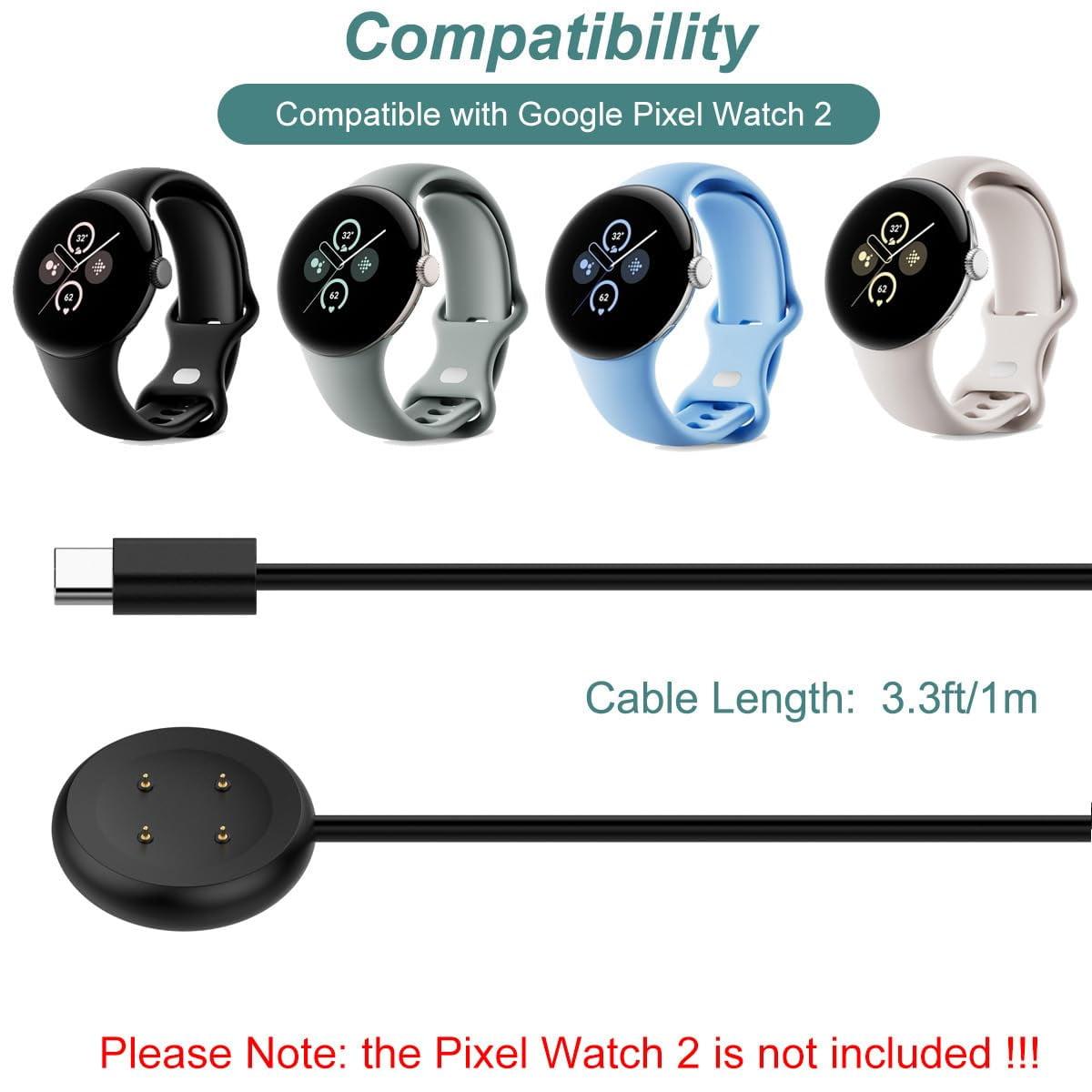
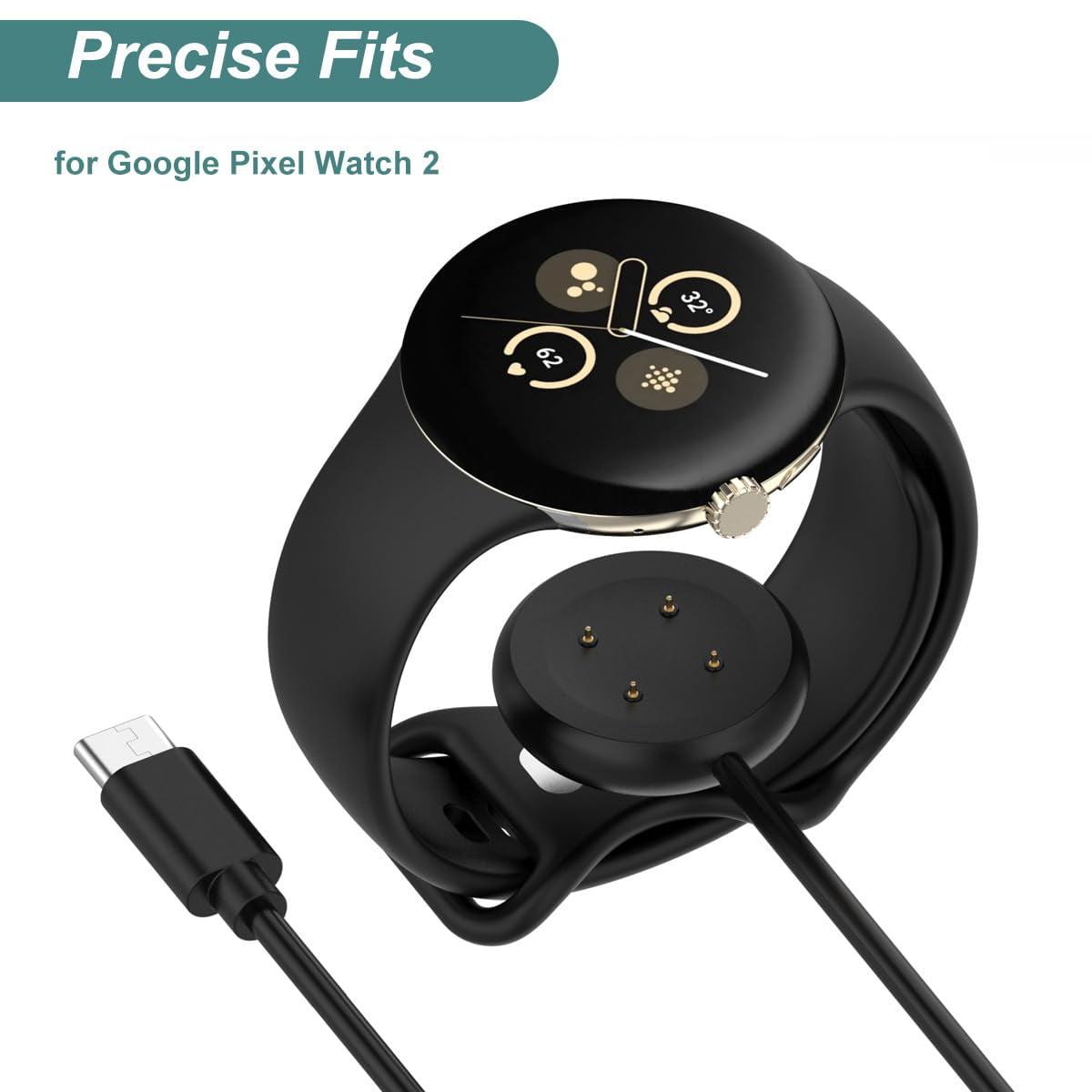
However, the Pixel Watch 3 charges approximately 20% faster, reaching 50% capacity in about 24 minutes compared to 30 minutes for the Pixel Watch 2. Full charging takes about 60 minutes versus 75 minutes respectively. While not revolutionary, these improvements reduce the anxiety around maintaining daily charging routines.
Battery life remains a weakness compared to some competitors – Samsung's Galaxy Watch 7 often exceeds 30 hours, while Garmin fitness watches can last weeks. But for users prioritizing smart features over marathon battery life, both Pixel Watches provide reliable full-day performance with reasonably fast charging.
The variable refresh rate LTPO display in the Pixel Watch 3 should theoretically improve battery life by dropping to 1Hz during always-on mode, but real-world differences appear minimal. Both watches require nightly charging, making this more about charging convenience than fundamental battery improvements.
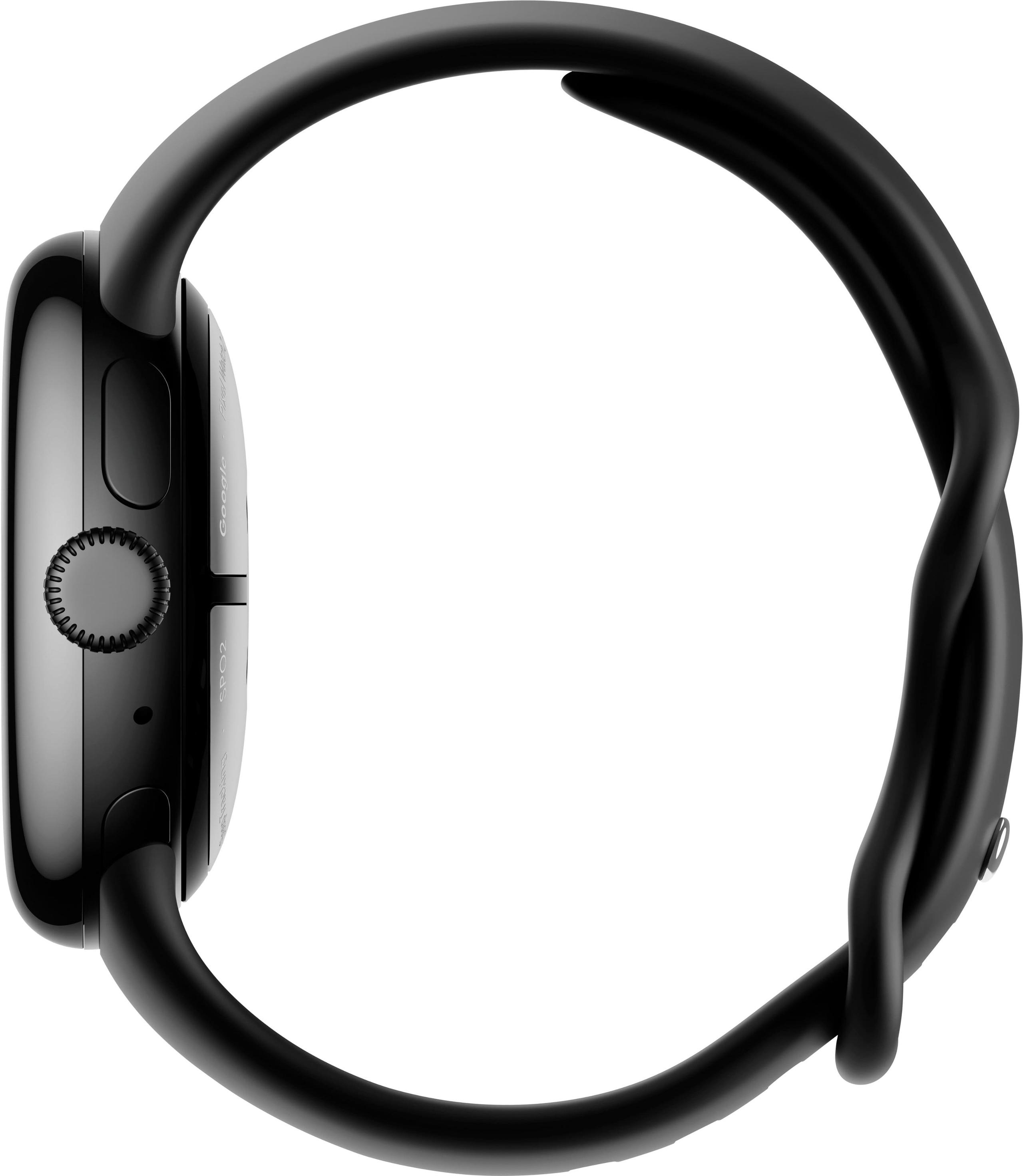
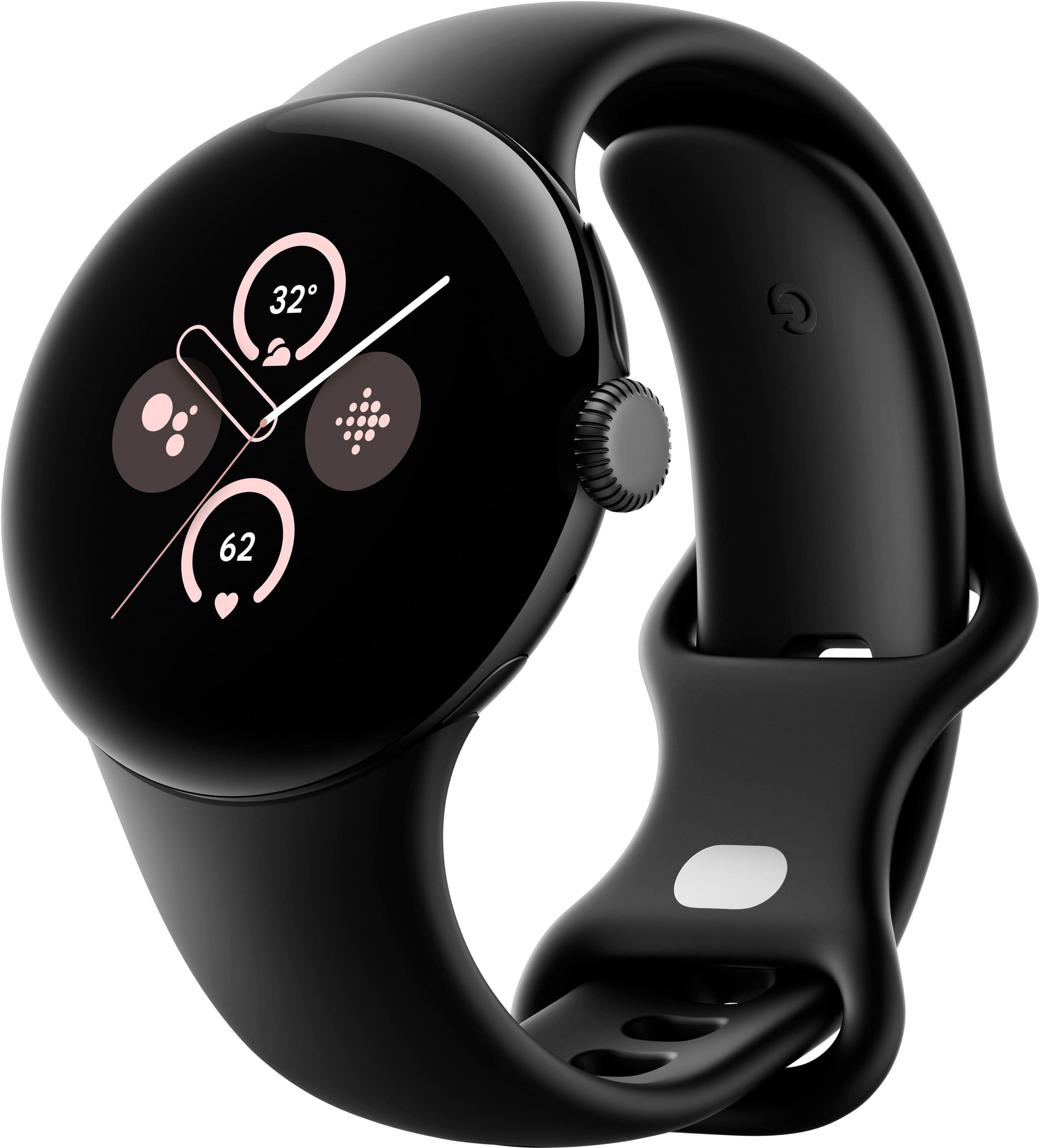
Both watches share the same fundamental design philosophy: lightweight 100% recycled aluminum construction weighing just 31 grams without the band. This makes them comfortable for all-day wear, including sleep tracking, without feeling bulky or heavy.
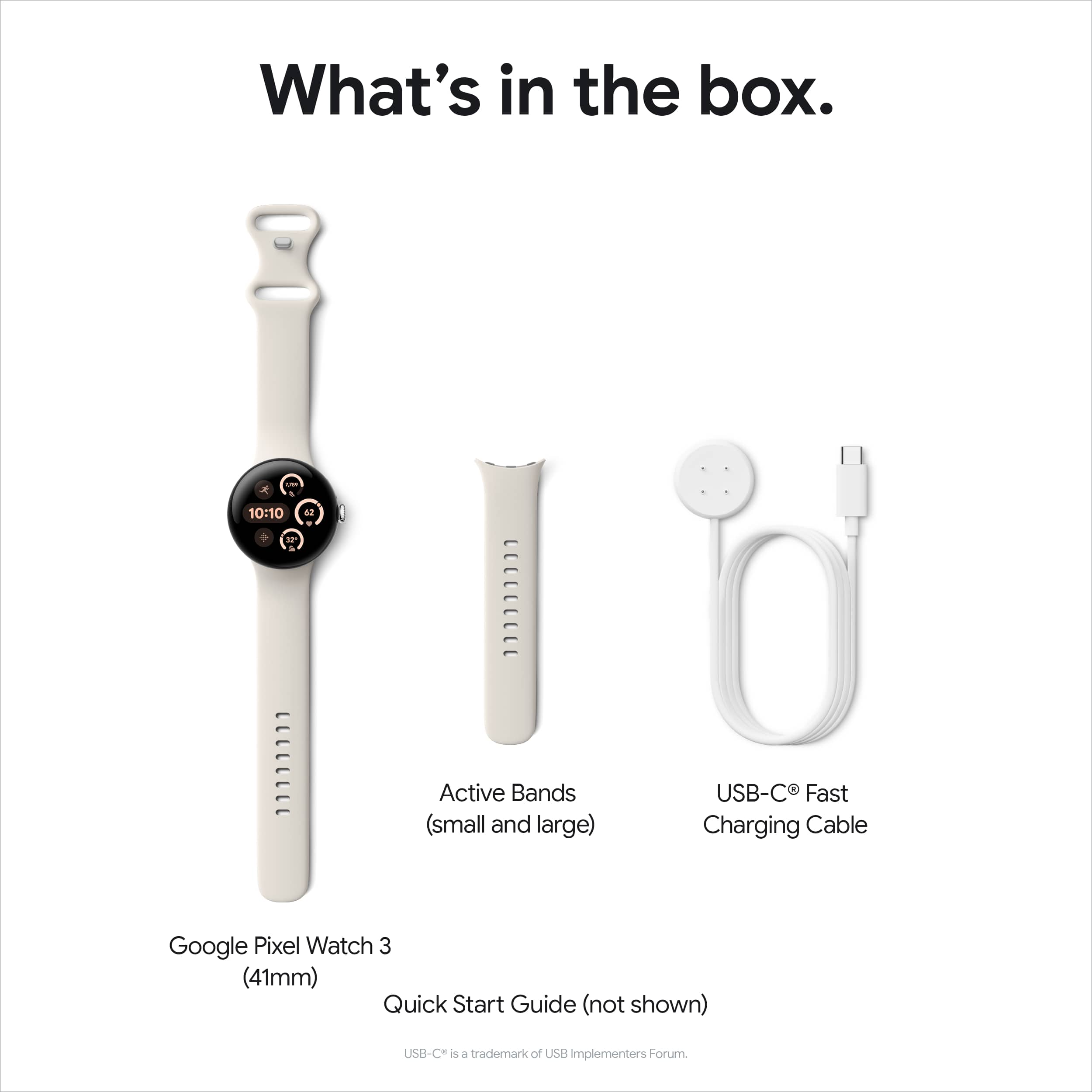
The included Active Sport bands use fluoroelastomer (a premium silicone-like material) with soft-touch coating that resists collecting lint and feels comfortable against skin during workouts. Both watches include small and large band sizes in the box, accommodating wrist circumferences from 130-210mm.
Water resistance is rated at 5 ATM and IP68, meaning both watches handle swimming, showering, and typical water exposure without issues. The custom 3D Corning Gorilla Glass 5 provides decent scratch resistance, though it's not as durable as the sapphire crystal found on some premium competitors.
One area where build quality matters is the crown mechanism. Both watches feature Google's "haptic crown" that provides tactile feedback when rotating, but some users report the Pixel Watch 2's crown feeling slightly less refined than the newer model. This is subjective, but the Pixel Watch 3 generally feels more polished in daily interactions.
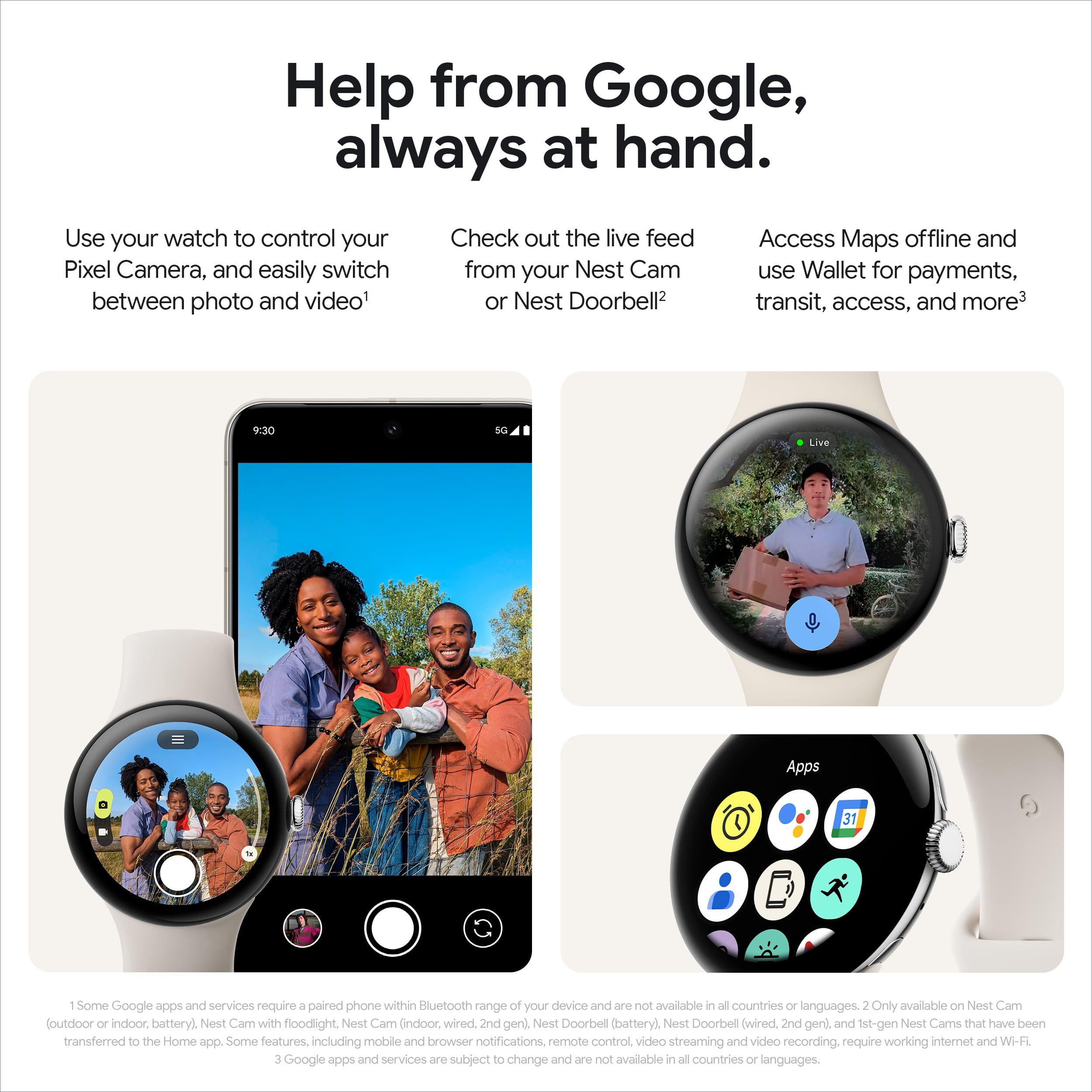
Both watches excel at Google ecosystem integration, which is their primary advantage over competitors like Samsung's Galaxy Watch series. Gmail notifications include preview text and quick reply options, Google Calendar shows upcoming appointments with smart suggestions, and Google Pay works reliably for contactless payments.
Google Assistant integration is particularly strong – voice commands work well for setting timers, controlling smart home devices, and getting quick information. The built-in speaker and microphone handle phone calls adequately, though audio quality isn't exceptional.
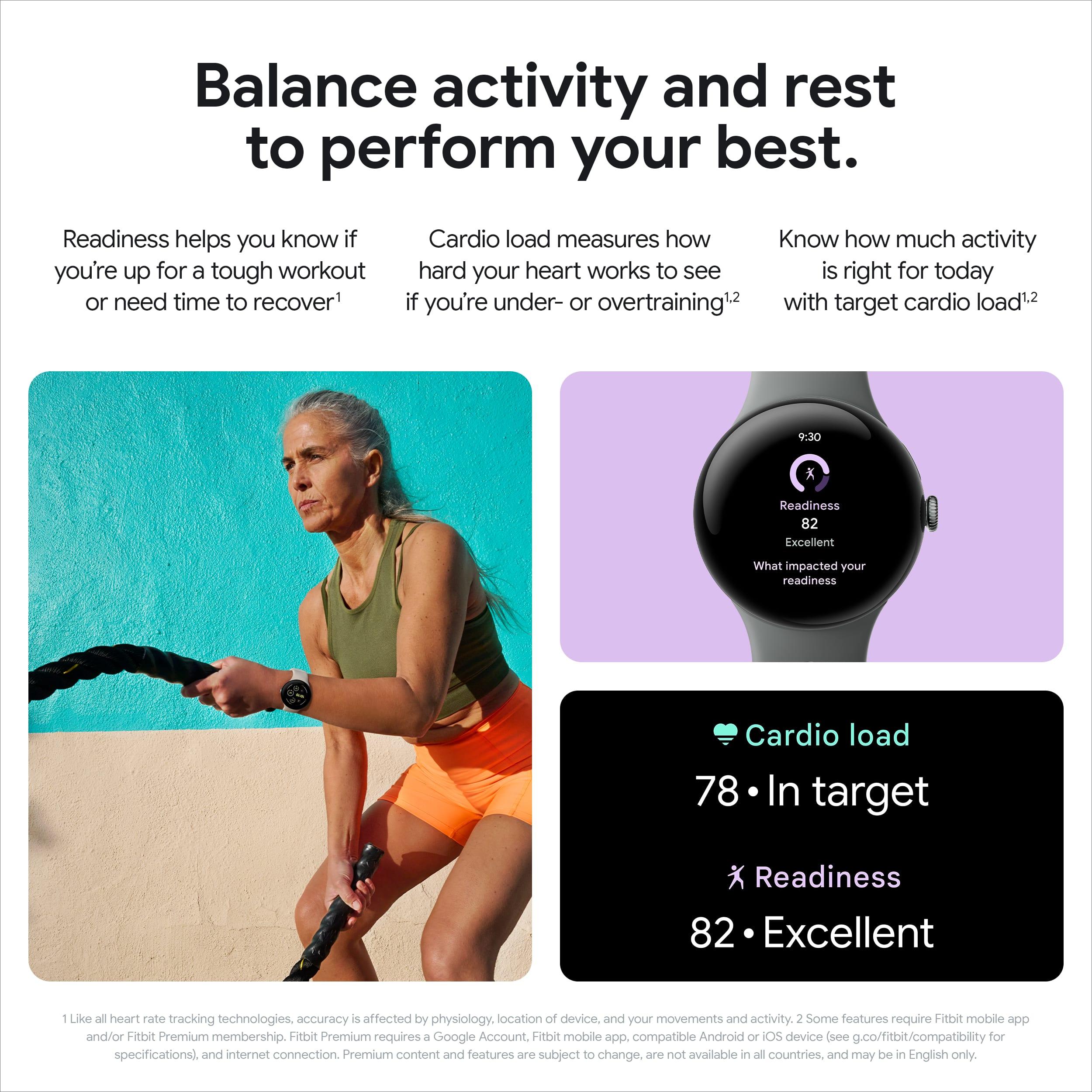
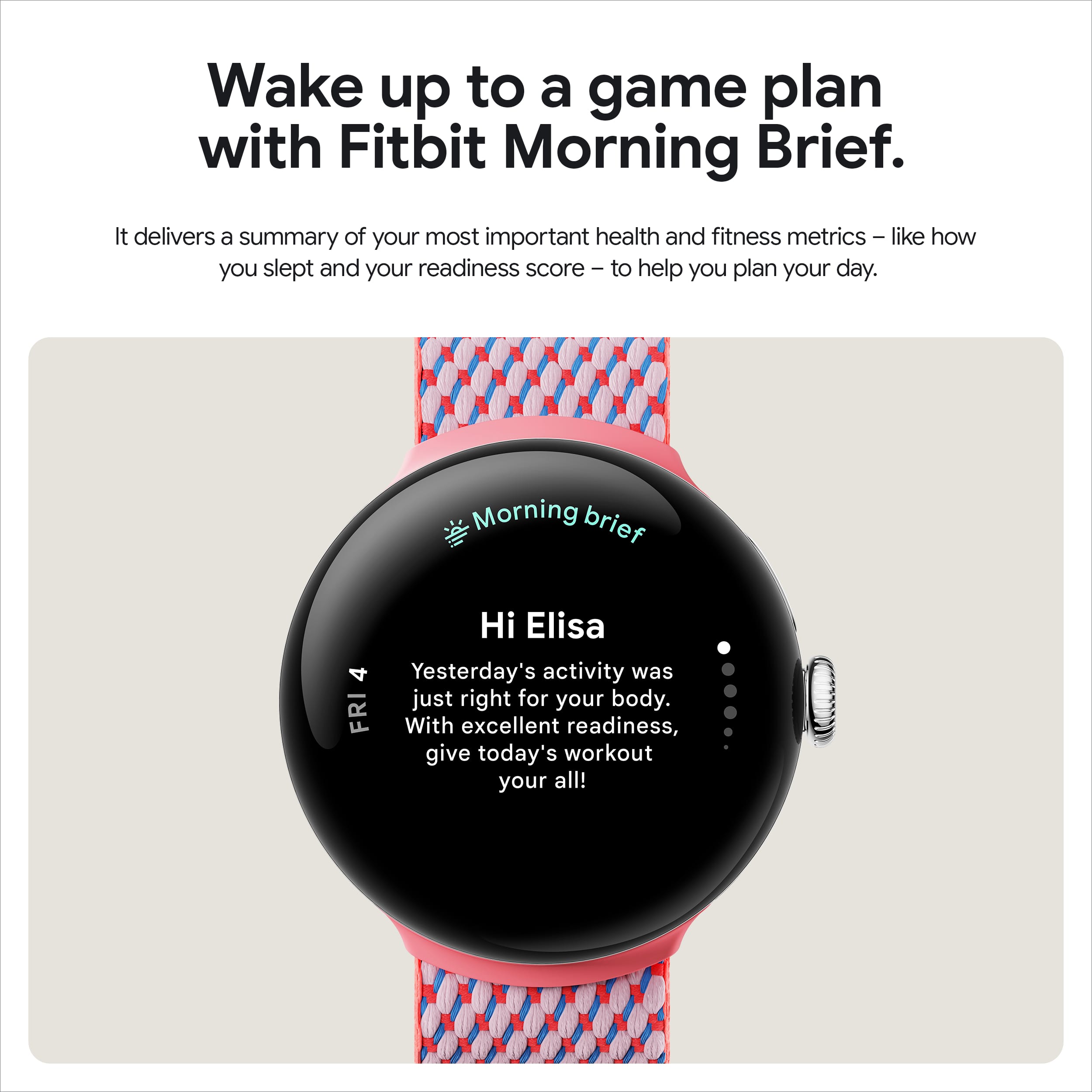
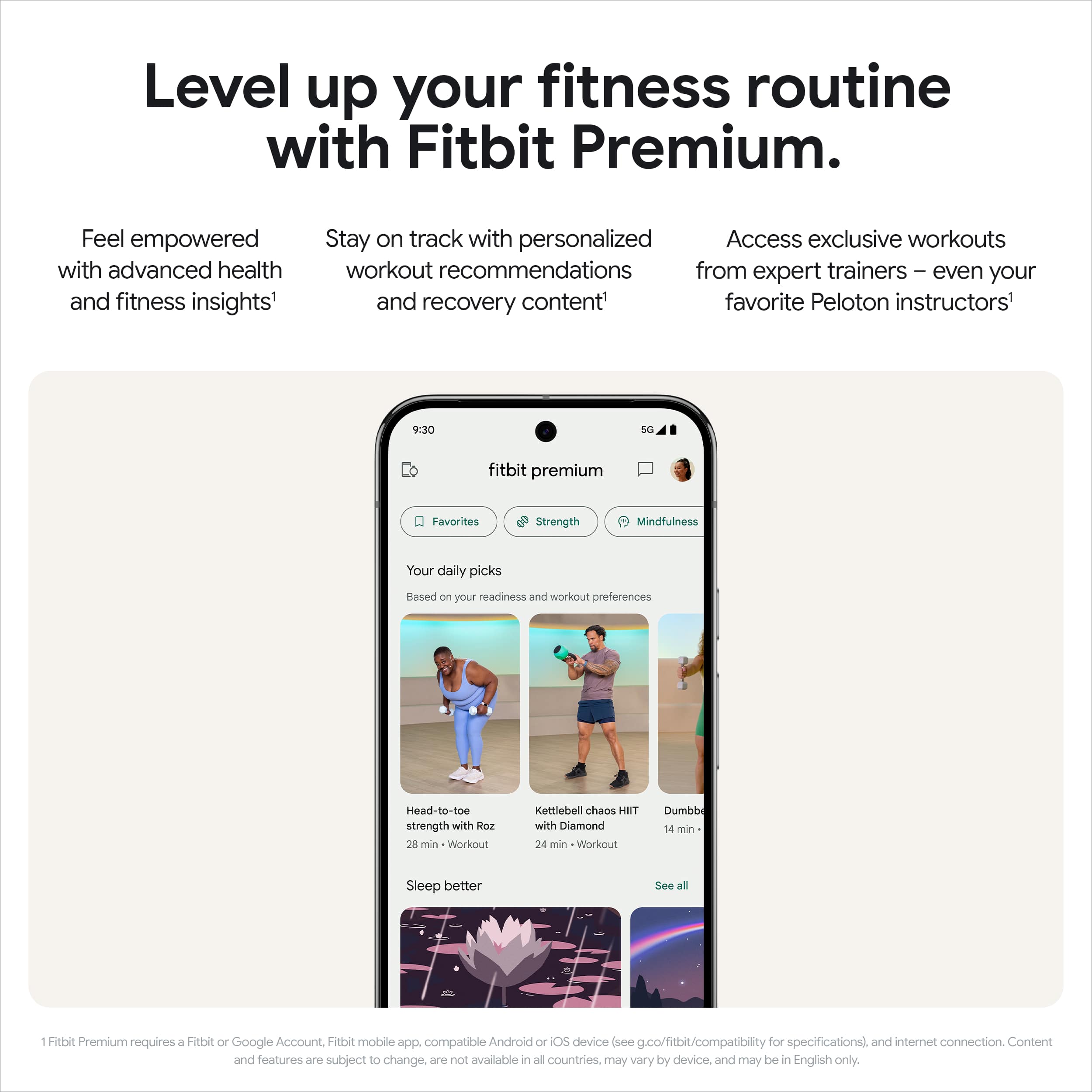
The Fitbit integration provides comprehensive health insights, including Daily Readiness Score (which combines sleep, heart rate variability, and recent activity to suggest workout intensity), Sleep Score, and Active Zone Minutes tracking. However, accessing the most detailed analytics requires a Fitbit Premium subscription after the included trial period.
Wear OS app selection has improved significantly since 2023, with major apps like Spotify, Uber, and WhatsApp offering good watch experiences. The Google Play Store on-watch allows direct app installation, though the selection still lags behind Apple's watchOS ecosystem.
At the time of writing, both watches are available at significant discounts from their original launch prices. The Pixel Watch 2 represents exceptional value – delivering about 90% of premium smartwatch functionality at a substantially lower cost. For users primarily interested in health tracking, notifications, and basic smart features, it's difficult to find better value in the Android smartwatch market.
The Pixel Watch 3 costs significantly more but provides meaningful improvements that enhance daily usability. The brighter, smoother display alone makes outdoor use dramatically better, while the modern connectivity standards provide better reliability and faster performance.
The Pixel Watch 2 makes sense for budget-conscious users, first-time smartwatch buyers, or anyone primarily using their watch indoors. If you want to experience Google's smartwatch ecosystem without spending premium money, this delivers excellent functionality with the same health tracking capabilities as the newer model.
Choose the Pixel Watch 3 if you spend significant time outdoors, prioritize having the smoothest user experience, need LTE connectivity, or plan to keep your watch for several years. The display improvements alone justify the premium for users who frequently check their watch in bright sunlight.
For home theater enthusiasts, both watches offer similar functionality for controlling smart home devices, though neither provides specific home theater advantages over standard smartphone control.
The Pixel Watch 2 remains an outstanding smartwatch that delivers premium health tracking and solid smart features at an attractive price point. Its main limitations – dimmer display and older connectivity standards – don't significantly impact core functionality for most users.
The Pixel Watch 3 represents what a modern smartwatch should be: bright enough for any lighting condition, smooth enough for premium interactions, and connected enough for reliable performance in any wireless environment. Whether these improvements justify the higher cost depends on your priorities and usage patterns.
Both watches succeed at their primary mission: providing Android users with a compelling alternative to the Apple Watch while delivering Fitbit's excellent health tracking. The choice between them comes down to whether you prioritize value or want the best possible experience Google currently offers.
| Google Pixel Watch 2 | Google Pixel Watch 3 41mm LTE |
|---|---|
| Display Brightness - Critical for outdoor visibility and usability | |
| 1,000 nits (struggles in direct sunlight) | 2,000 nits (excellent outdoor readability) |
| Refresh Rate - Affects smoothness of scrolling and animations | |
| 30Hz (noticeable choppiness during interactions) | 1-60Hz variable (smooth animations, power efficient) |
| Bezels - Impact on modern appearance and screen real estate | |
| Standard bezels (more dated look) | 16% smaller bezels (more premium appearance) |
| Bluetooth Standard - Affects connection reliability and power efficiency | |
| Bluetooth 5.0 (adequate but older standard) | Bluetooth 5.3 (better range, lower power consumption) |
| Wi-Fi Capability - Important for app downloads and connectivity | |
| Single-band 2.4GHz only (slower, more interference) | Dual-band 2.4GHz + 5GHz (faster speeds, less congestion) |
| Ultra Wideband (UWB) - Enables advanced proximity features | |
| Not included | Included (phone unlocking, precise device location) |
| Processor - Core performance for apps and responsiveness | |
| Snapdragon W5 Gen 1 + Cortex M33, 2GB RAM | Identical performance (same processor and RAM) |
| Health Sensors - Accuracy of fitness and wellness tracking | |
| Multi-path heart rate, SpO2, ECG, cEDA, skin temp | Identical sensor array (same tracking accuracy) |
| Battery Life - Daily usage duration | |
| 24 hours with always-on display | 24 hours with always-on display (same capacity) |
| Charging Speed - Time to full battery | |
| 50% in 30min, 100% in 75min | 50% in 24min, 100% in 60min (20% faster) |
| LTE Connectivity - Independence from phone | |
| Available separately (requires carrier plan setup) | Included with bundled data service |
| Operating System - Software features and update support | |
| Wear OS 4, upgradeable to 5 | Wear OS 5 (gets new features first) |
| Release Year - Age of technology and design | |
| 2023 release (previous generation) | 2024 release (current generation) |
| Value Proposition - Feature-to-cost ratio | |
| Exceptional value with 90% of premium features | Premium experience with meaningful improvements |
The Google Pixel Watch 3 41mm LTE has a significantly better display with 2,000 nits brightness compared to the Google Pixel Watch 2's 1,000 nits. The Pixel Watch 3 also features a smoother 60Hz refresh rate versus 30Hz on the Pixel Watch 2, making scrolling and animations much more fluid.
Yes, both the Google Pixel Watch 2 and Google Pixel Watch 3 41mm LTE have identical health sensors including multi-path heart rate monitoring, SpO2 blood oxygen tracking, ECG capability, stress monitoring, and skin temperature sensing. The accuracy and health tracking capabilities are the same on both models.
Both the Google Pixel Watch 2 and Google Pixel Watch 3 41mm LTE offer 24-hour battery life with always-on display enabled. However, the Pixel Watch 3 charges about 20% faster, reaching full charge in 60 minutes compared to 75 minutes for the Pixel Watch 2.
The Google Pixel Watch 3 41mm LTE includes cellular connectivity, allowing you to make calls, send texts, and use apps independently of your phone. The Google Pixel Watch 2 requires your phone nearby for most smart features, though GPS-only models are also available for both watches.
The Google Pixel Watch 3 41mm LTE is much better for outdoor use due to its 2,000-nit display that remains clearly visible in direct sunlight. The Google Pixel Watch 2's 1,000-nit display often becomes difficult to read outdoors, making it less suitable for outdoor workouts or activities.
Both the Google Pixel Watch 2 and Google Pixel Watch 3 41mm LTE work with most Android phones running Android 9.0 or newer (Android 10.0+ for the Watch 3). They integrate best with Google Pixel phones but function well with Samsung, OnePlus, and other Android devices.
The Google Pixel Watch 3 41mm LTE has superior connectivity with Bluetooth 5.3, dual-band Wi-Fi, and Ultra Wideband technology. The Google Pixel Watch 2 uses older Bluetooth 5.0 and single-band Wi-Fi, which can be slower and less reliable in crowded wireless environments.
Yes, both the Google Pixel Watch 2 and Google Pixel Watch 3 41mm LTE use identical processors (Snapdragon W5 Gen 1) and have the same 2GB RAM and 32GB storage. App loading speeds and general performance are essentially the same, though the Pixel Watch 3 feels smoother due to its higher refresh rate display.
The Google Pixel Watch 2 typically offers better value, providing about 90% of the premium smartwatch features at a significantly lower cost. The Google Pixel Watch 3 41mm LTE costs more but delivers meaningful improvements in display quality and connectivity that may justify the premium for some users.
Yes, both the Google Pixel Watch 2 and Google Pixel Watch 3 41mm LTE are water-resistant to 5 ATM and rated IP68, making them suitable for swimming, showering, and water sports. They can handle submersion up to 50 meters deep.
Both the Google Pixel Watch 2 and Google Pixel Watch 3 41mm LTE receive regular Wear OS updates from Google. The Pixel Watch 3 launched with newer Wear OS 5 and typically gets new features first, but both watches receive security updates and major feature additions for several years.
Choose the Google Pixel Watch 2 if you want excellent smartwatch functionality at a lower cost and primarily use your watch indoors. Choose the Google Pixel Watch 3 41mm LTE if you need the brightest display for outdoor visibility, want LTE connectivity, or prefer the smoothest user experience with the latest connectivity features.
We've done our best to create useful and informative comparisons to help you decide what product to buy. Our research uses advanced automated methods to create this comparison and perfection is not possible - please contact us for corrections or questions. These are the sites we've researched in the creation of this article: tomsguide.com - tomsguide.com - tomsguide.com - phonearena.com - smartwatch-straps.co.uk - youtube.com - 6monthslater.net - petematheson.com - support.google.com - wareable.com - versus.com - verizon.com - youtube.com - youtube.com - androidpolice.com - techgearlab.com - wareable.com - androidcentral.com - blog.google - support.google.com - youtube.com - en.wikipedia.org - store.google.com - gsmarena.com - fi.google.com - tomsguide.com - androidcentral.com - androidcentral.com - wareable.com - versus.com - hothardware.com - thedisconnekt.com - tomsguide.com - store.google.com - youtube.com - wareable.com - support.google.com - dcrainmaker.com - phonearena.com - fi.google.com - 9to5google.com - youtube.com - support.google.com - t-mobile.com - att.com - gsmarena.com - store.google.com - bestbuy.com - youtube.com - pre-www.att.com - androidcentral.com - phonearena.com

Privacy Policy
Terms and Conditions - Affiliate Policy
Home Security
© Copyright 2008-2026.
11816 Inwood Rd #1211, Dallas, TX 75244