

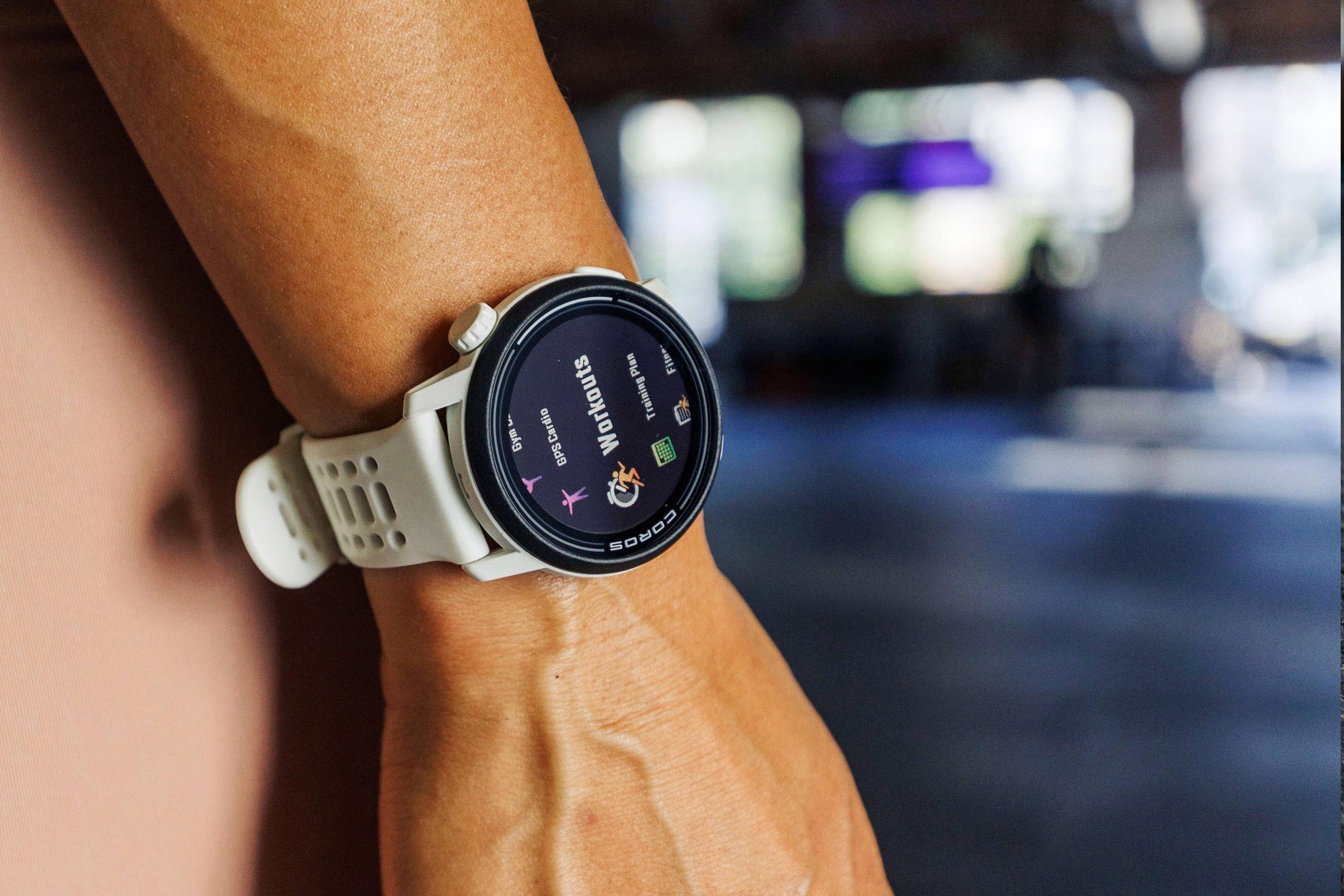
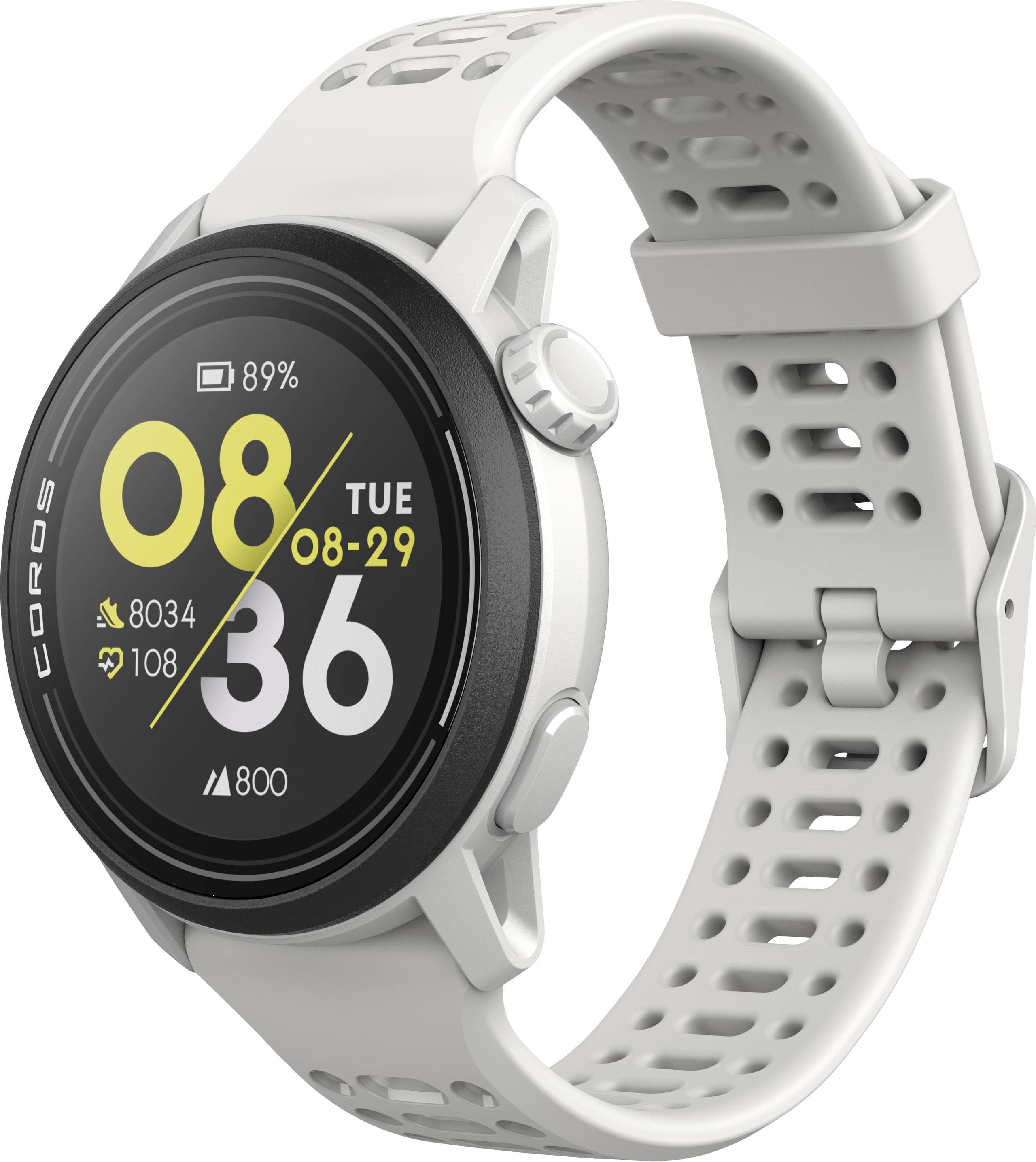
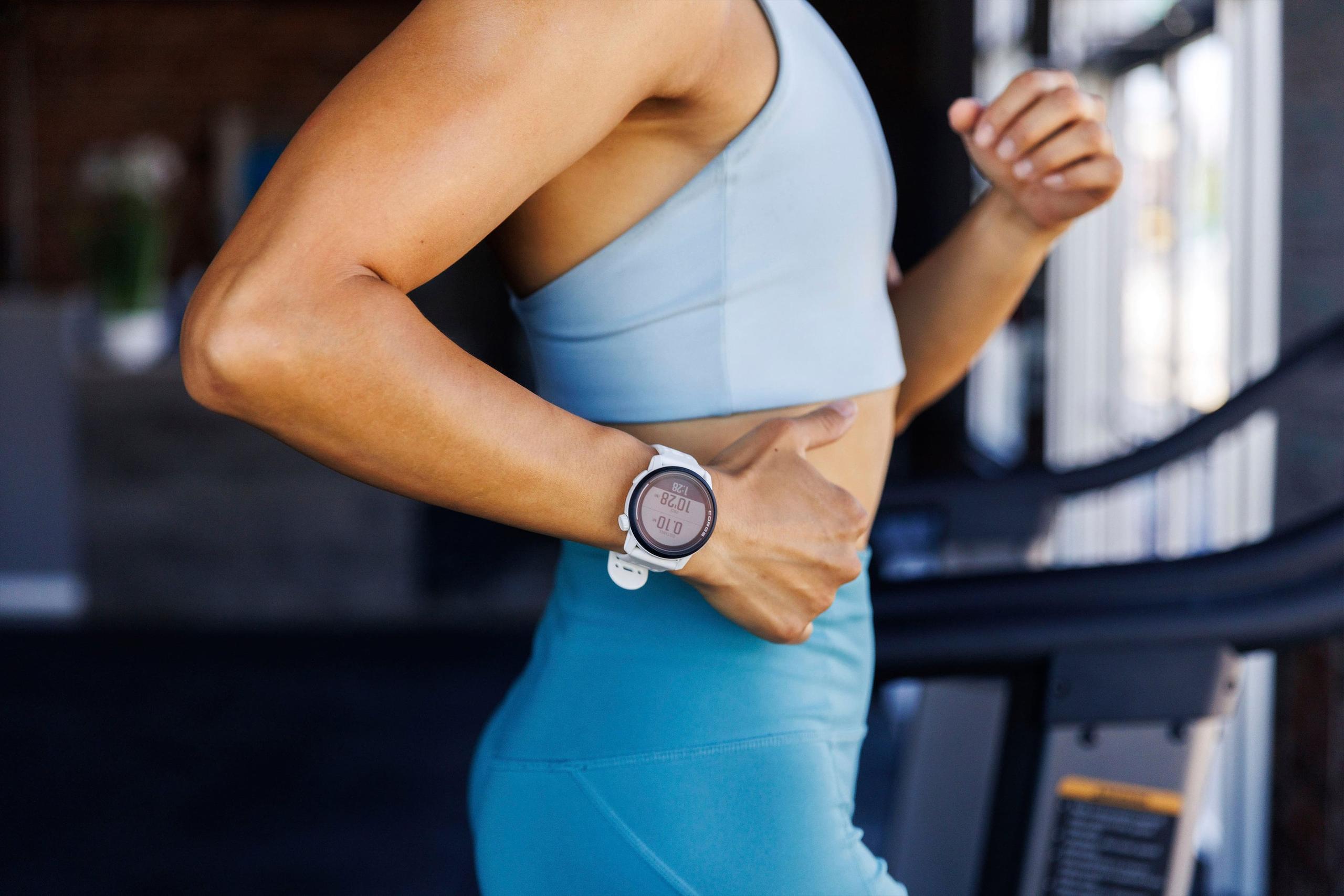



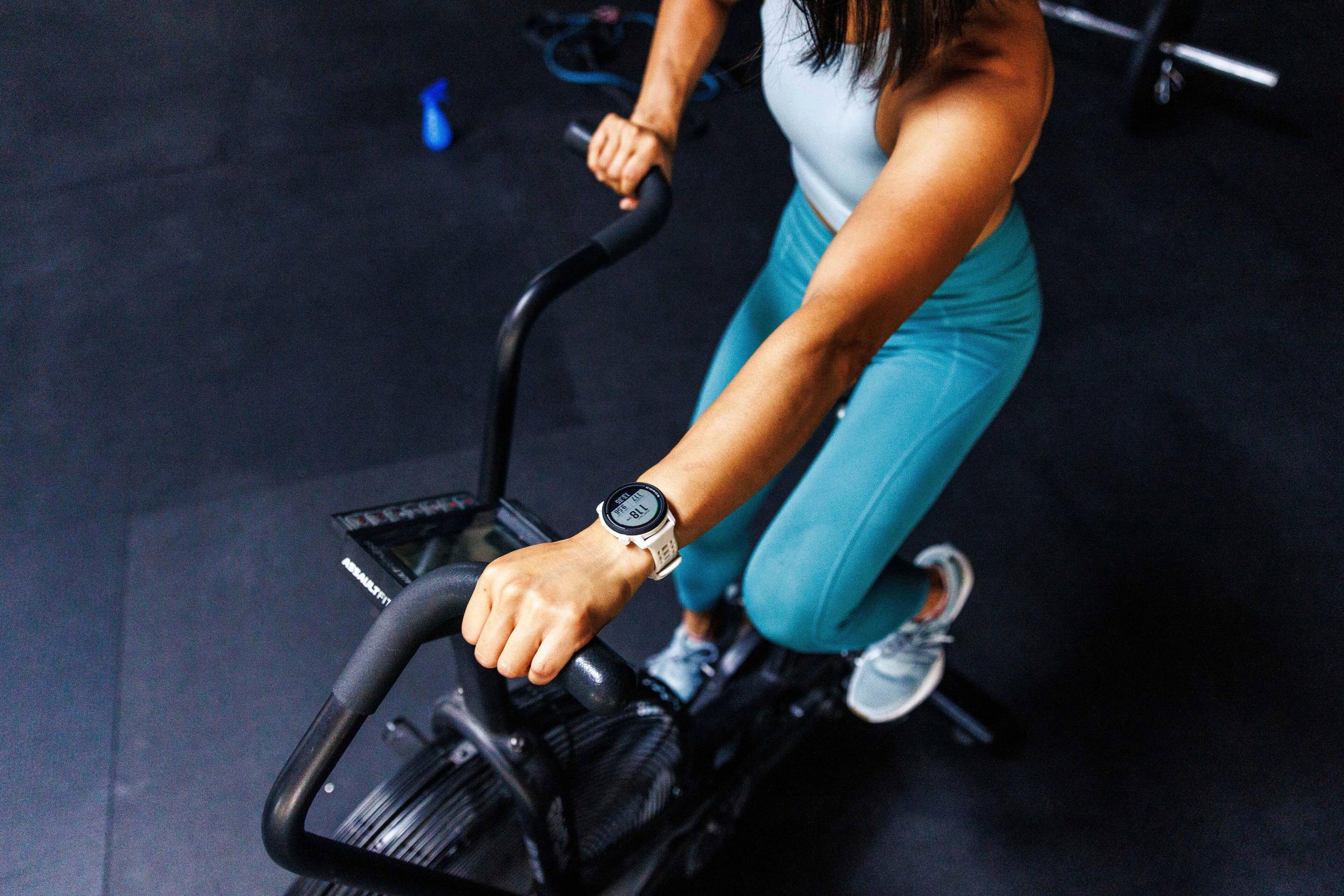
If you're standing at the crossroads between buying a dedicated sports watch or a full-featured smartwatch, you're not alone. The COROS Pace 3 and Google Pixel Watch 2 perfectly represent this divide, and choosing between them comes down to understanding what you actually need on your wrist.
Both watches launched in 2023, but they couldn't be more different in their approach. The COROS Pace 3 is a laser-focused sports tracking machine that prioritizes accuracy and endurance above all else. The Google Pixel Watch 2 is Google's attempt to create the Android equivalent of an Apple Watch – a comprehensive smart device that happens to track your workouts too.
Before diving into the nitty-gritty, it's crucial to understand what we're comparing here. These aren't just two different brands of the same thing – they represent fundamentally different philosophies about what a wearable device should do.
A sports watch like the COROS Pace 3 is built around the idea that accurate data and reliability matter more than having Instagram on your wrist. Think of it as the sports car approach – stripped down, purpose-built, and optimized for performance. Every feature is designed to help athletes train better and track their progress more precisely.
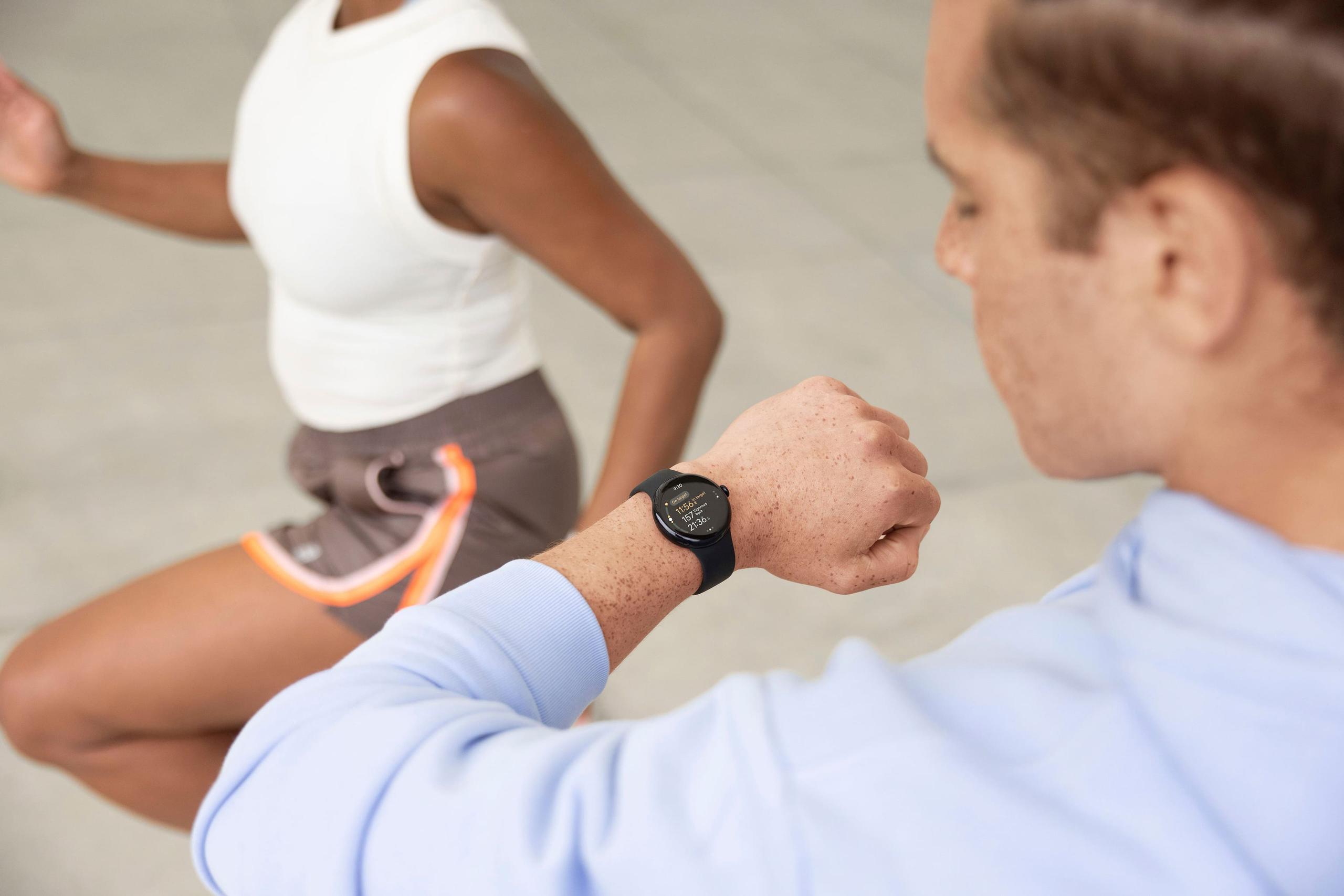
A smartwatch like the Google Pixel Watch 2 takes the luxury sedan approach. It wants to do everything reasonably well – track your fitness, manage your notifications, let you pay for coffee, and keep you connected to your digital life. The fitness tracking is good, but it's just one feature among many.
At the time of writing, the COROS Pace 3 typically costs significantly less than the Google Pixel Watch 2, making the value equation even more interesting. You're essentially choosing between spending less for superior sports performance or paying more for comprehensive smart features.
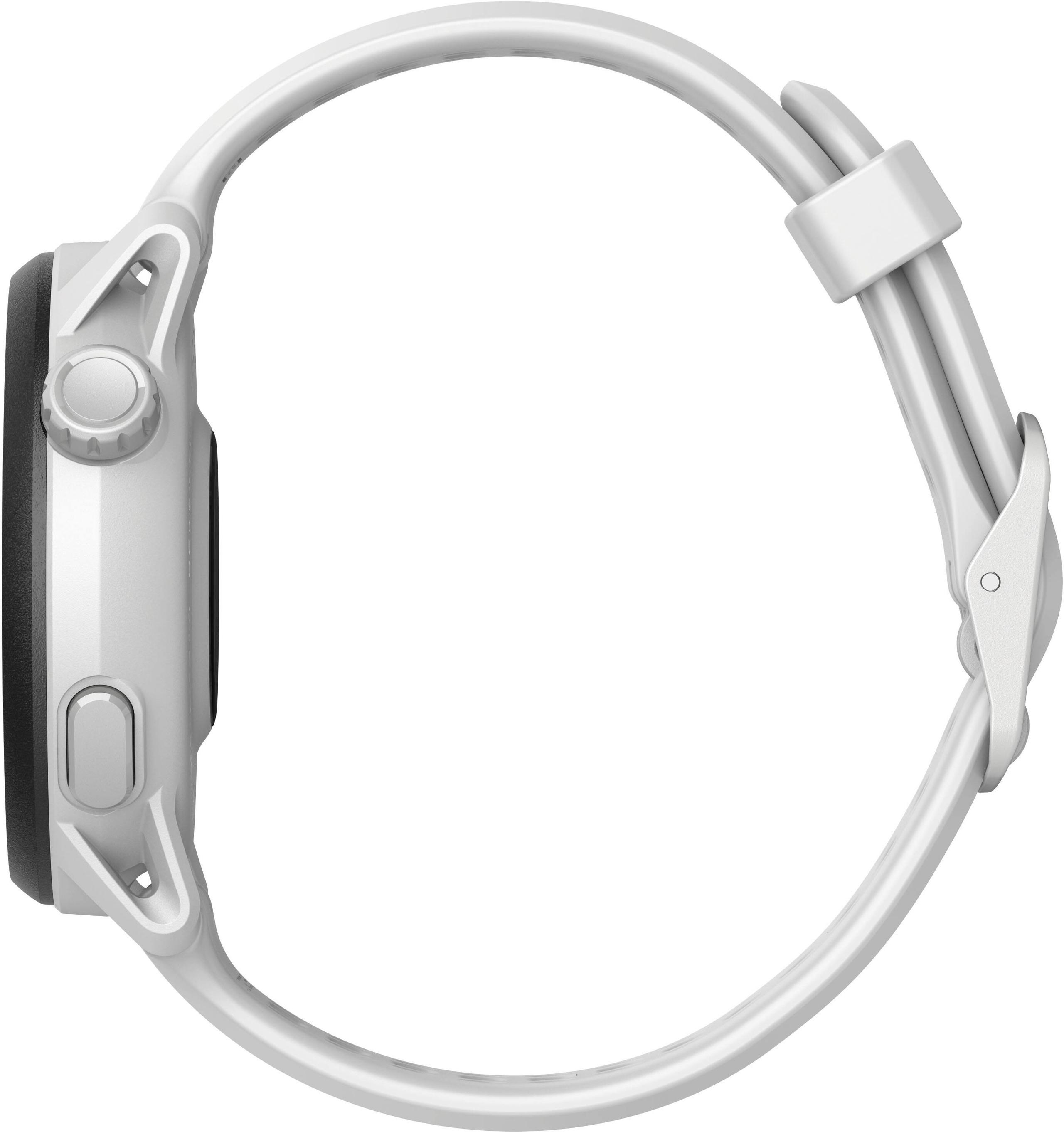
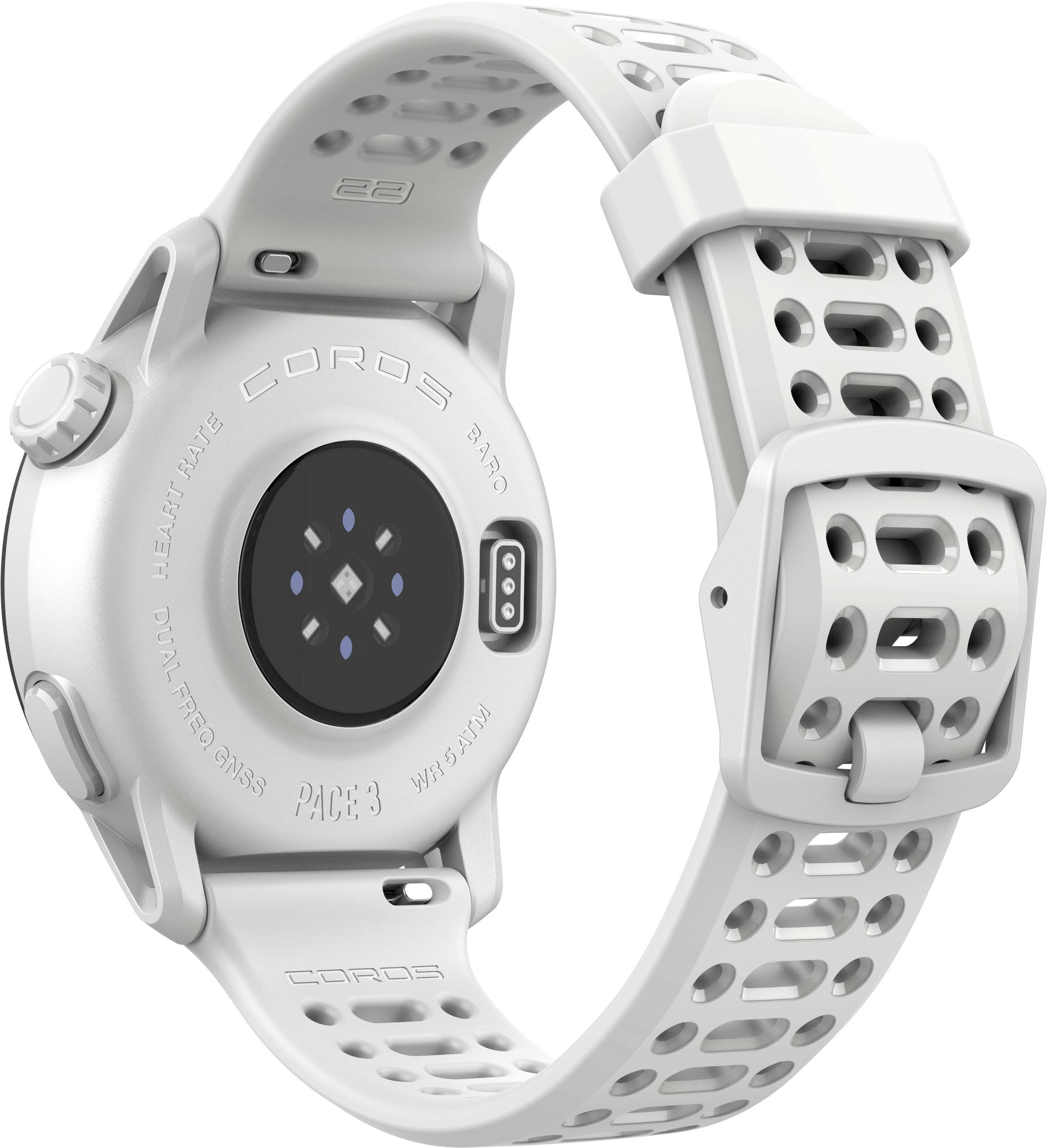
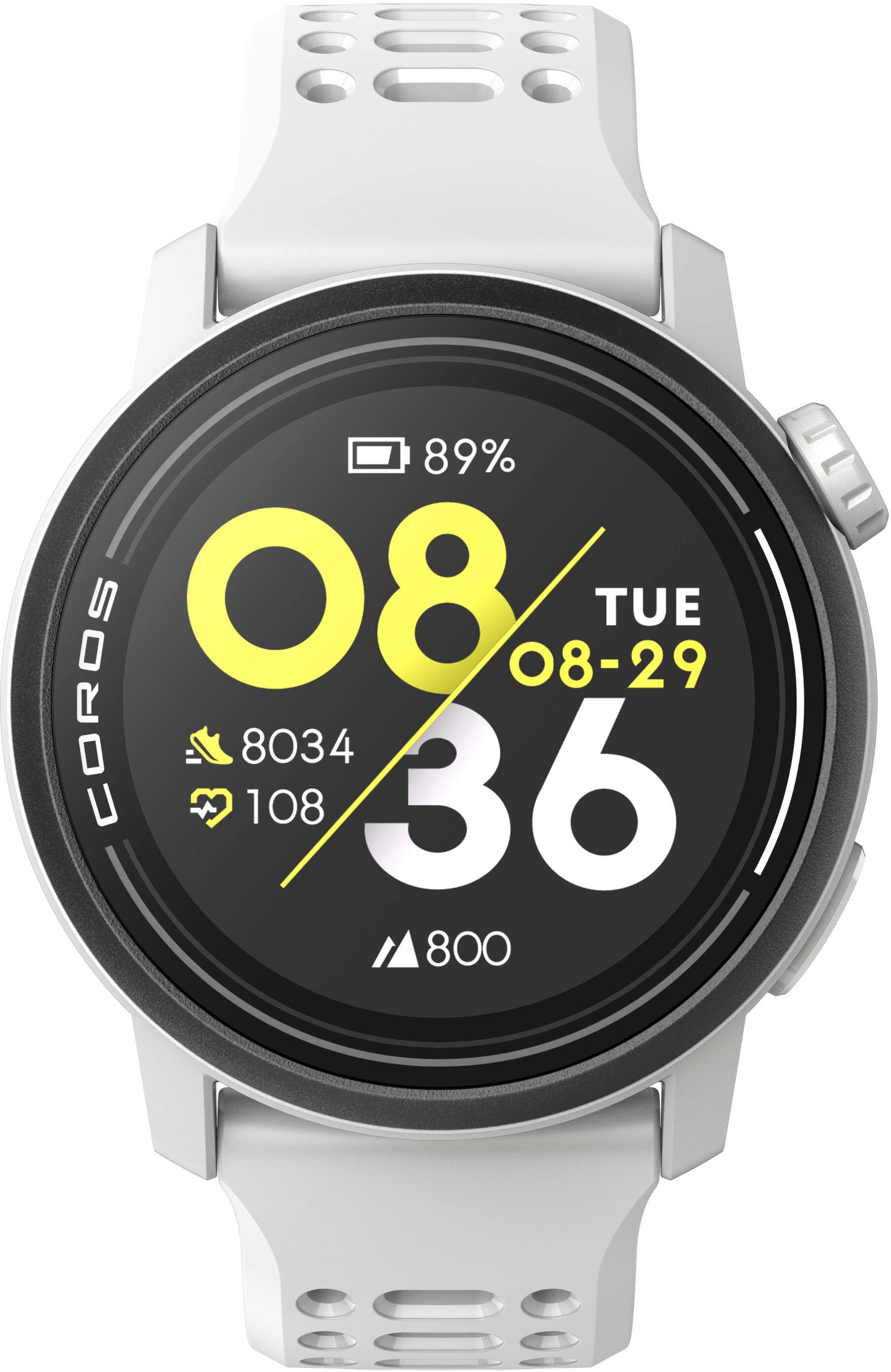
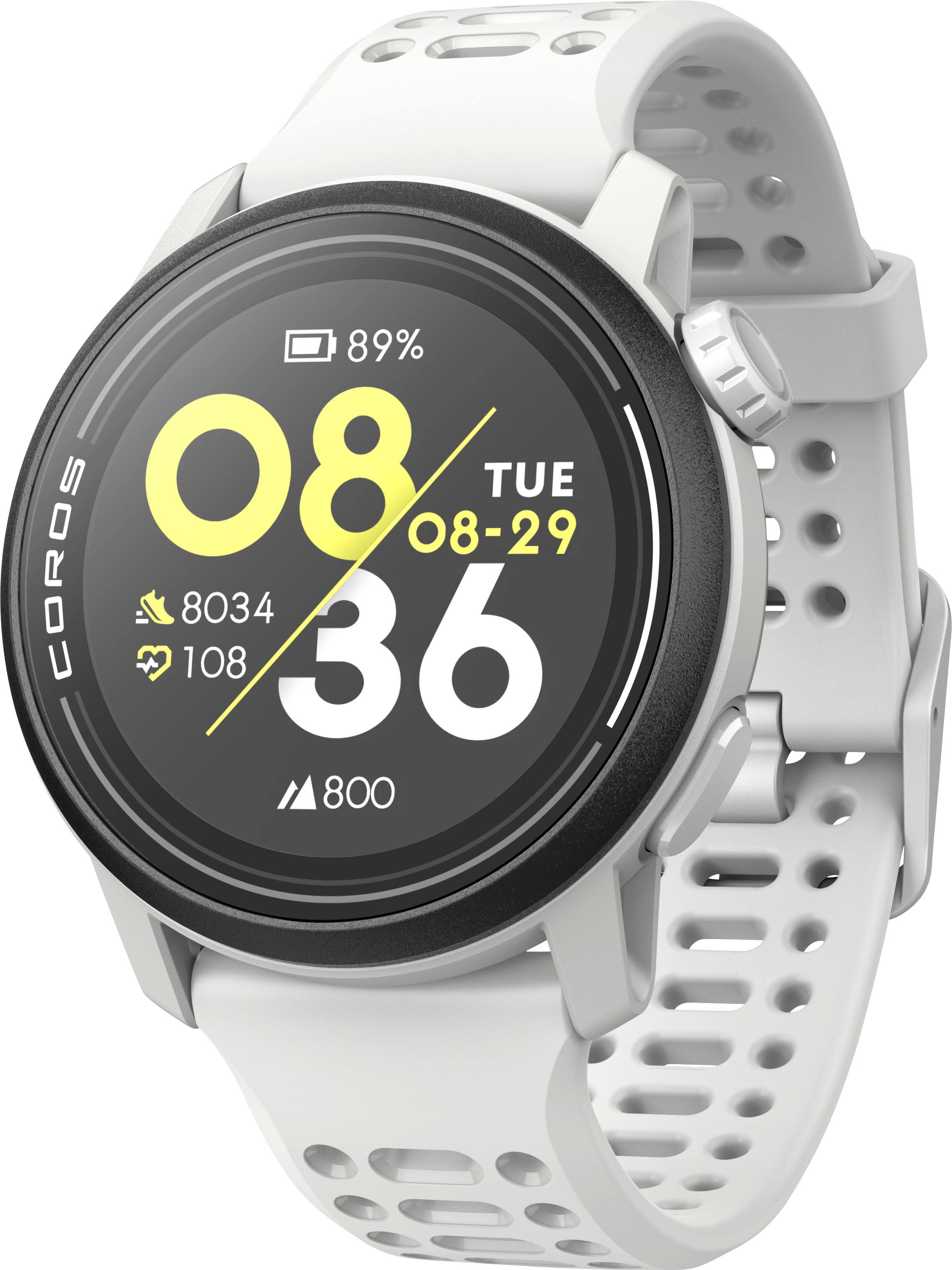
The design differences tell the whole story. The COROS Pace 3 weighs just 30 grams with its nylon band – that's lighter than most traditional watches. COROS achieved this by using a fiber-reinforced polymer case instead of metal, prioritizing comfort during long training sessions over premium aesthetics. The 1.2-inch display uses transflective technology, which means it gets more readable in bright sunlight rather than washing out like most screens.
This transflective display might sound fancy, but it's actually borrowed from older GPS devices. Instead of backlighting pixels like your phone, it reflects ambient light to stay visible. The trade-off? The screen looks more utilitarian – think digital calculator rather than smartphone. But when you're squinting at your watch during a sunny trail run, you'll appreciate being able to actually see your pace.
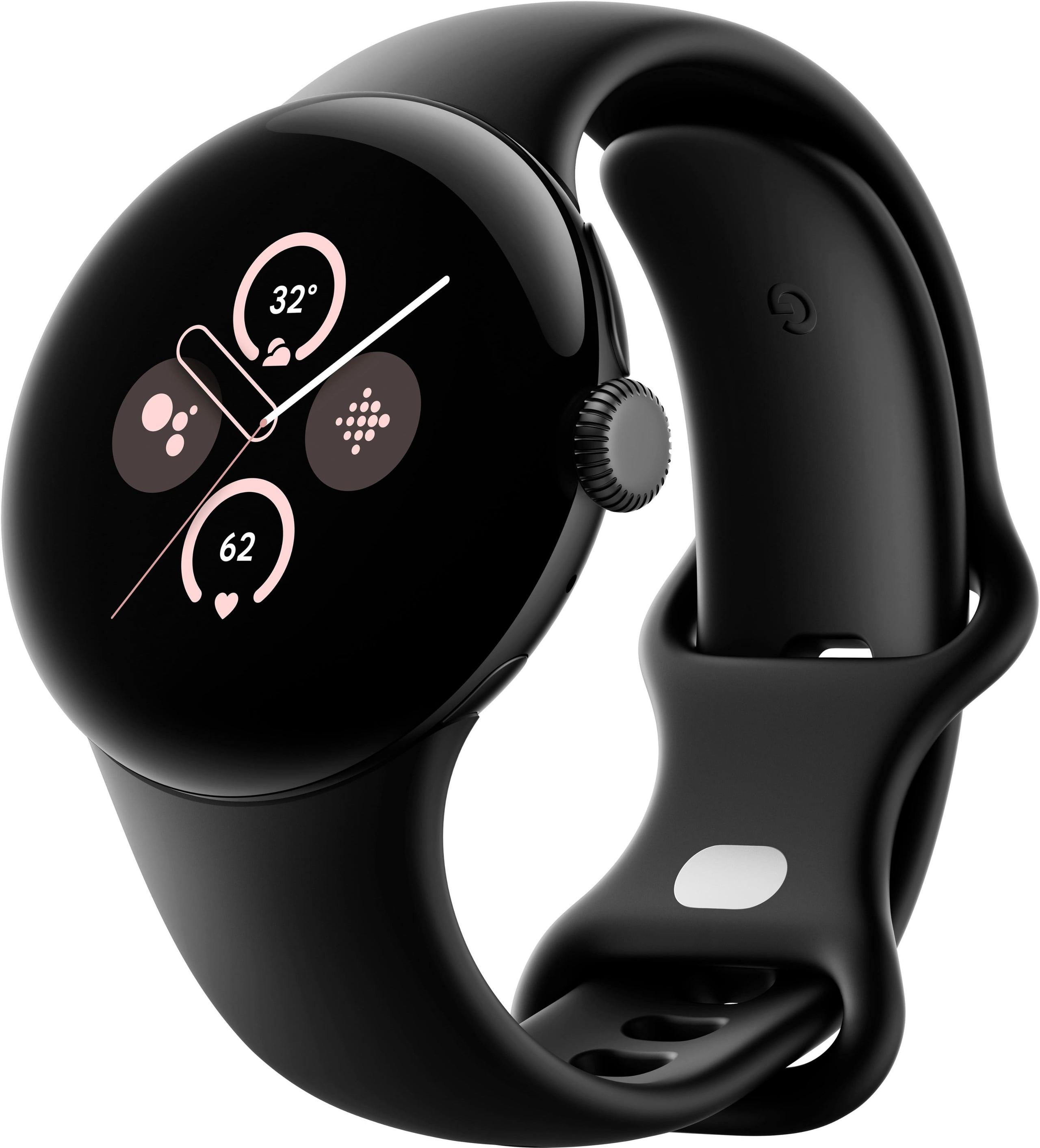
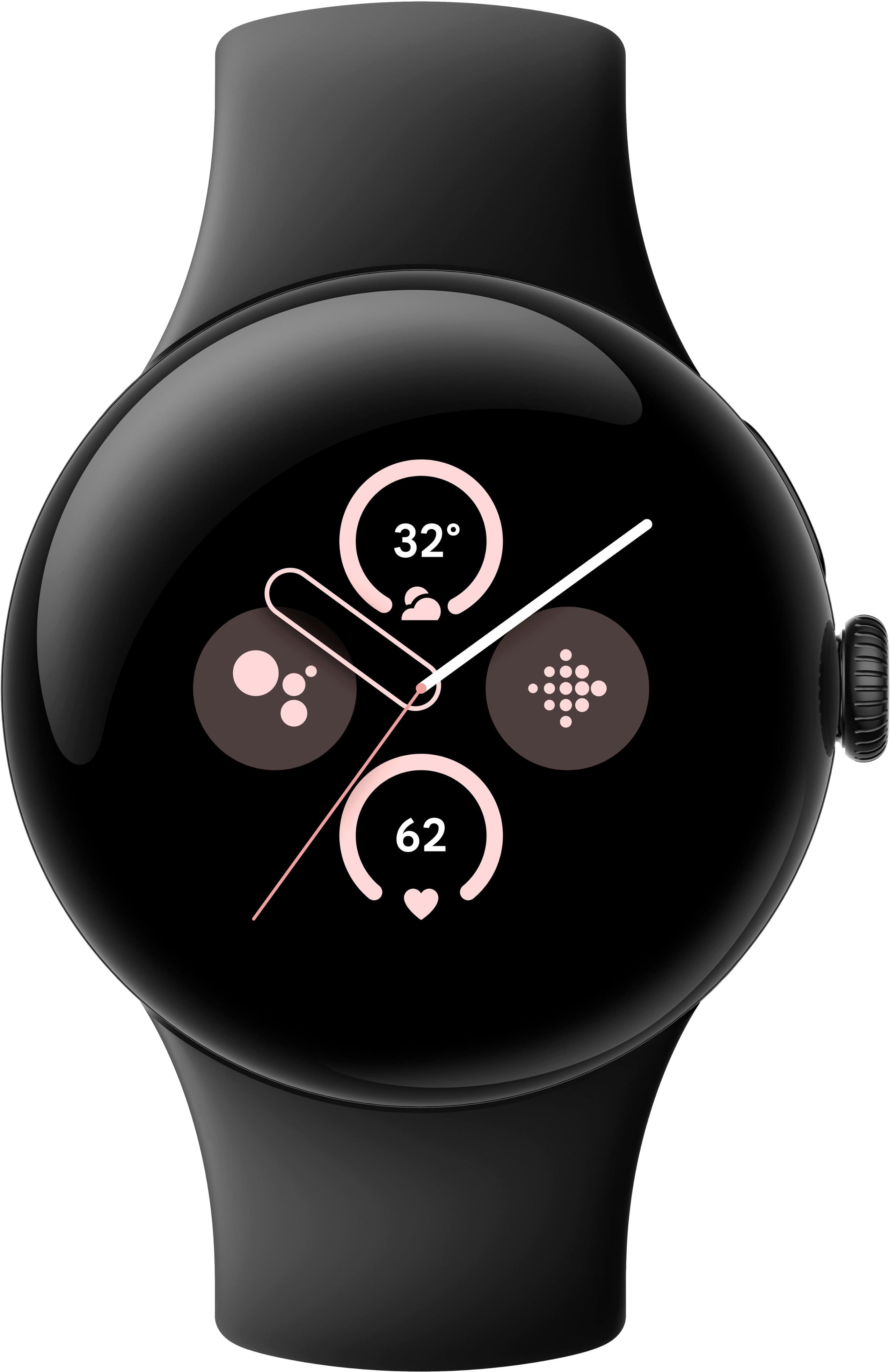
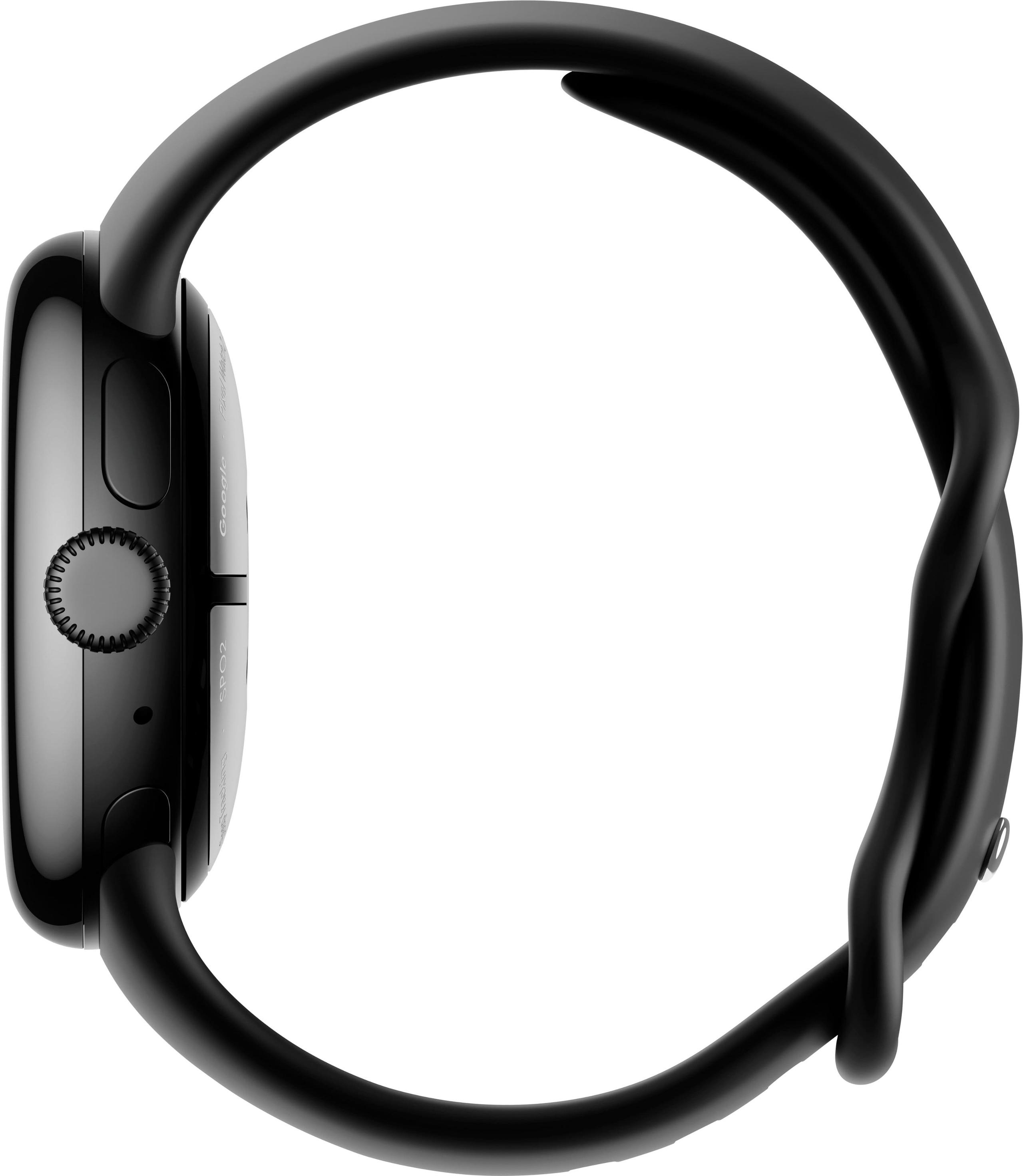
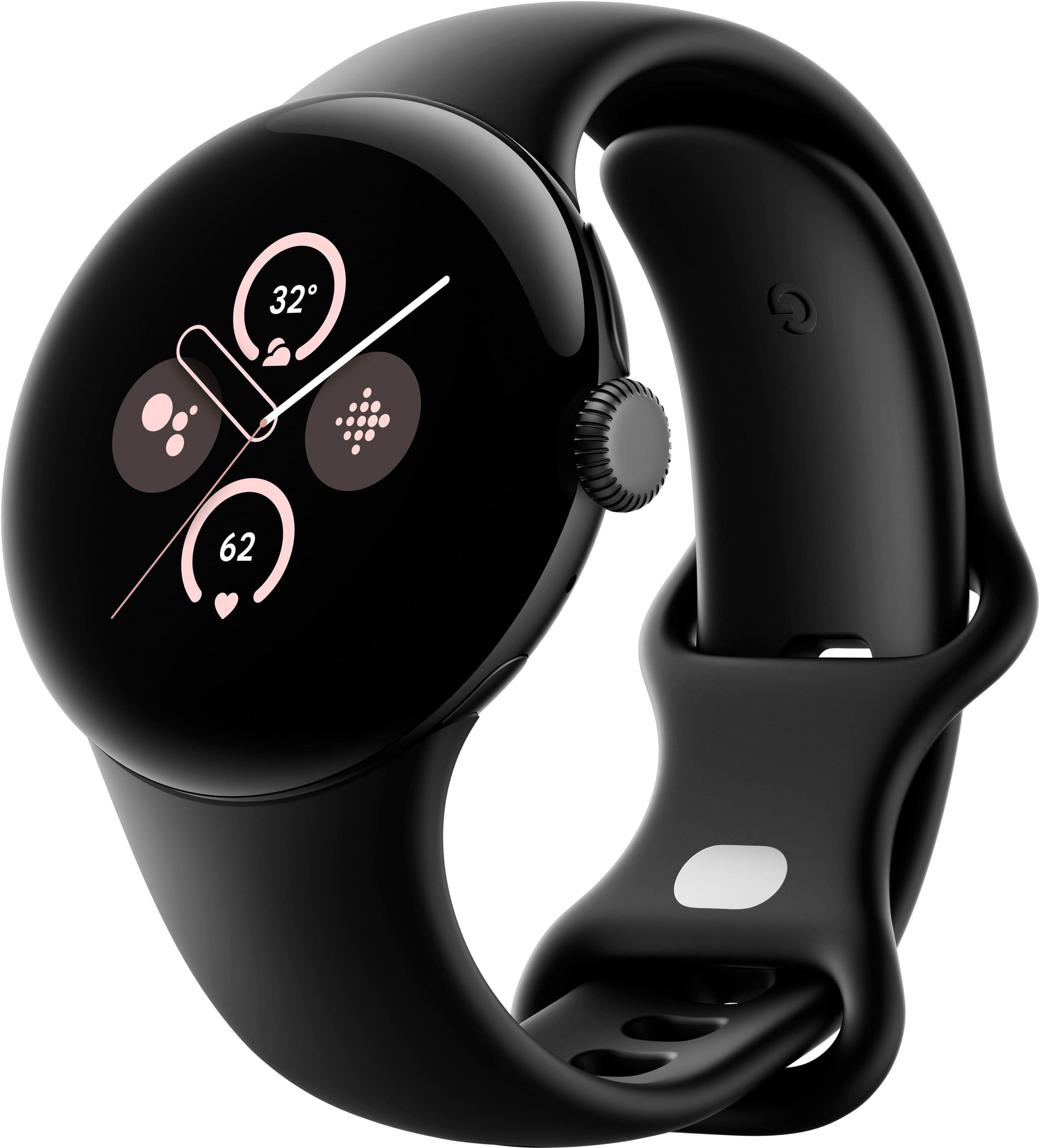
The Google Pixel Watch 2 goes the opposite direction with a vibrant AMOLED display that can pump out 1000 nits of brightness. That's smartphone-quality visuals that make everything look crisp and colorful. The 100% recycled aluminum case feels premium and comes in multiple color combinations. At 31 grams without the band, it's still lightweight, but the focus is clearly on looking good in both the gym and the boardroom.
Both watches offer 5 ATM water resistance, meaning they'll handle swimming and showering without issues. But here's where the philosophies diverge again – the COROS Pace 3 is built to be forgotten on your wrist during a week-long hiking trip, while the Google Pixel Watch 2 is designed to complement your outfit and connect seamlessly with your phone.
This is where the fundamental difference becomes crystal clear. The COROS Pace 3 delivers up to 38 hours of continuous GPS tracking and can last over two weeks in regular smartwatch mode. That means you could track every run for two weeks straight without touching a charger. For ultra-marathoners or multi-day hikers, this isn't just convenient – it's essential.
The Google Pixel Watch 2 represents a major improvement over its predecessor, now reliably lasting 24 hours with the always-on display enabled. Google solved the battery disaster that plagued the original Pixel Watch, but you're still looking at daily charging. During heavy GPS use, expect closer to 10 hours of tracking time.
Here's the thing about battery life that many people don't consider: it's not just about convenience. When you're training for a marathon and tracking long runs every weekend, having to remember to charge your watch becomes a real pain. Miss one charging session with the Google Pixel Watch 2 and you might lose valuable training data. The COROS Pace 3 eliminates that anxiety entirely.
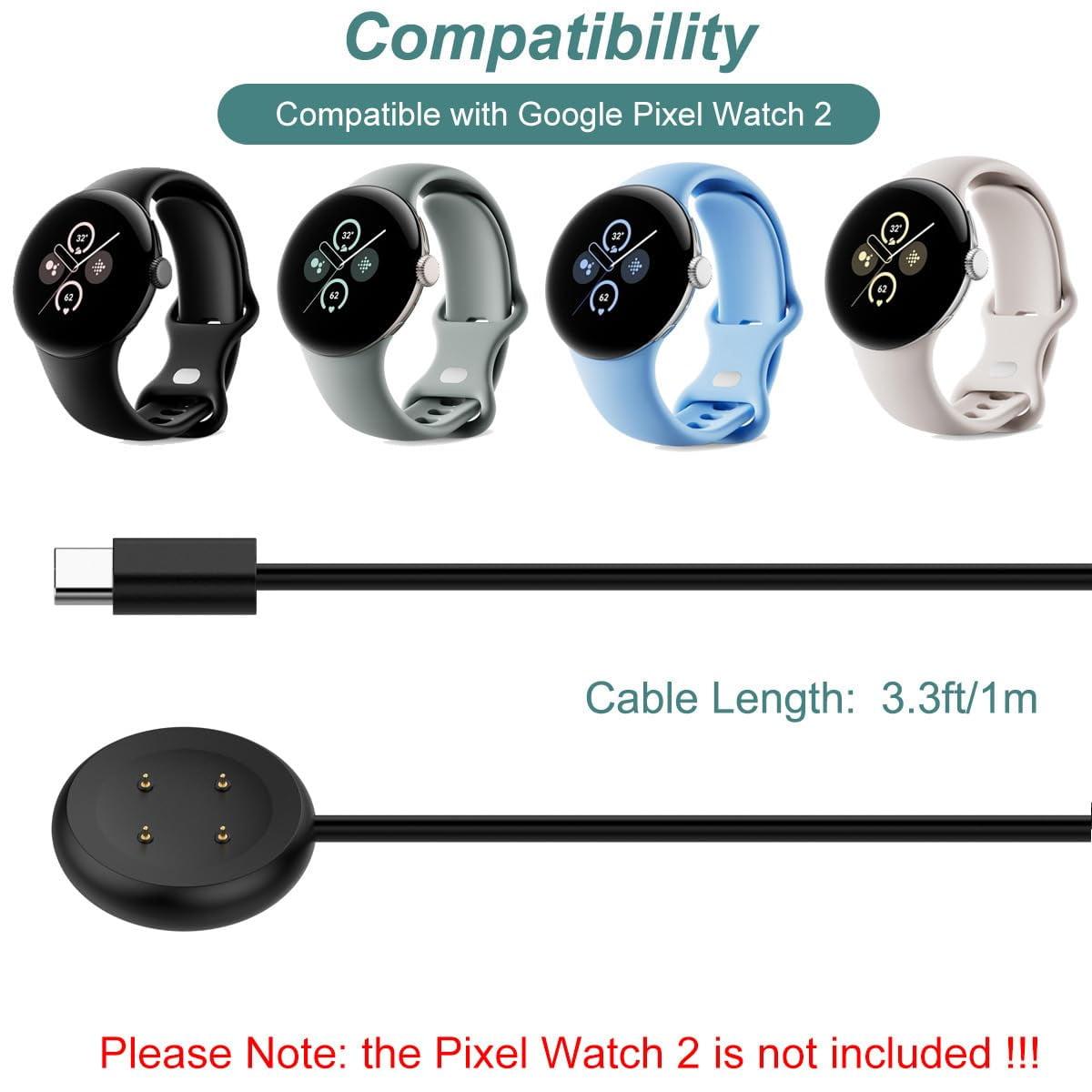
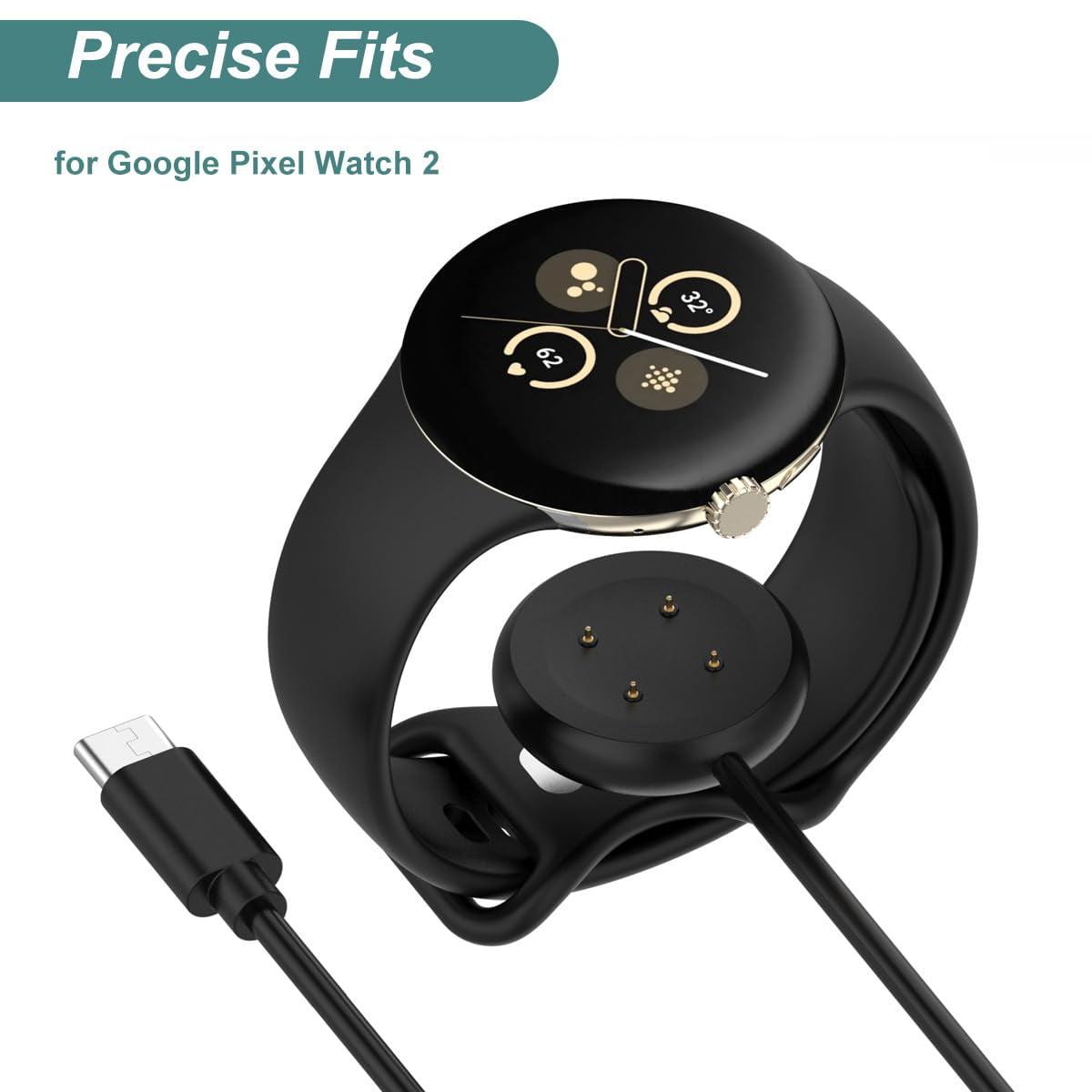
The charging methods also reflect the different priorities. The COROS Pace 3 uses a proprietary magnetic charger that's simple and reliable. The Google Pixel Watch 2 switched to a new pin-based magnetic system that charges faster (50% in 30 minutes) but dropped wireless charging entirely – a decision that frustrated many users who had invested in wireless charging setups.
For serious athletes, GPS accuracy isn't just a nice-to-have feature – it's the foundation of everything else. Distance calculations, pace tracking, route navigation, and training metrics all depend on knowing exactly where you are and where you've been.
The COROS Pace 3 uses dual-frequency GPS technology, which is a significant upgrade from basic GPS systems. Traditional GPS uses signals from one frequency band, which can bounce off buildings or get scattered by atmospheric conditions. Dual-frequency GPS accesses signals from two different frequency bands, allowing the watch to cross-reference and eliminate errors. It's like having two witnesses to confirm where you actually are.
This technology supports GPS, GLONASS (Russian), Galileo (European), Beidou (Chinese), and QZSS (Japanese) satellite systems. More satellites mean better accuracy, especially in challenging environments like urban canyons or dense forests where signals typically struggle.
The Google Pixel Watch 2 uses standard GPS with support for multiple satellite systems, which provides perfectly adequate accuracy for casual fitness tracking. For most users jogging around their neighborhood, the difference is negligible. But take both watches on a technical trail run through switchbacks and tree cover, and the COROS Pace 3 will typically provide noticeably more accurate distance and pace calculations.
Our research into user experiences and expert reviews consistently shows the COROS Pace 3 performing on par with much more expensive Garmin watches in GPS accuracy tests. That's impressive for a watch at this price point and speaks to COROS's focus on getting the fundamentals right.
Both watches feature significant improvements in heart rate monitoring, but they approach the challenge differently. Heart rate tracking from the wrist is inherently difficult because you're trying to detect tiny changes in blood volume through skin, dealing with motion artifacts from arm movement, and compensating for varying skin tones and tattoos.
The COROS Pace 3 uses what they call a "next-generation optical heart rate sensor" with five LEDs and four photodetectors. The key improvement is the reduced sensor bulge, which allows for better skin contact and more consistent readings. COROS claims significant accuracy improvements during high-intensity activities, where wrist-based sensors traditionally struggle.
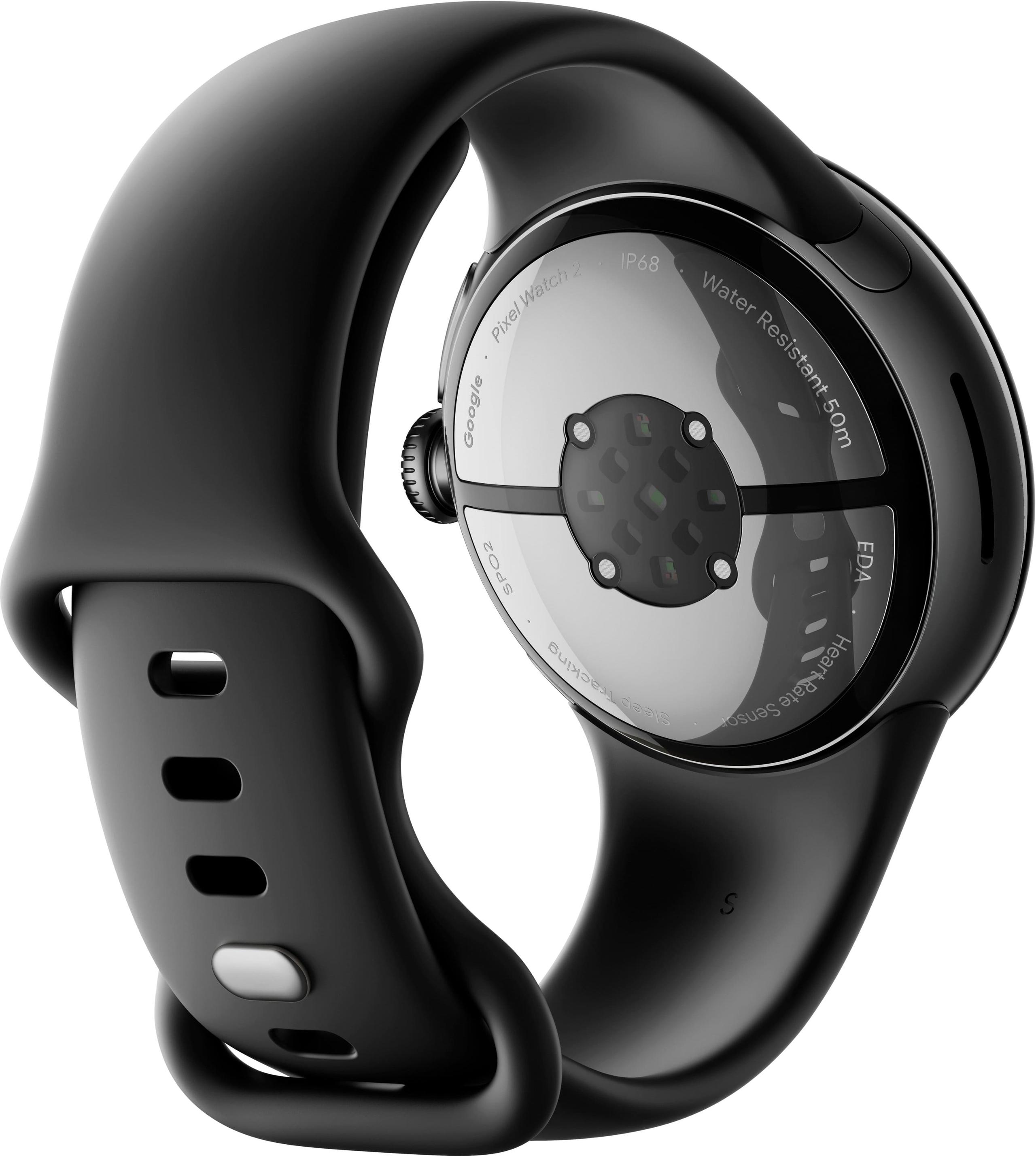
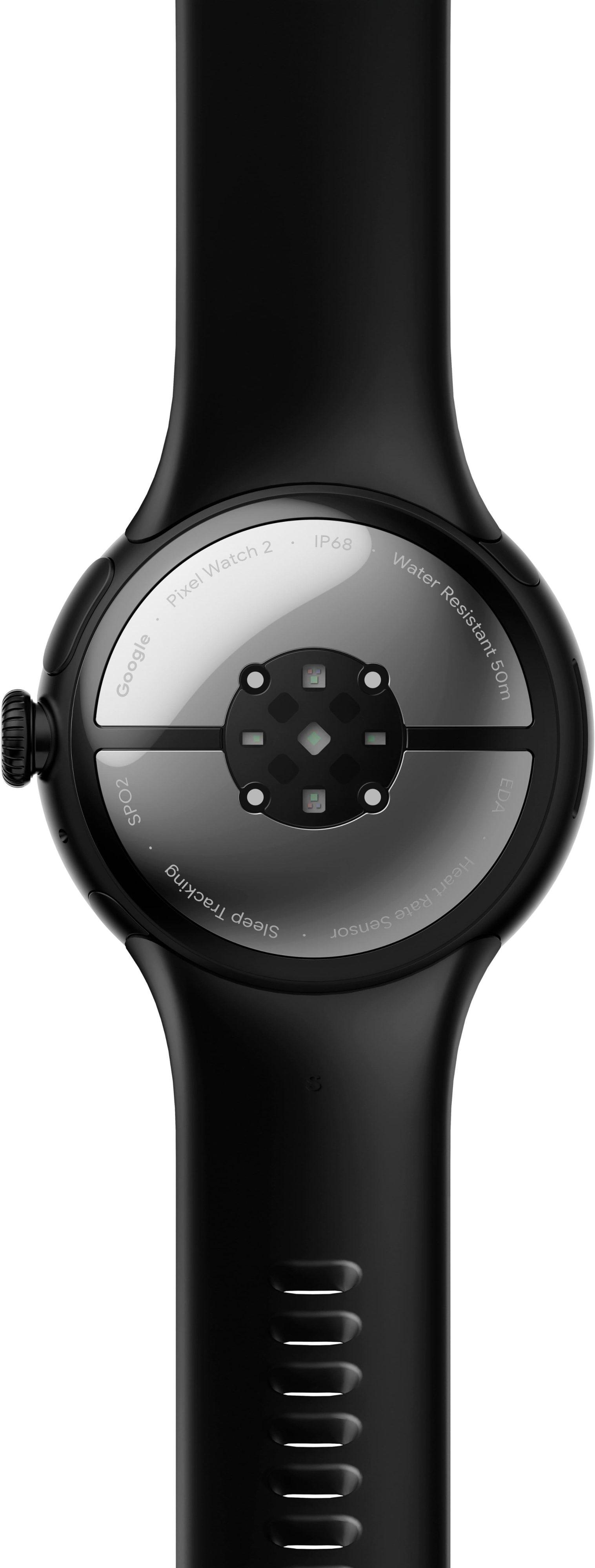
The Google Pixel Watch 2 features a multi-path optical sensor with five photodiodes and five LEDs, which Google says delivers 40% better accuracy than the original Pixel Watch. The sensor works with improved AI algorithms to filter out noise and provide more consistent readings across different activities.
In practice, both watches perform well for general fitness tracking, but serious athletes often supplement with chest strap monitors for the highest accuracy during interval training or competitive events. The COROS Pace 3 supports Bluetooth heart rate monitors seamlessly, while the Google Pixel Watch 2 also offers this connectivity but focuses more on making the built-in sensor as good as possible.
Here's where the smartwatch approach of the Google Pixel Watch 2 really shines. Beyond heart rate, it includes an ECG sensor for detecting irregular heart rhythms, a continuous electrodermal activity (cEDA) sensor for stress monitoring, and a skin temperature sensor for sleep analysis. The cEDA sensor is particularly interesting – it measures tiny changes in your skin's electrical conductivity that correlate with stress responses, prompting you to reflect on what might be causing tension.
The COROS Pace 3 includes SpO2 monitoring (blood oxygen levels) and HRV tracking (heart rate variability), which are valuable for monitoring recovery and training readiness. SpO2 is especially useful for athletes training at altitude or monitoring sleep quality. HRV tracking helps determine whether your body is ready for intense training or needs more recovery time.
Both approaches have merit. The Google Pixel Watch 2 provides a more comprehensive picture of overall health and wellness, while the COROS Pace 3 focuses on metrics that directly impact athletic performance. If you're primarily interested in optimizing training, COROS gives you the data that matters most. If you want insights into stress, sleep patterns, and general health trends, Google's approach is more holistic.
This is where the philosophies truly diverge. The Google Pixel Watch 2 runs full Wear OS 4.0, giving you access to Gmail, Google Calendar, Maps, YouTube Music, and thousands of third-party apps. You can take calls, respond to texts, make payments with Google Pay, and use Google Assistant. It's genuinely a smartphone on your wrist, with all the convenience and complexity that entails.
The COROS Pace 3 takes a deliberately minimal approach. You'll get basic notifications for calls and texts, but you can't respond to them. The watch includes 4GB of storage for offline music playback, which is actually fairly unique at this price point. You can load MP3 files and listen through Bluetooth headphones without carrying your phone – perfect for those long solo runs.
The music feature deserves special mention because it highlights COROS's practical approach. Instead of trying to integrate with streaming services, they simply let you load your own files. It's less convenient than having Spotify on your wrist, but it's also more reliable and doesn't depend on cellular connectivity.
For navigation, the COROS Pace 3 offers breadcrumb trail navigation and route syncing through their app. It's not full GPS navigation like you'd find on higher-end models, but it's sufficient for following pre-planned routes or finding your way back to the start. The Google Pixel Watch 2 has full Google Maps integration, which is superior for general navigation but less optimized for outdoor activities.
The COROS Pace 3 really flexes its muscles in training analysis. It provides detailed metrics like Training Load (how much stress your workouts are placing on your body), Recovery Time (how long you should wait before intense training), and Aerobic/Anaerobic Training Effects (what type of fitness improvements your workouts are providing).
These aren't just numbers – they're actionable insights based on sports science research. Training Load helps prevent overtraining by quantifying workout stress, while Recovery Time helps you optimize rest periods. The watch can even suggest when you're ready for different types of workouts based on your recent training history.
The Google Pixel Watch 2 integrates deeply with Fitbit's ecosystem, providing excellent general fitness tracking with features like Active Zone Minutes (time spent in elevated heart rate zones) and Daily Readiness Scores (how prepared your body is for activity). However, accessing the full suite of advanced analytics requires a Fitbit Premium subscription, which adds ongoing costs.
Both watches offer automatic workout detection, but they handle it differently. The COROS Pace 3 focuses on accurately detecting starts and stops for activities like running and cycling. The Google Pixel Watch 2 casts a wider net, attempting to recognize everything from strength training to yoga, though with mixed success for less common activities.
At the time of writing, the COROS Pace 3 typically costs significantly less than the Google Pixel Watch 2, making the value equation compelling for sports-focused users. You're getting superior GPS accuracy, dramatically better battery life, and comprehensive training analytics for less money. There are no subscription fees for full functionality, and the watch will continue providing complete data access for years to come.
The Google Pixel Watch 2 asks you to pay more upfront and potentially commit to ongoing subscription costs for full fitness features. However, you're getting a complete smart device that can genuinely replace many smartphone functions. For Android users who want comprehensive connectivity and don't mind daily charging, the convenience factor may justify the additional cost.
The long-term value consideration is significant. The COROS Pace 3 will provide all its features indefinitely without additional costs. The Google Pixel Watch 2 may require ongoing Fitbit Premium subscriptions to access advanced health insights, and its shorter battery life means more charging cycles and potentially earlier battery replacement.
The COROS Pace 3 is the clear winner for serious runners, cyclists, triathletes, and outdoor enthusiasts who train regularly and need accurate performance data. If you're training for races, tracking improvements over time, or spending significant time outdoors where GPS accuracy matters, this watch delivers superior value. It's also ideal for anyone who has experienced the frustration of a dead smartwatch during an important workout.
The Google Pixel Watch 2 makes more sense for Android users who want their watch to be a comprehensive smart device first and fitness tracker second. If you regularly use your watch for calls, messages, payments, and apps, and your fitness activities are primarily casual workouts or general health monitoring, the Google approach provides better overall utility.
Consider your actual usage patterns honestly. If you find yourself reaching for your phone constantly despite wearing a smartwatch, you might prefer the focused approach of the COROS Pace 3. If you genuinely use smart features regularly and don't mind daily charging routines, the Google Pixel Watch 2 offers more versatility.
The battery life difference can't be overstated for certain use cases. Multi-day hiking trips, ultra-distance events, or simply the peace of mind that comes from not worrying about charging make the COROS Pace 3 invaluable for active users. Conversely, if you already charge multiple devices daily, adding one more to the routine might not feel burdensome.
These watches represent different visions of what wearable technology should accomplish. The COROS Pace 3 excels by focusing relentlessly on sports performance, delivering professional-grade tracking capabilities at an accessible price point. The Google Pixel Watch 2 aims to be a comprehensive digital companion that happens to track fitness well.
Your choice ultimately depends on whether you need a specialized tool for athletic performance or a versatile smart device for connected living. Both execute their respective visions successfully, but trying to use either for the other's primary purpose will lead to disappointment.
For the serious athlete or outdoor enthusiast, the COROS Pace 3 offers unmatched value and capability. For the connected consumer who wants good fitness tracking alongside comprehensive smart features, the Google Pixel Watch 2 provides a more complete package. Choose based on your primary needs, and either watch will serve you well in its intended role.
| COROS Pace 3 GPS Sport Watch | Google Pixel Watch 2 Smartwatch |
|---|---|
| Battery Life - Critical for training consistency and multi-day activities | |
| Up to 38 hours GPS tracking, 17 days smartwatch mode | 24 hours with always-on display, 10 hours GPS tracking |
| GPS Accuracy - Essential for precise distance and pace tracking | |
| Dual-frequency GPS/GNSS with 5 satellite systems | Standard GPS with multi-satellite support |
| Weight - Important for comfort during long activities | |
| 30g (nylon band), 39g (silicone band) | 31g (without band) |
| Display Technology - Affects visibility and battery consumption | |
| 1.2" transflective touchscreen (240x240), always readable in sunlight | AMOLED touchscreen (450x450), up to 1000 nits brightness |
| Smart Features - Determines daily utility beyond fitness | |
| Basic notifications, 4GB music storage, minimal connectivity | Full Wear OS 4.0, apps, calls, payments, Google services |
| Heart Rate Monitoring - Key for training zones and health tracking | |
| Next-gen optical sensor (5 LEDs/4 photodetectors) with SpO2 | Multi-path optical sensor (5 photodiodes/5 LEDs), 40% more accurate than predecessor |
| Health Sensors - Additional wellness monitoring capabilities | |
| SpO2, HRV, barometric altimeter, compass | ECG, cEDA stress sensor, skin temperature, comprehensive health suite |
| Water Resistance - Swimming and weather protection | |
| 5 ATM (50 meters) | 5 ATM with IP68 dust resistance |
| Subscription Requirements - Ongoing costs for full functionality | |
| None - all features included permanently | Fitbit Premium required for advanced health analytics (after 6-month trial) |
| Compatibility - Which phones work with each watch | |
| Works with both Android and iOS | Android 9.0+ only |
| Charging Method - Convenience and speed considerations | |
| Proprietary magnetic charger | Magnetic pin charger, 50% charge in 30 minutes |
| Training Analytics - Depth of performance insights | |
| Training Load, Recovery Time, detailed sports metrics | Fitbit ecosystem with Daily Readiness, Active Zone Minutes |
| Navigation Features - Route guidance and outdoor capabilities | |
| Breadcrumb navigation, route syncing, basic turn-by-turn | Google Maps integration, limited outdoor-specific features |
| Target User - Who each watch serves best | |
| Serious athletes, runners, outdoor enthusiasts prioritizing performance | Android users wanting comprehensive smart features with good fitness tracking |
The COROS Pace 3 has dramatically better battery life, lasting up to 38 hours with GPS tracking and up to 17 days in regular use. The Google Pixel Watch 2 lasts about 24 hours with always-on display and roughly 10 hours during GPS activities. For athletes who train frequently or go on multi-day adventures, the COROS Pace 3 eliminates charging anxiety completely.
The COROS Pace 3 offers superior GPS accuracy with its dual-frequency GPS technology that accesses multiple satellite systems (GPS, GLONASS, Galileo, Beidou, QZSS). This makes it significantly more accurate in challenging environments like dense forests or urban areas. The Google Pixel Watch 2 provides adequate GPS accuracy for casual fitness tracking but can't match the precision of the COROS Pace 3 for serious athletic activities.
The Google Pixel Watch 2 is specifically designed for Android phones (Android 9.0+) and offers deep integration with Google services like Gmail, Calendar, and Google Pay. The COROS Pace 3 works with both Android and iOS but provides minimal smartphone integration, focusing instead on sports tracking. For Android users wanting comprehensive smart features, the Google Pixel Watch 2 is the clear choice.
The Google Pixel Watch 2 supports full phone call functionality, including answering calls and using the built-in speaker and microphone. The COROS Pace 3 only displays call notifications and doesn't allow you to answer or make calls directly from the watch. For hands-free calling, the Google Pixel Watch 2 is the only option between these two.
The COROS Pace 3 is specifically designed for serious athletes and offers superior sports tracking features including dual-frequency GPS, detailed training metrics, recovery analysis, and exceptional battery life for long training sessions. While the Google Pixel Watch 2 provides good fitness tracking through Fitbit integration, it's better suited for casual exercisers who want general health monitoring alongside smart features.
The COROS Pace 3 provides all its features without any subscription requirements - you get complete access to training data and analytics permanently. The Google Pixel Watch 2 includes a 6-month Fitbit Premium trial, but accessing advanced health analytics and guided programs requires an ongoing Fitbit Premium subscription after the trial ends.
Both watches are lightweight and comfortable, but the COROS Pace 3 has a slight edge at just 30g with the nylon band compared to the Google Pixel Watch 2 at 31g without band. The COROS Pace 3 is specifically designed for 24/7 wear during training and recovery, while the Google Pixel Watch 2 balances comfort with premium aesthetics.
The COROS Pace 3 includes 4GB of storage for offline MP3 music playback through Bluetooth headphones, allowing phone-free listening during workouts. The Google Pixel Watch 2 integrates with YouTube Music and other streaming services but typically requires your phone or cellular connectivity for music playback, making the COROS Pace 3 better for truly phone-free training sessions.
Both watches feature advanced heart rate sensors, but they approach monitoring differently. The COROS Pace 3 uses a next-generation optical sensor optimized for sports activities, while the Google Pixel Watch 2 claims 40% better accuracy than its predecessor with multi-path sensor technology. For general fitness tracking, both are adequate, but serious athletes often prefer chest strap monitors for maximum accuracy during intense training.
The Google Pixel Watch 2 offers comprehensive smartwatch functionality with full Wear OS, apps, notifications, Google Assistant, and payment capabilities. The COROS Pace 3 provides minimal smart features - basic notifications and music storage - focusing instead on sports performance. If you want a true smartphone companion, choose the Google Pixel Watch 2; for pure athletic tracking, the COROS Pace 3 excels.
The COROS Pace 3 typically costs less while offering superior GPS accuracy, much better battery life, and comprehensive training analytics without subscription fees. The Google Pixel Watch 2 costs more upfront and may require ongoing subscriptions, but provides a complete smartwatch experience. For athletes prioritizing performance tracking, the COROS Pace 3 delivers exceptional value.
Yes, both the COROS Pace 3 and Google Pixel Watch 2 offer 5 ATM water resistance, making them suitable for swimming and water sports. The COROS Pace 3 includes dedicated swimming modes with detailed stroke analysis, while the Google Pixel Watch 2 provides general swim tracking through its Fitbit integration. Both handle pool and open water swimming effectively.
We've done our best to create useful and informative comparisons to help you decide what product to buy. Our research uses advanced automated methods to create this comparison and perfection is not possible - please contact us for corrections or questions. These are the sites we've researched in the creation of this article: cleverhiker.com - tomsguide.com - dcrainmaker.com - youtube.com - advnture.com - runtothefinish.com - runnersworld.com - youtube.com - us.coros.com - youtube.com - outdoorgearlab.com - youtube.com - trackbetter.com - runningshoesguru.com - youtube.com - runningwarehouse.com - tomsguide.com - coros.com - support.coros.com - shop-fr.coros.com - running.reviews - support.coros.com - us.coros.com - youtube.com - coros.com - coros.com - wareable.com - publiclands.com - youtube.com - corosbenelux.com - trackbetter.com - bestbuy.com - tomsguide.com - tomsguide.com - tomsguide.com - phonearena.com - smartwatch-straps.co.uk - youtube.com - 6monthslater.net - petematheson.com - support.google.com - wareable.com - versus.com - verizon.com - youtube.com - youtube.com - androidpolice.com - techgearlab.com - wareable.com - androidcentral.com - blog.google - support.google.com - youtube.com - en.wikipedia.org - store.google.com - gsmarena.com - fi.google.com

Privacy Policy
Terms and Conditions - Affiliate Policy
Home Security
© Copyright 2008-2026.
11816 Inwood Rd #1211, Dallas, TX 75244