

Smartwatches have evolved from simple notification displays into sophisticated health computers that live on your wrist. But choosing between Apple and Google's offerings isn't straightforward—especially when comparing the premium Apple Watch Series 11 against the more affordable Google Pixel Watch 2. At the time of writing, these watches represent fundamentally different philosophies about what a smartwatch should be and how much you should pay for it.
Today's smartwatch market has matured around two distinct approaches. Ecosystem-integrated devices like the Apple Watch Series 11 work exclusively with one smartphone platform but offer deep, seamless integration. Cross-platform solutions like the Google Pixel Watch 2 prioritize broader compatibility, though sometimes at the cost of tight integration.
The most important considerations when choosing a smartwatch go beyond basic features. Health monitoring accuracy determines whether your fitness data is trustworthy. Battery reliability affects daily usability—a watch that dies unpredictably becomes a frustrating accessory rather than a helpful tool. Ecosystem integration influences how naturally the watch fits into your digital life, while build quality determines whether your investment lasts years or months.
The Apple Watch Series 11 arrived in September 2025, representing Apple's latest iteration in their dominant smartwatch lineup. This generation focused heavily on health innovations and connectivity improvements, building on the foundation Apple established over the past decade. Since the original Apple Watch launched in 2015, Apple has consistently refined both hardware and software, creating what many consider the gold standard for smartwatch integration.
The Google Pixel Watch 2, released in 2023, marked Google's second attempt at creating a flagship wearable after acquiring Fitbit. Unlike Apple's incremental approach, Google took bigger swings with design changes and feature additions, trying to establish credibility in a market Apple had largely dominated. The two-year gap between these releases shows in their technical specifications and feature sets.
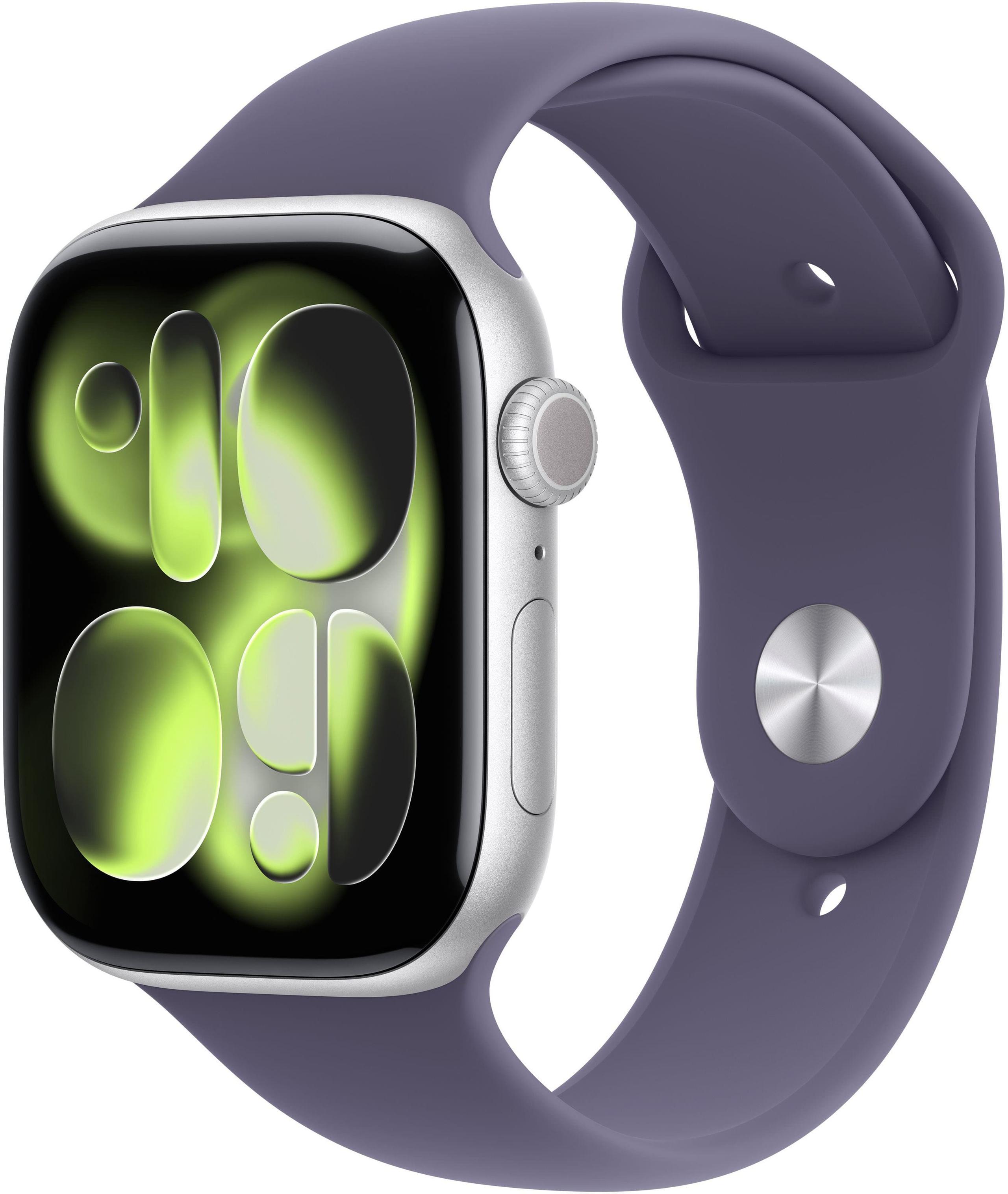
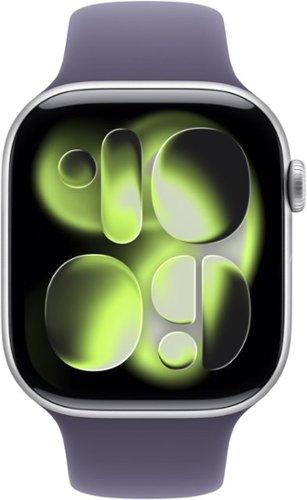
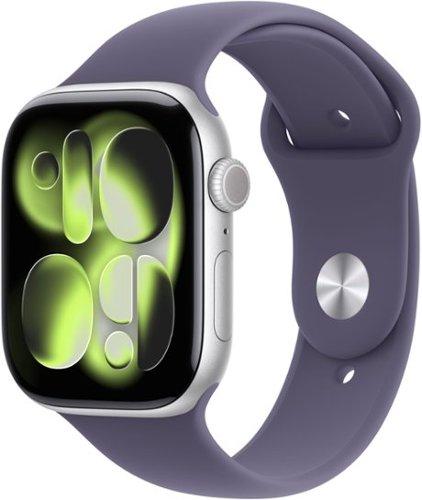
The most immediately noticeable difference between these watches is their fundamental design philosophy. The Apple Watch Series 11 features a large 46mm rectangular case with an Always-On Retina LTPO OLED display pushing 416 × 496 pixels. LTPO (Low Temperature Polycrystalline Oxide) technology allows the display to dynamically adjust its refresh rate from 1Hz to 120Hz, conserving battery when showing static information like watch faces while remaining smooth during interactions.
That 46mm size provides substantial screen real estate—crucial when reading messages or viewing health data. The display's peak brightness of 2000 nits means it remains perfectly readable even in direct sunlight, something that becomes important during outdoor workouts. Apple also improved the Ion-X glass covering with a ceramic coating, making it twice as scratch-resistant as previous generations. This matters because smartwatches endure constant contact with surfaces, doorframes, and workout equipment.
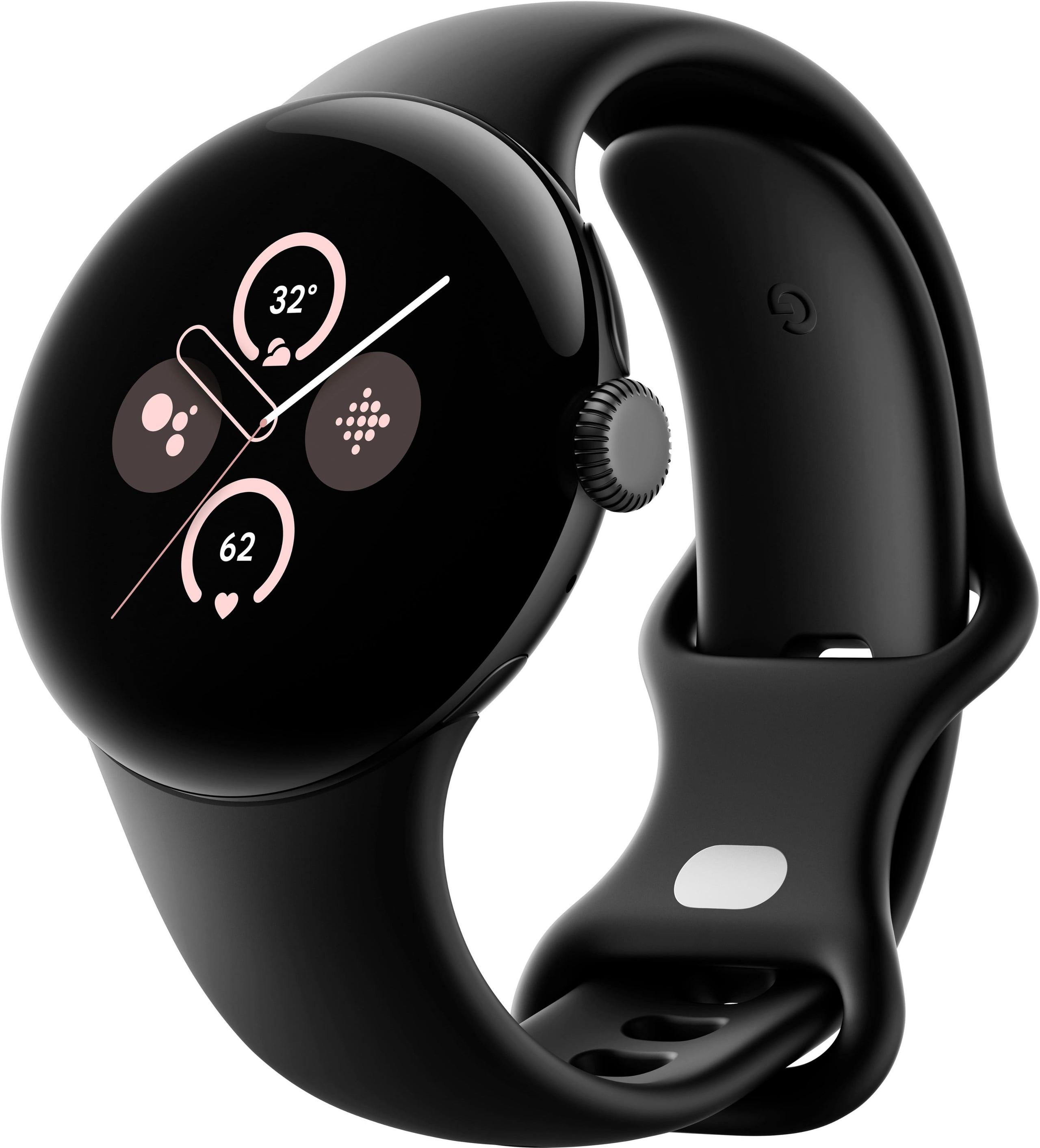
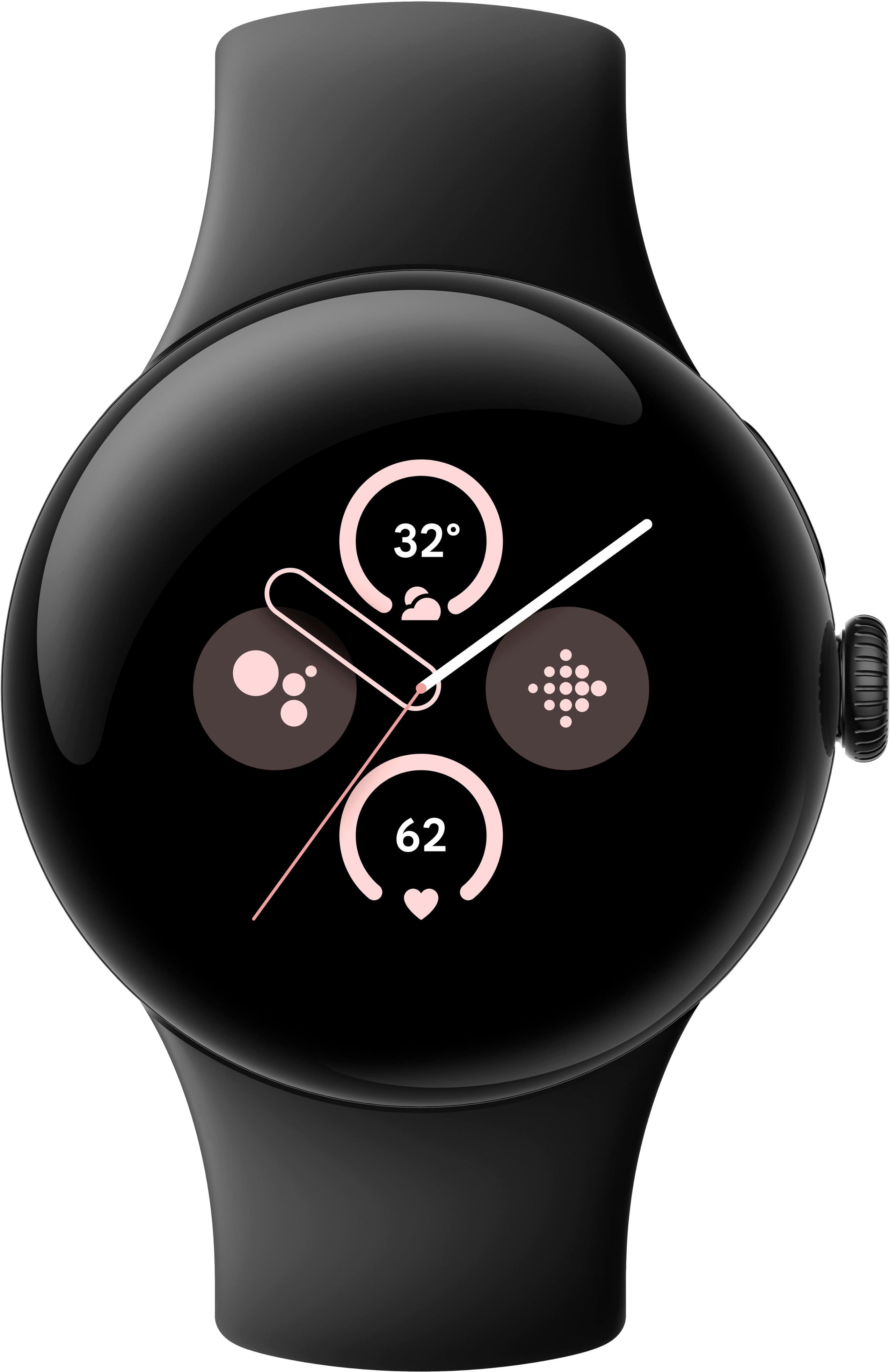
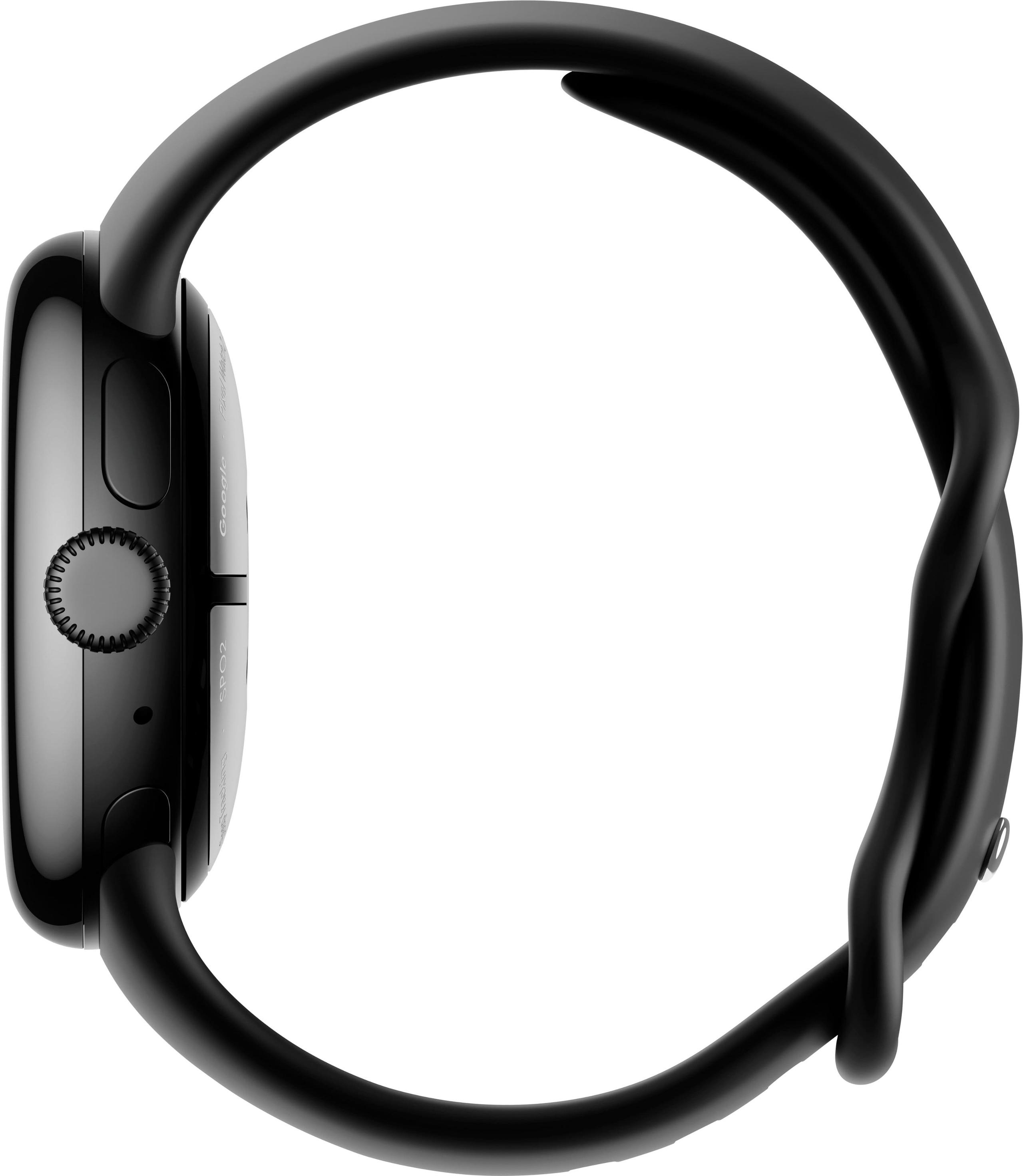
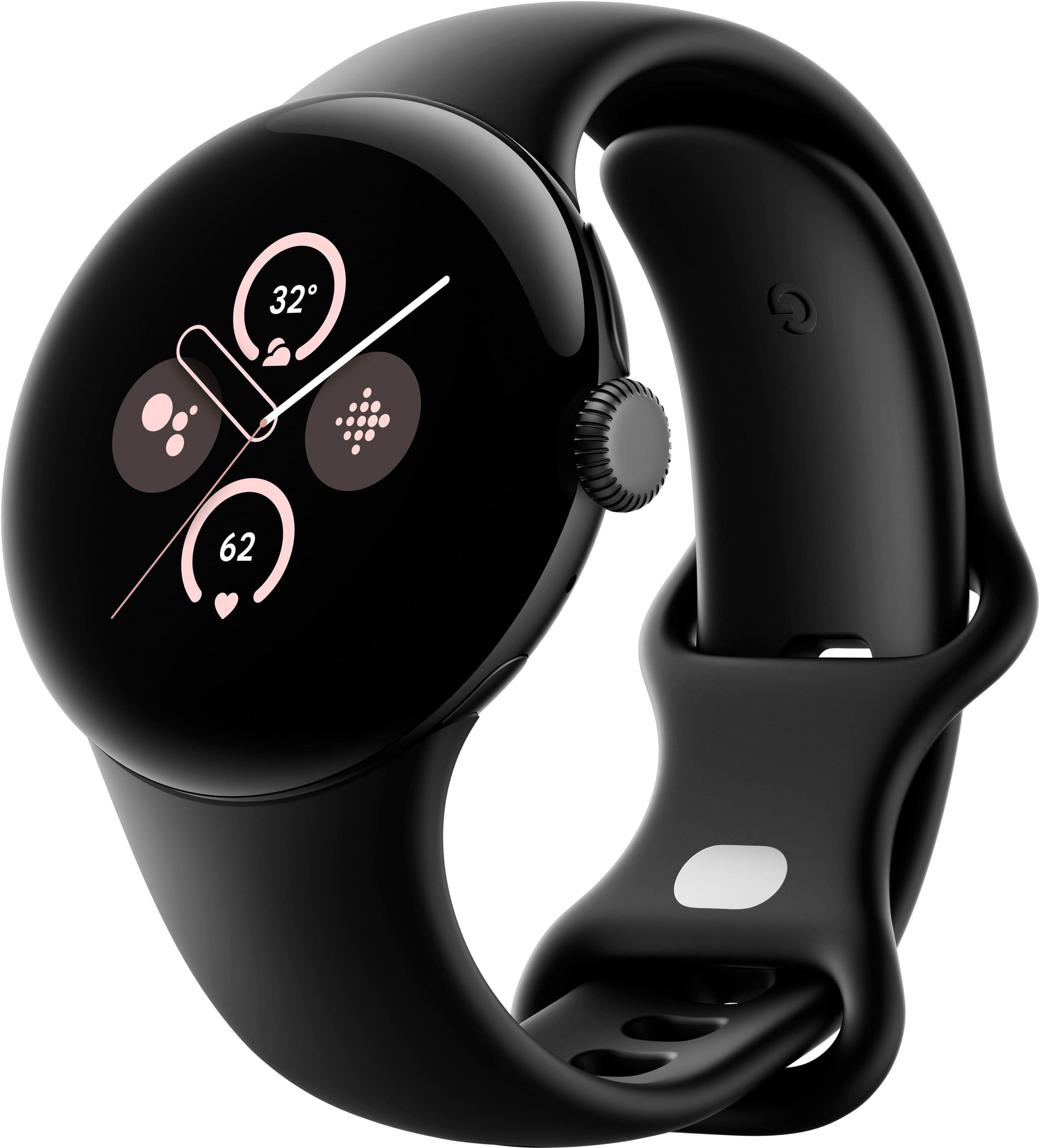
The Google Pixel Watch 2 takes a more traditional approach with its 41mm circular design and 450 × 450 pixel AMOLED display. At 31 grams, it's noticeably lighter than the Apple Watch's 35.3 grams—a difference you'll appreciate during sleep tracking or long wear sessions. The circular design appeals to people who prefer traditional watch aesthetics, though it means less efficient use of screen space for text and app interfaces.
However, the Pixel Watch's display has notable limitations. Its 1000-nit peak brightness falls short of modern flagship standards, and the bezels around the screen feel chunky compared to contemporary smartwatch design. Google used standard Gorilla Glass 5 rather than implementing coating improvements, suggesting this watch may show wear more quickly over time.
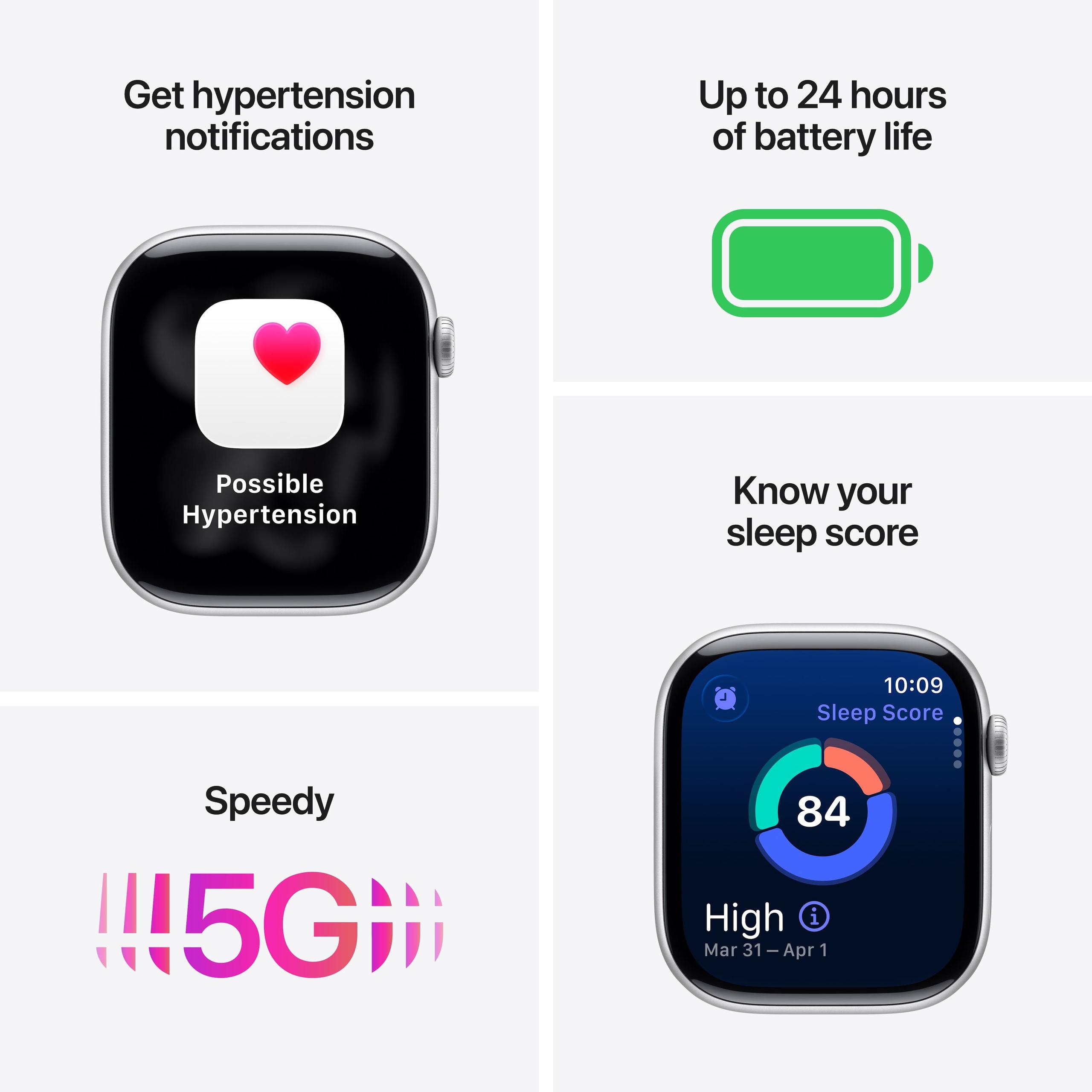
Here's where these watches diverge most significantly. The Apple Watch Series 11 introduces hypertension notifications—a feature that analyzes long-term heart rate patterns to detect potential chronic high blood pressure issues. This type of preventive health monitoring represents Apple's medical device ambitions, with FDA approval lending credibility to their health claims.
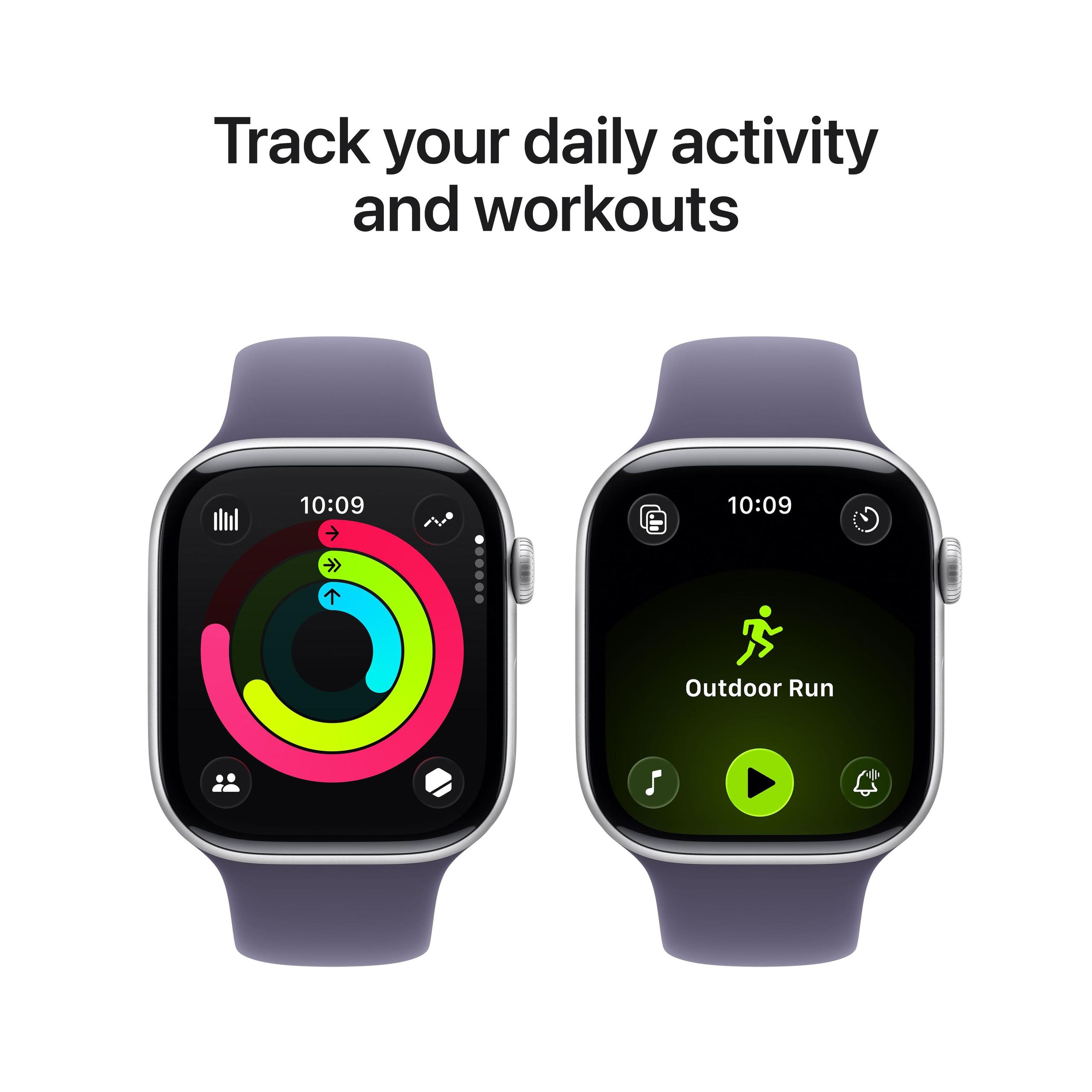
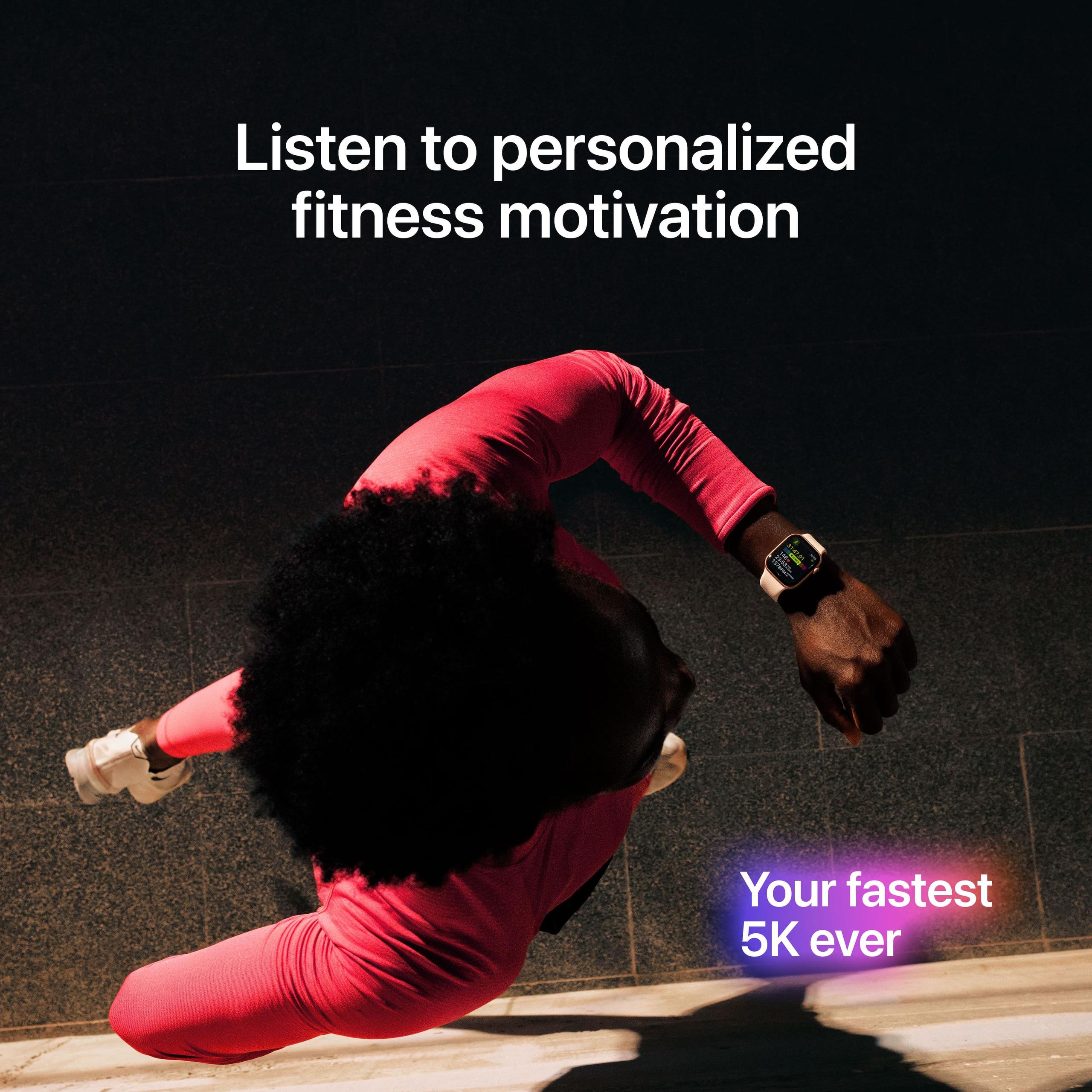
The watch's health sensor suite is comprehensive: third-generation optical heart rate monitoring, electrical sensors for ECG (electrocardiogram) readings that can detect irregular heart rhythms, SpO₂ (blood oxygen saturation) monitoring, and temperature sensing for sleep analysis. The new Workout Buddy feature uses Apple's AI to provide real-time coaching during exercise, analyzing your heart rate, pace, and form to offer personalized guidance.
What makes Apple's approach compelling is the integration. All these health features work without subscriptions, and the data seamlessly syncs with Apple Health, which can share information with healthcare providers through secure portals. The Sleep Score feature provides detailed analysis of sleep quality, duration, and interruptions without requiring additional monthly fees.
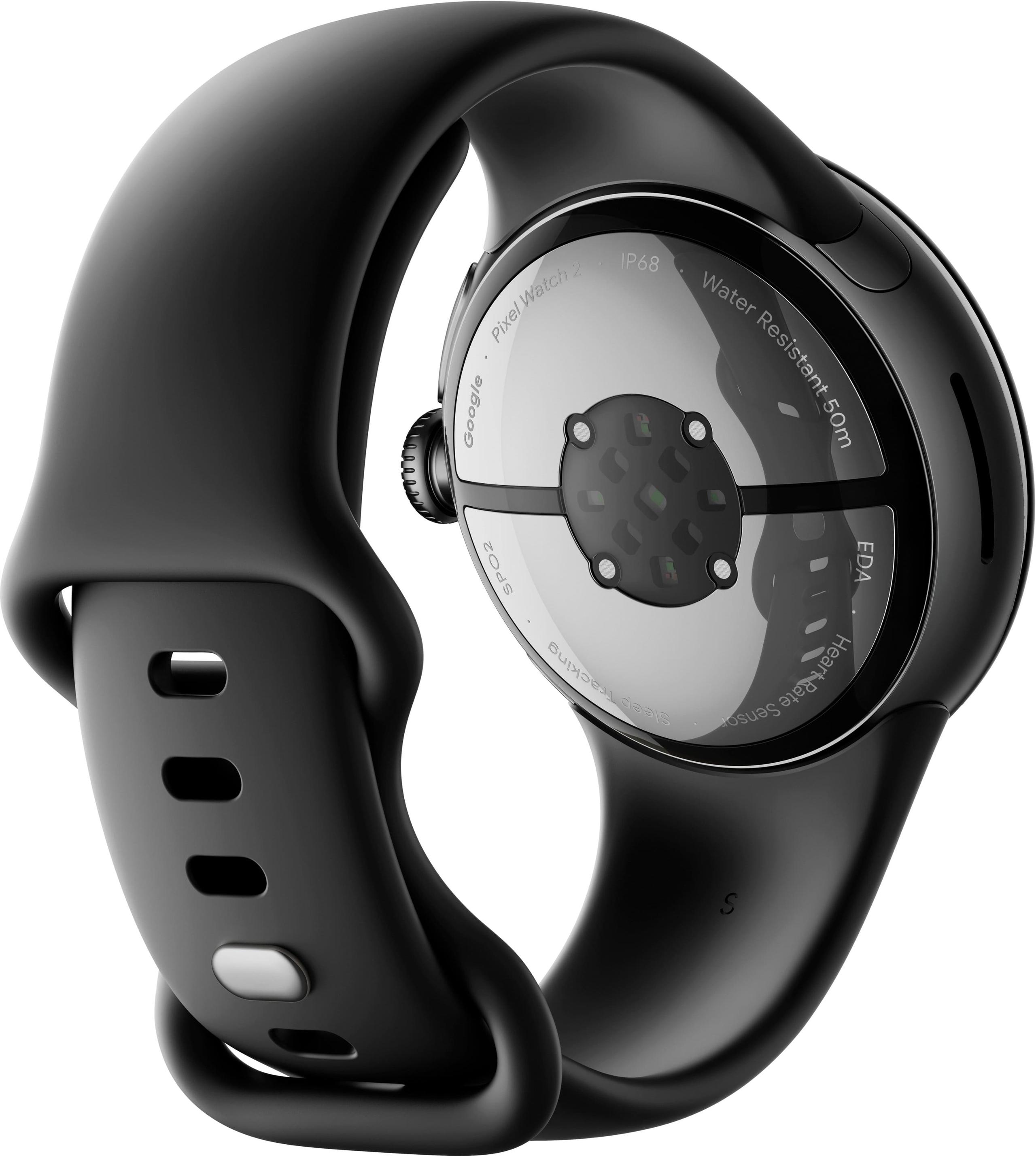
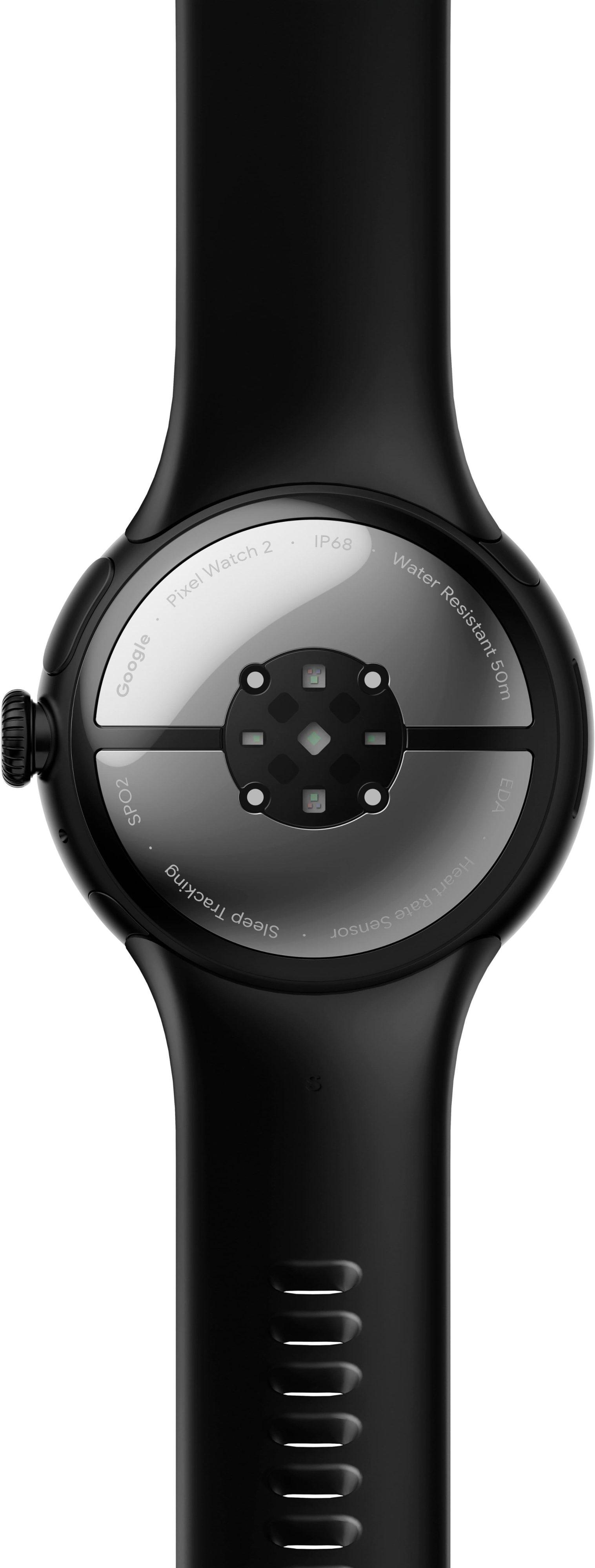
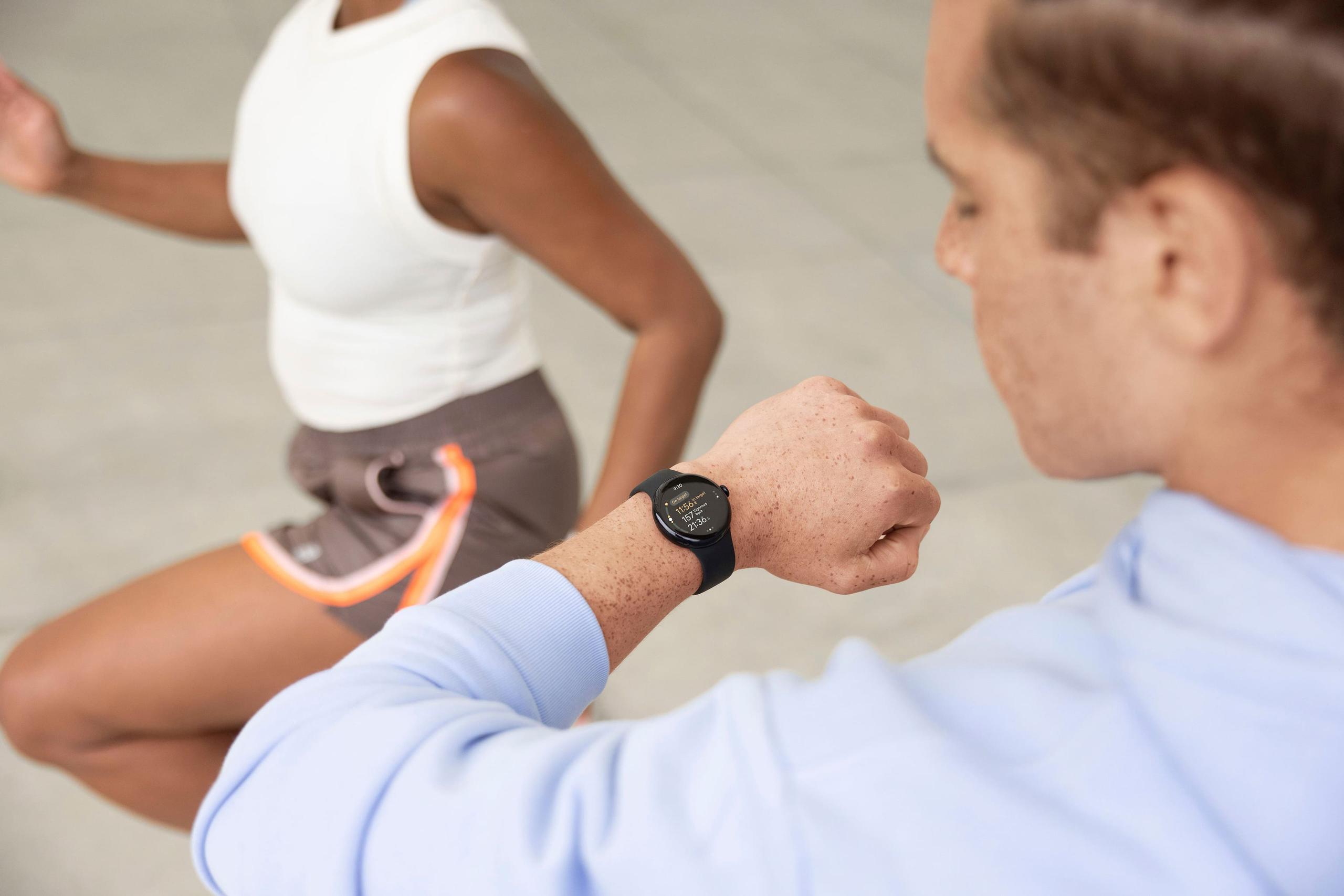
The Google Pixel Watch 2 leverages Fitbit's decade of fitness tracking expertise through its multipath optical heart rate sensor with five photodiodes and five LEDs. According to Google, this provides 40% more accurate heart rate readings during vigorous activities compared to the previous generation. That's significant for activities like HIIT workouts or cycling, where traditional smartwatch heart rate monitors often struggle with accuracy.
The standout feature is the continuous electrodermal activity (cEDA) sensor, which monitors stress by detecting tiny electrical changes in your skin. Combined with heart rate variability analysis, this provides insights into your body's stress response throughout the day. The skin temperature sensor adds another data layer for sleep and wellness tracking.
However, there's a significant caveat: accessing Fitbit's advanced analytics, detailed sleep insights, and guided programs requires a Fitbit Premium subscription. At the time of writing, this costs around $10 monthly after a six-month trial period. This subscription model means the Pixel Watch's long-term cost can exceed the Apple Watch's higher upfront price.
From our research into user experiences, Apple's health tracking feels more immediately useful for general wellness, while Fitbit's approach appeals more to dedicated fitness enthusiasts who want granular data and coaching. The choice often depends on whether you prefer comprehensive features included upfront or specialized fitness tracking with ongoing costs.
Battery performance represents one of the most critical practical differences between these devices. The Apple Watch Series 11 delivers up to 24 hours of battery life with always-on display enabled—a significant improvement from earlier generations that struggled to last a full day. Our analysis of user reports suggests most people finish the day with 10-20% remaining after typical use including notifications, calls, an hour of exercise tracking, and overnight sleep monitoring.
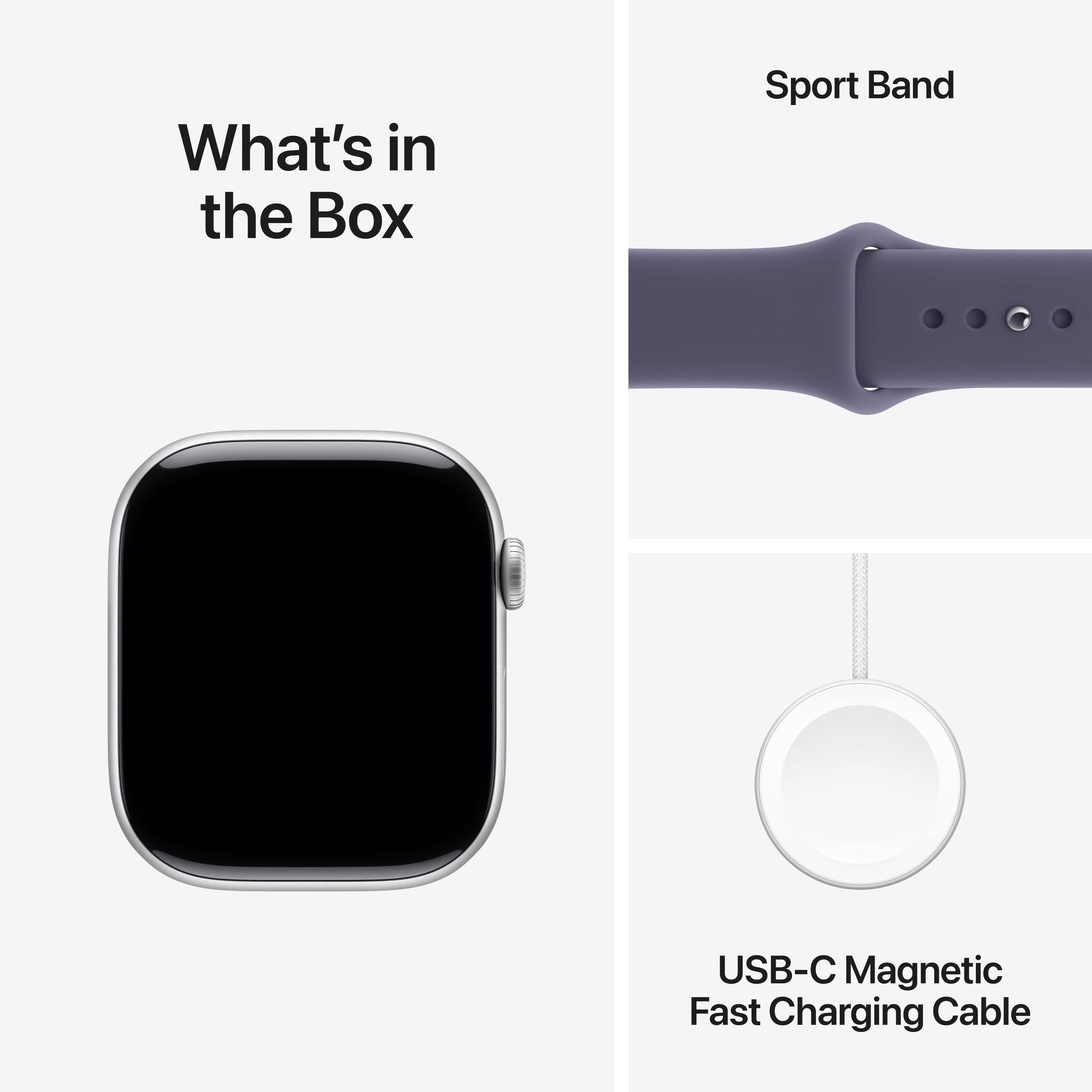
The fast charging capability provides 8 hours of use from just 15 minutes of charging, which works well for people who charge while showering or getting ready in the morning. This reliability means you can confidently wear the watch overnight for sleep tracking without worrying about it dying before your morning alarm.
The Google Pixel Watch 2 claims similar 24-hour battery life, but real-world performance appears more variable. User reviews consistently identify battery life as a weakness, with some experiencing significant drain after software updates while others report acceptable performance. The inconsistency suggests optimization issues that affect daily reliability.
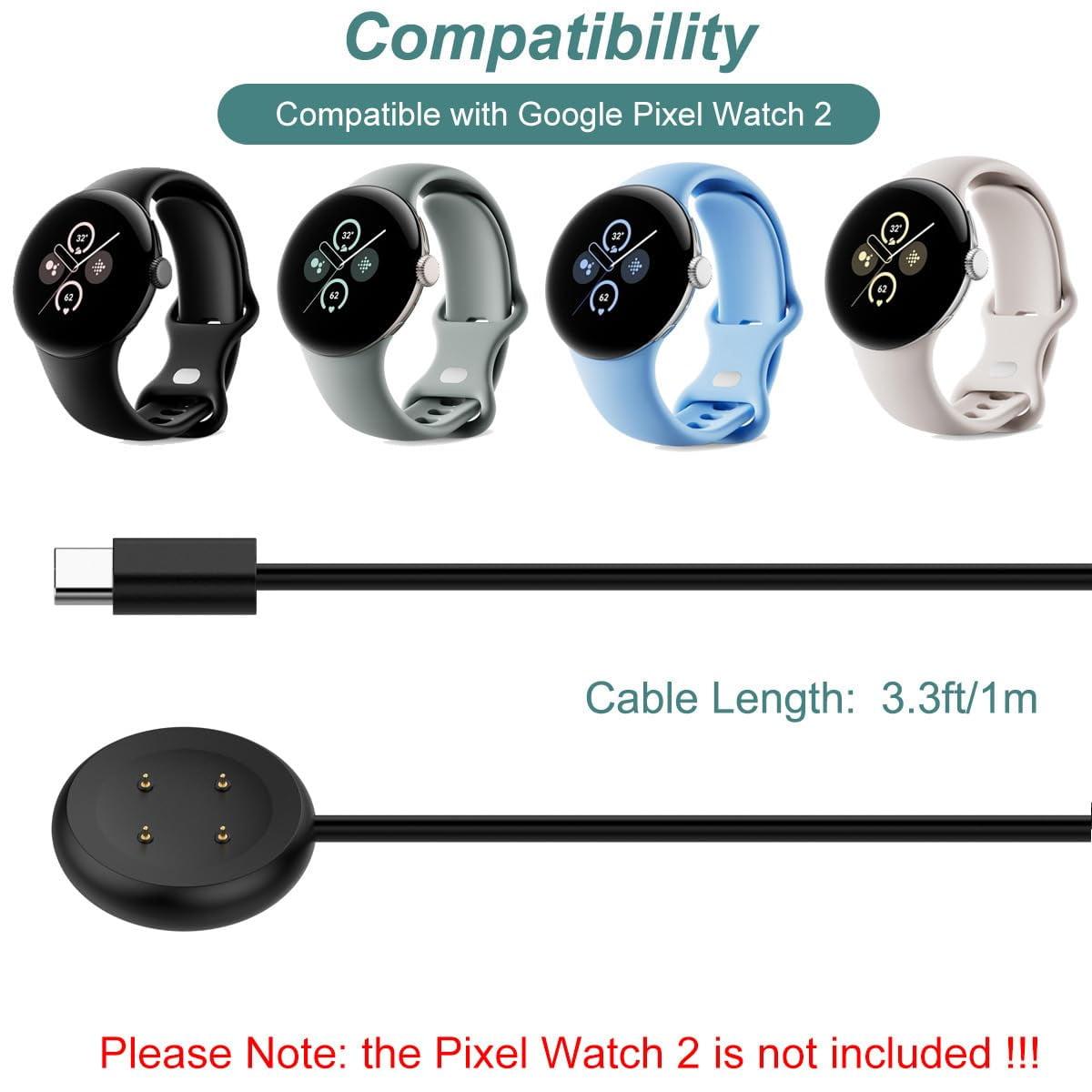
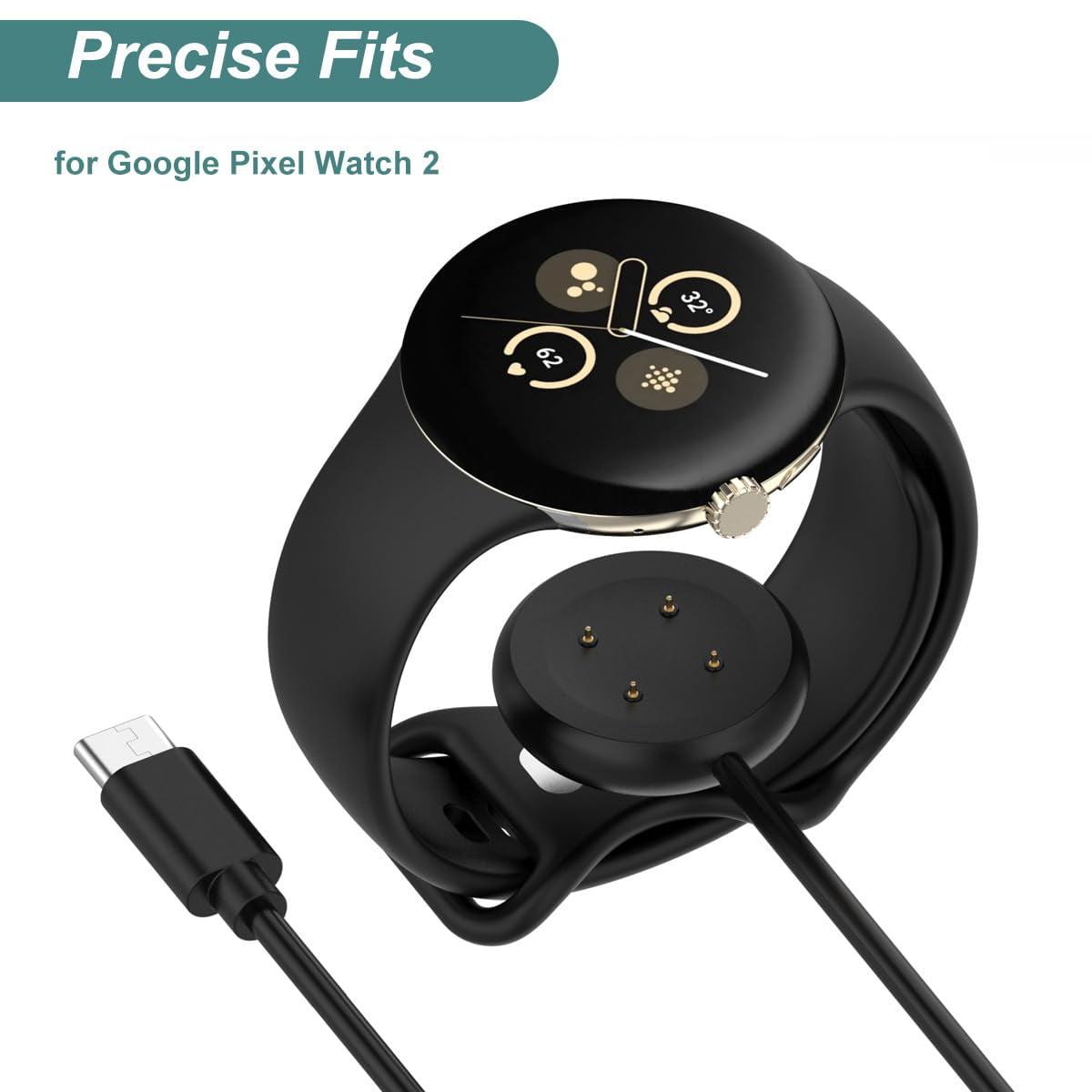
The Pixel Watch does offer faster charging through its USB-C connector—reaching 50% charge in 30 minutes. However, Google removed wireless charging capability from the previous generation, which some users consider a step backward for convenience.
Based on aggregated user feedback, the Apple Watch Series 11 provides more consistent, predictable battery performance, while the Pixel Watch 2 requires more careful battery management and may leave users unexpectedly without their watch during important activities.
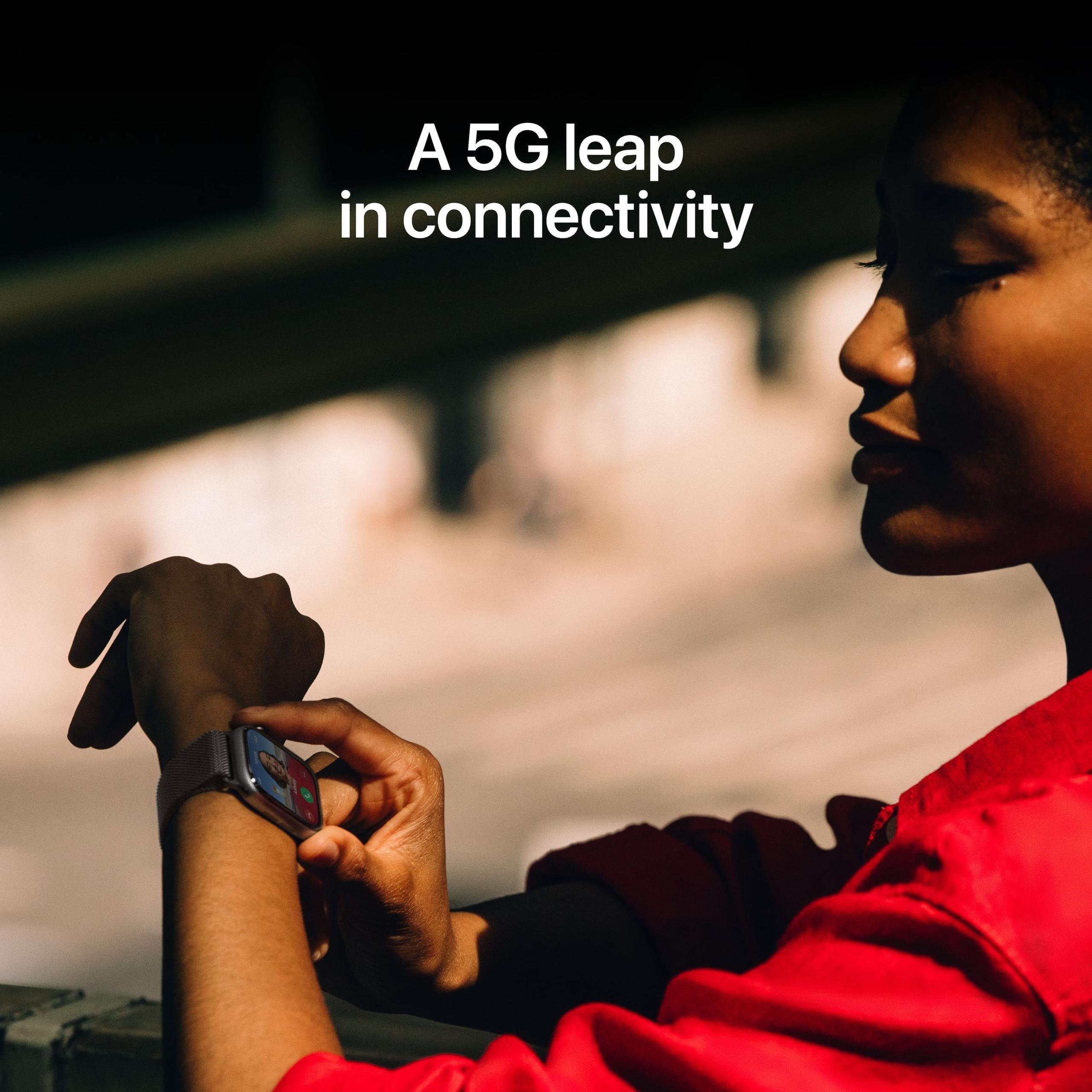
The Apple Watch Series 11 introduces 5G cellular connectivity to the mainline Apple Watch series for the first time. 5G offers significantly faster data speeds than 4G LTE, enabling quicker downloads, smoother streaming, and more responsive voice calls when away from your iPhone. The dual-antenna system improves signal strength in areas with poor coverage, addressing a common complaint about smartwatch cellular performance.
The S10 chip provides smooth, responsive performance with 64GB of storage—enough for substantial music libraries, photos, and app data. The chip's Neural Engine handles machine learning tasks for features like the AI-powered Workout Buddy and Siri processing directly on the watch without requiring iPhone connectivity.
However, this performance comes with ecosystem limitations. The Apple Watch Series 11 requires an iPhone 11 or later running iOS 18, meaning Android users are completely excluded. For iPhone users, though, the integration is seamless—messages, calls, apps, and health data flow naturally between devices.
The Google Pixel Watch 2 runs Wear OS 4 on a Qualcomm Snapdragon W5 processor, providing smooth performance that eliminated the stuttering issues of the first-generation Pixel Watch. While it lacks 5G, the 4G LTE connectivity handles calls and messages reliably for most use cases.
The key advantage is compatibility—the Pixel Watch works with most Android devices running Android 9.0 or newer, regardless of manufacturer. This flexibility appeals to users who don't want to be locked into specific phone ecosystems or those who frequently switch devices.
Software represents where these watches' different philosophies become most apparent. The Apple Watch Series 11 ships with watchOS 26, featuring the new Liquid Glass UI that provides more dynamic, responsive interface elements. The Notes app allows voice-to-text transcription directly on the watch, while live translation can automatically translate incoming text messages.
Apple's app ecosystem is mature and extensive, with thousands of optimized watch apps available. The integration extends to Apple's services—Apple Pay works seamlessly, Siri processes requests on-device for privacy and speed, and Apple Music provides full streaming capability with cellular connectivity.
The Google Pixel Watch 2 offers Wear OS 4 with improved Google app integration including Gmail, Calendar, and Google Maps. The Google Assistant provides voice control, though processing typically requires internet connectivity. Google Pay handles contactless payments reliably across most merchants.
Where Google's approach shines is customization. The Play Store offers extensive watch face options and third-party apps, though the overall app selection remains smaller than Apple's ecosystem. The watch faces, in particular, offer more variety and personalization options than Apple's more controlled approach.
At the time of writing, these watches occupy very different price points, making direct value comparison complex. The Apple Watch Series 11 commands a premium price typical of Apple products, positioning it as a long-term investment in health and productivity tools. Importantly, all health and fitness features are included without ongoing subscription requirements.
The Google Pixel Watch 2 often appears at promotional pricing significantly below the Apple Watch, making it attractive for budget-conscious buyers. However, the Fitbit Premium subscription requirement for advanced features creates ongoing costs that can accumulate over time.
When evaluating total cost of ownership, consider that accessing the Pixel Watch's full health and fitness capabilities requires approximately $120 annually for Fitbit Premium. Over a typical 3-4 year smartwatch lifespan, these subscription costs can approach or exceed the price difference between the watches.
The value equation also depends on ecosystem investment. iPhone users gain substantially more value from the Apple Watch Series 11 due to seamless integration, while Android users have more flexibility with the Pixel Watch 2 but may sacrifice some advanced features.
Choose the Apple Watch Series 11 if you own an iPhone and want the most comprehensive, integrated smartwatch experience available. The superior build quality, consistent battery performance, and extensive health features without subscription requirements make it worthwhile for users who view their smartwatch as a long-term health and productivity investment. The 5G connectivity and advanced features like hypertension monitoring position it well for future health applications.
The Apple Watch Series 11 particularly appeals to users who want reliable, consistent performance without managing subscriptions or worrying about variable battery life. If you value having the latest technology and don't mind paying a premium for it, this watch delivers on its promises.
Choose the Google Pixel Watch 2 if you use Android devices and want solid smartwatch functionality at an accessible price point. The Fitbit integration provides excellent fitness tracking for dedicated exercise enthusiasts, and the lighter, more traditional design appeals to users who prefer classic watch aesthetics.
The Pixel Watch 2 makes sense for users who already subscribe to fitness services or don't mind ongoing subscription costs for advanced features. If budget is your primary concern and you're comfortable with potentially variable battery performance, the promotional pricing makes this watch an attractive entry point into serious fitness tracking.
These watches represent two valid but different approaches to smartwatch design. The Apple Watch Series 11 prioritizes premium integration, consistent performance, and comprehensive health features at a higher price point. The Google Pixel Watch 2 emphasizes accessibility, fitness specialization, and broader compatibility with ongoing subscription requirements.
Your smartphone ecosystem largely determines which watch makes sense, but beyond that, consider whether you prefer paying more upfront for included features or accepting ongoing costs for specialized fitness tracking. Both watches will track your steps and show notifications, but their different philosophies about health monitoring, battery management, and long-term value create distinct user experiences that align better with different lifestyles and priorities.
| Apple Watch Series 11 GPS + Cellular 46mm Aluminum Case | Google Pixel Watch 2 Smartwatch |
|---|---|
| Display Size & Technology - Affects readability and daily usability | |
| 46mm rectangular case, 416×496 pixels LTPO OLED, 2000 nits brightness | 41mm circular case, 450×450 pixels AMOLED, 1000 nits brightness |
| Battery Life - Critical for all-day wear and sleep tracking | |
| Up to 24 hours consistent performance, fast charging (8hrs from 15min) | Up to 24 hours claimed but variable real-world performance, inconsistent |
| Health Monitoring - Advanced features for wellness tracking | |
| Hypertension notifications, ECG, Blood Oxygen, Sleep Score, no subscriptions | Fitbit integration with cEDA stress sensor, requires Premium subscription ($10/month) |
| Build Quality & Durability - Long-term investment protection | |
| Ion-X glass with 2x scratch resistance, premium aluminum, 35.3g | Standard Gorilla Glass 5, recycled aluminum, lighter at 31g |
| Cellular Connectivity - Independence from phone | |
| 5G + LTE cellular with dual-antenna system, enhanced coverage | 4G LTE only, standard antenna design |
| Fitness Tracking Accuracy - Reliability for serious athletes | |
| Third-generation optical sensors, AI-powered Workout Buddy | Multipath sensor (40% more accurate than predecessor), Fitbit expertise |
| Ecosystem Integration - Seamless device compatibility | |
| iPhone only (11 or later with iOS 18+), deep Apple service integration | Android 9.0+ devices, broader compatibility but less integration |
| Size Options - Comfort and style preferences | |
| Available in 42mm and 46mm sizes | Single 41mm size only |
| Software Features - Daily functionality and apps | |
| watchOS 26 with Liquid Glass UI, extensive App Store, no subscriptions | Wear OS 4, Google services integration, customizable watch faces |
| Value Proposition - Cost vs features over time | |
| Higher upfront cost, all features included permanently | Lower initial price, ongoing subscription costs for full functionality |
The Apple Watch Series 11 provides more consistent 24-hour battery life with reliable all-day performance, while the Google Pixel Watch 2 claims similar battery life but users report variable real-world performance. The Apple Watch Series 11 also offers faster emergency charging with 8 hours of use from just 15 minutes of charging.
Yes, the Apple Watch Series 11 requires an iPhone 11 or later running iOS 18 or newer. The Google Pixel Watch 2 works with most Android devices running Android 9.0 or newer, making it more compatible across different smartphone brands.
Both excel at fitness tracking but differently. The Apple Watch Series 11 offers comprehensive health features including hypertension notifications and AI-powered workout coaching without subscriptions. The Google Pixel Watch 2 leverages Fitbit's expertise with specialized sensors for stress monitoring and detailed fitness analytics, though full features require a monthly subscription.
The Apple Watch Series 11 features a larger 46mm rectangular display with 2000 nits brightness for excellent outdoor visibility. The Google Pixel Watch 2 has a smaller 41mm circular display with 1000 nits brightness, offering a more traditional watch appearance but less screen real estate.
The Apple Watch Series 11 uses Ion-X glass with a ceramic coating that's twice as scratch-resistant as previous models. The Google Pixel Watch 2 uses standard Gorilla Glass 5, which is durable but not as advanced as Apple's coating technology.
The Apple Watch Series 11 includes all health and fitness features without requiring subscriptions. The Google Pixel Watch 2 offers basic features free but requires Fitbit Premium (approximately $10/month) to access advanced health analytics and coaching features.
The Apple Watch Series 11 introduces 5G cellular connectivity with a dual-antenna system for improved coverage and faster data speeds. The Google Pixel Watch 2 offers 4G LTE connectivity, which handles calls and messages well but lacks the speed advantages of 5G.
Both watches offer customization, but differently. The Google Pixel Watch 2 provides more extensive watch face customization options through the Play Store. The Apple Watch Series 11 has a more curated selection but offers deeper integration with Apple services and a larger overall app ecosystem.
The Google Pixel Watch 2 is lighter at 31 grams compared to the Apple Watch Series 11 at 35.3 grams. The Pixel Watch's circular design and lighter weight make it more comfortable for extended wear and sleep tracking.
The Apple Watch Series 11 uses third-generation optical sensors with FDA-approved health features for medical-grade accuracy. The Google Pixel Watch 2 features Fitbit's multipath heart rate sensor that's 40% more accurate than the previous generation, particularly during vigorous exercise.
The Google Pixel Watch 2 typically offers better initial value with lower upfront costs, but the Apple Watch Series 11 may provide better long-term value since it doesn't require ongoing subscriptions. Your total cost depends on whether you need the premium features that require Fitbit Premium.
The Apple Watch Series 11 comes in both 42mm and 46mm sizes to fit different wrist sizes and preferences. The Google Pixel Watch 2 is only available in a single 41mm size, which may limit options for users with larger wrists or those who prefer bigger displays.
We've done our best to create useful and informative comparisons to help you decide what product to buy. Our research uses advanced automated methods to create this comparison and perfection is not possible - please contact us for corrections or questions. These are the sites we've researched in the creation of this article: techradar.com - youtube.com - youtube.com - dcrainmaker.com - apple.com - tomsguide.com - youtube.com - phonearena.com - androidcentral.com - youtube.com - apple.com - tomsguide.com - appleinsider.com - pre-www.att.com - apple.com - macobserver.com - swappa.com - phonearena.com - apple.com - t-mobile.com - apple.com - phonearena.com - apple.com - apple.com - apple.com - att.com - apple.com - tomsguide.com - appleinsider.com - tomsguide.com - apple.com - t-mobile.com - macrumors.com - apple.com - en.wikipedia.org - techpoint.africa - phonearena.com - youtube.com - verizon.com - tomsguide.com - tomsguide.com - tomsguide.com - phonearena.com - smartwatch-straps.co.uk - youtube.com - 6monthslater.net - petematheson.com - support.google.com - wareable.com - versus.com - verizon.com - youtube.com - youtube.com - androidpolice.com - techgearlab.com - wareable.com - androidcentral.com - blog.google - support.google.com - youtube.com - en.wikipedia.org - store.google.com - gsmarena.com - fi.google.com

Privacy Policy
Terms and Conditions - Affiliate Policy
Home Security
© Copyright 2008-2026.
11816 Inwood Rd #1211, Dallas, TX 75244