

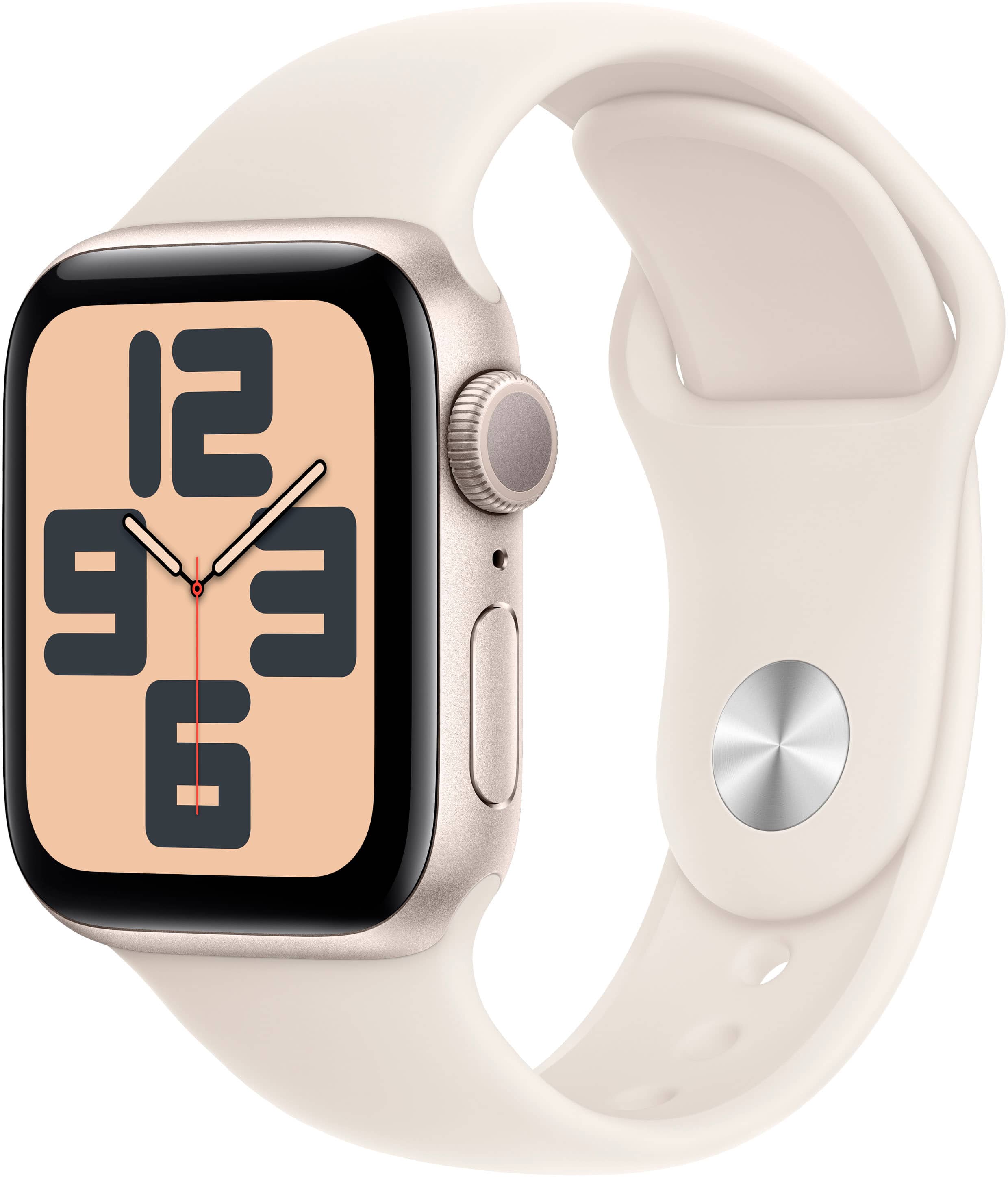
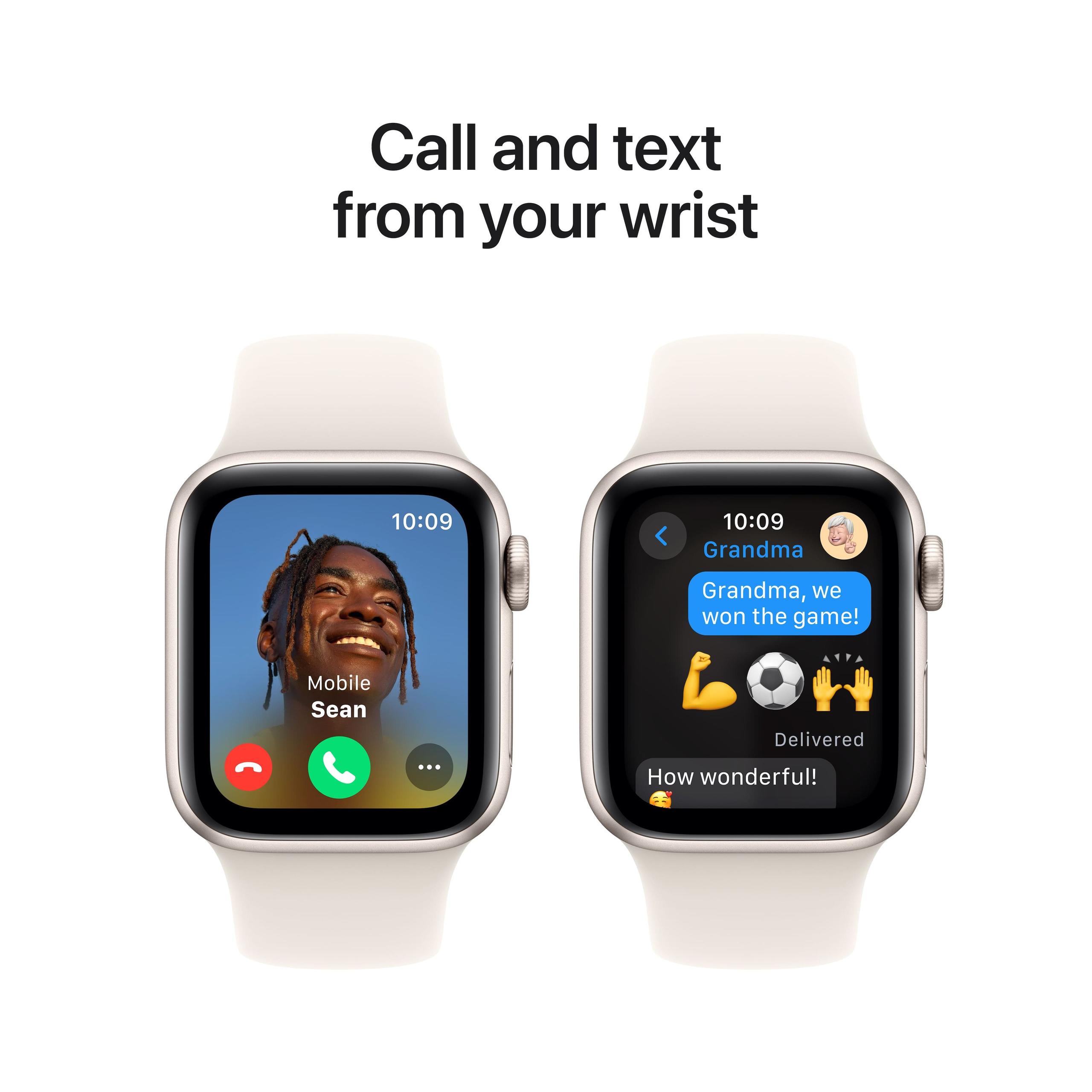
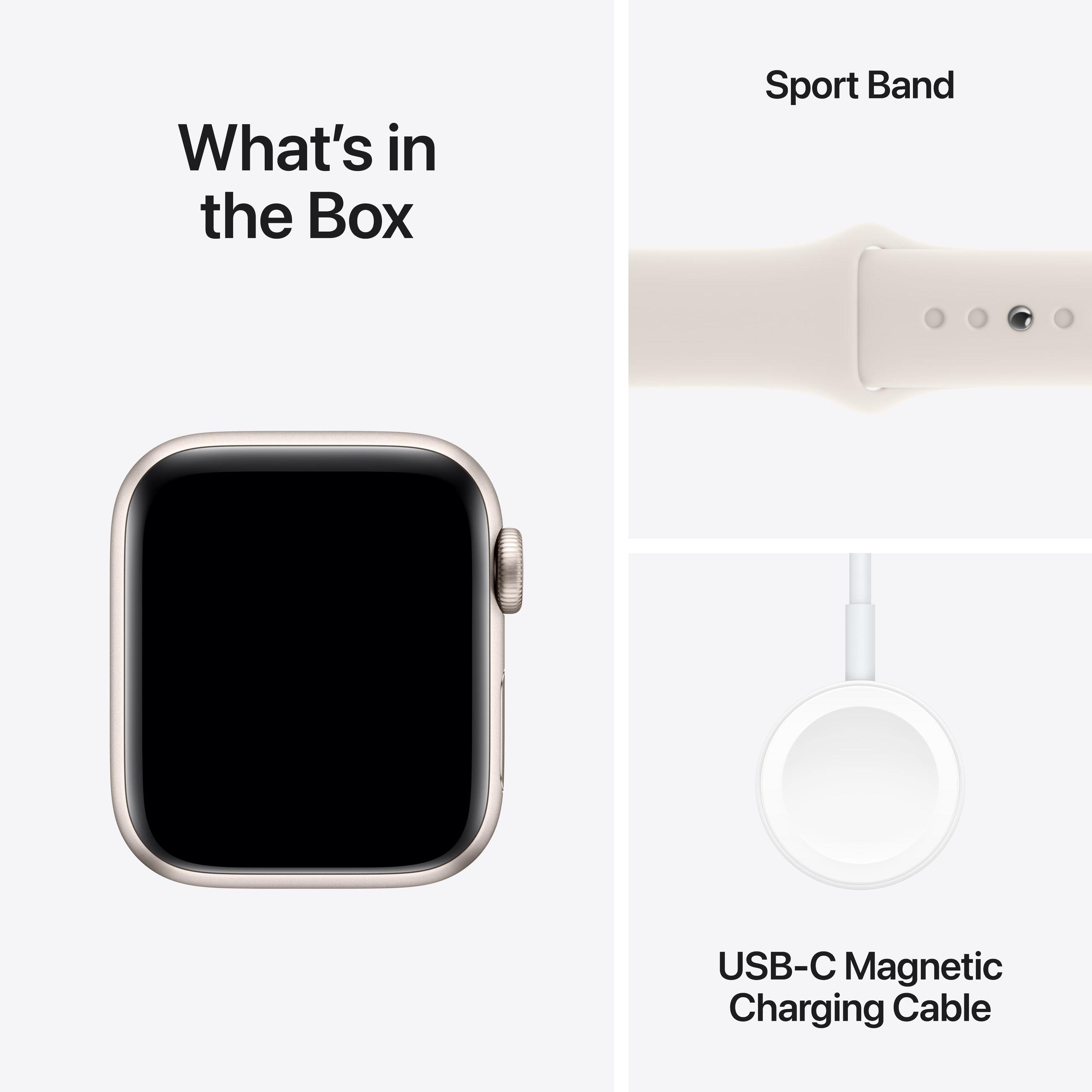
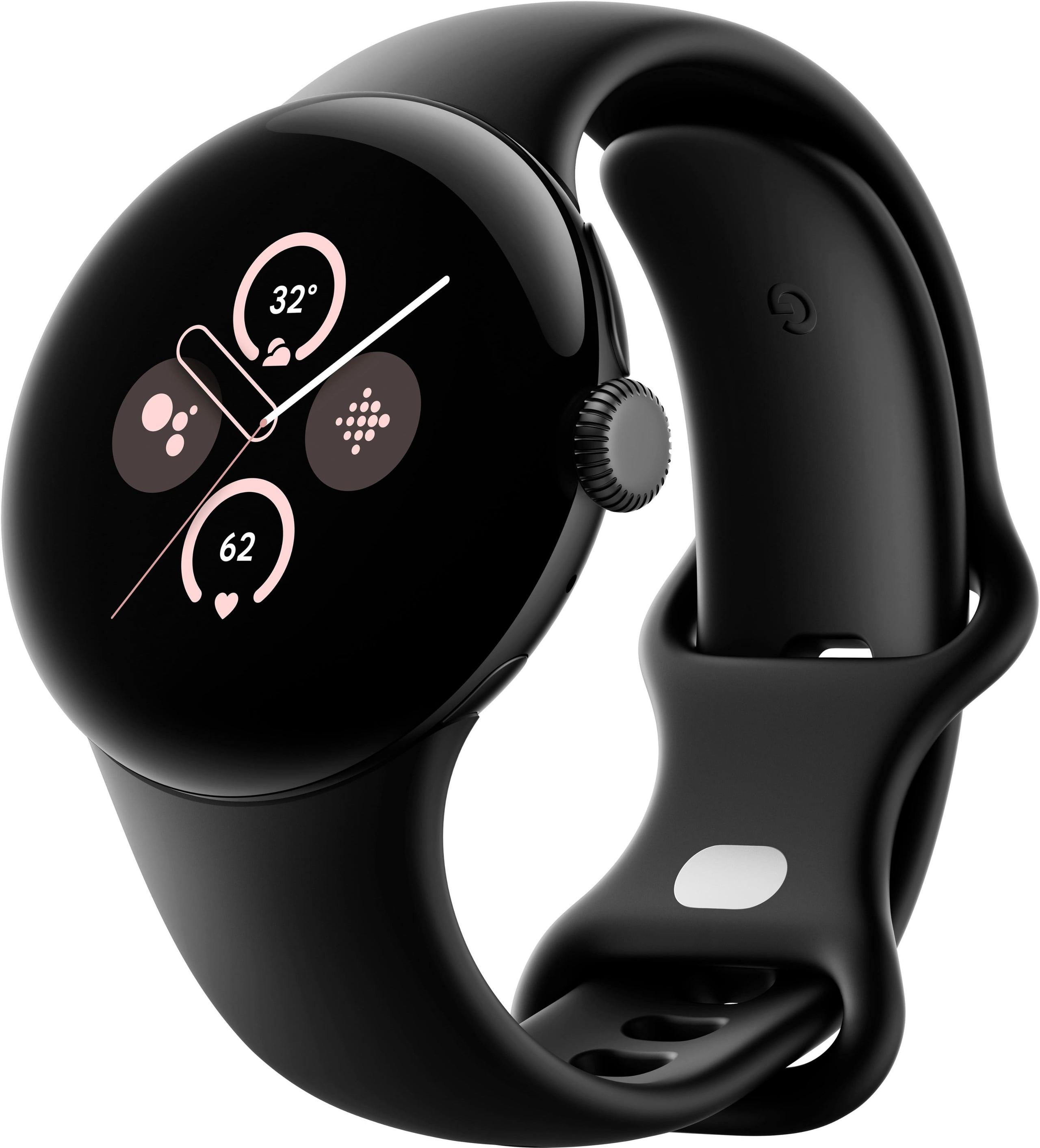
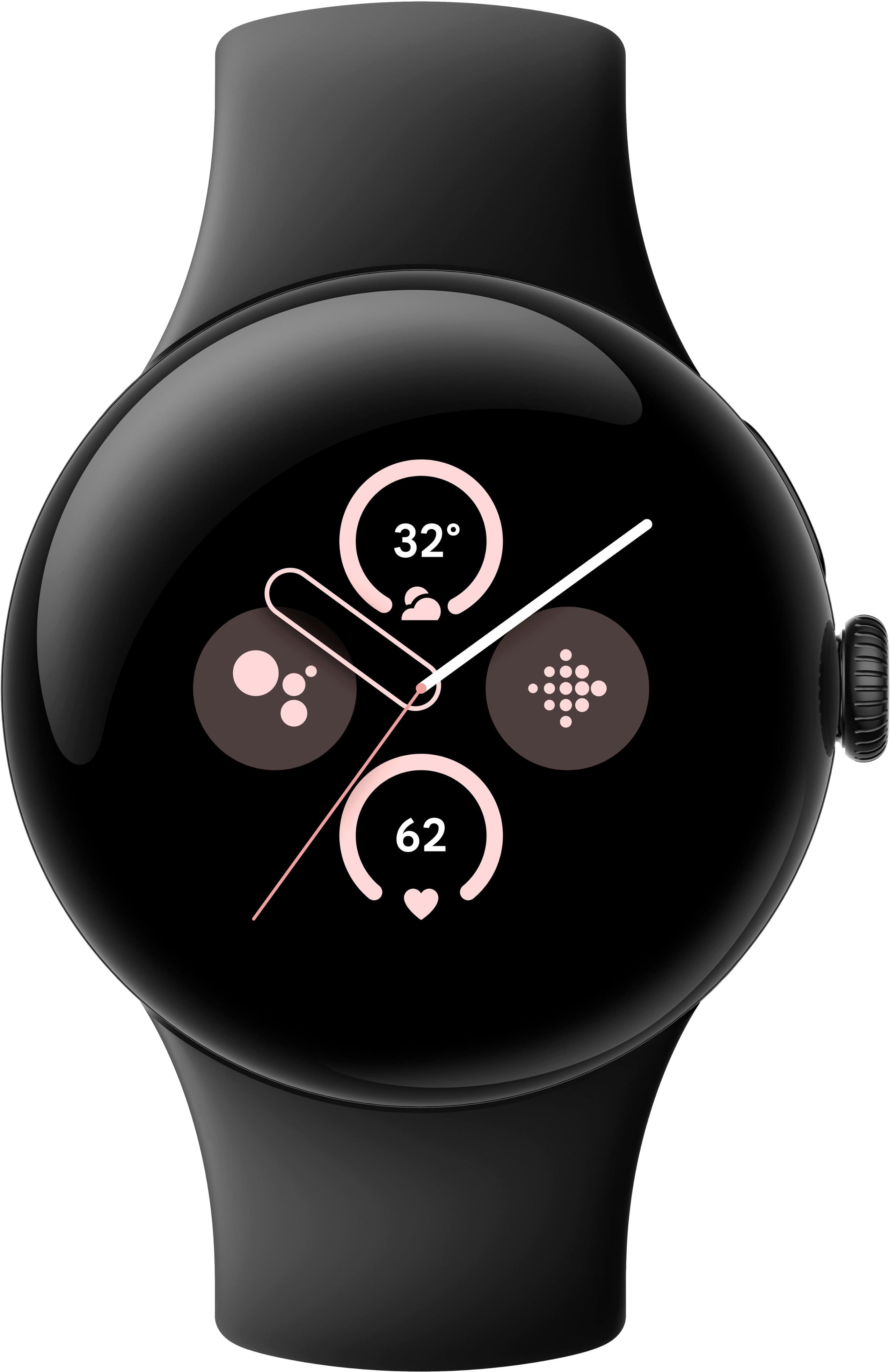
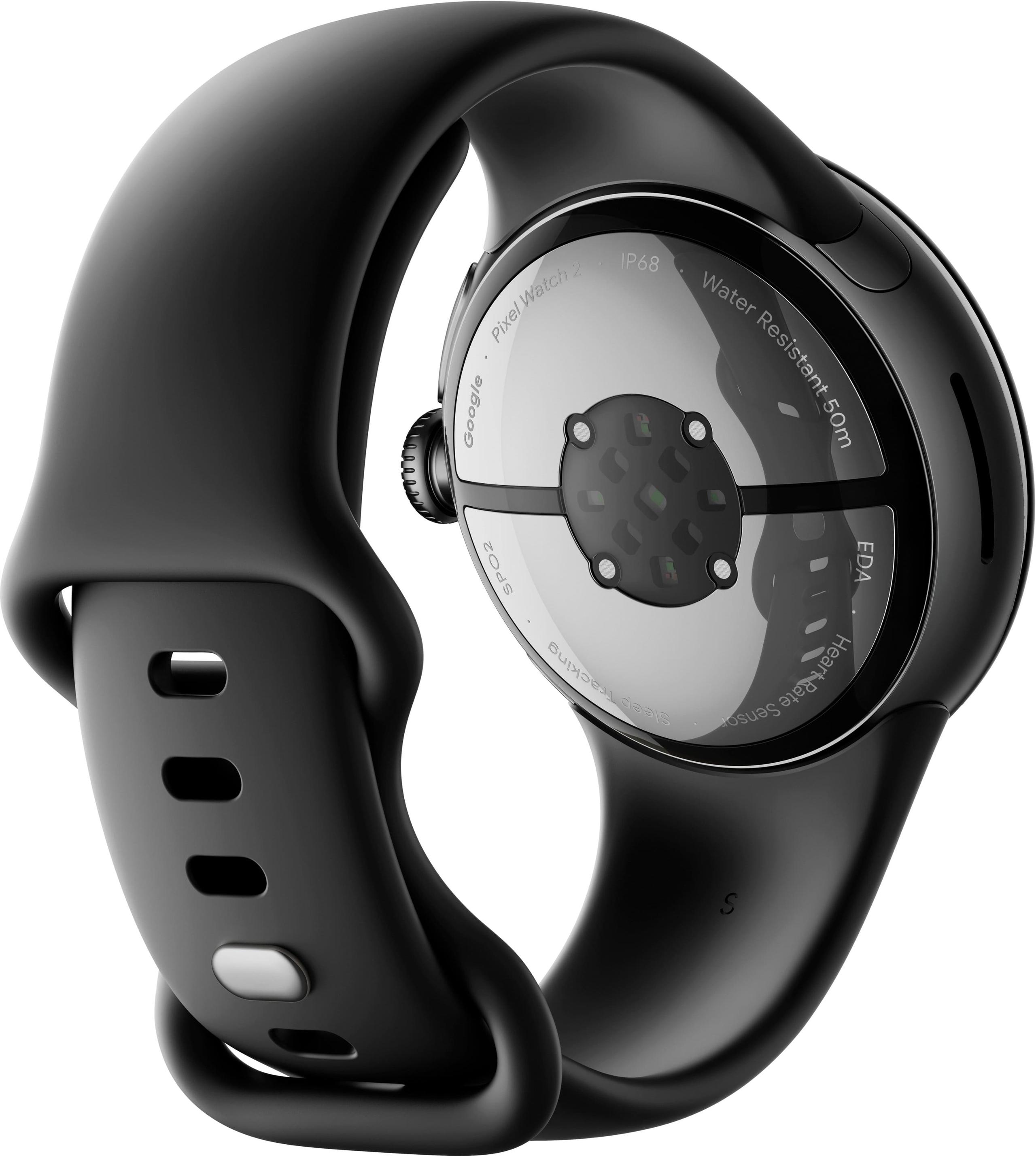
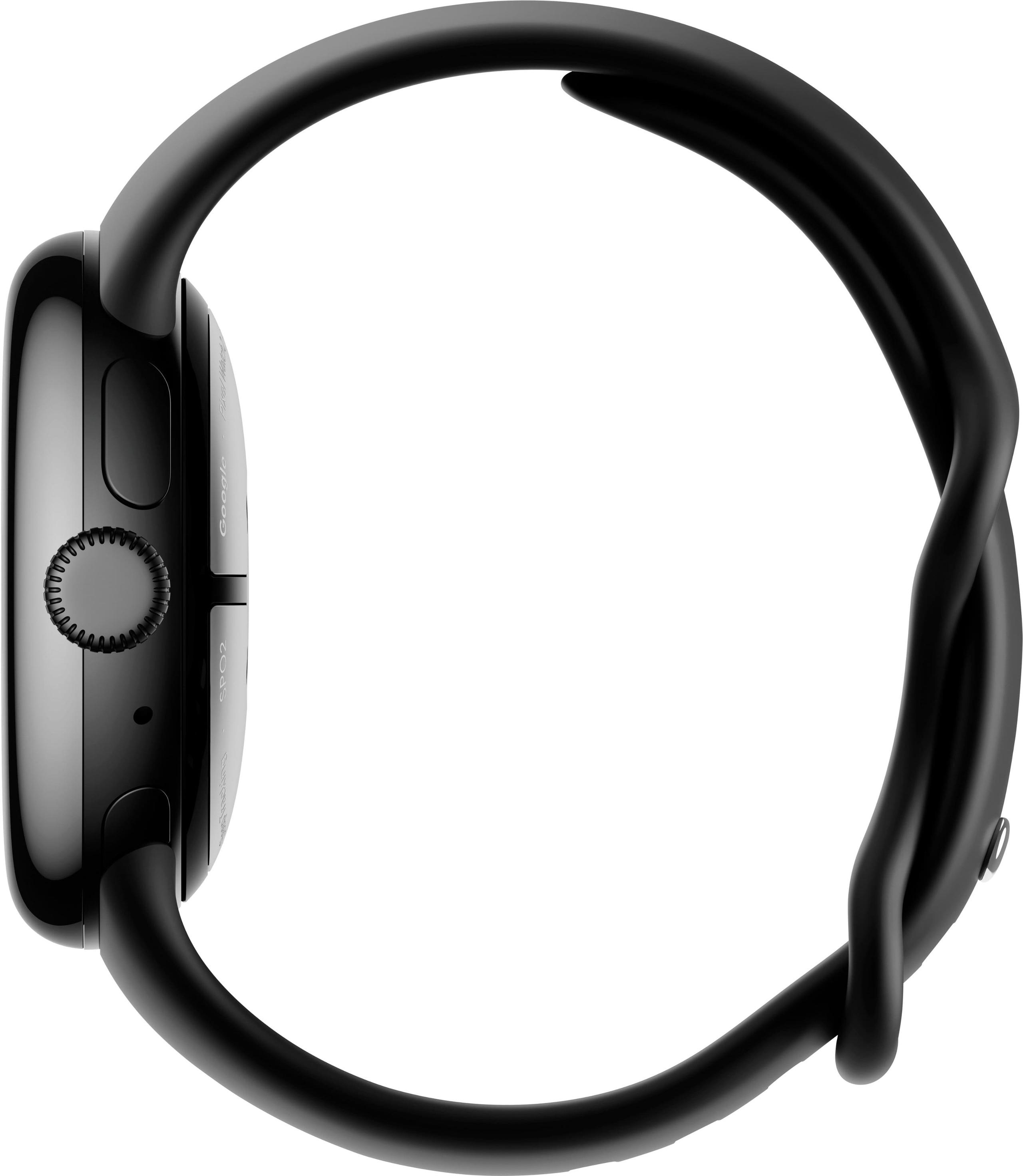
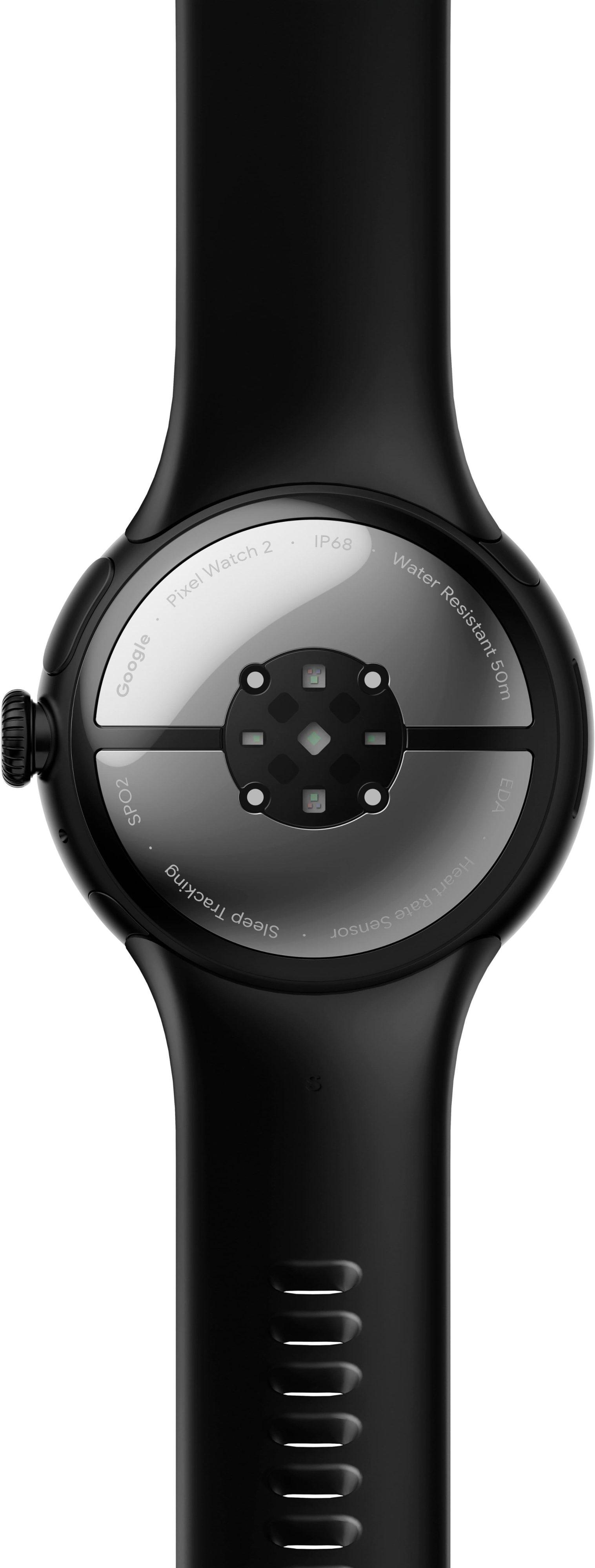
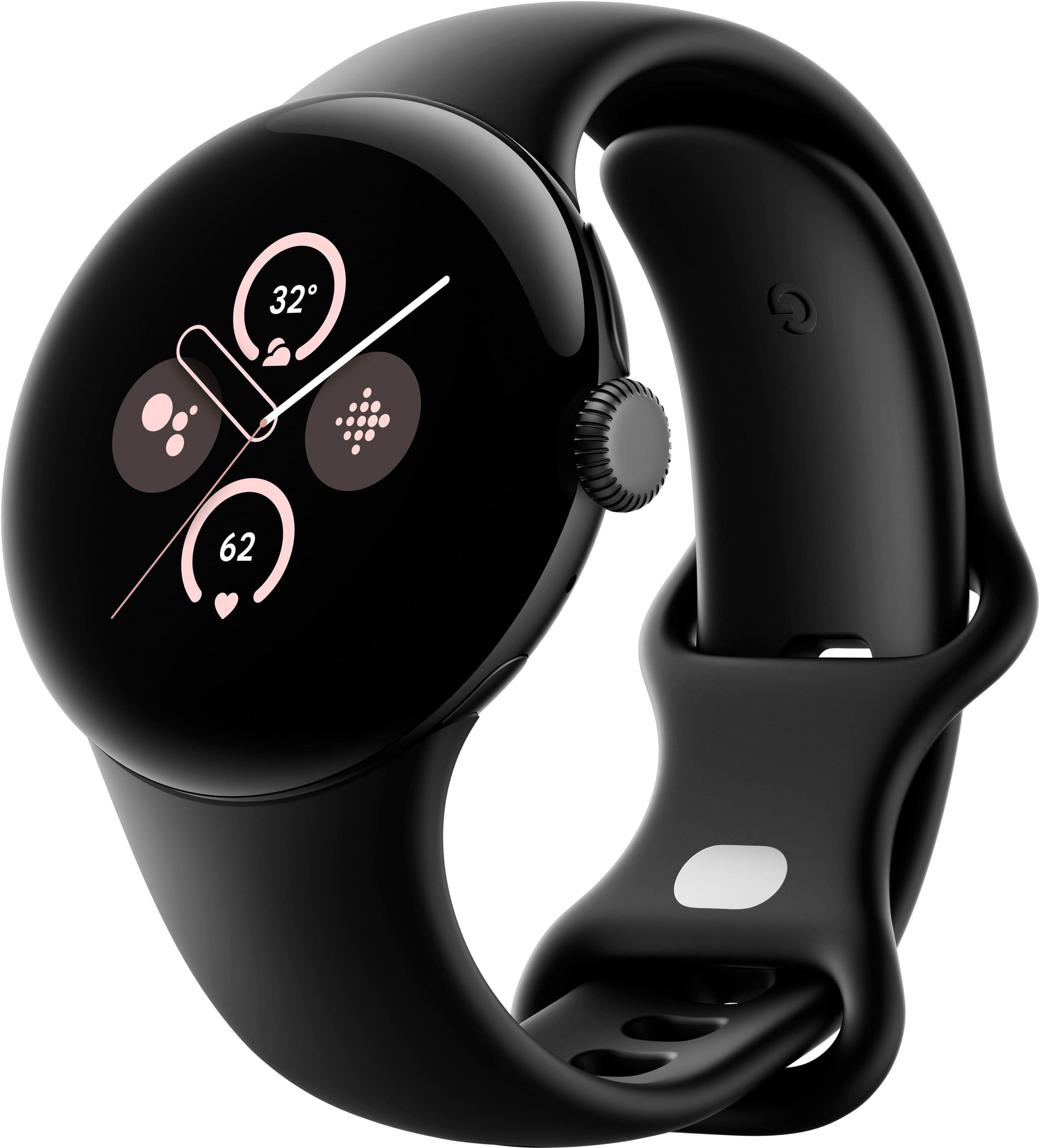
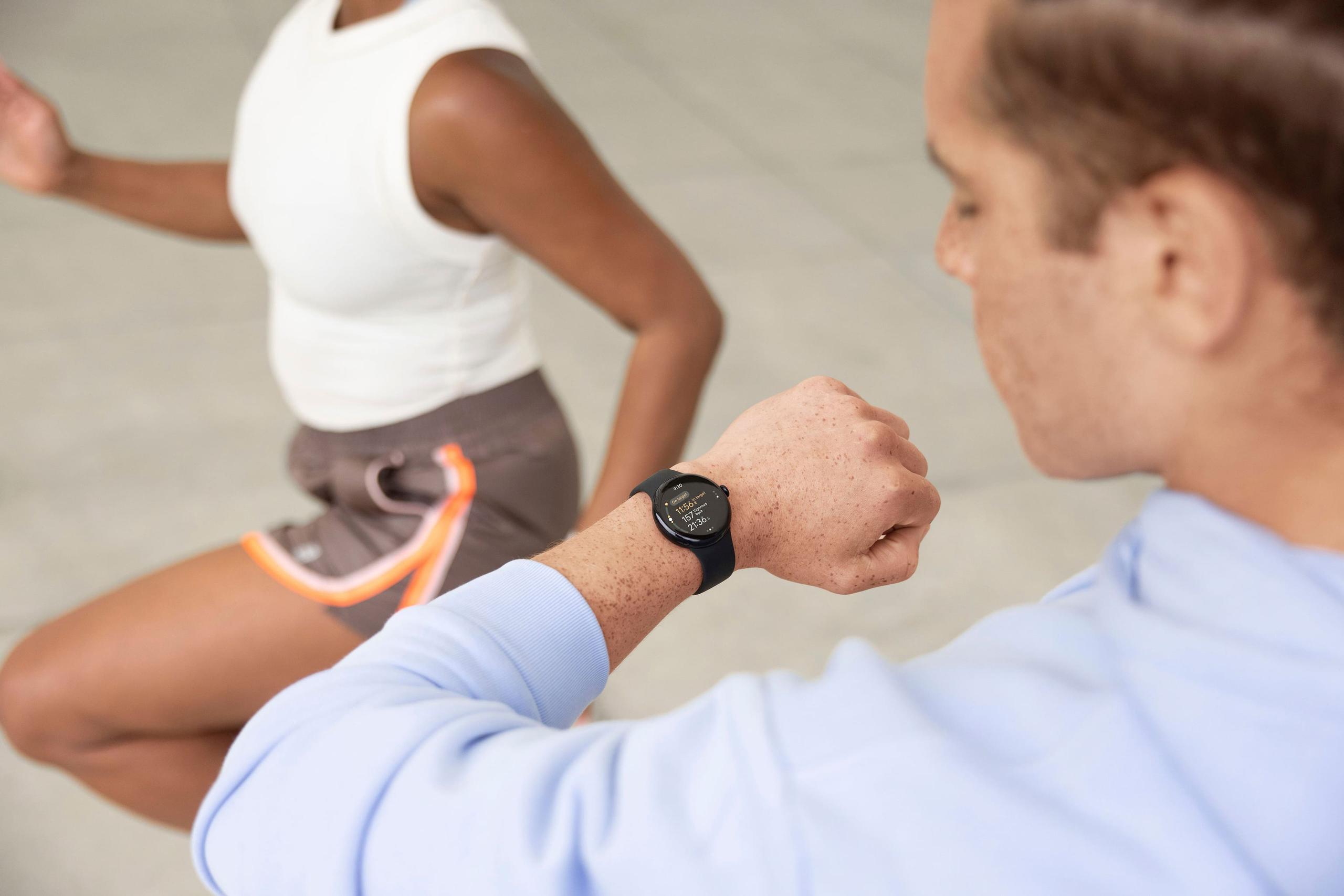
Choosing a smartwatch in 2024 feels like picking a digital companion that'll live on your wrist for the next few years. The two devices we're comparing today—the Apple Watch SE 2nd Generation and the Google Pixel Watch 2—represent two very different philosophies about what a smartwatch should be and do.
Before diving into specifics, it's worth understanding what separates a good smartwatch from a great one. Modern smartwatches have evolved far beyond simple step counters into genuine wrist computers that can monitor your health, manage your communications, and even potentially save your life in emergencies.
The key factors that matter most are ecosystem integration (how well it works with your phone), health capabilities (the sensors and insights it provides), daily usability (battery life, display quality, and responsiveness), and long-term value (both upfront costs and ongoing expenses). These four pillars determine whether you'll love your smartwatch or leave it in a drawer after six months.
The Apple Watch SE 2nd Generation, released in 2022, represents Apple's "essential Apple Watch" philosophy. It's designed to deliver the core Apple Watch experience—excellent performance, seamless iPhone integration, and reliable health basics—while removing premium features like the always-on display and advanced health sensors to hit a more accessible price point.
The Google Pixel Watch 2, launched in 2023, takes the opposite approach. Despite being positioned as Google's flagship smartwatch, it actually includes more health sensors than Apple's mid-tier option. Google's strategy focuses on comprehensive health tracking powered by Fitbit's expertise, while addressing the performance issues that plagued the original Pixel Watch.
This fundamental difference in approach affects everything about these devices, from their daily usability to their long-term costs.
The Apple Watch SE runs on Apple's S8 SiP (System in Package)—the same processor found in the flagship Series 8. This dual-core chip with Neural Engine handles everything from launching apps to processing Siri requests with impressive consistency. In our research across user reviews and expert testing, the consensus is clear: this watch simply doesn't stutter or lag during normal use.
The Google Pixel Watch 2 uses a Qualcomm Snapdragon W5 Gen 1 processor paired with 2GB of RAM and a Cortex M33 co-processor. This represents a massive upgrade from the original Pixel Watch, which was widely criticized for sluggish performance. The additional RAM (double what the Apple Watch SE has) helps with multitasking, though reviews consistently note that it still occasionally exhibits minor stutters during heavy use that are virtually non-existent on the Apple Watch.
The performance difference might seem technical, but it translates into real-world frustration. When you're trying to quickly start a workout or respond to a message, a delay of even a second feels annoying. The Apple Watch SE excels here, delivering the kind of instant responsiveness that makes you forget you're using a tiny computer on your wrist.
Battery anxiety is real with smartwatches, and these two devices handle it differently. The Apple Watch SE officially promises 18 hours of battery life, though many users report getting 24+ hours with moderate usage. The catch? It lacks an always-on display, so the screen goes completely black when you're not actively looking at it.
The Google Pixel Watch 2 officially provides 24 hours of battery life even with its always-on display enabled, and supports fast charging that reaches 50% in about 30 minutes. However, user experiences vary more widely than with Apple's offering—some report excellent battery life while others find it inconsistent, particularly after software updates.
From a practical standpoint, both watches require nightly charging, but the Pixel Watch 2 gives you more confidence about lasting through a full day, especially if you're tracking workouts or using GPS navigation.
The display differences between these watches reflect their design philosophies perfectly. The Apple Watch SE features a brilliant OLED Retina display that hits 1000 nits of brightness—making it easily readable even in direct sunlight. The rectangular shape maximizes screen real estate for reading messages, viewing apps, and navigating menus. However, without an always-on display, you need to raise your wrist or tap the screen to see anything.
The Google Pixel Watch 2 also reaches 1000 nits but includes an always-on AMOLED display that dims to show basic information like time and notifications without draining the battery excessively. The circular design creates a more traditional watch aesthetic, though it's less efficient for displaying text-heavy content like messages or email.
The always-on feature is genuinely useful—you can glance at your wrist during meetings to check the time without the obvious gesture of raising your arm. For workouts, it's particularly valuable to see your stats without interrupting your form or pace.
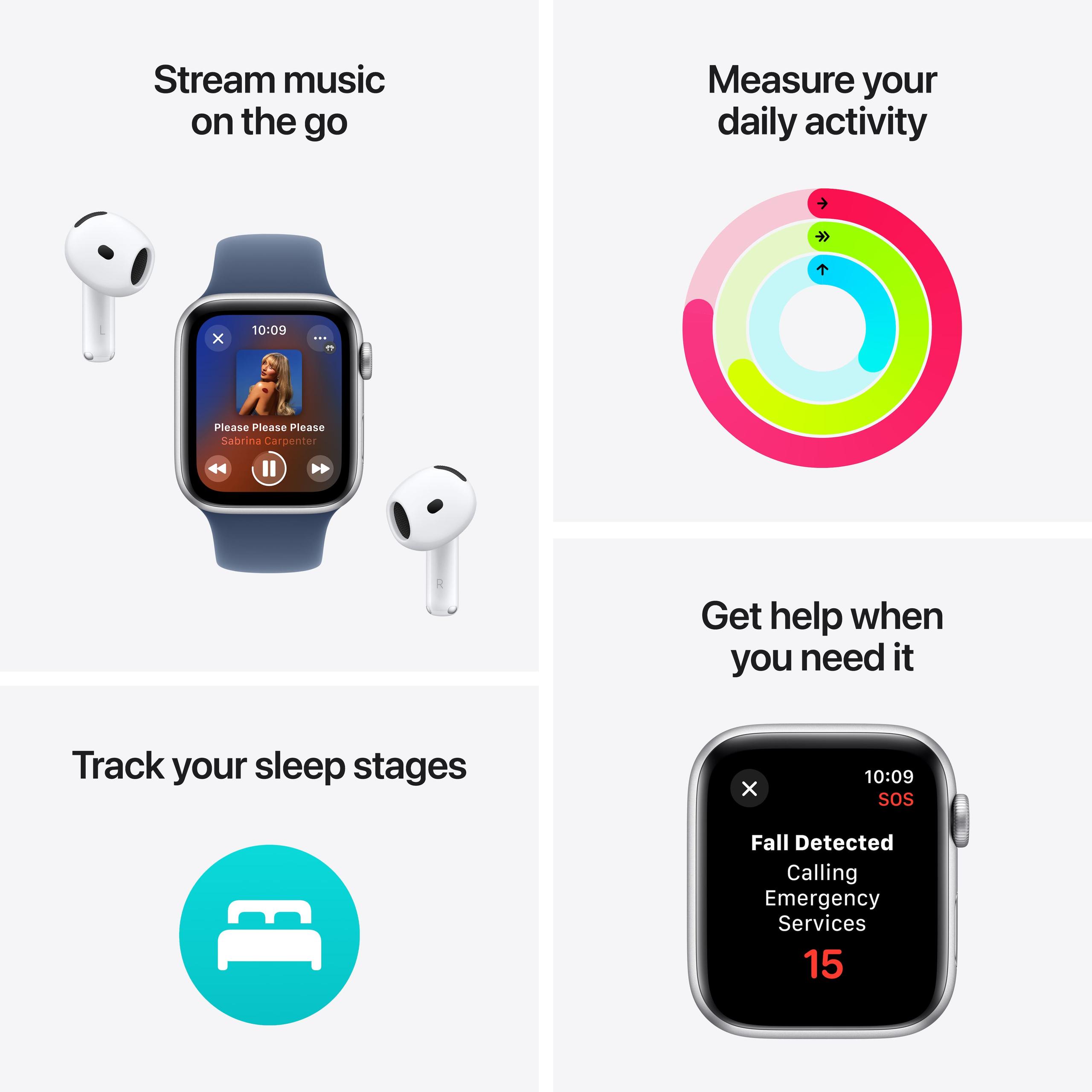
This is where the Google Pixel Watch 2 truly shines. While the Apple Watch SE includes solid basics—heart rate monitoring, accelerometer for step counting, fall detection, and crash detection—it deliberately omits advanced sensors to maintain its lower price point.
The Pixel Watch 2 includes all those basics plus ECG (electrocardiogram) sensors for heart rhythm analysis, SpO2 sensors for blood oxygen monitoring, skin temperature sensors for wellness insights, and a cEDA (continuous electrodermal activity) sensor that measures stress through skin conductance. It's essentially carrying sensors that Apple reserves for its premium Series models.
The ECG feature can detect irregular heart rhythms like atrial fibrillation, while the blood oxygen sensor monitors how well your blood carries oxygen throughout your body—both potentially important health indicators. The skin temperature sensor tracks changes that might indicate illness or changes in your menstrual cycle, and the stress sensor provides insights into your body's stress response throughout the day.
Both devices excel at basic fitness tracking, but they approach accuracy differently. The Apple Watch SE has earned a reputation for reliable heart rate monitoring and GPS accuracy, with consistent performance across different workout types. Its 50-meter water resistance makes it suitable for swimming, and it supports dozens of workout types with automatic detection for many common activities.
The Google Pixel Watch 2 features what Google calls a "multi-path optical heart rate sensor" with five photodiodes and five LEDs, claiming up to 40% better accuracy during high-intensity workouts compared to its predecessor. In comparative testing by reviewers, it matches the Apple Watch's accuracy for most activities, though GPS tracking can occasionally be slightly less precise.
Both watches provide excellent fitness tracking for most users, but serious athletes might appreciate the Pixel Watch's more detailed health insights, while casual exercisers might prefer the Apple Watch's broader workout type support and swimming capabilities.
Here's where the cost equation gets complex. The Apple Watch SE provides all your health data through Apple Health with no subscription requirements ever. Your complete health history belongs to you, can be easily exported, and integrates with thousands of health apps.
The Google Pixel Watch 2 offers basic health metrics for free but locks advanced insights, sleep analysis, guided programs, and detailed health trends behind Fitbit Premium. At the time of writing, this subscription costs around $10 monthly or $80 annually after a six-month free trial.
This ongoing cost significantly affects the total cost of ownership. Over three years, the subscription fees could add $200+ to your smartwatch investment, potentially making the Google Pixel Watch 2 more expensive than Apple's premium Series models despite its lower upfront cost.
The Apple Watch SE works exclusively with iPhones running iOS 16 or later. This restriction is also its greatest strength—the integration is seamless and comprehensive. You can answer calls directly from the watch, use Apple Pay with a double-click of the side button, receive all your iPhone notifications with appropriate privacy filtering, and use handoff to start tasks on your watch and finish them on your phone.
The Google Pixel Watch 2 requires Android 9.0 or newer but works with most Android phones, not just Google's Pixel devices. However, achieving full functionality requires installing multiple apps (the Pixel Watch app and Fitbit app), and the integration feels less cohesive than Apple's approach.
If you're invested in the Apple ecosystem with an iPhone, iPad, and Mac, the Apple Watch SE becomes an extension of that seamless experience. Android users don't have quite the same level of integration available, but the Pixel Watch 2 represents the best smartwatch experience available for Android devices.
The Apple Watch SE benefits from watchOS's mature app ecosystem, with thousands of native apps ranging from productivity tools to games. Popular apps like Spotify, Uber, and banking apps often have well-developed watch interfaces that feel natural to use.
The Google Pixel Watch 2 runs Wear OS 4, which has improved significantly but still lags behind Apple in both quantity and quality of available apps. Google has been working to improve this, and essential apps are generally available, but the selection remains more limited.
For most users, the core apps (messaging, music control, navigation, fitness) work well on both platforms, but power users who rely on specific third-party apps will find more options on Apple's platform.
The Apple Watch SE excels in pure performance reliability. It simply works consistently, day after day, without the occasional hiccups that still plague Wear OS devices. The processor is powerful enough to handle anything you throw at it, and the software optimization is exceptional.
The lack of subscription requirements is genuinely refreshing. You pay once and own all the functionality—your health data, workout tracking, and insights belong to you permanently. This approach respects user privacy and avoids the ongoing financial commitment that some competitors require.
For iPhone users, the ecosystem integration is unmatched. The watch feels like a natural extension of your phone rather than a separate device that happens to connect to it. Features like unlocking your iPhone with your watch while wearing a mask, or seamlessly switching audio between devices, work reliably and feel magical when they do.
The Google Pixel Watch 2 offers significantly more comprehensive health monitoring than Apple's mid-tier option. The sensor suite rivals what you'd find in dedicated health devices, and Fitbit's health insights—when you pay for Premium—are genuinely useful for understanding your wellness patterns.
The always-on display is incredibly convenient once you experience it. Being able to glance at your wrist for time, notifications, or workout stats without any gesture feels natural and saves the awkward wrist-raising motion in social situations.
Battery life, while variable, is generally better than the Apple Watch SE, and fast charging means you can top up quickly during your morning routine rather than worrying about overnight charging schedules.
If you're serious about health and fitness tracking, the Google Pixel Watch 2 provides more detailed insights, though you'll need to budget for the subscription costs. The advanced sensors can track stress, sleep stages, and recovery metrics that aren't available on the Apple Watch SE.
However, for swimmers or those who prefer Apple's more comprehensive workout type selection, the Apple Watch SE might be more practical despite fewer sensors.
The Apple Watch SE excels for iPhone users who want reliable notifications, calendar management, and communication tools without fuss. The performance is consistent, and integration with iOS means fewer missed messages or calendar conflicts.
Android users will find the Google Pixel Watch 2 adequate for professional use, though the app ecosystem isn't quite as robust for business applications.
While both watches are positioned as mid-tier options, the Apple Watch SE avoids ongoing subscription fees, making it potentially less expensive over time despite a higher upfront cost at the time of writing.
The Google Pixel Watch 2 often goes on sale and offers more sensors upfront, but the Fitbit Premium requirement adds significant long-term costs that many buyers don't initially consider.
For iPhone users, the Apple Watch SE 2nd Generation represents the best balance of performance, features, and long-term value in the mid-tier smartwatch space. Its consistent performance and ecosystem integration outweigh the lack of advanced health sensors for most users.
For Android users, the Google Pixel Watch 2 is currently the best premium smartwatch option available, offering comprehensive health tracking and solid performance. Just be prepared for the ongoing subscription costs if you want to unlock its full potential.
Both watches serve their respective ecosystems well, but neither is perfect for everyone. The key is honestly assessing which features you'll actually use versus which ones sound nice in theory. A smartwatch you'll wear every day is infinitely more valuable than one with impressive specs that stays in your drawer.
| Apple Watch SE 2nd Generation 40mm GPS | Google Pixel Watch 2 |
|---|---|
| Display Type - Always-on vs battery optimization trade-off | |
| OLED Retina, no always-on display (better battery, requires wrist raise) | AMOLED with always-on display (convenient glances, slightly more battery drain) |
| Case Size - Comfort and screen real estate | |
| 40mm rectangular (compact, maximizes text display space) | 41mm circular (traditional watch look, less efficient for text) |
| Processor - Daily performance and responsiveness | |
| Apple S8 SiP dual-core (flagship-level performance, no lag) | Qualcomm Snapdragon W5 Gen 1 + 2GB RAM (good performance, occasional minor stutters) |
| Battery Life - Real-world usage expectations | |
| Up to 18 hours official, 24+ hours typical use | Up to 24 hours with always-on, fast charging (50% in 30 minutes) |
| Health Sensors - Advanced monitoring capabilities | |
| Heart rate, accelerometer, fall detection, crash detection | Heart rate, ECG, blood oxygen, skin temperature, stress (cEDA), all basic sensors |
| Water Resistance - Swimming and water activities | |
| 5ATM/50 meters (swimming workouts supported) | 5ATM/50 meters (swimming workouts supported) |
| Smartphone Compatibility - Ecosystem requirements | |
| iPhone only (iOS 16+), seamless integration | Android 9.0+, good integration but requires multiple apps |
| Health Data Access - Ongoing costs consideration | |
| Complete access via Apple Health, no subscription required | Basic metrics free, advanced insights require Fitbit Premium subscription |
| Operating System - App availability and features | |
| watchOS 9+ (extensive app ecosystem, mature platform) | Wear OS 4 (improving app selection, newer platform) |
| Build Materials - Durability and weight | |
| Aluminum case, Ion-X glass, 26.4g (lightweight, scratch-prone glass) | 100% recycled aluminum, Gorilla Glass 5, 31g (more durable glass, slightly heavier) |
The Apple Watch SE 2nd Generation is significantly better for iPhone users due to seamless ecosystem integration. It works exclusively with iPhones and offers features like unlocking your phone with the watch, seamless call handoff, and native integration with Apple Pay and Siri. The Google Pixel Watch 2 doesn't work with iPhones at all.
The primary difference is health monitoring capabilities. The Google Pixel Watch 2 includes advanced sensors like ECG, blood oxygen monitoring, and stress tracking, while the Apple Watch SE 2nd Generation focuses on basic health tracking without these premium sensors. The Pixel Watch also has an always-on display, which the Apple Watch SE lacks.
The Google Pixel Watch 2 officially offers 24 hours of battery life with always-on display, compared to 18 hours for the Apple Watch SE 2nd Generation. However, real-world usage often extends the Apple Watch beyond its rated time, and both typically require daily charging.
Only the Google Pixel Watch 2 works with Android phones (Android 9.0 or newer). The Apple Watch SE 2nd Generation exclusively requires an iPhone and won't function with any Android device.
Both offer excellent fitness tracking accuracy for most users. The Google Pixel Watch 2 claims up to 40% better heart rate accuracy during intense workouts with its new multi-path sensor, while the Apple Watch SE 2nd Generation has a proven track record for reliable GPS and heart rate monitoring across various activities.
The Apple Watch SE 2nd Generation has no required subscriptions - all health data and features are included. The Google Pixel Watch 2 requires a Fitbit Premium subscription for advanced health insights, sleep analysis, and guided programs after a 6-month free trial.
Both feature bright OLED displays at 1000 nits, but they differ in key ways. The Google Pixel Watch 2 includes an always-on display for convenient glances, while the Apple Watch SE 2nd Generation goes completely dark to save battery. The Apple Watch's rectangular shape is better for reading text and notifications.
Yes, both the Apple Watch SE 2nd Generation and Google Pixel Watch 2 are water resistant to 50 meters (5ATM) and support swimming workouts with automatic stroke detection and lap counting.
The Apple Watch SE 2nd Generation has access to a much larger and more mature app ecosystem through the App Store, with thousands of native watchOS apps. The Google Pixel Watch 2 runs Wear OS 4, which has improved app selection but still lags behind Apple in quantity and quality.
The Google Pixel Watch 2 offers more comprehensive health monitoring with ECG, blood oxygen, skin temperature, and stress sensors that aren't available on the Apple Watch SE 2nd Generation. However, the Apple Watch provides solid basic health tracking including heart rate, fall detection, and crash detection without subscription requirements.
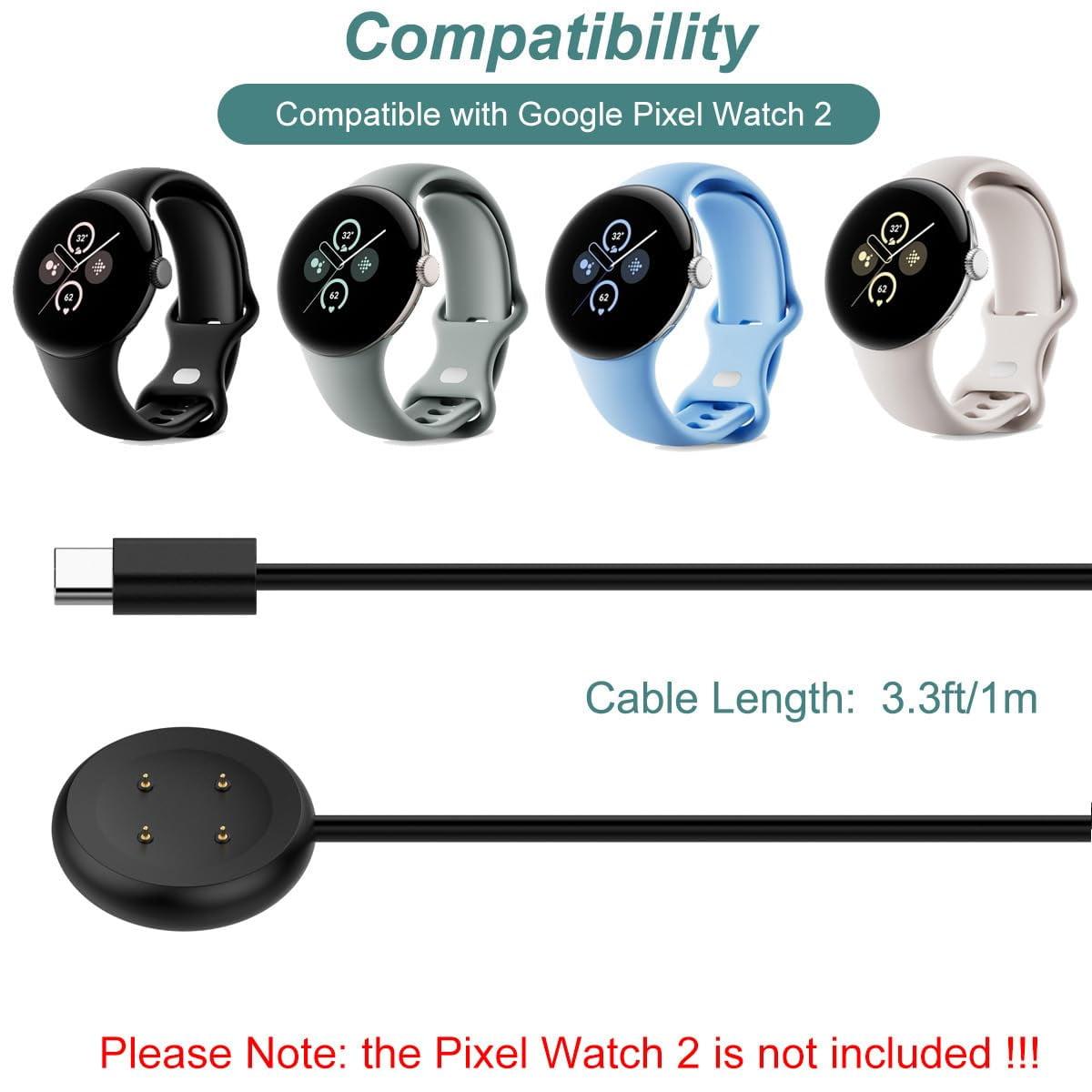
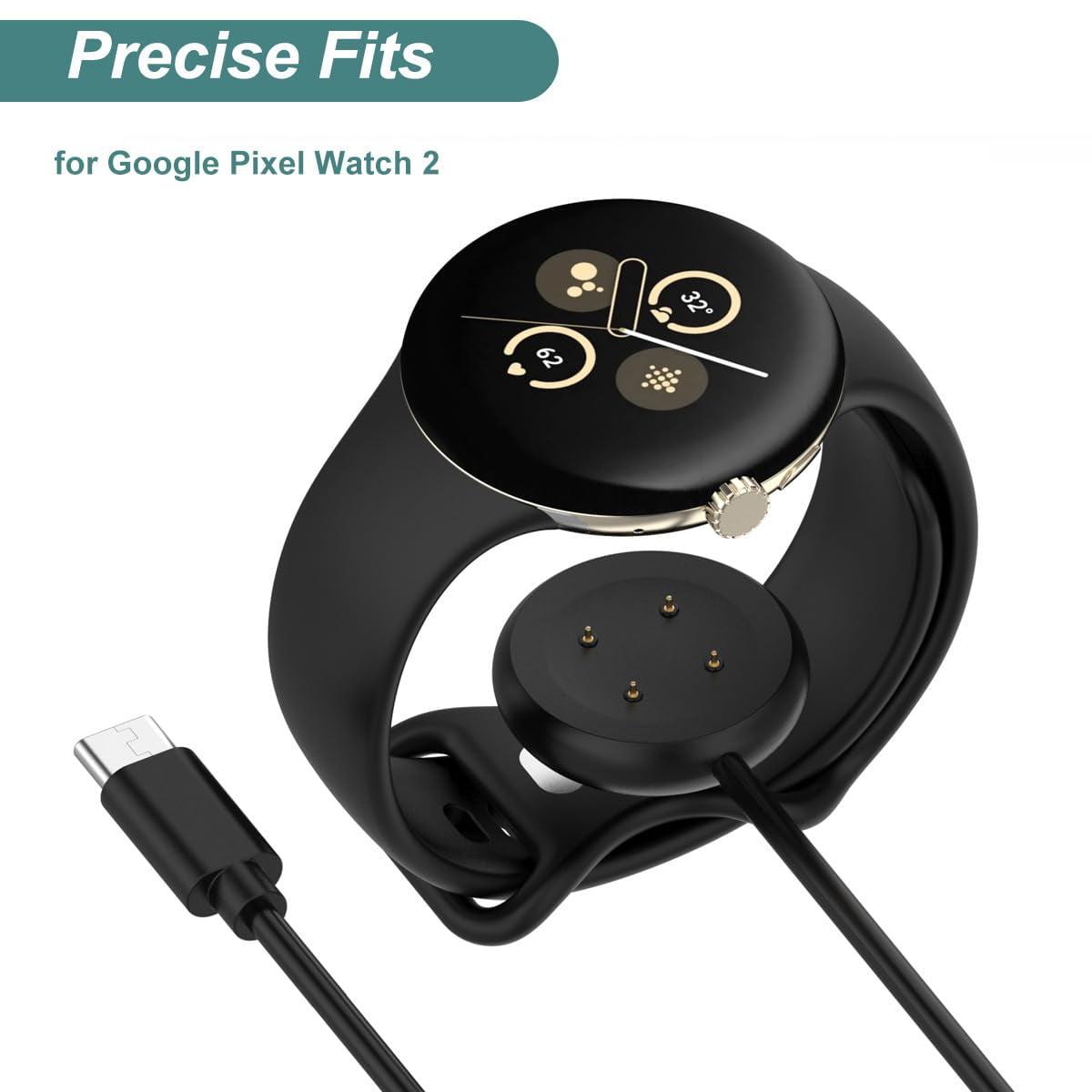
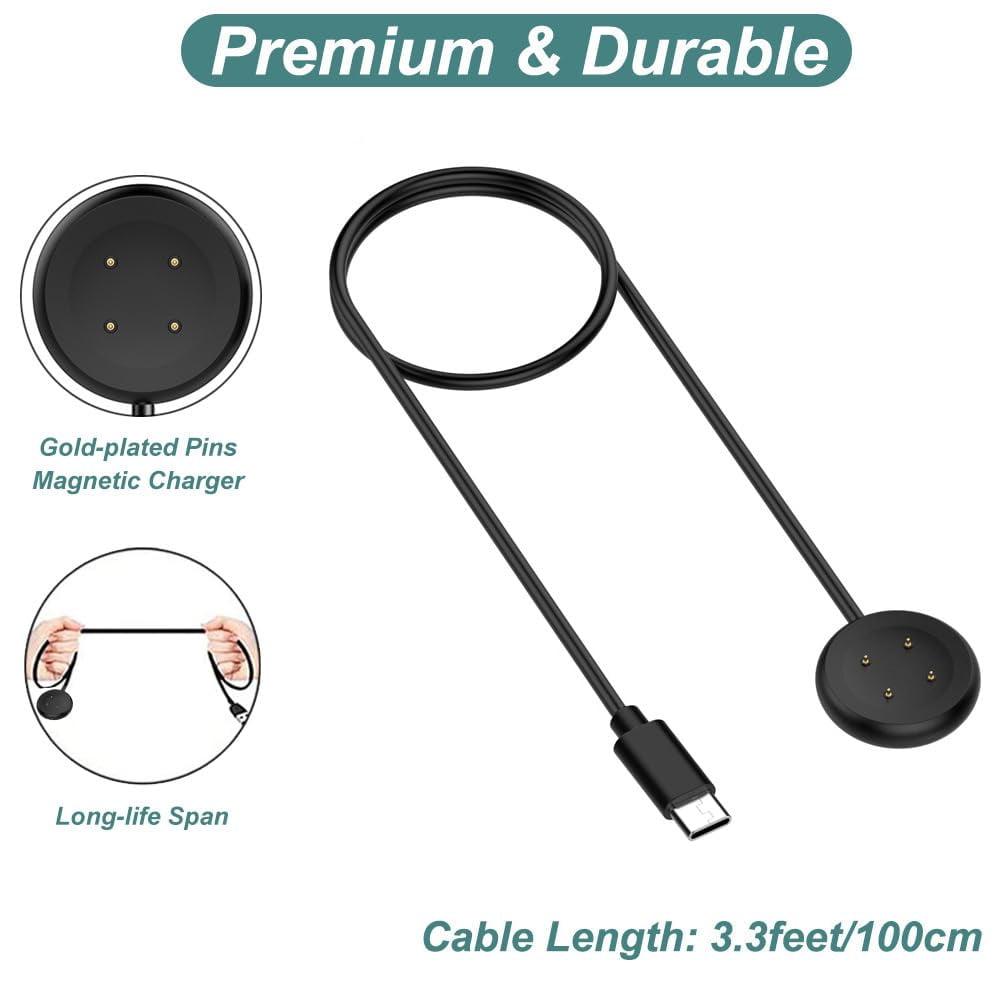
The Google Pixel Watch 2 supports fast charging, reaching 50% battery in about 30 minutes using its magnetic pin charger. The Apple Watch SE 2nd Generation uses wireless charging but doesn't support fast charging, taking longer to reach full capacity.
Value depends on your needs and phone ecosystem. The Apple Watch SE 2nd Generation offers better long-term value for iPhone users with no subscription costs and reliable performance. The Google Pixel Watch 2 provides more health sensors upfront but requires ongoing subscription fees for full functionality, making the total cost of ownership higher over time.
We've done our best to create useful and informative comparisons to help you decide what product to buy. Our research uses advanced automated methods to create this comparison and perfection is not possible - please contact us for corrections or questions. These are the sites we've researched in the creation of this article: techradar.com - bestbuy.com - techgearlab.com - fratellowatches.com - youtube.com - macobserver.com - youtube.com - gsmarena.com - pocketnow.com - att.com - walmart.com - gsmarena.com - bestbuy.com - apple.com - support.apple.com - apple.com - apple.com - youtube.com - phonetradr.com - 9to5mac.com - apple.com - tomsguide.com - tomsguide.com - tomsguide.com - phonearena.com - smartwatch-straps.co.uk - youtube.com - 6monthslater.net - petematheson.com - support.google.com - wareable.com - versus.com - verizon.com - youtube.com - youtube.com - androidpolice.com - techgearlab.com - wareable.com - androidcentral.com - blog.google - support.google.com - youtube.com - en.wikipedia.org - store.google.com - gsmarena.com - fi.google.com

Privacy Policy
Terms and Conditions - Affiliate Policy
Home Security
© Copyright 2008-2026.
11816 Inwood Rd #1211, Dallas, TX 75244