


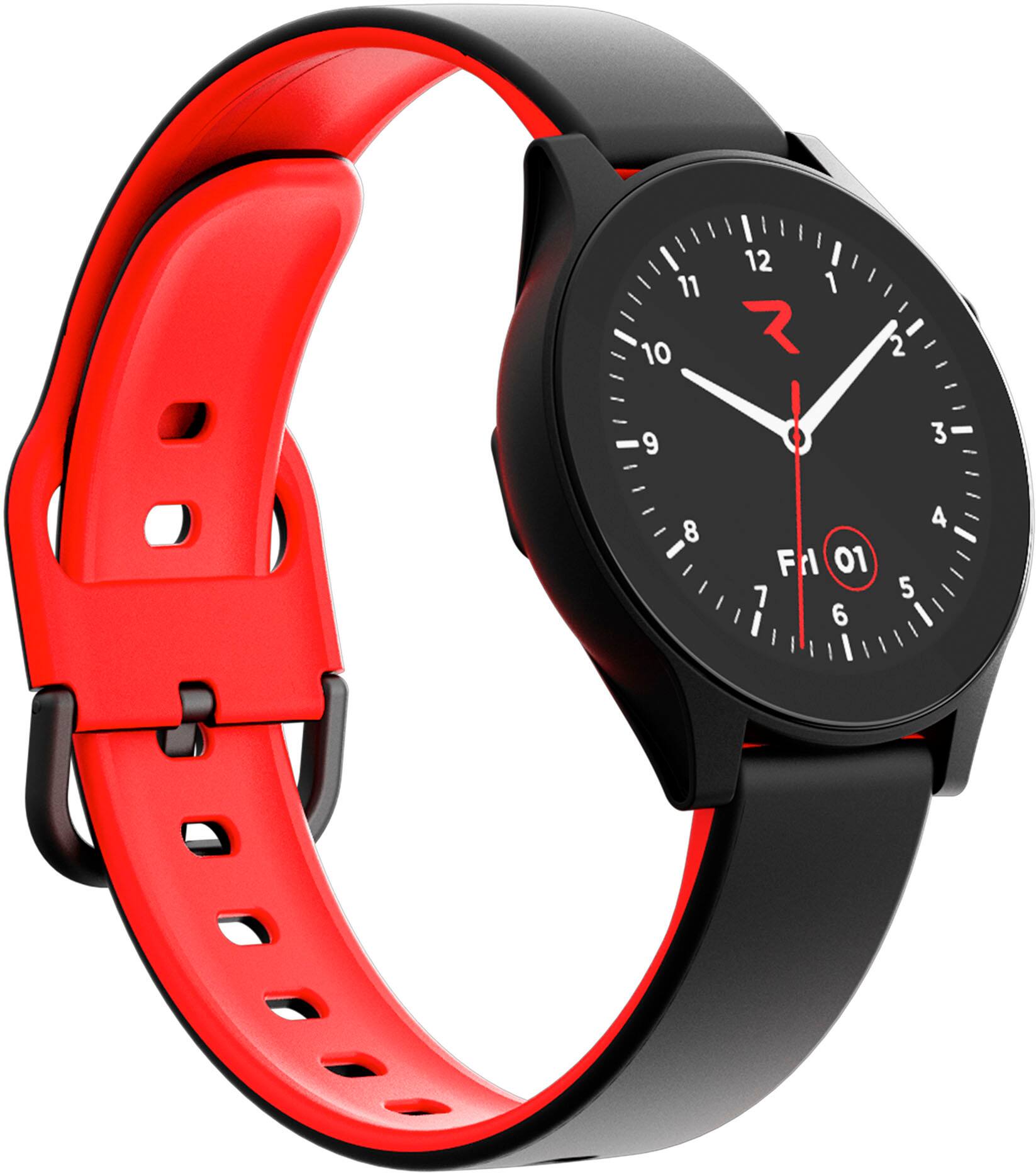
When you're looking at wearable technology, it's easy to get caught up in flashy features and marketing claims. But the choice between a general-purpose smartwatch and a specialized golf GPS device really comes down to understanding what each type of device does best—and whether those strengths match your lifestyle.
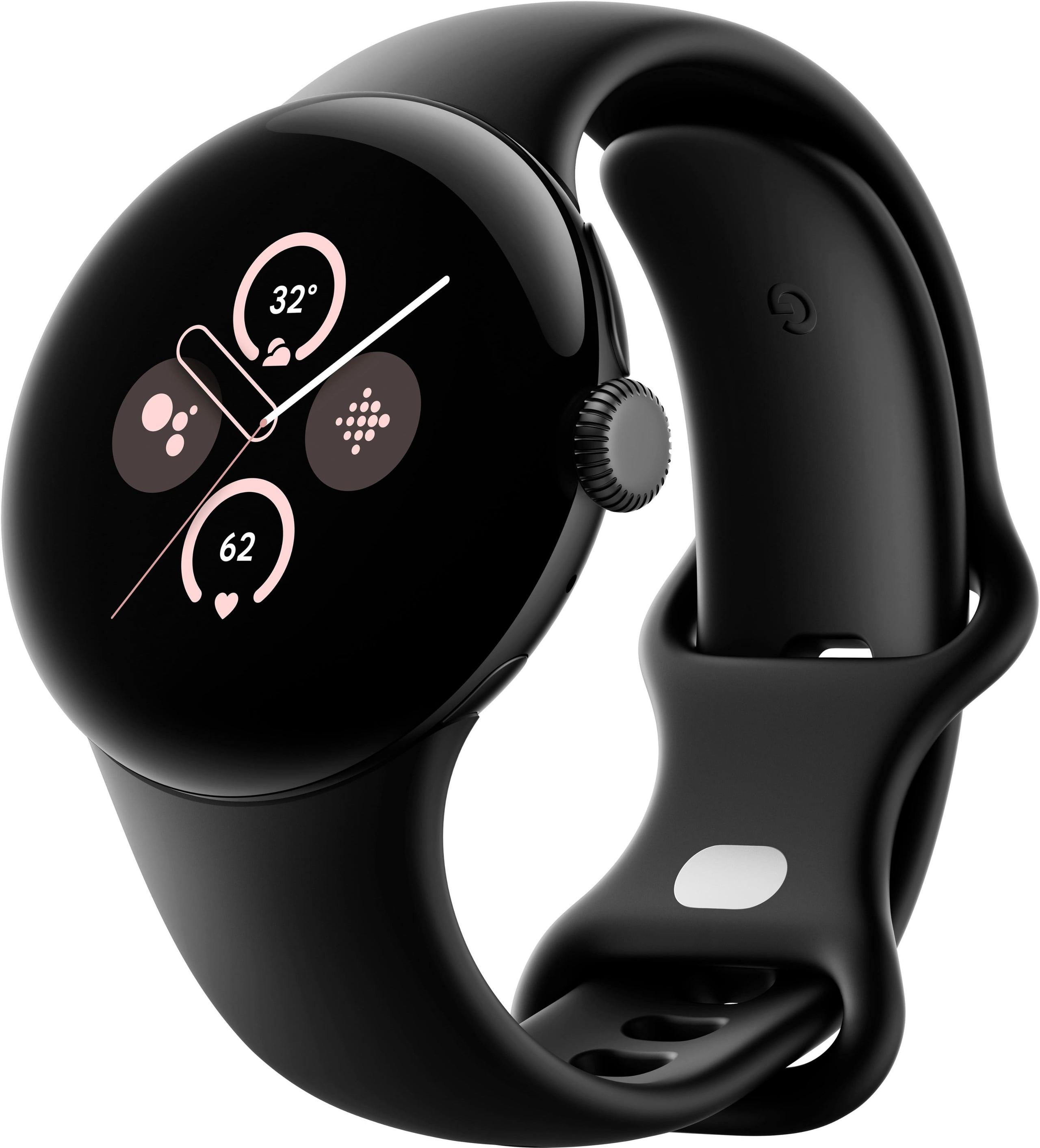
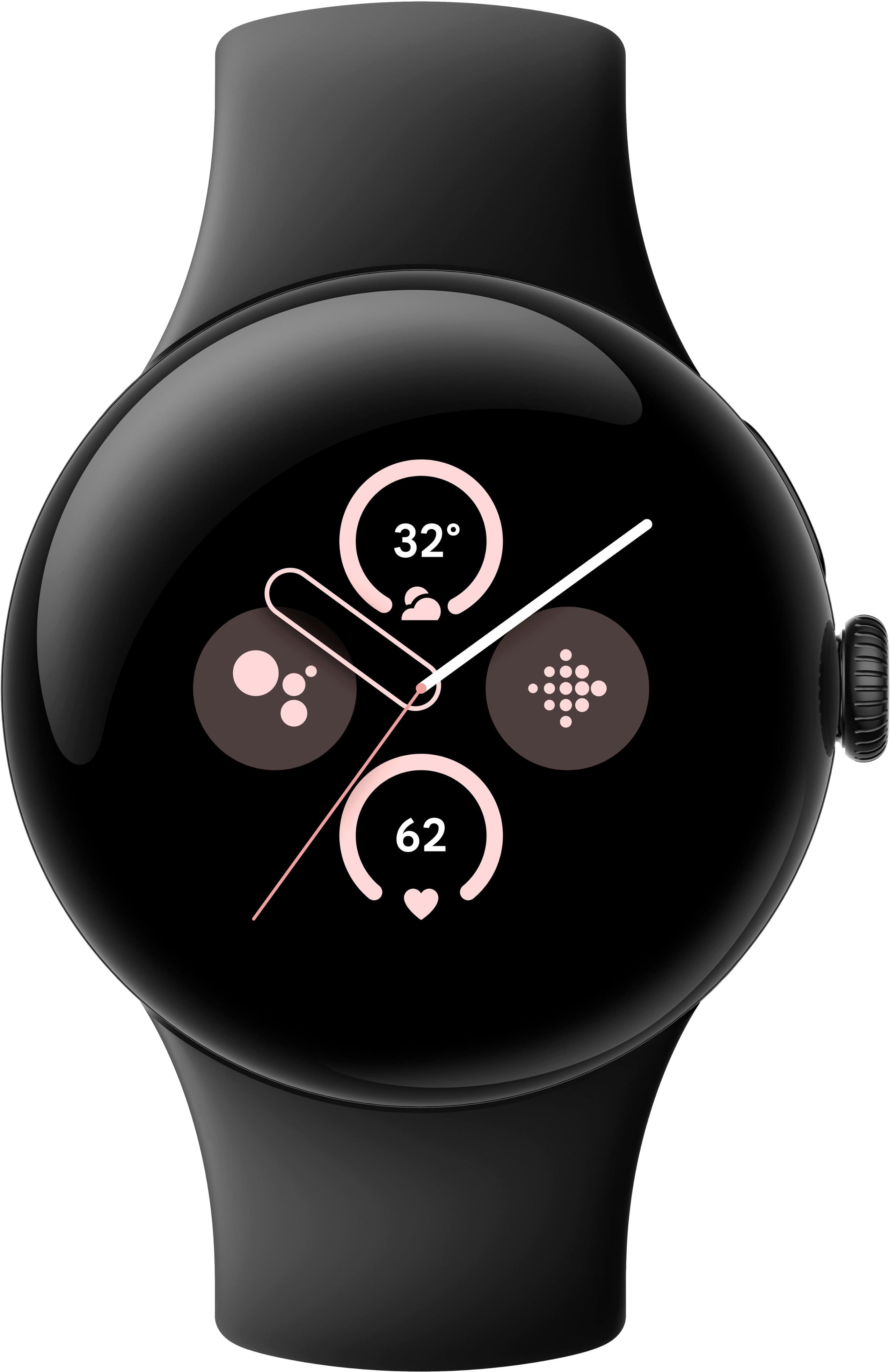
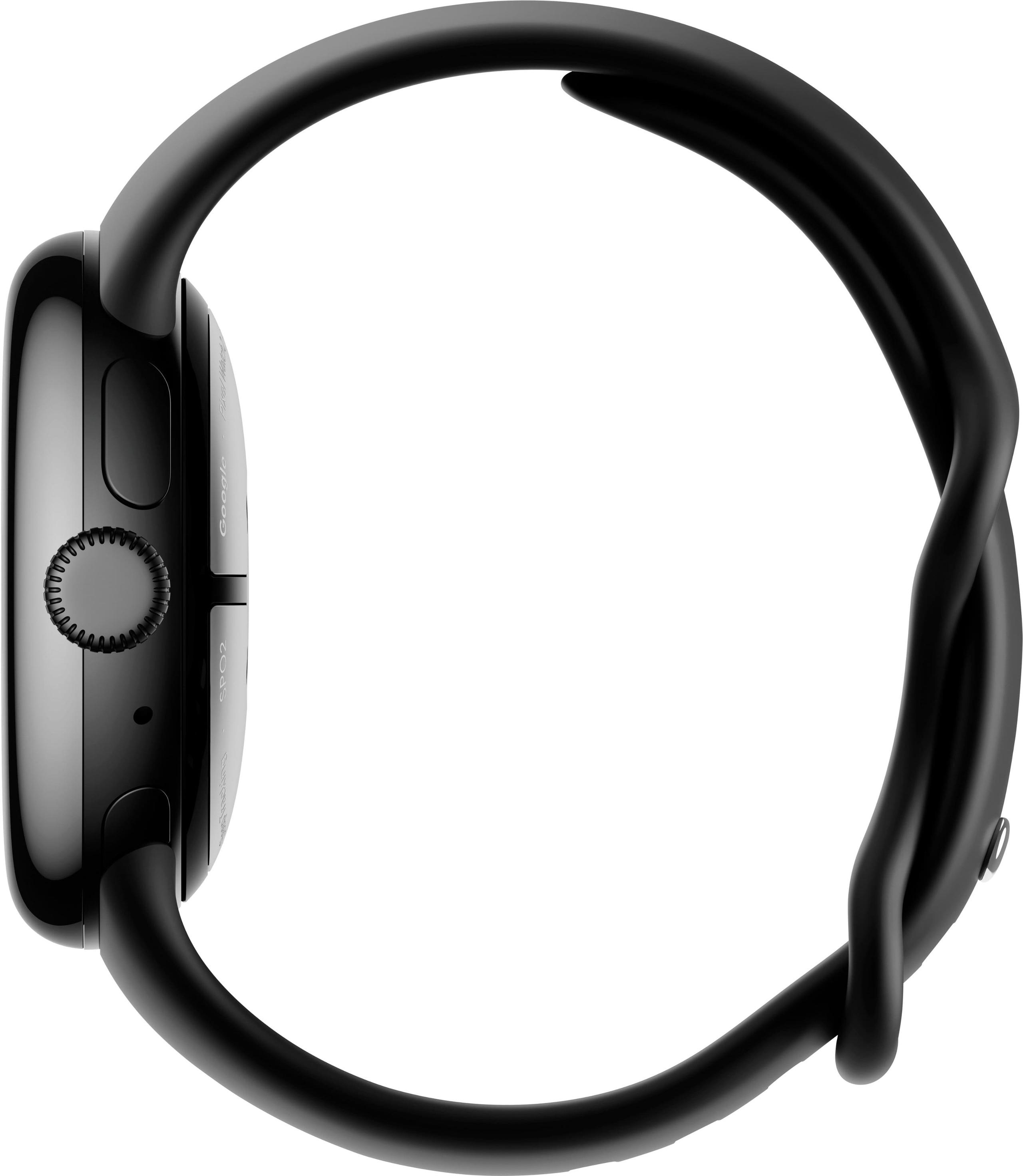
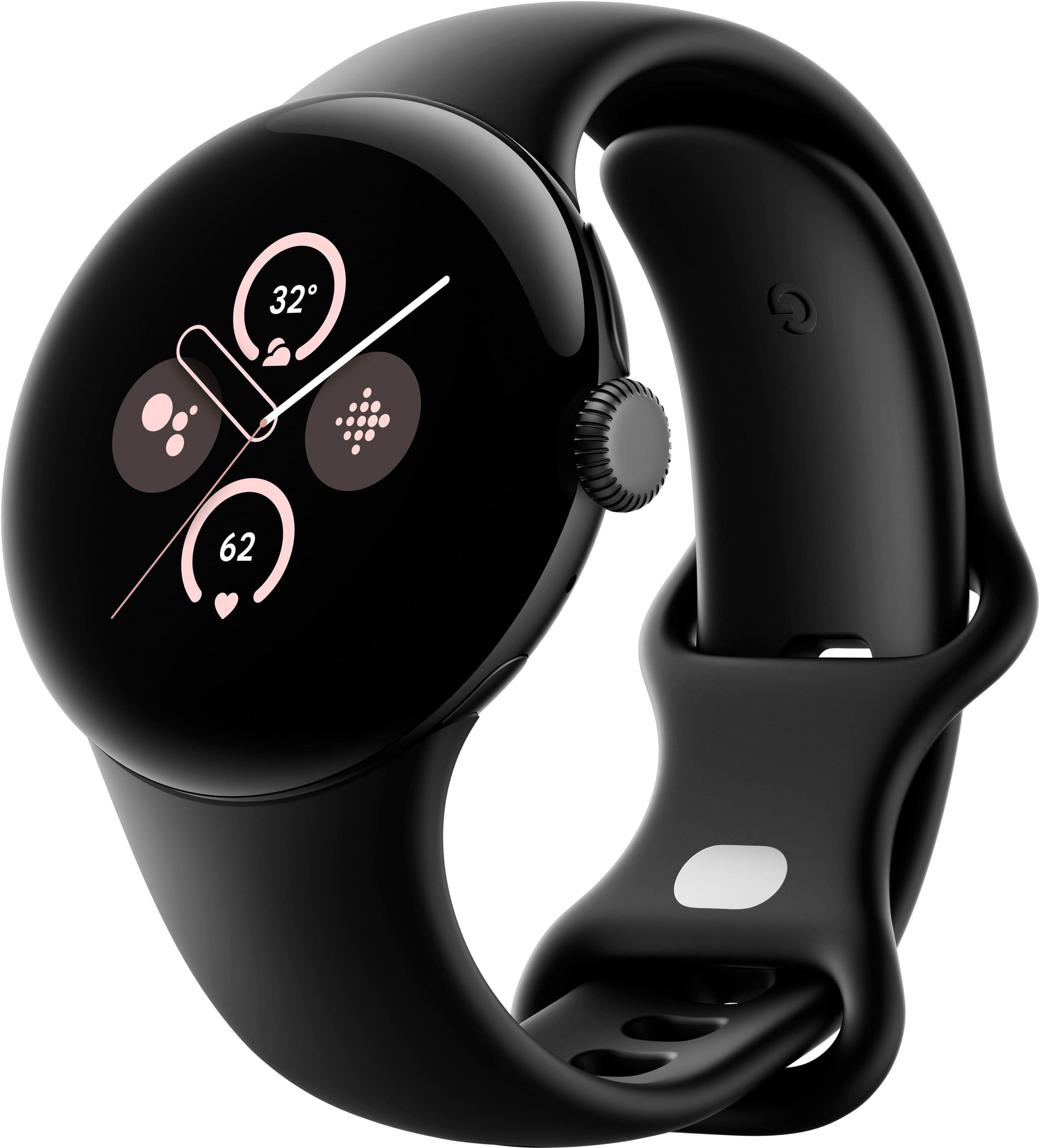
The Google Pixel Watch 2, released in 2023, represents Google's second attempt at creating a comprehensive Android smartwatch that can compete with Apple's dominance. Meanwhile, the Rad Golf Watch+ takes a completely different approach, focusing exclusively on helping golfers improve their game with professional-grade course management tools.
These aren't really direct competitors in the traditional sense. It's more like comparing a Swiss Army knife to a professional chef's blade—both are useful tools, but they excel in completely different scenarios.
The fundamental divide here is between versatility and specialization. The Pixel Watch 2 wants to be your everything device—your fitness tracker, communication hub, payment system, and digital assistant all rolled into one sleek package. It's designed for people who want their watch to seamlessly integrate with their smartphone and handle dozens of different tasks throughout the day.
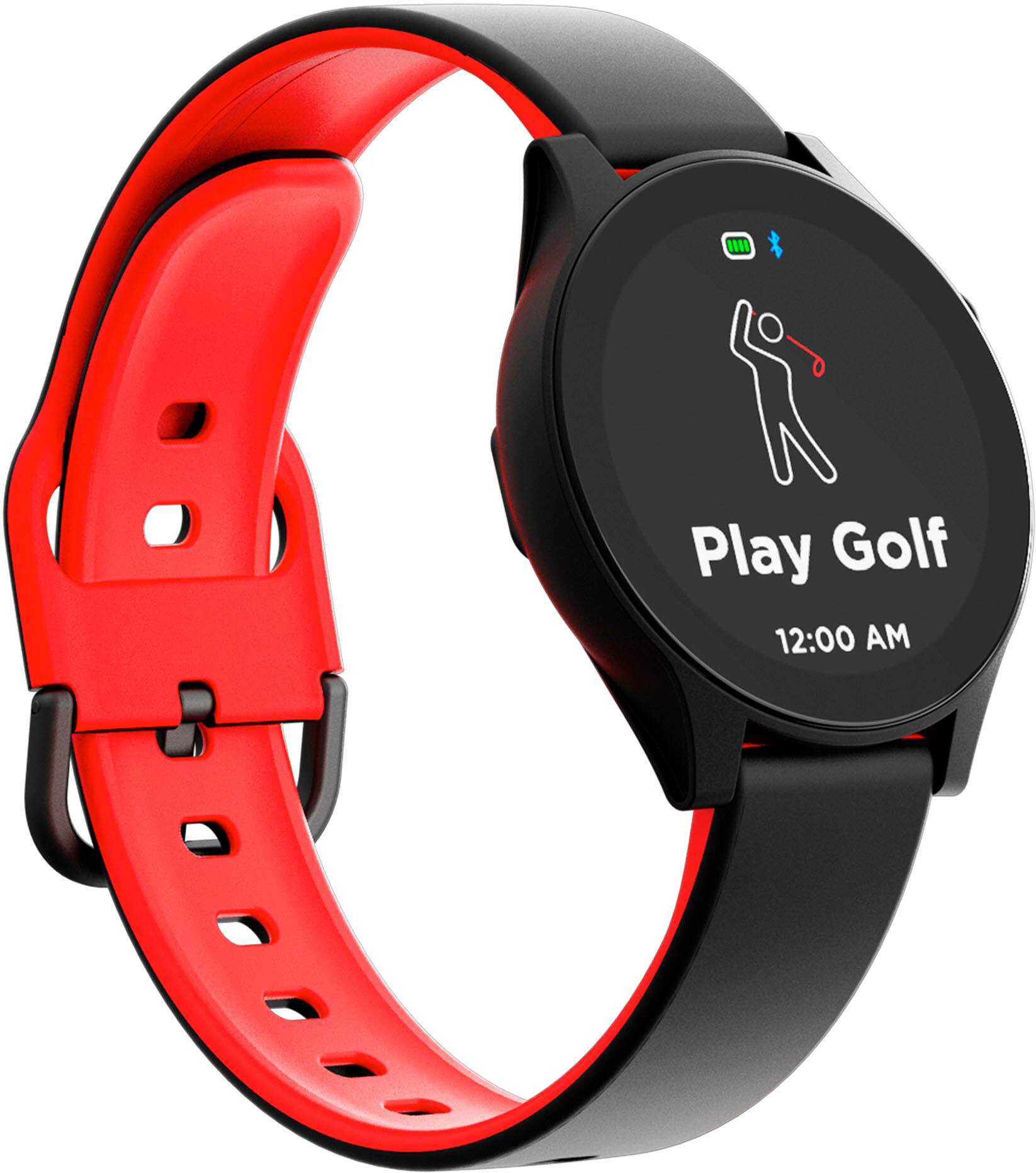
The Rad Golf Watch+, on the other hand, is laser-focused on one thing: making you a better golfer. Every feature, from its outdoor-optimized display to its specialized GPS mapping, is designed with the golf course in mind. It's what engineers call a "purpose-built" device—meaning it sacrifices broad functionality to excel in its specific domain.
This difference in philosophy affects everything from battery life to user interface design. The Pixel Watch 2 needs to balance power consumption across dozens of features, while the Rad Golf Watch+ can optimize everything for extended outdoor use.
GPS accuracy might seem straightforward—either the device knows where you are or it doesn't—but the reality is much more nuanced. Both watches use the same basic satellite positioning technology, but they apply it in dramatically different ways.
The Pixel Watch 2 uses what's called "multi-constellation GPS," connecting to satellites from GPS, GLONASS, BeiDou, Galileo, and Quasi-Zenith systems. This redundancy helps maintain accuracy across different environments, whether you're running through a city with tall buildings or hiking in mountainous terrain. For general fitness tracking, this approach works well enough for most people's needs.
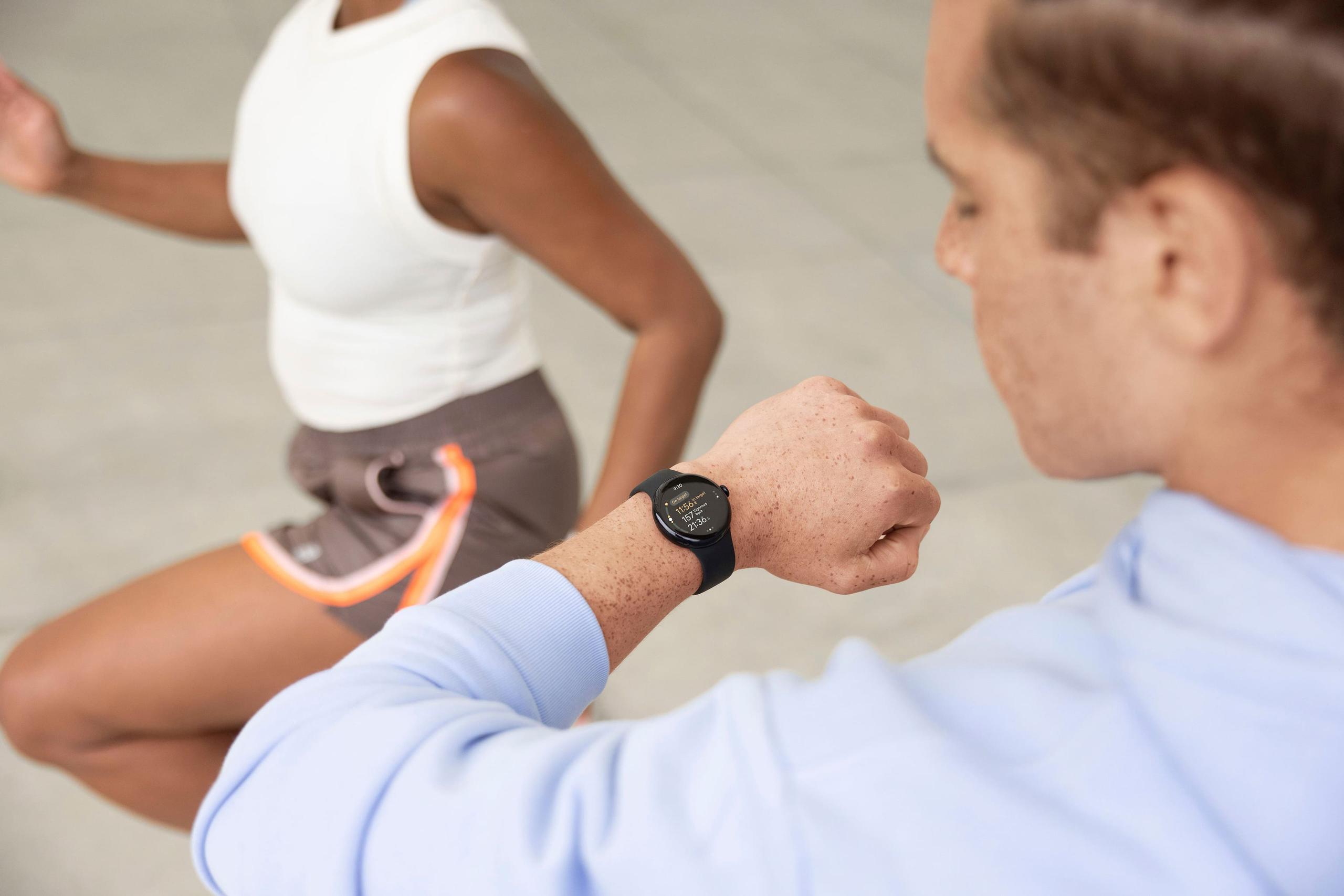
However, our research into user experiences reveals some concerning accuracy issues with the Pixel Watch 2. In controlled testing scenarios, the device has shown step counting errors of around 3%, which might not sound like much but can add up to significant discrepancies over time. For casual fitness tracking, this might be acceptable, but serious athletes often find these inaccuracies frustrating.
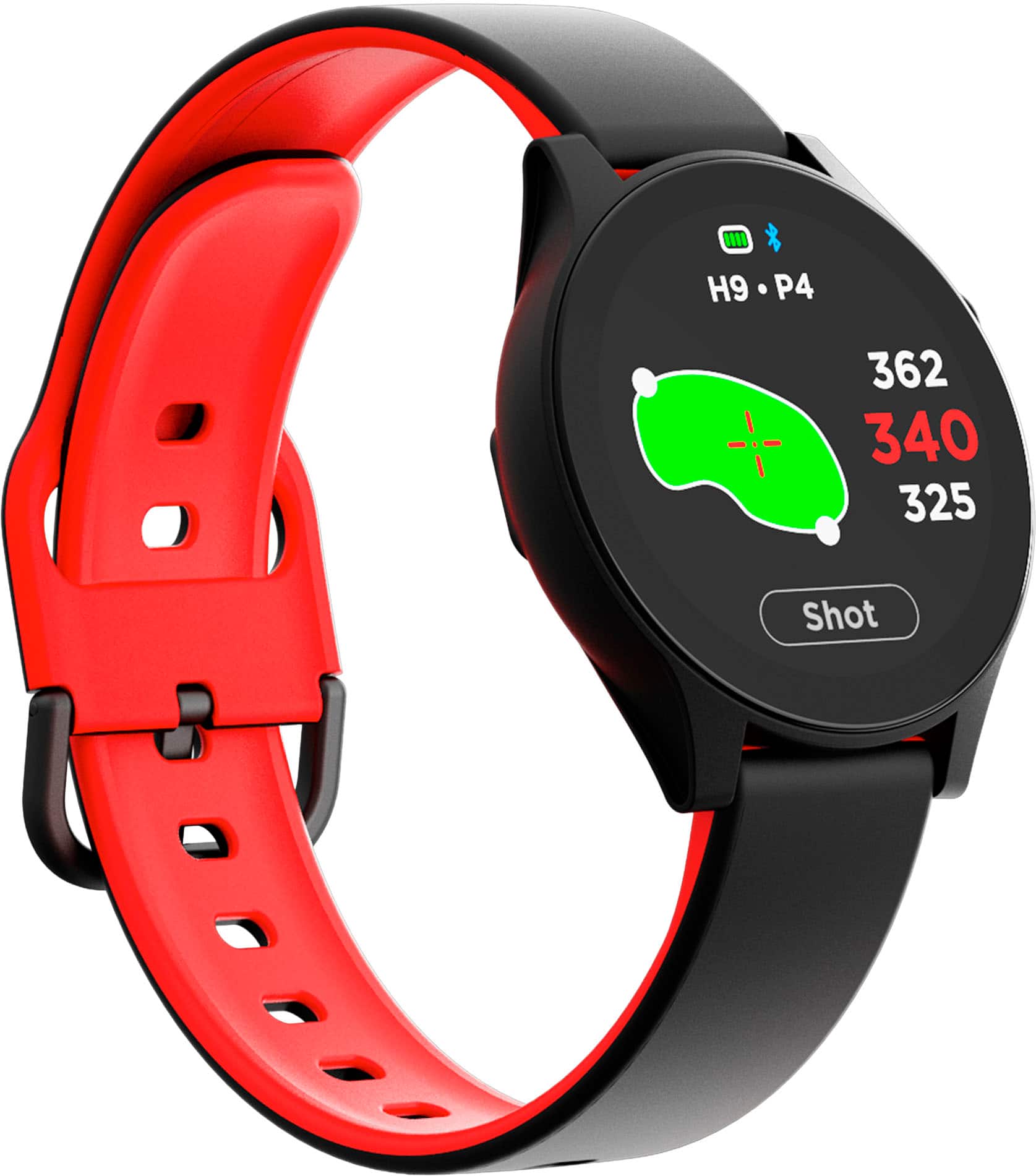
The Rad Golf Watch+ takes GPS technology in a completely different direction. Instead of trying to be accurate everywhere, it focuses on being extremely precise in one specific environment: golf courses. The device comes preloaded with detailed maps of over 40,000 courses worldwide, including not just basic layout information but precise measurements to hazards, green shapes, and elevation changes.
What makes this particularly impressive is the "Green View" feature, which allows you to tap directly on the screen to set pin positions. Traditional golf GPS devices require you to estimate or use preset pin locations, but this touch-based system lets you get exact yardages to wherever the flag actually sits. For golfers who take their game seriously, this level of precision can be the difference between a good shot and a great one.
Display technology reveals another fundamental difference in design philosophy. The Pixel Watch 2 features an AMOLED screen with 450x450 pixel resolution and up to 1,000 nits of brightness. AMOLED technology provides incredibly vibrant colors and deep blacks by lighting individual pixels, which looks stunning indoors and works well for reading notifications or navigating apps.
However, AMOLED displays can struggle in direct sunlight, despite their high brightness ratings. The technology tends to become washed out when competing with bright outdoor lighting, and the glossy surface can create glare issues. For a device that needs to work in all conditions, this is a notable limitation.
The Rad Golf Watch+ uses a full-color LCD display specifically optimized for outdoor visibility. LCD technology handles direct sunlight much better than AMOLED because it doesn't rely on emitting light from each pixel. Instead, it uses a backlight system that can cut through ambient light more effectively. The trade-off is less vibrant colors and potentially shorter battery life, but for golf applications, visibility trumps visual appeal.
The golf watch also includes what's called a "glove-friendly" interface, meaning the touchscreen responds properly even when you're wearing golf gloves. This might seem like a minor detail, but anyone who's tried to use a smartphone while wearing gloves knows how frustrating unresponsive touch controls can be.
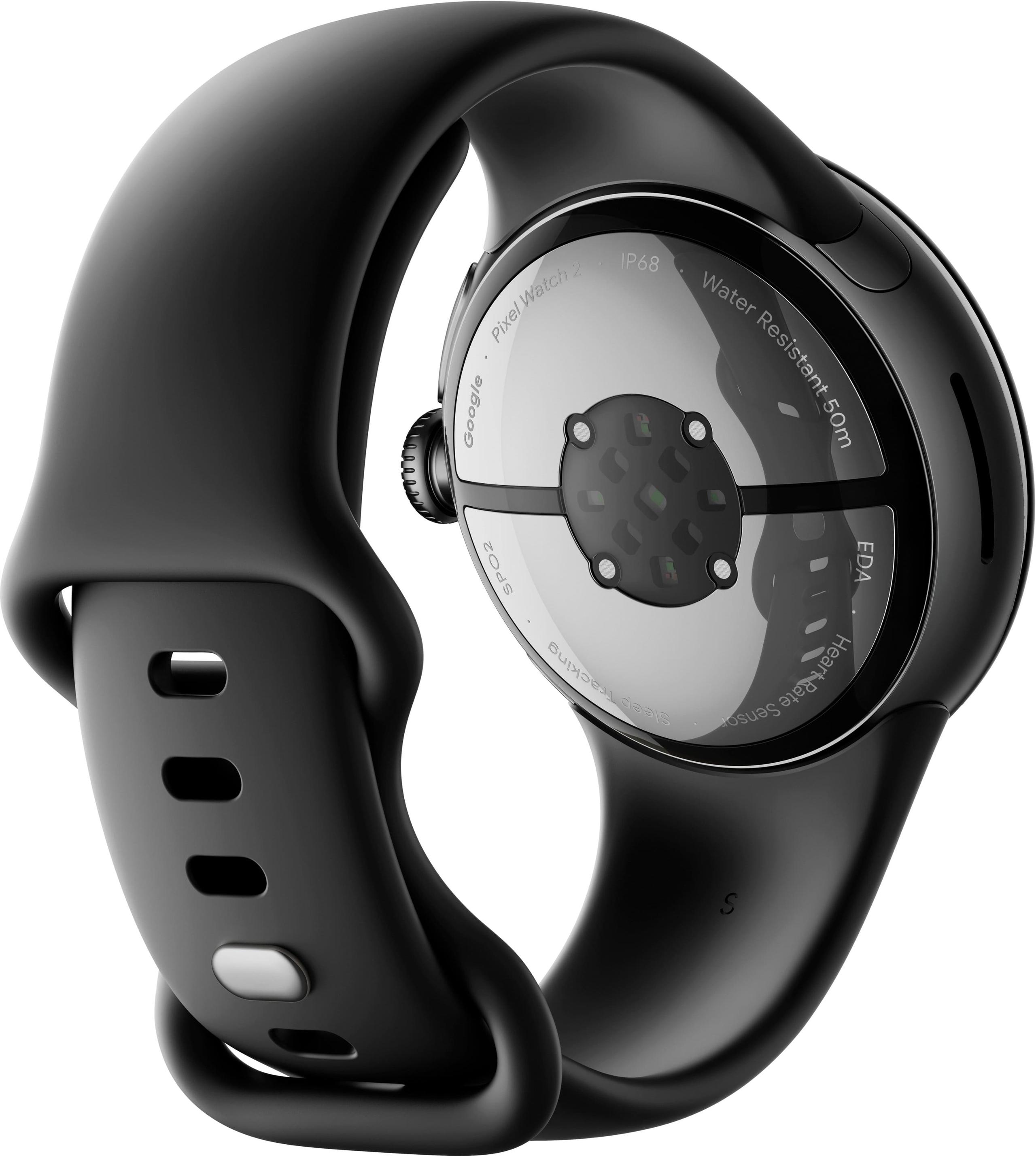
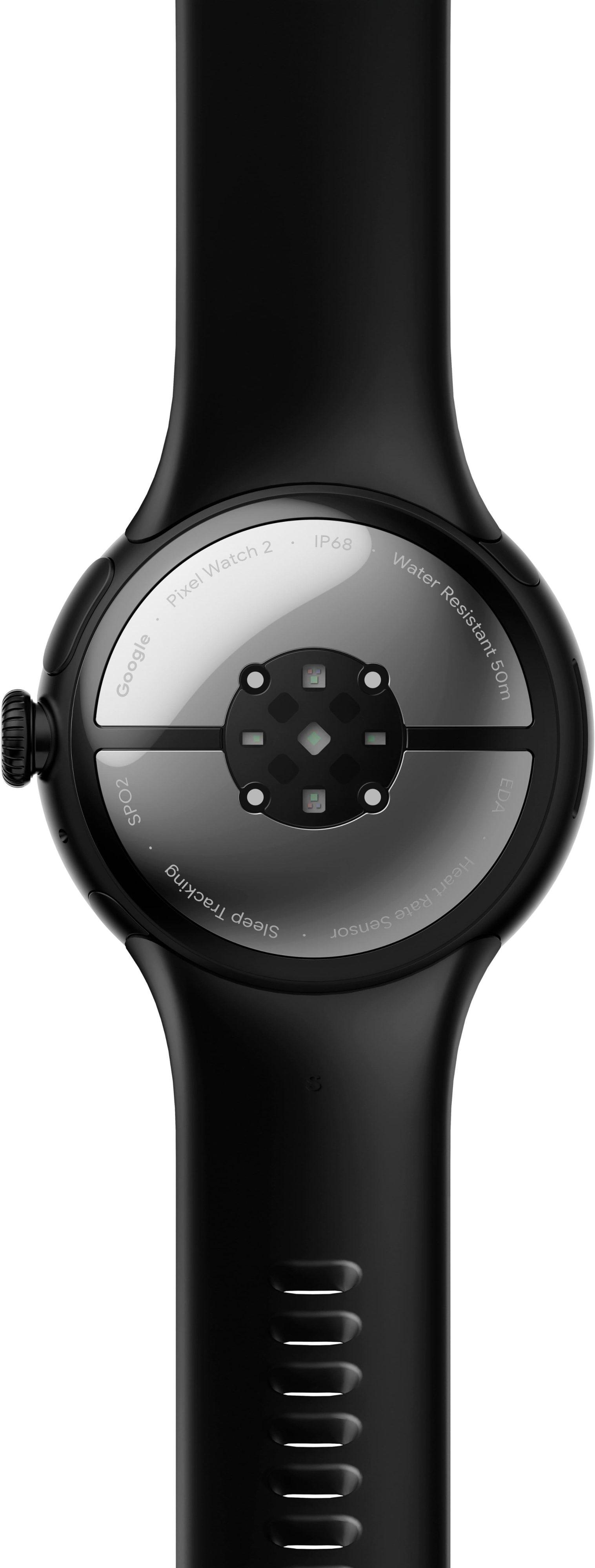
This is where the philosophical differences become most apparent. The Pixel Watch 2 represents Google's attempt to create a comprehensive health monitoring system on your wrist. The device includes a "multipath optical heart rate sensor" with five photodiodes and five LEDs, which sounds complex but essentially means it uses multiple light sources to track your pulse more accurately, especially during vigorous exercise.
Beyond heart rate, the watch includes sensors for blood oxygen levels (SpO2), electrocardiogram readings (ECG), and something called "continuous electrodermal activity" (cEDA) monitoring. The cEDA sensor tracks tiny changes in your skin's electrical conductivity, which can indicate stress levels. Combined with heart rate variability data, this creates a surprisingly sophisticated picture of your overall wellness.
The Pixel Watch 2 also includes sleep tracking with temperature monitoring, which can help identify patterns in your sleep quality and recovery. All this data feeds into Fitbit's ecosystem, providing detailed analytics and coaching suggestions.
However, there's a significant catch: accessing the full suite of health features requires a Fitbit Premium subscription, which adds ongoing costs to your initial investment. At the time of writing, this subscription runs about $80 per year, which can make the watch significantly more expensive over time.
The Rad Golf Watch+ takes a completely different approach to fitness tracking. Instead of trying to monitor your overall health, it focuses exclusively on golf performance metrics that actually help improve your game. The device tracks statistics like "Fairways Hit" (how often you keep your drive in the fairway), "Greens in Regulation" (reaching the green in the expected number of strokes), and putting performance.
What makes these metrics valuable is their specificity. Instead of generic "you walked X steps today" information, you get actionable data like "you missed 40% of fairways to the right, suggesting you need to work on your alignment." The watch can track individual shots and automatically record your score, creating a detailed performance database over time.
This specialized tracking extends to course management strategy. The device can show you optimal layup distances, help you avoid hazards you might not see from the tee, and even suggest club selection based on historical performance data.
Battery technology reveals yet another fundamental design trade-off. The Pixel Watch 2 improved significantly over its predecessor, now offering reliable 24-hour battery life with the always-on display enabled. This represents a major achievement for a device running a full operating system and maintaining constant connectivity.
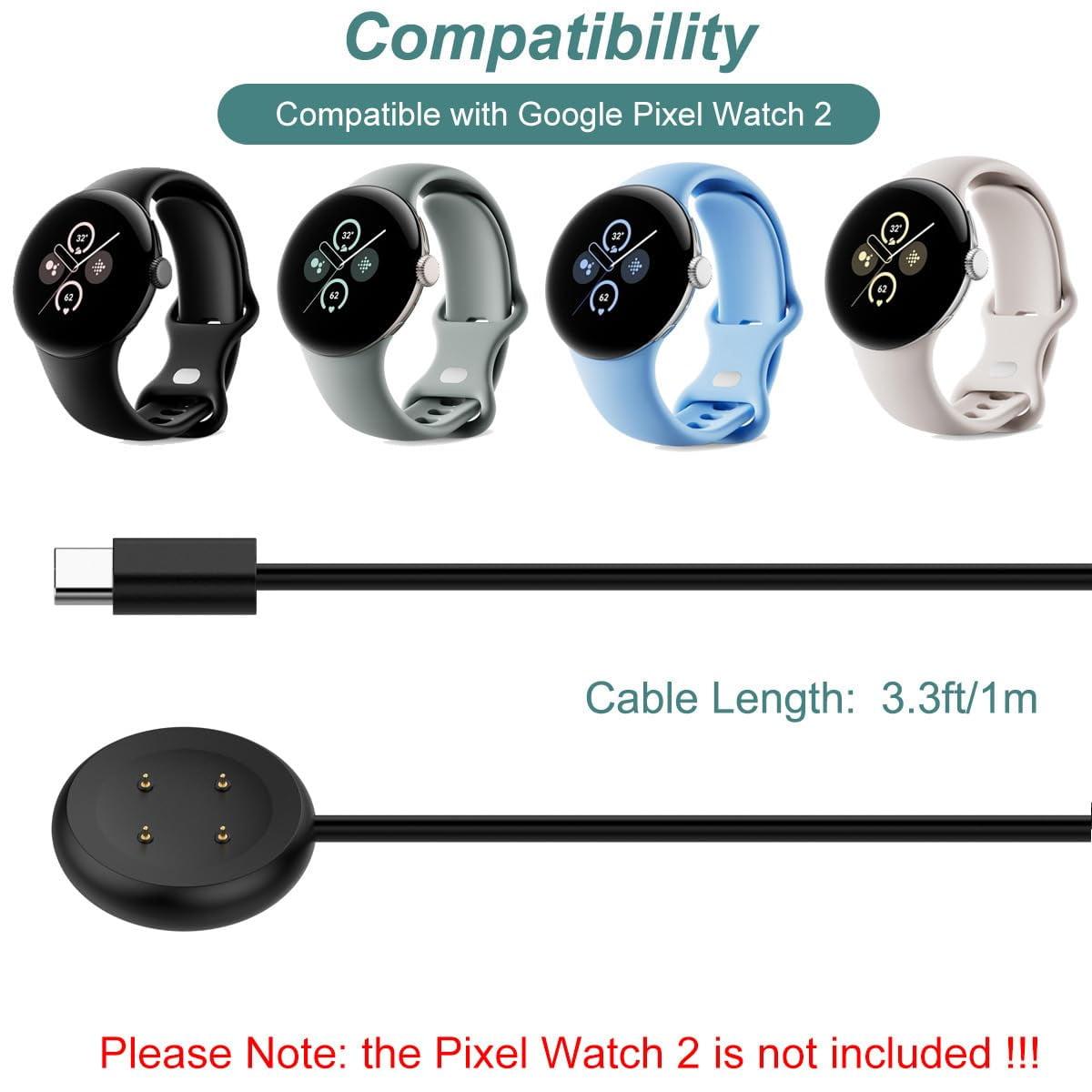
However, intensive GPS use—like tracking a long hike or bike ride—can drain the battery much faster. Extended outdoor activities might require charging mid-day or turning off certain features to maintain power. The watch supports fast charging, reaching 50% capacity in about 30 minutes, but this still requires planning ahead for long days.
The Rad Golf Watch+ optimizes battery life for extended outdoor use. A typical round of golf takes 4-5 hours, and many golfers play multiple rounds per day during golf trips or tournaments. The device is designed to handle this usage pattern without requiring frequent charging.
More importantly, the golf watch includes an IPX7 waterproof rating, meaning it can be submerged in up to one meter of water for 30 minutes. While you probably won't be swimming with your golf watch, this rating ensures it can handle heavy rain, accidental drops in water hazards, or aggressive cleaning after muddy rounds.
The Pixel Watch 2 offers 5 ATM water resistance, which is suitable for swimming and daily wear but represents a lower level of protection than the golf watch's specialized rating.
The Pixel Watch 2 runs Wear OS 4.0, which is essentially a miniature version of Android designed for wearables. This means you get access to the Google Play Store, can install third-party apps, receive and respond to messages, make payments with Google Pay, and control smart home devices.
This ecosystem integration is particularly valuable for Android users who rely heavily on Google services. Your calendar appointments, email notifications, navigation directions, and music controls all sync seamlessly between devices. The watch can even function as a backup authentication device for your Google accounts.
The voice assistant functionality is genuinely useful for quick queries, setting timers, or controlling smart home devices without pulling out your phone. The always-on display ensures you can check information at a glance, even during meetings or conversations.
However, all this functionality comes with complexity. The interface can feel overwhelming for users who just want basic fitness tracking, and the constant connectivity requirements impact battery life and can be distracting during activities that require focus.
The Rad Golf Watch+ includes smart features, but they're carefully selected to enhance the golf experience rather than replicate smartphone functionality. The device can control compatible Rad Golf speakers, allowing you to adjust music volume or trigger sound effects during casual rounds.
This might sound gimmicky, but the integration is actually quite sophisticated. You can set up voice callouts for distances when paired with Rad speakers, essentially creating a personalized caddie system that announces yardages without requiring you to look at your watch during your pre-shot routine.
The golf watch also includes basic smart notifications, but they're designed to be minimally intrusive. You might receive an important call or text alert, but the device won't constantly buzz with social media updates or promotional emails.
At the time of writing, the Pixel Watch 2 represents a significant investment, especially when factoring in the ongoing subscription costs for full health features. You're essentially paying for a comprehensive ecosystem that can replace multiple devices and services.
For users who want their watch to handle communication, fitness tracking, navigation, payments, and smart home control, this can actually represent good value. The device consolidates functionality that might otherwise require a fitness tracker, payment system, navigation device, and music player.
However, users who don't need all these features might find themselves paying for capabilities they'll never use. The subscription model also means your costs continue indefinitely, which can make the total ownership cost quite high over several years.
The Rad Golf Watch+ represents a different value proposition entirely. At a lower initial cost and no ongoing subscriptions, the total investment is more predictable and manageable. But the value depends entirely on how much you golf and how seriously you take the game.
For weekend golfers who play casually a few times per year, the specialized features might be overkill. But for regular players who are actively trying to improve their game, the precise course information and performance analytics can genuinely help lower scores and enhance enjoyment.
The golf watch also holds its value better over time. While smartwatch technology changes rapidly and requires frequent updates, golf courses don't change much. A device that provides accurate yardages and tracks basic statistics will remain useful for years without requiring software updates or feature additions.
The decision ultimately comes down to understanding your priorities and usage patterns. The Pixel Watch 2 makes sense if you want a single device that can handle multiple aspects of your digital life. It's particularly valuable for people who are already invested in Google's ecosystem and want seamless integration across all their devices.
Choose the Pixel Watch 2 if you check email and messages frequently throughout the day, use Google Pay regularly, need navigation assistance for both driving and walking, want comprehensive health monitoring, or appreciate having access to a full app ecosystem on your wrist.
The Rad Golf Watch+ is the better choice if golf is a significant part of your life and you're serious about improving your game. The specialized features and course database provide genuine value that generic fitness watches simply can't match.
Choose the Rad Golf Watch+ if you play golf regularly, want precise course information and hazard warnings, are working to improve specific aspects of your game, need extended battery life for tournament play, or prefer the simplicity of a focused, purpose-built device.
Interestingly, some serious golfers own both types of devices—wearing their smartwatch for daily activities and switching to their golf watch for rounds. While this might seem excessive, it actually makes sense when you consider how different the use cases really are.
The technology landscape continues evolving rapidly, with both categories seeing significant improvements each year. But the fundamental choice between versatility and specialization remains constant. Understanding which approach better fits your lifestyle and priorities will help you make the right decision, regardless of which specific models are available when you're ready to buy.
| Google Pixel Watch 2 Smartwatch | Rad Golf Watch+ GPS Golf Watch |
|---|---|
| Primary Purpose - Determines which device fits your lifestyle | |
| Comprehensive Android smartwatch with health tracking | Specialized golf GPS watch with performance analytics |
| Display Technology - Critical for outdoor visibility and daily use | |
| AMOLED 450x450px, up to 1000 nits (excellent indoors, can wash out in bright sun) | Full-color LCD optimized for direct sunlight (better golf course visibility) |
| GPS Capability - Essential for location accuracy and course data | |
| Multi-constellation GPS for general fitness tracking | Specialized golf GPS with 40,000+ preloaded courses worldwide |
| Battery Life - Impacts daily usability and charging frequency | |
| 24 hours with always-on display (requires daily charging) | Multiple rounds per charge (designed for extended golf sessions) |
| Health Sensors - Determines depth of fitness and wellness monitoring | |
| Advanced: Heart rate, SpO2, ECG, stress (cEDA), sleep, temperature | Basic activity tracking plus comprehensive golf statistics |
| Smart Features - Affects integration with your digital ecosystem | |
| Full Wear OS 4.0, apps, notifications, Google Pay, voice assistant | Limited smart notifications, music control, Rad speaker integration |
| Water Resistance - Important for durability and weather protection | |
| 5 ATM + IP68 (swimming and daily wear protection) | IPX7 (can be submerged 1 meter for 30 minutes, golf weather optimized) |
| Subscription Requirements - Ongoing costs that affect total ownership | |
| Fitbit Premium required for full health features (~$80/year) | No subscriptions needed for core golf functionality |
| Golf-Specific Features - Critical if golf is your primary use case | |
| Basic fitness tracking only | Touch pin positioning, hazard distances, shot tracking, GIR stats |
| Target User - Who gets the most value from each device | |
| Android users wanting comprehensive smartwatch functionality | Regular golfers seeking professional-grade course management tools |
The Google Pixel Watch 2 is designed for daily wear with comprehensive smartwatch features like notifications, apps, Google Pay, and voice assistant. The Rad Golf Watch+ GPS Golf Watch is specialized for golf and lacks many everyday smartwatch functions. For daily use, the Google Pixel Watch 2 is the clear winner.
While the Google Pixel Watch 2 has basic GPS for fitness tracking, it lacks golf-specific features. The Rad Golf Watch+ GPS Golf Watch is purpose-built for golf with 40,000+ preloaded courses, precise yardages, hazard warnings, and shot tracking. For golf, the Rad Golf Watch+ provides professional-grade functionality that the Pixel Watch cannot match.
The Google Pixel Watch 2 offers 24-hour battery life with daily charging required. The Rad Golf Watch+ GPS Golf Watch is designed for multiple golf rounds per charge, typically lasting several days. For extended use without frequent charging, the Rad Golf Watch+ has superior battery performance.
The Google Pixel Watch 2 requires a Fitbit Premium subscription for full health and fitness features. The Rad Golf Watch+ GPS Golf Watch includes all core golf features without ongoing subscription fees. The Rad Golf Watch+ offers better long-term value with no recurring costs.
The Google Pixel Watch 2 includes advanced health sensors for heart rate, sleep, and stress monitoring, but has documented step counting accuracy issues. The Rad Golf Watch+ GPS Golf Watch focuses on golf-specific metrics like fairways hit and greens in regulation. For comprehensive health tracking, the Google Pixel Watch 2 offers more features, though accuracy can vary.
The Google Pixel Watch 2 offers full smartphone integration with calls, texts, apps, and notifications. The Rad Golf Watch+ GPS Golf Watch provides basic smart notifications but lacks comprehensive communication features. For staying connected, the Google Pixel Watch 2 is far superior.
The Google Pixel Watch 2 works well for general outdoor fitness but can struggle with display visibility in bright sunlight. The Rad Golf Watch+ GPS Golf Watch features a display optimized for direct sunlight and superior waterproofing. For extended outdoor use, especially in challenging conditions, the Rad Golf Watch+ is more durable.
The Google Pixel Watch 2 requires Android 9.0 or newer and works best with Google services. The Rad Golf Watch+ GPS Golf Watch connects via Bluetooth and works with both Android and iPhone. The Rad Golf Watch+ offers broader smartphone compatibility.
The Google Pixel Watch 2 runs full Wear OS with extensive features but can be complex for basic users. The Rad Golf Watch+ GPS Golf Watch focuses on golf-specific functions with a simpler, more intuitive interface. For ease of use in its intended application, the Rad Golf Watch+ is more straightforward.
The Google Pixel Watch 2 offers comprehensive sleep tracking, heart rate monitoring, stress detection, and temperature sensing. The Rad Golf Watch+ GPS Golf Watch provides basic activity tracking but focuses primarily on golf performance metrics. For health monitoring, the Google Pixel Watch 2 is significantly more advanced.
The Google Pixel Watch 2 has higher upfront costs plus ongoing subscription fees but offers comprehensive smartwatch functionality. The Rad Golf Watch+ GPS Golf Watch costs less initially with no subscriptions but serves a specialized purpose. Value depends on your needs: the Google Pixel Watch 2 for versatility, the Rad Golf Watch+ for dedicated golf use.
Choose the Google Pixel Watch 2 if you want a versatile daily smartwatch with comprehensive features and Android integration. Choose the Rad Golf Watch+ GPS Golf Watch if you're a serious golfer who plays regularly and wants professional-grade course management tools. The Google Pixel Watch 2 suits general users, while the Rad Golf Watch+ excels for dedicated golfers.
We've done our best to create useful and informative comparisons to help you decide what product to buy. Our research uses advanced automated methods to create this comparison and perfection is not possible - please contact us for corrections or questions. These are the sites we've researched in the creation of this article: tomsguide.com - tomsguide.com - tomsguide.com - phonearena.com - smartwatch-straps.co.uk - youtube.com - 6monthslater.net - petematheson.com - support.google.com - wareable.com - versus.com - verizon.com - youtube.com - youtube.com - androidpolice.com - techgearlab.com - wareable.com - androidcentral.com - blog.google - support.google.com - youtube.com - en.wikipedia.org - store.google.com - gsmarena.com - fi.google.com - radgolf.com - outerbanksgolfclub.com - radgolf.com - radgolf.com - verizon.com - costco.com - scheels.com - radgolf.com - apps.apple.com - youtube.com - mygolfspy.com - igolf.com - bestbuy.com - leaseville.com - manuals.plus - youtube.com - radgolf.com - manuals.plus - watchluxuries.com - device.report

Privacy Policy
Terms and Conditions - Affiliate Policy
Home Security
© Copyright 2008-2026.
11816 Inwood Rd #1211, Dallas, TX 75244