

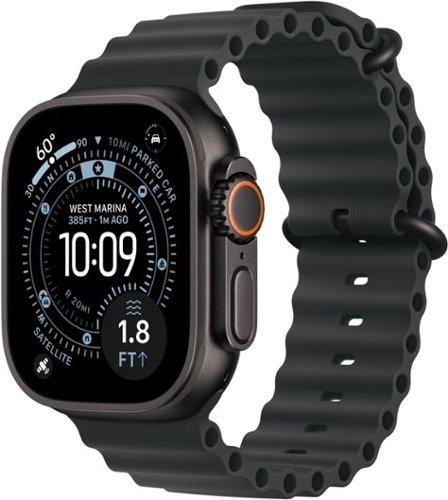
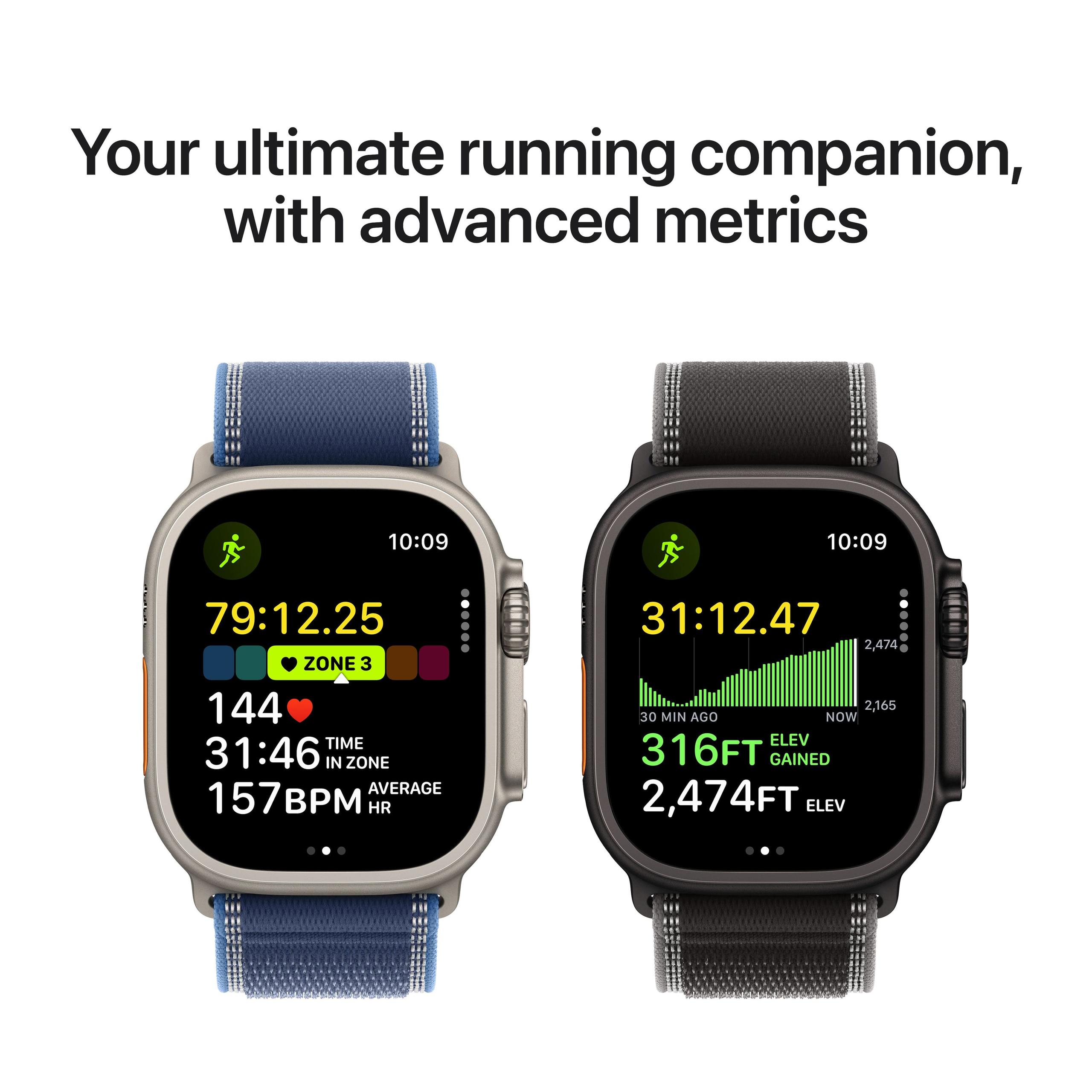
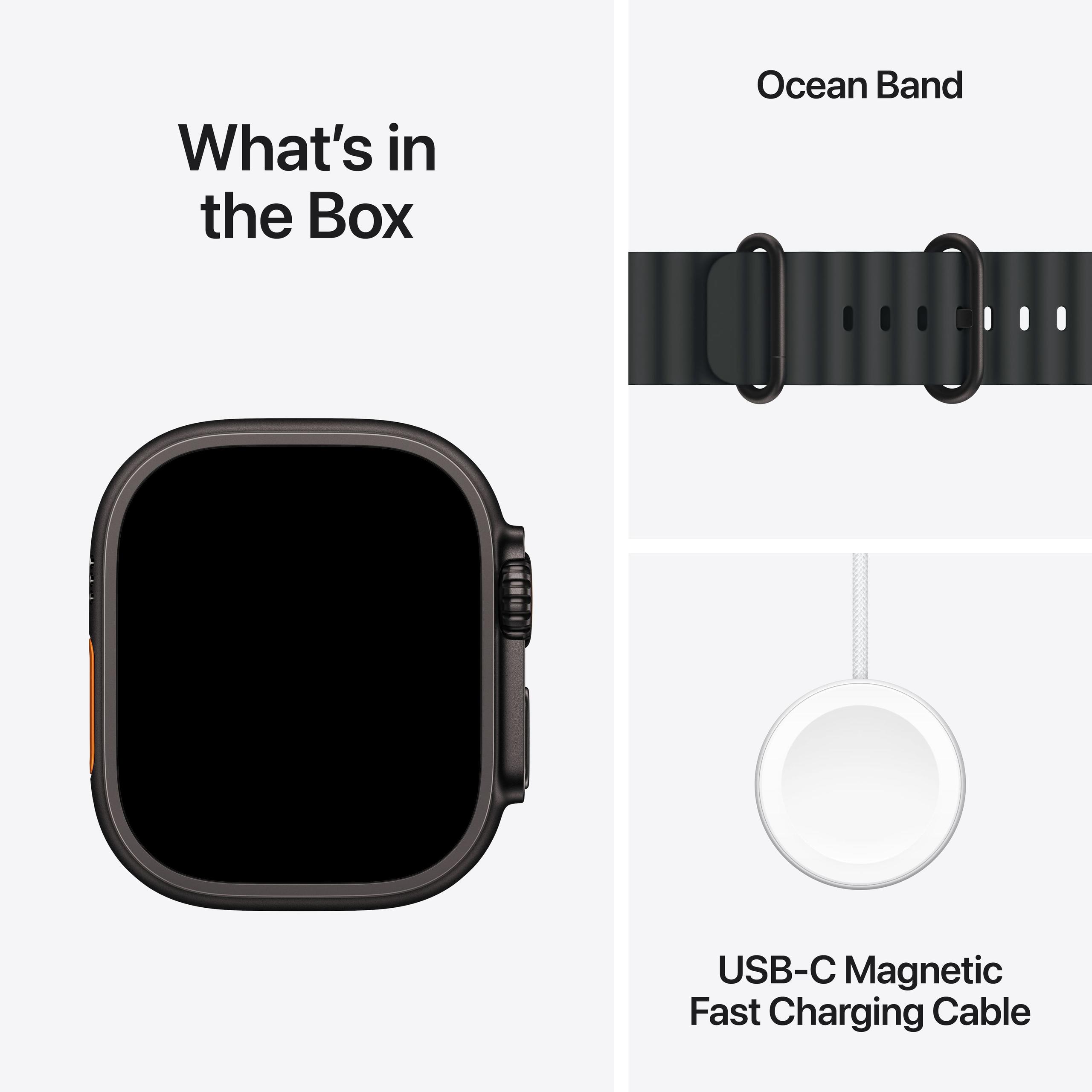
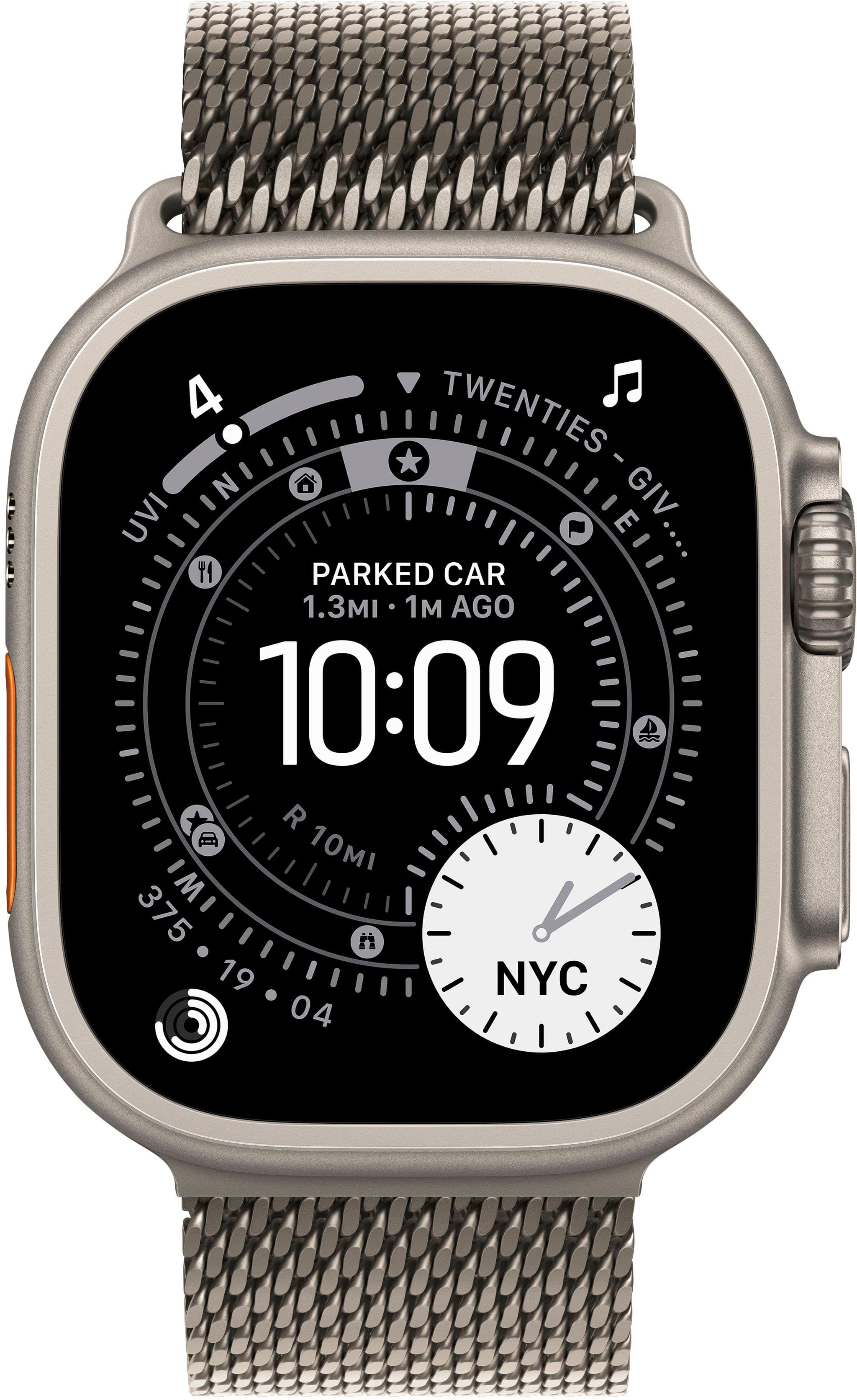
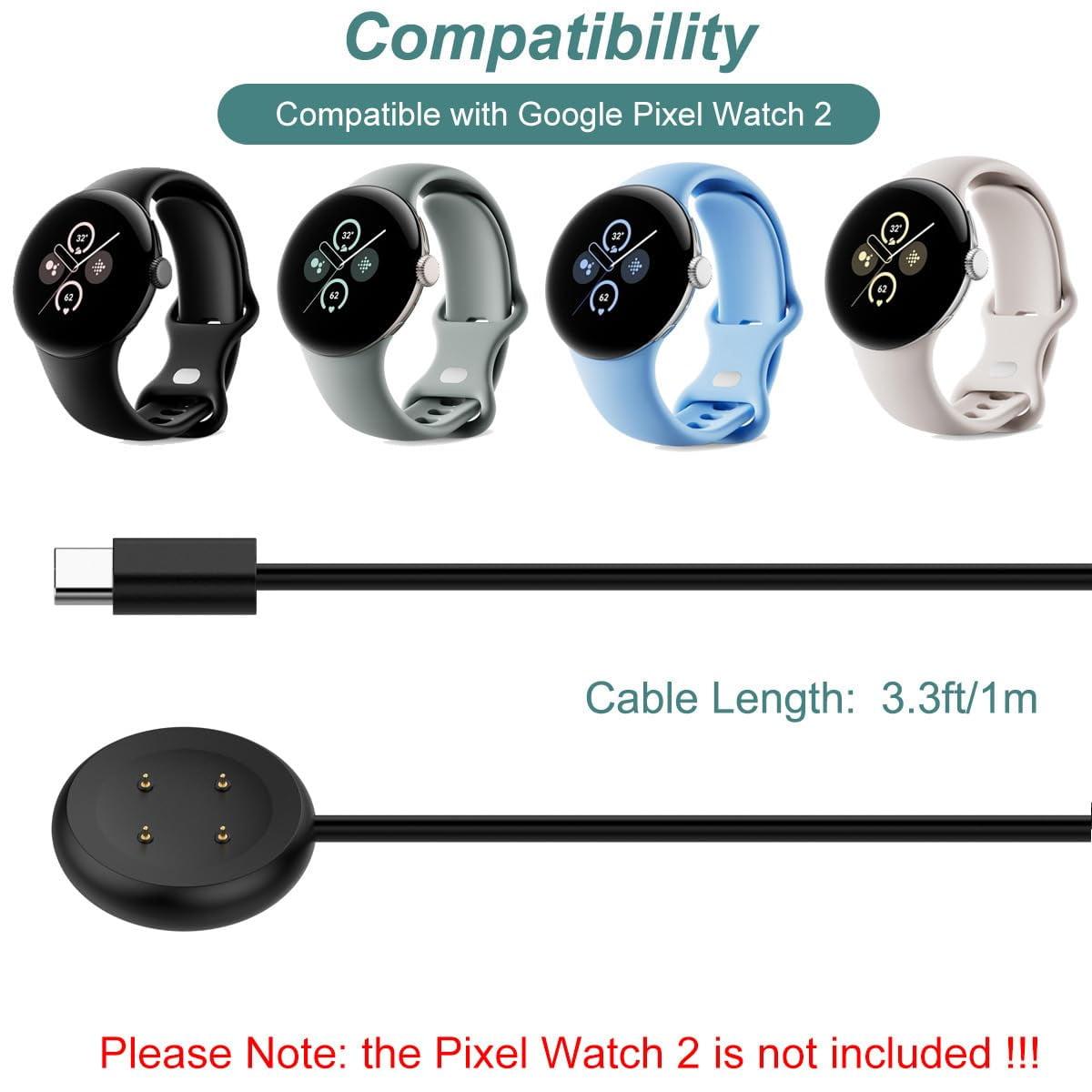
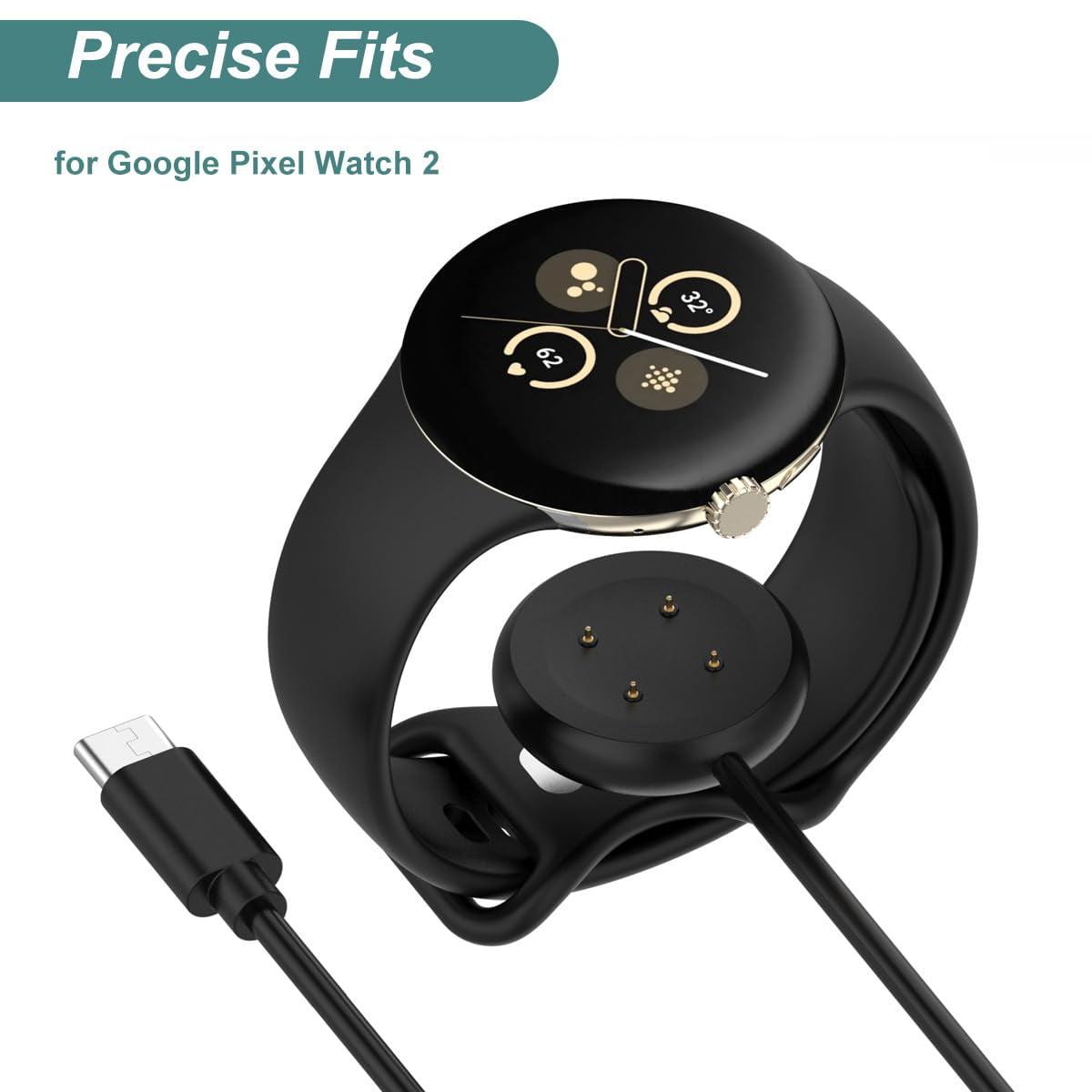
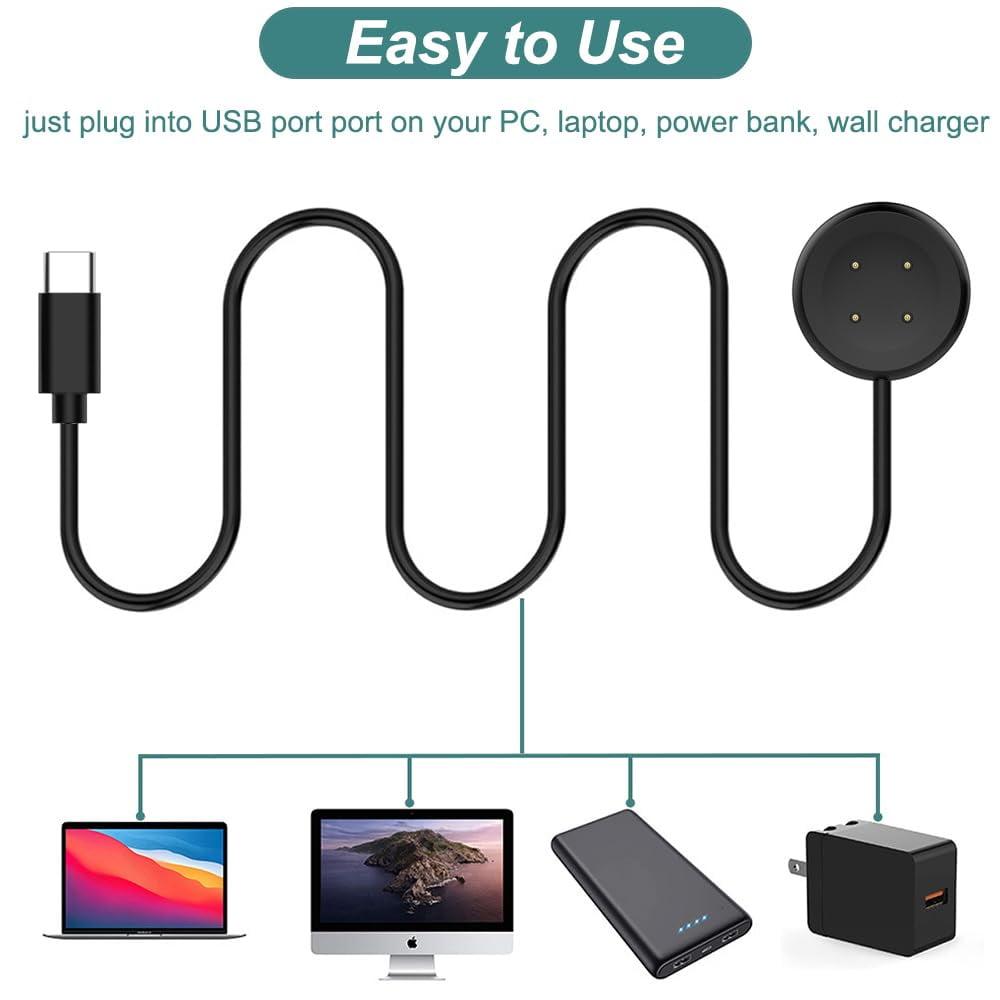
When you're spending serious money on a smartwatch, you want to make sure you're getting the right device for your lifestyle. The premium smartwatch market has evolved dramatically, offering everything from basic fitness tracking to satellite communications that can literally save your life in remote locations. Two standout options represent very different philosophies: the Apple Watch Ultra 3, released in 2025 as Apple's most rugged and capable watch ever, and the Google Pixel Watch 2, which hit the market in 2023 as Google's refined answer to premium Android smartwatches.
Understanding what separates these devices requires looking beyond the spec sheets. The premium smartwatch category focuses on several key areas: ecosystem compatibility (which phone you use determines your options), build quality and durability, battery performance, health tracking accuracy, display visibility in various conditions, and overall value. These aren't just fancy fitness trackers – they're comprehensive health monitors, communication hubs, and in some cases, emergency safety devices.
The Apple Watch Ultra 3 positions itself as the ultimate adventure watch, targeting serious athletes, outdoor enthusiasts, and professionals who need maximum durability and cutting-edge features. At the time of writing, it commands premium pricing that reflects its titanium construction and advanced capabilities like satellite communications. Apple's approach here is simple: build the most capable smartwatch possible, regardless of cost.
The Google Pixel Watch 2, meanwhile, takes a more balanced approach. Released two years earlier, it aims to deliver premium smartwatch experiences for Android users without reaching ultra-premium pricing territory. Google's strategy focuses on tight integration with their ecosystem while leveraging Fitbit's health tracking expertise.
These different philosophies create watches that excel in completely different scenarios, which makes choosing between them more about understanding your specific needs than comparing raw specifications.
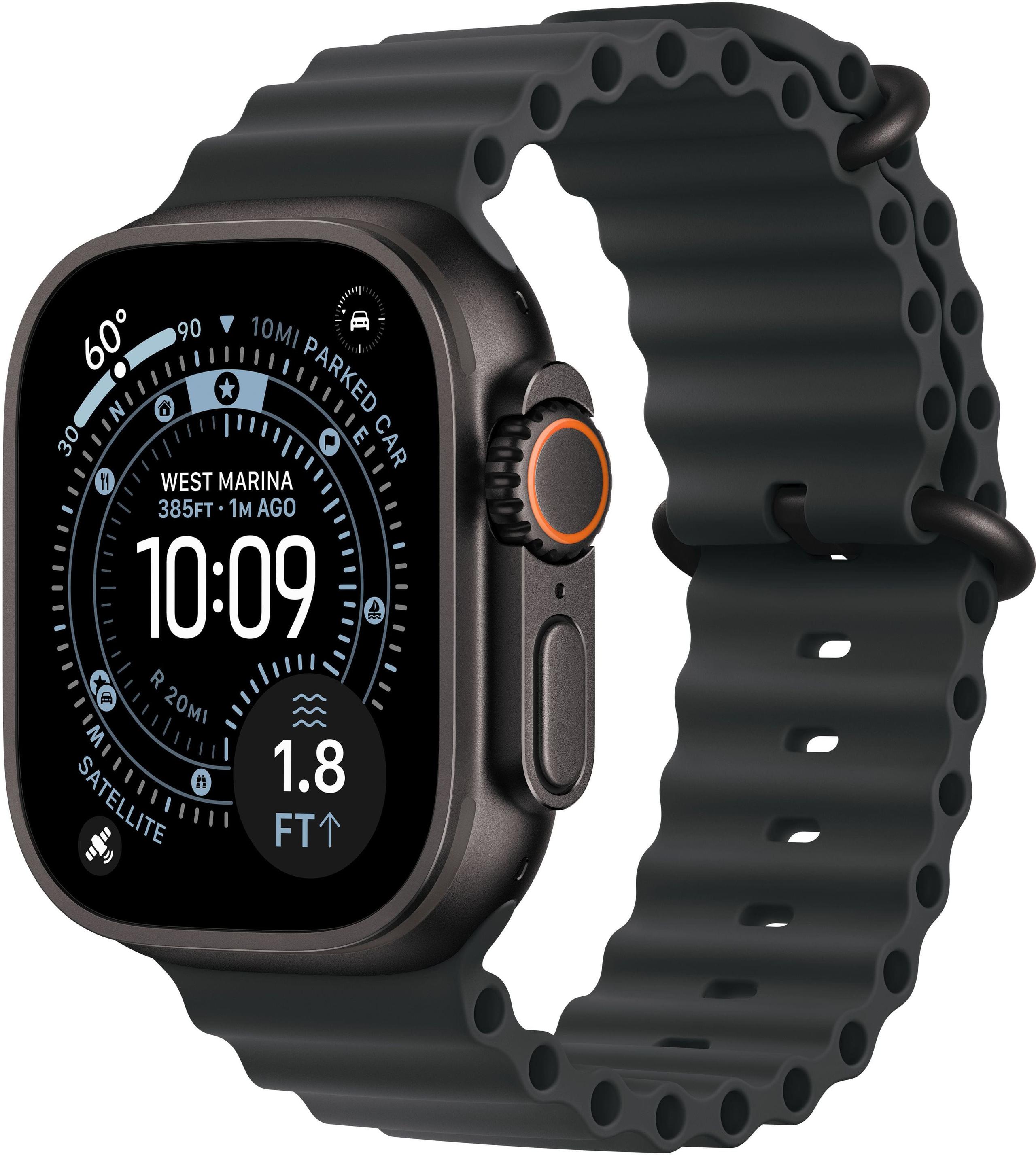
The construction differences between these watches are immediately apparent when you hold them. The Apple Watch Ultra 3 uses aerospace-grade titanium that's actually 3D-printed – a manufacturing process where titanium powder is layered and laser-bonded to create incredibly strong, lightweight structures. This isn't just marketing fluff; titanium offers superior corrosion resistance and strength-to-weight ratio compared to steel or aluminum, which matters if you're planning to wear this watch through years of outdoor adventures.
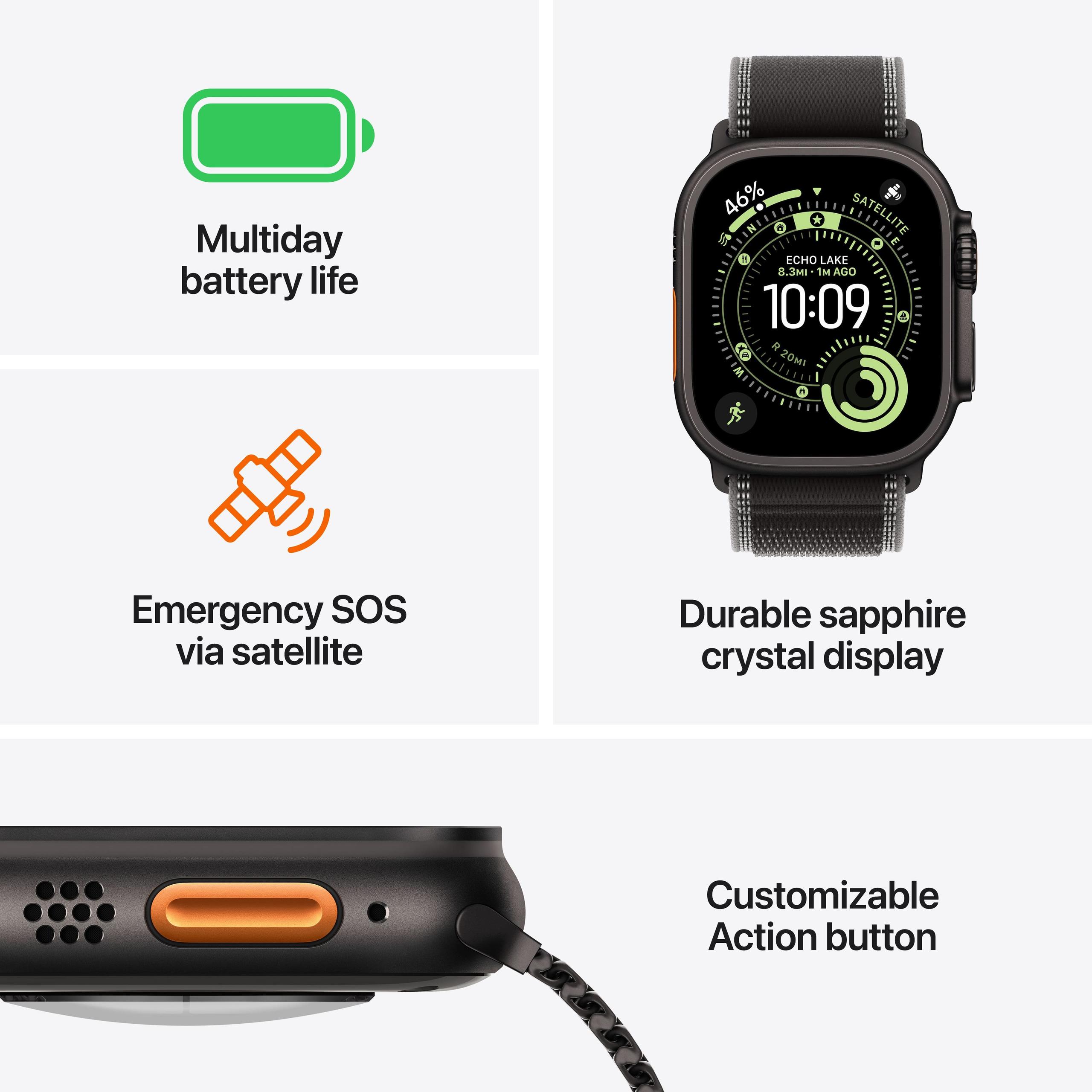
The titanium case is paired with a flat sapphire crystal display, which sits just below diamond on the hardness scale. In practical terms, this means the Ultra 3 will shrug off scratches that would mar other watches. The sapphire crystal also reduces glare compared to curved displays, making it easier to read in bright sunlight.
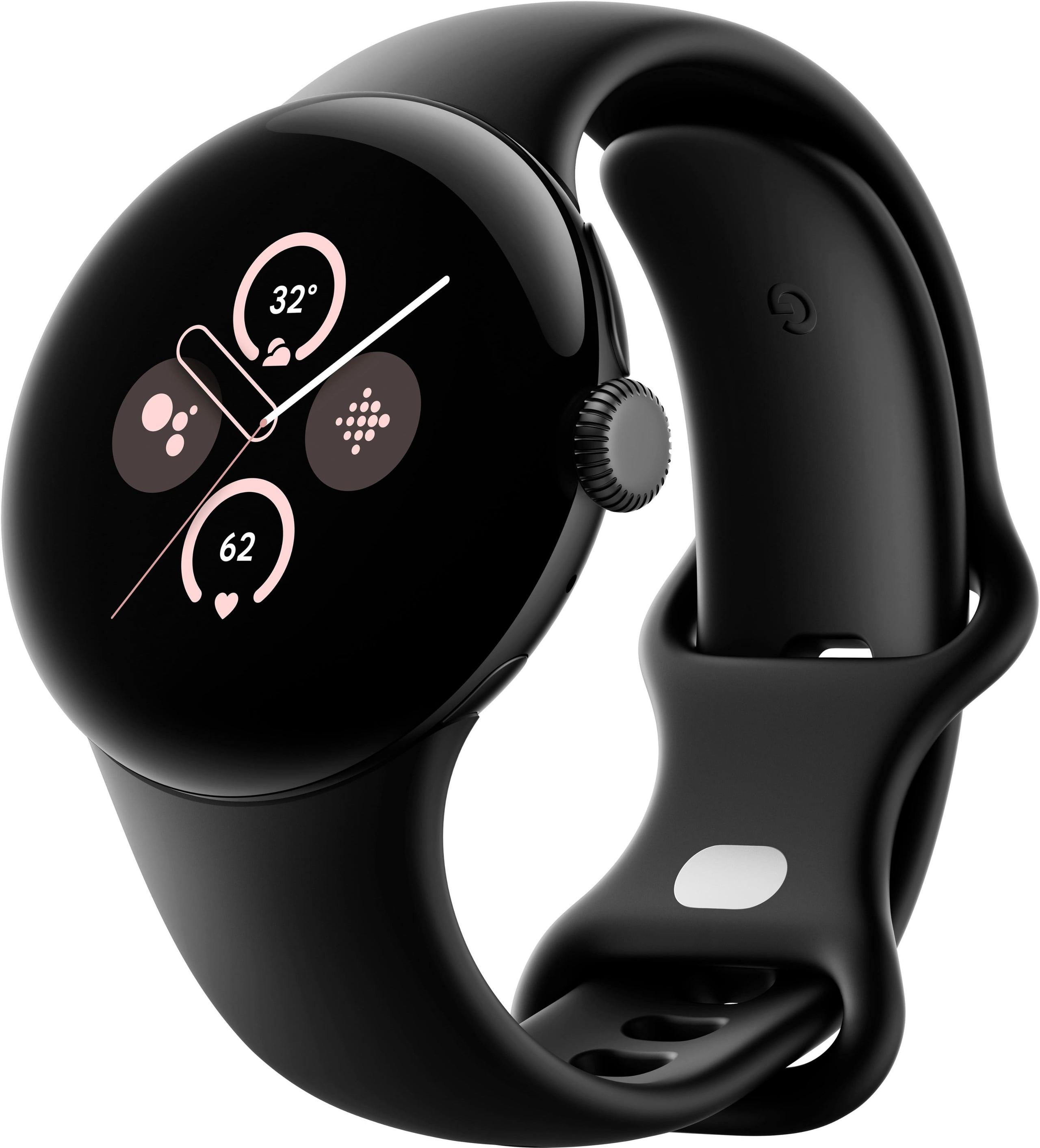
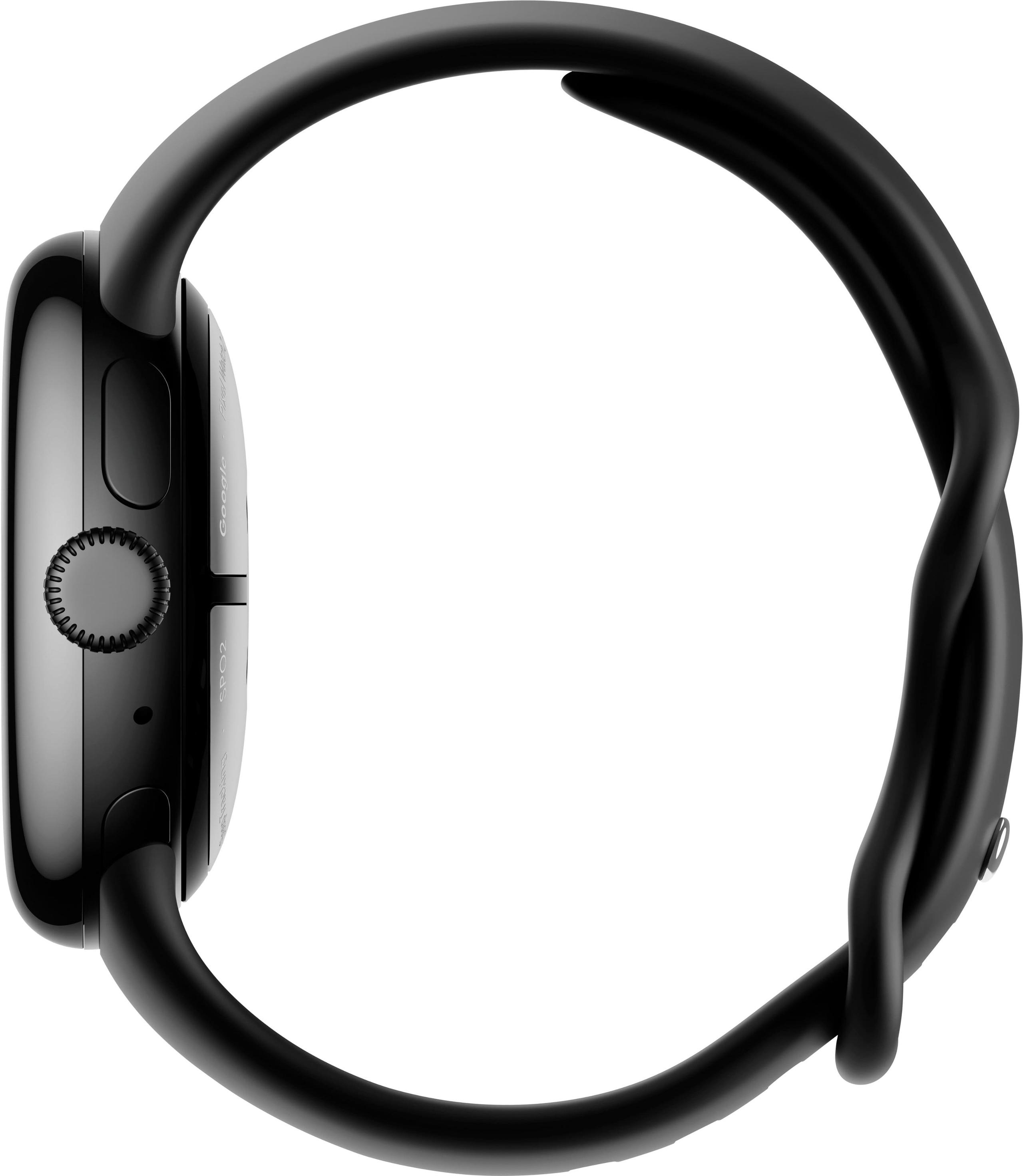
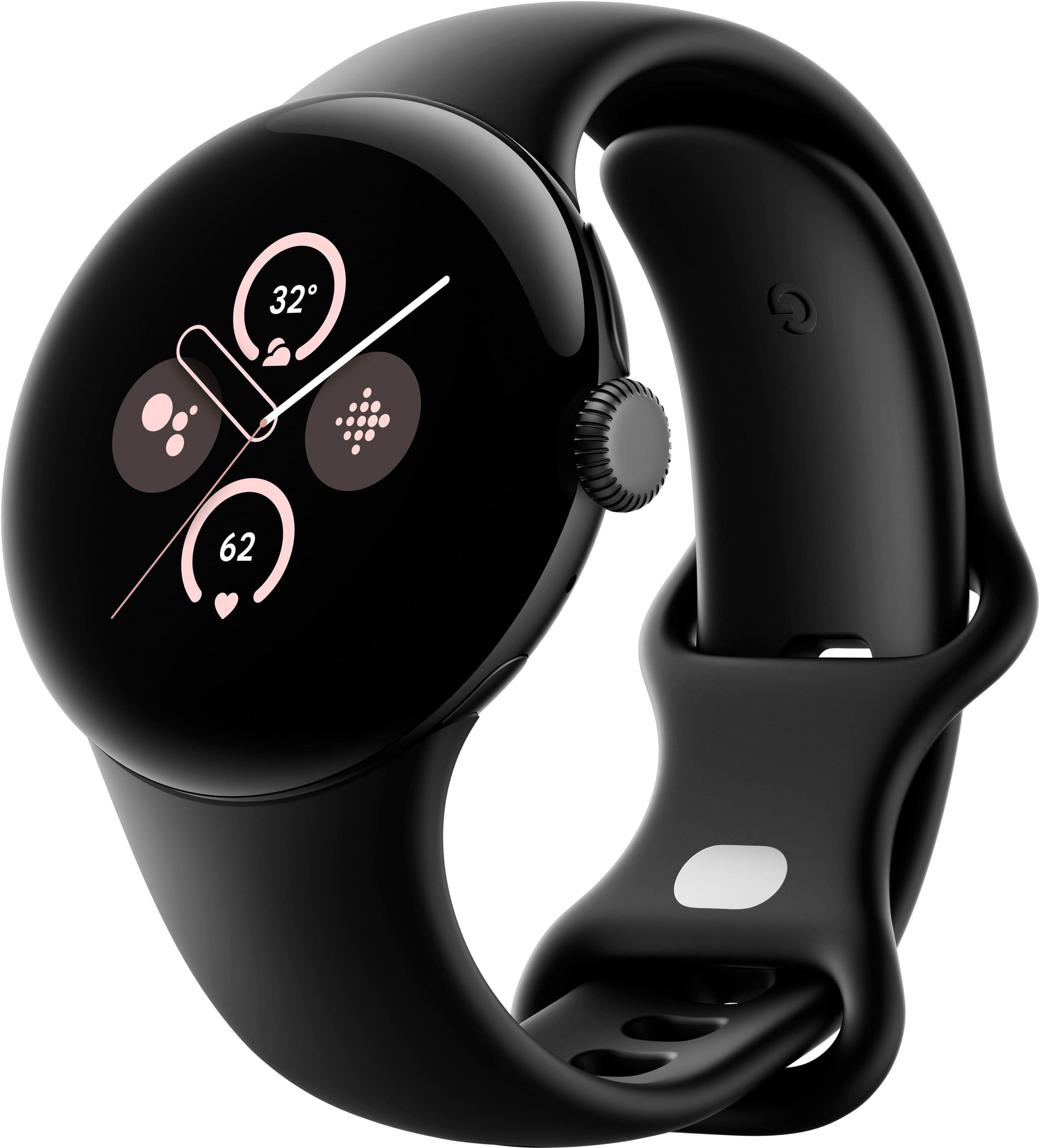
The Pixel Watch 2 uses 100% recycled aluminum construction, which makes it significantly lighter – about half the weight of the Ultra 3. While aluminum isn't as scratch-resistant as titanium, it's still plenty durable for daily wear, and the lighter weight makes it more comfortable for 24/7 use, including sleep tracking. The Gorilla Glass 5 display protection is excellent for normal use, though it won't match sapphire crystal's scratch resistance.
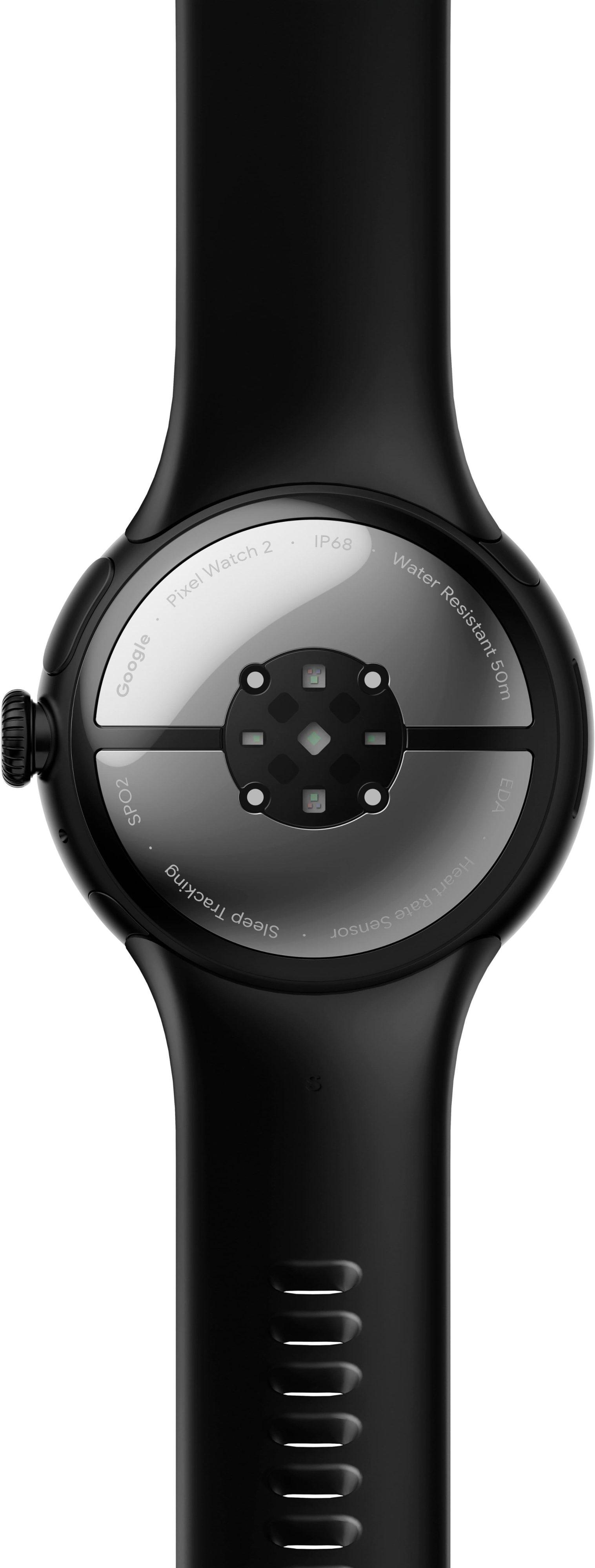
Water resistance tells another story about intended use. The Apple Watch Ultra 3 offers 100-meter water resistance with actual scuba diving certification, including a depth gauge that works to 40 meters. This isn't just "can handle swimming" – it's "take it scuba diving in tropical waters" capable. The Pixel Watch 2 provides 50-meter water resistance, which handles swimming and shallow water sports just fine but isn't designed for serious underwater activities.
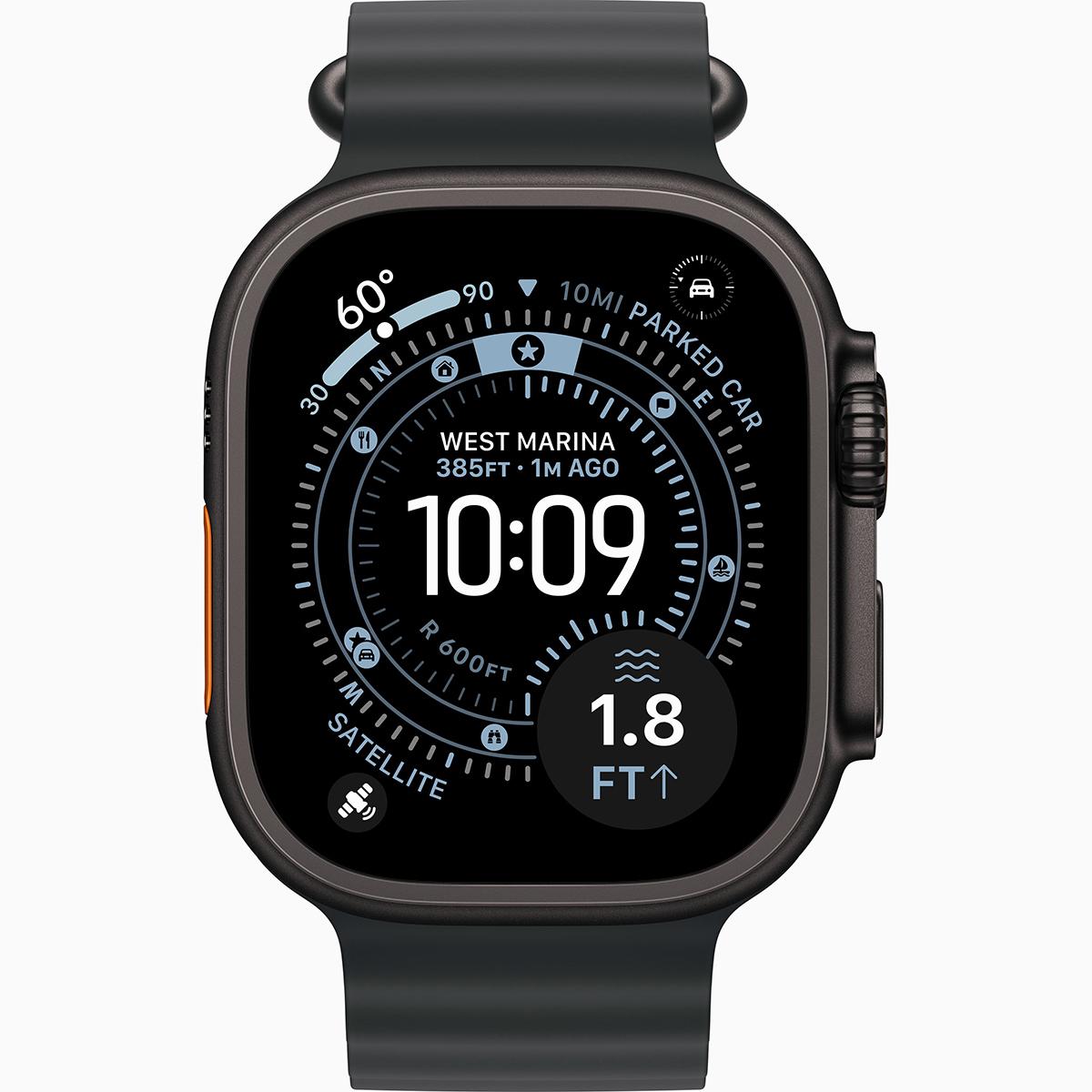
The display differences between these watches reveal their target audiences clearly. The Apple Watch Ultra 3 features a 49mm display that reaches 3,000 nits peak brightness – that's three times brighter than most smartphones and crucially important for outdoor visibility. If you've ever struggled to read your watch screen while hiking in direct sunlight, you'll appreciate this difference immediately.
The display uses LTPO3 (Low-Temperature Polycrystalline Oxide) technology with a variable refresh rate that can drop to 1Hz for always-on display while still showing smooth, real-time complications and even a ticking seconds hand. This technical achievement allows the watch to display live information without constantly draining the battery.
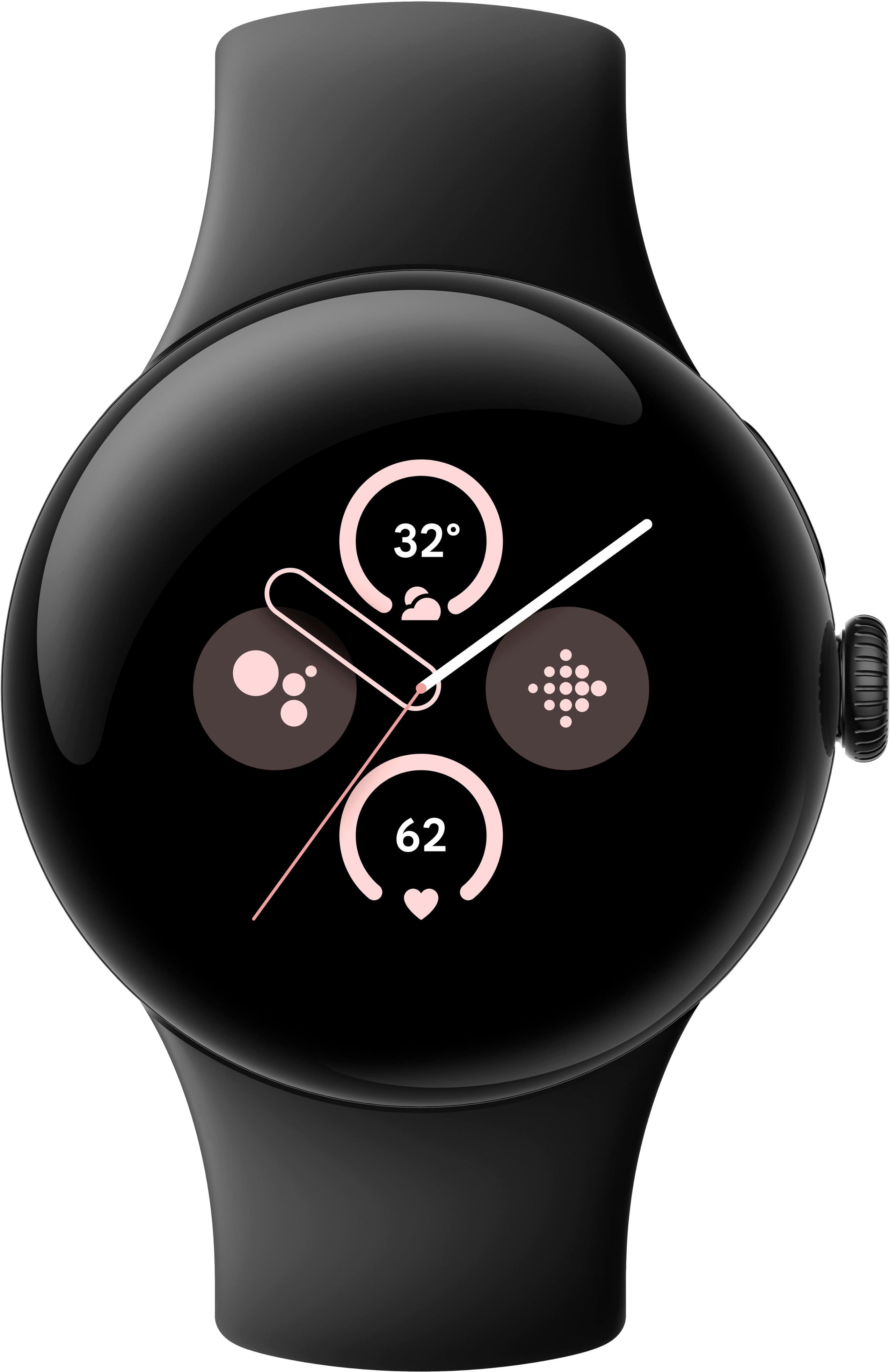
The Pixel Watch 2 offers a 1,000-nit AMOLED display that looks excellent indoors and handles most outdoor conditions well, but won't compete with the Ultra 3 in bright sunlight. The circular 450x450 pixel display provides sharp text and graphics, and the always-on capability works well for checking the time quickly.
Size matters here too. The Ultra 3's 49mm case provides significantly more screen real estate, which helps with readability and allows for more information on screen simultaneously. However, this size won't suit everyone – people with smaller wrists may find it overwhelmingly large. The Pixel Watch 2's 41mm size offers better proportions for most wrists, though it limits how much information can be displayed at once.
Battery performance represents one of the most significant practical differences between these watches. The Apple Watch Ultra 3 delivers up to 42 hours of normal use, extending to 72 hours in Low Power Mode. For GPS-intensive activities like hiking or running, it can maintain tracking for up to 20 hours in Low Power Mode – enough for ultra-marathons or multi-day adventures.
This battery performance comes from a combination of larger physical battery capacity and more efficient processing. The S10 chip includes a 4-core Neural Engine that handles AI tasks locally without constantly connecting to your phone, reducing power consumption while enabling features like on-device Siri processing.
The Pixel Watch 2 typically lasts 24 hours with always-on display enabled, which means nightly charging for most users. While this matches many premium smartwatches, it falls short of the multi-day capability some users want. However, the fast charging partially compensates – you can get several hours of use from a quick 15-minute charge, making it practical to top up during morning routines.
From our research into user experiences, the Ultra 3's extended battery life proves invaluable for outdoor activities and travel, while the Pixel Watch 2's daily charging requirement works fine for typical lifestyle use but can become inconvenient during busy periods or travel.
Health monitoring capabilities reveal interesting strengths in both devices. The Apple Watch Ultra 3 includes comprehensive health sensors: ECG (electrocardiogram) for heart rhythm analysis, Blood Oxygen monitoring, sleep apnea notifications, and new hypertension monitoring that can detect signs of chronic high blood pressure. The precision dual-frequency GPS (L1+L5) provides exceptional location accuracy, even in challenging environments like dense forests or urban canyons where single-frequency GPS struggles.
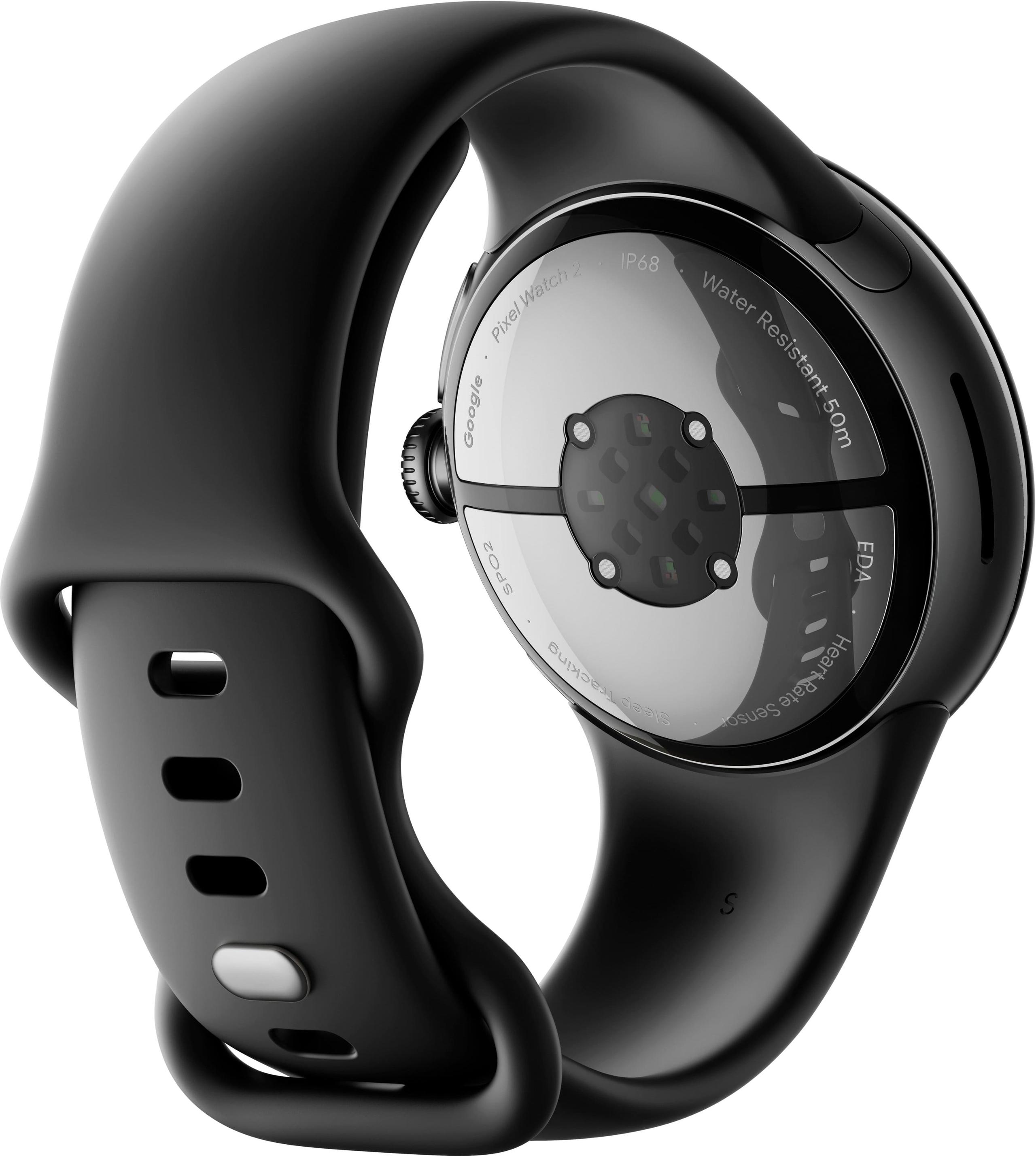
The Pixel Watch 2 introduces a multipath optical heart rate sensor with five photodiodes and five LEDs, delivering significantly more accurate heart rate readings than single-LED systems, especially during high-intensity activities like spinning or HIIT workouts. The continuous electrodermal activity (cEDA) sensor monitors stress by detecting tiny changes in skin conductivity, alerting you when stress levels spike and prompting reflection or action.
Both watches include comprehensive sleep tracking, but their approaches differ. The Ultra 3 provides detailed sleep stage analysis and now includes sleep apnea detection – a potentially life-saving feature for the millions of people with undiagnosed sleep apnea. The Pixel Watch 2 offers excellent sleep insights through Fitbit's proven algorithms, including sleep score calculations and temperature-based tracking.
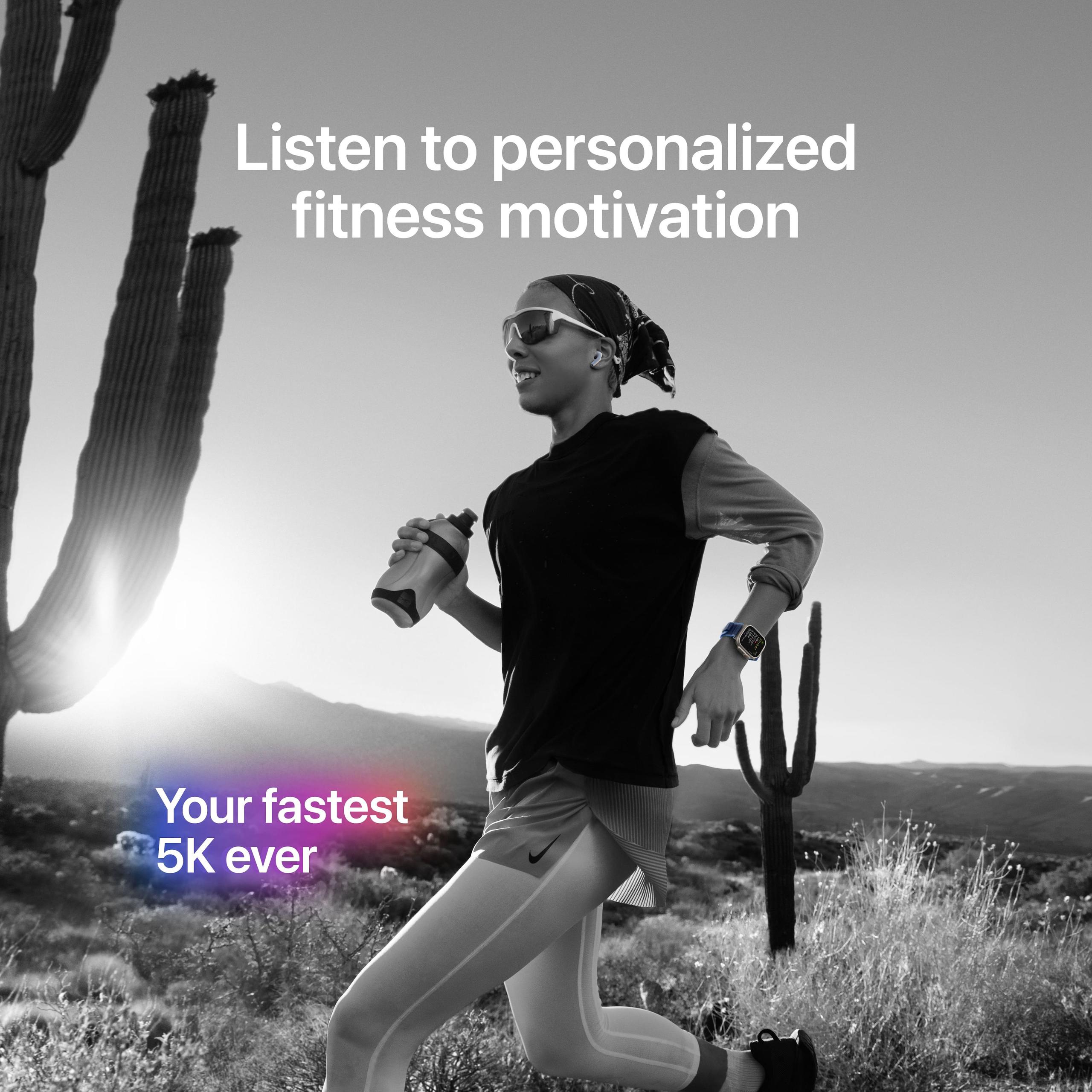
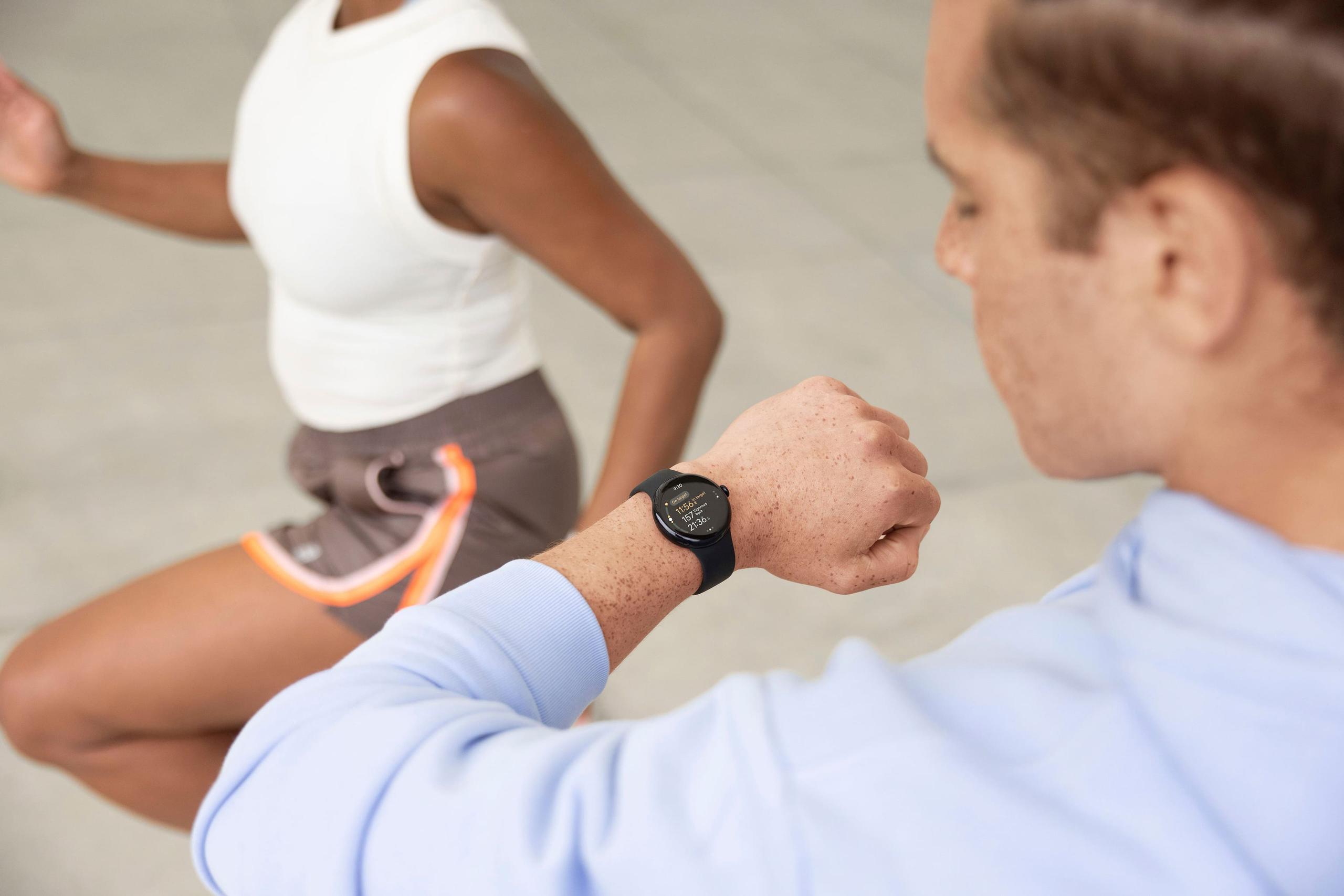
For fitness accuracy, research from user testing and expert reviews suggests both watches perform excellently for mainstream fitness tracking. The Ultra 3 tends to acquire GPS signals faster and maintain more consistent tracking during challenging activities, while the Pixel Watch 2 provides detailed Fitbit-powered insights that many users find motivating and actionable.
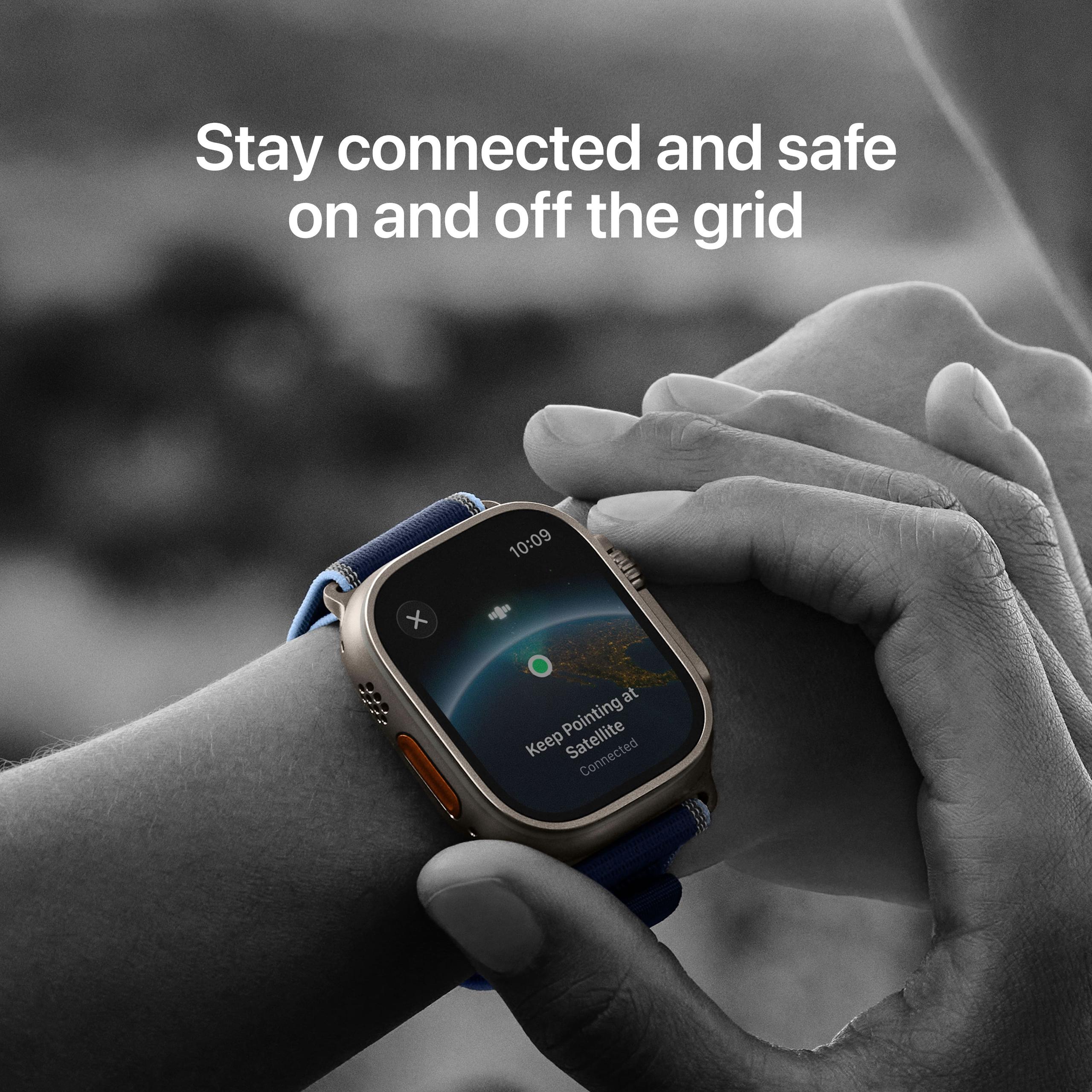
The smart features divide clearly along ecosystem lines, but with some remarkable innovations. The Apple Watch Ultra 3 introduces two-way satellite communications – an industry first for smartwatches. This means you can send and receive messages, share your location, and access Emergency SOS even when completely out of cellular range. For outdoor enthusiasts, this feature alone can justify the premium pricing, potentially saving your life during emergencies in remote locations.
The satellite feature works alongside traditional connectivity options including 5G cellular (using RedCap technology for improved efficiency), Wi-Fi, and Bluetooth. The dual-antenna system improves reception in marginal signal areas, important when you're relying on the watch for communication in challenging environments.
The Pixel Watch 2 excels in Google ecosystem integration, offering optimized versions of Gmail, Calendar, Google Maps, and Google Assistant. The Wear OS 4 experience feels more refined than previous Google watch attempts, with smooth navigation and reliable app performance. Safety features include Safety Check (automatically contacts emergency contacts if you don't check in after a set time) and comprehensive emergency information sharing.
Both watches support contactless payments, music storage and playback, and comprehensive notification management, but the execution differs based on your phone's ecosystem.
Value assessment requires considering not just initial cost but long-term usefulness and feature access. The Apple Watch Ultra 3, while commanding premium pricing at the time of writing, includes all health features without subscription requirements. The satellite communications, titanium construction, and multi-day battery life provide tangible daily benefits that can justify the investment for the right user.
The Pixel Watch 2 offers strong value in the premium Android smartwatch space, providing flagship features at more accessible pricing. However, accessing advanced Fitbit analytics requires a Premium subscription after the initial free trial period, which adds ongoing costs that should factor into long-term value calculations.
The Apple Watch Ultra 3 excels for specific use cases where its premium features provide real value. Outdoor professionals, serious athletes training for endurance events, and anyone who regularly ventures into areas with poor cellular coverage will benefit significantly from the satellite communications and extended battery life. The superior water resistance makes it ideal for water sports enthusiasts and professional divers.
The build quality investment makes sense if you're hard on devices or want a watch that will look and function excellently for many years. The larger display benefits users who need to read detailed information quickly or prefer larger text for accessibility reasons.
The Pixel Watch 2 suits Android users who want a premium smartwatch experience focused on daily health tracking and Google ecosystem integration. It's particularly appealing for users prioritizing comfort during 24/7 wear, including sleep tracking. The lighter weight and smaller size work better for office environments and users with smaller wrists.
The Fitbit integration provides excellent motivation and insights for users starting or maintaining fitness routines, with social features and challenges that many find engaging.
Your smartphone determines the basic choice – iPhone users can only use the Apple Watch Ultra 3, while Android users need the Pixel Watch 2. Beyond that fundamental compatibility requirement, consider your primary use cases.
Choose the Apple Watch Ultra 3 if you regularly engage in outdoor activities where satellite communications provide safety benefits, need maximum battery life for multi-day adventures, or want the most durable construction available. The premium pricing makes sense if these features align with your lifestyle and safety requirements.
The Pixel Watch 2 works better for users focused on daily health tracking, Google ecosystem integration, and comfortable all-day wear. The more accessible pricing (at the time of writing) provides excellent value for mainstream smartwatch features without the ultra-premium cost.
Both watches represent mature, capable platforms that have evolved significantly since their release years. The Ultra 3 builds on Apple's years of health sensor development and watchOS refinement, while the Pixel Watch 2 benefits from Google's improved Wear OS and deep Fitbit integration acquired through their 2021 purchase of the fitness company.
Consider your daily routine, activity level, and budget tolerance. If you need satellite communications, extreme durability, or multi-day battery life, the Ultra 3 provides unique capabilities worth the premium. If you want excellent health tracking, Google integration, and comfortable daily wear at more accessible pricing, the Pixel Watch 2 delivers solid value in the premium Android smartwatch space.
The smartwatch market continues evolving rapidly, but both devices represent current peaks in their respective categories, offering different but compelling approaches to premium wearable technology.
| Apple Watch Ultra 3 49mm Titanium GPS Cellular | Google Pixel Watch 2 Smartwatch |
|---|---|
| Release Year & Platform - Determines compatibility and feature maturity | |
| 2025 release, iOS only (requires iPhone) | 2023 release, Android only (requires Android 9.0+) |
| Case Size & Weight - Affects comfort and wrist fit | |
| 49mm titanium, 61.6g (large, premium materials) | 41mm aluminum, 31g (compact, lightweight for all-day wear) |
| Display Brightness - Critical for outdoor visibility | |
| 3,000 nits peak (exceptional sunlight readability) | 1,000 nits (good indoors, adequate outdoors) |
| Battery Life - Determines charging frequency | |
| 42 hours normal, 72 hours Low Power Mode | 24 hours with always-on display (daily charging required) |
| Water Resistance - Determines water activity suitability | |
| 100m with scuba diving certification | 50m (swimming and shallow water sports only) |
| Build Materials - Affects durability and scratch resistance | |
| 3D-printed titanium case, sapphire crystal display | 100% recycled aluminum case, Gorilla Glass 5 |
| Storage Capacity - For apps, music, and offline content | |
| 64GB | 32GB with 2GB RAM |
| Unique Standout Feature - What sets each apart | |
| Two-way satellite communications (industry first) | Multipath heart rate sensor with cEDA stress monitoring |
| GPS Accuracy - Important for fitness and navigation | |
| Precision dual-frequency GPS (L1+L5) | Standard GPS with GLONASS, BeiDou, Galileo support |
| Health Monitoring Approach - Different philosophies | |
| Comprehensive Apple Health integration, sleep apnea detection | Deep Fitbit integration with Premium subscription features |
| Connectivity Options - Affects standalone functionality | |
| 5G RedCap, satellite, Bluetooth, Wi-Fi | 4G LTE (select models), Bluetooth 5.0, Wi-Fi |
| Target User & Value Proposition | |
| Outdoor enthusiasts, extreme athletes, premium durability seekers | Android users wanting balanced premium features at accessible pricing |
The Apple Watch Ultra 3 is the only option for iPhone users, as it requires iOS for full functionality. The Google Pixel Watch 2 is designed exclusively for Android devices and won't work with iPhones. Apple's ecosystem integration provides seamless connectivity with iPhone features like Messages, Siri, and Apple Pay.
Android users should choose the Google Pixel Watch 2, as it's specifically designed for Android integration with Google services like Gmail, Calendar, and Google Assistant. The Apple Watch Ultra 3 is incompatible with Android phones and requires an iPhone to function.
The Apple Watch Ultra 3 offers significantly longer battery life with up to 42 hours of normal use and 72 hours in Low Power Mode. The Google Pixel Watch 2 provides 24 hours of battery life with always-on display, requiring daily charging. For multi-day adventures or travel, the Ultra 3's extended battery life is a major advantage.
The Apple Watch Ultra 3 is more durable with its 3D-printed titanium construction, sapphire crystal display, and 100-meter water resistance with scuba diving certification. The Google Pixel Watch 2 uses aluminum construction with Gorilla Glass 5 and 50-meter water resistance, making it durable for daily use but not as rugged as the Ultra 3.
The Apple Watch Ultra 3 excels for outdoor activities with satellite communications, precision dual-frequency GPS, 100-meter water resistance, and multi-day battery life. It includes features like depth gauge, altimeter, and compass designed for extreme environments. The Pixel Watch 2 handles basic outdoor activities well but lacks the specialized features for serious adventurers.
Both watches offer excellent health tracking with different strengths. The Apple Watch Ultra 3 provides comprehensive health monitoring including ECG, blood oxygen, sleep apnea detection, and hypertension monitoring. The Google Pixel Watch 2 features advanced heart rate tracking with its multipath sensor and stress monitoring through Fitbit integration, though some premium features require a subscription.
The Google Pixel Watch 2 is more comfortable for extended wear due to its lighter weight (31g vs 61.6g) and smaller 41mm size that fits most wrists well. The Apple Watch Ultra 3 is larger and heavier, designed for durability rather than lightweight comfort, which may feel bulky for some users during 24/7 wear.
The Apple Watch Ultra 3 has a superior display with 3,000 nits peak brightness for exceptional outdoor visibility and a larger screen area. The Google Pixel Watch 2 offers a quality AMOLED display with 1,000 nits brightness that works well indoors and in moderate lighting conditions, but won't match the Ultra 3's sunlight readability.
Value depends on your needs and budget. The Google Pixel Watch 2 typically offers better value for mainstream users wanting premium smartwatch features without ultra-premium pricing. The Apple Watch Ultra 3 provides exceptional value for users who need its specialized features like satellite communications, extreme durability, and multi-day battery life.
Both excel at fitness tracking with different approaches. The Apple Watch Ultra 3 offers precision GPS, comprehensive workout modes, and training metrics for serious athletes. The Google Pixel Watch 2 provides excellent fitness tracking through Fitbit integration with detailed analytics, social features, and automatic workout detection, making it great for motivation and lifestyle fitness.
The Apple Watch Ultra 3 offers 64GB of storage compared to the Google Pixel Watch 2's 32GB, providing more space for apps, music, and offline content. This extra storage is particularly useful for users who want to store large music libraries or many apps directly on their watch for standalone use.
Choose the Apple Watch Ultra 3 if you have an iPhone, need satellite communications, engage in extreme outdoor activities, or want maximum durability and battery life. Select the Google Pixel Watch 2 if you use Android, prioritize comfortable all-day wear, want excellent health tracking with Fitbit integration, or prefer more accessible premium pricing for everyday smartwatch features.
We've done our best to create useful and informative comparisons to help you decide what product to buy. Our research uses advanced automated methods to create this comparison and perfection is not possible - please contact us for corrections or questions. These are the sites we've researched in the creation of this article: youtube.com - dcrainmaker.com - youtube.com - phonearena.com - tomsguide.com - applevis.com - apple.com - apple.com - apple.com - apple.com - bestbuy.com - apple.com - macobserver.com - costco.com - apple.com - apple.com - youtube.com - t-mobile.com - verizon.com - att.com - tomsguide.com - tomsguide.com - tomsguide.com - phonearena.com - smartwatch-straps.co.uk - youtube.com - 6monthslater.net - petematheson.com - support.google.com - wareable.com - versus.com - verizon.com - youtube.com - youtube.com - androidpolice.com - techgearlab.com - wareable.com - androidcentral.com - blog.google - support.google.com - youtube.com - en.wikipedia.org - store.google.com - gsmarena.com - fi.google.com

Privacy Policy
Terms and Conditions - Affiliate Policy
Home Security
© Copyright 2008-2026.
11816 Inwood Rd #1211, Dallas, TX 75244